
The 20 warehouse organization ideas for maximum productivity range from optimizing vertical space and floor plans to implementing digital inventory tracking and automated workflows. Many B2B operations suffer from cluttered floors and misplaced stock, which leads to frustrated employees and delayed shipments. This chaos isn’t just an eyesore; it’s a drain on the bottom line that increases labor hours and safety hazards. By implementing strategic warehouse ideas based on industry-leading practices, you can transform your facility into a high-performance asset.
How can layout optimize these warehouse ideas?
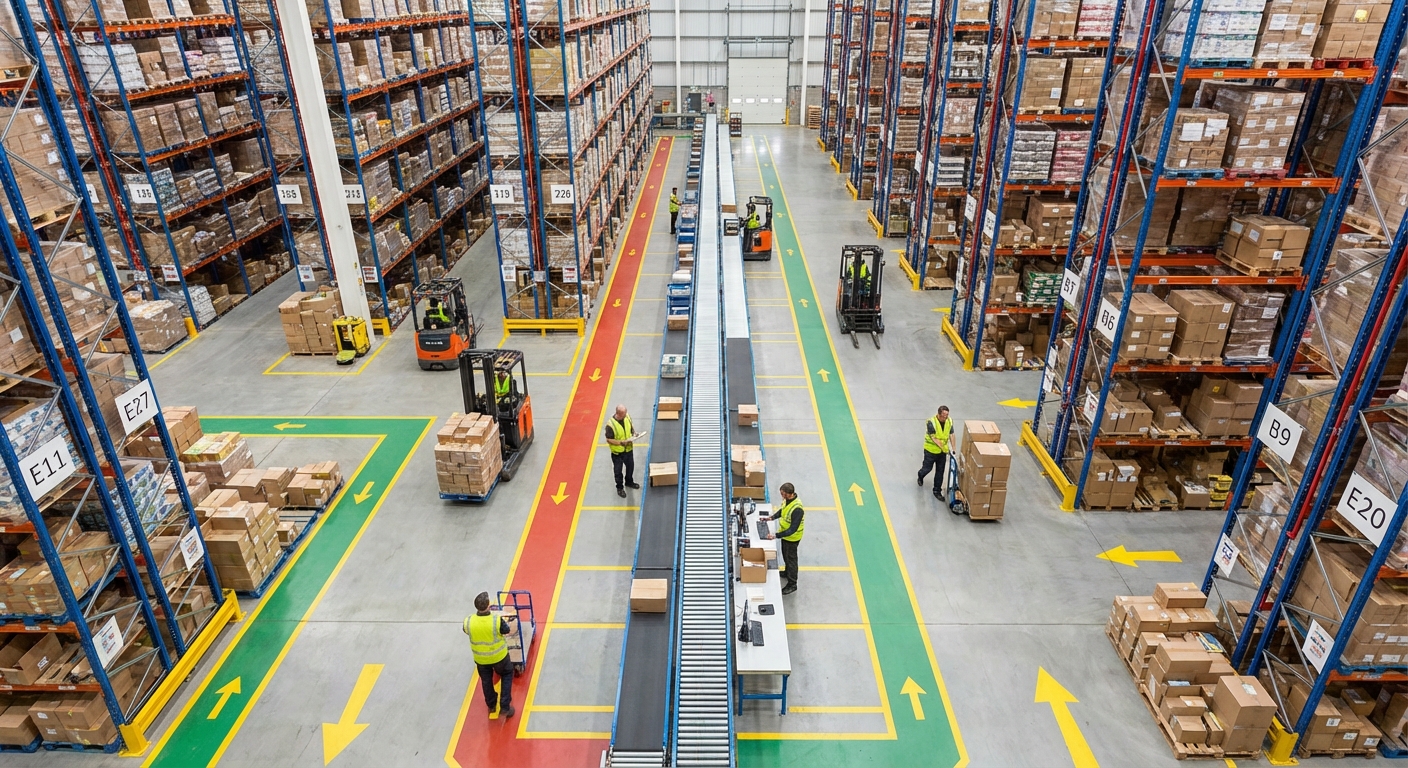
Creating an intuitive floor plan optimizes warehouse ideas by minimizing travel time and ensuring logical product placement. When you integrate these warehouse ideas into your design, every square foot becomes a tool for efficiency rather than a bottleneck. For those planning a new facility, a professional steel structure warehouse provides the necessary clear-span space to execute these layouts without internal structural interference.
Does a clear floor plan reduce labor?
A clear floor plan is the foundation of a productive facility. By grouping products by category and demand, you ensure that your staff doesn’t waste hours wandering through aisles.
But that’s not all…
- Logical grouping of SKUs.
- Defined paths for foot traffic.
- Clear ingress and egress points.
Why is high-turnover proximity vital?
Placing high-turnover items closer to the main shipping aisles significantly reduces the fulfillment cycle. This simple shift in placement ensures that the most active stock moves the shortest distance.
Think about it:
- Faster order processing.
- Reduced wear on equipment.
- Lower physical strain on workers.
Key Takeaway: A smart layout is a roadmap for productivity that ensures every movement is purposeful.
| Strategy | Impact | Benefit | |
|---|---|---|---|
| Floor Planning | High | Reduced travel time | |
| Proximity Logic | Extreme | Faster picking cycles |
The strategic placement of goods according to their movement frequency is the most direct way to lower operational overhead.
Why is verticality key for warehouse ideas?
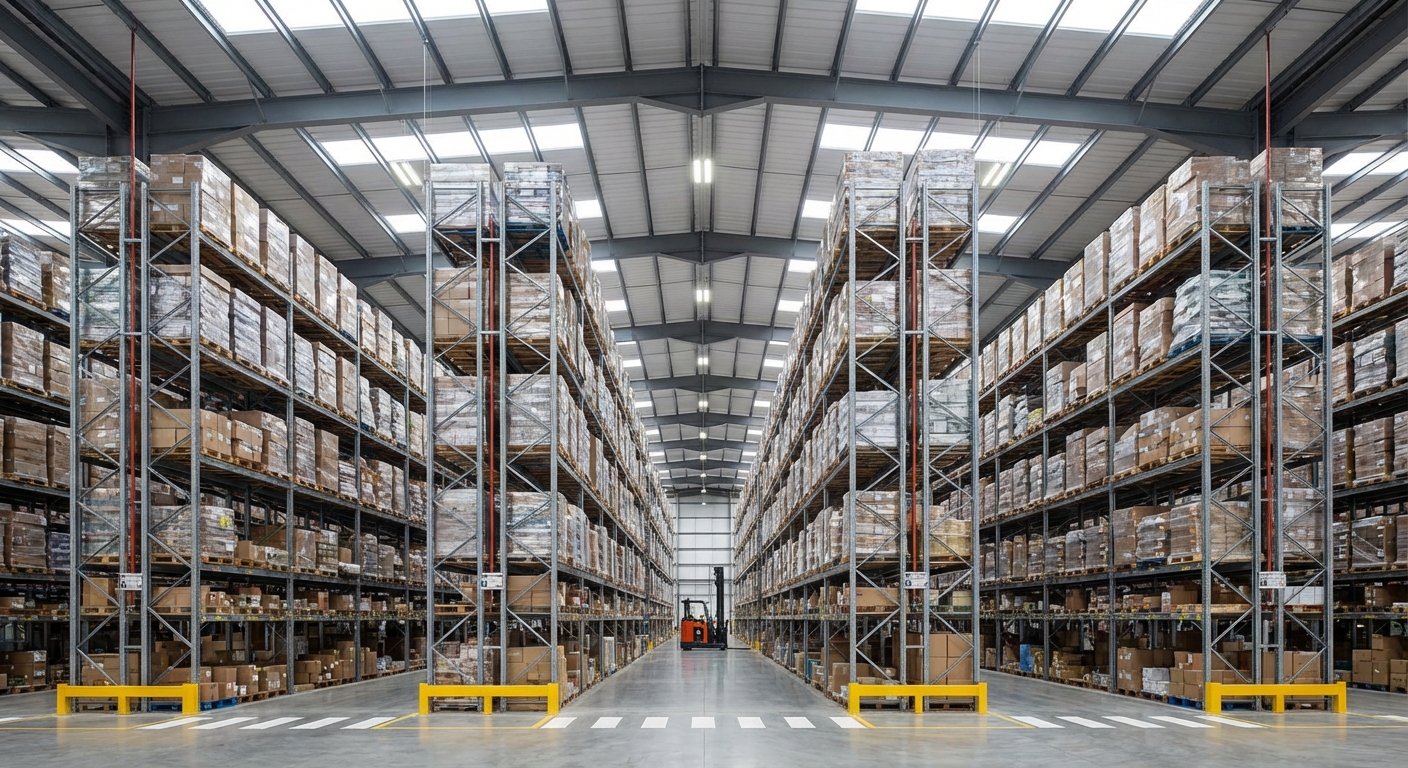
Verticality is key because it allows you to expand your storage density without increasing the physical footprint of your building. Leveraging warehouse ideas that focus on “the cube” of the building turns dead air into valuable inventory space. This is especially critical for a specialized aircraft hangar or storage facility where ground space is at a premium.
How do pallet racks maximize space?
Pallet racks provide the structural integrity needed to stack heavy goods safely toward the ceiling. They facilitate easier scanning and better organization of bulk items that would otherwise clutter the main floor.
Wait, there’s more:
- Heavy-duty storage capacity.
- Improved pallet accessibility.
- Enhanced structural safety.
Can adjustable racks handle seasonal shifts?
The ability to modify shelf heights is crucial for adapting to a changing inventory mix. Adjustable racks ensure that you aren’t wasting vertical space on smaller items during low-volume seasons.
The best part?
- Quick reconfiguration for new SKUs.
- Elimination of wasted vertical gaps.
- Versatility for varied pallet sizes.
Key Takeaway: High-density vertical storage maximizes the utility of every cubic meter of your facility.
| Equipment | Function | Advantage | |
|---|---|---|---|
| Pallet Racks | Bulk Storage | Safe high-density stacking | |
| Adjustable Shelving | Flex Storage | Seasonal adaptability |
Utilizing verticality effectively can double or triple your storage capacity without requiring a building expansion.
Which tech tools drive these warehouse ideas?
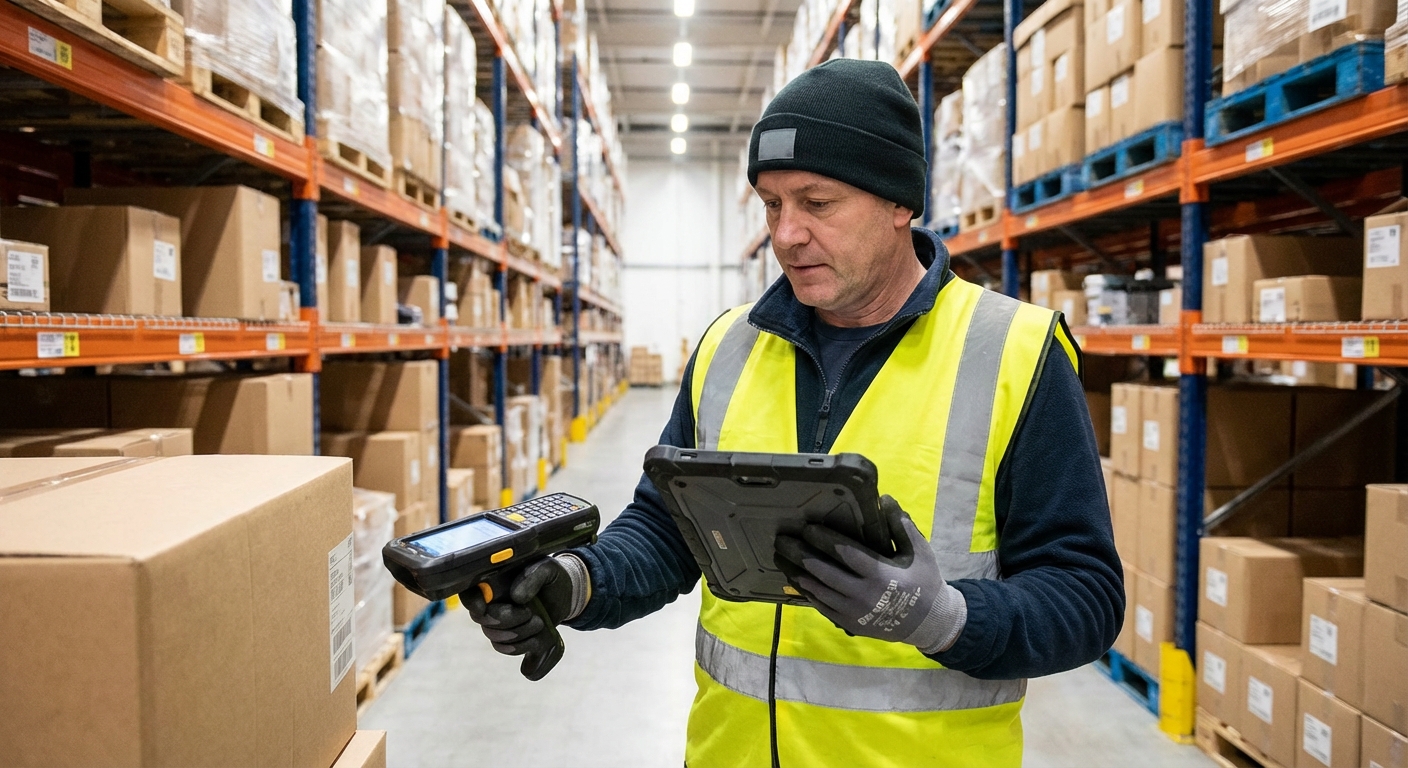
Modern efficiency is driven by software and hardware tools that eliminate manual entry and reduce human error. Integrating these warehouse ideas allows you to maintain real-time visibility over every pallet and parcel. Tech integration acts as the brain of your operation, coordinating complex movements with high-speed precision.
Why is automation software necessary?
Warehouse Management Systems (WMS) handle tasks like order routing and data entry automatically. This software reduces the reliance on manual paperwork and ensures that data remains accurate across the entire supply chain.
Here is the kicker:
- 99% reduction in data entry errors.
- Real-time stock visibility.
- Seamless order tracking.
Does labeling everything speed up picking?
Clear, scannable labels on every shelf, bin, and rack are non-negotiable for modern efficiency. This allows employees to locate items instantly, eliminating the guesswork that often leads to discrepancies.
You might be wondering:
- Simplified training for new hires.
- Instant location confirmation via scan.
- Reduction in mispicked orders.
Key Takeaway: Technology removes the manual burden from your team, allowing them to focus on high-value fulfillment tasks.
| Tech Tool | Primary Use | ROI Factor | |
|---|---|---|---|
| WMS Software | Process Control | Lower labor costs | |
| Barcode Scanners | Data Accuracy | Fewer shipping errors |
Investing in tech tools ensures that your organizational efforts are backed by reliable, real-time data.
How does ABC analysis impact warehouse ideas?
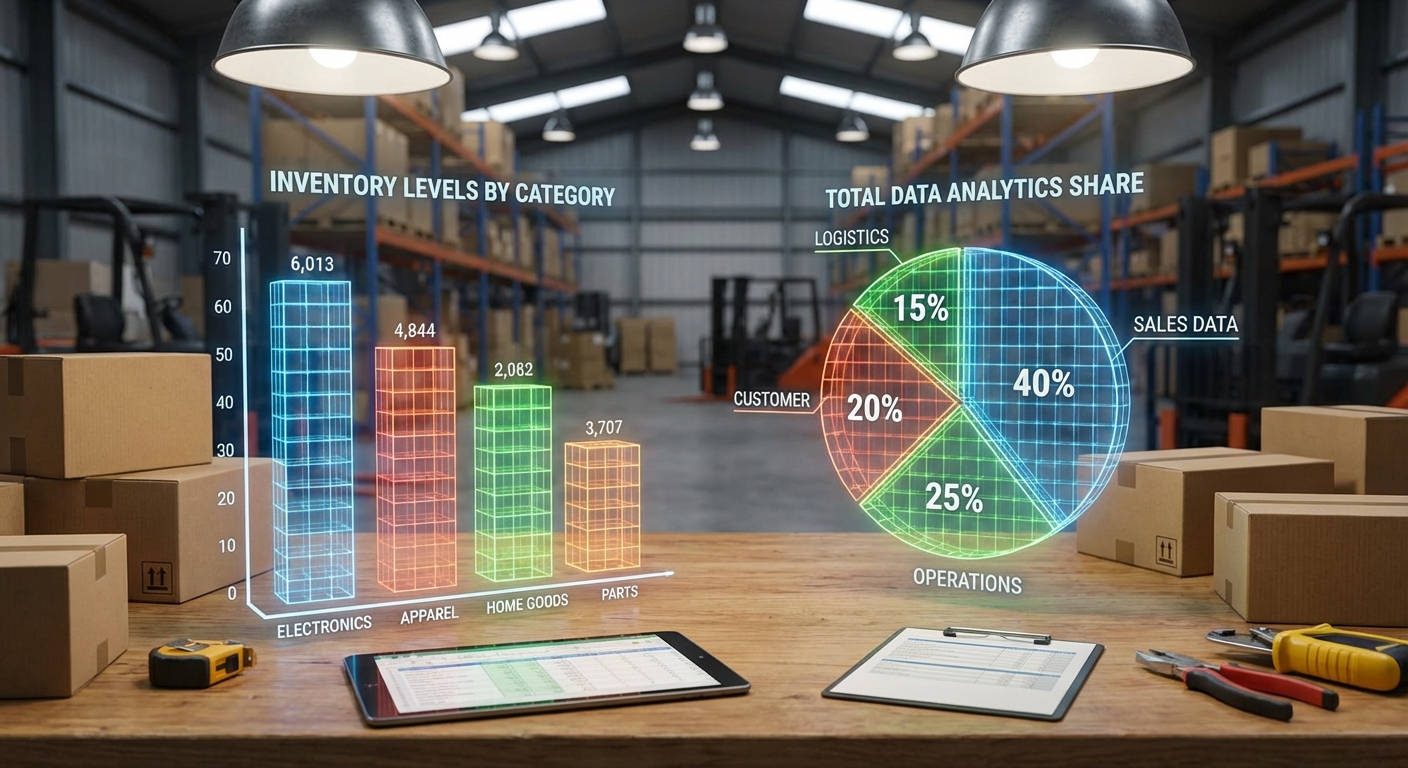
ABC analysis impacts warehouse ideas by prioritizing storage zones based on the financial and operational value of inventory. Using these warehouse ideas helps you identify which products need the most accessible locations. By focusing your energy on the top 20% of items that drive 80% of your activity, you streamline the entire workflow.
How do you prioritize with ABC analysis?
Grouping products into ‘A’, ‘B’, and ‘C’ categories allows for strategic placement. ‘A’ items (high velocity) are kept in the “golden zone” near shipping, while ‘C’ items (low velocity) are stored in harder-to-reach areas.
Look at it this way:
- Reduced picker fatigue.
- Higher throughput for top sellers.
- Optimized use of prime floor space.
Why should you consolidate similar SKUs?
Storing related products in the same general zone reduces the cognitive load on your pickers. When items are logically grouped, employees can fulfill multiple similar orders in a single trip through the warehouse.
The result?
- Faster mental recognition of items.
- Fewer errors during the picking process.
- Streamlined replenishment cycles.
Key Takeaway: Data-driven inventory placement ensures that your most active assets are always in the most efficient positions.
| Analysis Zone | Velocity | Placement | |
|---|---|---|---|
| Category A | High | Front / Easy access | |
| Category C | Low | Back / High shelving |
Applying mathematical logic to your inventory layout is a “force multiplier” for your staff’s productivity.
Can workflow changes aid warehouse ideas?
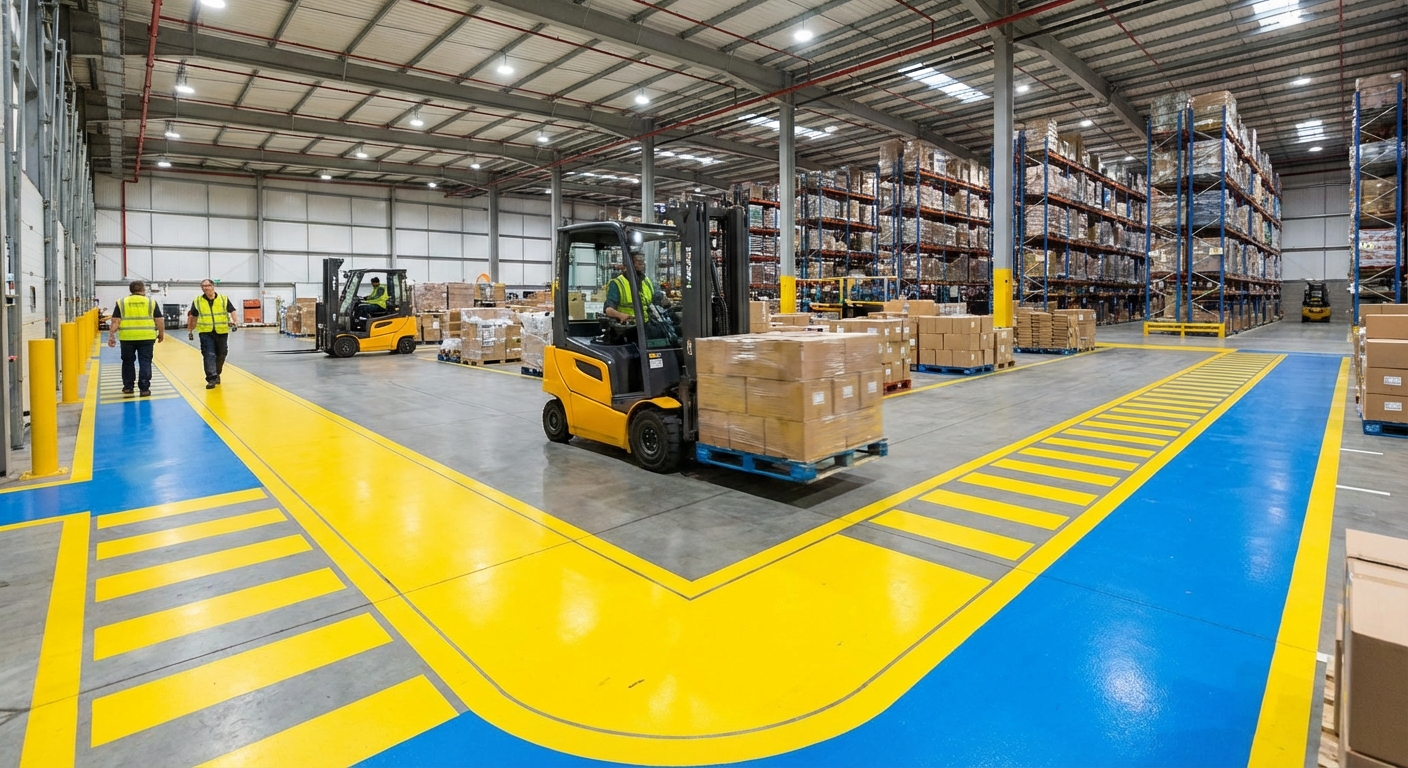
Productivity is as much about the flow of movement as it is about the location of goods. Implementing warehouse ideas that focus on traffic management and picking paths prevents bottlenecks. In a high-traffic steel structure workshop , clear lanes and optimized routes are essential for both safety and speed.
How do you optimize order picking paths?
Whether using batch or zone picking, the goal is to reduce the total number of steps taken. Strategic pathing ensures that pickers follow the most efficient route through the aisles without backtracking.
It gets better:
- Minimized employee walking distance.
- Increased orders fulfilled per hour.
- Lower operational fatigue for the team.
Why must forklift routes be streamlined?
Maintaining clear, designated paths for heavy machinery prevents traffic jams and accidents. Well-planned forklift routes ensure that goods move from the racks to the loading docks without interruption.
But that’s not all…
- Reduced risk of collisions.
- Faster movement of bulk pallets.
- Clearly marked “no-go” zones for pedestrians.
Key Takeaway: Optimizing the flow of people and equipment reduces the “friction” that slows down daily operations.
| Flow Strategy | Focus | Benefit | |
|---|---|---|---|
| Path Optimization | Human Walkways | Faster picking rates | |
| Route Streamlining | Machine Lanes | Enhanced facility safety |
A warehouse with a smooth workflow operates like a well-oiled machine, regardless of the volume.
Why designate zones for warehouse ideas?
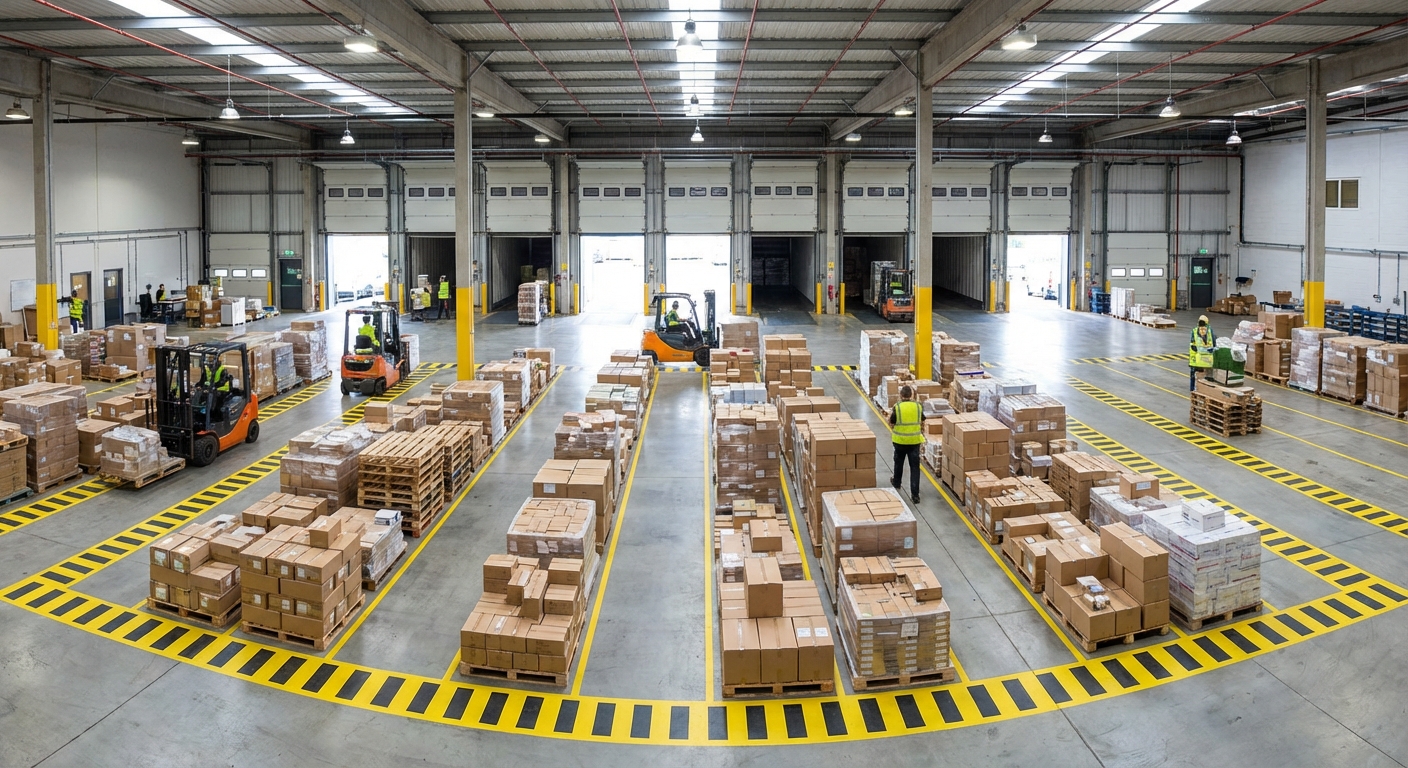
Designating zones prevents different warehouse activities from interfering with one another and creates a “one-way” flow of productivity. Utilizing warehouse ideas that separate incoming receiving from outgoing shipping creates a structured environment. Without clear zoning, inventory can easily get lost or damaged in the cross-traffic of a busy facility.
Can cross-docking save storage space?
Cross-docking allows you to move incoming shipments directly to outgoing trucks with minimal storage time. This strategy effectively eliminates the need for long-term rack space for high-velocity goods.
Wait, there’s more:
- Reduced handling costs.
- Faster delivery times to clients.
- Lower inventory holding requirements.
Why is a staging area necessary?
A dedicated staging area for packing and preparing shipments prevents bottlenecks in the storage aisles. This buffer zone ensures that items are verified and ready for dispatch without clogging primary operational lanes.
Think about it:
- Final quality check zone.
- Buffer against shipping delays.
- Organized layout for outbound pallets.
Key Takeaway: Zoning creates a structured environment where every stage of the fulfillment process has a dedicated, non-interfering space.
| Zone Type | Purpose | Advantage | |
|---|---|---|---|
| Staging Area | Outbound prep | Order accuracy checks | |
| Cross-Docking | Immediate transfer | Minimal storage overhead |
Strict adherence to zoning rules keeps your facility organized even during peak seasonal rushes.
Do cleaning habits improve warehouse ideas?
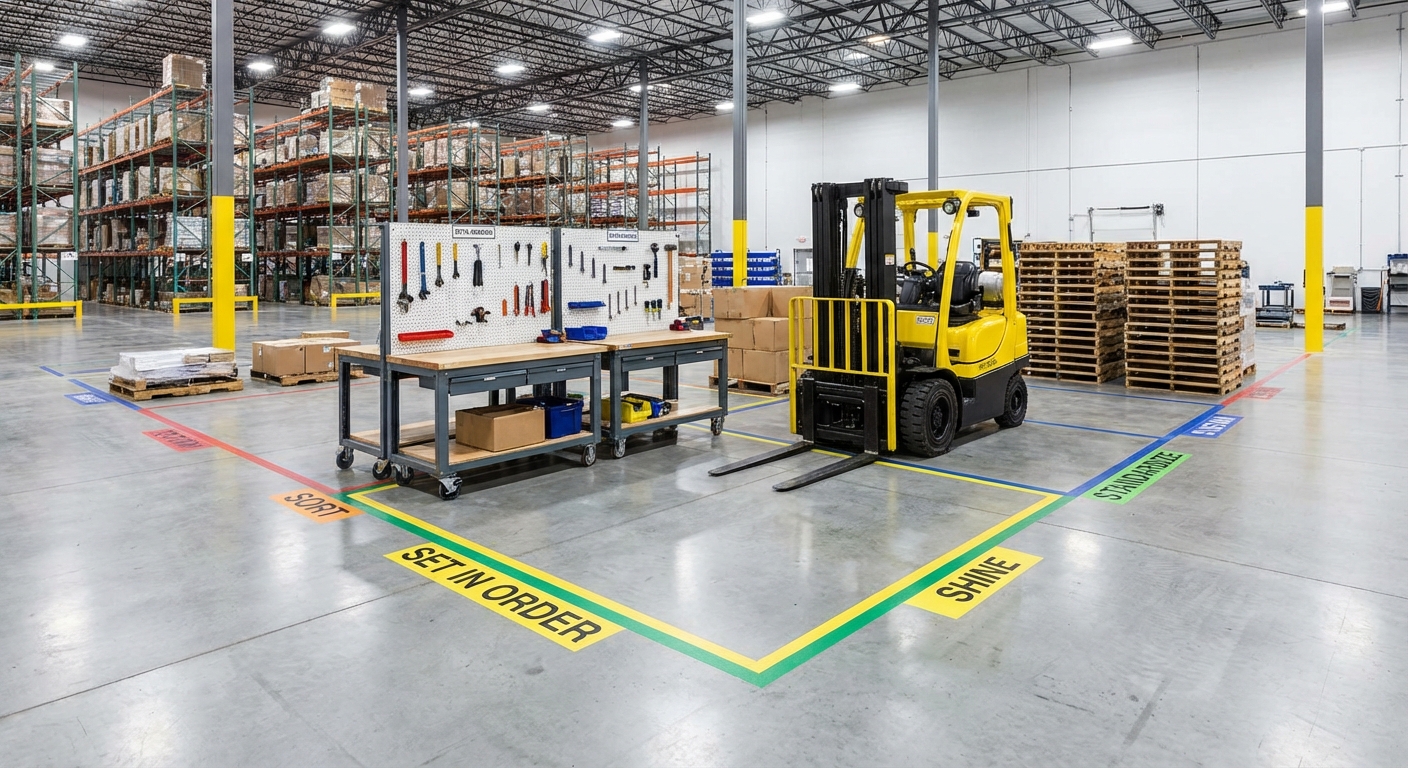
A clean facility is a productive facility because it reduces the time wasted searching through clutter and debris. Maintaining high standards through these warehouse ideas ensures that safety and efficiency are never compromised. For companies looking for a reliable infrastructure partner, researching the Showhoo Building page reveals how quality structures support these maintenance standards.
How does maintenance affect safety?
Regular cleaning of aisles and storage areas removes debris that could cause accidents or equipment failure. A well-maintained facility reduces downtime caused by forklift repairs or workplace injury investigations.
But that’s not all…
- Longer life for warehouse equipment.
- Higher employee morale in clean spaces.
- Compliance with health and safety codes.
Why use modular storage systems?
Modular systems offer the flexibility to reconfigure your space as inventory needs change. They help maintain organization by providing a dedicated spot for everything, even when your product mix evolves.
Here is the kicker:
- Scalable storage configurations.
- Easy to clean and reorganize.
- Adaptable to diverse product shapes.
Key Takeaway: A disciplined approach to cleanliness prevents the “entropy” that naturally degrades warehouse efficiency over time.
| Habit | Frequency | Result | |
|---|---|---|---|
| Aisle Sweeping | Daily | Reduced equipment wear | |
| Rack Inspection | Monthly | Structural safety assurance |
Cleanliness is the foundation of a professional B2B operation that values precision and safety.
Are metrics vital for these warehouse ideas?
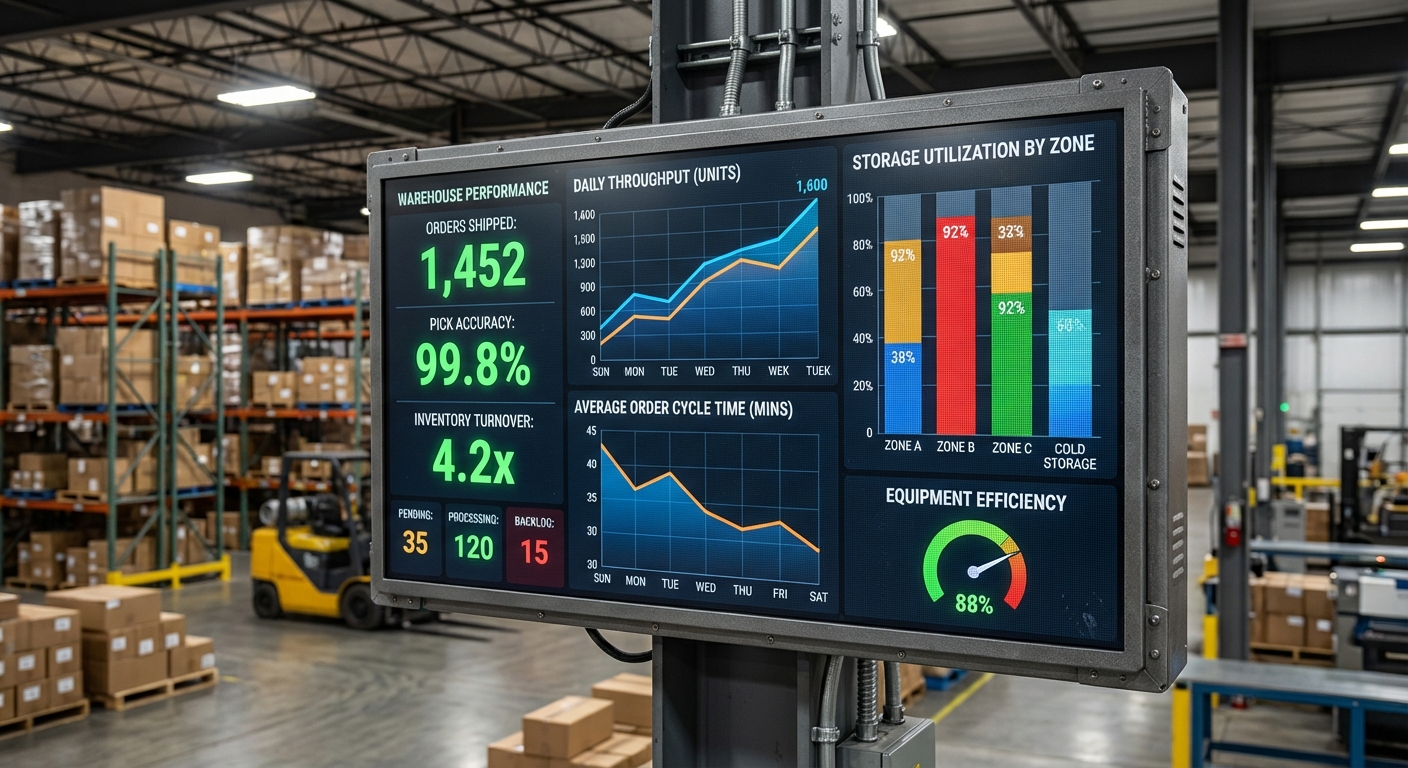
You cannot improve what you do not measure, making performance tracking an essential part of warehouse ideas. Consistent monitoring of inventory levels and picking accuracy allows you to identify weak points in your organizational strategy. These data points provide the evidence needed to refine your processes and justify future investments in technology or infrastructure.
Why track inventory levels consistently?
Real-time monitoring prevents both overstocking and stockouts, ensuring that your space is always used efficiently. Knowing exactly what you have allows for more aggressive space optimization and better financial planning.
The best part?
- Reduced capital tied up in stock.
- Accurate forecasting for space needs.
- Elimination of “ghost inventory” errors.
Which performance metrics matter most?
Tracking Key Performance Indicators (KPIs) like picking accuracy and order fulfillment rates tells you if your organization is working. If error rates are high, it often indicates a failure in the physical organization of the racks.
Wait, there’s more:
- Identifies training needs for staff.
- Measures the success of layout changes.
- Provides a benchmark for future growth.
Key Takeaway: Constant measurement provides the feedback loop necessary for the continuous improvement of your facility.
| Metric | Focus | Goal | |
|---|---|---|---|
| Picking Accuracy | Human Precision | 99.9% error-free | |
| Inventory Turnover | Space Efficiency | Faster stock movement |
Data-driven management ensures that your organizational efforts are yielding actual measurable ROI.
How do automated systems boost warehouse ideas?
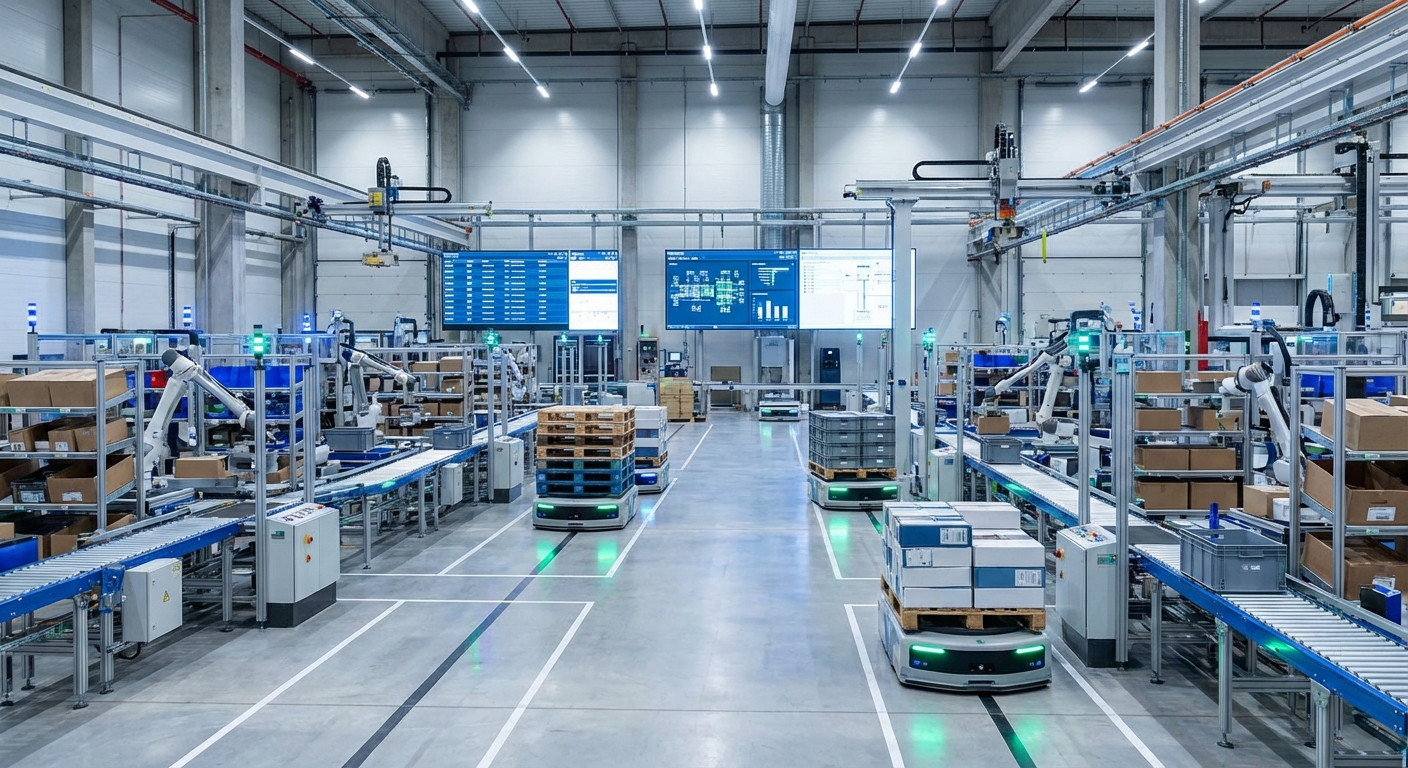
Automated systems boost warehouse ideas by handling repetitive tasks with speed and consistency that manual labor cannot match. When you integrate warehouse ideas with robotics or conveyor systems, you drastically increase your facility’s throughput capacity. If you need a custom facility to accommodate these high-tech systems, you can request a quote from our specialists.
Can AGVs reduce labor costs?
Automated Guided Vehicles (AGVs) can move pallets and goods across the floor without human intervention. This allows your team to focus on complex tasks like quality control rather than simple transport.
It gets better:
- 24/7 operational capability.
- Consistent transport speeds.
- Reduced reliance on manual forklift operators.
How do conveyors streamline flow?
Conveyor systems create a fixed, high-speed path for goods moving from picking zones to shipping docks. This eliminates the need for manual transport and keeps the flow of goods constant.
Think about it:
- Faster transition between zones.
- Lower physical demand on workers.
- Organized, linear movement of stock.
Key Takeaway: Automation turns a static storage space into a high-speed distribution hub.
| System | Role | Benefit | |
|---|---|---|---|
| AGVs | Pallet Transport | Unattended movement | |
| Conveyors | Parcel Flow | High-speed fulfillment |
Advanced automation is the final frontier in maximizing the productivity of a modern warehouse.
Is safety integrated into these warehouse ideas?
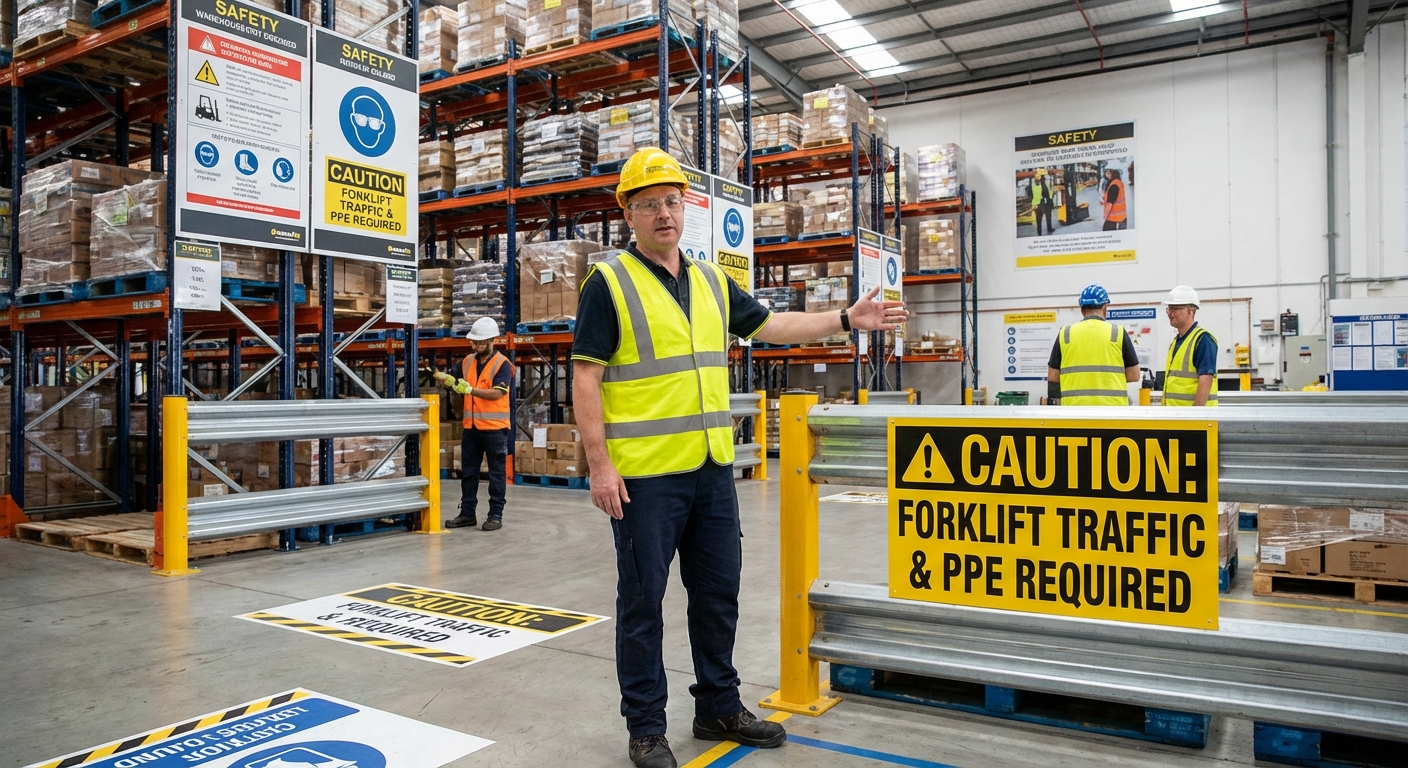
Safety is the most important part of warehouse ideas because an unsafe facility is ultimately an unproductive one. Accidents cause downtime, damage inventory, and harm your most valuable asset: your people. Integrating safety protocols into your organizational structure ensures that productivity gains are sustainable and compliant with international standards.
Why is safety signage essential?
Clear signage and floor markings act as a silent guide for everyone in the facility. They define where it is safe to walk and where heavy machinery has the right of way, preventing dangerous collisions.
The result?
- Fewer workplace accidents.
- Faster navigation for visitors and new hires.
- Clear identification of hazard zones.
Do regular audits maintain organization?
Conducting regular safety and organizational audits ensures that your systems haven’t degraded over time. These checks allow you to catch issues like damaged racking or blocked aisles before they become major problems.
Look at it this way:
- Proactive maintenance of standards.
- Verification of inventory accuracy.
- Continuous focus on facility integrity.
Key Takeaway: A safe warehouse is a resilient warehouse that protects its workers and its profits.
| Safety Measure | Focus | Outcome | |
|---|---|---|---|
| Floor Markings | Traffic Control | Zero pedestrian collisions | |
| Safety Audits | Risk Mitigation | Long-term facility stability |
Integrating safety into every organizational decision is the hallmark of an elite B2B operation.
Decision FAQ
Can I reorganize my warehouse without stopping operations?Yes. Most reorganization can be done in phases, starting with one zone at a time to minimize daily disruption.
What’s the best racking system for small, high-density spaces?Adjustable vertical pallet racks are generally best because they allow you to maximize the “cube” and adapt to various SKU sizes.
How does ABC analysis specifically reduce labor costs?By placing high-frequency items near shipping docks, you reduce picker travel distance, which directly translates to more orders picked per hour.
How do I know if I need a dedicated returns area?If returns are currently cluttering your aisles or getting mixed with new stock, you definitely need a designated zone to maintain accuracy.
Can steel buildings accommodate overhead crane systems for organization?Absolutely. Professional steel workshops are specifically designed to support overhead cranes, which are vital for organizing heavy or oversized inventory.
Conclusion
Transforming your facility with these 20 warehouse organization ideas is a journey toward operational excellence. From the structural integrity of your building to the digital precision of your tracking software, every element must work in harmony. Ready to build the foundation for your next expansion? Contact us to discuss your custom steel structure needs. At Showhoo Building, our vision is to provide engineered excellence and factory-direct quality that empowers global industrial growth.