
Building a steel structure warehouse involves a systematic process of engineering design, foundation preparation, and the assembly of precision-engineered prefabricated components. Imagine your business is expanding rapidly and you need high-capacity storage within weeks, not months. Traditional concrete methods often lead to unpredictable delays, labor shortages, and mounting costs that threaten your bottom line. Transitioning to a building a warehouse model using structural steel provides the durability and speed required for modern industrial scalability.
Why choose steel for building a warehouse?
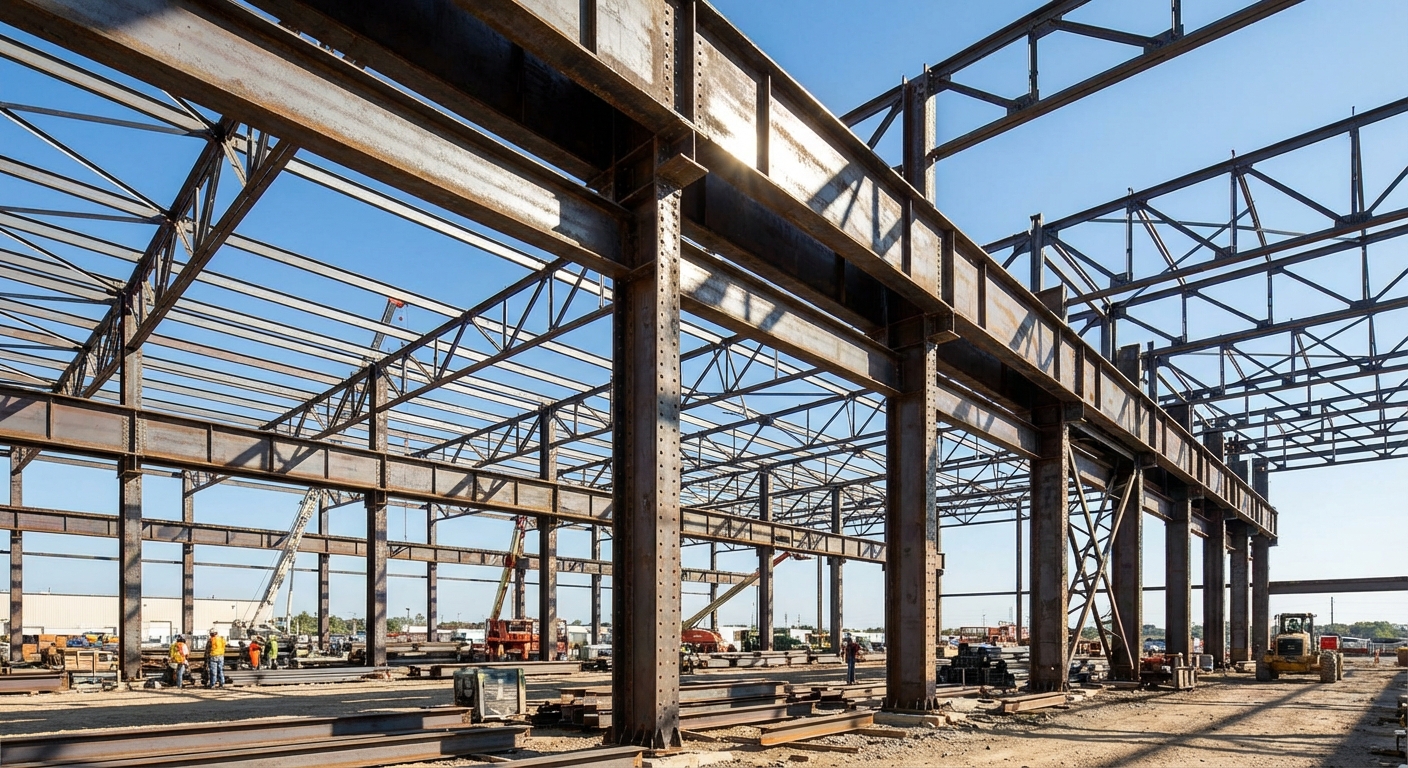
You choose steel because it offers unmatched strength-to-weight ratios and fire resistance when building a warehouse . This material ensures your steel warehouse buildings remain non-combustible, protecting high-value inventory from fire hazards. The inherent flexibility of a steel structure warehouse also allows for easier future expansions as your logistics needs evolve.
Maximize your fire safety standards
You must prioritize safety, and steel is naturally resistant to flames compared to timber. This reduces your insurance premiums significantly.
Think about it:
- Non-combustible framing materials.
- Reduced risk of structural collapse during emergencies.
- Superior protection for hazardous materials storage.
The best part? You can integrate advanced fire suppression systems directly into the warehouse structure frame without compromising integrity.
Optimize for environmental sustainability
You can achieve “green” building certifications easily because steel is 100% recyclable. Most steel warehouse construction projects today utilize a high percentage of recycled content.
Here is the deal:
- Minimal on-site waste during assembly.
- Reduced carbon footprint compared to traditional concrete.
- High energy efficiency with proper insulation.
Key Takeaway: Steel provides a safer, more sustainable foundation for any industrial enterprise.
| Feature | Steel Advantage | Benefit | |
|---|---|---|---|
| Fire Rating | Class A | Lower Insurance | |
| Recyclability | 100% | Green Certification | |
| Weight | Low | Reduced Foundation Cost |
Selecting steel is the first step toward a future-proof storage facility.
Is building a warehouse with steel cost-effective?
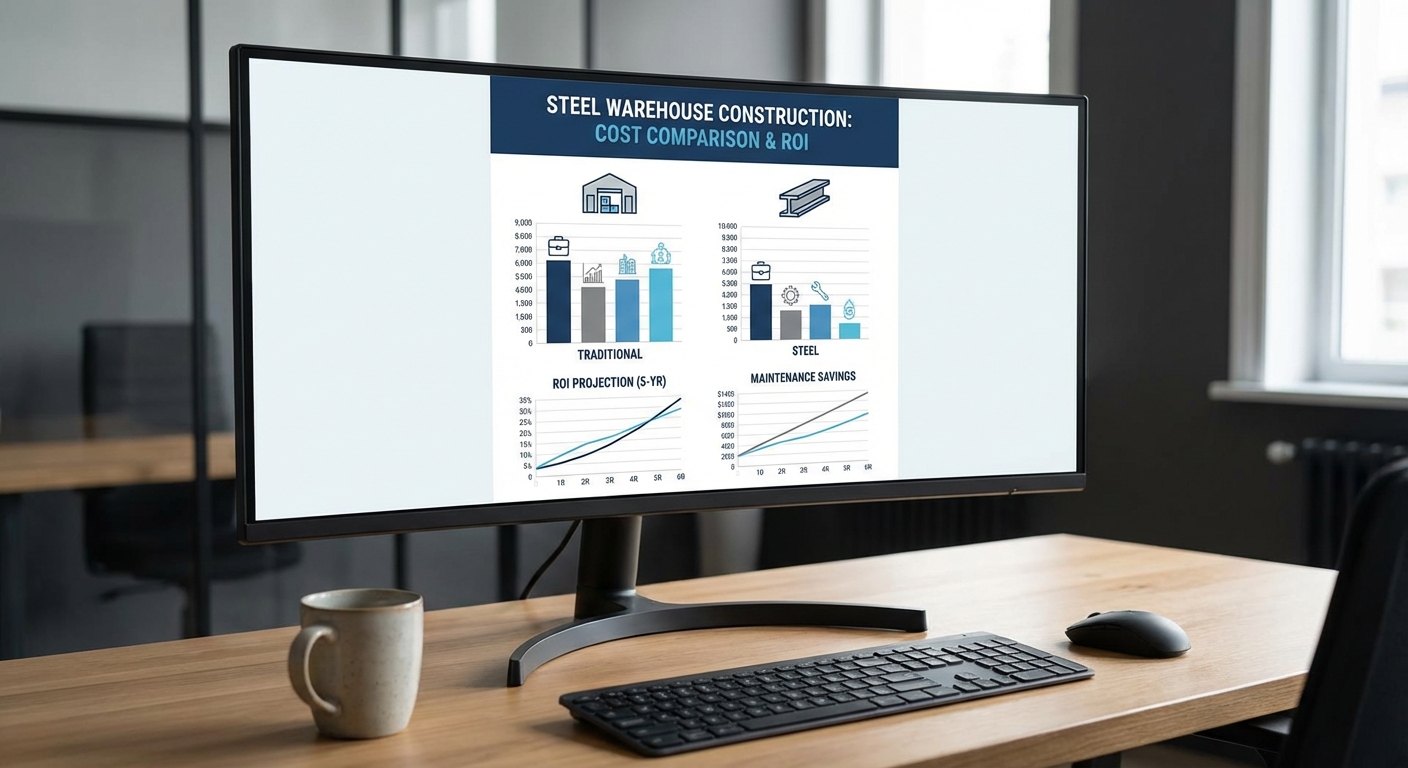
Building a warehouse with steel is highly cost-effective because it reduces long-term maintenance and speeds up the return on investment. The efficiency of a warehouse steel structure allows you to bypass the heavy costs associated with massive masonry labor. By choosing steel warehouse structure solutions, you save on foundation requirements due to the lighter weight of the frame.
Lower your long-term maintenance costs
You will find that steel requires very little upkeep over its 50-year lifespan. Unlike wood, it won’t rot, warp, or suffer from termite damage.
The truth is:
- Corrosion-resistant coatings protect the frame.
- Reduced need for frequent structural repairs.
- Lower cleaning and pest control expenses.
You can view our successful industrial cases to see how others managed their budgets effectively.
Achieve higher space utilization
You can implement clear-span designs that eliminate bulky interior columns. This means you maximize every square foot for racking and forklifts.
Look at it this way:
- Clear spans up to 150 feet are achievable.
- Higher ceilings for vertical pallet stacking.
- Unobstructed pathways for automated machinery.
Key Takeaway: Reduced maintenance and maximized floor space ensure a faster ROI for your business.
| Cost Factor | Traditional Building | Steel Building | |
|---|---|---|---|
| Labor | High | Low | |
| Maintenance | Moderate | Minimal | |
| Resale Value | Variable | High |
Investing in steel is a strategic move to keep overhead low while maximizing capacity.
How fast is building a warehouse using prefab?
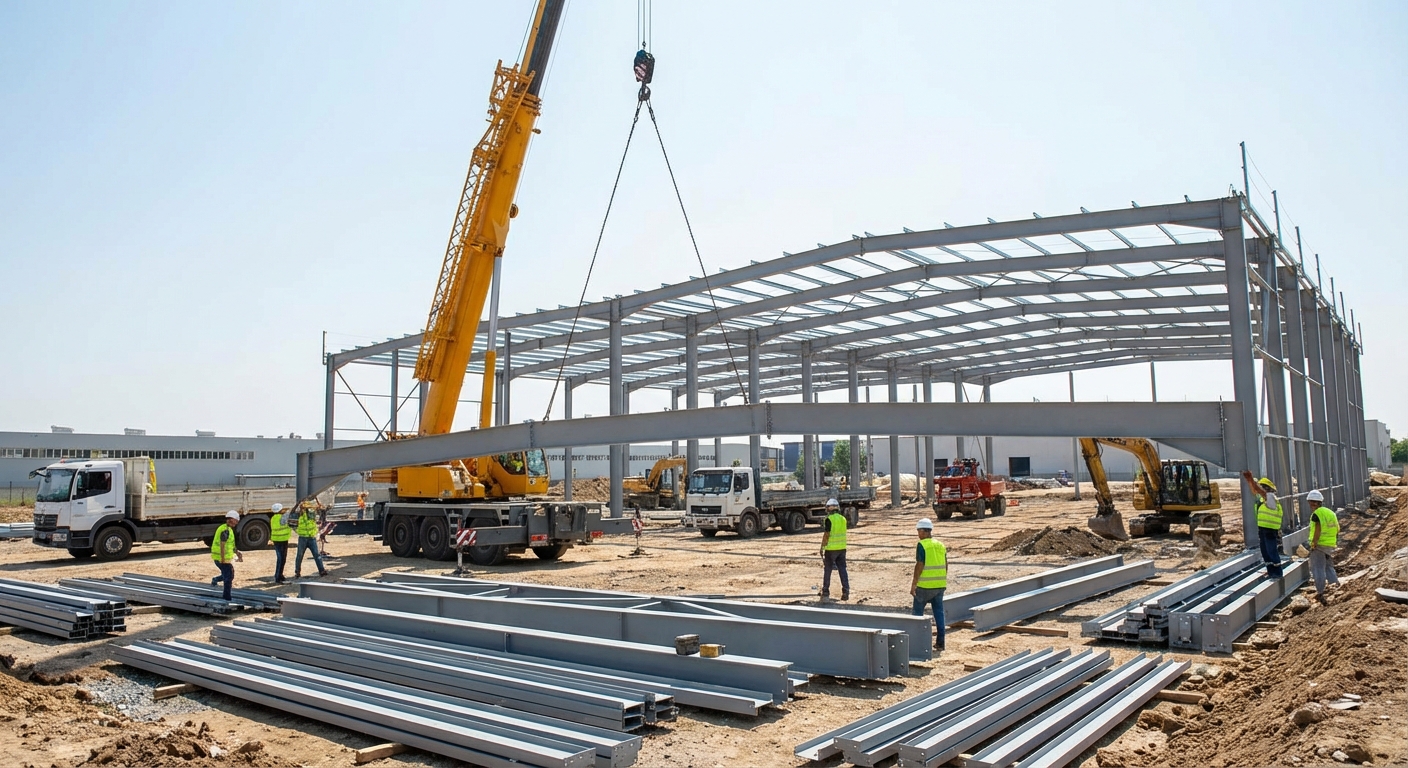
The speed of building a warehouse using prefab methods is roughly 30% faster than traditional construction. Because every component of the steel warehouse buildings is cut and drilled at the factory, on-site work is limited to assembly. This streamlined steel warehouse construction process ensures you can begin operations and generate revenue much sooner.
Shorten your project timeline
You will save months of planning and on-site labor by using pre-engineered kits. The components arrive ready for immediate bolting.
The best part?
- No on-site welding or cutting required.
- Predictable delivery schedules.
- Weather-independent component fabrication.
You can check our full range of products to find the right prefab kit for your site.
Reduce onsite labor complications
You don’t need a massive crew of specialized artisans to erect the warehouse structure. A small, competent team can bolt the frame together quickly.
Think about it:
- Simplified assembly instructions.
- Less reliance on favorable weather conditions.
- Fewer safety risks associated with long-term sites.
Key Takeaway: Prefabrication turns months of construction into weeks of assembly.
| Construction Phase | Traditional (Days) | Prefab Steel (Days) | |
|---|---|---|---|
| Design | 60 | 15 | |
| Fabrication | 0 (Onsite) | 30 (Factory) | |
| Erection | 120 | 45 |
Fast-tracking your facility allows you to respond to market demands without delay.
What design steps start building a warehouse?
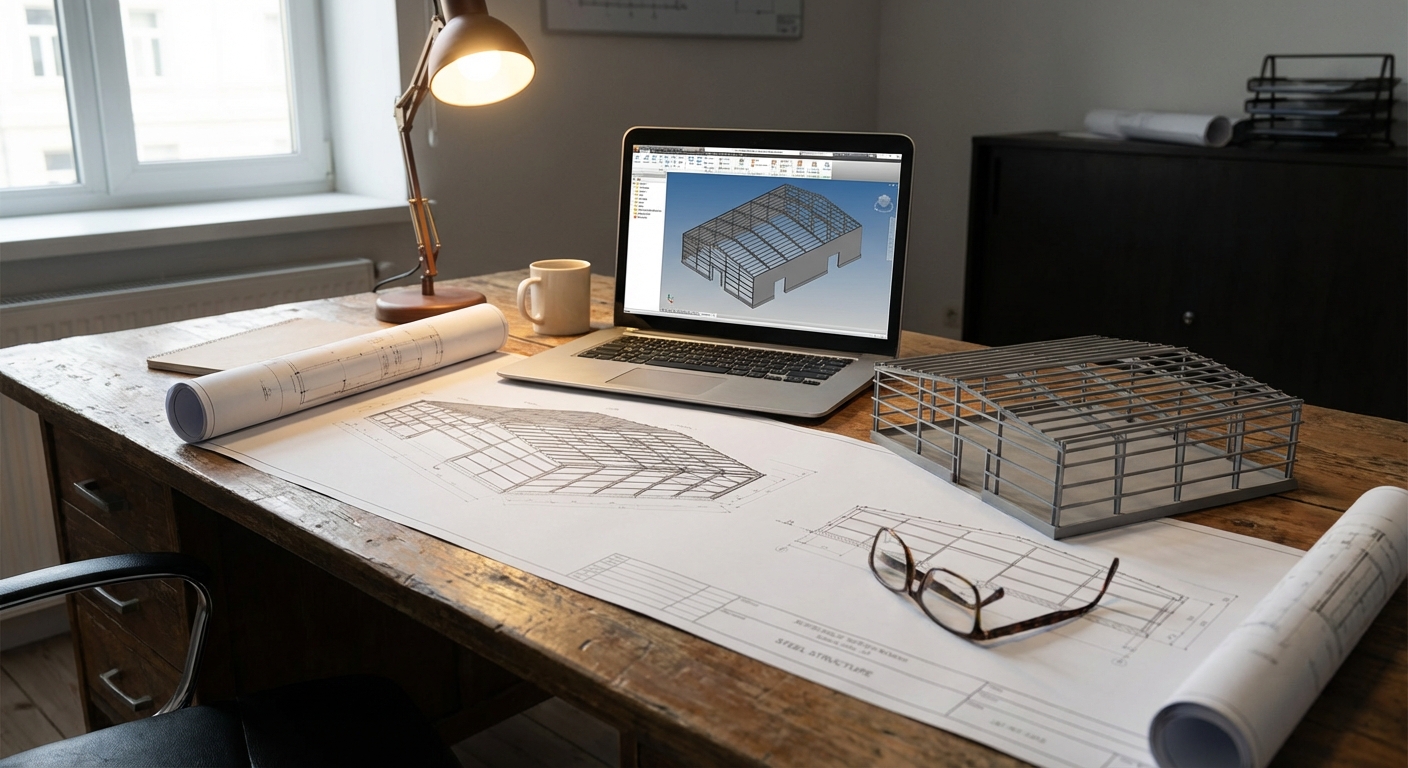
Initial design steps for building a warehouse involve defining your specific storage dimensions and calculating local environmental loads. You must determine the necessary height and width for your steel structure warehouse to accommodate racking systems and cranes. Professional steel warehouse structure planning includes assessing snow, wind, and seismic requirements to ensure total structural stability.
Determine your internal clearance needs
You need to decide if you require a single-slope or a peaked roof based on your drainage and height needs. Higher roof pitches allow for better interior clearance.
Here is the deal:
- Calculate the tallest equipment or racking height.
- Allow for HVAC and fire sprinkler clearance.
- Choose between gabled or monoslope designs.
The warehouse steel structure must be tailored to your specific operational workflow for maximum efficiency.
Address local site requirements
You must account for the specific climate where you are building a warehouse. Engineering for high winds or heavy snow loads is non-negotiable for safety.
Look at it this way:
- Seismic zone ratings affect bracing.
- Wind speed data dictates panel thickness.
- Local zoning laws influence building height.
Key Takeaway: Detailed initial planning prevents costly structural modifications during the construction phase.
| Step | Focus Area | Goal | |
|---|---|---|---|
| 1 | Dimensions | Maximize Space | |
| 2 | Load Calcs | Ensure Stability | |
| 3 | Zoning | Legal Compliance |
Consulting with experts early ensures your design meets both functional and legal standards.
Which frames suit building a warehouse?
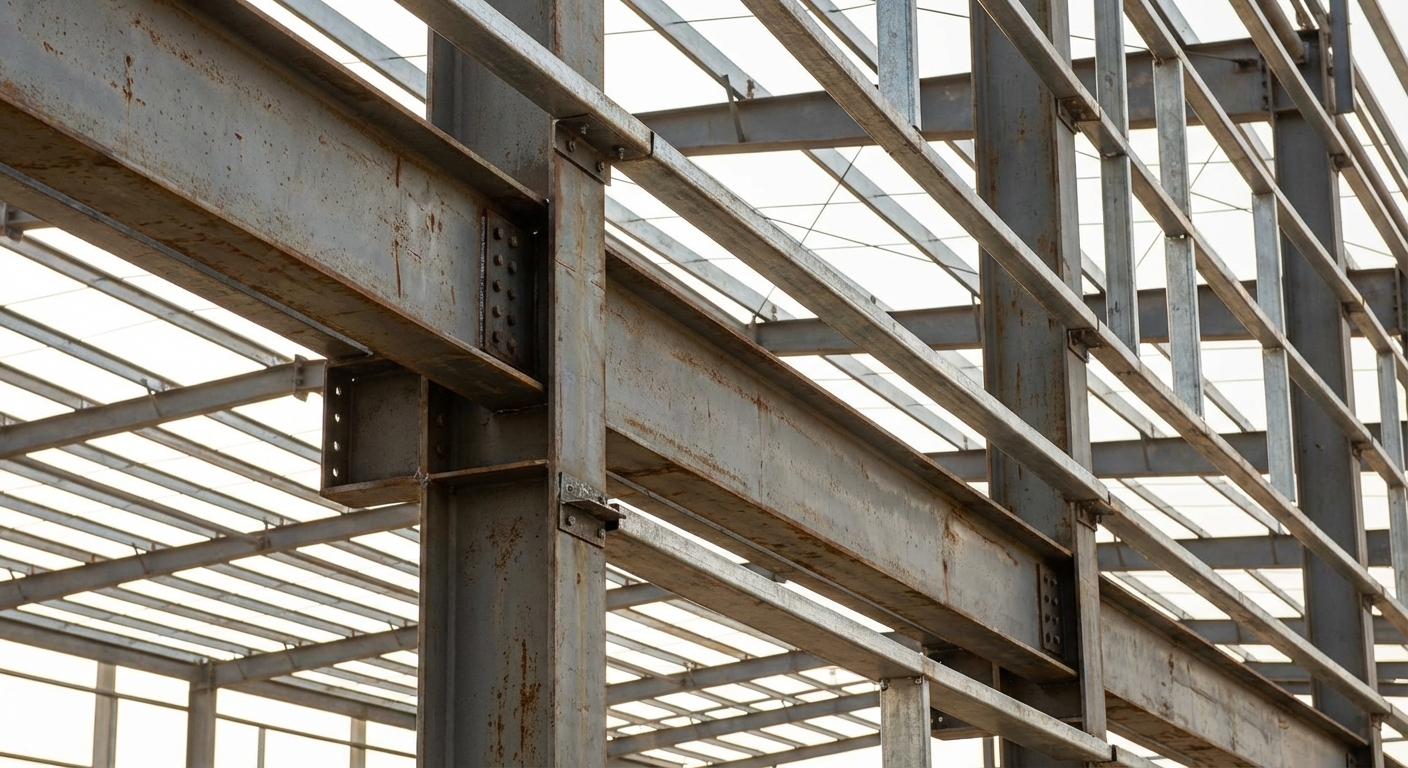
Choosing the right frame when building a warehouse usually means selecting H-section steel for primary columns and beams. This warehouse steel structure provides the rigid support needed for large clear-span areas without internal supports. Using C or Z purlins as secondary members further stabilizes the warehouse structure against external forces like wind and snow.
Select the main structural members
You will typically use high-strength Q355B steel for your primary frame to ensure longevity. These beams are the “skeleton” of your industrial facility.
The truth is:
- H-beams offer superior bending resistance.
- Bolted connections facilitate faster assembly.
- Hot-rolled steel provides consistent quality.
You can learn more about us and our commitment to using top-tier structural materials.
Integrate secondary support systems
You must use purlins and girts to provide the surface area needed to attach your wall and roof panels. These members also transfer loads to the main frame.
Think about it:
- Z-purlins allow for lapping over supports.
- C-purlins are ideal for door and window openings.
- Galvanized finishes prevent rust on small members.
Key Takeaway: A combination of H-beams and cold-formed purlins creates the most durable industrial frame.
| Component | Material | Function | |
|---|---|---|---|
| Main Column | H-Section Steel | Primary Load Bearing | |
| Roof Purlin | C/Z Section | Roof Support | |
| Tie Rods | Round Steel | Lateral Stability |
The right frame choice determines the overall resilience and flexibility of your building.
How does building a warehouse affect durability?
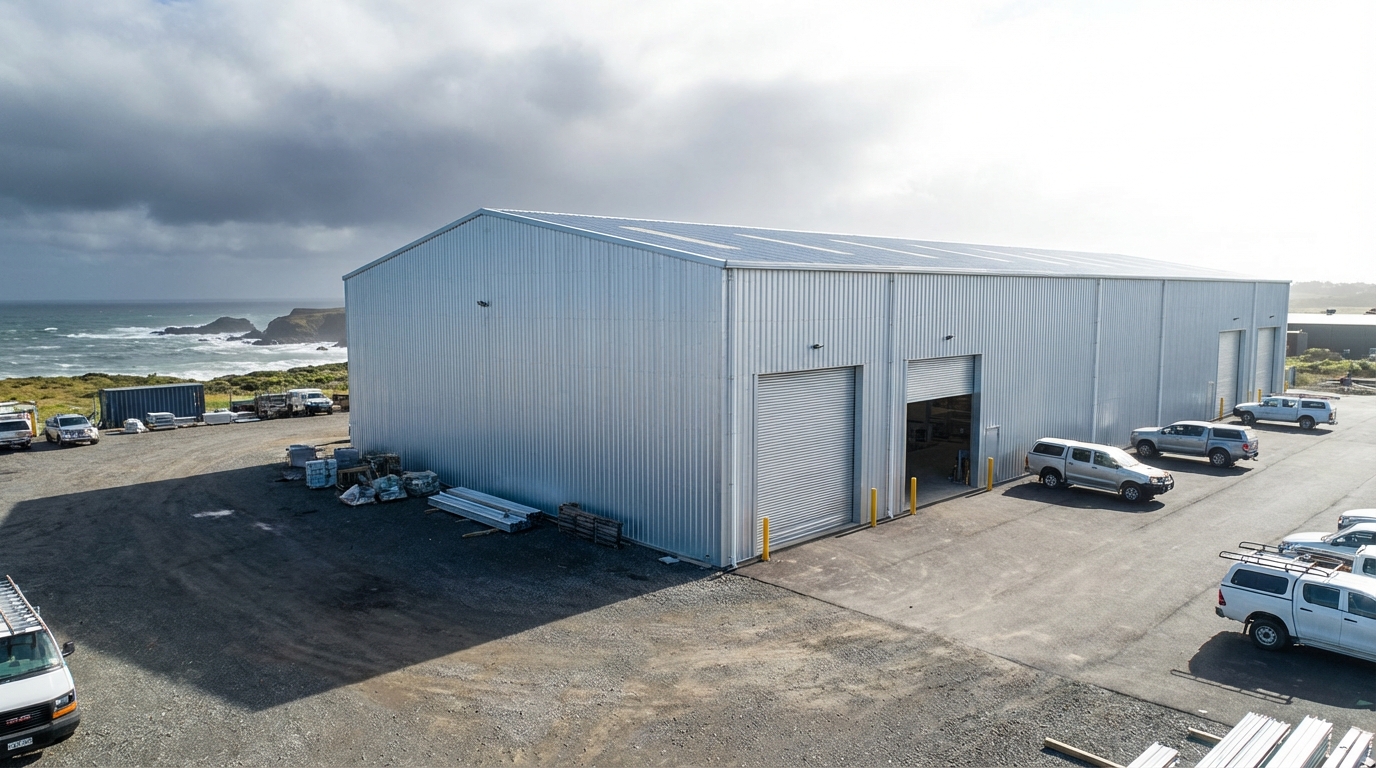
Building a warehouse with steel significantly increases durability because the material is resistant to pests, rot, and severe weather. A properly treated steel structure warehouse can last over 50 years with minimal structural degradation. Modern steel warehouse buildings utilize advanced galvanization to prevent rust, even in humid or coastal environments.
Combat corrosion with galvanization
You should opt for hot-dipped galvanized steel if your site is near the ocean or in a high-moisture area. This coating acts as a sacrificial layer against oxygen.
Here is the deal:
- Zinc coating prevents oxidation of the base steel.
- Painted finishes provide aesthetic appeal and extra protection.
- Self-healing properties of galvanization protect scratches.
A well-protected steel warehouse structure remains stable and visually professional for decades.
Withstand extreme weather events
You can trust steel to hold up during hurricanes or earthquakes better than rigid masonry. Steel has a natural “ductility” that allows it to absorb energy.
The best part?
- High wind resistance ratings are standard.
- Flexible joints prevent cracking during tremors.
- Heavy snow loads are managed through engineering.
Key Takeaway: Steel’s inherent properties make it the toughest material for long-term industrial use.
| Threat | Steel Performance | Outcome | |
|---|---|---|---|
| Humidity | High (if galvanized) | No Rust | |
| Termites | Absolute | No Damage | |
| Earthquakes | Excellent | High Safety |
Durability is the foundation of a low-risk, high-value asset for your company.
Can building a warehouse include custom doors?
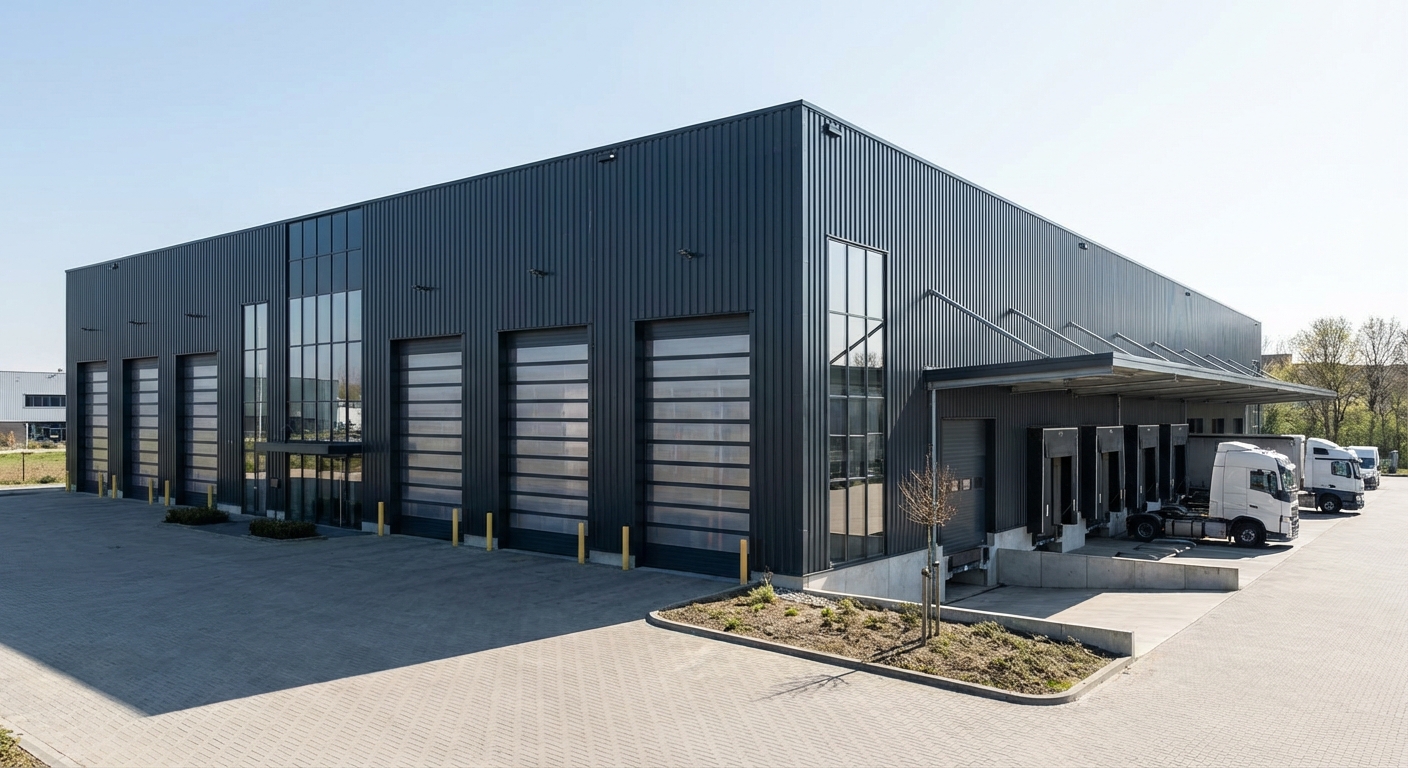
Yes, building a warehouse allows for complete customization of entry points, including oversized industrial rolling doors. You can specify the exact placement of loading docks and personnel doors based on your internal logistics flow. High-quality steel warehouse construction designs accommodate the framing needed for these wide openings without compromising structural integrity.
Optimize for logistics and loading
You need to select doors that match your traffic volume and the size of your transport vehicles. Vertical rolling doors are the industry standard for space efficiency.
Look at it this way:
- Sectional doors offer better insulation.
- Rapid-roll doors reduce energy loss in climate control.
- Dock levelers can be integrated into the slab.
The warehouse structure can also include lean-to additions for covered outdoor loading zones.
Enhance security and access
You should consider the security levels required for your specific inventory. Steel doors provide a formidable barrier against unauthorized entry.
Think about it:
- Heavy-duty locking mechanisms.
- Automatic openers with remote access.
- Personnel doors with panic bars for safety.
Key Takeaway: Custom openings ensure that your warehouse operates as efficiently as it protects.
| Door Type | Best Use Case | Benefit | |
|---|---|---|---|
| Rolling Shutter | High Traffic | Speed | |
| Sliding Door | Oversized Loads | Space | |
| Personnel Door | Employee Access | Safety |
Customization allows you to tailor the building to your exact operational requirements.
What panels work when building a warehouse?
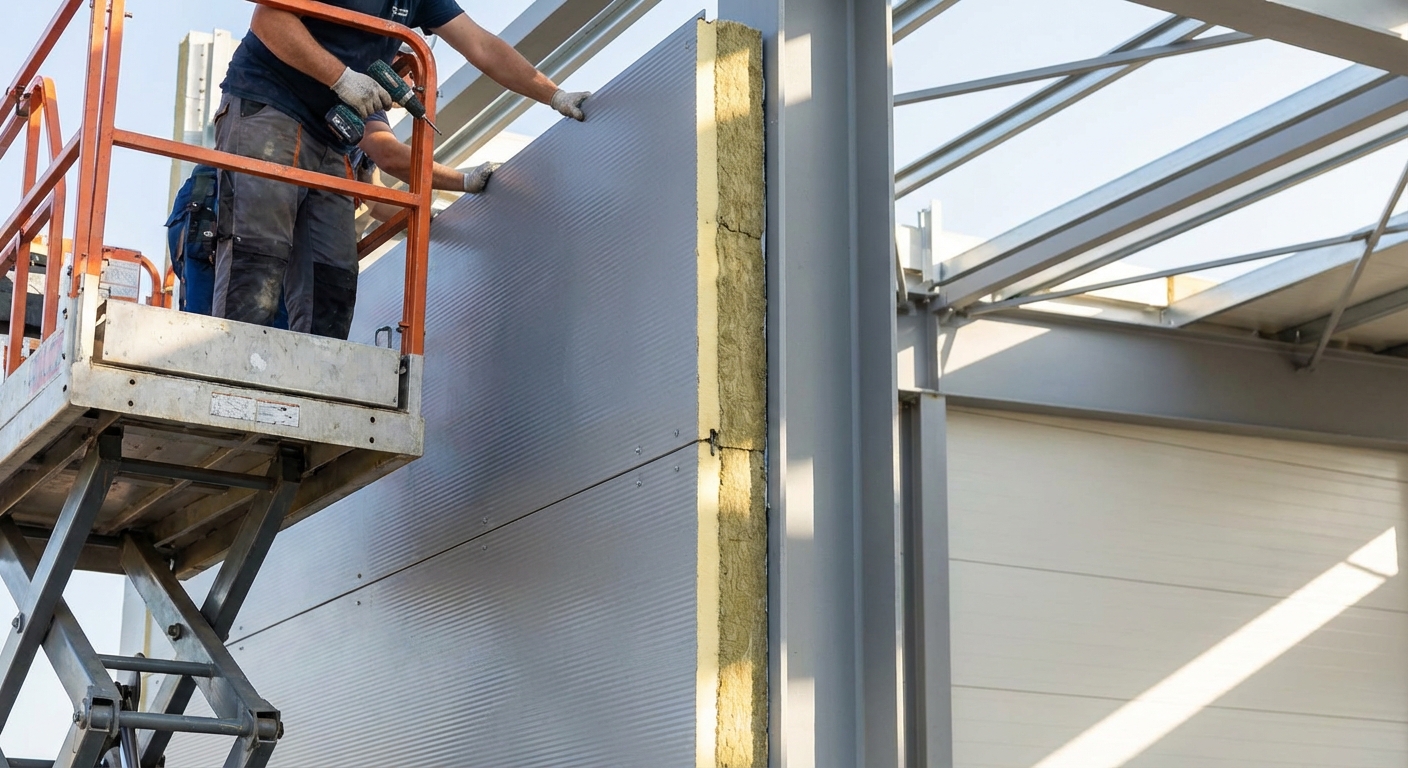
You choose between single-skin metal sheets or insulated sandwich panels when building a warehouse. For a temperature-controlled steel warehouse warehouse, sandwich panels with PU or rock wool cores are the superior choice. These panels provide the necessary thermal envelope for your steel warehouse buildings, reducing energy consumption for heating and cooling.
Maximize thermal performance
You should invest in high-quality insulation if you are storing perishables or pharmaceuticals. Proper insulation prevents condensation that can damage your inventory.
The truth is:
- Sandwich panels offer R-values up to R-30.
- Tongue-and-groove joints ensure airtight seals.
- Reflective roof coatings reduce solar heat gain.
A well-insulated warehouse steel structure keeps your energy bills low year-round.
Prioritize fire-rated wall systems
You can use rock wool sandwich panels if your local code requires a specific fire rating for the walls. These panels do not support combustion.
Here is the deal:
- Fire resistance ratings up to 4 hours.
- Excellent sound insulation for industrial areas.
- Durable exterior finishes in various colors.
Key Takeaway: Your choice of cladding determines the efficiency and safety of the internal environment.
| Panel Type | Core Material | Best For | |
|---|---|---|---|
| Single Sheet | None | Basic Storage | |
| PU Sandwich | Polyurethane | Cold Storage | |
| Rock Wool | Mineral Wool | Fire Safety |
The envelope of your building is just as important as the frame it covers.
Does building a warehouse require foundations?
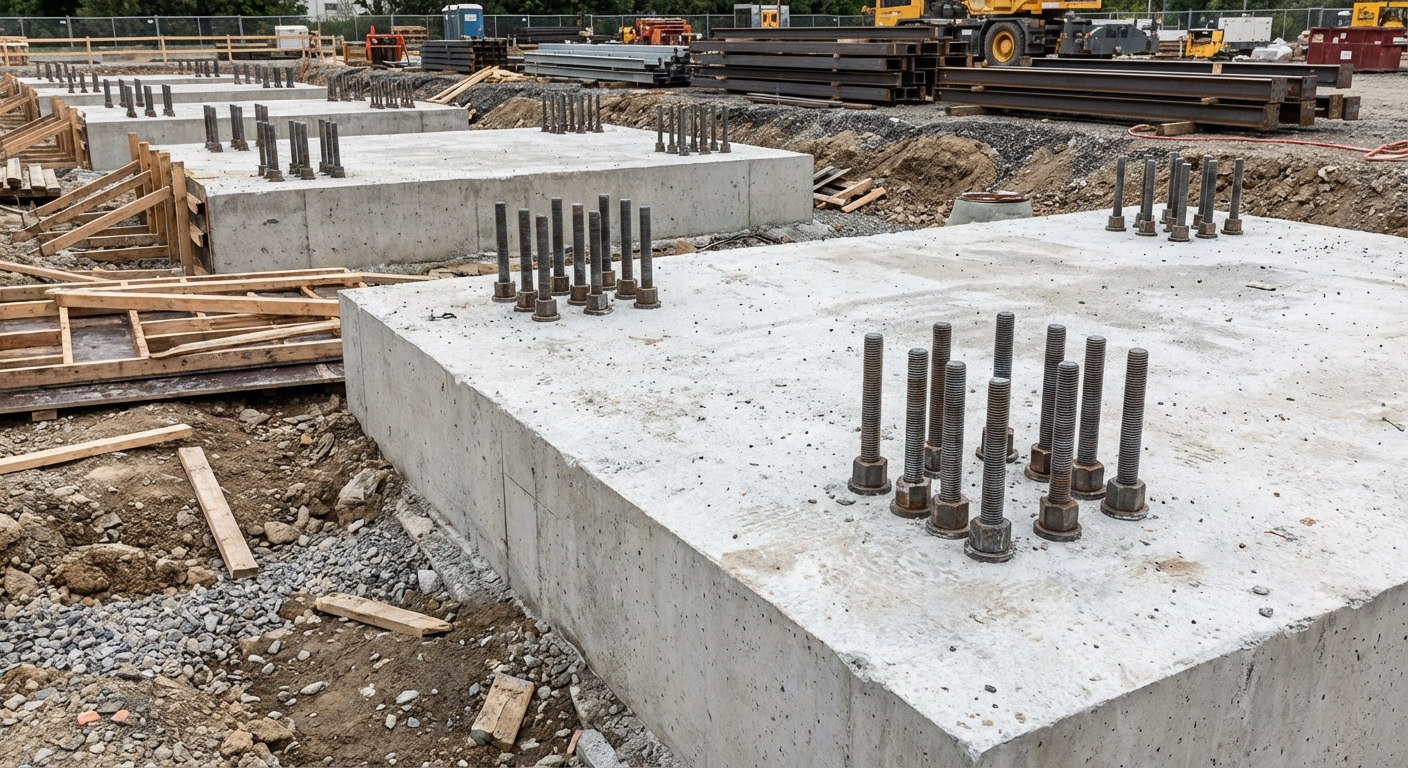
Yes, building a warehouse requires a precisely engineered concrete foundation to anchor the steel frame. You must ensure that anchor bolts are set accurately into the concrete to align with the pre-drilled holes in the steel columns. The thickness of the slab used in steel warehouse construction depends on the weight of your racking and the presence of heavy machinery.
Ensure precise anchor bolt alignment
You must use a template when pouring concrete to ensure every bolt is perfectly positioned. Even a half-inch error can delay the entire erection process.
The best part?
- Steel frames allow for smaller footings than concrete.
- Anchor bolts provide a rigid connection to the ground.
- Foundation designs are included in pre-engineered kits.
A solid foundation is the only way to ensure your warehouse steel structure remains level and true.
Support heavy industrial loads
You need to calculate the point loads of your racking systems to determine slab reinforcement. Standard industrial slabs are usually 6 to 8 inches thick.
Think about it:
- Rebar reinforcement prevents slab cracking.
- Vapor barriers stop moisture from rising through the floor.
- Expansion joints manage seasonal shifts.
Key Takeaway: A professional foundation is the silent partner of a durable steel building.
| Feature | Requirement | Reason | |
|---|---|---|---|
| Anchor Bolts | High Precision | Frame Alignment | |
| Slab Depth | 6″+ | Heavy Machinery | |
| Vapor Barrier | Mandatory | Inventory Safety |
Do not cut corners on the foundation, as it supports the entire value of your investment.
How to ensure safety when building a warehouse?
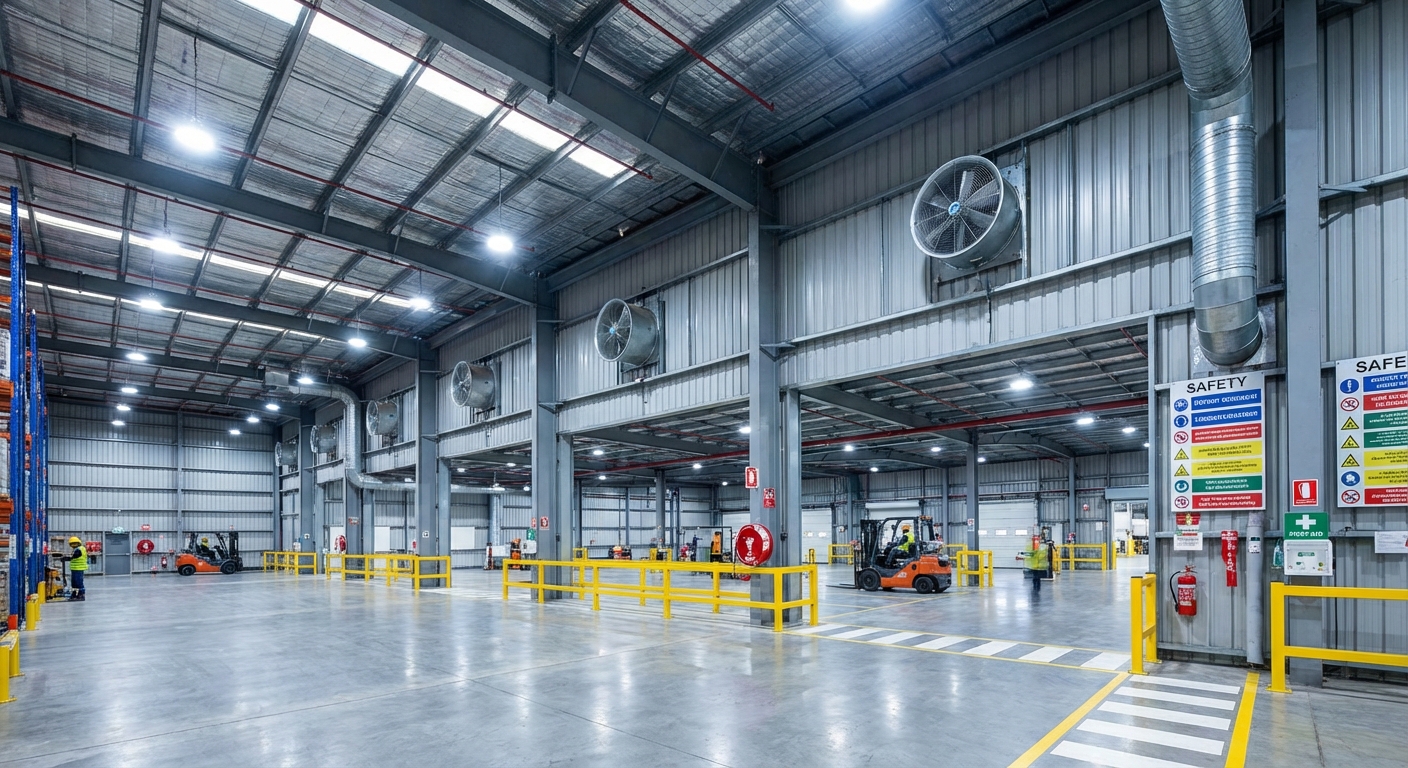
Ensuring safety when building a warehouse involves integrating lightning protection, proper ventilation, and clear emergency egress. You must design the warehouse structure to include natural lighting through skylights to reduce reliance on electrical systems during the day. Modern steel warehouse buildings also require advanced airflow systems to maintain air quality and prevent the buildup of fumes.
Implement active safety systems
You should install fire sprinklers and smoke detectors throughout the steel structure warehouse. Safety must be integrated into the building’s design, not added as an afterthought.
Look at it this way:
- Lightning rods protect against electrical surges.
- Clear signage for exits and hazard zones.
- High-visibility floor markings for forklift safety.
A safe steel warehouse structure protects both your employees and your commercial assets.
Optimize indoor air quality
You can use ridge vents and turbine ventilators to ensure constant air exchange without using electricity. This is vital for employee health and product preservation.
The truth is:
- Skylights provide free natural illumination.
- Wall louvers allow for cross-ventilation.
- Exhaust fans remove forklift emissions quickly.
Key Takeaway: Safety and comfort are essential for a high-performing industrial workplace.
| Safety Element | Implementation | Goal | |
|---|---|---|---|
| Skylights | Roof Panels | Energy Saving | |
| Vents | Ridge/Wall | Air Quality | |
| Egress | Steel Doors | Life Safety |
A focus on safety ensures your facility remains compliant and productive for its entire lifespan.
Frequently Asked Questions
Can I expand my warehouse later?Absolutely. The modular nature of steel allows you to remove end walls and add new bays with minimal disruption to your current operations.
What’s the best way to prevent rust?Using hot-dipped galvanized steel is the most effective method, as it provides a permanent barrier against the elements.
How do I know if I need a crane?If you handle heavy machinery or bulk metals, you should design the frame with built-in crane runway beams from the start to save on future modification costs.
Can I build a steel warehouse on uneven ground?No, you must grade and level the site first to ensure a stable foundation and proper structural alignment.
How long does the design process take?Typically, basic designs are completed within two weeks, though complex custom engineering may take longer.
We are dedicated to delivering high-performance, cost-effective industrial solutions that empower your business growth. Our vision is to provide every client with a structure that combines engineering excellence with rapid deployment. If you are ready to start your next project, contact us today to receive a comprehensive quote and professional guidance. Let’s build your future together.