
An aviation hangar is a specialized, high-performance environment designed for the storage, maintenance, and protection of aircraft assets. Without a high-quality hangar airplane facility, you risk exposing multi-million dollar jets to corrosive elements and inefficient maintenance workflows. This exposure agitates operational costs through increased downtime and rapid equipment depreciation. By investing in a pre-engineered steel structure, you solve these logistical hurdles while ensuring the long-term safety and readiness of your fleet.
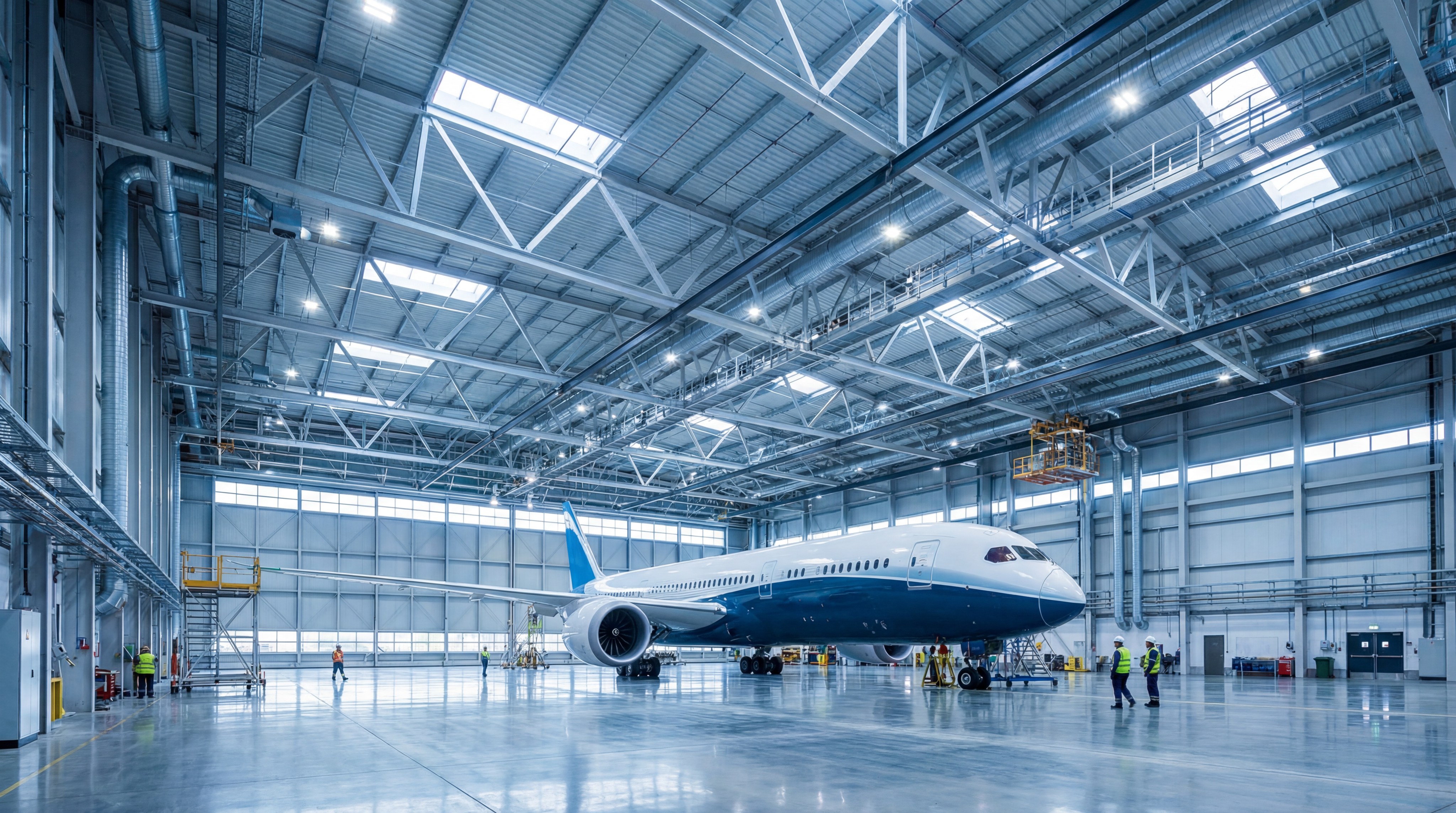
What is a hangar airplane facility’s main purpose?
A hangar airplane facility serves as a multifunctional industrial hub dedicated to aircraft preservation and mission-critical repairs. These structures provide the massive clear spans required to house wingspans ranging from private jets to commercial airliners.
What are the primary types of hangar spaces?
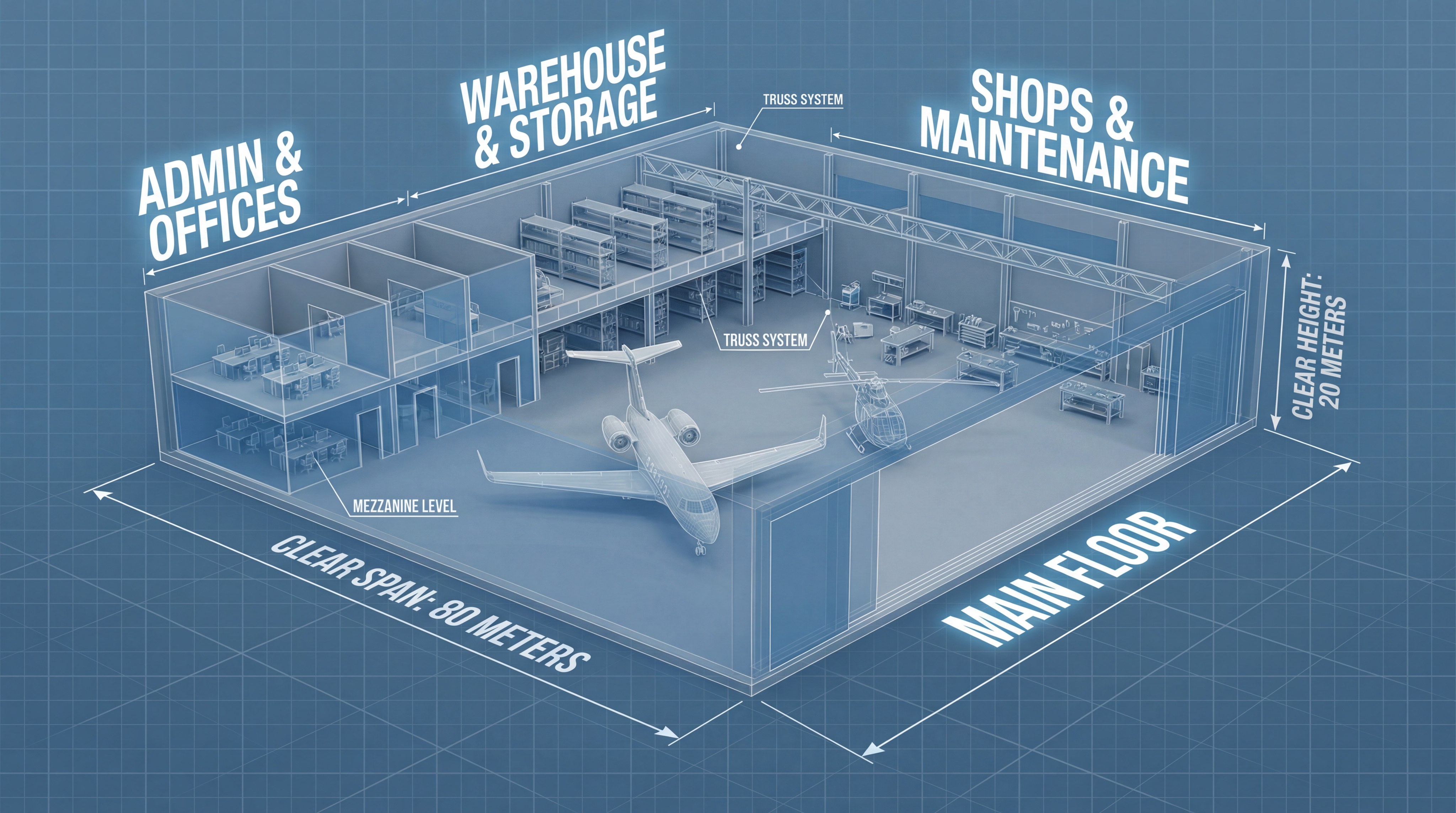
Modern facilities are typically divided into five distinct zones including hangar areas, maintenance shops, and administrative offices. These zones ensure that logistics and personnel management remain separated from heavy industrial repairs.
- Hangar Area: The primary floor space for aircraft parking.
- Shops Area: Dedicated zones for airframe and avionics repair.
- Warehouse Area: Storage for spare parts and raw materials.
Here is the kicker: A well-designed layout must minimize maintenance downtime while maximizing the aircraft’s availability to fly.
Key Takeaway: A hangar is a complex industrial facility that integrates storage with specialized maintenance zones to support aviation logistics.
| Space Category | Primary Function | Priority Requirement | |
|---|---|---|---|
| Hangar Floor | Aircraft storage/access | Maximum clear span | |
| Maintenance Shops | Component repair | Specialized equipment | |
| Admin Area | Operations management | Personnel comfort |
The table above illustrates how different functional zones require specific structural priorities to maintain operational efficiency.
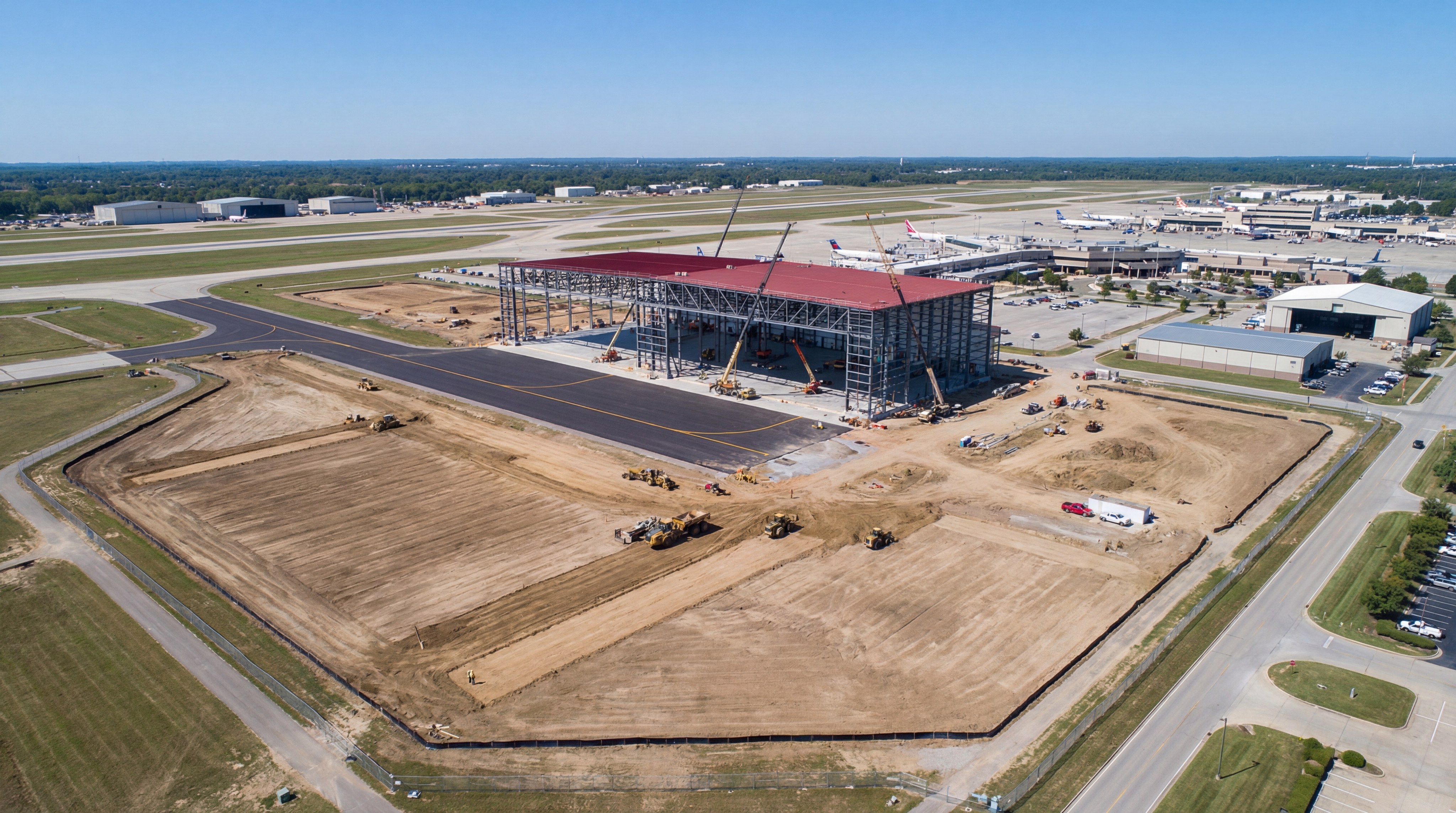
How do you site a hangar airplane for maximum efficiency?
A hangar airplane site must prioritize direct taxiway access and high soil load-bearing capacity to support heavy aircraft. Choosing the wrong location can lead to structural settlement or obstructed ground handling movements.
What factors impact facility placement?
Site selection requires analysis of airport traffic patterns and the proximity to high-voltage utility grids. Engineers must ensure the ground is level to prevent drainage issues that could compromise the building’s foundation.
- Taxiway Access: Direct paths to the main runway for reduced fuel burn.
- Topography: Level ground to prevent structural shifts.
- Utility Proximity: Access to high-pressure water for fire systems.
You might be wondering: How does the turning radius of a tow vehicle affect the total site size required for safe movement?
Key Takeaway: Strategic site selection reduces ground handling time and ensures the long-term structural integrity of the massive steel frame.
| Site Factor | Requirement | Operational Impact | |
|---|---|---|---|
| Proximity | Near taxiways | Faster deployment | |
| Soil Type | High load-bearing | Prevents slab cracking | |
| Clearance | Obstruction-free | Enhanced safety |
Analysis of these factors shows that site preparation is just as critical as the building design itself for aviation success.
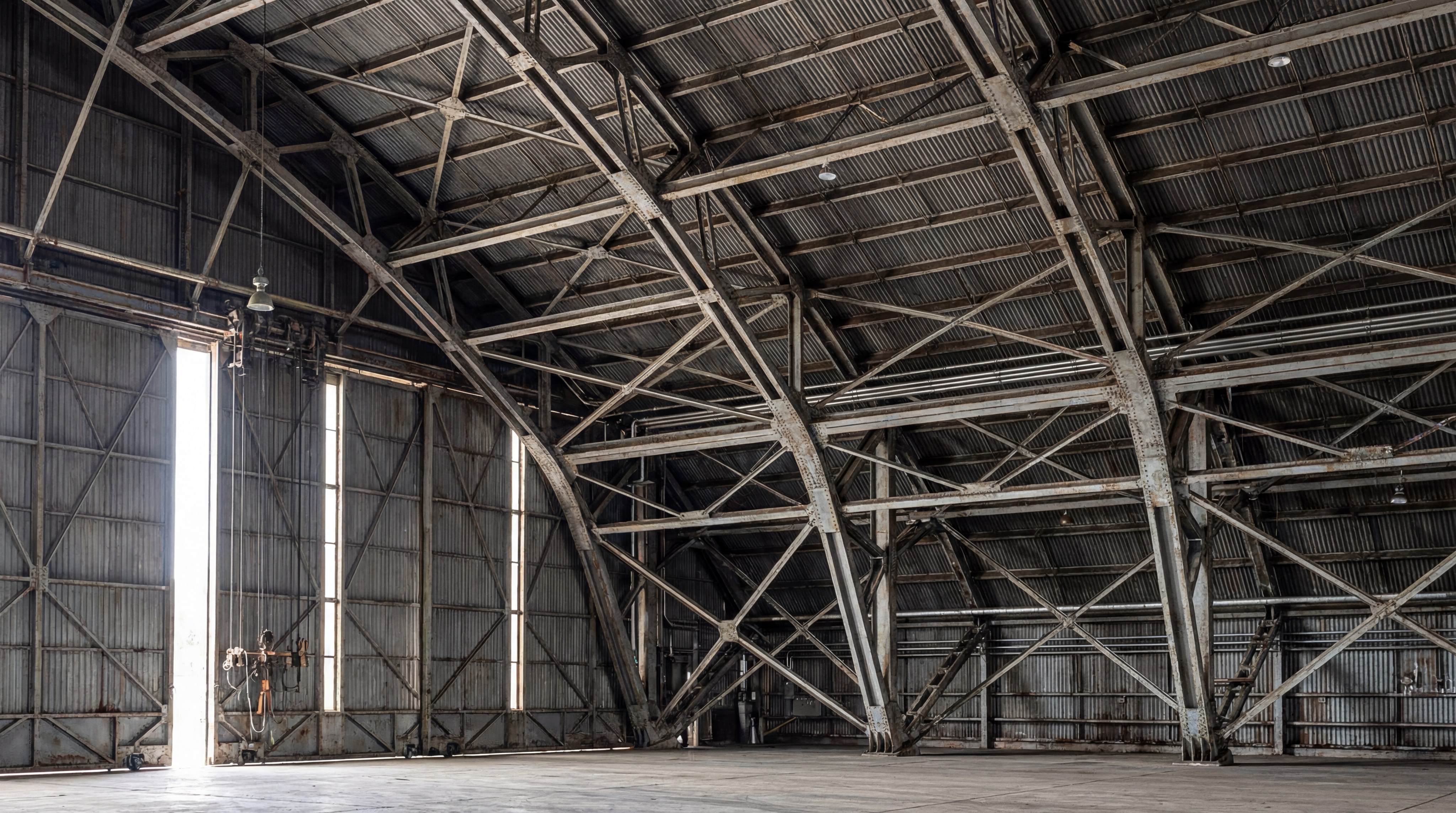
Which design elements define a hangar airplane structure?
A hangar airplane design relies on balancing massive clear spans with precise vertical clearances for various aircraft tails. Designers use aircraft templates to arrange various fleet combinations to maximize every square foot of usable floor space.
How do you determine facility space requirements?
The sizing of the hangar depends on the specific aircraft mix and the complexity of the maintenance being performed. Door heights must clear the highest point of the aircraft tail plus an operational buffer for safety.
- Tail Height: Determines the necessary clearance for door systems.
- Clear Span: Must accommodate the widest wingspan in the fleet.
- Egress Routes: Must meet Life Safety Codes for personnel protection.
Think about it: Planning for future, larger aircraft is the only way to protect your investment against rapid technological obsolescence.
Key Takeaway: Design must prioritize clear span and vertical clearance to accommodate both current and future fleet requirements.
| Design Element | Metric | Consideration | |
|---|---|---|---|
| Clear Span | Wingspan + 10ft | Maneuvering safety | |
| Door Height | Tail height + 5ft | Operational buffer | |
| Floor Load | PSI rating | Aircraft weight |
Optimizing these design elements ensures the facility remains functional as aircraft technology and fleet sizes continue to evolve.
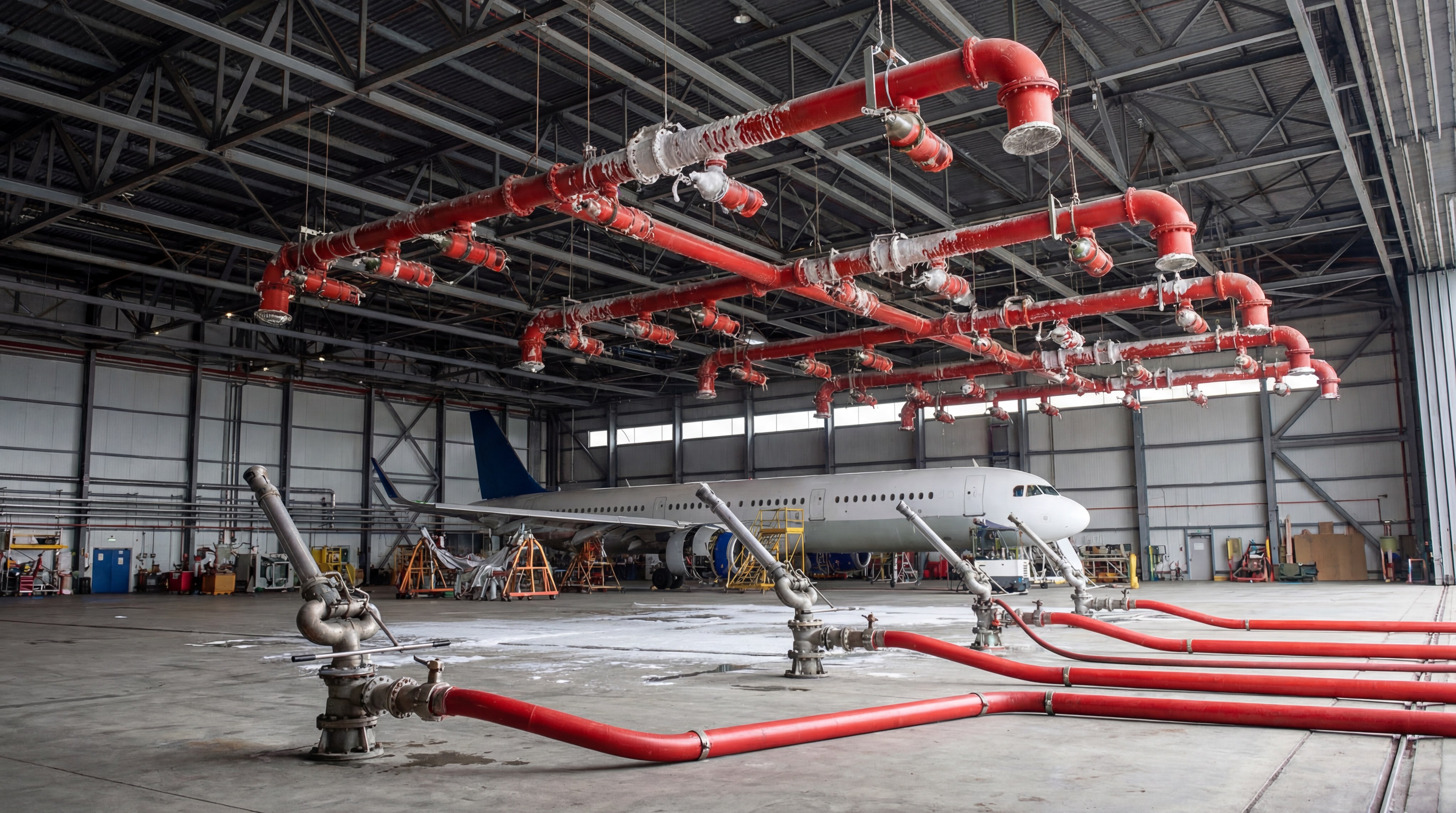
Why is fire safety vital for a hangar airplane?
Fire protection in a hangar airplane is a non-negotiable regulatory requirement designed to protect multi-million dollar assets from fuel-based fires. Following NFPA 409 standards ensures that the suppression systems can effectively smother fires before they compromise the airframe.
What suppression systems are standard for aircraft?
Most hangars utilize a combination of overhead Aqueous Film Forming Foam (AFFF) and floor-level water cannons. These systems are designed to reach under the wings where fuel-related incidents are most likely to occur.
- AFFF Systems: Smothers fuel fires with specialized chemical foam.
- Water Cannons: Floor-mounted monitors for under-wing protection.
- Draft Curtains: Roof barriers that contain heat for faster sprinkler activation.
Look at it this way: If the local water pressure is insufficient, you must install massive on-site reservoirs and booster pumps to meet safety codes.
Key Takeaway: Fire protection systems are life-saving investments that must be integrated with the building’s overall drainage and HVAC designs.
| System Type | Agent | Targeted Area | |
|---|---|---|---|
| Overhead Deluge | Foam/Water | Total floor coverage | |
| Floor Monitors | Foam | Under-wing protection | |
| Fire Reservoirs | Water | Supplemented supply |
The integration of these systems provides a comprehensive safety net that protects both the flight assets and the personnel on-site.
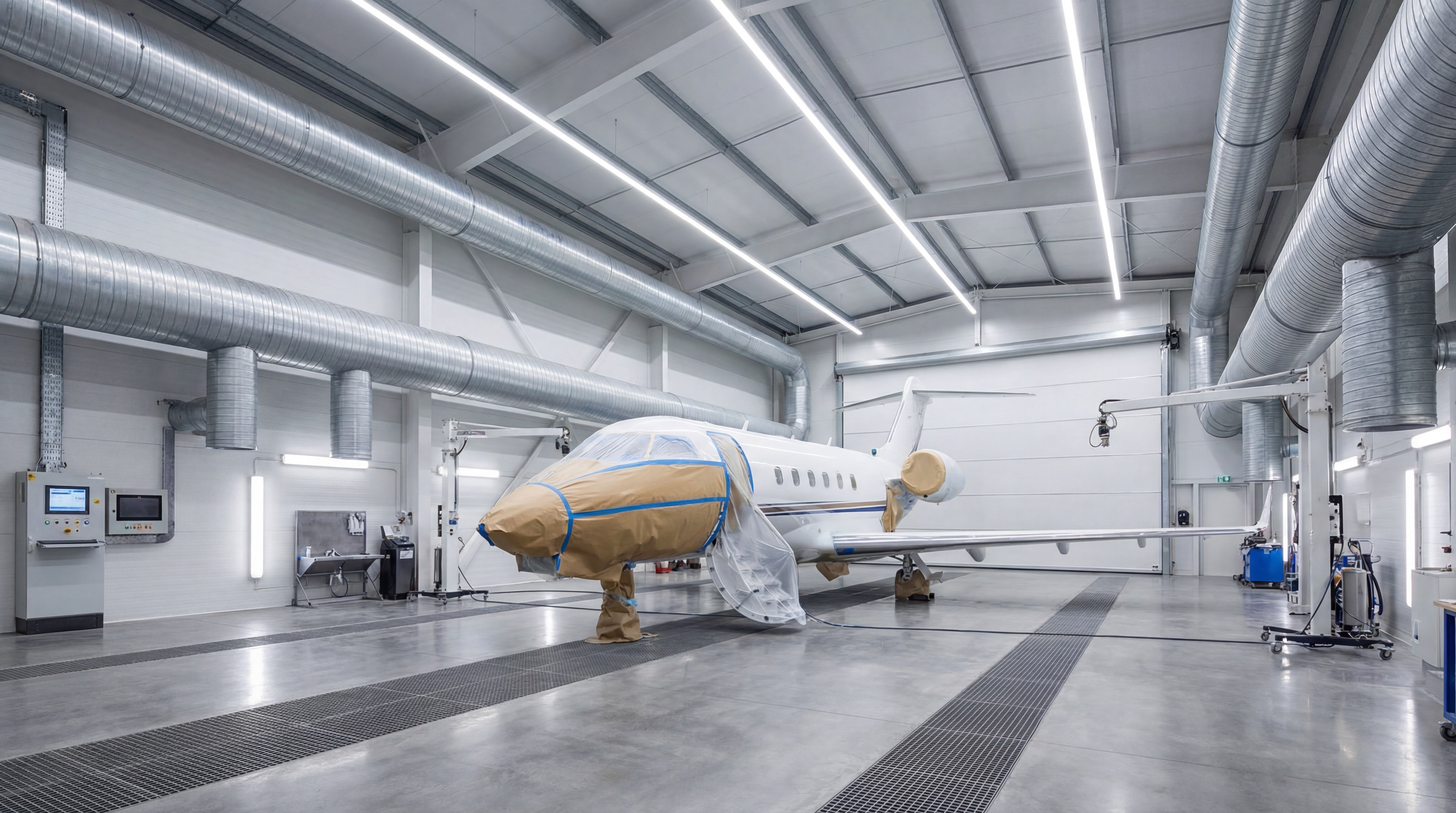
How does a hangar airplane manage hazardous materials?
A hangar airplane often functions as an industrial facility that must capture and treat toxic effluents from painting and corrosion control. Strict environmental controls are necessary to manage air quality and prevent contamination of local water supplies.
What are the controls for toxic effluents?
Environmental controls include specialized floor drains and HEPA filtration systems designed to capture paint vapors and fuel runoff. These systems ensure that the hangar remains compliant with modern environmental safety regulations.
- Containment Trenches: Capture hazardous waste for specialized tank storage.
- Air Filtration: Uses HEPA filters to scrub air in paint booths.
- VOC Scrubbers: Remove Volatile Organic Compounds from the exhaust stream.
Believe it or not: In specialized corrosion control hangars, the mechanical rooms are often as large as the hangar floor due to filtration complexity.
Key Takeaway: Managing hazardous materials is essential for both environmental compliance and the safety of the maintenance technicians.
| Waste Type | Capture Method | Treatment | |
|---|---|---|---|
| Fuel Runoff | Oil-Water Separators | On-site treatment | |
| Paint Vapors | HEPA/Scrubbers | Atmospheric filtration | |
| Chemical Wash | Secondary Containment | Specialized disposal |
Effective hazardous material management transforms a standard hangar into a high-performance industrial environment capable of complex restoration tasks.
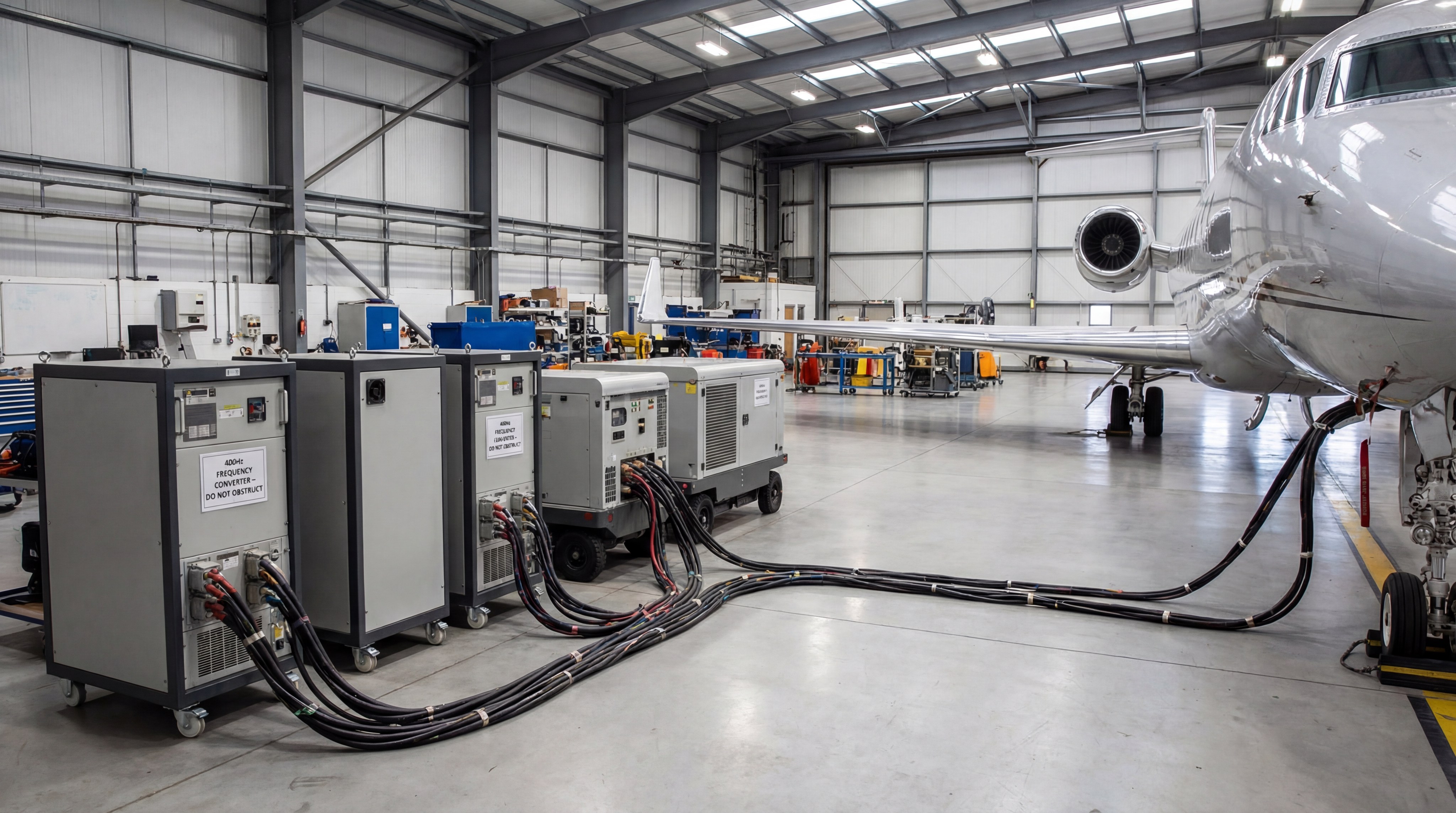
What electrical needs does a hangar airplane require?
The electrical infrastructure of a hangar airplane must provide specialized frequencies like 400Hz to support modern avionics and ground support equipment. Standard 60Hz public utility power is insufficient for testing sensitive flight systems and powering electric tow vehicles.
How does power supply affect hangar operations?
Specialized power systems must be explosion-proof near the floor to prevent spark ignition of fuel vapors. This requires NEMA 4 ratings for all electrical components to withstand moisture from fire suppression testing.
- Hazardous Classifications: Spark-proof installations for safety near fuel sources.
- Ground Support Equipment: Dedicated charging stations for electric vehicles.
- 400Hz Converters: Required for testing sensitive aircraft avionics.
Here is the thing: Standard industrial wiring is simply not enough when you are dealing with sensitive avionics and potential fuel vapors.
Key Takeaway: Electrical systems must be designed for both high-output aircraft power and the safety requirements of a hazardous environment.
| Power Need | Frequency | Equipment | |
|---|---|---|---|
| Building Power | 60Hz | Lights and HVAC | |
| Aircraft Power | 400Hz | Avionics testing | |
| Emergency Power | Battery/Gen | Fire pumps and exit lights |
Correct electrical design ensures that aircraft systems can be fully tested and maintained without relying on internal engine power.
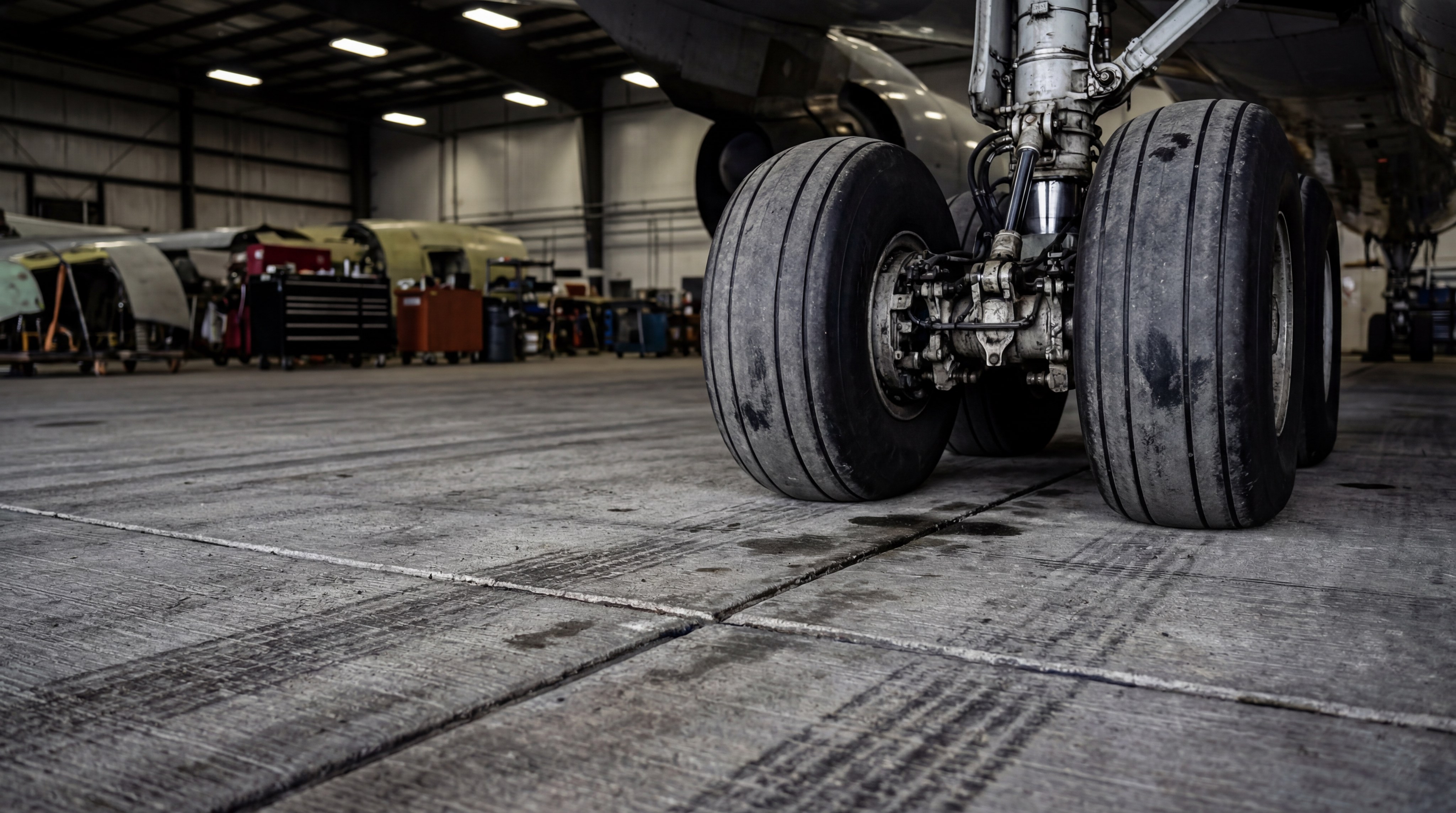
Can a hangar airplane optimize maintenance workflows?
A hangar airplane facility optimizes workflows by integrating logically arranged shops and warehouses directly adjacent to the main floor. This arrangement minimizes the time spent transporting parts and tools, thereby reducing overall aircraft downtime.
How do inspection intervals influence hangar design?
The frequency of routine and heavy maintenance checks determines the necessary ratio of shop space to hangar floor area. Facilities must support everything from composite repair to specialized battery servicing in ventilated, dedicated rooms.
- Fabrication Shops: Designated spaces for structural and composite repair.
- Battery Servicing: Ventilated rooms for lead-acid or lithium-ion systems.
- Cryogenics Storage: Specialized areas for liquid oxygen or nitrogen.
But wait, there’s more: The FAA mandates specific documentation procedures, meaning the hangar must facilitate quality control at every physical step.
Key Takeaway: A hangar’s layout must flow logically from parts storage to the maintenance floor to minimize aircraft downtime.
| Inspection Level | Duration | Space Required | |
|---|---|---|---|
| Routine (A/B) | Short | Hangar floor | |
| Heavy (C/D) | Long | Dedicated shop bay | |
| Special (Paint) | Varies | Sealed booth |
Optimizing the physical flow of parts and personnel is the most effective way to increase the profitability of an aviation maintenance facility.
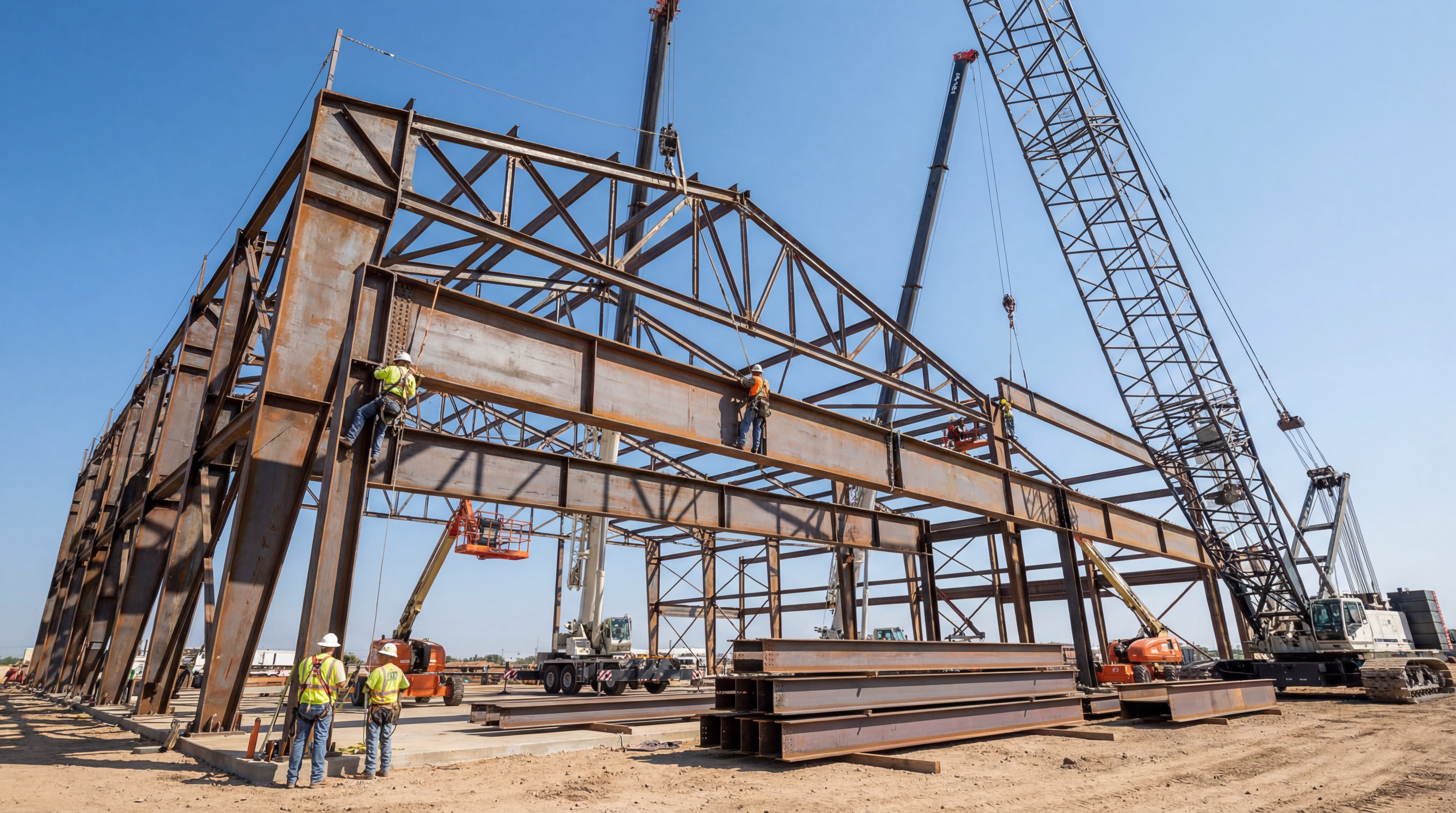
What are the newest trends for a hangar airplane?
Modern trends for a hangar airplane center on sustainability and the ability to house next-generation wide-body aircraft with composite airframes. As operating costs rise, owners are turning to high-tech insulation and daylighting to reduce energy consumption.
How does sustainable design impact modern hangars?
Sustainable design reduces the massive costs of heating and cooling large volumes of air while improving the working environment for technicians. Infrared heating and high-R value insulation are becoming standard in modern aviation construction.
- High-R Insulation: Reduces heat loss through the roof and walls.
- Daylighting: Uses translucent panels to lower artificial lighting needs.
- Infrared Heating: Heats personnel and aircraft directly rather than the air.
It’s no secret: As manufacturers move toward composite materials, hangars will increasingly resemble high-tech laboratories rather than traditional garages.
Key Takeaway: Future-proofing through sustainable design and high-tech infrastructure is vital for long-term return on investment.
| Trend | Benefit | Implementation | |
|---|---|---|---|
| Sustainability | Lower OpEx | Solar/Insulation | |
| Larger Aircraft | Versatility | High-span doors | |
| Automation | Precision | Robotic coating |
Adopting these trends ensures that your facility remains competitive and efficient in a rapidly changing aviation landscape.
Is security necessary for a modern hangar airplane?
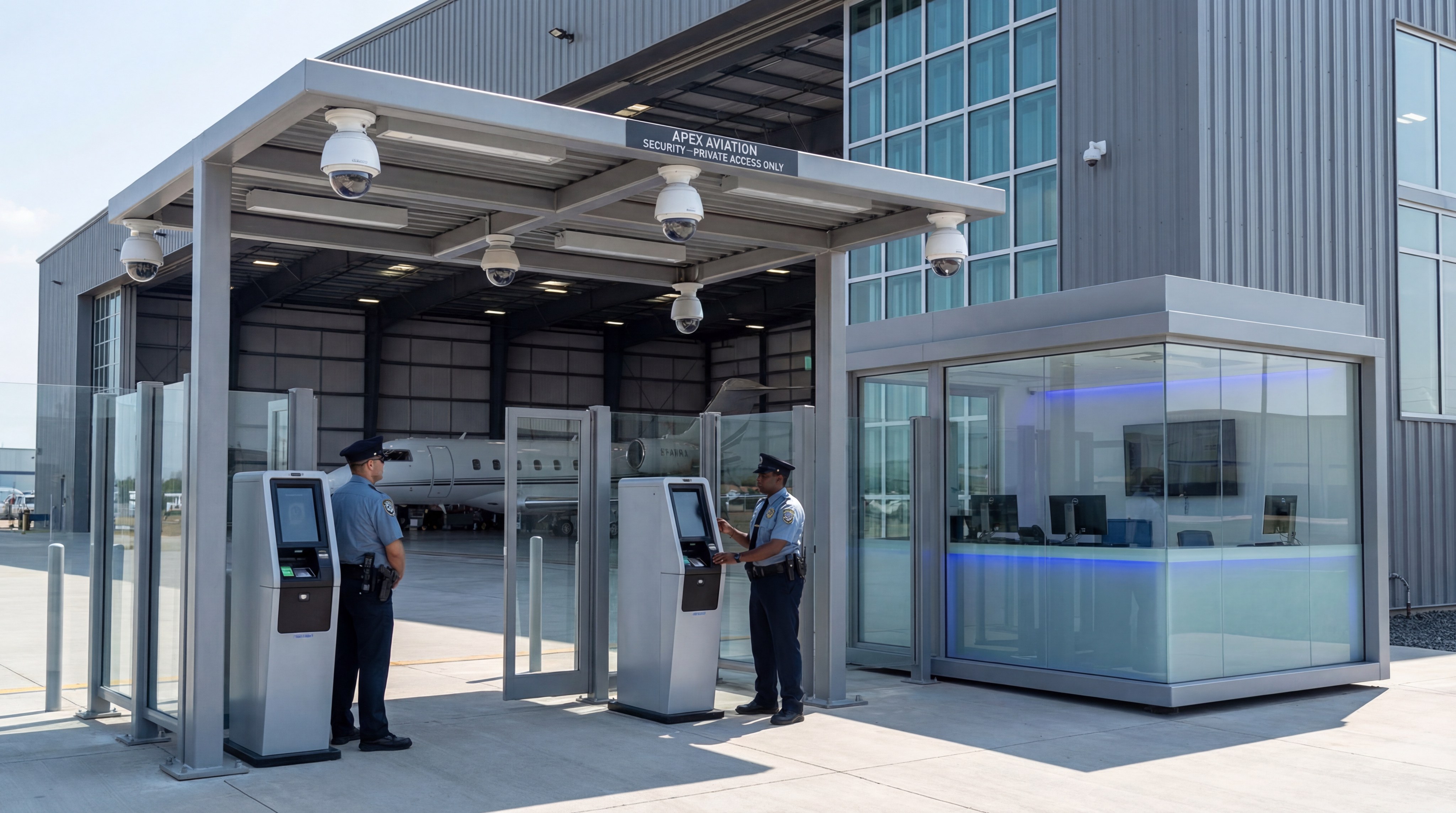
Security is an absolute priority for a hangar airplane facility due to the high value of the aircraft and the sensitivity of aviation operations. Modern designs incorporate force protection standards to mitigate risks from unauthorized access and external threats.
What are the force protection standards for hangars?
Force protection includes biometric access control, blast-resistant glazing, and strategic standoff distances for perimeter roads. These measures protect the aircraft, the technicians, and the operational continuity of the entire airport facility.
- Standoff Distances: Keeps roads a safe distance from building walls.
- Access Control: Uses biometrics for all facility entry points.
- Blast-Resistant Glazing: Prevents window shattering during high-impact events.
Keep in mind: Physical security isn’t just about locks; it’s about the entire site layout and how it deters unauthorized access.
Key Takeaway: Integrated security measures protect the aircraft, the technicians, and the operational continuity of the facility.
| Security Layer | Method | Goal | |
|---|---|---|---|
| Perimeter | Fencing/Gates | Unauthorized entry | |
| Building | Access Control | Zonal security | |
| Asset | CCTV/Monitoring | Theft prevention |
A secure facility provides peace of mind for aircraft owners and ensures that mission-critical assets are protected around the clock.
Why choose steel for your next hangar airplane?
Choosing steel for a hangar airplane provides the massive clear spans necessary for unobstructed aircraft movement and rapid construction timelines. Steel’s strength-to-weight ratio allows for spans of up to 160 meters, which is impossible with traditional building materials.
What are the advantages of factory-direct steel?
Factory-direct steel ensures that the design is optimized for fabrication and that all components fit perfectly during on-site assembly. This approach reduces construction delays and ensures that the structure meets all international engineering standards.
- Clear Spans: Up to 160m for wide-body aircraft maintenance.
- Trial Assembly: Pre-fitting components in the factory for precision.
- Speed of Erection: Rapid assembly of pre-engineered components.
The bottom line is this: Manufacturing ownership means you get a buildable structure where the designer and the fabricator are on the same page.
Key Takeaway: Steel provides the strength, flexibility, and speed required for modern large-scale aviation projects.
| Steel Benefit | Operational Impact | Why it Matters | |
|---|---|---|---|
| High Strength | Clear spans | No interior columns | |
| Durability | Low maintenance | Long-term reliability | |
| Precision | Better fitment | Faster construction |
Steel remains the premier choice for aviation facilities, offering unmatched versatility for both storage and heavy maintenance.
Frequently Asked Questions
1. Can I customize the door height for specific aircraft tails?Yes, pre-engineered steel hangars allow for complete customization of door heights and widths to accommodate everything from small turboprops to the largest wide-body jets.
2. What’s the best way to prevent corrosion inside the hangar?The best method is installing a climate-controlled HVAC system combined with high-performance floor coatings that resist aviation fuel and hydraulic fluid spills.
3. Can I integrate an office mezzanine into the hangar design?Absolutely. Steel structures easily support mezzanine levels for administrative offices or parts storage without compromising the clear span needed for aircraft.
4. What is the typical lifespan of a steel aviation hangar?A high-quality steel hangar designed with proper coating systems can last over 50 years with minimal maintenance, providing an exceptional return on investment.
5. How long does the fabrication process usually take?Most factory-direct steel structures are fabricated within 8 to 12 weeks, with on-site assembly taking significantly less time than traditional concrete construction.
Building a world-class aviation facility requires a partner who understands the intricate balance of structural engineering and aeronautical logistics. Our mission is to deliver durable, high-performance steel structures that protect your fleet and empower your maintenance teams through innovative design. To solve your hangar challenges and receive a custom-engineered proposal that meets international standards, contact us today.