
A steel structure is a metal framework made of structural steel components—such as beams, columns, and plates—organized to carry loads and provide full rigidity. Many overseas construction projects face delays, skyrocketing costs, and structural failures due to poor material choices or fragmented supply chains. Imagine the frustration of receiving a shipment at a remote site only to find mismatched connection plates or corroded beams that don’t meet local safety codes. A professionally engineered building steel structure provides the predictability, speed, and durability required for high-stakes industrial and agricultural developments.
What defines a modern building steel structure?
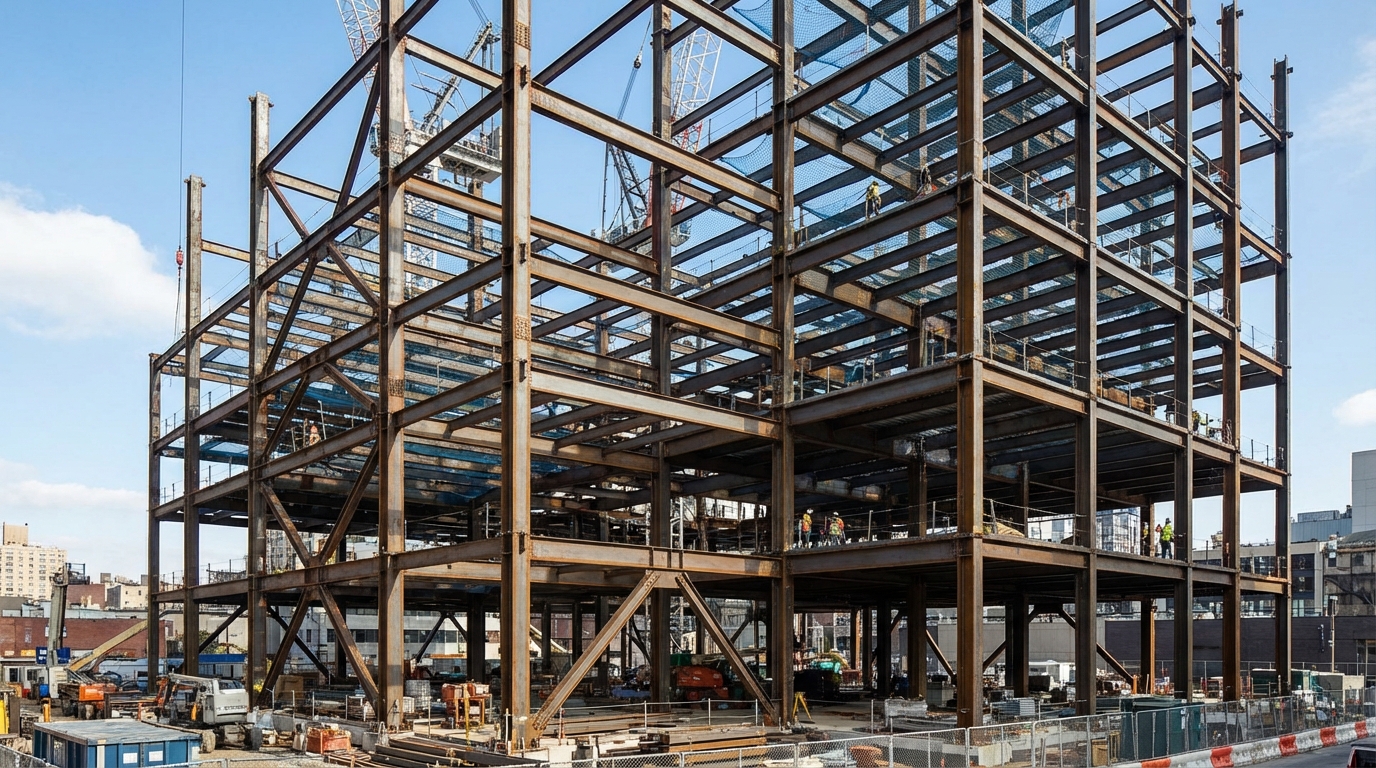
A building steel structure is defined as a construction system where the primary load-bearing skeleton is made of high-strength steel grades like Q235B or Q355B. These components are factory-prefabricated to ensure that every dimension is precise before the materials even reach your site.
What materials are used?
Think about it. The quality of your building depends entirely on the chemical composition and yield strength of the steel used. Modern systems rely on a combination of heavy-duty H-beams and lightweight secondary members to balance weight and strength.
- Primary Frame: Welded H-section steel (Q355B) for maximum vertical support.
- Secondary Frame: Galvanized C/Z purlins that provide lateral stability.
- Connections: High-strength bolts that eliminate the need for risky on-site welding.
Why choose factory prefabrication?
Look: Controlled environments produce better results than outdoor construction sites ever could. When components are manufactured in a specialized facility, they undergo rigorous quality checks that prevent errors from reaching your foundation.
- Precision: CNC cutting ensures a fit-up tolerance of less than 1mm.
- Protection: Multi-layer coatings are applied in climate-controlled booths.
- Speed: Parts arrive numbered and ready for immediate bolting.
Key Takeaway: Modern steel construction shifts the complexity of building from the construction site to the factory, ensuring a higher standard of safety and speed.
| Feature | Factory Prefabricated | Traditional Site-Built | |
|---|---|---|---|
| Material Quality | Certified & Tested | Varies by supplier | |
| Precision | High (CNC) | Moderate (Manual) | |
| Weather Impact | Zero (Indoor) | High (Outdoor delays) |
The transition to factory-controlled manufacturing is the single most effective way to eliminate human error in international construction.
Why invest in a building steel structure?
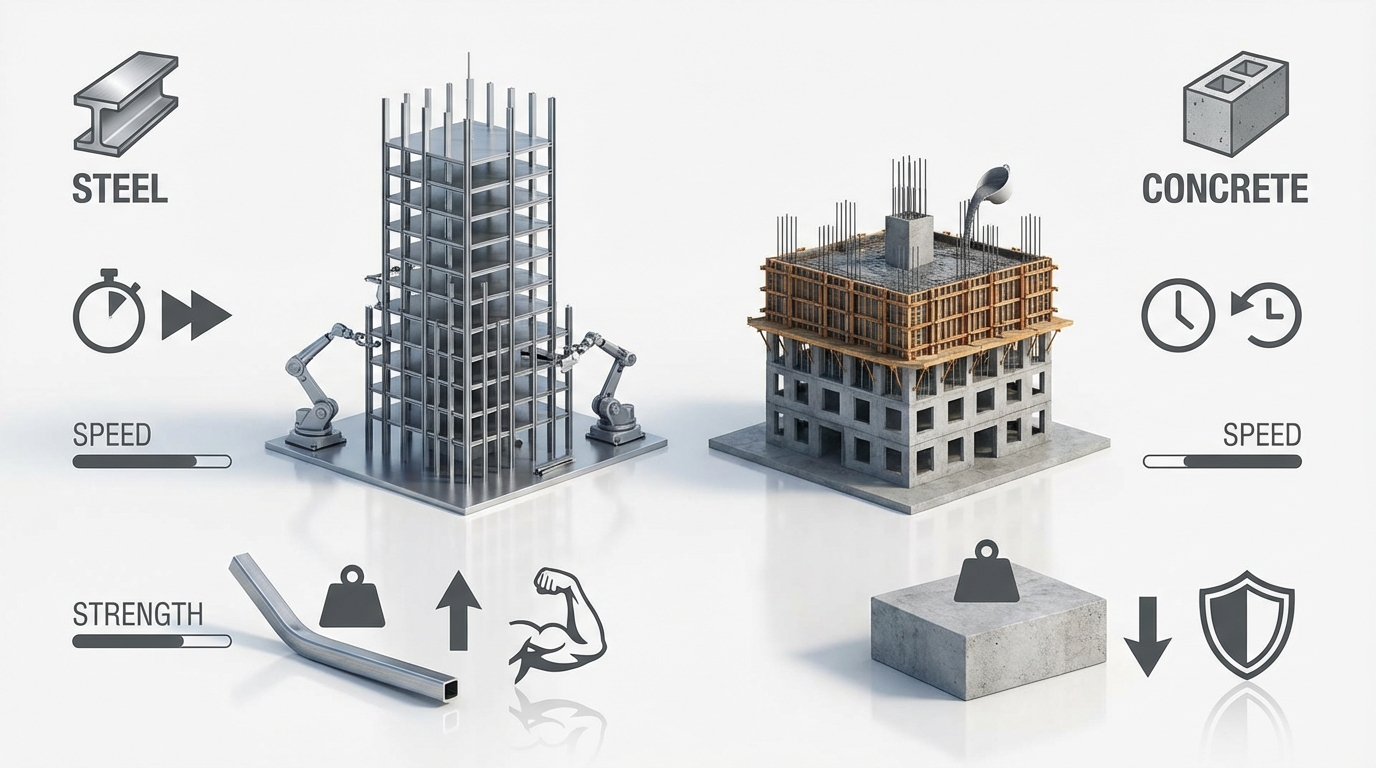
Investing in a building steel structure allows you to maximize floor space and ensure long-term structural integrity through a superior strength-to-weight ratio. Because steel is much lighter than concrete, you can significantly reduce the depth and cost of your foundations.
What about seismic and wind safety?
The best part? Steel is a ductile material, meaning it can bend without breaking during extreme seismic events or high-velocity wind loads. This flexibility allows the structure to absorb energy rather than cracking like rigid concrete frames.
- Wind Resistance: Designed to withstand loads up to 9.0m/s.
- Seismic Intensity: Rated for earthquake resistance up to 8.0 magnitude.
- Ductility: High yield strength allows for safe deformation under stress.
Is steel a sustainable choice?
Think about it. Steel is the most recycled material on the planet, making it the ideal choice for developers focused on LEED certification or green building standards. You can even dismantle and relocate the structure if your business needs change in the future.
- Recyclability: 100% of the steel frame can be repurposed.
- Energy Efficiency: Compatible with high-R-value sandwich panels.
- Low Waste: Prefabrication eliminates the piles of waste found on concrete sites.
Key Takeaway: Investing in steel is a strategic decision that prioritizes safety, environmental responsibility, and long-term financial flexibility.
| Metric | Building Steel Structure | Reinforced Concrete | |
|---|---|---|---|
| Strength-to-Weight | Exceptional | Moderate | |
| Seismic Behavior | Ductile (Safe) | Brittle (Risk) | |
| Foundation Cost | Low | High |
Steel’s inherent material properties provide a safety margin that is simply unattainable with traditional masonry or concrete.
What types of building steel structure exist?
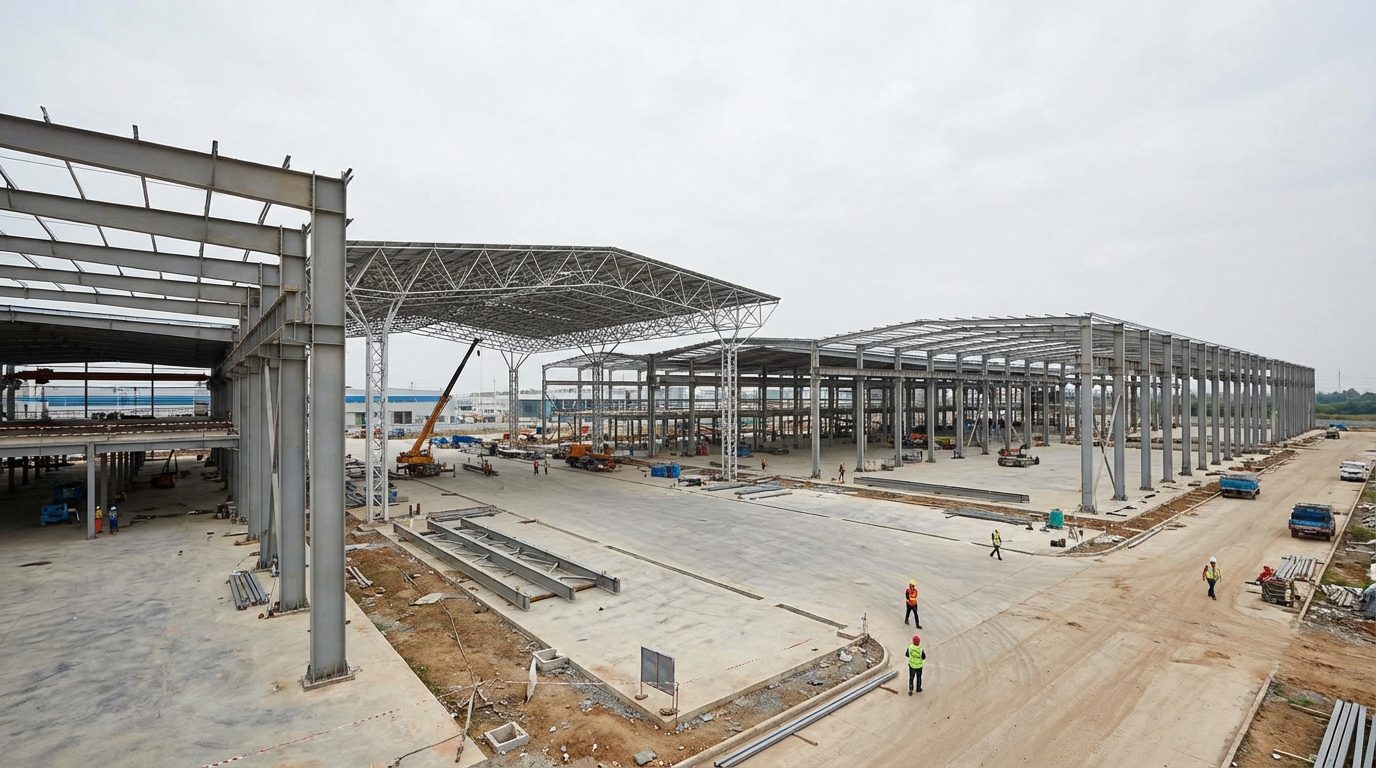
Different types of building steel structure configurations include rigid frames, trusses, and arch structures tailored to specific span requirements. Choosing the right frame type is essential for optimizing the internal workflow of your facility.
Should you use a portal frame?
Let’s face it. For most industrial applications, a portal frame is the gold standard because it provides a massive clear span without the need for internal columns. This gives you total freedom to move machinery or arrange high-density racking.
- Clear Span: Achieve widths up to 50 meters without internal pillars.
- Versatility: Ideal for manufacturing, storage, and logistics centers.
- Expansion: Easy to extend by adding more frames to the sequence.
What are multi-span designs?
Here’s the deal: If you are building a massive agricultural shed or a retail mall, a multi-span design might be more cost-effective. By adding internal columns, you can cover vast areas of land while reducing the weight of the primary rafters.
- Coverage: Best for buildings wider than 60 meters.
- Cost Efficiency: Reduces the required thickness of steel beams.
- Zoning: Internal columns can act as natural partitions for different departments.
Key Takeaway: Whether you need a wide-open workshop or a sprawling warehouse, there is a steel frame configuration designed to maximize your usable space.
| Frame Type | Best Use Case | Max Clear Span | |
|---|---|---|---|
| Portal Frame | Logistics & Workshops | Up to 50m | |
| Truss Frame | Aircraft Hangars | Up to 100m+ | |
| Multi-Span | Large Factories | Unlimited |
Selecting the correct structural layout at the design phase prevents logistical bottlenecks once the building is operational.
How is a building steel structure engineered?
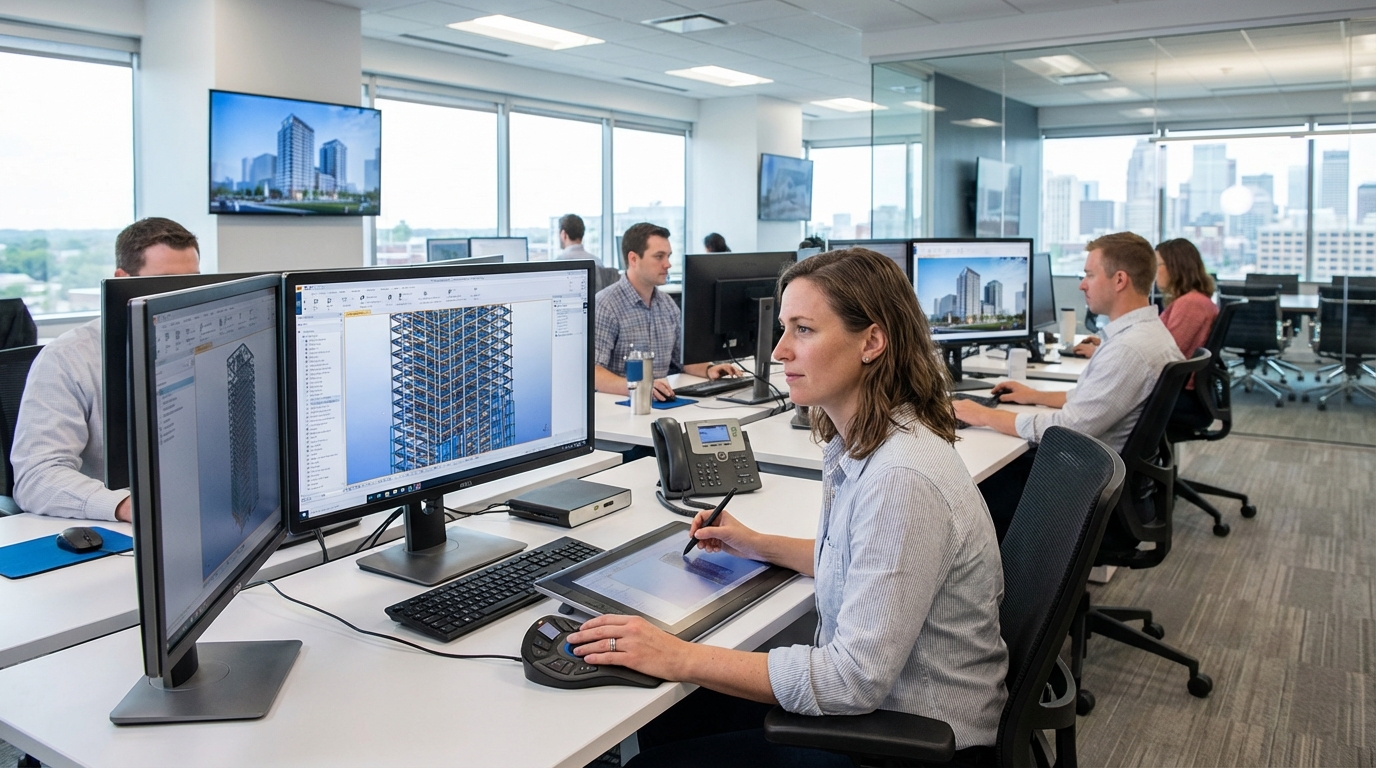
Every building steel structure starts with precision engineering using 3D modeling software like Tekla and AutoCAD to ensure every bolt hole aligns perfectly. This digital approach allows us to simulate stress tests and wind loads before a single piece of steel is cut.
How does Tekla help your project?
Think about it. Traditional 2D drawings often hide “clashes” where pipes, vents, or beams overlap in ways that are impossible to build. Using Tekla Structures creates a 100% accurate 3D model that reflects the exact reality of your future building.
- Collision Detection: Finds and fixes design errors before production.
- Bill of Materials: Generates an exact list of every nut and bolt needed.
- Visualization: Allows you to take a virtual tour of your building design.
Does it meet international codes?
Look: For overseas projects, it is vital that your engineering complies with local safety standards such as AISC, Eurocode, or AS/NZS. Our engineers adapt the structural thickness and connection details to meet the specific legal requirements of your region.
- Standard Compliance: Verified calculations for international safety.
- Calculated Integrity: Detailed reports on load-bearing capacities.
- Third-Party Ready: Designs are optimized for quick approval by local consultants.
Key Takeaway: Professional engineering is the “brain” of your building, ensuring that the physical structure performs exactly as promised under stress.
| Software Tool | Primary Benefit | Output | |
|---|---|---|---|
| Tekla Structures | 3D Accuracy | Fabrication Drawings | |
| AutoCAD | Layout Precision | Floor Plans | |
| STAAD.Pro | Stress Analysis | Load Reports |
Advanced 3D modeling eliminates the risk of field modifications, which are the primary cause of cost overruns in overseas construction.
How does a building steel structure handle weather?
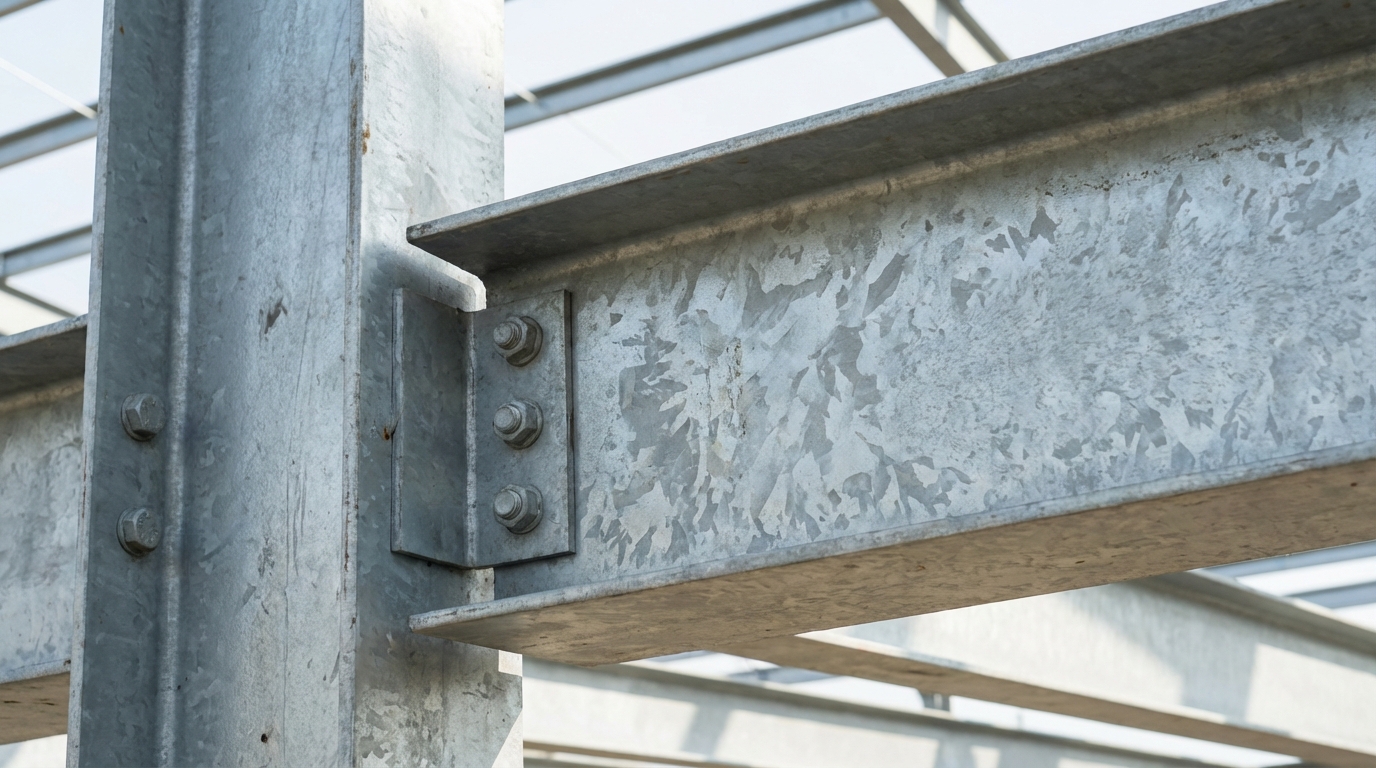
A building steel structure handles extreme weather through hot-dip galvanization and high-performance cladding systems that resist corrosion and wind loads. This level of protection is especially critical for projects in coastal regions or areas with high humidity.
What is the benefit of galvanization?
The best part? Hot-dip galvanization creates a metallurgical bond between the zinc and the steel, providing a “self-healing” shield against rust. Even if the surface is scratched during installation, the surrounding zinc protects the steel from oxidizing.
- Zinc Coating: Standard 80-120μm thickness for long-term defense.
- Longevity: Expect 50+ years of life in most environments.
- Low Maintenance: Eliminates the need for frequent repainting or touch-ups.
Can it survive a tropical storm?
Look: High-wind zones require specialized roofing and wall connections to prevent the structure from “peeling” during a storm. We use high-strength self-tapping screws and specialized EPDM washers to create a 100% waterproof and wind-resistant envelope.
- Panel Overlap: Deep-rib designs prevent water capillary action.
- Fastener Density: Increased screw patterns in high-pressure corner zones.
- Sealant Quality: Industrial-grade butyl tape ensures airtight joints.
Key Takeaway: Weatherproofing a steel building is not just about the frame; it is about the synergy between the steel skeleton and the protective cladding.
| Environment | Protection Method | Expected Life | |
|---|---|---|---|
| Inland / Dry | PE Painting (80μm) | 20-30 Years | |
| Coastal / Humid | Galvanized (100μm) | 50+ Years | |
| Industrial / Acid | Epoxy / Special Coating | 15-25 Years |
Strategic material selection based on your local climate is the most effective way to protect your long-term capital investment.
What is the building steel structure assembly process?
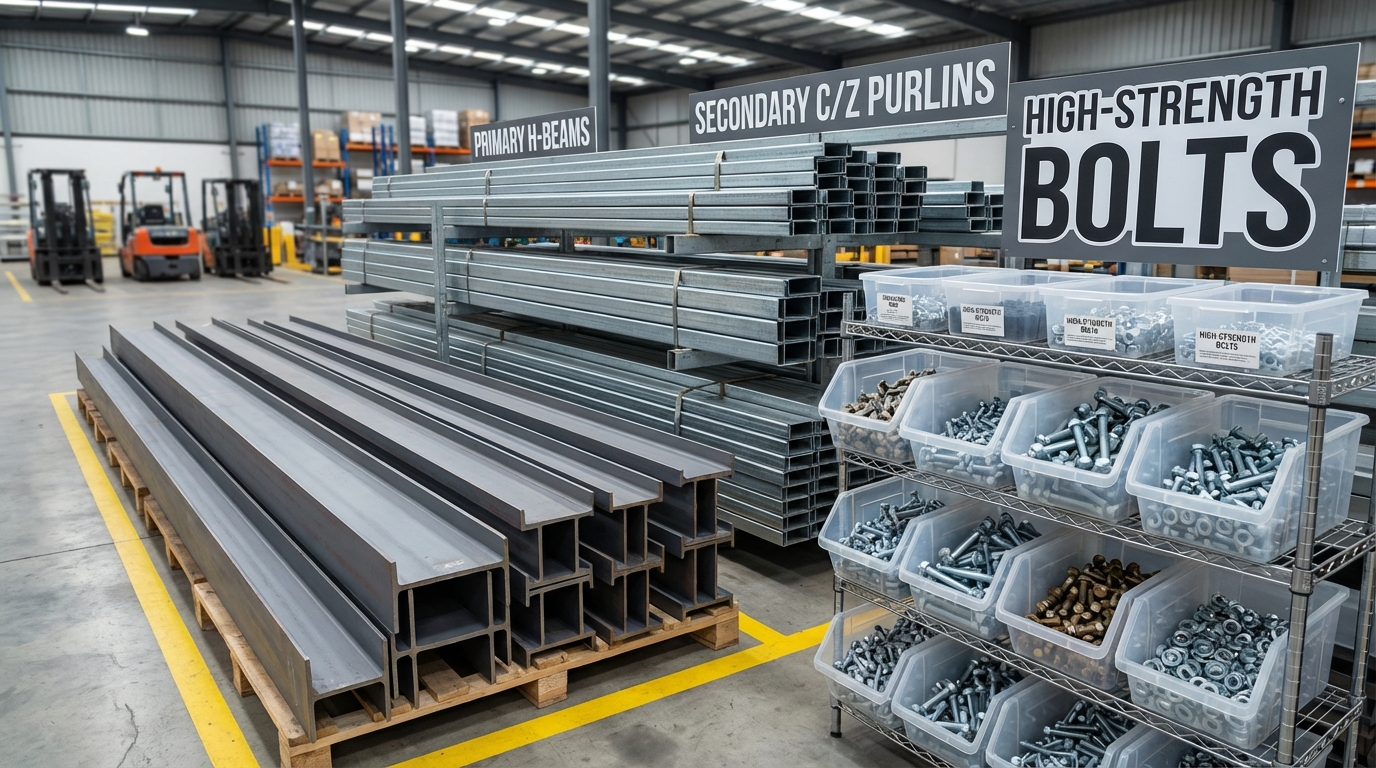
The building steel structure assembly process is a mechanical procedure where prefabricated parts are bolted together on-site according to numbered installation drawings. This “Lego-style” construction eliminates the need for complex site work and drastically reduces the labor hours required.
How are components managed on site?
Wait, there’s more. To prevent confusion at the construction site, every single beam, purlin, and plate is marked with a unique code that matches your erection manual. This systematic approach ensures that even local crews with limited experience can follow the logic.
- Marking System: Waterproof ink or steel stamping for durability.
- Sequencing: Parts are packed in the order they will be installed.
- Packing List: Detailed documentation allows for instant inventory checks.
Why is bolting better than welding?
Think about it. Site welding is slow, dangerous, and difficult to inspect for quality in rainy or windy conditions. High-strength bolted connections are fast to install, easy to verify with a torque wrench, and allow the building to be dismantled later if needed.
- Speed: Bolting is up to 3 times faster than site welding.
- Quality: Bolt strength is certified at the factory level.
- Simplicity: Requires basic tools rather than specialized welding machines.
Key Takeaway: A well-organized assembly process turns a complex engineering project into a predictable and rapid construction schedule.
| Step | Action | Objective | |
|---|---|---|---|
| 1. Unloading | Inventory check by code | Verify no missing parts | |
| 2. Primary | Erect H-columns & Beams | Form the main skeleton | |
| 3. Secondary | Install Purlins & Bracing | Ensure lateral stability | |
| 4. Enclosure | Fix Roof & Wall Panels | Seal the building |
By removing the need for on-site fabrication, you reduce the risk of accidents and ensure the building meets its design specifications.
Is a building steel structure cost-effective?
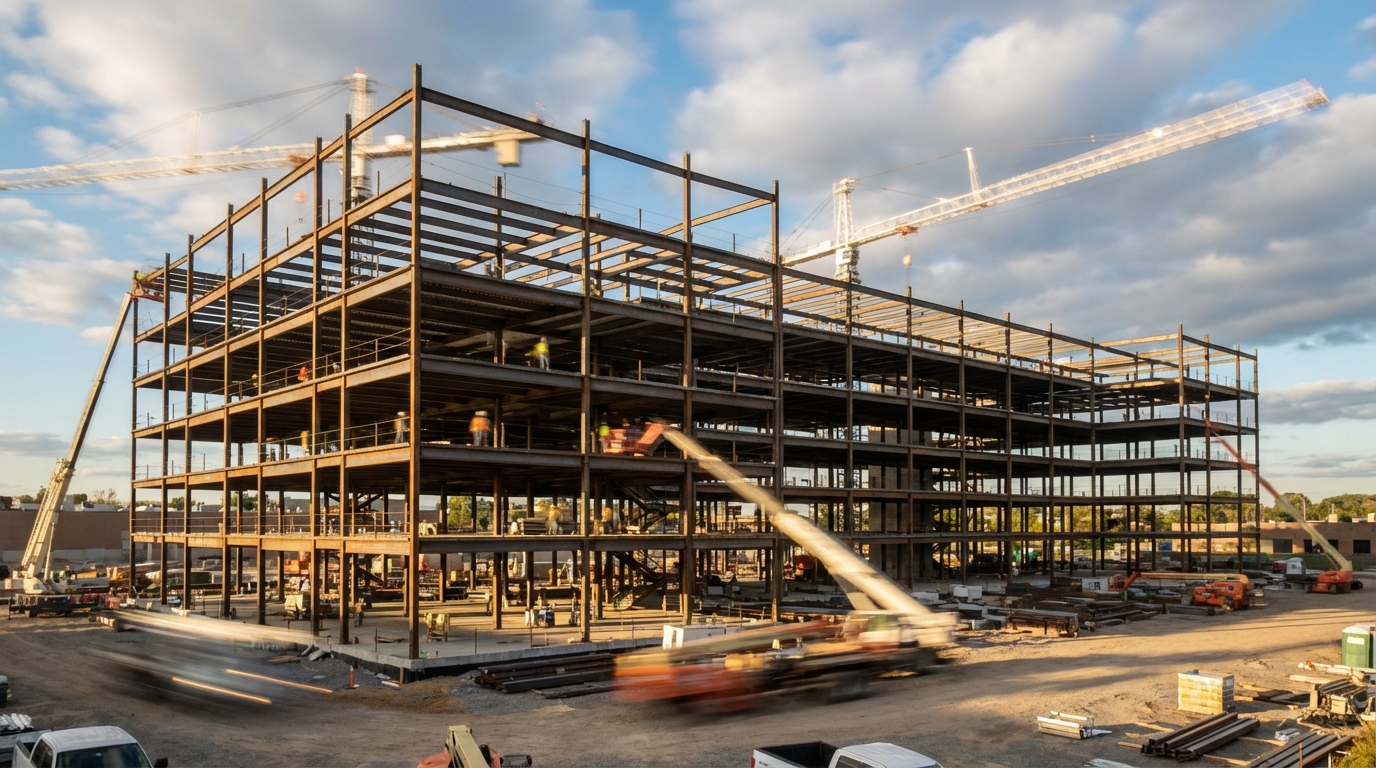
A building steel structure is highly cost-effective because it reduces construction timelines by up to 50% compared to traditional concrete methods. When you factor in the speed of occupancy and lower maintenance costs, the total cost of ownership is significantly lower.
Where do the primary savings come from?
The truth is: The biggest savings aren’t just in the materials, but in the time saved. Because the frame is lightweight, you spend less on foundation concrete, and because it is prefab, you spend far less on monthly site management and labor.
- Foundation: Lighter frames require 20-30% less concrete.
- Labor: Small crews can erect large buildings in weeks, not months.
- Occupancy: Start your production or storage operations much earlier.
What about shipping costs?
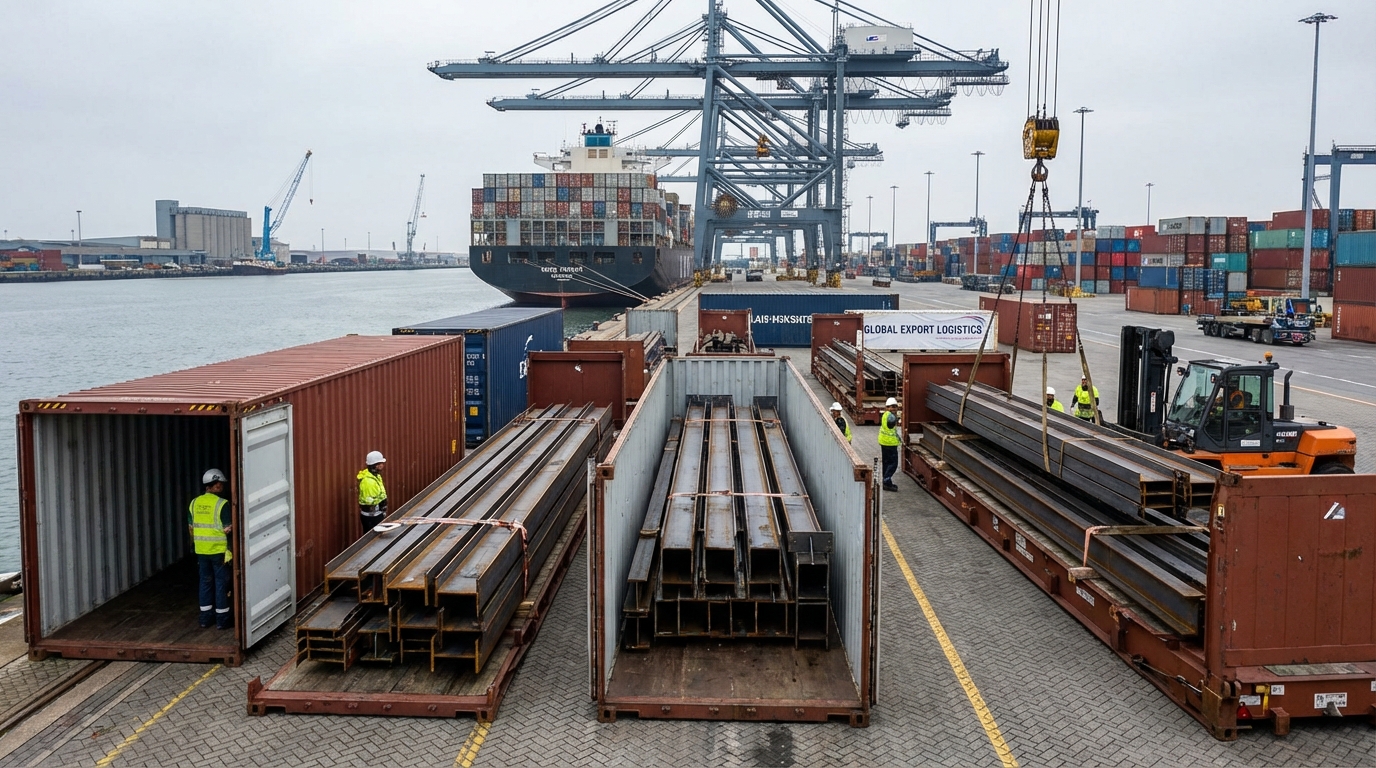
Think about it. We optimize the design so that components fit perfectly into standard shipping containers, maximizing every cubic inch of space. This smart packing strategy reduces the number of containers needed and lowers your total freight bill.
- Nested Purlins: C/Z sections stack tightly to save volume.
- Component Sizing: Beams are designed to fit 40HQ container lengths.
- Bundle Packing: Small accessories are crated to prevent damage and loss.
Key Takeaway: Steel buildings offer a superior Return on Investment (ROI) by combining low initial costs with high-speed project delivery.
| Cost Factor | Steel Structure | Concrete Building | |
|---|---|---|---|
| Construction Time | 3-5 Months | 8-12 Months | |
| Labor Requirement | Low (8-10 people) | High (30+ people) | |
| Maintenance | Low (Galvanized) | High (Cracking/Painting) |
The ability to begin operations months ahead of schedule often pays for a significant portion of the building’s cost.
How to maintain your building steel structure?
Maintaining your building steel structure involves periodic inspections of connection points and cleaning of the cladding to prevent debris accumulation. While steel is incredibly durable, a simple annual check-up can extend the lifespan of your facility to over 50 years.
What should you check annually?
Look: You don’t need a team of engineers for basic maintenance. A simple visual walkthrough once a year is usually enough to identify any minor issues before they become expensive problems.
- Fasteners: Check for any loose bolts or screws in high-vibration areas.
- Sealants: Ensure that silicone and butyl tape are still preventing leaks.
- Coatings: Look for any scratches in the paint that need a quick touch-up.
How do you protect the exterior?
Think about it. Dirt, salt, and industrial pollutants can trap moisture against the metal panels, leading to premature aging. A simple wash with low-pressure water and mild detergent keeps the cladding looking new and performing at its peak.
- Cladding Wash: Removes corrosive salts and bird droppings.
- Gutter Clearing: Prevents water backup and overflow damage.
- Drainage: Ensure the foundation area remains clear of standing water.
Key Takeaway: Proactive maintenance is a low-cost insurance policy that protects the structural integrity and resale value of your building.
| Interval | Task | Reason | |
|---|---|---|---|
| Annual | Visual Bolt Check | Prevent structural drift | |
| Annual | Gutter Cleaning | Prevent water damage | |
| 5 Years | Sealant Inspection | Ensure 100% waterproofing |
Consistent, simple care ensures that your facility remains a productive asset for your business for many decades.
Can a building steel structure be customized?
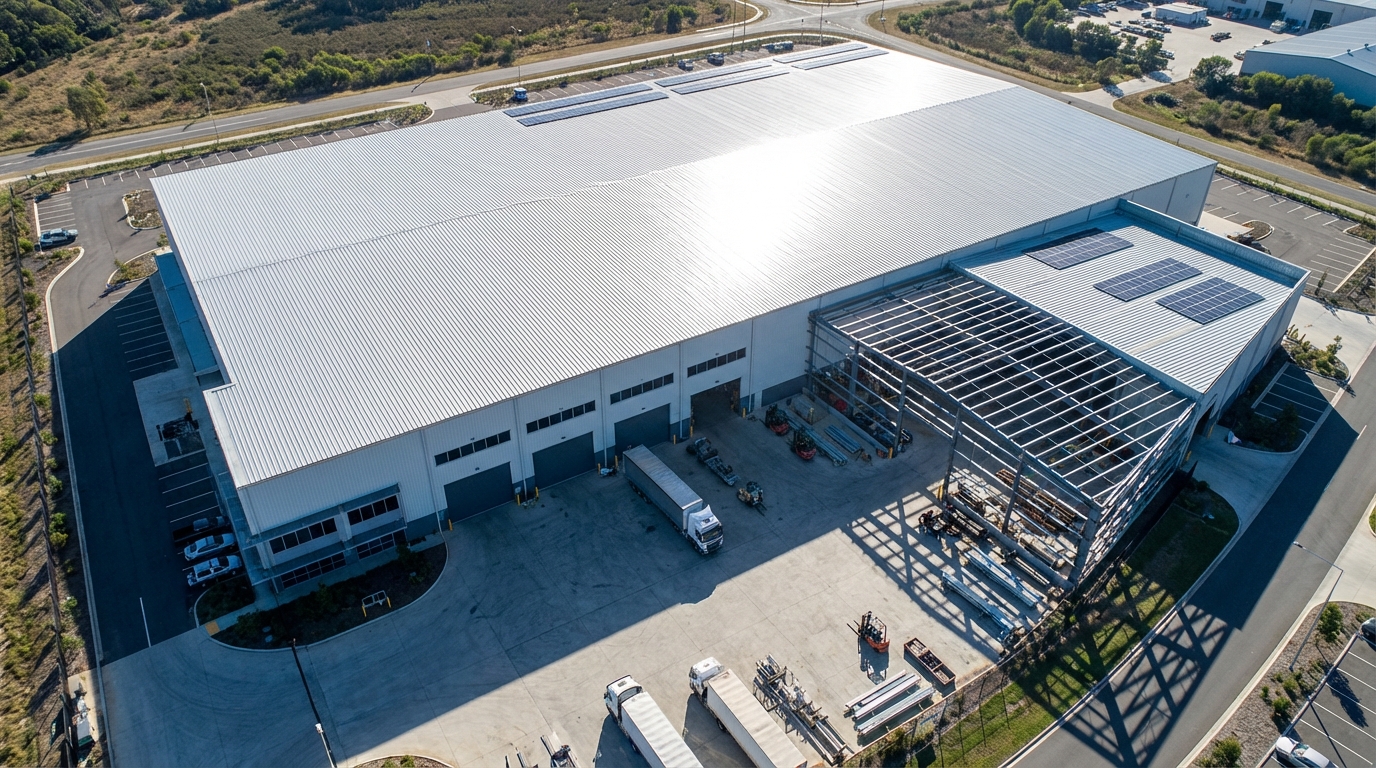
You can fully customize your building steel structure to include overhead cranes, mezzanine floors, or specialized insulation for climate-controlled environments. Our engineering team works with you to integrate these features into the primary frame design from day one.
Need a high-performance industrial space?
Think about it. If you are building a steel structure warehouse or a steel structure workshop , you may need internal crane beams or massive hangar doors. We reinforce the primary columns to handle these dynamic loads safely.
- Crane Girders: Integrated supports for 5-ton to 50-ton cranes.
- Mezzanines: Steel floor systems for additional office or storage space.
- Door Systems: Electric rolling shutters or massive sliding hangar doors.
What about agricultural requirements?
Here’s the deal: Livestock facilities, like a poultry house , require specialized ventilation and corrosion-resistant finishes to handle the ammonia produced by animals. We provide customized sandwich panels and cooling systems specifically for these environments.
- Insulation: PU or Rockwool panels for strict temperature control.
- Ventilation: Automatic roof fans and side-wall inlets.
- Anti-Corrosion: Enhanced coatings for high-ammonia environments.
Key Takeaway: customization transforms a basic metal frame into a high-performance tool tailored to your specific business operations.
| Industry | Custom Feature | Primary Benefit | |
|---|---|---|---|
| Logistics | Mezzanine Floor | Doubles storage capacity | |
| Manufacturing | Crane Support | Heavy material handling | |
| Farming | Climate Control | Maximizes yield / health |
Building a customized structure ensures that you don’t have to compromise your operations to fit inside a generic box.
Why choose our factory for your building steel structure?
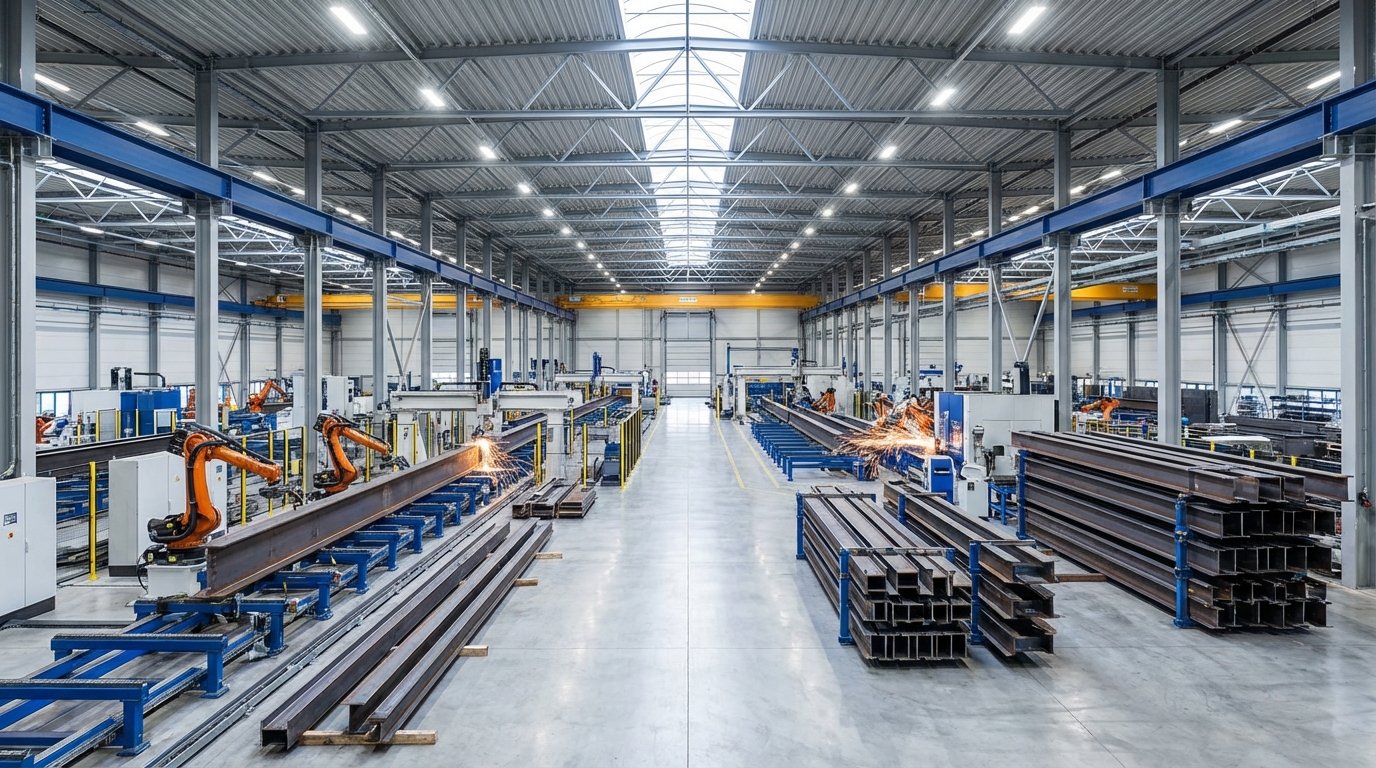
Choosing our factory for your building steel structure guarantees direct manufacturer pricing and a dedicated team that has successfully completed over 800 overseas projects. By eliminating the middleman, you gain 100% control over the quality, timeline, and cost of your construction.
What is the Showhoo advantage?
The best part? We own the entire production process—from the initial 3D design to the final trial assembly in our factory. This means that when you have a question, you are talking directly to the people who are building your structure, not a trading company.
- Annual Capacity: 150,000+ tons of steel structures per year.
- Global Reach: Active projects in 65+ countries across 5 continents.
- ISO Certified: International quality standards with full documentation.
Why does trial assembly matter?
Think about it. The last thing you want is to discover a mismatched bolt hole when you are thousands of miles away from the factory. We perform trial assemblies of critical connections in our yard to verify every fit-up before the containers are sealed.
- Zero Errors: Issues are solved in China, not at your site.
- Fast Erection: Perfectly aligned parts speed up the construction.
- Peace of Mind: You receive photos of your pre-assembled frame.
Key Takeaway: Partnering with a factory-direct manufacturer is the most effective way to mitigate the risks of international construction projects.
| Provider Type | Design Control | Quality Oversight | Price Markup | |
|---|---|---|---|---|
| Showhoo Factory | In-House Experts | Direct Daily Checks | 0% (Direct) | |
| Trading Company | Outsourced | Occasional | 15-30% | |
| Local Supplier | Limited | Varies | High |
Owning the production line allows us to guarantee both the structural integrity and the delivery schedule of your project.
Frequently Asked Questions
Can I modify the design once production has started?Design modifications are evaluated immediately by our engineering team, though changes to already-fabricated components may affect your timeline and cost.
What’s the best way to handle shipping for large components?The most efficient method is using 40HQ containers, as we optimize the length of all beams and purlins to maximize space and reduce freight costs.
Can I use my own local engineer for the foundation design?Yes, we provide all the necessary reaction load data and anchor bolt layouts so your local engineer can design a foundation that meets local soil codes.
What is the standard lifespan of your steel frames?Our galvanized steel structures are engineered for a service life of over 50 years with basic periodic maintenance.
Can I install the building myself with a local crew?Absolutely, as we provide detailed 3D erection drawings, numbered parts, and remote technical support to guide your local team through the process.
The bottom line is simple: a building steel structure is more than just a metal frame; it is a high-performance engineering system designed to protect your investment and accelerate your business growth. Whether you are expanding a logistics network or building a state-of-the-art manufacturing facility, factory-direct expertise is the key to eliminating risk. Contact us today for a free quote and 3D design preview.