
Investing in a customized steel workshop provides the ultimate combination of structural durability, rapid setup, and long-term cost efficiency for your trade or hobby. Traditional wooden workshops rot, warp, and fall victim to termite infestations, leaving your valuable tools and machinery exposed to moisture and structural hazards. Imagine spending thousands of dollars on building repairs or watching your passion projects get ruined by a leaky roof, bad ventilation, or a sudden storm. Transitioning to a certified, factory-direct steel workshop guarantees a lifetime of maintenance-free shelter and complete layout flexibility.
Why choose a prefab steel workshop?
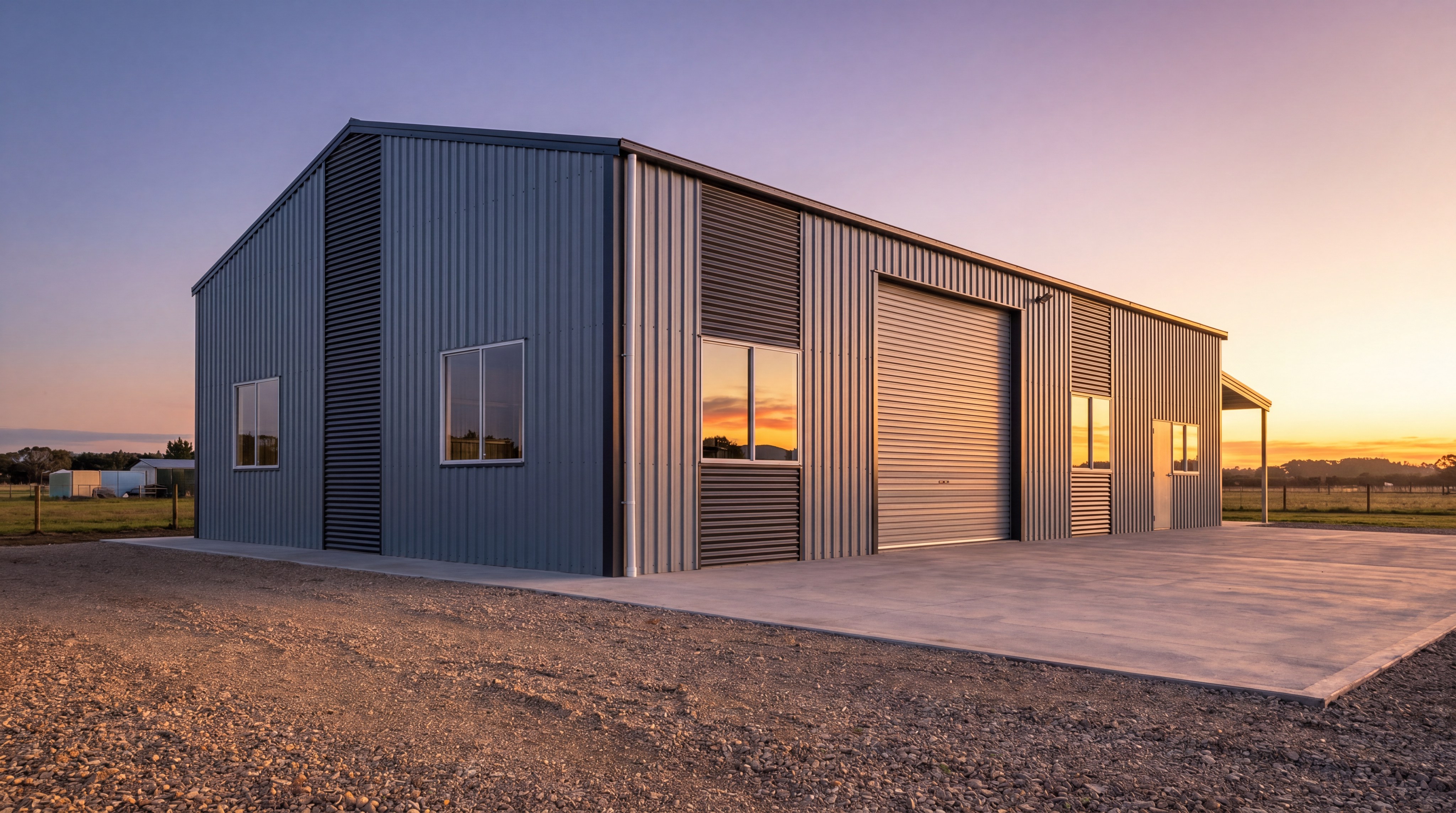
Choosing a prefab steel workshop is the smartest decision when you need a highly durable, quick-to-erect, and spacious workspace without the high costs of traditional masonry. Selecting an engineered industrial steel workshop ensures that every frame column and rafter is fabricated to exact tolerances before arriving at your building site.
This system eliminates the typical hassles of on-site measurements and cutting errors. By choosing pre-engineered structures, you save valuable construction days while receiving a robust, engineered workspace.
What makes pre-engineered framing superior?
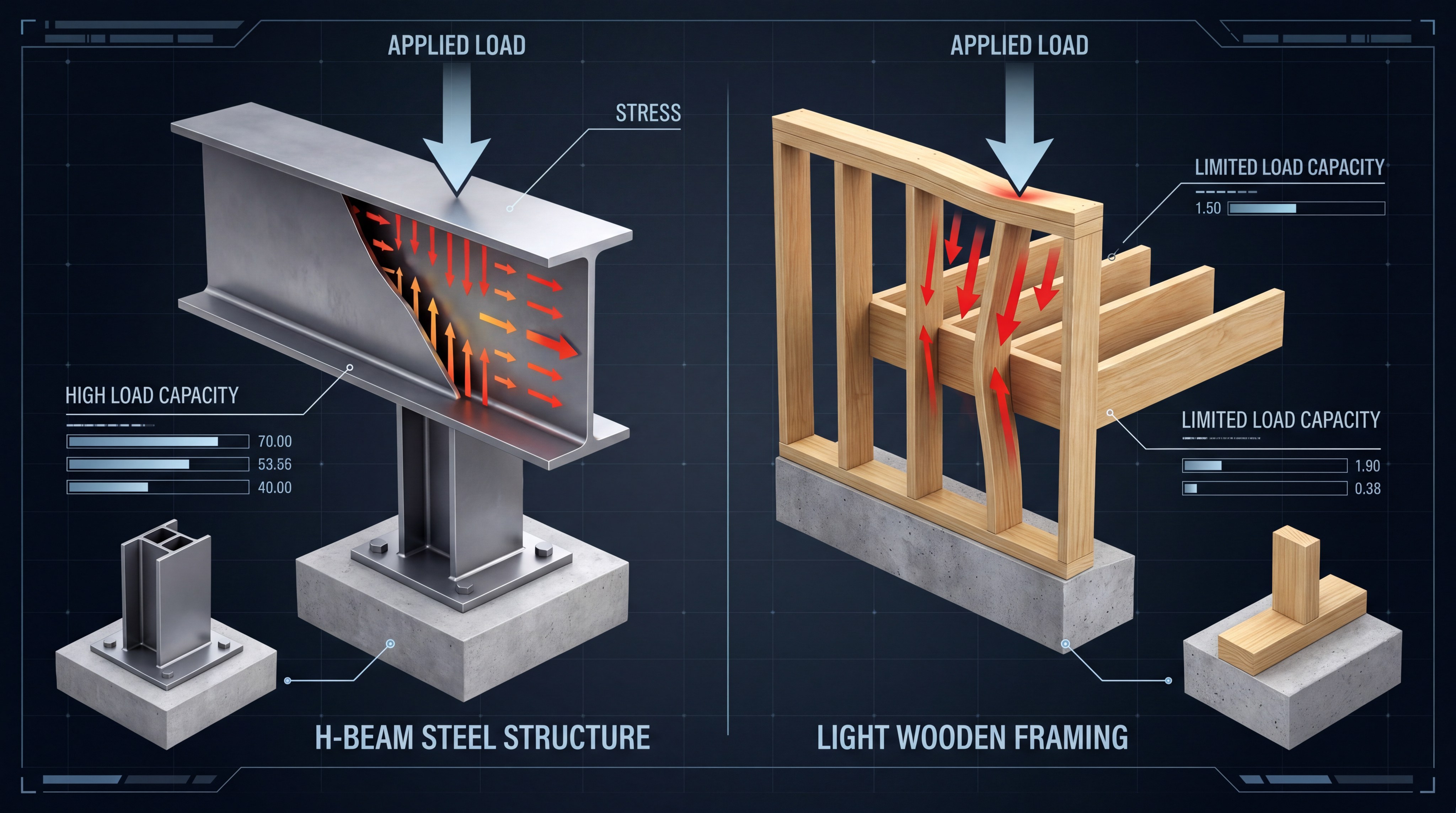
Pre-engineered steel frames utilize high-strength H-section steel columns and beams to carry substantial structural loads. This engineering ensures that your building remains secure even under severe stress.
Think about it. Traditional frames require heavy load-bearing interior columns that take up precious square footage.
- Maximize clear-span interior clearances.
- Reduce heavy foundation concrete requirements.
- Optimize structural weight-to-strength ratios.
Can prefab designs speed up construction?
Bolt-together steel components significantly reduce construction timelines compared to timber or block frames. Your building components arrive fully labeled, matching step-by-step assembly drawings for seamless site installation.
Key Takeaway: Choosing pre-engineered systems reduces on-site labor errors and keeps your workshop project on schedule.
| Framing Element | Prep Time | On-site Assembly Speed | Waste Generation | |
|---|---|---|---|---|
| Pre-Engineered Steel | Automated | Ultra-Fast (Days) | Zero Waste | |
| Timber Framing | Manual | Slow (Weeks) | High Waste |
Looking at these metrics, it becomes clear that pre-engineered systems offer unparalleled speed and efficiency.
Is a steel workshop better than wood?
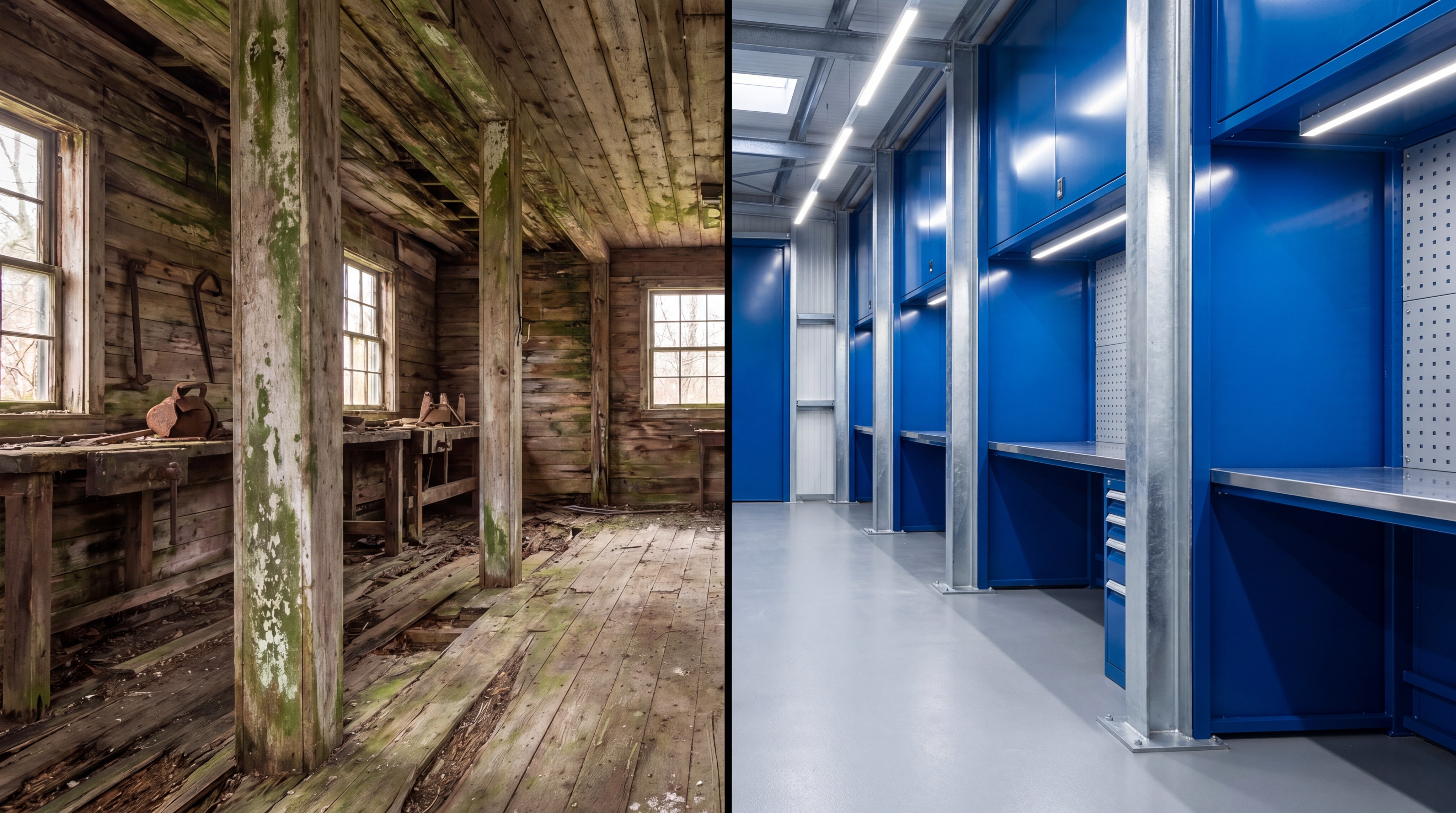
Yes, a steel workshop is vastly superior to a wood workshop because steel does not rot, crack, warp, or attract structural pests. When you build a modern steel structure, you are choosing a fire-resistant material that will not fuel accidental blazes.
Wood frame alternatives require constant painting, sealing, and chemical treatments to prevent deterioration from moisture and insects. Steel structures bypass these expensive maintenance routines entirely.
Why wood structures rot and fail
Moisture is the ultimate enemy of any timber frame, leading to structural rot and expensive repairs over time. This decay is accelerated in humid climates.
Let’s face it. Wood simply cannot withstand prolonged humidity without decaying.
- Fungal rot weakens structural integrity.
- Termites find timber frames highly attractive.
- Warping causes doors and windows to stick shut.
How does steel reduce insurance costs?
Steel’s non-combustible nature drastically lowers fire hazards, which also reduces your commercial insurance premiums. Pests such as carpenter ants and rodents cannot chew through metal walls, ensuring a sanitary, clean interior environment.
Key Takeaway: Choosing steel over wood protects your equipment investments and eliminates recurring structural maintenance costs.
| Hazard Metric | Steel Performance | Wood Performance | Insurance Impact | |
|---|---|---|---|---|
| Fire Resistance | Class A Non-Combustible | Combustible | Lower Premiums | |
| Pest Susceptibility | Completely Resistant | High Risk | No Treatment Needed |
Looking at these metrics, it becomes clear that metal systems represent a much safer long-term investment.
“Boost Your ROI Now – Partner with Us Today!”
Email:sales@showhoo.com.cn
Phone/WhatsApp:+86 186 7895 5927
How to design your custom steel workshop?
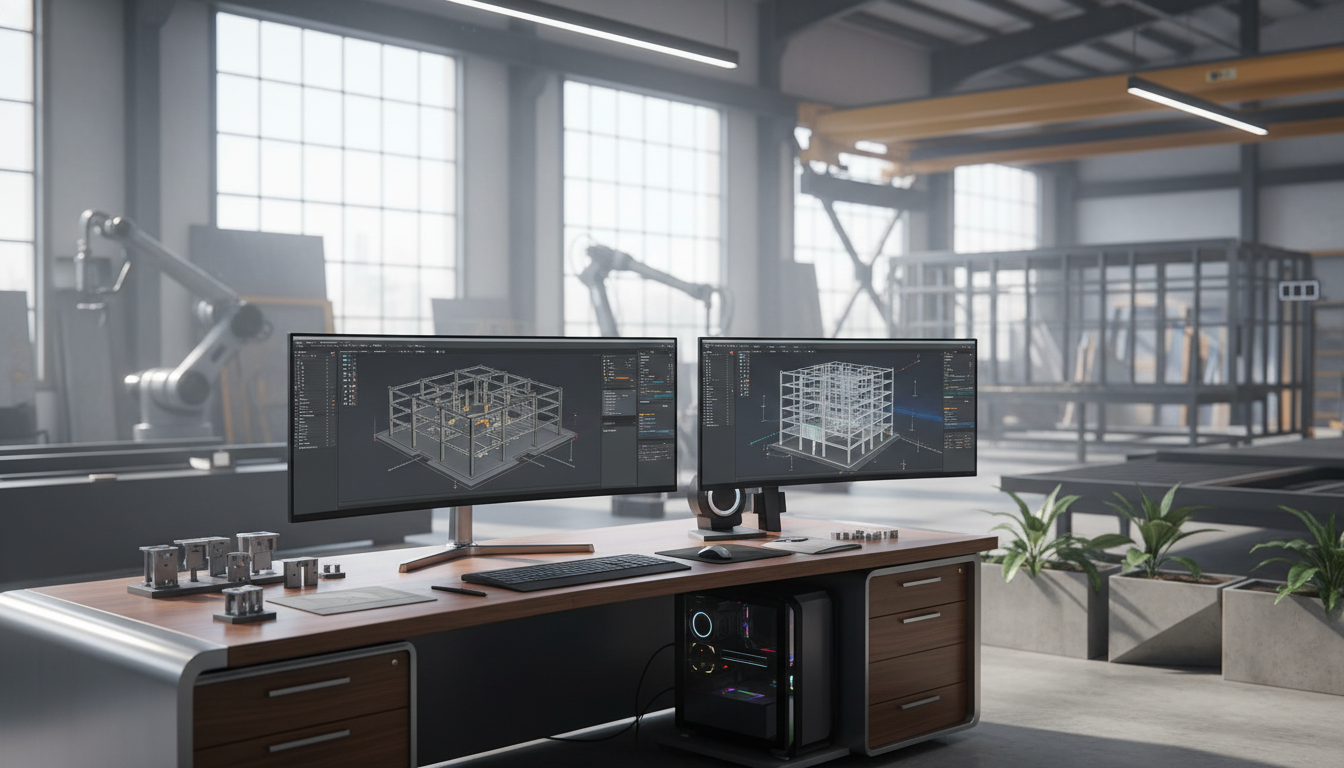
Designing your custom steel workshop involves choosing your precise dimensions, door locations, and insulation options to perfectly match your trade operations. When tailoring your new steel workspace, you must account for overhead clearance, equipment layouts, and local building codes.
Standard clearances and column-free designs allow you to move forklifts, vehicles, and heavy machinery without encountering structural obstacles. You have complete freedom to optimize the internal floor plan.
Choosing clear-span configurations
Clear-span designs provide completely unobstructed floor space up to 40 meters wide, eliminating interior columns. This allows for maximum flexibility when arranging heavy machinery.
Here is the catch. To get the most out of your workshop space, you must plan your workflow early.
- Park multiple large vehicles side by side.
- Install overhead crane tracks on structural steel frames.
- Rearrange equipment layouts without spatial restrictions.
Customizing doors, windows, and trims
Industrial roll-up doors, heavy-duty sliding doors, and aluminum alloy windows can be placed exactly where you need them. Adding customized color trims and gutters ensures your commercial building matches your existing aesthetic preferences beautifully.
Key Takeaway: Designing with flexible access doors ensures smooth workflow movements and increases daily work efficiency.
| Customization Element | Standard Offering | Premium Option | Key Benefit | |
|---|---|---|---|---|
| Industrial Doors | Roller Shutter | Insulated Sectional | High Thermal Seal | |
| Wall Framing | Standard Girts | Bypass Girts | Increased Interior Space |
Looking at these metrics, it becomes clear that custom configurations allow you to tailor the building exactly to your operational needs.
What is the cost of a steel workshop?
The cost of a steel workshop depends primarily on raw metal market rates, custom building dimensions, insulation choices, and local engineering requirements. Investing in a high-grade steel structure warehouse system alongside your workshop is highly economical because these materials require near-zero yearly upkeep.
Buying directly from a manufacturer eliminates retail markups and ensures all structural drawings are included in the package. You save upfront during construction and throughout the building’s operational lifespan.
Initial purchase vs. long-term savings
While raw materials represent an initial expense, you save significantly on labor, waste removal, and foundation prep costs. These savings multiply over the lifespan of the structure.
Think about it. How much do you save when you don’t have to paint or treat rot every few years?
- Zero costly pesticide spraying required.
- Minimal exterior painting or refinishing costs.
- Drastically lower commercial building insurance rates.
What hidden construction costs exist?
Foundation engineering, local permitting fees, and shipping delivery charges are critical expenses that must be planned. Working with a manufacturer that supplies a complete, sequenced bill of materials prevents costly shipping delays and missing parts.
Key Takeaway: Factory-direct delivery ensures a lower landed cost and prevents unforeseen site modifications.
| Project Expense | Factory-Direct Steel | Local Construction | Cost Containment Strategy | |
|---|---|---|---|---|
| Structural Materials | Lower (Direct) | Higher (Retail) | Bulk Mill Sourcing | |
| Site Modifications | Zero (Pre-engineered) | High (On-site cutting) | Precision Factory QC |
Looking at these metrics, it becomes clear that factory-controlled production is the most reliable way to stay within budget.
What specs define a durable steel workshop?
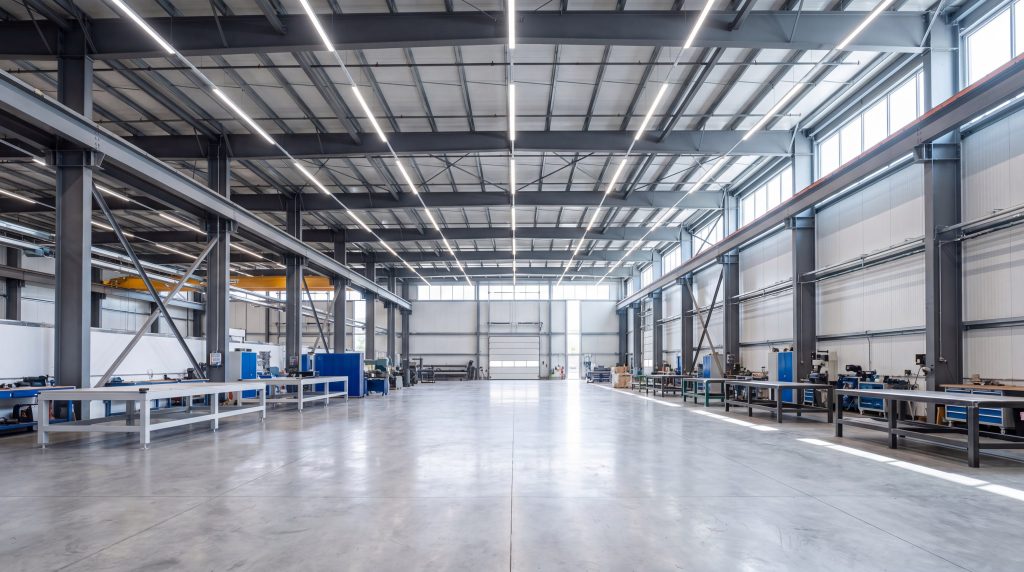
A durable steel workshop is defined by high-yield steel frames, hot-dip galvanized secondary framing, high-strength connection bolts, and corrosion-resistant wall cladding panels. Understanding these structural specifications helps you choose a building that will stand strong for several decades.
Working with qualified engineers ensures your framing members are designed to handle your specific local environmental loads. High-grade coatings protect the structure in humid or highly corrosive marine climates.
Standard engineering configurations
Heavy-duty Q355B steel is typically used for main H-section frames because of its superior tensile strength and ductility. This ensures the frame can support overhead crane systems.
Here is the absolute truth. You need premium steel grades to guarantee your building stays safe under stress.
- Q355B grade main columns and beams.
- Grade 8.8 or 10.9 high-strength connection bolts.
- Hot-dip galvanized secondary steel to prevent rust.
Wall and roof cladding options
Cladding panels come in a variety of thicknesses, ranging from single-skin steel sheets to fully insulated sandwich panels. Premium coating finishes prevent paint peeling and offer strong UV resistance under harsh sun exposure.
Key Takeaway: Demanding mill-certified steel materials ensures your industrial building complies with international structural codes.
| Structural Component | Material Standard | Coating Choice | Purpose | |
|---|---|---|---|---|
| Main Frame Columns | Q355B H-Section Steel | Anti-Corrosive Primer | Primary Load Bearing | |
| Roof & Wall Panels | 0.5mm Galvalume Steel | PVDF Paint Coat | Weatherproofing & Aesthetics |
Looking at these metrics, it becomes clear that using certified materials directly translates to a longer building lifespan.
How to choose a steel workshop site?
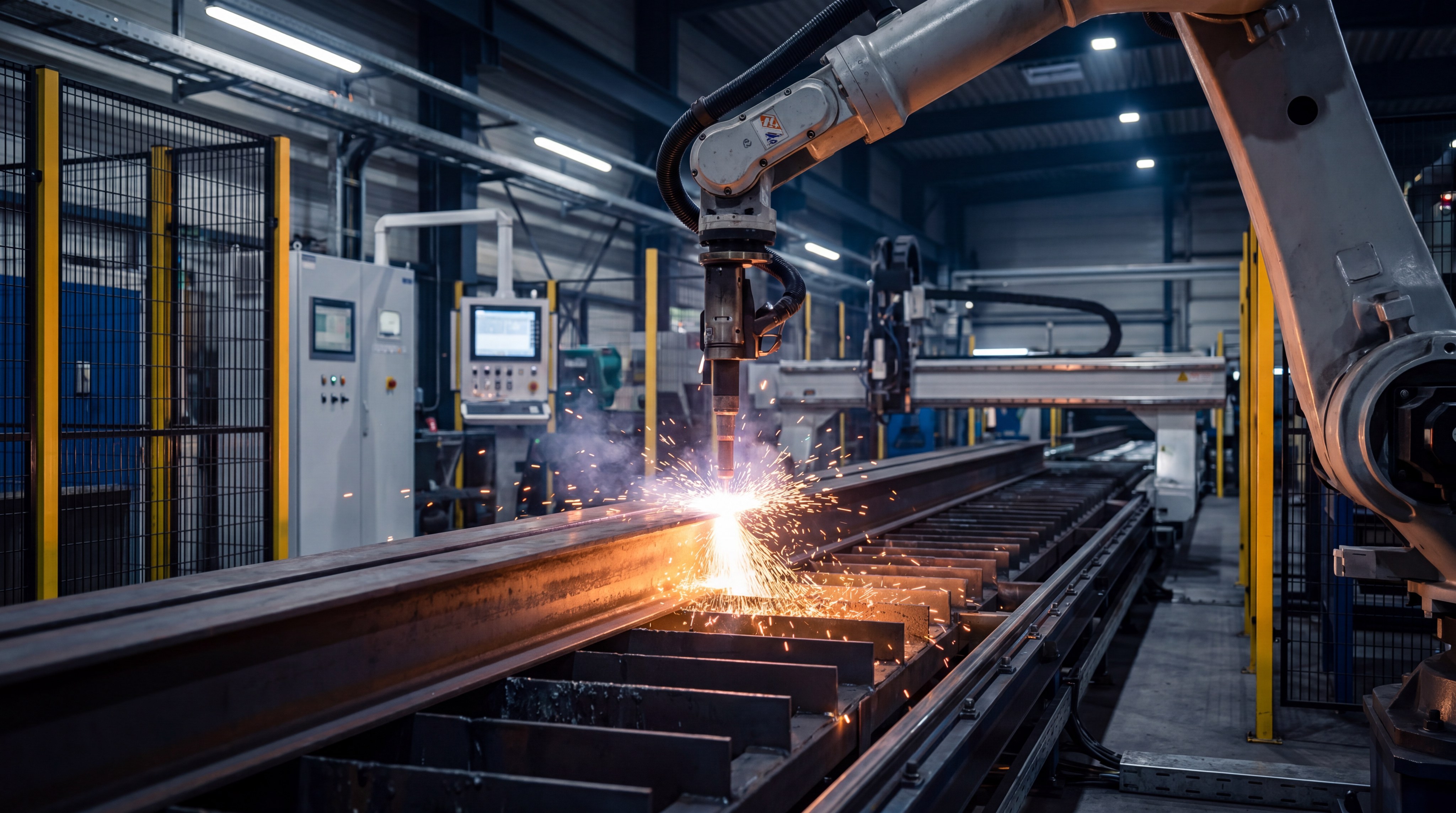
Choosing the best site for your steel workshop involves evaluating soil stability, ensuring proper concrete foundation access, checking local zoning setback regulations, and assessing drainage paths. Preparing your site correctly before your building materials arrive prevents leveling issues during erection.
Ensuring heavy trucks can access the construction site is critical for unloading the heavy steel shipping bundles safely. Proper planning protects your property from water damage and structural settling.
Assessing soil and foundation needs
Heavy structural steel frames require a solid concrete slab foundation with precision-placed steel anchor bolts to transfer loads. This foundation prevents the steel columns from shifting.
Keep this in mind. A building is only as strong as the ground it stands on.
- Perform a soil density test before pouring concrete.
- Pour thick concrete footings under main columns.
- Ensure a level surface to prevent frame misalignment.
Local zoning and permit compliance
Always verify your local setback limits, maximum building heights, and utility easement rights before starting construction. Submitting professional engineering designs speeds up the structural approval process with your municipal building department.
Key Takeaway: Designing according to local building codes prevents expensive fines and forced construction delays.
| Preparation Step | Core Focus | Common Pitfall | Best Solution | |
|---|---|---|---|---|
| Foundation Prep | Anchor Bolt Alignment | Misaligned Frame | Use Precision Steel Templates | |
| Utility Layout | Conduit Placement | Blocked Access | Map Out Infrastructure First |
Looking at these metrics, it becomes clear that precise upfront site coordination avoids costly mid-construction delays.
“Boost Your ROI Now – Partner with Us Today!”
Email:sales@showhoo.com.cn
Phone/WhatsApp:+86 186 7895 5927
Can you easily expand a steel workshop?
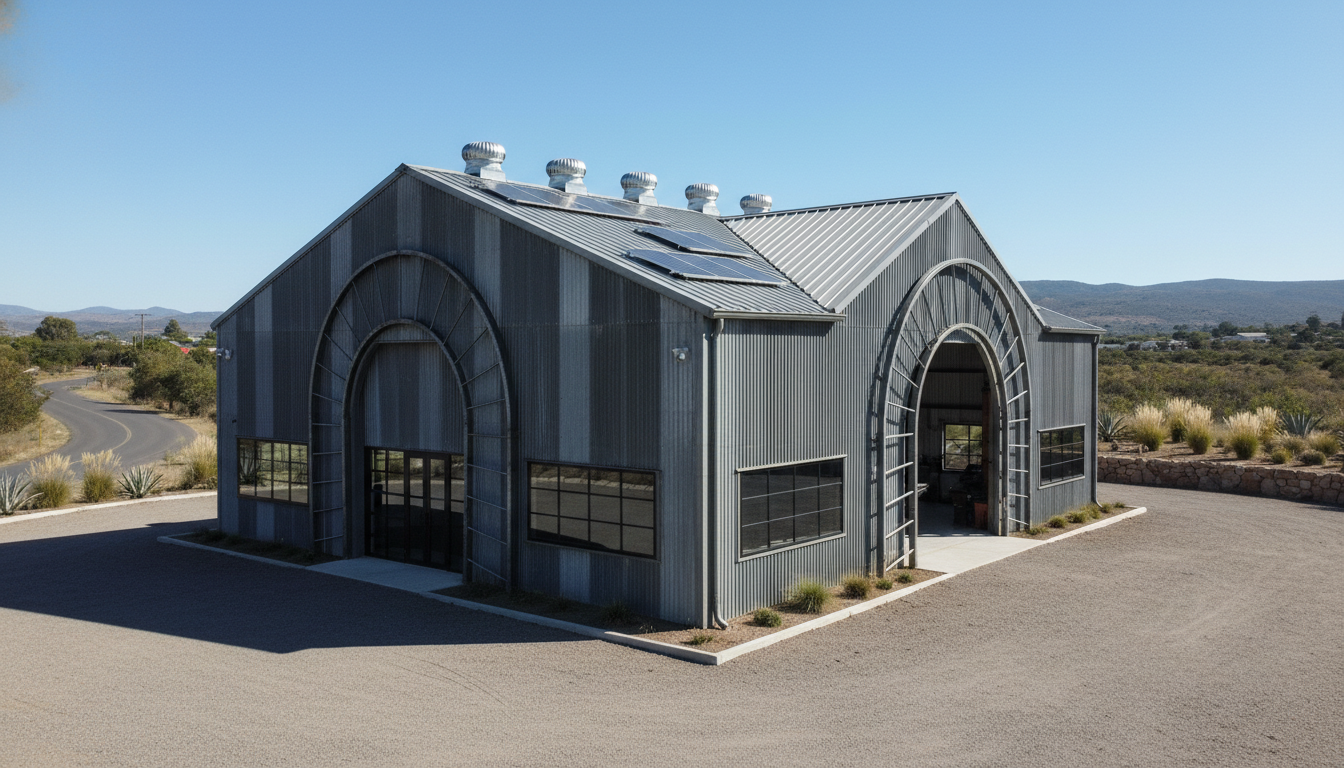
Yes, you can easily expand a steel workshop because of its modular framing design, which allows for simple endwall removals and extension attachments. Working directly with a certified direct manufacturer allows you to order perfectly matching frames as your operations grow.
Traditional wood or brick buildings require major demolition, whereas modular steel framing can be expanded in sections. This structural flexibility reduces operational disruptions during expansion.
Modular framework additions
Expanding a steel building involves adding extra portal frames to the existing structure’s end walls. This process is straightforward since the steel columns are bolted together.
The best part? You don’t have to tear down your whole building to grow.
- Order identical steel portal frames.
- Extend existing concrete foundations.
- Connect new framing using high-strength structural bolts.
Clear-span modification flexibility
Since the interior is entirely free of structural columns, you can easily reconfigure internal partitions during extensions. This allows you to scale up production space as needed.
Key Takeaway: Choosing modular steel structures future-proofs your commercial business operations for potential expansion.
| Expansion Aspect | Steel Workshop Modular | Traditional Wood Building | Operational Impact | |
|---|---|---|---|---|
| Demolition Required | Minimal (Endwall Panels) | High (Structural Studs) | Lower Renovation Cost | |
| Construction Time | Fast (Bolt-on Frames) | Slow (Custom Carpentry) | Minimal Business Interruption |
Looking at these metrics, it becomes clear that modular steel designs offer unmatched long-term business scalability.
Does a steel workshop resist bad weather?
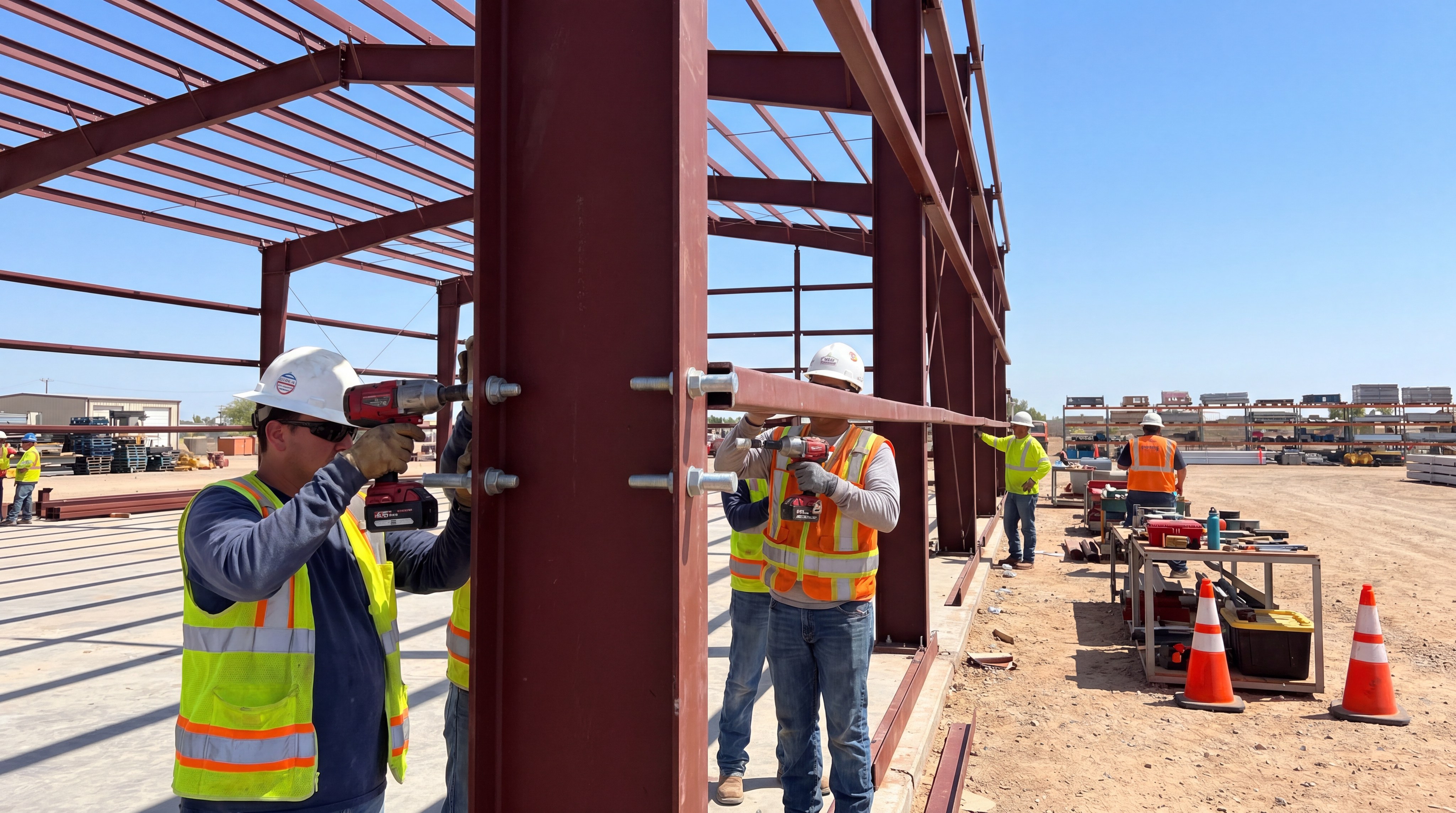
Yes, a steel workshop is highly resistant to extreme weather conditions, including hurricane-force winds, heavy snow loads, and seismic activities. Every pre-engineered structural system is designed to satisfy local wind and seismic codes to guarantee structural safety.
High-grade steel panels deflect intense rain and prevent moisture penetration when properly insulated and sealed. It provides unmatched safety for your valuable workshop assets.
High wind and seismic ratings
Heavy-duty steel frames possess high elasticity, allowing them to absorb and bend safely under seismic movements. This flex prevents total structural failures.
But wait, there is more. High-strength connection bolts keep the entire frame rigid against heavy wind shear.
- Withstand heavy gusts exceeding 150 mph.
- Resist earthquake displacements without collapsing.
- Maintain structural integrity under severe wind pressures.
Heavy snow load engineering
Steel roof structures are engineered with custom pitches and high-yield trusses to safely support heavy winter snow accumulation. This is critical for northern climates.
Key Takeaway: Engineering your workshop for local weather parameters keeps your business safe during unexpected storms.
| Climate Challenge | Engineering Protection | Structural Performance | Safety Outcome | |
|---|---|---|---|---|
| High Winds | Wind Bracing & Portal Frames | Elastic Deflection | Zero Structural Failure | |
| Heavy Snow | Roof Truss Load Customization | High Weight Capacity | Prevents Roof Collapse |
Looking at these metrics, it becomes clear that custom engineering ratings keep your valuable machinery safe in any season.
How long does a steel workshop last?
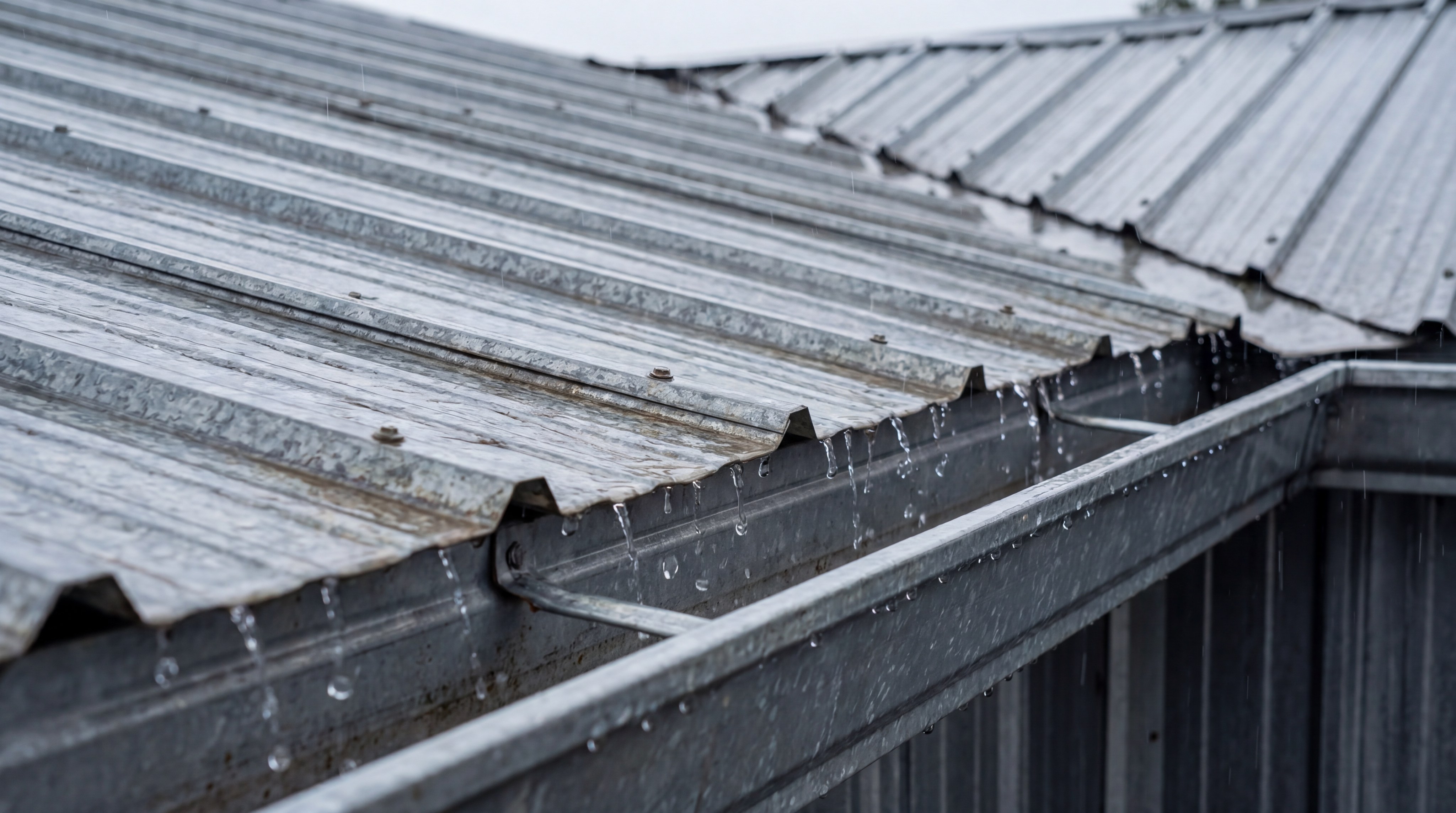
A steel workshop will easily last over 50 years when designed with high-quality galvanized steel frames and durable paint coatings. Purchasing a high-grade pre-engineered layout means you will spend almost zero time on structural maintenance compared to traditional wood.
Modern anti-corrosion treatments prevent rust from developing even in damp industrial or agricultural settings. It is a true lifetime structural investment.
Lifetime performance of galvanized steel
Hot-dip galvanization places a protective zinc shield over steel, preventing oxidation and surface rust from taking hold. This sacrificial zinc layer shields the raw steel underneath.
Think about it. This simple chemical coating keeps steel strong for generations.
- Zinc coatings physically block moisture from reaching steel.
- Self-healing properties prevent rust from spreading from scratches.
- Drastically reduces overall building lifecycle replacement costs.
Minimizing maintenance efforts
Standard maintenance for a steel building involves basic annual gutter cleanings and checking structural fasteners. Unlike wood, you will never have to scrape, repaint, or treat your metal panels for rot.
Key Takeaway: Minimizing structural upkeep requirements saves you significant time and money over the building’s lifetime.
| Maintenance Task | Steel Workshop | Wood Barn | 20-Year Cost Savings | |
|---|---|---|---|---|
| Repainting Wall Panels | Every 20+ Years | Every 3 to 5 Years | Extremely High | |
| Rot & Decay Control | Never Required | Constant Inspection | Zero Maintenance Costs |
Looking at these metrics, it becomes clear that steel offers the lowest total cost of ownership over its long lifespan.
How to insulate your new steel workshop?
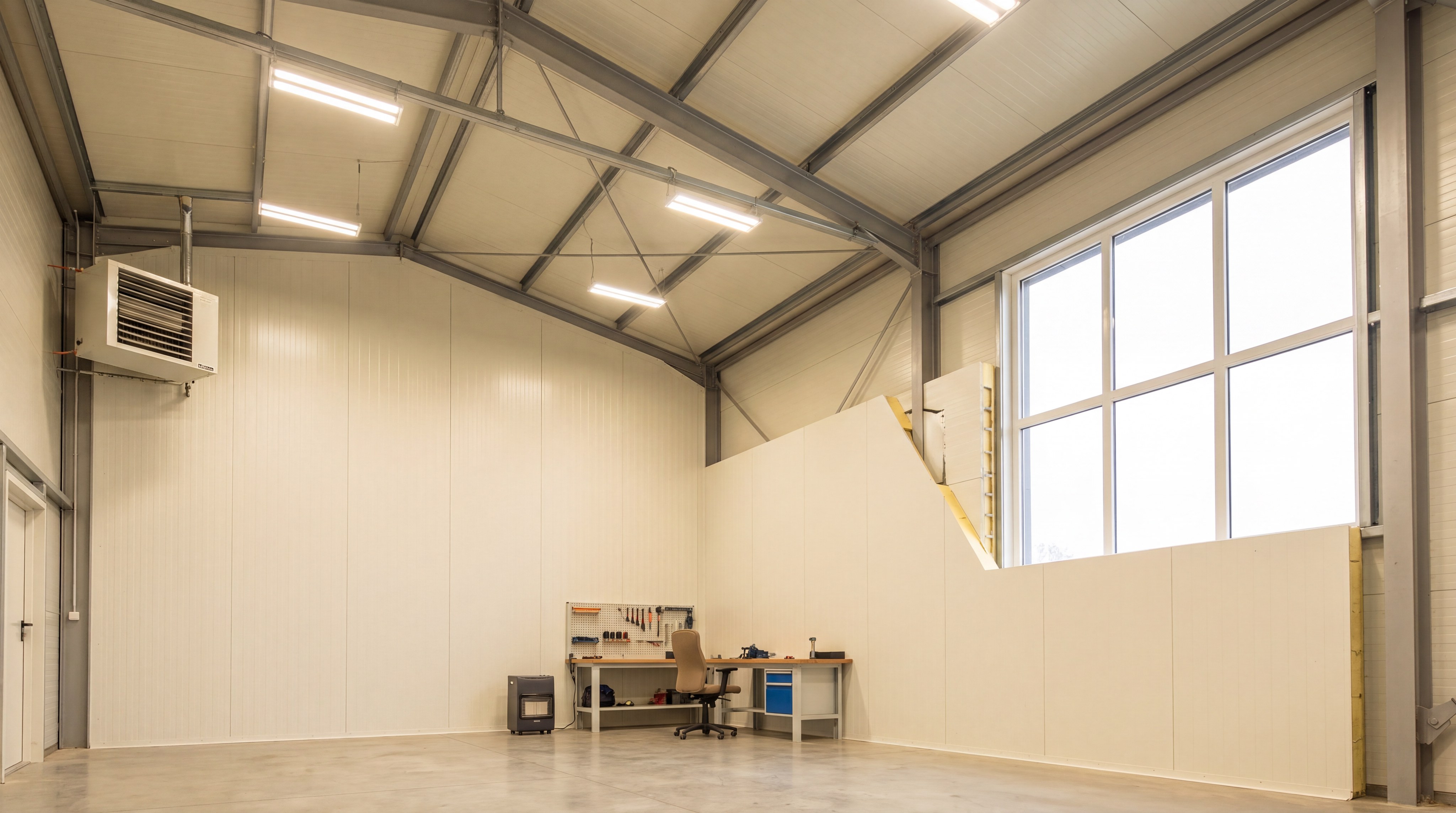
Insulating your steel workshop involves choosing high-R-value materials like sandwich panels or fiberglass blanket insulation to control internal temperatures and prevent moisture condensation. Adding insulation to your structural frame creates a comfortable working environment through all seasons.
Proper thermal insulation prevents cold metal panels from condensing interior moisture into water droplets, which protects your valuable tools from rust. It also lowers heating and cooling energy bills.
Selecting the best insulation materials
Sandwich panels featuring polyurethane or rockwool cores provide superior thermal values and rapid structural installation. These panels slot directly into the framing.
Here is the simple truth. Premium sandwich panels offer the best thermal seals on the market.
- Rockwool cores offer superior fire protection.
- Polyurethane cores provide high R-value insulation.
- Fiberglass blanket insulation is highly cost-effective.
Managing condensation and airflow
Installing heavy-duty vapor barriers alongside ventilation roof ridges prevents damp air from condensing on cold steel. Active ventilation systems ensure constant fresh air circulation while keeping interior environments clean and dry.
Key Takeaway: Investing in high-quality insulation protects your machinery and creates a productive working environment.
| Insulation Choice | R-Value Efficiency | Condensation Prevention | Fire Safety Level | |
|---|---|---|---|---|
| EPS Sandwich Panel | Moderate | Excellent | Standard | |
| Rockwool Sandwich Panel | High | Superior | Class A Non-Combustible |
Looking at these metrics, it becomes clear that selecting high-performance insulation is vital to preserving interior machinery.
Conclusion
Building a modern steel structure solves the common structural headaches of wood rot, high maintenance costs, and weather vulnerabilities. Our team manufactures complete, installation-ready steel structures designed to withstand extreme environments. If you are ready to design your customized workspace with factory-direct savings, contact us today to receive your comprehensive engineering quote within 24 hours. We are committed to delivering engineering excellence and structural reliability for steel buildings worldwide.
“Boost Your ROI Now – Partner with Us Today!”
Email:sales@showhoo.com.cn
Phone/WhatsApp:+86 186 7895 5927
FAQ Section
Can I build a steel workshop myself?
Absolutely. Our prefab metal workshop kits are engineered for self-assembly, featuring pre-punched holes and precision bolt-together frames that require no field welding or specialized skills.
What’s the best foundation for a steel workshop?
A concrete slab with reinforced structural footings is the premier choice. This foundation provides a flat, stable platform capable of supporting heavy tools and machinery while anchoring the steel frame columns securely.
How do I know if my site is ready?
It depends on your site prep and anchor bolt alignment. Your site is ready when the soil is fully compacted, the concrete slab has fully cured, and your steel anchor bolts align with your structural layout templates.
Can I add an overhead crane to my steel workshop?
Yes, you can. Our rigid H-section steel frames can be custom-engineered to support heavy overhead crane runway beams. Designing these load paths early ensures your building columns are properly reinforced to handle active crane movements.
How do I know if I need insulation?
Absolutely, if you plan to work in it year-round. Proper insulation prevents condensation and maintains temperature control, protecting both you and your tools from extreme environmental variations.