
Building a steel warehouse involves selecting a site, finalizing a customized design, and erecting a prefabricated frame that offers superior durability compared to traditional materials. You face a significant challenge when your current storage facilities can no longer keep up with inventory demands or protect high-value assets from environmental hazards. The risks of using outdated wood or concrete structures include high maintenance costs, vulnerability to fire, and lengthy construction delays that stall your business growth. Here’s the deal: choosing a warehouse steel structure is the most effective way to secure a scalable, fire-resistant, and cost-efficient facility.
Why choose a warehouse steel structure?
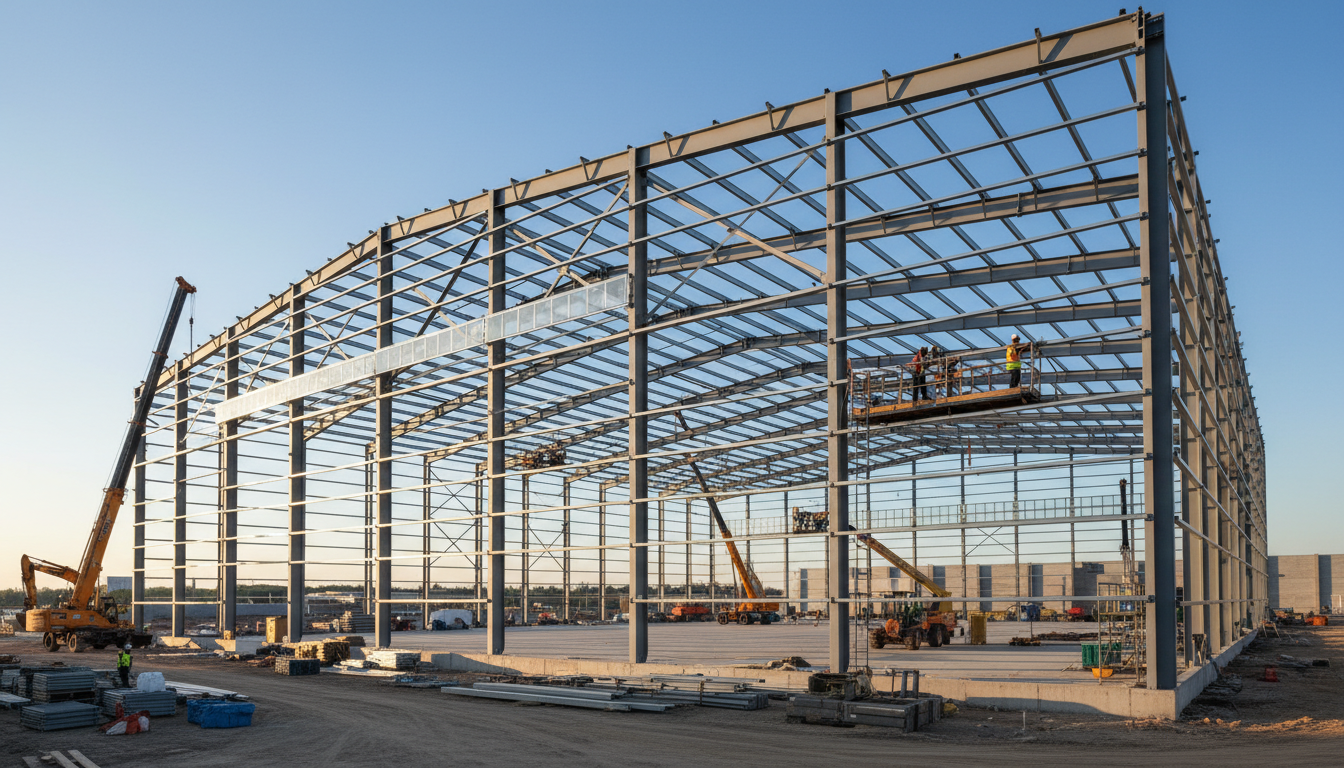
You choose this building type because it offers unparalleled strength-to-weight ratios and much faster assembly times than conventional methods. A warehouse steel structure provides a clear-span design that maximizes your usable floor area without the need for obstructive interior columns.
What makes steel durable?
Steel is a non-combustible material that resists many of the common threats to industrial buildings.
- Resistance to pests like termites and rodents.
- Ability to withstand high seismic activity and heavy snow loads.
- Immunity to warping, rotting, or sagging over time.
Is assembly fast?
Prefabricated components arrive at your site ready to be bolted together immediately.
- Components are pre-punched and pre-marked.
- Simplified assembly requires fewer specialized tools.
- Reduced on-site welding minimizes weather-related delays.
Key Takeaway: Investing in a steel-based facility ensures a rapid return on investment through reduced labor costs and accelerated operational readiness.
| Feature | Steel Structure | Traditional Wood | |
|---|---|---|---|
| Construction Speed | Very High | Moderate | |
| Fire Resistance | Excellent | Poor | |
| Interior Space | Maximum (Clear Span) | Restricted by Columns |
Choosing steel minimizes long-term structural risks and provides the flexibility needed for modern logistics.
Is a warehouse steel structure cost-effective?
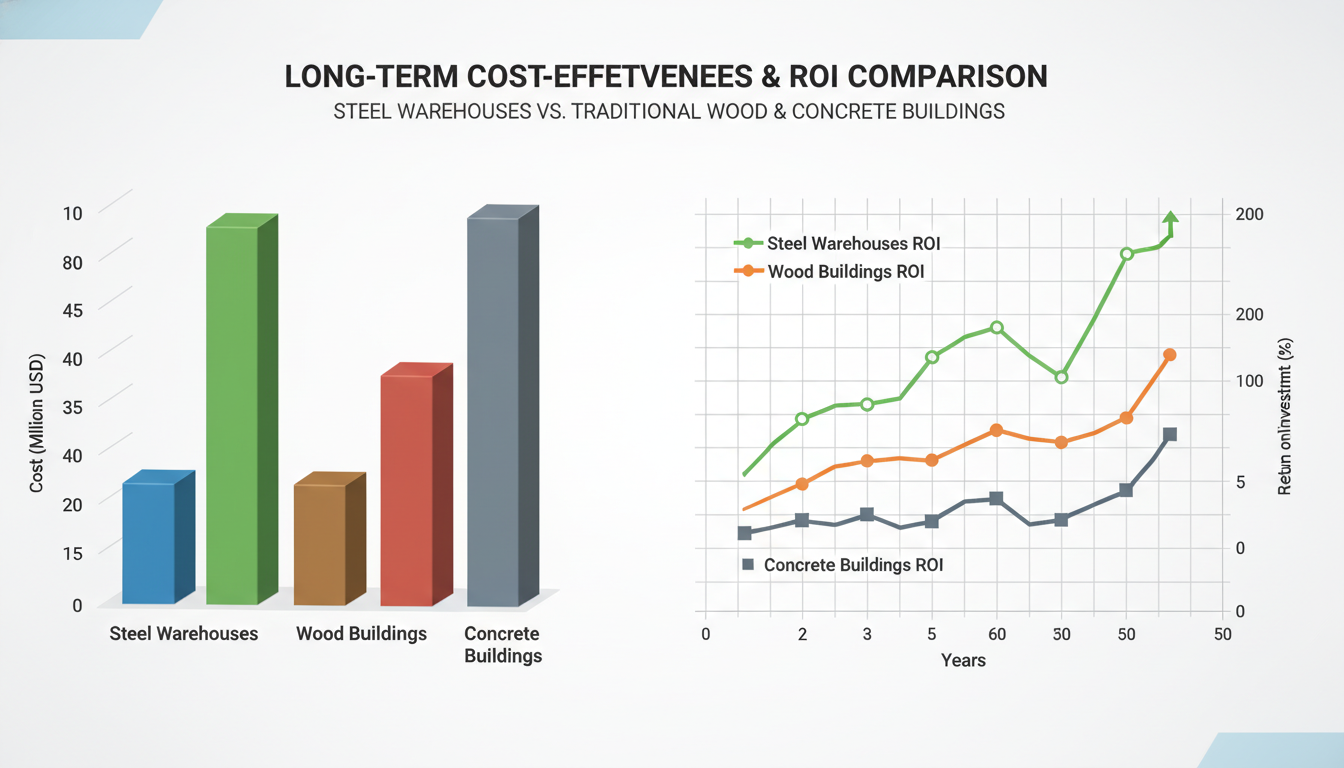
Yes, a warehouse steel structure is highly cost-effective due to its low maintenance requirements and reduced insurance premiums. Because these buildings are engineered for precision, you save money on both initial material waste and long-term energy consumption.
How does it save on insurance?
Insurance providers often offer lower rates for steel buildings because they are less likely to suffer fire damage.
- Lower risk of total loss during a fire event.
- Reduced liability due to structural integrity.
- Fewer claims related to weather damage.
Does it reduce labor costs?
Since the components are pre-engineered, you need fewer workers on-site for a shorter duration.
- Faster erection reduces total man-hours.
- Predictable assembly schedules avoid overtime pay.
- Lower equipment rental costs due to shorter project duration.
Key Takeaway: The total cost of ownership for steel is significantly lower than wood or masonry when accounting for insurance and upkeep.
| Cost Factor | Steel Warehouse | Concrete Warehouse | |
|---|---|---|---|
| Initial Labor | Lower | Higher | |
| Maintenance | Minimal | Regular | |
| Insurance Rates | Discounted | Standard |
Strategic financial planning favors steel for large-scale industrial projects where operational overhead must be kept low.
How to design your warehouse steel structure?
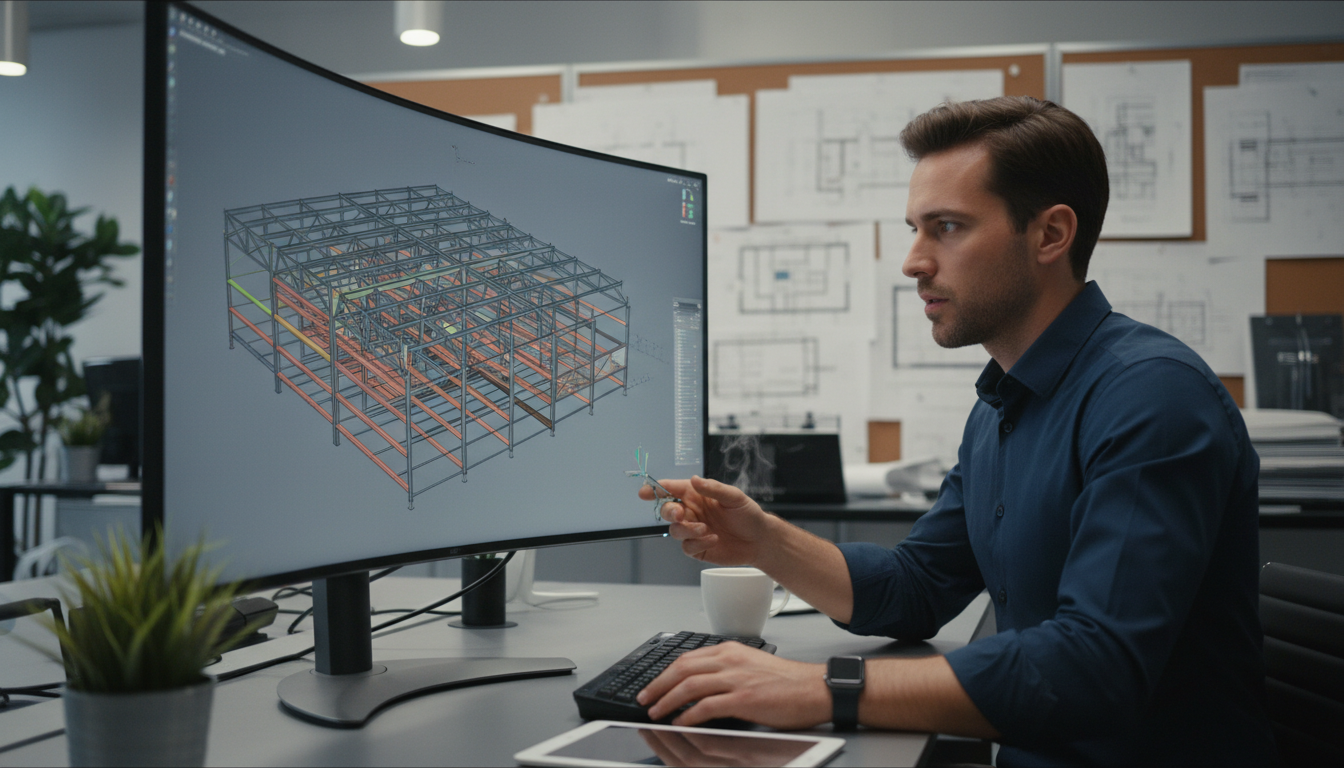
You design the building by identifying your required interior height, roof pitch, and the specific load-bearing needs of your equipment. A warehouse steel structure can be customized with various bay spacings to accommodate large machinery or high-density racking systems.
What roof pitch do you need?
The pitch of your roof determines how efficiently water and snow are shed from the building surface.
- Single slope designs for simple drainage.
- Peaked roofs for maximum central clearance.
- Custom pitches to match existing adjacent structures.
Can you add mezzanines?
Steel frames are strong enough to support second-story office spaces or additional storage levels.
- Optimizes vertical cubic space.
- Allows separation of administration and logistics.
- High-strength bolted connections ensure safety.
Key Takeaway: Customizing your design early allows for the seamless integration of cranes, mezzanines, and specialized loading docks.
| Design Element | Option A | Option B | |
|---|---|---|---|
| Roof Style | Peaked | Single Slope | |
| Clear Span | Up to 150 ft | Custom Widths | |
| Floor Levels | Single Story | Multi-Level Mezzanine |
A well-planned design ensures that your facility remains functional even as your business requirements evolve over time.
What is the warehouse steel structure timeline?
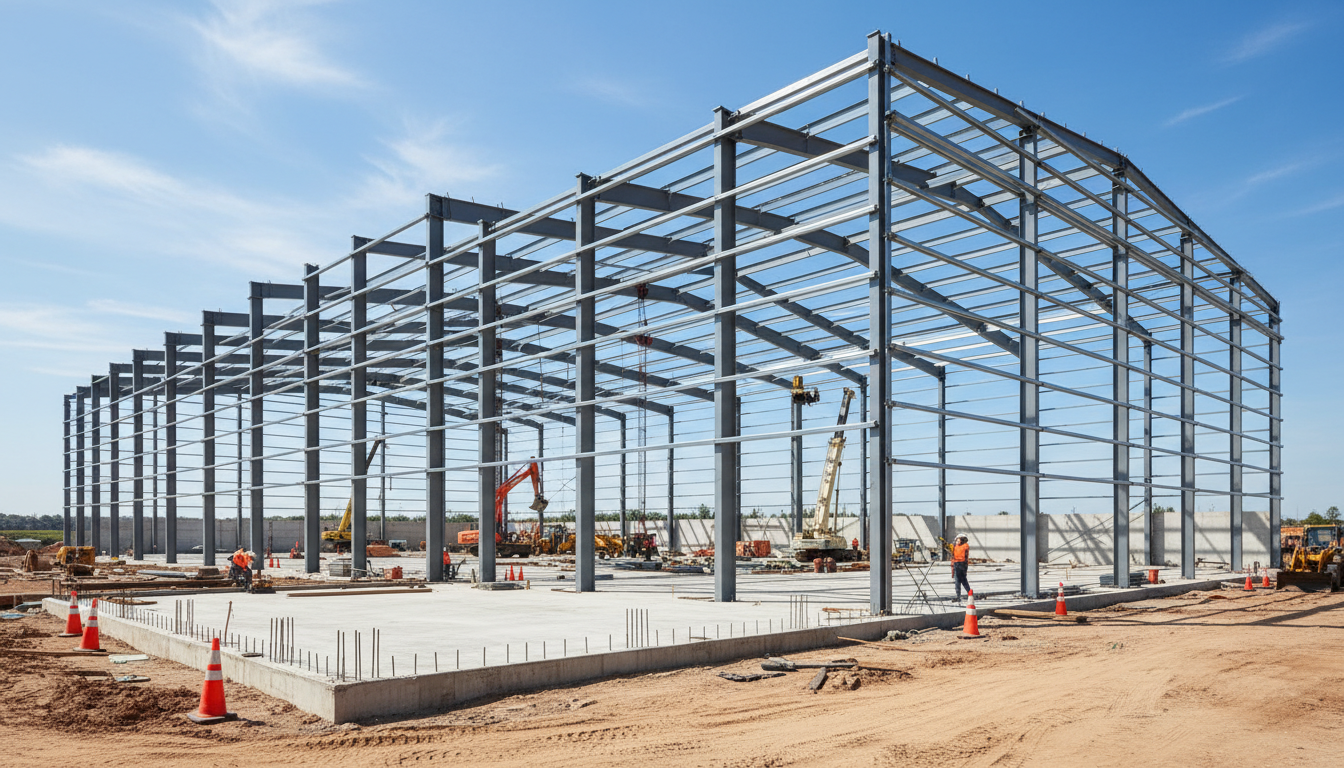
The typical timeline for a warehouse steel structure ranges from several weeks to a few months, depending on the complexity of the design. This schedule includes the engineering phase, factory fabrication, shipping, and the final on-site erection.
How long is fabrication?
Fabrication usually takes between four to eight weeks once the design drawings are approved.
- Precision CNC cutting of all beams.
- Automated welding for structural members.
- Quality inspections before shipping.
What about site preparation?
You should begin foundation work while the building is still being manufactured in the factory.
- Grading and leveling ensures structural stability.
- Concurrent workflows shorten the total critical path.
- Anchor bolt placement must be millimeter-accurate.
Key Takeaway: Concurrent site work and factory production are the secrets to completing your project in record time.
| Phase | Estimated Duration | Key Activity | |
|---|---|---|---|
| Engineering | 2-3 Weeks | Drafting & Approval | |
| Fabrication | 4-8 Weeks | Manufacturing | |
| Erection | 2-5 Weeks | On-site Assembly |
Careful coordination between the manufacturer and your site crew is essential to maintaining this aggressive schedule.
Can a warehouse steel structure resist fire?
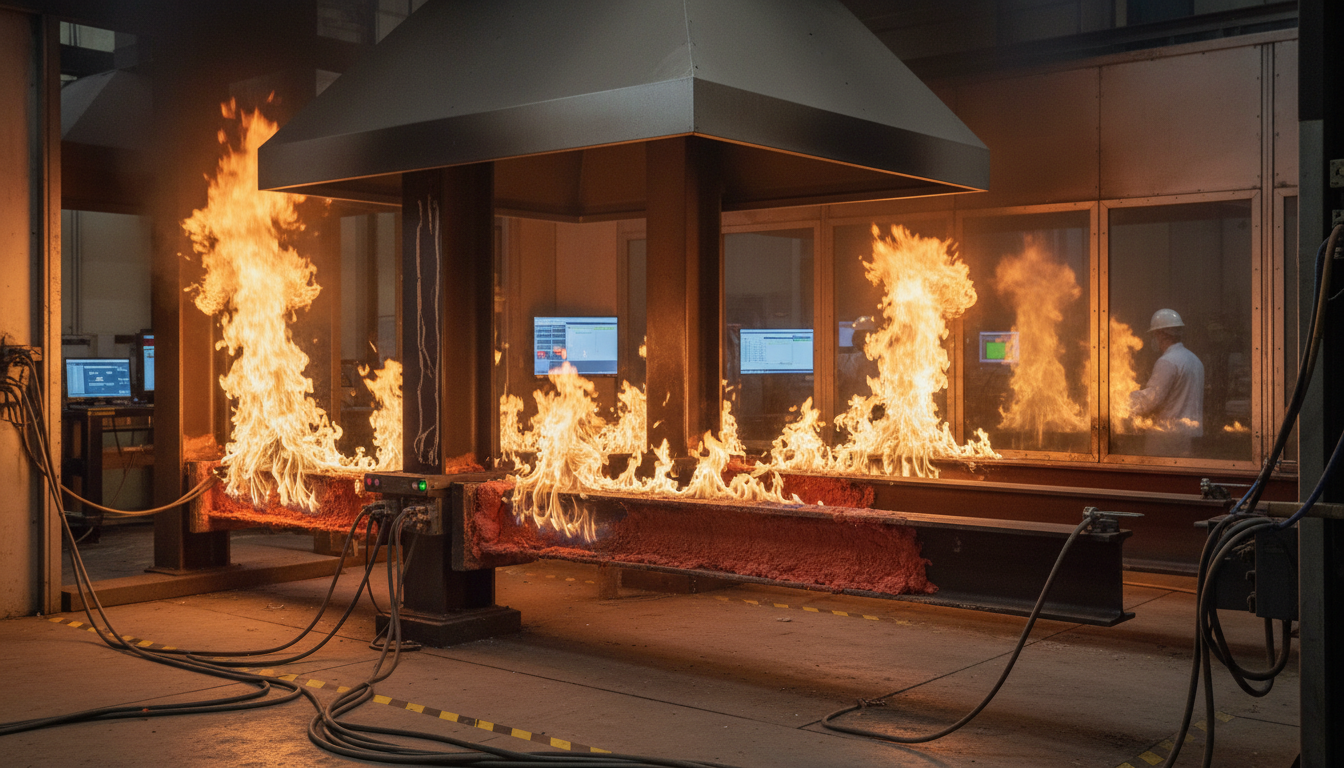
A warehouse steel structure provides superior fire resistance because steel does not serve as fuel for a blaze. While it is not completely heat-proof, it does not contribute to the spread of fire like wooden framing does.
Is steel non-combustible?
Steel is inherently non-combustible and will not ignite or spread flames throughout your inventory.
- Prevents fire from jumping between structural sections.
- Reduces the overall fuel load of the building.
- Maintains structural integrity longer than timber.
Can you add fire coatings?
For even higher safety standards, you can apply intumescent paint or fire-resistant sprays to the columns.
- Expanding coatings insulate steel from heat.
- Provides up to 4 hours of protection.
- Often required for high-occupancy or high-hazard zones.
Key Takeaway: Steel is the safest choice for storing flammable goods or operating high-heat industrial processes.
| Safety Feature | Steel Capability | Benefit | |
|---|---|---|---|
| Combustibility | Non-combustible | Won’t catch fire | |
| Fire Spread | Minimal | Protects inventory | |
| Coatings | Compatible | Enhances rating |
Choosing a fire-safe material like steel is a critical step in protecting your employees and your capital investment.
How to insulate a warehouse steel structure?
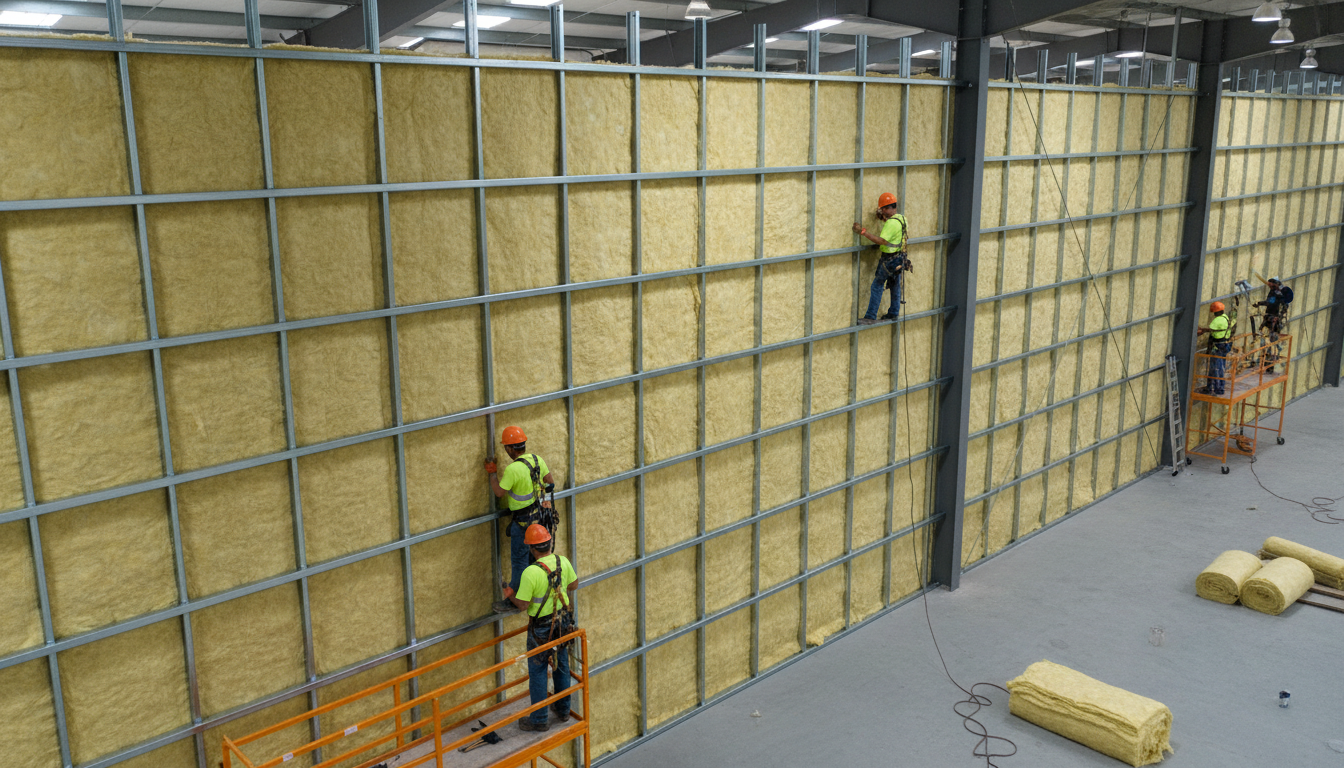
You insulate a warehouse steel structure by using fiberglass blankets, spray foam, or rigid board systems to maintain a controlled climate. Proper insulation prevents condensation, which is vital for protecting sensitive inventory and the metal frame itself.
Which insulation is best?
Fiberglass blanket insulation is the most common choice for large-scale industrial warehouses.
- Cost-effective for large surface areas.
- Includes a white vinyl vapor barrier for aesthetics and protection.
- High R-values available for extreme climates.
What are the benefits of spray foam?
Spray foam provides an airtight seal that is excellent for temperature-sensitive storage.
- Eliminates thermal bridging at joints.
- Adds additional structural rigidity.
- Prevents moisture ingress in humid environments.
Key Takeaway: High-quality insulation is an investment that pays for itself through lower energy costs and better climate control.
| Insulation Type | R-Value | Best Use | |
|---|---|---|---|
| Fiberglass Blanket | Moderate | General Storage | |
| Spray Foam | High | Climate Controlled | |
| Rigid Board | High | Office Sections |
Choosing the right insulation package ensures your facility remains comfortable for workers and safe for your products.
What are warehouse steel structure dimensions?
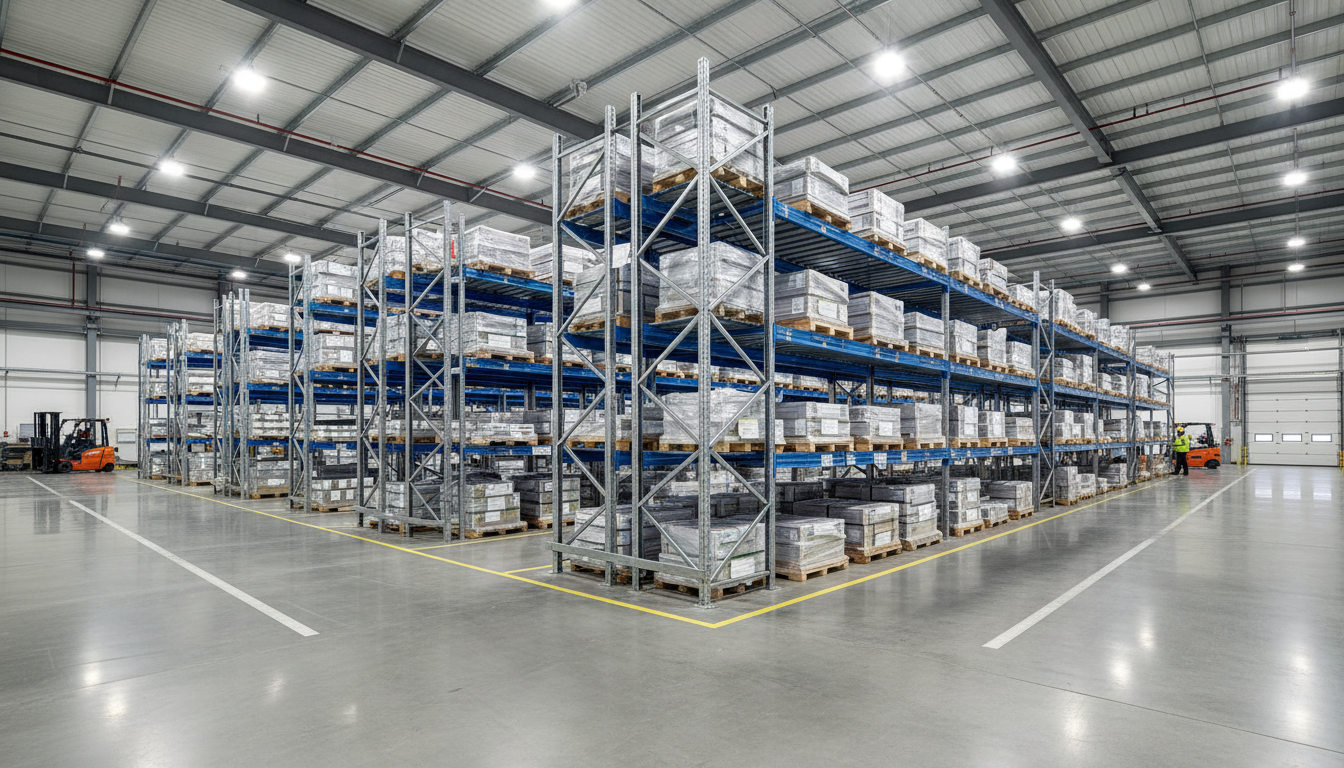
The dimensions of your warehouse steel structure are virtually limitless, ranging from small 30×40 units to massive facilities exceeding 100,000 square feet. You can specify the eave height to accommodate tall racking systems or specialized vertical machinery.
What is clear-span width?
Clear-span refers to the distance between the exterior walls without any supporting columns in between.
- Allows for 100% usable interior space.
- Enables easy maneuvering of forklifts and trucks.
- Facilitates flexible racking layouts.
Can you choose the height?
Most industrial steel buildings feature eave heights between 20 and 40 feet.
- Higher eaves allow for automated storage systems.
- Accommodates bridge cranes for heavy lifting.
- Increases total storage volume without growing the footprint.
Key Takeaway: Steel’s structural strength allows for massive open areas that other building materials simply cannot achieve.
| Dimension Metric | Standard Range | Custom Capability | |
|---|---|---|---|
| Width | 30 – 150 ft | 200+ ft | |
| Eave Height | 16 – 30 ft | 40+ ft | |
| Length | Unlimited | Expandable |
Selecting the right dimensions at the start prevents the need for costly expansions or renovations in the future.
Does a warehouse steel structure need maintenance?
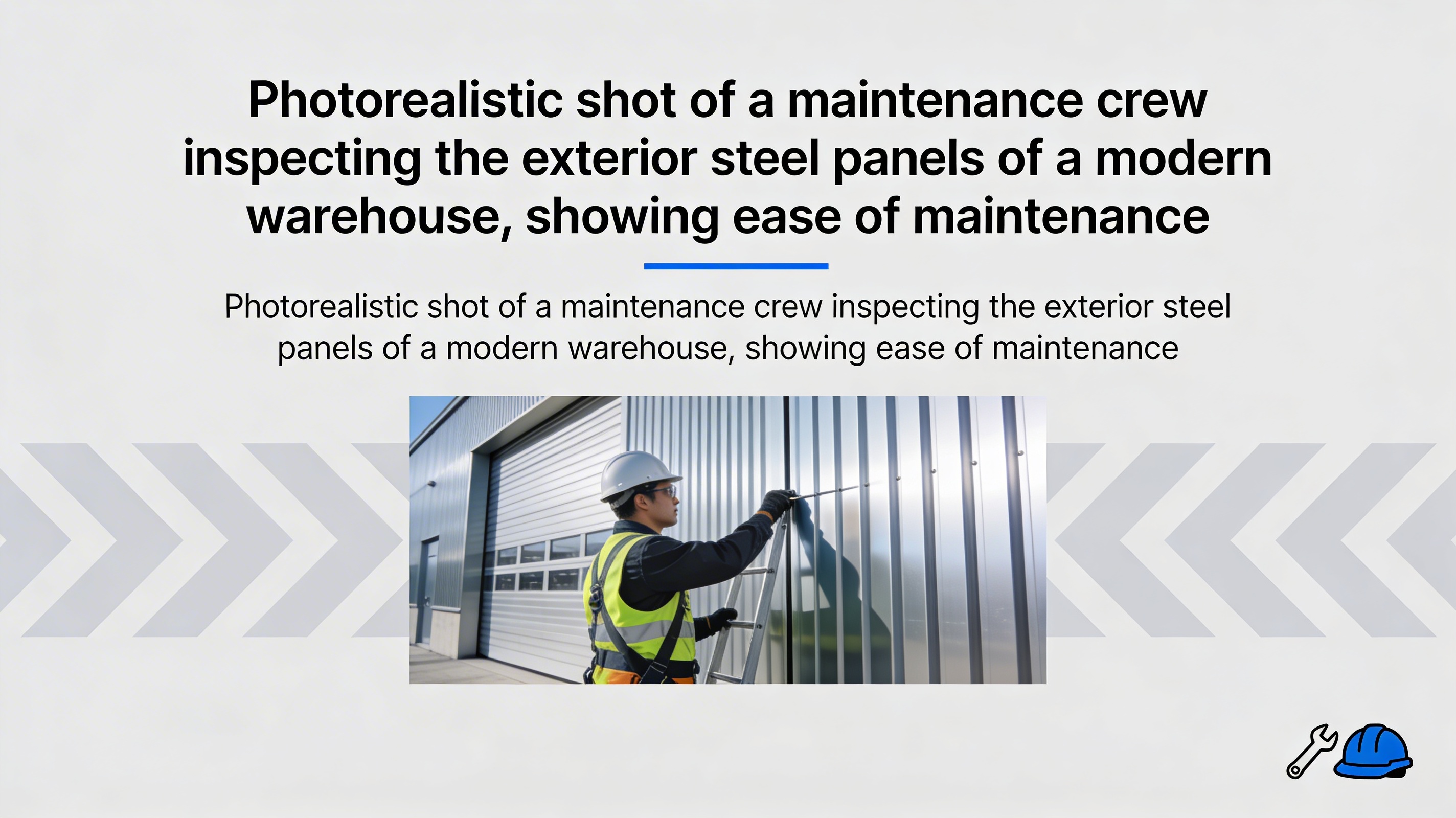
A warehouse steel structure requires very little maintenance, though periodic inspections are recommended to ensure long-term performance. You should focus on keeping the roof clear of debris and checking the fasteners and seals every few years.
How to protect the finish?
Modern steel buildings use high-quality silicone-protected polyester coatings that resist fading and chalking.
- Washing the walls once a year removes dirt.
- Check for scratches that might expose raw metal.
- Clear organic debris from the base of the building.
What about the fasteners?
Inspect the neoprene washers on your roof fasteners to ensure they haven’t become brittle over time.
- Tightnen any loose bolts discovered during inspection.
- Replace washers showing signs of dry rot.
- Clear gutter systems to prevent water pooling.
Key Takeaway: A small amount of preventative care can extend the lifespan of your steel warehouse to 50 years or more.
| Maintenance Task | Frequency | Purpose | |
|---|---|---|---|
| Gutter Cleaning | Bi-Annually | Prevent water buildup | |
| Fastener Check | Every 5 Years | Ensure water tightness | |
| Wall Washing | Annually | Maintain aesthetics |
Low maintenance requirements mean you can focus your time and resources on growing your business instead of building repairs.
How to finish a warehouse steel structure floor?
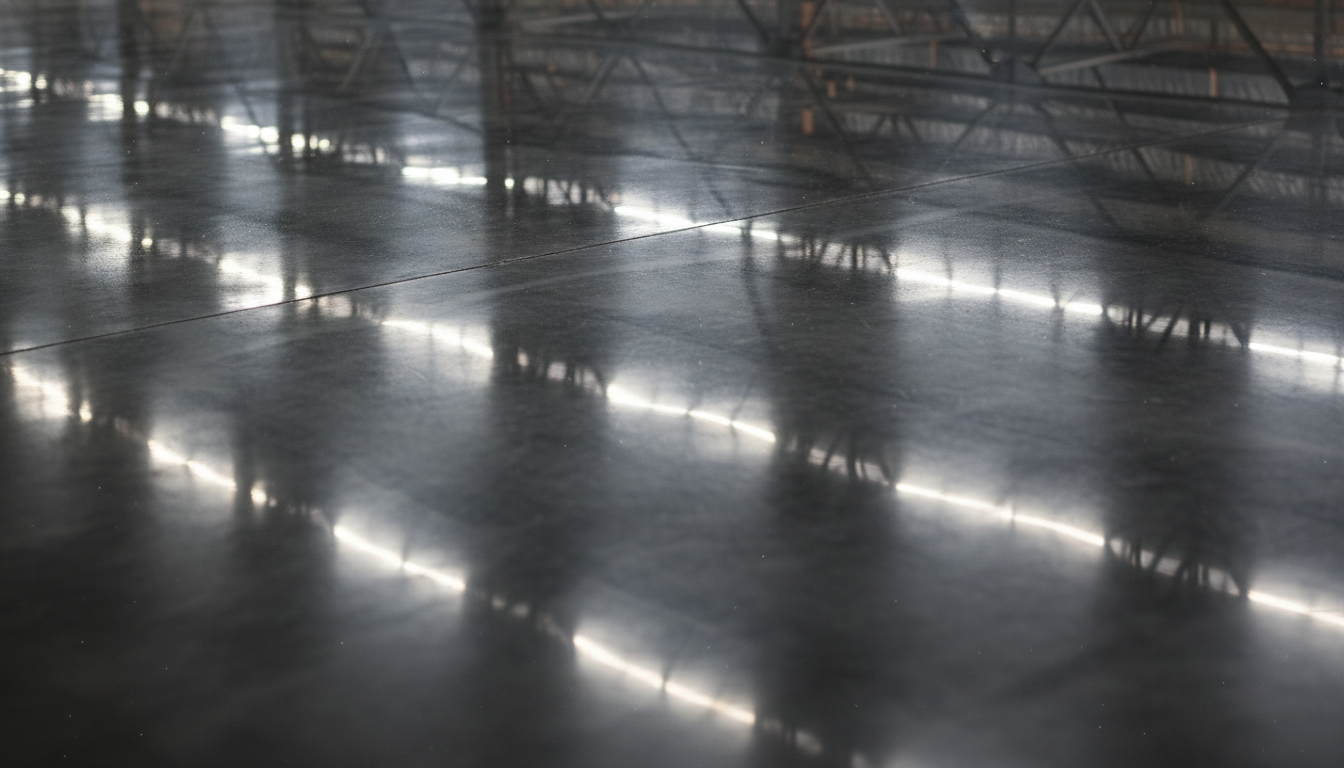
You finish the floor of your warehouse steel structure by pouring a reinforced concrete slab designed to handle your specific point loads. The floor must be perfectly level to ensure that high-reach forklifts and racking systems operate safely.
Why use reinforced concrete?
Concrete reinforced with rebar or fiber mesh handles the weight of heavy inventory without cracking.
- Distributes weight evenly across the subgrade.
- Resists impact damage from dropped items.
- Provides a durable, fire-safe foundation.
Are floor coatings necessary?
Applying an epoxy or polyurethane coating can protect the concrete from chemical spills and oil.
- Reduces “concrete dusting” in the facility.
- Increases light reflectivity for better visibility.
- Improves chemical and abrasion resistance.
Key Takeaway: A high-quality floor finish is just as important as the structural frame for daily operational efficiency.
| Floor Treatment | Benefit | Durability | |
|---|---|---|---|
| Polished Concrete | Low maintenance | High | |
| Epoxy Coating | Chemical resistance | Moderate | |
| Sealed Slab | Dust reduction | Standard |
Investing in a professional floor finish reduces wear and tear on your machinery and enhances the professional look of your facility.
Why buy a Chinese warehouse steel structure?
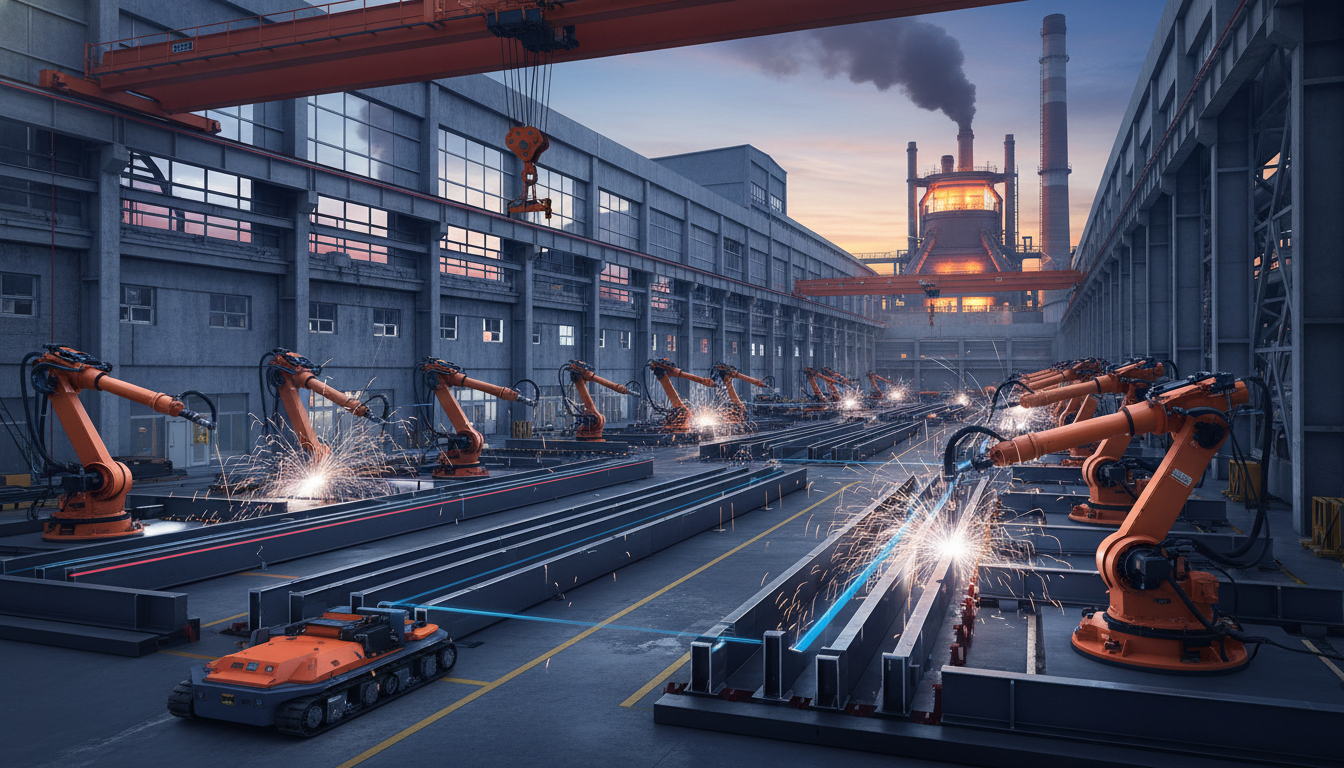
Buying a Chinese warehouse steel structure allows you to access factory-direct pricing while benefiting from advanced manufacturing technology. China is currently the world leader in steel production, offering high-quality materials that meet international building standards.
Is the quality reliable?
Major Chinese manufacturers utilize automated production lines and ISO-certified quality control systems.
- Precision engineering using Tekla and AutoCAD.
- Strict material testing for tensile strength.
- Transparent manufacturing processes.
How much can you save?
You can typically save between 30% and 50% compared to local suppliers by cutting out middlemen.
- Economies of scale reduce raw material costs.
- Experienced logistics teams handle global shipping.
- Direct access to engineering teams for customization.
Key Takeaway: Global sourcing provides a competitive edge by lowering your initial capital expenditure without sacrificing structural integrity.
| Sourcing Factor | Chinese Factory Direct | Local Broker | |
|---|---|---|---|
| Price Point | 30-50% Lower | Market Premium | |
| Design Support | Engineer-Led | Sales-Led | |
| Manufacturing | Automated | Varies |
Choosing a reputable international manufacturer ensures you get the best possible value for your construction budget.
FAQ
Can I expand my warehouse in the future?Yes. Steel buildings are designed to be modular, meaning you can remove an end wall and add more bays whenever your business grows.
What’s the best way to prevent condensation?The best way is to use a high-quality vapor barrier and proper ventilation. Ensuring air can circulate while blocking moisture at the roof line is the most effective strategy.
Can I install solar panels on the roof?Yes. Steel roofs are incredibly strong and can easily support the weight of solar arrays when accounted for in the initial engineering.
What’s the best coating for coastal areas?The best coating is a high-performance galvanization or a specialized marine-grade paint. These treatments provide the necessary protection against salt-air corrosion.
How do I know if my site is ready?You know your site is ready once the land is leveled and the concrete foundation has fully cured. It is vital to have the anchor bolts set precisely according to the manufacturer’s design template.
Building a modern facility requires a partner that understands the nuances of industrial engineering and global logistics. Whether you are expanding a logistics hub or starting a new manufacturing venture, our team provides the technical expertise and high-capacity production needed to bring your vision to life. We invite you to contact us today for a comprehensive quote and a custom design preview for your next project.