
The 10 primary warehouse types range from cost-effective public facilities to high-tech automated systems, each functioning to optimize specific logistical needs within the global supply chain. Imagine your inventory is expanding rapidly, but your current storage space is a cluttered mess of disorganized pallets and mismatched climate zones. Choosing the wrong infrastructure leads to damaged goods, delayed shipments, and spiraling overhead costs that threaten your bottom line. By selecting the most appropriate warehouse types for your specific inventory profile, you transform your logistics from a bottleneck into a competitive advantage.
Why choose public warehouse types for startups?

Public warehouse types provide a low-barrier entry point for new businesses by offering shared storage space on a month-to-month basis. These facilities allow you to avoid the massive capital expenditure required for land acquisition or permanent construction. If you are exploring different types of warehouses, the public model is often the first step in a growing company’s journey.
Is renting government-owned space cost-effective?
Renting space in a public facility is highly cost-effective because you only pay for the square footage you actually occupy. You avoid long-term leases and the maintenance costs associated with owning an industrial warehouse outright.
But that’s not all…
- Lower upfront investment requirements.
- Shared labor and equipment costs.
- Flexible contracts that scale with you.
This model is perfect for testers or small firms that haven’t finalized their long-term warehouse building types strategy yet.
How do public facilities support seasonal inventory?
Public warehouses are the ultimate solution for managing seasonal spikes in inventory without committing to permanent expansion. You can quickly ramp up your storage capacity during peak holidays and scale back down when demand subsides.
Here is the kicker…
- Zero long-term commitment.
- Accessible in various geographical locations.
- Professionally managed by third-party experts.
Key Takeaway: Public warehouses offer the flexibility needed to scale without the risk of heavy fixed assets.
| Feature | Description | |
|---|---|---|
| Ownership | Third-party / Government | |
| Cost Structure | Pay-per-use / Monthly | |
| Scalability | High (Short-term) | |
| Risk | Minimal Capital Risk |
This data indicates that startups benefit most from the variable cost structure of shared facilities.
Are private warehouse types better for control?
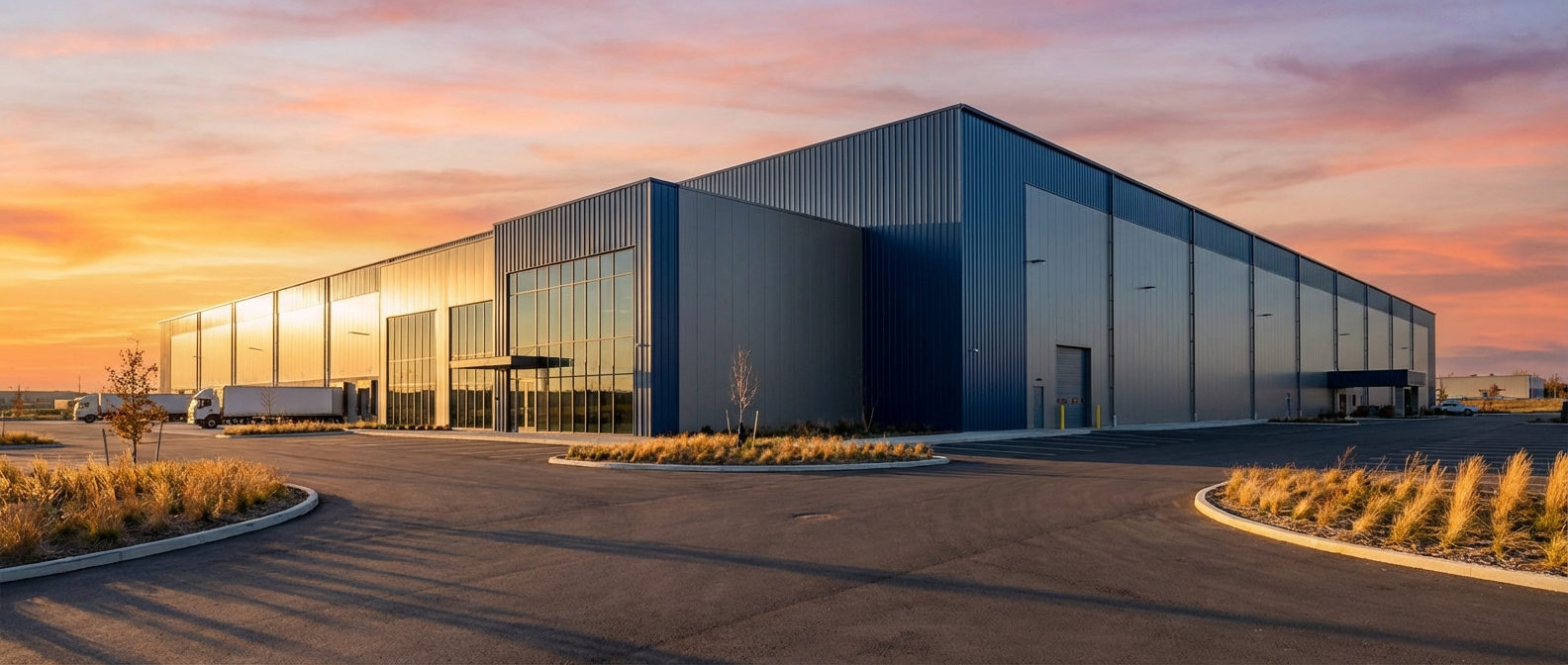
Private warehouse types are owned and operated by a single company, offering total control over the facility’s layout and internal processes. When you invest in your own steel warehouse, you ensure that every square inch is optimized for your specific product dimensions.
Why do wholesalers prefer proprietary warehouses?
Wholesalers prefer proprietary storage because it allows for the implementation of custom picking systems and specialized safety protocols. Having a dedicated logistics warehouse ensures that your brand standards are maintained throughout the storage lifecycle.
Check this out…
- Complete control over inventory management.
- Ability to house specialized heavy machinery.
- Long-term tax benefits of property ownership.
Ownership provides a level of operational security that rented spaces simply cannot match.
How does H-section steel enhance private builds?
Using H-section steel in your private warehouse construction provides the structural integrity needed for high-density racking systems. This material is a staple in modern steel warehouse building types, ensuring your facility stands the test of time.
Keep in mind…
- High strength-to-weight ratio for wide spans.
- Resistance to environmental wear and tear.
- Fast assembly for quicker operational readiness.
Key Takeaway: Private facilities are a long-term investment that maximizes operational efficiency through customization.
| Feature | Description | |
|---|---|---|
| Construction | H-section steel / Concrete | |
| Control Level | Maximum / Absolute | |
| Capital | High Initial Investment | |
| Longevity | Permanent Asset |
Strategic control over assets allows for the integration of proprietary technology that drives long-term ROI.
How do smart warehouse types automate growth?
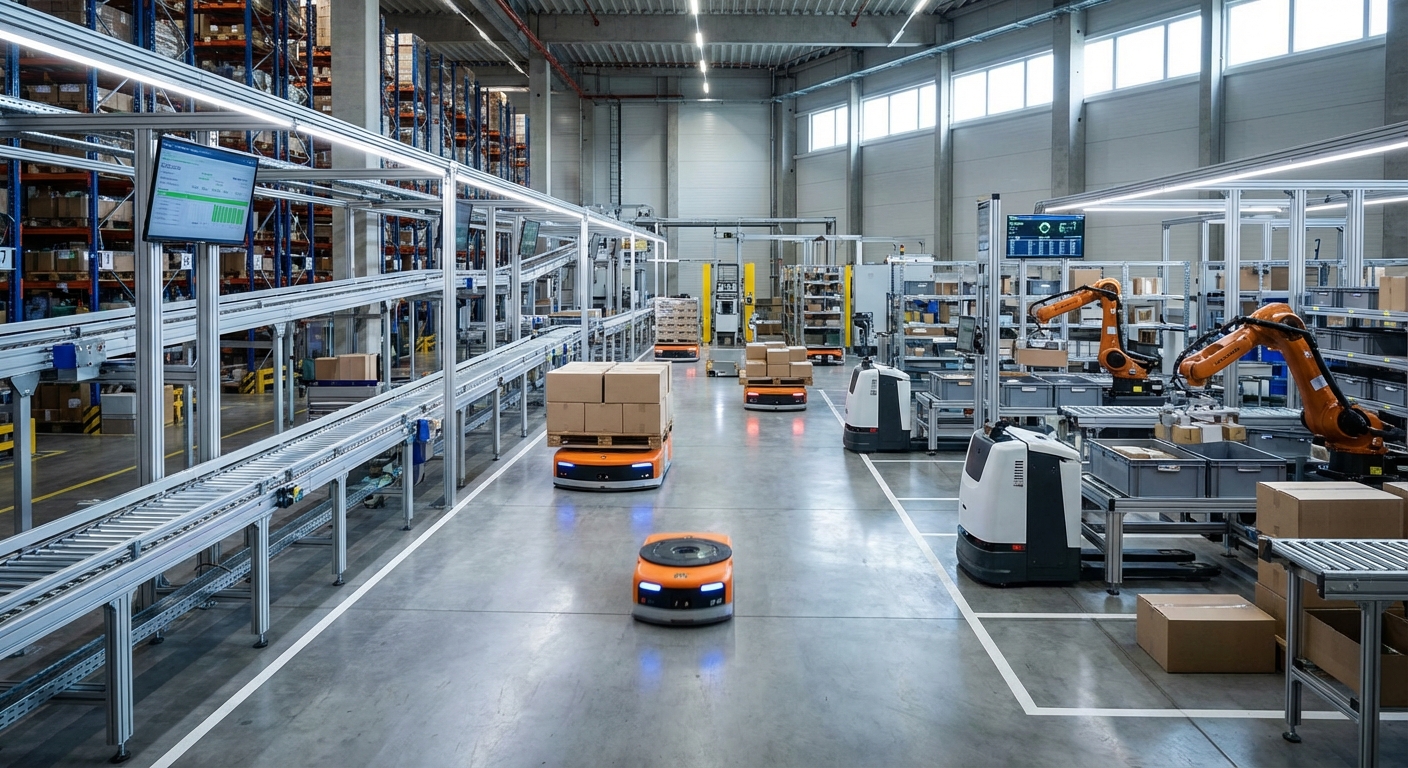
Smart warehouse types utilize artificial intelligence and robotics to handle inventory movement with minimal human intervention. As you look through a warehouse types list, the smart facility stands out for its unmatched speed and precision.
Can AI and robotics eliminate human error?
AI-driven systems and robotic arms virtually eliminate picking errors, ensuring that the right product reaches the right customer every time. These technologies are often integrated into a modern prefab warehouse to boost throughput without increasing headcount.
Here is the secret…
- Near-perfect order accuracy rates.
- 24/7 operational capability without fatigue.
- Real-time data syncing with your ERP.
The reduction in “mis-picks” directly correlates to higher customer satisfaction and lower return costs.
How do drones improve storage efficiency?
Drones are increasingly used within smart facilities for rapid inventory audits and barcode scanning in hard-to-reach high-rack areas. This is a game-changer for maintaining warehouse storage efficiency in massive industrial spaces.
Believe it or not…
- Audits completed in hours instead of days.
- Safer working environments for floor staff.
- Precise location tracking for every SKU.
Key Takeaway: Smart warehouses represent the cutting edge of logistics, where technology replaces manual labor to ensure scale.
| Feature | Description | |
|---|---|---|
| Technology | AGVs / AI / Drones | |
| Accuracy | ~99.9% | |
| Labor Needs | Low (Highly skilled) | |
| Speed | Rapid Fulfillment |
Automated systems prove that technology is the most effective way to eliminate bottlenecks in high-volume environments.
When should you use cooperative warehouse types?
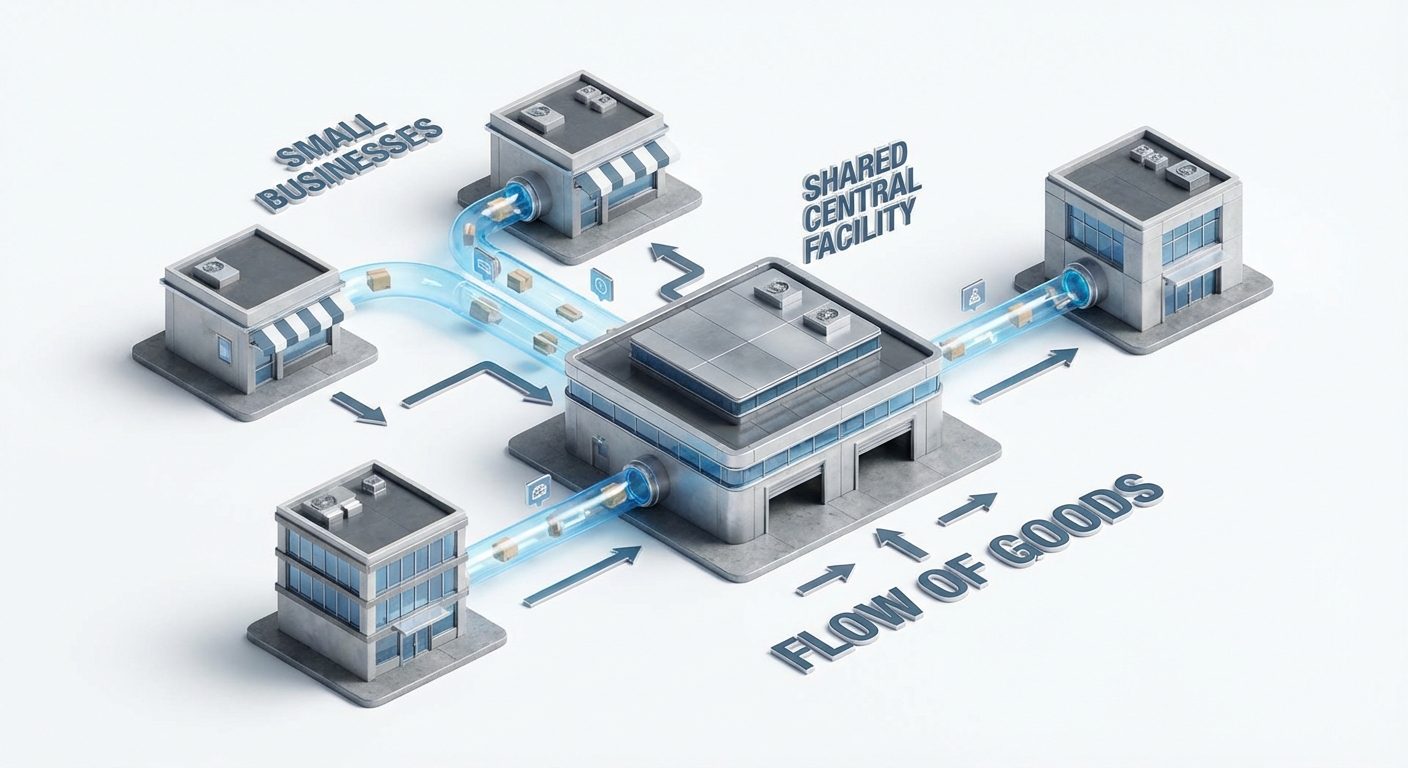
Cooperative warehouse types are facilities co-owned and shared by multiple organizations, usually within the same industry or region. This model allows smaller entities to enjoy the benefits of a large-scale industrial warehouse without the full financial burden of sole ownership.
Shared investments significantly lower the overhead for each member, as the costs of utilities, security, and maintenance are split. This is often cited as a top choice when businesses ask which warehouse type is best for cost-sharing.
The beauty of it is…
- Economies of scale on equipment purchases.
- Collective bargaining power for shipping rates.
- Shared risk across multiple stakeholders.
By pooling resources, members can afford high-end facilities that would otherwise be out of reach.
Why are co-ops popular among agricultural groups?
Agricultural cooperatives use these facilities to store seasonal harvests collectively, ensuring that small farmers have access to professional-grade silos and cold zones. These kinds of warehouse buildings are designed to handle bulk commodities efficiently.
Think about this…
- Centralized processing and grading areas.
- Stabilized storage to manage market fluctuations.
- Access to shared specialized transport fleets.
Key Takeaway: Cooperative warehouses empower smaller businesses through the strength of collective resource management.
| Feature | Description | |
|---|---|---|
| Governance | Member-Owned | |
| Cost | Shared / Prorated | |
| Best For | Agriculture / Small Business | |
| Access | Restricted to Members |
Collaborative storage models provide a strategic safety net while maintaining high-quality infrastructure standards.
How do consolidated warehouse types save money?
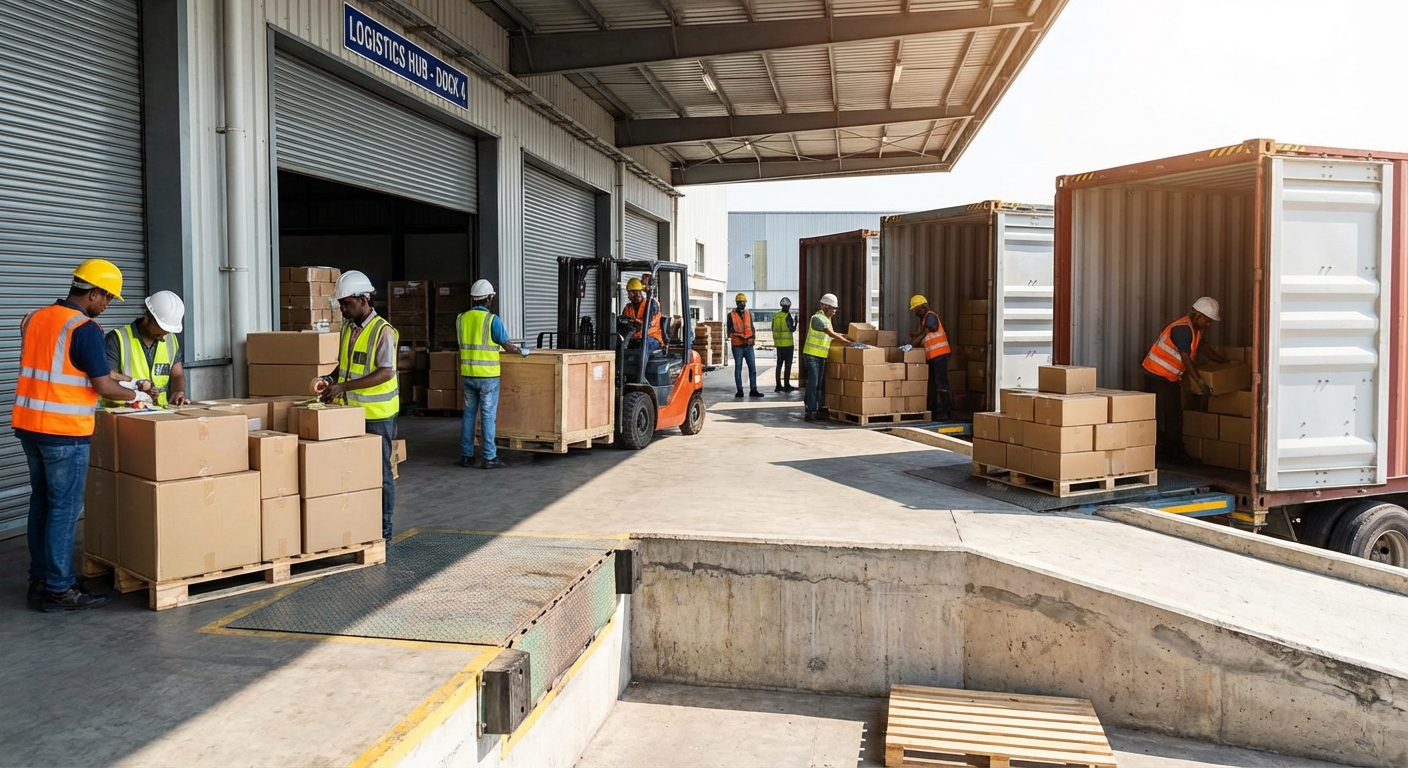
Consolidated warehouse types function by grouping small shipments from various suppliers into larger, more economical loads. This approach is fundamental to a modern logistics warehouse strategy aimed at reducing shipping expenses.
Can small shipments be combined for efficiency?
Yes, combining small shipments into full truckloads (FTL) drastically reduces the cost per unit for transport. This is a critical component for businesses asking what is the best warehouse design for storage when freight costs are a major concern.
It gets better…
- Reduction in overall carbon footprint.
- Fewer individual deliveries to manage.
- Significant savings on “Less Than Truckload” fees.
Consolidation turns fragmented logistics into a streamlined, high-efficiency flow of goods.
Is geographical grouping the best logistics strategy?
Geographical grouping within a consolidated facility ensures that all items going to a specific region are shipped together. This reduces handling times and the risk of transit damage for your types of steel warehouse inventory.
Don’t forget…
- Faster last-mile delivery times.
- Simplified route planning for carriers.
- Better inventory visibility across regions.
Key Takeaway: Consolidation centers act as a hub for efficiency, turning small-scale shipments into massive logistical wins.
| Feature | Description | |
|---|---|---|
| Primary Goal | Freight Cost Reduction | |
| Flow Type | Cross-dock / Merging | |
| Volume | High Turnover | |
| Benefit | Transport Economies |
The strategic merging of cargo ensures that every truck leaving the dock is operating at maximum capacity.
Why are bonded warehouse types vital for trade?
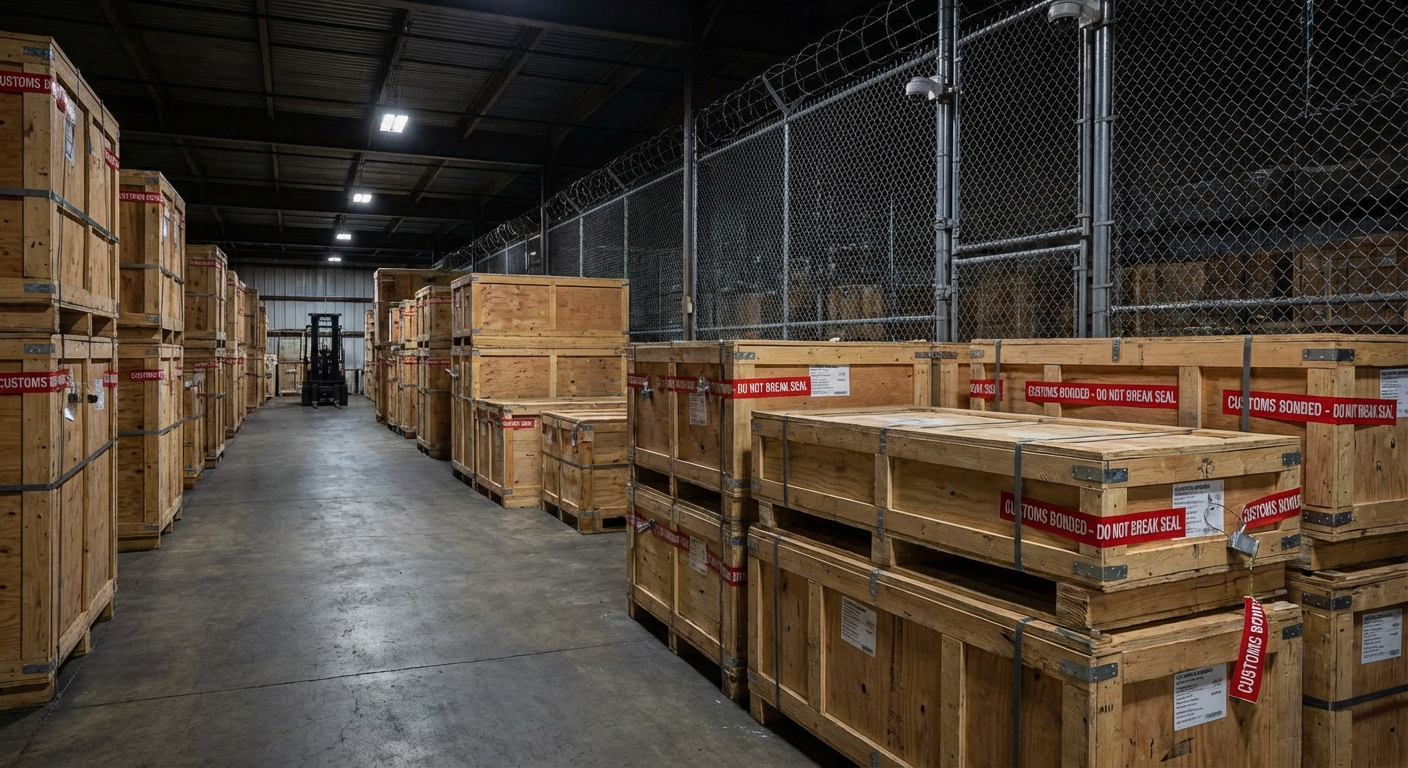
Bonded warehouse types allow businesses to store imported goods without paying customs duties until the items are released for domestic sale. This financial flexibility is why many international traders include them in their warehouse types and functions planning.
How do customs duties impact storage choice?
Customs duties can be deferred for up to five years in some regions, which preserves your cash flow for other business operations. Storing your imports in a steel warehouse building types facility that is bonded provides a legal tax shield.
Here is the kicker…
- No duty paid if goods are re-exported.
- Improved cash flow management for importers.
- Long-term storage without immediate tax penalties.
This allows you to wait for favorable market conditions before officially entering your goods into the local economy.
Can cross-border training benefit from bonded space?
Bonded spaces provide a secure, regulated environment where cross-border trade operations can be organized and checked by authorities. They are essential for a logistics warehouse handling international alcohol, tobacco, or high-value electronics.
But wait, there’s more…
- Enhanced security measures and surveillance.
- Proximity to major ports and airports.
- Simplified documentation for international transit.
Key Takeaway: Bonded warehouses are the ultimate financial tool for international businesses looking to optimize their tax liabilities.
| Feature | Description | |
|---|---|---|
| Regulation | Government / Customs | |
| Tax Status | Duty-Deferred | |
| Security | Extremely High | |
| Duration | Up to 5 Years |
The ability to defer taxes provides a significant liquidity advantage for companies dealing in high-tariff goods.
What makes government warehouse types secure?
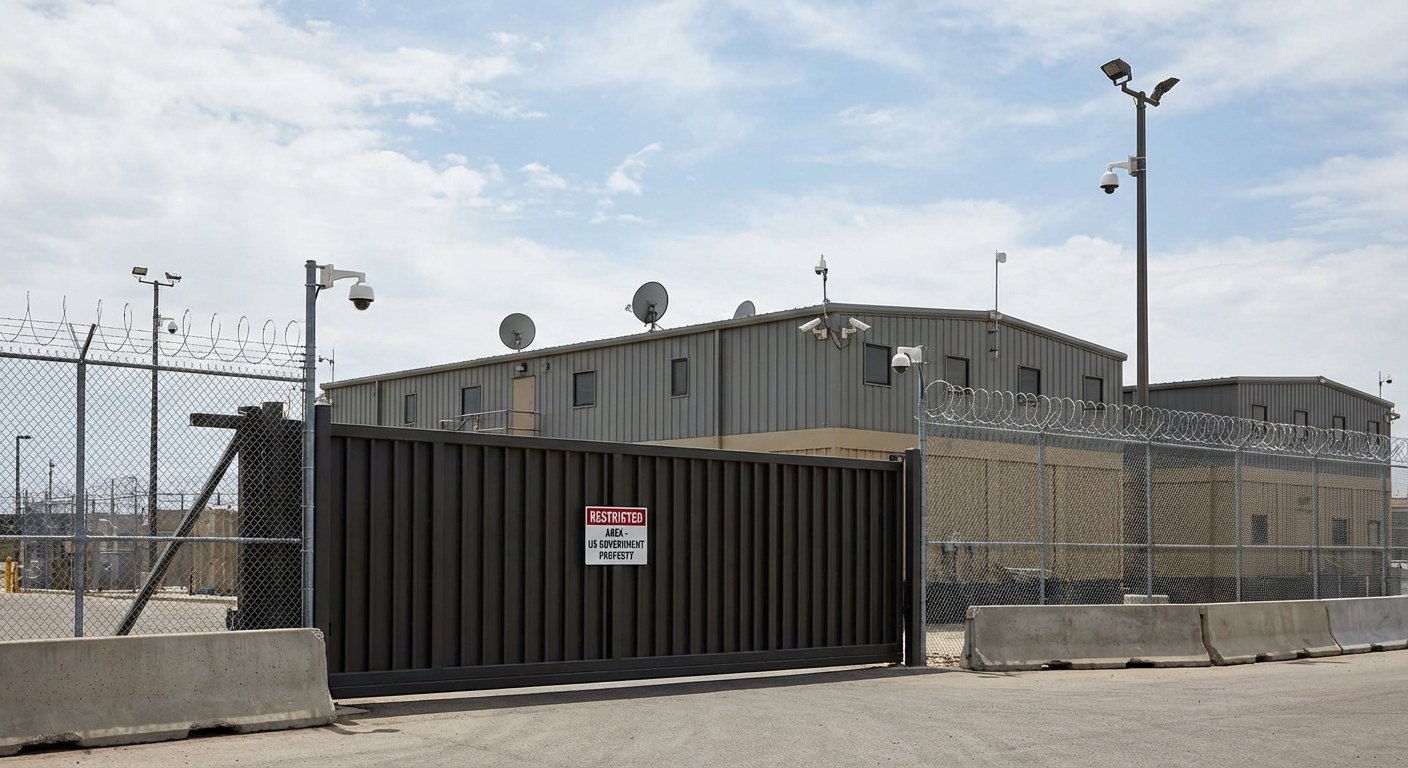
Government warehouse types are strictly controlled facilities used for storing public records, military equipment, or emergency supplies. When considering how many types of warehouse are there, the government-run model is often the most restricted and fortified.
Is high security worth the extensive paperwork?
The extreme security protocols, including perimeter fencing and 24/7 monitoring, are essential for protecting sensitive national assets. Often built as a prefab warehouse, these sites are designed for rapid deployment and maximum durability.
Take a look at this…
- Military-grade surveillance systems.
- Restricted access control points.
- Reinforced structural designs for resilience.
For certain industries, the peace of mind provided by government oversight outweighs the bureaucratic hurdles.
How do government rates compare to private ones?
Government storage rates are often lower than private market rates because they are not always profit-driven, though they are usually reserved for specific sectors. These industrial warehouse spaces serve as a backbone for national infrastructure rather than commercial profit.
Consider this…
- Subsidized costs for qualifying organizations.
- Long-term stability regardless of market shifts.
- Standardized safety and compliance procedures.
Key Takeaway: Government facilities provide unmatched security and stability for critical or sensitive inventory.
| Feature | Description | |
|---|---|---|
| Purpose | National Security / Records | |
| Access | Restricted / Vetted | |
| Security | Armed / Surveillance | |
| Availability | Sector-Specific |
These facilities prioritize the safety of the contents over ease of access, ensuring national resilience.
Which products need cold storage warehouse types?

Cold storage warehouse types are climate-controlled environments specifically designed for temperature-sensitive goods like food and medicine. A cold storage warehouse utilizes specialized insulation and refrigeration units to prevent product spoilage.
How is temperature sensitivity managed at scale?
Temperature sensitivity is managed through advanced HVAC systems and thermal-sealed prefab building panels that maintain a constant internal environment. This is the top answer to what are the types of warehouses used by the grocery industry.
The real secret is…
- Precision sensors with instant alerts.
- Redundant power systems for emergencies.
- Specialized “cold chain” loading docks.
Maintaining the integrity of the cold chain is non-negotiable for consumer safety and regulatory compliance.
Why do pharmaceutical firms require climate control?
Pharmaceutical firms must adhere to strict “Good Distribution Practice” (GDP), which requires precise temperature logging for vaccines and liquid medications. These Steel Warehouse Types are often outfitted with medical-grade clean rooms.
Keep this in mind…
- Prevention of chemical degradation.
- Compliance with global health regulations.
- Extended shelf life for critical medications.
Key Takeaway: Cold storage is a specialized, high-tech necessity for any business dealing with perishables or life-saving medicine.
| Feature | Description | |
|---|---|---|
| Temp Range | -30°C to +10°C | |
| Insulation | High-Density Panels | |
| Industry | Food / Pharma | |
| Cost | High (Energy Intensive) |
Precision environmental control is the only way to ensure the viability of sensitive biological products.
Can on-demand warehouse types handle spikes?
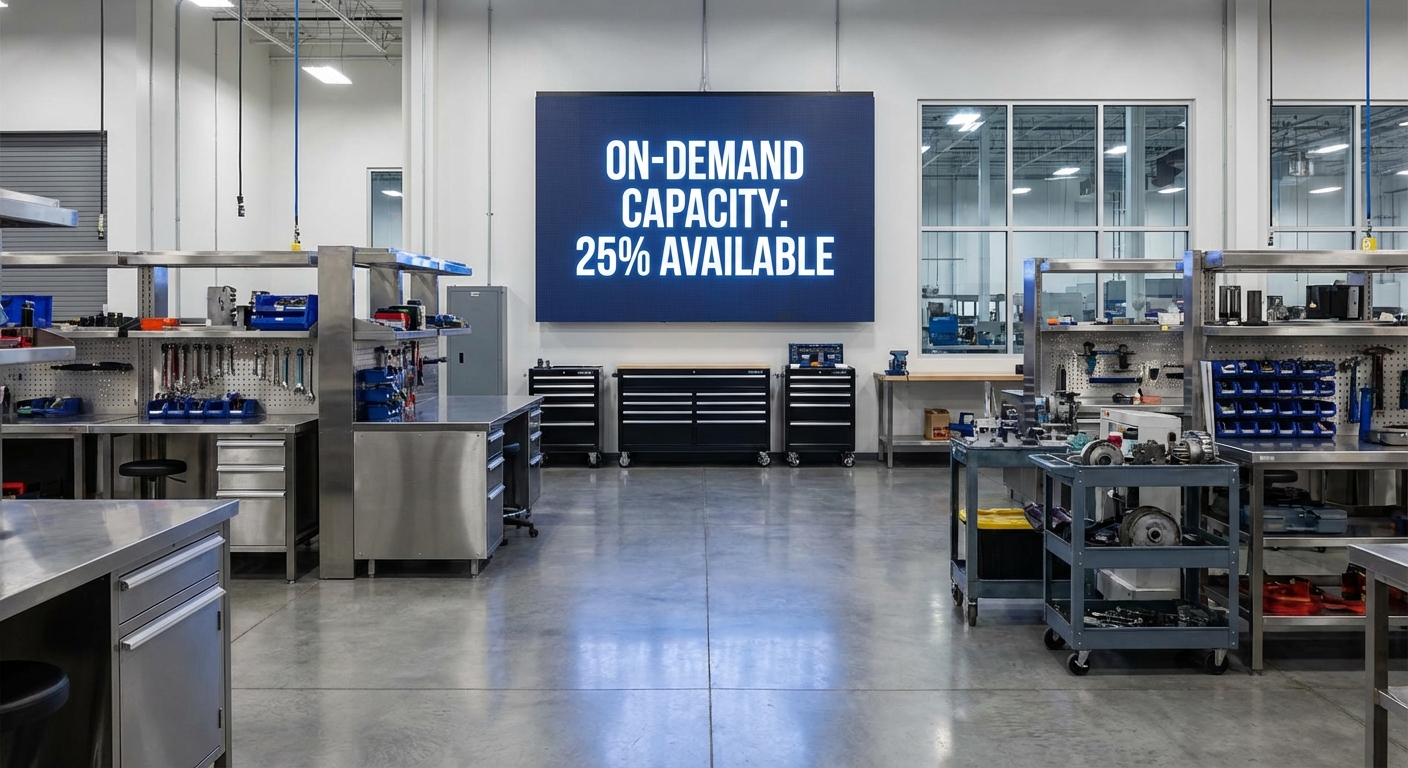
On-demand warehouse types connect businesses with excess storage capacity in existing facilities through a digital marketplace. This “Uber for warehousing” approach is a modern solution for those needing an industrial workshop or temporary pallet space.
Is flexible storage the future of e-commerce?
Flexible storage allows e-commerce brands to pivot quickly without being tied to a fixed logistics warehouse location. It is frequently the answer to which warehouse type is best for rapidly changing market trends.
It’s a game-changer…
- No long-term lease obligations.
- Access to storage in prime urban areas.
- “Pay-as-you-grow” pricing models.
This flexibility allows merchants to place inventory closer to customers, drastically reducing delivery times.
Merchants utilize cloud-based platforms to see real-time availability in a different types of warehouses network. This turns stagnant, empty square footage into a revenue-generating asset for the facility owner.
Here is the kicker…
- Real-time inventory tracking across locations.
- Seamless integration with shipping carriers.
- Immediate activation of new storage nodes.
Key Takeaway: On-demand warehousing provides the ultimate agility for the modern, fast-moving digital economy.
| Feature | Description | |
|---|---|---|
| Model | Marketplace / Shared | |
| Speed | Instant Activation | |
| Pricing | Flexible / Per Pallet | |
| Tech | Cloud-Integrated |
Agility is the new currency in logistics, and on-demand models allow brands to respond to spikes in real-time.
How do distribution center warehouse types work?
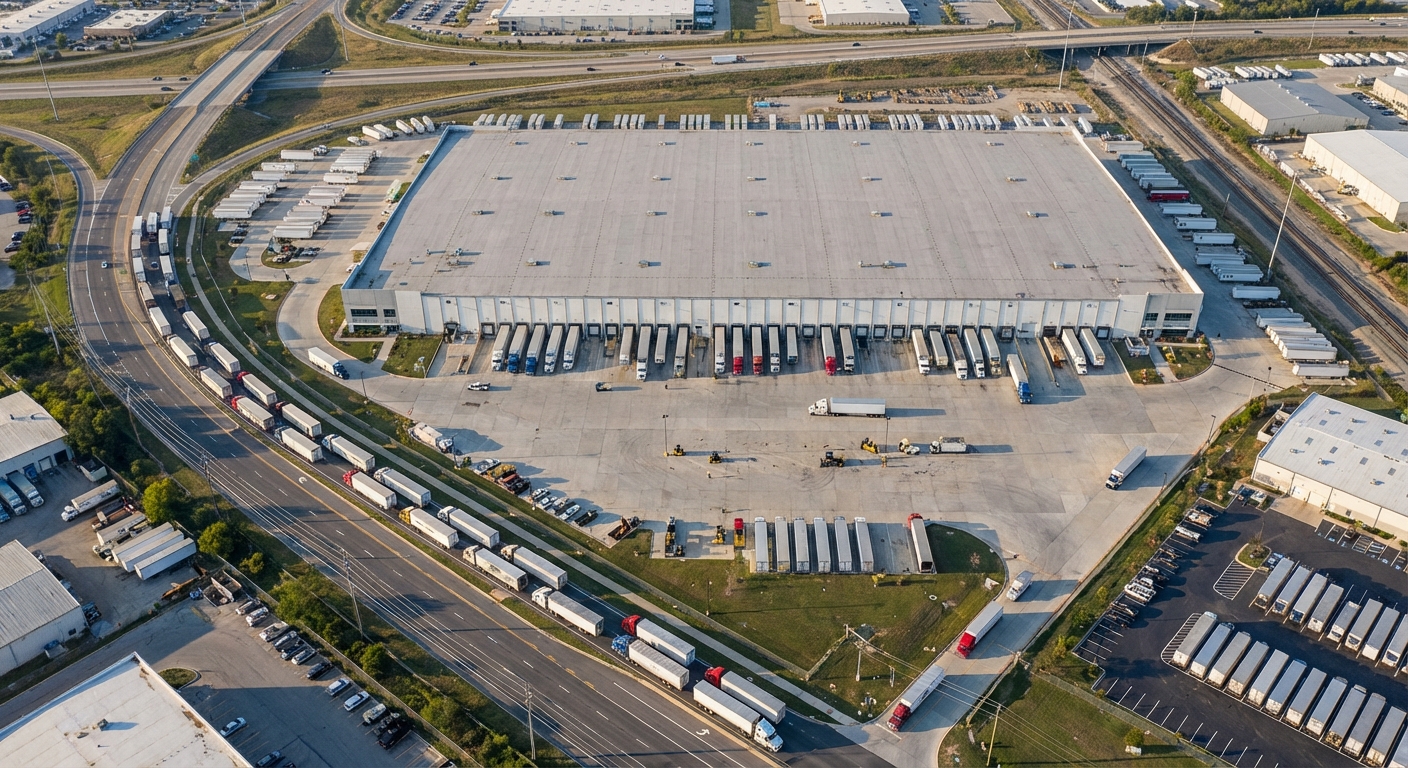
Distribution center warehouse types are designed for high-speed throughput and rapid order fulfillment rather than long-term storage. These massive facilities often utilize fast construction methods to meet the urgent needs of retail supply chains.
Is speed more important than long-term storage?
In a distribution center, the primary goal is to move goods out as fast as they come in, prioritizing turnover over capacity. This is why it is considered the most active of all warehouse building types.
Check this out…
- Cross-docking to minimize handling time.
- Highly optimized loading bay layouts.
- Advanced sorting and conveyor systems.
The focus shifts from “holding” products to “moving” them to the final consumer at record speed.
How does fast construction improve retail supply?
Using modular steel warehouse components allows retailers to erect a new distribution hub in a fraction of the time required for traditional builds. This rapid deployment is essential for entering new markets quickly.
Believe it or not…
- Modular components reduce site labor.
- Predetermined designs speed up permitting.
- Scalable layouts allow for future growth.
Key Takeaway: Distribution centers are the high-speed engines of the retail world, designed for motion rather than rest.
| Feature | Description | |
|---|---|---|
| Focus | Movement / Fulfillment | |
| Turn-over | Extremely High | |
| Layout | Dock-Heavy | |
| Speed | Fast Construction |
Efficiency in a distribution center is measured by how quickly a pallet can move from the receiving dock to the outbound truck.
Frequently Asked Questions
Which of the warehouse types is the most affordable?Public warehouses are generally the most affordable because you pay only for the space you use without any upfront turnkey cost. This variable expense model is perfect for businesses with limited capital.
How long does it take to build a private steel warehouse?A private facility can be erected in as little as 3 to 6 months using fast construction techniques and high-quality H-section steel. The pre-engineered nature of these buildings accelerates every stage of development.
What is the difference between a warehouse and a distribution center?A warehouse is intended for long-term storage and inventory holding, while a distribution center is a high-speed hub designed for rapid fulfillment. Distribution centers focus on the “velocity” of goods rather than “accumulation.”
Can I customize a prefab building for cold storage?Yes, custom-engineered prefab designs can be fully outfitted with specialized thermal panels and refrigeration systems. This allows for a precise climate-controlled environment tailored to your specific temperature requirements.
Are smart warehouses worth the investment?For high-volume operations, smart warehouses are definitely worth the investment as they maximize warehouse storage efficiency and drastically reduce labor costs. The long-term ROI comes from near-perfect accuracy and 24/7 productivity.
Optimize Your Infrastructure Today
Choosing the right facility from the many warehouse types available is the foundation of a resilient supply chain. Whether you require the high-speed throughput of a distribution center or the thermal precision of a cold storage unit, your choice will dictate your operational success. If you are ready to scale your operations with a durable, custom-engineered solution, contact us today to discuss your project. We specialize in providing the high-quality steel structures and innovative designs that modern logistics demands. Our vision is to empower global trade by building the strongest, most efficient industrial environments in the world.