
Planning a successful facility requires a strategic blend of structural engineering, spatial optimization, and cost-effective procurement. Traditional masonry and timber constructions often lead to delayed timelines, skyrocketing labor costs, and inflexible floor plans that stifle business growth. By choosing a modern steel warehouse building , you implement a precision-engineered solution that offers rapid assembly, expansive clear spans, and a significant return on investment through durability.
What is a steel warehouse building?
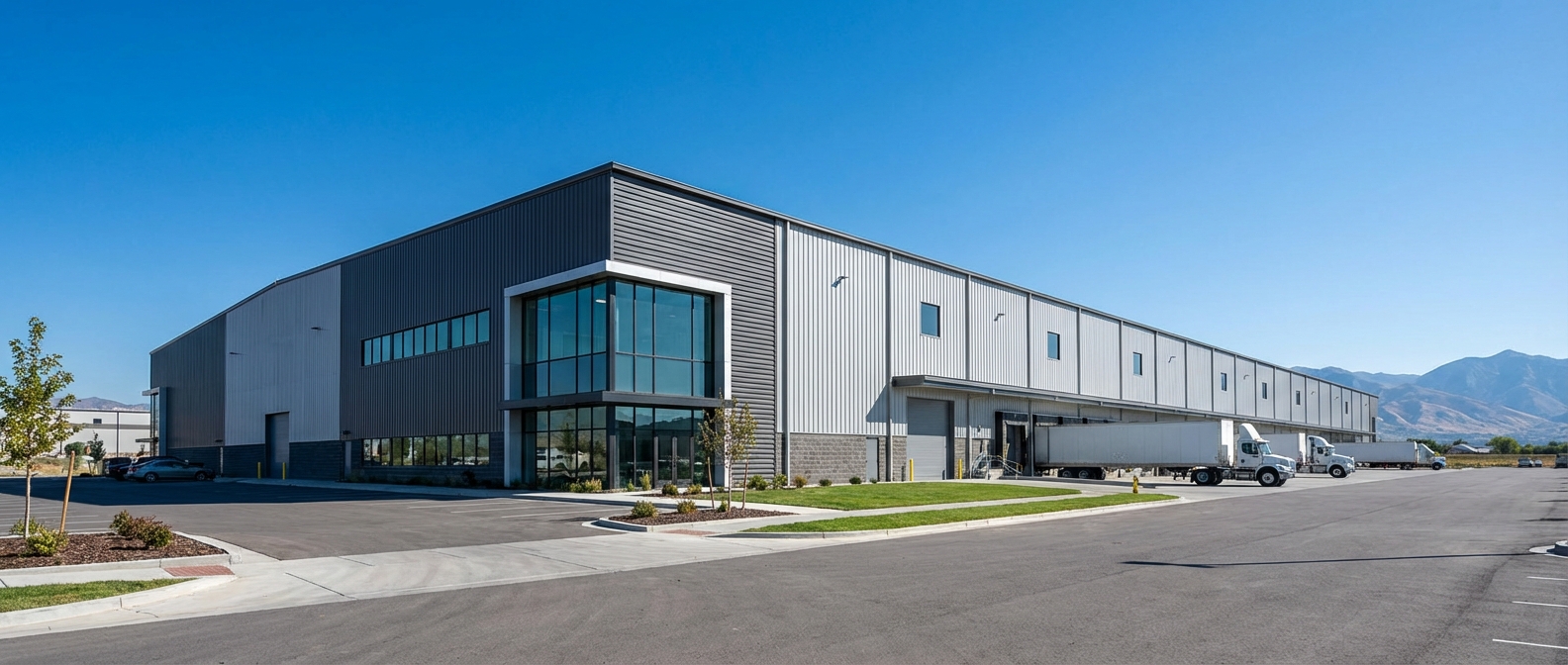
A steel warehouse building is a high-durability industrial structure where the primary load-bearing members, such as columns and beams, are fabricated from high-grade structural steel. Unlike traditional methods, these facilities utilize a rigid frame system to support roofs and walls, allowing for massive interior spaces.
Is it a versatile storage solution?
Think about it: the ability to store heavy machinery alongside delicate inventory requires a structure that can handle diverse environmental loads. A storage warehouse building provides this versatility by using standardized H-section steel that can be customized for specific height and width requirements.
- High strength-to-weight ratio for safety.
- Resistance to pests, rot, and fire.
- Easily expandable for future business growth.
But here is the kicker: because the components are factory-made, the on-site error margin is almost zero.
Why choose steel over concrete?
The primary advantage lies in the speed of building a steel warehouse compared to waiting months for concrete to cure. Steel allows for year-round construction regardless of weather, ensuring your operations begin as scheduled.
- Reduced foundation requirements due to lighter frames.
- 100% recyclable materials supporting green initiatives.
- Lower long-term maintenance costs.
The bottom line is that steel offers a faster path to revenue.
Key Takeaway: A steel warehouse is the optimal choice for businesses seeking a balance between high-speed construction and long-term structural integrity.
| Feature | Steel Warehouse | Concrete/Traditional | |
|---|---|---|---|
| Construction Speed | Very Fast (Weeks) | Slow (Months) | |
| Clear Span Ability | Excellent (Up to 40m+) | Limited/Expensive | |
| Sustainability | High (Recyclable) | Low |
This comparison highlights why global logistics leaders consistently prefer steel frameworks for their primary facilities.
What are the types of steel warehouse buildings?
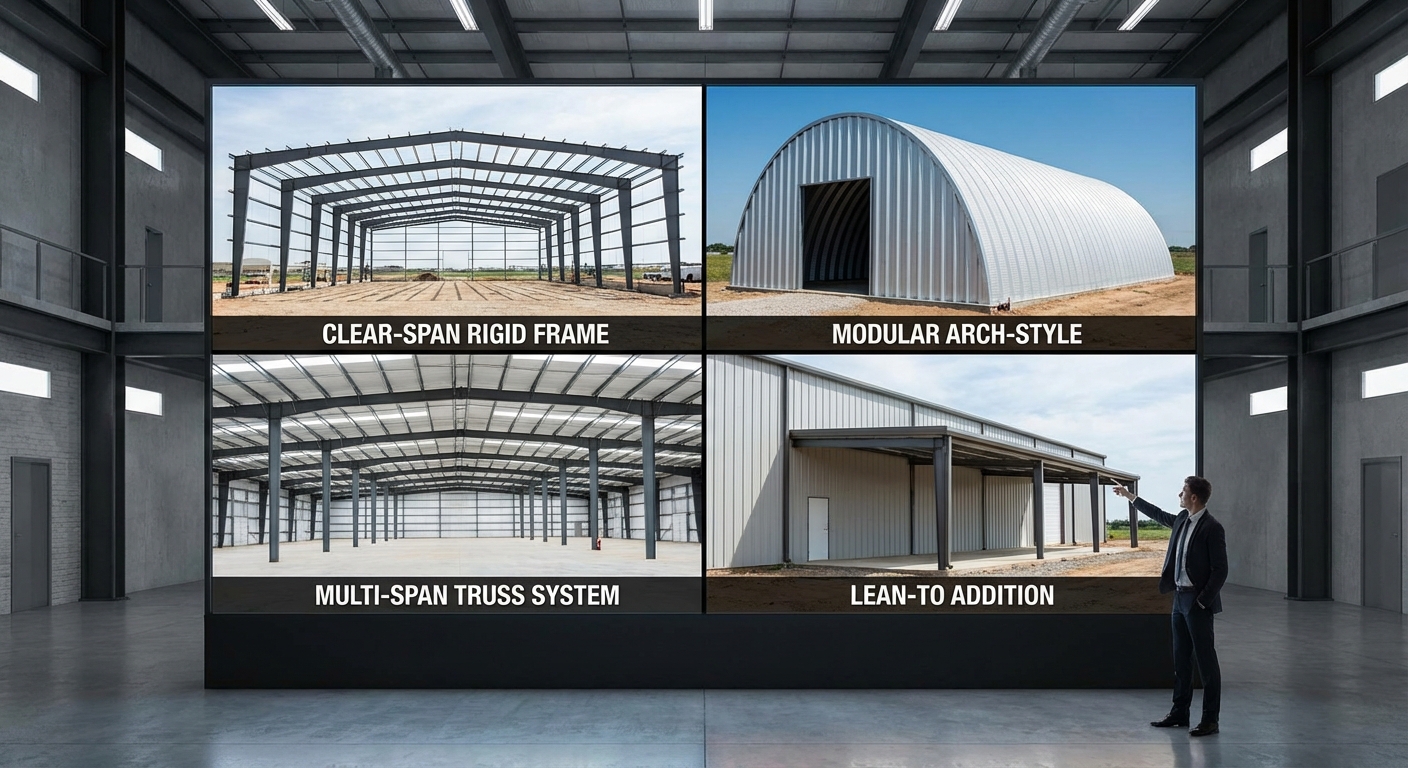
The types of steel warehouse buildings range from simple clear-span rigid frames to complex multi-span truss systems designed for heavy industrial use. Selecting the right type depends entirely on your operational flow and the required internal clearance.
What is a clear-span structure?
A clear-span steel warehouse structure eliminates the need for interior support columns, providing an unobstructed floor area for maximum storage efficiency. This is the gold standard for facilities using large forklifts or automated racking systems.
- Standard spans reach up to 40 meters.
- Ideal for indoor sports arenas or aircraft hangars.
- Maximizes every square inch of usable floor space.
Think about it: every column you remove is an extra row of racking you can install.
How does a multi-span system work?
When building a steel warehouse of immense width, designers often incorporate interior columns to reduce the weight and cost of the primary rafters. This “multi-span” approach is highly economical for massive distribution centers where internal pillars do not interfere with the logistics path.
- Cost-effective for buildings wider than 60 meters.
- Provides extra support for heavy roof-mounted HVAC units.
- Shares loads across multiple vertical members.
But here is the kicker: you must plan your traffic lanes around the column placement to stay efficient.
Key Takeaway: Choosing between clear-span and multi-span involves a trade-off between total floor flexibility and the overall material budget.
| Type | Best Use Case | Primary Advantage | |
|---|---|---|---|
| Clear-Span | Logistics & Hangars | 100% Usable interior space | |
| Multi-Span | Manufacturing | Lower material cost per sq. ft. | |
| Lean-To | Expansion | Fast addition to existing buildings |
Selecting the geometry of your structure is the first step in ensuring long-term operational success.
Who handles the steel warehouse design?
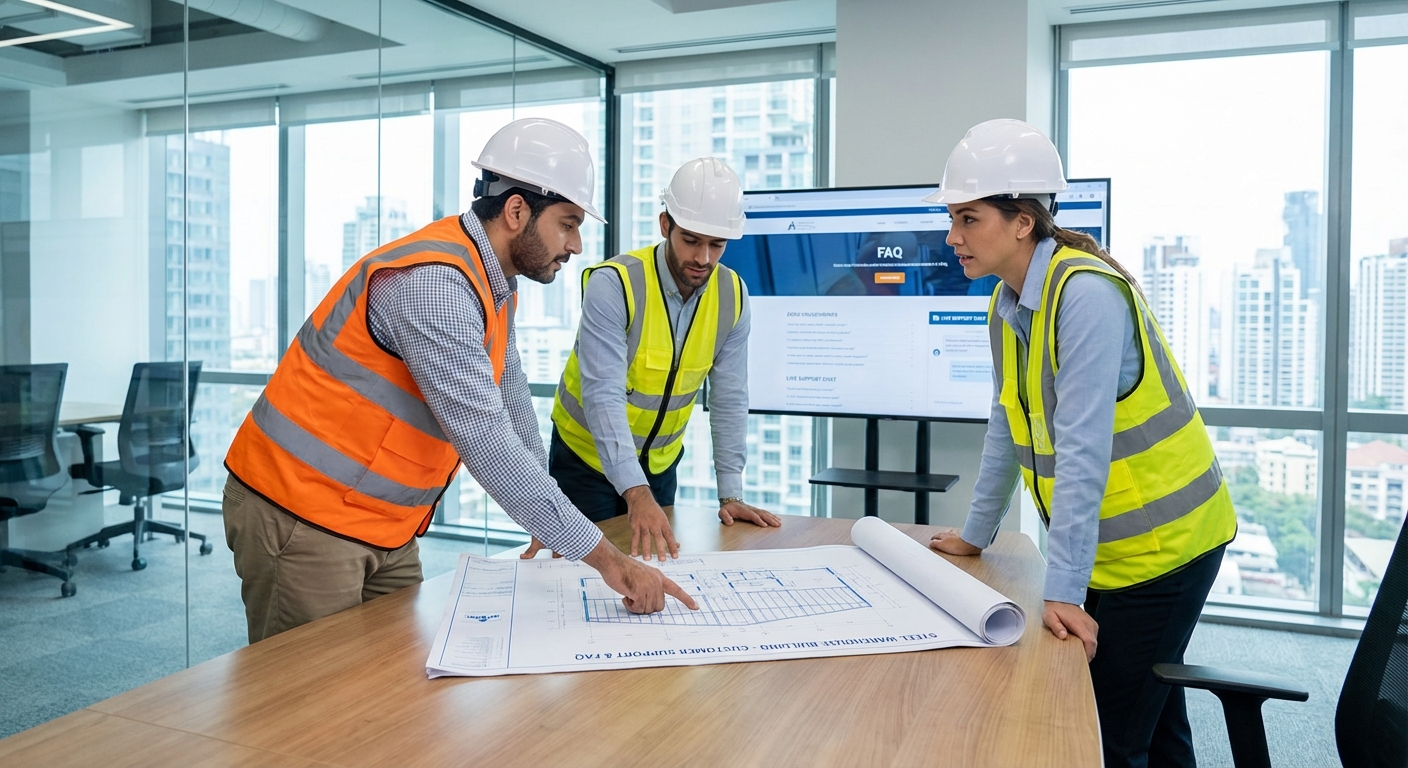
Expert structural engineers perform the steel warehouse design to ensure the facility meets local building codes and environmental loads. At Showhoo Building , the design process integrates 3D modeling with structural analysis software to prevent field errors.
What goes into a warehouse layout design?
An effective warehouse layout design must account for more than just walls; it must facilitate the seamless movement of goods from receiving to shipping. Engineers calculate “pinch points” and ensure that the placement of doors and mezzanines supports your specific workflow.
- Integration of loading docks and ramps.
- Optimization of natural lighting through skylights.
- Strategic placement of fire suppression systems.
Think about it: a poorly designed layout can increase your daily labor time by 15% through inefficient travel paths.
Why is warehouse span design critical?
The warehouse span design dictates the structural depth of your beams, which directly impacts your clear interior height. By optimizing the pitch of the roof, designers can reduce the volume of air that needs to be heated or cooled, saving on energy bills.
- Higher spans allow for vertical cubic storage.
- Tapered beam designs save steel weight.
- Roof slopes are calculated for optimal snow shedding.
But here is the kicker: small changes in span can lead to massive savings in foundation costs.
Key Takeaway: Professional design transforms a simple shell into a high-performance logistics asset tailored to your business.
| Design Phase | Focus Area | Goal | |
|---|---|---|---|
| Structural | Load Calculations | Safety & Code Compliance | |
| Functional | Layout & Access | Operational Efficiency | |
| Aesthetic | Cladding & Facade | Brand Identity & Protection |
Modern engineering ensures that every kilogram of steel serves a specific purpose in the building’s lifespan.
How do you start steel warehouse construction?
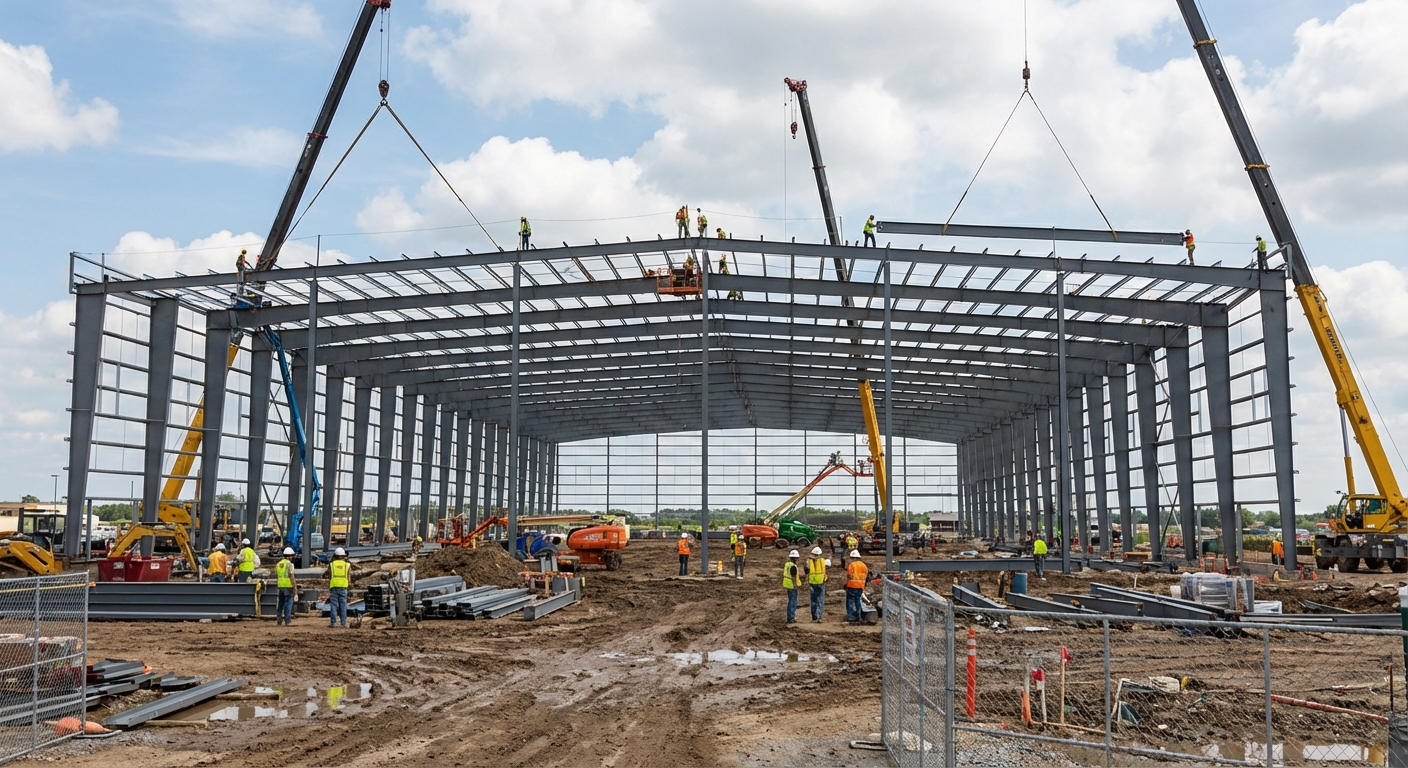
Successful steel warehouse construction begins with a verified foundation and a synchronized delivery of prefabricated components. This process is significantly faster than traditional builds because the assembly is more like a mechanical installation than a raw construction project.
What are the steps for building a steel warehouse?
Knowing how to build a steel warehouse involves a strict sequence: foundation, primary frame, secondary structure, and finally, cladding. The primary frame (columns and beams) is erected first using cranes to create the skeleton of the facility.
- Embed anchor bolts into the concrete foundation.
- Erect the main H-section steel portal frames.
- Install purlins and girts to support the panels.
- Attach roof and wall cladding with weather-sealed fasteners.
Think about it: because the holes are pre-drilled at the factory, the assembly is essentially a high-stakes “erector set.”
Is prefabricated warehouse building better?
A prefabricated warehouse building offers unmatched quality control because all welding and cutting occur in a controlled factory environment. This eliminates the risks associated with on-site welding, such as inclusions or brittle joints caused by cold weather.
- Components arrive labeled for easy sorting.
- Minimal waste is generated on the job site.
- Construction timelines are cut by 30-50%.
But here is the kicker: the speed of assembly requires a highly organized site manager to coordinate crane rentals.
Key Takeaway: Prefabrication shifts the complexity from the construction site to the factory, resulting in a more reliable and faster build.
| Step | Duration (Estimate) | Key Requirement | |
|---|---|---|---|
| Site Prep | 1-2 Weeks | Level ground & drainage | |
| Frame Erection | 2-3 Weeks | Heavy-duty crane access | |
| Cladding | 2-4 Weeks | Weather protection |
Sequential planning is the only way to avoid the costly downtime often found in traditional construction projects.
How much does a steel warehouse cost?
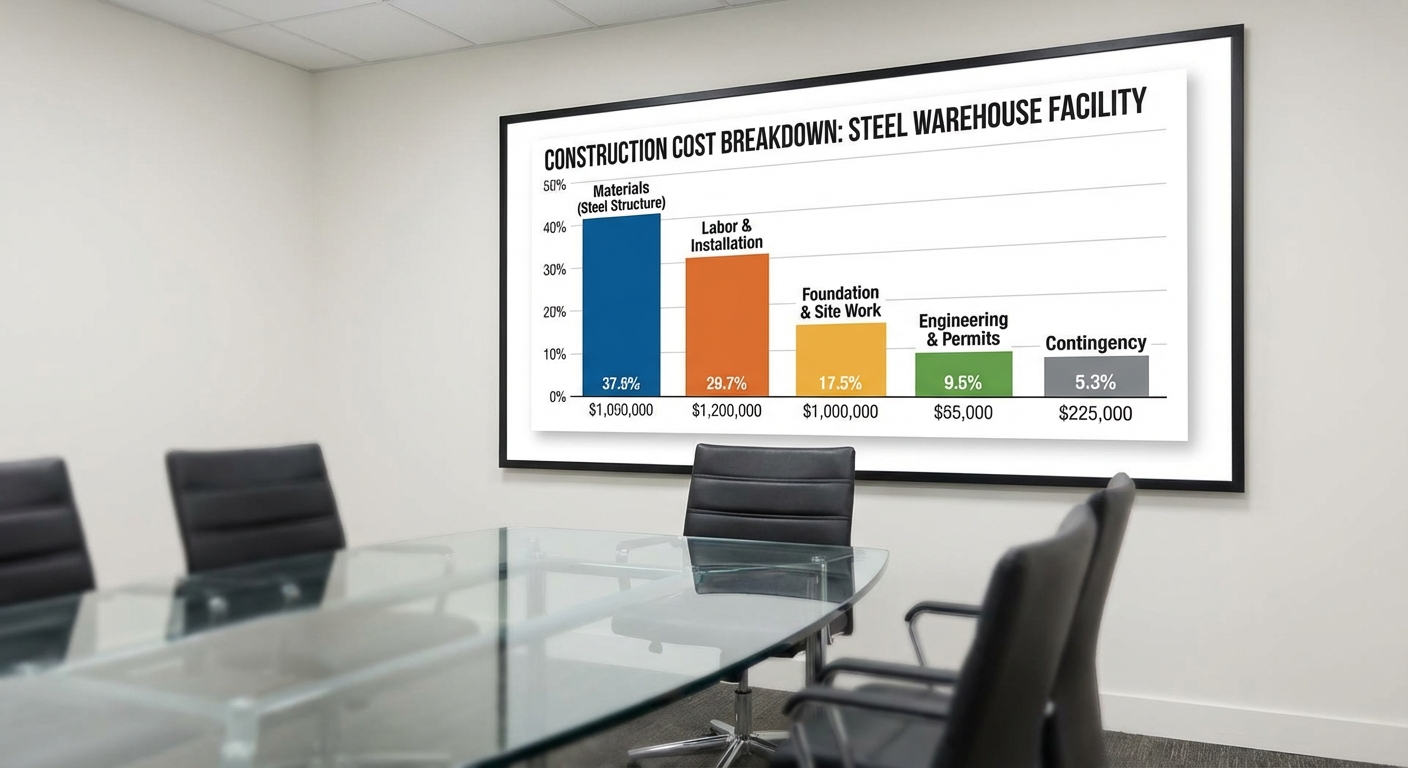
The total steel warehouse building cost is influenced by current steel market prices, the complexity of the design, and the geographic location of the site. On average, steel remains the most competitive material for large-volume industrial spaces. Request a quote to see how factory-direct pricing can lower your initial investment.
What is the typical warehouse cost per square foot?
You can generally expect a warehouse cost per square foot to range from15to40 for the steel package depending on the span and height. This “core and shell” pricing includes the main frame, secondary members, and basic panels but excludes land and foundation.
- Clear-span designs typically cost more per square foot.
- Bulk ordering for larger footprints reduces the unit price.
- Standardized heights (6m to 9m) are the most economical.
Think about it: the more you deviate from standard dimensions, the more “custom engineering” fees you incur.
How much does a steel warehouse cost in total?
When asking how much does a steel warehouse cost, you must factor in the “total landed cost,” which includes shipping, foundation work, and local labor. Even with these additions, steel often yields a 20% total project saving over tilt-up concrete.
- Reduced labor hours due to fast assembly.
- Lower insurance premiums for fire-resistant steel.
- Minimal maintenance costs over 20+ years.
But here is the kicker: a well-insulated steel building can save its own cost in energy bills over its lifetime.
Key Takeaway: Focus on the total cost of ownership, not just the initial purchase price, to see the true value of steel.
| Cost Driver | Impact Level | Strategy to Save | |
|---|---|---|---|
| Steel Weight | High | Optimize span and beam depth | |
| Insulation | Medium | Use sandwich panels for R-value | |
| Shipping | Low | Efficient packing into containers |
Accurate budgeting requires a detailed Bill of Materials (BOM) to prevent unexpected change orders during construction.
What is a logistics warehouse layout like?
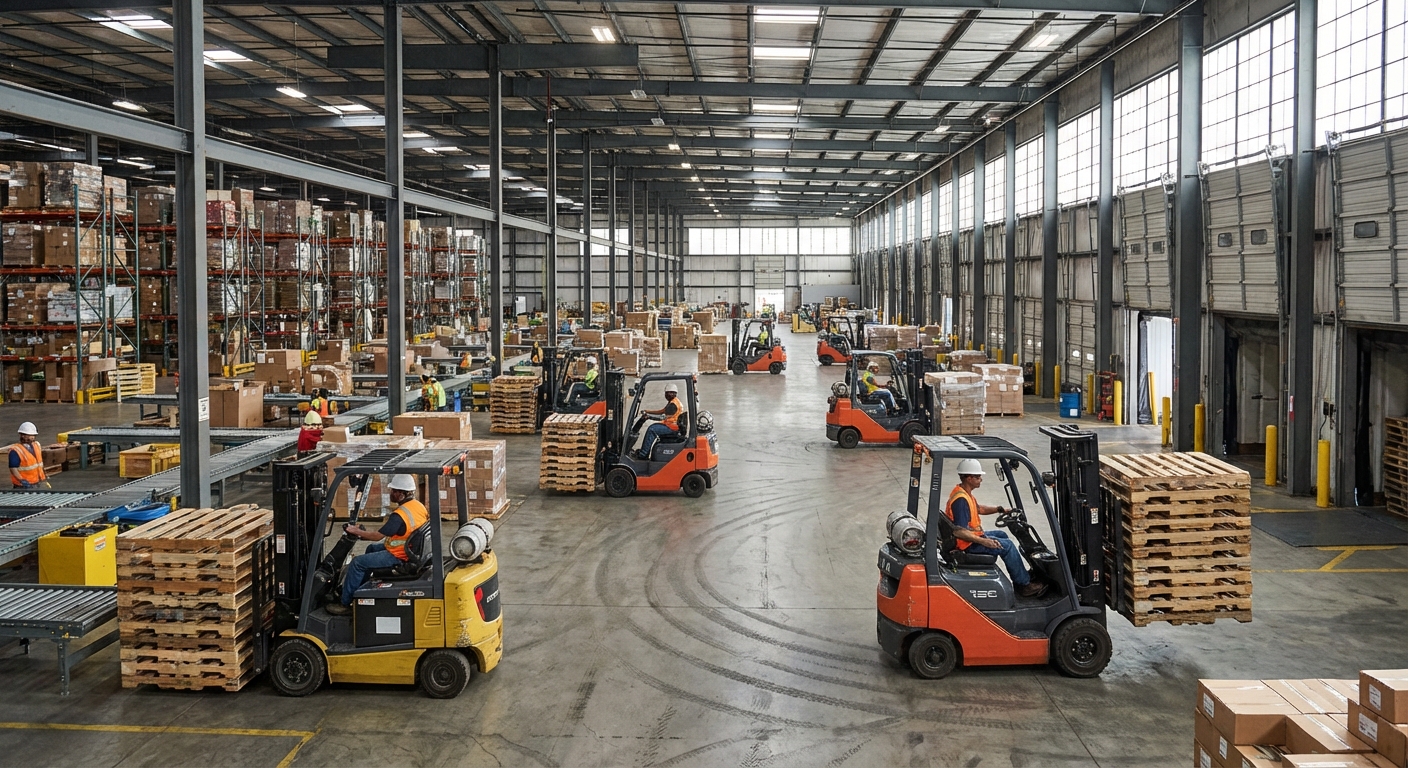
A modern logistics warehouse is designed for high-frequency intake and dispatch, requiring specific structural features to accommodate constant truck traffic. This layout prioritizes floor load-bearing capacity and the height of the clear-span areas.
How do you optimize an industrial warehouse building?
Designing an industrial warehouse building for logistics requires a focus on “cross-docking” capabilities. This means placing shipping and receiving docks on opposite sides of the building to allow goods to move straight through without long-term storage.
- Reinforced concrete floors for heavy forklift traffic.
- High-speed industrial doors to maintain climate control.
- Strategic LED sensor lighting to reduce overhead costs.
Think about it: every minute a truck spends waiting at a bay is a minute of lost profit for your logistics chain.
What features define a storage warehouse building?
In a storage warehouse building, the primary goal is cubic density—getting as much product into the space as possible. This necessitates a structural height that can accommodate 5-high or 6-high pallet racking systems safely.
- Eave heights usually exceed 10 meters.
- Roof purlins are spaced to support heavy sprinkler lines.
- Column-free zones allow for flexible aisle widths.
But here is the kicker: the taller you build, the more you must consider the seismic bracing designed into the walls.
Key Takeaway: Logistics success is 50% operations and 50% the physical structure’s ability to support those operations.
| Feature | Logistics Focus | Storage Focus | |
|---|---|---|---|
| Clear Height | Medium (Focus on flow) | High (Focus on volume) | |
| Door Count | High (Frequent docks) | Low (Long-term hold) | |
| Floor Load | Very High | High |
The architectural flow of your warehouse is what transforms a simple shed into a profit-generating logistics hub.
Which materials are used for steel warehouse buildings?
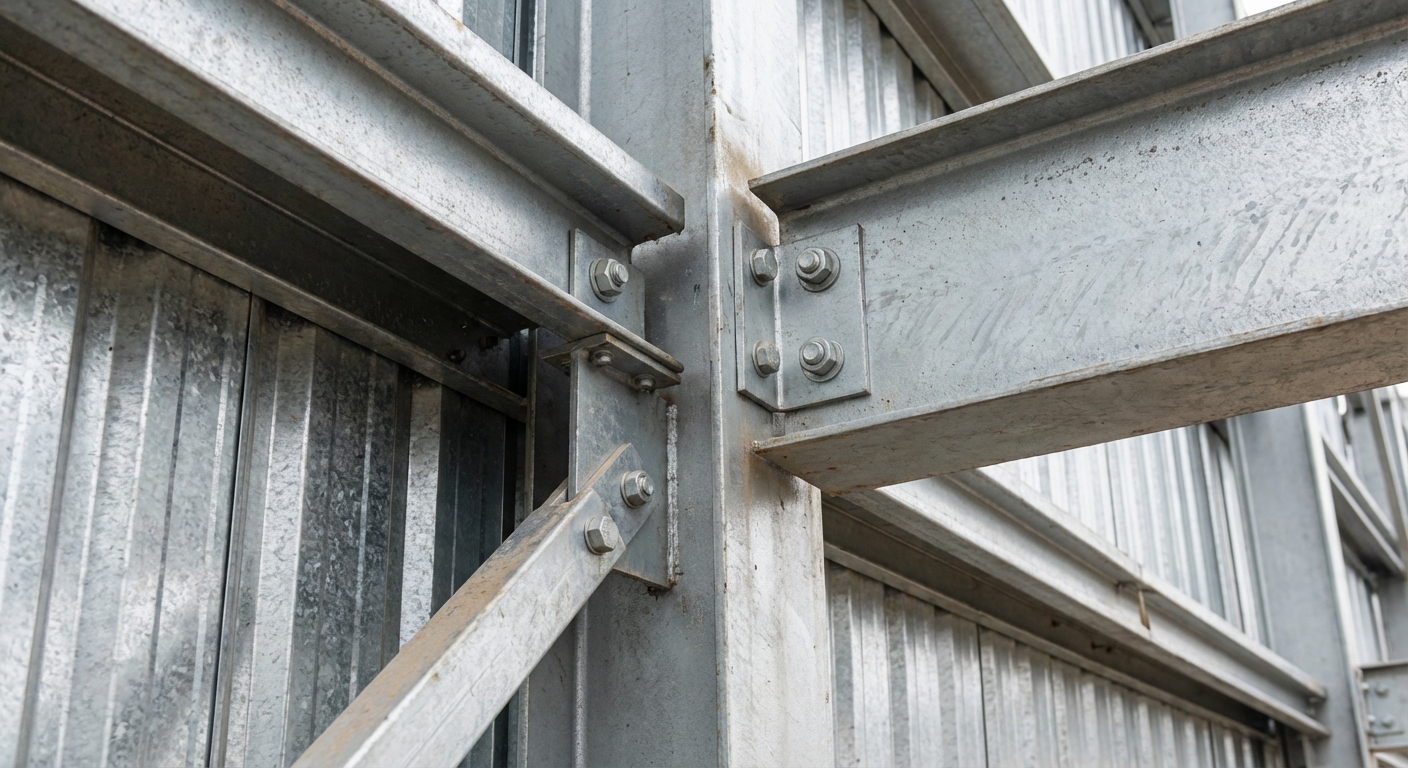
High-grade Q355B or Q235B steel sections are the primary materials used in a steel warehouse building to provide structural rigidity. These materials are treated with sophisticated coatings to prevent corrosion and ensure a 50-year service life.
Why is galvanized steel important?
Using galvanized components in your steel warehouse structure provides an electrolytic layer of protection that prevents rust even if the surface is scratched. This is especially vital for buildings located in coastal areas or high-humidity environments.
- Zinc coating reacts with the environment to heal small nicks.
- Reduces the need for periodic repainting.
- Increases the resale value of the facility.
Think about it: would you rather spend 5,000extranowor
50,000 on rust repairs in ten years?
What are the options for wall and roof panels?
The cladding of an industrial warehouse building can range from simple single-layer color steel sheets to high-performance sandwich panels. Sandwich panels include a core of EPS, Rockwool, or PU to provide thermal insulation and fire resistance.
- Rockwool cores offer the best fire protection.
- PU (Polyurethane) provides the highest R-value for cooling.
- Available in various colors to match brand aesthetics.
But here is the kicker: the right panel choice can reduce your air conditioning costs by up to 40%.
Key Takeaway: Superior materials are an investment in the building’s longevity and significantly lower its operational overhead.
| Component | Standard Material | Premium Upgrade | |
|---|---|---|---|
| Main Frame | Painted Q235B Steel | Hot-Dip Galvanized Q355B | |
| Cladding | Single Steel Sheet | PU Sandwich Panel | |
| Fasteners | Standard Bolts | High-Strength Dacromet Bolts |
Specifying the correct material grade during the quote stage prevents structural failure and aesthetic degradation.
How are steel warehouse buildings delivered?
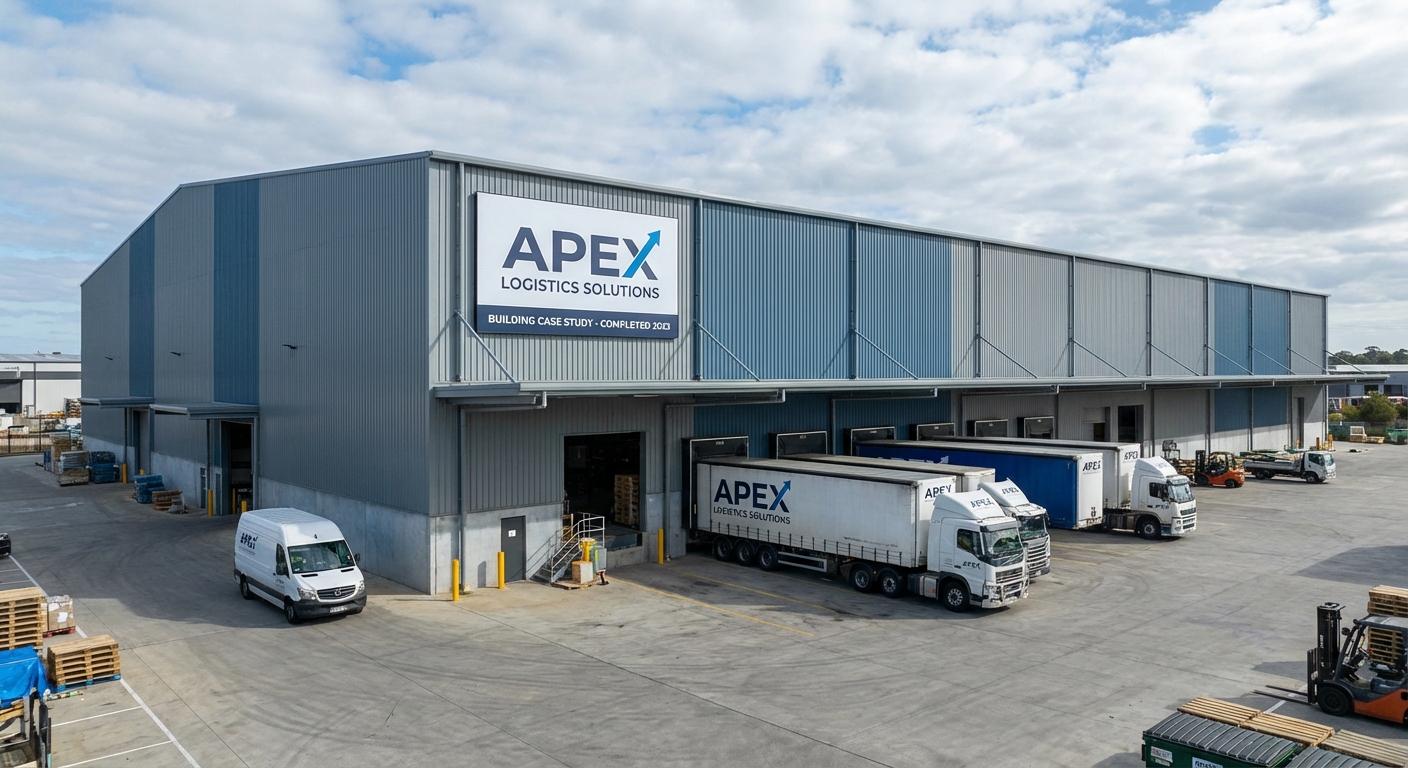
Every steel warehouse building is delivered as a complete, installation-ready system to minimize site disruption. Logistics teams coordinate the packing sequences so that the items needed first (anchor bolts and columns) are accessible at the start of the unloading process.
Is the delivery an integrated system?
A true prefabricated warehouse building delivery includes every bolt, screw, flashing, and gutter required for completion. This “one-stop” supply chain approach ensures that there are no missing parts that could cause expensive delays for your contractors.
- Detailed packing lists for easy inventory.
- Components are marked with IDs matching the drawings.
- Bundled shipping reduces overall freight costs.
Think about it: missing a single specialized bolt can halt a 20-person construction crew for an entire day.
How do you handle international shipping?
When building a steel warehouse for an overseas project, the steel is packed into standard 40ft HQ containers to ensure protection during transit. Expert packing technicians utilize specialized racks to maximize container space and prevent bending or scratching of the steel.
- Protection against saltwater corrosion during sea freight.
- Optimized loading for easy unloading by forklift.
- Full documentation for customs clearance provided.
But here is the kicker: we provide the installation drawings to you before the ship even arrives so you can prepare.
Key Takeaway: Professional logistics management is just as important as the engineering itself in ensuring a smooth project.
| Delivery Item | Purpose | Documentation | |
|---|---|---|---|
| Primary Frame | Main Structure | Erection Drawings | |
| Secondary Members | Support & Bracing | Component ID List | |
| Accessories | Sealing & Finish | Installation Guide |
Controlled delivery timelines allow you to schedule labor and machinery accurately, saving thousands in rental fees.
Why is steel ideal for a logistics warehouse?
Steel is the preferred medium for a logistics warehouse because it allows for the high ceilings and wide clearances that modern supply chains demand. The internal link between structural capability and operational flow is most evident in the world of rapid distribution. Explore our logistics solutions to see how we help businesses scale.
How does steel support high-speed logistics?
In an industrial warehouse building, time is the most valuable commodity. Steel structures allow for the installation of massive “mega-doors” and automated sorting systems that cannot be easily integrated into traditional timber or brick buildings.
- Supports heavy overhead cranes if needed.
- Allows for roof-mounted conveyors to save floor space.
- Resilient against accidental forklift impacts.
Think about it: a steel column is far more durable than a wooden post when a 5-ton forklift is operating nearby.
Can steel handle extreme environments?
Whether your storage warehouse building is in a high-wind tropical zone or a heavy-snow arctic region, steel can be engineered to withstand the load. Engineers increase the thickness of the H-sections and the density of the bracing to meet any local safety requirement.
- Designed for seismic resistance in earthquake zones.
- Wind load designs for hurricane-prone areas.
- Snow load calculations for high-altitude installs.
But here is the kicker: steel doesn’t warp or expand like other materials, meaning your doors will always close perfectly.
Key Takeaway: Steel provides the “insurance” of structural reliability that allows logistics businesses to operate without fear of building failure.
| Environmental Factor | Steel Solution | Benefit | |
|---|---|---|---|
| High Winds | Cross-bracing & Tie rods | Structural Stability | |
| Heavy Snow | Increased Purlin Density | Prevents Roof Collapse | |
| Humidity | Galvanization | No Rust or Decay |
Reliability in extreme weather ensures that your supply chain remains unbroken, regardless of the season.
How do you plan the 3D design of a warehouse?
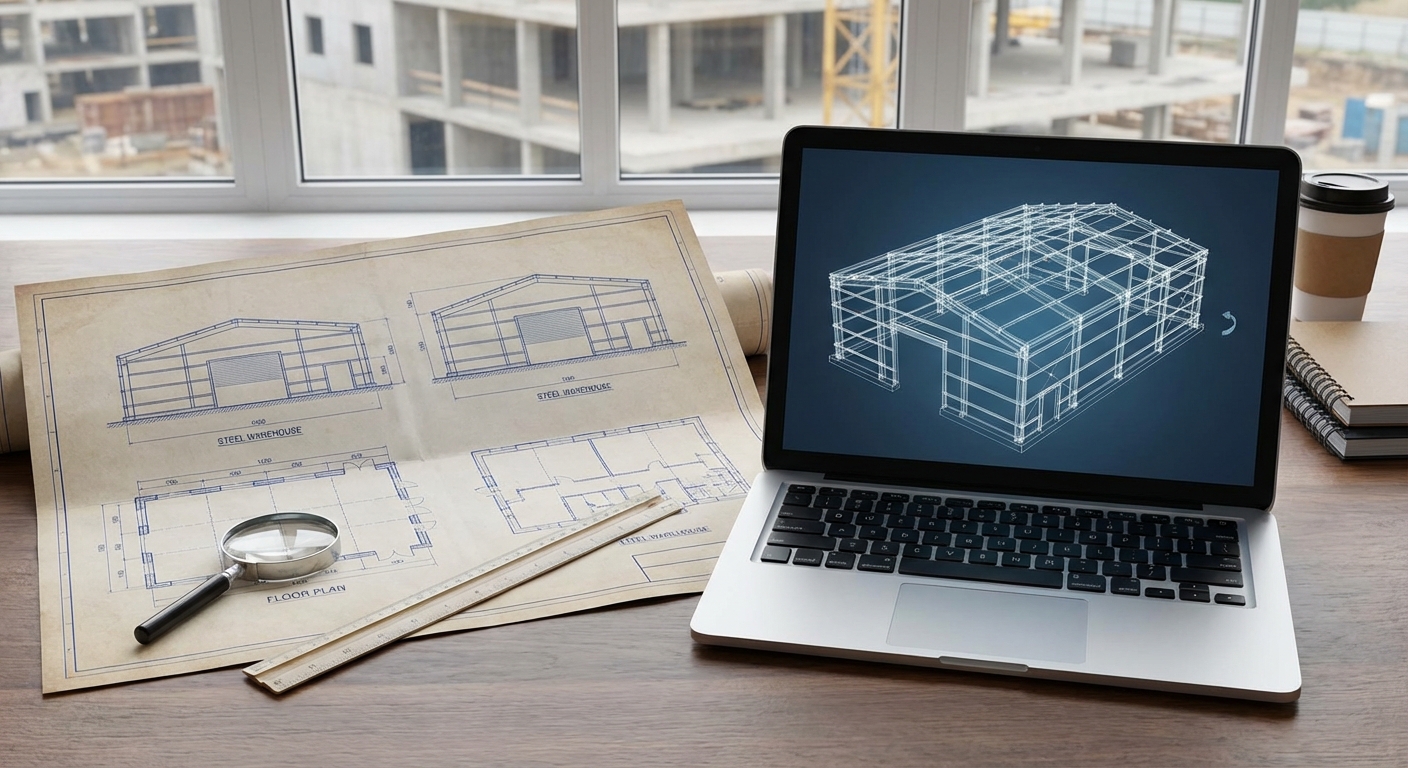
Modern steel warehouse design utilizes Building Information Modeling (BIM) to create a digital twin of your facility before a single piece of steel is cut. This proactive approach identifies clashes between structural members and internal systems like HVAC or sprinklers.
Why use 3D modeling for warehouse span design?
By visualizing the warehouse span design in 3D, you can “walk through” the aisles of your future facility to ensure the heights are sufficient for your racking. This helps in adjusting the roof pitch or eave height before fabrication begins.
- Accurate material estimation prevents waste.
- Clear visualization for stakeholders and investors.
- Reduces the need for field modifications.
Think about it: it is much cheaper to move a digital wall in a software than a steel column on a job site.
Does 3D planning speed up construction?
Every steel warehouse building we produce is derived directly from a 3D model, ensuring that every hole and connection point is precisely where it should be. This data is fed directly into CNC machines for automated cutting and drilling.
- Ensures 100% accuracy in component sizing.
- Generates the installation drawings automatically.
- Allows for complex geometries that manual drafting cannot.
But here is the kicker: 3D modeling allows us to show you exactly how your drainage and gutters will look before you buy.
Key Takeaway: 3D design is the ultimate tool for risk mitigation and architectural precision in modern construction.
| Planning Step | Action | Result | |
|---|---|---|---|
| Conceptual | 3D Space Planning | Operational Approval | |
| Structural | Finite Element Analysis | Safety Verification | |
| Detail | Shop Drawings | Fabrication Readiness |
This digital-first approach ensures that the building you imagined is exactly the building that arrives at your site.
Building a world-class facility requires more than just raw materials; it requires a partner who understands the complexities of engineering, logistics, and cost-efficiency. We have solved the challenges of delayed timelines and structural weaknesses for over 1,000 projects across 50 countries. Whether you are expanding a distribution network or launching a new manufacturing plant, our team is ready to deliver a precision-engineered solution that grows with your business. To take the first step toward your new facility, contact us today for a customized consultation.
Decision FAQ
Can I expand my warehouse in the future?Yes, steel buildings are inherently modular. You can easily remove an end wall and add new portal frames to extend the length of your structure without compromising the existing integrity.
What’s the best way to prevent rust in a coastal area?Hot-dip galvanization is the premier solution. By dipping the steel in molten zinc, you create a permanent barrier that is far superior to standard paint in salty environments.
Can I install a mezzanine floor inside a steel warehouse?Absolutely, our designs can incorporate heavy-duty mezzanines. We simply calculate the additional load on the columns and foundations during the initial design phase to support your second-story office or storage.
What is the minimum maintenance for these buildings?Very minimal maintenance is required. We recommend a simple annual inspection of the roof fasteners and cleaning out the gutters to ensure water moves away from the foundation correctly.
Can I build a steel warehouse on a slope?Yes, but it requires specific foundation engineering. We coordinate with your local ground engineers to ensure the anchor bolts are set at tiered levels to maintain a perfectly level steel frame.