
Planning a steel warehouse involves selecting the right structure type, optimizing design for efficiency, and understanding regional pricing variables. Many business owners struggle with rising inventory but fear the complexity of industrial construction. This lack of a clear plan often leads to wasted space and ballooning budgets that hurt your bottom line. By following a structured roadmap, you can secure a high-performance facility while managing the steel warehouse cost effectively .
Why choose a steel warehouse for your business?
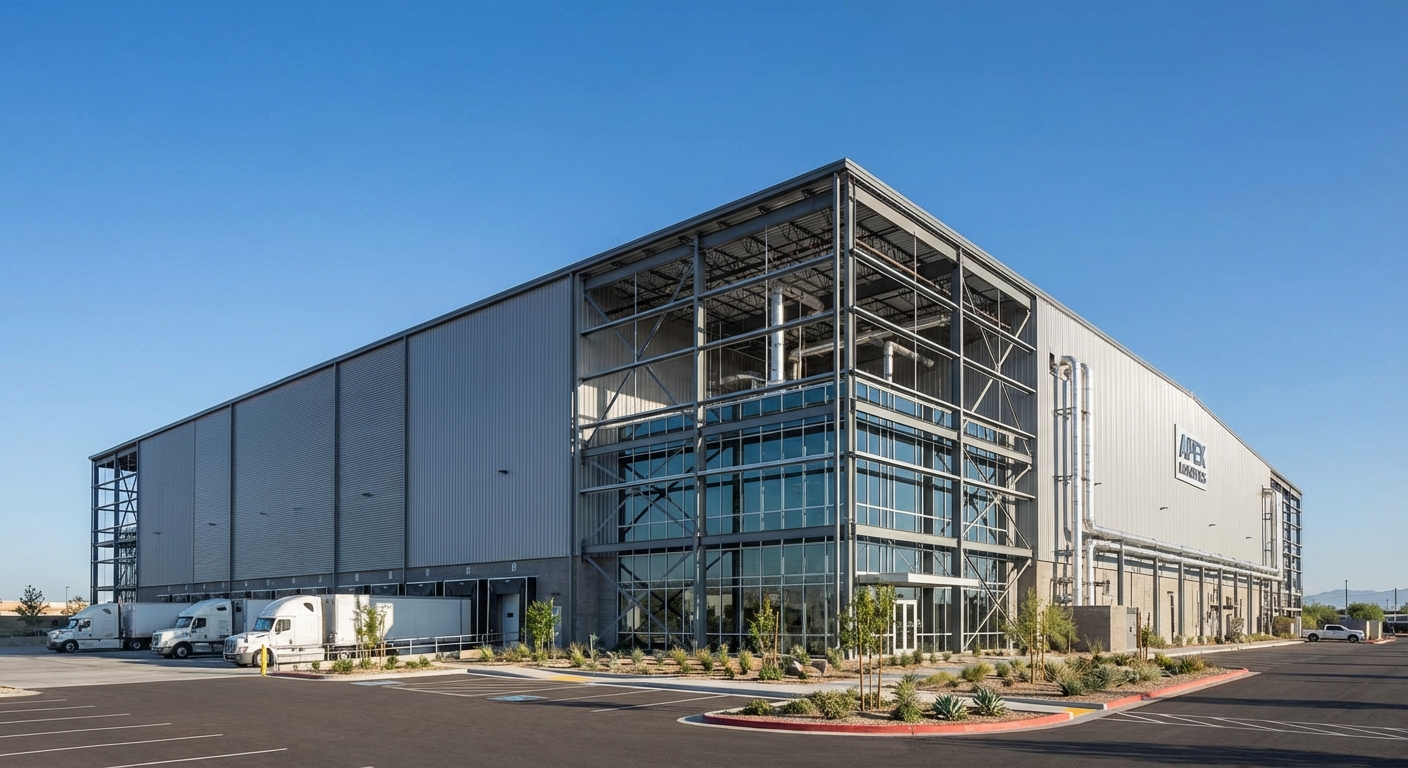
Steel warehouses provide unmatched durability and space flexibility for modern logistics and manufacturing. When you analyze the total steel warehouse cost, the long-term ROI becomes clear through reduced maintenance and faster occupancy. Steel structures allow for massive clear spans that are impossible with traditional wood or heavy masonry.
Is steel better than traditional masonry?
Check this out.
- Speed: Steel buildings are erected in half the time of concrete.
- Span: You get up to 40m of unobstructed interior space.
- Durability: Resistant to pests, rot, and fire damage.
Key Takeaway: Choosing steel minimizes initial downtime and maximizes internal storage density.
| Feature | Steel Warehouse | Concrete/Masonry | |
|---|---|---|---|
| Construction Speed | 50% Faster | Standard Timeline | |
| Clear Span Ability | Excellent (No Columns) | Limited (Required Columns) | |
| Foundation Needs | Lighter/Cheaper | Heavy/Expensive |
The following data demonstrates why steel remains the top choice for industrial investors globally.
What are the primary types of steel warehouse structures?
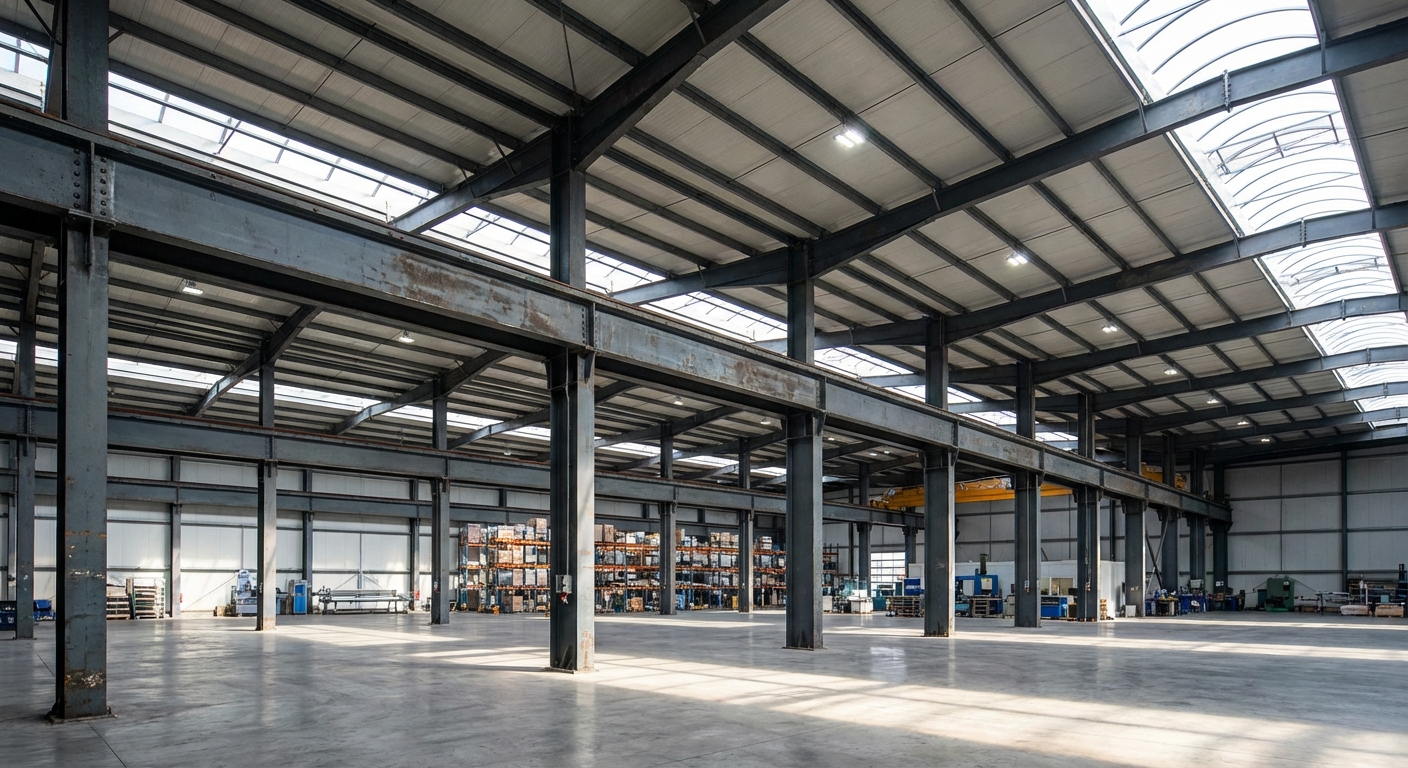
Primary types include portal frames, multi-span structures, and multi-storey designs. Your choice of frame directly determines the total steel warehouse cost . Most industrial projects utilize the H-section portal frame for its simplicity and strength-to-weight ratio.
Which frame fits your operations?
Let’s break it down.
- Portal Frame: Ideal for standard storage and simple logistics.
- Multi-Span: Best for massive factories needing interior support columns.
- Multi-Storey: Essential for urban areas with high land costs.
Key Takeaway: Matching the structure type to your specific workflow prevents paying for unnecessary structural weight.
| Structure Type | Best Application | Material Efficiency | |
|---|---|---|---|
| Portal Frame | General Logistics | High | |
| Multi-Span | Large Factories | Medium | |
| Multi-Storey | Urban Storage | Low (Heavier Steel) |
Analyzing these structural configurations reveals how geometry impacts the overall material volume required.
How much does a steel warehouse cost in 2026?
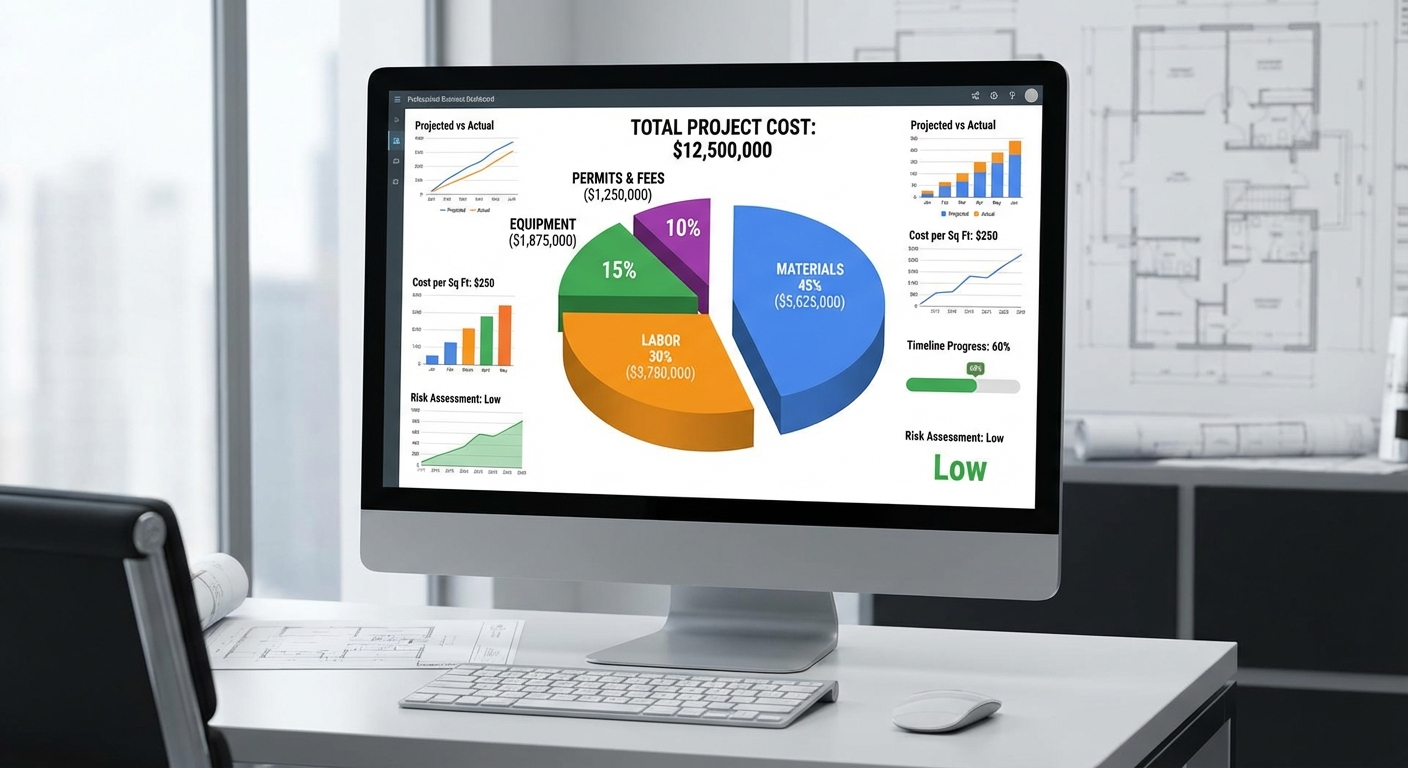
In 2026, pricing typically ranges from15to50 per square foot depending on specifications and site conditions. You must accurately determine how much does a steel warehouse cost to set realistic financial milestones for your expansion. This steel warehouse cost varies based on steel market fluctuations and the complexity of your interior fit-out.
What is the average price per unit?
Consider this metric.
- steel warehouse cost per square foot: Ranges from 15to45.
- steel warehouse cost per m2: Typically between 160and480.
- cost per square meter warehouse: Includes structural frame and basic cladding.
Key Takeaway: Budgeting should account for both the raw kit price and the on-site installation labor.
| Tier | Price Range (per sq. ft.) | Included Features | |
|---|---|---|---|
| Basic Shell | 15−22 | Uninsulated, standard doors | |
| Standard | 23−35 | Basic insulation, windows | |
| High-Spec | 36−50+ | Heavy insulation, cranes, HVAC |
Understanding these price points allows you to align your operational needs with available capital.
What factors affecting steel warehouse cost should you know?
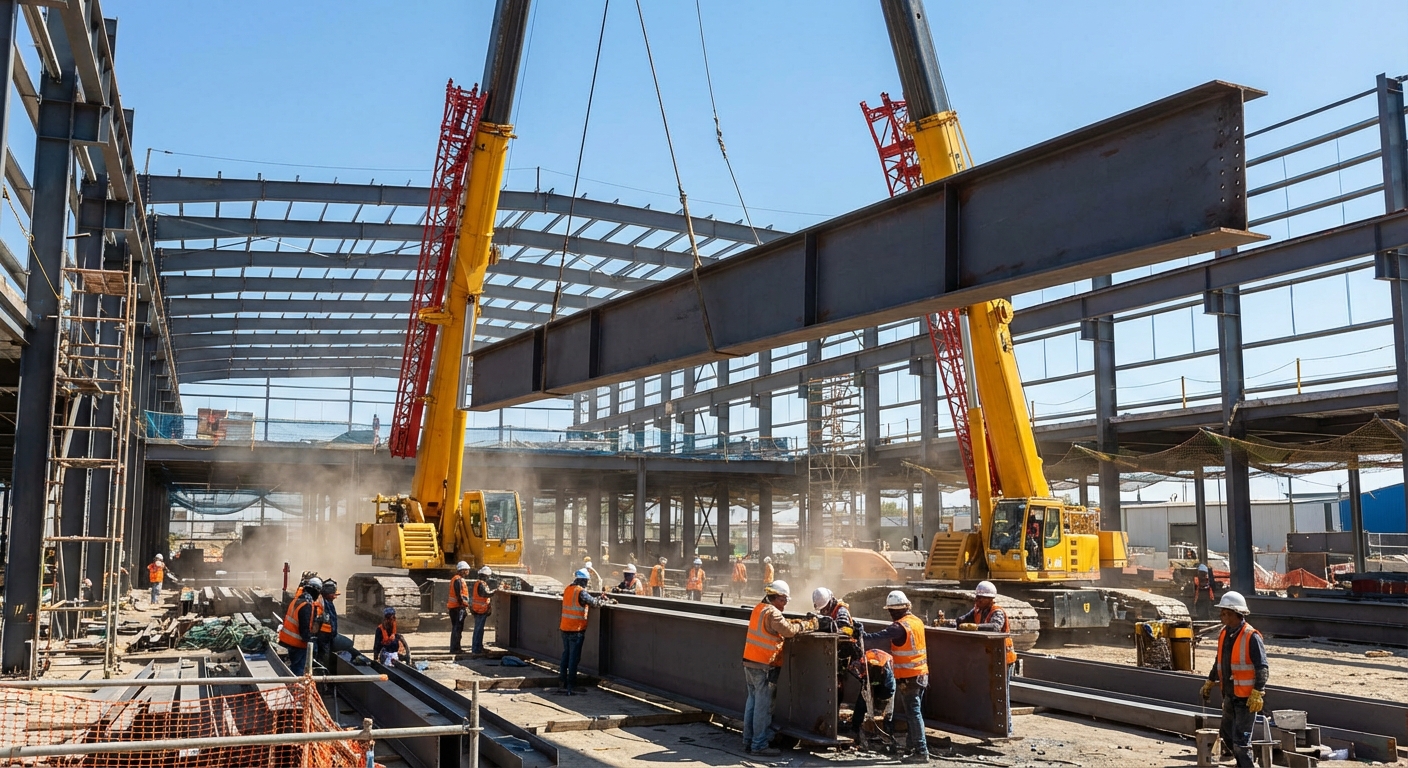
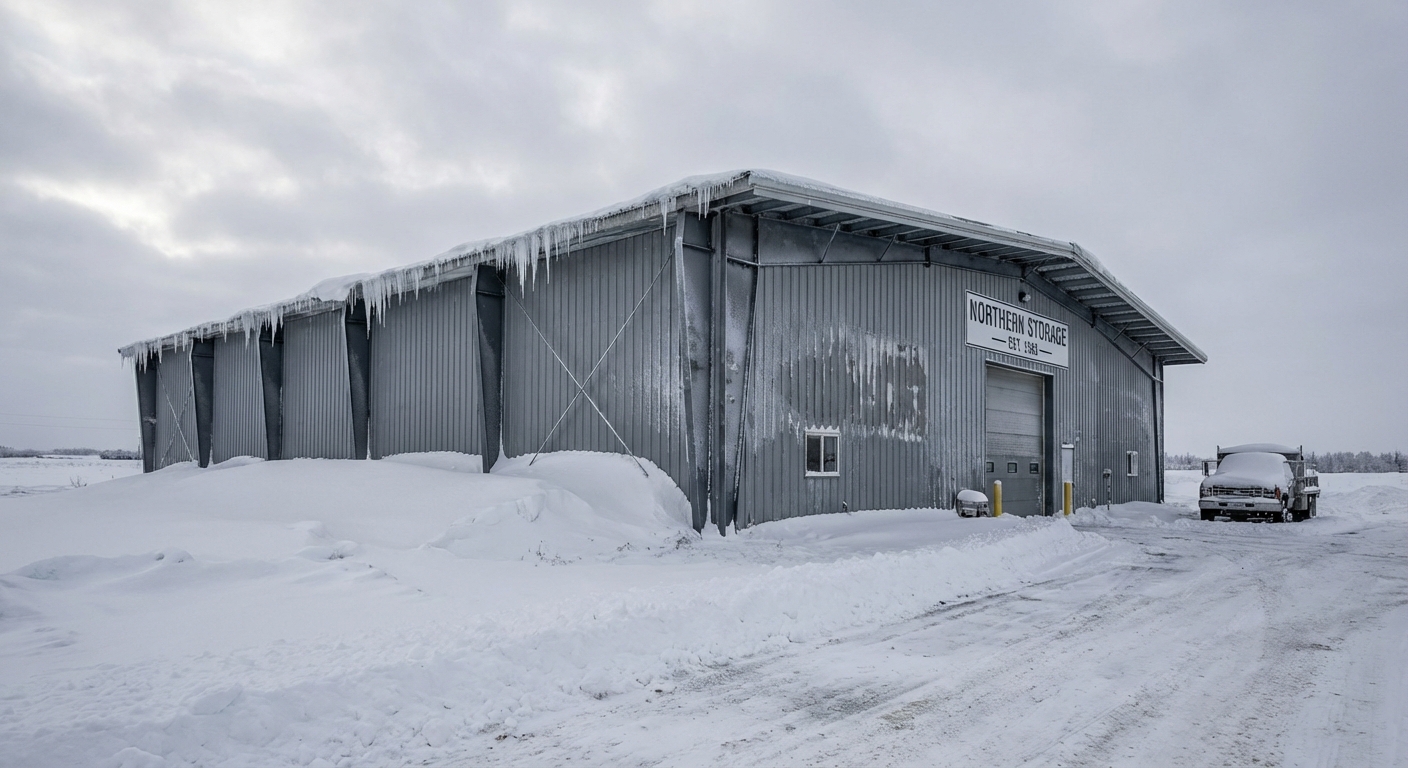
Key drivers include local climate loads, material grades, and the level of customization requested. Identifying factors affecting steel warehouse cost early prevents expensive design changes during the fabrication phase. Regional building codes often dictate what affects warehouse cost, such as specific wind resistance or snow load requirements.
How does weather impact pricing?
It’s a major factor.
- Wind Speed: Coastal areas require thicker steel for hurricane resistance.
- Snow Loads: Heavy snow zones need reinforced roof trusses.
- Seismic Activity: Earthquakes necessitate specialized bracing systems.
Key Takeaway: Environmental engineering is a non-negotiable expense that ensures the safety of your inventory and staff.
| Cost Factor | Impact Level | Description | |
|---|---|---|---|
| Climate Loads | High | Thicker steel for wind/snow | |
| Customization | Medium | Mezzanines and crane runways | |
| Insulation | Medium | Sandwich panels vs. sheet metal |
The following breakdown illustrates how external environmental variables shift the budget profile.
How do you design a steel warehouse for maximum efficiency?
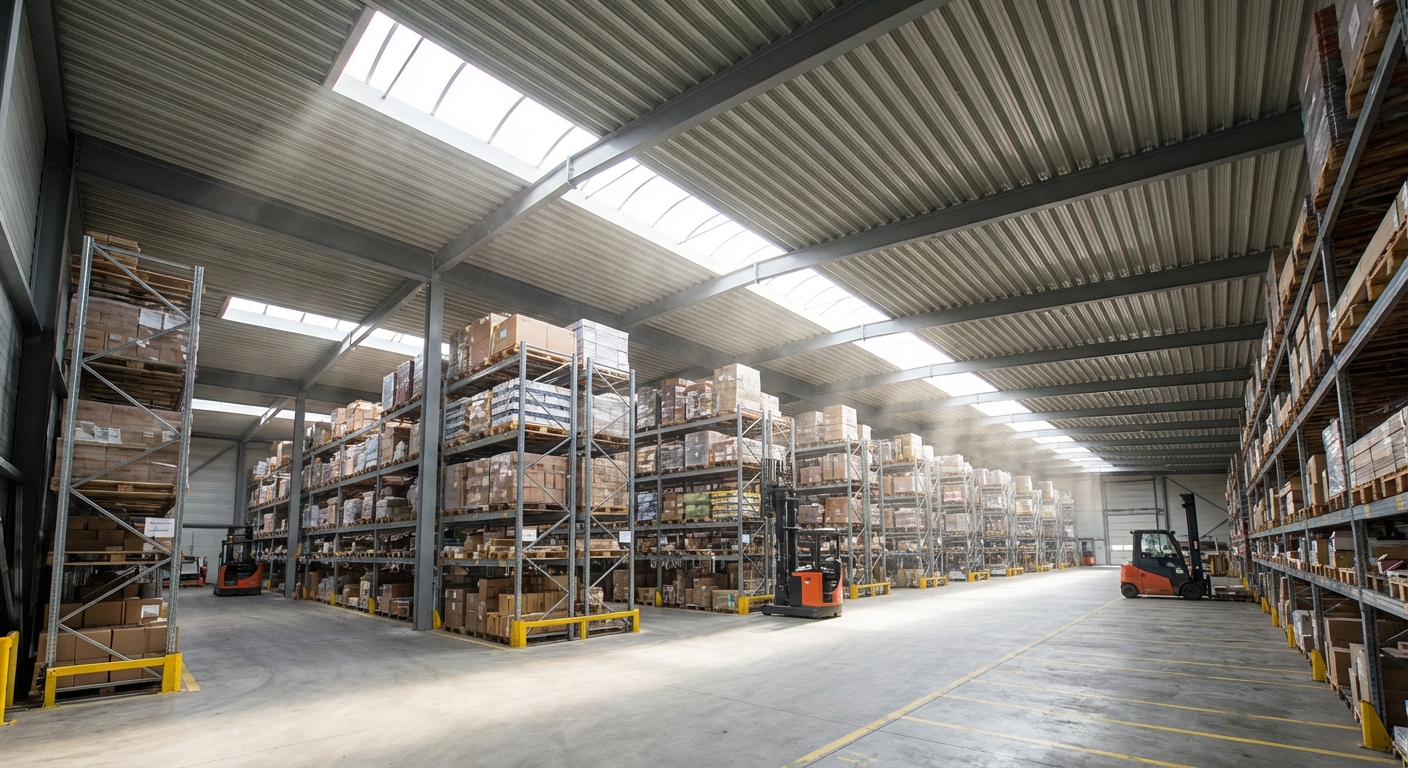
Efficient design focuses on clear-span width and optimized eave height to maximize vertical storage space. Proper layout planning significantly reduces the steel warehouse cost per pallet position by eliminating dead space. You should prioritize the flow of goods from loading docks to storage racks during the initial blueprint phase.
Can you optimize column spacing?
Think about the flow.
- Bay Width: Standard 6m or 9m bays are the most cost-effective.
- Eave Height: Higher eaves allow for more racking levels for the same footprint.
- Natural Light: Polycarbonate skylights reduce the need for expensive artificial lighting.
Key Takeaway: Verticality is often cheaper than floor area when trying to increase total storage capacity.
| Design Element | Efficiency Impact | Benefit | |
|---|---|---|---|
| Clear Span | High | Unobstructed forklift movement | |
| Eave Height | High | Increased pallet density | |
| Ridge Vents | Medium | Reduced HVAC energy costs |
This comparison highlights how smart design choices translate into long-term operational savings.
What is the typical warehouse construction cost breakdown?
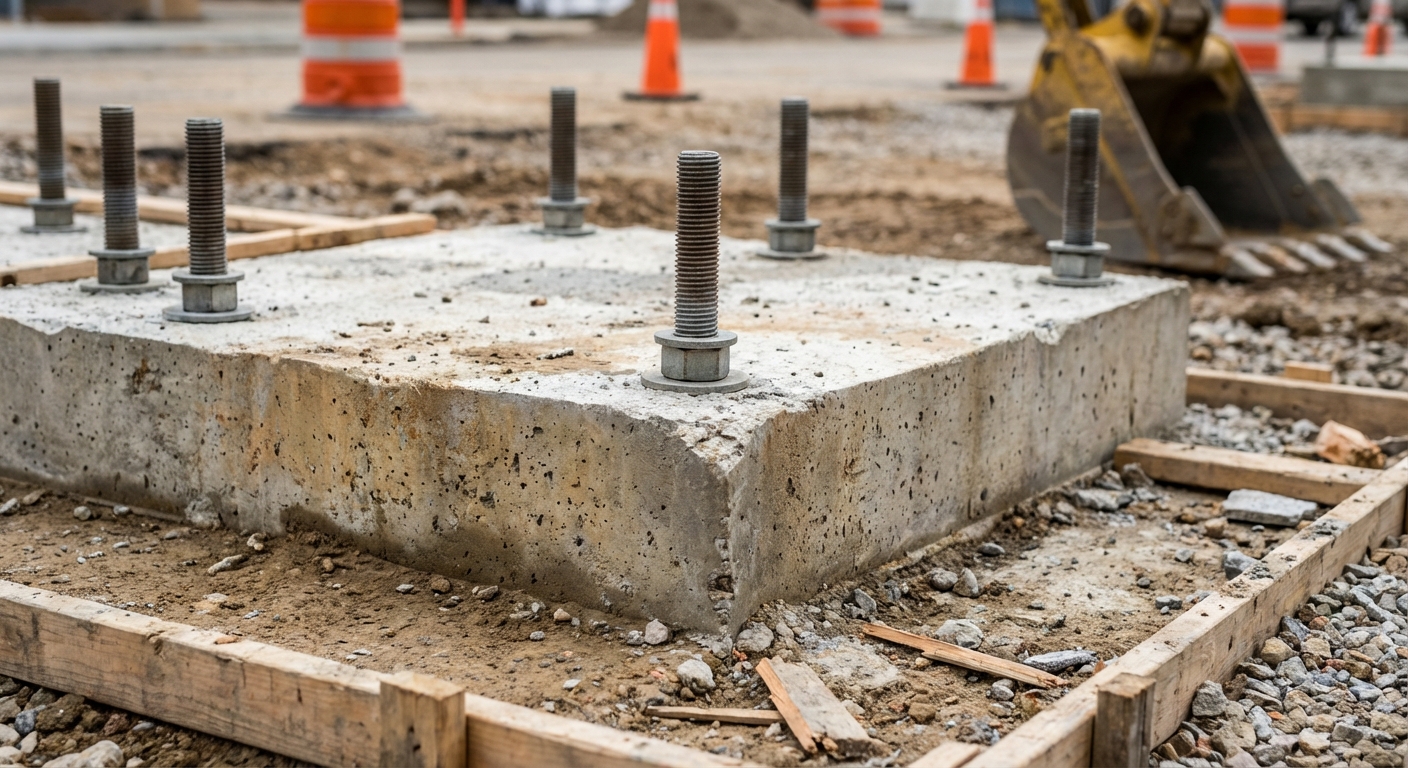
A standard project allocates 40% to materials, 30% to labor, and 20% to foundation and groundwork. Reviewing a steel structure cost breakdown allows you to allocate funds transparently across different project phases. The steel warehouse cost is heavily weighted toward the initial fabrication of the H-beams and cladding.
What are the primary expenses?
Look at the numbers.
- material cost / labor cost / foundation cost: Usually follows a 50/30/20 ratio.
- warehouse construction cost breakdown: Includes permits and site preparation.
- Equipment Rental: Cranes and lifts are essential for heavy assembly.
Key Takeaway: Foundation costs can vary wildly based on soil quality, so a geotech report is vital.
| Phase | % of Budget | Key Components | |
|---|---|---|---|
| Foundation | 15% – 20% | Concrete, rebar, anchor bolts | |
| Structural Steel | 35% – 45% | Main frames, purlins, girts | |
| Erection/Labor | 20% – 30% | Assembly, rigging, safety |
This data provides a standard benchmark for comparing contractor quotes and managing cash flow.
Which materials are best for a durable steel warehouse?
Q355B high-strength steel and sandwich panels are the industry gold standard for building durability and insulation. High-quality materials like hot-dip galvanized steel directly influence the initial steel warehouse cost but prevent rust in humid environments. You must choose cladding that balances thermal performance with structural fire resistance.
Does insulation matter for longevity?
You might be surprised.
- Rockwool: Provides superior fire rating and thermal control.
- PU Panels: Offers the best insulation value for cold storage.
- EPDM Seals: Essential for keeping the structure watertight over decades.
Key Takeaway: Investing in galvanized secondary members (C/Z purlins) prevents structural decay in harsh climates.
| Material | Specification | Primary Advantage | |
|---|---|---|---|
| Main Frame | Q355B Steel | High yield strength | |
| Roof Cladding | 75mm Sandwich Panel | Energy efficiency | |
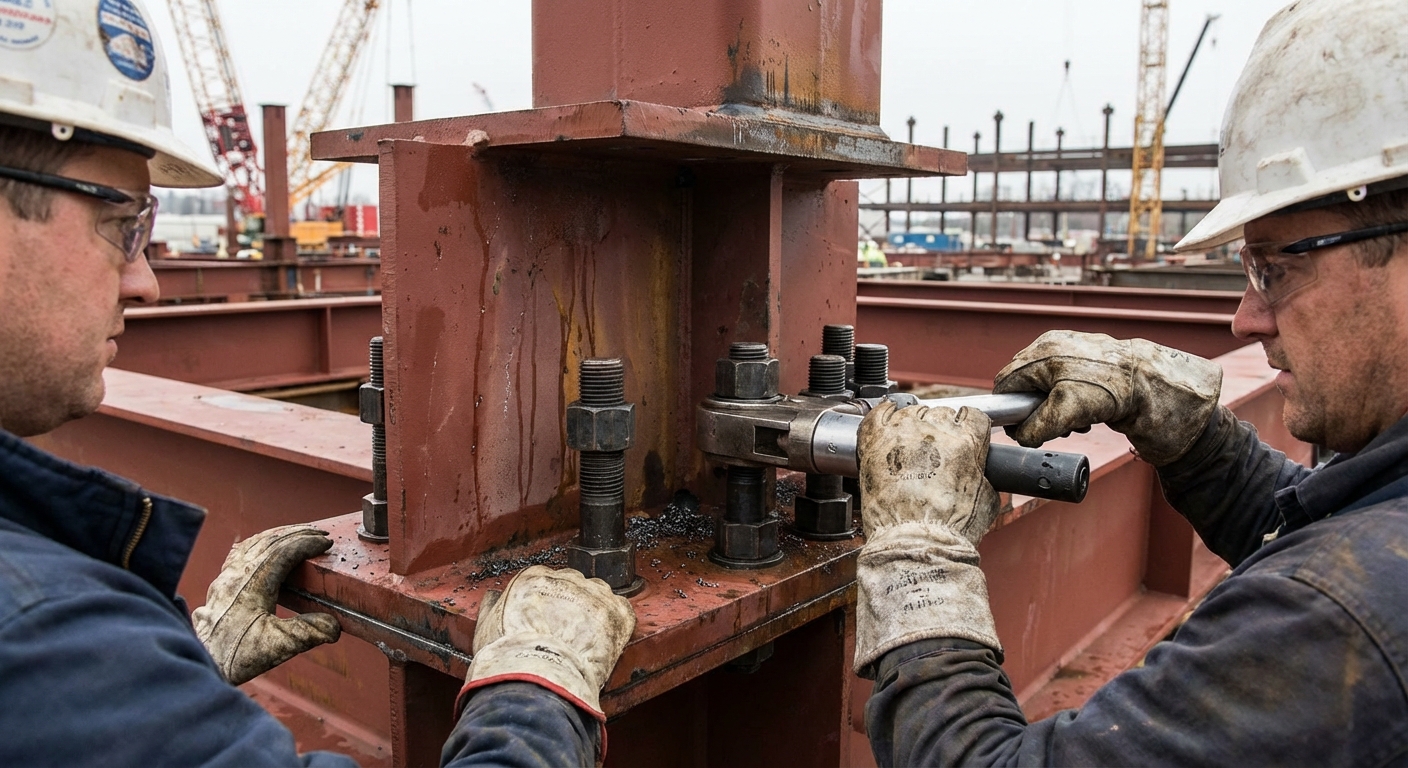
| Bolts | Grade 8.8 / 10.9 | Structural integrity |
The selection of these core materials defines the lifespan and maintenance schedule of your facility.
How does steel warehouse building cost vary by region?
Regional costs vary based on labor availability, local shipping logistics, and varying building code requirements. When researching, you will find that the steel warehouse cost in developed markets includes higher regulatory fees. For instance, the steel warehouse cost USA is often driven by labor, whereas the steel warehouse cost Africa is affected by transport.
Why is location a price driver?
Geographical context matters.
- steel warehouse cost Middle East: Extreme heat requires high-spec cooling and coatings.
- Freight Costs: Remote sites can add 10-15% to the total material bill.
- Labor Skill: Specialist riggers are required for multi-storey steel assembly.
Key Takeaway: Local environmental factors like humidity and wind are the strongest predictors of material spec requirements.
| Region | Primary Cost Driver | Labor Availability | |
|---|---|---|---|
| North America | Labor & Permits | High / Expensive | |
| Africa | Logistics / Freight | Variable | |
| Middle East | Climate Protection | Specialist Required |
Regional variations emphasize why a “one size fits all” pricing model is rarely accurate for steel projects.
How can you reduce your steel warehouse building cost?
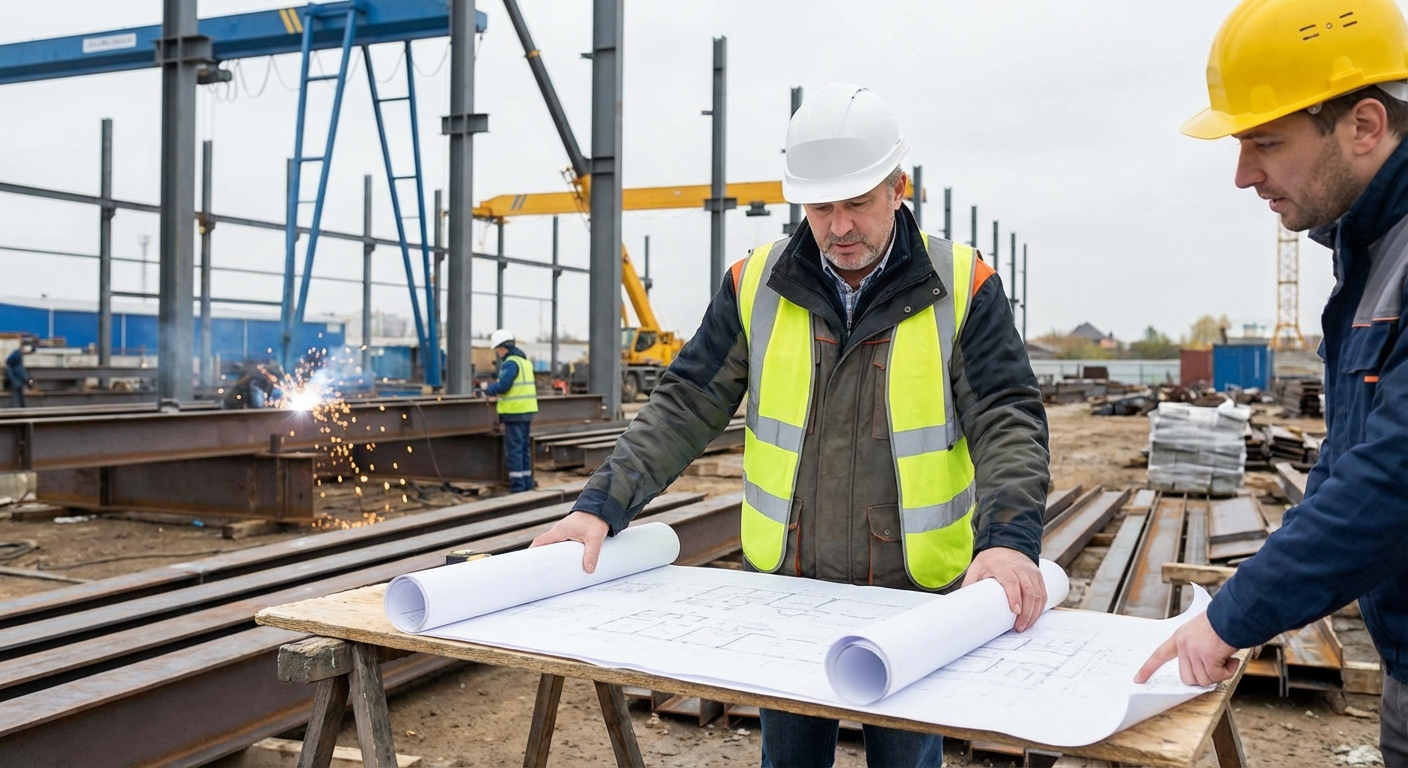
Reducing costs is best achieved through modular standardization and avoiding complex, non-standard building spans. You can lower the total steel warehouse building cost by opting for a 100% bolted design that eliminates expensive on-site welding. warehouse price factors like bay spacing can be optimized to use the minimum amount of steel possible.
Is prefabrication the key to savings?
Absolutely.
- prefab warehouse vs traditional cost: Prefab is 30% more economical due to factory precision.
- Standard Spans: Sticking to 18m, 24m, or 30m widths avoids custom engineering fees.
- Bulk Purchasing: Buying insulation and cladding in full containers reduces shipping overhead.
Key Takeaway: Simple, rectangular designs are the most cost-efficient way to gain large-scale storage space.
| Strategy | Savings Potential | Difficulty | |
|---|---|---|---|
| Standardization | High (15-20%) | Low | |
| Site Pre-work | Medium (5-10%) | Medium | |
| Modular Framing | High (20%+) | Low |
Value engineering during the design phase is the most effective tool for maintaining budget control.
What steps are involved in the planning and permit process?
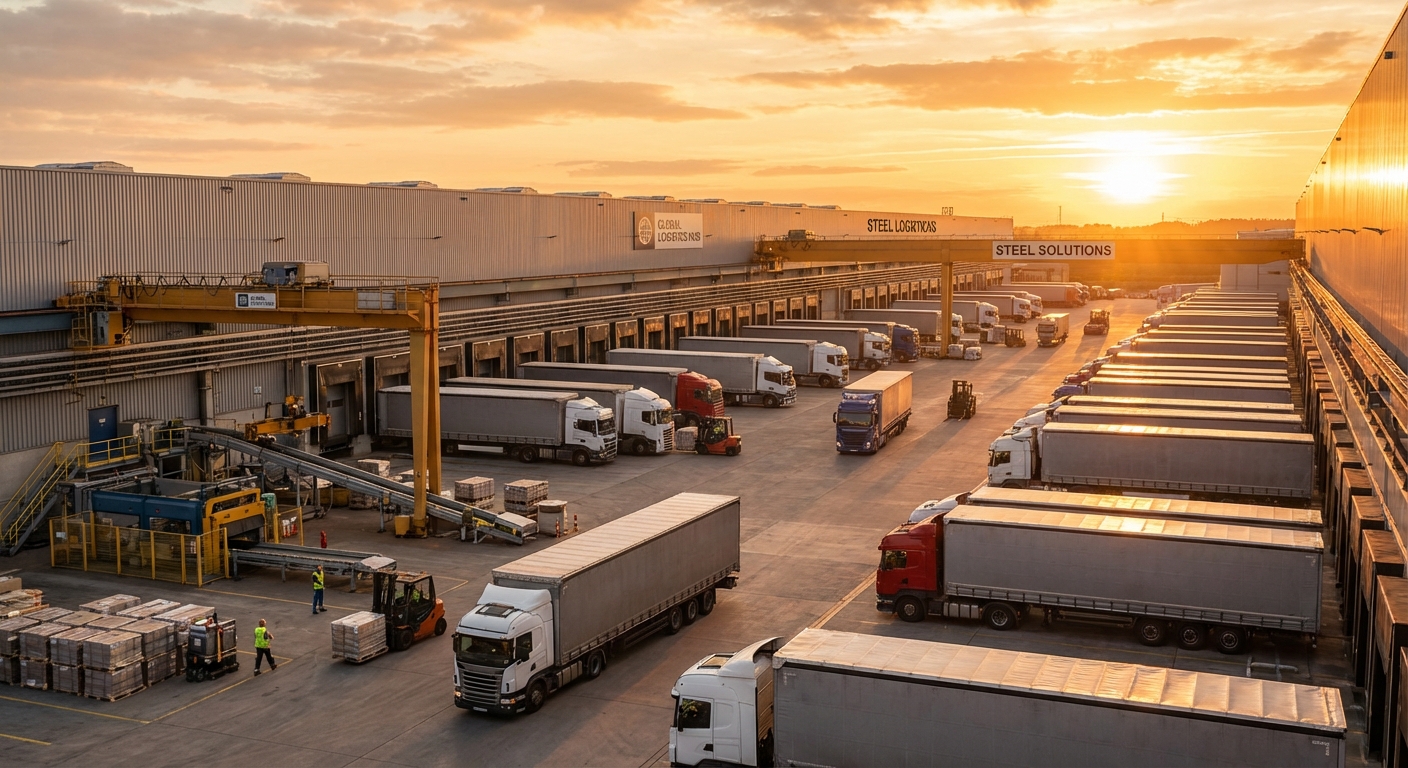
The process involves professional site surveys, structural engineering calculations, and obtaining municipal building permits. These early steps define the final steel warehouse price and ensure your facility complies with all safety laws. Neglecting the permit phase can lead to costly work-stoppage orders that delay your operational startup.
When should you start the permit phase?
Timing is everything.
- Geotech Reports: Must be completed before foundation design begins.
- Structural Calcs: Required for permit approval and manufacturing precision.
- Fire Safety: Plans must include egress and fire suppression system layouts.
Key Takeaway: Coordinated planning between the manufacturer and local engineers ensures a smooth permit approval process.
| Phase | Typical Duration | Critical Output | |
|---|---|---|---|
| Planning | 4 – 6 Weeks | Stamped Blueprints | |
| Fabrication | 6 – 8 Weeks | Numbered Steel Components | |
| Installation | 8 – 12 Weeks | Completed Structural Shell |
A disciplined approach to these administrative steps protects your investment from legal and structural risks.
FAQ: Steel Warehouse Planning
What is the average steel warehouse cost per m2 for a basic shed?Generally, you should budget between160and220 per m2 for a basic uninsulated portal frame structure.
Which warehouse price factors are most negotiable?Cladding types and insulation thickness are the easiest areas to adjust to meet a specific budget target.
What is the steel warehouse vs concrete cost difference?Steel is typically 20-30% cheaper when factoring in both the foundation savings and the reduced labor hours.
Specifically, what affects warehouse cost the most during erection?Crane rental fees and the skill level of the rigging crew are the largest variable expenses during the assembly phase.
Build Your Future with Precision Steel Solutions
Planning a steel warehouse is a strategic investment that requires balancing material quality with cost efficiency. At Qingdao Showhoo Steel Structure Co., Ltd., we specialize in delivering high-durability, prefabricated steel buildings tailored to your unique logistics needs. From initial 3D design to global shipping, our expert team ensures your project meets the highest international standards while maximizing your ROI.
Are you ready to optimize your industrial space? Contact us today for a customized quote and expert design consultation. Our vision is to empower global businesses with sustainable, rapid-assembly steel infrastructure that stands the test of time.