
Building a 10-acre sheep farm from scratch typically costs between 45,000 and 150,000, depending on your choice of infrastructure and materials. For many aspiring agricultural entrepreneurs, stepping out onto a raw plot of land with this dream quickly turns into a logistical nightmare. The sudden realization of hidden site preparation fees, soaring timber prices, and severe weather planning stress can paralyze your progress before you even purchase your first ewe. Fortunately, opting for a pre-engineered steel sheep shed cost solution provides the ultimate path forward, giving you a predictable, highly durable, and cost-effective layout that stands the test of time.
What Factors Impact Your Total Sheep Shed Cost?
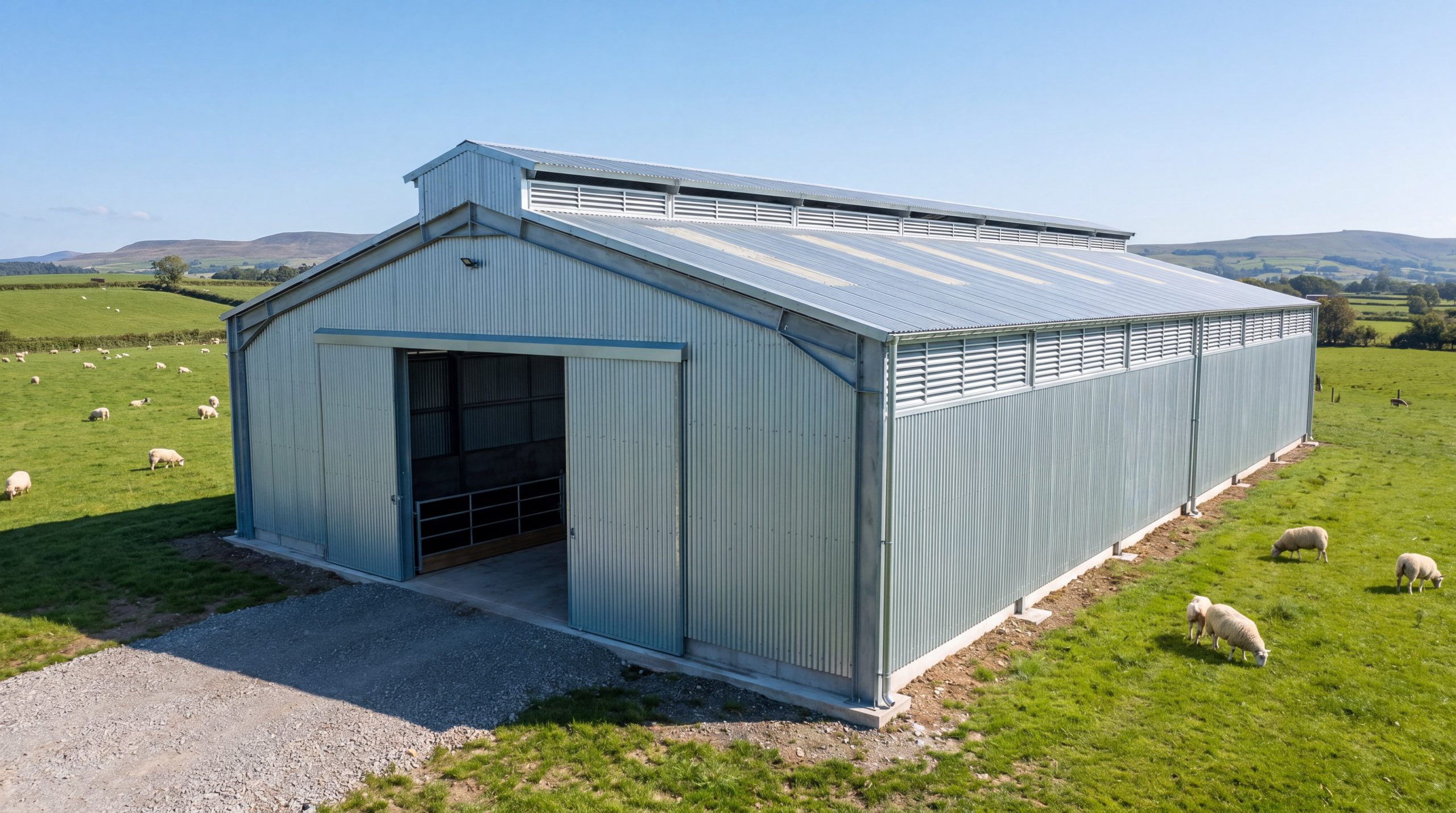
Your total sheep shed cost is primarily driven by material choices, local building codes, structural dimensions, and site layout complexities. Balancing these elements carefully determines whether your setup remains highly economical or exceeds your budget.
How Do Material Choices Shift Your Budget?
Choosing between structural steel and traditional lumber represents the most critical decision in your planning phase. Steel offers unmatched longevity and requires minimal maintenance, protecting your flock for decades.
Think about it:
- Structural steel resists rot, pests, and fire damage naturally.
- Timber framing requires frequent chemical treatments and repairs.
- Prefabricated steel designs lower on-site engineering and labor overhead.
Do Local Regulations Affect Your Design?
Navigating your regional zoning codes and building permits can introduce unexpected expenses if not handled early. Wind load ratings, snow loads, and environmental runoff rules dictate the exact structural engineering specifications you must buy.
Key Takeaway: Understanding your local compliance standards early prevents expensive retrofits and keeps your baseline structural costs fully predictable.
| Variable Factor | Budget Impact Range | Strategic Recommendation | |
|---|---|---|---|
| Building Materials | 15−45 per sq. ft. | Invest in galvanized steel for maximum lifetime ROI. | |
| Permitting & Zoning | 500−2,500 | Check local agricultural exemptions before ordering. | |
| Engineering Loads | 5% – 15% price variance | Select pre-engineered frames matching regional snow loads. |
This cost breakdown matrix highlights how structural customization and regional compliance dictate your initial capital expenditure.
How Do You Calculate the Essential Sheep Shed Cost?
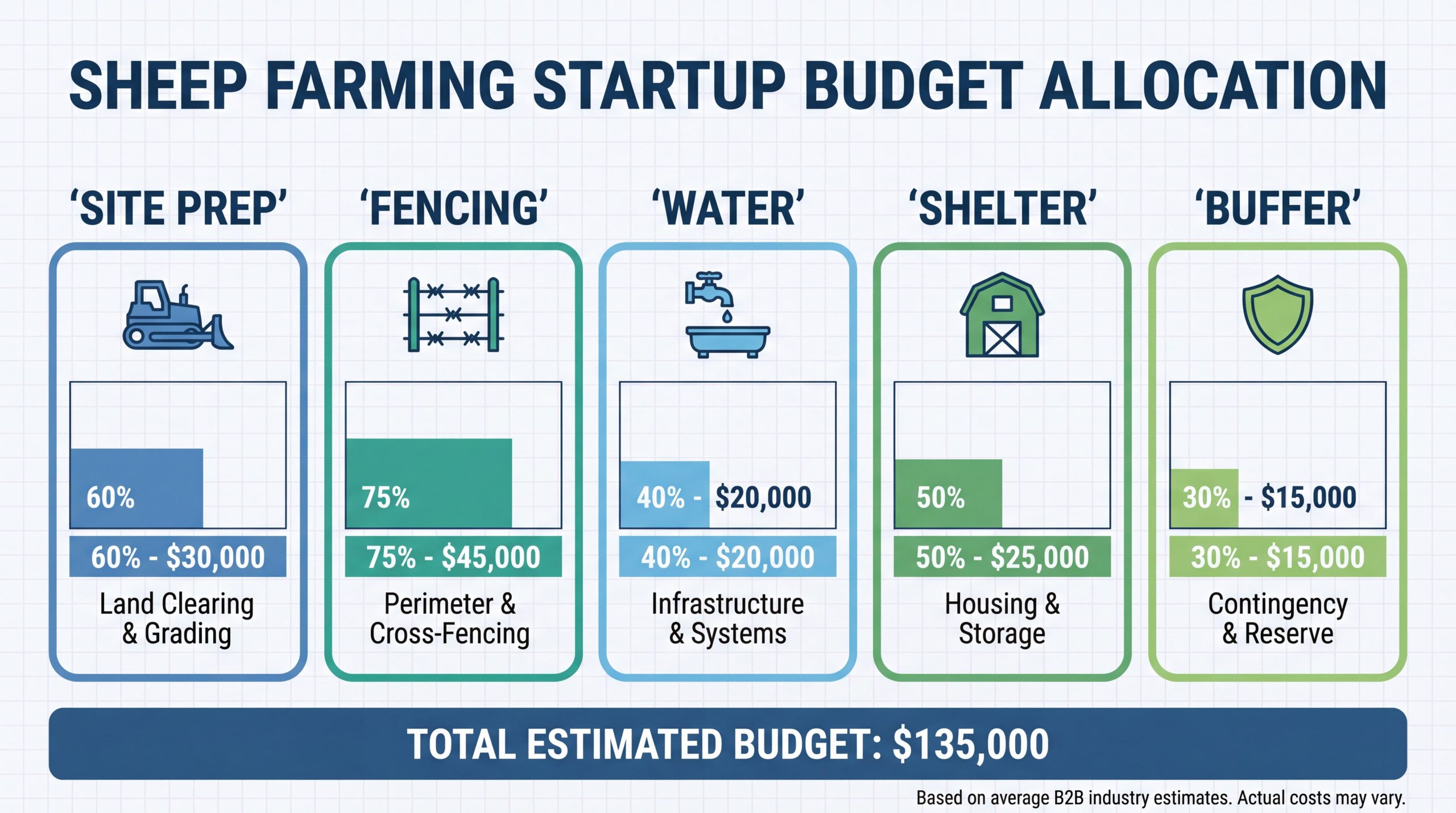
You can calculate the essential sheep shed cost by determining your target flock size and multiplying the required square footage per head by local material and assembly rates. Typically, a healthy adult sheep requires 15 to 25 square feet of indoor shelter space to thrive.
What Is the Perfect Square Footage Per Head?
Ensuring adequate space prevents territorial fighting and disease outbreaks among your animals. You must plan for future flock growth when sizing your main structure.
Here is the deal:
- Ewes with lambs require up to 25 sq. ft. of dedicated space.
- Dry ewes need approximately 15 sq. ft. of comfortable area.
- Rams require isolated pens of 30 sq. ft. to prevent conflict.
How Do You Estimate Overall Dimensions?
Once you know your maximum flock capacity, you can establish the overall length and width of your agricultural building. Adding generous aisles for feeding and tractor access increases operational efficiency significantly.
Key Takeaway: Sizing your shelter with a 20% growth buffer protects your operational workflow and saves you from costly building expansions later.
| Sheep Class | Space Required (Sq. Ft.) | Estimated Cost Contribution | |
|---|---|---|---|
| Pregnant Ewe | 20 – 25 | 400−500 per head | |
| Feeder Lamb | 10 – 12 | 200−240 per head | |
| Stud Ram | 30 – 35 | 600−700 per head |
Sizing your structure precisely to your livestock inventory prevents overpaying for unused square footage.
Get Your Custom Steel Sheep Shed Cost Today !
Email:sales@showhoo.com.cn
Phone/WhatsApp: + 86 186 7895 5927
Which Materials Offer the Best Sheep Shed Cost?
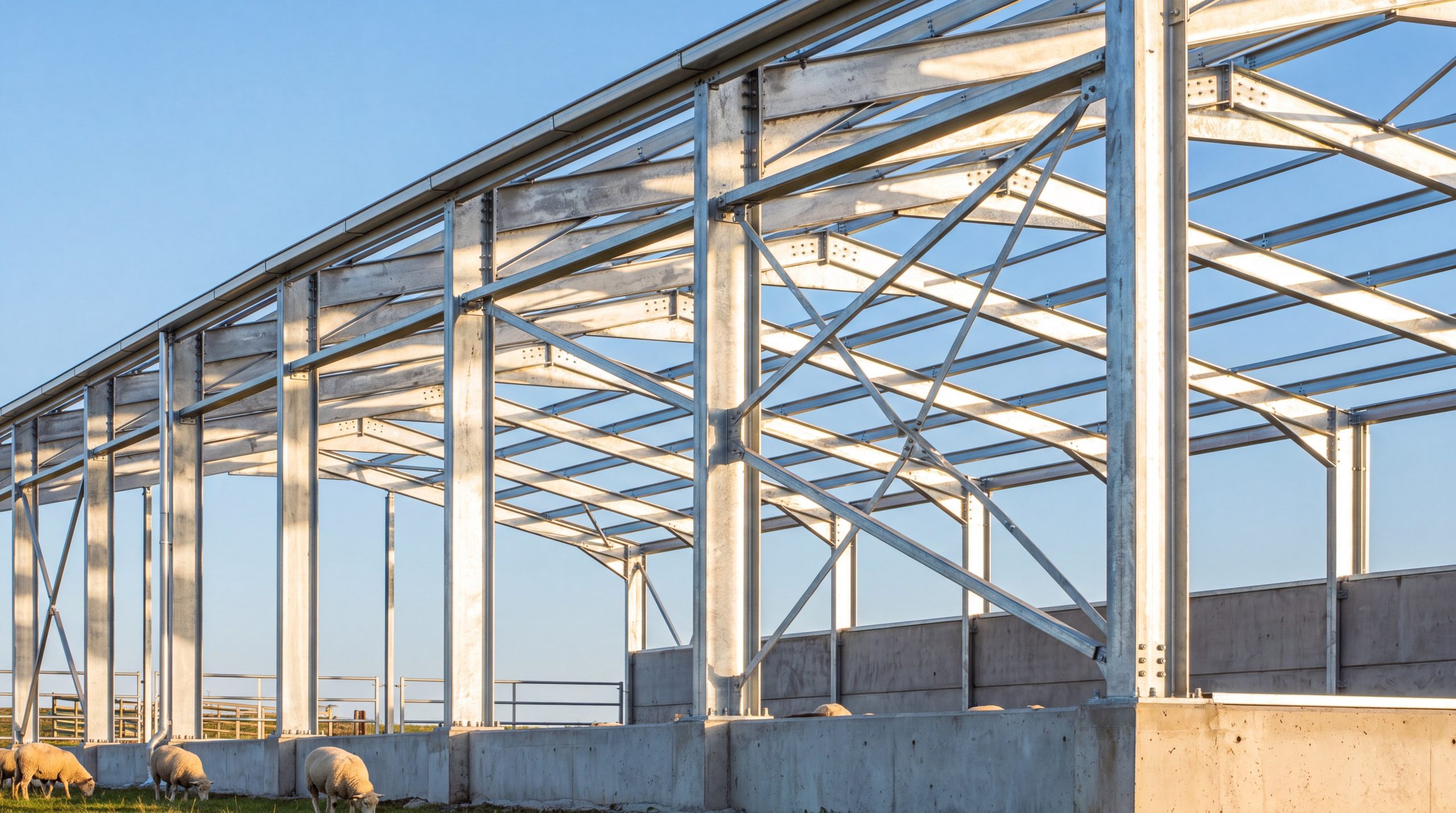
Galvanized steel frame structures offer the absolute best sheep shed cost efficiency due to their low assembly costs, long-term durability, and resistance to agricultural moisture. While raw timber seems cheaper upfront, the ongoing maintenance, repair, and replacement costs rapidly offset any initial savings.
Why Is Galvanized Steel King of the Farm?
Steel structures withstand intense wind, heavy snow, and the corrosive ammonia vapors naturally present in animal manure. You get a clean, clear-span interior workspace free of obstructive support posts.
Why does this matter?
- Post-free interiors allow effortless tractor cleaning and manure scraping.
- Non-porous metal surfaces prevent bacteria and parasite buildup.
- Structural steel retains high resale value over decades.
What Are the Pitfalls of Traditional Timber?
Wooden structures are highly susceptible to moisture rot, termite damage, and chewing by bored livestock. Over time, saggy roofs and warped posts will compromise your entire farming system.
Key Takeaway: Specifying industrial-grade steel eliminates structural maintenance headaches and provides a highly hygienic environment for your flock.
| Material Type | Useful Lifespan | Average Maintenance Cost | |
|---|---|---|---|
| Galvanized Steel | 40+ Years | Extremely Low (Periodic washdowns) | |
| Treated Timber | 15 – 20 Years | Moderate to High (Rot repairs and sealing) | |
| Standard PVC/Fabric | 5 – 10 Years | High (Frequent cover replacements) |
Comparing physical lifespan metrics shows that steel delivers the lowest true total cost of ownership.
How Does Land Preparation Affect Sheep Shed Cost?
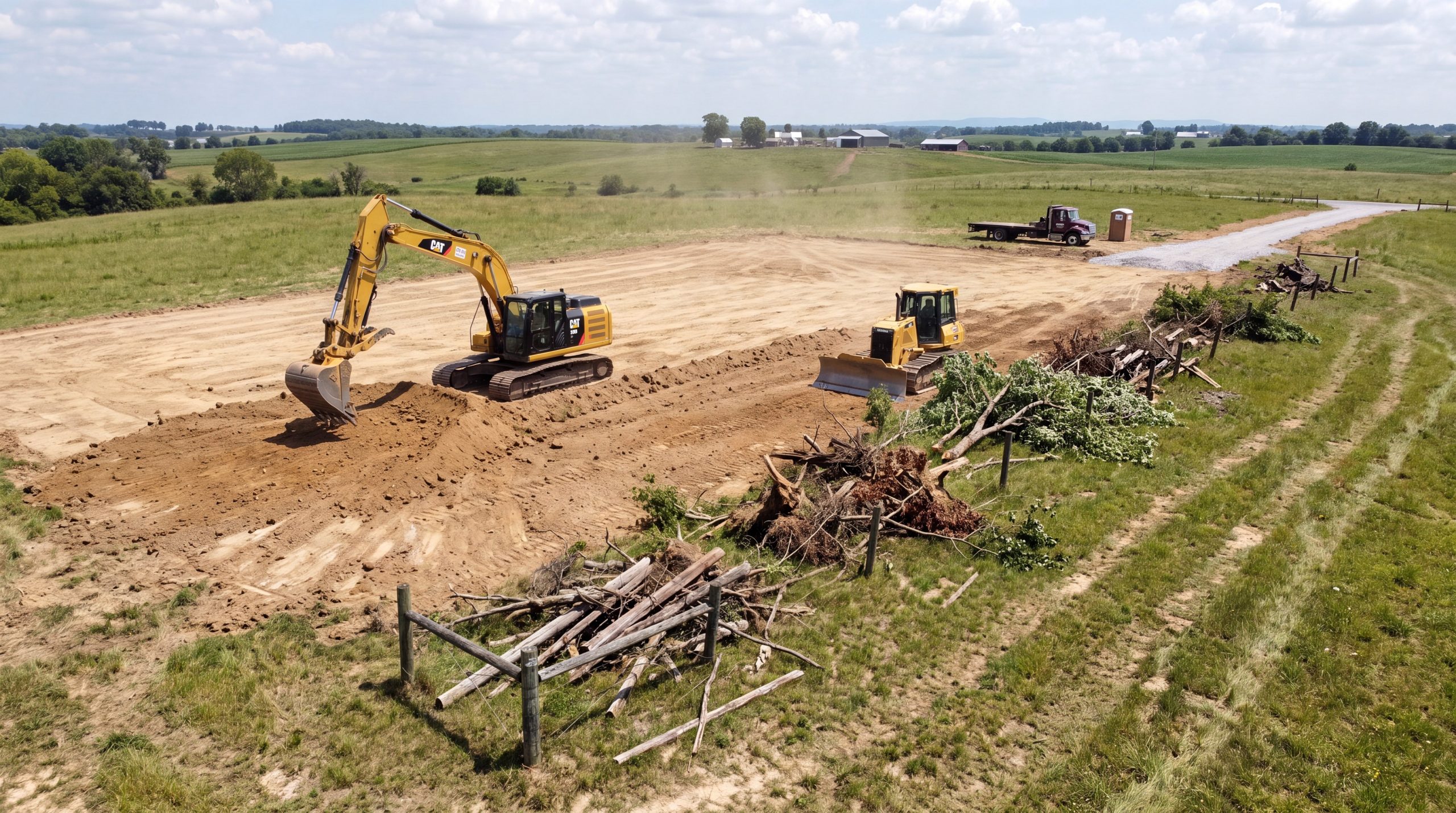
Proper excavation, grading, and drainage leveling directly impact your final sheep shed cost by preventing building foundation failures and muddy runoff areas. Skipping professional site preparation leads to severe soil erosion and compromised structural concrete pads during heavy rains.
Why Is Site Grading Absolutely Critical?
A perfectly level foundation ensures that your prefabricated steel frame aligns flawlessly during the bolt-together process. Diverting surface water away from your building footprint protects your structural pillars from early rust.
The best part?
- Flat sites speed up building erection times by 30%.
- Proper drainage keeps internal bedding completely dry.
- Level pads reduce concrete volume and grading requirements.
Should You Hire Heavy Machinery?
Renting a commercial excavator or hiring a professional operator is usually necessary for clearing deep roots and rocky subsoils. Preparing a solid, compacted gravel base creates a stable platform for heavy tractors and livestock traffic.
Key Takeaway: Investing in robust site excavation protects your primary physical assets from water damage and mud-related sheep hoof rot.
| Grading Stage | Average Cost Range | Primary Operational Benefit | |
|---|---|---|---|
| Brush Clearing | 1,500−3,500 | Removes obstacle roots and opens paddock access. | |
| Leveling & Soil Compaction | 2,000−5,000 | Prevents structural settling and frame misalignment. | |
| Gravel Base Prep | 1,000−3,000 | Enhances drainage to eliminate muddy feeding zones. |
Thorough site preparation creates a dry, stable anchor point that extends the lifespan of your steel barns.
What Utility Expenses Influence Your Sheep Shed Cost?
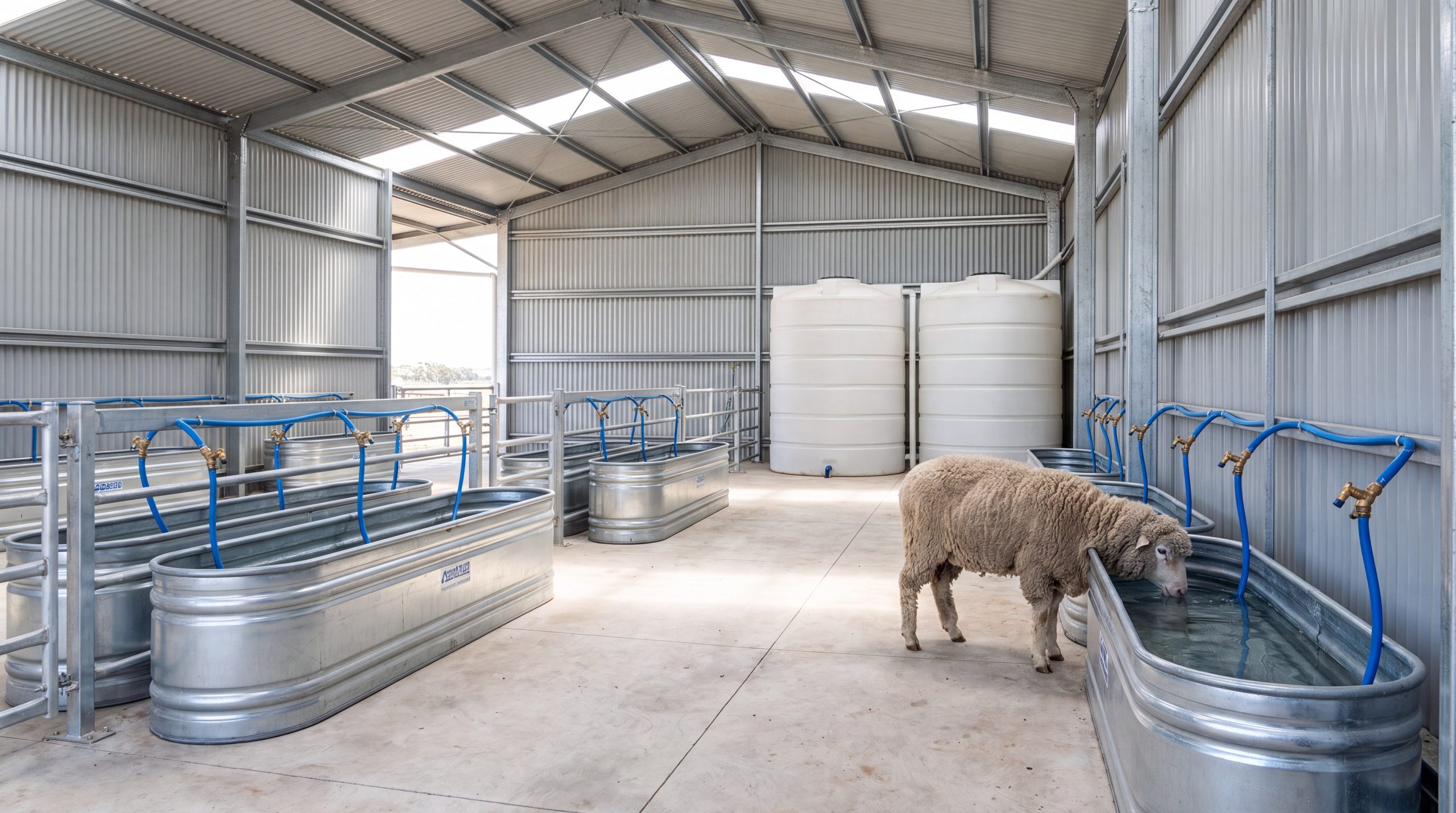
Integrating efficient electrical wiring, ventilation systems, and running water lines will increase your initial sheep shed cost but dramatically lower your daily manual labor requirements. Having reliable utility connections right inside the barn makes managing veterinary emergencies and freezing winters incredibly manageable.
How Do You Plan Your Plumbing Routes?
Installing freeze-proof hydrants and high-volume water lines keeps fresh drinking water available even during the coldest winter storms. You should bury your water pipes below your regional frost line to avoid catastrophic burst pipe repairs.
But wait, there’s more:
- Automatic waterers ensure continuous, fresh hydration.
- Individual lambing pens require localized water access.
- Smart drainage systems keep washing areas hygienic.
Is High-Efficiency Lighting Necessary?
Bright, low-power LED fixtures allow you to perform routine lambing checks and veterinary treatments safely at any hour of the night. Installing clean, weatherproof conduits keeps mice from chewing through your electrical wires.
Key Takeaway: Running high-quality utilities directly to your agricultural facility minimizes daily physical chore times and boosts overall livestock safety.
| Utility Type | Setup Cost Range | Daily Labor Savings | |
|---|---|---|---|
| Underground Water Lines | 1,200−4,000 | High (Eliminates manual bucket hauling) | |
| Solar Power / Grid Tie | 2,500−6,500 | Moderate (Powers automated fans and lights) | |
| Freeze-Proof Hydrants | 400−1,200 per unit | High (Keeps water flowing during blizzards) |
Integrating professional utilities directly into your steel structure transforms a basic barn into a highly efficient facility.
Can Smart Design Help Lower Your Sheep Shed Cost?
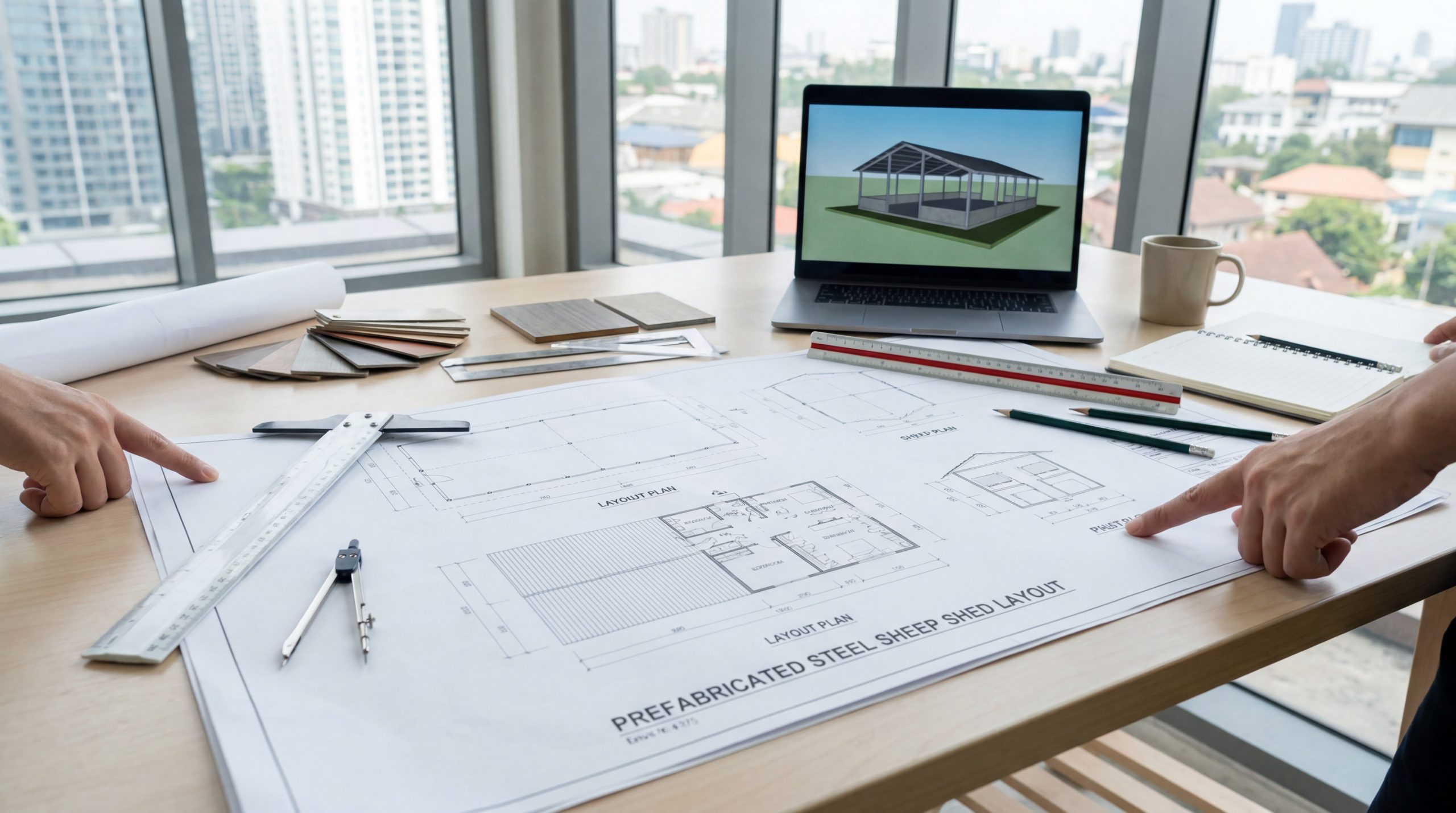
Utilizing smart open-span layouts and natural ventilation designs can drastically lower your sheep shed cost by reducing the need for expensive mechanical HVAC systems. Planning your floor plan strategically around natural wind patterns keeps your interior clean, dry, and healthy.
How Does Open-Span Engineering Save Money?
Eliminating interior support columns gives you maximum flexibility to adjust your internal pen configurations as your flock sizes fluctuate. You can drive tractors straight through the structure for easy waste removal and bedding delivery.
Think about it:
- No interior posts mean zero wasted floor space.
- Moveable panels let you adjust lambing pen layouts instantly.
- Clean-span structures have much faster on-site assembly times.
Can Natural Ventilation Replace Fans?
Designing high-pitched roofs with open ridges and adjustable side shutters naturally circulates clean air and pushes out heavy ammonia vapor. This passive cooling method costs absolutely nothing to run year-round.
Key Takeaway: Incorporating passive environmental design features keeps your livestock healthy while saving you thousands on monthly electricity bills.
| Design Feature | Initial Cost Impact | Long-Term Operational Savings | |
|---|---|---|---|
| Open-Span Portal Frame | Negligible difference | High (Saves hundreds of tractor cleaning hours) | |
| Ridge Vent & Side Louvers | Moderate cost impact | High (Eliminates continuous fan electricity) | |
| Modular Pen Dividers | Lower cost than wood | Moderate (Allows rapid response to flock changes) |
Optimizing your farm layout with clever engineering ensures high performance without increasing your capital budget.
Get Your Custom Steel Sheep Shed Cost Today !
Email:sales@showhoo.com.cn
Phone/WhatsApp: + 86 186 7895 5927
How Do Labor Costs Impact the Overall Sheep Shed Cost?
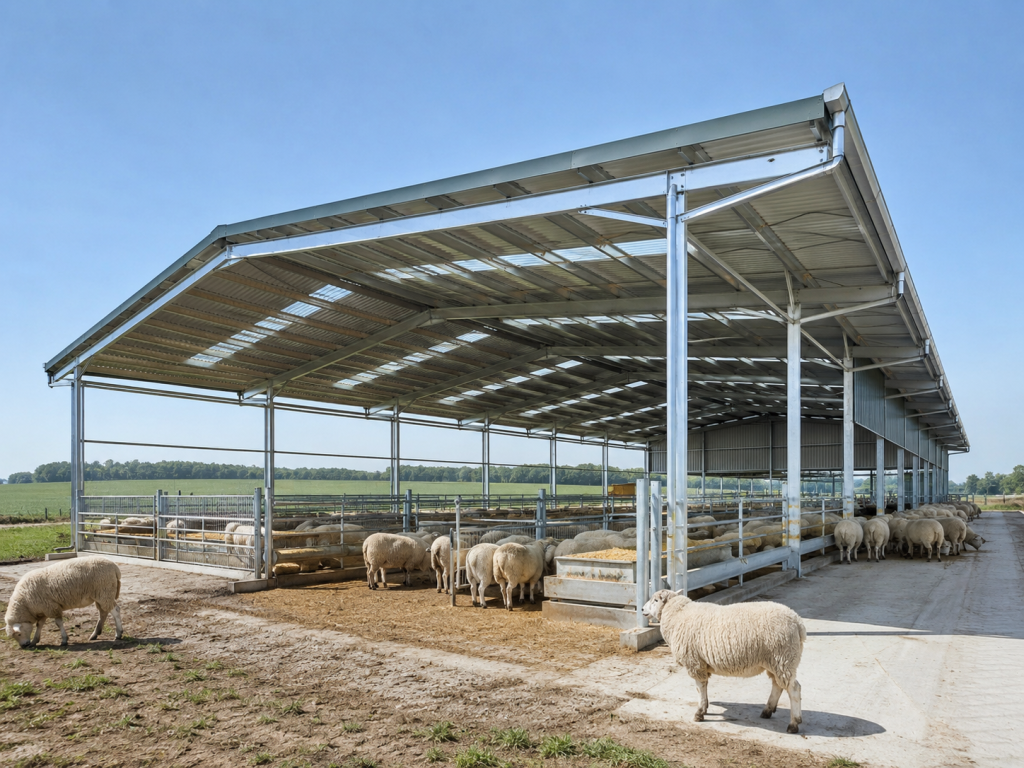
Sourcing professional contractors for structural assembly can significantly impact your total sheep shed cost , making prefabricated bolt-together steel structures a highly appealing choice for DIY-inclined farmers. Pre-drilled and pre-welded pieces eliminate the need for specialized construction tools or expensive on-site welding.
Should You Build It Yourself?
Assembling a prefabricated steel building kit with a small crew of friends can save you thousands of dollars in commercial labor fees. However, you must carefully weigh your personal physical construction skills against your available time.
Here is the deal:
- Prefab kits include clear engineering blueprints.
- Standard structural bolts replace complex welds.
- DIY assembly requires a couple of weekends.
When Must You Hire a Contractor?
Hiring a licensed, insured contractor is highly recommended for executing complex concrete foundation pours and setting up massive heavy-duty steel rafters. Professional crews ensure that your building is erected safely and remains structurally sound for decades.
Key Takeaway: Choosing a hybrid approach—hiring experts for concrete and doing the frame assembly yourself—optimizes your budget perfectly.
| Assembly Method | Estimated Cost per Sq. Ft. | Estimated Construction Time | |
|---|---|---|---|
| 100% Professional Turnkey | 15−25 | 3 – 5 Days | |
| Assisted Framing (Hybrid) | 8−12 | 1 – 2 Weeks | |
| 100% DIY Self-Assembly | 0−3 (Equipment only) | 3 – 4 Weeks |
Matching your construction method to your personal labor capabilities protects both your project timeline and your wallet.
What Maintenance Fees Affect Long-Term Sheep Shed Cost?
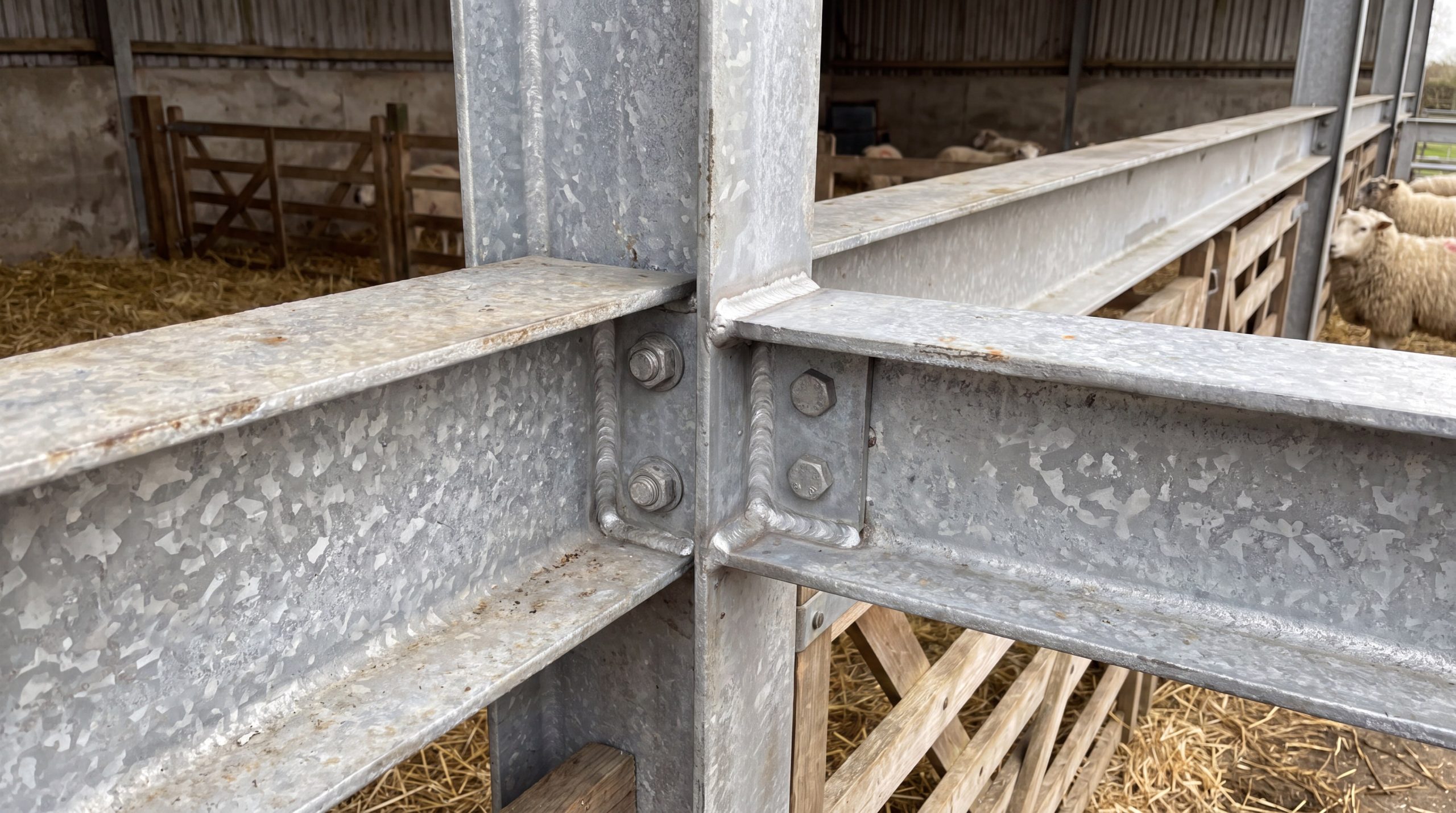
The choice of structural building materials directly affects your ongoing maintenance budget and the total sheep shed cost over a twenty-year farming cycle. Choosing highly rust-resistant, hot-dip galvanized steel ensures your structural frame requires almost zero annual touch-ups or expensive chemical treatments.
How Do You Fight Moisture and Corrosion?
The warm, damp environments inside livestock buildings are highly corrosive due to animal respiration and urine fumes. Steel components protected by high-quality zinc coatings withstand these harsh agricultural elements without flaking or rusting.
Why does this matter?
- Unprotected wood structures decay rapidly from constant moisture exposure.
- Galvanized steel requires zero painting or sealing.
- Smooth metal surfaces clean easily with high-pressure washers.
What Are the Annual Upkeep Requirements?
Your long-term maintenance checklist should focus on inspecting door hinges, cleaning out roof gutters, and replacing old bedding materials regularly. Keeping the base concrete pads clear of manure pile-ups preserves the steel-to-concrete anchor points.
Key Takeaway: Selecting industrial-grade galvanized steel prevents structural degradation and saves you thousands of dollars in labor and materials over time.
| Building Component | Annual Maintenance Task | Estimated Annual Cost | |
|---|---|---|---|
| Hot-Dip Galvanized Frame | Annual high-pressure washdown | Under $50 (Water only) | |
| Treated Timber Walls | Board replacement and sealing | 300−800 | |
| Sheet Metal Roof Panels | Fastener check and leaf clearing | 50−150 |
Investing in corrosion-resistant materials upfront drastically reduces your annual farm maintenance liabilities.
How Does Equipment Selection Change Your Sheep Shed Cost?
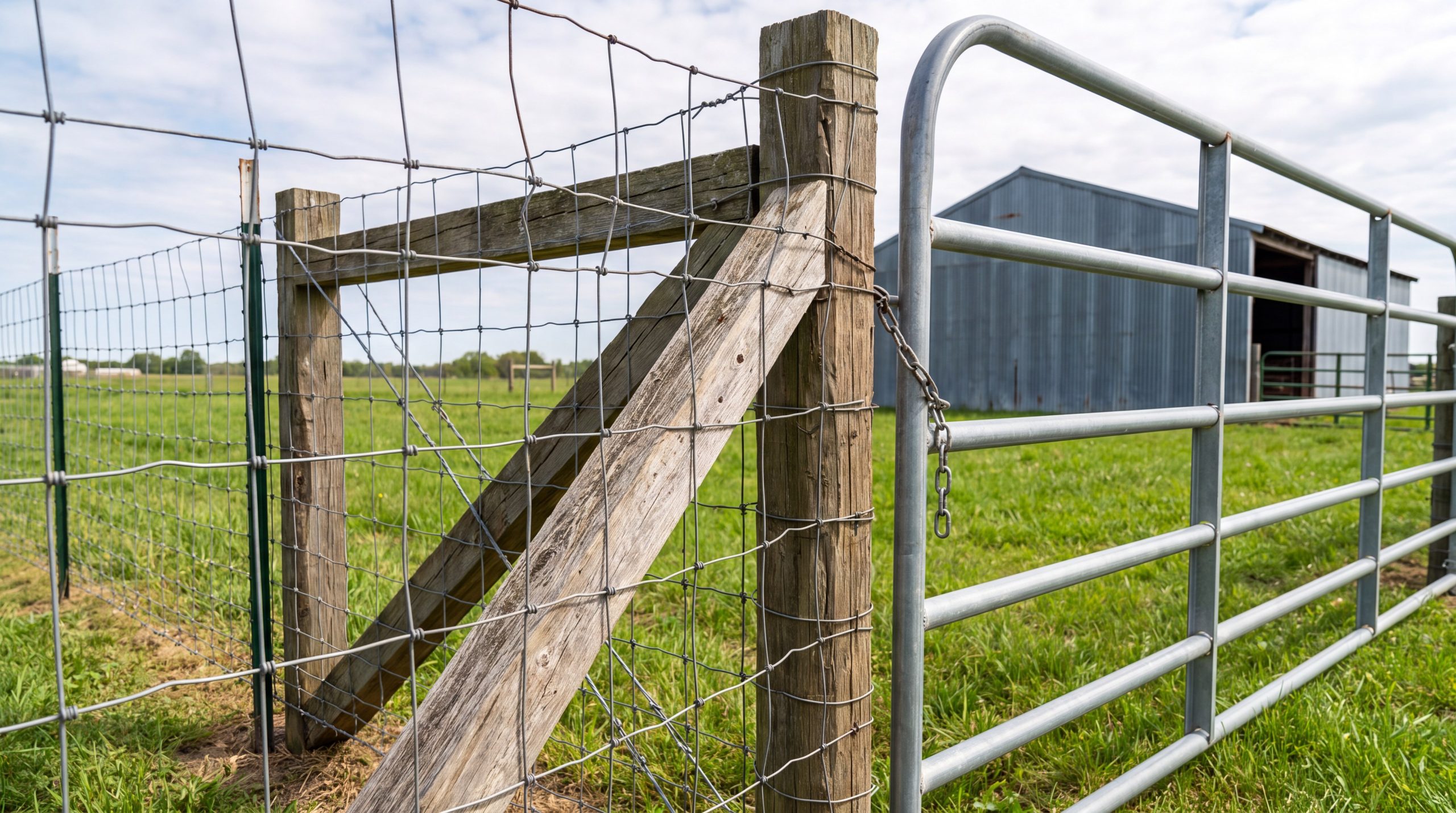
Purchasing heavy-duty handling equipment, sorting alleys, and robust perimeter fencing changes your overall sheep shed cost calculations but ensures safe and efficient livestock handling. High-quality crowd gates and squeeze chutes minimize stress for both you and your sheep during routine shearings, vaccinations, and loading.
Why Is Secure Perimeter Fencing Critical?
A premium woven-wire fence with tight predator guards prevents expensive losses from coyotes, stray dogs, and wild predators. Investing in highly durable materials keeps your valuable breeding flock safe inside your designated grazing pastures.
The best part?
- Woven wire keeps energetic lambs from escaping.
- High-tensile steel lines withstand impact from heavy livestock.
- Solid wood or steel corner braces maintain fence tension for decades.
What Interior Handling Gear Do You Need?
Setting up modular alloy sorting gates, sliding panels, and curved alley systems makes separating individual sheep incredibly smooth. Safe handling equipment prevents injury to your back and keeps your animals calm during health checks.
Key Takeaway: Installing durable sorting gates and premium perimeter fencing pays for itself by preventing livestock injuries and animal losses.
| Equipment Type | Budget-Friendly Option | Industrial-Grade Option | |
|---|---|---|---|
| Perimeter Fencing | T-Posts with Barbed Wire ($3,500) | Woven Wire with Steel Bracing ($6,500) | |
| Interior Sorting Gates | DIY Wooden Panels ($400) | Modular Hot-Dip Alloy Gates ($1,800) | |
| Feeders & Troughs | Plastic Troughs ($200) | Galvanized Steel J-Feeders ($800) |
Selecting premium steel handling and fencing components guarantees long-term durability under heavy daily usage.
What Financing Options Can Reduce Your Sheep Shed Cost?
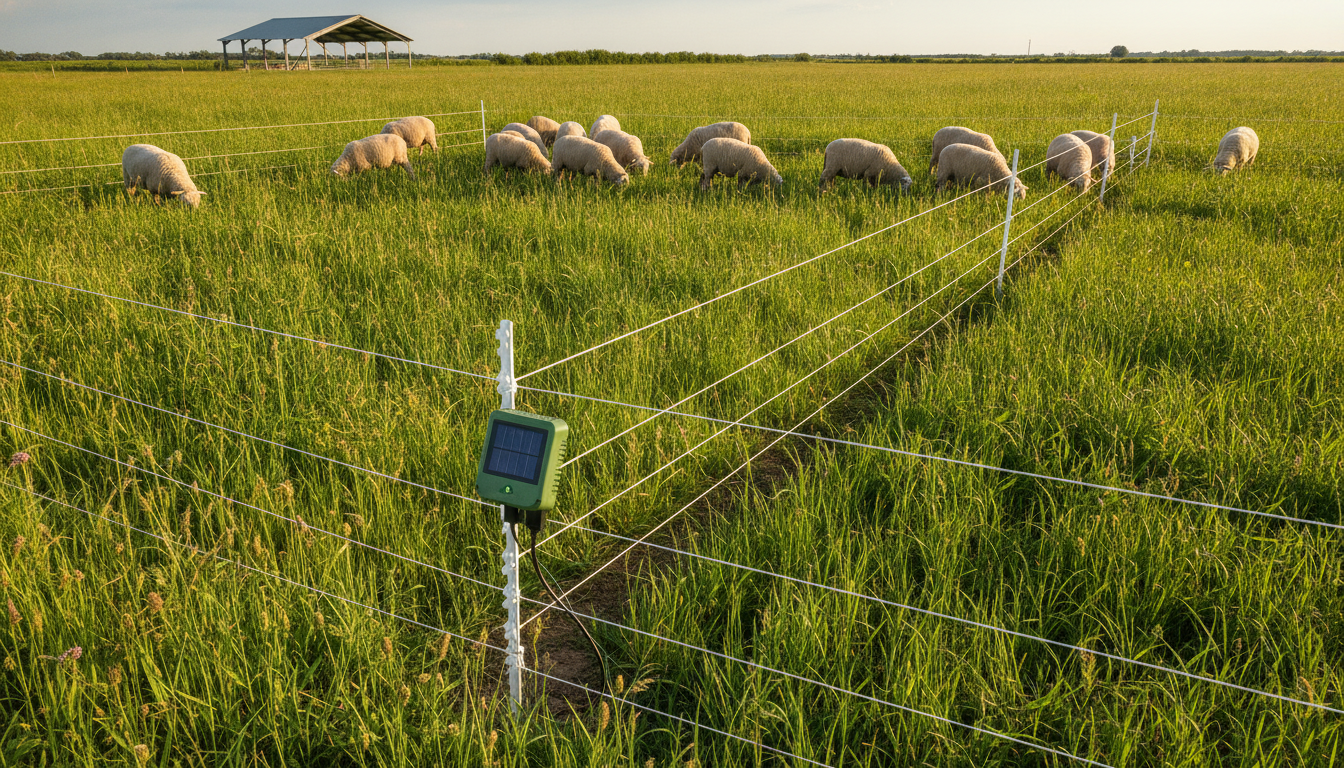
Applying for government conservation grants and structured agricultural loans can substantially lower your out-of-pocket sheep shed cost and fast-track your building timeline. Many national and regional agencies offer financial assistance to farmers who implement sustainable grazing and high-efficiency structures.
Can You Access Government Farm Grants?
Programs like the USDA’s Environmental Quality Incentives Program (EQIP) or similar European agricultural grants frequently fund conservation infrastructure projects. These grants often cover substantial portions of your fencing, watering systems, and soil-protection structures.
Why does this matter?
- Grants can subsidize up to 75% of perimeter fencing projects.
- Rotational grazing equipment is highly favored by agencies.
- Agricultural extension offices help you with application paperwork.
What About Low-Interest Ag Loans?
Specialized agricultural banks and cooperative credit associations offer attractive, long-term financing options specifically designed for infrastructure development. These loans have low interest rates and flexible payment structures tied directly to your seasonal livestock sales.
Key Takeaway: Leveraging government grants and low-interest loans helps you preserve your cash reserves for buying high-quality breeding livestock.
| Funding Source | Average Subsidy/Loan Rate | Typical Approval Time | |
|---|---|---|---|
| Government Grants | 50% – 75% Cost Share | 3 – 9 Months | |
| Cooperative Ag Loans | 4.5% – 7.5% Interest Rate | 1 – 2 Months | |
| Manufacturer Financing | Variable terms | 1 – 2 Weeks |
Utilizing structured financial assistance programs makes constructing a modern, high-tech steel agricultural building incredibly affordable.
Strategic Blueprint for Success
Building a 10-acre sheep farm from scratch requires a clear understanding of land preparation, fencing systems, utilities, and material durability. This comprehensive analysis has solved your layout questions, mapped out realistic budgets, and highlighted how structural choices directly impact your total setup and long-term operating costs. Showhoo is dedicated to manufacturing high-performance, precision-engineered steel buildings that protect your livestock and enhance your daily productivity. If you are ready to construct a beautiful, lasting agricultural facility tailored specifically to your farm’s unique requirements, contact us today to receive your customized, zero-obligation project estimate. Let us build the modern, resilient structural foundation that powers the future of your farming legacy.
Get Your Custom Steel Sheep Shed Cost Today !
Email:sales@showhoo.com.cn
Phone/WhatsApp: + 86 186 7895 5927
FAQ Section
Can I build a sheep shed using DIY materials instead of prefabricated steel?
Yes, you can. However, traditional DIY wooden structures require extensive annual maintenance, are highly susceptible to moisture rot, and do not offer the clean, open-span layout efficiency of engineered steel buildings.
What’s the best foundation choice for a prefabricated steel livestock shed?
A poured concrete slab or deep concrete pier system is highly recommended. This provides a robust, level anchor point that resists wind loads and prevents structural settling while allowing easy tractor cleanouts.
How do I know if my 10 acres of pasture can support rotational grazing?
Absolutely. You can easily support this by evaluating your soil quality, average rainfall, and regional forage growth, then dividing your acreage into four or more paddocks using temporary electric polytape.
Can I utilize solar power for the electric fencing and automatic waterers?
Yes, you can. Installing highly efficient, solar chargers and low-voltage water pumps is an excellent, cost-effective way to run remote paddocks without digging expensive utility trenches.
What’s the best way to calculate the required shelter size for 100 sheep?
You should plan for 1,500 to 2,500 square feet of total indoor space. This ensures every adult animal has 15 to 25 square feet of clear, stress-free room during extreme winter weather or lambing season.