
A what is a house cow is a dairy cow kept specifically to provide fresh milk, cream, and butter for a single household’s consumption. As grocery prices for dairy staples like cheese and butter continue to skyrocket, many lifestyle block owners feel the pinch in their weekly budget. The dream of self-sufficiency offers a tempting escape from these rising costs, yet the transition from consumer to producer is a major step. By understanding the logistics and infrastructure involved, you can transform this hypothetical idea into a functional part of your farm life.
What is a house cow and how does she fit your farm?
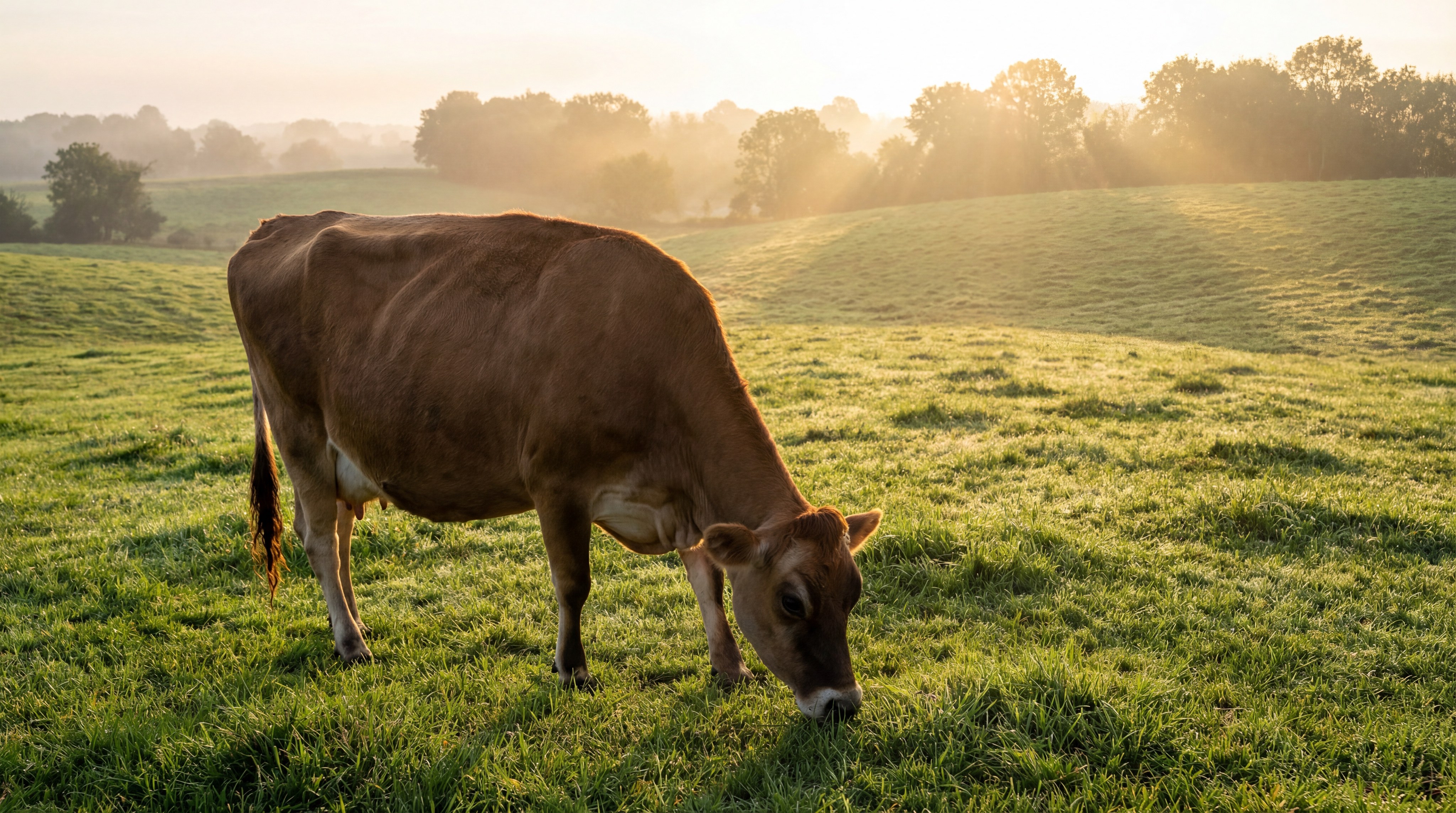
Understanding what is a house cow is the first step toward deciding if your land can support one. Unlike commercial dairy herds, these animals are chosen for their specific ability to thrive in a smaller, more intimate setting. They act as a bridge between a pet and a productive asset. Think about it: a well-selected animal becomes a cornerstone of your family’s nutrition.
Temperament and Conditioning
The personality of your dairy animal is non-negotiable because you will be interacting with her every single day. You need a cow that is calm, patient, and habituated to being handled in close quarters.
- Docility: Anxious or flighty animals are dangerous during the milking process.
- Handleability: She must be comfortable with touch on her udder and legs.
- Routine: Cows thrive on consistency and will quickly learn the “milking time” schedule.
Integration with the Herd
A house cow is a social creature and should never be kept in isolation from other livestock. She can easily graze alongside beef cattle or other ruminants on your property.
- Social Structure: Keeping her with a small herd reduces stress and improves health.
- Grazing Management: She requires high-quality pasture to maintain high milk production levels.
- Water Access: Daily milk production requires a constant and clean water source.
| Feature | Requirement | Importance | |
|---|---|---|---|
| Temperament | Exceptionally Calm | Safety and Ease of Use | |
| Social Needs | Companion Animals | Mental Health and Stability | |
| Feed Quality | High-Protein Pasture | Milk Yield and Quality |
Managing the social and behavioral needs of the cow ensures a long-term productive relationship on the farm.
Key Takeaway: A successful house cow experience relies on choosing an animal with the right temperament to match your daily handling capabilities.
Does the math for home dairy production actually add up?
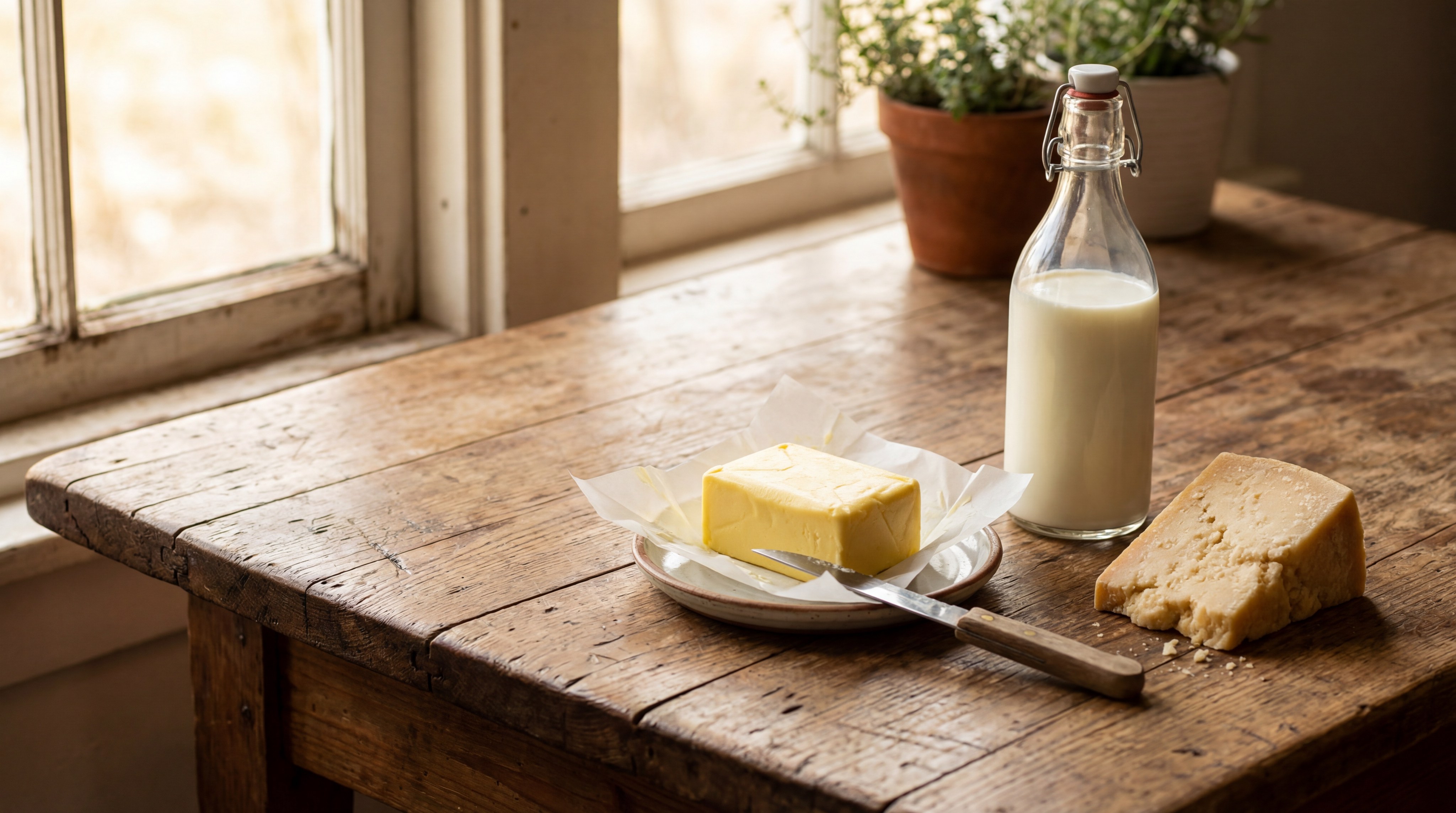
When considering what is a house cow , the financial implications are often the primary motivator for new owners. Rising inflation has made store-bought dairy a significant portion of the average household’s grocery bill. Analyzing the return on investment involves looking at both immediate savings and long-term asset growth. Let’s dive in: the numbers might surprise you.
Calculating Potential Savings
To see if the investment is worth it, you must compare your current annual dairy spend against the cost of maintaining a cow. For many families, the savings on premium organic products alone can justify the initial purchase.
- Milk Volume: A single cow can produce far more than a standard family’s weekly intake.
- Butter and Cheese: Processing surplus milk into high-value products maximizes your savings.
- Supplementary Feed: You must account for the cost of hay or grain during winter months.
The Value of the Bonus Calf
One of the often-overlooked benefits of dairy ownership is the annual calf produced to keep the mother in milk. This calf represents a significant financial asset that can be sold or raised for meat.
- Market Value: Weaned calves can often be sold to cover the cow’s annual vet and feed bills.
- Self-Sufficiency: Raising the calf for beef further reduces your total grocery expenditure.
- Replacement Stock: You can keep female calves to eventually replace an aging house cow.
| Expense Category | Estimated Annual Cost | Estimated Annual Savings | |
|---|---|---|---|
| Animal Maintenance | 500−800 | $1,200 (Milk/Butter) | |
| Infrastructure (Amortized) | $200 | $600 (Cheese/Yogurt) | |
| Calf Sales | $0 | 600−1,000 |
The financial balance typically tips into the positive within the second year of ownership once initial setup costs are covered.
Key Takeaway: While the upfront investment is notable, a productive cow pays for herself through dairy savings and the value of her offspring.
What infrastructure is required for a functional milking shed?
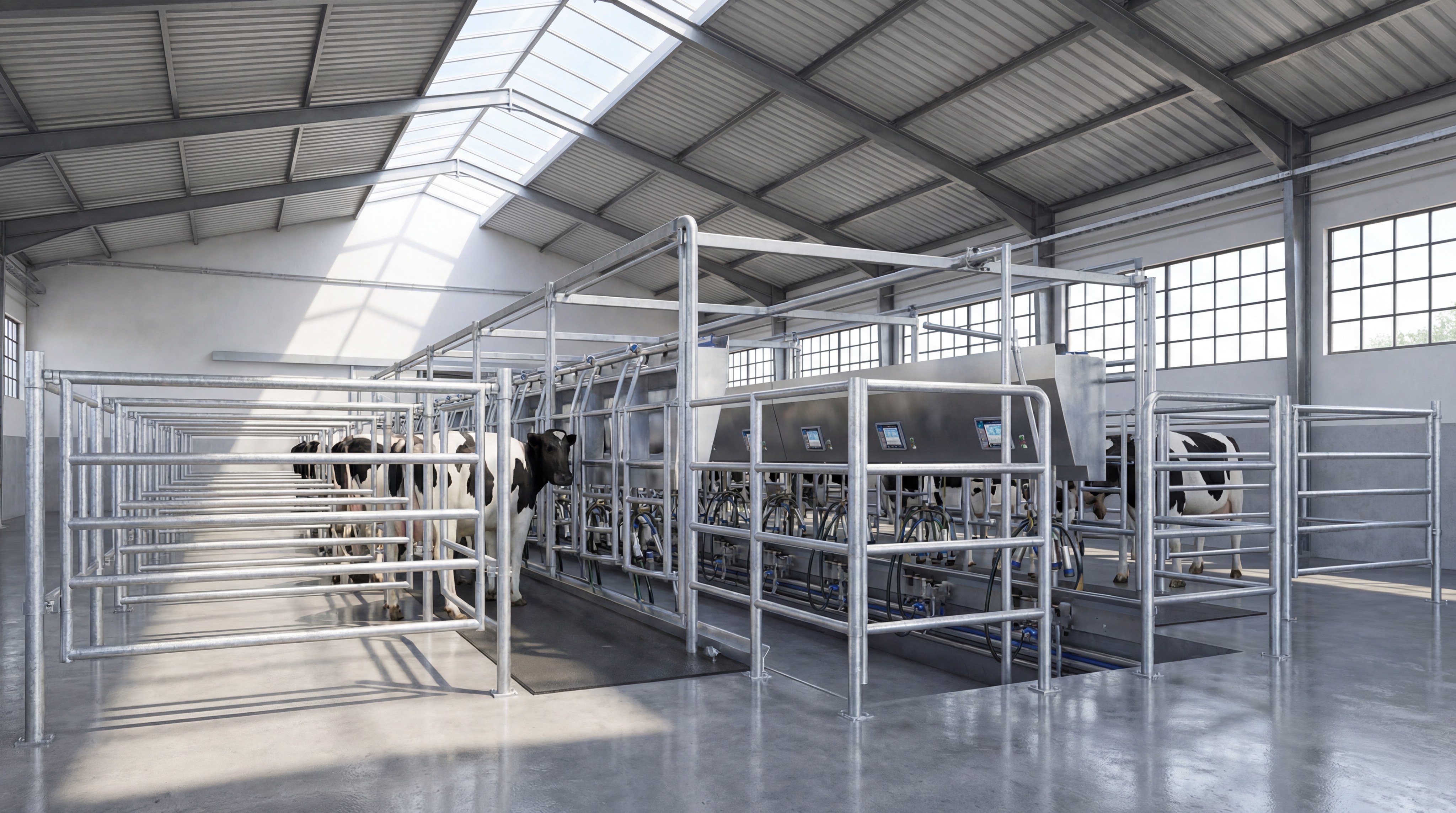
Defining what is a house cow also requires a look at the physical structures needed to support her health. You cannot simply milk a cow in an open field regardless of the weather. A dedicated space protects you from the elements and ensures the hygiene of your food supply. The truth is: good infrastructure makes the chore a pleasure.
Essential Equipment
A functional shed needs to be more than just a roof; it requires specific layouts to keep the animal still and the milker safe. This setup prevents accidents and keeps the milk free from contamination.
- Head Bail: A secure way to hold the cow’s head while she eats and is milked.
- Stable Flooring: Non-slip surfaces like concrete prevent injuries for both you and the animal.
- Lighting: Proper visibility is essential for early morning or late evening milking sessions.
Choosing Durable Materials
When planning your layout, considering a professional cow sheep shed design can save you thousands in future repairs. Professional-grade materials handle the moisture and waste associated with livestock much better than DIY timber solutions.
- Steel Framing: Resistant to rot, mold, and the corrosive nature of animal waste.
- Washable Walls: Smooth surfaces that can be hosed down maintain high hygiene standards.
- Ventilation: Good airflow prevents the buildup of ammonia and keeps the cow comfortable.
| Component | Recommended Material | Benefit | |
|---|---|---|---|
| Main Frame | Galvanized Steel | Longevity and Corrosion Resistance | |
| Flooring | Broom-Finished Concrete | Hygiene and Slip Resistance | |
| Stall Rails | Heavy-Duty Pipe | Animal Safety and Durability |
Investing in high-quality materials from the start reduces the time you spend on maintenance rather than milking.
Key Takeaway: A well-designed milking shed is the most critical piece of infrastructure for maintaining dairy hygiene and personal safety.
Is the daily commitment of milking worth your time?
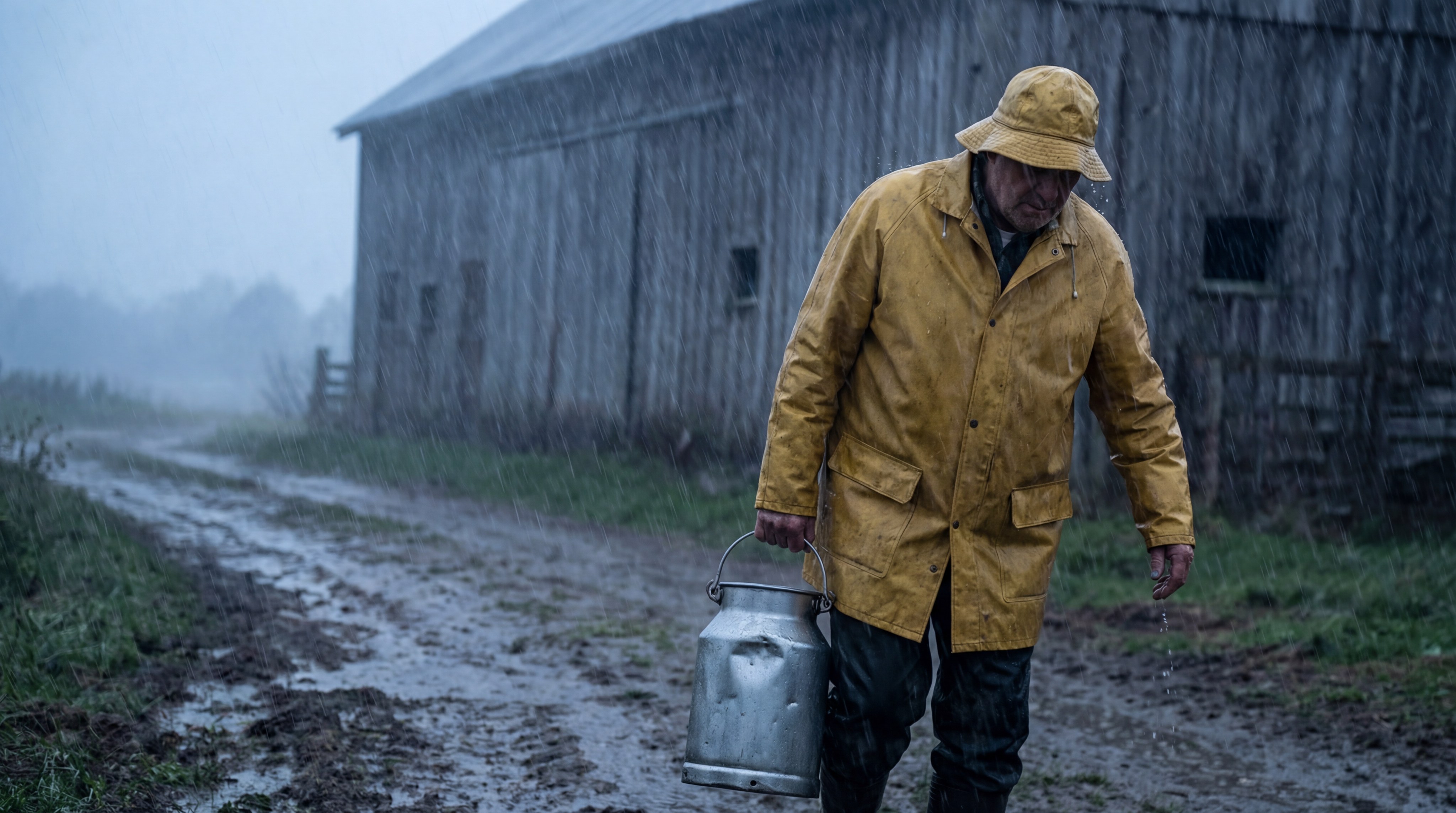
Before asking what is a house cow , you must ask yourself if you are ready for the schedule. Livestock ownership is a 365-day commitment that doesn’t account for holidays or illness. The cow must be milked regularly to maintain her health and production levels. The reality is: your time is the most expensive input.
The Milking Schedule
Consistency is the key to a healthy dairy animal and a steady supply of milk. Fluctuations in the milking time can stress the cow and lead to health complications.
- Morning Routine: Most owners choose to milk early before their standard workday begins.
- Cleaning Protocols: You must spend time cleaning the udder before and the equipment after.
- Animal Checkups: The daily session is your best opportunity to check for injuries or illness.
Opportunity Cost Analysis
Every hour spent in the shed is an hour you aren’t doing something else. You must decide if the joy of fresh dairy outweighs the loss of sleeping in or taking weekend trips.
- Labor Hours: Expect to spend at least 10-14 hours per week on milking and processing.
- Flexibility: You will need a reliable “farm sitter” who knows how to milk if you plan to leave.
- Physical Demand: Hand milking can be taxing on your joints and back over time.
| Aspect | Daily Time Estimate | Weekly Total | |
|---|---|---|---|
| Preparation & Milking | 45 – 60 Minutes | 7 Hours | |
| Equipment Sanitation | 20 Minutes | 2.5 Hours | |
| Processing (Butter/Cheese) | Variable | 2 – 4 Hours |
The time commitment is the single most common reason why people eventually decide to return to store-bought milk.
Key Takeaway: You must be prepared for a rigid daily routine, as a house cow requires consistent attention regardless of external circumstances.
How do you handle milk production and processing at home?

Part of understanding what is a house cow is learning how to manage the sheer volume of milk produced. A single cow can produce upwards of 15 to 25 liters of milk per day during her peak. Without a plan for processing, you will quickly find yourself overwhelmed with liquid. It gets better: surplus milk can feed other livestock like pigs or chickens.
Managing the Lactation Cycle
The amount of milk you receive changes throughout the year based on when the cow calved. Understanding this cycle helps you plan your kitchen workload.
- Fresh Cows: Immediately after calving, the volume is at its highest and requires the most work.
- Mid-Lactation: Production levels stabilize into a more manageable daily routine.
- Drying Off: You eventually stop milking to allow the cow to rest before her next calf.
Safe Pasteurization Practices
While raw milk has many fans, home pasteurization is a vital skill for ensuring the safety of your family’s food supply. This process kills harmful bacteria that may inadvertently enter the milk during collection.
- Temperature Control: Heating milk to 71.5ºC (161ºF) for 15 seconds is the standard for safety.
- Rapid Cooling: Cooling the milk quickly after heating preserves the flavor and prevents spoilage.
- Storage: Proper refrigeration in sanitized glass bottles extends the shelf life significantly.
| Process Step | Target | Reason | |
|---|---|---|---|
| Heating | 71.5ºC for 15s | Pathogen Destruction | |
| Cooling | Under 4ºC Quickly | Flavor Preservation | |
| Storage | Airtight Glass | Odor and Bacteria Prevention |
Mastering the chemistry of milk management is essential for turning a raw product into a safe, long-lasting household staple.
Key Takeaway: Efficient processing and safe pasteurization are necessary to manage the high volume of milk a single cow provides.
Why is steel the superior choice for agricultural structures?
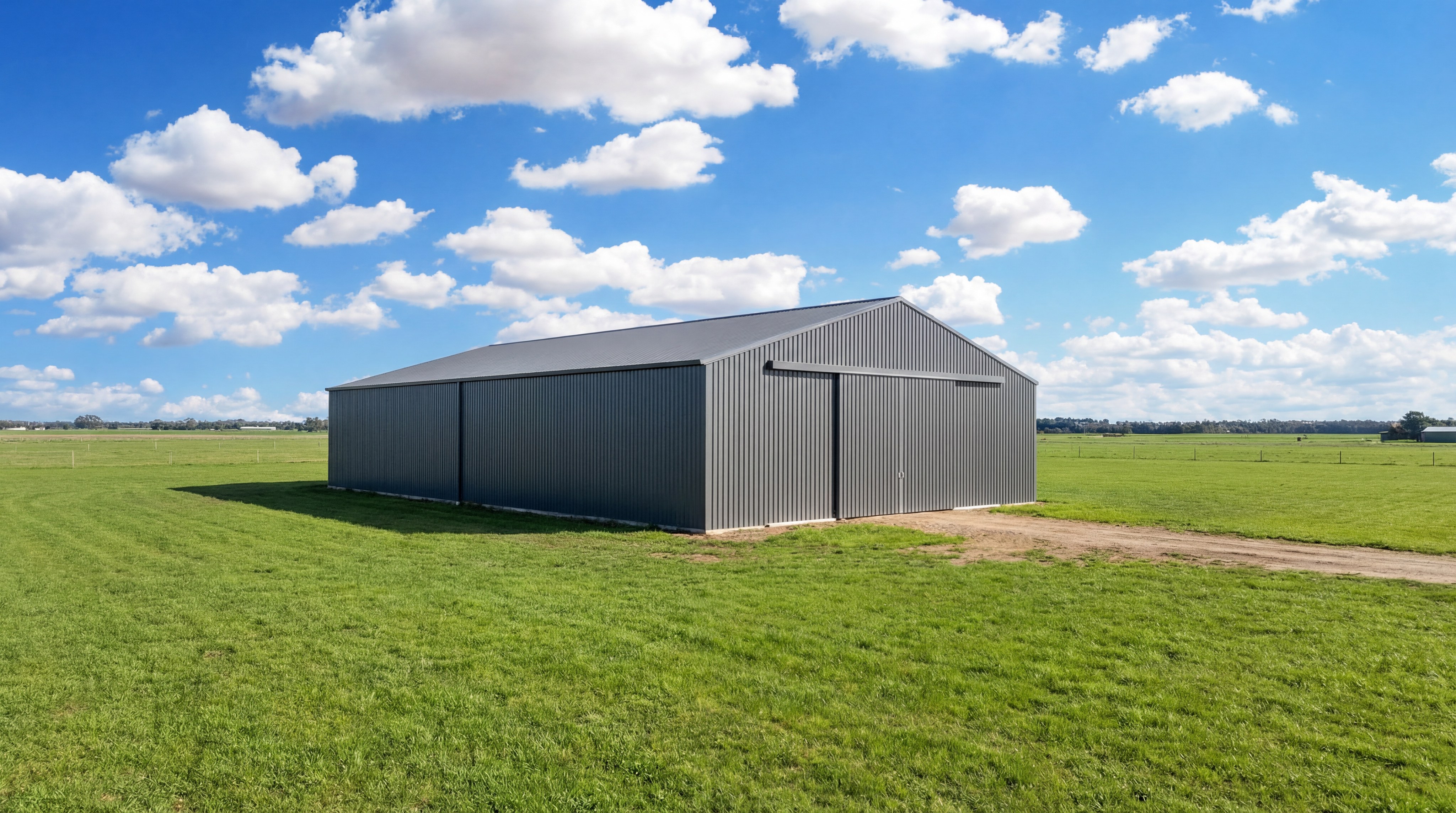
When people ask what is a house cow habitat like, the answer should always focus on longevity. Agricultural buildings face harsh conditions, from weather extremes to the high-moisture environment of a dairy stall. Steel structures offer a level of durability that traditional wood simply cannot match. Look at the facts: steel is the standard for modern farming.
Longevity and Low Maintenance
Building a steel structure warehouse style barn ensures that your livestock housing will last for decades. Steel does not warp, crack, or suffer from termite damage, which are common issues in rural outbuildings.
- Weather Resistance: Steel handles high winds and heavy snow loads with ease.
- Fire Safety: Non-combustible materials provide better protection for your animals and hay storage.
- Cost-Effectiveness: Over twenty years, the maintenance savings on steel far outweigh the initial price.
Hygiene and Sanitation
In a dairy environment, the ability to deep-clean your structure is paramount for preventing bovine diseases like mastitis. Steel doesn’t absorb odors or bacteria like porous wood does.
- Non-Porous Surface: Steel allows for high-pressure washing and chemical disinfection.
- Pest Control: Rodents find it much harder to nest or chew through metal siding and frames.
- Air Quality: Steel buildings often feature better-integrated ventilation systems to keep the air fresh.
| Feature | Steel Structures | Traditional Wood | |
|---|---|---|---|
| Pest Resistance | Excellent | Poor (Termites/Rodents) | |
| Fire Rating | Non-Combustible | Highly Flammable | |
| Lifespan | 50+ Years | 15-25 Years |
Choosing steel for your farm buildings ensures that your infrastructure remains a valuable asset rather than a constant repair chore.
Key Takeaway: Steel agricultural buildings provide the most hygienic and durable environment for housing dairy livestock and equipment.
Can you turn raw milk into butter and hard cheese?
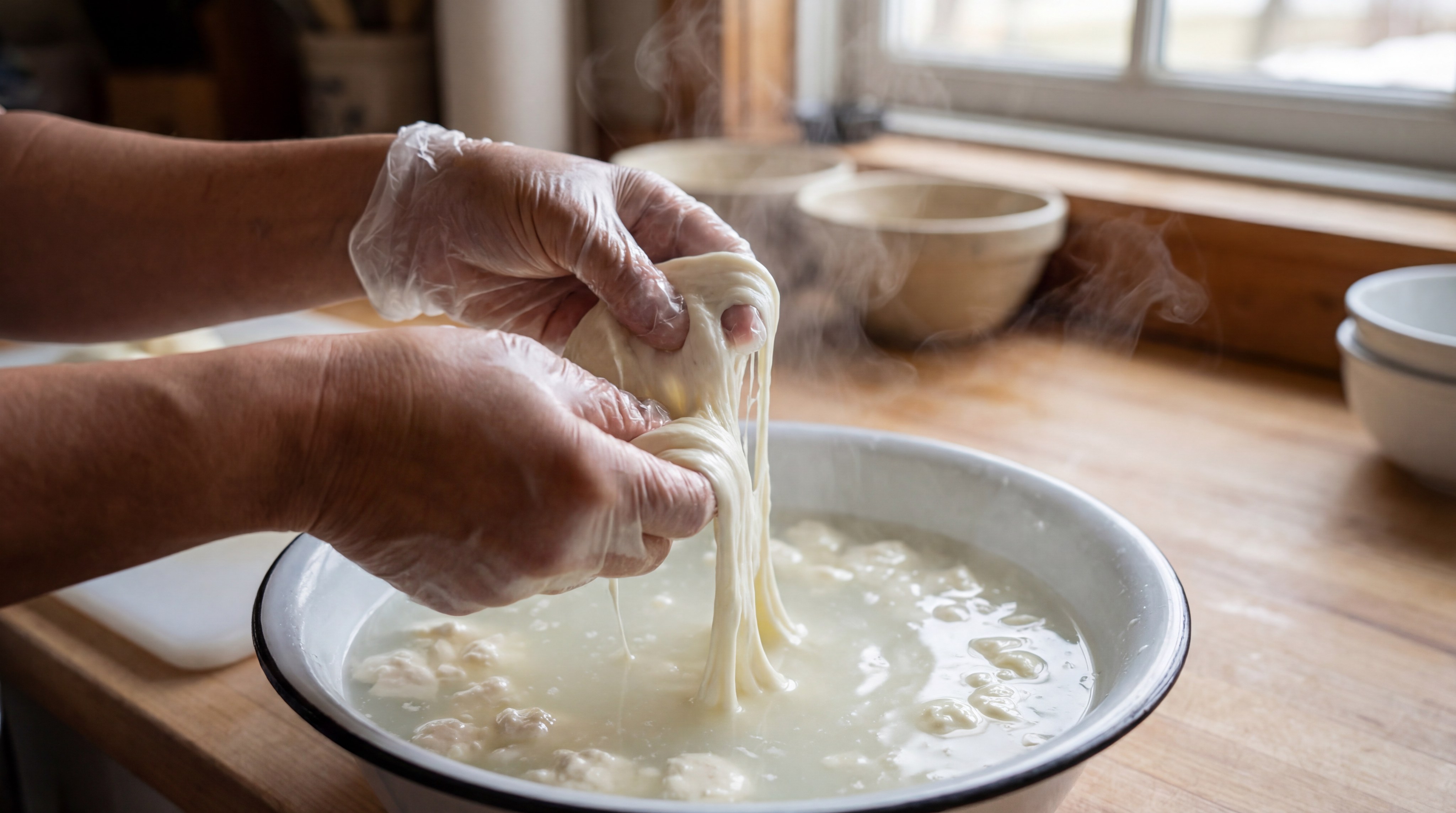
The ultimate goal of knowing what is a house cow is achieving total dairy independence. While drinking fresh milk is wonderful, the true savings come from making your own butter, yogurt, and cheese. This transformation requires a whole new set of skills and specialized kitchen equipment. Here is the kicker: home-made dairy tastes far better than anything from a store.
Simple Dairy Products
Many dairy items require very little specialized equipment and can be mastered by any home cook in a single afternoon. These “quick wins” build your confidence as a dairy processor.
- Butter: Created by simply agitating heavy cream until the fats separate from the buttermilk.
- Yogurt: A simple process of culturing warm milk with beneficial bacteria overnight.
- Soft Cheeses: Varieties like ricotta or chevre can be made with basic kitchen supplies.
The Challenge of Hard Cheese
Making a block of aged cheddar or edam is a much more complex undertaking that requires patience and precise environmental control. These products allow you to store surplus milk for months or even years.
- Rennet and Cultures: You will need to source specific enzymes and bacteria for different cheese types.
- Cheese Press: Hard cheeses require consistent pressure to expel whey and create the right texture.
- Aging Cave: A cool, humid environment is necessary for the cheese to develop flavor without spoiling.
| Product | Skill Level | Equipment Needed | |
|---|---|---|---|
| Butter | Beginner | Blender or Jar | |
| Yogurt | Intermediate | Thermometer & Incubator | |
| Hard Cheese | Advanced | Press & Temperature-Controlled Cave |
Starting with simple products allows you to gain experience before investing in the more expensive equipment needed for aged cheeses.
Key Takeaway: Processing surplus milk into butter and cheese is the key to maximizing the financial benefits of owning a house cow.
What are the health and safety risks of home milking?
Owning what is a house cow comes with significant responsibilities regarding both animal and human health. If hygiene standards slip, you risk contaminating your food supply or causing your cow extreme pain. Managing these risks requires a proactive approach to farm safety. But wait, there’s more: a healthy cow is much cheaper to keep than a sick one.
Bovine Health Management
A steel structure workshop or clean stall is your first line of defense against mastitis, a common udder infection. You must be vigilant in monitoring the cow’s physical condition every single time you milk.
- Teat Dipping: Using antiseptic before and after milking prevents bacteria from entering the udder.
- Clean Bedding: Keeping the cow’s resting area dry and free of manure is essential for health.
- Vet Access: You should have a relationship with a large-animal vet before you actually need one.
Human Health and Hygiene
Raw or improperly handled milk can carry pathogens like E. coli, Salmonella, or Listeria. Protecting your family starts with strict cleanliness protocols in the milking shed and the kitchen.
- Hand Washing: Always scrub your hands and arms before beginning the milking process.
- Equipment Sanitation: All pails and filters must be cleaned with boiling water or dairy-safe sanitizer.
- Rapid Chilling: Bacteria multiply quickly in warm milk; it must be chilled to under 4ºC immediately.
| Risk Factor | Prevention Method | Frequency | |
|---|---|---|---|
| Mastitis | Teat Sanitization | Twice Daily | |
| Milk Spoilage | Rapid Cooling | Every Milking | |
| Contamination | Equipment Sterilization | After Every Use |
Maintaining high hygiene standards ensures that your home dairy production remains a healthy and rewarding experience for everyone involved.
Key Takeaway: Strict hygiene protocols for both the animal and the equipment are non-negotiable for producing safe home dairy products.
How do you prepare your site for a new livestock building?
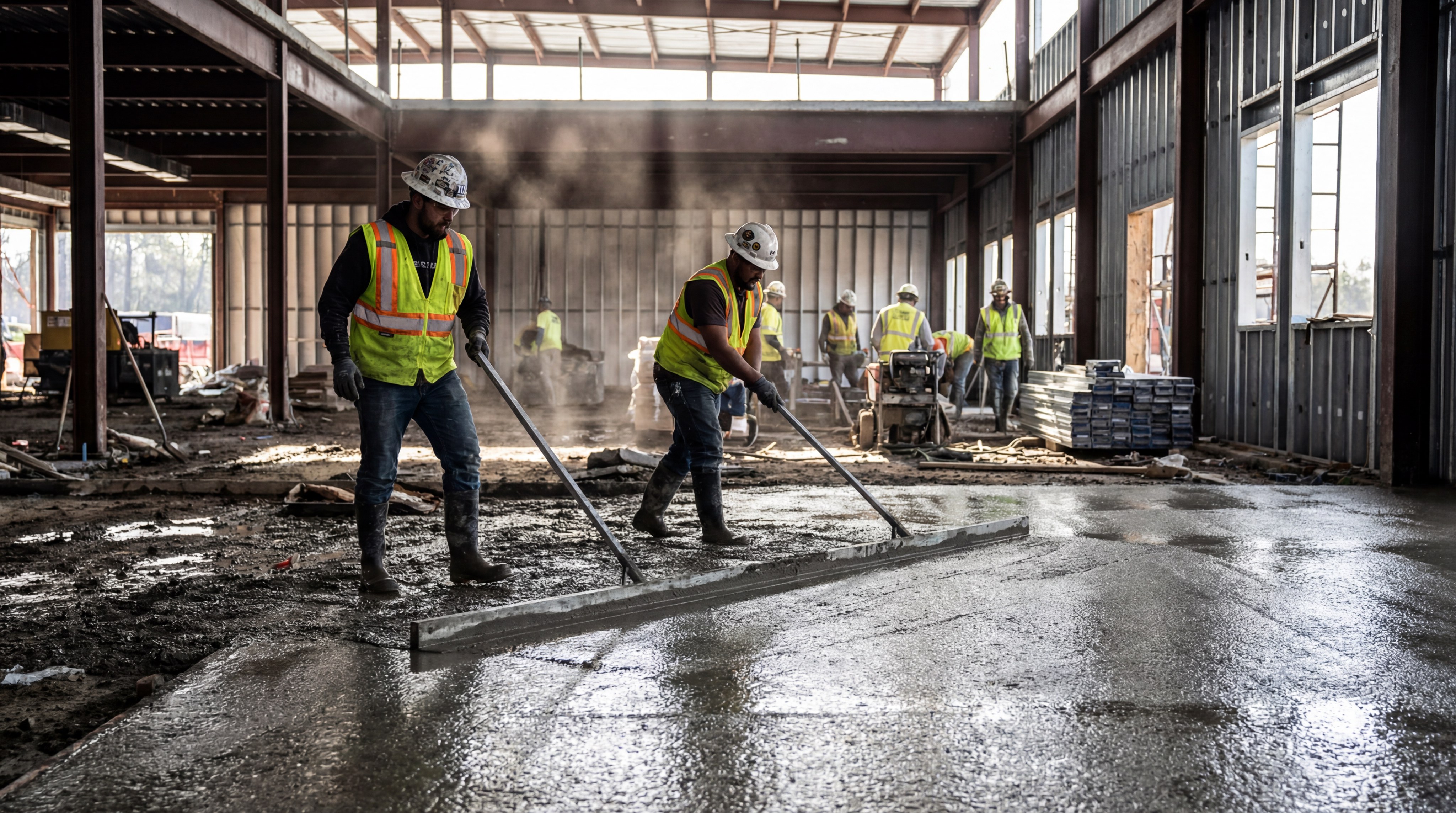
Preparing for what is a house cow starts long before the animal arrives on your trailer. Your site needs to be engineered to handle the weight of the animal and the heavy traffic of daily chores. Poor preparation leads to mud, odors, and structural failure. But wait, there’s more: proper site prep makes the actual building assembly much faster.
Foundation and Drainage
A horse barn style foundation is often the best choice for mixed-use agricultural buildings. You need a base that stays dry and stable throughout the rainy season to protect the integrity of your structure.
- Concrete Pads: Providing a hard, level surface makes cleaning easier and prevents the floor from becoming a bog.
- Sloped Flooring: Designing a slight grade allows wash-water and waste to drain away from the milking area.
- Gravel Aprons: Placing gravel around the entrance prevents the area from turning into a mud pit.
Access and Logistics
You must consider how you will move animals, feed, and milk in and out of the building. Efficiency in layout translates to saved time and reduced physical labor for you.
- Paddock Access: The shed should be centrally located to minimize the walk for the cow.
- Feed Storage: Keeping hay or grain near the milking stall saves you from carrying heavy bags long distances.
- Utilities: Ensure you have access to clean water and electricity at the site before construction begins.
| Prep Step | Action | Objective | |
|---|---|---|---|
| Ground Leveling | Excavation & Compaction | Structural Stability | |
| Drainage | Trenching & Sloping | Moisture Management | |
| Foundation | Concrete Pouring | Hygiene and Safety |
Taking the time to properly engineer your site ensures that your dairy operation runs smoothly from day one.
Key Takeaway: Proper site preparation, including concrete foundations and effective drainage, is essential for a functional and hygienic dairy shed.
When should a hypothetical cow become a reality?
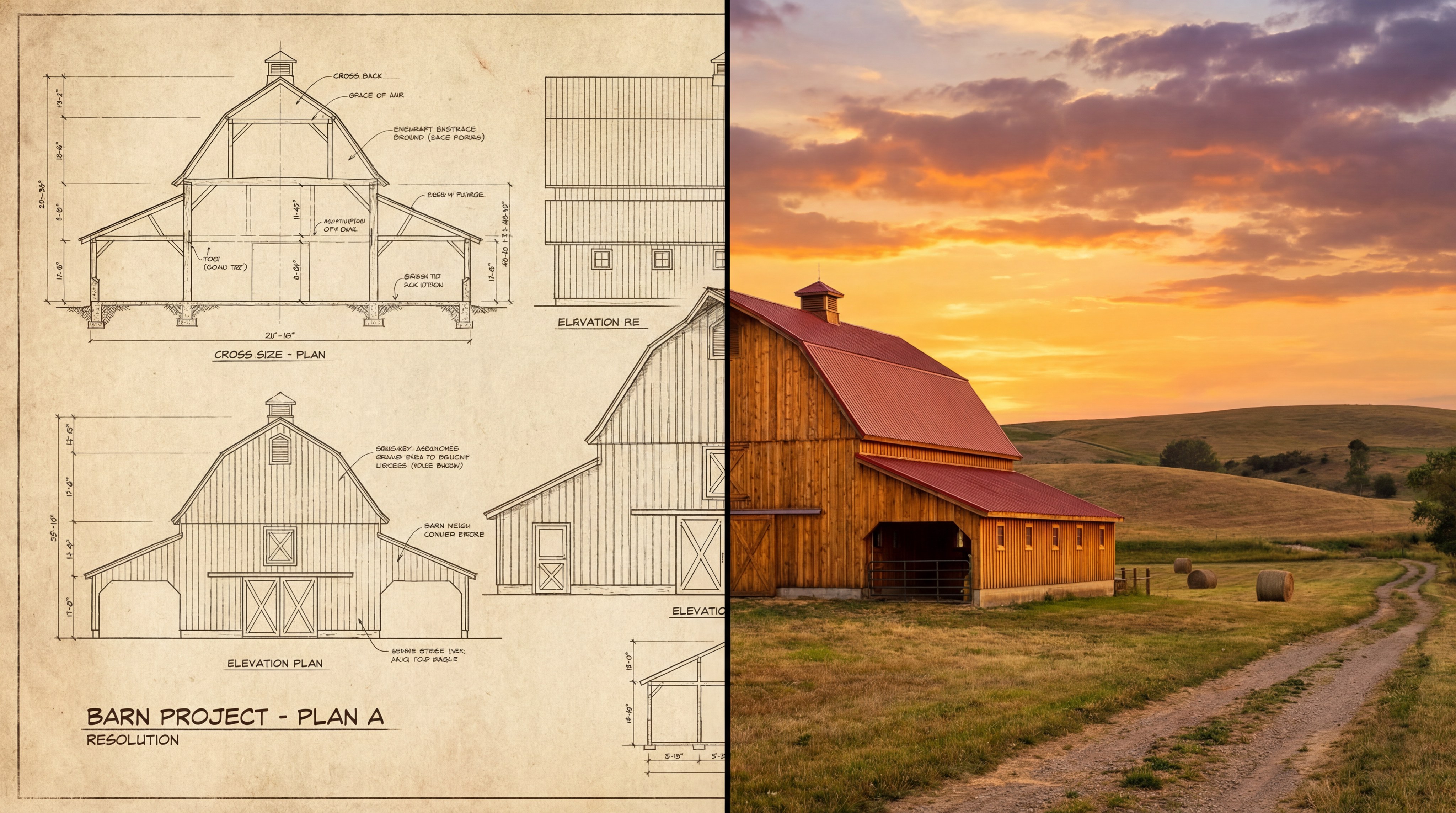
The journey from asking what is a house cow to actually owning one is a rewarding path to self-sufficiency. If you have the land, the budget for infrastructure, and the willingness to commit your time, the benefits are immense. It’s about taking control of your food supply and your finances. Bottom line: the best time to start planning is right now.
Readiness Checklist
Before you make the purchase, you should be able to check off the physical and mental requirements of ownership. Jumping in too early leads to stress for both you and the cow.
- Infrastructure: Your shed, fencing, and water systems must be fully functional.
- Knowledge: You should understand basic bovine health and the milking process.
- Commitment: You must be certain that you can handle the daily schedule for the next several years.
Scaling Up Slowly
You don’t have to start with everything at once. Many successful owners begin by building their structure and then taking a milking class before purchasing their first animal.
- Phase 1: Build a high-quality steel shed and prepare your pastures.
- Phase 2: Source a calm, older cow that is already habituated to hand milking.
- Phase 3: Invest in processing equipment as your confidence in the kitchen grows.
| Decision Factor | Readiness Indicator | Action Required | |
|---|---|---|---|
| Physical Space | 2+ Acres of Pasture | Check Fencing Integrity | |
| Financial | Setup Budget Secured | Order Steel Building Kit | |
| Mental | Daily Routine Accepted | Find a Backup Milker |
Moving from a hypothetical idea to a functional reality is a structured process that starts with the right foundation.
Key Takeaway: The transition to a house cow should only happen once your infrastructure is complete and you are fully committed to the daily labor.
Decision FAQ
Can I keep a house cow on just one acre?It is possible if you are prepared to buy in most of her feed, but ideally, you want 2-3 acres of quality pasture to reduce costs and maintain her health.
How do I handle the surplus milk if I can’t drink it all?Surplus milk can be fed to other farm animals like pigs and chickens, or you can master hard cheesemaking to store the dairy for several months.
Can I leave for a weekend if I have a house cow?Only if you have a trained neighbor or farm sitter who can perform the milking. You cannot skip a day without risking the cow’s health and milk production.
Do I need a bull to get my cow pregnant every year?No, most house cow owners use Artificial Insemination (AI) services, which are safer and allow you to choose high-quality genetics without keeping a dangerous bull on site.
How long can a cow produce milk without having another calf?A cow can often be milked for 2-3 years, though production levels will drop significantly in the later years. Eventually, she must have another calf to “reset” her milk volume.
Start Your Farm Project
Building a sustainable future starts with the right shelter for your livestock and your dreams. For professional, high-quality agricultural buildings and custom livestock solutions, contact us today to discuss how we can help you build the perfect home for your farm.