
Building a 5,000-square-foot warehouse typically costs between 300,000 and 650,000 depending on your site requirements and choice of structural materials. You may find yourself needing immediate storage expansion, but the fear of hidden expenses and fluctuating material prices often stalls critical business decisions. Understanding the granular details of how much does a small warehouse cost allows you to move from uncertainty to a concrete development plan with confidence in your how much does a small warehouse cost projection.
How much does a small warehouse cost per square foot in 2026?
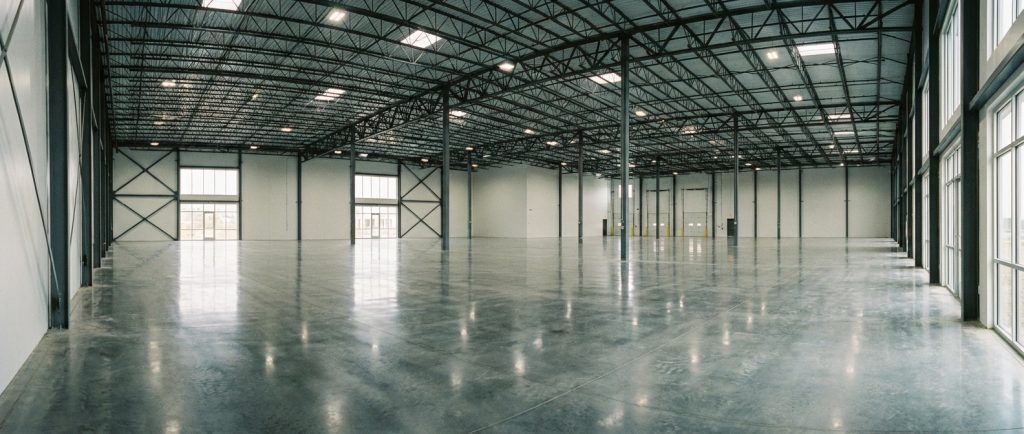
Current market data indicates that standard construction rates for a 5,000-square-foot facility range from 60 to 130 per square foot. When you evaluate how much does a small warehouse cost , you must account for the reality that a basic storage shell occupies the lower end while high-spec distribution hubs reach the peak. These figures provide a baseline that includes the building envelope but excludes specialized equipment and land acquisition.
What drives the primary price range?
The intended use of your space is the most significant factor in determining where you land within the price spectrum.
The truth is:A facility designed for heavy machinery or cold storage requires far more structural reinforcement and insulation than a simple dry-storage shed. Your total investment will fluctuate based on the clear-span height and floor load capacity required for your daily operations.
Why do material prices shift?
Global supply chains and regional demand for steel and concrete can cause rapid changes in your final invoice.
- Steel availability: Surges in industrial demand can increase framing costs by 15% in a single quarter.
- Concrete logistics: Local production capacity affects the cost of foundations and slabs.
- Energy costs: Manufacturing high-performance materials is energy-intensive, which trickles down to your project.
Key Takeaway for Square Foot Pricing
Establishing an accurate square-foot baseline early in the design phase prevents significant budget overruns and ensures your financing aligns with current market realities.
| Cost Category | Low End ($/sq ft) | High End ($/sq ft) | |
|---|---|---|---|
| Basic Shell | $60 | $85 | |
| Distribution Hub | $85 | $110 | |
| Specialized Storage | $110 | $130 |
Accurate per-square-foot tracking serves as the fundamental metric for measuring the fiscal health of your warehouse project.
How much does a small warehouse cost for site preparation work?
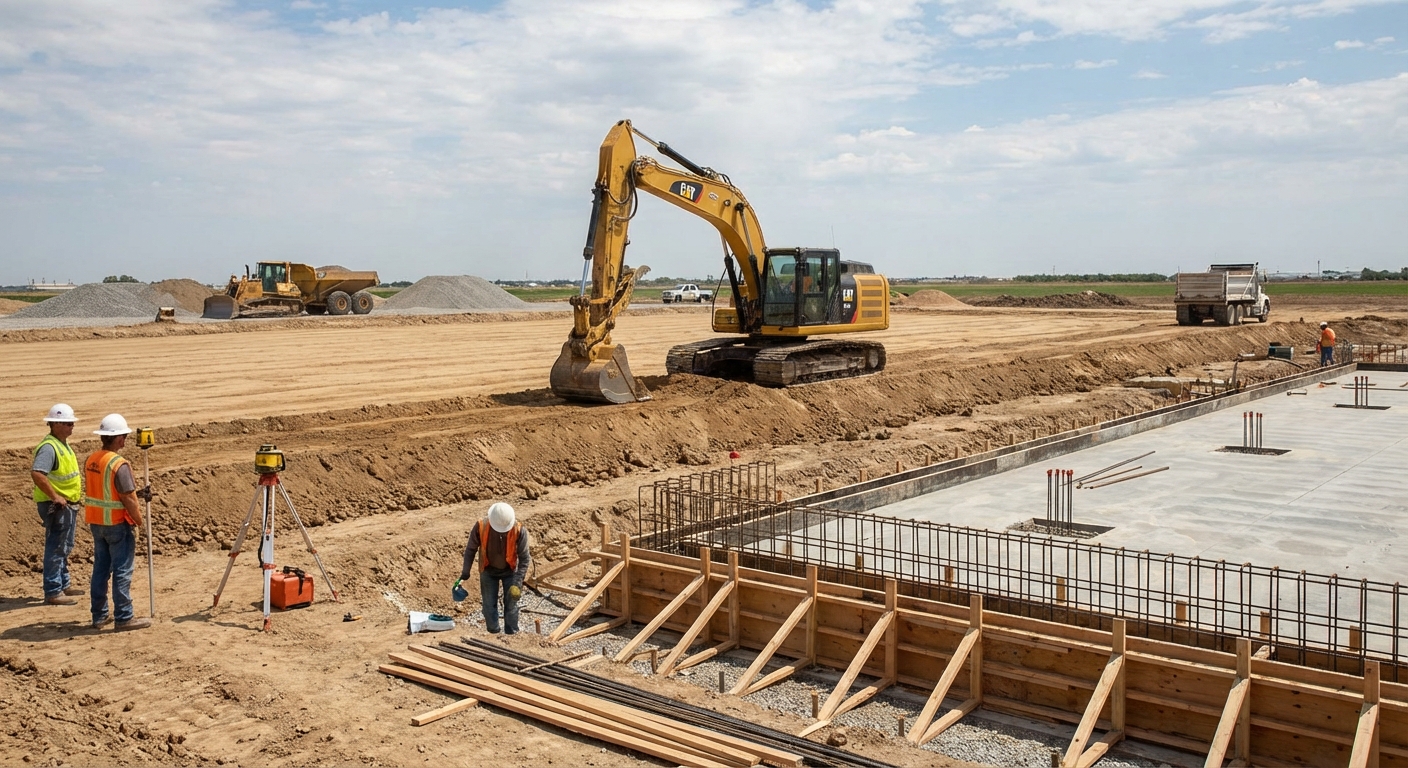
Site preparation and foundation work generally add 6 to 12 per square foot to your total construction budget. Identifying how much does a small warehouse cost before breaking ground requires a thorough analysis of soil stability and drainage requirements. This phase ensures the ground can support heavy industrial loads without the risk of future slab settlement.
Does soil quality impact your budget?
Poor soil conditions or high water tables often require additional compaction and specialized moisture barriers.
Here is the deal:If your soil cannot support the weight of the structure, you may need to invest in deep piers or soil stabilization techniques that can increase foundation costs by up to 20%. Skipping geotechnical testing can lead to catastrophic structural failure and expensive repairs down the line.
What are the drainage requirements?
Commercial zoning codes mandate robust stormwater management systems to prevent runoff issues on your property and surrounding areas.
- Retention Ponds: Required if the municipal system cannot handle your peak runoff volume.
- Underground Piping: Necessary for directing water away from the foundation and parking areas.
- Vapor Barriers: Essential under the slab to prevent moisture from damaging your inventory.
Key Takeaway for Site Preparation
Investing in superior ground preparation and high-quality foundation slabs prevents slab heaving and structural cracking, protecting your inventory and equipment for decades.
| Site Element | Estimated Cost ($/sq ft) | Impact on Longevity | |
|---|---|---|---|
| Grading/Compaction | 2.00−4.00 | High | |
| Foundation Slab | 4.00−8.00 | Critical | |
| Stormwater Mgmt | 1.00−3.00 | Regulatory |
Stability begins beneath the surface, making site work the most critical phase for long-term facility performance.
How much does a small warehouse cost using steel framing shells?
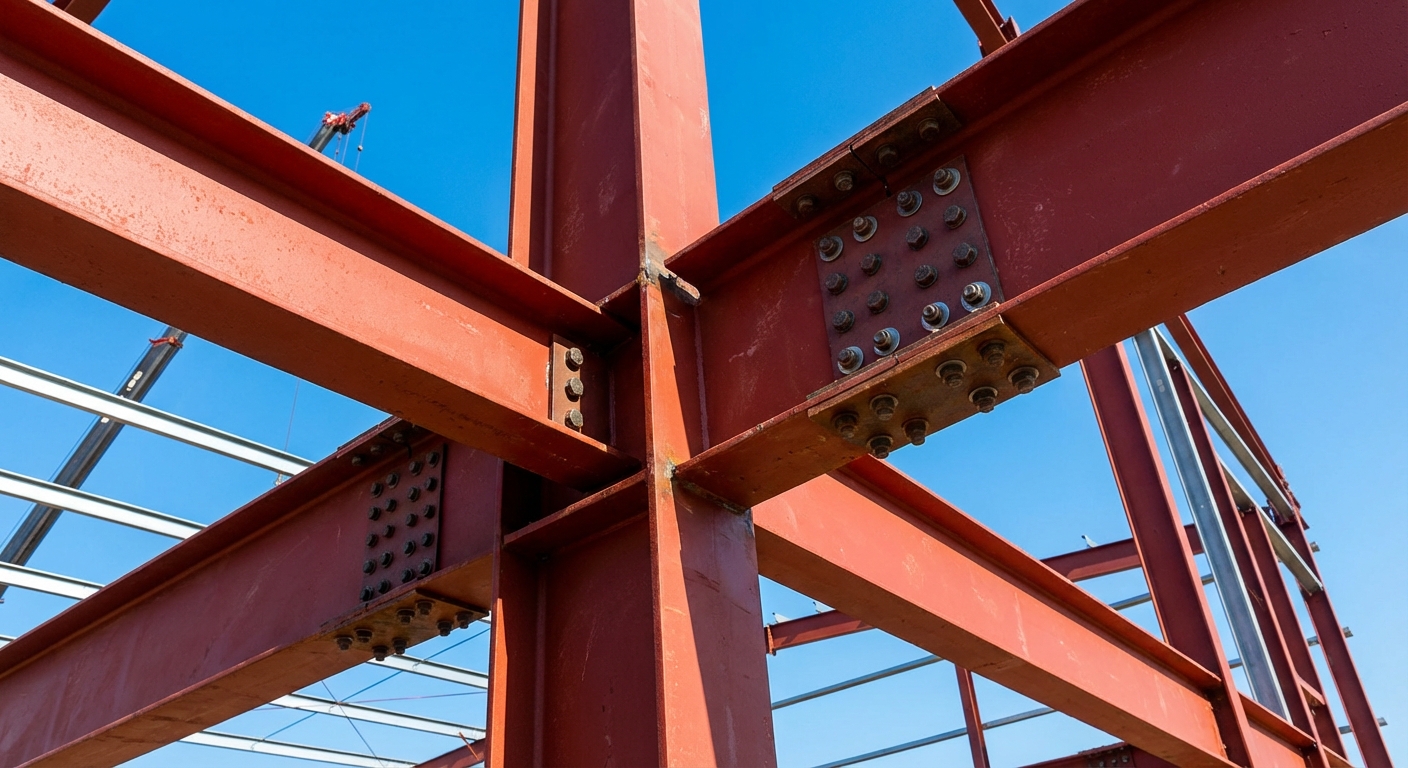
Pre-engineered steel buildings often represent the most cost-effective path, averaging 45 to 75 per square foot for the structural shell. When you research how much does a small warehouse cost , you will find that steel remains popular due to its speed of assembly and open clear-span capabilities. These systems are fabricated off-site and bolted together on your prepared foundation, minimizing on-site labor and waste.
Why is steel assembly so efficient?
The components of a pre-engineered building are designed to fit perfectly upon arrival, significantly reducing the construction timeline.
Think about this:While traditional construction might take months to frame, a steel crew can often have the primary structure standing in a matter of weeks. This efficiency allows you to occupy the building sooner and begin generating a return on your investment.
How durable is a steel structure?
Steel is resistant to many of the common threats that plague wood structures, such as pests, rot, and fire.
- Pest Resistance: Termites and rodents cannot damage the structural integrity of steel.
- Fire Safety: Non-combustible framing can lower your commercial insurance premiums.
- Recyclability: Steel is a sustainable material that retains its strength through multiple lifecycles.
Key Takeaway for Steel Framing
Steel framing offers the fastest path to occupancy and the most predictable framing budget for businesses requiring large, open industrial spaces.
| Feature | Advantage | Financial Impact | |
|---|---|---|---|
| Pre-fabrication | Faster Erection | Lower Labor Costs | |
| Clear-span | Max Storage | High Efficiency | |
| Non-combustible | Safety | Lower Insurance |
Speed and scalability define the steel warehouse experience, making it a favorite for growing industrial enterprises.
How much does a small warehouse cost with tilt-up construction?
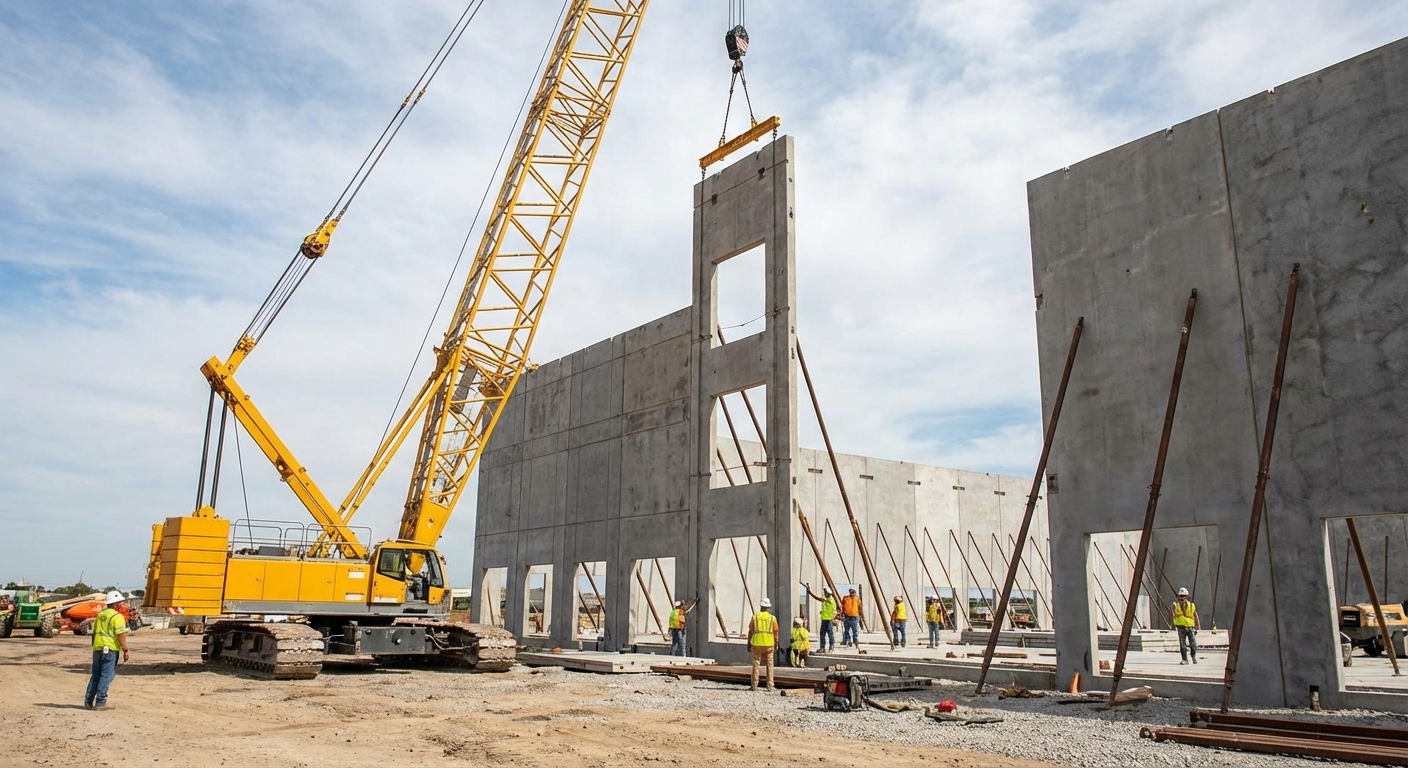
Tilt-up concrete construction typically costs between 65 and 90 per square foot for a 5,000-square-foot project. When determining how much does a small warehouse cost, tilt-up methods become attractive for their extreme durability and thermal mass. This process involves casting large concrete panels on the slab and tilting them into place with heavy cranes to form the exterior walls.
Is tilt-up concrete worth the equipment cost?
The use of large-capacity cranes and casting beds requires a significant initial setup, but the speed of wall installation is unmatched once the panels are cured.
The kicker?While the mobilization of equipment is expensive for smaller footprints, the resulting structure provides superior security and fire resistance that few other materials can match. You gain a building that feels permanent and resists the wear and tear of daily industrial operations.
Can tilt-up panels improve thermal stability?
The thick concrete walls act as a thermal battery, slowing the transfer of heat between the interior and exterior environments.
- Solar Buffering: Concrete absorbs heat during the day and releases it slowly at night.
- Sound Dampening: Massive walls block noise from surrounding industrial zones.
- Low Maintenance: Concrete panels require very little upkeep compared to metal siding.
Key Takeaway for Tilt-Up Systems
Tilt-up concrete is the premier selection for facilities requiring maximum security, structural longevity, and high resistance to fire or impact.
| Factor | Detail | Long-term Benefit | |
|---|---|---|---|
| Panel Casting | On-site Fabrication | Reduced Logistics | |
| Structural Integrity | Reinforced Concrete | 50+ Year Life | |
| Wall Finish | Painted/Textured | Aesthetic Appeal |
Choosing tilt-up panels represents a commitment to structural permanence and operational security that stands the test of time.
How much does a small warehouse cost using insulated forms?
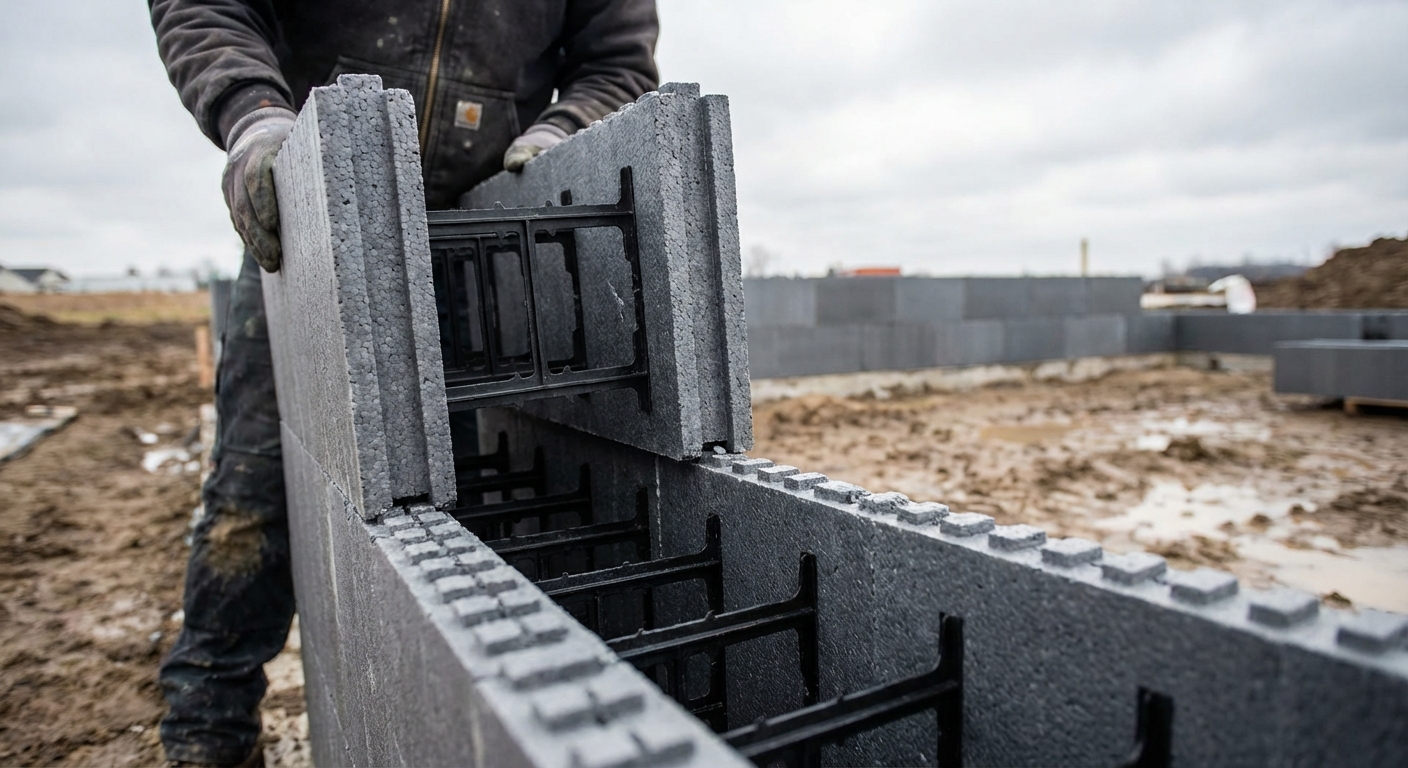
Insulated concrete forms (ICF) generally cost between 80 and 100 per square foot for the initial build. When you evaluate how much does a small warehouse cost , you must weigh this upfront premium against the massive energy savings and airtight envelope these systems provide. By integrating insulation and structural concrete into one step, you create a high-performance shell that eliminates thermal bridging.
Do insulated forms lower energy bills?
By creating a continuous barrier of high-density foam and solid concrete, these systems can reduce your utility costs by up to 30%.
Believe it or not:An ICF warehouse can maintain stable internal temperatures with significantly smaller HVAC units than a traditional steel building. This reduction in equipment size helps offset the higher initial cost of the wall system during the construction phase.
How does the construction process work?
The forms are stacked like interlocking blocks and then filled with reinforced concrete to create a monolithic wall.
- Dual Insulation: Foam on both sides of the wall maximizes the thermal R-value.
- Airtight Seal: The interlocking design prevents air leakage and condensation.
- Steel Reinforcement: Internal rebar ensures the wall can withstand extreme wind and seismic activity.
Key Takeaway for Insulated Forms
Insulated forms provide the highest level of energy efficiency and climate control, leading to the lowest total cost of ownership over the life of the building.
| Performance Metric | ICF Capability | Benefit | |
|---|---|---|---|
| Thermal Resistance | R-22 to R-28 | Lower Utilities | |
| Air Infiltration | Near Zero | Better Air Quality | |
| Wall Strength | 4000+ PSI | High Resilience |
Total lifecycle costs often favor the energy-efficient path, transforming an upfront premium into a long-term profit driver.
How much does a small warehouse cost for mechanical systems?
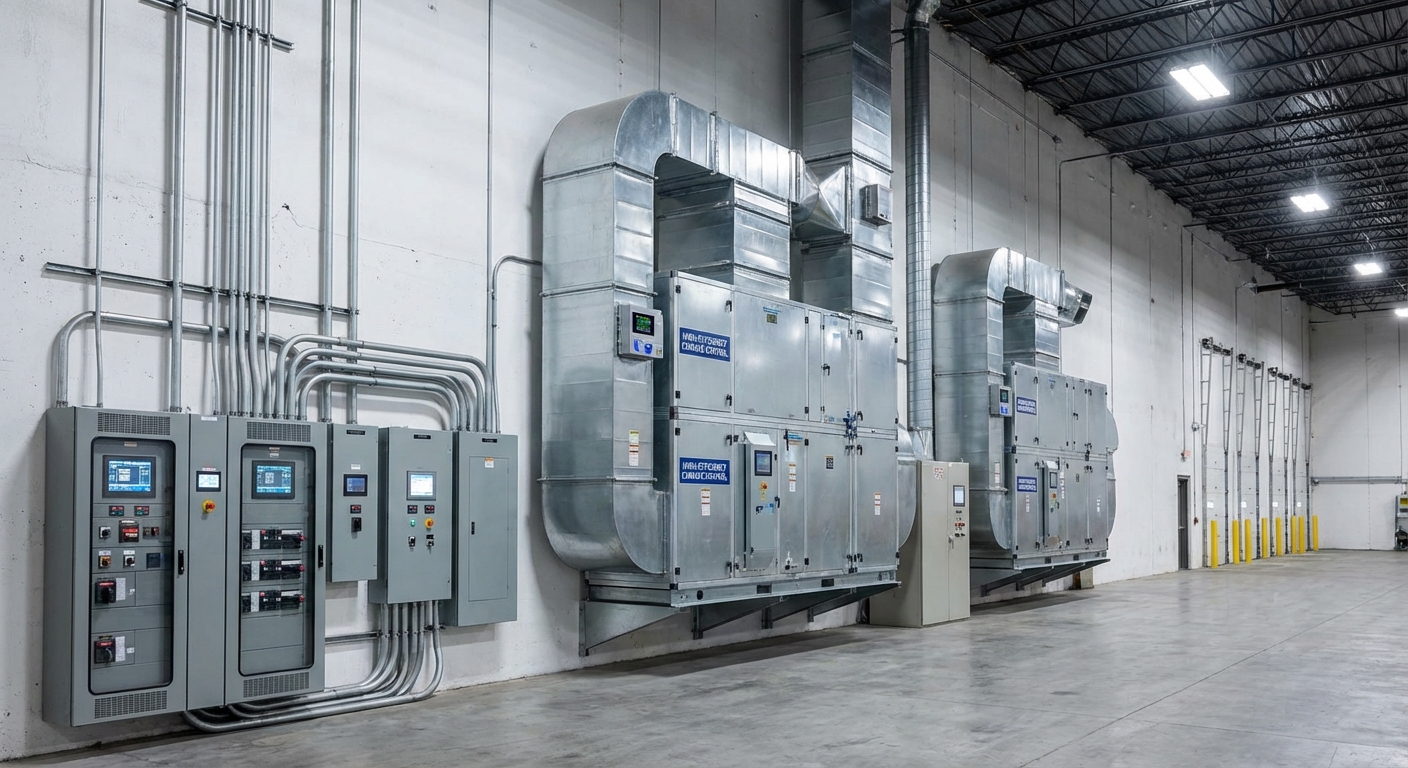
Mechanical, electrical, and plumbing (MEP) systems typically require a budget allocation of 15 to 35 per square foot. When assessing how much does a small warehouse cost, you will find that a basic storage shell has minimal MEP needs, while a climate-controlled distribution center demands significant infrastructure. Proper sizing of these systems is vital to prevent future retrofits that can double your initial investment.
Does climate control drive up the budget?
Adding heating, cooling, and ventilation for temperature-sensitive inventory adds a layer of complexity to your electrical and mechanical design.
The reality?If you plan to store electronics, pharmaceuticals, or perishables, you must invest in high-efficiency HVAC units and backup generators. These systems ensure that your inventory remains protected even during power outages or extreme weather events.
What electrical upgrades are standard?
Modern warehouses rely on advanced lighting and automation that require higher electrical capacity than older industrial spaces.
- LED High-Bays: These provide superior light quality with minimal energy consumption.
- Security Systems: Integrated cameras and access control are now standard line items.
- Power Distribution: Strategic placement of panels supports future machinery or charging stations.
Key Takeaway for Mechanical Systems
Design your mechanical and electrical capacity to match your specific operational profile from day one to avoid the high costs of future system upgrades.
| System Type | Cost Range ($/sq ft) | Primary Component | |
|---|---|---|---|
| Electrical/Lighting | 5−10 | LED/Panels | |
| Basic Ventilation | 3−7 | Fans/Louvers | |
| Full Climate Control | 12−25 | HVAC/Ducting |
Matching your building’s infrastructure to its internal workload is essential for maintaining operational efficiency and safety.
How much does a small warehouse cost in finishes and doors?
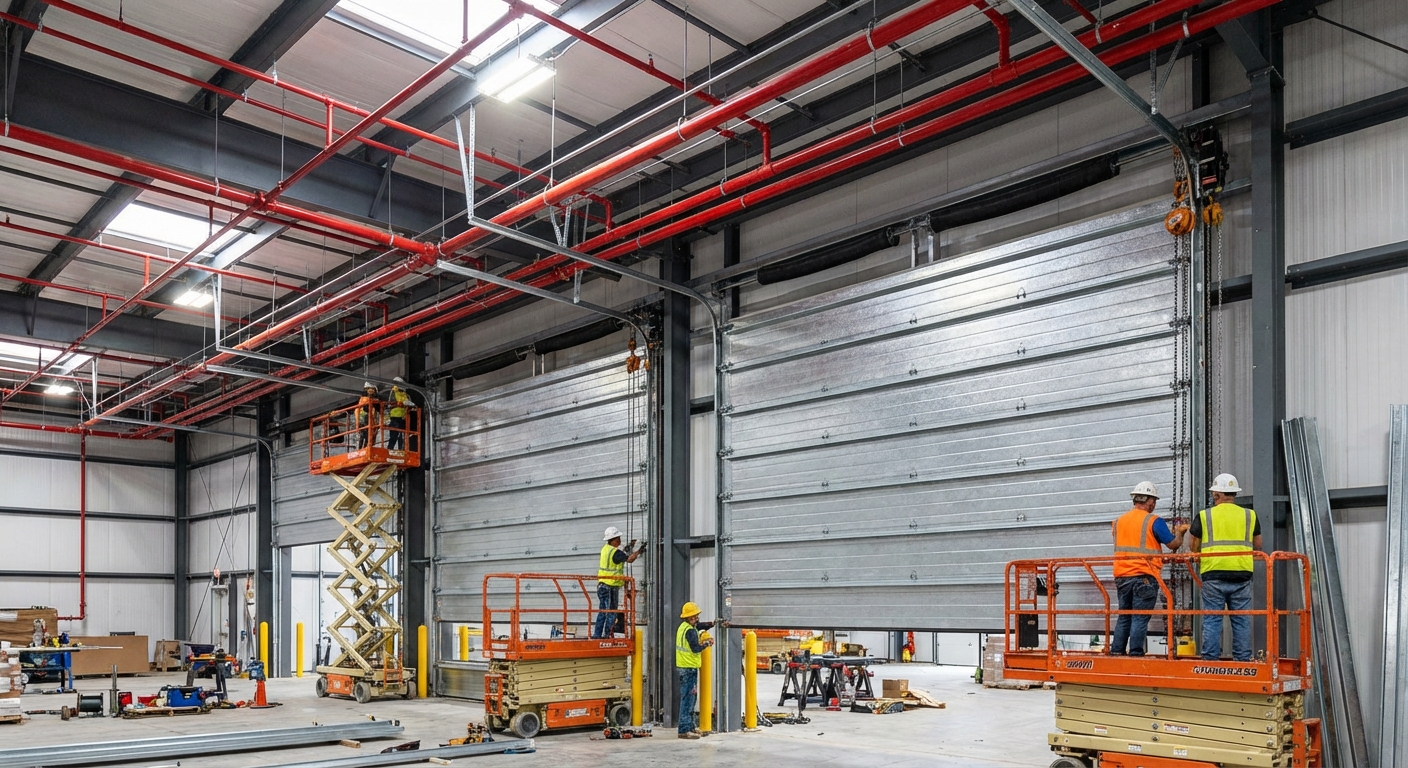
Operational components like overhead doors, dock gear, and floor coatings typically account for 10% to 15% of your total budget. When you budget for how much does a small warehouse cost , these “finishes” are what transform a raw structure into a functional business asset. High-quality doors and safety gear are critical for maintaining the flow of goods and the safety of your personnel.
Are high-speed doors worth the investment?
In climate-controlled environments, high-speed overhead doors can pay for themselves by minimizing thermal loss during every cycle.
Look at it this way:If your doors stay open too long, your HVAC system will work overtime, driving up your monthly utility bills. Investing in rapid-opening doors and high-quality seals keeps the cold or heat where it belongs while improving your shipping speed.
Why do floor coatings matter?
Unprotected concrete can produce dust and absorb chemicals, leading to difficult cleaning and potential slip hazards for your team.
- Epoxy Coatings: Provide a durable, non-slip surface that is easy to sanitize.
- Sealed Concrete: A cost-effective way to prevent dust and protect the slab.
- Line Striping: Essential for safety and organization in high-traffic areas.
Key Takeaway for Operational Gear
Operational finishes and safety systems are critical components that ensure your warehouse is productive, safe, and compliant with modern building codes.
| Item | Importance | Estimated Cost ($/unit) | |
|---|---|---|---|
| Dock Levelers | High | 5,000−12,000 | |
| Overhead Doors | Critical | 3,500−8,000 | |
| Fire Sprinklers | Regulatory | 4.00−7.00/sq ft |
The functionality of your warehouse is defined by the quality of its access points and the safety of its interior surfaces.
How much does a small warehouse cost for soft fees and permits?
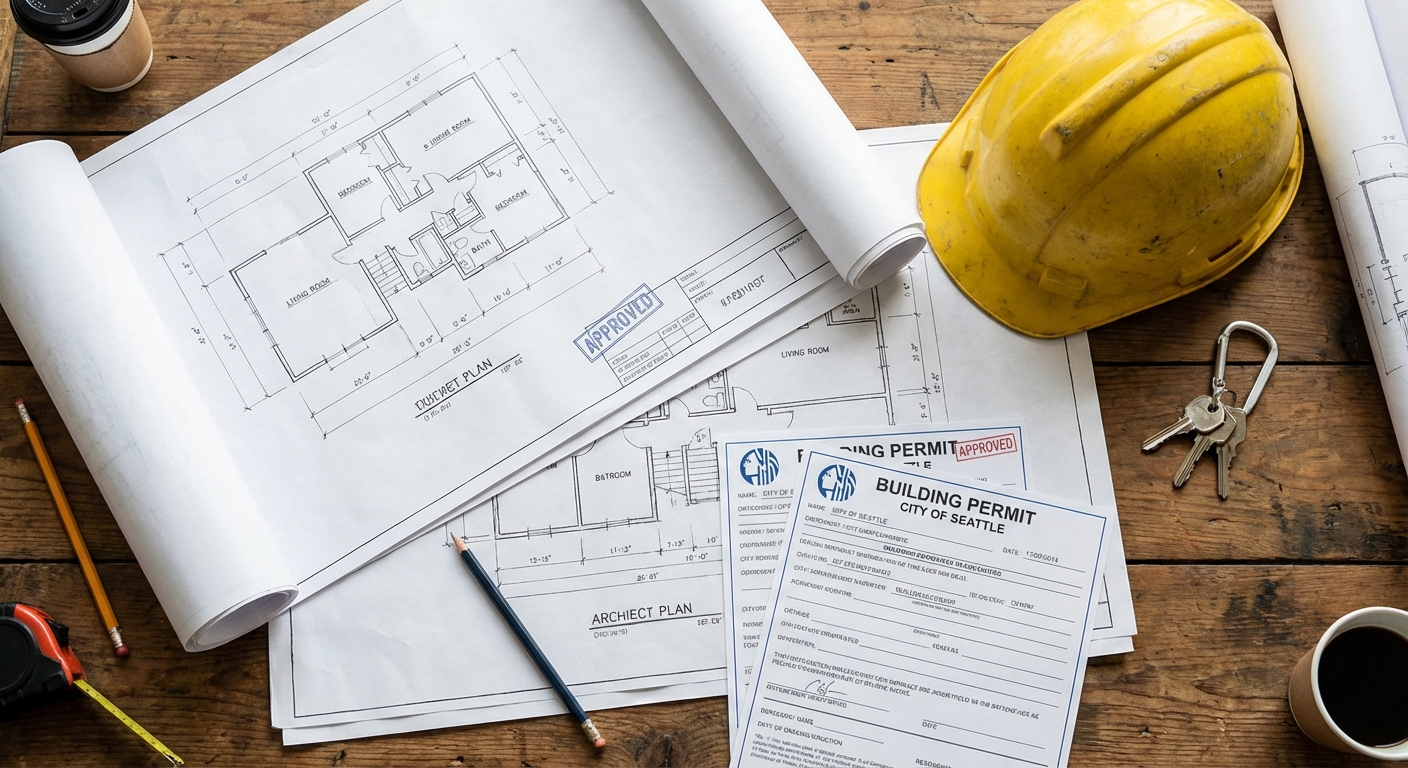
Soft costs, which include architectural design and municipal permits, usually range from 8% to 12% for design and 3% to 5% for permitting. Factoring in how much does a small warehouse cost requires transparency regarding these administrative and legal expenses. While they don’t buy physical materials, these fees are essential for ensuring your building is legal, safe, and structurally sound.
Why do permitting times vary so much?
Different municipalities have varying levels of scrutiny for industrial projects, ranging from environmental impact reviews to traffic studies.
Wait, there’s more:A delay in the permitting office can be just as costly as a delay in steel delivery. You should maintain a contingency fund of 5% to 10% to cover unexpected administrative hurdles or minor design changes required by the city during the approval process.
What do architectural fees cover?
Your architect does more than just draw lines; they ensure your building meets code and operates efficiently.
- Code Compliance: Ensuring fire exits, ADA access, and energy targets are met.
- Structural Engineering: Verifying the building can handle local wind and snow loads.
- Project Oversight: Helping to coordinate between the owner and the contractors.
Key Takeaway for Soft Costs
Integrating soft costs and permit timelines into your initial financial projections is the only way to ensure your project remains on schedule and under budget.
| Fee Category | Range (%) | Purpose | |
|---|---|---|---|
| Design/Engineering | 8% – 12% | Blueprints/Stamps | |
| Permits/Impact Fees | 3% – 5% | Legal Approval | |
| Contingency Fund | 5% – 10% | Unexpected Issues |
Professional planning is the shield that protects your capital from the hidden risks of the construction process.
How much does a small warehouse cost due to regional rates?
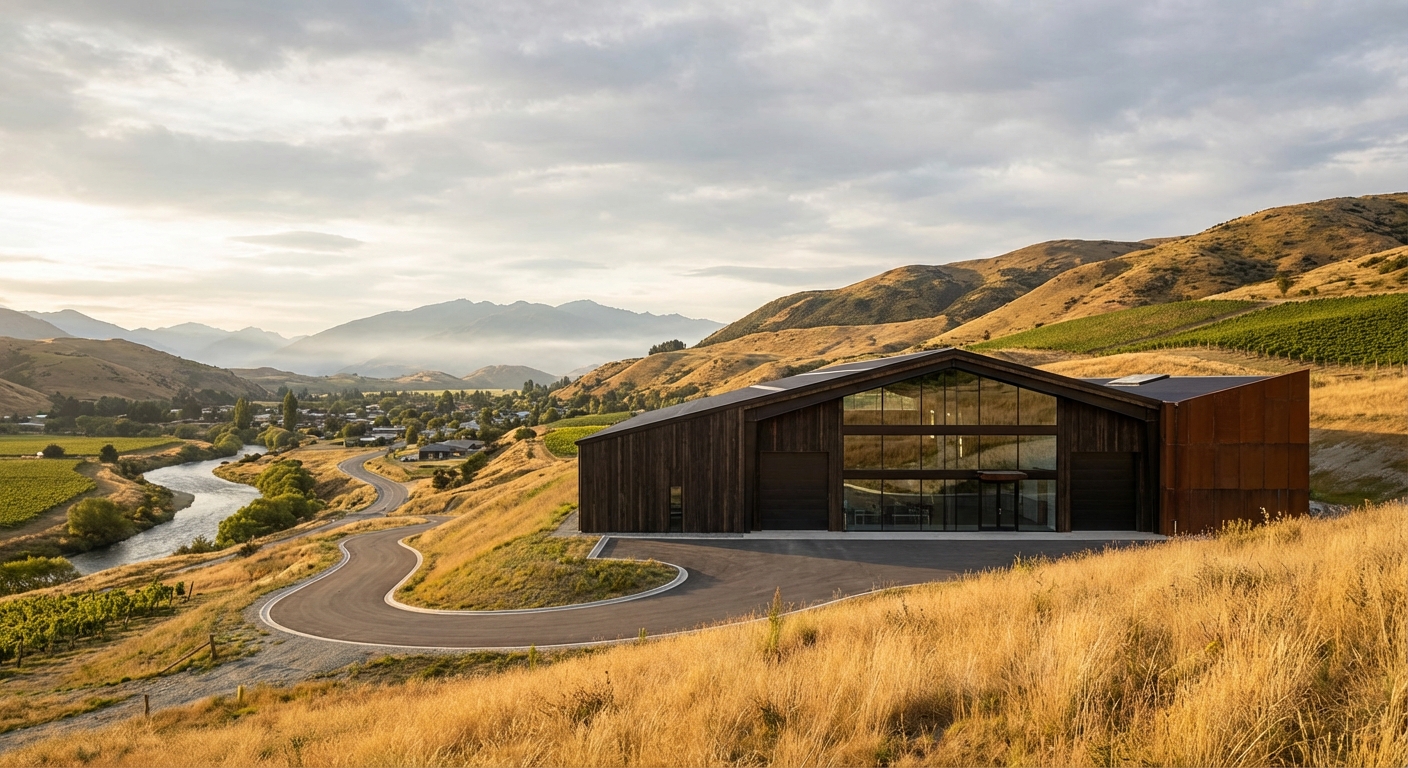
Regional variations in labor and logistics can swing your total construction costs by as much as 25%. When you identify how much does a small warehouse cost, you must account for the local availability of skilled trades and the climatic demands of your specific zip code. A project in the snowy Northeast will have a vastly different price profile than a warehouse in the humid Gulf Coast.
How does climate impact design?
Buildings in northern zones require higher snow-load engineering and thicker insulation, while southern facilities focus on solar reflection and moisture control.
Let’s be honest:Building a “standard” warehouse that isn’t optimized for its environment is a recipe for high maintenance costs. Using regional cost indices is the only way to ensure your 5,000-square-foot estimate is grounded in the local reality of labor and material availability.
Why do labor rates vary by state?
The presence of local unions, the cost of living, and the competition for skilled trades determine what you will pay for specialized labor.
- Skilled Trades: Areas with booming construction markets often have higher hourly rates for electricians and welders.
- Site Accessibility: Remote locations may require travel stipends for crews and higher shipping fees for materials.
- Regulatory Environment: Some states have stricter environmental or labor laws that can increase administrative overhead.
Key Takeaway for Regional Factors
Local market conditions and climate-specific engineering requirements are fixed variables that must be respected to achieve a realistic project budget.
| Region Type | Cost Multiplier | Key Design Driver | |
|---|---|---|---|
| High-Cost Urban | 1.15x – 1.25x | Labor/Permits | |
| Severe Weather | 1.10x – 1.20x | Snow/Wind Load | |
| Rural Industrial | 0.90x – 1.00x | Logistics |
Geography dictates the rules of your construction budget, making local expertise an invaluable asset during the planning phase.
How much does a small warehouse cost over its total lifecycle?
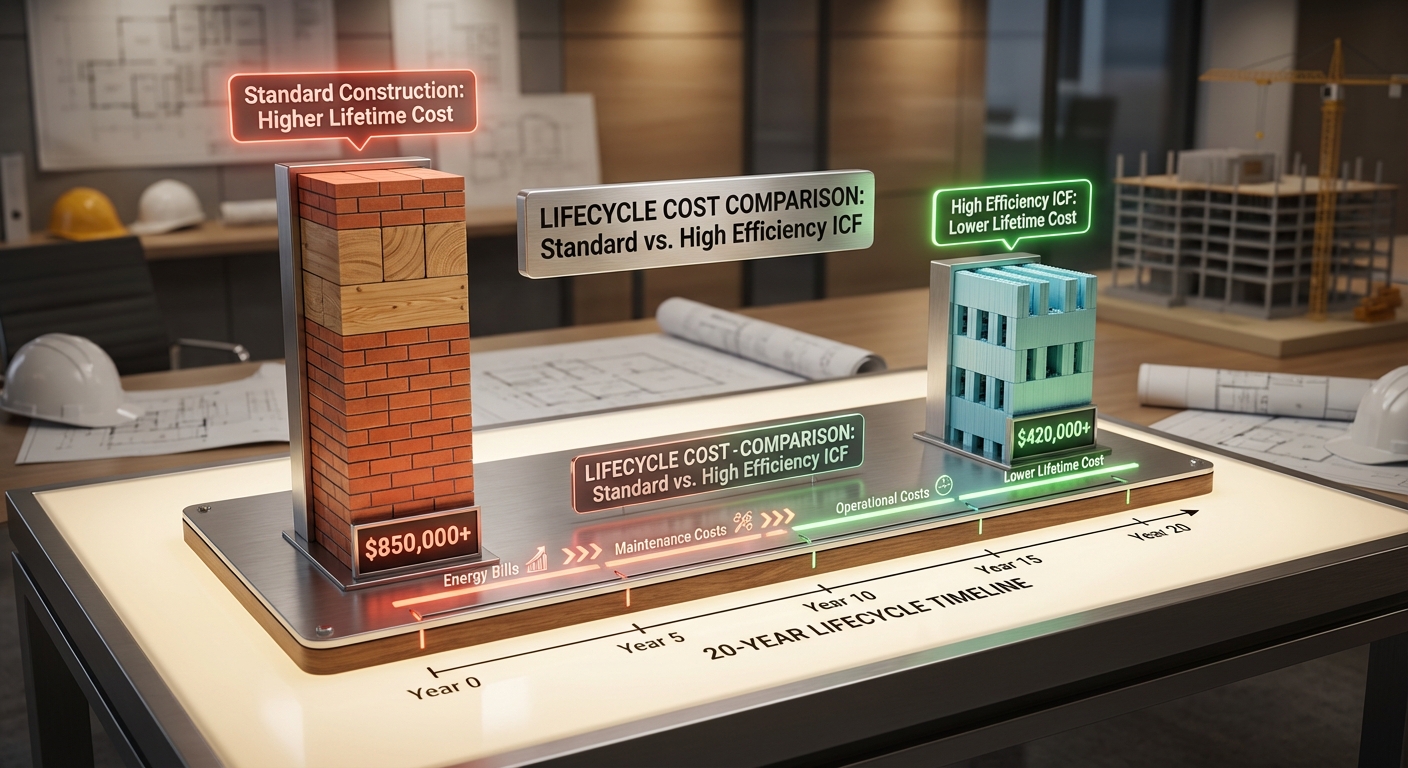
Measuring how much does a small warehouse cost over 20 years proves that energy-efficient construction can recoup its initial premium in as little as 5 to 8 years. The “first cost” is only the beginning of your financial commitment. High-performance buildings often outperform cheaper alternatives by significantly reducing monthly utility and maintenance expenses over the long term.
Why is energy modeling so important?
Energy modeling at the schematic stage allows you to predict your future utility bills and choose materials that maximize your return on investment.
The big picture:If you choose the cheapest building shell today, you might pay for it three times over in energy bills and repairs over the next two decades. A data-driven approach allows you to see the bridge between your construction budget and your long-term operating profit.
Can a warehouse pay for itself?
Through a combination of energy savings, lower insurance premiums, and higher property value, a high-performance warehouse becomes a profit center.
- Reduced Maintenance: Durable materials like concrete and steel require fewer repairs.
- Increased Value: Energy-efficient buildings are more attractive to future buyers or tenants.
- Operational Consistency: Better insulation prevents the temperature swings that can damage inventory.
Key Takeaway for Lifecycle ROI
Real return on investment is found in operational efficiency and structural durability, not just the lowest initial bid on a spreadsheet.
| Time Horizon | Standard Build Cost | High-Performance Build Cost | |
|---|---|---|---|
| Initial (Year 0) | $500,000 | $600,000 | |
| Cumulative (Year 10) | $750,000 | $720,000 | |
| Cumulative (Year 20) | $1,000,000 | $840,000 |
Viewing your warehouse as a 20-year asset rather than a one-time expense shifts your focus toward materials that provide lasting value.
Conclusion
Building a 5,000-square-foot warehouse is a major strategic investment that requires balancing immediate capital with long-term performance. By focusing on structural integrity, regional budgeting, and energy-efficient envelopes, you can create a facility that supports your business growth for decades to come.
Ready to start your project? Contact us today for a customized quote tailored to your specific site and operational needs. We believe that every industrial space should be an engine for growth, built on a foundation of structural excellence and fiscal transparency.
FAQ
Can I build a small warehouse myself to save money?While self-assembly kits exist, commercial buildings must meet strict zoning, fire, and structural codes that require licensed contractors and engineered stamps. Professional oversight ensures your facility is safe and compliant with local laws.
What is the best material for a low-maintenance warehouse?Pre-engineered steel and insulated concrete forms are the top choices because they resist rotting, warping, and pest issues. These materials maintain their structural integrity with minimal exterior upkeep over several decades.
How do I know if I need a climate-controlled warehouse?If you store pharmaceuticals, electronics, or perishable food items, climate control is an absolute necessity. Even for standard goods, high-performance insulation helps prevent condensation that can damage cardboard packaging and metal surfaces.
What is the fastest way to get a warehouse operational?Pre-engineered steel buildings are generally the fastest to erect because the components arrive ready to be bolted together. This efficiency minimizes on-site labor and can reduce the construction timeline by several weeks compared to traditional masonry.
How long does typical warehouse construction take?For a 5,000-square-foot facility, the construction phase typically lasts 4 to 6 months. However, the pre-construction phase—including permitting, design, and site preparation—can add several months to the total project timeline.