
Building a DIY mobile sheep shelter is the most efficient method for providing high-quality pasture protection without the massive overhead of a permanent barn. Many small-scale operators struggle with the high costs of fixed infrastructure and the mounting health risks associated with confined livestock housing. When animals are kept in static environments, fecal decay and ammonia buildup can quickly lead to respiratory distress and hoof rot. By investing in a mobile sheep shed from Showhoo Building , you effectively eliminate these localized environmental stressors. This solution allows you to rotate your flock onto fresh, clean ground daily, mirroring a natural lifestyle that promotes superior growth and fleece quality.
Which Materials Are Best for a Mobile Sheep Shelter?
Choosing between lumber, steel, and poly-based materials depends on your specific balance of initial investment and long-term durability for your sheep shed. While a traditional sheep shed often utilizes engineered steel for its corrosion resistance and 30-year lifespan, a DIY mobile unit frequently relies on pressure-treated 2×4 lumber for its ease of assembly and lightweight properties. Wood offers excellent thermal insulation but requires regular maintenance to prevent rot in high-moisture farm environments.
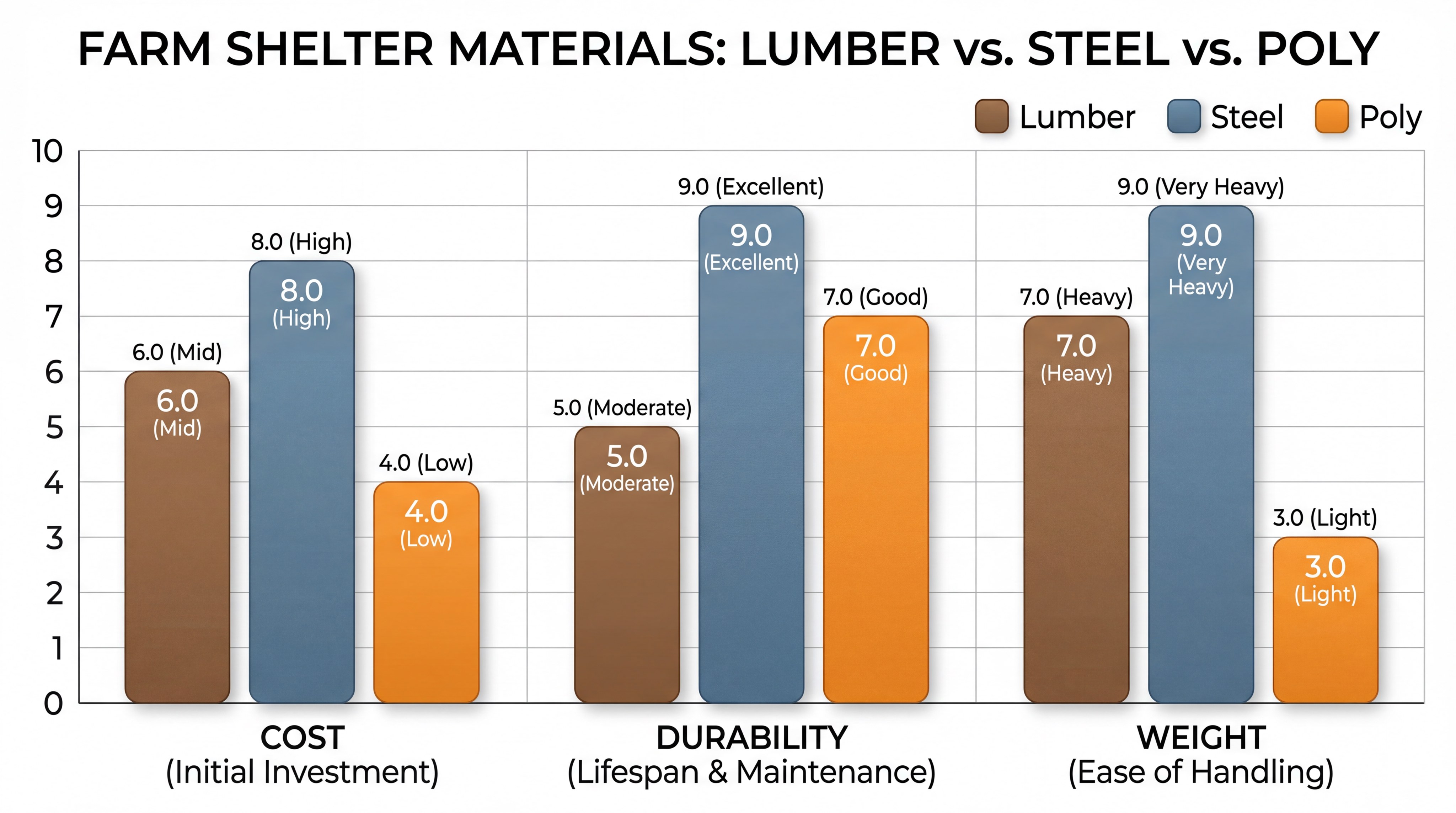
Balancing Weight and Durability
You must consider the trade-off between how heavy the unit is and how long it will last in the field. A heavy structure is harder to move by hand, but a flimsy one will collapse under high wind loads or heavy snow. Steel components can often reduce the overall profile while increasing structural integrity.
Look at it this way: a well-built wooden frame is approachable for the average DIYer. It provides a sturdy skeleton that can be easily modified as your herd grows or your management style evolves.
Material Resistance to Farm Corrosives
Livestock environments are notoriously corrosive due to the presence of manure and urine. Untreated wood will degrade rapidly at the ground-contact points, whereas galvanized steel or high-quality paint treatments can extend the life of your investment significantly.
The bottom line? Protecting the base of your structure is the most critical step in material selection.
- Pressure-treated lumber for ground contact.
- Galvanized screws to prevent rust streaks.
- Marine-grade plywood for superior roof longevity.
- Oil-based exterior stains for moisture rejection.
Key Takeaway: Selecting high-durability materials like treated lumber or engineered steel ensures your mobile unit survives the corrosive nature of livestock environments.
| Material Type | Initial Cost | Durability | Ease of Movement | |
|---|---|---|---|---|
| Treated Lumber | Moderate | 10-15 Years | High | |
| Engineered Steel | High | 30+ Years | Moderate | |
| Standard Poly | Low | 5-7 Years | Very High |
Analytical Sentence: While lumber provides the lowest barrier to entry for DIY projects, engineered steel systems offer a significantly higher return on investment over a 30-year operational window.
How Do You Connect the Legs to the Base Frame?
Connecting the legs to the base frame requires the use of pilot holes and three-inch galvanized screws to ensure a rigid joint that won’t split over time. The structural integrity of your sheep shed relies on these four corner joints to handle the torque generated during movement. Without proper fastening, the frame can become “racked” or skewed, making it difficult to slide or roll across uneven pasture terrain.
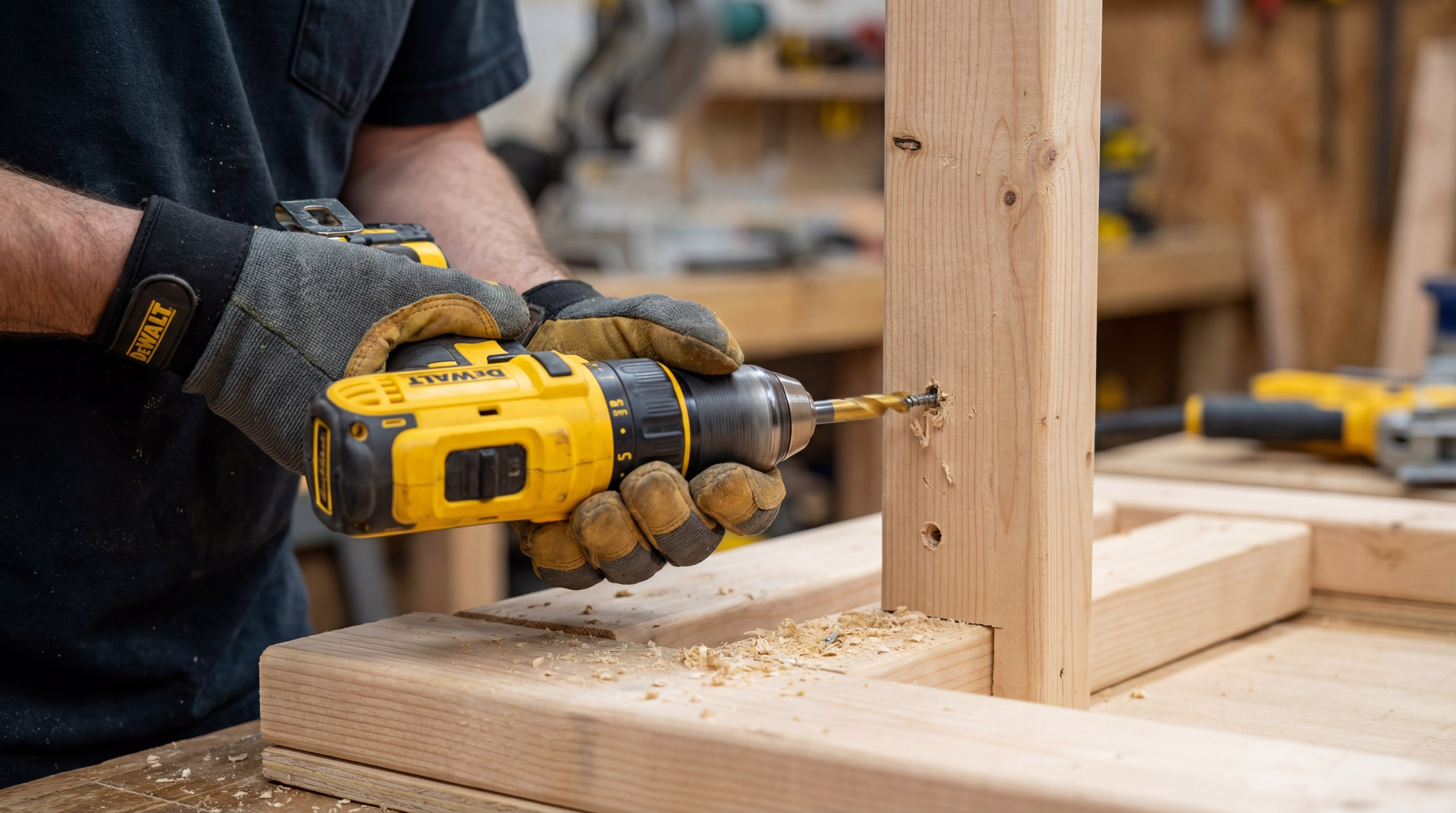
The Importance of Pilot Holes
You should never skip the process of drilling pilot holes when working with structural 2x4s. These holes should be roughly as wide as the core of the screw, allowing the threads to bite into the wood without forcing the fibers apart. This simple step prevents the wood from splitting, which is a common failure point in DIY builds.
But here’s the kicker: skipping pilot holes almost guarantees that your joints will loosen after just one season of weather exposure.
Secure Three-Point Fastening
Each leg should be secured with at least three long screws—two on the long side and one on the short side of the corner. This creates a multi-directional grip that resists the twisting forces applied when you are moving the shelter. It also provides a level of redundancy; if one screw fails, the others maintain the vertical alignment of the structure.
- Use a high-torque impact driver for better control.
- Ensure the leg is perfectly flush with the base frame before drilling.
- Space screws at least two inches apart to maintain wood strength.
- Countersink the screw heads slightly to prevent snagging on livestock.
Key Takeaway: Using a three-point fastening system with pilot holes ensures the legs remain vertically stable even when subjected to the stress of frequent pasture relocation.
| Fastener Type | Application | Benefit | |
|---|---|---|---|
| 3″ Galvanized Screw | Main Frame | Rust resistance and depth | |
| 1.5″ Short Screw | Roof/Walls | Prevents internal protrusion | |
| Structural Bolts | High-Load Joints | Maximum shear strength |
Analytical Sentence: Precision in the fastening phase determines whether a mobile structure remains a cohesive unit or degrades into a collection of loose joints under operational stress.
What Are the Most Efficient Dimensions for the Footprint?
The most efficient footprint for a small-scale mobile sheep shed is 4 feet by 4 feet, providing enough space for a ewe and her lamb while remaining easy to maneuver. This specific sizing, discussed in detail in our company overview , allows for maximum material efficiency, as standard plywood sheets come in 4×8 dimensions. By building to these specs, you minimize waste and reduce the overall weight of the unit without sacrificing the animal’s comfort during lambing season.
Maximizing Material Yield
You can build the entire structure with just six 8-foot boards and two sheets of plywood if you stick to the 4×4 footprint. This efficiency is vital for farmers looking to scale their operations without ballooning their material costs. Standardizing your dimensions also means that if you need to build ten units, your cutting list remains identical for every single one.
Believe it or not, an extra six inches of width can increase your material waste by nearly 20% due to off-cuts that cannot be used elsewhere.
Animal Comfort and Bonding
While it might seem small, the 4×4 footprint creates an intimate environment that is perfect for ewe-lamb bonding. During cold January or March nights, the animal’s own body heat can more effectively warm a smaller interior volume. This “micro-climate” is essential for the survival of newborns in the first 48 hours of life.
- 4×4 footprint fits two full-grown sheep comfortably.
- Low 3-foot height reduces wind resistance during transport.
- Compact size allows for transport in the bed of a standard pickup.
- Smaller volume is easier to keep dry with minimal bedding.
Key Takeaway: A 4×4 footprint is the “Goldilocks” zone for mobile shelters, offering the best balance of material economy, animal warmth, and ease of transport.
| Dimension | Measure | Purpose | |
|---|---|---|---|
| Base Width | 4 Feet | Material efficiency | |
| Base Length | 4 Feet | Maneuverability | |
| Interior Height | 3 Feet | Wind resistance |
Analytical Sentence: Standardizing to a 4×4 footprint leverages industrial material sizes to reduce waste while optimizing the thermal environment for livestock.
Can Other Small Livestock Use This Design?
Yes, this DIY mobile shelter is highly versatile and can be used for goats, calves, and even large poultry with minimal modifications to the sheep shed layout. Small livestock species share many of the same environmental requirements, such as protection from driving rain and the need for consistent airflow at the activity height. The open-front design allows animals to seek shade during the heat of the day, which is particularly important for goats who are sensitive to solar radiation.
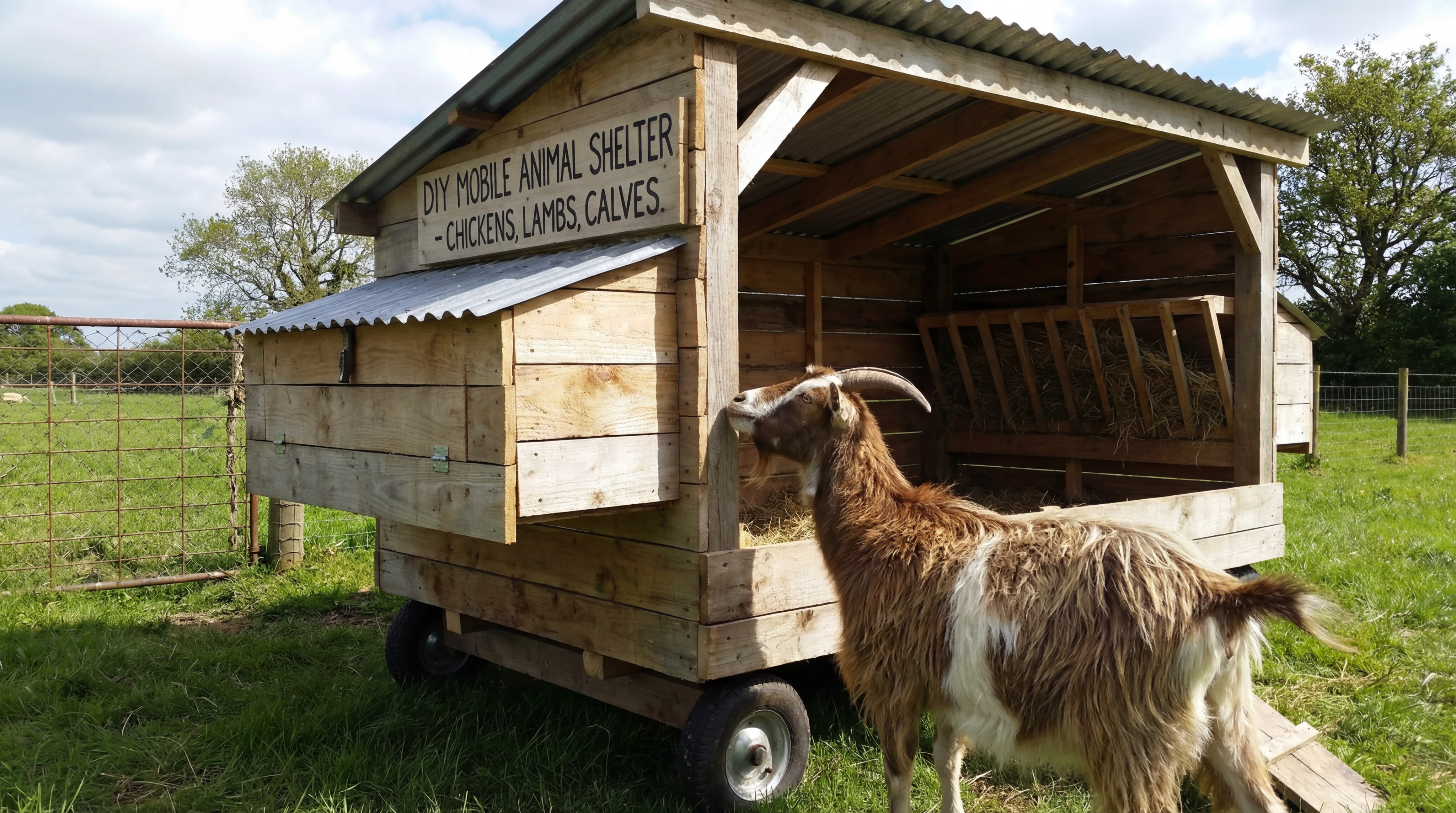
Species-Specific Modifications
You may need to adjust the wall heights or entry points depending on the species you are housing. For goats, adding a small “play” platform on the roof can satisfy their climbing instincts while doubling as a sunning spot. For calves, ensuring the frame is reinforced to handle their heavier weight during entry and exit is a critical safety consideration.
Let’s face it: sheep are generally calmer, while goats will put your craftsmanship to the ultimate test by jumping and rubbing against the walls.
Multi-Species Rotation Management
If you practice multi-species grazing, these mobile units can follow different groups of animals across your pasture. Using the same structure for different animals throughout the year maximizes your return on investment and ensures that no piece of equipment sits idle. The mobility of the unit prevents the “dead zones” in the grass that usually occur around permanent structures.
- Goats: Raise the ventilation gaps to avoid horn snags.
- Calves: Use 2×6 base rails for additional structural weight.
- Poultry: Add a removable floor and wire mesh to prevent predators.
- Lambs: Keep the entrance low to ensure easy access for newborns.
Key Takeaway: The universal design of the mobile shelter makes it a valuable asset for any multi-species farm, provided you reinforce the structure for heavier animals like calves.
| Species | Primary Benefit | Suggested Mod | |
|---|---|---|---|
| Sheep | Lambing protection | Deep straw bedding | |
| Goats | Shade / Windbreak | Roof reinforcement | |
| Calves | Disease prevention | Increased base weight |
Analytical Sentence: Adaptive design allows a single mobile asset to serve multiple livestock categories, significantly lowering the total cost of farm infrastructure.
Should You Add Wheels to Your Mobile Structure?
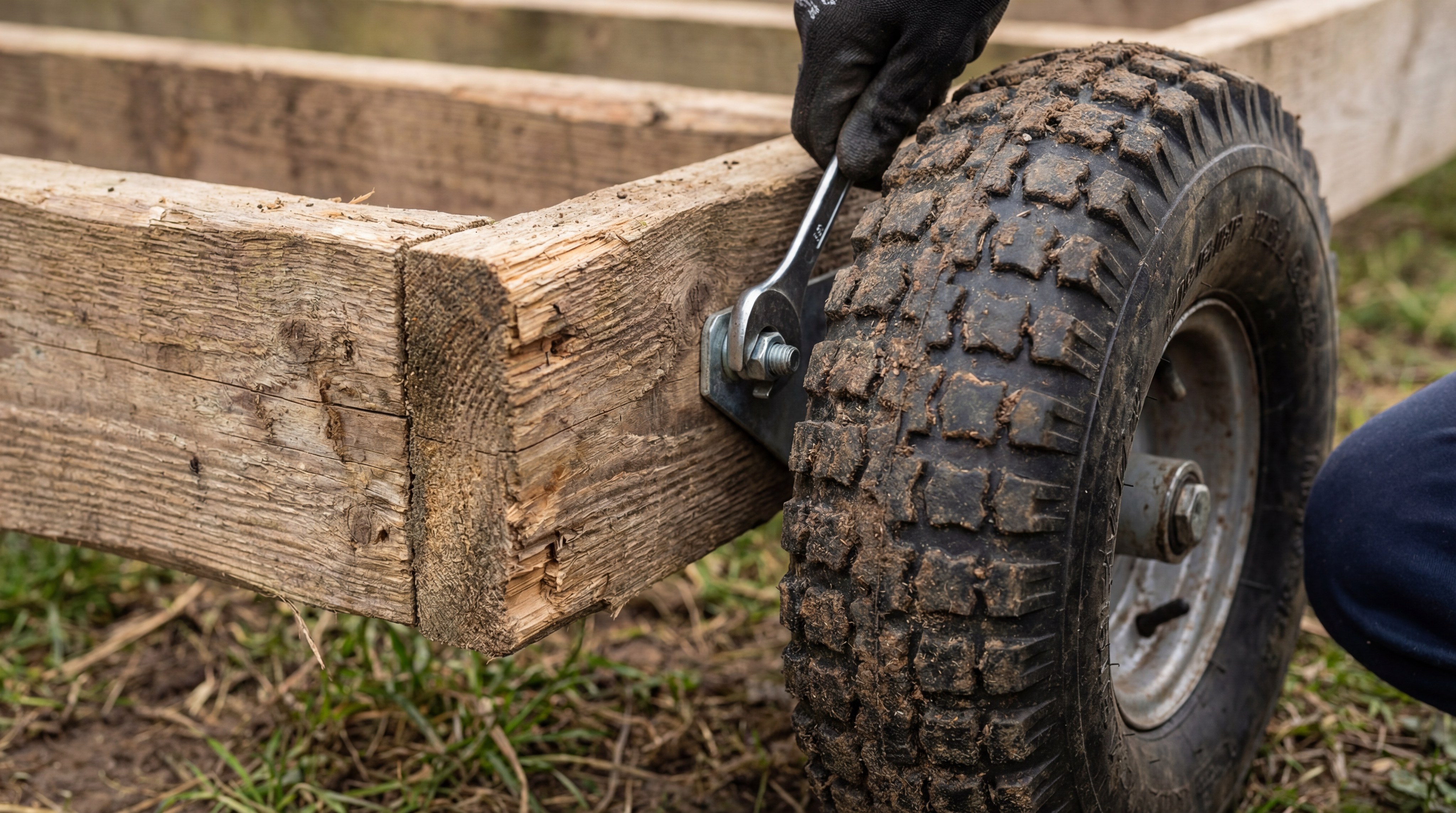
Adding wheels to your sheep shed is highly recommended if you plan on moving the unit daily by hand or over long distances across the pasture. While some operators prefer to slide the unit on 2×4 runners, a wheeled system—such as our proven case studies —significantly reduces the physical strain on the operator. High-quality pneumatic wheels can handle the uneven terrain of a typical paddock, allowing you to move the shelter with a single hand rather than needing a tractor or multiple people.
Pneumatic vs. Solid Wheels
You should always opt for pneumatic (air-filled) wheels over solid rubber versions for pasture use. Air-filled tires act as a shock absorber, preventing the wooden frame from being jolted apart as it travels over rocks and hummocks. They also provide a wider footprint, which prevents the wheels from sinking into soft, wet soil during the spring thaw.
Think of it as the difference between a mountain bike and a road bike; you need the extra “float” when the terrain gets messy.
Ease of Daily Management
If the move is difficult, you are less likely to do it as often as you should. By making the shelter easy to roll, you ensure that your sheep are always on clean ground, which is the primary defense against parasites and foot rot. A mobile unit on wheels can be repositioned in under sixty seconds, making it a seamless part of your morning chores.
- 10-inch pneumatic wheels are ideal for most farm terrain.
- Use a through-bolt axle for maximum load-bearing capacity.
- Position wheels at the rear for a “wheelbarrow” style lift.
- Add a handle to the front rail to improve ergonomics.
Key Takeaway: Installing pneumatic wheels transforms a heavy structure into an agile tool, ensuring that pasture rotation remains a quick and easy task.
| Wheel Type | Terrain | Weight Capacity | |
|---|---|---|---|
| Pneumatic | Rough / Soft | High (Shock absorbing) | |
| Solid Rubber | Hard / Flat | Medium (No flats) | |
| Skid Runners | Any | Variable (High friction) |
Analytical Sentence: The integration of high-flotation wheels is the most effective way to lower the operational friction of pasture-based livestock management.
What Is the Proper Way to Build the Base Frame?
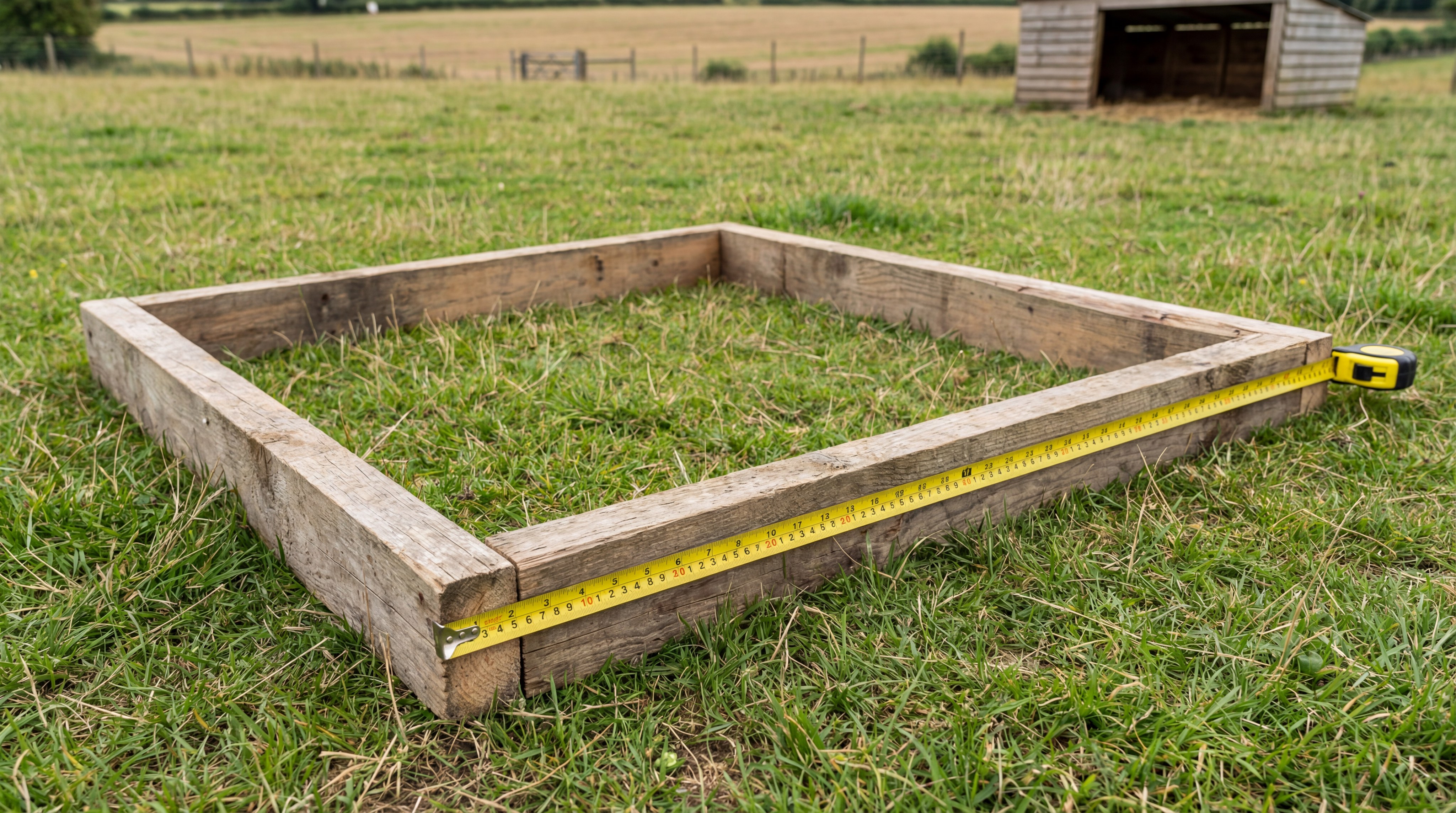
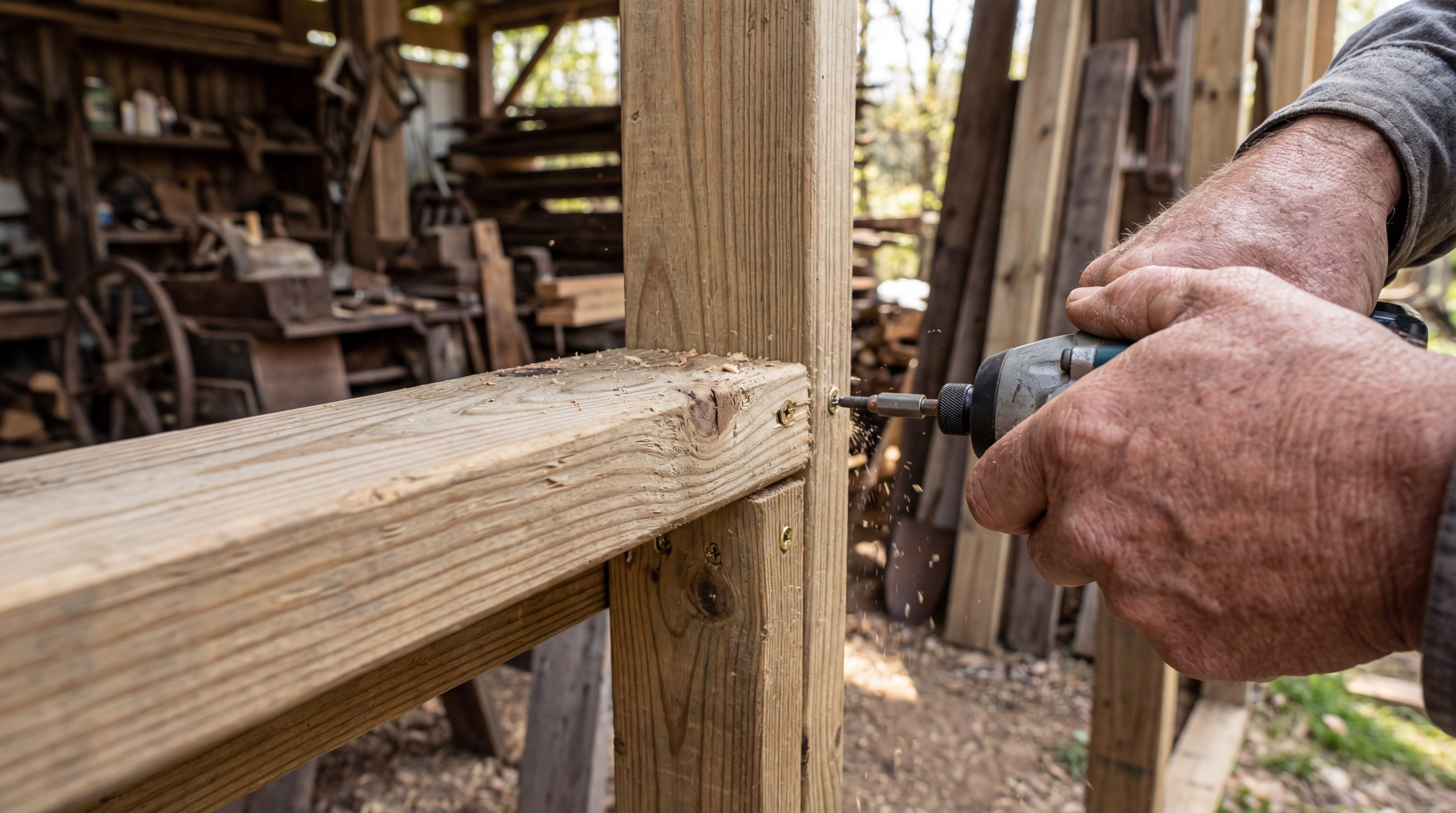
The proper way to build the base frame involves creating a “box-within-a-box” structure where the 3.8-foot inner boards are sandwiched between 4-foot outer boards. This configuration for your sheep shed ensures that the final dimensions are exactly 4×4 feet, matching the standard size of plywood sheeting. By building on a flat surface, you ensure the frame remains square, which is essential for the later installation of walls and the roof.
Achieving a Square Foundation
You must verify that your corners are at a perfect 90-degree angle before you sink your final screws. A simple way to do this is to measure the diagonals of the square; if both diagonal measurements are identical, your frame is square. A skewed base frame will cause the walls to be misaligned, creating gaps that let in drafts and rain.
It’s an old carpenter’s rule: measure twice, cut once, and check the square three times.
Inner vs. Outer Rail Alignment
By placing the shorter boards inside the longer ones, you protect the end grain of the inner boards from direct exposure to the elements. This orientation also provides a more robust surface for attaching the legs. When the frame is assembled this way, the weight of the roof and walls is distributed more evenly across the fasteners.
- Use a 4-foot level to ensure the work surface is flat.
- Clamp the boards together before drilling to prevent movement.
- Use two screws per corner to prevent the joint from pivoting.
- Apply a layer of wood glue for an unbreakable bond.
Key Takeaway: A square, well-aligned base frame is the foundation of the entire structure; precision here prevents alignment issues during the roofing phase.
| Component | Quantity | Length | |
|---|---|---|---|
| Outer Rail | 2 | 4.0 Feet | |
| Inner Rail | 2 | 3.8 Feet | |
| Leg Posts | 4 | 3.0 Feet |
Analytical Sentence: Structural integrity begins at the base frame, where precise geometry determines the long-term stability of the mobile unit.
Where Is the Best Location to Park Your Mobile Unit?
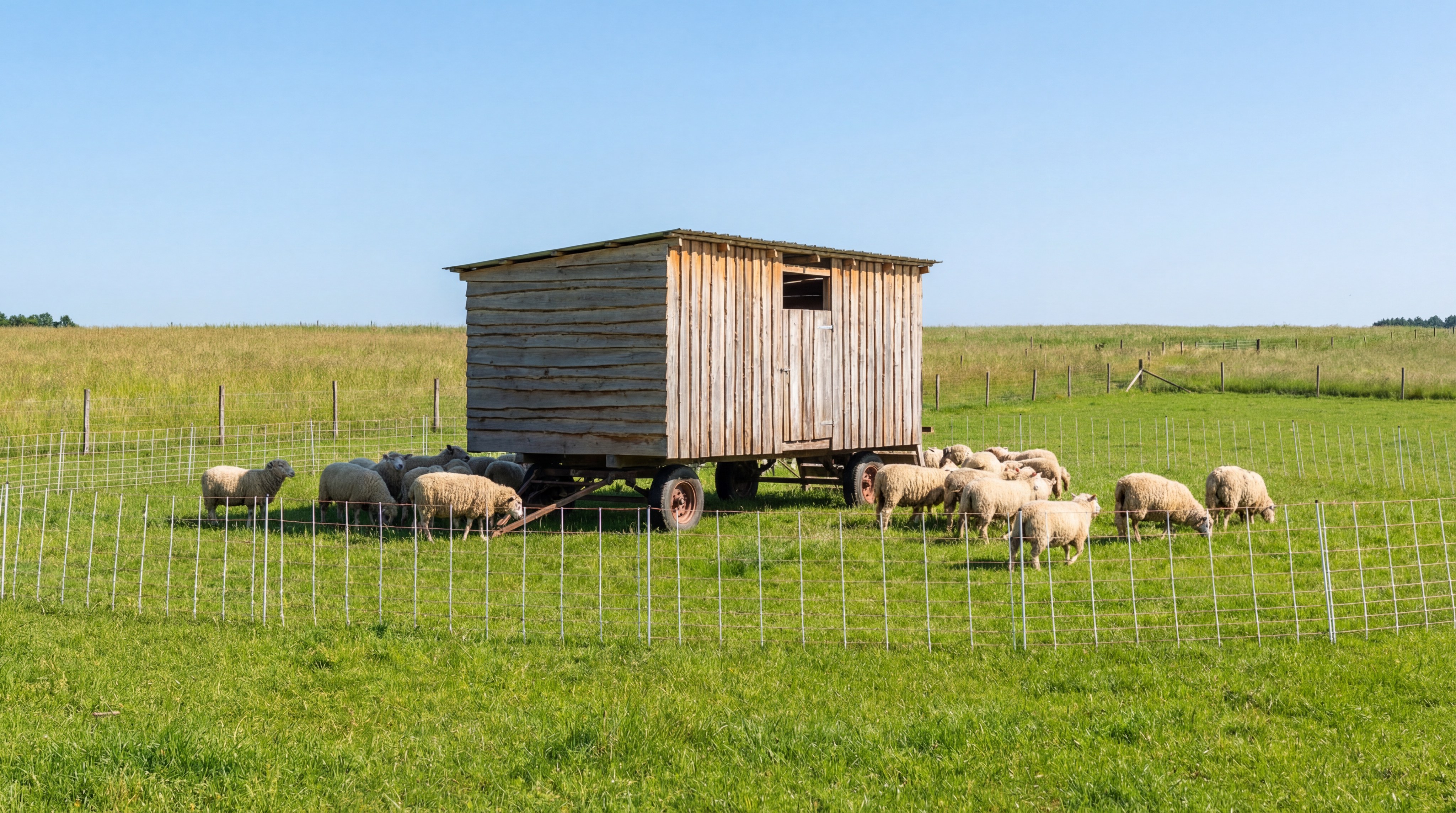
The best location to park your mobile sheep shed is on high, well-draining ground to prevent moisture from accumulating inside the bedding area. As we often discuss in our agricultural building blog , moisture management is the single most important factor in preventing livestock disease. Parking on a slight incline allows any driving rain to drain away from the entrance rather than pooling inside, which would otherwise require you to change the bedding daily.
Avoiding the “Broom Effect”
You should avoid parking the shelter in low spots or “hollows” where cold air and moisture naturally settle at night. These areas are breeding grounds for bacteria and can cause the temperature inside the shelter to drop significantly lower than the surrounding pasture. Always look for a spot that catches the early morning sun to help dry out any dew or condensation.
The truth is: a dry sheep is a healthy sheep, regardless of how cold the air temperature gets.
Orientation Relative to Wind
The open side of the shelter should always face away from the prevailing wind direction. This creates a pocket of still air inside the unit, allowing the animals to conserve body heat. In the summer, you can rotate the shelter to catch the breeze, providing much-needed cooling through natural cross-ventilation.
- Face the entrance South or Southeast in winter.
- Position on a ridge or knoll whenever possible.
- Avoid placing near standing water or muddy gate areas.
- Ensure the ground is level enough to prevent the unit from tipping.
Key Takeaway: Strategic placement on high ground with a wind-protected orientation significantly reduces animal stress and bedding maintenance.
| Environmental Factor | Desired Condition | Reason | |
|---|---|---|---|
| Elevation | High / Sloped | Drainage | |
| Orientation | Leeward | Wind protection | |
| Sun Exposure | Morning Sun | Moisture evaporation |
Analytical Sentence: Proactive site selection leverages natural topography to enhance the performance of passive livestock housing systems.
How Do You Secure the Roof for Maximum Weather Protection?
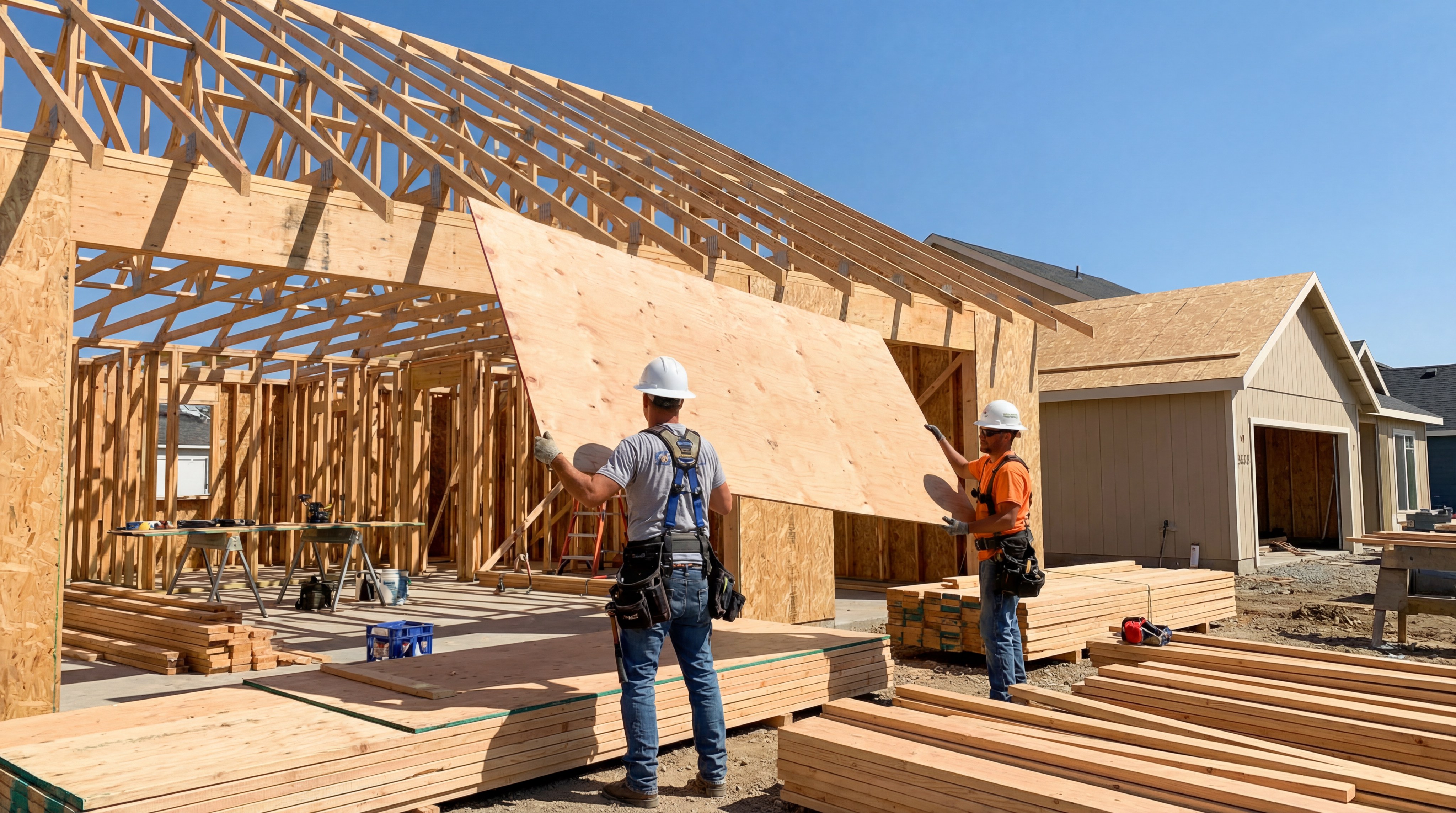
Securing the roof for your sheep shed involves attaching 4×4 plywood sheets with a slight overhang to shed water away from the wooden walls. This overhang acts as a natural gutter, preventing rainwater from running down the sides of the structure and soaking into the end grain of your wall boards. By using shorter 1.5-inch screws, you ensure that the fasteners don’t protrude into the interior space where they could injure the animals.
Creating the Drip Edge
You should extend the roof at least two inches past the walls on all sides to create a “drip edge.” This simple design feature significantly extends the life of your walls by keeping them dry during normal rain events. Without an overhang, the constant moisture will cause the plywood walls to delaminate and rot within a few seasons.
It sounds simple, but a two-inch overhang is the difference between a five-year shed and a fifteen-year shed.
Fastener Pattern and Spacing
You must space your screws every six inches along the perimeter of the roof to prevent the plywood from warping or lifting in high winds. Plywood is prone to “cupping” when exposed to cycles of sun and rain, so a dense fastening pattern is necessary to keep it flat against the frame. Always check that you are driving the screws into the center of the 2×4 rafters.
- Use exterior-rated wood glue on the rafter tops before sheeting.
- Avoid over-driving the screws; the heads should be flush with the wood.
- Consider adding a layer of roofing felt or tin for extra protection.
- Seal the edges of the plywood with a heavy coat of paint.
Key Takeaway: A roof with a proper drip edge and a tight fastener pattern is your first line of defense against structural water damage.
| Feature | Specification | Benefit | |
|---|---|---|---|
| Overhang | 2-4 Inches | Protects walls from rain | |
| Screw Spacing | 6 Inches | Prevents wind lift | |
| Material | 1/2″ Plywood | Balance of weight and strength |
Analytical Sentence: The roof is the most vulnerable component of a mobile shelter, requiring redundant fastening and moisture-shedding geometry.
What Steps Ensure the Wood Lasts for Decades?
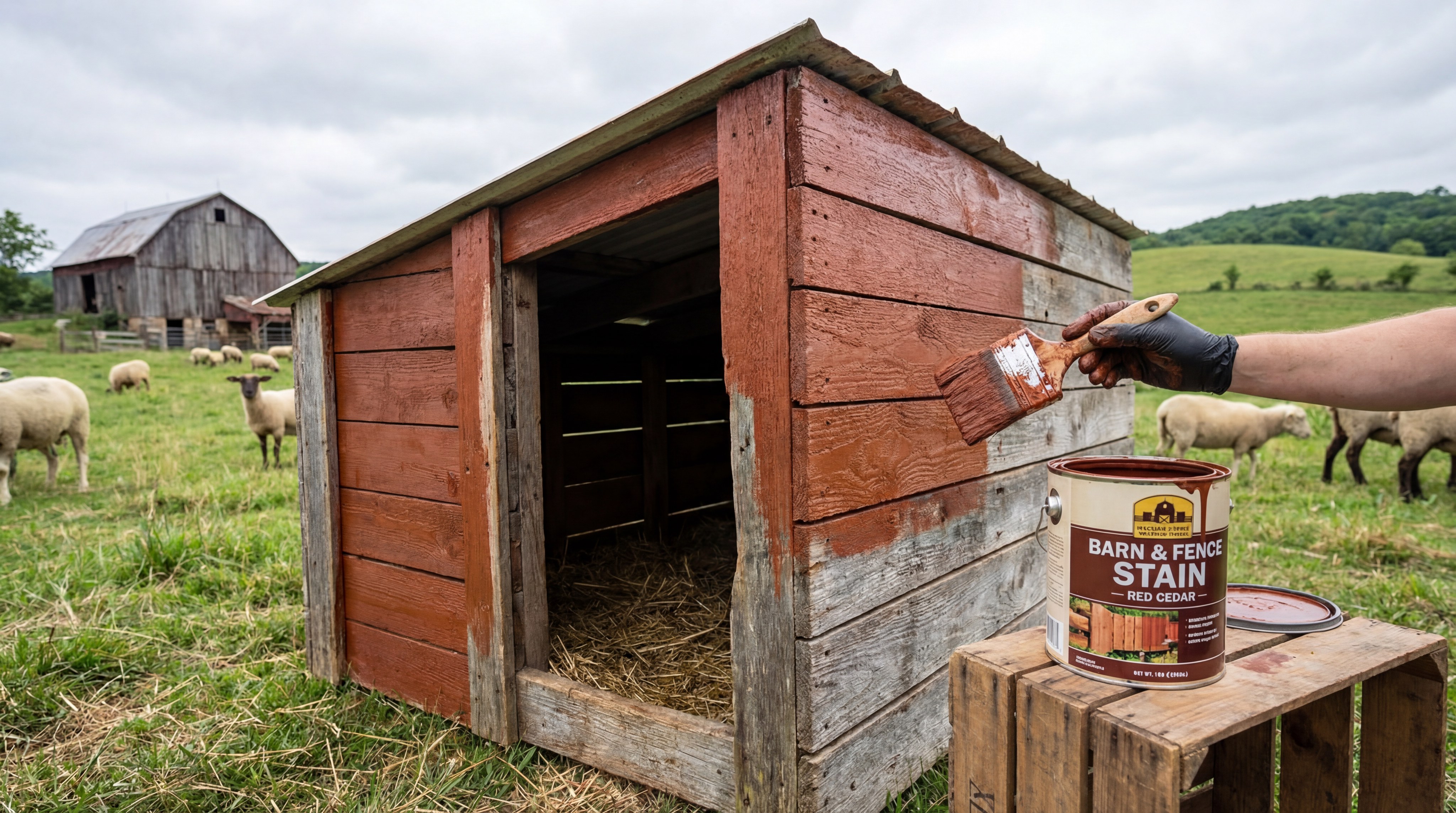
To ensure your sheep shed lasts for decades, you must apply a high-quality oil-based exterior paint or stain to all exposed wood surfaces. If you have questions about the best protective coatings for farm use, feel free to contact us for professional guidance. While the inside can remain unfinished to avoid exposing animals to fumes, the exterior needs a barrier against UV rays and moisture, which are the primary causes of wood degradation.
Selecting the Right Coating
You should choose a “breathable” stain or paint that allows moisture trapped inside the wood to evaporate while preventing liquid water from entering. Solid-color stains are excellent for DIY projects because they provide the UV protection of paint but are less likely to peel and flake over time. Redwood or cedar tones are popular choices that blend naturally into a farm environment.
Make no mistake: an unpainted wooden structure in the field is a ticking clock.
Protecting the End Grain
The most important areas to paint are the end grains of the boards, which act like straws that suck up moisture. You should apply at least two or three coats to these ends until they no longer absorb the liquid. This prevents the “wicking” effect that leads to internal rot even when the surface of the board looks healthy.
- Sand rough edges before painting to ensure a smooth bond.
- Apply the first coat as a primer for better adhesion.
- Pay extra attention to joints and screw holes.
- Re-coat every 3-5 years depending on your local climate.
Key Takeaway: A thorough exterior finish, focusing heavily on end-grain sealing, is the most cost-effective way to double the lifespan of your mobile shelter.
| Coating Type | UV Protection | Moisture Resistance | Maintenance | |
|---|---|---|---|---|
| Exterior Paint | High | High | High (Peeling) | |
| Oil-Based Stain | Medium | High | Low (Fading) | |
| Clear Sealer | Low | Medium | High |
Analytical Sentence: Chemical protection through painting is the necessary companion to physical protection through structural design.
Is Ventilation More Important Than Insulation in This Design?
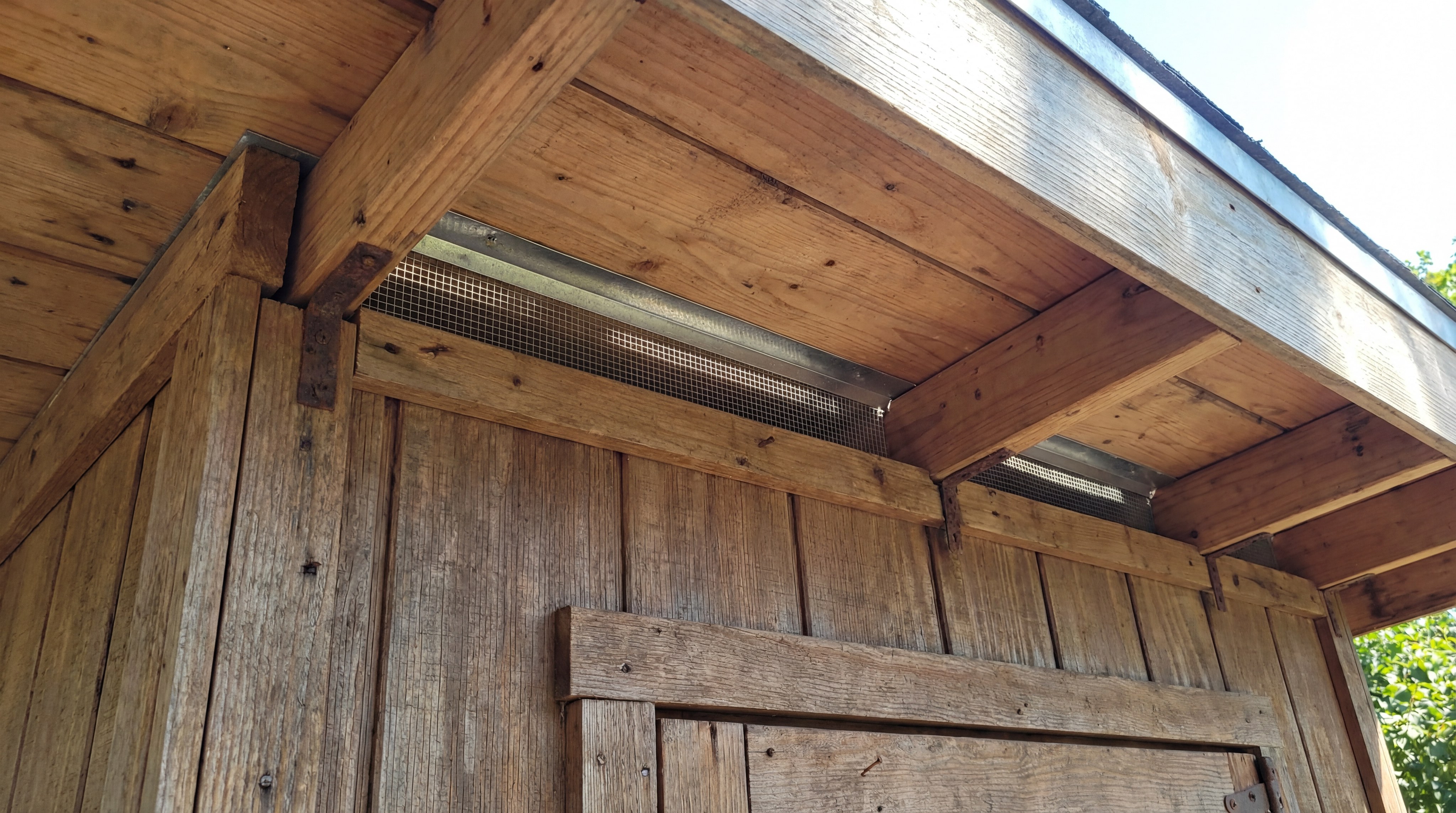
In a sheep shed, ventilation is significantly more important than insulation because sheep are naturally insulated by their wool but are highly sensitive to respiratory issues caused by stagnant air. Providing a small gap at the top of the walls allows warm, moist air to escape while fresh air enters at the livestock’s activity height. This passive airflow system prevents the buildup of ammonia from fecal decay, which is the leading cause of pneumonia in young lambs.
The Danger of Ammonia Buildup
You must understand that ammonia is heavier than air and will concentrate exactly where your lambs are sleeping. Without a ventilation gap, the air becomes saturated with moisture from the animals’ breath and waste, leading to damp bedding. Damp conditions combined with poor air quality create a “perfect storm” for bacterial growth and respiratory infection.
The reality is: you can’t see ammonia, but your flock’s lungs feel it every second they are inside.
Designing for Passive Airflow
Your design should include a 2-to-3-inch gap between the top of the walls and the roofline. This “eave vent” utilizes the stack effect, where warm air naturally rises and pulls fresh air in through the open front of the shelter. This happens automatically without the need for fans or mechanical systems, making it a zero-cost operational benefit.
- Keep ventilation gaps above the animals’ head height to avoid drafts.
- Use 1/4-inch hardware cloth to cover gaps if predators are a concern.
- Ensure the gap is protected by the roof overhang to prevent rain entry.
- Monitor for condensation on the ceiling; if it’s wet, you need more airflow.
Key Takeaway: Prioritizing high-level ventilation over insulation ensures a dry, ammonia-free environment that is critical for long-term respiratory health.
| Ventilation Feature | Location | Benefit | |
|---|---|---|---|
| Eave Gap | Roofline | Stack effect / Moisture exit | |
| Open Front | Entrance | Primary intake | |
| Floor Clearance | Base | Lower-level air exchange |
Analytical Sentence: Managing the micro-climate through passive ventilation is the most effective biological safeguard in mobile livestock housing.
FAQ
Can I use recycled pallets to build my sheep shed?It depends on the quality of the pallet, but generally, pallets are made of untreated, low-grade wood that will rot within one or two seasons. You should invest in pressure-treated lumber for the frame to ensure structural safety.
What’s the best way to anchor the shelter against high winds?You should use screw-in earth anchors and heavy-duty straps if you expect storms. Because the unit is mobile and lightweight, it can be flipped easily if not secured during extreme weather events.
How do I know if my shelter has enough ventilation?You should never smell ammonia when you lean into the shelter; if you do, the ventilation is insufficient. A lack of condensation on the underside of the roof is another sign that air is moving effectively.
Can I add a floor to the mobile sheep shed?No, adding a floor is generally a bad idea for mobile units because it traps moisture and waste, making it impossible to keep the environment clean. Moving the structure onto fresh grass is a superior management strategy.
How often should I move the mobile unit?You should move the shelter every 1 to 3 days depending on the size of your flock and the condition of the ground. Daily movement is the best practice for preventing the buildup of parasites and ensuring the pasture remains healthy.
Practical Recommendations for Success
Building a DIY mobile sheep shelter is a transformative step for any small farm, solving the persistent problems of high infrastructure costs and livestock health risks. By moving your flock to clean ground daily, you emulate a natural rotational grazing system that minimizes disease and maximizes pasture health. We at Showhoo are dedicated to providing the engineered solutions and structural expertise needed to help your farm thrive. Our commitment to factory-direct pricing and high-quality steel structures ensures that whether you are building a small DIY unit or a large-scale commercial facility, you have the support of global industry leaders. If you are ready to upgrade your farm’s infrastructure and protect your livestock investment, contact us today for a custom solution tailored to your specific needs.