
To build a commercial chicken barn, you must execute a three-phase strategy: comprehensive site planning, precision structural engineering, and the integration of automated climate and feeding systems. Navigating the complexities of agricultural construction can be a daunting task for many operators. A single oversight in ventilation design or a failure in biosecurity layout can lead to devastating flock losses and wasted capital. This guide provides the professional blueprint you need to transform your vision into a high-performance chicken farm building that maximizes bird health and operational ROI.
1. What defines a modern chicken farm building?
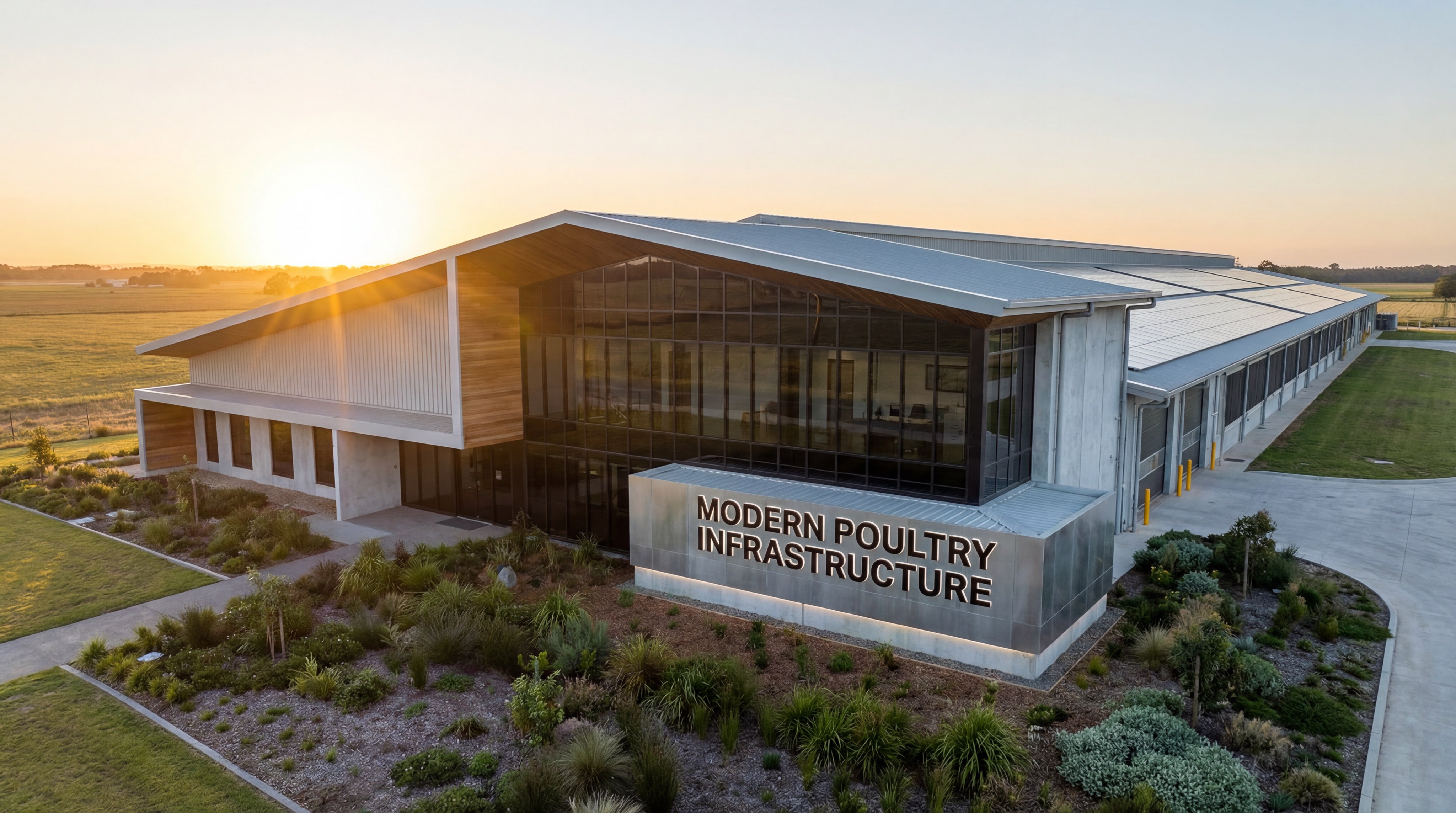
A modern poultry facility is defined by its ability to provide a strictly controlled, biosecure, and automated environment that facilitates optimal bird growth. To succeed, your chicken farm building must act as a precise biological shield against external weather and pathogens.
Are you maximizing poultry production efficiency?
Production efficiency relies on a building that manages itself so you can focus on the business of farming.
Here is the kicker:
- Automated climate controls reduce manual labor.
- Precision feeding systems minimize waste.
- Biosecure entry points protect your investment.
When your infrastructure works in harmony, your feed conversion ratios improve significantly. This means you spend less on inputs while seeing higher yields at the end of each cycle.
What are the primary design priorities?
The primary priorities for any agricultural structure are structural longevity and ease of sanitation.
Think about it this way:
- Materials must resist corrosive ammonia.
- Layouts must facilitate rapid cleaning.
- Fans must move air without dead spots.
A facility that is hard to clean is a facility that invites disease. You need to prioritize smooth interior surfaces and efficient drainage to maintain high health standards.
Key Takeaway: A well-designed facility reduces long-term operational costs by automating environmental variables and simplifying daily maintenance tasks.
| Feature | Primary Benefit | Operational Impact | |
|---|---|---|---|
| Climate Control | Consistent Temperature | Improved Feed Conversion | |
| Automation | Lower Labor Costs | Scalable Operations | |
| Biosecurity | Disease Prevention | Lower Mortality Rates |
The definition of modern poultry success is found in the intersection of industrial engineering and biological science.
2. How to choose your chicken farm building type?
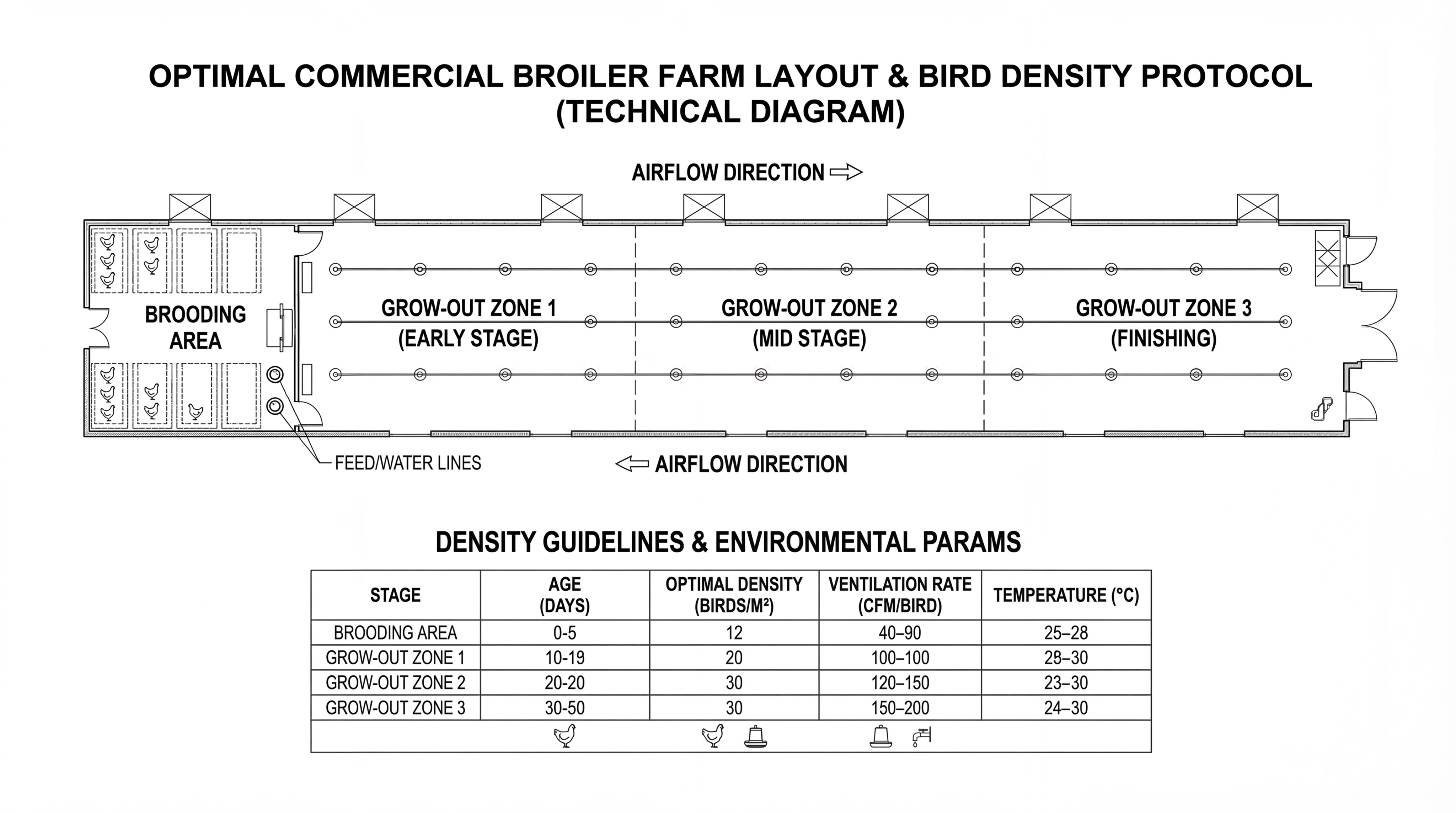
Choosing the right type of facility depends entirely on whether you are raising broilers for meat, layers for eggs, or breeders for the next generation. Selecting the correct chicken farm building configuration ensures your infrastructure supports the specific biological needs of your flock.
Will you house broilers, layers, or breeders?
The requirements for a broiler house differ vastly from those of a layer facility due to the movement patterns of the birds.
It gets better:
- Broilers need wide, open floor spaces.
- Layers require tiered nesting and egg collection.
- Breeders need specialized mating and nesting zones.
Identifying your niche early allows you to design the ceiling height and floor reinforcement accordingly. You don’t want to find out later that your equipment doesn’t fit the structural span.
How does bird density affect structure size?
Bird density is the metric that determines your building’s total footprint and ventilation requirements.
But that’s not all:
- Standard densities require specific air exchange rates.
- Overcrowding leads to heat stress and mortality.
- Larger barns require more structural support columns.
You must calculate the square footage based on the maximum weight the birds will reach before harvest. Building too small restricts your growth, while building too large increases heating and cooling costs.
Key Takeaway: Matching your building type to your specific poultry sector prevents expensive retrofitting and ensures the environment is optimized for your birds’ natural behaviors.
| Bird Type | Essential Equipment | Space Requirement | |
|---|---|---|---|
| Broilers | Open floor feeders | High density / low height | |
| Layers | Automated egg belts | Medium density / multi-tier | |
| Breeders | Nesting boxes | Low density / specialized zones |
Choosing the right structure type is the first step toward long-term profitability and manageable daily operations.
3. Where should you site a chicken farm building?
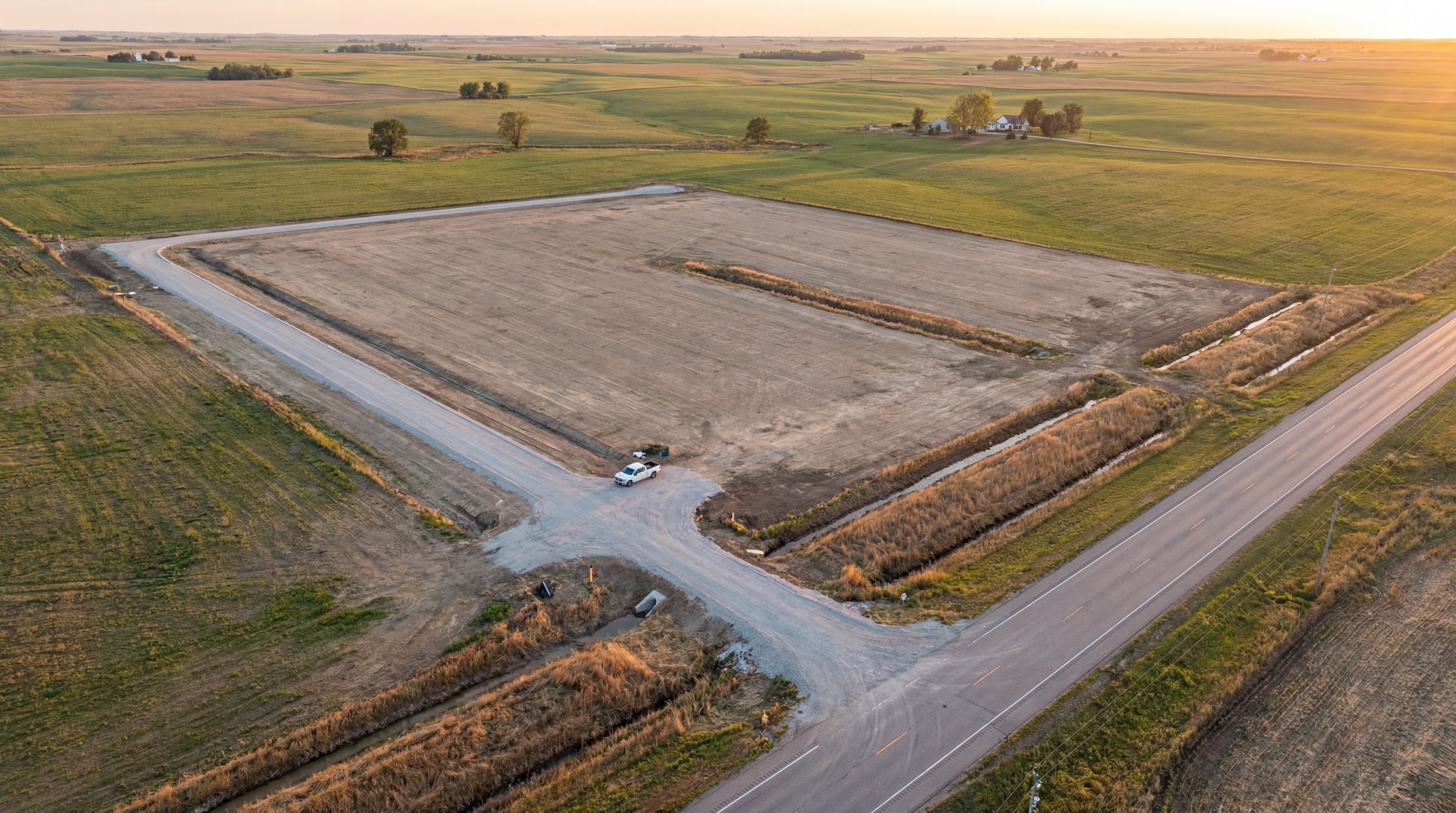
Siting a poultry barn requires a location that offers excellent drainage, reliable utility access, and significant distance from other livestock operations. Your chicken farm building should be placed on high ground to prevent water runoff from compromising the foundation or the health of the birds.
Do local zoning regulations impact your site?
Zoning and environmental regulations are often the biggest hurdles in agricultural construction projects.
The truth is:
- Setback requirements dictate distance from roads.
- Environmental permits manage waste disposal.
- Neighboring land use affects your permits.
Checking these regulations before you purchase land saves you from investing in a site where you cannot legally build. You must ensure your plan aligns with local noise and odor ordinances.
How does terrain influence drainage and access?
The topography of your site directly impacts your construction costs and the longevity of the structure.
Here is the secret:
- Sloped land requires expensive grading.
- Sandy soil provides better natural drainage.
- Heavy clay may require specialized foundations.
You also need to consider heavy truck access for feed delivery and bird transport. A site that becomes a mud pit in the rain will halt your operations and increase your stress.
Key Takeaway: Proper site selection reduces construction costs and protects your flock from environmental hazards like flooding and disease transmission from nearby farms.
| Site Factor | Requirement | Importance | |
|---|---|---|---|
| Drainage | High-ground positioning | Prevents moisture/disease | |
| Access | All-weather roads | Facilitates logistics | |
| Distance | Isolation from other farms | Enhances biosecurity |
A perfect site provides a stable foundation and a natural buffer against external threats to your poultry business.
4. How to optimize a chicken farm building layout?
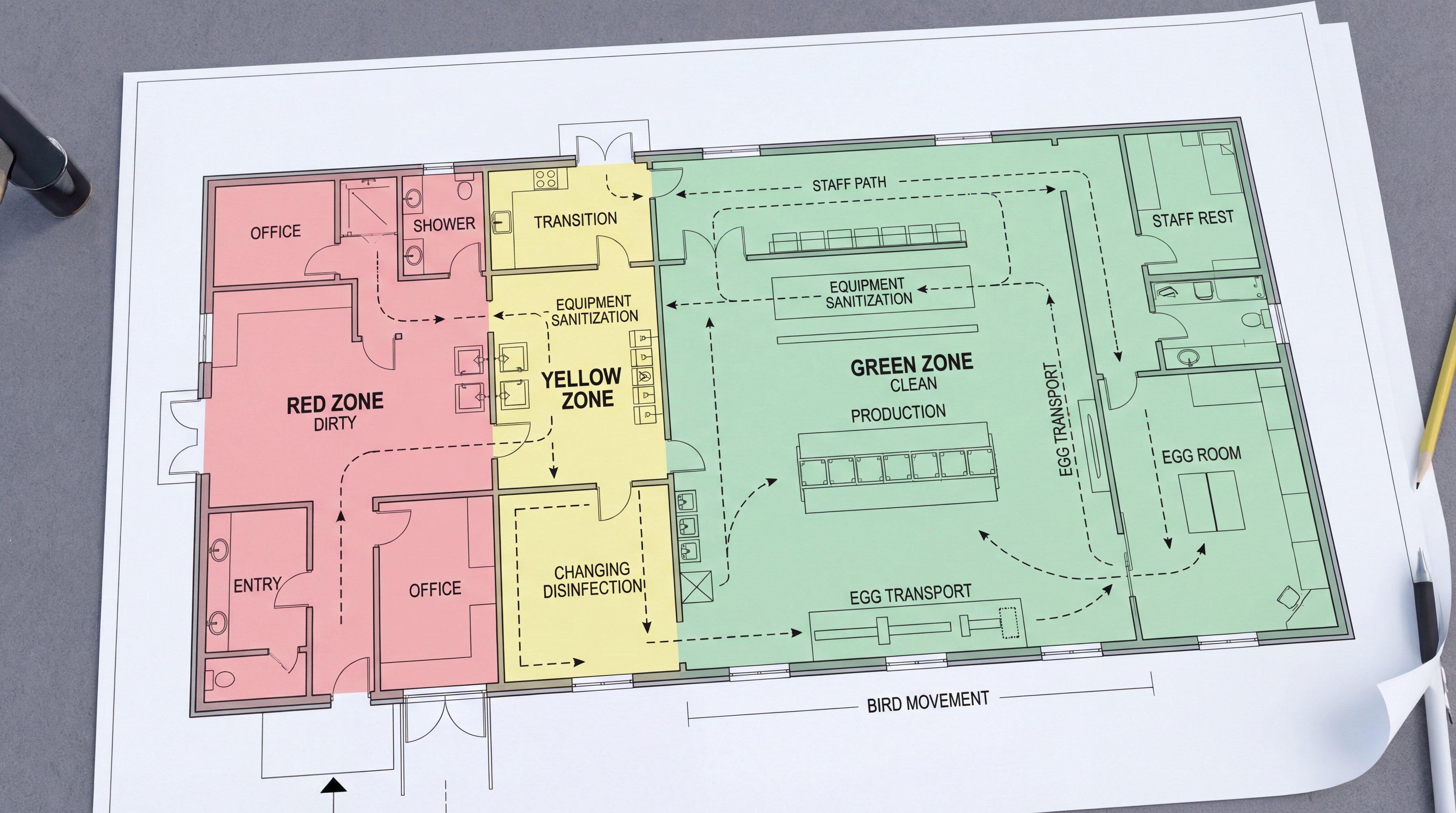
Optimizing your layout involves creating a flow that separates clean areas from dirty zones to prevent the spread of pathogens. When planning your chicken farm building , you should prioritize a linear workflow that minimizes the movement of staff and equipment between houses.
Can you streamline workflow and biosecurity?
A biosecure layout is your first line of defense against the catastrophic losses caused by avian influenza or other diseases.
Look at it this way:
- Dedicated shower-in/shower-out areas for staff.
- Separate feed delivery paths from waste removal.
- Centralized management offices for monitoring.
By controlling the “traffic” on your farm, you reduce the risk of cross-contamination. This structural discipline is what separates professional operations from amateur setups.
What role does future scalability play?
A good layout doesn’t just work for today; it accounts for the growth you expect in five to ten years.
Consider these points:
- Leave space for additional barns.
- Size your utility lines for higher capacity.
- Ensure road layouts support more truck traffic.
Building yourself into a corner is a common mistake that limits your future revenue. Plan your current structure as phase one of a larger, long-term master plan.
Key Takeaway: A professional layout improves daily labor efficiency and provides a structural framework that protects your flock from disease while allowing for future growth.
| Layout Zone | Function | Biosecurity Level | |
|---|---|---|---|
| Production Area | Bird housing and feeding | High (Restricted) | |
| Service Room | Utility and control access | Medium (Staff only) | |
| Loading Dock | Transport and delivery | Low (External) |
Strategic layout planning is the difference between a farm that is easy to manage and one that is a constant struggle.
5. What groundwork starts a chicken farm building?
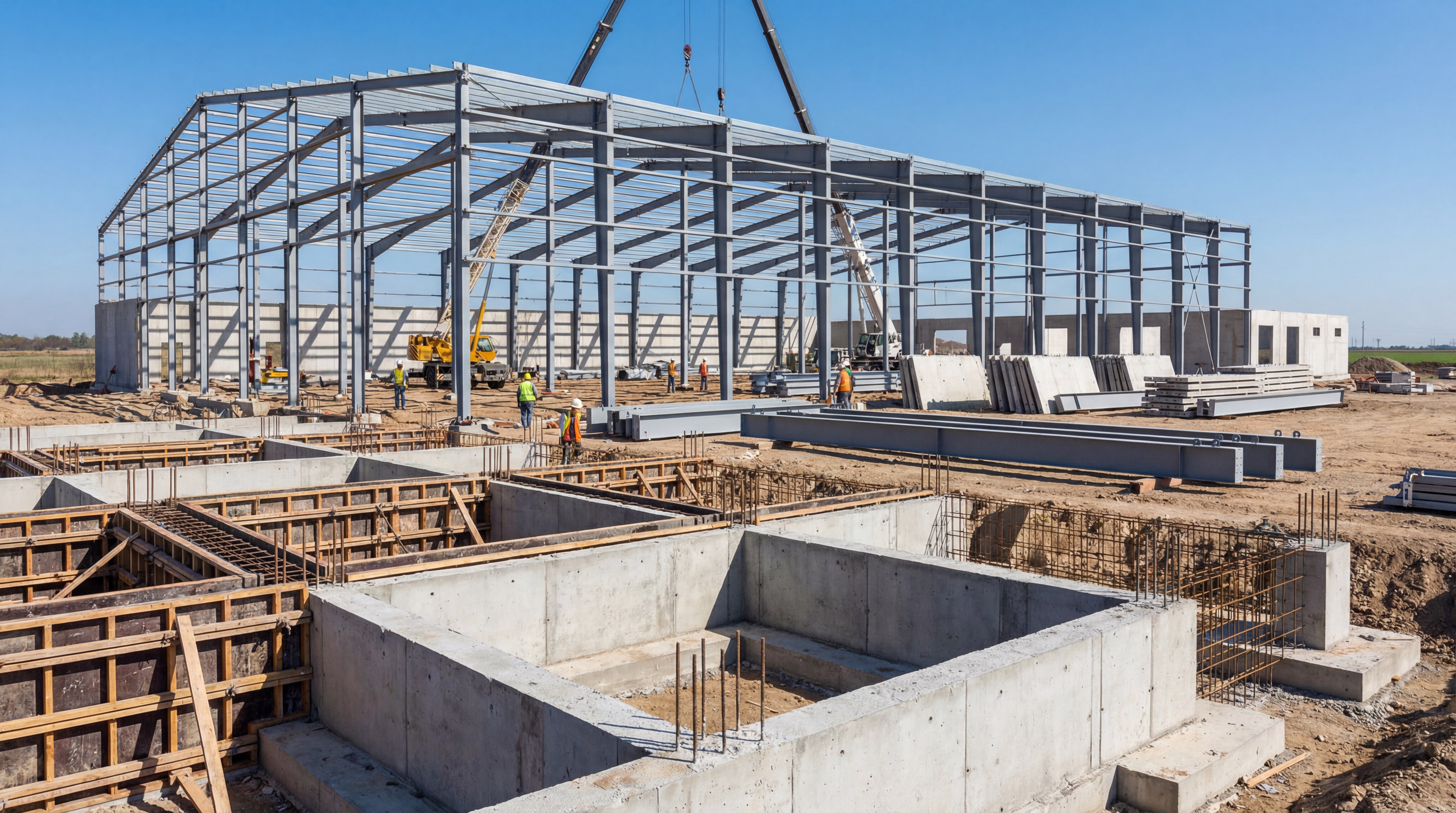
Groundwork for a poultry facility starts with a reinforced concrete foundation designed to support the massive weight of steel frames and automated equipment. Your chicken farm building needs a level, solid base that prevents the structure from settling or cracking under the stress of heavy cleaning machinery.
Is your foundation built for extreme weather?
In many regions, the foundation must be designed to withstand frost heaving and soil expansion during seasonal shifts.
Here is the kicker:
- Reinforced footings prevent structural shifting.
- Vapor barriers stop ground moisture from rising.
- Curb walls protect the siding from manure contact.
If your foundation fails, your entire investment is at risk. Spending more on quality concrete and reinforcement now prevents devastating structural issues ten years down the line.
Which framing materials ensure structural integrity?
While wood is traditional, steel framing has become the gold standard for commercial poultry construction due to its durability.
But that’s not all:
- Steel doesn’t warp or rot like wood.
- Clear-span designs eliminate interior poles.
- Metal frames are easier to disinfect.
A clear-span design allows you to move cleaning equipment freely inside the barn. This reduces the time and labor required to prepare the house for the next flock of birds.
Key Takeaway: A robust foundation and steel frame provide the structural “skeleton” needed to support heavy automation systems and resist the corrosive agricultural environment.
| Component | Material | Benefit | |
|---|---|---|---|
| Footings | Reinforced Concrete | Prevents settling | |
| Floor Slab | High-PSI Concrete | Supports heavy machinery | |
| Frame | Galvanized Steel | Pest and rot resistant |
The strength of your barn is only as good as the ground it stands on and the frame that holds it up.
6. How is the chicken farm building frame raised?
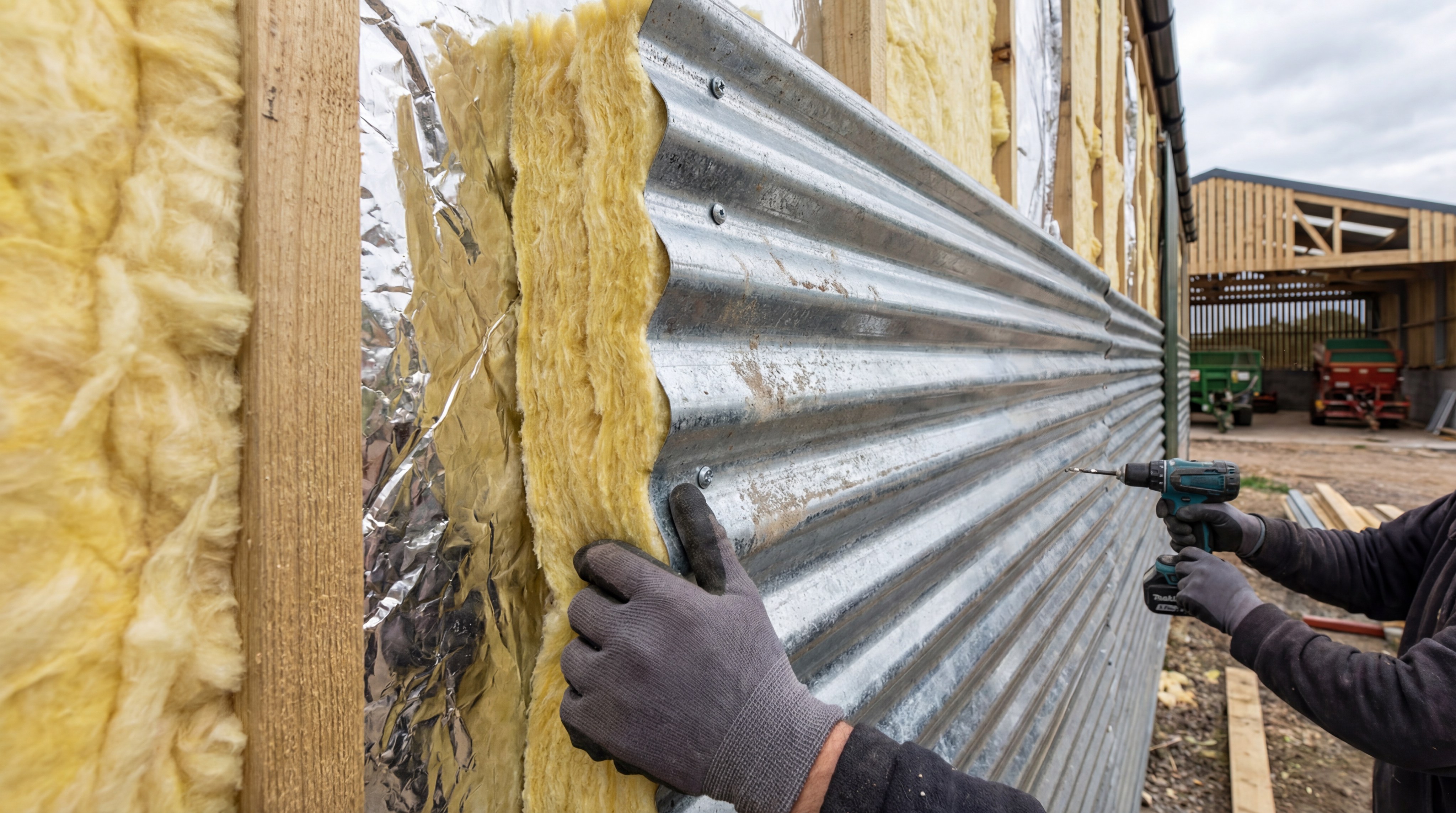
Raising the frame involves assembling pre-engineered steel components and installing high-performance insulation to create a thermal envelope. When you erect a chicken farm building , you must ensure the shell is completely airtight to allow the ventilation system to work efficiently.
How do you build for climate resilience?
Climate resilience means your barn can maintain a steady internal temperature regardless of whether it is freezing or scorching outside.
Think about it this way:
- Insulated sandwich panels provide a thermal break.
- Reflective roofing reduces solar heat gain.
- Tight seals prevent energy-wasting air leaks.
Energy is your highest variable cost. A building that “leaks” heat in the winter or lets in sun in the summer will drain your bank account through utility bills.
Why use environmentally friendly materials?
Using sustainable and durable materials isn’t just about being green; it’s about reducing the total cost of ownership.
It gets better:
- Recyclable steel has a high resale value.
- Long-lasting siding reduces replacement waste.
- Efficient insulation lowers your carbon footprint.
Choosing materials that are easy to clean and maintain also reduces the amount of chemicals and water needed for disinfection. This creates a healthier environment for both the birds and the farm workers.
Key Takeaway: High-quality framing and insulation create a controlled environment that protects birds from extreme weather while drastically reducing your monthly energy expenditures.
| Structural Step | Focus Area | ROI Impact | |
|---|---|---|---|
| Frame Assembly | Structural Precision | Longevity and safety | |
| Insulation | Thermal Resistance | Lower energy bills | |
| Sealing | Airtightness | Better ventilation control |
Raising the frame correctly sets the stage for the high-tech systems that will eventually run the entire farm.
7. Which systems run a chicken farm building?
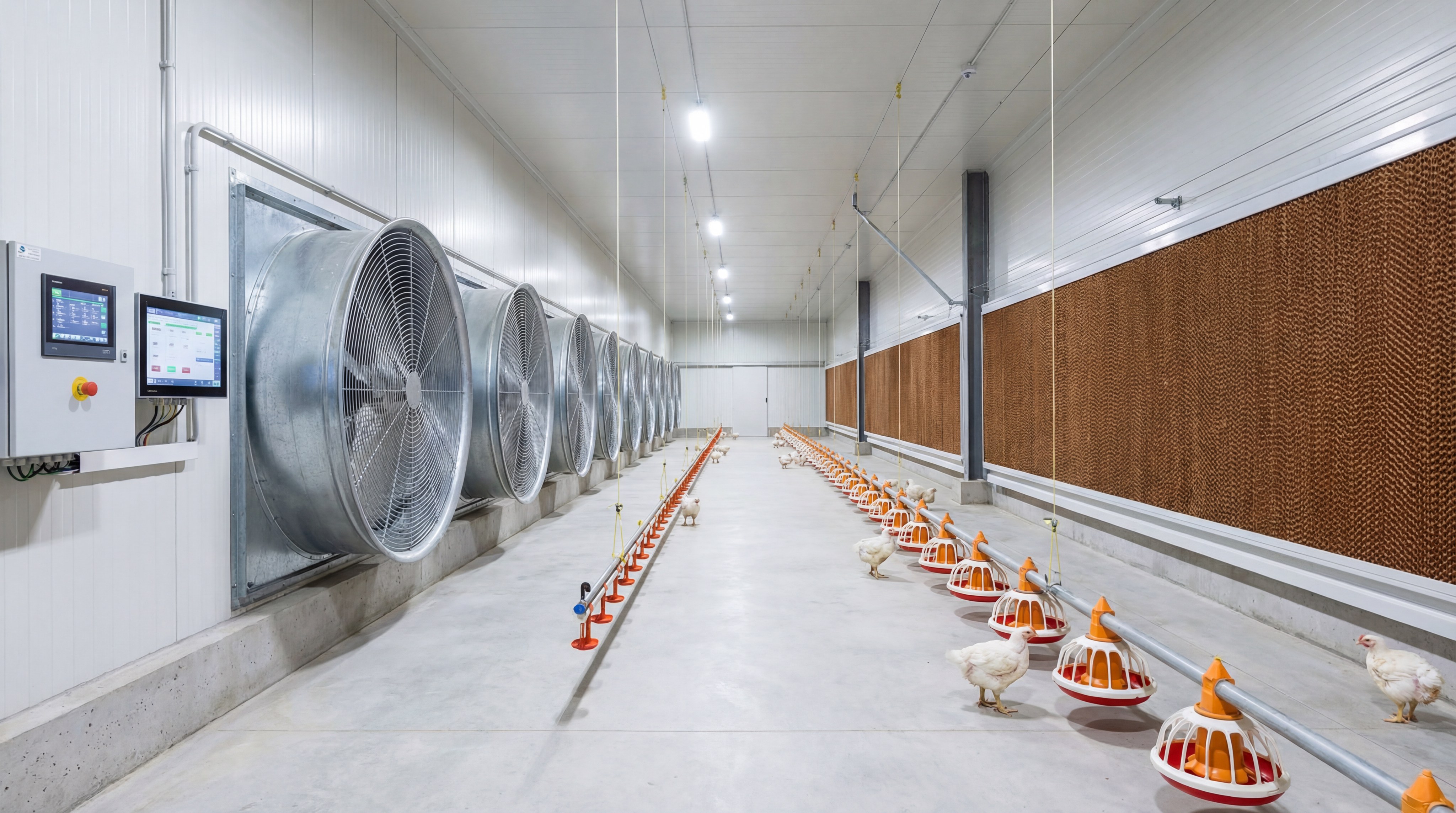
The systems that run a poultry barn include automated ventilation, evaporative cooling, and sensor-driven feeding and watering lines. In a modern chicken farm building, these systems are connected to a central controller that adjusts conditions in real-time based on the birds’ age and behavior.
Is your ventilation system providing fresh air?
Ventilation is the most critical life-support system in a poultry barn, as it removes heat, moisture, and toxic ammonia gas.
Here is the kicker:
- Tunnel ventilation creates a cooling wind-chill.
- Evaporative pads lower incoming air temperature.
- Inlets provide fresh air during cold weather.
Without proper air exchange, birds will suffer from respiratory issues and heat stress. You need a system that can move the entire volume of air in the barn in under one minute if necessary.
How do you automate feeding and watering?
Automation takes the guesswork out of nutrition and ensures every bird has equal access to resources.
But that’s not all:
- Auger systems deliver feed to every pan.
- Nipple drinkers provide clean water on demand.
- Weight scales track bird growth automatically.
When feeding is automated, you reduce waste and ensure that the most dominant birds don’t crowd out the smaller ones. This leads to a more uniform flock and predictable harvest weights.
Key Takeaway: Integrated mechanical systems are the “heart” of the barn, ensuring that the biological needs of the birds are met 24/7 with minimal human intervention.
| System | Critical Component | Primary Goal | |
|---|---|---|---|
| Ventilation | Exhaust Fans | Temperature/Gas control | |
| Feeding | Line Sensors | Constant nutrient access | |
| Monitoring | Central Controller | Data-driven management |
Automating your systems allows you to scale your operation without needing to hire an army of manual laborers.
8. Which materials suit a chicken farm building?
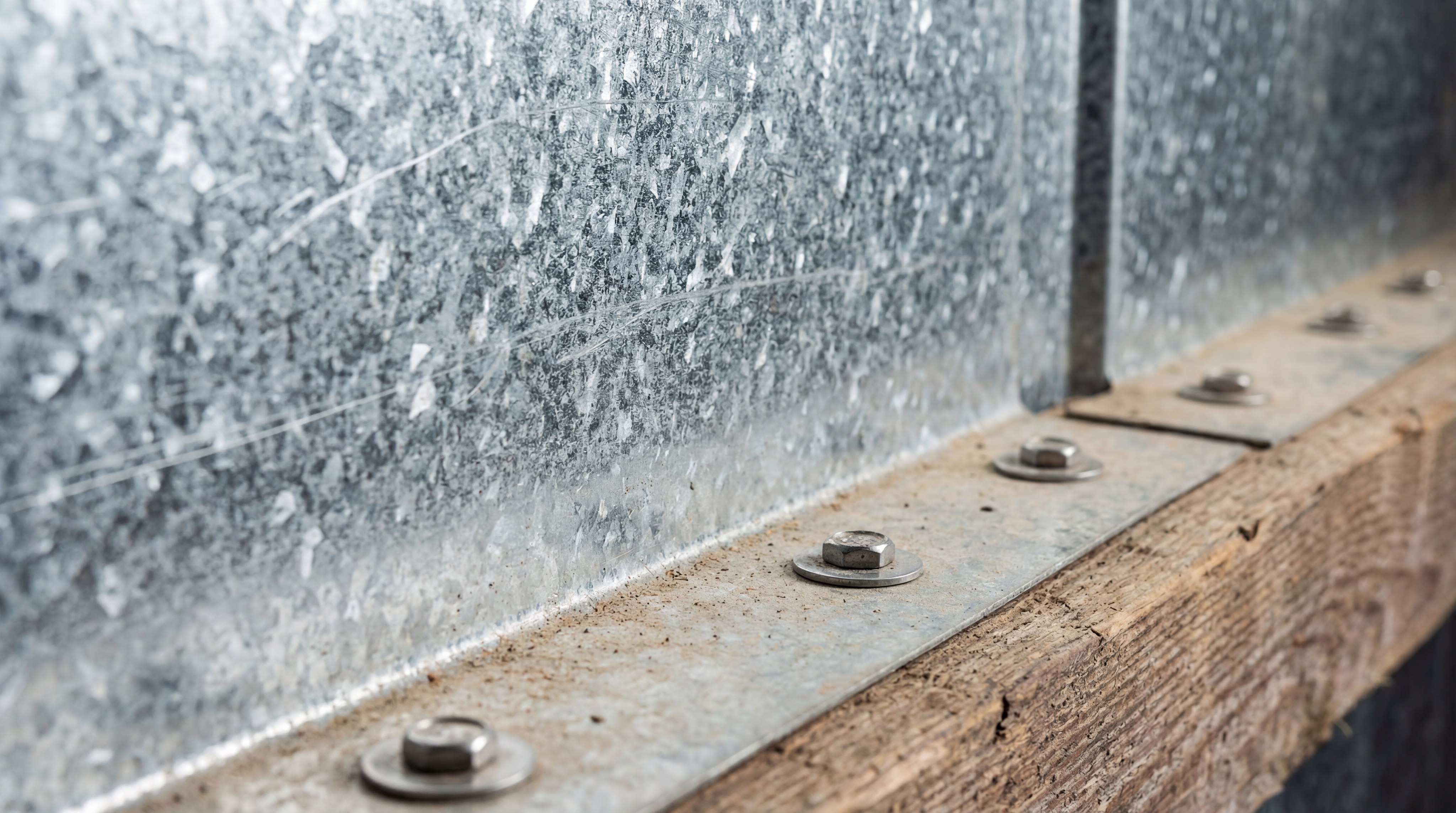
Materials for a poultry barn must be chosen for their resistance to moisture, ammonia, and high-pressure cleaning. You should select a chicken farm building material kit that includes galvanized steel and non-porous interior liners to ensure the structure lasts for decades.
Why choose corrosion-resistant metals?
The interior of a chicken barn is one of the most corrosive environments in the construction world due to uric acid and humidity.
The truth is:
- Standard steel will rust through in years.
- G90 galvanized steel offers superior protection.
- Stainless steel fasteners prevent structural failure.
If you cut corners on metal quality, you will be replacing siding and support beams long before the building pays for itself. Invest in heavy-duty coatings to protect your structural integrity.
Does insulated roofing improve your ROI?
Roofing is your primary shield against the sun’s radiant heat, which is the leading cause of heat stress in poultry.
Here is the secret:
- Reflective coatings bounce heat away.
- Thick insulation keeps heat out in summer.
- Durable metal prevents leaks and mold.
An insulated roof doesn’t just keep birds cool; it prevents condensation from dripping on the litter. Dry litter is essential for preventing foot sores and ammonia buildup, which directly impacts bird quality.
Key Takeaway: Selecting the right materials upfront prevents premature structural failure and creates a cleaner, more durable environment that supports bird health.
| Material Type | Recommended Choice | Advantage | |
|---|---|---|---|
| Interior Liner | PVC or Fiberglass | Easy to disinfect | |
| Fasteners | Stainless Steel | Corrosion resistance | |
| Roofing | Prepainted Galvanized | Thermal reflection |
Quality materials are an investment in the future of your farm, reducing maintenance headaches and structural risks.
9. How to maintain a chicken farm building?
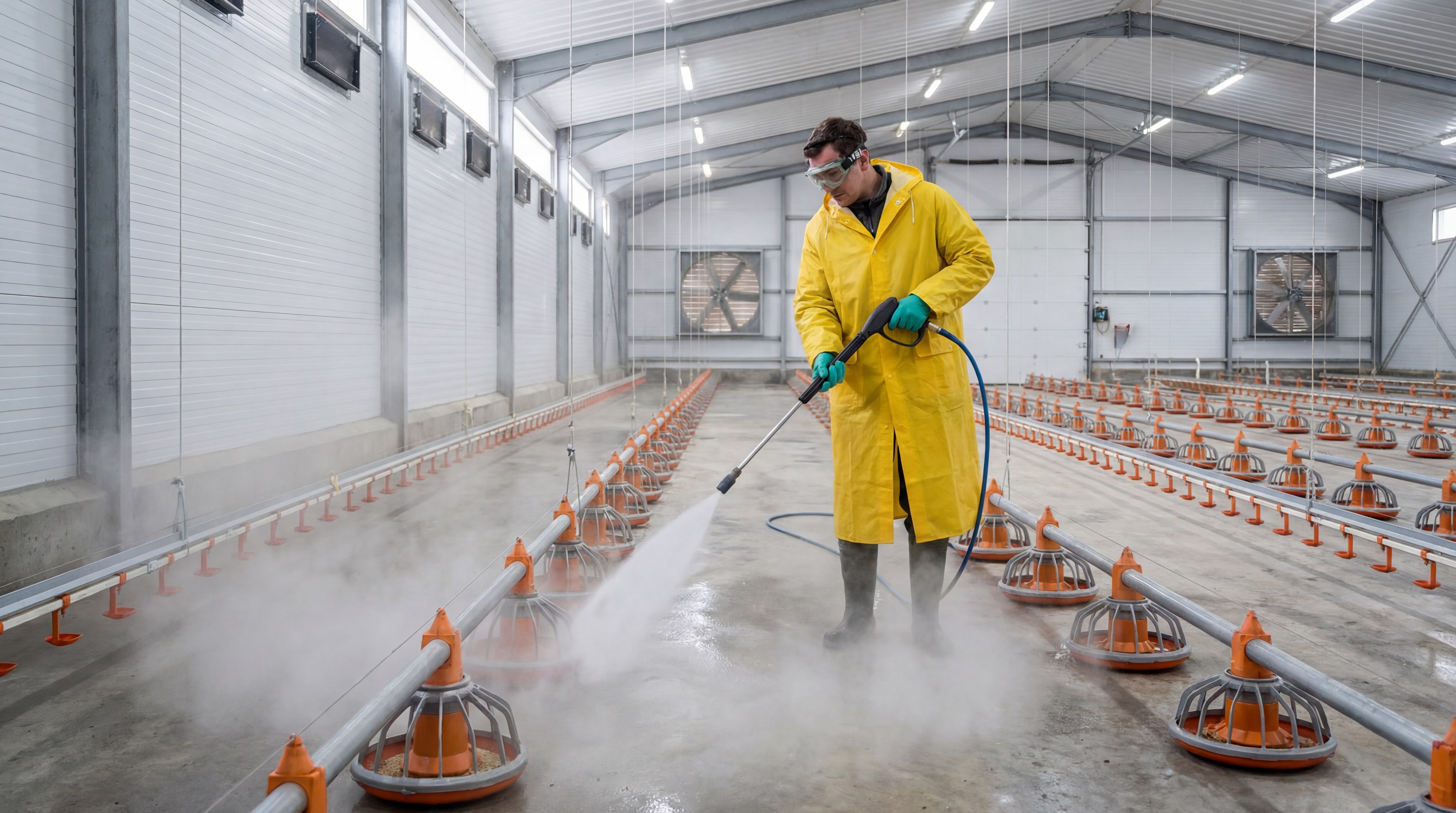
Maintaining a poultry barn requires a rigorous schedule of cleaning, disinfection, and mechanical inspection between every flock. Your chicken farm building should be treated as a sterile environment where any equipment failure can have immediate consequences for the health of your birds.
What is the ideal disinfection schedule?
Disinfection must happen every time a flock leaves the barn to break the cycle of any potential pathogens.
It gets better:
- Total dry cleaning removes all dust.
- Wet washing with detergent lifts biofilms.
- Final disinfection kills bacteria and viruses.
Leaving even a small amount of dust or organic matter can harbor diseases that will infect your next flock. This “all-in, all-out” management style is the gold standard for commercial poultry production.
How do you protect structural elements?
Regular maintenance inspections help you find small problems before they become expensive structural failures.
Think about it this way:
- Check for leaks in the roof monthly.
- Inspect fan belts for wear and tear.
- Ensure the foundation isn’t being undermined.
Maintaining the “envelope” of the building ensures that pests like rodents cannot enter. Rodents are not only destructive to insulation and wiring but are also major carriers of disease.
Key Takeaway: A strict maintenance and cleaning protocol extends the life of your equipment and ensures that every new flock starts in a safe, pathogen-free environment.
| Task | Frequency | Benefit | |
|---|---|---|---|
| Disinfection | Between Flocks | Disease eradication | |
| Fan Service | Every 3 Months | Reliable ventilation | |
| Pest Control | Continuous | Structural/Health protection |
Consistent maintenance is the only way to ensure your facility remains a high-performing asset for the long haul.
10. Why invest in a quality chicken farm building?
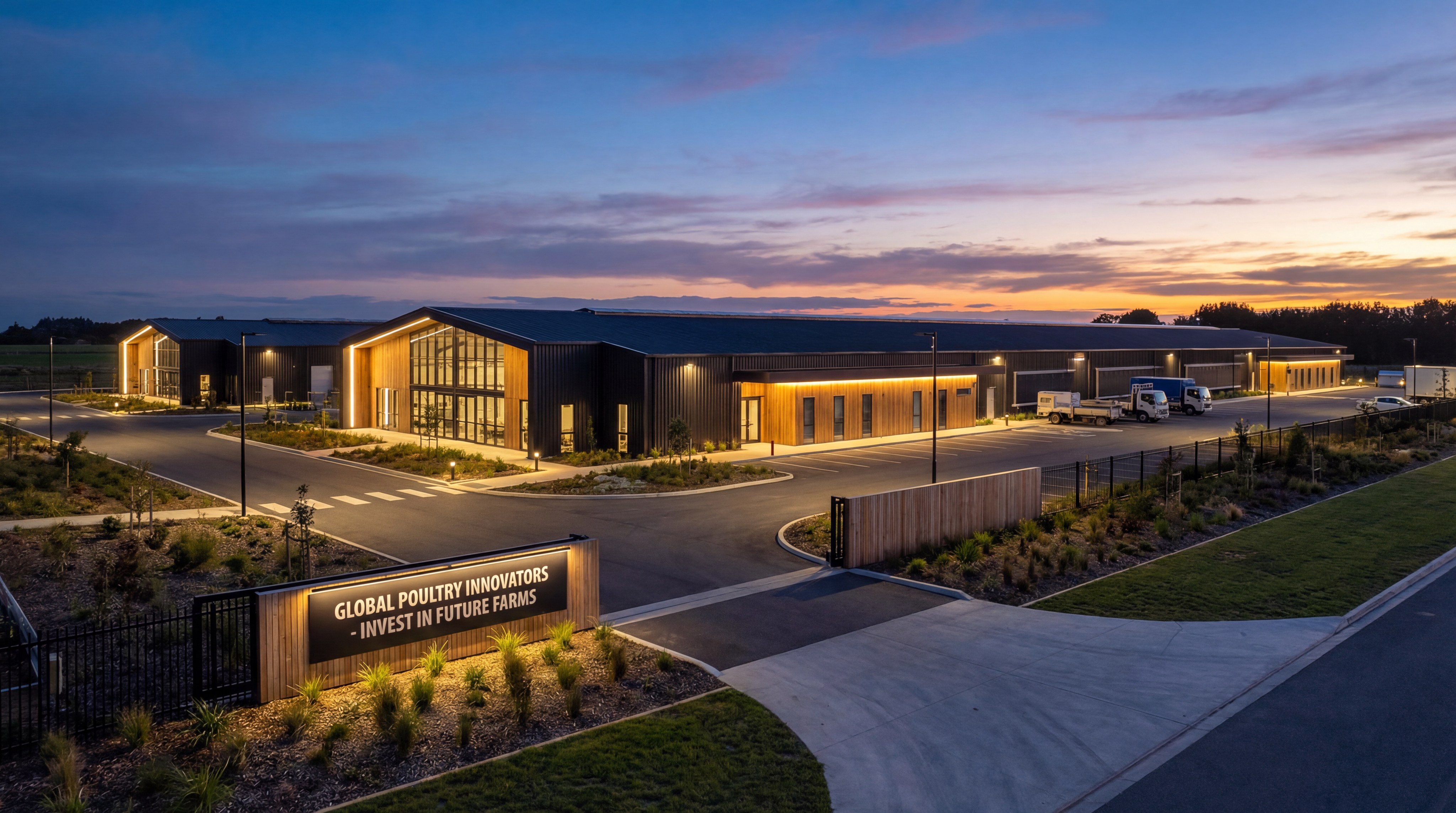
Investing in a high-quality facility ensures your business can survive market fluctuations by maintaining the lowest possible production costs. A superior chicken farm building provides the stability and predictability that modern agricultural lenders and integrators look for in a partner.
Does high-quality equipment lower long-term costs?
While the initial price tag of premium automation is higher, the total cost of ownership is significantly lower.
Look at it this way:
- Fewer repairs mean less downtime.
- Better accuracy means less feed waste.
- Higher efficiency means lower utility bills.
Cheap equipment often fails at the worst possible time—like in the middle of a heatwave. Paying for reliability today protects you from catastrophic failures tomorrow.
How does design impact bird health and safety?
The ultimate goal of your investment is to create an environment where birds thrive rather than just survive.
Here is the kicker:
- Good lighting reduces bird stress.
- Clean air prevents respiratory disease.
- Safe flooring prevents injuries.
Healthy birds grow faster, use feed more efficiently, and have lower mortality rates. Your building’s design is the primary factor that determines the quality of life for your flock and the quality of your final product.
Key Takeaway: A premium poultry barn is a low-risk, high-reward asset that provides the structural and environmental control necessary for modern commercial success.
| Investment Area | Primary ROI | Long-Term Value | |
|---|---|---|---|
| Structural Integrity | 30+ Year Lifespan | High resale/equity | |
| Automation | Labor Savings | Operational scaling | |
| Biosecurity | Risk Mitigation | Stable production cycles |
Investing in quality today is the most effective way to secure your farming legacy for the future.
Conclusion
Building a commercial chicken barn is a journey that requires the right balance of structural engineering and biological management. By following these three steps—planning your site, choosing the right structure, and integrating advanced systems—you have successfully solved the major hurdles of poultry construction. This guide was designed to take the guesswork out of your project and provide a professional framework for your success. Our vision is to empower farmers with industrial-grade infrastructure that drives agricultural innovation and food security. If you are ready to take the next step toward your new facility, contact us today for a professional consultation.
FAQ
Can I build a chicken house on my own?No, a commercial-scale facility requires specialized engineering and heavy machinery that goes beyond standard DIY capabilities. Professional construction ensures the building meets local codes and can withstand the extreme environmental stresses of high-density farming.
What’s the best material for poultry barn siding?Galvanized steel with a high-quality protective coating is the best choice for commercial barns. It provides the necessary resistance to the corrosive ammonia found inside the barn while standing up to harsh outdoor weather conditions.
How do I know if my site has good drainage?Yes, you can tell by observing the land during a heavy rainstorm or by performing a professional soil percolation test. Ideally, your barn should be the highest point on the site to ensure water naturally flows away from the structure.
Can I expand my barn later?Yes, if you plan for scalability during the initial site layout phase. Choosing a clear-span steel frame makes it easier to add sections or build adjacent houses without disrupting the existing infrastructure.
What’s the best way to control the temperature?An automated tunnel ventilation system combined with evaporative cooling pads is the most effective way to manage heat in a commercial barn. This setup allows for precise temperature control even during the hottest summer months.