
The cost to build a 20,000 sq. ft. steel warehouse typically ranges from12 to 19 per square foot for the basic building kit, totaling between 240,000 and 380,000. Many expanding enterprises struggle with skyrocketing lease rates and the slow pace of traditional brick-and-mortar construction. This spatial bottleneck can lead to disorganized inventory, delayed shipments, and frustrated clients who expect rapid fulfillment. By investing in a high-quality warehouse building for sale , you can bypass these delays and secure a durable, cost-effective asset that grows with your business.
What is the cost of a warehouse building for sale?
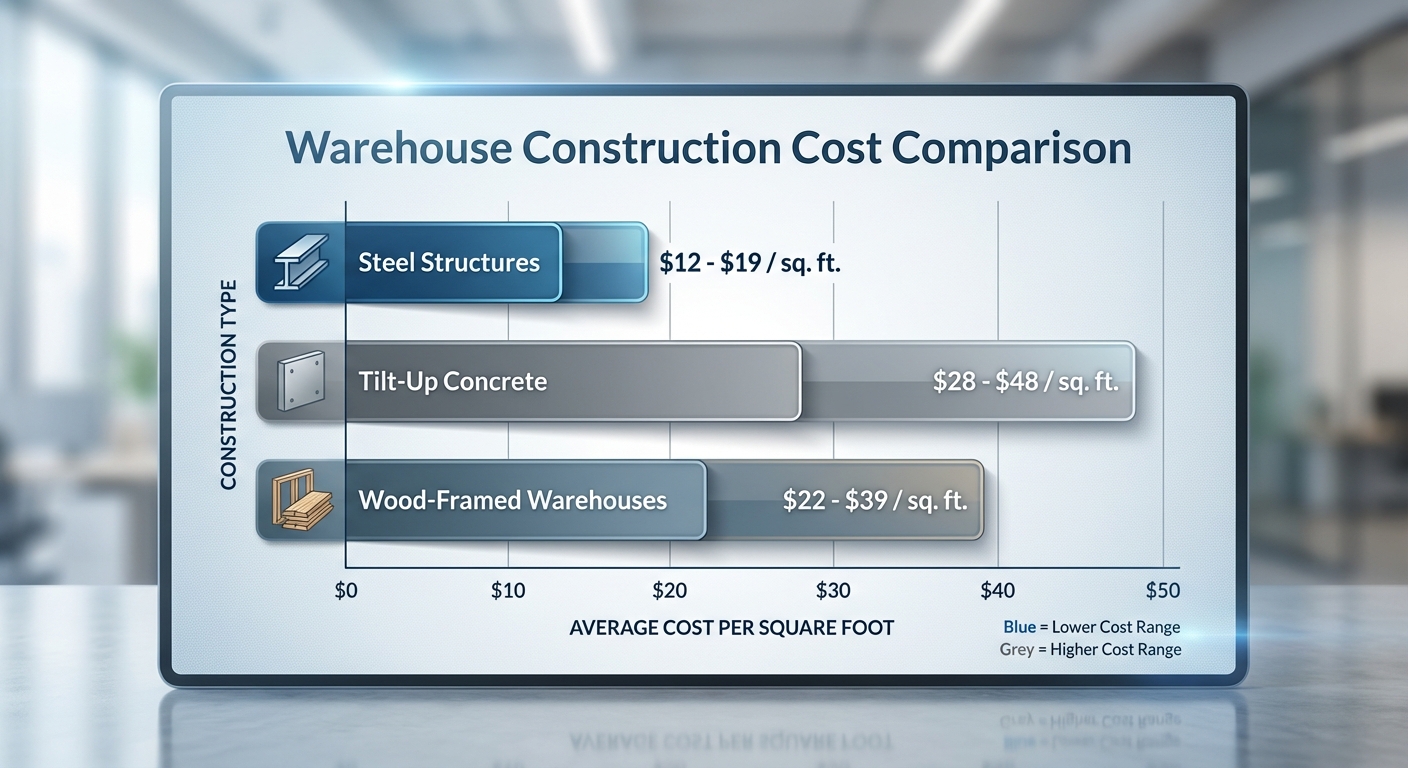
The price of a warehouse building for sale usually falls between 240,000 and 380,000 for the structural steel package. This initial investment covers the primary and secondary framing, roofing, and wall panels. Total project costs including foundation and labor will naturally be higher.
Estimated Price Ranges per Square Foot
You can expect to pay significantly less for steel than for tilt-up concrete or wood-framed structures. The efficiency of pre-engineered designs ensures you get the most value for your budget.
Total Budget for a 20,000 Sq. Ft. Facility
You must plan for a total “all-in” budget that includes local site preparation and utility installation. Here is the kicker:
- Steel Kit: 12−19 per sq. ft.
- Concrete Slab: 6−10 per sq. ft.
- Erection Labor: 5−9 per sq. ft.
Key Takeaway: Steel remains the most economical choice for large-scale industrial storage solutions.
| Cost Category | Estimated Range (per sq. ft.) | |
|---|---|---|
| Building Kit | 12−19 | |
| Foundation | 6−10 | |
| Total Base Cost | 18−29 |
Steel provides a clear financial advantage over traditional construction materials in terms of raw material costs.
Which factors affect warehouse building for sale prices?
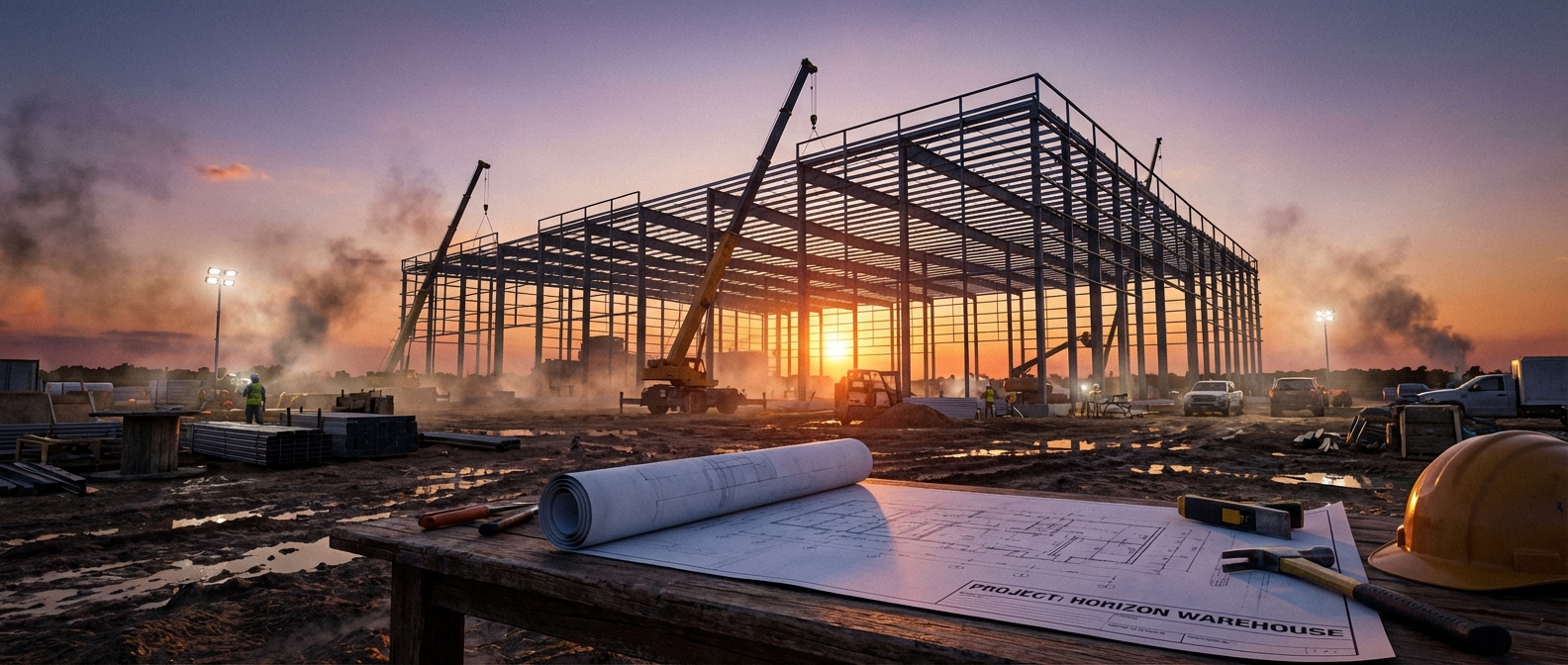
Several variables influence the final quote for a warehouse building for sale , including regional snow loads and local labor rates. These environmental factors dictate the amount of steel required to meet safety standards. Understanding these drivers helps you manage your expansion budget effectively.
Geographic Location and Building Codes
You will find that sites prone to heavy snowfall or seismic activity require thicker steel sections and more robust bracing. Your local building department will provide the specific load requirements you must follow.
Steel Market Fluctuations
You should stay informed about global steel prices, as they can shift based on trade policies and supply chain availability. And it gets better:
- Direct sourcing reduces middleman markups.
- Bulk purchasing locks in lower rates.
- Standardized components stabilize pricing.
Key Takeaway: Local environmental requirements are the primary drivers of structural engineering costs.
| Factor | Impact on Cost | |
|---|---|---|
| High Snow Load | Increases steel weight by 15-25% | |
| Coastal Wind Loads | Requires specialized bracing and fasteners | |
| Local Labor Rates | Varies significantly by state and region |
Design complexity and local regulations are critical determinants of your final investment.
How to save on a 20k warehouse building for sale?
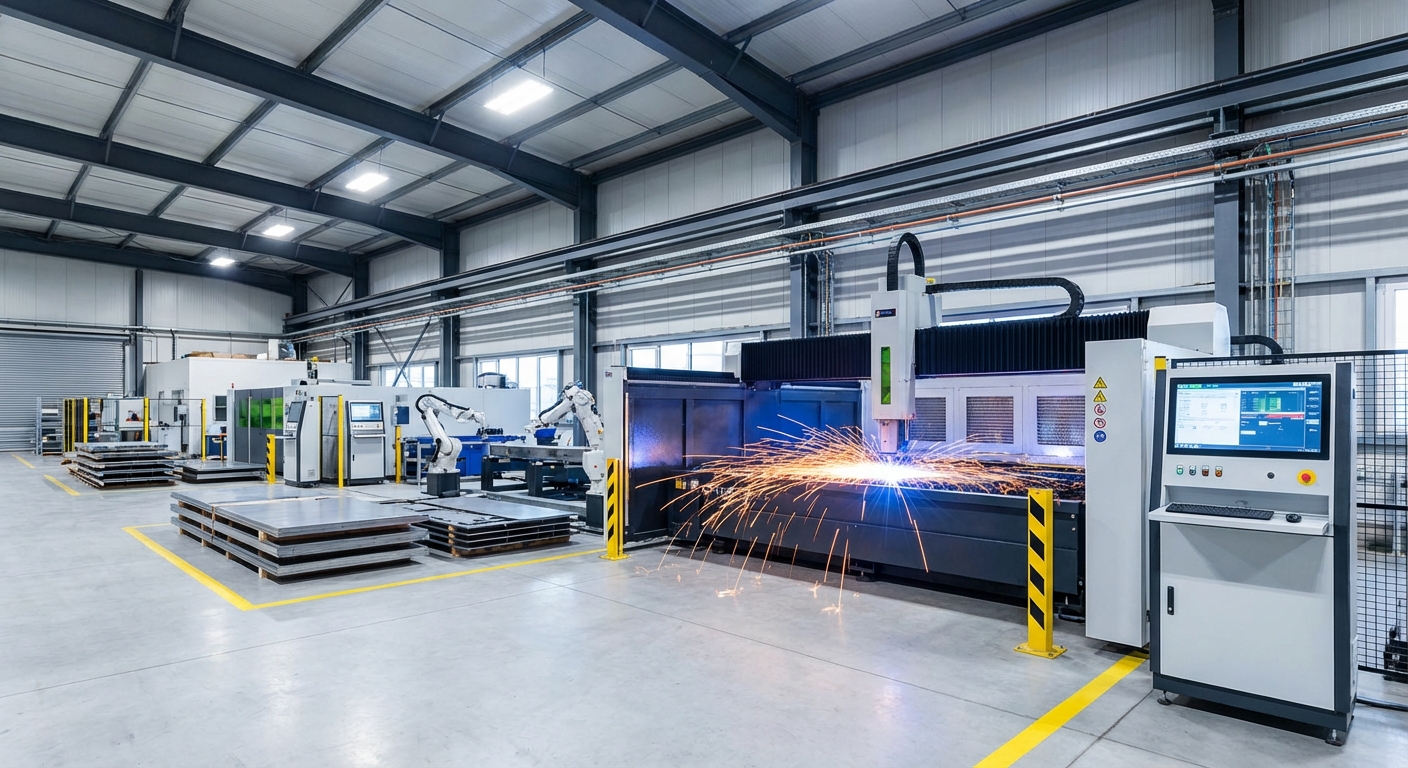
You can save money on a warehouse building for sale by selecting a manufacturer that offers factory-direct pricing and precision engineering. Automated manufacturing reduces material waste, which directly lowers your purchase price. Strategic planning during the design phase is your best tool for cost control.
Factory-Direct Pricing and Manufacturing
You benefit from lower overhead when you buy directly from the source rather than through a broker. This transparent approach ensures you receive high-quality materials without unnecessary markups.
Optimized Material Usage
You can reduce costs by sticking to standard dimensions that minimize off-cuts during the production process. But wait, there’s more:
- Use standard bay spacings of 20 or 25 feet.
- Avoid overly complex roof pitches.
- Select standard color finishes for panels.
Key Takeaway: Choosing standardized dimensions and direct manufacturing can save up to 15% on total costs.
| Saving Strategy | Potential Discount | |
|---|---|---|
| Standardized Sizing | 10% – 15% | |
| Factory-Direct Sourcing | 5% – 8% | |
| Bulk Component Ordering | 3% – 5% |
Standardization is the most effective way to drive down the cost of a large-scale steel facility.
Why choose steel for a warehouse building for sale?
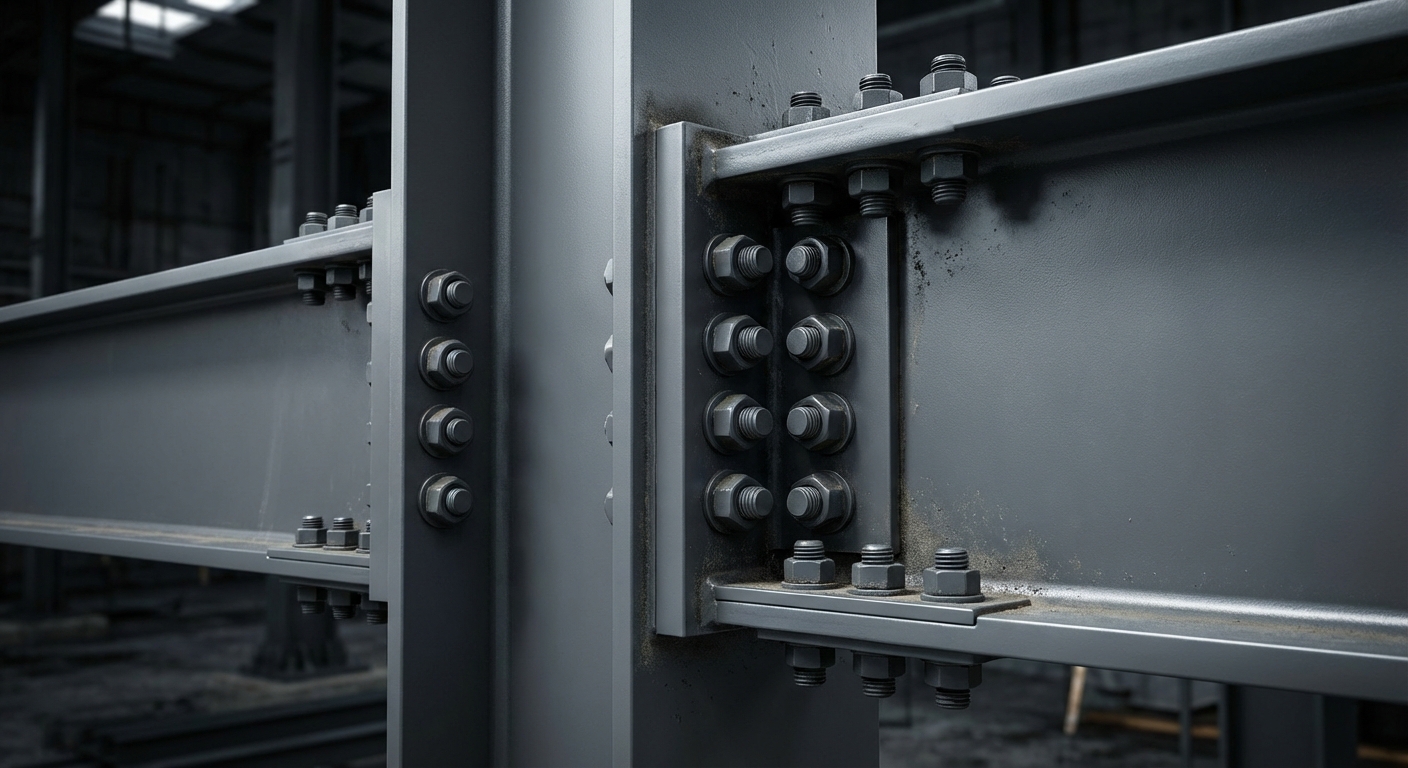
Steel is the preferred choice for a warehouse building for sale because of its incredible durability and low maintenance requirements. Unlike wood, steel does not rot, warp, or attract pests that can compromise your inventory. This long-term resilience ensures your facility remains operational for decades.
Superior Strength-to-Weight Ratio
You can achieve massive clear-span interiors that are impossible with other building materials. This allows you to maximize your floor space for racking and heavy machinery without obstructing columns.
Resistance to Severe Weather
You will have peace of mind knowing that steel structures are engineered to withstand extreme winds and fire. Believe it or not:
- Steel is non-combustible.
- It offers high ductile strength for seismic zones.
- Galvanized coatings prevent rust and corrosion.
Key Takeaway: The structural integrity of steel provides long-term insurance and maintenance savings.
| Feature | Benefit to Owner | |
|---|---|---|
| Clear-Span Design | 100% usable floor space | |
| Non-Combustible | Lower insurance premiums | |
| Pest Resistance | Zero risk of termite damage |
The inherent strength of steel makes it the most secure housing for valuable commercial assets.
What are the hard costs for warehouse building for sale?
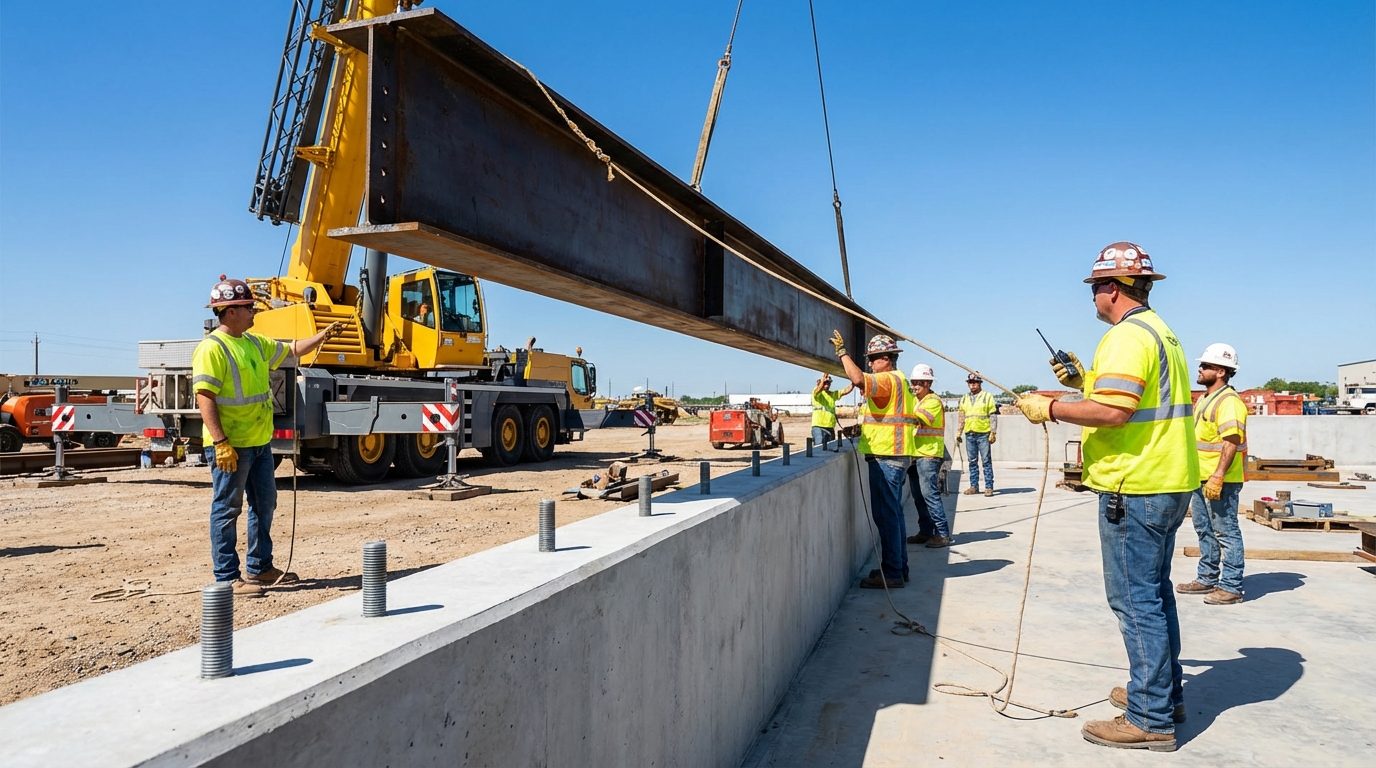
The hard costs for a warehouse building for sale encompass the tangible materials and onsite labor required to finish the structure. This includes the building kit, the concrete foundation, and the specialized mechanical systems. Budgeting for these items accurately prevents mid-project financial strain.
Foundation and Concrete Slab Expenses
You will need a heavy-duty slab capable of supporting the weight of your inventory and forklifts. A standard 6-inch reinforced slab is usually sufficient for most 20,000 sq. ft. commercial applications.
Assembly and Erection Labor
You should hire an experienced crew to ensure the building is erected safely and to manufacturer specifications. The truth is:
- Professional crews work faster than general contractors.
- Proper alignment prevents future leaks.
- Safety equipment is included in professional quotes.
Key Takeaway: Foundation and labor typically account for 40% to 50% of the total project budget.
| Hard Cost Item | Typical Allocation | |
|---|---|---|
| Building Shell | 35% | |
| Concrete & Site Work | 25% | |
| Labor & Equipment | 20% | |
| Electrical & Plumbing | 20% |
Understanding hard costs is essential for securing accurate financing and managing project timelines.
Are there soft costs for warehouse building for sale?
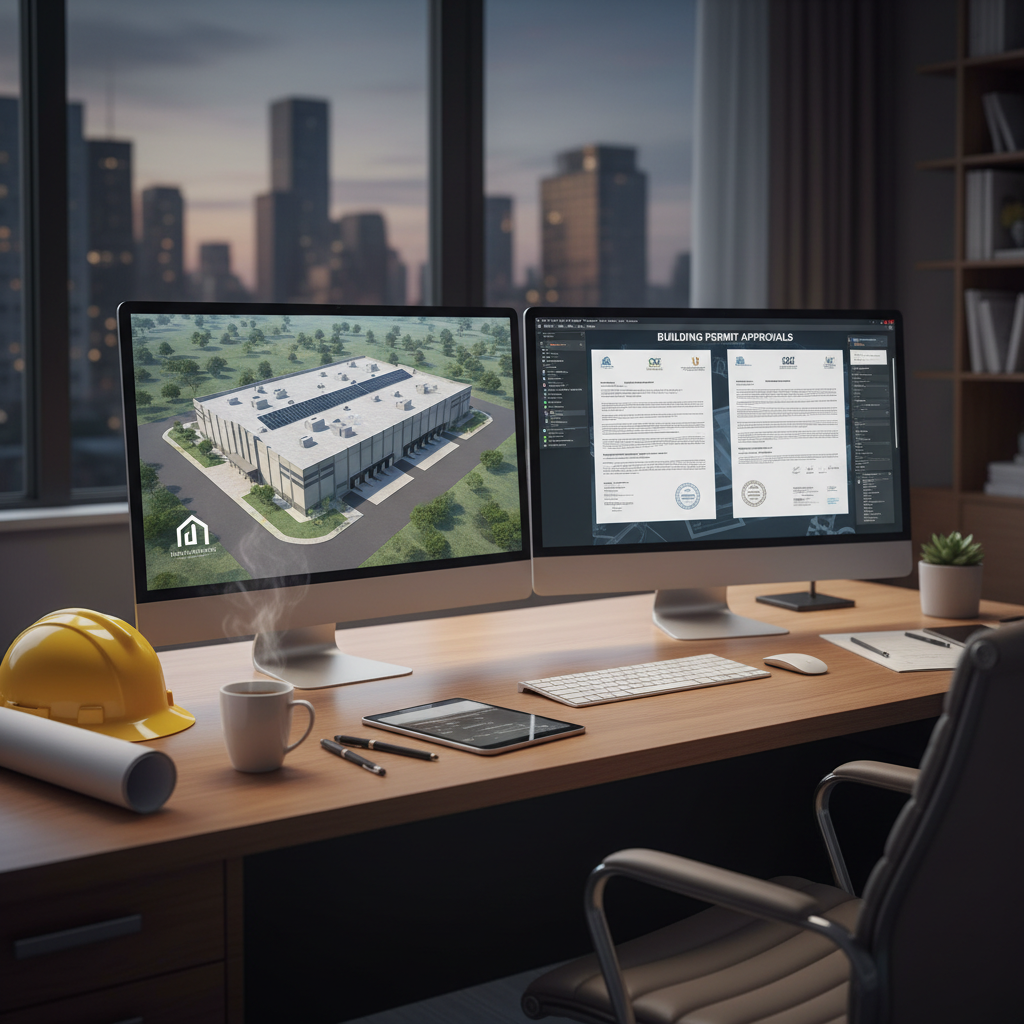
Soft costs for a warehouse building for sale include architectural fees, engineering stamps, and municipal permitting requirements. While these don’t involve physical materials, they are mandatory for a legal and safe build. Neglecting these early in the planning process can lead to significant delays.
Engineering Fees and Architectural Design
You need site-specific engineering drawings to obtain building permits from your local authorities. Most manufacturers include structural engineering in the kit price, but site engineering is usually separate.
Permitting and Impact Fees
You must factor in the costs charged by your city or county for utility connections and building inspections. Think about this:
- Fees vary wildly by municipality.
- Environmental impact studies may be required.
- Fire marshal approvals are mandatory for warehouses.
Key Takeaway: Soft costs often range from 5% to 15% of the total investment but are vital for legal compliance.
| Soft Cost | Estimated Percentage | |
|---|---|---|
| Engineering/Stamps | 2% – 4% | |
| Permits & Fees | 3% – 7% | |
| Project Management | 2% – 5% |
Investing in professional engineering upfront prevents costly revisions during the construction phase.
How long to build this warehouse building for sale?
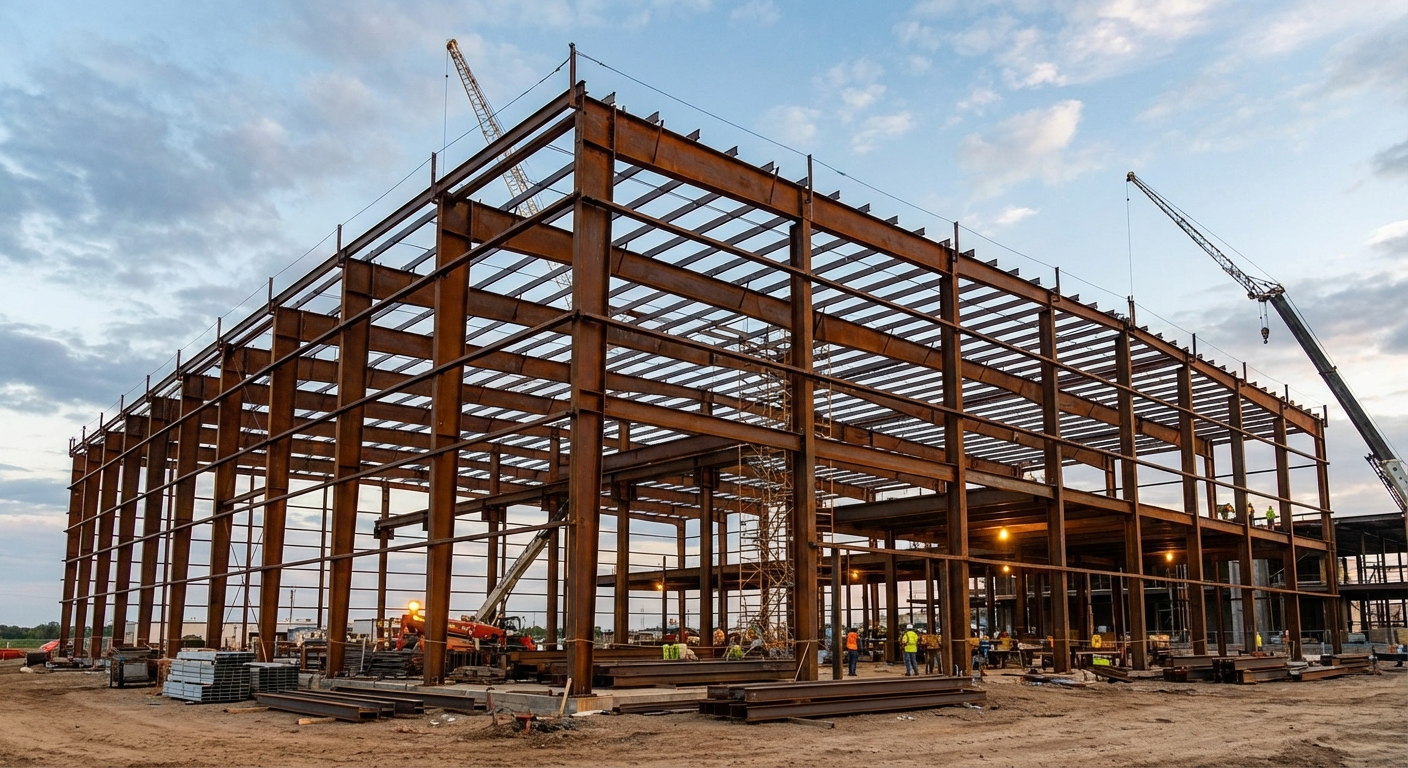
A typical 20,000 sq. ft. warehouse building for sale can be manufactured and erected in approximately 4 to 6 months. This timeline is significantly faster than traditional methods because the components arrive pre-cut and ready for assembly. Speed to market is one of the primary advantages of choosing a steel solution.
Pre-engineered Assembly Timelines
You can expect the manufacturing phase to take about 8 to 12 weeks after design approval. Once the materials arrive on site, a professional crew can often finish the frame in less than a month.
Impact of Site Preparation
You should realize that site work, like grading and foundation pouring, must happen concurrently with manufacturing. Here is the deal:
- Site prep takes 2-4 weeks.
- Concrete curing requires 7-28 days.
- Kit delivery happens just as the slab is ready.
Key Takeaway: Steel buildings offer a 30% to 50% faster construction schedule compared to wood or masonry.
| Phase | Estimated Duration | |
|---|---|---|
| Design & Engineering | 2 – 4 Weeks | |
| Manufacturing | 8 – 12 Weeks | |
| On-Site Assembly | 4 – 8 Weeks |
The modular nature of steel allows for rapid deployment and faster ROI for your business.
What materials go into a warehouse building for sale?
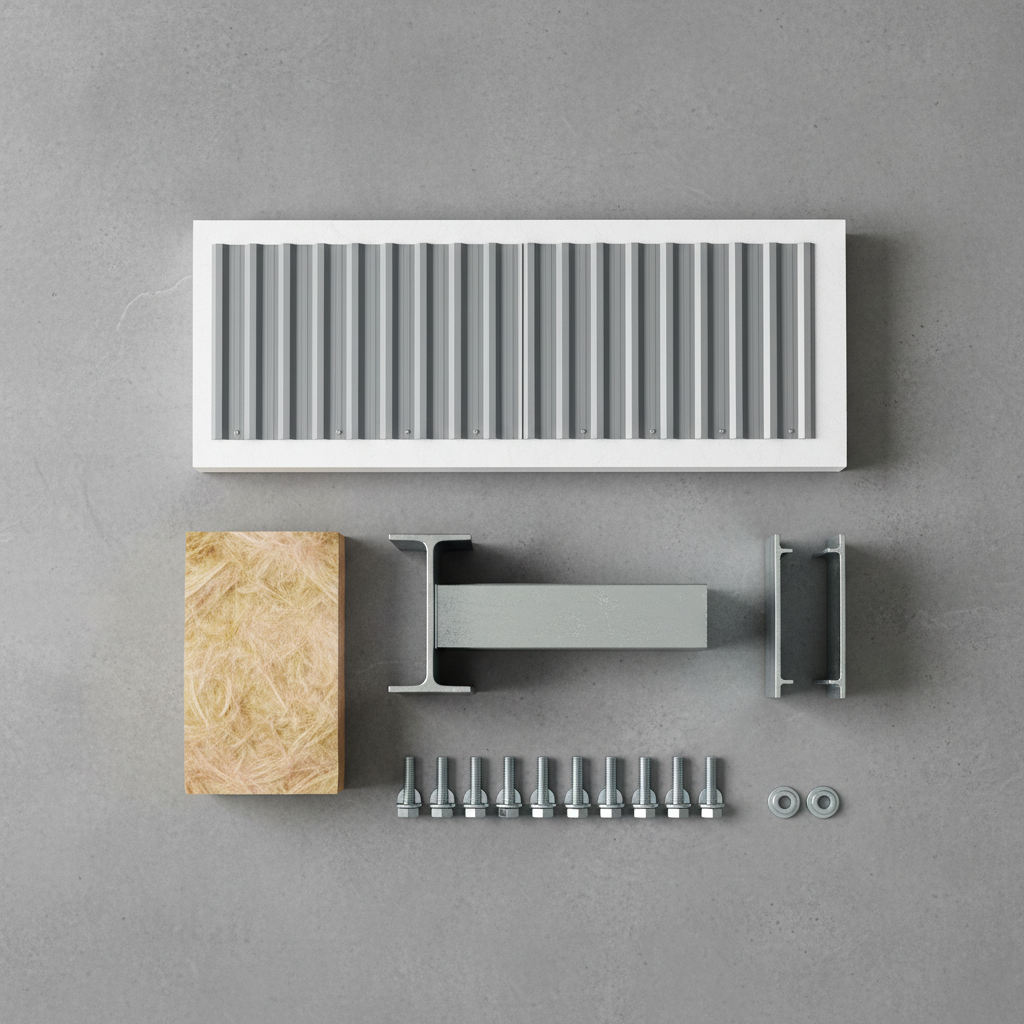
The primary materials for a warehouse building for sale consist of high-grade H-beams, C-purlins, and durable metal cladding. These components work together to create a rigid, self-supporting frame that resists environmental stress. Every bolt and fastener is engineered to ensure the long-term stability of the structure.
Primary and Secondary Steel Structures
You will receive heavy-duty primary frames that carry the main loads and secondary members like purlins and girts that support the panels. This tiered system provides maximum strength with efficient material use.
Roof and Wall Cladding Options
You can choose between standard PBR panels or insulated sandwich panels for better temperature control. Keep this in mind:
- PBR is the most cost-effective.
- Sandwich panels offer built-in insulation.
- Standing seam roofs provide the best leak protection.
Key Takeaway: High-quality components ensure the structure meets or exceeds local building codes for decades.
| Component | Common Material | |
|---|---|---|
| Main Frame | Q355B or Q235B Steel | |
| Purlins/Girts | Galvanized C or Z Sections | |
| Wall Panels | 24-26 Gauge Steel |
Using premium materials reduces lifetime maintenance costs and increases the resale value of your property.
Can I customize my warehouse building for sale?

Yes, you can fully customize your warehouse building for sale to include skylights, mezzanine levels, and specialized loading docks. The flexibility of steel allows for modifications that suit your specific workflow and inventory needs. Customization ensures your facility operates at peak efficiency from day one.
Clear-Span vs. Multi-Span Layouts
You have the option to remove all interior columns for a completely open floor plan, or add interior supports to reduce costs. Clear-span is ideal for maneuvering large vehicles or installing extensive conveyor systems.
Specialized Door and Window Configurations
You can place roll-up doors, personnel doors, and windows anywhere along the perimeter walls to optimize logistics. It gets better:
- High-speed doors save energy.
- Polycarbonate skylights reduce lighting bills.
- Mezzanines double your usable floor area.
Key Takeaway: Customization allows you to tailor the building to your exact operational requirements.
| Custom Option | Purpose | |
|---|---|---|
| Mezzanine | Increases storage square footage | |
| Crane Rails | Facilitates heavy material handling | |
| Skylights | Provides natural interior lighting |
A customized layout improves worker productivity and maximizes the utility of every square foot.
Where can I find a warehouse building for sale?
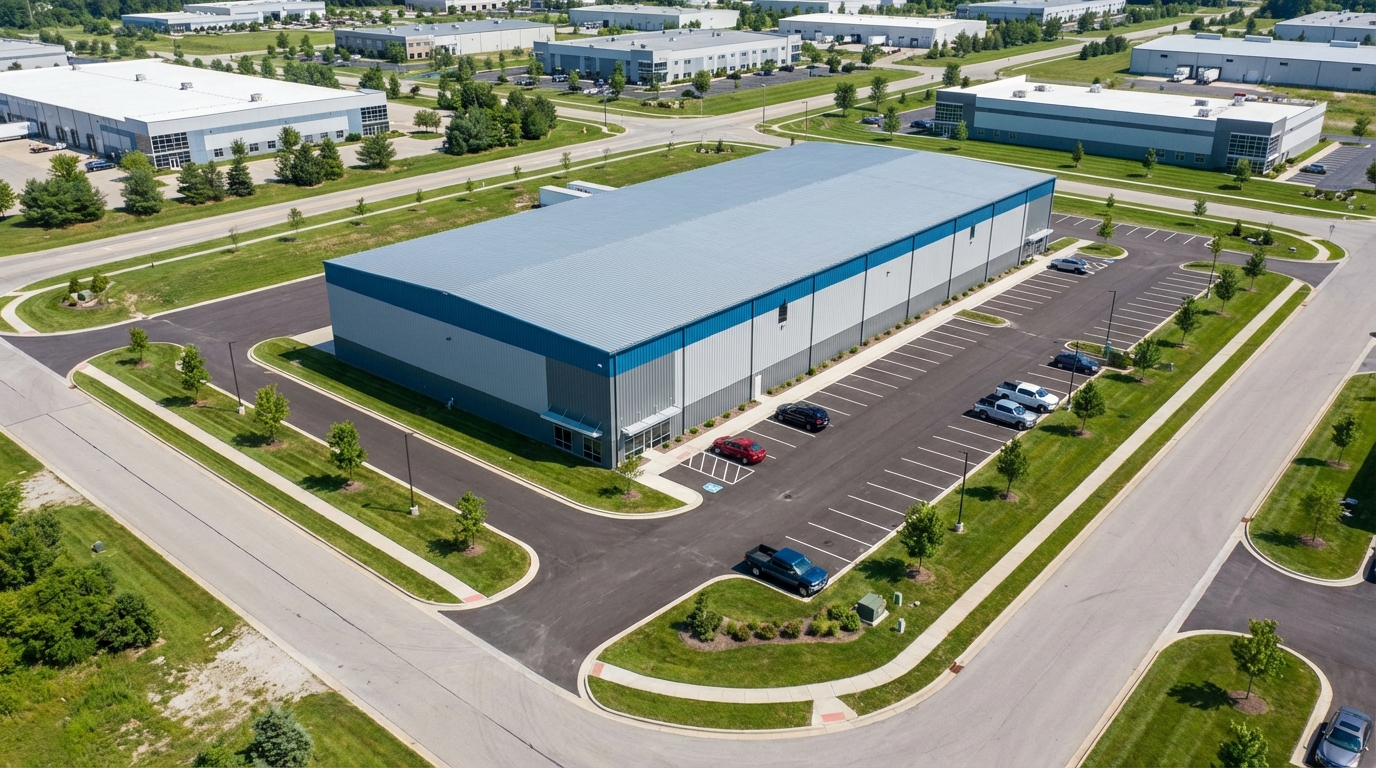
You can find a high-quality warehouse building for sale by looking for global manufacturers with a proven track record of international exports. Reputable suppliers provide comprehensive quotes and engineering support to ensure your project succeeds. Choosing a vendor with deep expertise in steel fabrication is the key to a stress-free build.
Evaluating Global Export Manufacturers
You should look for companies that hold international certifications and offer detailed case studies of finished projects. This transparency proves they can handle the logistics of shipping a 20,000 sq. ft. kit to your site.
Getting a Comprehensive Quote
You can receive a detailed breakdown of costs by providing your site location and basic building dimensions. Here is the kicker:
- Quotes should include all structural components.
- Ask for shipping and insurance estimates.
- Verify that engineering stamps are included.
Key Takeaway: Partnering with an experienced manufacturer ensures your building is designed for your specific local climate.
| Supplier Quality | Why It Matters | |
|---|---|---|
| Experience | Reduces design and shipping errors | |
| Portfolio | Visual proof of build quality | |
| Support | Assistance during the erection phase |
The right partner transforms a complex construction project into a streamlined and manageable investment.
Conclusion
Building a 20,000 sq. ft. steel warehouse is a strategic move that addresses the urgent need for scalable industrial space while keeping costs manageable. By selecting a pre-engineered steel solution, you avoid the high prices and long delays associated with traditional construction methods. We provide durable, customizable, and cost-effective steel structures designed to withstand the toughest environments while maximizing your operational efficiency. If you are ready to take the next step in your business expansion, contact us today for a professional consultation and a detailed quote tailored to your specific site requirements.
FAQ
Can I finance a 20,000 sq. ft. warehouse project?Yes, most commercial lenders provide financing for steel buildings once you have stamped engineering drawings and a solid business plan. Many manufacturers also provide the technical documentation required by banks to approve equipment or construction loans.
What’s the best insulation for a steel warehouse?The best option is typically Fiberglass Blanket insulation for budget builds or Insulated Metal Panels (Sandwich Panels) for superior thermal performance. Sandwich panels offer higher R-values and a cleaner interior finish, which helps lower long-term heating and cooling costs significantly.
How do I know if my site is ready for delivery?Your site is ready once the foundation is poured, the anchor bolts are set, and there is clear access for heavy flatbed trucks. You must also ensure there is enough flat space for the crane to operate and for the materials to be staged safely during assembly.
Can I expand the warehouse size in the future?Yes, steel buildings are inherently modular, allowing you to add more bays to either end-wall as your business grows. You can simply remove the end panels and attach new structural frames, making steel the most future-proof building material available.
How do I know if the building meets my local codes?Reputable manufacturers use specialized software to design your structure based on the specific wind, snow, and seismic data of your zip code. Always confirm that your supplier provides a letter of certification or stamped drawings that match your local building authority’s specific requirements.