
In South Africa, the average rental for quality warehouse space is approximately USD 5.50 per square meter, driven by a critical shortage of supply. You are likely struggling to find affordable, purpose-built storage space as e-commerce growth and massive infrastructure projects swallow up existing inventory. Without a clear understanding of construction expenses, your project risks being stalled by fluctuating material prices and unforeseen site complexities. Understanding the detailed steel warehouse cost in africa allows you to budget effectively for hard, soft, and long-term costs by visiting https://www.showhoobuilding.com/steel-structure-warehouse/ .
What is the steel warehouse cost in africa?
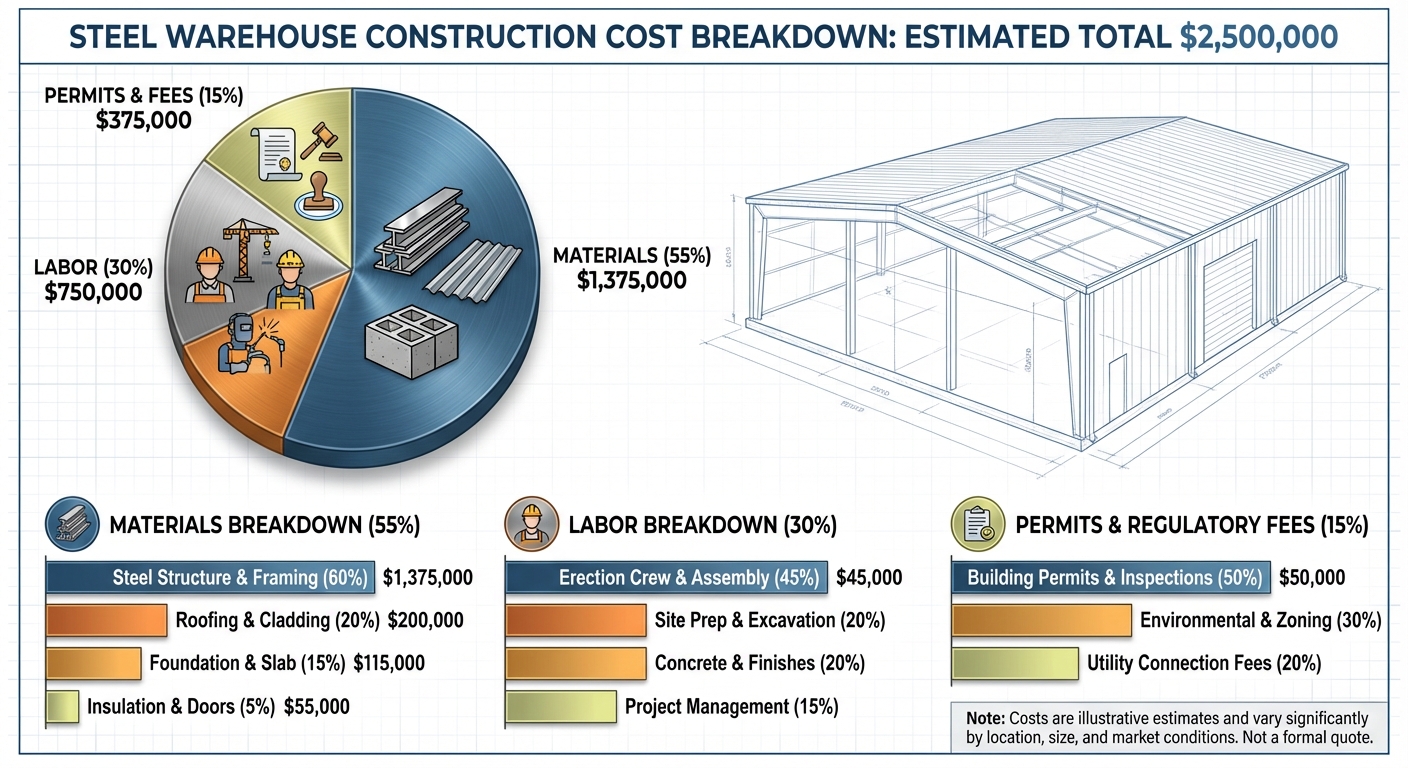
The steel warehouse cost in africa typically fluctuates based on supply chain issues, current material prices, and the specific codes required for your location. Your total steel warehouse cost in africa is composed of hard costs like labor and materials, alongside soft costs such as taxes and permits.
How do market trends impact pricing?
The rise of e-commerce has significantly boosted the demand for industrial space across the continent. You will find that government involvement in infrastructure also plays a massive role in setting price benchmarks.
- E-commerce expansion increases demand.
- Infrastructure development pushes material availability.
- Government industrial activity boosts local rents.
But that is not all…
Growing demand often leads to temporary spikes in material lead times and pricing. You must plan for these shifts to avoid budget overruns during the early phases of construction.
Are there baseline costs to consider?
Maintenance for a high-quality steel facility generally ranges between 1.40and1.85 per square foot annually. You should also account for the initial fabrication and shipping expenses that define your capital expenditure.
- Initial material fabrication.
- Logistics and shipping fees.
- On-site assembly labor.
Think about this:
While initial costs may seem high, the durability of steel ensures you save money on repairs over the building’s lifespan. Investing in quality early prevents expensive structural issues later.
Key Takeaway: Market trends and maintenance baselines form the foundation of your initial budget planning.
| Factor | Estimated Impact | Duration | |
|---|---|---|---|
| E-commerce Demand | High | Long-term | |
| Material Volatility | Moderate | Variable | |
| Maintenance Fees | 1.40−1.85/sq ft | Annual |
Market demand is currently the strongest driver for new industrial construction investment in the region.
How does size affect steel warehouse cost in africa?
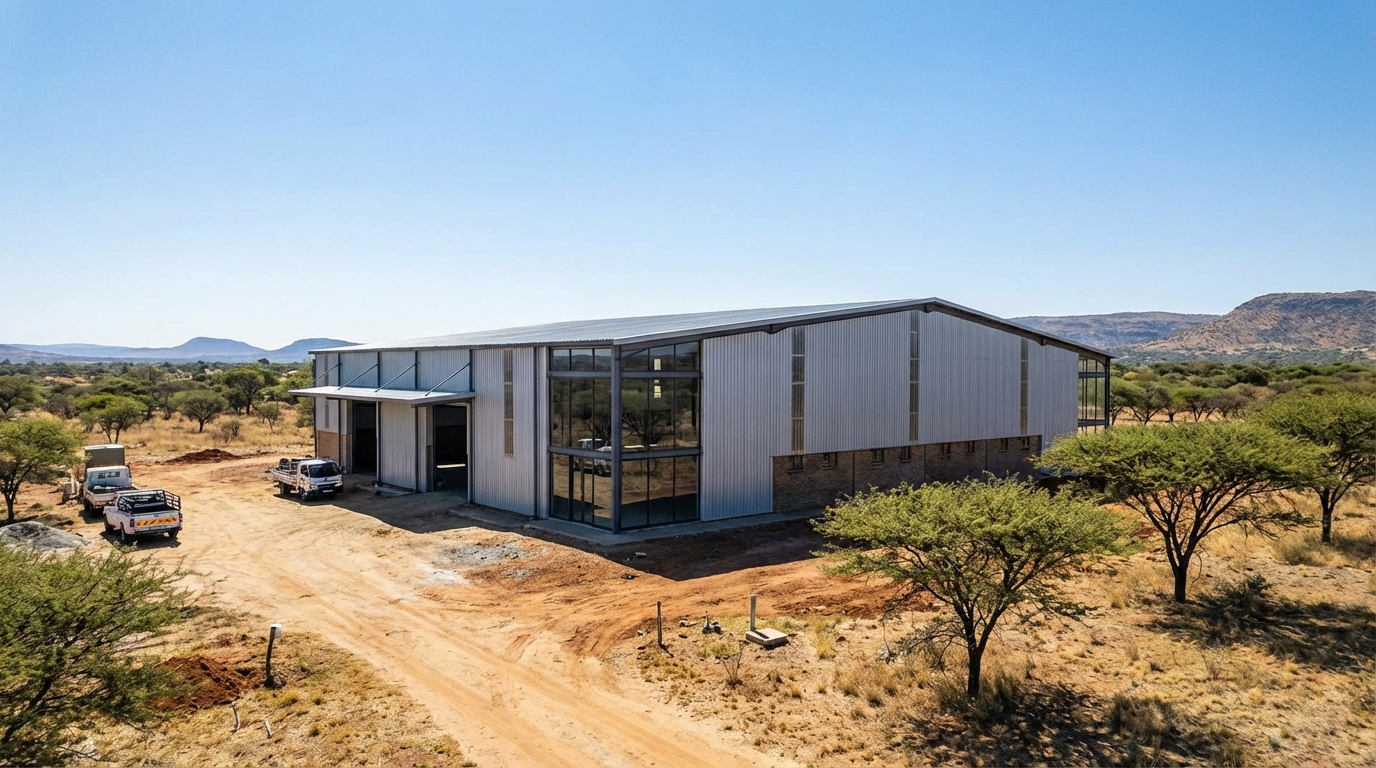
Larger footprints often provide better economies of scale, reducing the overall steel warehouse cost in africa per square meter compared to smaller, specialized units. When you increase the total area, the fixed costs of design and engineering are spread across a larger space.
Why do larger footprints offer value?
Building a larger structure allows you to optimize the use of heavy machinery and bulk material orders. You can often negotiate better rates from suppliers when purchasing steel in significant quantities.
- Bulk material discounts.
- Efficient labor scheduling.
- Lower engineering cost per meter.
The truth is:
Bigger isn’t always more expensive when you look at the price per unit of storage. You should maximize your site’s footprint to get the most value for every rand spent.
Key Takeaway: Scaling up your project size can effectively lower the unit cost of your warehouse investment.
| Building Size | Cost per Unit | Efficiency Level | |
|---|---|---|---|
| Small (<1000 sqm) | Higher | Low | |
| Medium (1000-5000 sqm) | Moderate | Medium | |
| Large (>5000 sqm) | Lower | High |
Expanding the footprint allows for better utilization of structural members and reduces waste during the fabrication process.
Does location shift steel warehouse cost in africa?
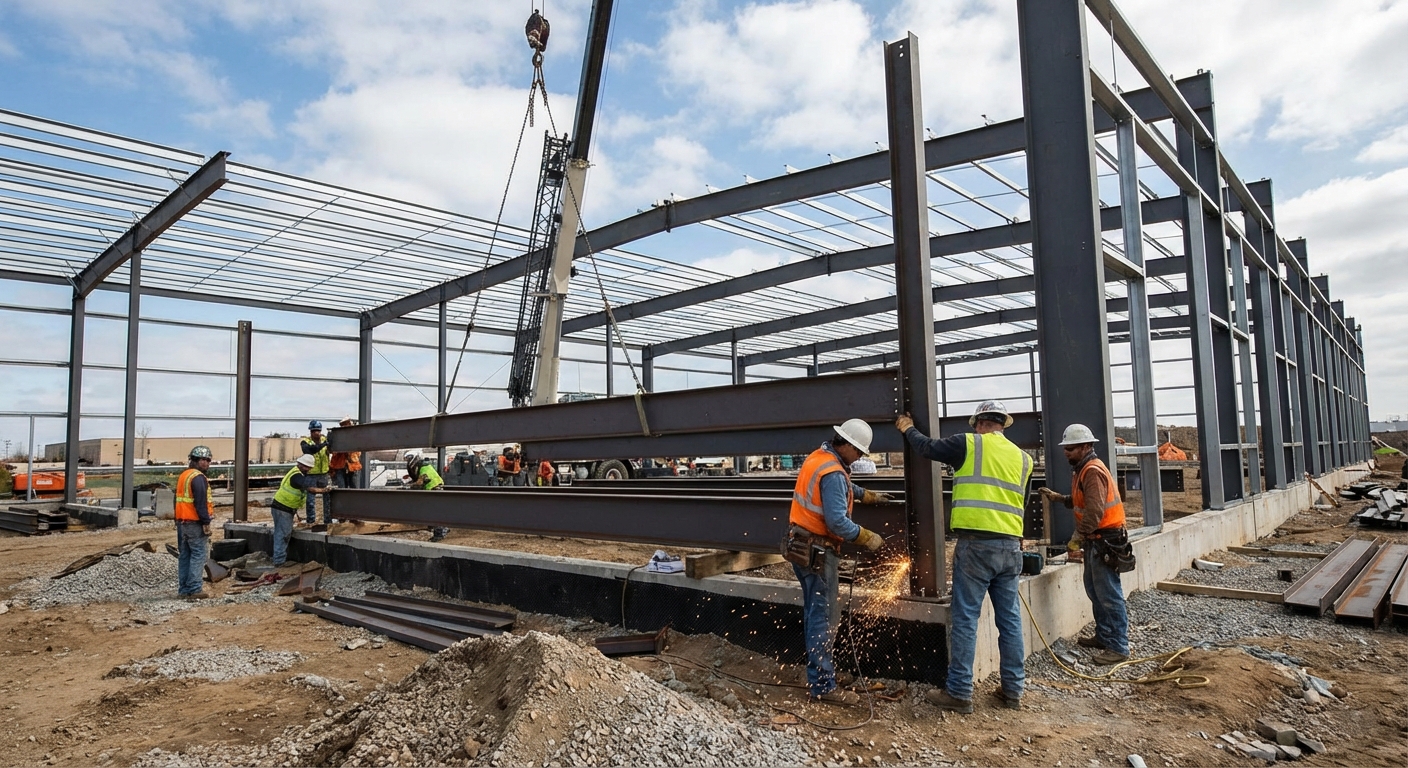
Location shifts the steel warehouse cost in africa by impacting delivery logistics, local labor availability, and specific environmental requirements for the structure. Your proximity to major industrial hubs like Johannesburg or Durban will determine the fuel and transport surcharges applied to your materials.
How does infrastructure affect price?
Well-developed roads and proximity to ports can significantly lower your transport expenses. You should consider the ease of access for heavy cranes and delivery trucks before finalizing your site selection.
- Access to major highways.
- Distance from supply ports.
- Local utility connection availability.
But wait, there’s more:
Remote sites might offer cheaper land, but the “hidden” cost of logistics can quickly eat up those savings. You must weigh the land price against the increased delivery fees for your steel components.
What about climate requirements?
Regional weather patterns dictate the thickness of insulation and the strength of the structural frame needed. You might need specialized coatings if your warehouse is located in a corrosive coastal environment.
- Coastal corrosion resistance.
- High-wind structural reinforcements.
- Thermal insulation for heat management.
Consider this:
Your building must stand up to local challenges like heavy rain or extreme heat without failing. Choosing the right specifications for your environment ensures your assets stay protected for decades.
Key Takeaway: Proximity to hubs and local environmental conditions are primary drivers of site-specific construction costs.
| Location Type | Logistics Cost | Building Code Level | |
|---|---|---|---|
| Urban Hub | Low | Standard | |
| Coastal | Moderate | High (Corrosion) | |
| Remote | High | Standard |
Transporting materials to remote locations can increase your total budget by up to twenty percent depending on accessibility.
What factors drive steel warehouse cost in africa?
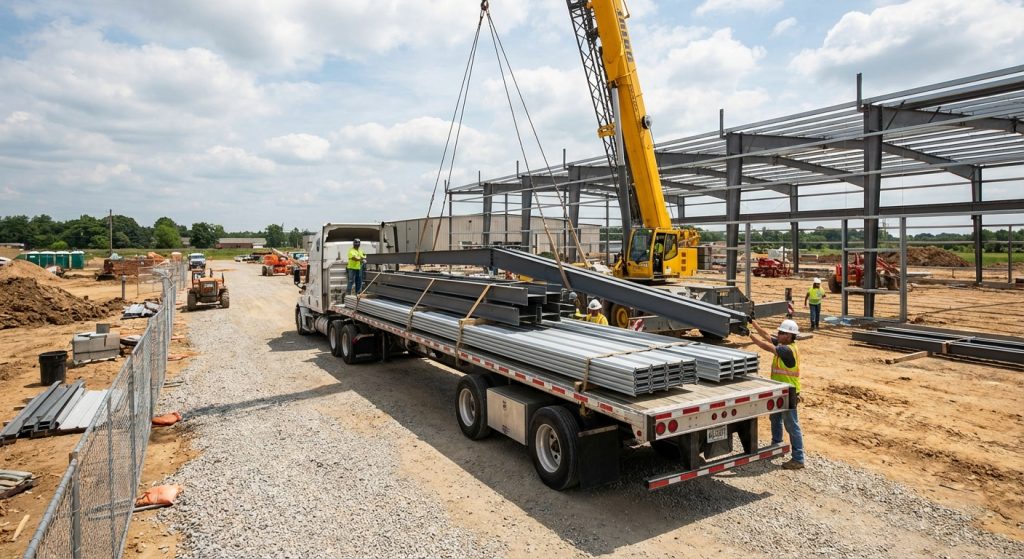
Global steel indices and fuel prices are the primary external factors that drive the steel warehouse cost in africa for any developer. You must also account for supply chain disruptions that can delay production and increase warehousing fees for materials.
What is the role of steel prices?
Steel is a globally traded commodity, and its price can change weekly based on international demand and production. You should monitor these trends closely to time your purchase for the best possible rate.
- Global production output.
- International trade tariffs.
- Raw iron ore pricing.
Make no mistake:
Even a small percentage change in the global price of steel can result in thousands of dollars in difference for your project. Timing your contract signing is vital for budget security.
Key Takeaway: Global commodity markets and logistics reliability are the most volatile elements in your construction budget.
| Cost Driver | Volatility | Impact on Budget | |
|---|---|---|---|
| Steel Index | High | Major | |
| Fuel Rates | Moderate | Moderate | |
| Supply Chain | High | Timeline/Cost |
Material costs represent the largest portion of your hard expenses and require careful market monitoring.
How to estimate steel warehouse cost in africa?
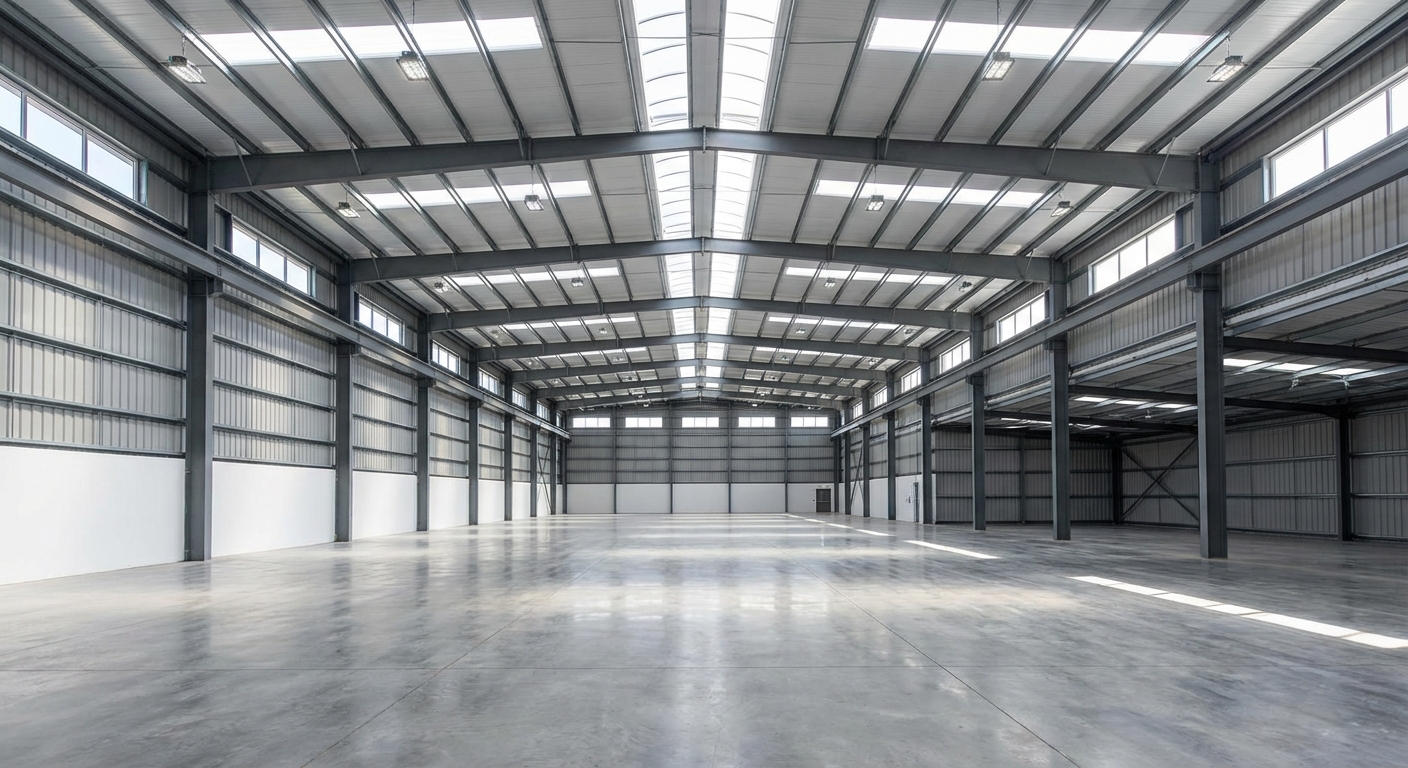
To accurately estimate your steel warehouse cost in africa, you must divide your budget into hard costs, soft costs, and long-term financing fees. You should start by defining your operational requirements, such as clear-span needs and eave heights, to get a precise material quote.
How to calculate hard vs. soft costs?
Hard costs include everything tangible, like the steel frame, concrete slab, and labor wages. Soft costs are the “invisible” expenses like architectural fees, legal charges, and government permits.
- Steel fabrication and panels.
- Foundation and site grading.
- Permitting and design fees.
Here is the kicker:
Soft costs can represent up to thirty percent of your total budget if you aren’t careful. You need to factor in every line item, from insurance to engineering stamps, before you break ground.
Key Takeaway: A comprehensive estimate must balance visible material costs with the often-overlooked administrative and design fees.
| Budget Category | % of Total | Typical Items | |
|---|---|---|---|
| Hard Costs | 70% | Steel, Concrete, Labor | |
| Soft Costs | 30% | Permits, Design, Legal | |
| Contingency | 5-10% | Unforeseen delays |
Properly categorizing your expenses prevents late-stage funding gaps and ensures a smoother construction process.
Does layout change the steel warehouse cost in africa?
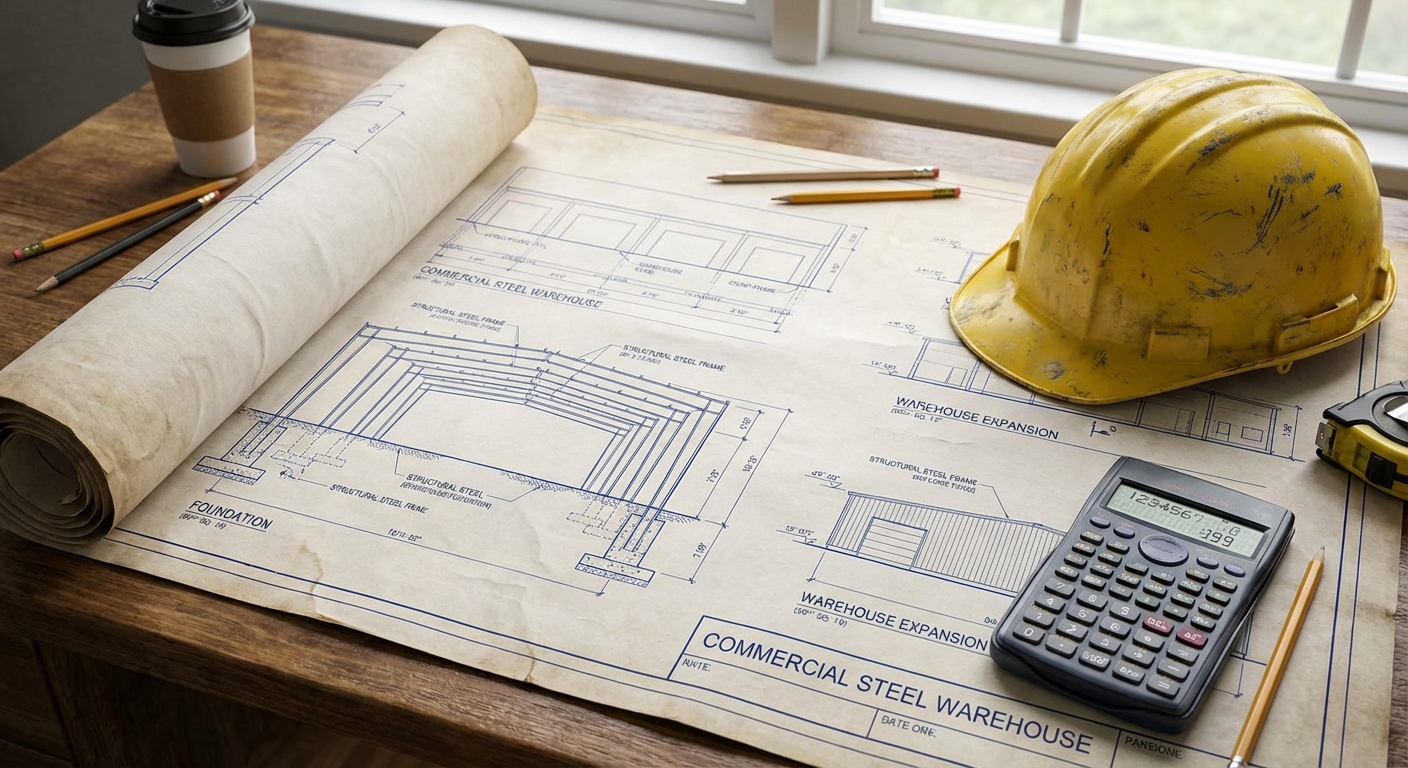
The specific dimensions and internal layout you choose will directly change the steel warehouse cost in africa by altering the amount of steel required for structural support. You can often lower your expenses by opting for a layout that utilizes center columns rather than a massive clear-span design.
Why do wide vs. narrow layouts differ?
Wide layouts require heavier frames to support the roof load without internal columns, which increases the material weight. You will find that narrow layouts are often more cost-effective for workshops or smaller storage units.
- Narrow layouts (clear span).
- Wide layouts (multi-span with columns).
- High-bay storage needs.
The reality is:
Adding just one row of center columns can drastically reduce the size of the main rafters. This simple design choice saves you a significant amount of money on raw steel weight.
Key Takeaway: Strategic structural design and layout choices are your most effective tools for controlling material weight and costs.
| Layout Type | Steel Weight | Cost Efficiency | |
|---|---|---|---|
| Clear Span (Wide) | High | Low | |
| Multi-Span (Columns) | Low | High | |
| Narrow Span | Moderate | High |
Optimizing your floor plan for column placement can reduce the total structural steel budget by up to fifteen percent.
Can design lower the steel warehouse cost in africa?
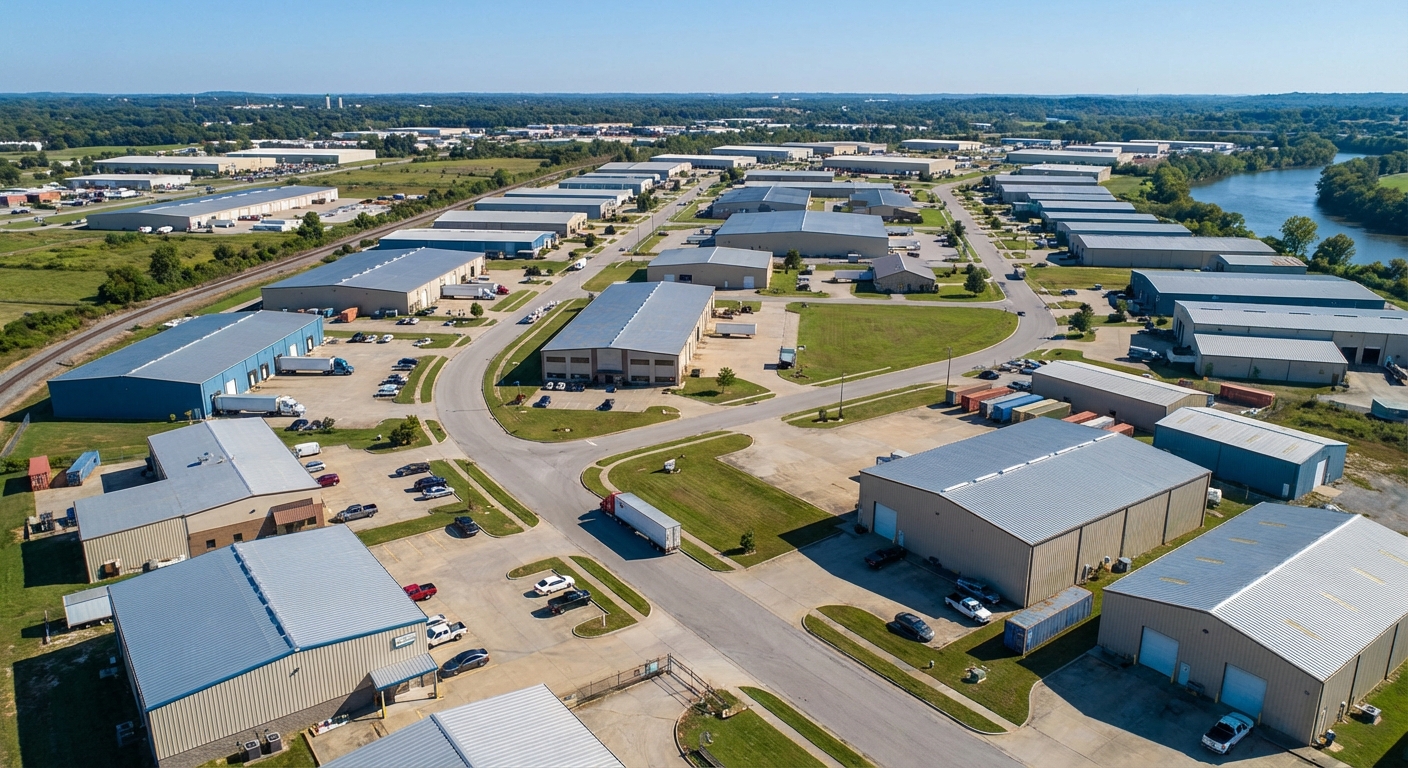
Smart design can lower the steel warehouse cost in africa by reducing material waste and streamlining the on-site assembly process. You should focus on standardizing your building components to take advantage of prefabricated efficiencies that reduce expensive field modifications.
How does pre-engineering save money?
Pre-engineered buildings are designed to use only the exact amount of steel required for your specific load requirements. You receive a complete system where every part is numbered and ready for quick bolt-together assembly.
- Precision-cut components.
- Reduced on-site welding.
- Faster construction timelines.
But that is not all…
A faster build time means you can start operations sooner, providing a quicker return on your investment. You save on labor hours and equipment rental fees every day the project finishes ahead of schedule.
Key Takeaway: Utilizing prefabricated and standardized designs minimizes waste and accelerates your path to operational profitability.
| Design Strategy | Benefit | Cost Saving | |
|---|---|---|---|
| Standard Bays | High | High | |
| Pre-engineered | High | Moderate | |
| Custom Curves | Low | Low |
Using standardized dimensions allows you to avoid the premium prices associated with custom structural engineering.
What materials alter steel warehouse cost in africa?
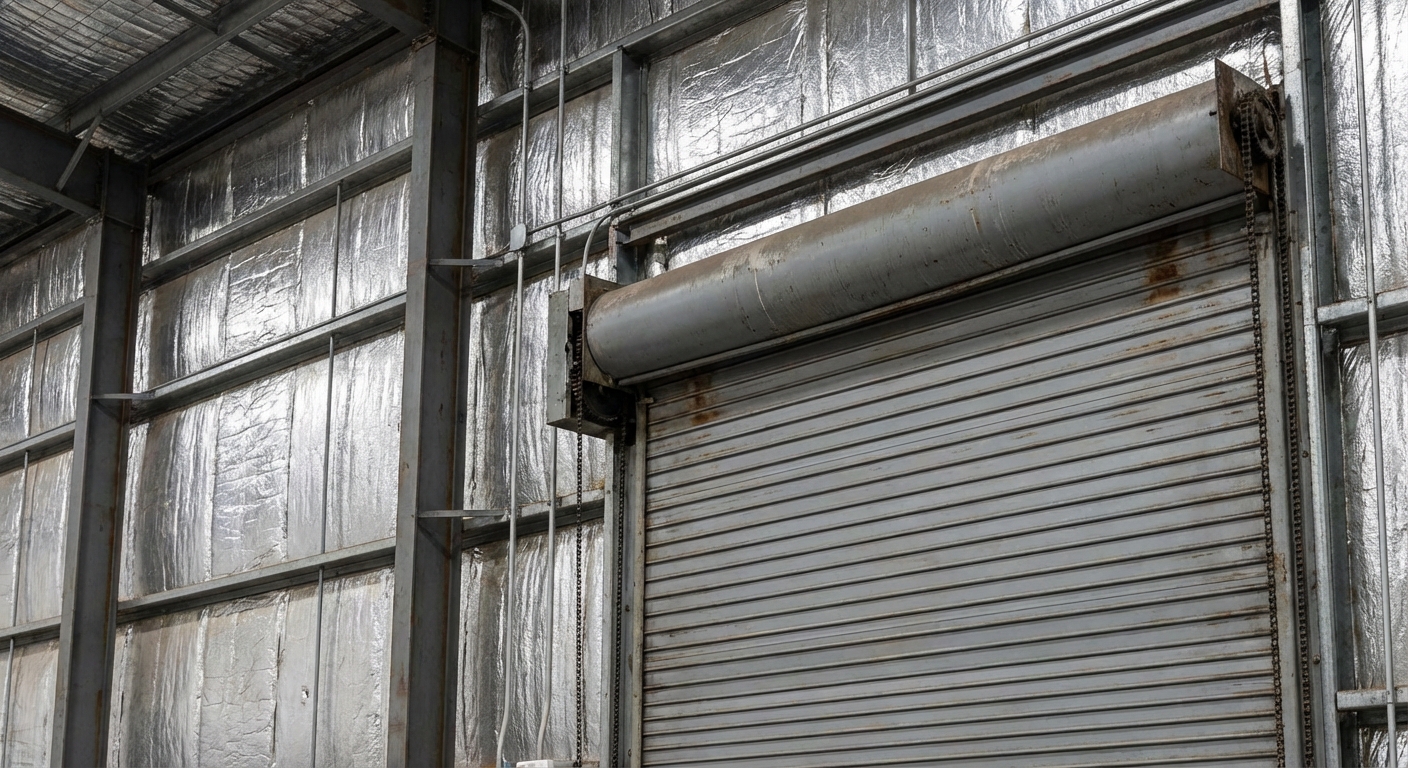
Your choice of cladding, insulation, and door systems will significantly alter the final steel warehouse cost in africa for your project. You must decide between basic single-skin sheets and high-performance thermal panels that can reduce your long-term energy consumption.
How does insulation impact your budget?
Installing high-quality thermal panels can lower your heating and cooling costs by up to fifty percent. You will find that these materials are essential if you are storing temperature-sensitive goods or humidity-prone inventory.
- Batted insulation (Basic).
- Thermal insulated panels (Premium).
- Vapor barriers for moisture control.
Think about this:
Premium materials might increase your “hard” costs upfront, but they pay for themselves through energy savings. You should view these choices as a long-term investment in your building’s efficiency.
Key Takeaway: High-performance materials increase initial costs but dramatically lower the total cost of ownership over the building’s life.
| Material | Initial Cost | Energy Savings | |
|---|---|---|---|
| Single Skin Cladding | Low | Low | |
| Insulated Panels | High | High | |
| Basic Insulation | Moderate | Moderate |
Investing in high-quality insulation is the most effective way to manage the internal climate of a large steel structure.
Is labor a major steel warehouse cost in africa?
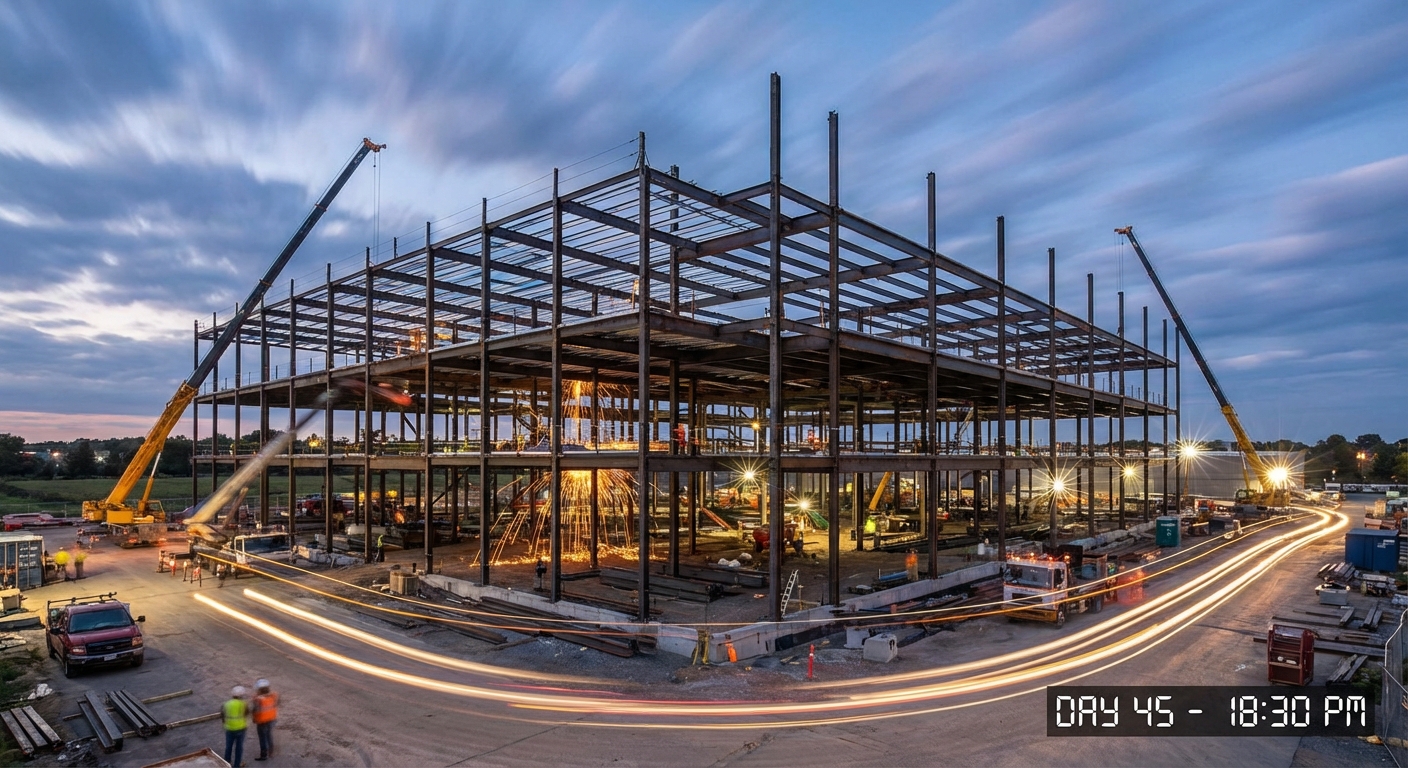
Labor typically represents between twenty and forty percent of your total budget, making it a critical component of the steel warehouse cost in africa. You must account for wages, insurance, and the specialized skills required for erecting complex industrial steel structures safely.
How to manage site labor expenses?
Using modular or pre-fabricated systems allows you to reduce the total number of man-hours spent on the construction site. You can also save money by ensuring the site is fully prepared for the assembly crew before they arrive.
- Skilled erector teams.
- Specialized machinery operators.
- Site management and supervision.
Believe it or not:
Poor planning can lead to crews standing idle while waiting for materials or equipment. You must coordinate your delivery schedule perfectly to keep labor costs from spiraling out of control.
Key Takeaway: Efficient site management and prefabricated systems are key to minimizing the labor portion of your construction budget.
| Labor Element | Cost Impact | Complexity | |
|---|---|---|---|
| Frame Assembly | High | High | |
| Foundation Crew | Moderate | Moderate | |
| Finishing Labor | Low | Low |
Reducing the construction timeline through better planning is the fastest way to cut your total labor expenditure.
Why invest despite steel warehouse cost in africa?
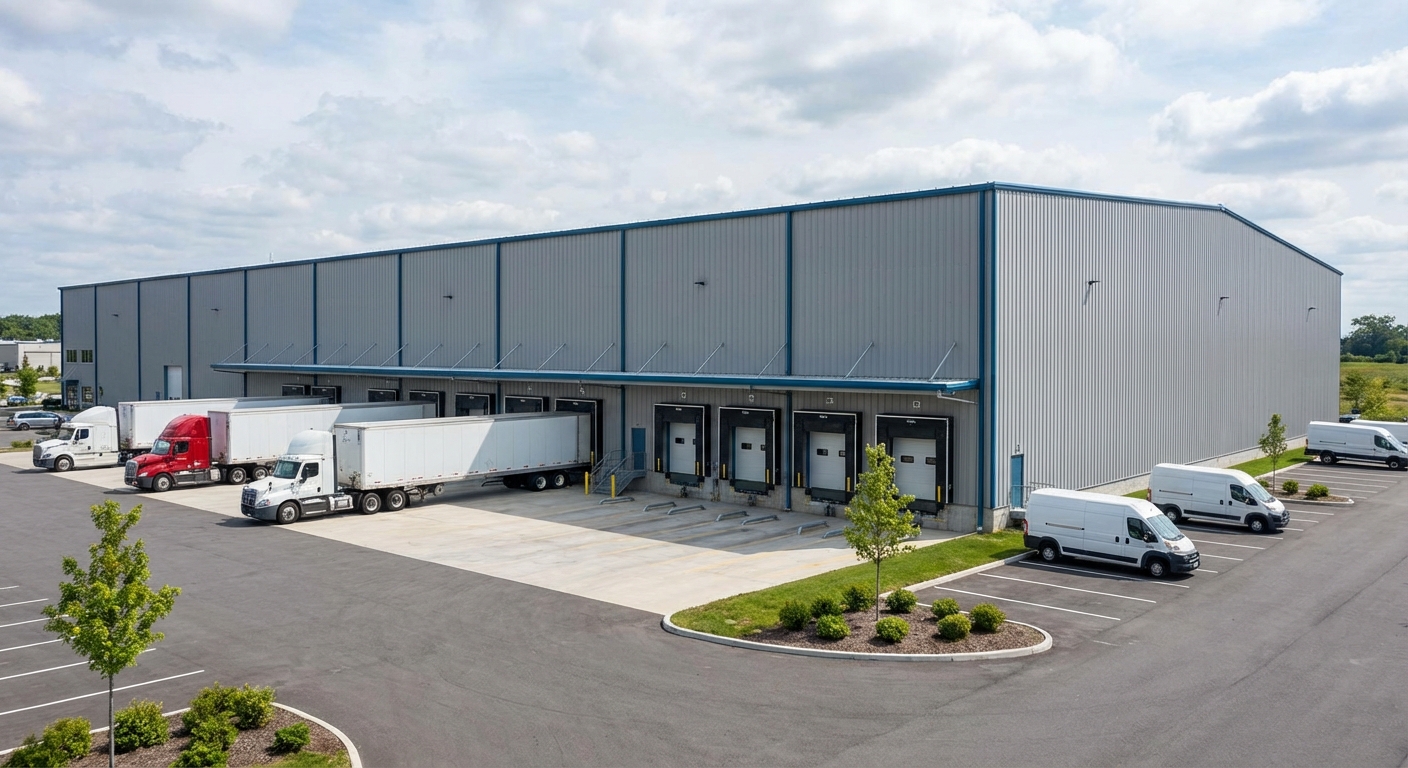
Investing in industrial space is a sound strategy because the current steel warehouse cost in africa is balanced by strong rental yields and long-term capital growth. You can capitalize on the massive infrastructure surge and the permanent shift toward digital commerce that requires robust logistics centers.
What is the future ROI?
High demand for quality warehouse space ensures that vacancy rates remain low and rental prices stay competitive. You will find that a well-built steel facility holds its value much better than older, conventional structures.
- High rental demand.
- Low maintenance expenses.
- Easy future expansions.
Look at it this way:
A warehouse isn’t just a building; it’s a critical component of the supply chain that generates consistent revenue. You are securing a piece of the continent’s growing industrial backbone.
Key Takeaway: Strong market demand and the inherent durability of steel make warehouse construction one of the most resilient investments today.
| Investment Driver | ROI Potential | Risk Level | |
|---|---|---|---|
| Rental Growth | High | Low | |
| Asset Durability | High | Low | |
| Market Demand | High | Moderate |
The ability to easily expand or modify steel structures provides your investment with long-term flexibility as market needs change.
Summary of Industrial Investment
Building a warehouse in South Africa is a strategic decision that requires balancing initial capital expenditure with future operational efficiency. By choosing high-quality steel materials, optimizing your building’s layout, and leveraging prefabricated construction methods, you can mitigate the risks of market volatility. The current high demand for logistics and industrial space provides a unique window for investors to secure high rental yields and long-term growth. To begin planning your specialized facility and secure an accurate budget, contact us today for a professional consultation. We are dedicated to providing engineered excellence and factory-direct value to help you build the foundations of African industry.
Frequently Asked Questions (FAQ)
- Can I customize my warehouse for cold storage?Yes, you can integrate high-performance thermal panels and specialized vapor barriers to maintain the strict temperature levels required for cold storage.
- What’s the best way to handle ventilation?A combination of natural ridge vents and active exhaust fans is the most cost-effective way to manage air quality and moisture.
- Can I expand my warehouse later?Absolutely, steel structures are designed for modularity, allowing you to add new bays or increase length with minimal disruption to current operations.
- How do I ensure compliance with local codes?Working with an experienced manufacturer ensures that all engineering drawings are designed to meet specific local wind, snow, and seismic loads.
- Can I get a fixed price for my project?While material prices vary, many manufacturers offer comprehensive quotes that lock in your fabrication costs once the design is finalized and the contract is signed.