
Starting a commercial poultry operation requires securing a contract with a reputable integrator and building a facility that balances high-tech efficiency with structural durability. Many aspiring growers feel overwhelmed by the sheer scale of the initial investment and the complexity of modern agricultural standards. Without a clear roadmap, the risk of miscalculating operational expenses or choosing the wrong infrastructure can turn a promising business into a financial burden. To successfully navigate how to start a chicken farm, you must conduct a rigorous evaluation of your financial readiness and the specialized engineering of your housing.
Is the poultry industry the right lifestyle for me?
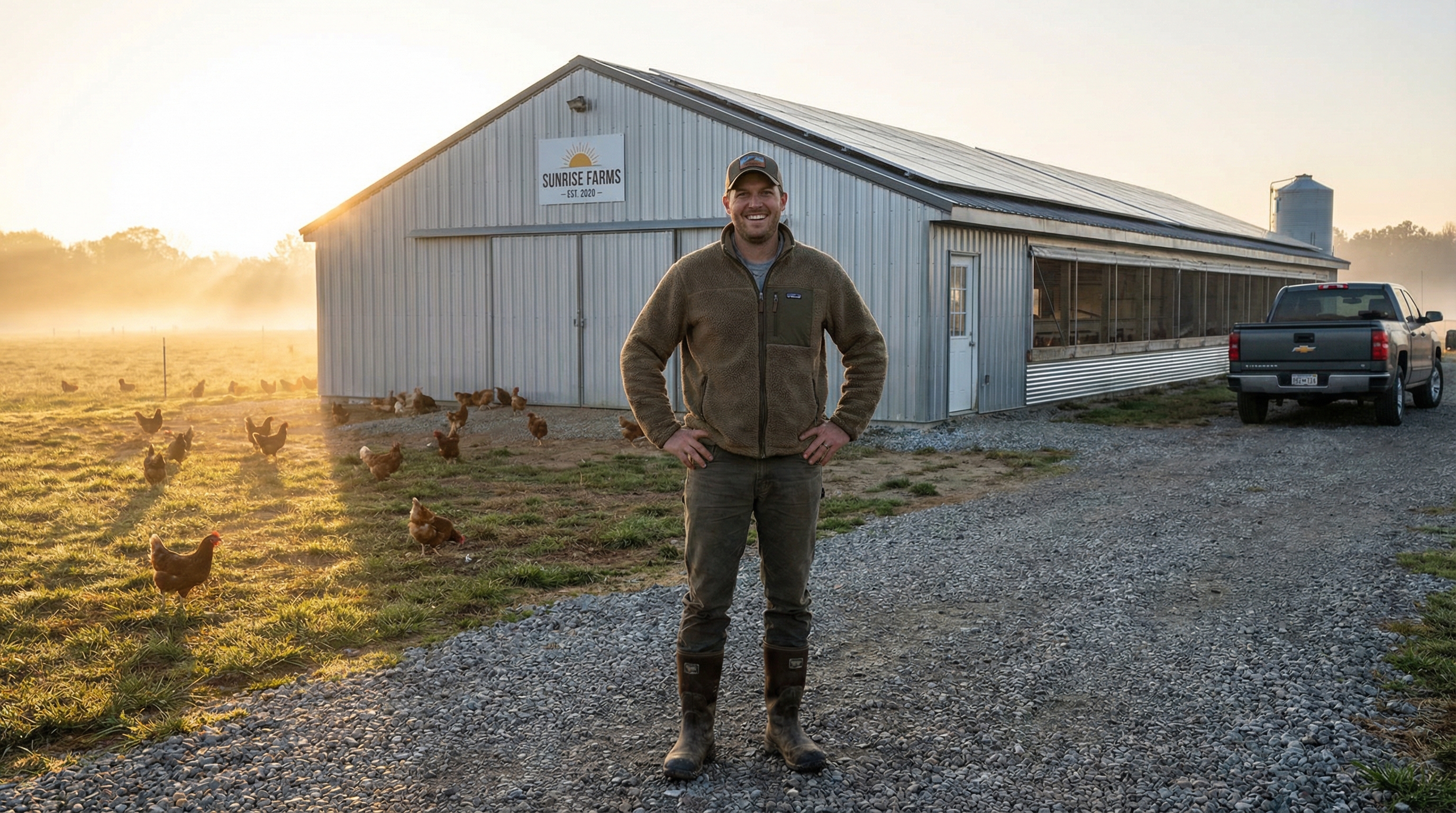
The poultry industry is right for you if you can commit to 24/7 management and the physical demands of intensive bird husbandry. Success in determining how to start a chicken farm depends on your willingness to live on-site and monitor environmental controls constantly. You must balance family life with the strict operational radius required by major integrators.
Think about this:
- Are you comfortable with a 365-day commitment to livestock?
- Can you handle the physical labor of equipment maintenance?
- Is your family prepared for the realities of rural farm life?
Can I handle the daily labor and management tasks?
Operating a farm involves constant monitoring of bird health and sophisticated ventilation systems. You must be prepared to troubleshoot mechanical failures at any hour of the day or night. This intensive management style ensures the flock reaches market weight efficiently.
What is it like to live on the farm property?
Living on-site is a standard requirement for most integrators to ensure rapid response to emergencies. You will experience the “ups and downs” of the industry right from your front door. This proximity is vital for bio-security and immediate animal welfare interventions.
How can I gain hands-on experience before investing?
You should visit existing operations and work alongside established growers to understand the practical workload. Gaining this perspective helps prevent “sticker shock” regarding the labor requirements of high-density production. Most successful farmers started by apprenticing with veterans in their local region.
| Factor | Requirement | Impact | |
|---|---|---|---|
| Labor | High | Daily physical presence required | |
| Location | On-site | 24/7 emergency response capability | |
| Training | Mentorship | Reduces initial operational errors |
Effective lifestyle planning ensures that the human element of the farm remains as resilient as the infrastructure.
Key Takeaway: Personal readiness and lifestyle alignment are the foundations of long-term poultry farming success.
How do I estimate income and expenses for a new farm?
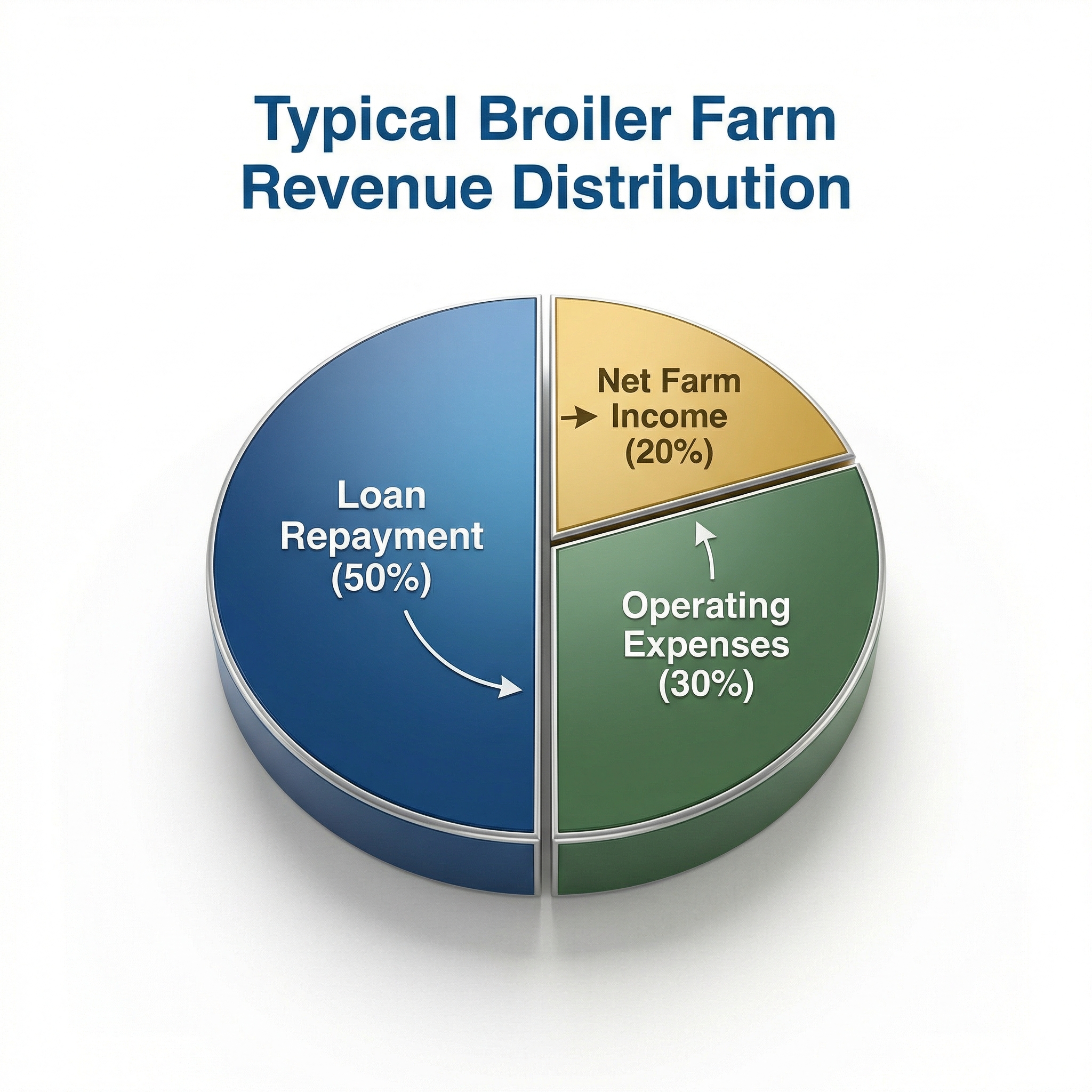
You estimate income by calculating gross revenue against fixed loan payments and variable input costs like fuel and electricity. When researching how to start a chicken farm , you must realize that operating expenses typically consume 30% to 35% of revenue. Newer buildings can lower these costs toward 25% by maximizing energy efficiency and structural integrity.
Here’s the deal:
- Loan payments often account for 50% of your gross revenue.
- Net income generally ranges between 15% and 20% for new operations.
- Energy-efficient housing directly increases your bottom-line returns.
What is the typical distribution of gross revenue?
Gross revenue is often dominated by debt service and the rising costs of utilities. You must manage variable inputs strictly to protect your 20% net profit margin. Understanding this distribution allows you to create a realistic household budget before breaking ground.
How do modern housing technologies improve returns?
Investing in high-tech steel structures reduces the long-term maintenance costs that plague older wooden houses. You can capture greater economies of scale by building larger, more efficient houses per farm. These efficiencies allow you to sustain net revenue even during market fluctuations.
What are the common terms for poultry farm loans?
While 15-year terms were once the standard, 20-year loans are now common to improve immediate cash flow. You must consider how a longer term affects your equity position in the later years of the operation. Discussing these terms with an ag-specific lender is crucial for financial stability.
| Expense Category | Percentage | Strategy | |
|---|---|---|---|
| Loan Repayment | 50% | Fixed cost, manage via term length | |
| Operations | 30% | Variable cost, reduce via efficiency | |
| Net Income | 20% | Profit, maximize via management |
Accurate financial forecasting prevents the cash flow strains that often lead to long-term business failure.
Key Takeaway: Financial success depends on minimizing variable expenses through the use of modern, efficient building technologies.
What are the first steps to take with an integrator?
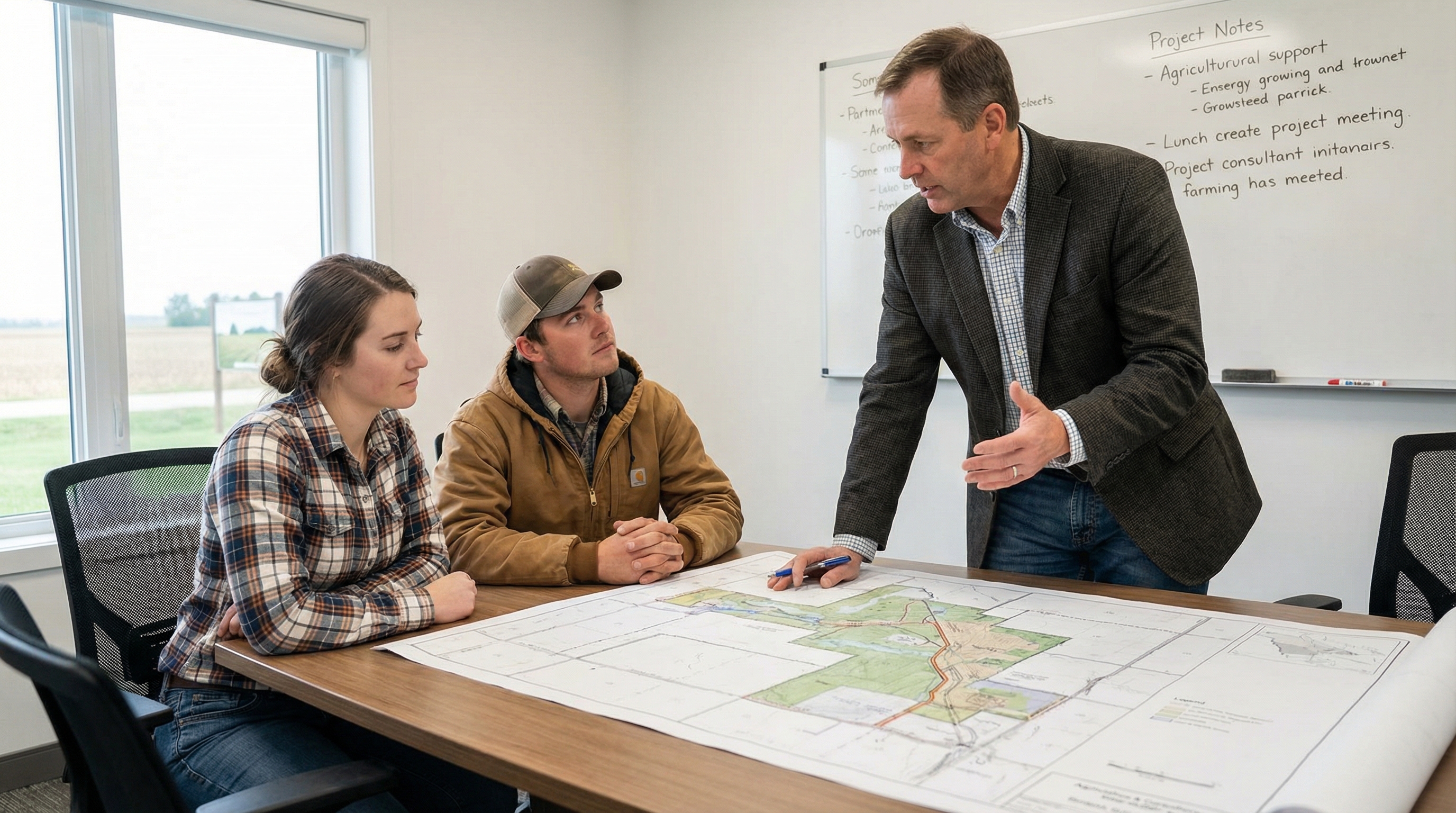
The first step is contacting a local broiler company’s live production office to inquire about new grower opportunities. Your journey in how to start a chicken farm begins with a partnership, as the integrator provides the birds, feed, and technical guidance. You cannot build a commercial facility without a signed letter of intent or a formal contract.
The truth is:
- Integrators have specific housing specs that you must follow exactly.
- Local demand for new growers varies by region and complex capacity.
- You need a pro forma document from them for your loan application.
How do I find a local broiler company office?
Research the agricultural directories in your region to identify the “live production” headquarters. You should schedule a meeting to discuss their current need for additional housing units. This direct communication ensures you are building according to their specific market demands.
What are the integrator’s specific requirements?
Each company dictates the house size, equipment brands, and ventilation standards you must implement. You are responsible for ensuring your builder delivers a facility that meets these exacting benchmarks. Failure to comply can result in the integrator refusing to place birds in your houses.
What is a pro forma document?
A pro forma is a business cash flow estimate based on local production averages provided by the company. You will use this document to convince lenders that your farm is a viable investment. It serves as the financial blueprint for your first few years of operation.
| Step | Action | Objective | |
|---|---|---|---|
| Inquiry | Contact Office | Confirm grower vacancy | |
| Specs | Review Docs | Understand build requirements | |
| Pro Forma | Request Data | Secure financing evidence |
Building a strong relationship with your integrator representative is the most important business connection you will make.
Key Takeaway: You must secure a commitment from a poultry integrator before investing any capital into land or construction.
How do I choose the most suitable location?
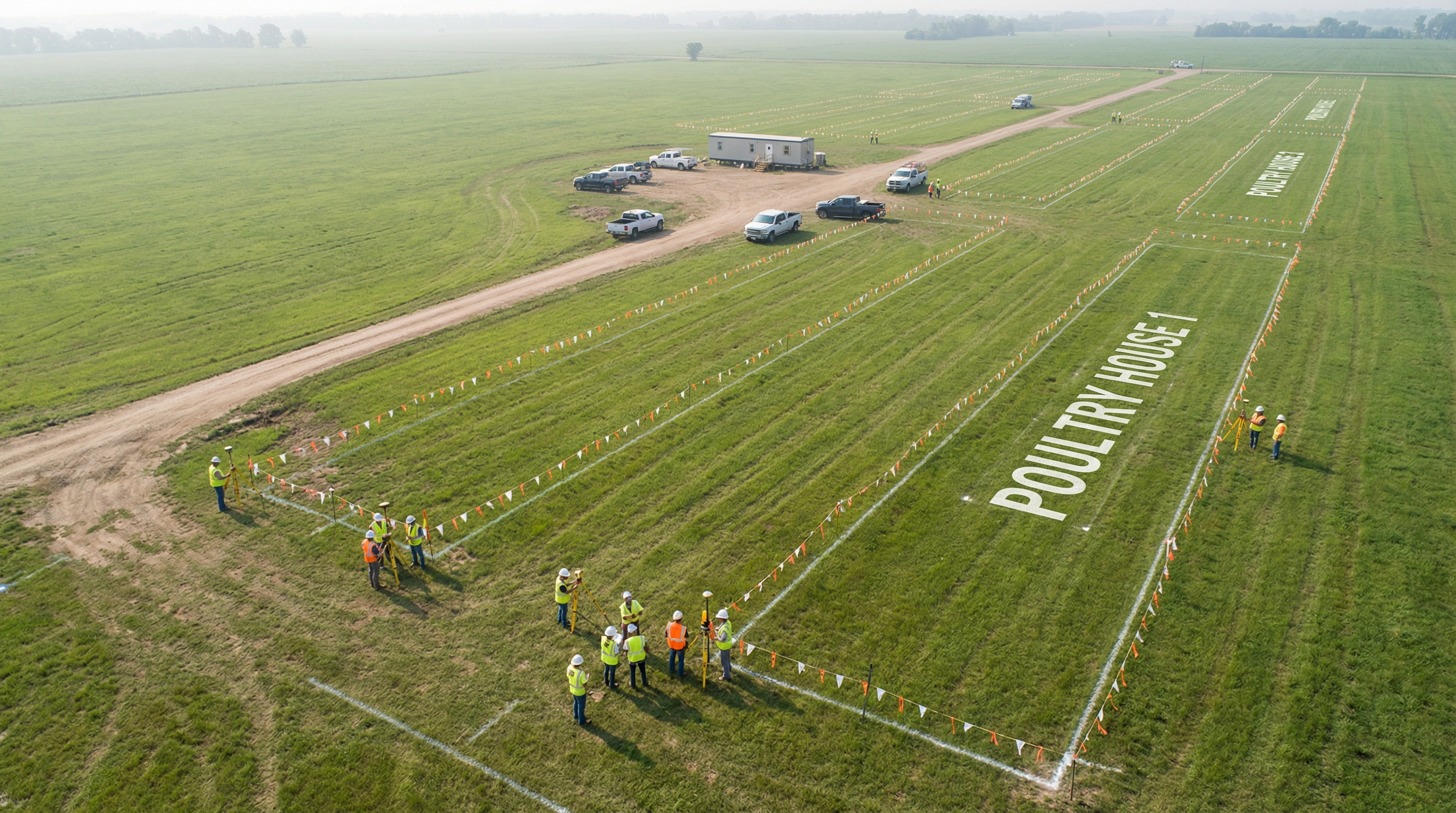
You choose a location by ensuring the land is within the integrator’s operational radius and has sufficient utility access. Finding the right site for how to start a chicken farm involves verifying proximity to the feed mill to control logistics costs. The terrain must also support the massive footprint of multiple large-scale steel houses.
But wait, there’s more:
- Your land needs two independent water sources for safety.
- High-capacity electricity is essential for modern ventilation systems.
- Proper drainage is required to prevent water accumulation around the structures.
Is my land within the required radius of the feed mill?
Integrators limit their reach to specific distances to keep transportation costs for feed and birds low. You must verify these boundaries before purchasing property for your new agricultural venture. Being outside this zone typically disqualifies you from securing a production contract.
Does the property have sufficient utility access?
Commercial farms require significant power and water volume that standard residential lines cannot provide. You should factor the cost of extending these utilities into your initial startup budget. Some remote properties may incur prohibitive costs for bringing in three-phase electricity or drilling deep wells.
Is the terrain suitable for large-scale steel structures?
Leveling a site for poultry houses can be expensive if the terrain is rocky or excessively sloped. You need a site plan that accounts for heavy vehicle access and the orientation of the long houses. A stable foundation is critical for maintaining the structural integrity of your clear-span buildings.
| Site Feature | Requirement | Importance | |
|---|---|---|---|
| Distance | < 50 miles | Feed mill logistics | |
| Water | Dual Source | Flock survival redundancy | |
| Terrain | Flat/Stable | Construction cost control |
A well-chosen location reduces long-term operational headaches and ensures your farm fits within the integrator’s supply chain.
Key Takeaway: Site selection is a strategic decision that impacts your utility costs, logistics, and eligibility for integrator contracts.
What regulations and neighbor policies should I consider?

You must comply with local zoning laws, environmental setbacks, and waste management regulations to operate legally. When learning how to start a chicken farm, you must engage with the Natural Resource Conservation Service (NRCS) to develop a litter management plan. Navigating these rules prevents legal challenges that could halt your project mid-construction.
Look at it this way:
- Setbacks protect property lines and riparian water sources.
- Odor and noise management are key to being a “good neighbor.”
- Environmental permits are required before any earth-moving begins.
What are the required setbacks for animal feeding operations?
Local laws dictate how far your houses must be from public roads and neighboring residences. You must consult your county’s zoning office to ensure your site plan respects these mandatory distances. Ignorance of these setbacks can lead to costly delays or the denial of building permits.
How do I manage a waste management plan?
You need a professional plan for the storage, handling, and disposal of poultry litter and mortality. Working with the NRCS helps you implement best practices that protect local water quality. These plans are often a prerequisite for obtaining state-level environmental operating permits.
How does a “good-neighbor policy” protect my investment?
Communicating with your neighbors about your plans helps mitigate concerns about noise, dust, and odor. You should orient your facilities to minimize nuisances and consider planting tree buffers to shield the view. Maintaining positive relationships prevents future legal conflicts and community opposition.
| Regulation | Agency | Purpose | |
|---|---|---|---|
| Setbacks | County Zoning | Buffer zones/Property rights | |
| Waste Plan | NRCS | Water quality protection | |
| Permits | State EPA | Environmental compliance |
Compliance with regulatory standards is not just a legal hurdle; it is a vital part of sustainable farm management.
Key Takeaway: Proactive regulatory compliance and neighbor relations are essential for securing your farm’s right to operate.
Why is steel structure the best choice for construction?
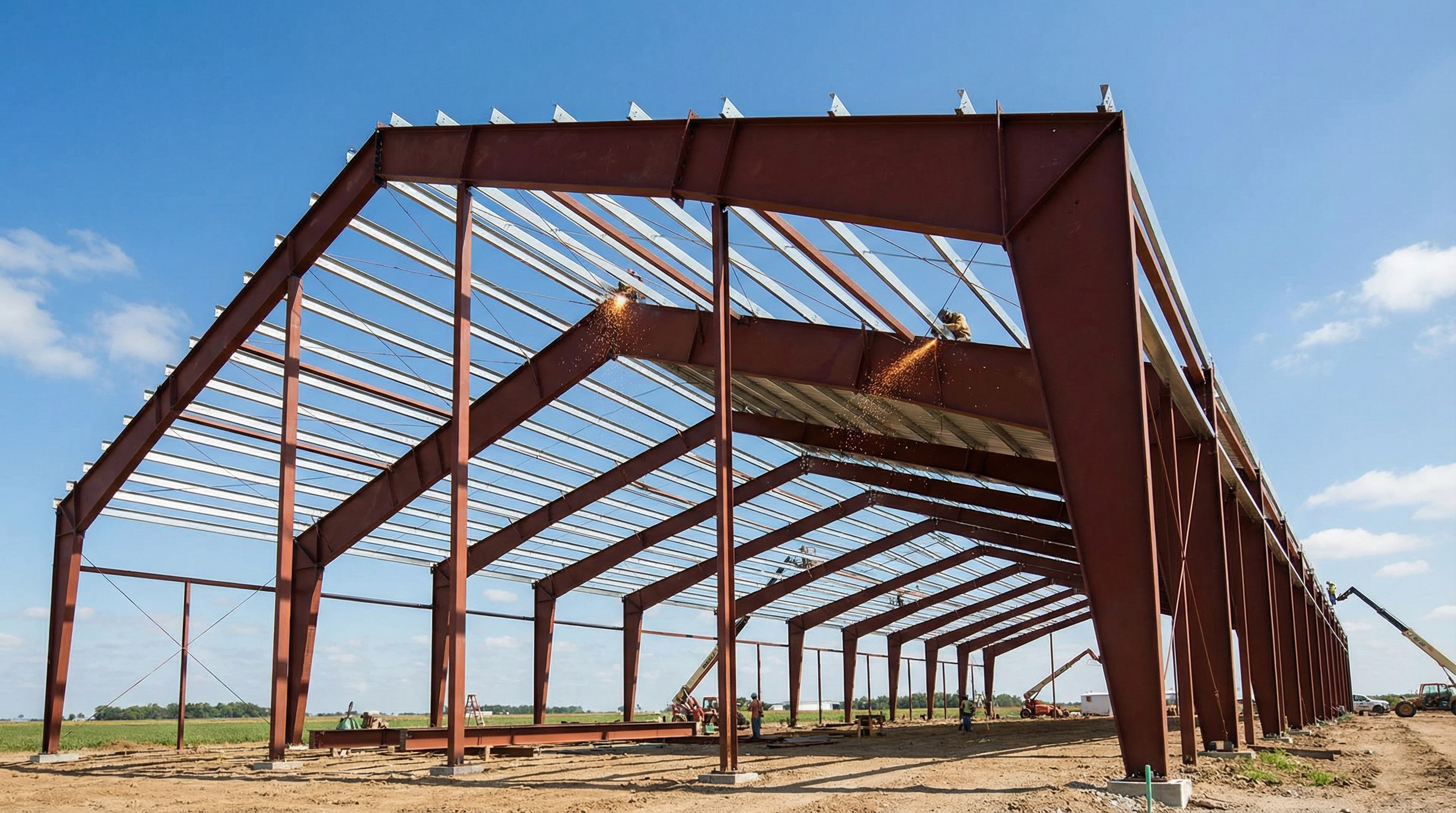
Steel structure is the best choice because it offers superior durability, easier sanitation, and the clear-span capabilities modern equipment requires. If you are researching how to start a chicken farm , steel is the industry standard for bio-security and longevity. Unlike wood, steel does not rot, harbor pests, or warp under the high-moisture conditions of a poultry house.
It gets better:
- Factory-direct steel can save you 30% to 50% on material costs.
- Steel buildings are engineered to withstand extreme wind and snow loads.
- The smooth surfaces of steel facilitate faster and more effective disinfection.
What are the benefits of factory-direct steel buildings?
Sourcing directly from a manufacturer ensures all components are precision-cut and ready for rapid on-site assembly. You eliminate middleman markups while receiving professional engineering support tailored to your project. This approach provides the best balance of high-quality materials and competitive pricing.
How does steel improve bio-security and hygiene?
Steel frames and panels do not absorb moisture or organic matter, making them much easier to sanitize between flocks. This reduces the risk of disease transmission and improves the overall health of your birds. In an industry where performance is everything, hygiene is a critical competitive advantage.
Can steel houses handle extreme weather conditions?
Modern steel poultry houses are designed with specific local weather patterns in mind, including seismic and wind loads. You get a structure that provides superior protection for your livestock during severe storms. This structural resilience protects your long-term investment and ensures operational continuity.
| Material | Durability | Hygiene | Clear Span | |
|---|---|---|---|---|
| Steel | 50+ Years | Excellent | Up to 40m+ | |
| Wood | 15-20 Years | Poor | Limited | |
| Concrete | Variable | Good | Difficult |
Choosing high-quality steel infrastructure ensures your farm remains functional and efficient for decades of production.
Key Takeaway: Steel structures provide the necessary bio-security, durability, and space efficiency for modern commercial poultry success.
How do I navigate housing specifications and engineering?
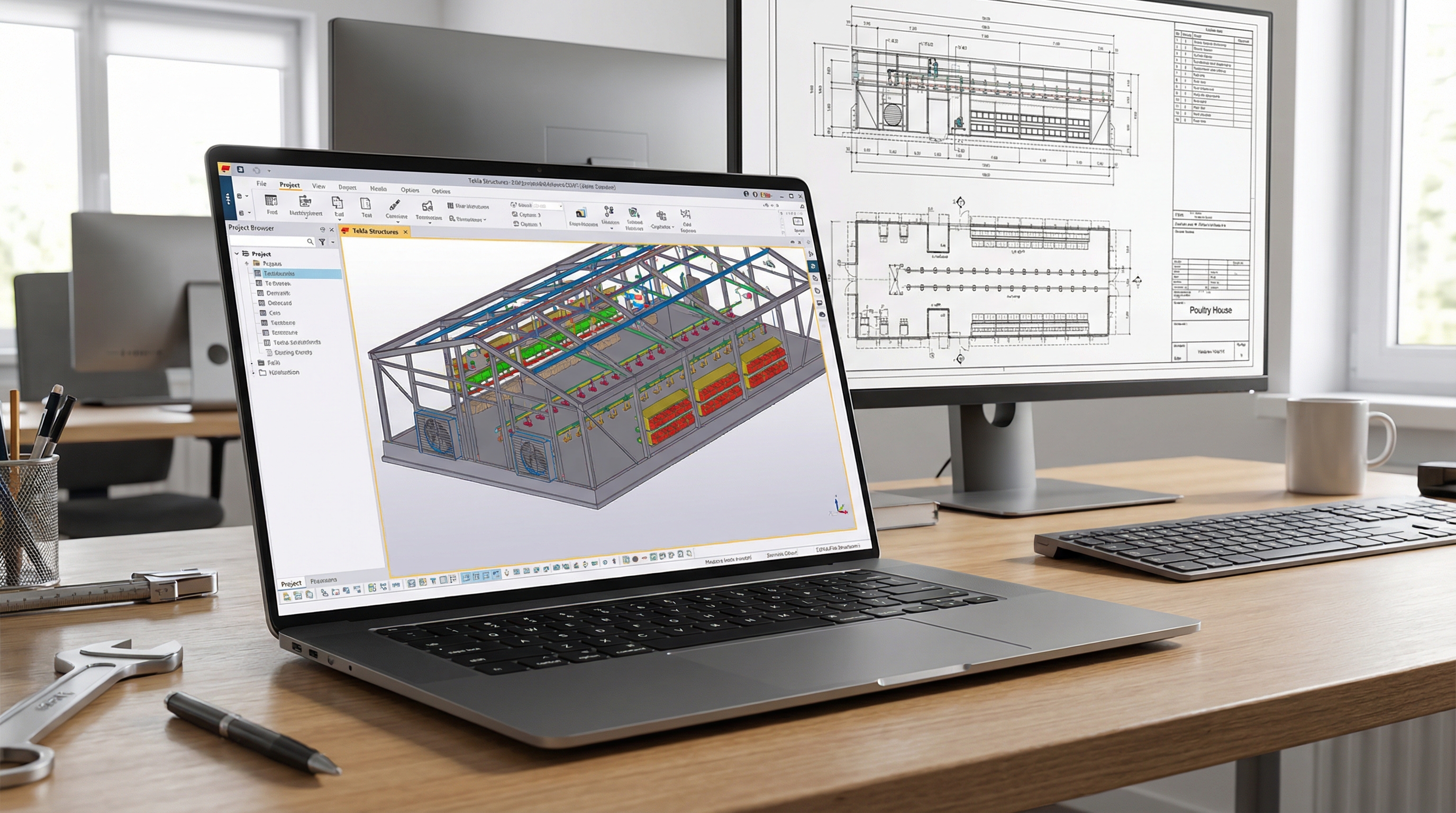
You navigate specifications by following the integrator’s detailed drawings and using professionally engineered plans for your build. Understanding how to start a chicken farm requires knowing that failure to meet these specs can lead to a contract being voided. You must ensure that every bolt, panel, and frame meets the load requirements for your specific soil and climate.
Best of all:
- Free engineering support using Tekla or AutoCAD reduces project risk.
- Stamped drawings ensure compliance with local building codes.
- Complete housing packages arrive installation-ready to save time.
Why are professionally engineered drawings required?
Buildings must meet specific design standards for wind, snow, and soil types to ensure they are safe and legal. You need drawings that are stamped by an accredited engineer to satisfy both your lender and local inspectors. This precision engineering prevents structural failures that could lead to catastrophic flock loss.
How can free engineering support reduce project risk?
Partnering with a manufacturer that provides complimentary design services ensures that the structure is buildable and accurate. You can see a 3D preview of your project before any steel is cut, allowing for easy modifications. This collaborative process eliminates communication errors between the designer and the fabricator.
What should be included in a complete housing package?
A total system includes primary frames, secondary members, roofing, insulation, and all necessary connection hardware. Every component should be marked and sequenced for assembly according to the installation drawings you receive. This level of organization ensures that your local contractor can complete the build without missing parts.
| Service | Benefit | Result | |
|---|---|---|---|
| 3D Modeling | Visualization | Design accuracy | |
| PE Stamping | Legal Safety | Permit approval | |
| Hardware Kit | Organization | Rapid erection |
Detailed engineering and comprehensive material packages are the keys to a smooth and successful construction phase.
Key Takeaway: Professional engineering support is non-negotiable for ensuring your poultry houses are safe, compliant, and efficient.
What kind of insurance and risk management do I need?
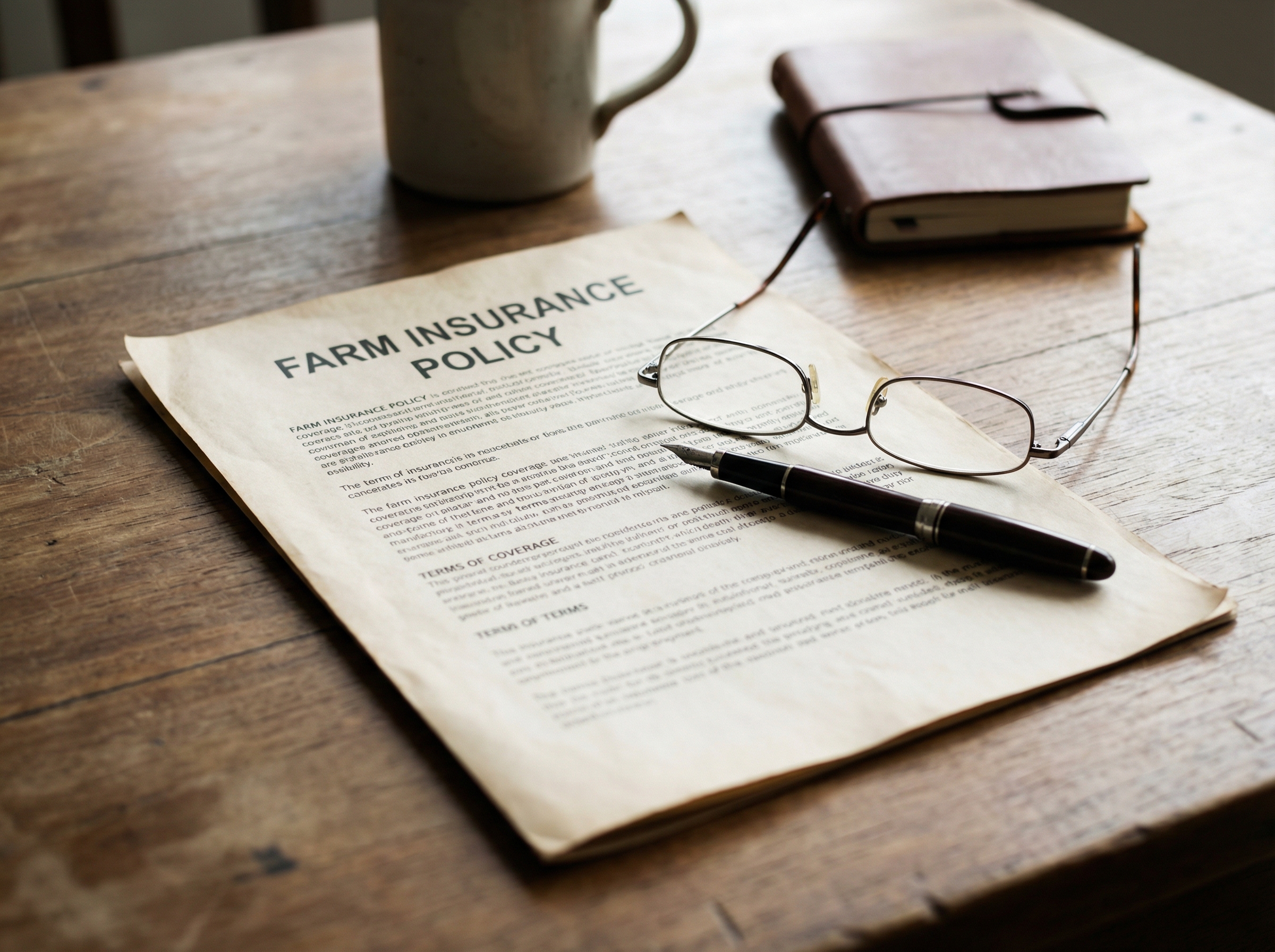
You need robust coverage for property damage, loss of income, and mechanical failures to protect your investment. As you plan how to start a chicken farm , realize that lenders will require a comprehensive insurance policy before finalizing any loans. This financial safety net keeps your business solvent if natural disasters or equipment errors occur.
Bottom line:
- Loss of income coverage should span at least six months.
- Builder’s risk insurance is mandatory during the construction phase.
- Equipment coverage protects against fan, heater, or generator failures.
Why is “loss of income” coverage critical?
If a fire or storm destroys a house, you will lose the revenue from multiple flocks while the facility is rebuilt. This coverage ensures you can continue to meet your loan obligations during the reconstruction period. Without it, a single disaster could lead to bankruptcy for a new farmer.
What does “builder’s risk” insurance cover?
This policy protects your materials and the structure from theft, fire, or weather damage while it is under construction. You must have this in place from the moment materials arrive on-site until the farm is fully operational. It is a vital layer of protection for the high-capital investment of the build.
How do I protect against mechanical failures?
Specialized equipment insurance covers the cost of repairing or replacing critical systems like ventilation fans and backup generators. Since flock survival depends on climate control, a mechanical failure can lead to total bird loss in minutes. Risk management in this area involves both quality insurance and regular preventative maintenance.
| Coverage Type | Protection | Priority | |
|---|---|---|---|
| Property | Structures | Mandatory | |
| Loss of Income | Cash flow | Critical | |
| Equipment | Vital systems | High |
Comprehensive insurance is your ultimate defense against the unpredictable risks of commercial animal agriculture.
Key Takeaway: A tailored insurance portfolio is a fundamental requirement for securing financing and protecting your family’s future.
How much capital is required for startup costs?
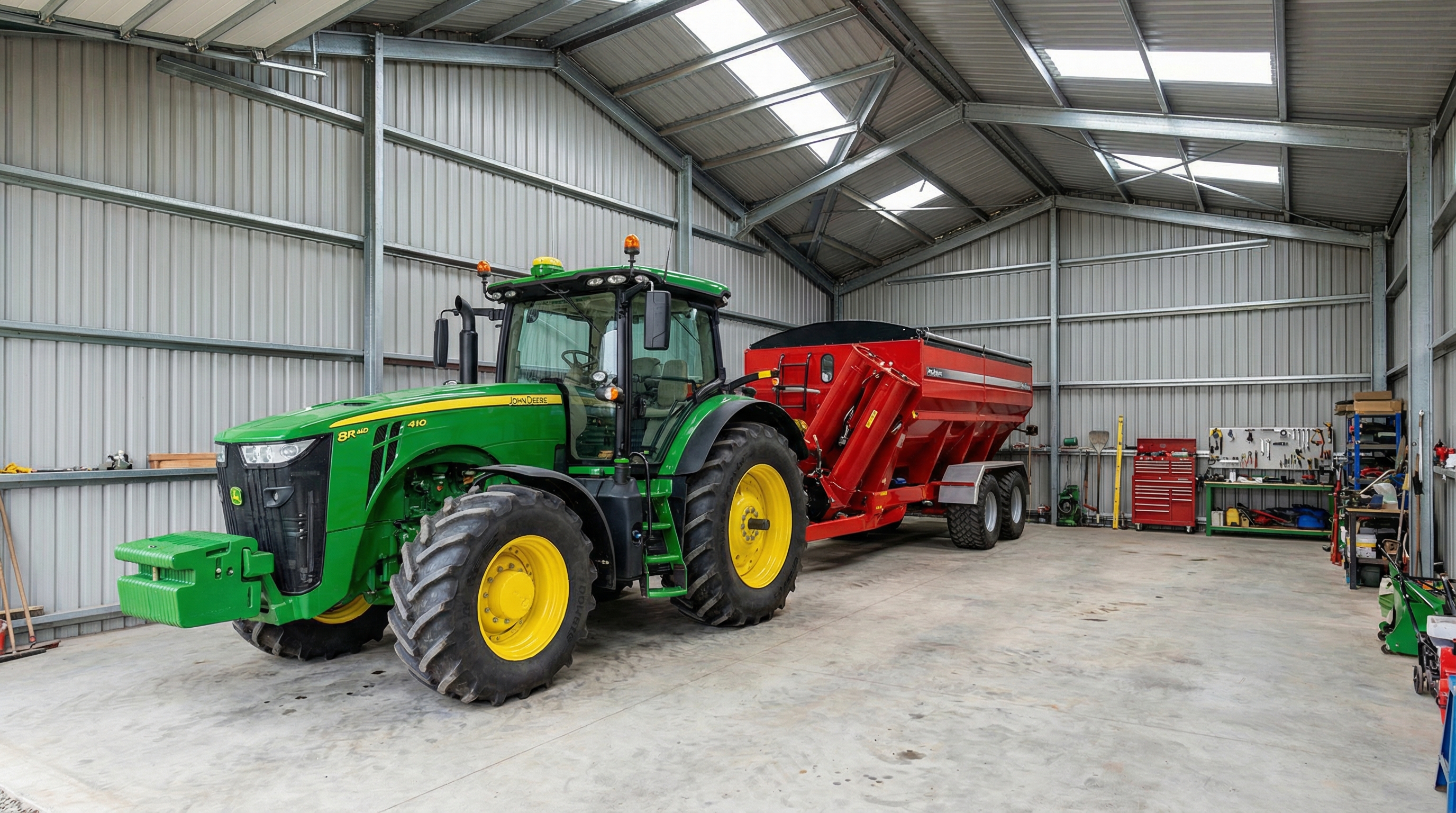
You require significant capital for land, housing construction, rolling equipment, and enough working cash to bridge the gap between flock payments. When calculating how to start a chicken farm, don’t forget the “hidden” costs like utility deposits, diesel fuel, and litter. Most experts recommend having 25% of your annual variable expenses available as liquid working capital.
Let’s be honest:
- Tractors and litter-handling equipment are essential capital outlays.
- Working capital covers bills that come due before you get paid.
- Cost-share programs can help offset the price of waste outbuildings.
What rolling equipment will I need to operate?
You must invest in a reliable tractor, a specialized litter spreader, and trailers for daily farm maintenance. These assets are necessary for handling waste and maintaining the environment within the houses. You should include these items in your initial business plan to ensure you have full operational capability from day one.
How much working capital should I have on hand?
You need cash to cover high utility bills and labor costs that accrue before the first integrator settlement arrives. Being under-capitalized in this area often leads to high-interest credit card debt that erodes your profits. Planning for this cash flow lag is a hallmark of a disciplined and successful poultry business.
Are there cost-share opportunities for outbuildings?
Agencies like the NRCS often provide financial assistance for building litter sheds and composting facilities for mortality management. You should inquire about these programs early to reduce your total out-of-pocket capital requirements. These subsidies can significantly lower the barrier to entry for new growers.
| Asset | Type | Funding Source | |
|---|---|---|---|
| Steel Houses | Fixed | Ag Loan | |
| Tractors | Rolling | Equipment Loan | |
| Litter Sheds | Support | NRCS Cost-Share |
Proper capitalization ensures that your farm can survive the initial “startup phase” and reach long-term profitability.
Key Takeaway: You must account for rolling equipment and working capital in addition to the primary cost of house construction.
What business entity and financing options are available?
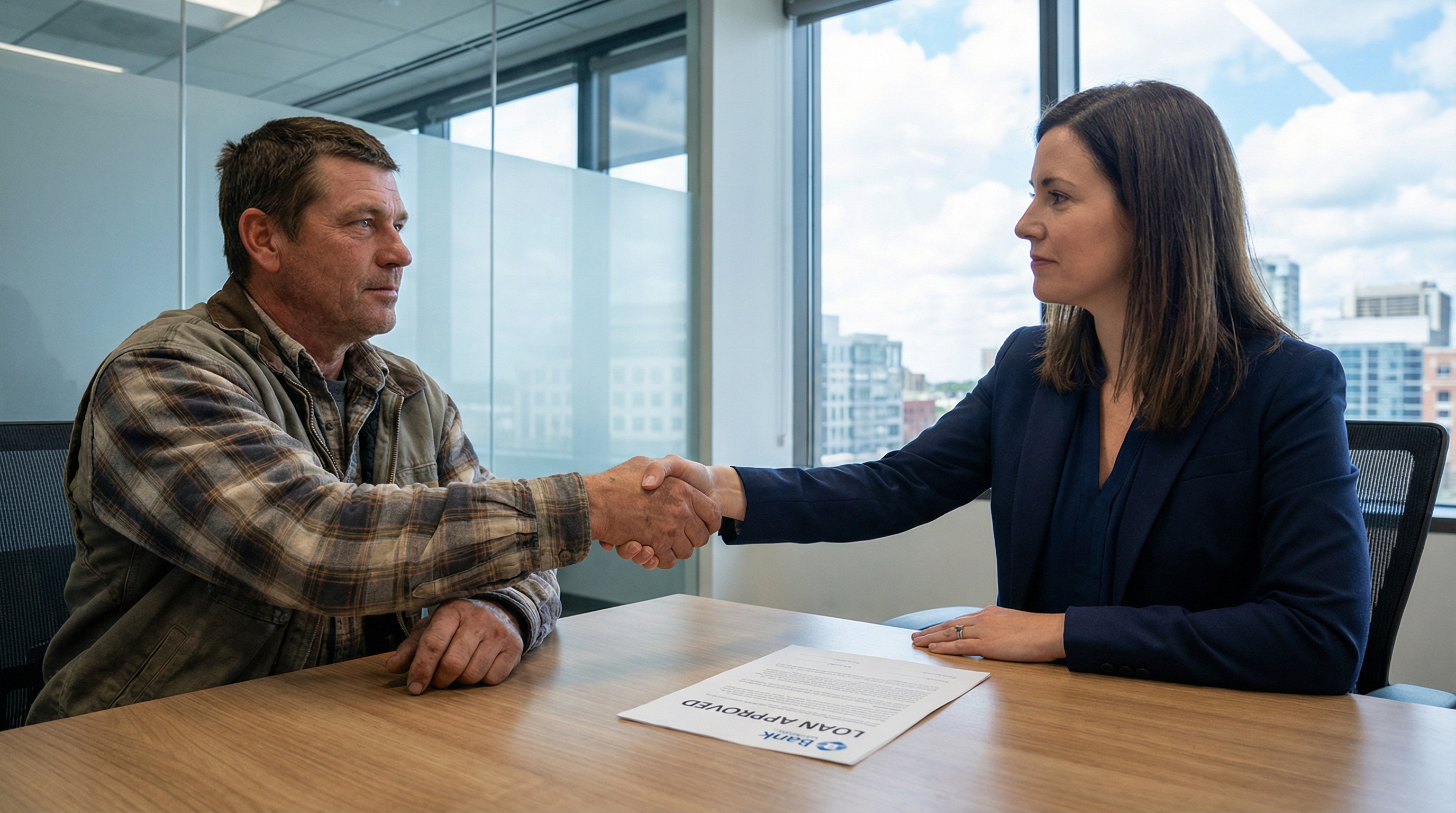
You should consult an accountant to choose between an LLC or sole proprietorship and seek out specialized agricultural lenders for financing. Navigating how to start a chicken farm effectively means choosing a structure that protects your personal assets and optimizes your tax situation. Ag-specific lenders understand the broiler industry’s unique cash flow patterns better than general commercial banks.
The point is:
- Specialized lenders can help you access government loan guarantees.
- A strong business plan is required for any serious loan application.
- Your legal structure affects how you will pass the farm to future generations.
Should I form an LLC or a sole proprietorship?
A Limited Liability Company (LLC) often provides a shield for your personal assets against business-related legal actions. You must discuss your specific household income-tax situation with a professional who has experience in agricultural business. Choosing the right entity from the start prevents costly legal restructuring later.
Where can I find specialized agricultural lenders?
Lenders who focus on agriculture have the expertise to evaluate integrator pro formas and structural quotes accurately. They are more likely to offer terms that align with the 15-to-20-year lifespan of modern poultry equipment. Establishing a relationship with a local ag-banker is a critical step in your financial journey.
How do I prepare for a loan application?
You need a comprehensive package that includes your business plan, the integrator’s letter of intent, and detailed construction quotes. Lenders look for evidence of financial discipline and a clear understanding of the industry’s risks. A well-organized application demonstrates that you are a low-risk, professional partner.
| Entity Type | Liability | Tax Treatment | |
|---|---|---|---|
| Sole Prop | Personal | Individual | |
| LLC | Limited | Flexible | |
| Corporation | Limited | Corporate |
Choosing the right legal and financial framework is the final step in turning your farm vision into a reality.
Key Takeaway: Professional financial and legal advice is critical for setting up a business structure that protects your assets and ensures longevity.
Building Your Future in Poultry
Building a new broiler farm is a massive undertaking that demands precision in both financial planning and physical construction. By focusing on high-quality steel infrastructure and securing strong relationships with integrators and lenders, you can mitigate the inherent risks of this high-capital industry.
At Showhoo Steel Structure, we believe that a farm is only as strong as its foundation. We specialize in delivering professional, factory-direct poultry housing solutions that empower growers in over 65 countries to achieve peak performance. Our team is ready to provide the free engineering support and ISO-certified quality you need to break ground with confidence.
Ready to start your journey? contact us today for a free quote and 3D design preview within 24 hours to see how we can build your success together.
Frequently Asked Questions
Can I start a chicken farm without a contract?No, it is highly discouraged as lenders typically require a signed letter of intent or a contract from an integrator before approving any loans for commercial facilities.
What is the best way to lower my monthly operating costs?Investing in high-quality insulation and energy-efficient steel housing designs is the most effective way to significantly reduce your long-term electricity and heating expenses.
How long does it take to build a modern poultry house?Yes, a steel structure can be manufactured and shipped within weeks, while the actual on-site assembly typically takes between 2 to 4 months depending on local conditions.
What’s the best material for bio-security in chicken houses?Direct judgement favors steel over wood because it is easier to sanitize, does not rot, and does not harbor the pests or bacteria that threaten flock health.
Can I get financial help for my farm infrastructure?Yes, agencies like the NRCS offer cost-share opportunities for waste management structures, which can help offset the startup costs for litter sheds and mortality facilities.