
Steel structure fabrication is a critical manufacturing process that underpins the modern construction, energy, and aerospace industries. By transforming raw steel alloys into precise, load-bearing components, fabricators provide the skeleton for the world’s most complex infrastructures. This guide explores the technical nuances, essential stages, and strategic advantages of high-quality fabrication.
Key Takeaways
- Efficiency: Prefabrication in controlled environments reduces on-site construction time by up to 50%.
- Versatility: Capable of achieving clear spans of 40m to 100m+ for industrial and aviation needs.
- Sustainability: Steel is 100% recyclable, significantly lowering the long-term carbon footprint of large-scale projects.
- Precision: Integration of 3D modeling and CNC machinery ensures zero-error assembly.
What is steel structure fabrication exactly?
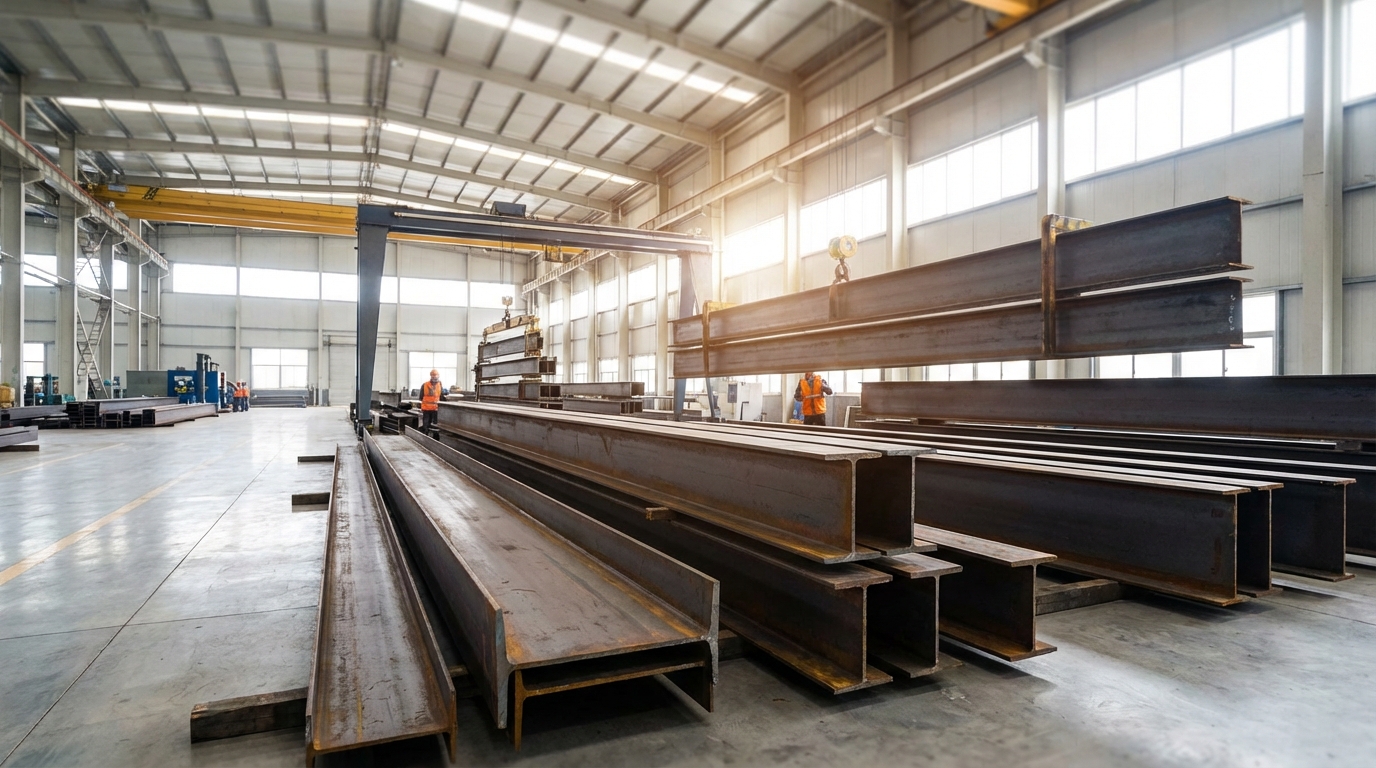
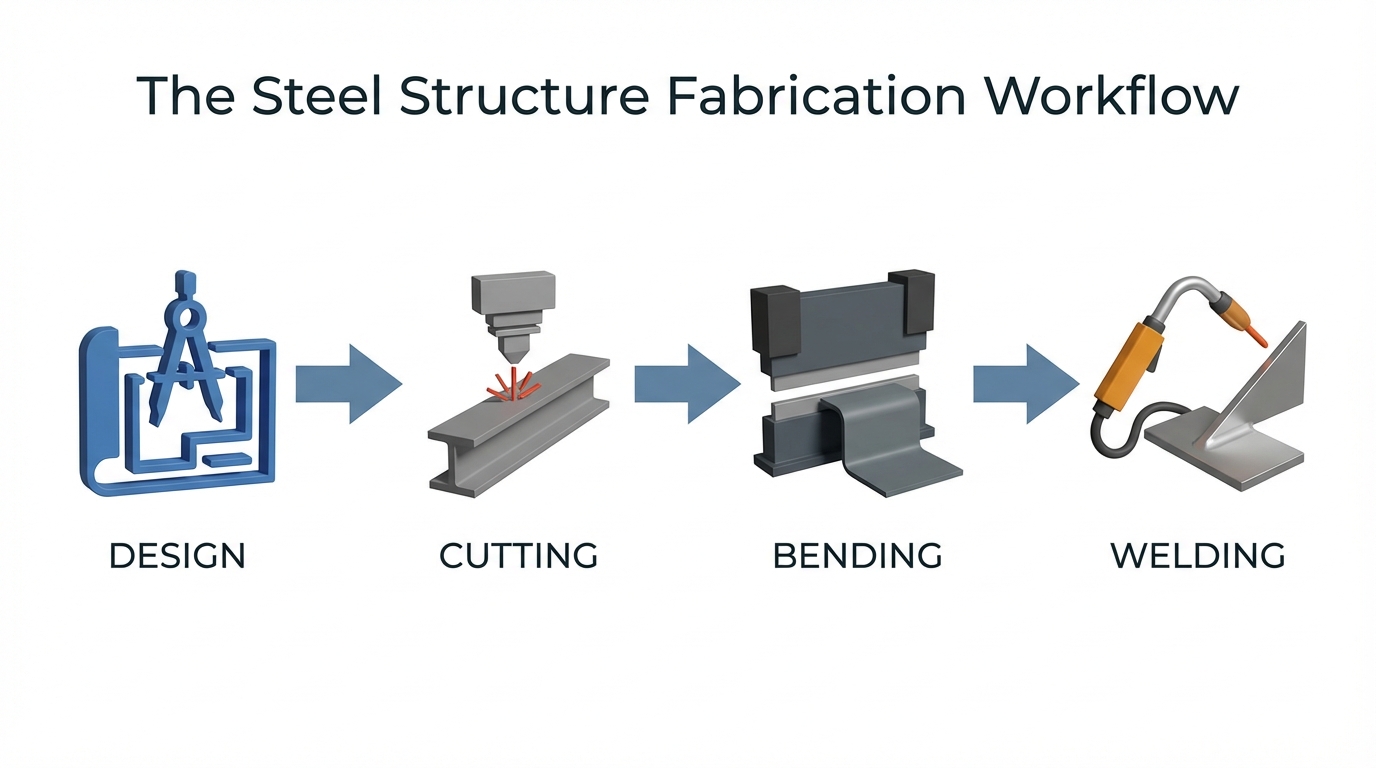
Steel structure fabrication is the industrial process of transforming raw steel—such as H-beams, plates, and tubes—into specific shapes and structures through cutting, bending, and assembly. This multifaceted discipline requires advanced engineering knowledge and adherence to strict international codes to ensure that every component can withstand calculated loads once integrated into a final product or building.
Defining the Core Components
At its core, fabrication involves preparing structural steel sections like I-beams, girders, and trusses. Unlike basic metalwork, structural fabrication is governed by predefined sizes and shapes intended for complex assembly in steel structure workshops or high-rise foundations.
Distinction from Standard Welding
While welding is a vital technique within the workflow, fabrication is the overarching discipline. It encompasses the entire journey from digital design to the final protective coating, requiring specialized equipment that goes far beyond a standard welding torch.
| Element | Description | |
|---|---|---|
| Material | Carbon steel, alloy steel, or stainless steel sections. | |
| Primary Actions | Cutting, bending, drilling, welding, and shot blasting. | |
| Standards | AISC, Eurocode, AS/NZS, and ISO 9001 compliance. |
Analysis: Modern fabrication represents a shift from labor-intensive site work to precision factory manufacturing, ensuring higher safety and quality control.
How does the steel structure fabrication process start?
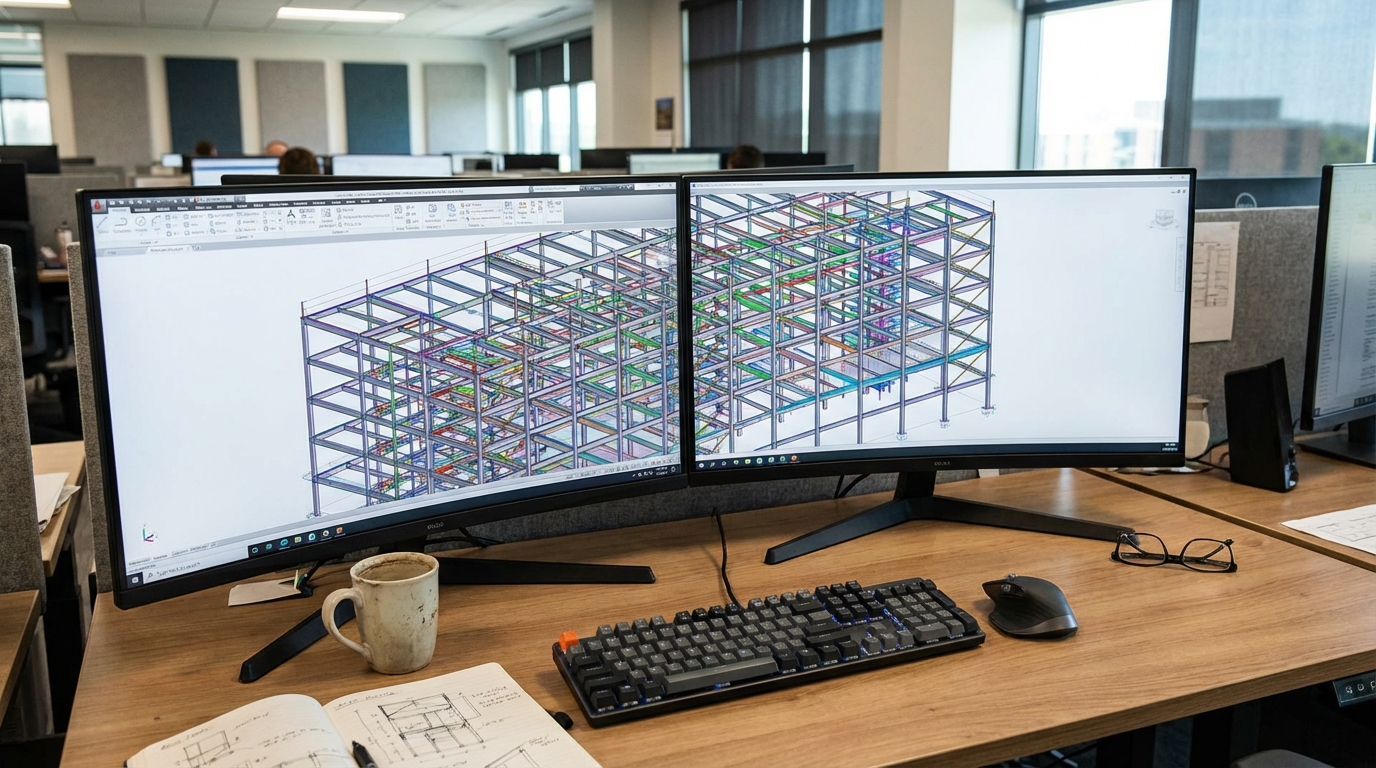
The steel structure fabrication process begins with high-precision digital engineering, specifically 3D modeling and CAD (Computer-Aided Design) drafting. Engineers use these tools to simulate load-bearing capacities and joint connections, ensuring that every beam is optimized for both structural integrity and manufacturability before any physical material is cut.
The Importance of 3D Modeling
Digital twins of the structure allow fabricators to identify potential interference issues early. This “pre-build” phase ensures that components function like a giant, precision-engineered Lego set, ready for rapid assembly on arrival at the construction site.
From Raw Material to Precision Components
Once the designs are finalized, raw H-beams and plates are selected based on the project’s specific metallurgical requirements. This phase transforms bulk alloys into a sequenced inventory of parts, each marked and ready for the specialized machinery on the factory floor.
| Process Step | Primary Objective | |
|---|---|---|
| 1. Drafting | Creation of detailed shop drawings and 3D models. | |
| 2. Nesting | Optimizing material layouts to minimize steel waste. | |
| 3. Sourcing | Procuring certified raw alloys from reputable mills. |
Analysis: Front-loading the effort into digital design eliminates the risk of costly field modifications and ensures project timelines are met with surgical precision.
Why is cutting vital in steel structure fabrication?
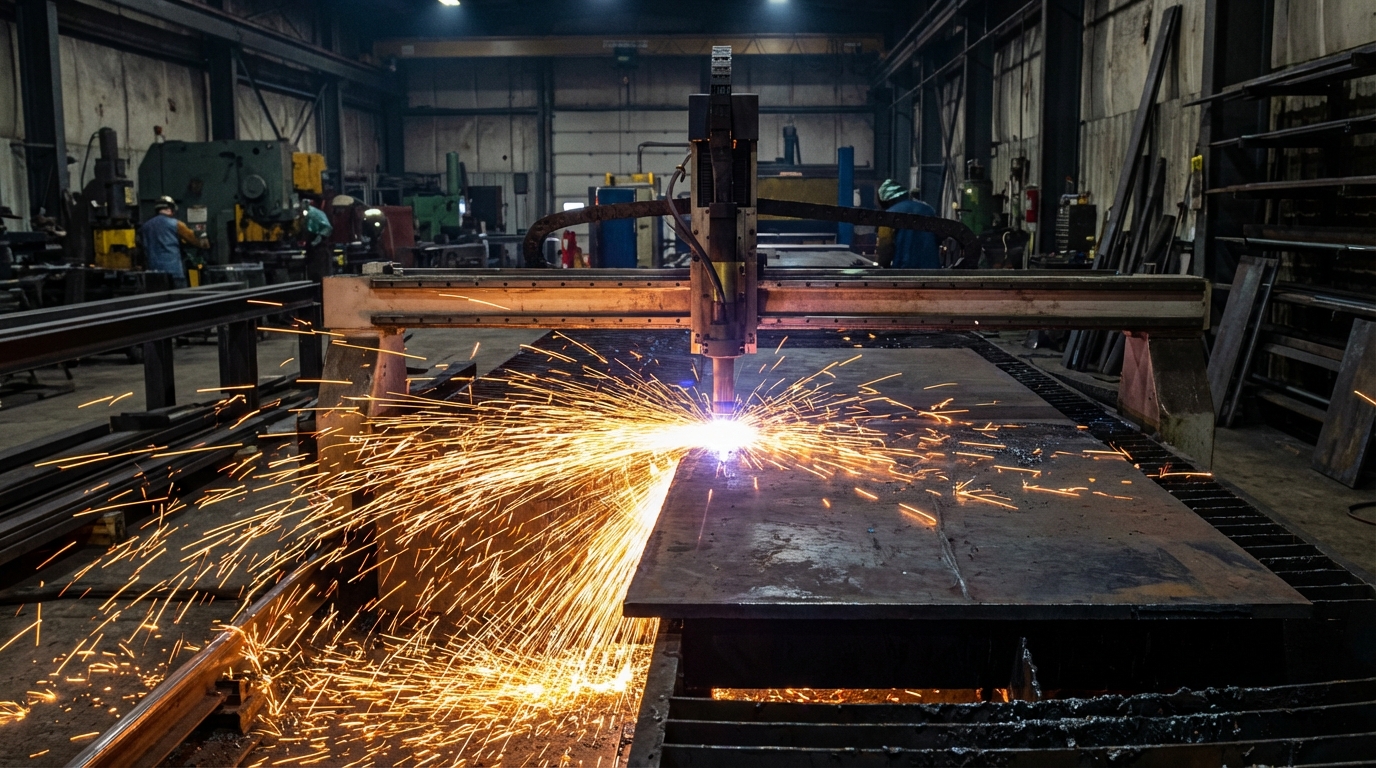
Cutting is vital in steel structure fabrication because the accuracy of the initial dimensions dictates the fit and safety of the entire assembled framework. Fabricators utilize high-tech tools like CNC plasma cutters, laser cutters, and water jets to achieve tolerances that manual methods cannot replicate, preventing gaps that could compromise structural stability.
Comparing Industrial Cutting Tools
Different tools are selected based on the thickness of the steel and the required edge quality. Laser cutting offers the highest precision for thinner plates, while plasma torches are the workhorses for thick, structural H-beams and heavy girders.
Why Precision is Essential
Inaccurate cuts lead to misalignments during the welding phase. By maintaining tight tolerances at the cutting stage, fabricators ensure that the distribution of stress remains uniform across all joints, a non-negotiable requirement for seismic-resistant buildings.
| Method | Speed | Thickness Capacity | Cost Efficiency | |
|---|---|---|---|---|
| Laser | High | Low to Medium | High for thin parts | |
| Plasma | Medium-High | Medium to High | Excellent for bulk | |
| Water Jet | Low | Very High | Premium (Cold Cut) |
Analysis: The selection of the cutting method is a strategic decision that balances material thickness with the project’s specific tolerance requirements.
How is bending managed in steel structure fabrication?
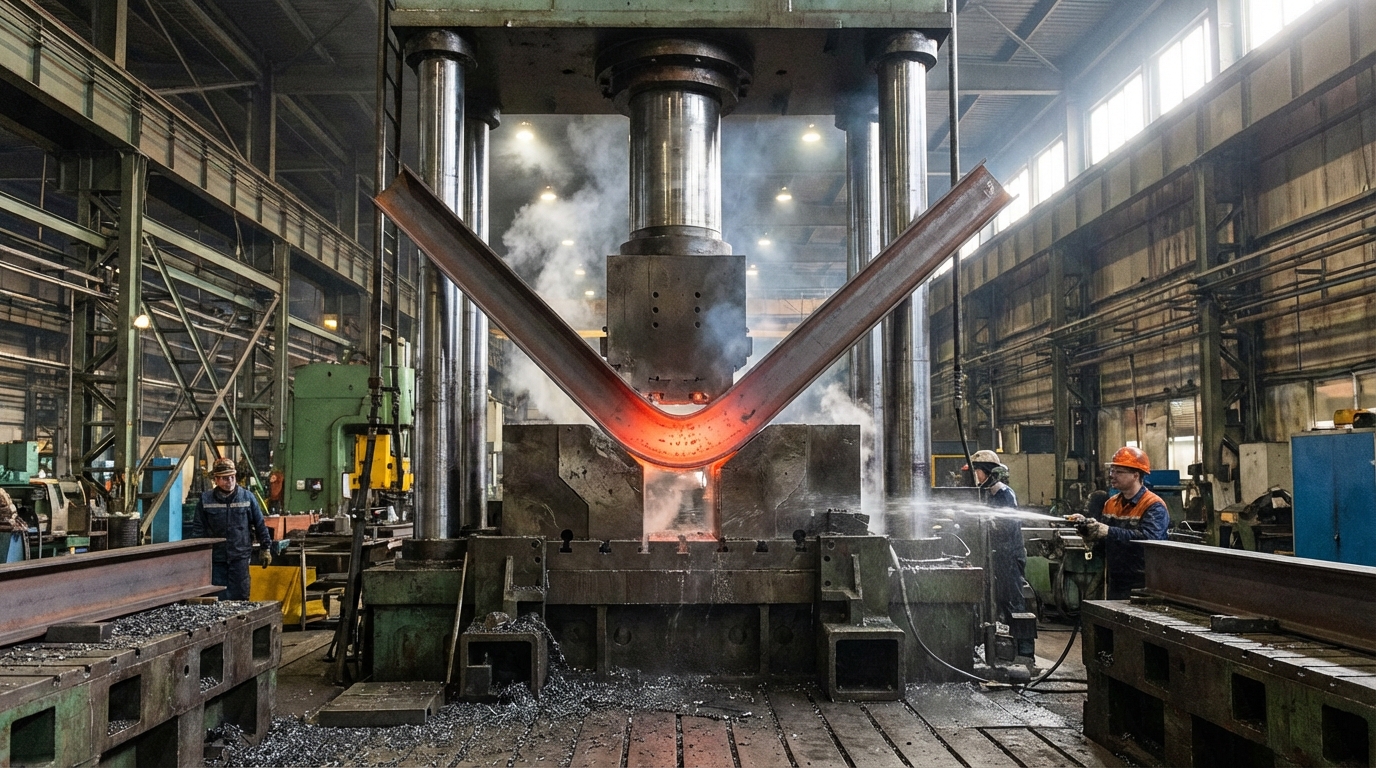
Bending in steel structure fabrication is managed through the use of hydraulic press brakes and rolling machines to achieve consistent, repeatable angles in heavy steel sections. While manual hammering may be used for minor adjustments, industrial-scale projects rely on machine-assisted bending to ensure the material is shaped without exceeding its fatigue limits or compromising its molecular tension.
Manual vs. Machine-Assisted Bending
Machine-assisted bending is the standard for commercial projects because it provides the force necessary to manipulate heavy-gauge steel. It ensures that every bend is identical, which is crucial for modular structures where components must be interchangeable.
Maintaining Structural Integrity
Fabricators must carefully monitor the “bend radius” to prevent cracking or weakening of the alloy. Expert handling during this phase ensures that the steel retains its design strength even after significant deformation.
| Bending Type | Equipment Used | Common Application | |
|---|---|---|---|
| Press Bending | Hydraulic Press Brake | Custom brackets and plates. | |
| Roll Bending | Three-Roll Mill | Curved roof trusses and silos. | |
| Heat Bending | Induction Coils | Heavy-duty structural arcs. |
Analysis: Advanced bending techniques allow architects to move beyond linear designs, enabling the creation of curved, aesthetically striking steel geometries.
How does steel structure fabrication ensure strength?
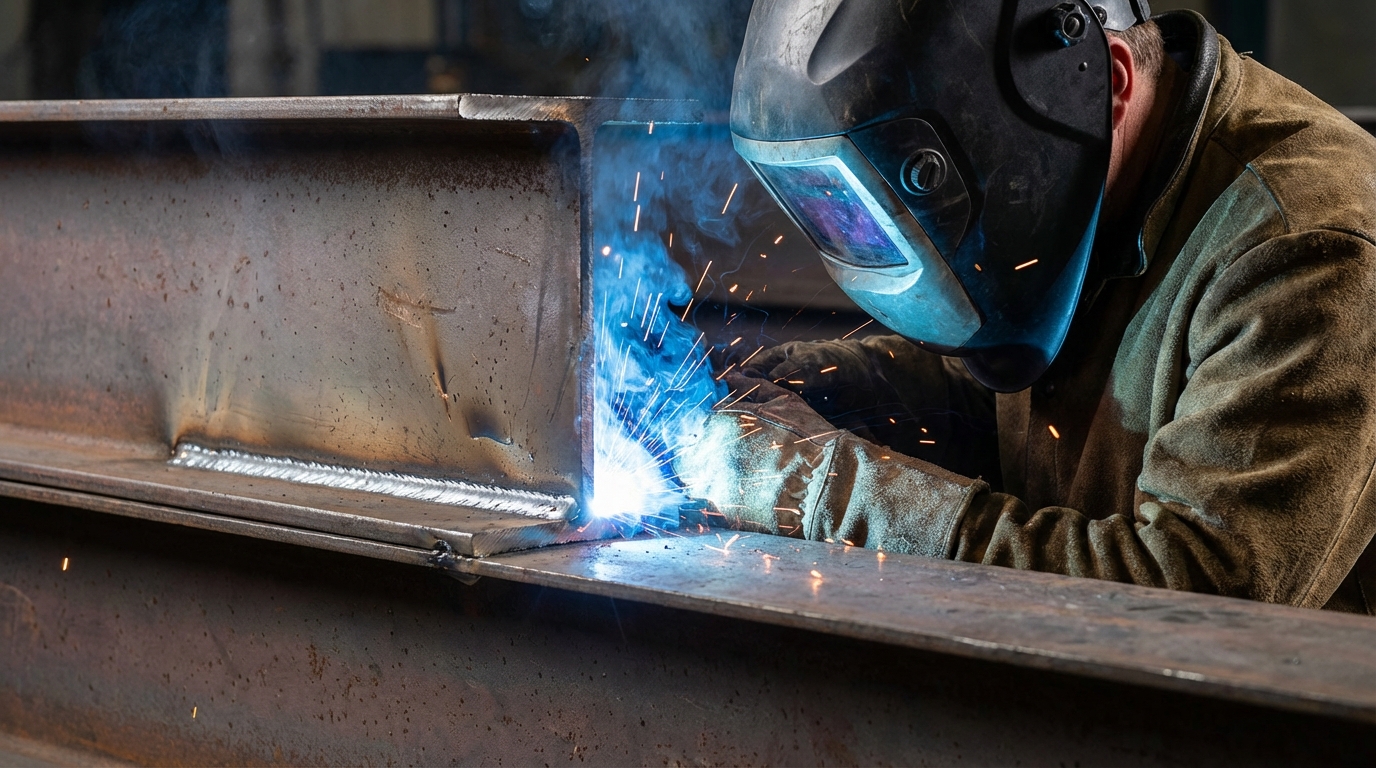
Steel structure fabrication ensures maximum strength through advanced welding techniques and strict adherence to a Welding Procedure Specification (WPS). By using heat to create a fused bond between steel sections, fabricators create joints that are often stronger than the parent metal, outperforming traditional mechanical fasteners like rivets in high-pressure industrial applications.
Welding vs. Rivets
Modern arc welding provides a continuous bond that effectively turns multiple steel parts into a single, monolithic structure. This is essential for buildings that must withstand high wind loads or seismic activity, as it provides superior ductility and energy absorption.
The Role of the WPS
A WPS is a formal document that dictates every variable of the weld, from the gas mixture to the travel speed. This ensures that every joint in a steel structure warehouse meets global safety standards, such as ISO or AISC requirements.
| Strength Factor | Benefit of Fabrication | |
|---|---|---|
| Fused Joints | Elimination of weak points at connection sites. | |
| Weight Reduction | Arc welding can reduce project weight by up to 33%. | |
| Durability | High resistance to vibration and cyclic loading. |
Analysis: The shift from riveting to high-grade welding has been the single most important factor in the development of modern, long-span steel architecture.
What tools drive modern steel structure fabrication?
Modern steel structure fabrication is driven by Computer Numerical Control (CNC) machinery and automated surface treatment systems like shot blasting. These technologies allow for high-volume production with extreme accuracy, enabling the factory to produce thousands of tons of steel per year with minimal human error and perfect surface finishes for long-term corrosion resistance.
The Role of CNC Machinery
CNC machines automate the drilling, milling, and cutting processes based on the 3D models created in the design phase. This ensures that every bolt hole and connection point aligns perfectly during site erection.
Shot Blasting and Surface Treatment
Before painting, all steel must undergo shot blasting to remove rust and mill scale. This process creates a textured surface that allows protective coatings to adhere permanently, which is vital for maintaining the building’s integrity in harsh environments.
| Machine Type | Primary Function | Impact | |
|---|---|---|---|
| CNC Drill Line | Automated hole placement. | 100% assembly accuracy. | |
| Shot Blaster | Surface cleaning/texturing. | Prevents long-term rust. | |
| Auto-Welder | Consistent seam welding. | High-speed production. |
Analysis: Investment in CNC technology is the hallmark of a top-tier fabricator, as it directly correlates with reduced site labor and project speed.
Is steel structure fabrication environmentally friendly?
Yes, steel structure fabrication is highly environmentally friendly because steel is the most recycled material on Earth and can be repurposed indefinitely without losing its mechanical properties. Furthermore, the prefabrication model significantly reduces material waste by allowing manufacturers to collect and recycle scraps immediately within a controlled factory environment.
Recyclability and Carbon Footprint
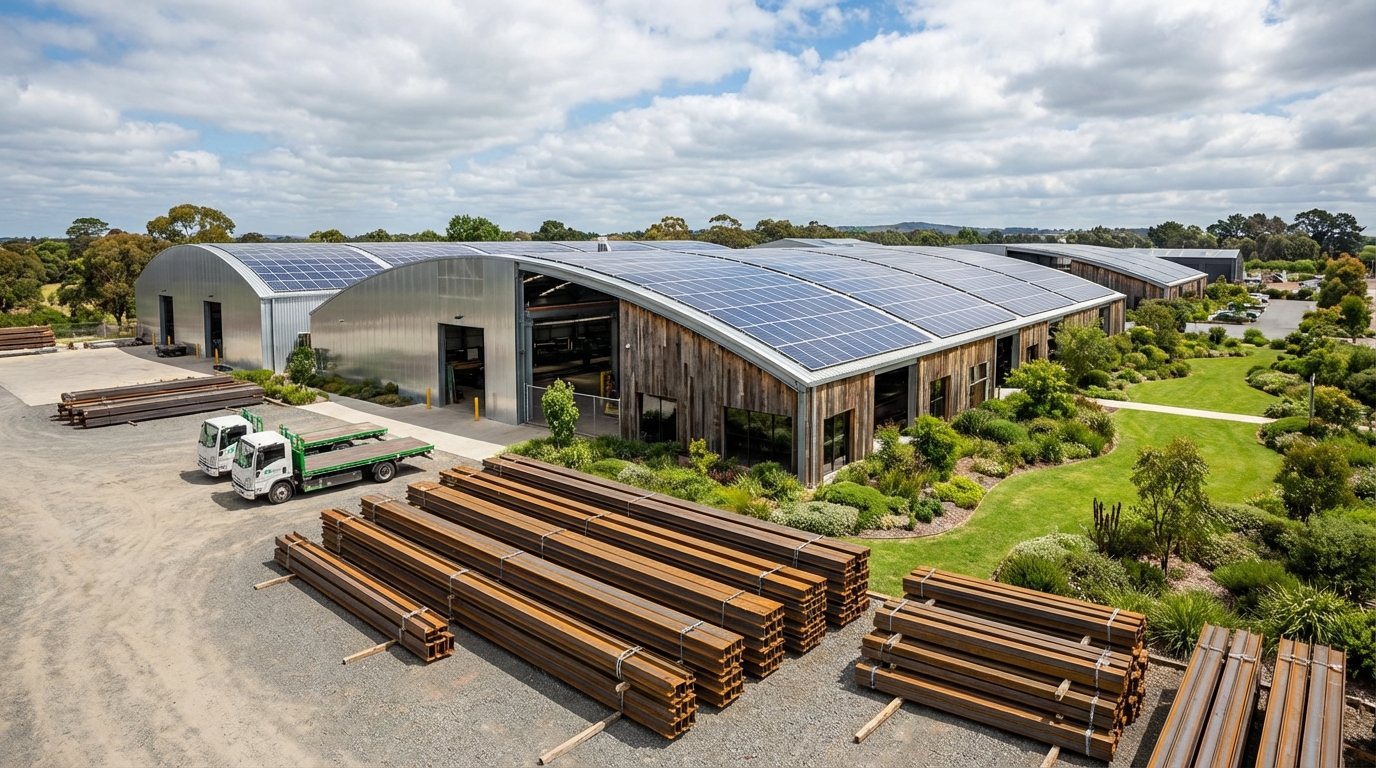
Using recycled steel requires significantly less energy than producing new steel from iron ore. Modern fabrication facilities also utilize solar energy and high-efficiency machinery to further lower the carbon footprint of industrial projects.
Prefabrication and Site Waste
By delivering “ready-to-assemble” components to the site, fabrication eliminates the messy, wasteful process of cutting and fitting on-site. This keeps construction sites cleaner and reduces the volume of debris sent to landfills.
| Sustainability Metric | Fabricated Steel Impact | |
|---|---|---|
| Recycle Rate | Approximately 98% for structural sections. | |
| Waste Reduction | Up to 20% compared to on-site wood/concrete. | |
| Longevity | 50+ year lifespan with minimal maintenance. |
Analysis: The inherent recyclability of steel makes it the premier choice for companies pursuing ESG (Environmental, Social, and Governance) goals.
Why is steel structure fabrication best for warehouses?
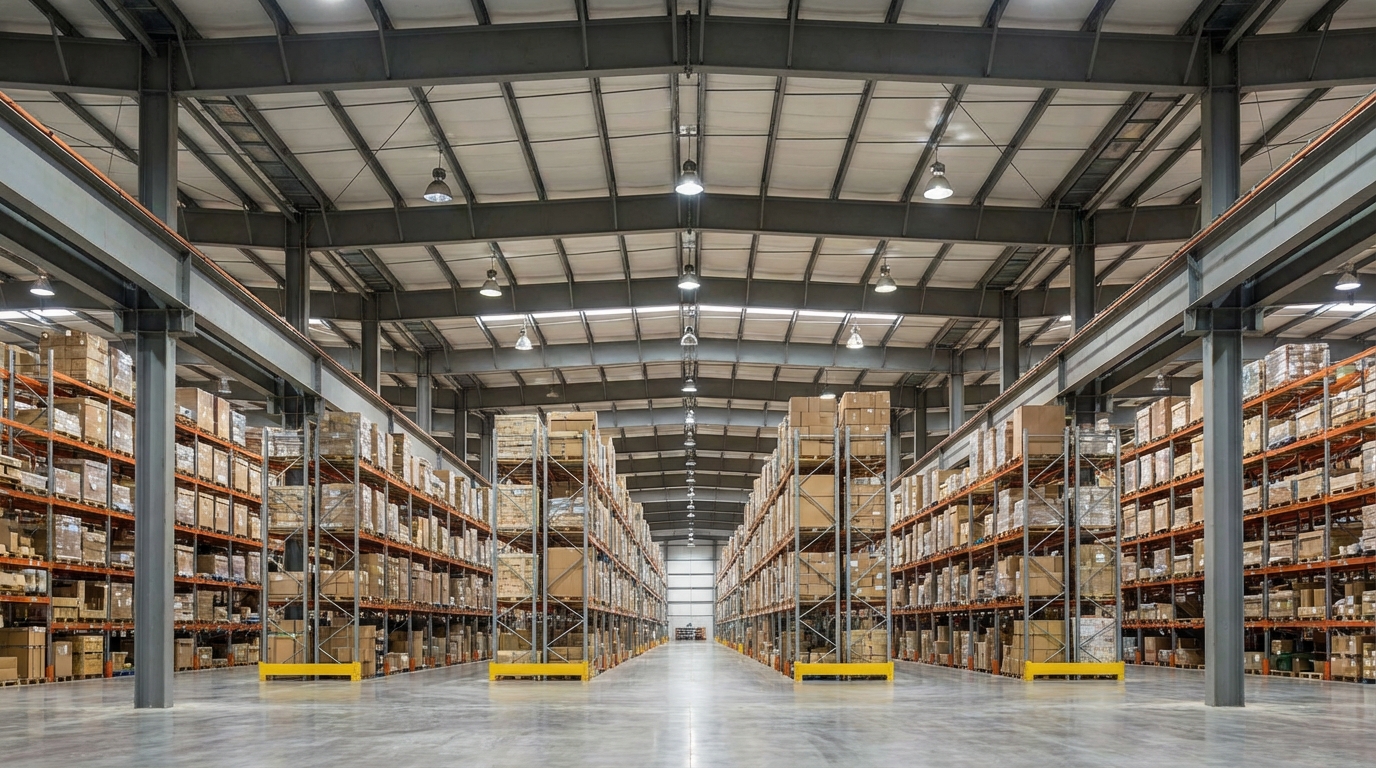
Steel structure fabrication is the ideal choice for warehouses because it enables massive, column-free spans of up to 40 meters, maximizing interior storage and logistics space. These pre-engineered buildings are also designed to withstand extreme wind and seismic loads, providing a safe and durable environment for high-value inventory.
Achieving Column-Free Spans
For logistics operations, interior columns are obstacles. Fabricated steel frames allow for wide-open floor plans, providing total flexibility for racking systems and forklift movement.
Seismic and Wind Resistance
The ductility of steel allows fabricated warehouses to absorb energy from environmental shocks without collapsing. This makes steel the safest material for industrial hubs located in high-risk zones.
| Warehouse Spec | Standard Capacity | |
|---|---|---|
| Typical Span | 15m to 40m (Clear span). | |
| Eave Height | 6m to 15m. | |
| Crane Support | Adaptable for 5-ton to 50-ton loads. |
Analysis: For industrial developers, the speed of erection and the maximization of usable floor space provide an unbeatable return on investment.
Where else do we see steel structure fabrication?
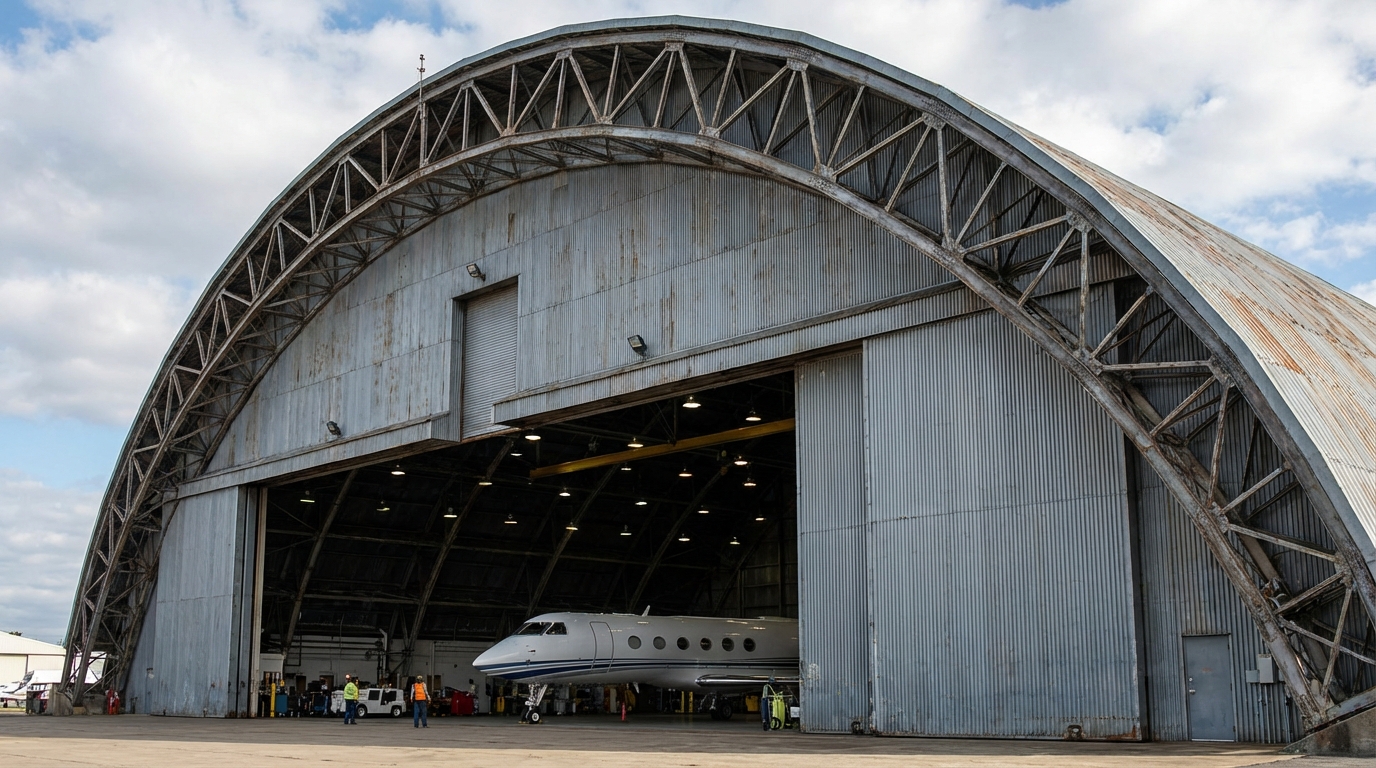
We see steel structure fabrication in critical infrastructure ranging from large-span aircraft hangars to modular agricultural buildings and commercial shopping malls. Any application requiring high durability, rapid construction, and large open spaces—such as a chicken house or a multi-story church—relies on the precision of factory-fabricated steel.
Large-Span Aircraft Hangars
Aviation facilities require massive openings (up to 100m+) to accommodate wingspans. Fabricated steel is the only material that provides the strength-to-weight ratio necessary for these aircraft hangars .
Diverse Industrial Applications
From heavy-duty cow sheds to educational facilities and shopping malls, the modular nature of fabrication allows for structures that are easy to expand and maintain over decades.
| Sector | Common Fabricated Structure | |
|---|---|---|
| Aviation | Aircraft hangars and terminal frames. | |
| Agriculture | Poultry houses and livestock sheds. | |
| Commercial | Shopping malls, churches, and schools. |
Analysis: The adaptability of steel fabrication across disparate industries proves its status as the most versatile structural solution available today.
How to choose a steel structure fabrication partner?
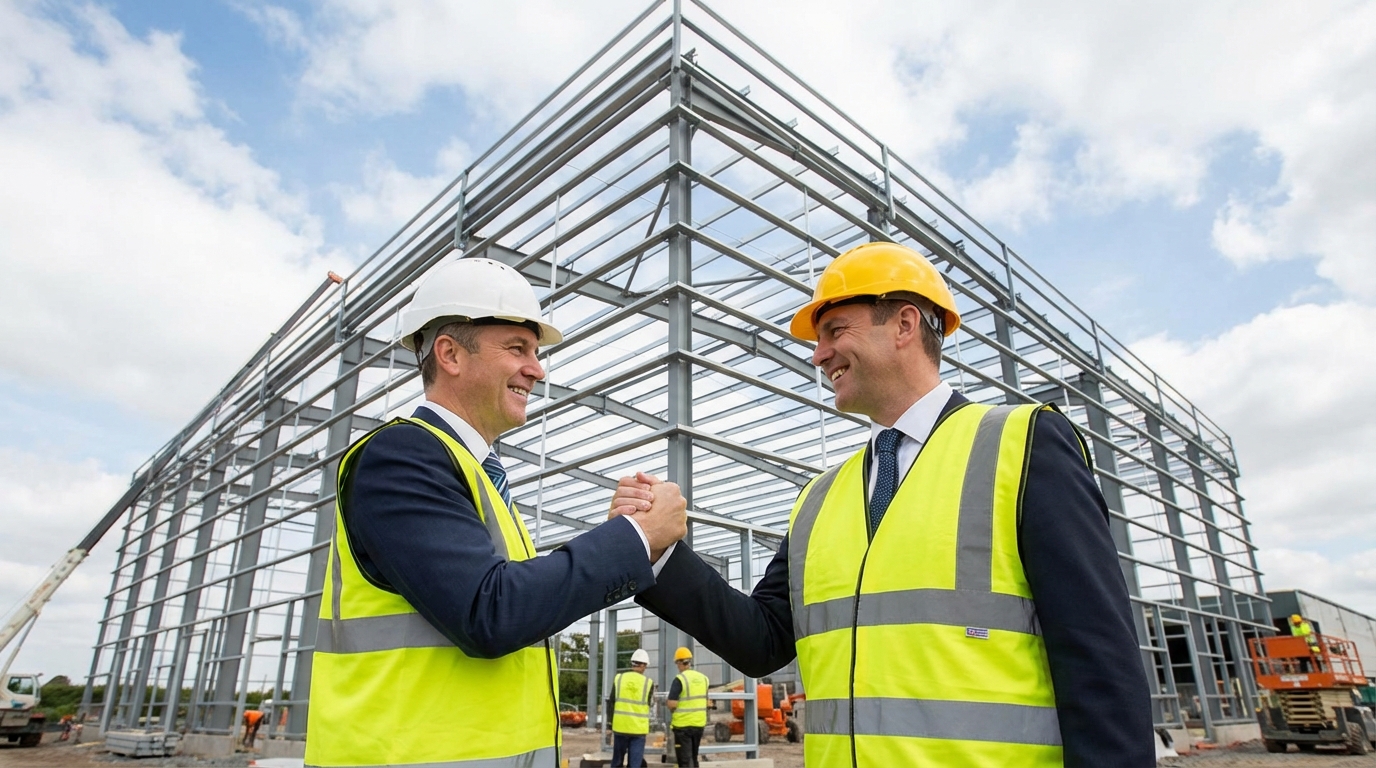
Choosing a steel structure fabrication partner requires evaluating their adherence to global compliance standards like ISO 9001 and their ability to provide end-to-end services from design to shipping. A reliable manufacturer should offer a production timeline of 30 to 45 days and demonstrate a track record of successful international projects to ensure your building is safe for its specific climate and use case.
Evaluating Global Standards
Ensure your partner follows regional codes such as Eurocode or AS/NZS. This is especially important for export projects where the steel must meet the local building regulations of the destination country.
Production and Logistics Timelines
A streamlined manufacturer will manage the entire chain: design (1-2 weeks), production (4-6 weeks), and sea shipping (2-5 weeks). Transparency in these timelines is essential for effective project management.
| Partner Criteria | What to Look For | |
|---|---|---|
| Experience | 800+ completed projects in 60+ countries. | |
| Capacity | Annual output of 150,000+ tons. | |
| Quality Control | Multi-stage factory inspections and trial assembly. |
Analysis: The most successful projects are those where the fabricator acts as a technical consultant, optimizing the design for both cost and site efficiency.
Frequently Asked Questions
1. How long does the fabrication process usually take?Typically, the fabrication of a standard industrial building takes between 30 and 45 days once the design is finalized. Total project time, including shipping and site erection, usually ranges from 12 to 16 weeks.
2. Can fabricated steel buildings be expanded later?Yes. One of the primary benefits of steel fabrication is modularity. New sections can be easily welded or bolted to the existing frame, making it simple to expand a workshop or warehouse as business needs grow.
3. What is the average lifespan of a fabricated steel structure?With proper surface treatments like shot blasting and high-quality painting or galvanization, a structural steel building can easily last 50 years or more with minimal maintenance.
4. Is steel more expensive than wood or concrete?While the initial material cost of steel can be higher, the total project cost is often lower due to reduced site labor, faster construction times, and significantly lower maintenance and insurance costs over the building’s life.
5. How are fabricated components protected from rust?Components undergo a shot blasting process to clean the surface, followed by the application of high-performance primers and topcoats. For coastal or highly corrosive environments, hot-dip galvanizing is recommended for maximum protection.