
You can start a poultry farm today by selecting a specific production niche, securing a strategic location, and investing in a professional chicken house poultry farm . Many aspiring entrepreneurs dream of tapping into the billion-dollar protein market but fear that disease outbreaks or structural failures will wipe out their initial investment. Without a modern chicken building, your livestock remains vulnerable to climate stress and poor biosecurity, leading to catastrophic losses. By utilizing high-quality poultry farm structures, you can transform these risks into a sustainable, high-yield agricultural business.
Why invest in a chicken house poultry farm now?
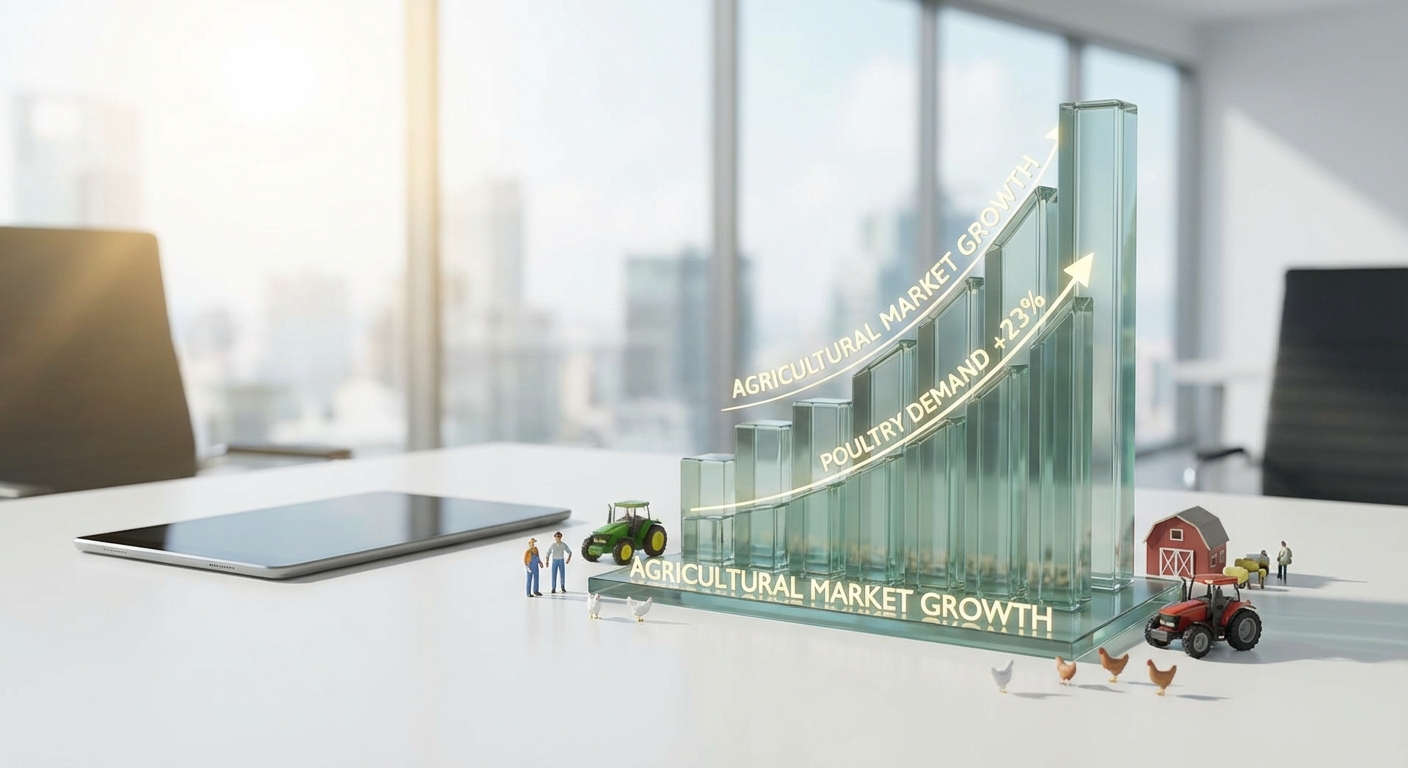
You should invest in a poultry farm now because global demand for affordable white meat protein is reaching record highs. The industry is currently valued at over $67.1 billion, providing a massive opportunity for new producers to secure their share of the market.
Is global protein demand increasing?
Think about this: chicken is now the primary protein consumed in the United States and many international markets. As populations grow, the need for efficient meat and egg production systems becomes a top priority for food security.
- Per capita consumption exceeds 101 pounds annually in major markets.
- The U.S. is the second-largest exporter of poultry globally.
- Export volumes account for nearly 15% of all domestic production.
What is the economic outlook for the sector?
The truth is: the numbers speak for themselves regarding the stability of this sector. Modern efficiency has successfully reduced the environmental footprint of production by 71% over the last fifty years.
| Market Metric | Industry Statistic | |
|---|---|---|
| Annual Per Capita Consumption | 101.2 Pounds | |
| Total Industry Value (2023) | $67.1 Billion | |
| Environmental Efficiency | 71% footprint reduction |
The data confirms that the poultry sector remains one of the most stable agricultural investments available today.
Analysis: High domestic consumption and strong export demand make this the ideal time to establish a professional poultry farm.
How to plan a chicken house poultry farm site?

Planning a successful chicken house poultry farm requires you to define your production niche and secure a site with high-capacity drainage. Your site plan serves as the foundation for operational efficiency and biosecurity across your poultry farm structures.
Which production niche should you target?
You must decide whether your facility will focus on broilers for meat or layers for egg production. Each niche requires specific chicken building designs to optimize bird health and output.
- Broilers: Focus on rapid weight gain and floor-based feeding.
- Layers: Require specialized nesting boxes and egg collection systems.
- Breeding: Demands precise climate control for parent stock.
How do you select the right location?
Here is the reality: location dictates your ongoing logistical overhead and profit margins. You should locate your facility near major transport routes to reduce the logistical costs of feed and livestock delivery.
| Planning Priority | Requirement Detail | |
|---|---|---|
| Niche Selection | Broilers vs. Layers | |
| Site Logistics | Within 50 miles of a processing mill | |
| Compliance | Local agricultural zoning and permits |
A well-structured plan reduces the risk of costly modifications during the construction phase of your farm.
Analysis: Professional planning must prioritize market-specific housing designs to ensure long-term profitability and operational flow.
What scale fits your chicken house poultry farm?
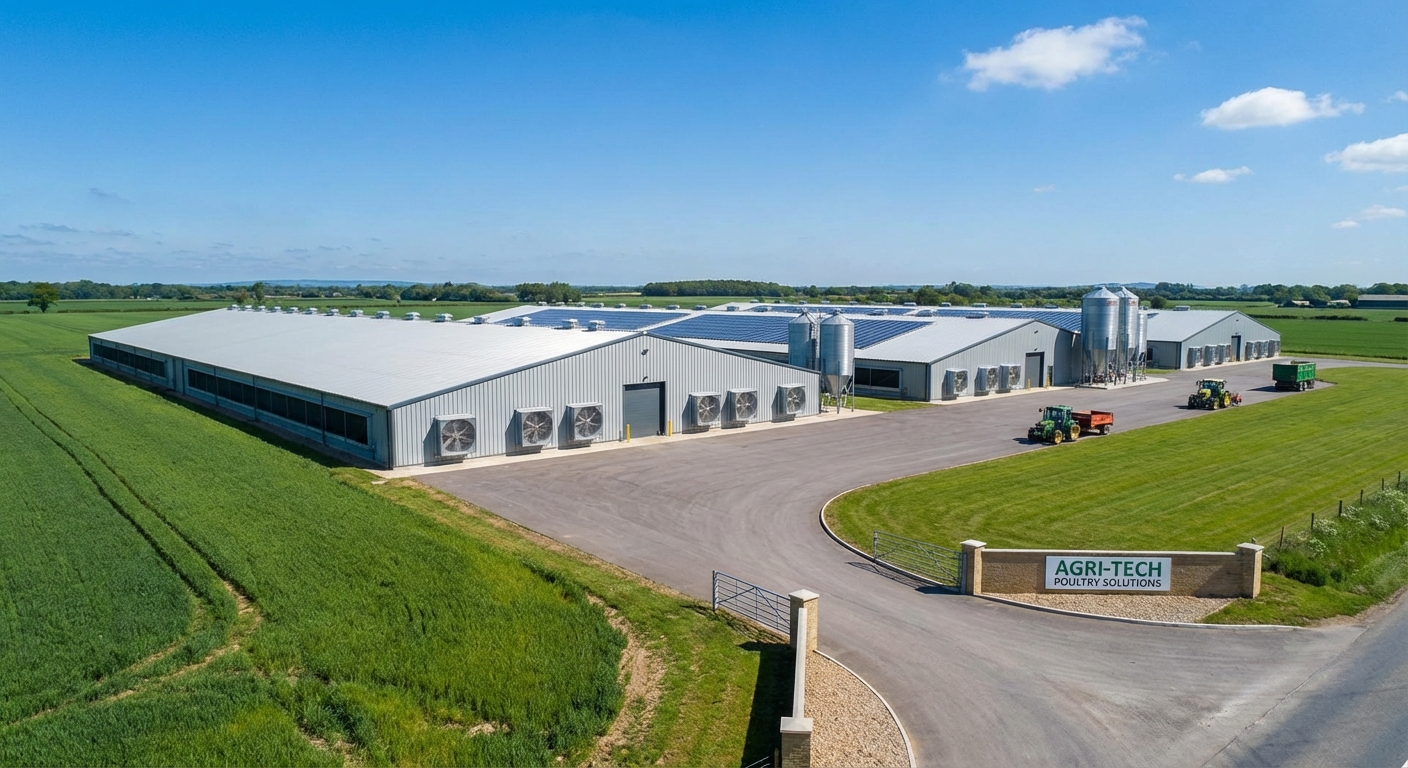
The scale of your poultry farm should be determined by your available capital and whether you intend to operate as a contract grower. Most commercial operations house between 20,000 and 50,000 birds per building to maximize the commercial chicken house capacity for return on investment.
Are commercial flocks more profitable?
It gets better: commercial farms benefit from the advanced technology and support provided by large integrators. These facilities use automation to lower per-bird costs and ensure a consistent growth environment.
- Integrators often provide chicks and specialized feed to growers.
- Large-scale automation reduces the labor cost per bird significantly.
- Commercial scale allows for better bargaining power with suppliers.
How many birds can you house?
Look at the facts: density directly dictates the health of your flock. You can house birds based on a density that balances bird comfort with the maximum profit potential of the poultry building.
| Operation Type | Typical Bird Capacity | |
|---|---|---|
| Contract Broiler Farm | 20,000 to 50,000 birds | |
| Small Commercial | 5,000 to 15,000 birds | |
| Backyard/Hobby | 50 to 500 birds |
Maintaining a balanced stocking density is the only way to ensure bird comfort while achieving maximum profit.
Analysis: Scalability is a core component of poultry farm structures; always design for the capacity you intend to reach in three years.
How to budget for a chicken house poultry farm?
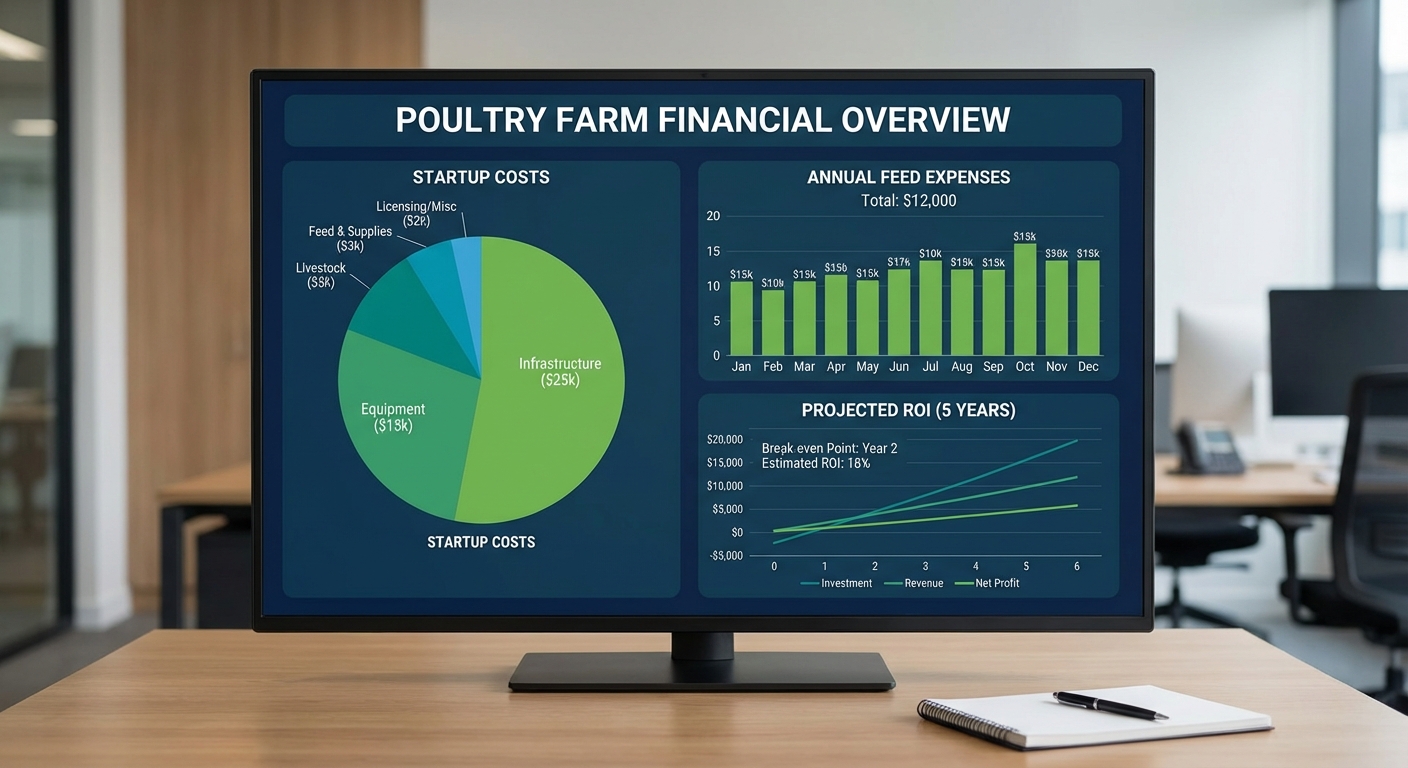
You can budget for your project by categorizing expenses into initial infrastructure CAPEX and ongoing operational OPEX. Securing capital is often the most significant hurdle for entering the poultry farm industry.
What are the main startup costs?
The reality is: housing and automation are your two largest capital expenditures. These poultry farm structures represent the most significant portion of your initial investment and must be protected.
- Structural construction: The primary CAPEX for any new operation.
- Automation systems: Initial investment in feeding and watering lines.
- Biosecurity: Necessary cost to protect your livestock assets from disease.
How do feed expenses affect ROI?
Why does this matter? Feed can account for up to 70% of the ongoing cost of raising birds on a poultry farm.
| Expense Category | Budget Impact | |
|---|---|---|
| Feed Costs | Up to 70% of total operating expenses | |
| Infrastructure | 20% to 30% of startup capital | |
| Utilities | 5% to 10% based on automation |
Financial preparedness allows you to invest in the high-quality infrastructure necessary for biosecurity.
Analysis: Strategic funding focuses on infrastructure; prioritize high-quality housing to protect your livestock and your investment.
How to design a chicken house poultry farm?
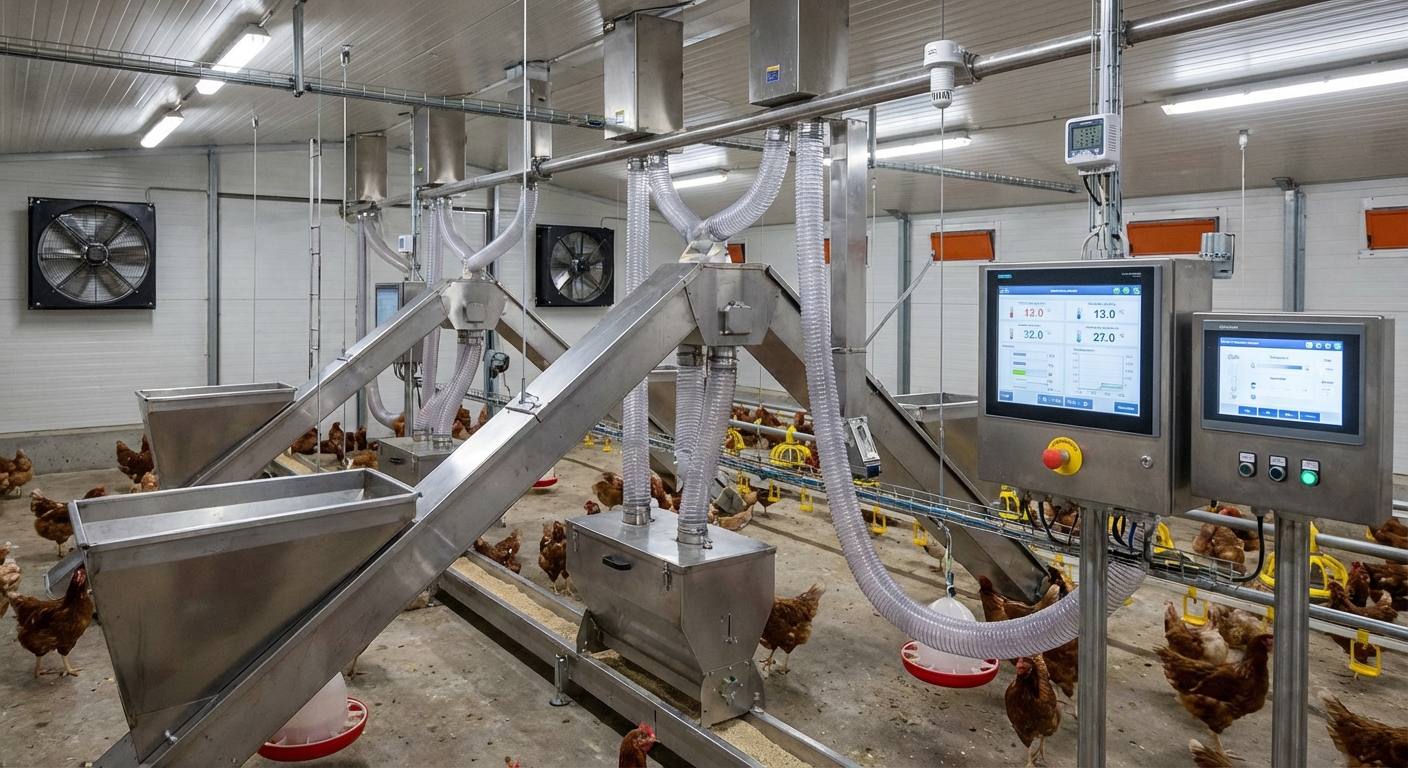
You should design your high-efficiency chicken house to maximize airflow and bird comfort while minimizing labor. Effective design focuses on floor slope for egg collection and open floor plans for broiler movement.
Which systems maximize growth?
The bottom line: automation reduces human error and improves the growth rate of your flock. Modern systems ensure that even at high densities, every bird has equal access to feed and water.
- Tunnel Ventilation: Ideal for cooling birds during peak summer months.
- Automated Feeders: Consistent nutrient delivery and waste reduction.
- Nipple Drinkers: Maintains water hygiene and keeps litter dry.
How does ventilation impact bird health?
Don’t overlook the air: every degree of temperature deviation from the ideal range can decrease your feed conversion ratio. Proper airflow removes ammonia and moisture, preventing respiratory issues in your chicken building.
| Design Feature | Function | |
|---|---|---|
| Tunnel Ventilation | Ammonia removal and cooling | |
| Sloped Mesh Floors | Cleanliness and egg collection | |
| Insulated Panels | Thermal stability and energy savings |
Superior layout design translates directly into lower bird mortality and higher growth rates for your poultry farm.
Analysis: Design must prioritize the bird’s micro-environment; automated systems are essential for modern commercial success.
Why choose steel for a chicken house poultry farm?
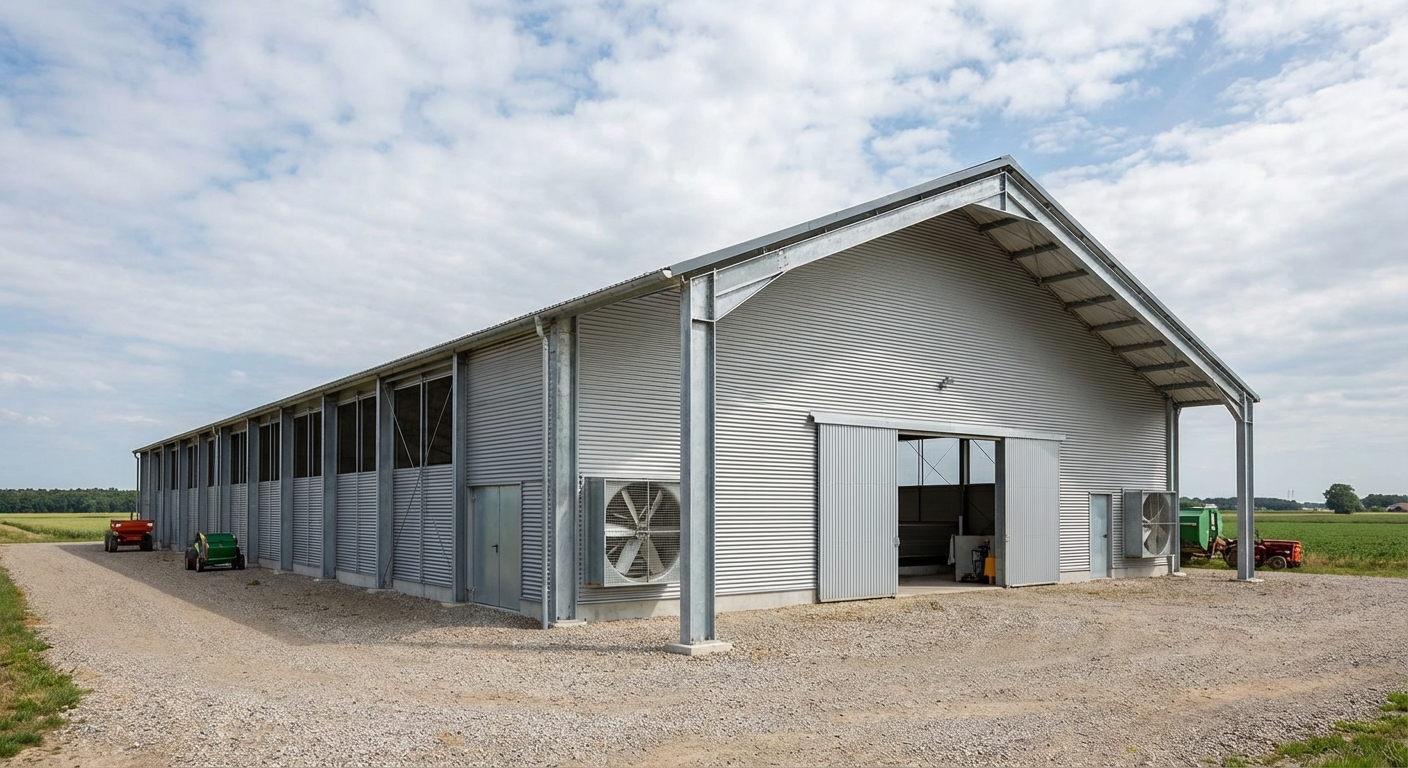
Choosing steel for your chicken house poultry farm is the best decision because it offers unmatched durability and superior biosecurity. Unlike traditional wood, a steel poultry building provides a sterile environment that is much easier to disinfect.
Is steel better than wood for biosecurity?
The answer is clear: steel surfaces are non-porous, meaning they do not harbor the mites, lice, or bacteria that hide in wood. This makes it the superior choice for any poultry farm structures that require rigorous cleaning between cycles.
- Parasite Resistance: Termites and rot cannot damage a steel frame.
- Clear-Span Design: Allows for wide, open spaces without interior columns.
- Disinfection: Surfaces allow for high-pressure washing and chemical sterilization.
How does prefab construction save time?
Time is money in farming: prefabricated steel components are manufactured off-site and assemble quickly. This allows you to start your first flock cycle months ahead of traditional chicken building projects.
| Material Property | Steel Advantage | |
|---|---|---|
| Biosecurity | Non-porous and easy to sterilize | |
| Lifespan | 50+ years with minimal maintenance | |
| Build Speed | 50% faster than traditional methods |
Steel is the global standard for industrial agriculture, ensuring your poultry farm remains productive for decades.
Analysis: Steel provides a biosecure, durable, and rapidly deployable housing solution that outperforms all traditional materials.
How to feed birds in a chicken house poultry farm?
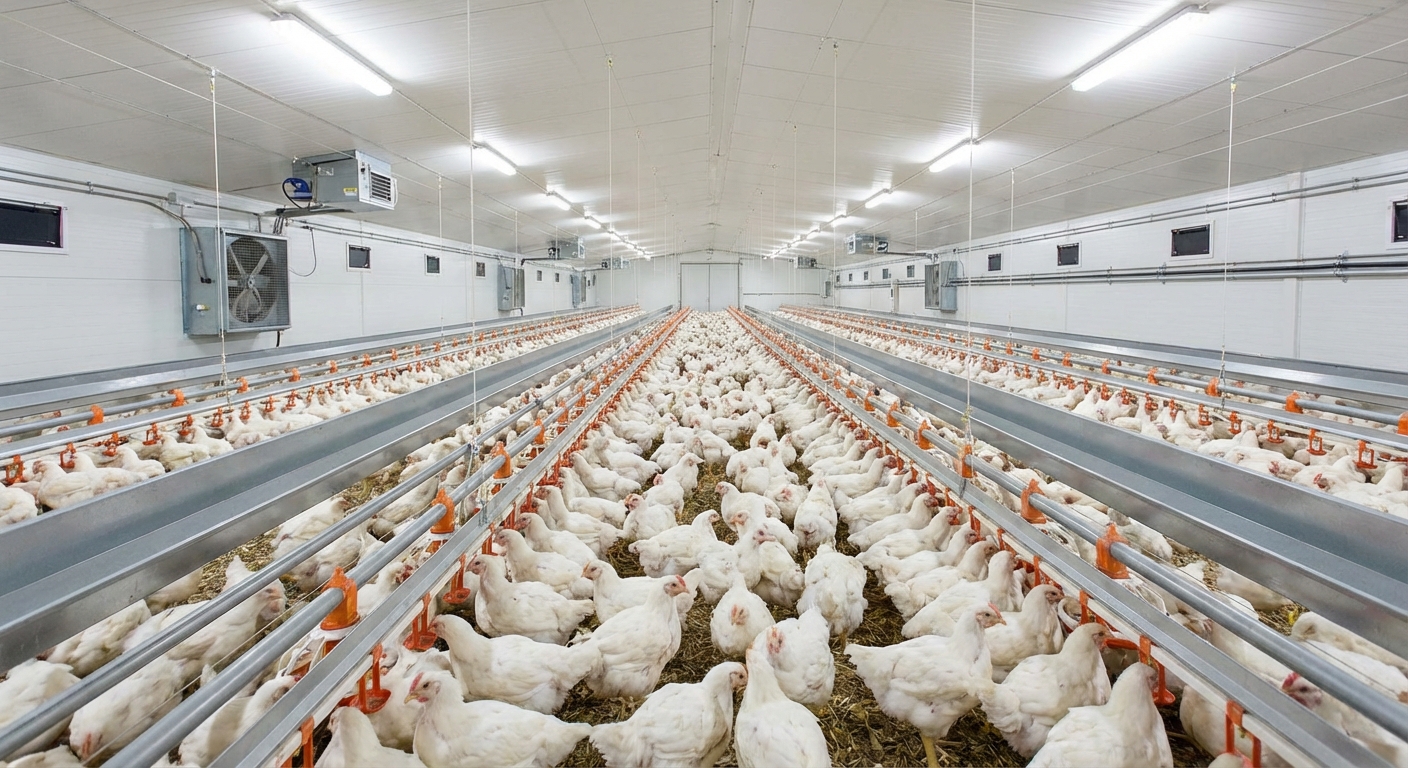
You must feed your birds a balanced, complete ration that provides all the protein and energy required for their specific growth stage. Feeding systems in a modern poultry farm are typically automated to ensure every bird has equal access to nutrients.
What nutrients are essential for growth?
Think about the science: high-protein starter diets are essential for early development, followed by energy-dense finisher diets. A professional chicken building layout must include bulk feed silos to manage large quantities efficiently.
- Starter Diets: High protein for muscle and bone development.
- Finisher Diets: Higher energy for weight gain and market readiness.
- Minerals: Calcium is vital for skeletal strength and eggshell quality.
Can you use processed beans in feed?
Surprisingly: feed management accounts for the majority of your recurring costs, so minimizing waste is vital. Legumes are excellent protein sources, but they must be heat-treated to ensure they are digestible for poultry.
| Feed Phase | Target Growth Phase | |
|---|---|---|
| Starter Mash | 0 – 6 Weeks | |
| Grower Pellets | 6 – 12 Weeks | |
| Finisher/Layer Feed | Market weight or egg production |
Automated delivery systems reduce labor while ensuring that feed is always fresh and available to your flock.
Analysis: Nutrition and delivery systems are the engines of your poultry farm; invest in quality to maximize growth rates.
Which breeds suit a chicken house poultry farm?
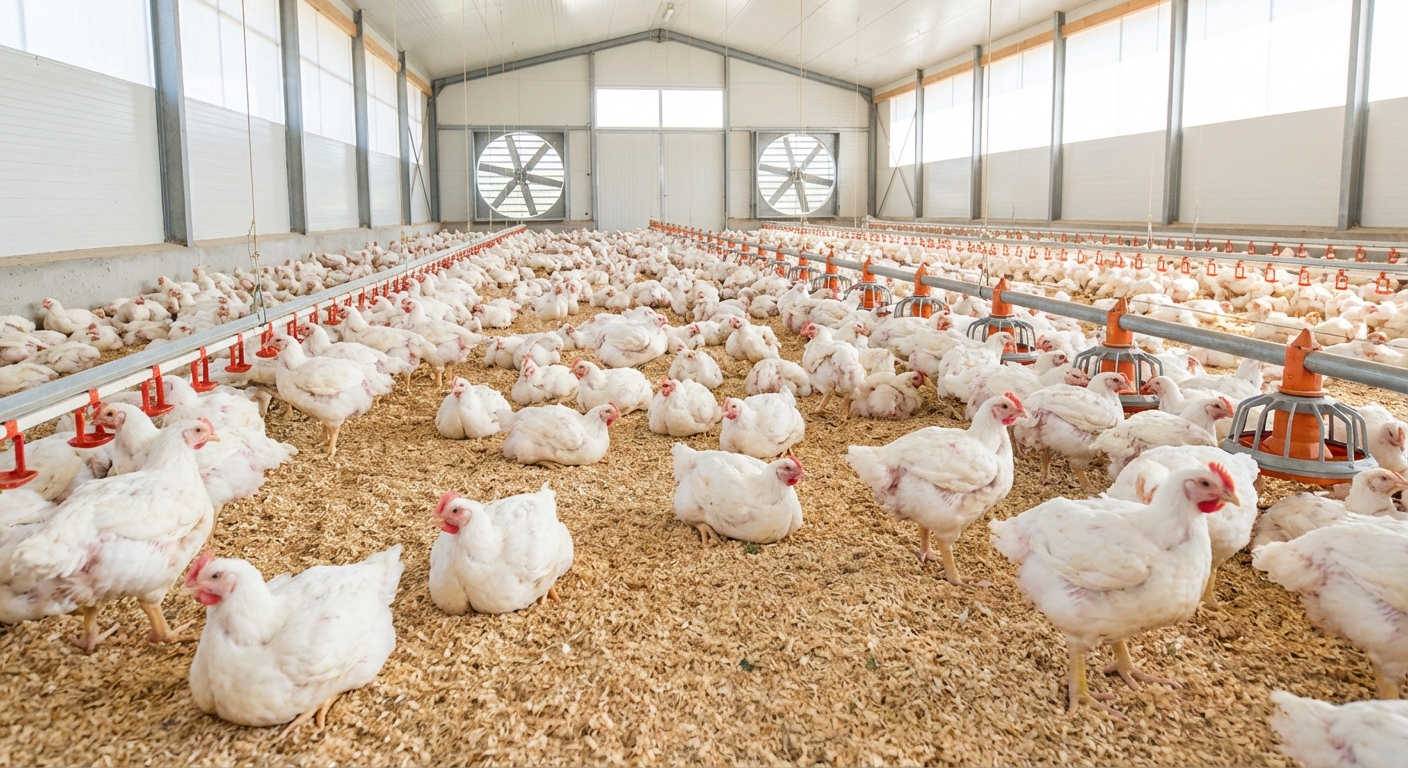
You should select breeds based on your production goals, whether that is high-volume white eggs or rapid meat production. Selecting the right genetics is the first step toward hitting your target production quotas for your poultry farm.
Which breeds are best for commercial production?
The choice is yours: White Leghorns remain the standard for prolific egg laying, while specialized broiler hybrids are used for meat. Matching your breed to your specific poultry farm structures optimizes the space and resources available to you.
- White Leghorn: Top choice for large-volume white egg markets.
- Hybrid Broilers: Rapid growth for high-volume meat production.
- Rhode Island Red: Consistent brown egg output for independent markets.
Are there exotic breeds for niche markets?
Think about it: some farmers find more profit in specialty markets rather than volume. Breeds like Silkies or Black Copper Marans fetch a premium in pet or specialty egg sectors.
| Breed Name | Market Specialty | |
|---|---|---|
| White Leghorn | High-volume egg production | |
| Hybrid Broilers | Rapid growth for meat production | |
| Silkie Chickens | Show birds and exotic niche markets |
Matching your breed to your specific infrastructure optimizes the space and resources available to you.
Analysis: Genetics dictate performance; always start a chicken farm by matching the breed to your facility’s design.
How to manage chicken house poultry farm biosecurity?
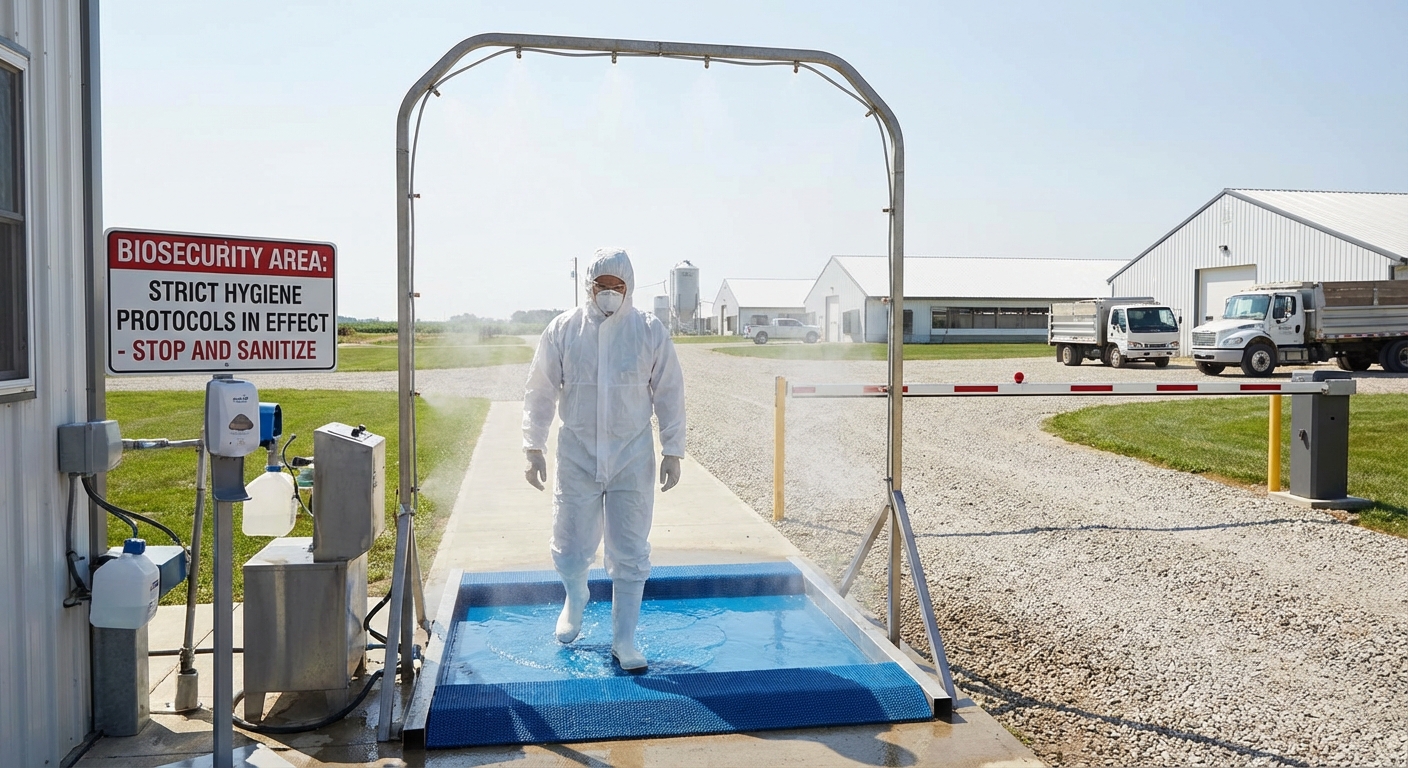
To manage biosecurity effectively, you must control access to your facility and implement strict hygiene protocols for all personnel. Protecting your poultry farm from pathogens like Avian Influenza is the most critical task for any farm manager.
How do you create a biosecure environment?
The bottom line: prevention is the only cure. Strict visitor control and dedicated footbaths at every entrance of your chicken building are non-negotiable standards for protecting your livestock assets.
- Access Control: Limit entry to essential farm staff only.
- Sanitation Cycles: Disinfect the entire building between flock cycles.
- Vector Management: Screen all vents to keep out wild birds and insects.
What are the biosecurity essentials?
Stay vigilant: a single lapse in biosecurity can result in a total loss of your livestock within days. You must also manage manure and waste to prevent the attraction of pests and wild birds.
| Biosecurity Level | Requirement | |
|---|---|---|
| Entrance Control | Footbaths and hand sanitizing stations | |
| Site Integrity | Perimeter fencing and rodent control | |
| Stocking Protocol | All-in, all-out production cycles |
Maintaining a sterile environment is the only way to ensure the long-term health and stability of your poultry farm.
Analysis: Biosecurity is your primary defense; incorporate strict hygiene zones into your poultry farm structures from day one.
How to start a chicken house poultry farm today?
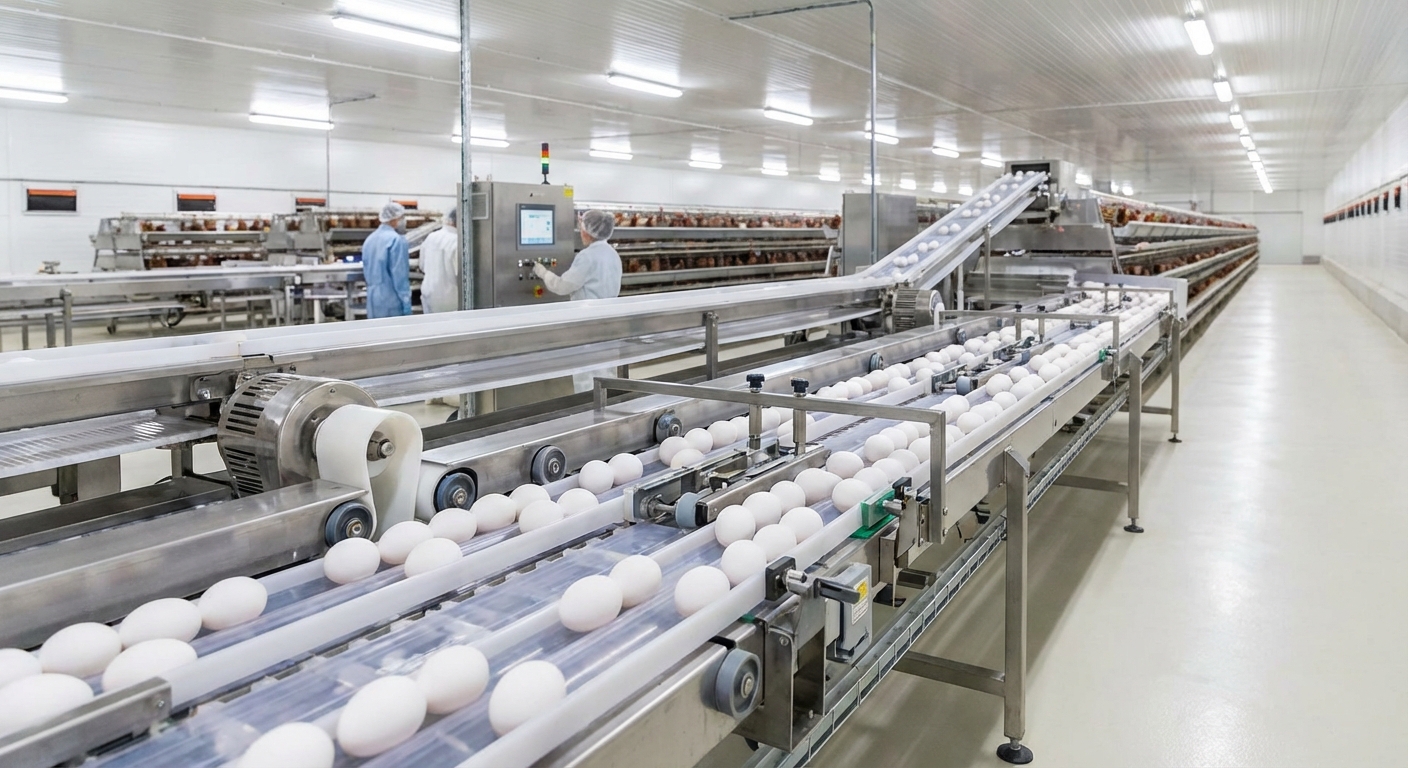
You can start your operation today by reaching out to a professional building provider to design your first custom facility. Transitioning from a theoretical plan to a physical build requires a partner who understands the integration of automation and biosecurity.
When is the right time to scale?
It gets better with experience: scale your operations only after you have mastered the health and growth cycles of a single flock. Expansion should be driven by a proven demand from your buyers or integrators.
- Mastery: Optimize your first house before breaking ground on a second.
- Data: Use sensors to gather data on feed conversion and mortality.
- Automation: Technology is the multiplier that allows small teams to manage large flocks.
What are the final steps before launching?
The truth is: the most successful farms start with a focus on details before the first chick arrives. You must verify that all automated systems are functioning correctly and that your biosecurity checkpoints are fully operational.
| Launch Phase | Task | |
|---|---|---|
| Systems Check | Test automated climate and feed lines | |
| Biosecurity Audit | Verify all sanitation points are ready | |
| Stocking | Introduce the first flock under observation |
Once your facility is operational, focus on data collection to refine your growth metrics and profit margins.
Analysis: Professional execution starts with testing; ensure your poultry farm structures are fully functional before bird delivery.
Conclusion
Starting a successful poultry farm is a strategic venture that rewards careful planning and high-quality infrastructure. By investing in durable steel housing, implementing strict biosecurity, and utilizing automated systems, you can build a resilient business that thrives in the global protein market. We are committed to providing the world-class engineering solutions needed to turn your agricultural vision into a profitable reality. Our vision is to empower farmers with the most resilient and efficient housing solutions in the industry. If you are ready to build a facility that stands the test of time, contact us today for expert guidance on modern poultry housing.
FAQ
What is the best material for a chicken house poultry farm?Steel is the best material because it is non-porous, fire-resistant, and easier to disinfect than wood. This significantly improves biosecurity and the long-term durability of the poultry farm structures.
How much feed does a poultry farm require?Feed typically accounts for 70% of operational costs, with birds requiring high-protein starter diets early on. Efficient management requires bulk storage and automated delivery systems within the chicken building.
Can I start a poultry farm as a contract grower?Yes, most broiler farmers operate as contractors for large integrators who provide the birds and feed. This model provides more income stability for new farmers while utilizing professional poultry farm structures.
What is the most common disease in a poultry farm?Coccidiosis is a common challenge that is managed through medicated feed and dry litter. Biosecurity remains the best defense against more severe viral outbreaks in a commercial poultry building.
How do I manage waste in a poultry building?Modern facilities use automated manure scrapers or belt systems to remove waste frequently. This keeps ammonia levels low and maintains a healthy environment within the chicken building for the birds.