
Structural steel framing is a high-performance construction method utilizing a skeletal network of vertical columns and horizontal beams to support a building’s loads. You often face the daunting challenge of managing rigid design constraints and unpredictable construction timelines that threaten your project’s bottom line. These limitations can lead to significant financial loss and a structure that lacks the adaptability required for future market shifts. By choosing a steel frame structure , you solve these issues with a versatile, rapid-assembly solution that guarantees long-term structural integrity and architectural freedom.
What defines a modern steel frame structure?
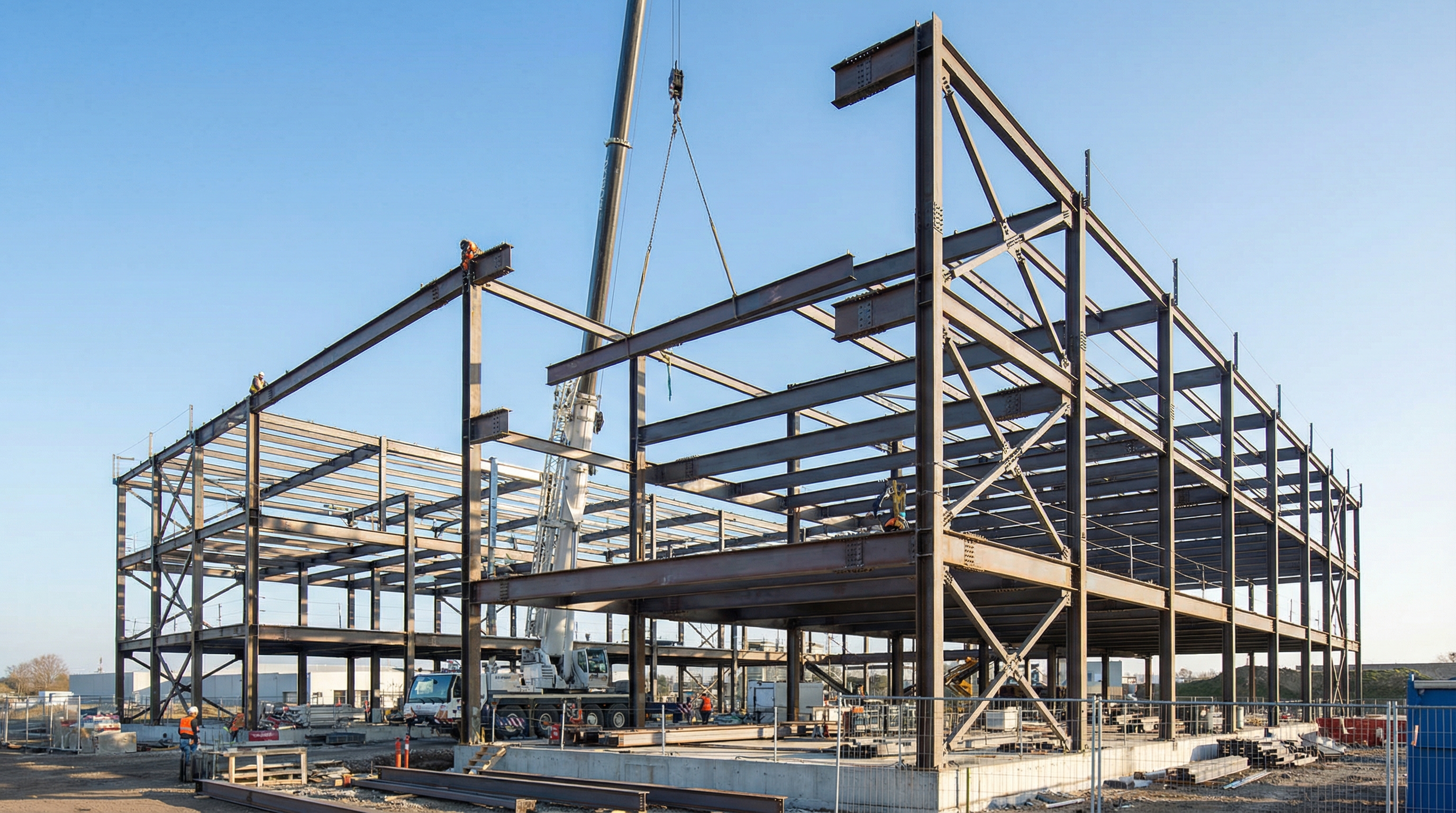
A modern steel frame structure is defined by its skeletal arrangement of hot-rolled beams and columns designed to transfer heavy loads safely to the foundation. This system typically utilizes standardized shapes like wide-flange sections and hollow structural sections (HSS).
What are the primary structural components?
Think about this: the strength of the entire building depends on how these pieces work together. The primary components include columns, which handle vertical loads, and beams, which manage horizontal spans.
- Vertical columns (Wide-flange or HSS)
- Horizontal primary beams
- Secondary floor joists
- Diagonal bracing for lateral stability
How is column spacing optimized for layouts?
The best part? Steel allows for significantly larger spans compared to traditional timber or masonry. Designers typically set column spacing between 25 and 45 feet to create open, unobstructed floor plans.
Key Takeaway: Optimizing column spacing through steel engineering maximizes usable square footage and improves interior flow.
| Component | Standard Spacing | Primary Benefit | |
|---|---|---|---|
| Main Columns | 25 – 45 feet | Open floor plans | |
| Floor Beams | 8 – 12 feet | Reduced floor vibration |
The following data illustrates how specific spacing configurations impact the overall utility of a commercial layout.
Why is a steel frame structure sustainable?
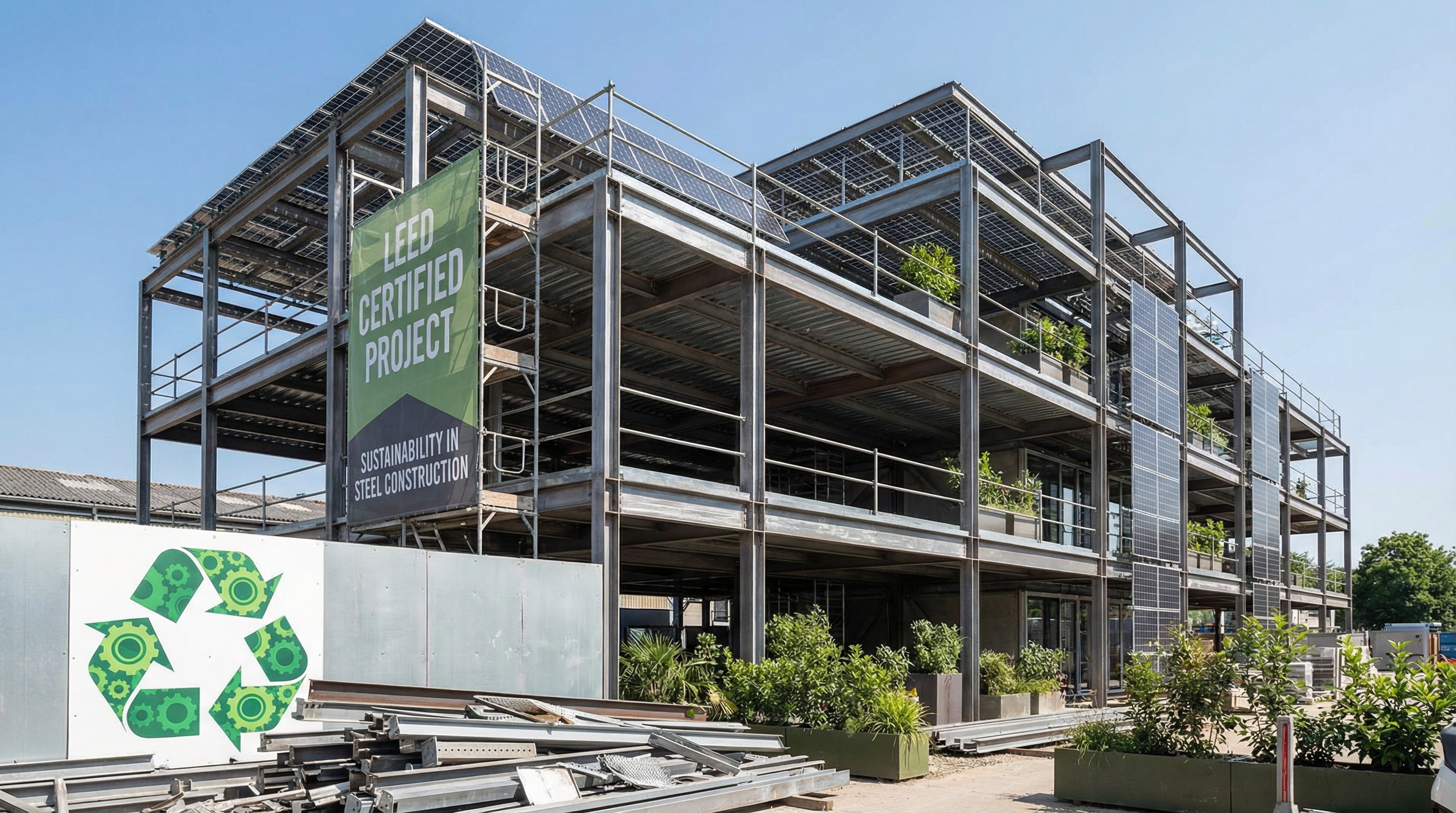
A steel frame structure is sustainable because steel is the most recycled material on the planet, maintaining all its properties regardless of how many times it is repurposed. This circular lifecycle significantly reduces the need for raw iron ore extraction and lowers the carbon footprint of your project.
Is steel truly 100% recyclable?
Here is the deal: every piece of steel used in your building can be melted down and forged into new structural members. This prevents construction waste from filling up landfills at the end of a building’s life.
- Closed-loop recycling process
- Reduced energy consumption in secondary production
- Diverts millions of tons from landfills annually
Can steel help achieve LEED certifications?
Believe it or not, using steel can provide a major boost to your building’s green rating. Because of its recycled content and transparency in manufacturing, steel earns points in various sustainable building categories.
Key Takeaway: Steel’s recyclability and documented supply chain make it an essential component for achieving high-level green building certifications.
| Metric | Steel Impact | Environmental Value | |
|---|---|---|---|
| Recyclability | 100% | Circular Economy | |
| Waste Reduction | High | Minimal On-site Scrap |
The comparative data below showcases the environmental benefits of selecting steel for sustainable developments.
How does a steel frame structure resist fire?
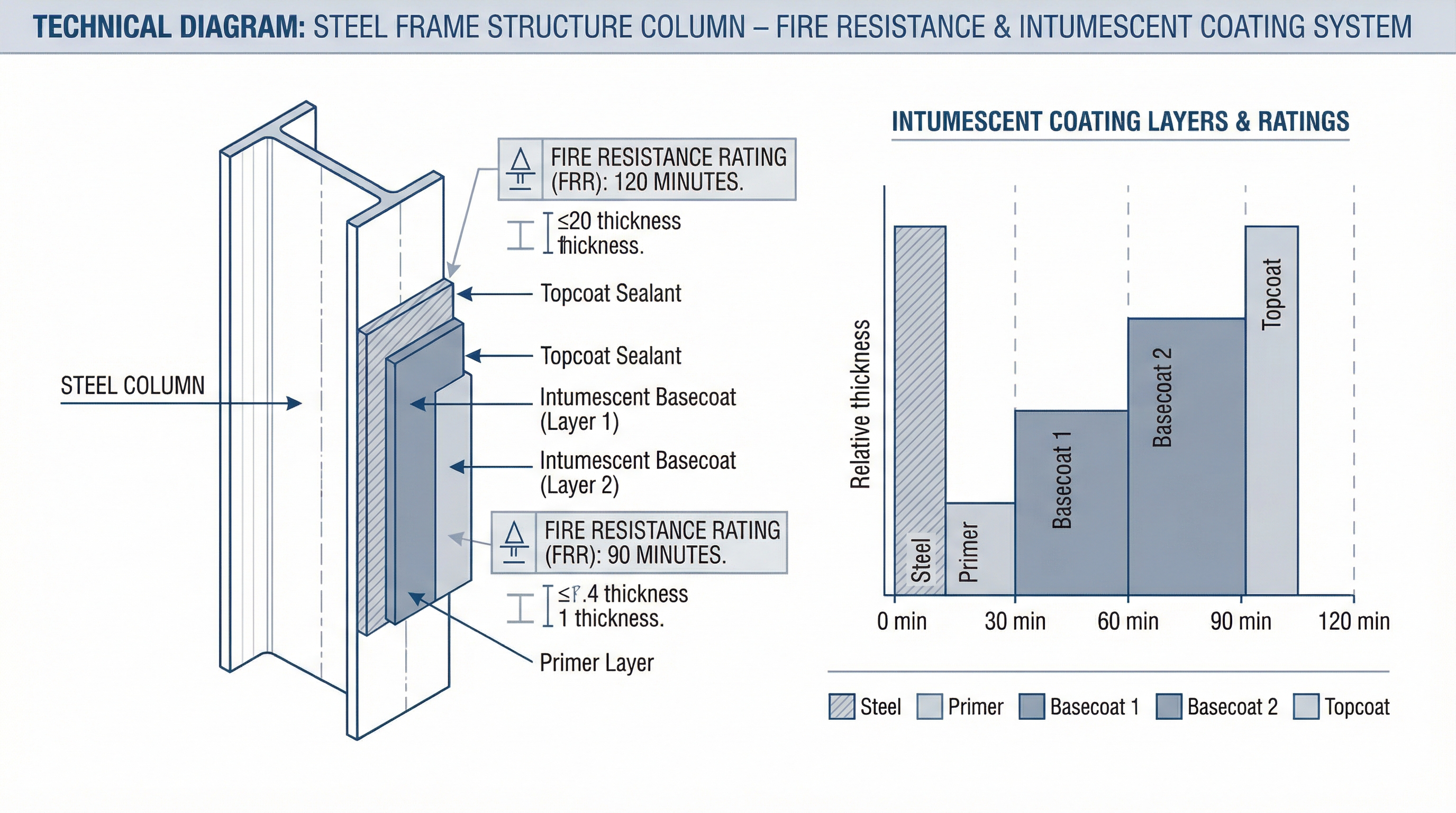
A steel frame structure resists fire through its inherent non-combustible properties and the application of advanced protective coatings. While steel does not burn, fireproofing ensures it maintains its structural strength even at extremely high temperatures.
What fire protection coatings are used?
You might be wondering: how does a metal beam survive a blaze? Engineers apply intumescent paints or spray-applied fire-resistive materials (SFRM) to insulate the steel.
- Intumescent coatings (swell when heated)
- Spray-applied fireproofing (SFRM)
- Concrete encasement
- Mineral wool insulation boards
Do steel standards ensure occupant safety?
The answer is a resounding yes. Stringent building codes require steel structures to maintain their integrity for specific durations, allowing for safe evacuation and firefighting efforts.
Key Takeaway: Modern fireproofing techniques allow steel buildings to meet or exceed the most rigorous safety standards in urban construction.
| Protection Type | Duration (Hours) | Typical Application | |
|---|---|---|---|
| SFRM Spray | 1 – 4 | Hidden structural beams | |
| Intumescent Paint | 1 – 3 | Exposed architectural steel |
This analysis highlights how different coating technologies provide essential time windows during emergency fire events.
Is a steel frame structure resilient to disasters?
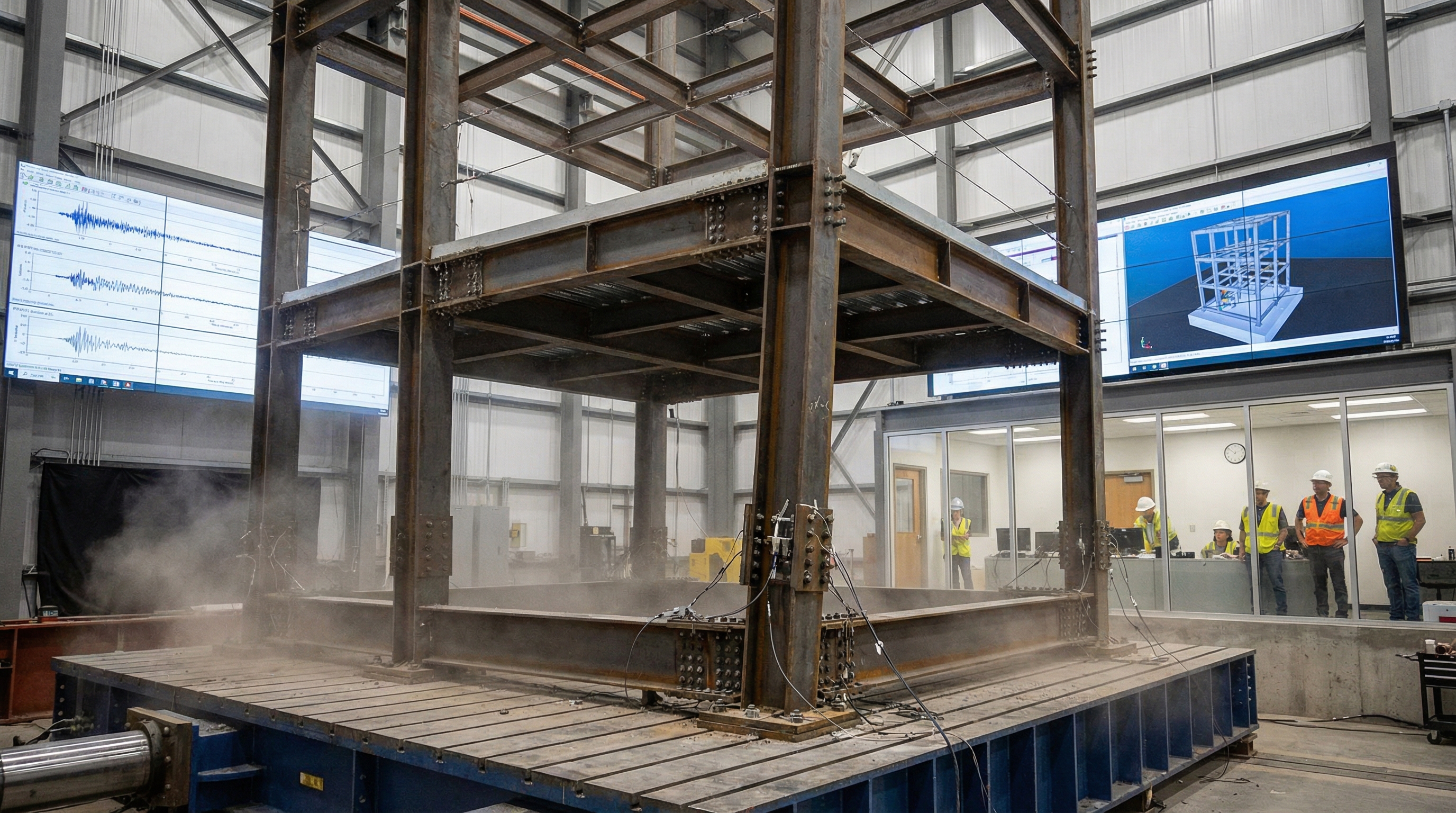
A steel frame structure is incredibly resilient to disasters because of its high ductility, which allows it to absorb and dissipate energy during earthquakes or high-wind events. Unlike brittle materials, steel can bend without breaking, preventing catastrophic structural failure.
How does steel manage seismic energy?
Think about this: in an earthquake, you want a building that moves with the earth rather than snapping under pressure. Steel’s unique molecular structure allows it to undergo significant deformation while remaining intact.
- Ductile beam-to-column connections
- Buckling-restrained braced frames
- Special moment frames
- Energy-absorbing shear walls
Why is structural durability a long-term asset?
The fact is, steel doesn’t suffer from many of the issues that plague other materials over time. It is immune to pests like termites and does not rot or warp when exposed to moisture.
Key Takeaway: The inherent flexibility and strength of steel make it the superior choice for buildings in high-risk seismic or hurricane zones.
| Disaster Type | Steel Response | Result | |
|---|---|---|---|
| Earthquake | Ductile deformation | Life safety preserved | |
| Hurricane | High tensile strength | Envelope remains intact |
The following comparison illustrates how steel performs under extreme environmental stress versus other framing methods.
What is the value of a steel frame structure?
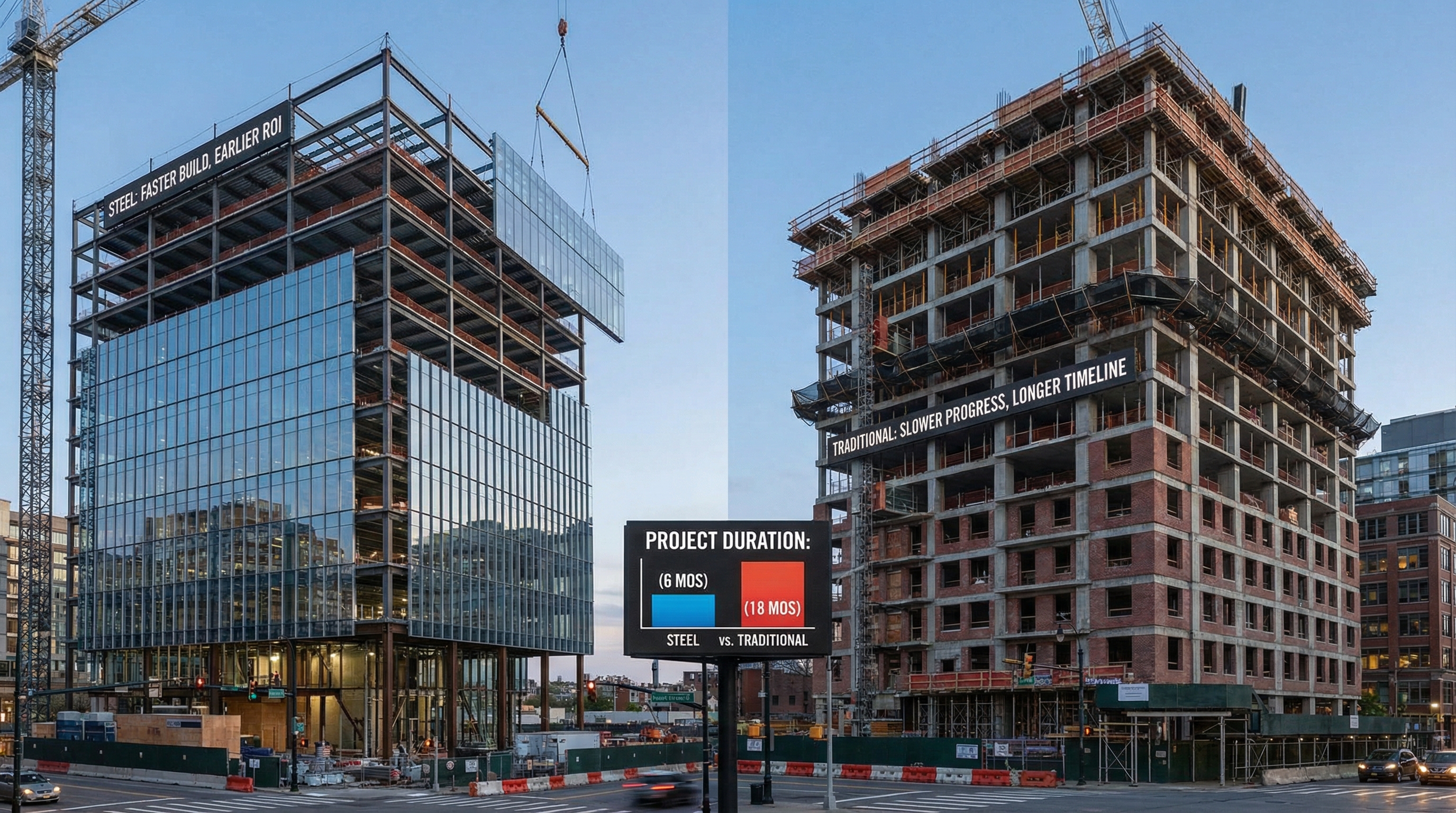
The value of a steel frame structure is found in its ability to reduce total project overhead through faster construction and lower long-term maintenance costs. While initial material prices vary, the speed of erection translates directly into earlier occupancy and revenue generation.
How does steel reduce project overhead?
The real secret? Much of the work is done before a single worker arrives on your site. Precise factory fabrication means fewer on-site labor hours and significantly less material waste.
- Off-site precision manufacturing
- Reduced foundation requirements (lighter weight)
- Lower insurance premiums for non-combustible builds
- Predictable assembly schedules
Why is steel the top choice for non-residential?
It comes down to the bottom line for developers. Large-scale warehouses and office complexes require the massive spans and durability that only steel can provide at scale.
Key Takeaway: Investing in steel framing provides a superior return on investment by shortening the construction cycle and lowering insurance costs.
| Cost Factor | Steel Impact | Financial Result | |
|---|---|---|---|
| Labor Hours | 30% Reduction | Lower payroll costs | |
| Insurance | Non-combustible status | Reduced annual premiums |
The provided table breaks down the economic advantages of steel when evaluated over the entire project lifecycle.
How flexible is a steel frame structure?
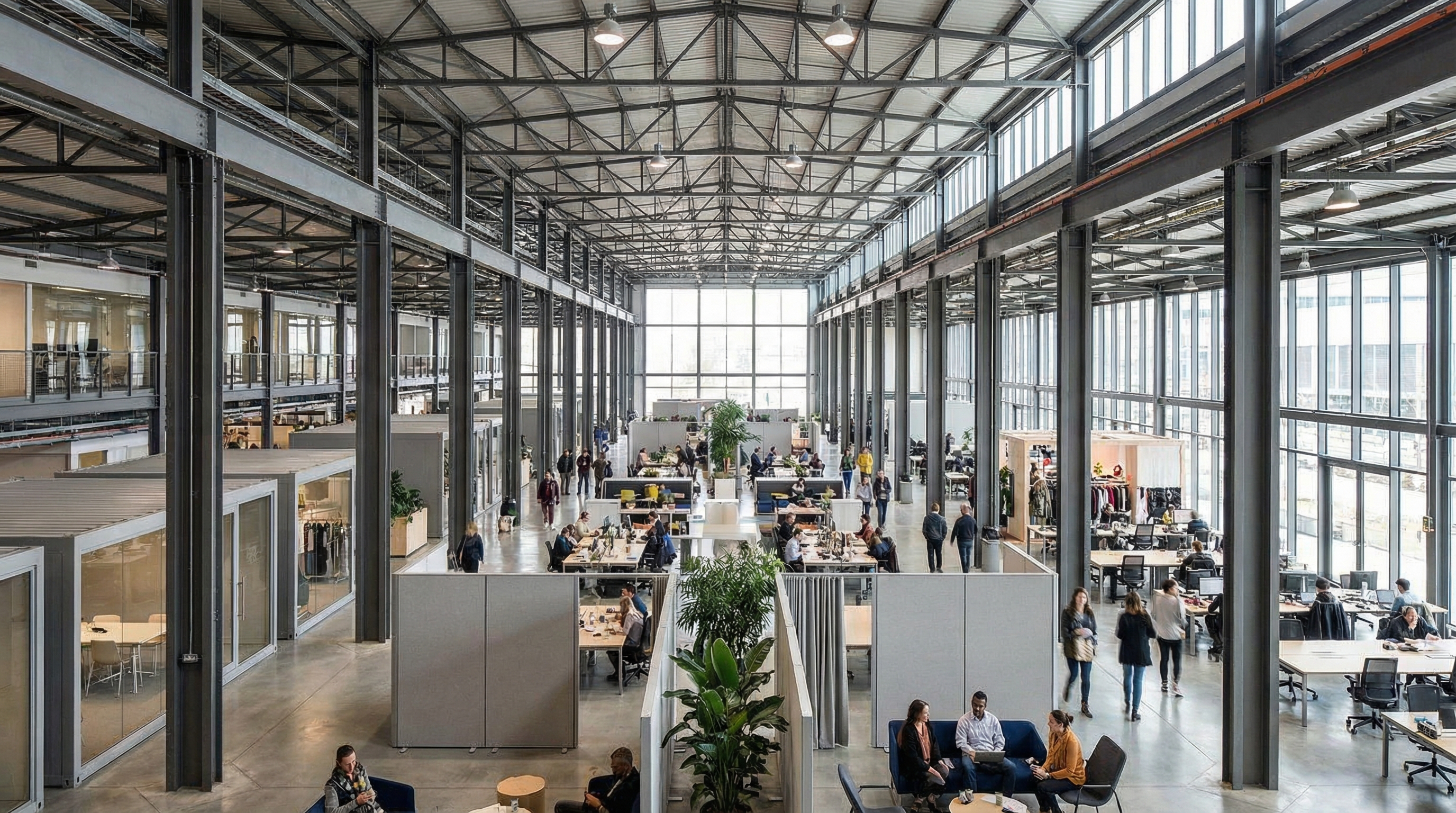
A steel frame structure offers unparalleled flexibility because its load-bearing system relies on a perimeter and central core, leaving interior spaces free for reconfiguration. This allows you to adapt the building’s layout as tenant needs or business operations evolve over decades.
Can interior layouts be easily reconfigured?
Absolutely, and that is a game-changer for long-term property value. Since interior walls are often non-load-bearing, they can be moved or removed without compromising the building’s stability.
- Removable partition walls
- Adaptable MEP system routing
- Easily added mezzanines
- Modified openings for new stairs or elevators
How does steel support building verticality?
The high strength-to-weight ratio of steel means you can build higher with less material. This vertical efficiency is essential in dense urban environments where land is at a premium.
Key Takeaway: Steel framing “future-proofs” your assets by allowing for easy renovations and vertical expansions that other materials cannot support.
| Flexibility Feature | Impact | Future Use | |
|---|---|---|---|
| Non-load-bearing walls | Layout changes | Tenant turnover | |
| High-strength columns | Vertical expansion | Increased floor count |
The data below summarizes how steel’s adaptability contributes to the extended functional life of a building.
How quick is steel frame structure assembly?
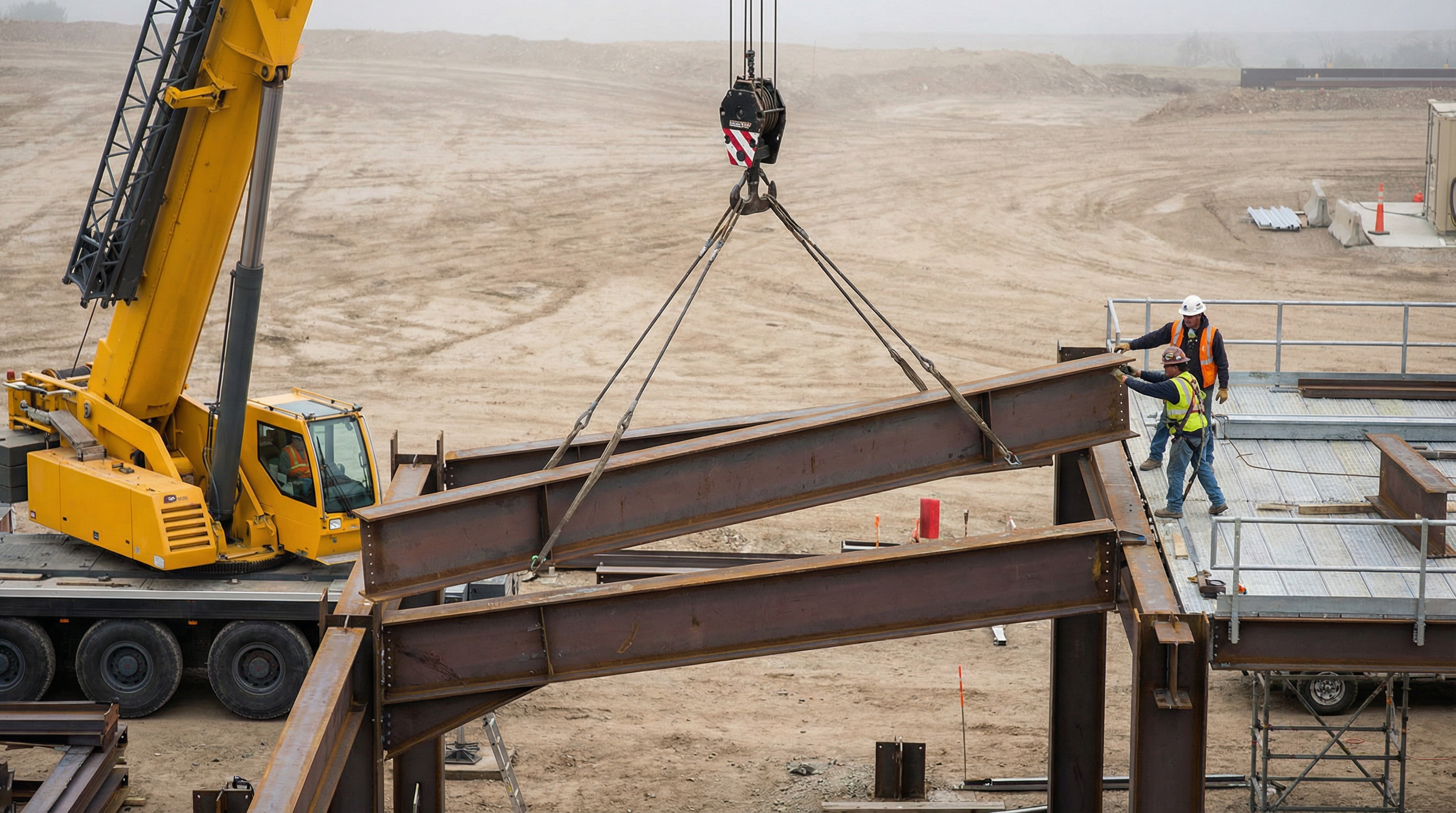
Assembly of a steel frame structure is exceptionally fast because components are pre-engineered and fabricated in a controlled factory environment. This “plug-and-play” approach allows on-site teams to erect the skeleton in a fraction of the time required for poured-in-place concrete.
Does off-site fabrication prevent site delays?
Here is why it works: the fabrication happens simultaneously with the foundation work. By the time the site is ready, the steel members arrive numbered and ready for immediate bolting.
- Simultaneous fabrication and site prep
- Weather-independent manufacturing
- Reduced on-site staging area needs
- Minimized trade coordination issues
What is the impact on the project timeline?
Using steel can often shave months off a traditional construction schedule. This allows you to open your doors sooner, which is vital for commercial ventures and industrial hubs.
Key Takeaway: Speed of erection is one of steel’s greatest competitive advantages, directly impacting project profitability and financing costs.
| Process | Steel Timeline | Traditional Timeline | |
|---|---|---|---|
| Frame Erection | 4 – 8 Weeks | 12 – 20 Weeks | |
| Weather Delays | Minimal | Significant |
This comparison highlights the dramatic time savings achieved when switching from traditional methods to a steel-centric approach.
Is a steel frame structure energy efficient?
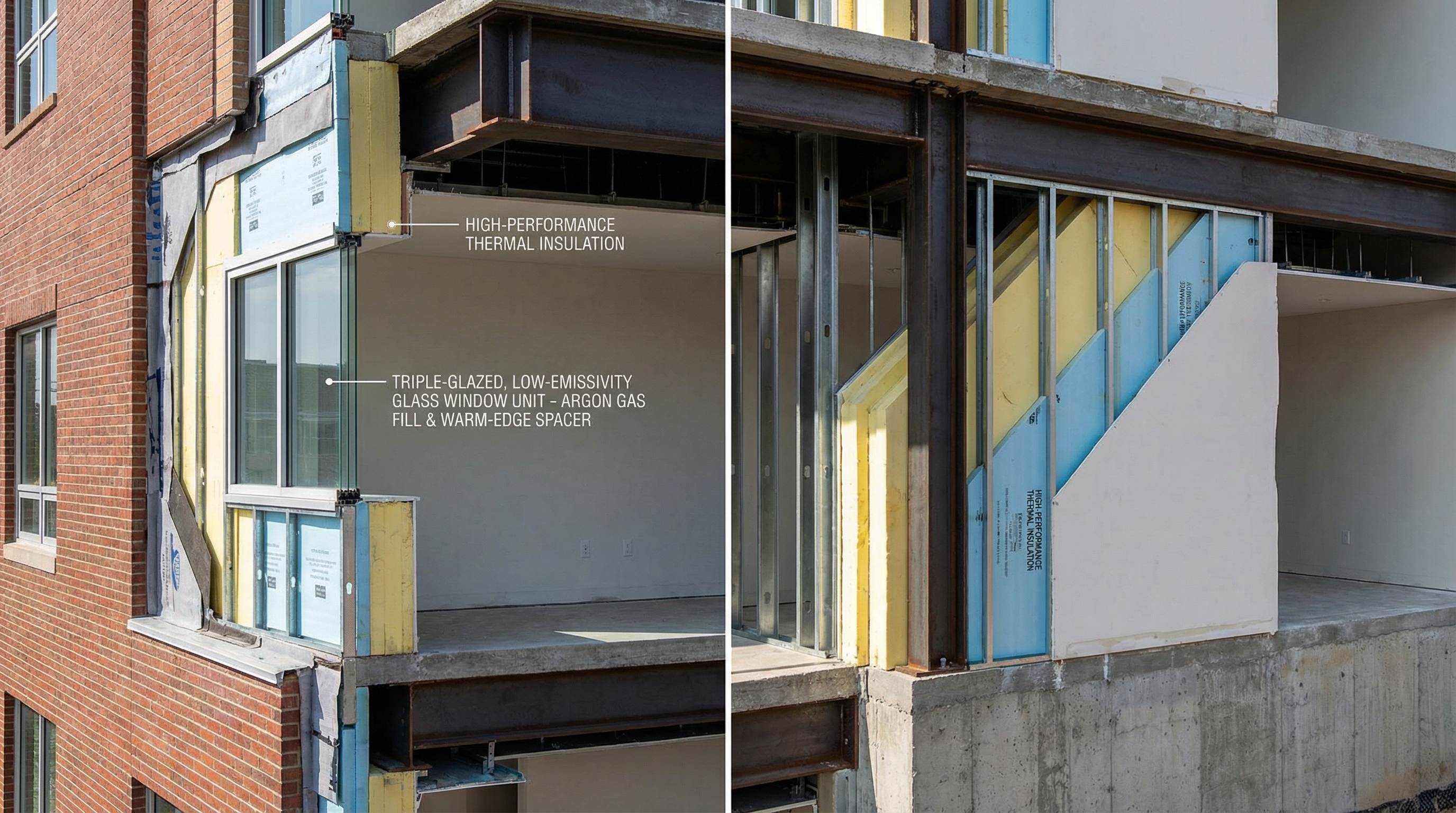
A steel frame structure is highly energy efficient when integrated with modern insulation and high-performance building envelopes. The precision of the steel frame ensures a tight building seal, preventing air leakage and reducing the energy required for climate control.
How do steel frames integrate with insulation?
The best part? Steel’s slim profile provides more space within the wall cavity for high-R-value insulation. This creates a superior thermal barrier that keeps heat in during winter and out during summer.
- Continuous exterior insulation
- Thermal break technology
- Spray foam integration
- High-performance glazing systems
Can steel systems reduce HVAC requirements?
Because the building envelope is so tight, your HVAC systems don’t have to work as hard. This leads to smaller equipment requirements and lower monthly utility bills for the end-user.
Key Takeaway: When designed with a focus on thermal breaks and continuous insulation, steel structures offer elite-level energy performance.
| Energy Feature | Mechanism | Result | |
|---|---|---|---|
| Thermal Breaks | Prevents heat transfer | Lower energy loss | |
| Tight Envelope | Reduced air infiltration | Stable indoor climate |
The analysis below demonstrates how specific insulation strategies maximize the energy efficiency of a modern steel-framed building.
What industries use a steel frame structure?
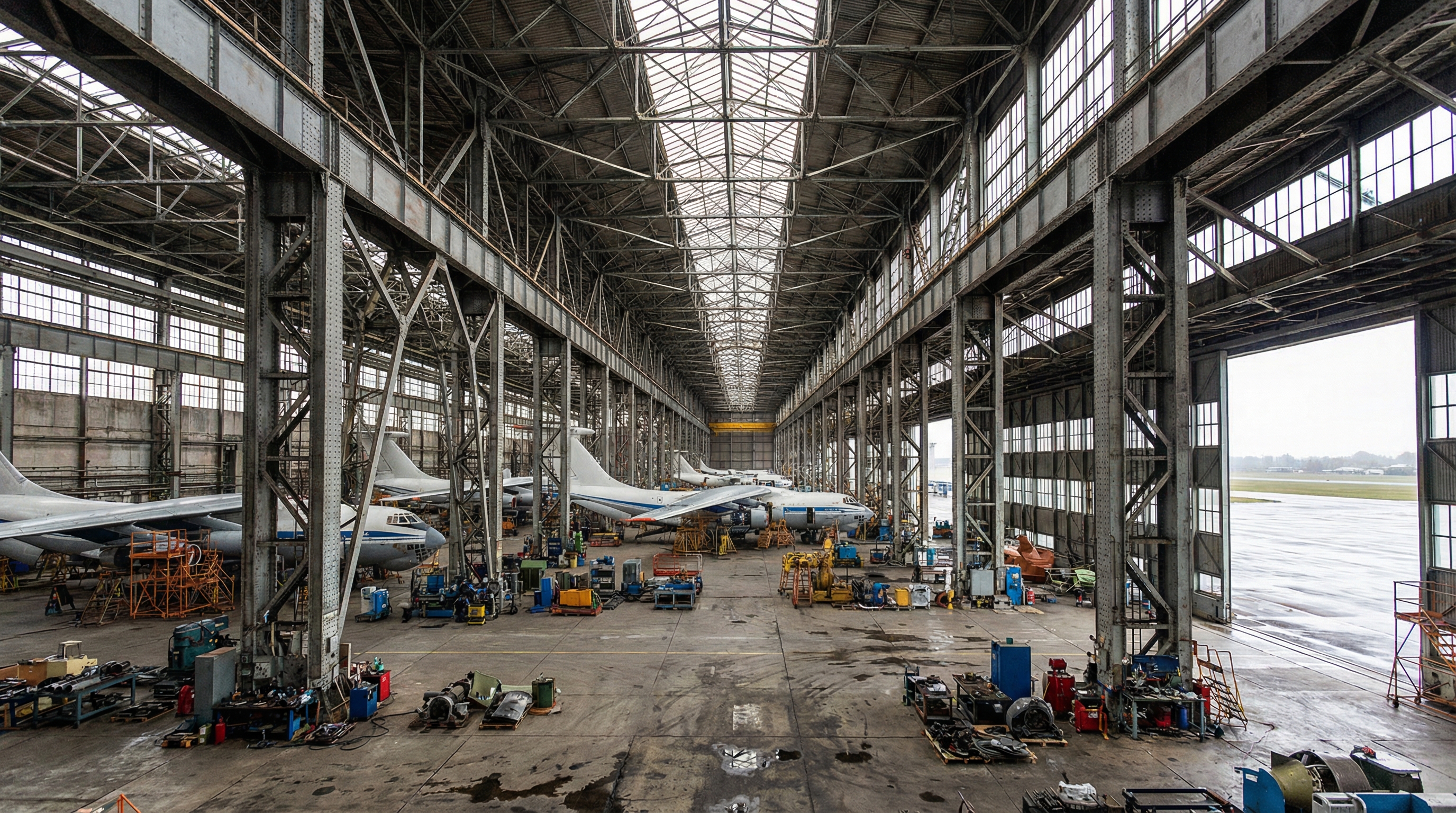
Nearly every major industry relies on a steel frame structure for its critical infrastructure due to the material’s unparalleled strength and versatility. From logistics to healthcare, steel provides the reliable backbone needed for large-scale operations and public safety.
Why is steel preferred for warehouses?
Think about this: modern logistics hubs require massive, open floor areas for robotics and shelving. Steel’s ability to span hundreds of feet without interior columns makes it the only viable choice for these facilities.
- E-commerce fulfillment centers
- Automotive manufacturing plants
- Cold storage facilities
- Data centers
Is steel the standard for aircraft hangars?
The answer is yes, as the enormous clear-span requirements for aircraft wingspans can only be met by structural steel trusses. This ensures safe storage and maintenance environments for high-value aviation assets.
Key Takeaway: Steel’s dominance across diverse sectors like aviation and logistics proves its status as the most adaptable building material available.
| Industry | Primary Use | Critical Requirement | |
|---|---|---|---|
| Aviation | Hangars | Massive clear spans | |
| Logistics | Warehouses | High ceiling clearance |
This table provides a snapshot of how different industries leverage the unique properties of steel to meet operational goals.
How long does a steel frame structure last?
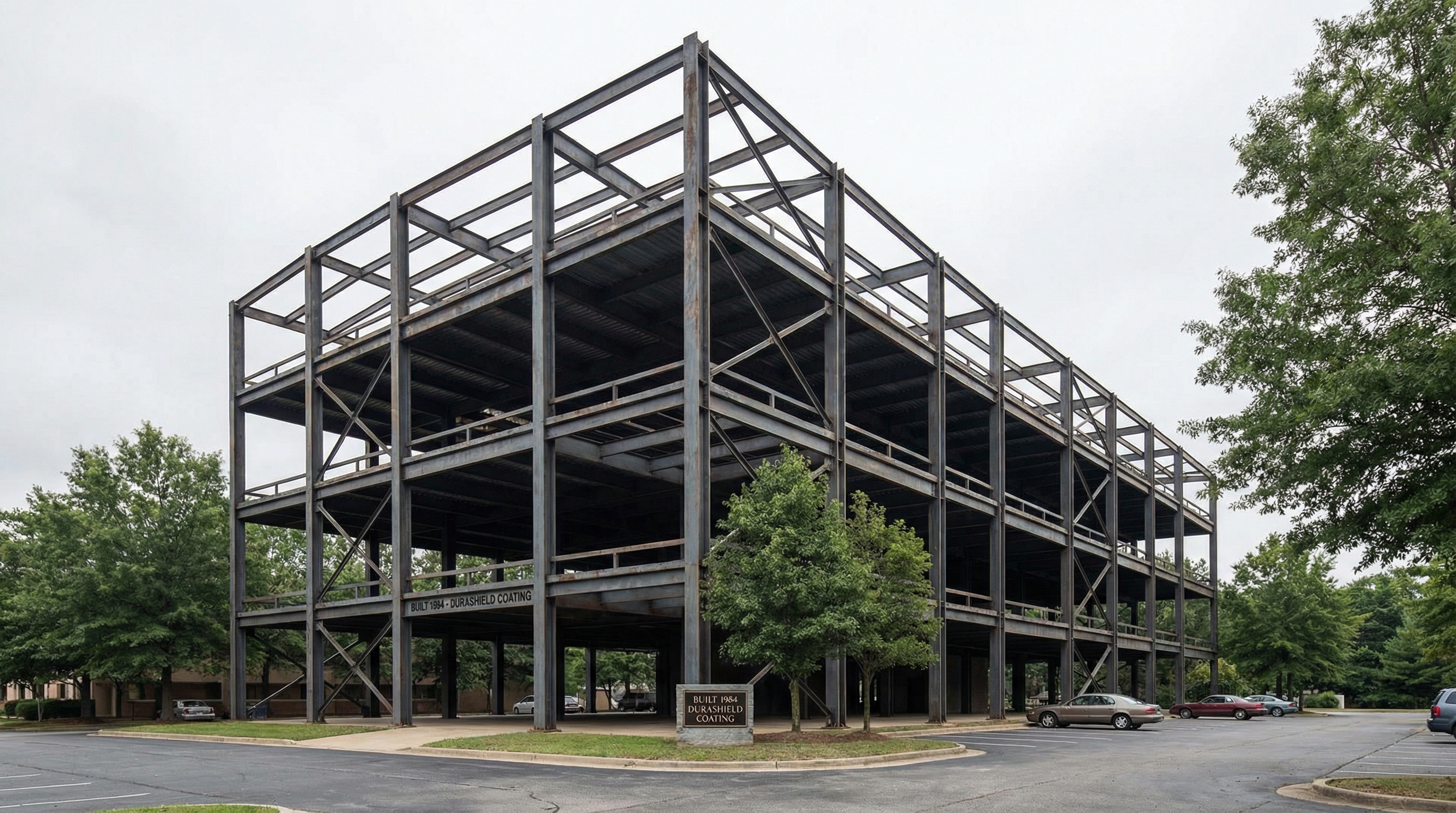
A steel frame structure is designed to last for generations, often exceeding a service life of 50 to 100 years with basic maintenance. Unlike organic materials, steel does not degrade over time if it is protected from the elements with modern coating systems.
How is corrosion prevented in steel frames?
You might worry about rust, but modern engineering has solved this. Steel members are typically galvanized or coated with high-performance primers that seal the metal from oxygen and moisture.
- Hot-dip galvanization
- Zinc-rich primers
- Epoxy-based topcoats
- Weathering steel (A588)
What are the long-term maintenance needs?
The fact is, steel is remarkably low-maintenance. Periodic inspections of the coating and connections are usually all that is required to ensure the structure remains in pristine condition.
Key Takeaway: Proper initial coating and occasional inspections guarantee that your steel building remains a valuable, safe asset for a century.
| Coating Type | Expected Life | Maintenance Level | |
|---|---|---|---|
| Galvanized | 50+ Years | Very Low | |
| Prime & Paint | 15 – 25 Years | Moderate |
The following data outlines the lifespan expectations for various steel protection systems in different environmental conditions.
Conclusion
Choosing a steel frame structure is a decisive step toward ensuring the longevity, safety, and profitability.