
The cheapest way to insulate a metal building is typically using fiberglass batt insulation combined with a durable vapor barrier. You have likely experienced the frustration of a steel structure that acts like a greenhouse in summer and a meat locker in winter. This thermal instability impacts your comfort and creates condensation that can cause long-term structural damage. By choosing the right insulation for steel buildings , you can significantly reduce energy costs while protecting your investment from rust and mold.
What is the cheapest insulation for steel buildings?
The most budget-friendly method for insulating a metal structure is fiberglass batt insulation due to its low material cost and ease of installation.
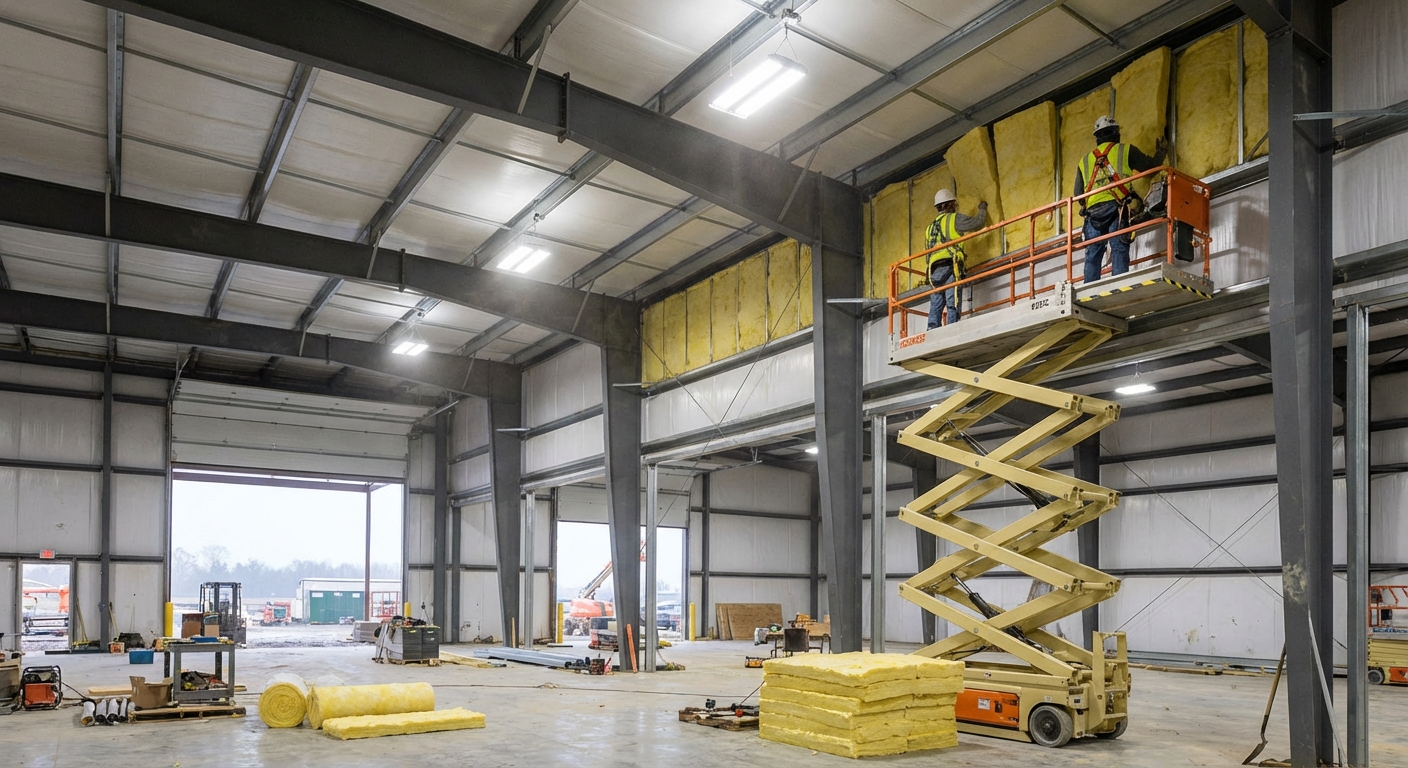
Fiberglass remains the industry standard for a reason: it offers the highest R-value per dollar spent. For a large-scale project like a steel structure warehouse , buying rolls in bulk can save thousands compared to spray-on alternatives. Naturally, the key to success is ensuring the material is not overly compressed, as its thermal resistance relies on trapped air pockets.
Is vinyl facing necessary for fiberglass?
Vinyl or polypropylene facing is an essential “all-in-one” solution for budget projects because it serves as both a vapor barrier and a clean interior finish.
- Eliminates the need for separate drywall or paneling.
- Protects the fiberglass from tearing and moisture.
- Reflects interior light to reduce electricity costs.
Can I use scrap materials to save more?
While tempting, using reclaimed or scrap insulation often leads to gaps in coverage that ruin thermal performance.
You need a continuous seal to prevent heat leaks.
Key Takeaway: Fiberglass batts provide the best balance of cost and performance for large spans.
| Insulation Type | Cost Tier | DIY Ease | Best Use Case | |
|---|---|---|---|---|
| Fiberglass Batts | Low | High | Large warehouses | |
| Reflective Foil | Low | Very High | Hot climates/Barns | |
| Rigid Foam | Mid | Medium | Offices/Workshops |
Table 1: Cost and application overview for budget-friendly steel building insulation.
Why is moisture control vital in insulation for steel buildings?
Moisture control is critical because metal surfaces reach the dew point quickly, leading to “sweating” that causes rust and mold if a vapor barrier is absent.
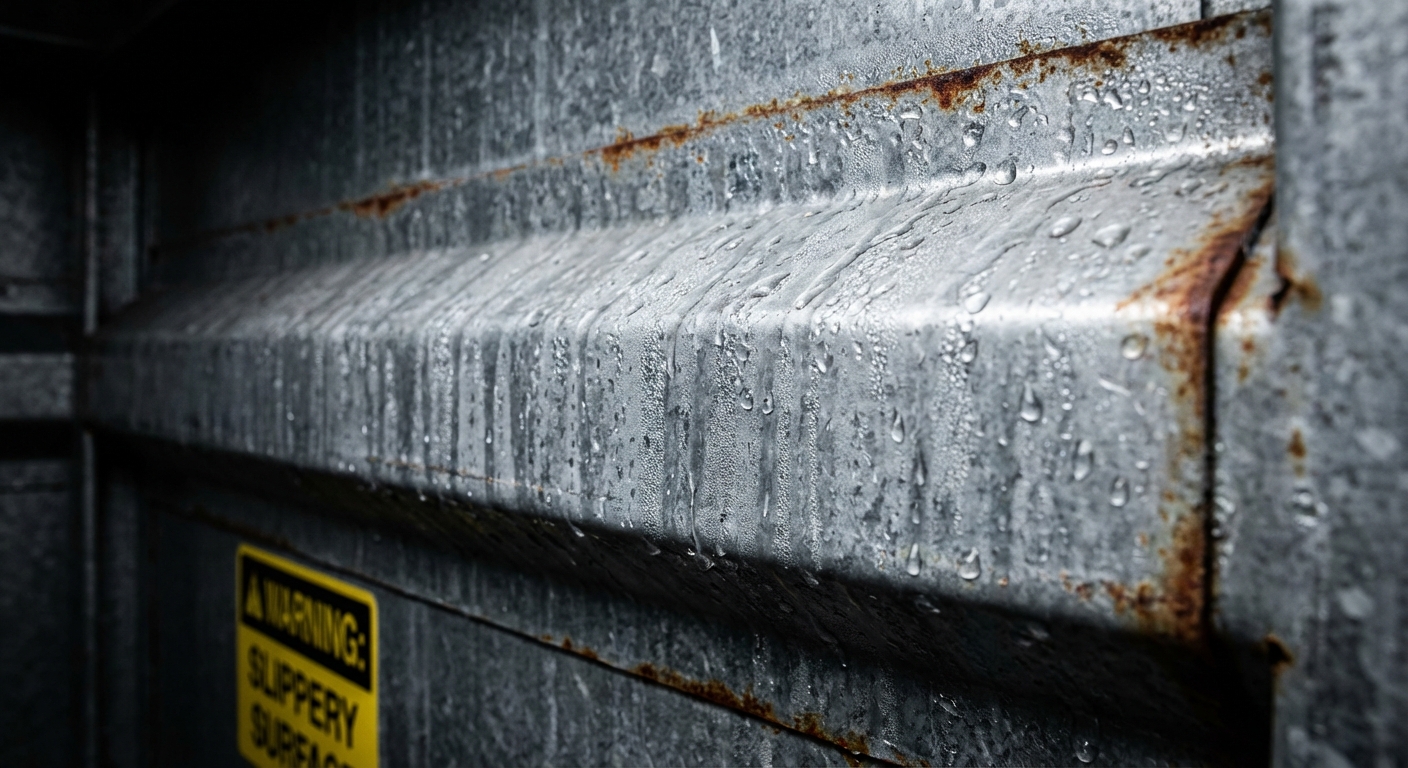
In a steel structure workshop , condensation dripping from the ceiling can damage expensive machinery and inventory. Proper insulation for steel buildings must include a high-quality vapor retarder to separate humid interior air from the cold metal skin. Without this barrier, your budget insulation will eventually become heavy with water and fail.
How do I stop the “dripping” ceiling?
The primary solution is creating an airtight seal with a vapor-proof facing on your insulation.
- Tape every seam with high-tack insulation tape.
- Seal around perimeter penetrations like doors and vents.
- Use a radiant barrier to prevent temperature spikes that cause rapid condensation.
What is a thermal bridge?
A thermal bridge occurs where the steel frame bypasses the insulation, allowing heat to escape directly through the metal girts.
Don’t let your frame bleed heat.
Key Takeaway: A vapor barrier is non-negotiable for preventing condensation-related structural rot.
| Feature | Importance | Mitigation | |
|---|---|---|---|
| Vapor Barrier | High | Use vinyl-faced batts | |
| Seam Taping | Critical | Use 3-inch reinforced tape | |
| Ventilation | Moderate | Install ridge and eave vents |
Table 2: Essential moisture management components for steel structures.
How does geography affect insulation for steel buildings?
Geography dictates whether your insulation should focus on reflecting radiant heat from the sun or trapping conductive heat inside the building.
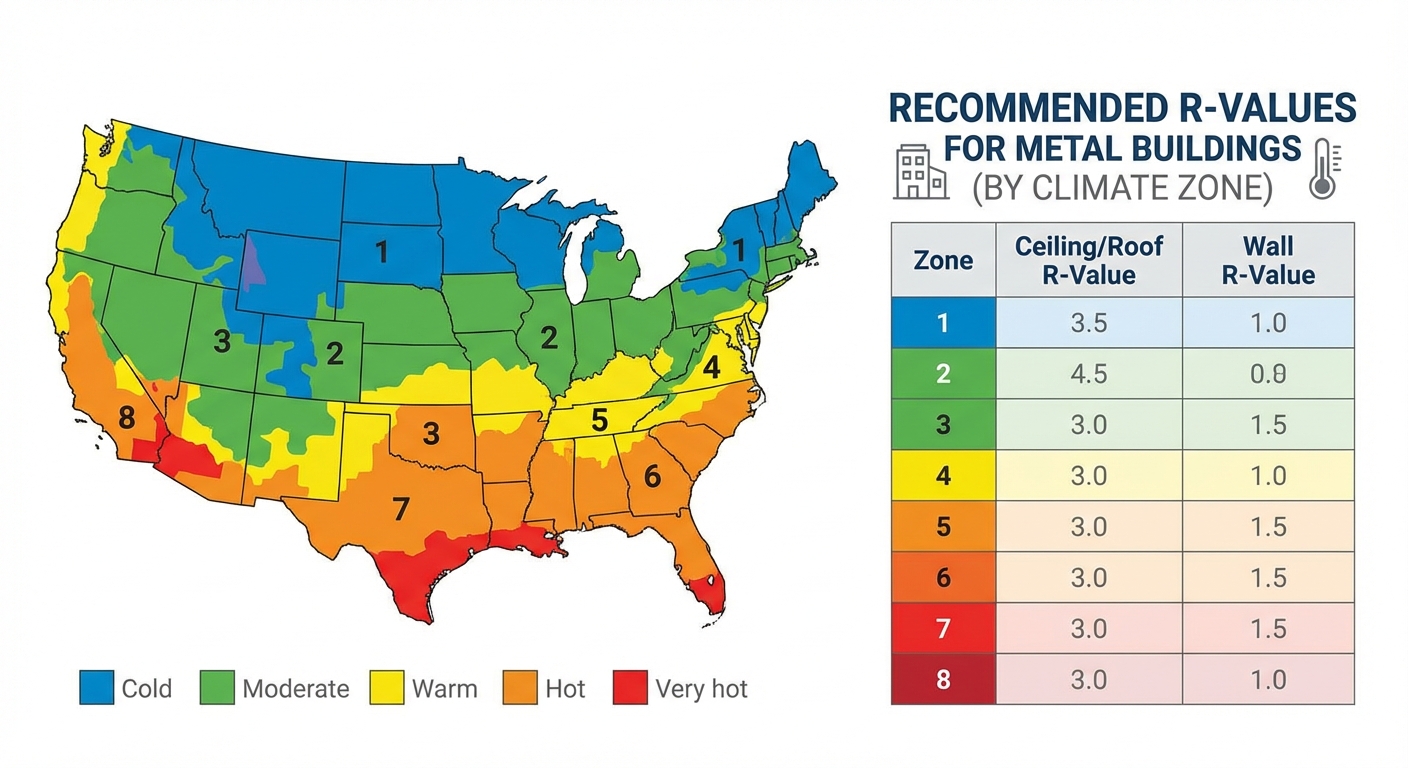
In hot, southern climates, your biggest enemy is radiant heat, which makes reflective foil highly effective. For agricultural structures like a chicken house , keeping temperatures low is a matter of livestock survival. Conversely, northern regions require bulk insulation for steel buildings to maintain high R-values and prevent freezing.
What is the best R-value for my area?
Check your local building codes, but generally, northern zones require R-19 to R-30 for roofs, while southern zones can manage with R-13.
- Use radiant barriers in Zones 1-3.
- Use heavy fiberglass or mineral wool in Zones 6-8.
- Ensure air-tightness in all climates to prevent energy loss.
Is one layer of insulation enough?
In temperate zones, a single layer of faced fiberglass is usually sufficient for budget projects.
Efficiency depends on the environment.
Key Takeaway: Match your insulation type to your local climate zone to maximize your return on investment.
| Climate Type | Recommended R-Value | Primary Material | |
|---|---|---|---|
| Hot/Arid | R-13 | Reflective Foil | |
| Moderate | R-19 | Faced Fiberglass | |
| Cold/Arctic | R-30+ | Rigid Foam + Batts |
Table 3: Geographic insulation recommendations for optimal thermal performance.
Can DIY kits effectively provide insulation for steel buildings?
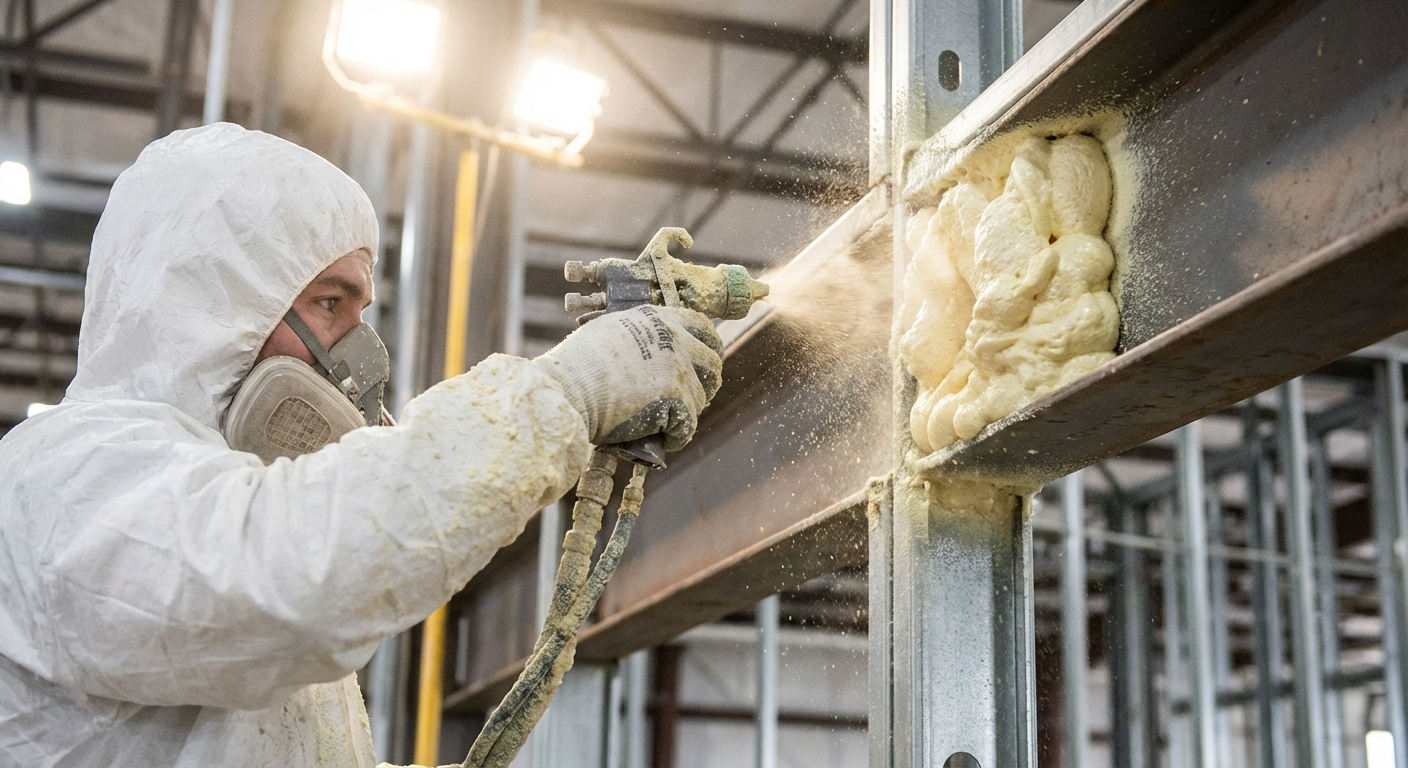
Yes, DIY spray foam or fiberglass kits are effective for sealing smaller structures and specialized areas without the high cost of professional labor.
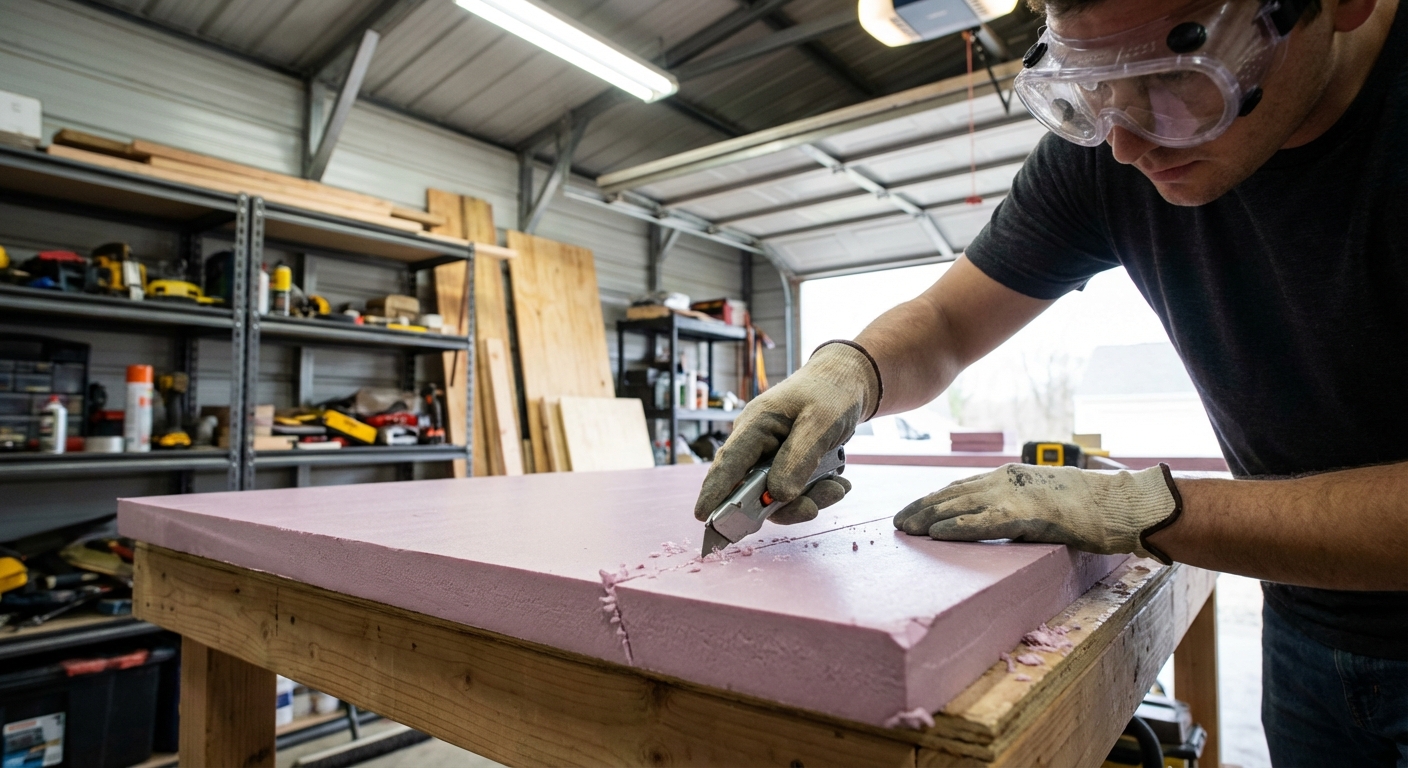
For an individual aircraft hangar or a small shed, hiring a commercial crew often isn’t cost-effective. DIY kits allow you to apply high-performance insulation for steel buildings exactly where it is needed. These kits are specifically designed for users without professional training, though safety gear like respirators is mandatory.
Are DIY spray foam kits worth it?
They are excellent for sealing corners and gaps where batts cannot reach, providing an airtight thermal break.
- Best for “hard to reach” secondary members.
- Improves structural rigidity once cured.
- Prevents air leaks that common batts might miss.
What are the risks of DIY installation?
The main risk is improper sealing, which allows moisture to bypass the insulation and trapped against the steel.
Precision saves money.
Key Takeaway: DIY methods offer significant labor savings if you are meticulous with sealing and safety.
| Effort Level | Material | Potential Savings | |
|---|---|---|---|
| Low | Fiberglass Rolls | 30% | |
| Medium | Rigid Foam Board | 40% | |
| High | DIY Spray Foam | 50% |
Table 4: Estimated labor savings through DIY insulation installation.
Is fiberglass still the gold standard for insulation for steel buildings?
Fiberglass remains the gold standard for budget projects due to its fire resistance, sound dampening qualities, and unparalleled availability.
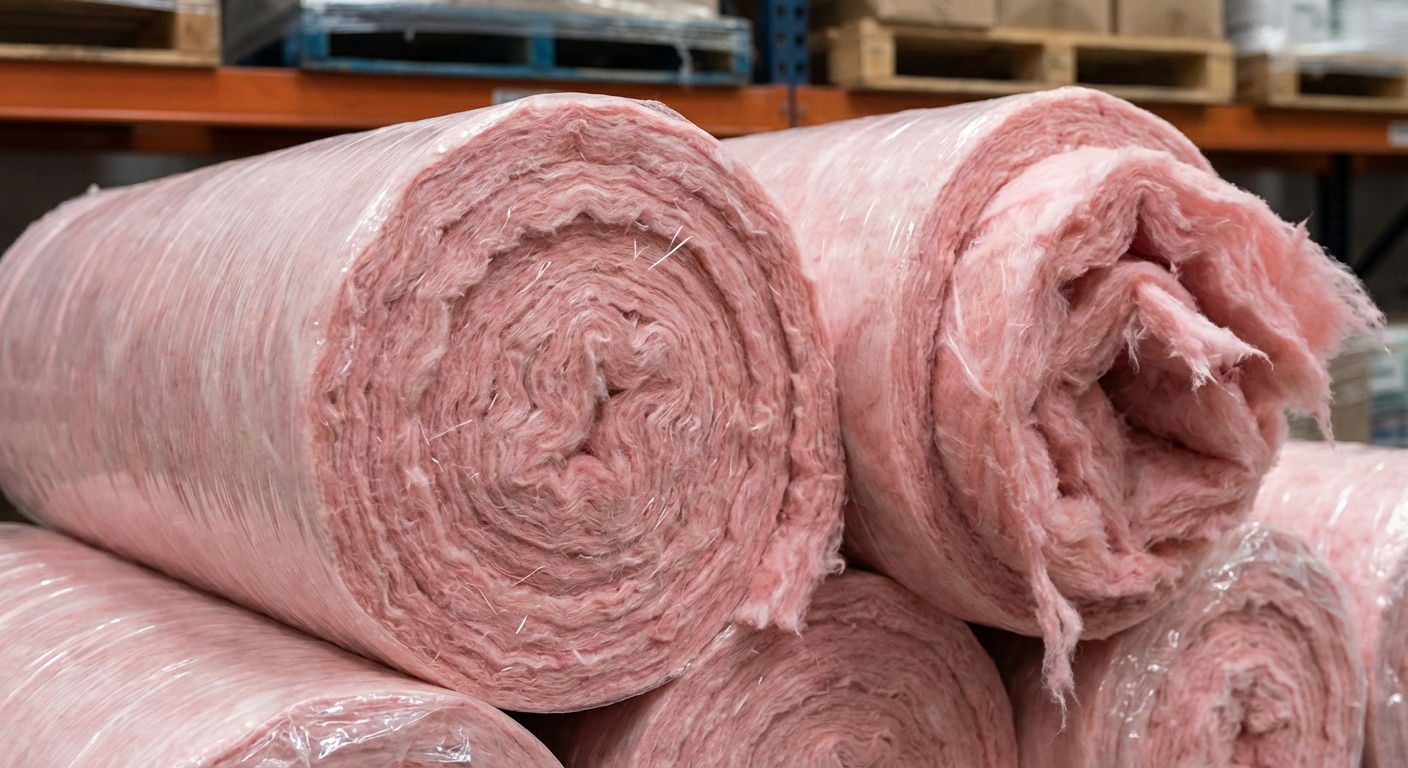
When planning a sensitive project like a school building , acoustics and fire safety are just as important as R-value. Faced insulation for steel buildings made of fiberglass is naturally non-combustible. Furthermore, it absorbs the echoing “drum” sound commonly found in large metal halls, creating a more professional environment.
Does fiberglass sag over time?
If installed with high-quality insulation hangers and proper tension, fiberglass will remain in place for the life of the building.
- Use steel banding for roof installations.
- Avoid getting the material wet during construction.
- Ensure the vapor barrier facing is taut and secure.
How do I handle the “itch”?
Wearing long sleeves and applying baby powder to exposed skin helps prevent glass fibers from causing irritation.
Safety first, comfort follows.
Key Takeaway: For public and multi-story structures, fiberglass provides the best secondary safety and acoustic benefits.
| Feature | Benefit | | Fire Class | Class A | Rated for public buildings | | Acoustics | High | Reduces metal echo sounds | | Availability | High | Sourced at any local supplier |
Table 5: Performance advantages of modern fiberglass insulation.
Why is reflective foil great for budget insulation for steel buildings?
Reflective foil is an excellent budget choice because it is lightweight, easy to handle, and exceptionally effective at blocking radiant heat.
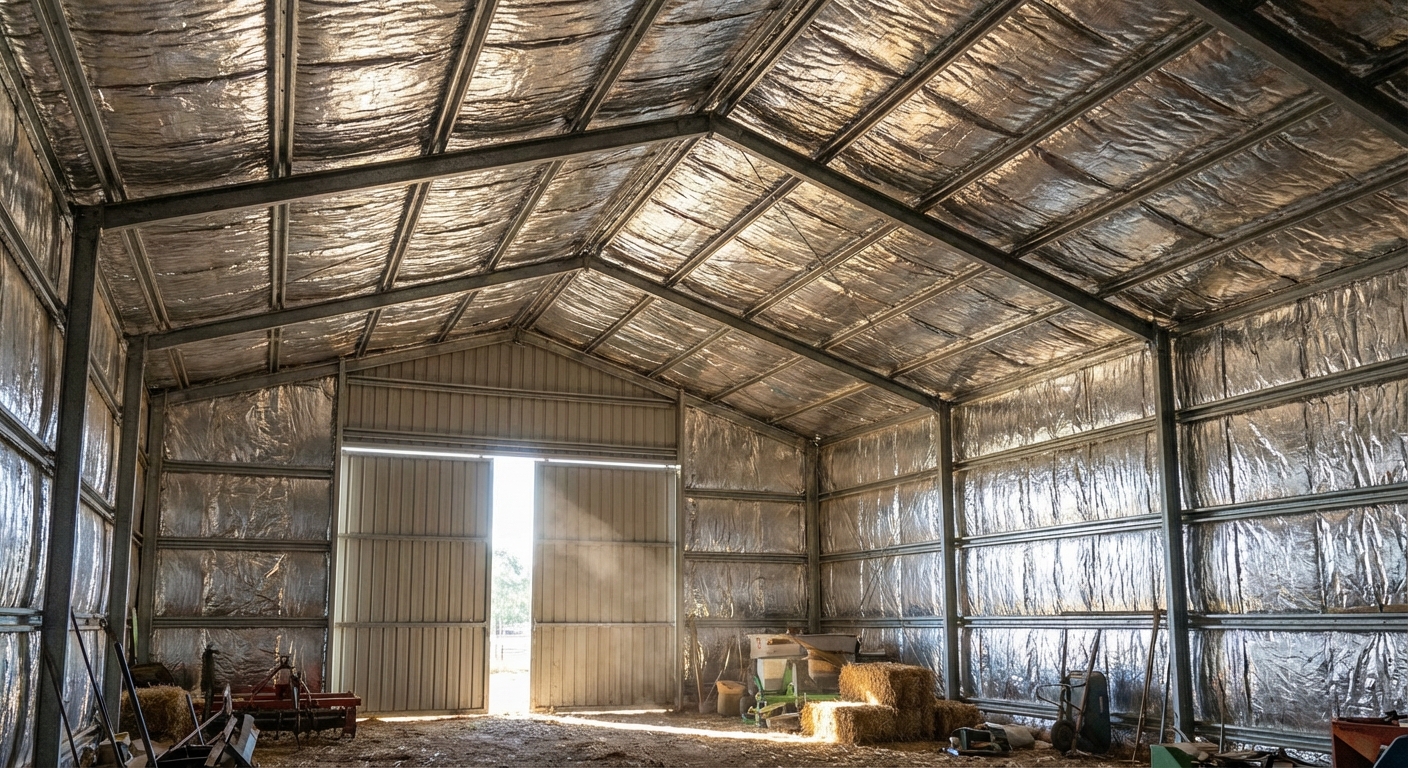
In utility structures like a cow & sheep shed , you need a durable material that pets or livestock cannot easily damage. Reflective foil insulation for steel buildings provides a clean look and significant summer cooling without the bulk of traditional fluff. It is also completely waterproof, making it ideal for barns that require occasional washdowns.
Does foil work in winter?
While it assists with heat retention, it is far less effective than fiberglass in cold climates without a secondary insulation layer.
- Works by reflecting heat back into the building.
- Requires an air gap to function properly.
- Best used as a supplement in northern zones.
How do I install it correctly?
You must maintain a minimum 3/4-inch air space between the foil and the metal panels.
No gap, no reflection.
Key Takeaway: Reflective foil is the superior choice for unconditioned agricultural buildings in warm regions.
| Feature | Impact | Why It Matters | |
|---|---|---|---|
| Heat Block | 97% | Stops radiant sun heat | |
| Weight | Very Low | No stress on the frame | |
| Durability | High | Pest and mold resistant |
Table 6: Strategic advantages of reflective foil radiant barriers.
When should rigid foam be used for insulation for steel buildings?
Rigid foam board is the ideal choice when high R-value and structural durability are required in a thin profile, such as conditioned retail spaces.
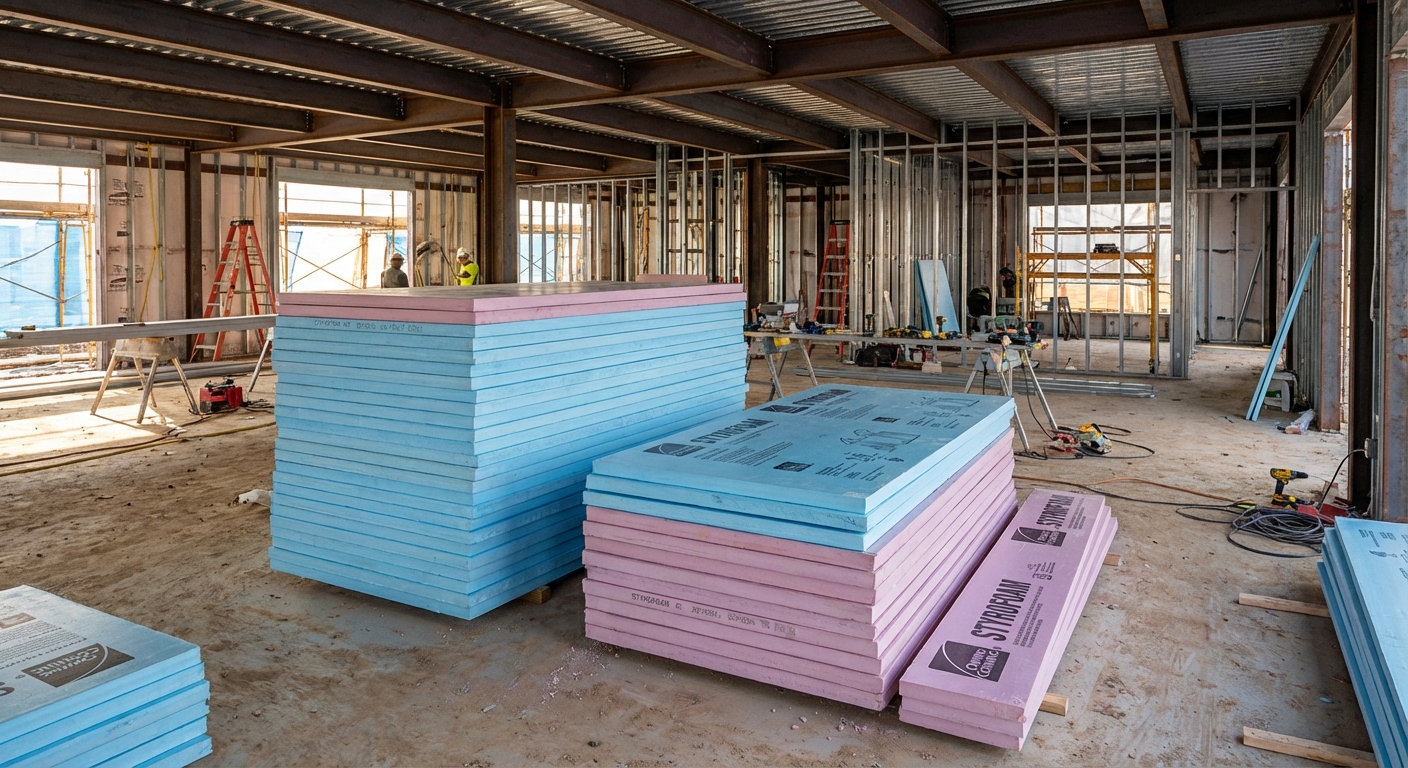
For high-end commercial projects like a shopping mall , rigid boards provide a firm surface for mounting interior finishes. This type of insulation for steel buildings prevents the “pillowing” look of fiberglass and offers superior moisture resistance. While the initial cost per board is higher, the labor savings during finish-out can be substantial.
Which foam type is best for a budget?
EPS (Expanded Polystyrene) is the most affordable foam, though XPS (Extruded Polystyrene) offers better moisture protection for roughly 20% more cost.
- EPS is great for wall panels.
- XPS is better for areas prone to high humidity.
- Polyiso offers the highest R-value but at a premium price.
Can it be painted?
Yes, many foam boards can be painted with water-based latex paints to provide a finished aesthetic.
Form meets function beautifully.
Key Takeaway: Use rigid foam boards for commercial interiors where wall space and aesthetics are priorities.
| Foam Type | R-Value/Inch | Cost | Moisture Resistance | |
|---|---|---|---|---|
| EPS | 3.8 | $ | Moderate | |
| XPS | 5.0 | $$ | High | |
| Polyiso | 6.5 | $$$ | High |
Table 7: Comparison of rigid foam board specifications.
What is the ROI on insulation for steel buildings?
The return on investment for insulation is realized through lower monthly utility bills and the prevention of rust which extends the building’s lifespan.
In a professional office building , the energy savings alone often pay for the insulation for steel buildings within three to five years. Beyond the bills, you are protecting the structural integrity of the steel secondary members. Rust is a silent thief of property value; insulation is your primary defense against it.
Does insulation affect resale value?
An insulated, climate-controlled steel building typically fetches a 15-25% higher resale price than a “shell-only” structure.
- Attracts a wider range of buyers (workshops, storage, gyms).
- Proves the building was well-maintained.
- Demonstrates a commitment to energy efficiency.
What about insurance premiums?
Properly insulated buildings often qualify for lower insurance rates because they are less prone to moisture damage and mold.
Protect your assets early.
Key Takeaway: Insulation is a capital improvement that pays dividends in both operational savings and asset protection.
| Structure Type | Payback Period | Annual Energy Savings | |
|---|---|---|---|
| Warehouse | 4-6 Years | 25% | |
| Retail Mall | 2-4 Years | 40% | |
| Workshop | 3-5 Years | 30% |
Table 8: Estimated ROI and energy savings by building type.
What common errors ruin insulation for steel buildings?
Common errors include skipping the thermal break at the frame and failing to tape seams, which leads to total system failure.
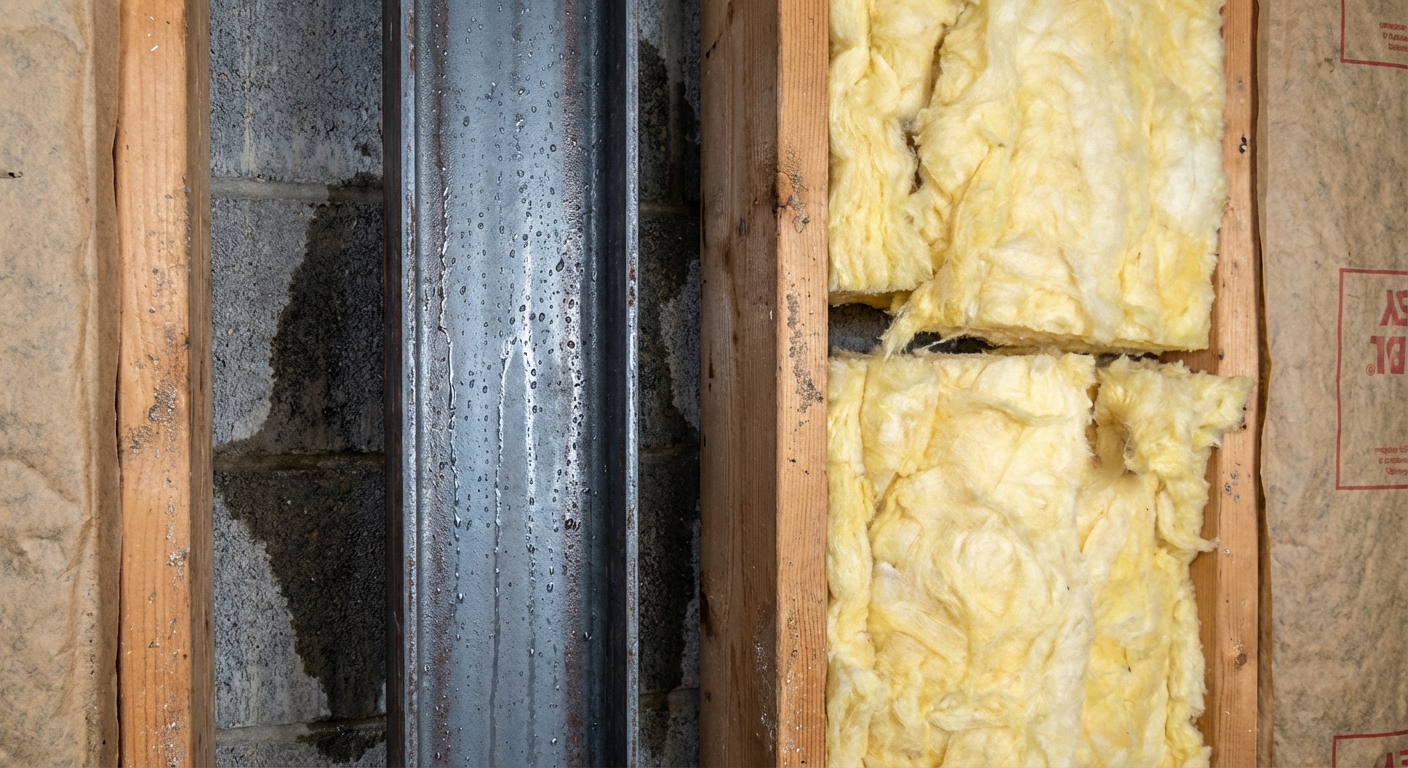
In high-profile structures like a church building , small air leaks can create drafty spots that ruin the occupant experience. Cheap insulation for steel buildings only works if it forms a continuous, unbroken envelope around the entire structure. If the metal girts touch the exterior skin without a thermal block, your insulation loses nearly 40% of its effectiveness.
How do I fix a thermal bridge?
Using foam thermal spacer blocks between the steel frame and the skin is the most cost-effective solution during construction.
- Use 1/2 inch to 1 inch thick strips.
- Prevents frost and condensation on interior bolts.
- Maintains the full R-value of the fiberglass batts between girts.
Why is tape so important?
Tape keeps the vapor barrier airtight. Without it, humidity finds its way to the metal and causes rust.
Details make the difference.
Key Takeaway: Avoiding thermal bridging and improper sealing is the difference between a successful project and a wasted budget.
| Failure Point | Result | Simple Fix | |
|---|---|---|---|
| Unsealed Seams | Condensation/Mold | Reinforced Seam Tape | |
| Compression | Lost R-Value | Insulation Hangers | |
| Thermal Bridge | Frost/Condensation | Thermal Spacer Blocks |
Table 9: Critical failure points and their low-cost solutions.
Who provides the best structural support for insulation for steel buildings?
Leading manufacturers provide buildings that are pre-engineered to accept insulation systems easily, reducing overall costs and installation time.

Working with a factory-direct provider like Showhoo Steel Structure ensures your insulation for steel buildings fits perfectly within the frame. We design our structures with the necessary spacing and load capacity for the insulation method of your choice. Whether you are building a cow & sheep shed or a global logistics hub, our engineering minimizes the waste and frustration typical of non-standard designs.
Why choose factory-direct steel?
Buying directly from the manufacturer saves you 30-50% on the core structure, freeing up more of your budget for high-quality insulation.
- ISO certified production ensures precision fit.
- Free engineering support for customized thermal layouts.
- Global shipping experience with 800+ completed projects.
Can Showhoo help with the design?
Our engineers use advanced software to ensure your building meets local climate codes and R-value requirements efficiently.
Build with authority and confidence.
Key Takeaway: Partnering with an expert manufacturer reduces the total cost of ownership by integrating insulation needs into the initial design.
| Service | Benefit | |
|---|---|---|
| Direct Pricing | More budget for insulation | |
| Free Engineering | Optimized thermal envelope design | |
| Certified Quality | Airtight frames prevent leaks |
Table 10: Value-added services from Showhoo Steel Structure for insulated projects.
Conclusion
Insulating your metal building doesn’t have to be a financial burden. By prioritizing fiberglass batts for bulk areas, utilizing reflective foil for cooling, and being meticulous with vapor barriers, you can achieve professional results on any budget. At Showhoo Steel Structure, our brand stance is clear: we provide high-quality, engineered excellence that empowers you to build smarter and save more.
Don’t leave your building’s comfort and longevity to chance. Contact us today for a free quote on an insulation-ready steel structure tailored to your specific project needs.
FAQ: Best Methods Revealed
1. Can I insulate an existing metal building on a budget?Yes, retrofitting with reflective foil or rigid foam boards is highly effective. These can be glued or screwed directly to the interior girts without removing the exterior skin.
2. What is the single most important part of insulation?The vapor barrier. Without it, any insulation material will eventually capture moisture, leading to mold, reduced R-value, and metal rust.
3. Does insulation help with noise?Significantly. Fiberglass and mineral wool are excellent for deadening the sound of rain, wind, and interior echoes, making the space much more usable.
4. Is spray foam always more expensive?Professionally applied spray foam is costly, but DIY spray foam kits are affordable for small-scale sealing and thermal break applications.
5. Should I insulate the roof or the walls first?The roof should always be the priority. Most heat enters and escapes through the roof, and this is also where most damaging condensation occurs.