
A steel structure warehouse is a high-performance industrial facility where the primary load-bearing skeleton is composed of prefabricated steel columns, beams, and purlins.
Traditional masonry and concrete construction methods often plague your business with unpredictable timelines and skyrocketing labor costs. These delays Agitate your operations, causing missed market opportunities and significant logistical bottlenecks that hinder your growth. Fortunately, a steel structure warehouse provides the solution through a rapidly deployable, high-strength framework that maximizes your storage capacity and operational efficiency from day one.
What exactly defines a steel structure warehouse?
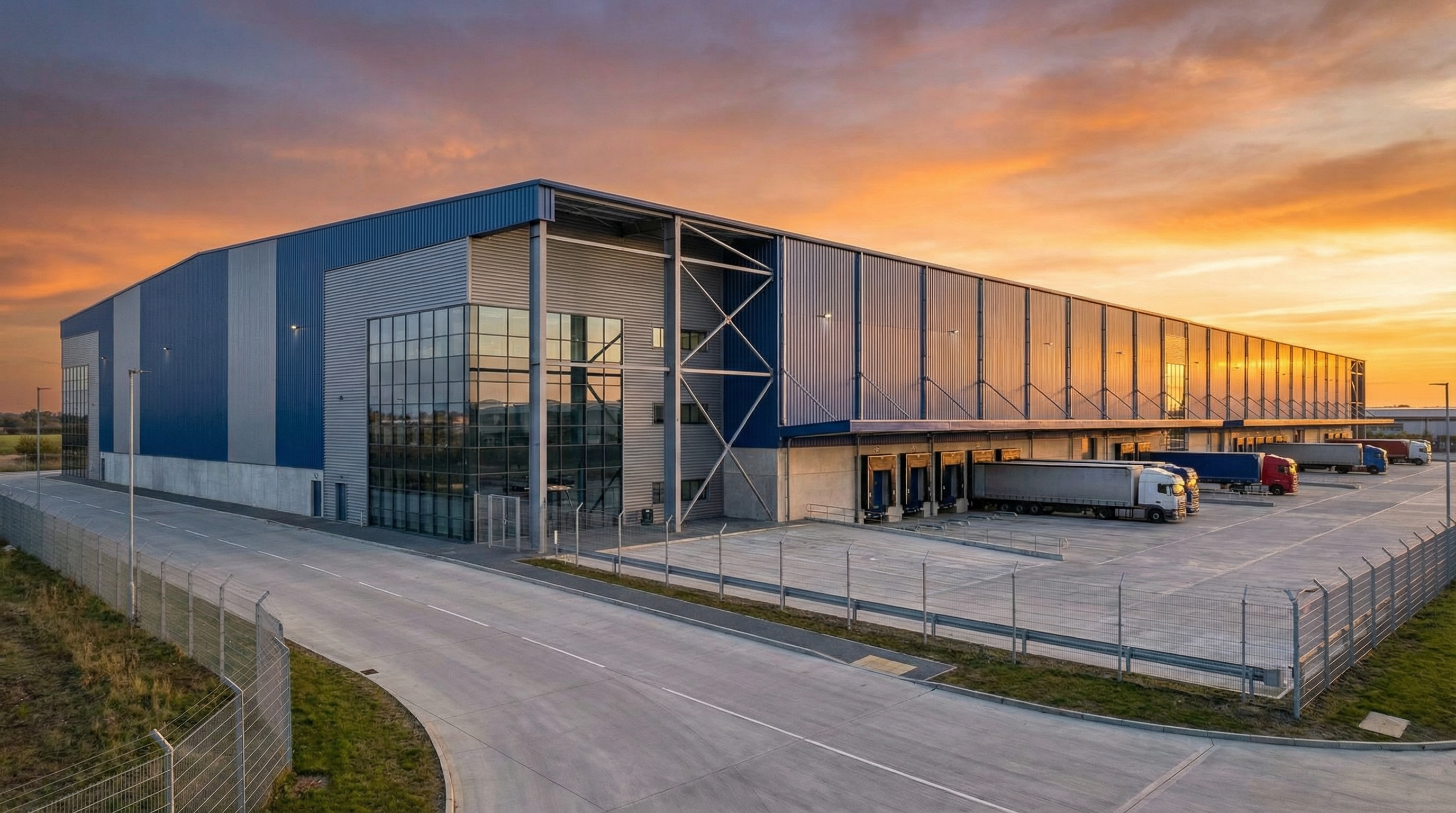
A steel structure warehouse is an industrial building utilizing high-grade structural steel as the main support system for roofs and walls. This framework replaces heavy masonry with lightweight, high-tensile components like H-beams and C-shape purlins.
The mechanics of the industrial frame
The structural frame consists of primary members that transfer loads directly to the foundation for maximum stability. You will find that these systems are engineered to resist seismic forces and high wind loads effectively.
Think about this: Steel is significantly lighter than concrete but offers a much higher strength-to-weight ratio.
The pre-engineered building advantage
Pre-engineered buildings are manufactured in a controlled factory environment to ensure precision and quality before arriving at your site. This process eliminates the guesswork and material waste commonly found in traditional construction projects.
- Precision Cutting: Every beam is cut to exact specifications.
- Bolted Connections: Components are designed for easy on-site assembly.
- Quality Control: Factory fabrication ensures uniform material strength.
Key Takeaway: A steel structure warehouse is a specialized building where the primary load is carried by a steel frame, offering superior strength-to-weight ratios compared to concrete.
| Feature | Steel Structure | Traditional Concrete | |
|---|---|---|---|
| Primary Material | Q355B/Q235B Steel | Reinforced Concrete | |
| Weight | Light | Heavy | |
| Construction Speed | High (Pre-fabricated) | Low (On-site casting) |
Why should you invest in a steel structure warehouse?
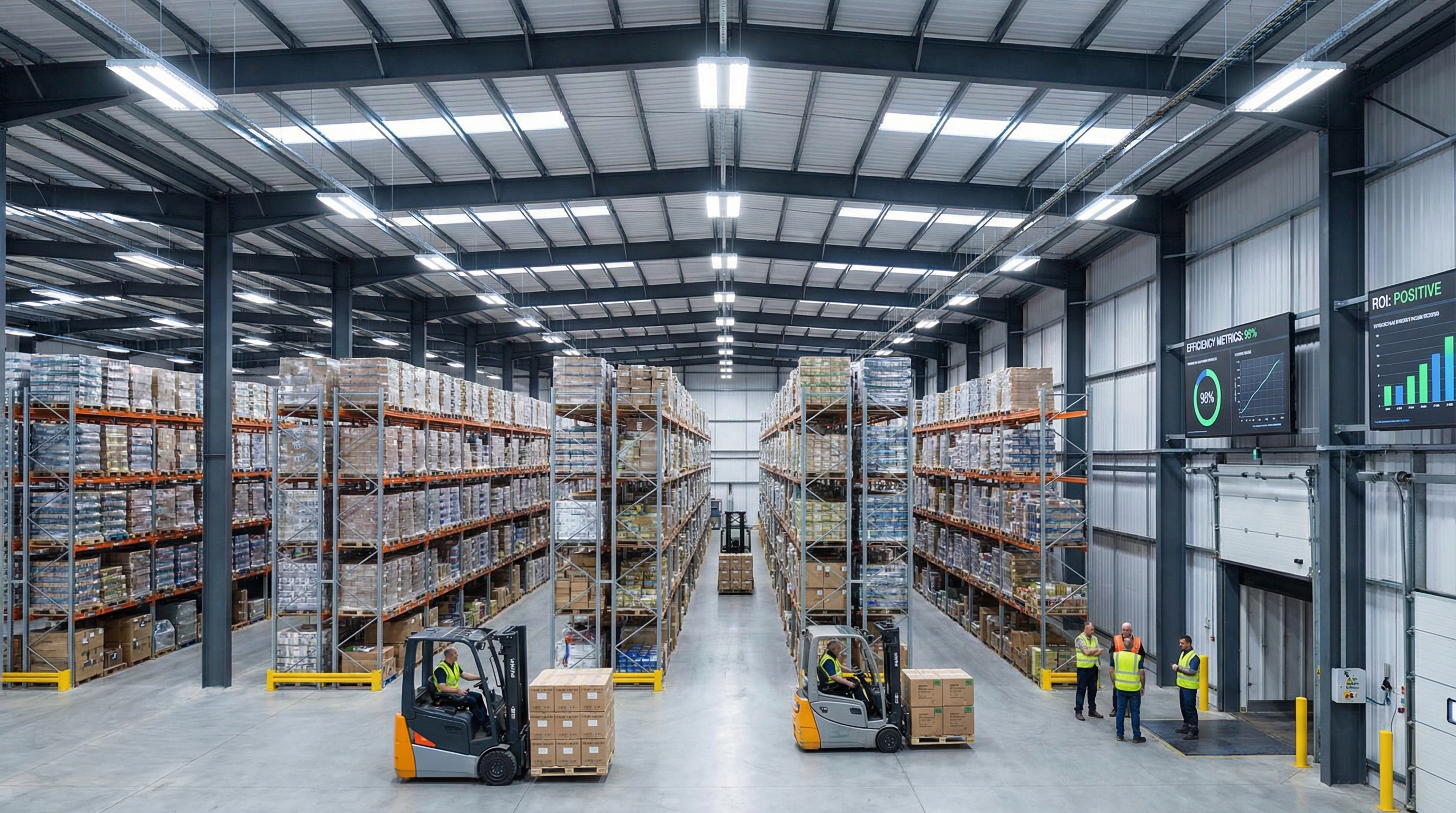
Investing in a steel structure warehouse offers you a cost-effective and durable solution that scales with your business needs. You can visit our industrial building solutions to see how these structures enhance operational ROI through lower insurance premiums and minimal maintenance costs.
Long-term financial benefits
Steel buildings provide a superior return on investment due to their 50-year lifespan and resistance to environmental degradation. You will save on operational costs because steel is naturally resistant to fire, mold, and pests.
The best part? Lower maintenance requirements mean your facility stays operational longer without costly downtime.
Flexibility for future operations
The modular nature of steel allows you to easily expand or modify your warehouse layout as your inventory grows. You can remove or add walls without compromising the structural integrity of the entire building.
- Column-Free Spans: Large open areas for forklift movement.
- Easy Expansion: Modular components allow for seamless additions.
- High Resale Value: Steel components can be disassembled and sold.
Key Takeaway: Steel warehouses offer the lowest total cost of ownership by combining rapid occupancy with extreme environmental resilience.
| Benefit | Impact on Business | |
|---|---|---|
| Cost-Effectiveness | 20-30% cheaper than traditional methods | |
| Seismic Resistance | High flexibility absorbs shock loads | |
| Recyclability | 100% sustainable and reusable |
How is a warehouse designed for peak performance?
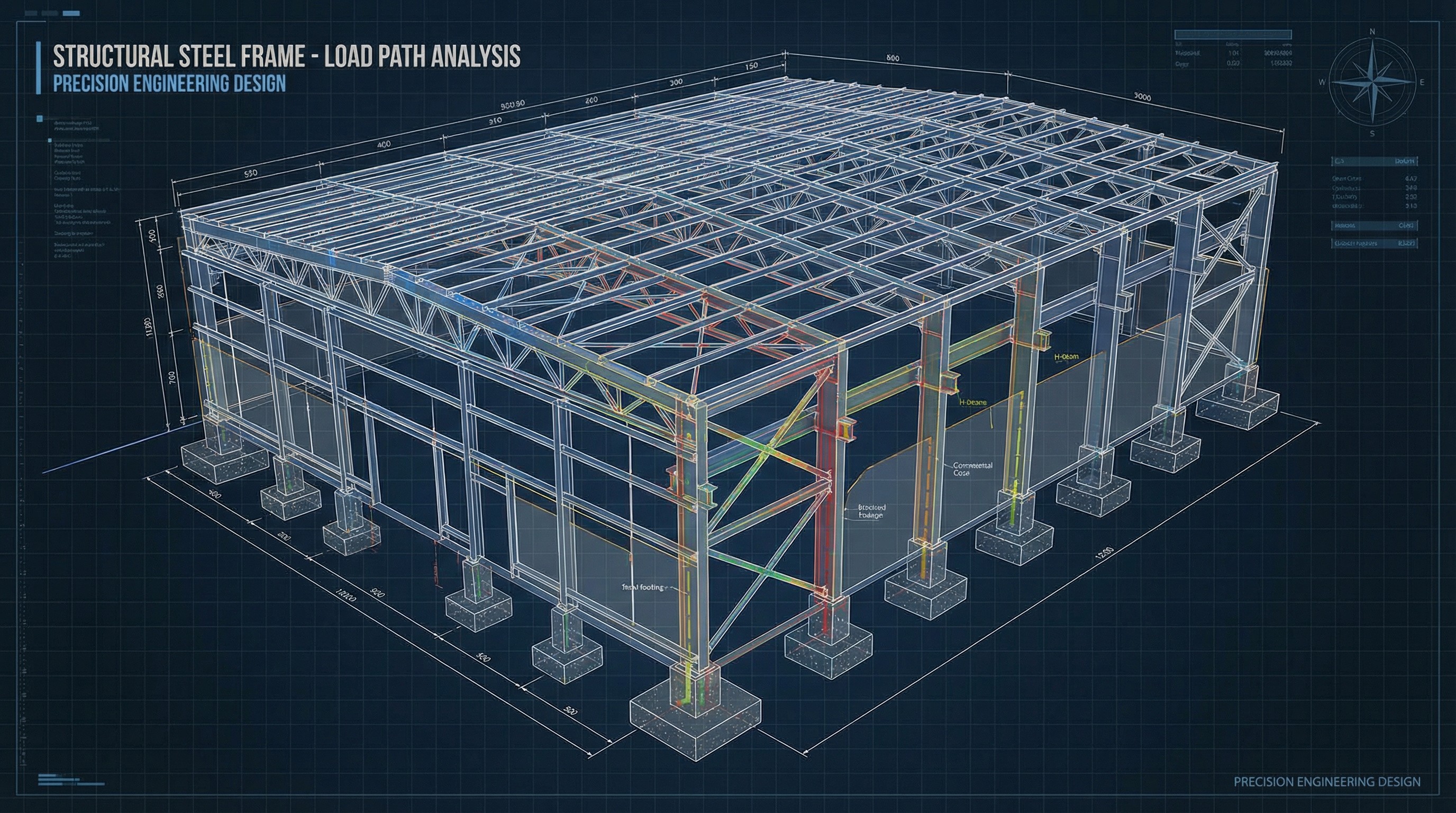
Optimal performance is achieved through precision engineering that accounts for local climate loads and your specific operational requirements. Modern design software ensures every column and beam is optimized for the perfect balance of safety and cost.
Engineering for environmental loads
Professional design incorporates local wind speeds, snow loads, and seismic data to ensure your building remains safe in any condition. You can request a custom design to see how engineering protects your assets from regional weather extremes.
Believe it or not: A well-designed steel structure can withstand hurricane-force winds that would devastate traditional buildings.
Optimizing clear-span storage space
Designers focus on maximizing clear-span space to provide you with wide, open floors without obstructive interior columns. This allows for higher racking systems and more efficient traffic flow for your heavy machinery.
- Wider Bays: More room for docks and loading areas.
- High Eaves: Supports vertical storage and mezzanine levels.
- Custom Pitches: Roof designs optimized for local precipitation.
Key Takeaway: Professional engineering ensures that every warehouse is tailor-made to balance structural safety with maximum usable floor space.
| Design Parameter | Consideration | |
|---|---|---|
| Clear Span | Up to 60m+ without interior columns | |
| Roof Pitch | Typically 1:10 or 1:12 for drainage | |
| Foundation | Lightweight steel requires less intensive piling |
What are the core components of the structure?
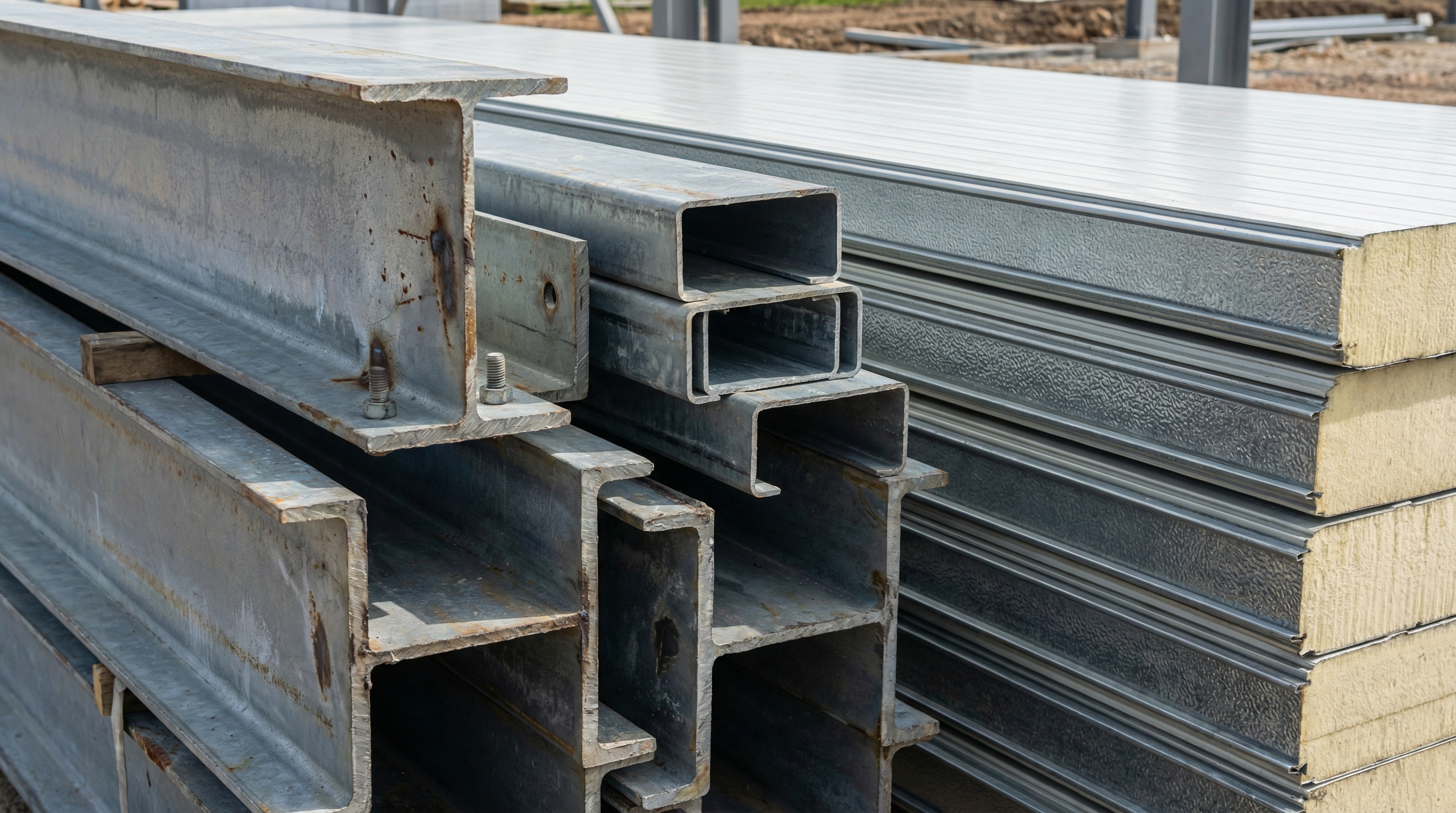
The core components of a steel structure warehouse include the primary frame, secondary structures, and high-performance cladding systems. You can view our component specifications to understand the high-grade materials used in every joint and panel.
The primary load-bearing skeleton
The primary frame consists of heavy-duty H-section steel columns and beams that form the main weight-bearing skeleton. These members are precision-welded to provide the essential stability required for large-scale industrial use.
Here is the truth: The strength of your entire warehouse depends on the quality of these primary steel members.
Secondary framing and cladding
Secondary structures like C and Z purlins provide the necessary support for your roof and wall cladding systems. You can choose from various sandwich panels or single steel sheets to provide insulation and weather protection for your inventory.
- Steel Purlins: Transfer loads from the roof to the main frame.
- Insulated Panels: Maintain internal temperatures for sensitive goods.
- Fastening Systems: High-strength bolts ensure airtight and watertight seals.
Key Takeaway: A warehouse is a synergy of primary framing, secondary bracing, and high-performance cladding systems.
| Component | Function | |
|---|---|---|
| H-Beam | Main load-bearing columns/beams | |
| Purlins | Supports for roof and wall panels | |
| Sandwich Panel | Provides thermal insulation and aesthetics |
How much should you budget for construction?
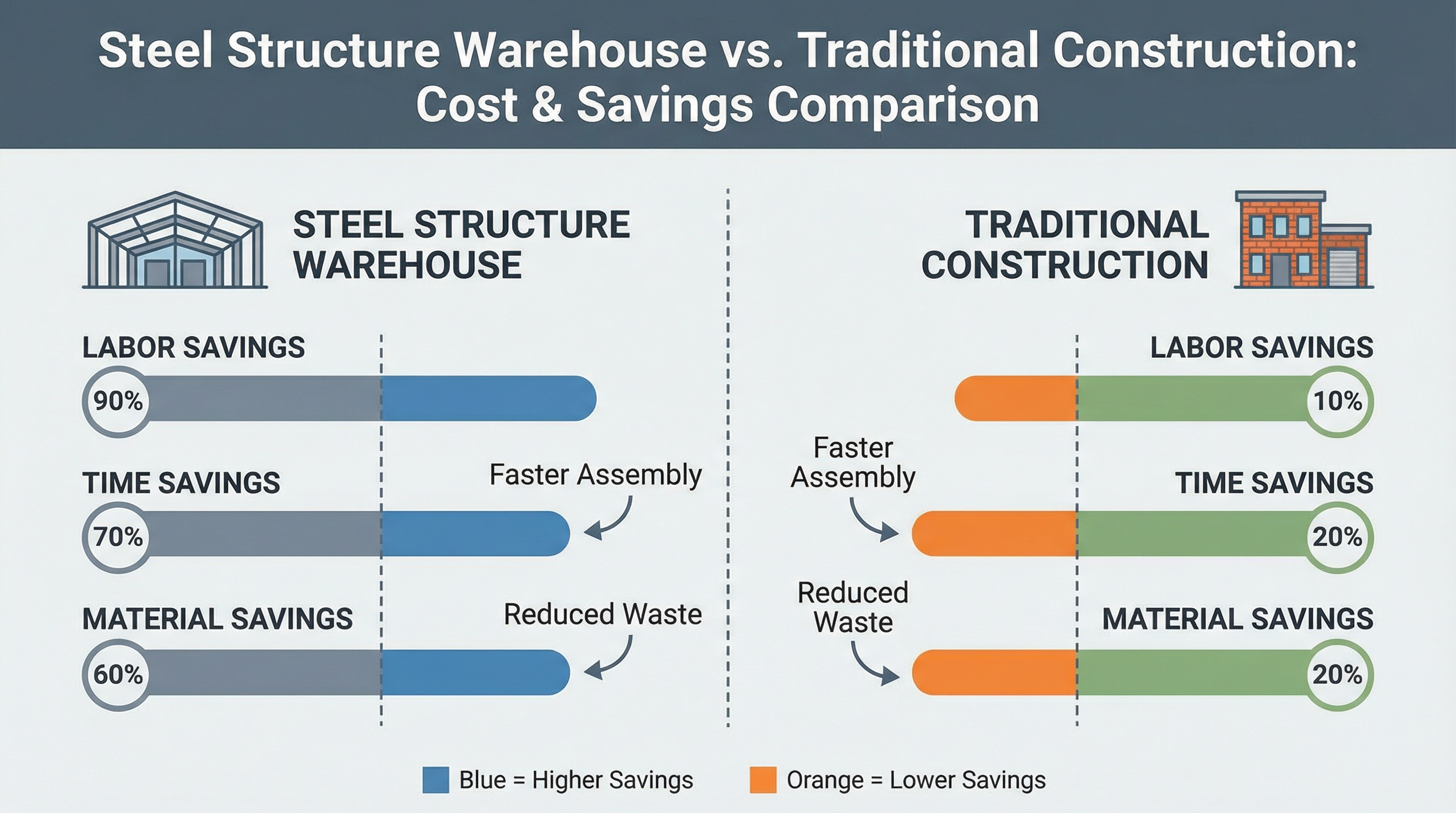
Construction costs for a steel warehouse are generally lower than traditional methods due to reduced labor hours and material efficiency. You can get a detailed quote to see exactly how your specific dimensions and requirements influence the final price.
Factors influencing the total price
The price per square meter is primarily driven by the steel tonnage required, the width of the clear span, and your choice of insulation. Wider spans require heavier steel sections, which can increase the material cost while providing more usable space.
Keep this in mind: Investing in better insulation now can save you thousands in energy bills over the next decade.
Savings on labor and time
Because the building is prefabricated, you will spend significantly less on on-site labor and heavy machinery rentals. Faster construction means you can begin your operations months earlier than a concrete project would allow.
- Lower Foundation Costs: Lighter structures require less intensive groundwork.
- Reduced Waste: Factory precision means you only pay for the materials you use.
- Insurance Savings: Fire-resistant steel often leads to lower annual premiums.
Key Takeaway: While steel prices fluctuate, the reduction in construction time usually makes steel the most economical choice for projects over 500sqm.
| Cost Driver | Influence Level | |
|---|---|---|
| Steel Grade | Medium | |
| Span Width | High (Wider spans = heavier steel) | |
| Wall/Roof Type | Medium (Single sheet vs. Sandwich panel) |
How fast can you complete the installation?
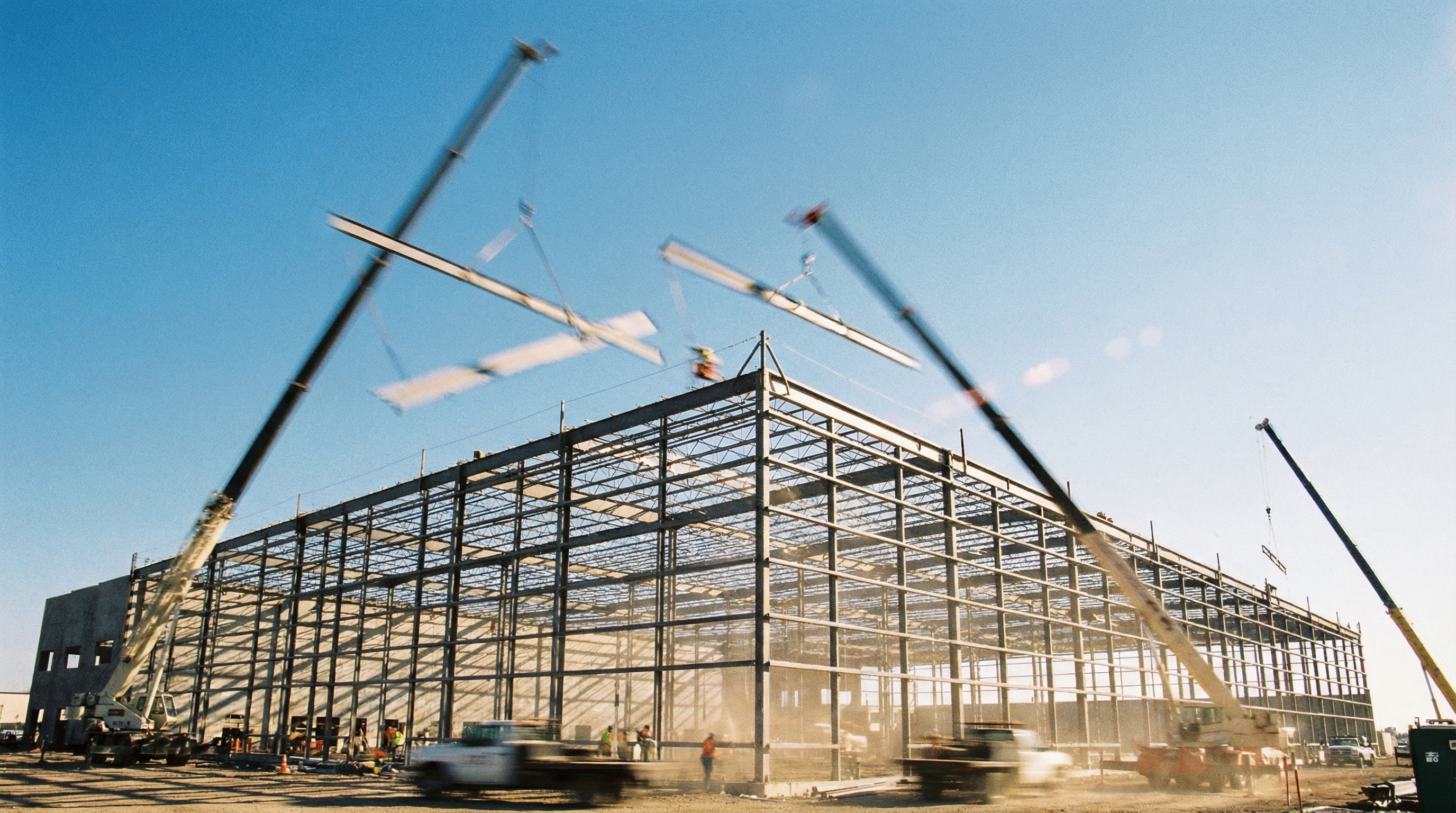
The installation of a steel structure warehouse is significantly faster than traditional builds because components arrive ready for assembly. Our project process is designed to streamline everything from factory fabrication to the final bolt on your site.
From the factory to your site
Fabrication typically takes a few weeks, during which time you can complete your foundation work simultaneously. This parallel processing ensures that your building components arrive just as the site is ready for erection.
Make no mistake: This efficiency is what allows steel buildings to be completed in half the time of masonry projects.
Rapid assembly techniques on-site
Components are joined using high-strength bolts, which eliminates the need for complex and time-consuming on-site welding in most areas. This “Lego-like” assembly allows a small crew to erect the frame of a large warehouse in a matter of days.
- Pre-drilled Holes: Ensure perfect alignment during the assembly phase.
- Lightweight Members: Reduce the need for excessively large crane rentals.
- Weather Independence: Steel can be erected in temperatures that would stop concrete work.
Key Takeaway: Prefabrication allows for simultaneous site preparation and building manufacturing, cutting project timelines by up to 50%.
| Phase | Estimated Duration | |
|---|---|---|
| Design & Engineering | 1-2 Weeks | |
| Factory Production | 3-4 Weeks | |
| On-site Installation | 2-6 Weeks (depending on size) |
Can you customize the warehouse for your industry?
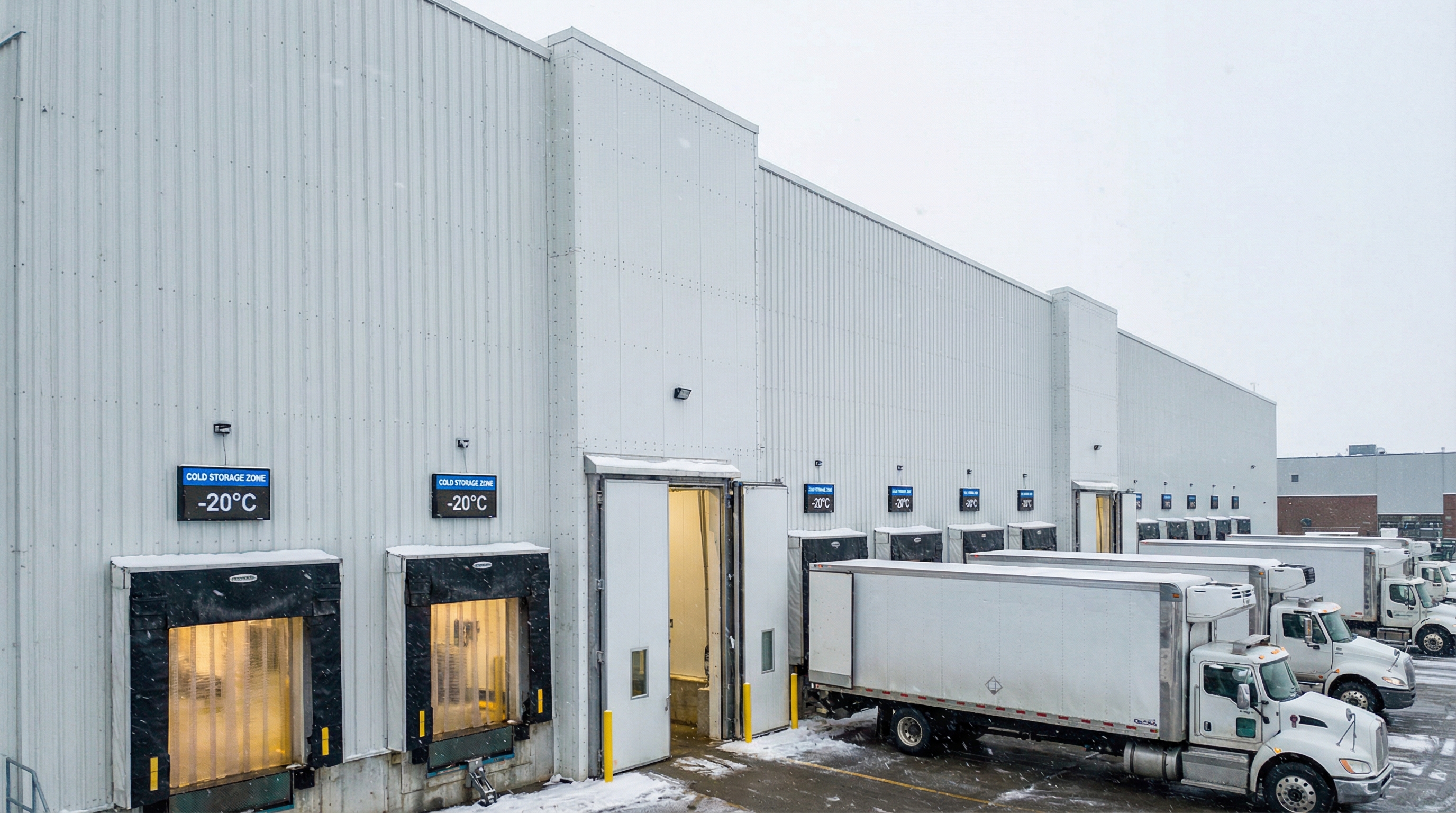
Customization is a standard feature of steel structures, allowing you to tailor the facility for cold storage, heavy manufacturing, or logistics. You can explore custom industry solutions to see how specialized cladding and crane supports are integrated into the design.
Solutions for temperature-controlled storage
For food and pharmaceutical industries, you can integrate thick PU or PIR sandwich panels to create high-efficiency cold storage environments. These panels provide the airtight seal necessary to maintain strict temperature controls while reducing your energy consumption.
The result? Your cooling systems work less, and your sensitive inventory stays protected year-round.
Heavy-duty manufacturing and cranes
If your business involves heavy machinery, your warehouse can be designed with reinforced columns and runway beams to support overhead bridge cranes. This integration happens at the engineering stage to ensure the structure handles dynamic loads safely.
- Integrated Mezzanines: Add office space or extra storage without expanding the footprint.
- Dock Levelers: Custom openings designed for your specific logistics fleet.
- Specialized Coatings: Anti-corrosion finishes for chemical or coastal environments.
Key Takeaway: Steel structures are highly versatile, capable of supporting heavy industrial equipment and strict environmental controls.
| Industry | Customization Requirement | |
|---|---|---|
| Logistics | High eave height and multiple dock levelers | |
| Manufacturing | Crane beams and mezzanine floors | |
| Agriculture | Specialized ventilation and anti-corrosion coatings |
What maintenance is required for longevity?
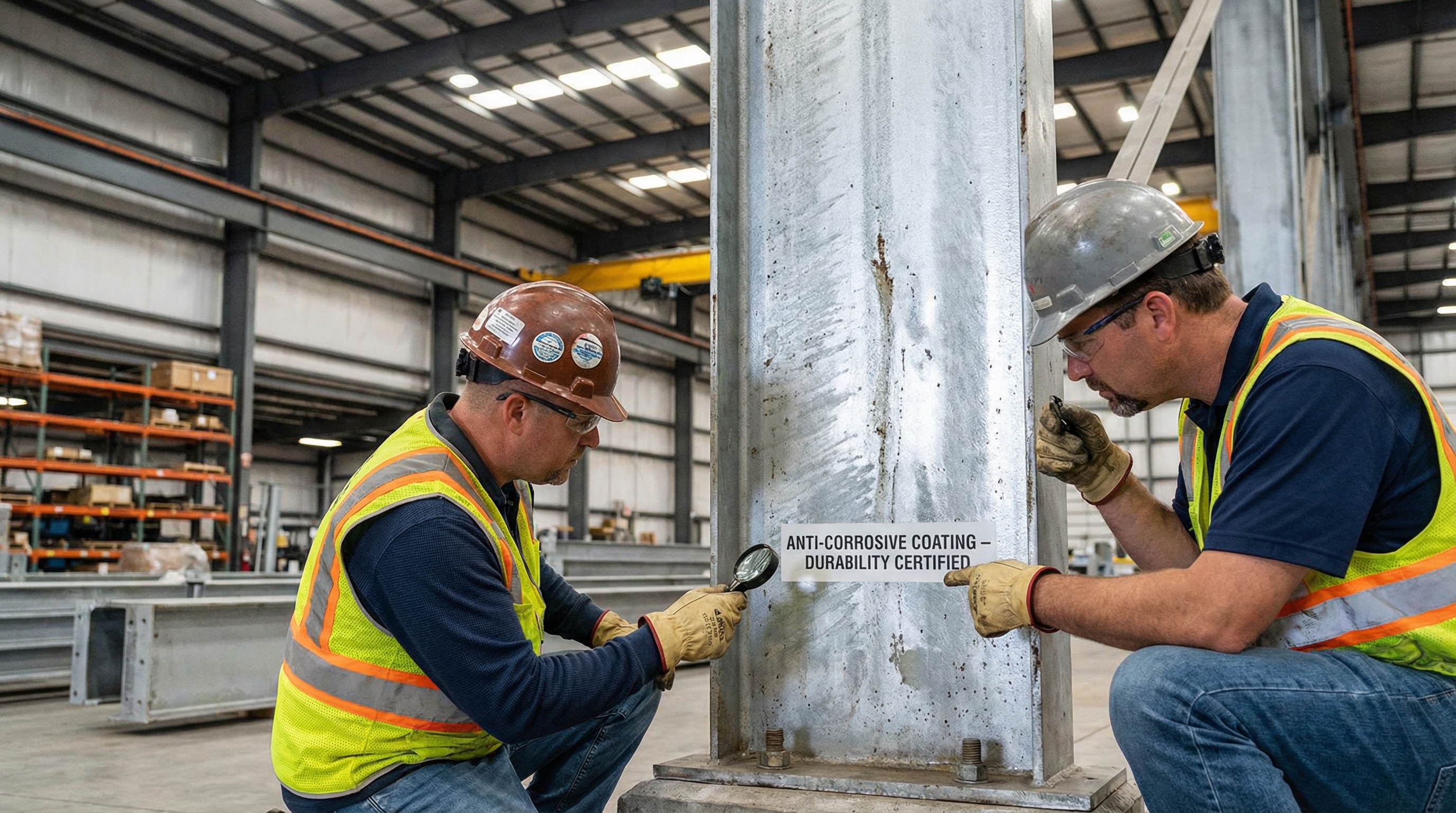
Maintaining a steel structure warehouse requires minimal effort compared to the constant repairs needed for traditional wooden or concrete buildings. You can find expert maintenance advice on our platform to help you extend the life of your facility to its maximum potential.
Protecting the steel from corrosion
The most critical maintenance task is ensuring the protective coatings, such as galvanization or epoxy paint, remain intact. You should perform periodic inspections to identify any scratches or wear that could expose the steel to oxidation.
It’s simple: Catching small coating issues early prevents expensive structural repairs in the future.
Routine building inspections
You should regularly clear your gutter systems and check that all fasteners remain tight after extreme weather events. These simple steps ensure that water is diverted away from the structure and that the building remains airtight.
- Gutter Cleaning: Prevents water backup and roof leaks.
- Panel Checks: Ensures cladding remains secure against high winds.
- Sealant Inspection: Maintains the thermal efficiency of insulated panels.
Key Takeaway: Minimal maintenance—primarily keeping gutters clear and inspecting coatings—is all that is needed to keep a steel warehouse in top condition.
| Task | Frequency | |
|---|---|---|
| Gutter Cleaning | Bi-annually | |
| Coating Inspection | Every 2-5 years | |
| Fastener Check | Post-extreme weather events |
Is steel construction environmentally friendly?
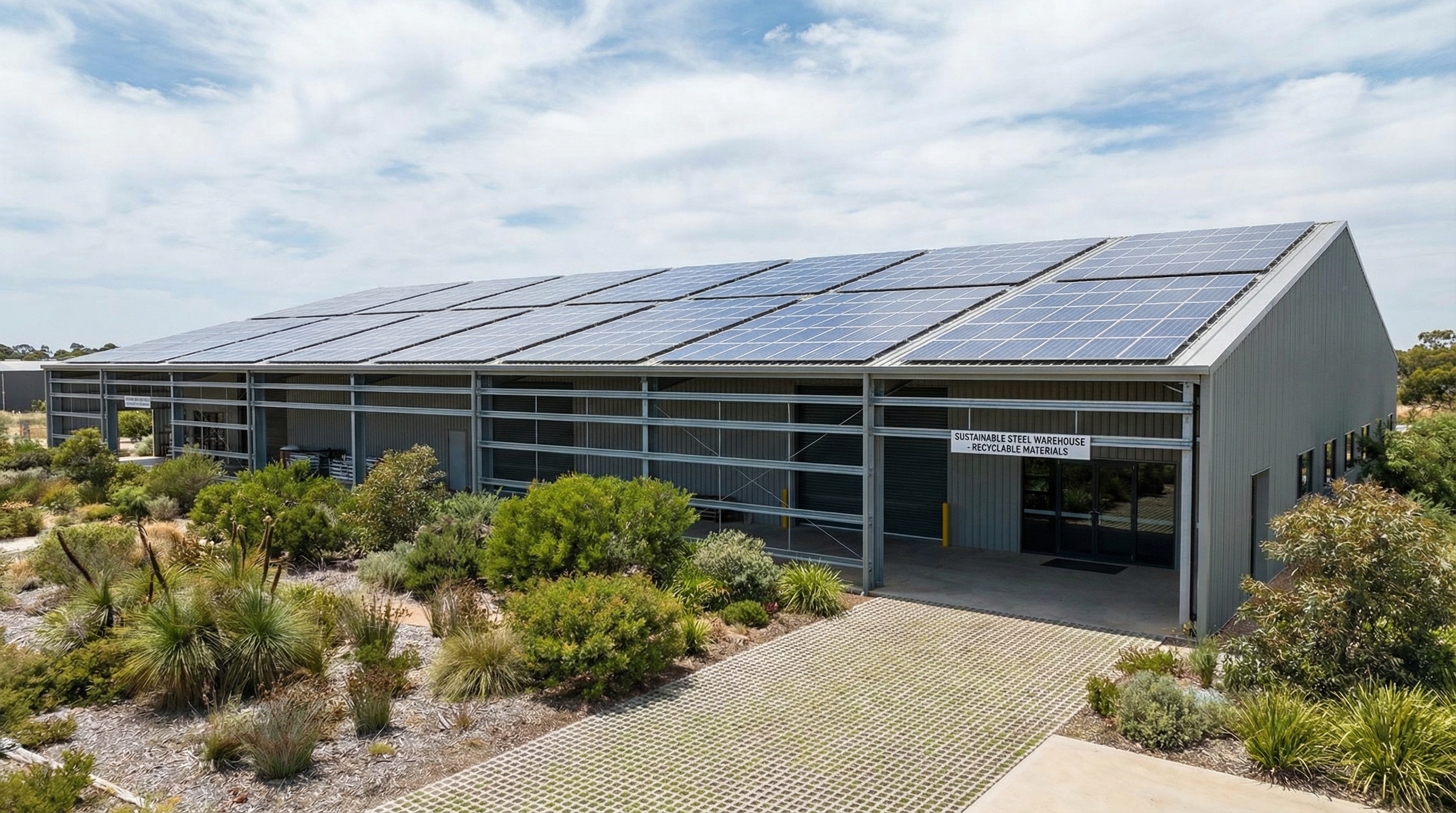
Steel is one of the most sustainable building materials on the planet because it is 100% recyclable without losing its structural properties. Our commitment to quality includes using manufacturing processes that minimize waste and support your corporate green initiatives.
The lifecycle of recycled steel
When you choose steel, you are participating in a circular economy where materials can be repurposed at the end of the building’s life. Unlike concrete, which often ends up in landfills, every ton of steel in your warehouse can be salvaged and reused.
Think about this: Most modern structural steel already contains a high percentage of recycled content.
Energy efficiency through insulation
High-performance cladding systems allow you to create an exceptionally energy-efficient envelope for your business operations. This reduces the carbon footprint of your daily activities by lowering the energy required for heating and cooling.
- Zero Waste: Precision factory cutting eliminates on-site scrap.
- Thermal Performance: Modern panels reduce HVAC energy loads significantly.
- Sustainable Lifecycle: The entire building is a recyclable asset.
Key Takeaway: Choosing steel supports corporate sustainability goals by using recyclable materials and reducing construction waste.
| Green Factor | Benefit | |
|---|---|---|
| Waste Reduction | Precision cutting minimizes scrap | |
| Energy Savings | High R-value insulation panels | |
| End-of-Life | 100% of the structure is salvageable |
How do you find a reliable manufacturer?
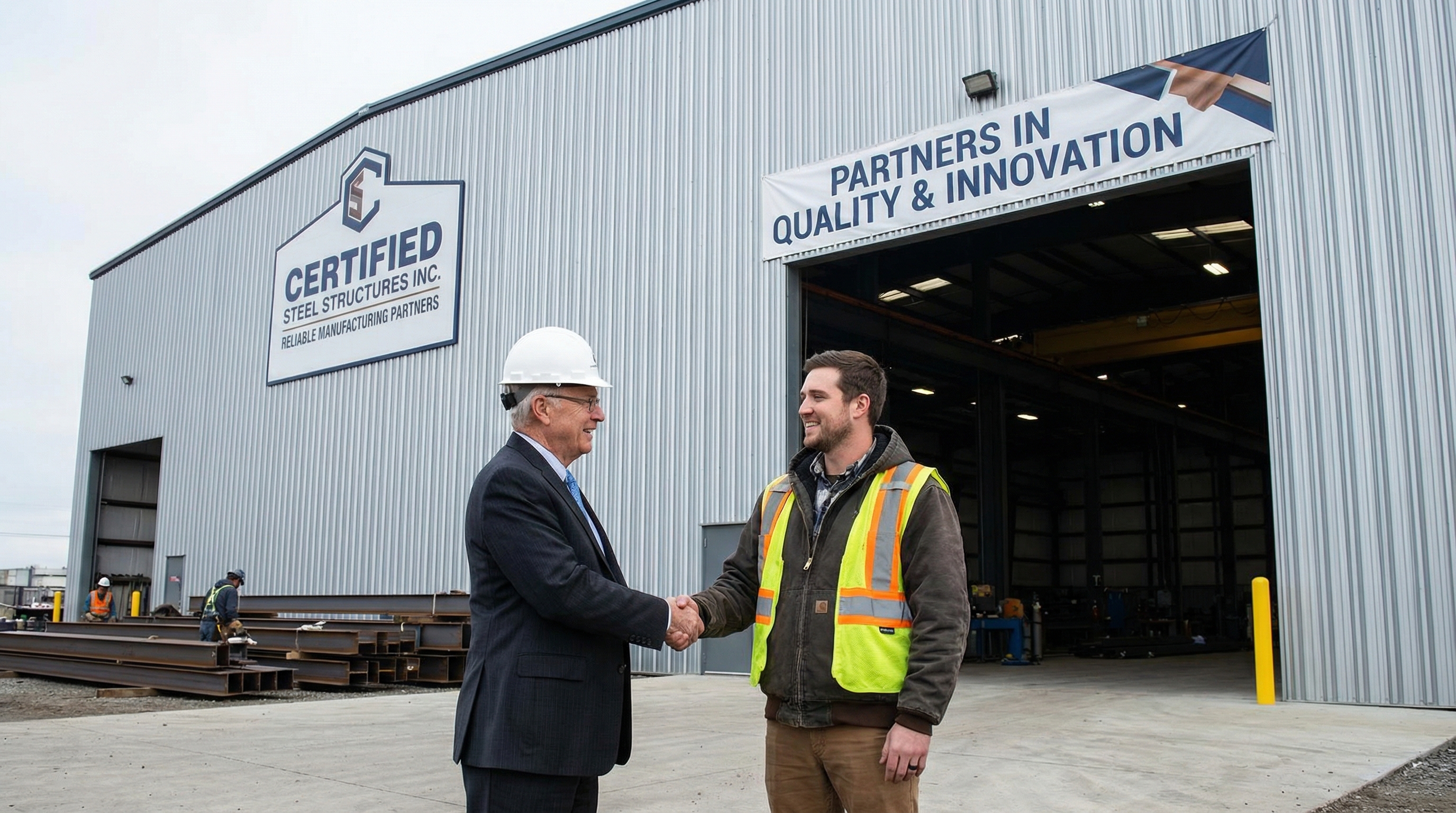
Finding a reliable manufacturer for your steel structure warehouse involves evaluating their technical certifications and global project history. You should connect with our experts to discuss how our one-stop engineering and fabrication services can simplify your next project.
Evaluating factory certifications
You must ensure your partner holds international quality certifications such as ISO9001 or CE to guarantee the materials meet global safety standards. A manufacturer with a proven track record in various climates will have the expertise to handle your specific environmental challenges.
Here is the bottom line: Certifications are your only insurance that the steel you receive is actually the grade you paid for.
The value of end-to-end support
A top-tier manufacturer provides more than just raw materials; they offer comprehensive design, logistics, and installation guidance. Working with a partner that manages the entire lifecycle of the project reduces the risk of communication errors and structural mismatches.
- Engineering Expertise: Free design support tailored to your site.
- Global Logistics: Experience in shipping and customs for international projects.
- After-Sales Service: Long-term support for maintenance and future expansions.
Key Takeaway: A reliable partner provides more than just steel; they provide the engineering expertise and logistical support to ensure project success.
| Criteria | What to Look For | |
|---|---|---|
| Experience | 10+ years in the industry | |
| Certifications | ISO9001, CE, or equivalent | |
| Service | One-stop solution (Design to Shipping) |
Ready to build your future?
At Showhoo Steel Structure, we are committed to delivering high-quality, durable, and cost-effective building solutions to clients worldwide. Our brand stance is built on transparency, engineering excellence, and a dedication to your long-term operational success. Whether you need a simple storage facility or a complex industrial plant, our experts are ready to guide you through every step of the process. Contact us today to start your project with a free design consultation.
FAQ
Can I customize the height of my warehouse?Yes, you can design your warehouse to virtually any height required for your racking systems or specialized machinery.
What’s the best way to prevent rust?The best way is to use hot-dip galvanized steel or high-build epoxy paint systems during the fabrication phase.
Can I install an overhead crane later?It is best to design the support beams during initial engineering, but retrofitting is possible with structural reinforcements.
How long will a steel warehouse last?With basic maintenance and proper coating, a high-quality steel warehouse will easily last over 50 years.
Can I relocate a steel building?Because they are assembled with bolted connections, steel warehouses can be disassembled and moved to a new site if necessary.