
The average cost to build a 100,000 square foot steel building typically ranges from 12to25 per square foot for the basic shell, totaling between 1.2millionand2.5 million. Managing an industrial project of this magnitude presents a significant financial challenge for any growing enterprise. Fluctuating steel prices and hidden site complexities often lead to unexpected budget inflation that can stall your operations. If you are ready to secure your company’s future, you must understand the pricing variables involved in a 100,000 square feet building to ensure a high-performance, cost-effective result.
Why choose a 100,000 square feet building for industrial use?
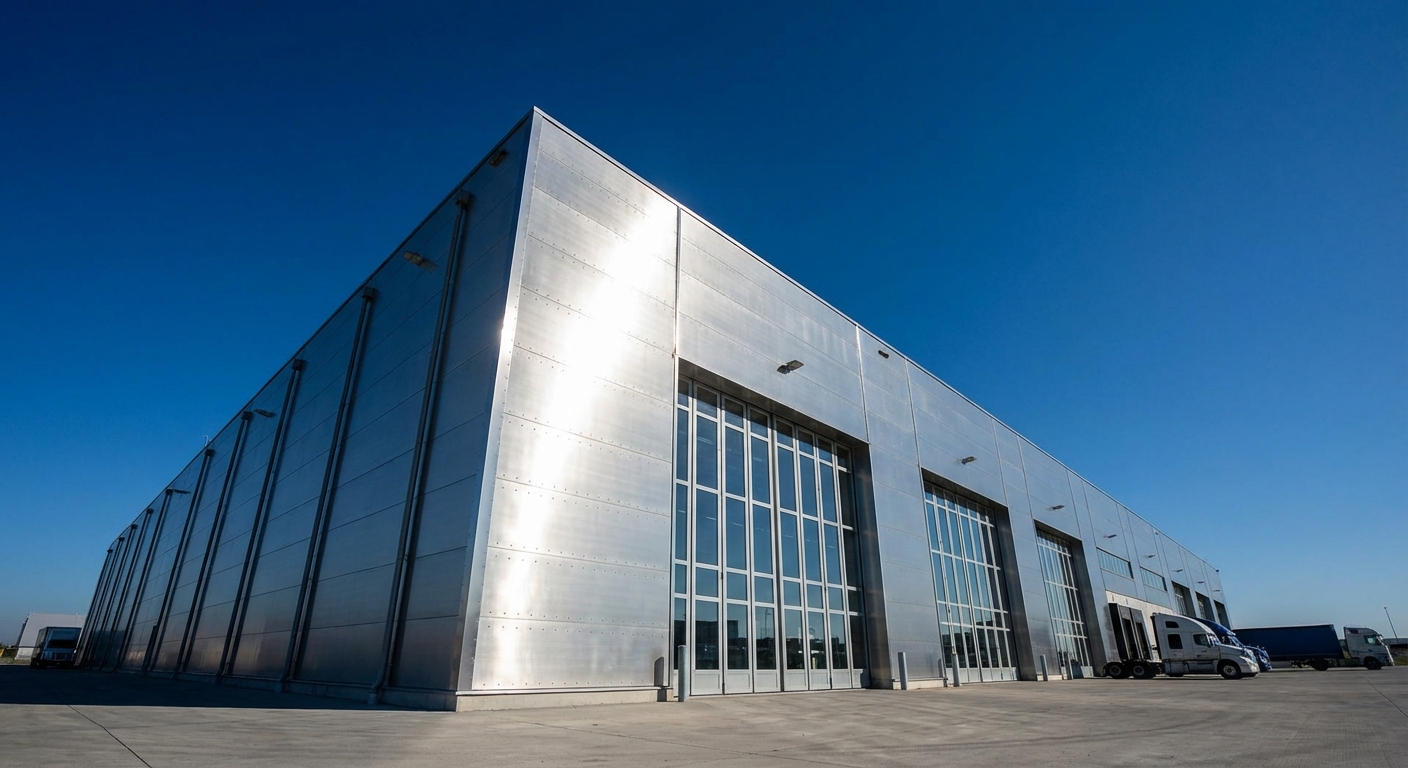
A 100,000 square feet building provides the massive clear-span area necessary for high-volume logistics and automated manufacturing processes. This footprint allows you to maximize internal floor space without the interference of frequent interior columns. You gain the flexibility to arrange assembly lines or racking systems with total freedom.
Maximizing clear-span versatility for operations
Steel structures of this size are engineered to support heavy roof loads while maintaining wide-open interiors. This structural integrity is perfect for facilities that require large equipment movement.
But that’s not all.
- Clear spans up to 200 feet or more.
- High ceiling clearances for vertical racking.
- Adjustable layouts for future production changes.
- Enhanced safety for heavy vehicle navigation.
Rapid construction timelines for faster ROI
Pre-engineered steel components are fabricated off-site, which significantly reduces the time your site remains under construction. This efficiency ensures your business starts generating revenue sooner than with traditional building methods.
Here’s the kicker:
- Bolt-together assembly minimizes field errors.
- Components arrive ready for immediate erection.
- Reduced on-site waste lowers cleanup costs.
- Weather-resistant materials prevent seasonal delays.
Key TakeawayChoosing this building size offers a balance between vast operational capacity and structural efficiency, providing a foundation for long-term industrial growth.
| Benefit | Impact on Business | |
|---|---|---|
| Clear-Span Design | 100% Usable floor space for equipment | |
| Durability | Lower insurance premiums and maintenance | |
| Speed | 30-50% faster than concrete construction |
What are the material costs for this size structure?
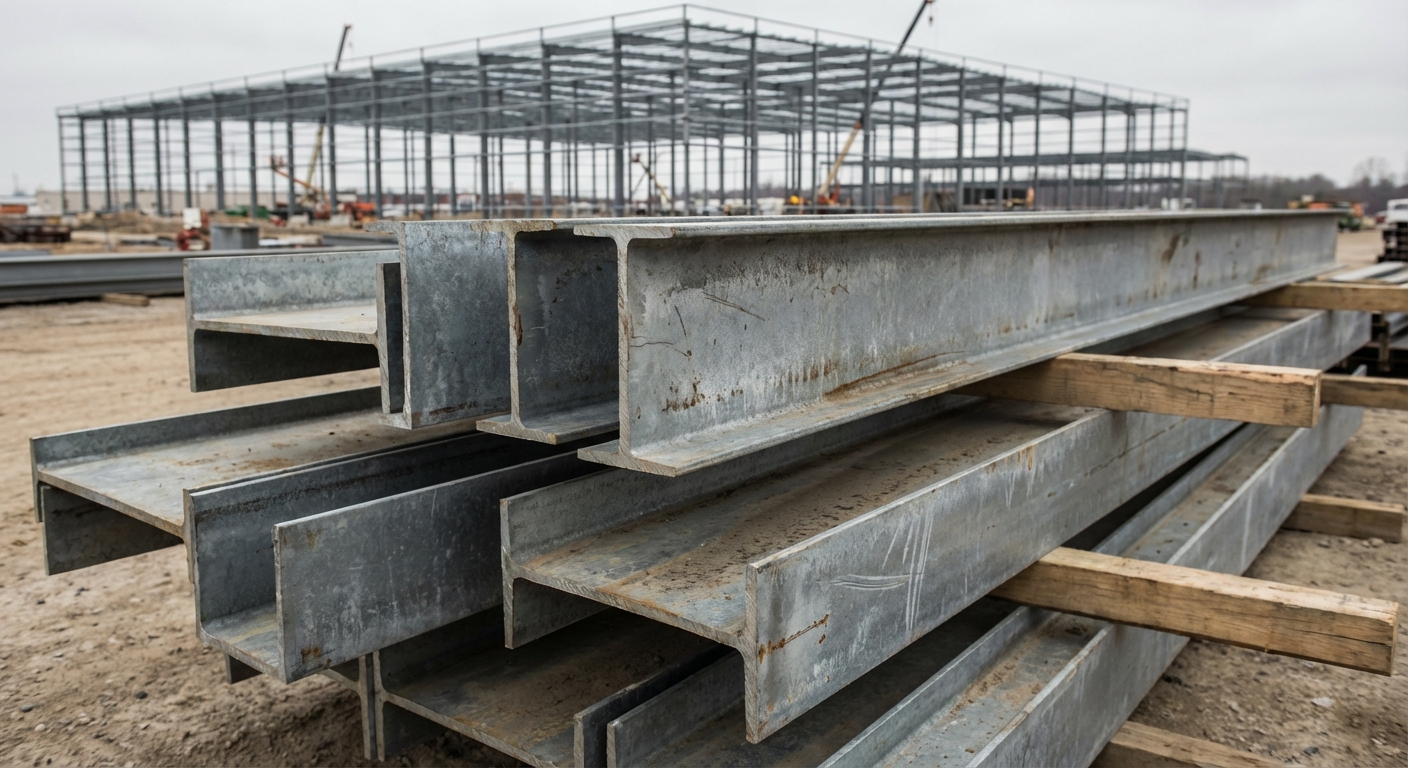
Material expenses for a 100,000 square feet building usually fall between 7and11 per square foot, depending on the current global price of raw steel. This cost covers the primary H-section frame, secondary purlins, and the exterior cladding panels. You must also account for the fasteners, trim, and flashing required to seal the structure.
Primary structural steel and framing components
The main structure consists of heavy-duty H-section steel columns and beams that form the load-bearing skeleton of your facility. These members are the most significant part of your material budget.
But wait, there’s more.
- H-section columns for vertical support.
- Main beams for roof load distribution.
- Tie rods and bracing for lateral stability.
- High-strength bolt sets for all connections.
Secondary structures and exterior cladding
Secondary members like purlins and girts provide the necessary points to attach your wall and roof panels securely. High-quality cladding protects your inventory from environmental damage.
The best part?
- Galvanized purlins to prevent corrosion.
- Durable steel wall panels in various gauges.
- Integrated gutter systems for water management.
- Self-flashing windows and industrial doors.
Key TakeawayMaterial costs are the most volatile segment of your budget, making early procurement and factory-direct sourcing essential for price stability.
| Component | Estimated Cost/SF | |
|---|---|---|
| Primary Framing | 4.00−6.00 | |
| Wall/Roof Panels | 2.00−3.50 | |
| Fasteners & Trim | 1.00−1.50 |
How does labor influence the overall construction budget?
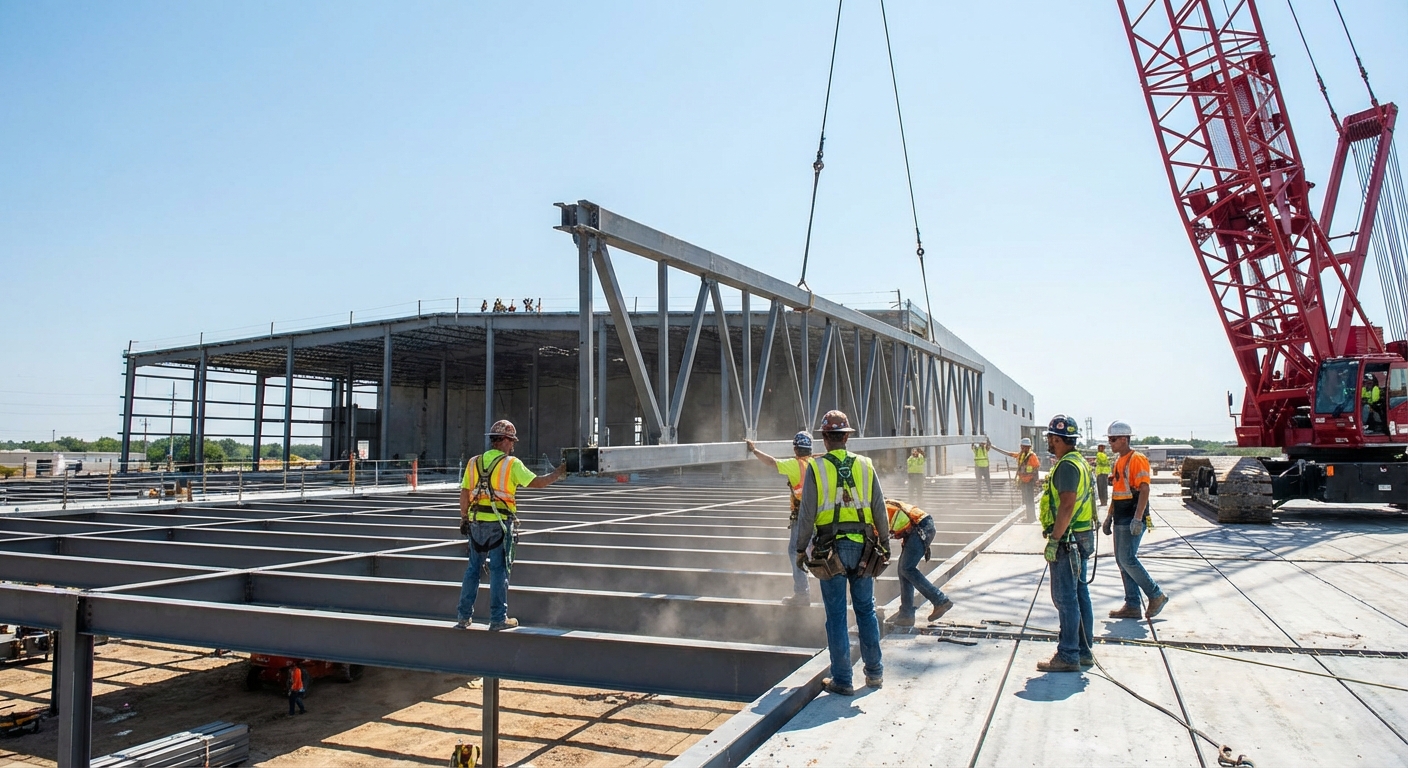
Labor costs for a 100,000 square feet building generally range from 5to9 per square foot, accounting for approximately 20% to 40% of the total project spend. Hiring a specialized steel erection crew is vital because they have the experience to handle massive trusses safely. You must also budget for heavy equipment rentals, such as high-capacity cranes and scissor lifts.
Specialized erection crews and site management
A professional crew ensures that every bolt is torqued to specification and every frame is plumb. Their expertise reduces the risk of structural failure and ensures compliance with safety regulations.
Think about this:
- Certified welders for specialized on-site joints.
- Experienced crane operators for heavy lifts.
- Safety officers to monitor site conditions.
- Project managers to coordinate material delivery.
Timeline efficiencies and equipment rental
Because steel buildings are pre-engineered, the labor hours required are significantly lower than those for wood or masonry projects. However, the scale of this facility requires substantial mechanical assistance.
Here is the point:
- Lower total man-hours via modular assembly.
- Rental costs for forklifts and telescopic booms.
- Reduced downtime due to precise component labeling.
- Minimal on-site fabrication needs.
Key TakeawayWhile labor is a major expense, the precision of a pre-engineered system allows you to accurately predict and control your construction schedule.
| Labor Type | Budget Allocation | |
|---|---|---|
| Structural Erection | 50% | |
| Equipment Rental | 20% | |
| Finishing & Trim | 30% |
Which hard costs define the 100,000 square feet building budget?
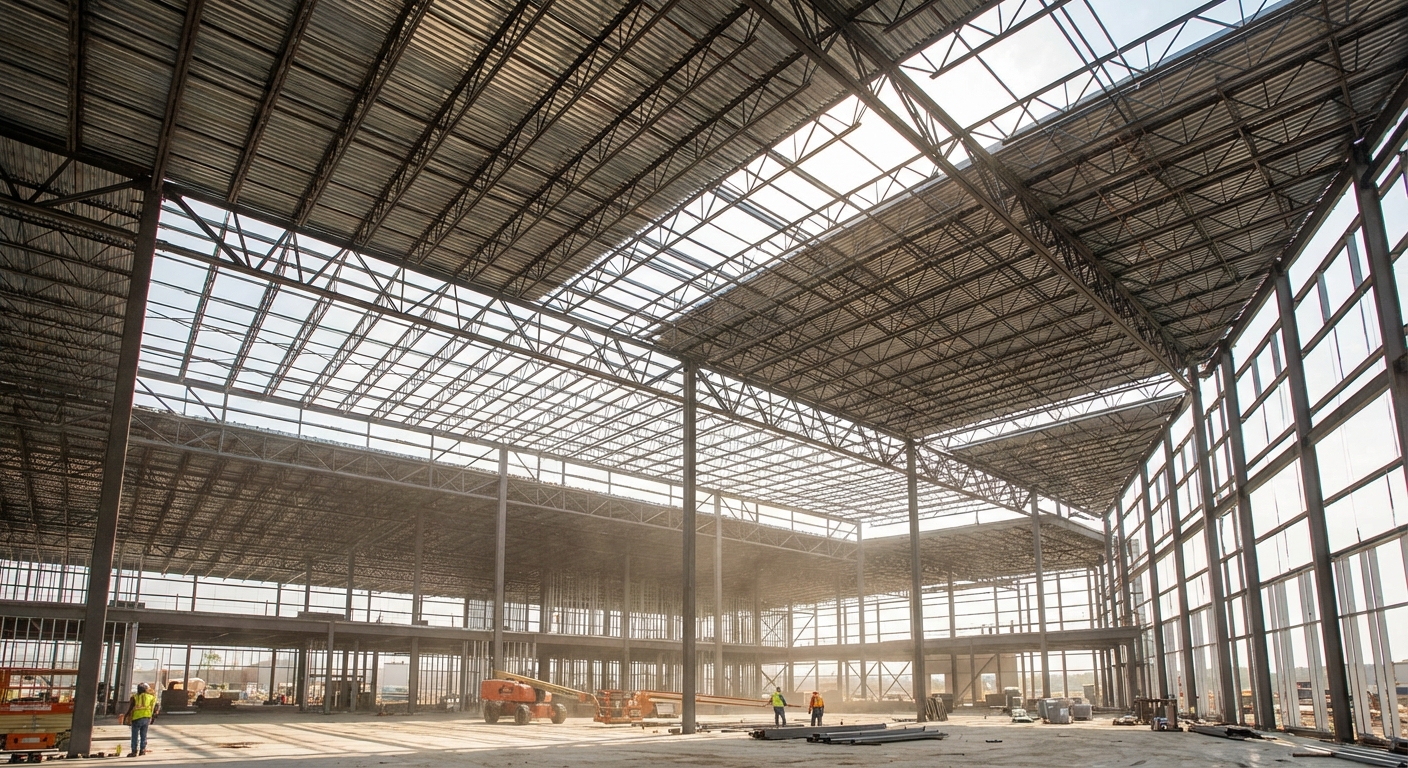
Hard costs for your 100,000 square feet building include the tangible elements like the foundation, the steel shell, and integrated mechanical systems. These are the fixed expenditures related to the physical construction of the asset. You will find that the concrete slab for a building of this size is a massive cost driver due to the volume of material required.
Foundations and concrete slab requirements
The foundation must be engineered to support the specific point loads of the steel columns and the weight of your inventory. A thick, reinforced concrete slab is necessary to prevent cracking under industrial stress.
Make no mistake:
- Excavation and site leveling are required first.
- Reinforcing rebar grids for maximum strength.
- Anchor bolt placement for steel column stability.
- High-PSI concrete mixes for industrial wear.
Integrated HVAC and industrial ventilation
Maintaining a consistent temperature in such a large volume of air requires a sophisticated HVAC strategy. Proper ventilation prevents moisture buildup and protects both your employees and your materials.
But that’s not all.
- Rooftop units (RTUs) for centralized cooling.
- Industrial exhaust fans for air circulation.
- Louver systems for natural ventilation.
- Insulated ducting to maintain efficiency.
Key TakeawayHard costs represent the bulk of your investment; focusing on high-quality materials here will reduce your long-term operational and repair expenses.
| Hard Cost Item | Typical Spend | |
|---|---|---|
| Concrete/Foundation | 6.00−10.00 / SF | |
| Steel Structure | 12.00−25.00 / SF | |
| HVAC Systems | 2.00−5.00 / SF |
What soft costs should you expect for a large project?
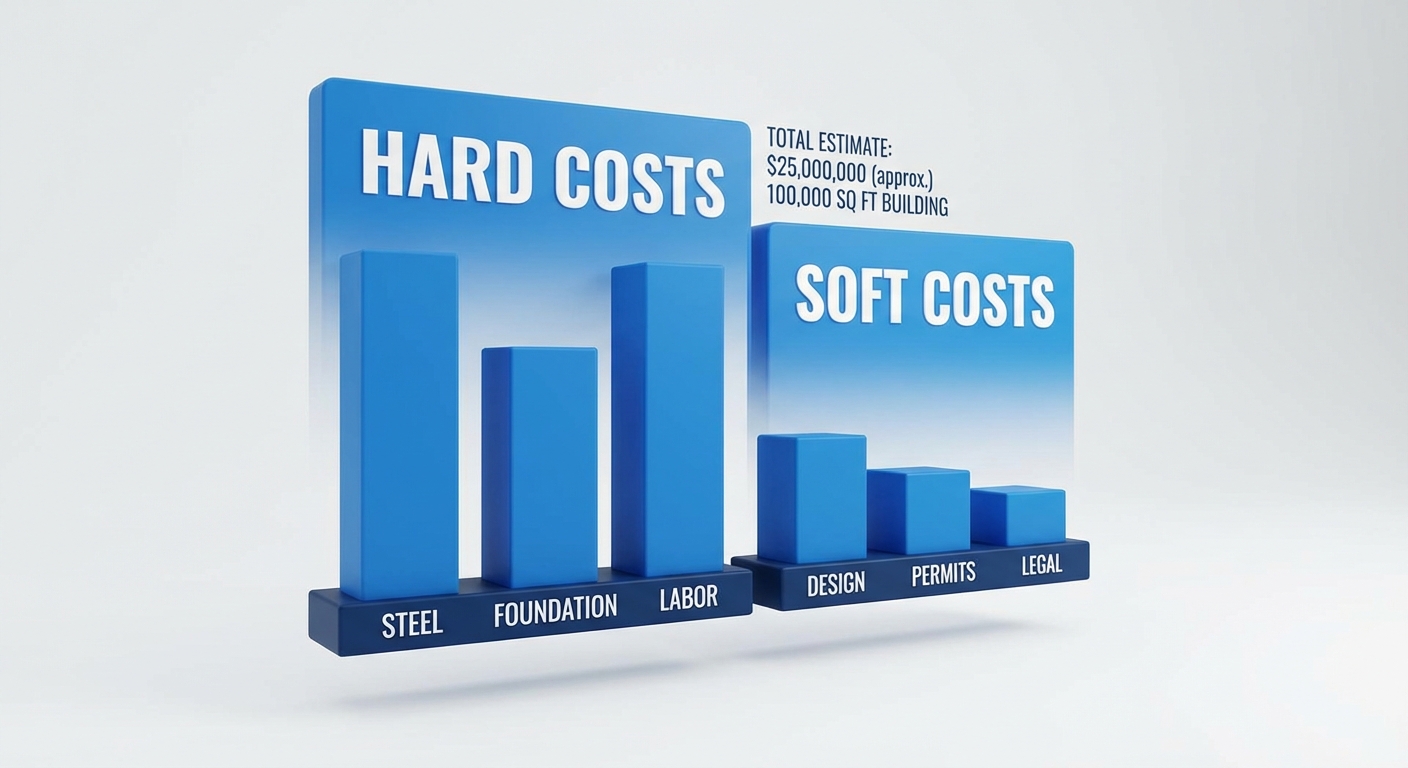
Soft costs for a 100,000 square feet building usually account for 20% to 30% of the project budget and include design, legal, and permitting fees. These intangible expenses are often overlooked but are essential for moving the project from concept to reality. You must prepare for professional fees for architects, structural engineers, and environmental consultants.
Engineering and professional design fees
A building of this scale requires rigorous structural analysis to ensure it meets local wind, snow, and seismic codes. Professional engineers provide the blueprints that your fabrication and erection teams will follow.
The reality is:
- Site-specific structural engineering reports.
- 3D architectural modeling for layout planning.
- Soil analysis and geotechnical surveys.
- Fire safety and egress design.
Permits and government compliance
Local municipalities require various permits before you can break ground or occupy the finished structure. These fees can vary significantly based on your region and the building’s intended use.
Here’s the kicker:
- Building permits and impact fees.
- Environmental impact study approvals.
- Zoning and land use applications.
- Utility connection and tap-in fees.
Key TakeawayBudgeting for soft costs early prevents administrative delays that can cause expensive construction stoppages later in the timeline.
| Soft Cost Category | Estimated Percentage | |
|---|---|---|
| Engineering & Design | 10% | |
| Permits & Fees | 8% | |
| Legal & Financing | 7% |
Does customization increase the 100,000 square feet building price?
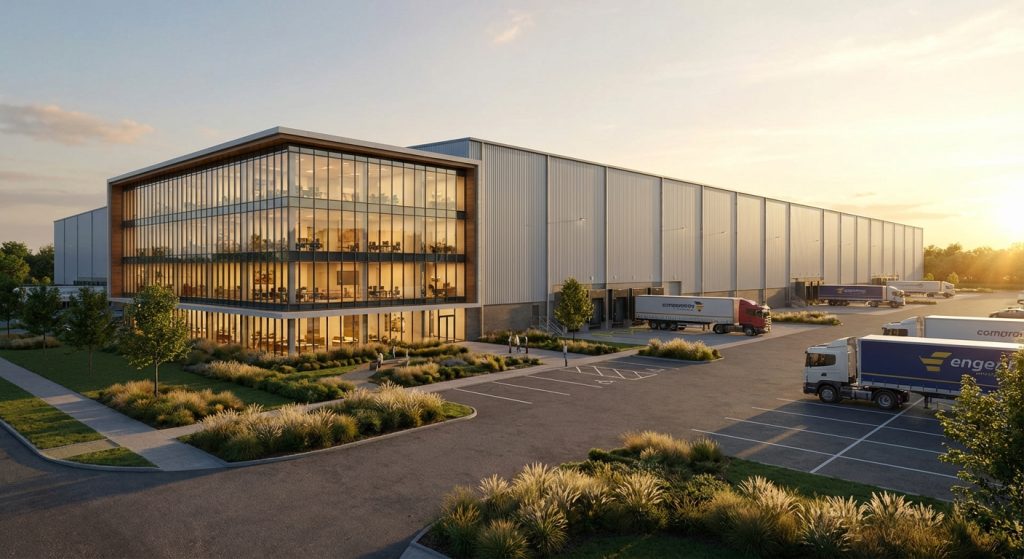
Customizing a 100,000 square feet building will increase the price per square foot depending on the complexity of the added features. While a basic rectangular warehouse is the most affordable, adding office mezzanines or specialized facades changes the structural requirements. You should consider which upgrades provide the best return on investment for your specific business model.
Specialized crane runway systems
If your facility requires overhead cranes for moving heavy products, the steel frame must be reinforced to handle the additional dynamic loads. This involves heavier columns and specialized crane beams.
Wait, there’s more.
- Reinforced crane runway beams.
- Bracket supports for multiple crane tons.
- Increased vertical clearance requirements.
- Heavy-duty bracing for lateral movement.
Aesthetic facades and office sections
Incorporating a glass-fronted office or a showroom into your industrial building improves the professional image of your company. These mixed-use designs require different structural spans and finishing materials.
The best part?
- Curtain wall systems for modern office fronts.
- Mezzanine levels for doubled office space.
- Energy-efficient glazing to lower cooling costs.
- Branded color schemes on exterior panels.
Key TakeawayCustomization allows the building to fit your specific workflow perfectly, which often justifies the higher initial construction cost.
| Custom Feature | Cost Impact | |
|---|---|---|
| Crane Support | High (+15-25%) | |
| Office Mezzanine | Moderate (+10-15%) | |
| Premium Facades | Variable |
Why is insulation vital for long-term cost management?
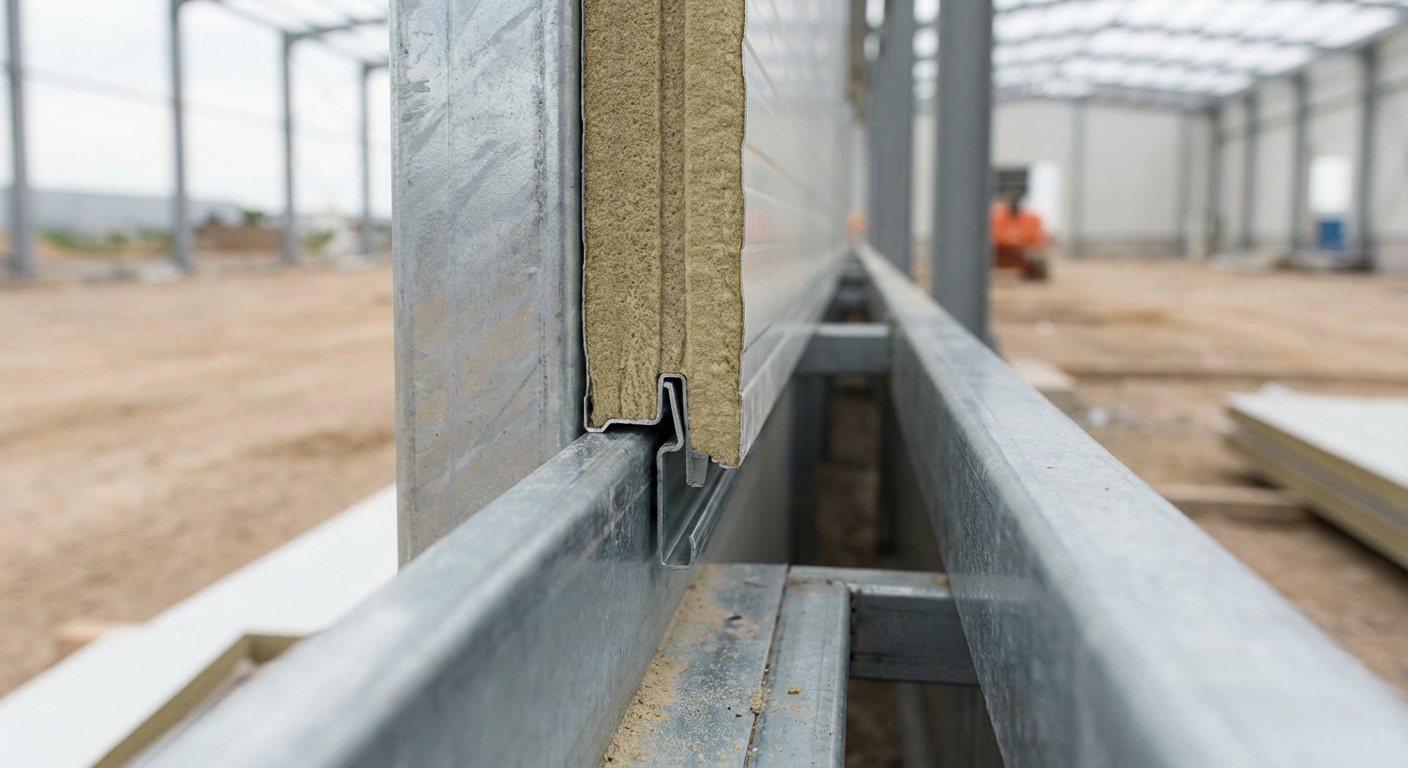
Insulation is essential for a 100,000 square feet building to control climate and reduce the massive energy bills associated with heating and cooling large spaces. High-quality insulation also prevents condensation, which can lead to rust on your steel frame over time. You will find that the upfront investment in superior R-value materials pays for itself within a few years of operation.
Energy efficiency and R-value standards
Choosing the right R-value ensures your building stays compliant with modern energy codes while keeping your utility costs predictable. Sandwich panels are often the preferred choice for their high thermal performance and aesthetic finish.
Bottom line:
- Reduced load on HVAC equipment.
- Consistent temperatures for sensitive inventory.
- Lower carbon footprint for green certification.
- Tax incentives for energy-efficient construction.
Sandwich panels vs. fiberglass batts
Sandwich panels offer an all-in-one solution with two layers of steel and a rigid foam core, whereas fiberglass batts are a traditional, budget-friendly option. Each has different installation speeds and thermal characteristics.
Here is the kicker:
- Sandwich panels provide a finished interior look.
- Fiberglass batts are easier to replace if damaged.
- Higher fire ratings are available for sandwich cores.
- Superior vapor barriers in rigid panel systems.
Key TakeawayDon’t skimp on insulation; it is the most effective tool you have for controlling the lifetime operational costs of your facility.
| Insulation Type | R-Value Range | Best Use Case | |
|---|---|---|---|
| Fiberglass Batt | R-13 to R-30 | Basic Warehouse | |
| Sandwich Panel | R-20 to R-42 | Cold Storage / Office | |
| Spray Foam | Variable | Retrofits / Hard Corners |
What are the best applications for this specific building size?
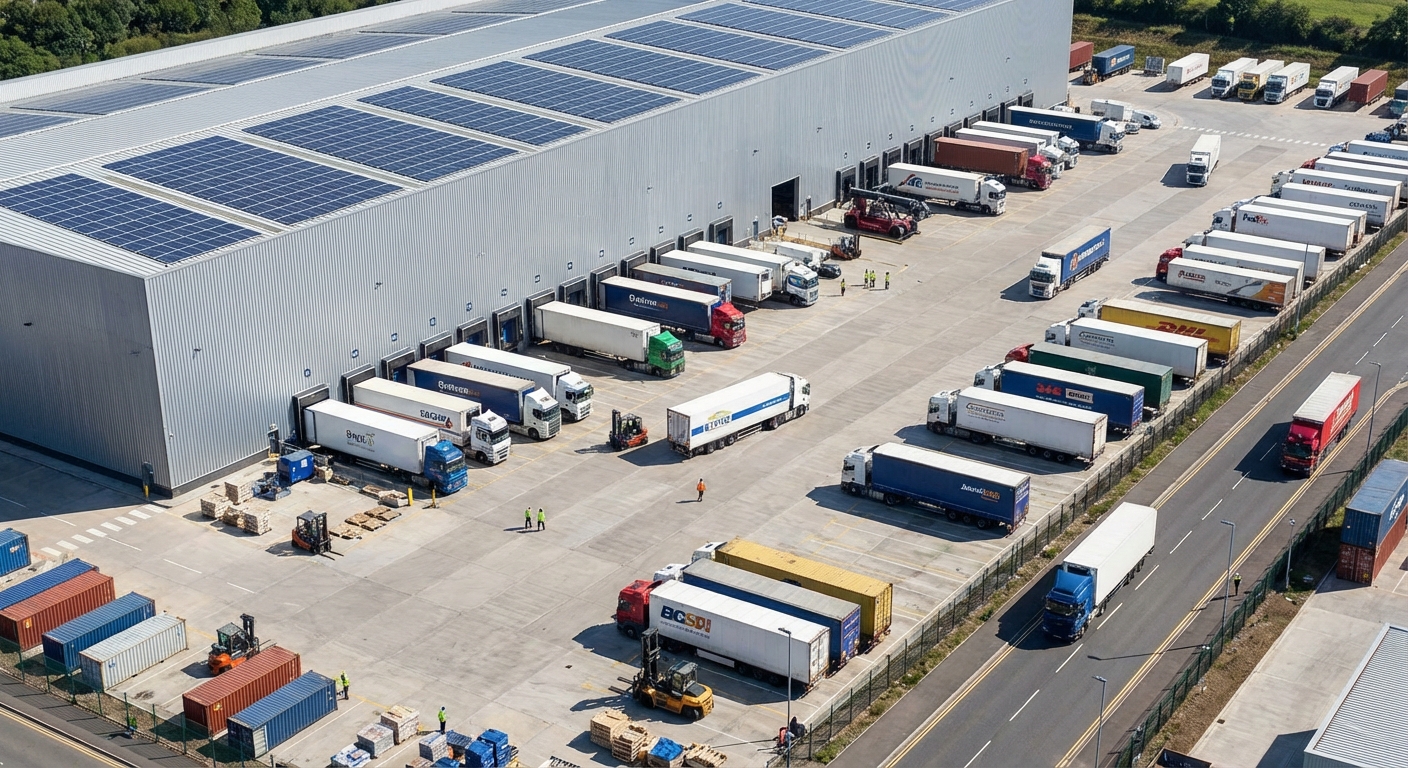
A 100,000 square feet building is the industry standard for regional distribution centers, e-commerce fulfillment hubs, and major manufacturing plants. This size provides enough scale to handle thousands of SKUs or complex assembly lines while remaining manageable from a site selection perspective. You can easily divide the space into different zones for storage, shipping, and administrative functions.
E-commerce fulfillment and regional logistics
With the rise of online retail, companies need massive, clear-span spaces to house robotic sorting systems and high-density racking. This building size allows for multiple loading docks to handle high-volume truck traffic.
Think about this:
- Space for 20+ loading dock bays.
- Ample yard room for trailer staging.
- High ceilings for 5-6 tier pallet racking.
- Integrated conveyor belt system paths.
Large-scale agricultural and animal housing
Modern farming operations use these massive structures for climate-controlled poultry housing, grain storage, or dairy facilities. Steel is the material of choice because it resists the corrosive nature of agricultural environments.
Wait, there’s more.
- Easy-to-clean galvanized surfaces.
- Ventilation systems for livestock health.
- Pest-resistant structural components.
- Wide doors for harvesting equipment.
Key TakeawayThe 100,000 sq ft footprint is incredibly versatile, making it a highly liquid asset that can be repurposed as your business needs change.
| Industry | Primary Use | Scale Factor | |
|---|---|---|---|
| Logistics | Fulfillment / Sorting | High Volume | |
| Manufacturing | Assembly / Fabrication | Heavy Load | |
| Agriculture | Livestock / Bulk Storage | Climate Control |
How do local climate codes affect structural engineering?
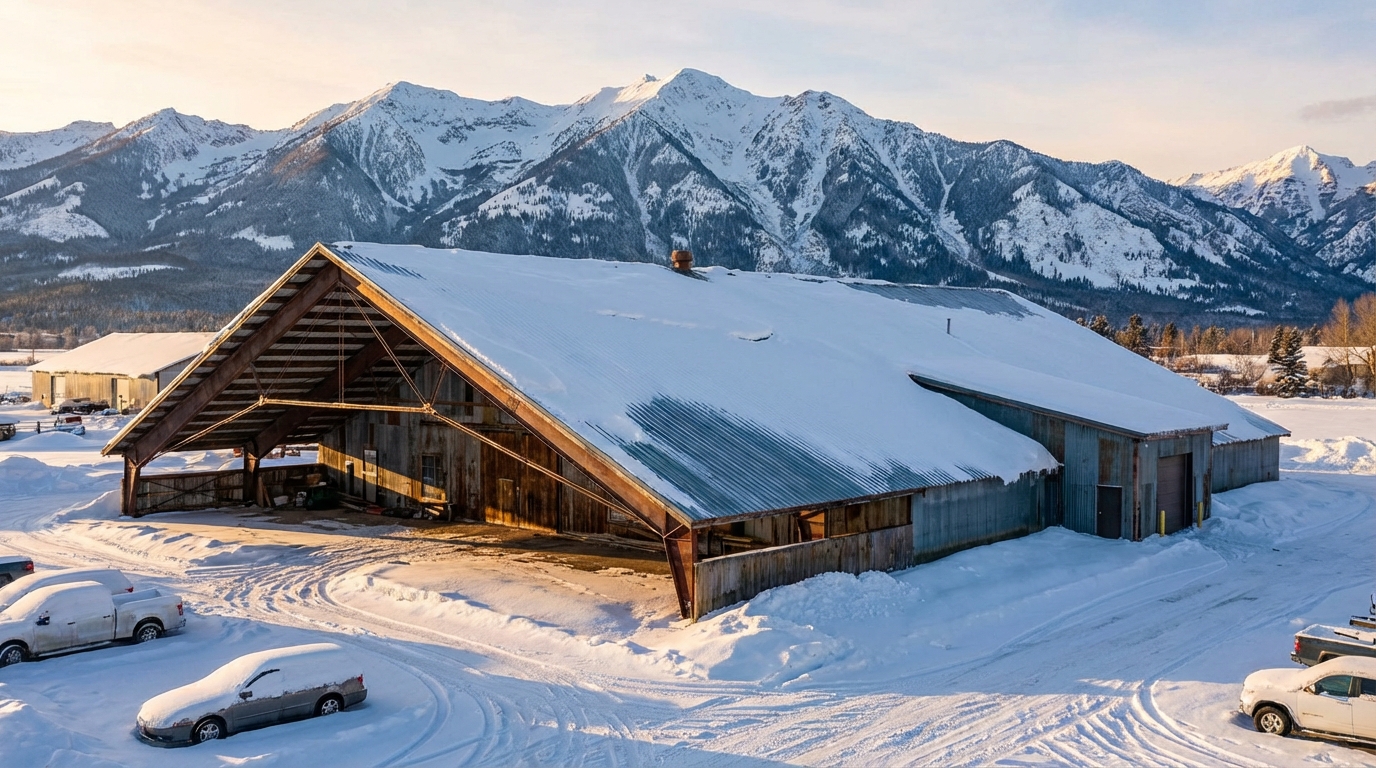
Local climate codes dictate the amount of steel required in your 100,000 square feet building to resist wind, snow, and seismic forces. If you are building in a northern climate, your roof must be engineered to hold several tons of snow without buckling. You will find that these regional requirements can significantly shift the total tonnage—and therefore the price—of your steel package.
Wind and snow load engineering factors
In hurricane-prone or high-wind areas, the secondary framing and panel fasteners must be reinforced to prevent uplift. Engineers use localized data to ensure the building stays standing during extreme weather events.
Here is the kicker:
- Heavy-duty purlins for high snow loads.
- Extra bracing for seismic-active zones.
- Increased fastener frequency for wind uplift.
- Steeper roof pitches for faster snow shed.
Fire suppression and life safety systems
Large buildings have strict fire codes that require integrated sprinkler systems and fire-rated wall sections. These systems are essential for protecting your investment and ensuring the safety of your workforce.
But that’s not all.
- Automatic fire sprinkler networks.
- Smoke vents and emergency exits.
- Fire-resistant coatings on steel columns.
- Integrated alarm and monitoring systems.
Key TakeawayDesigning for your specific local environment is not just a legal requirement; it is a critical step in risk management for your multi-million dollar asset.
| Climate Factor | Engineering Response | Cost Impact | |
|---|---|---|---|
| Heavy Snow | Larger purlins / Thicker beams | Moderate | |
| High Wind | More bracing / Stronger bolts | Low-Moderate | |
| Seismic | Flexible connections / Specialized base | High |
Why source factory-direct for a 100,000 square feet building?
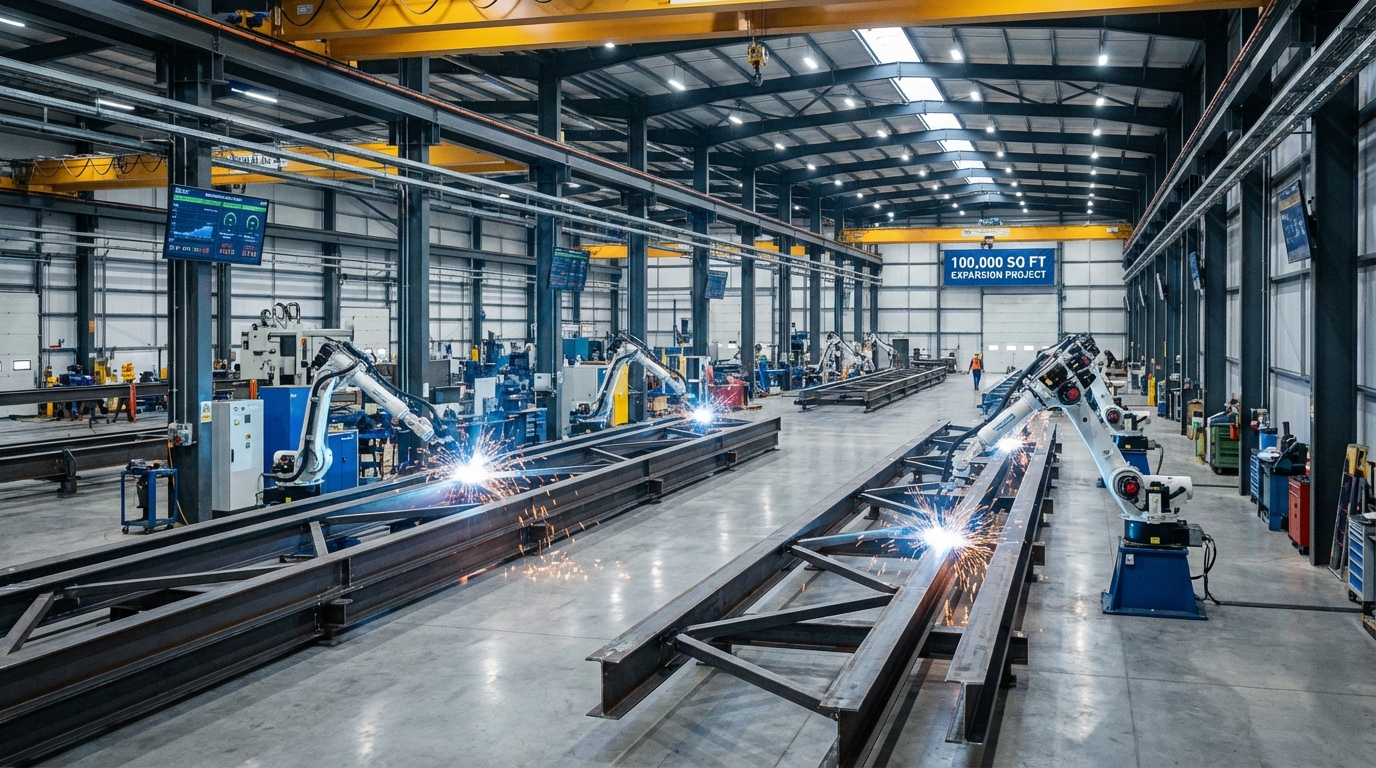
Sourcing your 100,000 square feet building directly from the manufacturer eliminates middleman markups and ensures better quality control. When you work with the factory, the same engineering team that designs your structure manages the production schedule. You receive a complete installation-ready system where every part is marked and sequenced for immediate assembly.
Quality control and material traceability
Direct manufacturing allows for strict QC checkpoints from the moment the raw steel enters the factory to the final packing stage. You can request mill certificates and inspection reports to verify the strength of your materials.
Here’s the point:
- No outsourcing to third-party shops.
- Consistent welding and painting standards.
- Precision cutting via robotic machinery.
- Full traceability for every structural member.
Integrated shipping and logistics management
Shipping 100,000 square feet of steel requires dozens of containers and complex coordination. A factory-direct partner manages this process to ensure parts arrive on-site when they are needed, preventing costly downtime.
But wait, there’s more.
- Clear Bills of Materials (BOM) to prevent missing parts.
- Optimized packing to reduce shipping costs.
- Installation guidance from the actual builders.
- Fast response for any technical site questions.
Key TakeawayFactory-direct sourcing provides the most predictable pricing and highest quality assurance for large-scale industrial projects.
| Value Source | Factory-Direct Benefit | |
|---|---|---|
| Price | No middleman markup (10-20% savings) | |
| Accuracy | Direct communication with designers | |
| Timeline | Control over production priority |
Conclusion
Building a 100,000 square feet building is a complex but rewarding endeavor that provides the foundation for massive industrial success. By understanding the balance of material costs, labor variables, and the importance of factory-direct sourcing, you can avoid common budget pitfalls. We have solved the problems of price volatility and engineering complexity for clients worldwide, ensuring that every project meets international standards for quality and durability. Our vision is to empower global businesses with high-performance steel structures that are built to last. To get a customized technical analysis and a precision quote for your project, contact us today to speak with a specialist.
FAQ
- Can I customize the interior layout of my 100,000 square feet building?Yes, steel’s clear-span capability allows you to place interior walls, mezzanines, and equipment anywhere without structural interference.
- What’s the best way to handle snow loads in northern climates?Choose a steeper roof pitch and specify high-tensile steel for the roof purlins to ensure the structure can support and shed heavy accumulation.
- How do I know if my site foundation is adequate for this scale?You must hire a geotechnical engineer to perform a soil analysis, as the foundation must handle specific point loads from the primary steel columns.
- Can I add solar panels to the roof of a building this size?Absolutely, but you must specify this during the design phase so the engineers can account for the additional dead load on the roof trusses.
- What’s the best way to reduce long-term maintenance costs?Specify hot-dip galvanized steel for the frame and use high-performance sandwich panels to prevent rust and minimize energy expenditures.