
Metal building construction involves utilizing high-strength steel frames and pre-fabricated components to create durable, scalable structures for industrial and commercial use. You likely face the challenge of rising material costs and unpredictable project timelines that traditional wood framing simply cannot solve. These delays agitate your investment plans and leave your business waiting for essential operational space while overhead costs climb. By opting for commercial steel building construction , you secure a solution that prioritizes structural integrity, fire safety, and rapid assembly to get your doors open sooner.
What is commercial steel building construction?
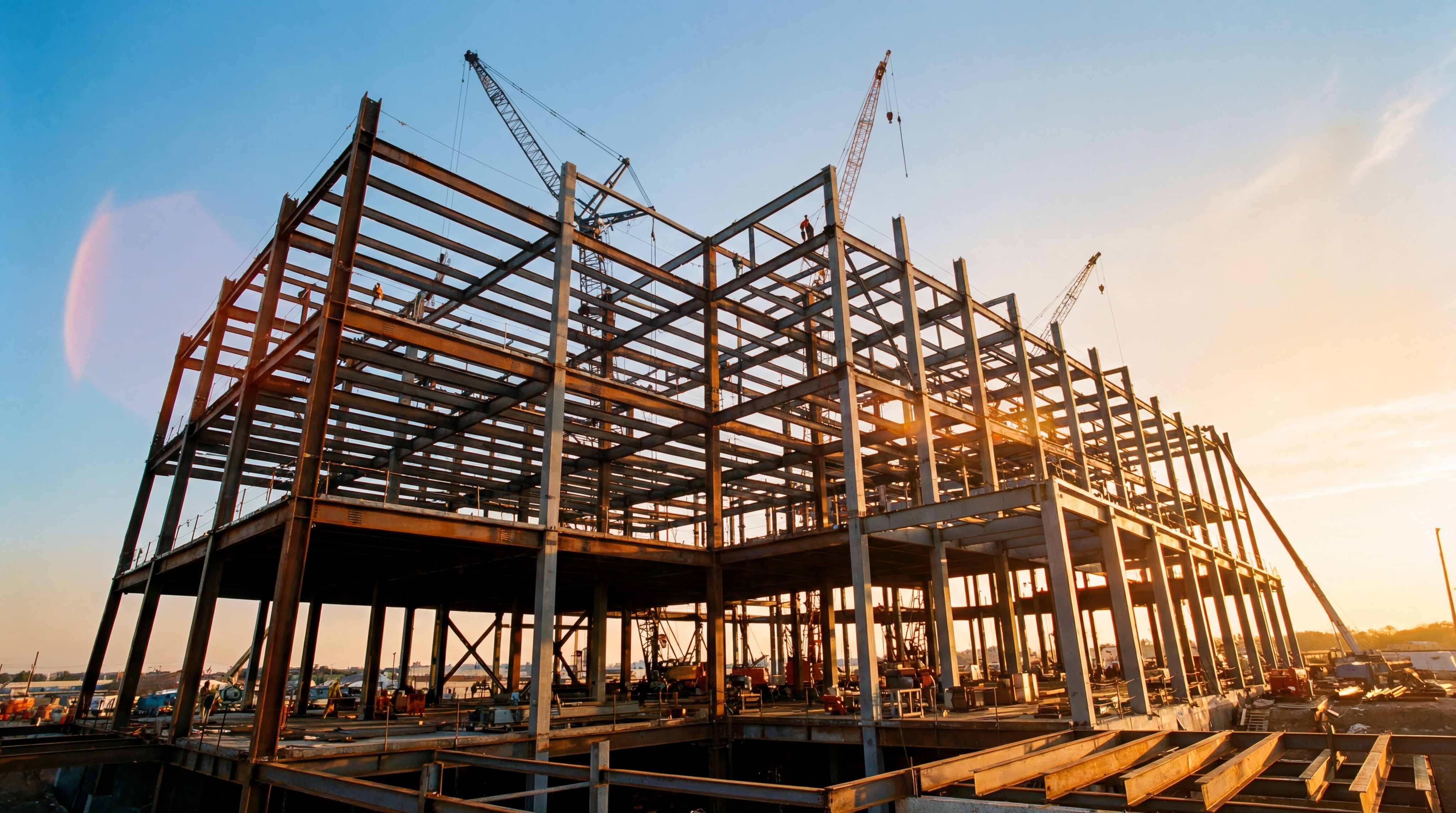
Commercial steel building construction is a specialized engineering process that uses steel as the primary structural material for non-residential facilities. You will find that this method relies on heavy-duty beams and columns to support massive roof spans without the need for interior obstructions.
What are the main components involved?
The main components of this construction method include primary framing members like I-beams and secondary members like purlins or girts. You rely on these elements to transfer loads safely to the foundation while maintaining the building’s shape under extreme weather.
Consider this:
- High-tensile steel columns for vertical support.
- Pre-painted wall panels for weatherproofing.
- Structural bolts for precision connections.
Why is speed a factor for you?
Speed is a major advantage because the components are pre-cut and pre-drilled in a factory setting before they arrive at your site. You save significant labor costs since your crew spends less time measuring and cutting materials manually.
The best part?
- Reduced on-site construction time.
- Lower risk of weather-related delays.
- Immediate occupancy for revenue generation.
Key Takeaway: Speed and precision are the hallmarks of modern steel construction, allowing you to move from design to completion in record time.
| Component Type | Primary Function | Material Advantage | |
|---|---|---|---|
| Primary Frame | Weight-bearing support | High load capacity | |
| Secondary Frame | Panel attachment | Flexible spacing | |
| Cladding | Envelope protection | Low maintenance |
This structure ensures that every part of the facility works together to provide a robust and long-lasting environment for your business operations.
How to classify commercial steel building construction?
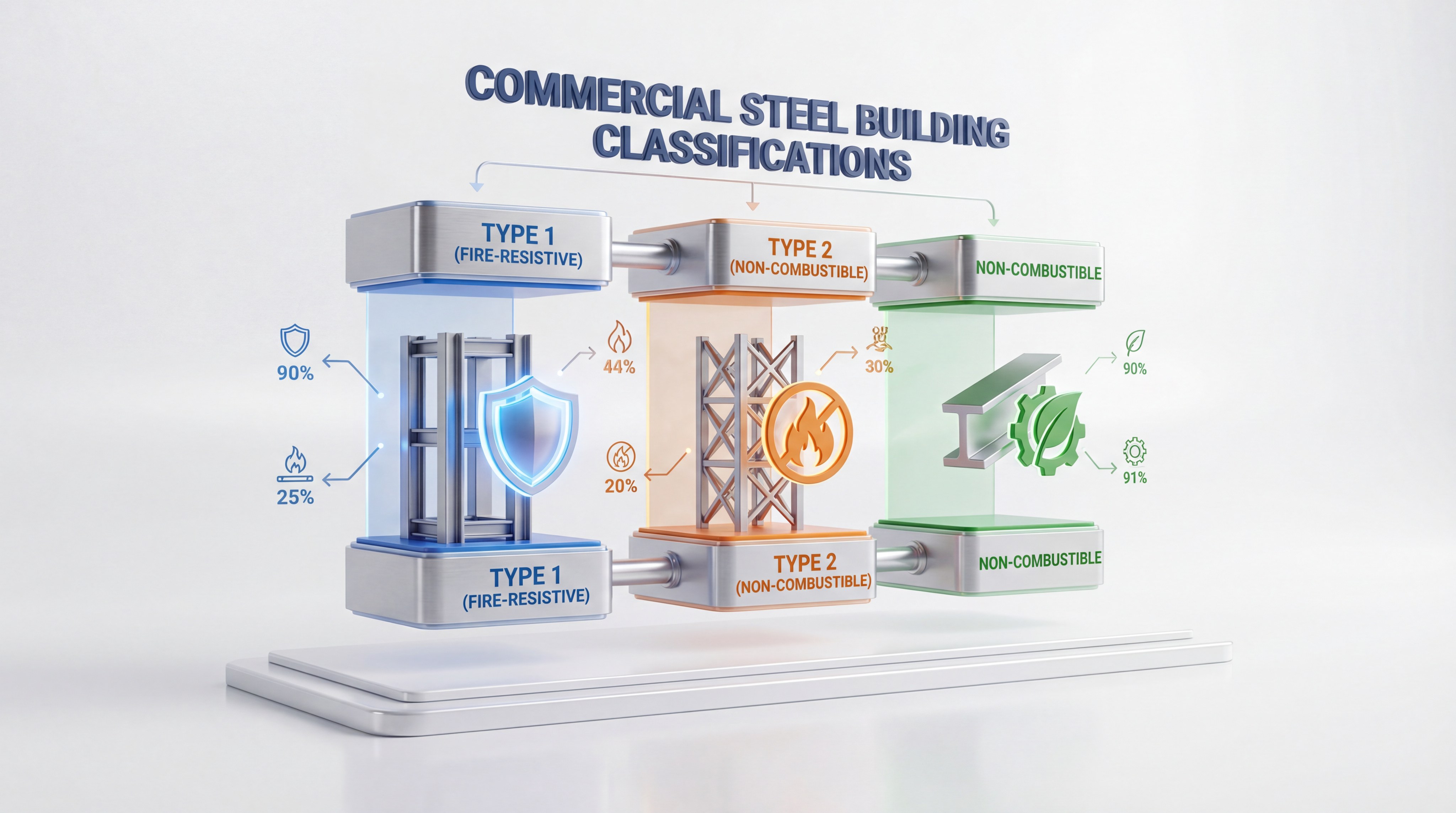
You classify commercial steel building construction based on its fire-resistance ratings and the specific materials used for the structural framework. These classifications determine how safe the building is for occupants and how it will perform under extreme thermal stress.
What is the non-combustible standard?
The non-combustible standard refers to buildings where the structural elements are made of materials that do not fuel a fire. You will typically see this in modern industrial zones where safety codes are strictly enforced to protect assets.
Believe it or not:
- Steel does not add fuel to flames.
- It maintains structural stability longer than timber.
- Insurance premiums are often lower for these structures.
How do ratings impact your project?
Ratings impact your project by dictating the allowable height and square footage of your facility according to local building codes. You must select a classification that matches your intended use, whether you are storing hazardous materials or hosting retail customers.
Think about this:
- Type 1 offers maximum fire protection.
- Type 2 serves standard industrial needs.
- Type 3 allows for mixed material usage.
Key Takeaway: Correct classification ensures your building meets legal safety standards while optimizing your insurance and construction costs.
| Classification | Fire Resistance | Typical Use Case | |
|---|---|---|---|
| Type 1 (Fire-Resistive) | 2-4 Hours | High-rise / Hospitals | |
| Type 2 (Non-Combustible) | 0-1 Hour | Warehouses / Retail | |
| Type 3 (Mixed) | Variable | Low-rise Commercial |
Selecting the right category involves balancing the safety needs of your occupants with the specific budgetary constraints of your building site.
What is Type 1 commercial steel building construction?
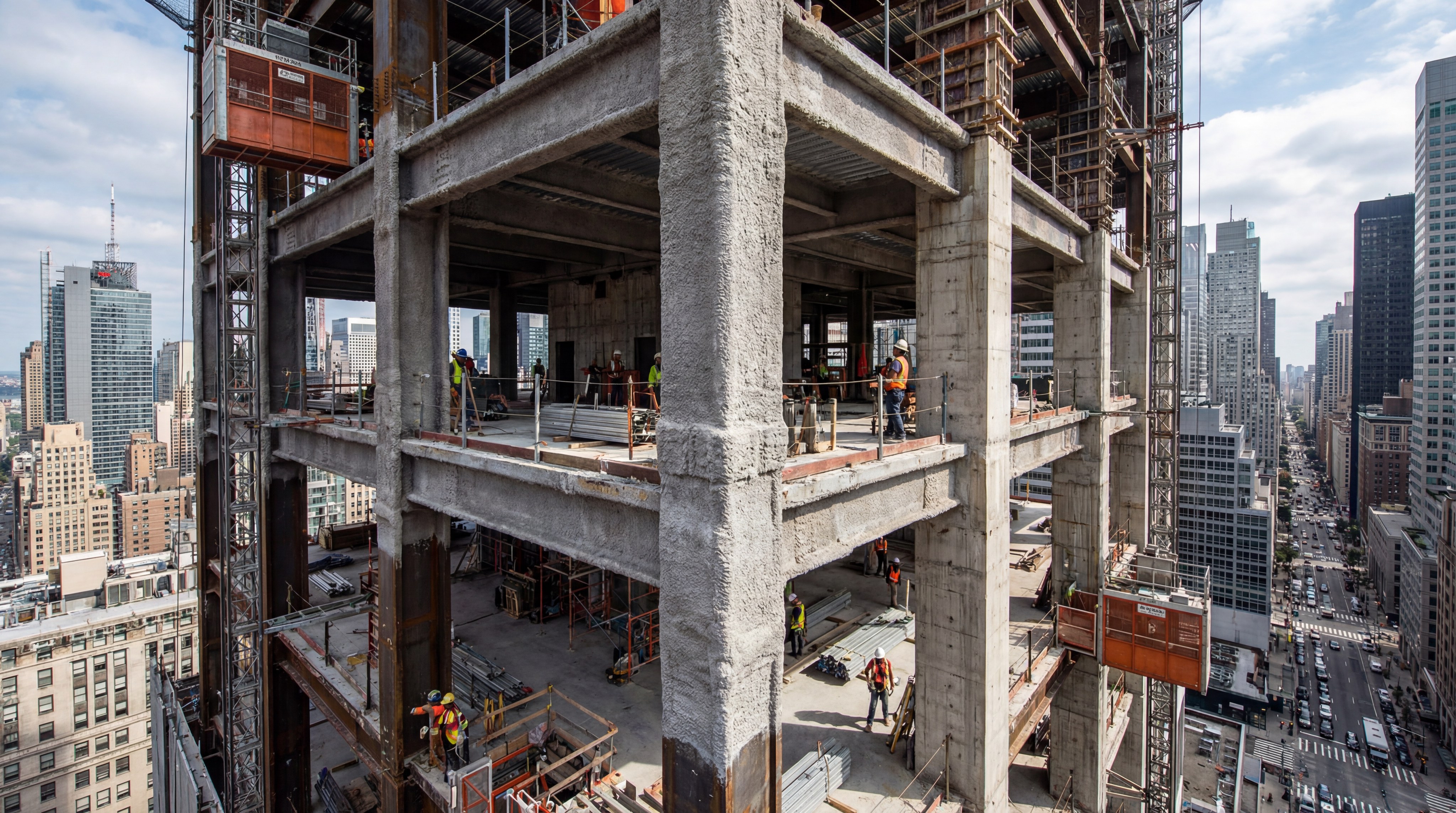
Type 1 commercial steel building construction represents the highest level of fire resistance available in the industry today. You often see this classification in skyscrapers and large public institutions where the structural steel is protected by concrete or fireproof coatings.
Is it necessary for high-occupancy buildings?
It is absolutely necessary for high-occupancy buildings because it provides several hours of protection during an active fire event. You can trust that the core structure will remain standing, giving occupants more time to evacuate safely.
Here is the deal:
- Required for buildings over 75 feet tall.
- Uses reinforced concrete or encased steel.
- Prevents structural collapse during intense heat.
How does fireproofing work here?
Fireproofing works by applying specialized intumescent paint or spray-on insulation directly to the structural steel beams. You gain an extra layer of thermal defense that keeps the steel below its critical failure temperature for a specified duration.
But wait, there’s more:
- Slows the transfer of heat.
- Protects critical load-bearing joints.
- Meets the most stringent global safety codes.
Key Takeaway: Type 1 construction is the gold standard for safety, providing unrivaled resilience for high-risk and high-density developments.
| Safety Feature | Protection Level | Impact on Steel | |
|---|---|---|---|
| Concrete Encasement | Extreme | Full thermal barrier | |
| Spray-on Fireproofing | High | Heat reflection | |
| Intumescent Coating | Moderate/High | Aesthetic protection |
This level of engineering is essential when the consequences of a structural failure are catastrophic due to building height or occupancy.
What defines Type 2 commercial steel building construction?
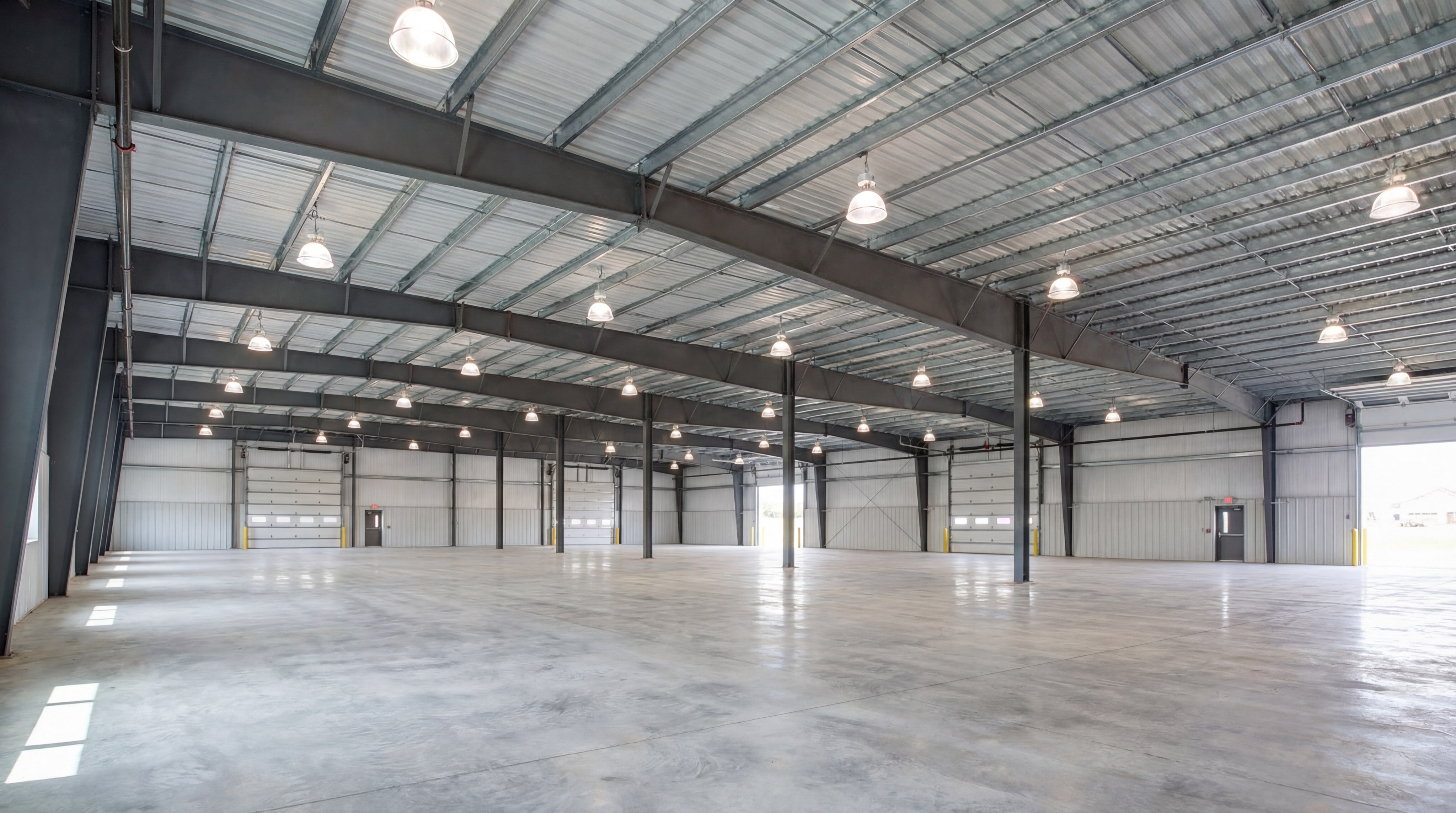
Type 2 commercial steel building construction consists of non-combustible materials where the structural frame is typically made of unprotected steel. You will find this is the standard choice for a steel structure warehouse because it offers an excellent balance of cost and safety.
Why is this popular for storage?
This is popular for storage because it provides a large open interior without the added expense of heavy fireproofing layers. You benefit from a clean, efficient design that maximizes your vertical storage capacity while remaining fire-safe.
Look at it this way:
- Faster erection times without coating steps.
- Lower initial material and labor costs.
- Ideal for large, low-rise footprints.
What are the limits of Type 2?
The limits of Type 2 construction involve its ability to resist high heat for extended periods compared to Type 1. You must often install automatic sprinkler systems to compensate for the unprotected nature of the structural steel.
Make no mistake:
- Unprotected steel can lose strength at 1,000°F.
- Height and area restrictions apply.
- Secondary safety systems are often mandatory.
Key Takeaway: Type 2 is the industrial workhorse, providing a cost-effective and non-combustible shell for your essential logistics operations.
| Feature | Specification | User Benefit | |
|---|---|---|---|
| Frame Exposure | Unprotected Steel | Lower construction cost | |
| Fire Spread | Zero Fuel Contribution | Site safety | |
| Best Application | Logistics & Storage | Maximum ROI |
Choosing this classification allows you to invest more of your budget into operational equipment rather than expensive fire-resistive coatings.
Is light-gauge commercial steel building construction good?
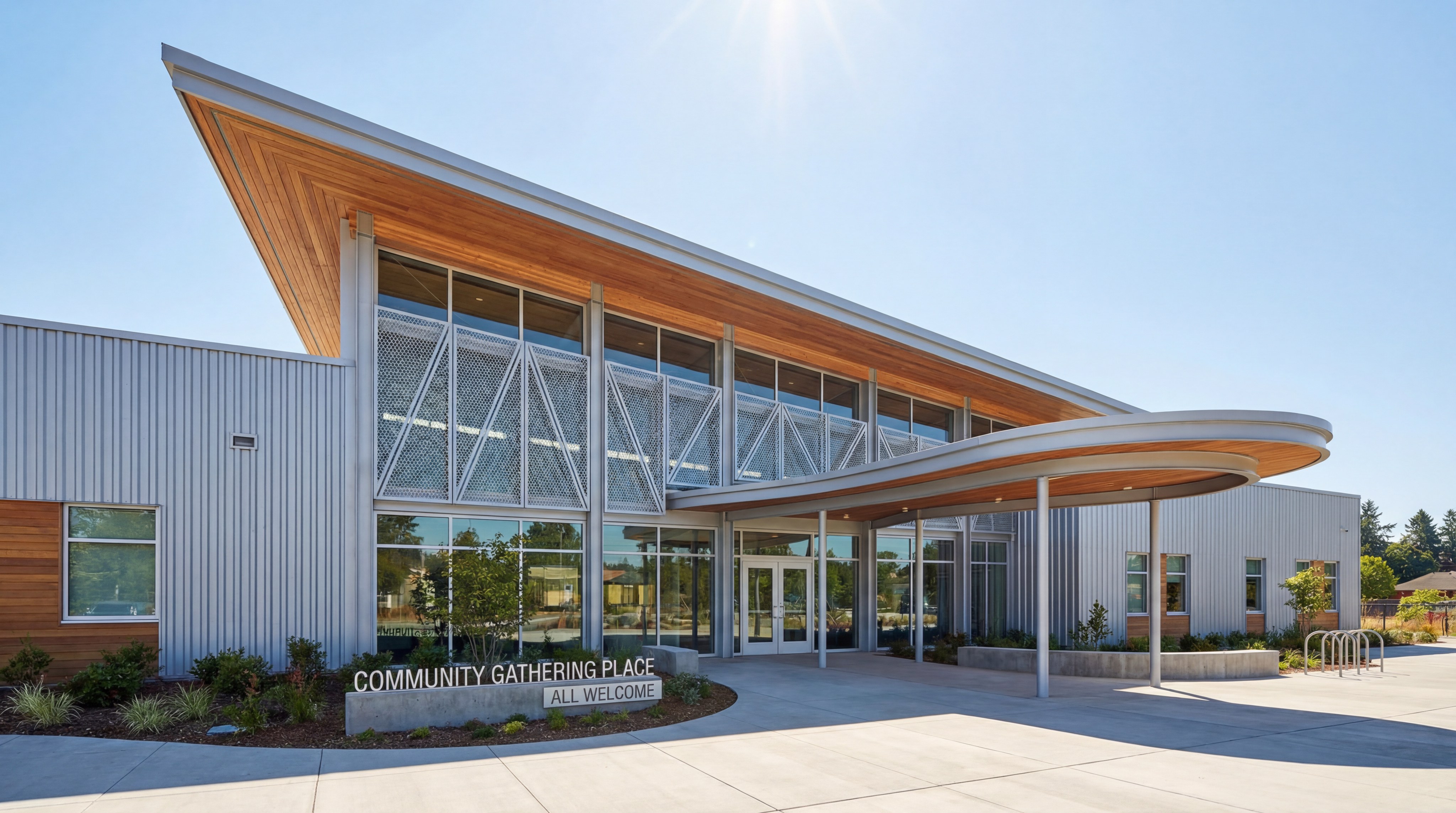
Light-gauge commercial steel building construction is an excellent choice for mid-sized projects that require architectural flexibility and lightweight framing. You can use this method to create a stunning church building or office complex that features complex rooflines and curved walls.
Can it replace wood framing?
It can easily replace wood framing because it offers higher strength and better resistance to pests, rot, and moisture. You will appreciate that steel studs are perfectly straight and do not warp or shrink over time like traditional timber.
Think about this:
- Non-combustible alternative to wood.
- Higher precision for interior finishing.
- Resistance to mold and termite damage.
Is it easy to install?
It is very easy to install because the components are lightweight and can be handled by small crews without heavy cranes. You save on specialized equipment rentals and can move through the framing phase of your project much faster.
The reality is:
- Self-tapping screws make assembly quick.
- Holes are pre-punched for electrical wiring.
- Minimal site waste during construction.
Key Takeaway: Light-gauge steel provides the versatility of wood with the durability and safety of metal, making it perfect for custom designs.
| Attribute | Light-Gauge Steel | Traditional Wood | |
|---|---|---|---|
| Fire Rating | Non-combustible | Highly combustible | |
| Structural Stability | Won’t warp or twist | Prone to movement | |
| Long-term Cost | Low maintenance | High repair risk |
This framing style is the modern solution for developers who need high-performance buildings without the bulk of heavy structural beams.
Why choose structural commercial steel building construction?
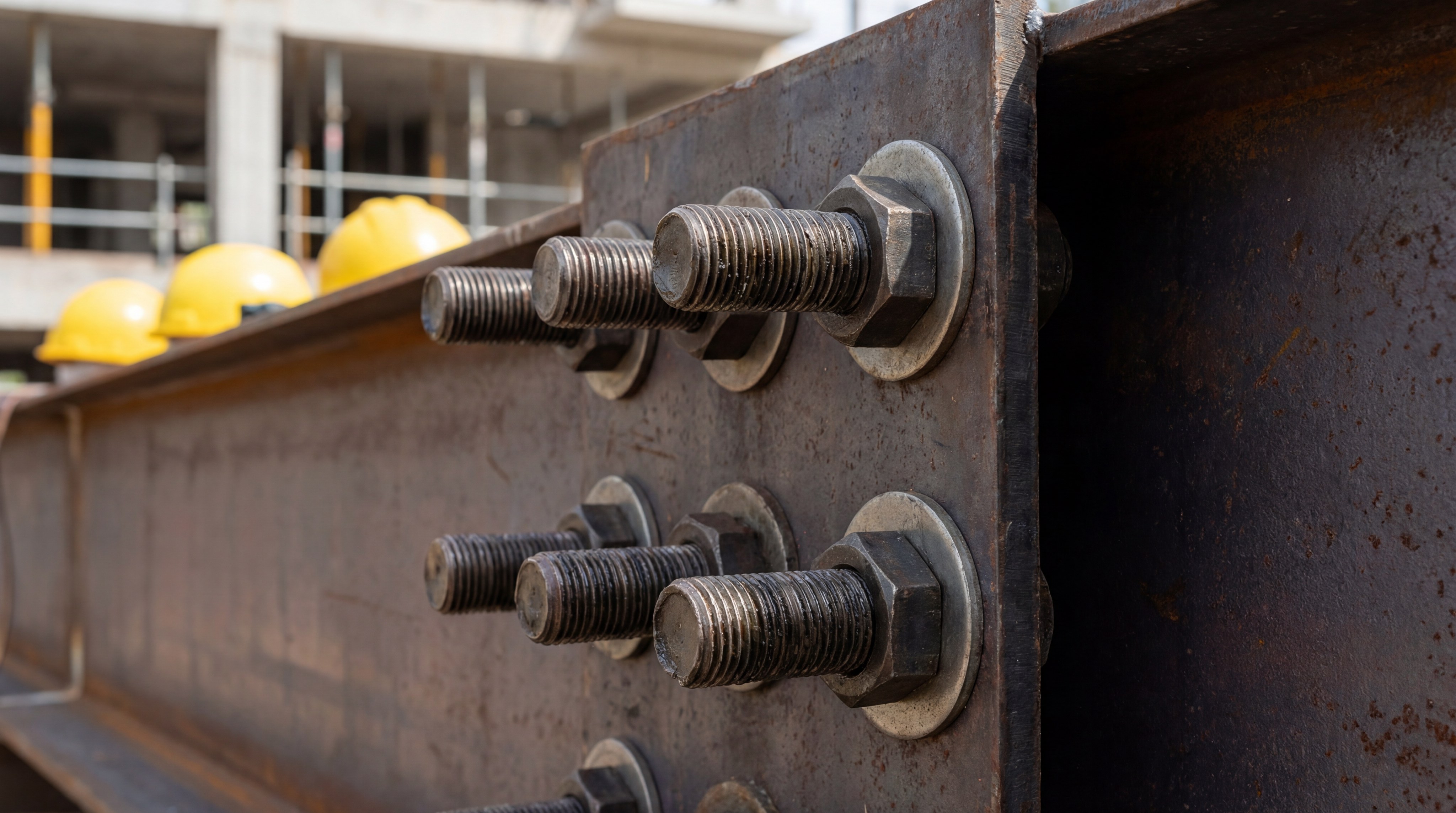
You choose structural commercial steel building construction when your facility needs to handle extreme weights or massive clear spans. This method is the foundation for a high-output steel structure workshop where heavy machinery and overhead cranes are part of daily production.
Does it support heavy equipment?
It supports heavy equipment with ease due to the massive load-bearing capacity of hot-rolled I-beams and H-columns. You can install multi-ton crane systems directly onto the frame, knowing the structure is engineered to handle the dynamic stress.
Believe it or not:
- Supports overhead bridge cranes.
- Handles high-vibration machinery.
- Provides wide-open floor plans.
Is durability its strongest trait?
Durability is definitely its strongest trait because structural steel is designed to last for decades with very little intervention. You won’t have to worry about structural fatigue or sagging even under the most demanding industrial workloads.
Simply put:
- Resists heavy seismic and wind loads.
- Bolted connections allow for future expansion.
- Galvanized finishes prevent long-term rust.
Key Takeaway: Structural steel is the only choice for heavy industry, offering the sheer strength needed for massive loads and open spaces.
| Industrial Need | Structural Steel Solution | Operational Benefit | |
|---|---|---|---|
| Clear Span | No interior columns | Flexible workflow | |
| Load Support | Integrated crane rails | Efficient production | |
| Longevity | Corrosion resistance | Asset protection |
By selecting structural steel, you are building a permanent asset that will support your business growth for generations to come.
How does pre-engineered commercial steel building construction work?
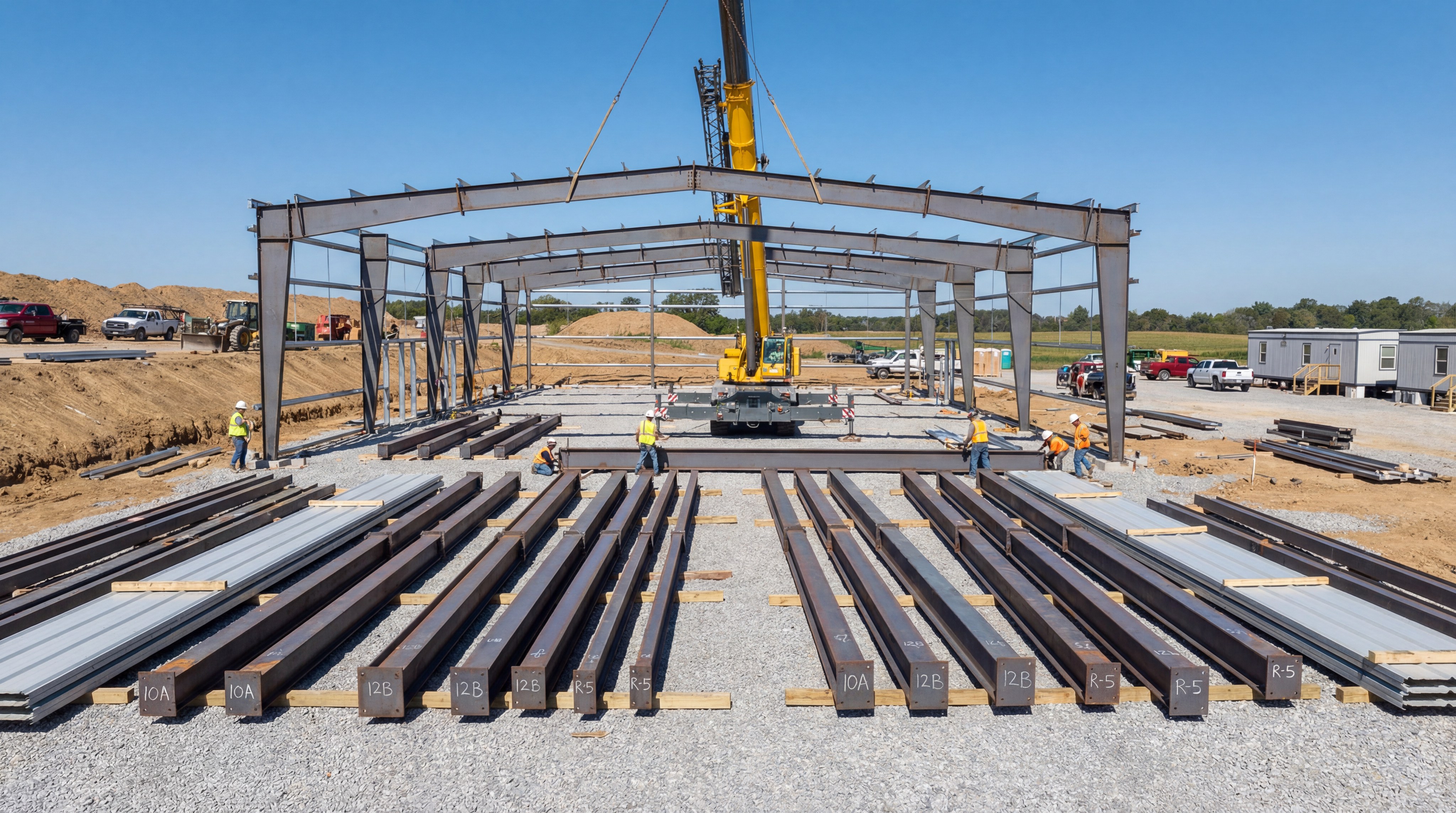
Pre-engineered commercial steel building construction works by designing and fabricating the entire structure in a controlled factory environment. You will find that this is the most efficient way to build an aircraft hangar because every piece is optimized for its specific location and load.
How is the design customized?
The design is customized using advanced software that calculates the exact amount of steel needed for your specific site conditions. You only pay for the material you actually need, which significantly reduces the waste common in traditional construction.
But wait, there’s more:
- Custom widths, heights, and lengths.
- Engineered for local wind and snow loads.
- Integrated door and window openings.
Why is assembly so fast?
Assembly is fast because the building arrives on-site like a giant 3D puzzle with every component clearly marked. You avoid the guesswork of field cutting and welding, which allows your crew to focus on bolting the structure together accurately.
The secret is:
- All parts are pre-drilled and pre-cut.
- No on-site fabrication required.
- Detailed erection drawings provided.
Key Takeaway: Pre-engineered buildings offer a streamlined, factory-controlled process that eliminates site errors and maximizes your budget.
| Process Step | Factory Activity | Site Benefit | |
|---|---|---|---|
| Engineering | Precise load calculation | Guaranteed stability | |
| Fabrication | Automated cutting/welding | Consistent quality | |
| Delivery | Sequenced shipping | Organized assembly |
This system provides a predictable timeline and fixed costs, making it the favorite choice for commercial developers worldwide.
Can commercial steel building construction improve efficiency?
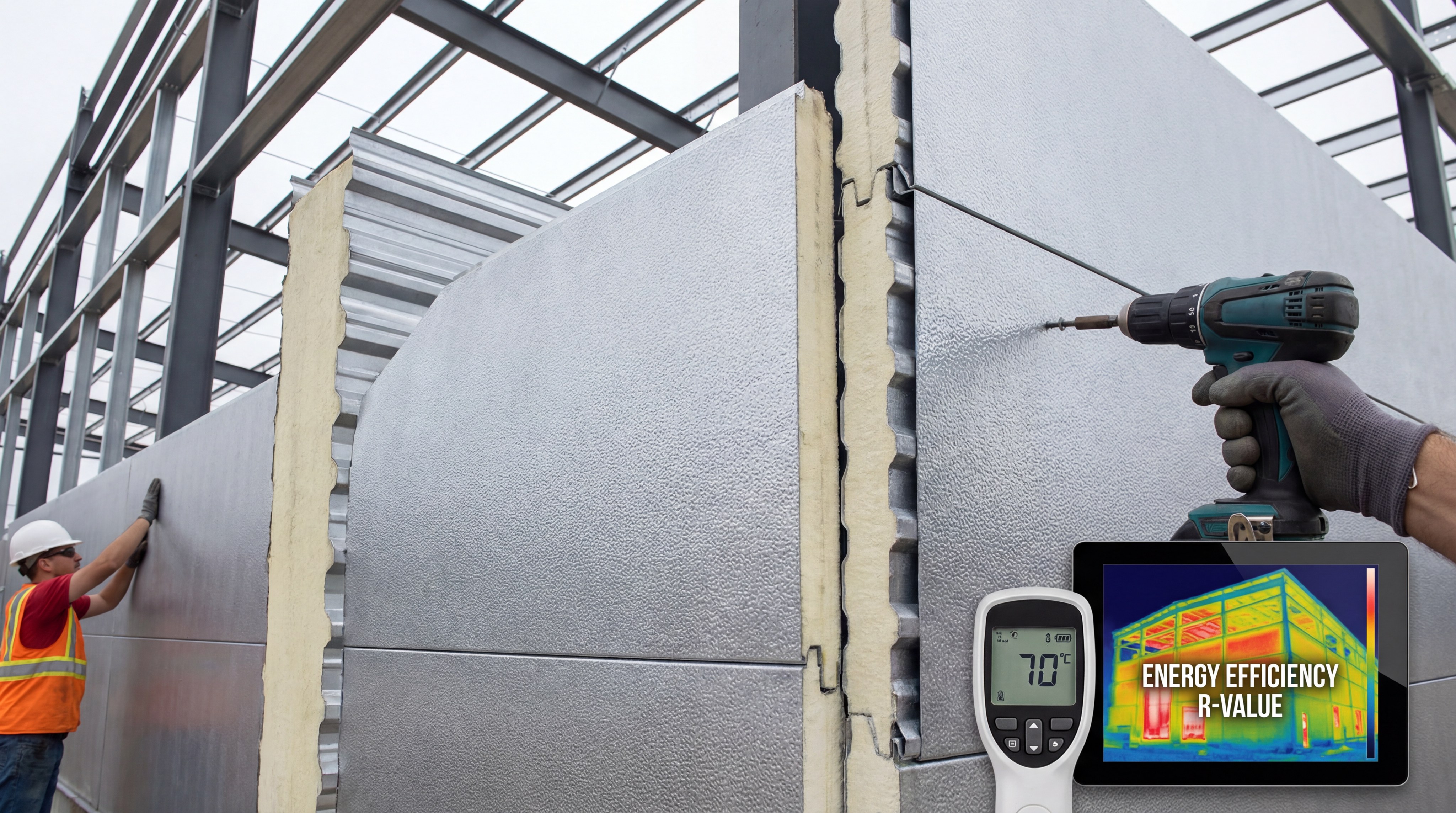
Commercial steel building construction improves efficiency by integrating thermal performance and structural speed into a single system. You can achieve massive energy savings by using insulated metal panels (IMPs) that provide a superior R-value compared to traditional wall systems.
How do insulated panels help?
Insulated panels help by creating a continuous thermal bridge that prevents heat or cold from entering your facility through the frame. You will notice a significant drop in your monthly utility bills while maintaining a more comfortable environment for your employees.
Look at it this way:
- High R-value insulation cores.
- One-step installation for walls and roofs.
- Airtight seals reduce HVAC strain.
Does it lower maintenance costs?
It lowers maintenance costs because the factory-applied finishes are designed to resist fading, chalking, and peeling for up to 30 years. You won’t need to spend thousands of dollars on repainting or repairing rotted siding every few years.
Think about this:
- Silicone-modified polyester coatings.
- High resistance to UV damage.
- Easy-to-clean exterior surfaces.
Key Takeaway: Modern steel buildings are high-performance machines that lower your operational costs through energy efficiency and durability.
| Efficiency Factor | Metal Building Impact | Long-term Saving | |
|---|---|---|---|
| Insulation | Superior thermal barrier | Lower utility costs | |
| Maintenance | Durable pre-finished panels | Zero painting costs | |
| Air Leakage | Precision-sealed joints | Reduced HVAC wear |
Investing in these high-efficiency systems pays for itself over time by protecting your budget from rising energy and repair prices.
Does commercial steel building construction resist fire?
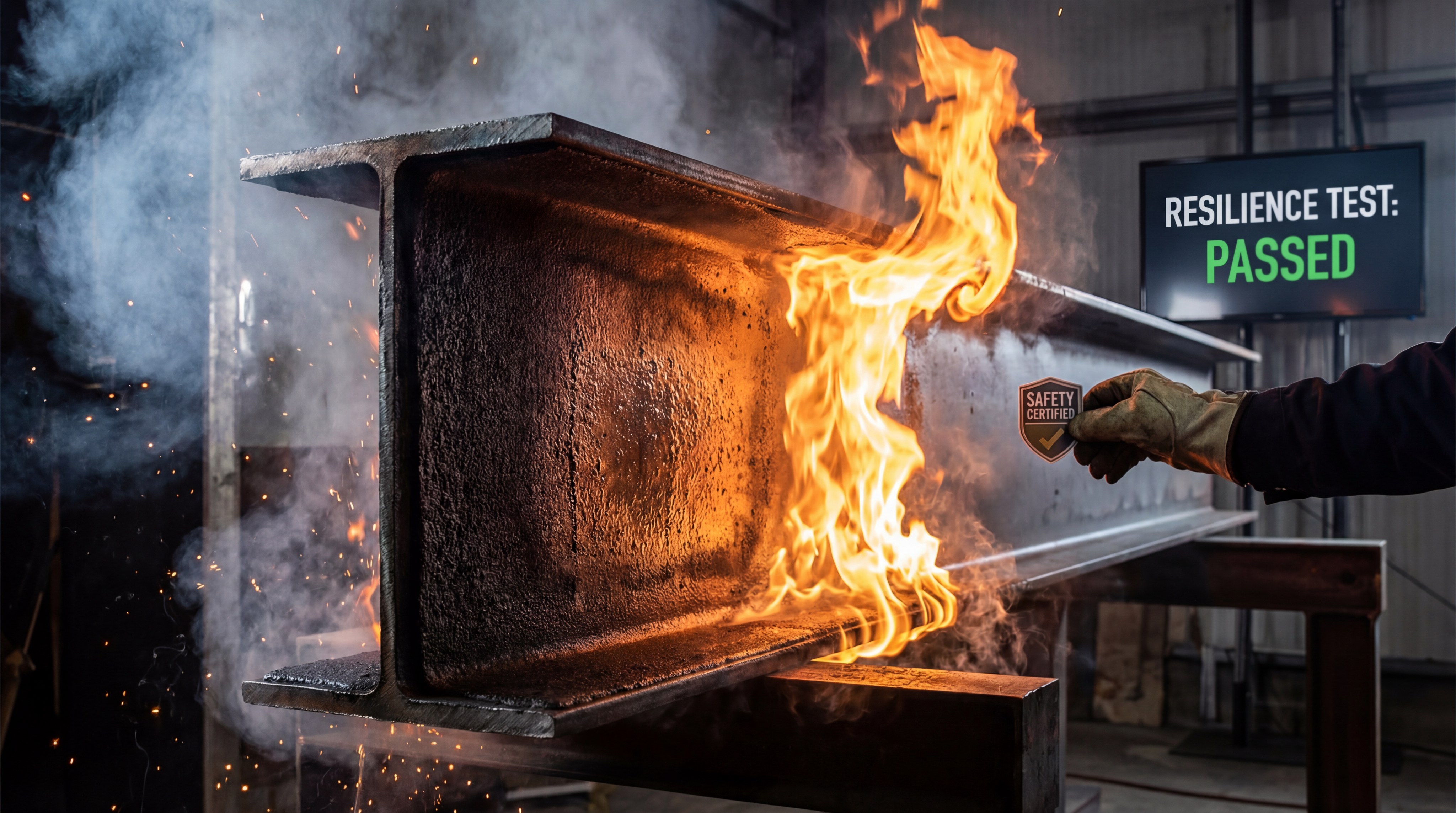
Commercial steel building construction is inherently fire-resistant because the primary material does not ignite or spread flames. You can enhance this natural resistance with specialized assemblies that protect the steel core from reaching temperatures that compromise its structural integrity.
Why is steel safer than wood?
Steel is safer than wood because it is a non-combustible material that does not contribute fuel to a fire inside your building. You can sleep better knowing that a small electrical fire is much less likely to result in a total loss of your facility.
The reality is:
- Wood fuels fire growth.
- Steel contains fire spread.
- Lower risk of catastrophic collapse.
How do you maximize protection?
You maximize protection by using fire-rated walls and specialized coatings that create a barrier between the heat and the structural frame. These systems are tested to ensure they can withstand intense flames for several hours, protecting both lives and property.
Make no mistake:
- Certified fire-rated assemblies.
- Integrated sprinkler system compatibility.
- Specialized sealant for all openings.
Key Takeaway: The non-combustible nature of steel is your first and most important line of defense against building fires.
| Hazard | Steel Performance | Outcome | |
|---|---|---|---|
| Ignition | Zero spark sensitivity | Won’t catch fire | |
| Fuel Load | Zero contribution | Limits fire intensity | |
| Smoke | Minimal toxic fumes | Safer evacuation |
This inherent safety is a primary driver behind the shift toward metal structures in urban and industrial development.
What are commercial steel building construction FAQs?
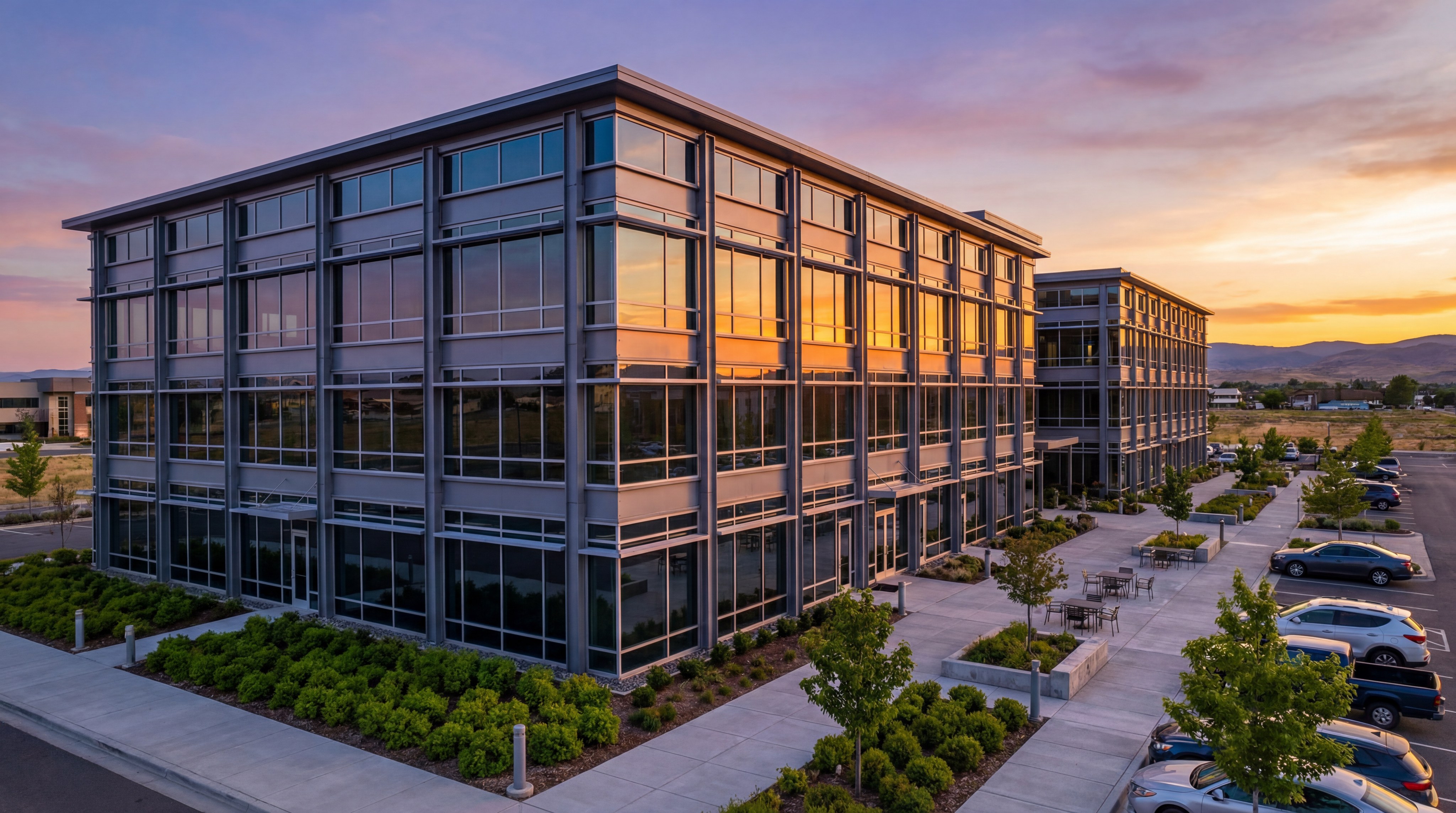
Navigating the technical side of commercial steel building construction often brings up common questions regarding cost, customization, and long-term value. You should address these early to ensure your project stays on track.
Can I customize the exterior look?
Yes, you can achieve nearly any aesthetic by using stone veneers, brick facades, or glass curtain walls over the steel frame. Many people choose steel for its structural benefits but want a traditional look to match neighboring buildings.
What is the best way to handle expansion?
The best way is to design your building with expandable end-walls that allow you to bolt on new frames in the future. Steel buildings are uniquely suited for growth because you don’t have to demolish the existing structure to add more space.
How do I know if I need a foundation upgrade?
You will know if you need an upgrade based on the soil conditions and the weight of the specialized machinery you plan to install. Always consult with a structural engineer who can design a slab that handles both the building and your operations.
Can I install solar panels on the roof?
Yes, metal roofs are the perfect substrate for solar panels because they are durable and often use standing-seam systems for easy mounting. You won’t need to penetrate the roof deck, which keeps your warranty intact while you generate clean energy.
What’s the best way to prevent interior condensation?
The best way is to use a high-quality vapor barrier and proper insulation to keep the interior steel surface above the dew point. Ensuring adequate ventilation in your roof system will also help move moist air out before it causes problems.
Understanding these classifications and types helps you build a facility that is safe, efficient, and ready for the future. To start your custom project with a team that understands your specific needs, contact us today .