
The typical cost ranges from 150 to 250 per square foot, depending heavily on the required temperature range and specialized insulation needs. Maintaining a reliable cold supply chain is a high-stakes endeavor where a single degree of thermal fluctuation can lead to thousands of dollars in spoiled inventory and lost reputation. You may find that aging facilities or inadequate storage space create a severe bottleneck, stifling your business growth and draining revenue through inefficient energy consumption. Investing in a precision-engineered cold storage warehouse construction cost solution is the most effective way to secure your inventory and future-proof your logistics operations.
What Influences the Overall Cold Storage Warehouse Construction Cost?
Several specialized factors influence the cold storage warehouse construction cost , ranging from the complexity of refrigeration systems to the thickness of high-performance thermal insulation.
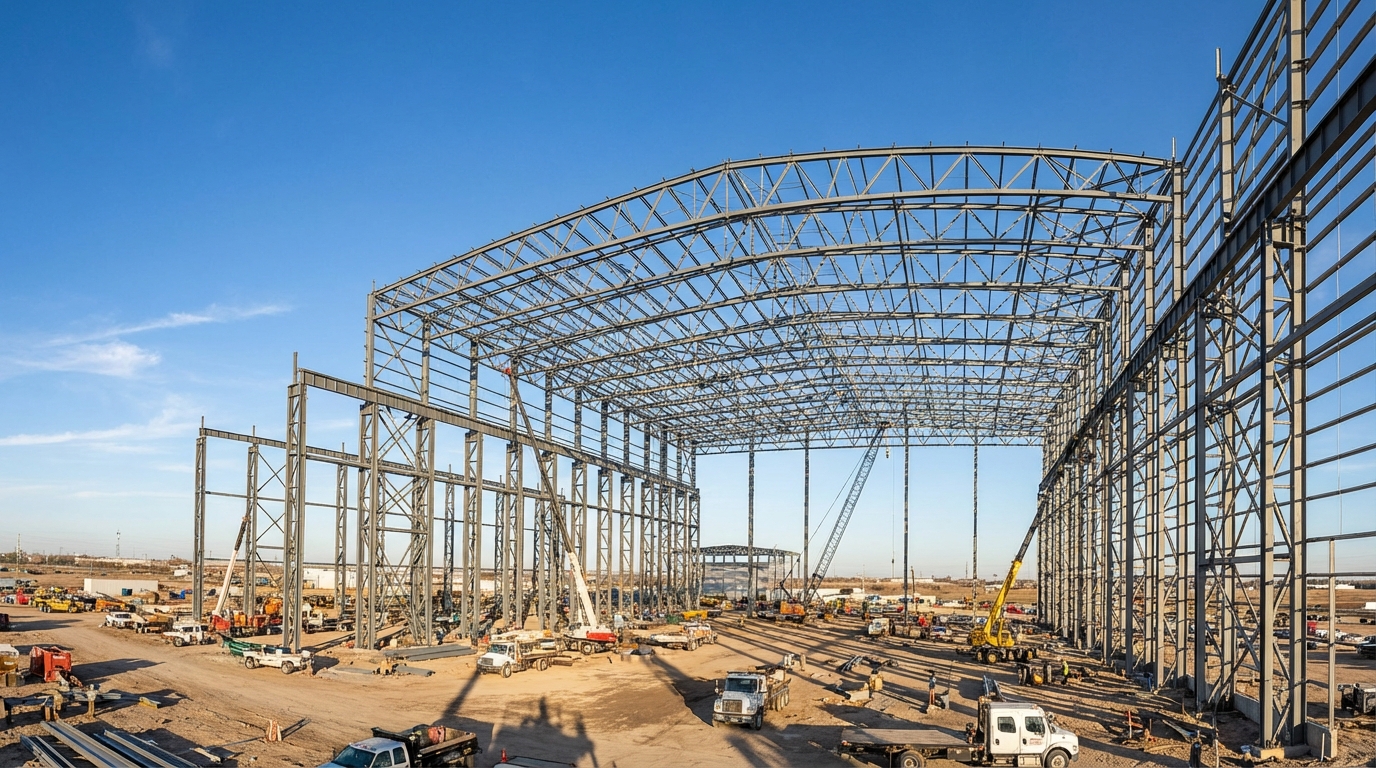
Is the refrigeration system the largest expense?
The integration of specialized mechanical systems is often the primary driver of your total investment. Because these units must run continuously, high-quality compressors and evaporators are non-negotiable for operational safety.
- Compressor capacity based on BTU requirements.
- Condenser placement for optimal heat dissipation.
- Variable frequency drives to manage energy loads.
- Redundant backup systems to prevent product loss.
How do structural choices impact your budget?
Think about it: the choice between a traditional concrete build and a pre-engineered steel frame significantly alters your financial trajectory. Steel structures offer a more predictable cost path due to controlled factory fabrication.
- Primary steel framing for wide clear spans.
- Secondary framing members like purlins and girts.
- Galvanized coatings to resist internal humidity.
- Heavy-duty floor slabs to support racking loads.
Can design efficiency reduce your total spend?
Strategic design and engineering allow you to optimize the “thermal envelope,” which directly correlates to your long-term ROI. By minimizing the exterior surface area relative to storage volume, you can lower both build and cooling costs.
- Optimized cubic storage height.
- Minimal loading dock thermal bridges.
- Zoned temperature compartments.
- Automated door systems to retain air.
Key Takeaway: Understanding that the structural frame and mechanical integration work as a single ecosystem allows you to allocate your budget toward the features that maximize long-term facility performance.
| Cost Factor | Relative Impact | Primary Benefit | |
|---|---|---|---|
| Refrigeration | High | Reliable temperature control | |
| Structural Frame | Medium | Speed of construction | |
| Insulation | Medium | Reduced operational energy |
Strategic alignment of engineering and materials ensures that your initial expenditure translates into a facility that maintains peak efficiency for decades.
Is Size the Main Factor for Cold Storage Warehouse Construction Cost?
While square footage is the standard baseline, vertical volume and cubic capacity are the true drivers of the cold storage warehouse construction cost .
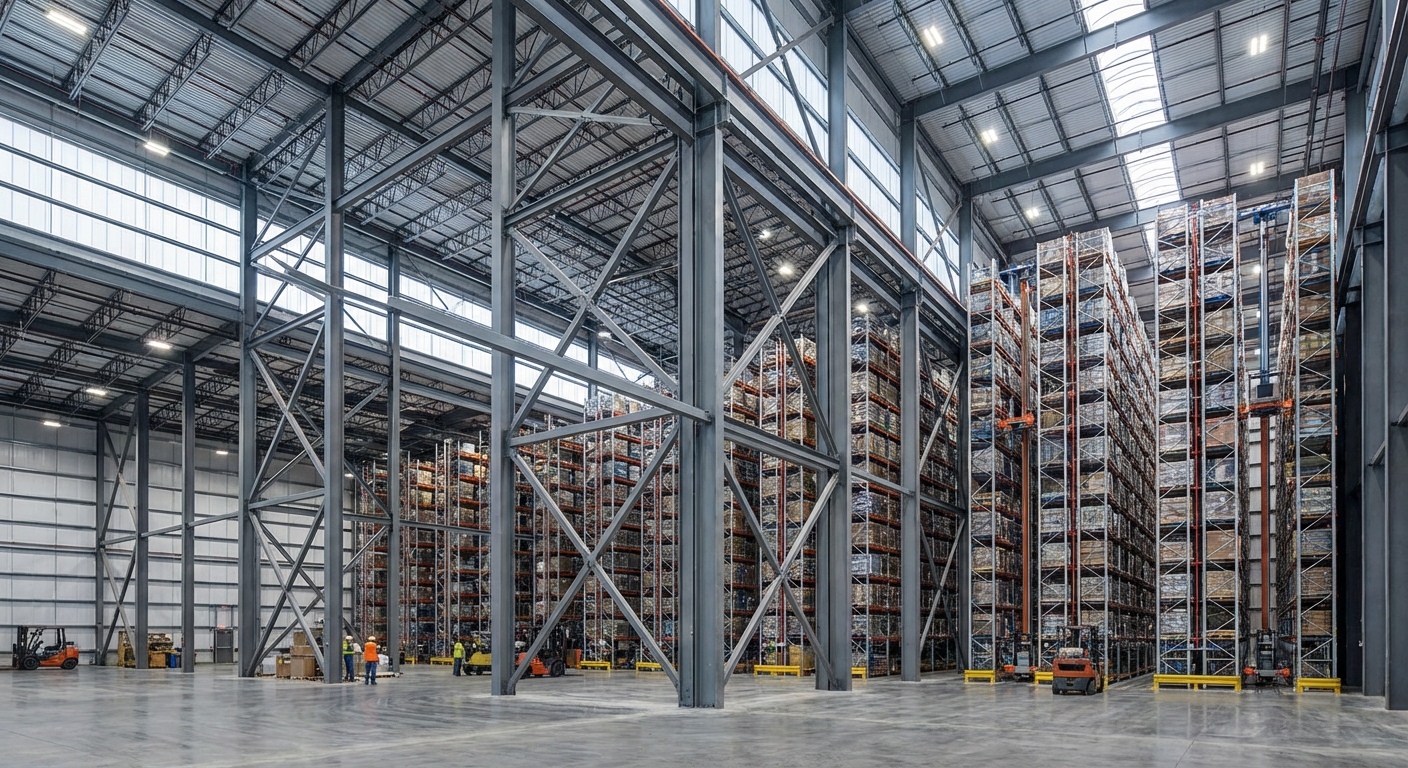
Does height efficiency reduce the total footprint?
Cold storage facilities are increasingly designed taller than standard warehouses to maximize cubic storage volume without increasing the land footprint. This verticality requires specialized steel frames but saves significantly on the expensive insulated roof area.
- High-bay racking compatibility.
- Reduced foundation surface area.
- Concentrated cooling zones.
- Lower land acquisition costs.
How does internal layout change the budget?
But here is the kicker: the number of specialized compartments, such as blast freezers versus chilled loading docks, dictates the volume of internal insulated partitioning required. Each separate zone necessitates its own thermal barrier and refrigeration controls.
- Multi-temperature zone flexibility.
- Separate chilled loading docks.
- Employee amenity areas with vapor barriers.
- Airtight joint seals between different zones.
Key Takeaway: Optimizing your vertical space allows you to store more inventory per square foot, effectively lowering the cost of construction per pallet position and increasing your facility’s overall profitability.
| Dimension Factor | Build Impact | Operational Benefit | |
|---|---|---|---|
| Cubic Height | Increased framing cost | Maximum storage density | |
| Floor Footprint | Higher land/slab cost | Easier traditional movement | |
| Zoned Layout | Higher material cost | Inventory flexibility |
Maximizing the vertical storage ratio is the most effective way to offset the high per-square-foot cost of specialized refrigeration components.
How Does Insulation Impact Cold Storage Warehouse Construction Cost?
Selecting the right thermal barrier is a critical decision that determines both your upfront cold storage warehouse construction cost and your monthly energy overhead.
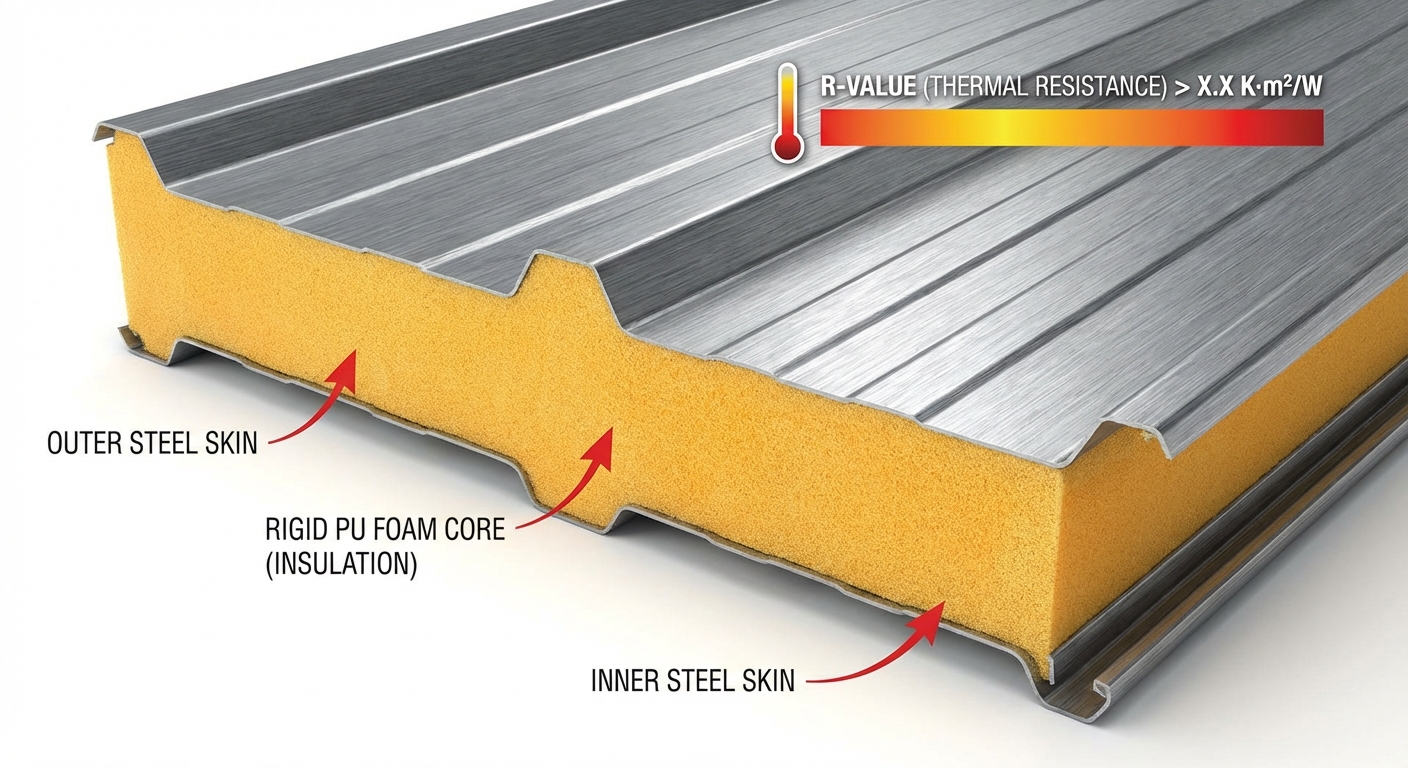
Which insulation material offers the best ROI?
While fiberglass is economical for standard builds, high-performance polyurethane (PU) or PIR sandwich panels are the industry standard for cold storage. These panels offer superior R-values, which is the measure of thermal resistance per inch of thickness.
- Polyurethane (PU) for maximum R-value.
- PIR panels for enhanced fire resistance.
- EPS as a lightweight, waterproof alternative.
- Mineral wool for high-heat fire barriers.
Do thicker panels significantly raise the price?
Your specific temperature goals dictate panel thickness; for instance, a -30°C environment requires significantly thicker panels than a +5°C produce room. Increasing panel thickness from 100mm to 200mm adds to material costs but prevents expensive thermal leakage.
- 100mm panels for chilled storage.
- 150mm panels for standard freezers.
- 200mm panels for ultra-low temperatures.
- Airtight tongue-and-groove joint systems.
Key Takeaway: Investing in high-quality PU or PIR sandwich panels creates a superior thermal envelope, ensuring your refrigeration system doesn’t have to overwork to maintain sub-zero temperatures.
| Material Type | R-Value/Inch | Budget Impact | Best Use | |
|---|---|---|---|---|
| PU Sandwich Panel | 6.3 – 7.0 | High | Freezer Envelopes | |
| EPS Panel | 4.0 | Medium | Chilled Rooms | |
| Mineral Wool | 3.1 – 4.0 | Medium | Fire-rated Walls |
Prioritizing a higher R-value during the build phase is the most effective strategy for mitigating the long-term risks of thermal fluctuation and high energy bills.
Why Choose Steel to Reduce Cold Storage Warehouse Construction Cost?
Utilizing a steel-framed structure is the most effective way to manage the cold storage warehouse construction cost while ensuring structural longevity and speed.
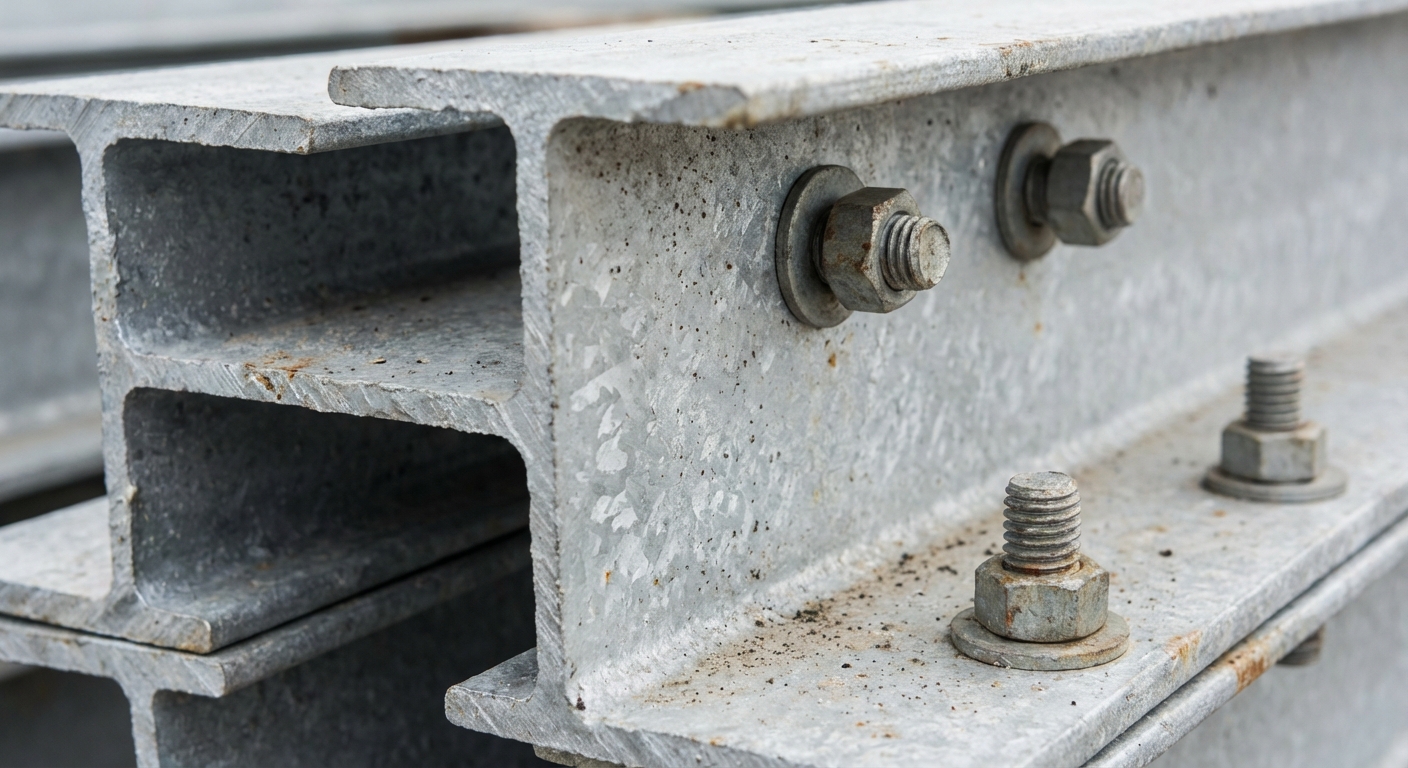
Can pre-fabrication reduce your labor expenses?
The beauty of steel construction lies in off-site manufacturing. Because all components are engineered and cut in a controlled factory environment, on-site assembly is rapid and requires significantly fewer man-hours than traditional masonry.
- Prefabricated H-section columns and beams.
- Pre-drilled holes for faster bolting.
- Clear Bill of Materials (BOM) to prevent waste.
- Minimal on-site welding required.
How does durability affect maintenance?
You should know that galvanized steel is specifically designed to resist the high humidity and corrosive environments common in industrial cold storage. This durability translates to a lifespan of over 50 years with very little structural upkeep.
- Corrosion resistance in humid climates.
- Resistance to pests, mold, and rot.
- High strength-to-weight ratio for wide spans.
- Fire-resistant structural properties.
Key Takeaway: The speed and precision of steel construction allow you to move from groundbreaking to operation months sooner than concrete, providing an immediate boost to your business’s cash flow.
| Structural System | Build Speed | Durability | Maintenance | |
|---|---|---|---|---|
| Steel Frame | Very Fast | High | Low | |
| Concrete | Slow | High | Medium | |
| Timber | Medium | Low | High |
Choosing steel ensures that your facility is built with precision, allowing your insulated panels to fit perfectly and maintain a seamless, airtight thermal barrier.
Which HVAC Systems Drive Cold Storage Warehouse Construction Cost?
The mechanical heart of your facility accounts for a major portion of the cold storage warehouse construction cost because of its complexity and performance requirements.
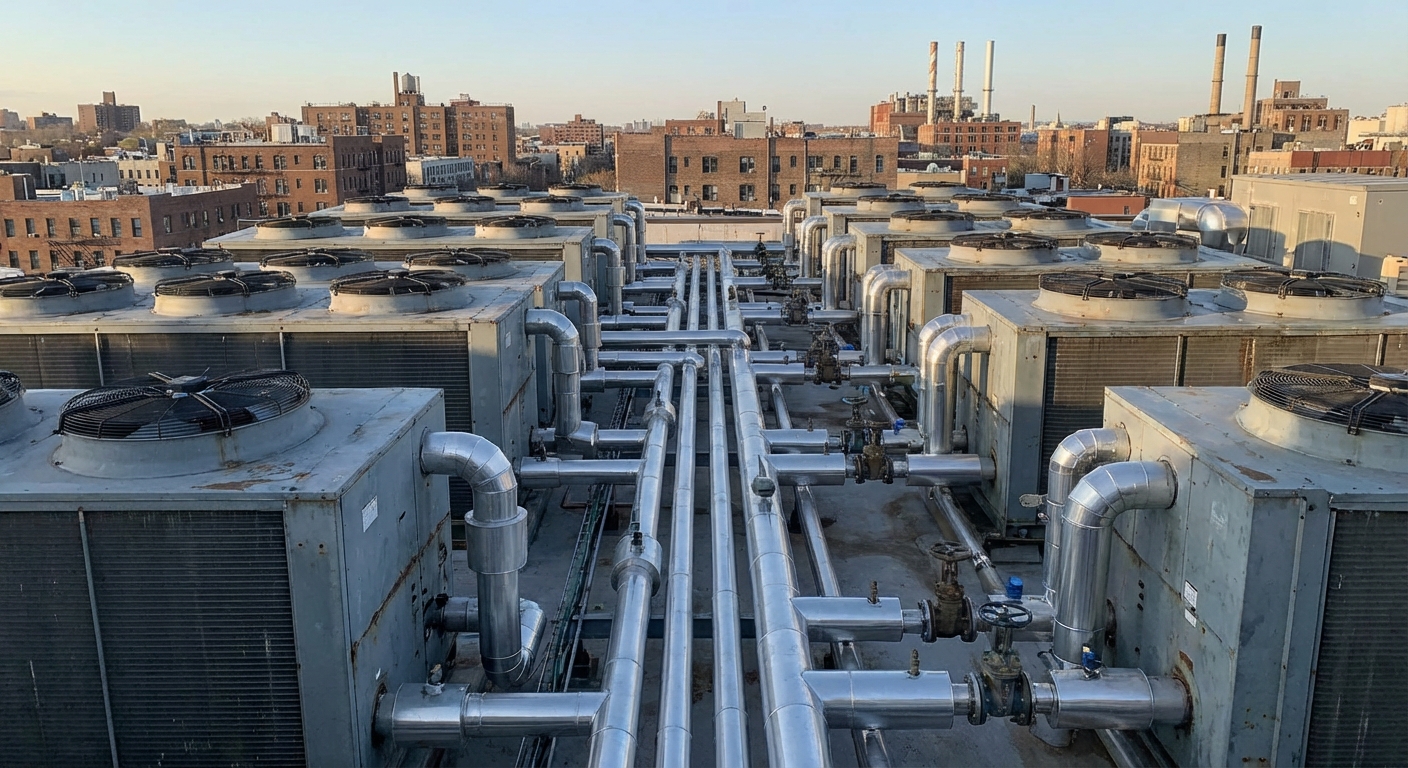
Why is ammonia piping more expensive?
Ammonia is a highly efficient refrigerant, but it is corrosive to copper. Therefore, you must invest in specialized steel or stainless steel piping and rigorous safety systems, which increases the initial mechanical budget.
- Heavy-duty steel piping networks.
- Ammonia leak detection sensors.
- Specialized safety training for staff.
- High-efficiency industrial evaporators.
Do automated controls add significant value?
Look at it this way: advanced refrigeration controls and Variable Frequency Drives (VFDs) may raise the initial build price, but they are essential for optimizing energy use. These systems adjust output based on real-time data, preventing the system from running at full power unnecessarily.
- Real-time temperature monitoring.
- Remote system management.
- Automated defrost cycles.
- Energy consumption trend analysis.
Key Takeaway: High-end HVAC systems and automation are primary cost drivers that act as insurance for your inventory, ensuring that temperature-sensitive goods remain within strict regulatory parameters.
| HVAC Component | Cost Level | ROI Timeline | Impact | |
|---|---|---|---|---|
| Ammonia System | High | 3-5 Years | Peak efficiency | |
| Freon System | Medium | 5-7 Years | Standard use | |
| Automation Suite | Medium | 1-2 Years | Energy savings |
Investing in a high-efficiency refrigeration system during the construction phase is the single best way to control your facility’s future operational expenses.
How Can You Lower Your Cold Storage Warehouse Construction Cost?
Strategic procurement and intelligent design are the most effective ways to bring down the cold storage warehouse construction cost without sacrificing structural integrity.
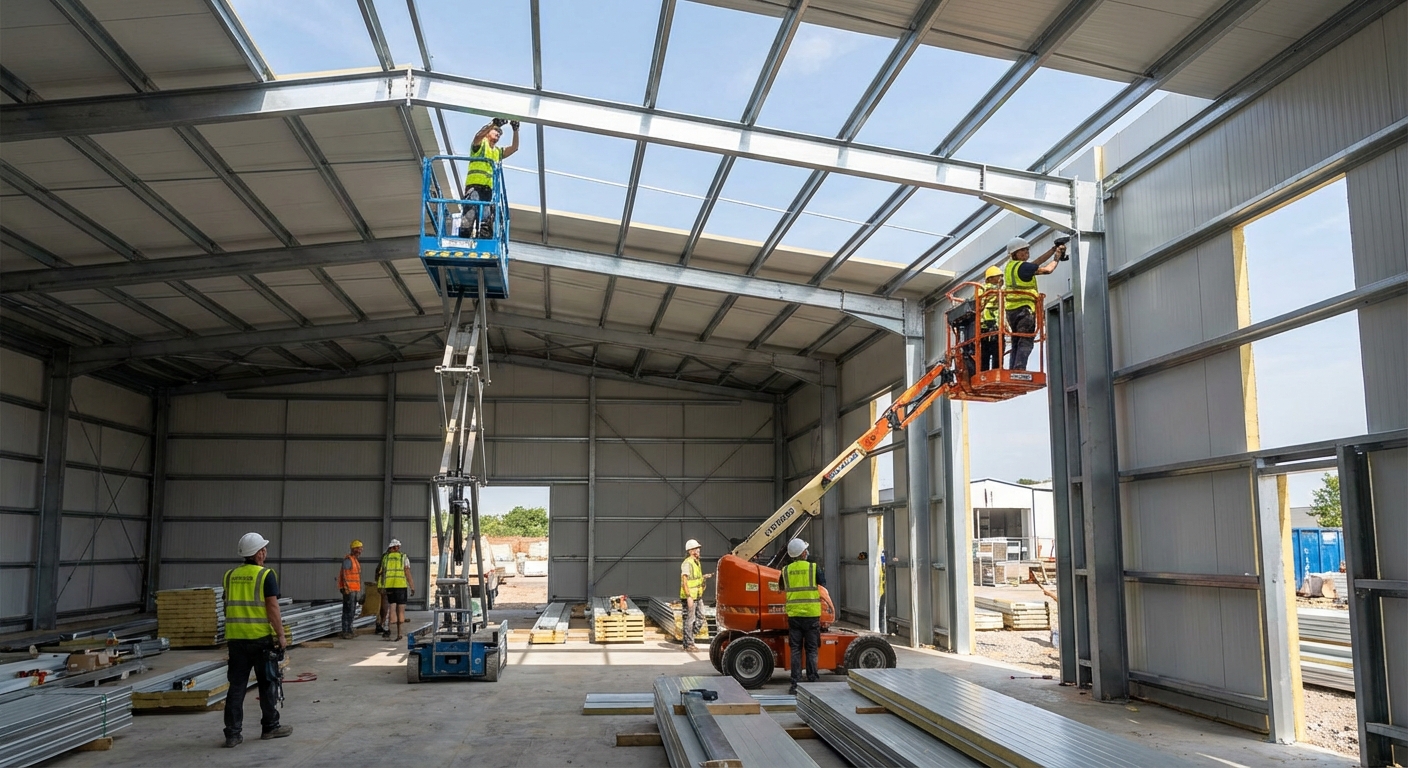
Can factory-direct sourcing save you money?
By partnering directly with a manufacturer, you eliminate middleman markups that often inflate project budgets. Direct sourcing ensures that every steel member and insulated panel is engineered to work together as a complete, installation-ready system.
- Elimination of agency fees.
- Direct control over material quality.
- Consolidated shipping for all components.
- Engineering support direct from the factory.
Does modular design allow for cheaper expansion?
Think about the future: a modular steel frame allows you to build exactly what you need today while leaving the structural “skeleton” ready for cost-effective additions. Expanding a modular building is significantly cheaper than retrofitting a traditional concrete structure.
- Scalable structural frames.
- Removable insulated partitions.
- Expandable refrigeration loops.
- Minimal disruption during growth.
Key Takeaway: Direct procurement and modular planning allow you to manage a tight construction budget while maintaining the high quality required for sensitive temperature-controlled operations.
| Savings Strategy | Estimated Savings | Implementation | |
|---|---|---|---|
| Direct Sourcing | 10% – 20% | Manufacturer partnership | |
| Vertical Design | 5% – 10% | Cubic volume optimization | |
| Rapid Assembly | 15% – 25% | Prefabricated steel |
Reducing construction waste and labor hours through pre-engineered solutions is the smartest way to keep your capital investment within manageable limits.
Does Location Change the Cold Storage Warehouse Construction Cost?
Environmental factors and local regulations play a massive role in determining the final cold storage warehouse construction cost for any given site.
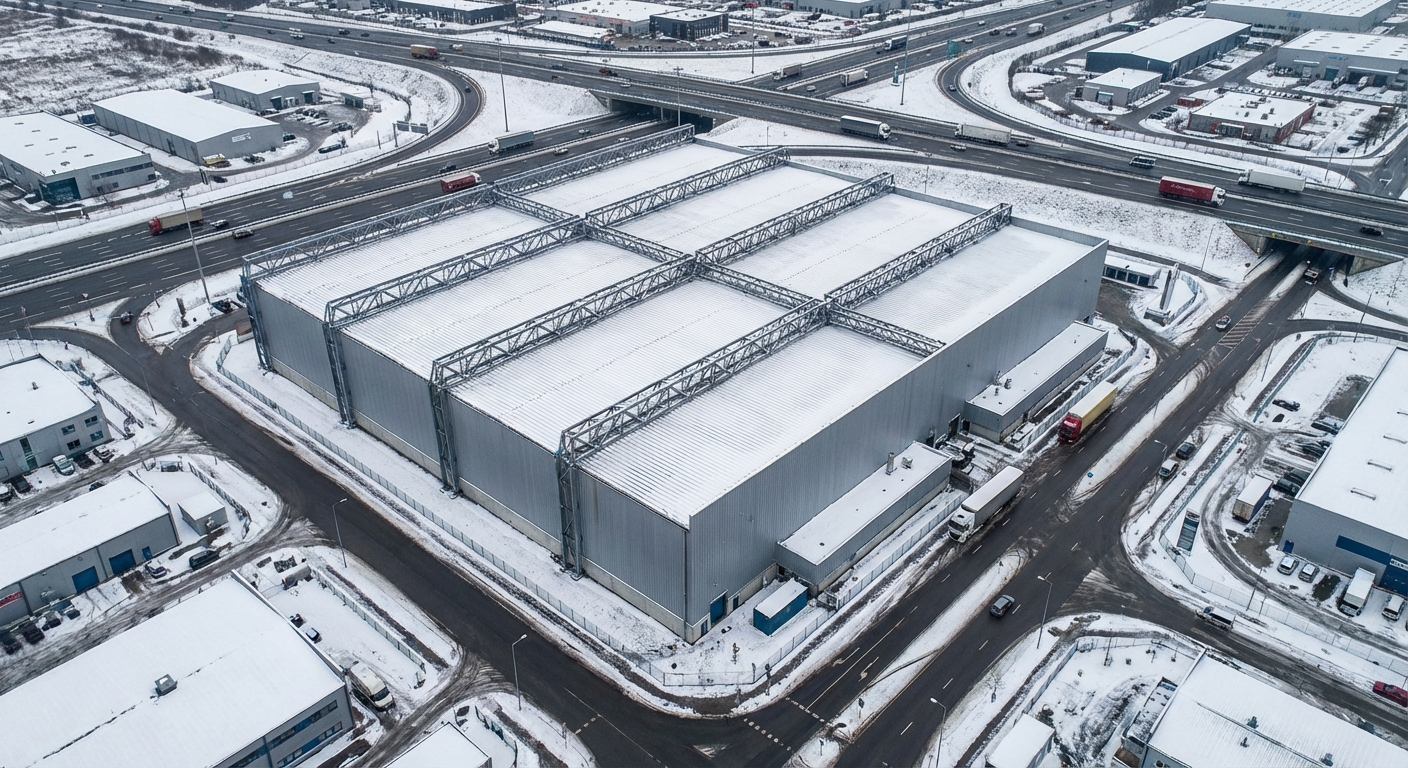
Do local building codes impact the design?
If your project is located in a high-seismic zone, a heavy-snow region, or a hurricane-prone coastal area, your structural frame must be significantly reinforced. This added steel tonnage and specialized connection hardware will naturally increase your budget.
- Seismic bracing for earthquake zones.
- Increased roof truss strength for snow.
- High-wind rated wall and roof panels.
- Local permit and inspection fees.
How does utility access affect your site choice?
The kicker is that facilities built in remote areas often require heavy investment in power infrastructure and massive backup generators. Cold storage cannot afford a power failure, making the cost of local grid reliability a major site selection factor.
- Proximity to high-voltage grid lines.
- On-site water supply for condensers.
- Industrial-grade backup power systems.
- Transportation access for logistical speed.
Key Takeaway: Selecting a site with robust existing utilities and manageable environmental loads is a strategic move that can save you hundreds of thousands of dollars in structural and infrastructure costs.
| Site Factor | Cost Impact | Structural Need | |
|---|---|---|---|
| High Wind Zone | Moderate | Reinforced cladding | |
| Seismic Area | High | Advanced frame bracing | |
| Snow Load | Moderate | Heavier roof trusses |
Analyzing site-specific risks during the feasibility phase allows you to engineer a solution that meets local safety standards without over-spending on unnecessary structural weight.
What Is the Long-Term Cold Storage Warehouse Construction Cost?
A comprehensive view of the cold storage warehouse construction cost must include the “hidden” expenses associated with specialized flooring and foundations.
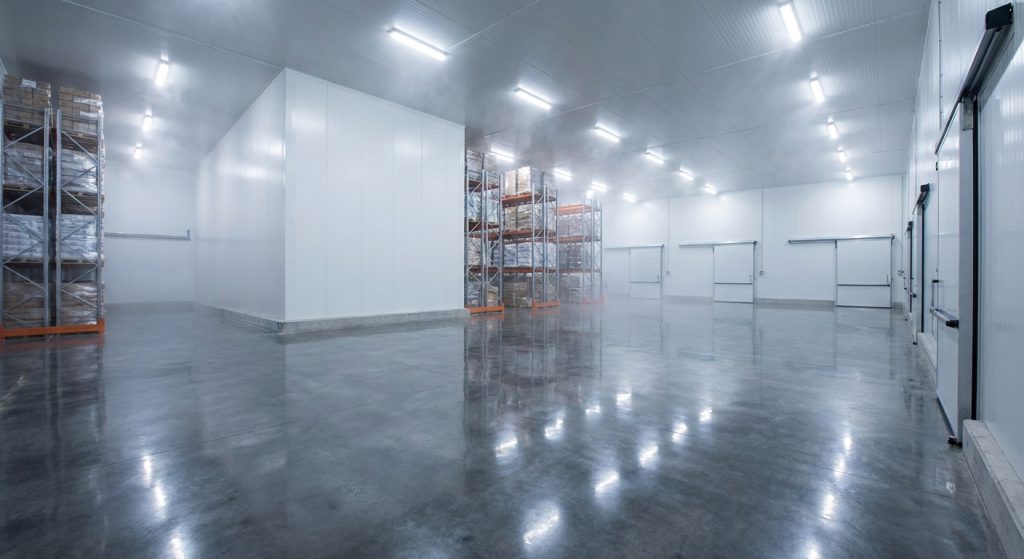
Is an above-ground unit your cheapest option?
Modular above-ground cold storage units utilizing fabricated metal panels are generally much more affordable than basement or below-grade installations. Below-ground construction involves massive excavation costs and complicated waterproofing systems that can easily double your foundation budget.
- Faster foundation pouring for above-ground.
- Easier access for mechanical maintenance.
- Reduced risks of water infiltration.
- Lower structural reinforcement needs.
How do flooring systems impact the final bill?
Think about it: cold storage requires a post-tensioned concrete slab with specialized sub-floor heating to prevent “frost heave.” Without this heating system, the ground under your freezer will eventually freeze and expand, cracking your foundation and destroying the building.
- Sub-floor glycol or electric heating.
- High-density vapor barriers.
- Post-tensioned concrete to eliminate joints.
- Anti-slip, easy-clean surface coatings.
Key Takeaway: Budgeting for specialized flooring and sub-slab heating is the most critical step in preventing catastrophic structural failure and protecting your multi-million dollar investment.
| Floor Component | Purpose | Cost Factor | |
|---|---|---|---|
| Sub-slab Heating | Prevents frost heave | Essential | |
| Vapor Barrier | Moisture control | Medium | |
| Post-tensioned Slab | Durability/Hygiene | High |
Ensuring that your foundation is built specifically for sub-zero temperatures is the only way to avoid the extreme costs of structural repair in the future.
Why Energy Efficiency Lowers Cold Storage Warehouse Construction Cost?
While efficiency features add to the cold storage warehouse construction cost , they are the primary tool for reducing the total cost of ownership over the facility’s lifespan.
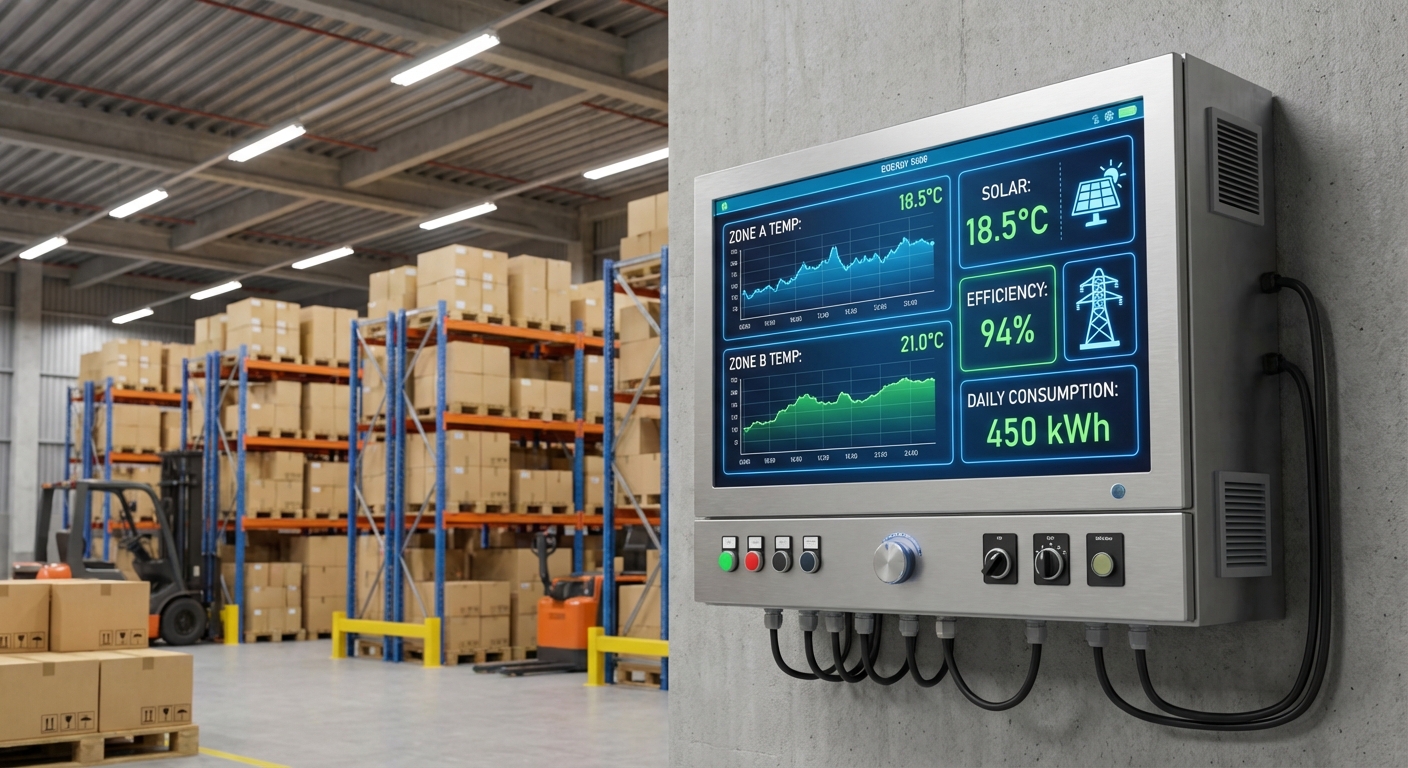
Can LED lighting reduce your cooling load?
LED lighting produces significantly less heat than traditional bulbs, which means your refrigeration system doesn’t have to work as hard to remove that internal heat gain. This “double savings” effect lowers both your lighting bill and your cooling expenses.
- Low-heat emission light fixtures.
- Motion-activated lighting zones.
- Reduced mechanical strain.
- Longer fixture life in cold environments.
Do airtight seals prevent expensive air leakage?
Precision engineering during the construction phase ensures that every joint in your insulated panels and every door frame is completely airtight. Even small air leaks can cause ice buildup, moisture damage, and a massive spike in energy consumption.
- High-speed rapid-roll insulated doors.
- Specialized thermal gaskets and seals.
- Moisture-resistant vapor barriers.
- Airtight tongue-and-groove panel joints.
Key Takeaway: Designing with an “efficiency-first” mindset ensures that your facility remains economically viable even as energy costs fluctuate in the global market.
| Efficiency Feature | Immediate Cost | Long-term Value | |
|---|---|---|---|
| High-speed Doors | Moderate | High (air retention) | |
| LED Lighting | Low | High (low heat gain) | |
| Airtight Sealing | Low | Critical (vapor control) |
Focusing on the thermal integrity of the building during the construction process is the most effective way to guarantee the long-term profitability of your logistics business.
How Should You Budget for Cold Storage Warehouse Construction Cost?
Creating a realistic cold storage warehouse construction cost plan requires a deep dive into engineering specifications and a clear understanding of potential project risks.
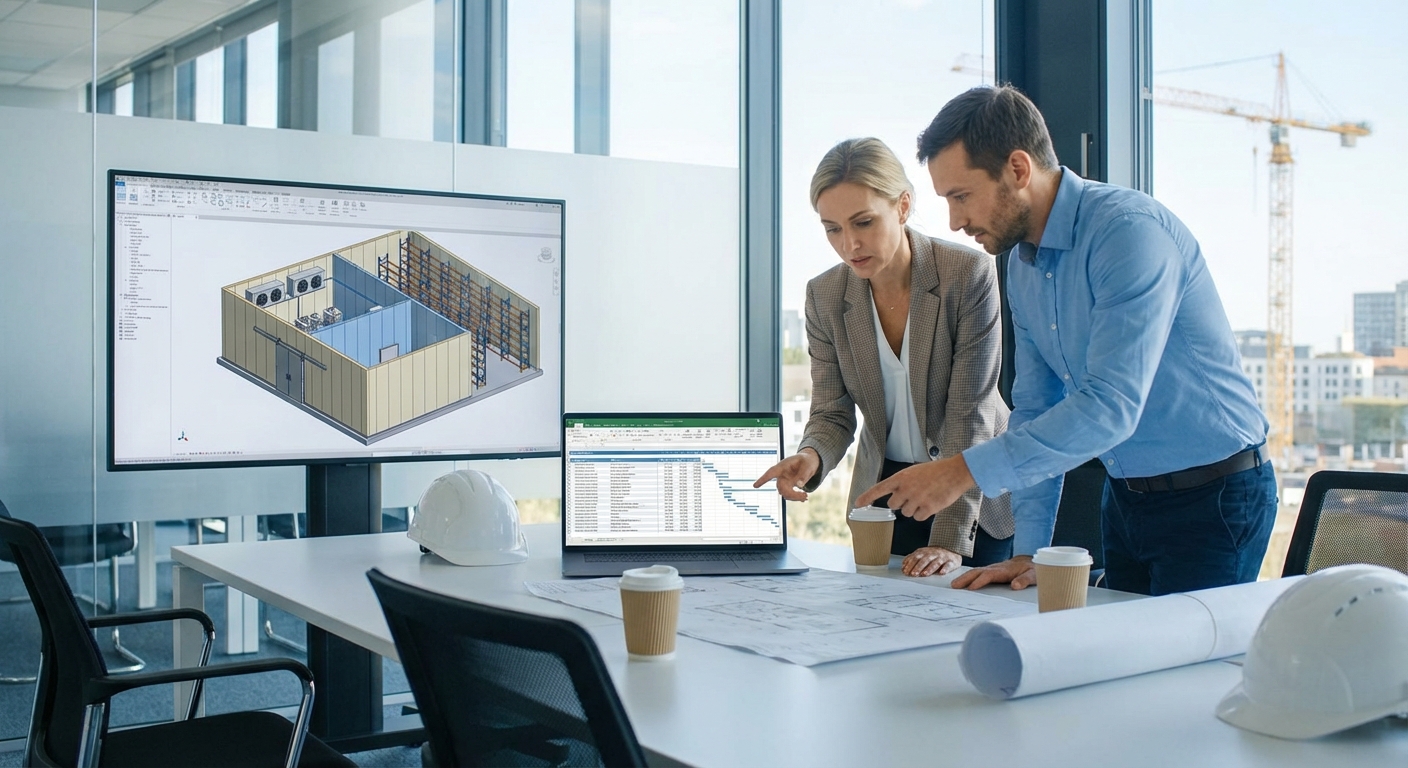
What percentage should you set aside for risks?
Due to the high complexity of refrigeration and food safety regulations, you should maintain a contingency fund of at least 10% to 15%. This covers potential site delays, material price fluctuations, or last-minute regulatory compliance adjustments.
- Material price volatility protection.
- Local regulatory compliance changes.
- Unforeseen site condition adjustments.
- Expedited shipping for critical parts.
Where can you get an accurate project estimate?
Consulting with manufacturers who specialize in international steel projects is the best way to get a transparent Bill of Materials (BOM). This allows you to see the exact tonnage of steel, the square footage of panels, and the precise cost of all connection hardware.
- Detailed 3D modeling (BIM) support.
- Transparent factory-direct pricing.
- Installation-ready system design.
- Clear shipping and logistics timelines.
Key Takeaway: A successful build relies on a detailed, evidence-based budget that accounts for both the primary structural components and the specialized mechanical systems required for cold chain success.
| Budget Phase | Focus Area | Goal | |
|---|---|---|---|
| Design/Engineering | 3D Modeling/BIM | Zero field modifications | |
| Fabrication | Quality Control | Installation-ready parts | |
| Construction | Site Management | On-time operation |
Working with a dedicated manufacturer ensures that your project is engineered for success, minimizing the risks of hidden costs and ensuring a rapid return on your investment.
Summary of the Cold Storage Solution
Building a cold storage warehouse is a complex, high-stakes project that requires a fusion of structural engineering and mechanical precision. By choosing a steel-framed structure with high-performance PU insulation, you ensure a facility that is durable, fast to build, and highly energy-efficient. Our mission is to provide you with a factory-direct, installation-ready system that eliminates middleman costs and project uncertainty. Whether you are storing food, pharmaceuticals, or chemical products, our integrated delivery model ensures that your facility is built to exceed international standards. We believe in providing engineering excellence and certified quality for every project, regardless of its global location. Contact us today to receive your customized project quote and start building the future of your cold chain operations.
Frequently Asked Questions
- Can I expand my cold storage warehouse later? Yes, steel structure warehouses are highly scalable. Because the frames are modular, you can easily add new sections and insulated panels to your existing facility with minimal operational downtime.
- What’s the best insulation for a -30°C freezer? High-performance polyurethane (PU) or PIR sandwich panels are the industry standard. For ultra-low temperatures, we recommend a thickness of at least 150mm to 200mm to maintain a reliable thermal barrier.
- How do I know if I need sub-floor heating? If you are building a freezer room that will consistently remain below 0°C, sub-floor heating is essential. It prevents the ground from freezing and causing “frost heave,” which would otherwise destroy your foundation.
- What’s the best way to control energy costs? Focus on the “thermal envelope.” Ensure all panel joints are airtight, use high-speed insulated doors to minimize air exchange, and install LED lighting to reduce internal heat gain.
- Can I get a fixed price quote for my build? Yes, by providing your specific size, temperature, and location requirements, we can generate a detailed Bill of Materials (BOM) with factory-direct pricing to help you budget accurately.