
Deciding whether to get a house cow depends entirely on your willingness to trade daily time for long-term food security and potential savings. You might notice your weekly grocery bill creeping higher as basic staples like butter and cheese reach record prices. This financial strain agitates many lifestyle block owners who have the land but lack the self-sufficiency to avoid the supermarket squeeze. Investing in a bovine companion offers a practical solution to these rising costs while ensuring your family has access to the highest quality raw dairy products available.
1. What is a house cow?
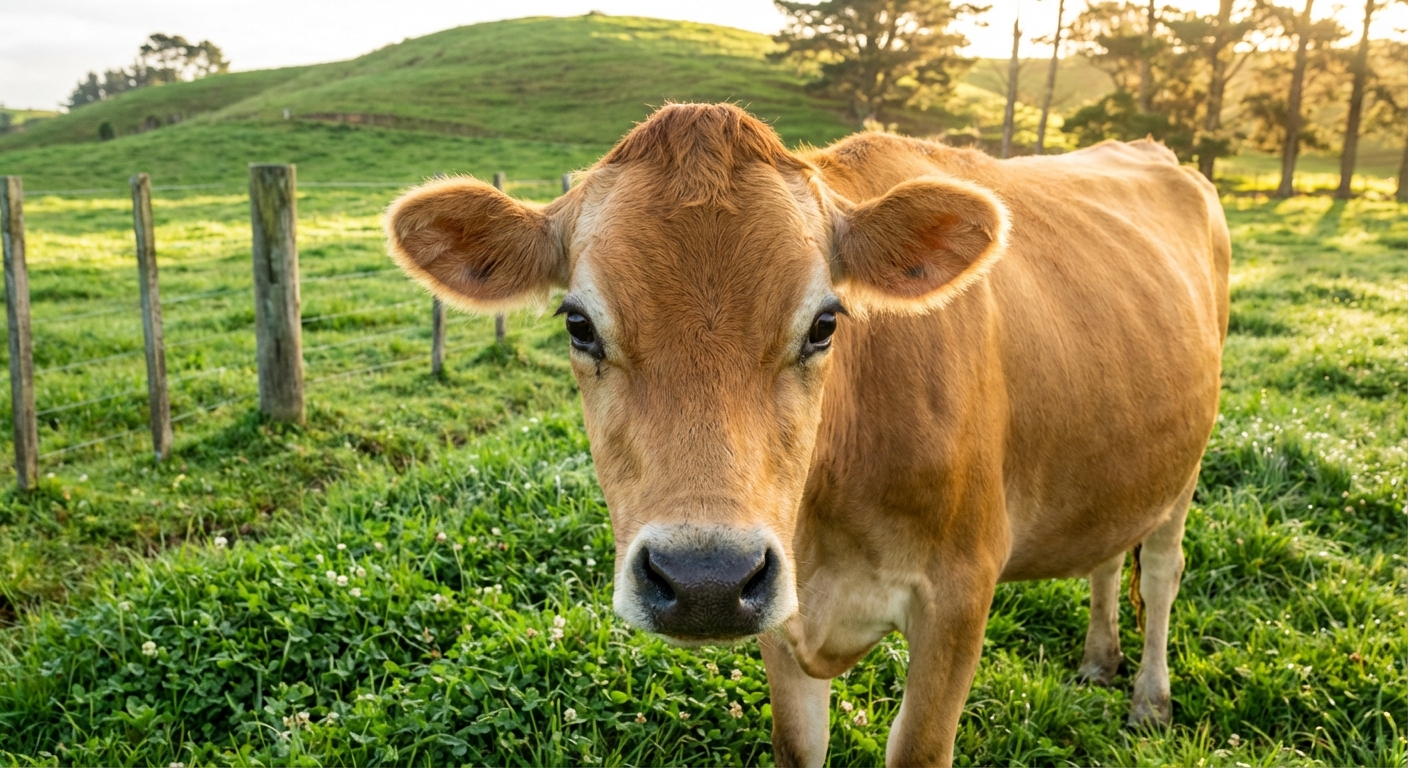
A house cow is a dairy cow kept specifically to provide milk, cream, and butter for a single household rather than for commercial production. Unlike industrial dairy cattle, these animals are chosen for their docile temperament and ability to thrive on smaller lifestyle blocks.
Is it just a pet with benefits?
Look. While she might become a beloved member of the farm, she is primarily a working animal with high nutritional and management needs.
- She provides gallons of fresh milk daily.
- She requires consistent, twice-daily attention.
- She helps maintain your pasture health through grazing.
Keeping a cow is a productive partnership that goes beyond traditional pet ownership.
Why temperament matters more than breed?
Here is the deal. You do not want to be wrestling with a 500kg animal every morning in a confined milking stall.
- A calm cow reduces the risk of injury to the milker.
- Docile animals are easier to lead and manage during vet visits.
- High-stress cattle produce less milk and lower quality cream.
Choosing an animal with a proven, gentle history is the most important decision you will make.
Where does she actually live?
Think about it. While the name implies she lives in the house, she actually spends her days in a well-managed paddock with adequate shelter.
- She needs high-quality fencing to prevent wandering.
- Rotational grazing ensures she always has fresh, nutritious grass.
- Proximity to a milking shed makes the daily routine much easier.
Key Takeaway: A house cow is a significant daily responsibility that requires the right temperament and proper pasture management to be successful.
| Feature | House Cow Requirement | |
|---|---|---|
| Purpose | Household dairy supply | |
| Temperament | Highly docile and friendly | |
| Habitat | Fenced paddock with shelter |
The table above summarizes the fundamental characteristics that define a successful domestic dairy animal.
2. How much does dairy actually cost us?
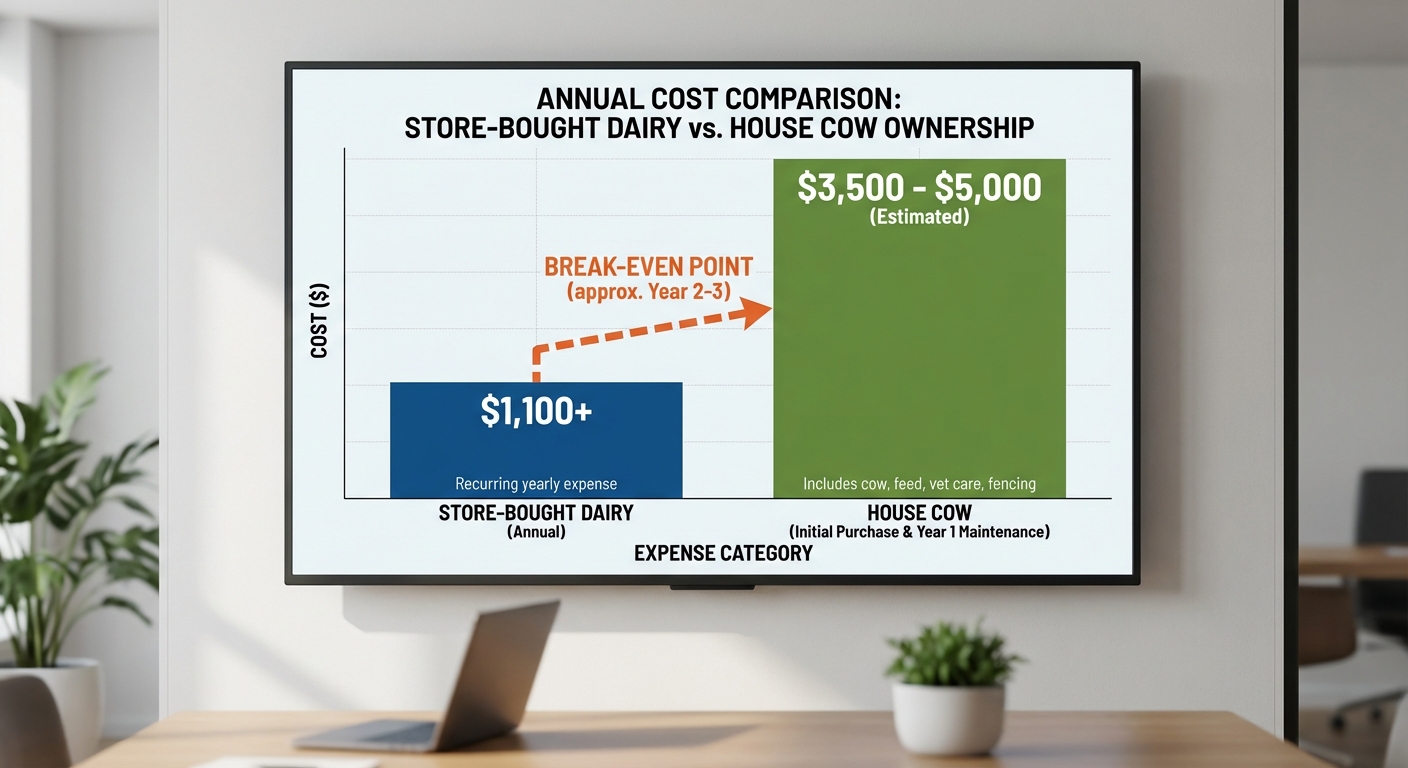
For most families, the annual cost of basic dairy products like milk, butter, and cheese now exceeds $1,100. Owning a house cow can significantly reduce this recurring expense, though it requires a higher upfront investment in the animal and infrastructure.
The rising price of butter and cheese
Believe it or not. In recent years, store-brand blocks of butter and cheese have seen double-digit percentage price increases.
- Butter has jumped from roughly 6.50to over7.20 per block.
- Cheese prices are nearing $13 per kilogram for basic cheddar.
- Milk prices continue to rise, impacting families who consume several liters weekly.
These costs add up quickly, making the idea of home production more attractive every month.
Calculating the annual spend
Let’s face it. When you multiply your weekly consumption by fifty-two weeks, the financial drain is startling.
- A family using one block of butter per week spends over $370 annually.
- Two liters of milk every five days totals roughly $255 per year.
- Weekly cheese consumption adds another $460 to the yearly total.
By producing these items at home, you effectively remove these lines from your budget forever.
Key Takeaway: Rising commercial dairy prices make home production a financially viable alternative for those with the land to support it.
| Item | Estimated Annual Cost | |
|---|---|---|
| Butter | $371.32 | |
| Milk | $255.50 | |
| Cheese | $467.64 | |
| Total | $1,094.46 |
This data highlights how much a typical household can save by switching from commercial to home-produced dairy.
3. Is the financial investment worth it?
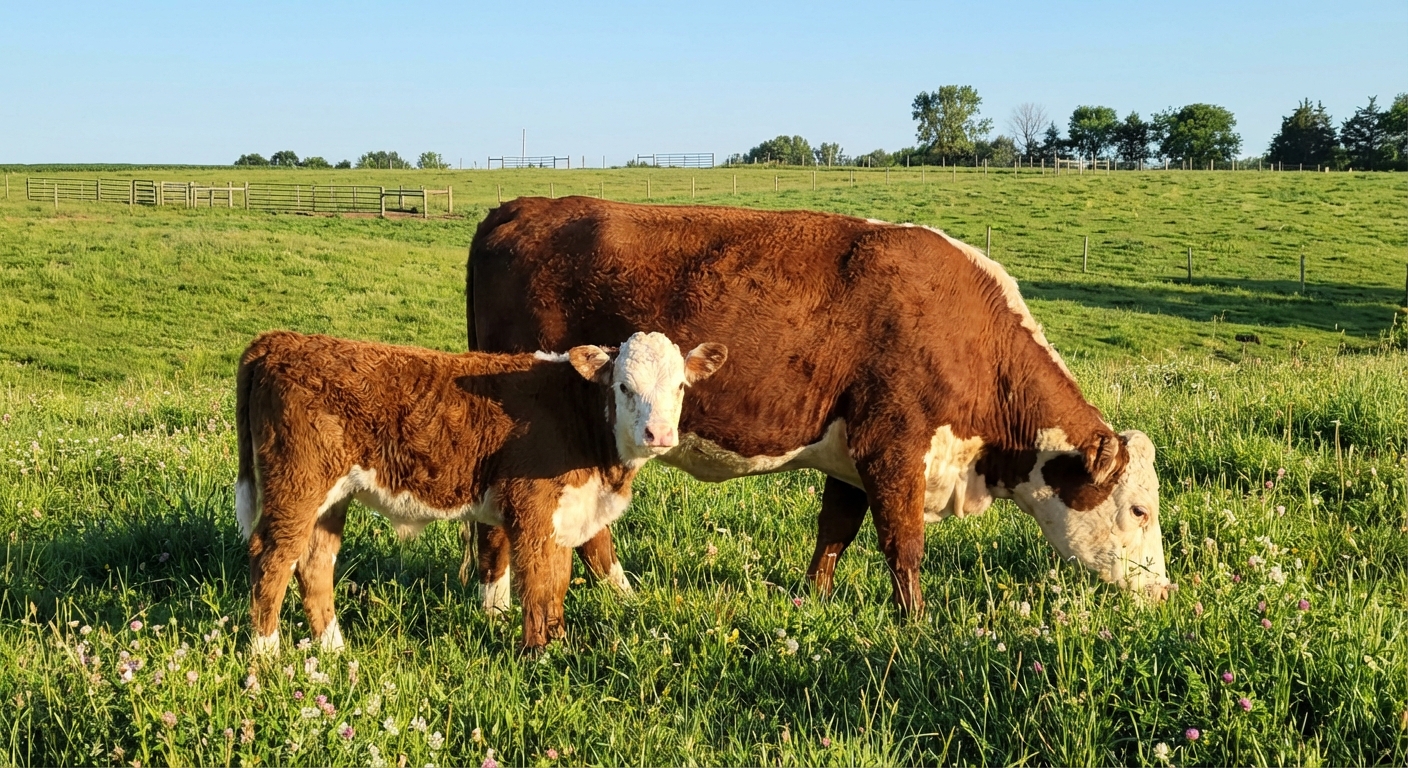
Yes, the financial investment is typically worth it within the first two years of owning a house cow . While the initial purchase price might seem steep, the combination of dairy production and calf sales creates a fast path to profitability.
The “Bonus Cow” factor
Now, consider this. Every year your cow is in milk, she has the potential to produce a calf that adds significant value to your farm.
- A healthy six-month-old calf can be worth $600 or more.
- Raising a calf for two years can result in a sale price of $1,500.
- You can choose to keep the calf to expand your own small herd.
This additional income stream often covers the animal’s maintenance costs entirely.
It gets better. Even when you factor in professional services, the long-term savings generally outweigh the occasional expense.
- Routine vaccinations and drenching are necessary but affordable.
- Occasional vet call-outs for issues like mastitis must be budgeted.
- Feed supplements during winter or drought ensure consistent milk production.
Maintaining a healthy animal is an investment that pays dividends in both milk quality and longevity.
Key Takeaway: Between grocery savings and calf sales, a well-managed dairy cow usually pays for herself by the second season.
| Investment Stage | Estimated Cost/Value | |
|---|---|---|
| Initial Purchase | ~$1,400 | |
| Annual Savings | ~$1,100 | |
| Calf Sale Value | ~$600 |
The comparison shows that the initial cost is quickly offset by the tangible assets produced by the animal.
4. What kind of infrastructure does a cow need?
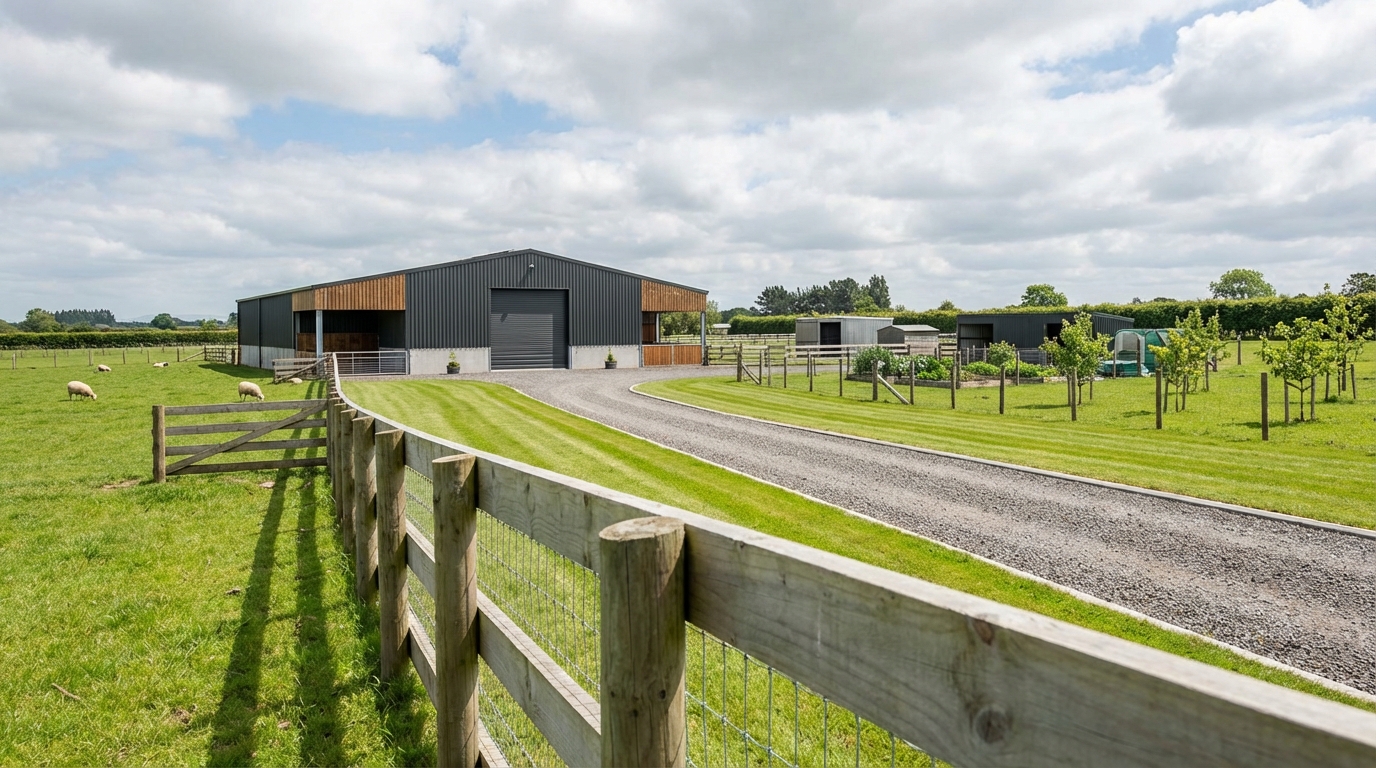
To keep a house cow safely, you need a combination of secure perimeter fencing, a reliable water source, and a dedicated cow & sheep shed . Having the right setup from day one prevents unnecessary stress for both you and the animal.
Fencing and land management
You see. Cows are large animals that can easily push through weak fences if they see greener grass on the other side.
- Perimeter fences should be sturdy and ideally electrified.
- Interior fencing allows for paddock rotation and pasture rest.
- Gates must be easy for you to operate but impossible for the cow to open.
Effective fencing is the first line of defense in responsible livestock ownership.
Creating a safe milking stall
The best part? You don’t need a massive commercial dairy, but you do need a clean, dry space to work in.
- A head bail or stall keeps the cow stationary during milking.
- Non-slip flooring prevents injuries during wet weather.
- Storage for feed allows you to reward the cow while you work.
A small, efficient setup makes the daily chore feel like a manageable routine rather than a struggle.
Key Takeaway: Proper infrastructure, including secure fencing and a functional milking area, is essential for safety and ease of management.
| Infrastructure Item | Primary Benefit | |
|---|---|---|
| Perimeter Fencing | Containment and safety | |
| Milking Stall | Control and hygiene | |
| Water Trough | Health and milk production |
As shown, each piece of infrastructure serves a specific role in maintaining a productive and safe farming environment.
5. How much time does a house cow take?
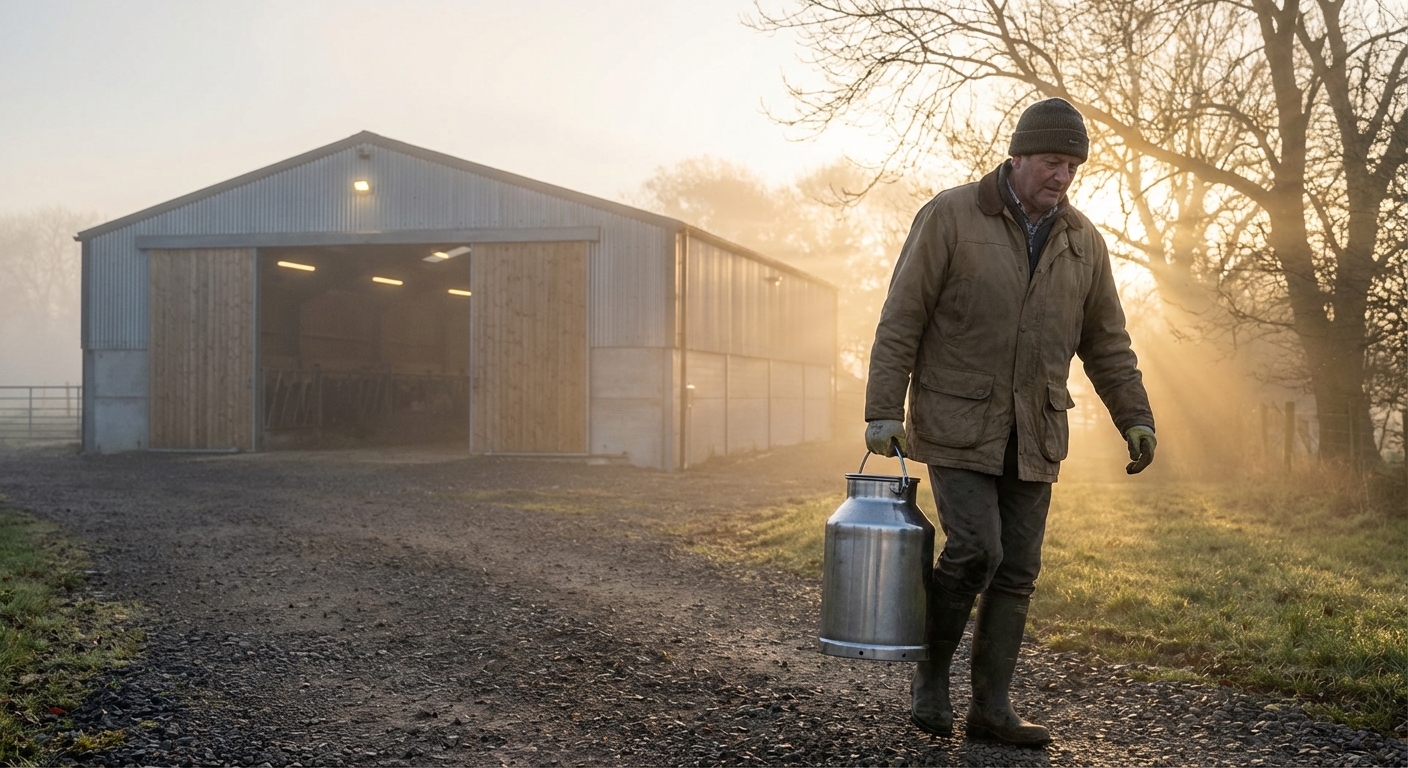
Owning a house cow requires a daily time commitment of approximately one to two hours for milking and basic care. This schedule is non-negotiable once the animal is in milk, as her health depends on regular relief from her udder.
The 365-day commitment
In fact. Rain or shine, holidays or sick days, your cow will need to be milked to prevent mastitis and discomfort.
- Morning milking usually happens between 6 AM and 8 AM.
- Cleaning the milking equipment takes an additional 20 minutes.
- Moving the animal to fresh pasture is a quick but daily task.
This level of commitment is often the biggest hurdle for new lifestyle block owners.
Milking in the rain vs. milking in comfort
Here is the kicker. If you lack a proper shelter, you will be performing these tasks in whatever weather the season throws at you.
- A covered shed protects you from wind and driving rain.
- Lighting makes early morning or late evening milking safer.
- Proper drainage keeps the area from becoming a muddy mess.
Investing in a quality building transforms a grueling chore into a peaceful morning ritual.
Key Takeaway: The primary “cost” of a dairy cow is your time, which must be spent consistently every single day of the lactation cycle.
| Task | Estimated Daily Time | |
|---|---|---|
| Milking | 45-60 Minutes | |
| Cleaning | 20 Minutes | |
| Pasture Care | 10 Minutes |
This breakdown illustrates the daily time investment required to maintain a single dairy animal.
6. What happens with all that extra milk?
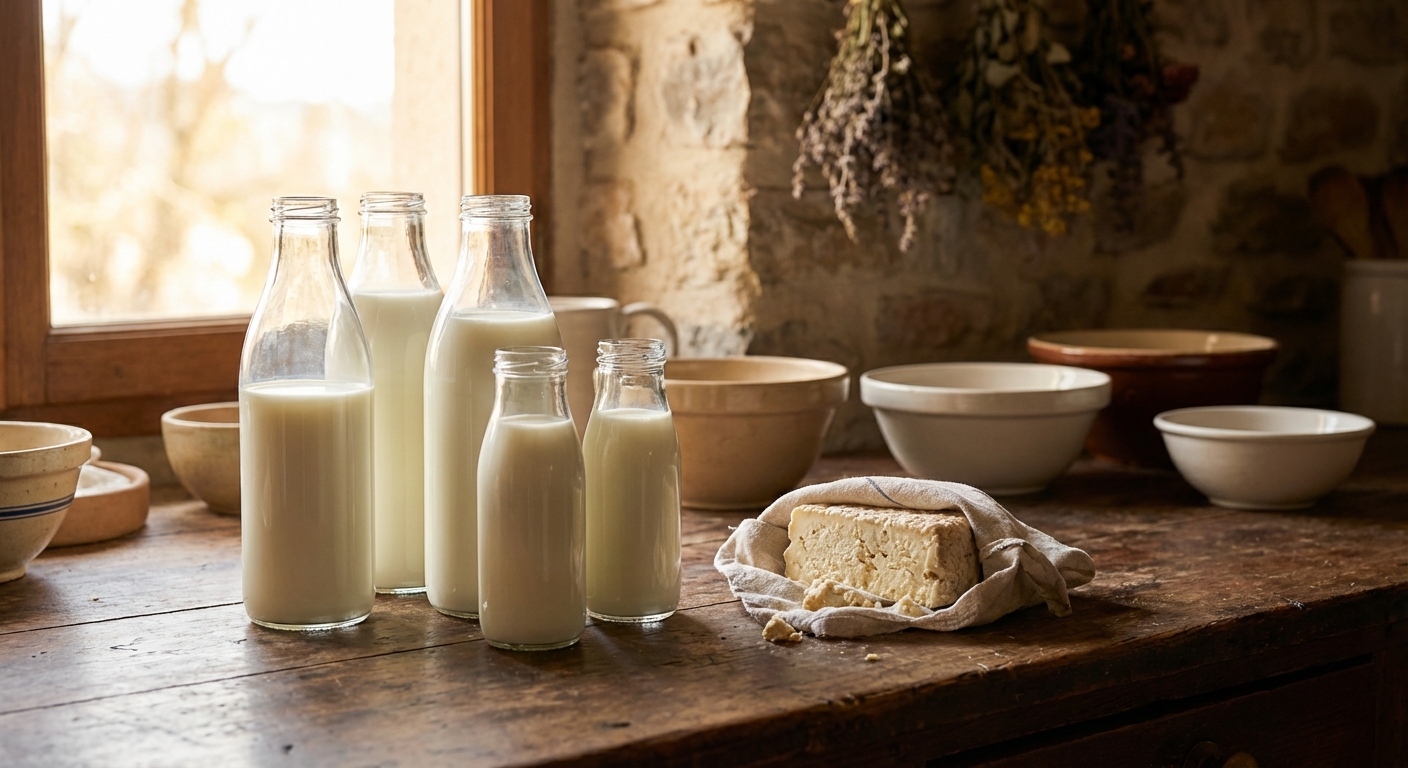
A single house cow often produces far more milk than a standard family can drink, sometimes providing upwards of 15 to 20 liters per day. Managing this surplus involves a combination of home processing, sharing with neighbors, or feeding it to other farm animals.
Managing the peak production window
Think about it. In the first few months after calving, your cow will be at her highest production level.
- You can separate the cream to make homemade butter and ice cream.
- Extra milk can be cultured into yogurt, kefir, or soft cheeses.
- Freezing milk is a viable option for times when the cow is dry.
Learning these processing skills is essential to avoid wasting the high-quality product your cow provides.
Sharing the bounty with neighbors
Look. If you find yourself with more milk than you can use, your local community is often happy to help.
- Neighbors may trade eggs, vegetables, or labor for fresh milk.
- Excess milk is a high-protein treat for pigs or chickens.
- Sharing builds a strong local network of self-sufficient families.
While selling raw milk has strict regulations, sharing it informally is a time-honored tradition on lifestyle blocks.
Key Takeaway: High production volumes require a plan for processing and distribution to ensure none of the valuable dairy goes to waste.
| Usage Category | Example Product | |
|---|---|---|
| Fresh Consumption | Drinking milk, coffee cream | |
| Long-term Storage | Butter, hard cheese, frozen milk | |
| Farm Recycling | Feed for pigs or poultry |
The table outlines the various ways a household can utilize the high volume of milk produced by one cow.
7. Where is the best place to milk a cow?
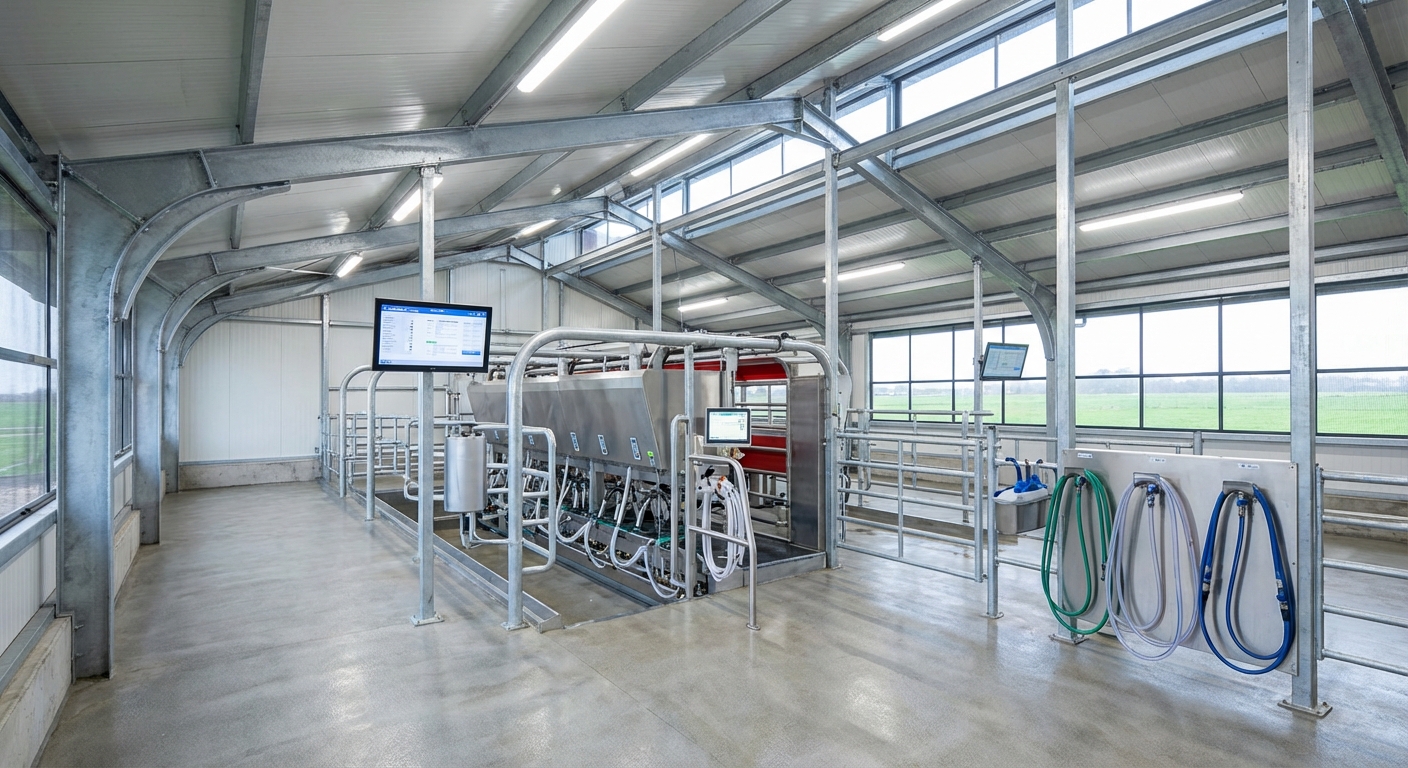
The best place to milk your house cow is in a dedicated steel shed that provides a flat, clean, and sheltered environment. Using a purpose-built structure ensures that you can maintain high hygiene standards while keeping both yourself and the animal safe from the elements.
Protection from the elements
Believe it or not. Attempting to milk a cow in an open paddock during a storm is a recipe for frustration and contamination.
- Roofs prevent rainwater from dripping into your milk pail.
- Walls block the wind, keeping the cow calm and the milker warm.
- A solid floor prevents the buildup of mud and bacteria.
Shelter is not just a luxury; it is a fundamental requirement for food safety and animal welfare.
Why a permanent steel shed beats a temporary fix?
Now, consider this. While a wooden lean-to might work for a month, a steel building offers long-term durability and ease of cleaning.
- Steel does not rot or harbor parasites like old timber can.
- It is resistant to the corrosive nature of animal waste and cleaning chemicals.
- You can easily install high-pressure wash-down systems on steel walls.
A permanent structure is a one-time investment that serves your farm for decades.
Key Takeaway: A dedicated, clean, and sheltered milking environment is crucial for maintaining hygiene and ensuring the comfort of the cow.
| Facility Feature | Importance Rating | |
|---|---|---|
| Roofing | Critical (Weather Protection) | |
| Concrete Floor | High (Hygiene/Safety) | |
| Steel Framing | High (Durability) |
Proper facilities, as ranked above, directly impact the success and sustainability of your home dairy operation.
8. Can a steel structure improve the dairy experience?
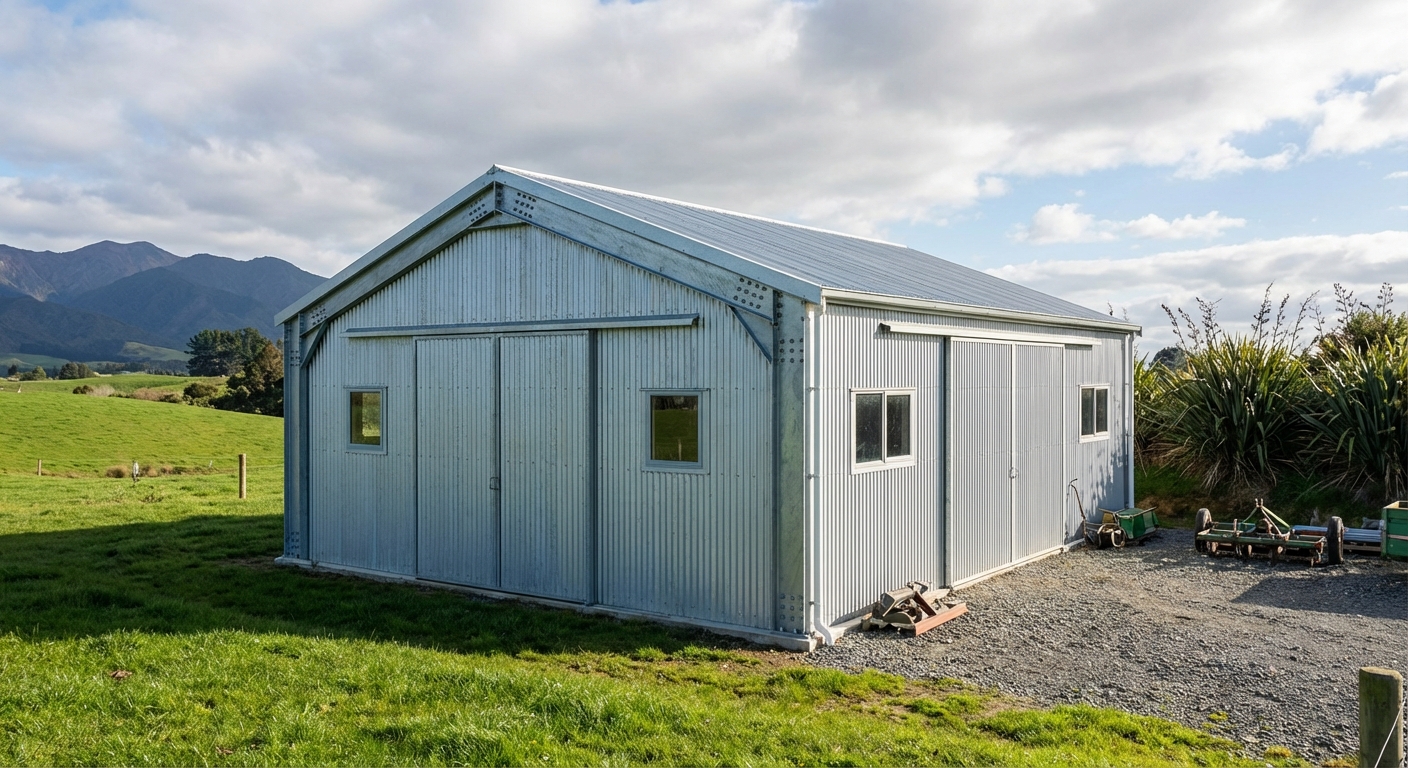
Yes, a steel agricultural building can vastly improve your house cow experience by providing a low-maintenance, hygienic, and organized hub for all dairy activities. Modern steel designs are engineered to withstand harsh rural climates while remaining easy to manage for the average block owner.
Durability against the New Zealand climate
It gets better. High-quality steel buildings are designed to handle everything from intense UV rays to heavy snow and gale-force winds.
- Galvanized coatings prevent rust in damp or coastal environments.
- Strong structural integrity ensures the building remains safe during storms.
- Fire-resistant materials provide peace of mind in dry rural areas.
Your infrastructure should be as hardy as the animals it protects.
Easy-to-clean surfaces for food safety
In fact. When you are dealing with raw milk, the ability to sanitize your environment quickly is a massive advantage.
- Smooth steel surfaces do not soak up spills or odors.
- They are easy to spray down with a hose after every milking session.
- Minimal cracks and crevices mean fewer places for bacteria to hide.
Maintaining a sterile environment is the only way to ensure your family’s milk stays fresh and safe.
Key Takeaway: Steel structures provide the durability and hygiene necessary for a high-quality, long-term home dairy operation.
| Material Property | Benefit to Dairy Farmer | |
|---|---|---|
| Non-Porous | Easy sterilization/Hygiene | |
| Corrosion Resistance | Long lifespan in farm conditions | |
| Structural Strength | Safety for milker and animal |
This comparison shows why steel is the preferred choice for modern agricultural applications.
9. What are the logistical “side-quests” of milking?
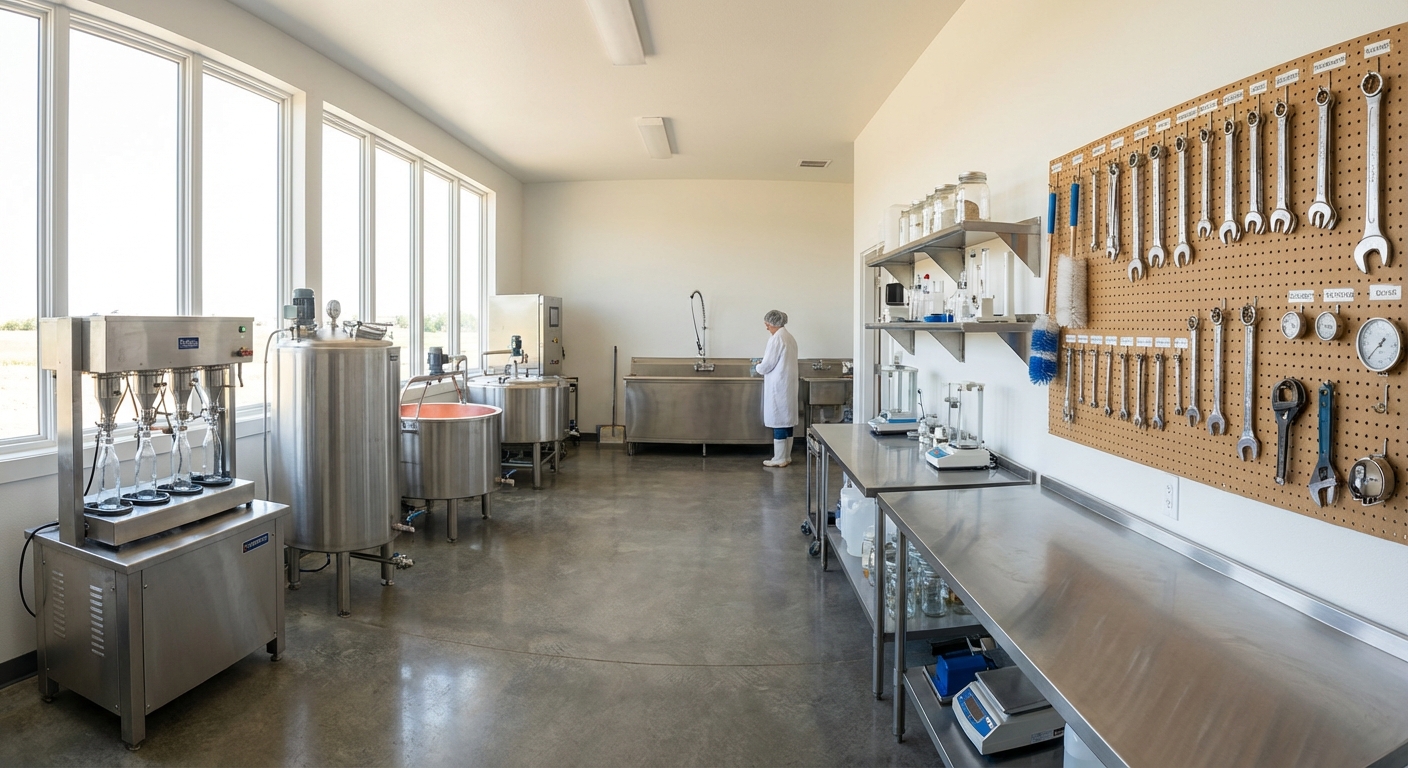
Milking a house cow is only half the battle; the “side-quests” include pasteurization, cream separation, and finding space for all your processing equipment. Many owners eventually find they need a dedicated steel structure workshop to handle the sheer volume of production and cleaning.
Finding room for the processing equipment
You see. Once you start making butter, yogurt, and hard cheeses, your home kitchen can quickly become overwhelmed.
- Large stainless steel vats are needed for heating milk.
- Dedicated refrigerators are required for aging cheese and chilling milk.
- You need ample counter space for separators and churns.
Separating your farm processing from your daily living space keeps your home organized and hygienic.
The need for a dedicated workshop space
The best part? Having a separate building allows you to store all your dairy tools in one organized, secure location.
- It keeps messy processing activities away from your family kitchen.
- You can install specialized drainage and plumbing for industrial-sized sinks.
- It provides a cool, climate-controlled environment for cheese aging.
A workshop tailored to your dairy needs makes the “extra” work feel like a professional craft.
Key Takeaway: Home dairy production involves significant secondary tasks that are best managed in a dedicated, organized workshop space.
| Equipment Needed | Space Requirement | |
|---|---|---|
| Cream Separator | Countertop/Table | |
| Cheese Press | Dedicated workbench | |
| Cooling Fridge | Floor space with power |
Managing these requirements effectively is the secret to moving from “hypothetical” to “successful” cow ownership.
10. Is a hypothetical cow right for your lifestyle?
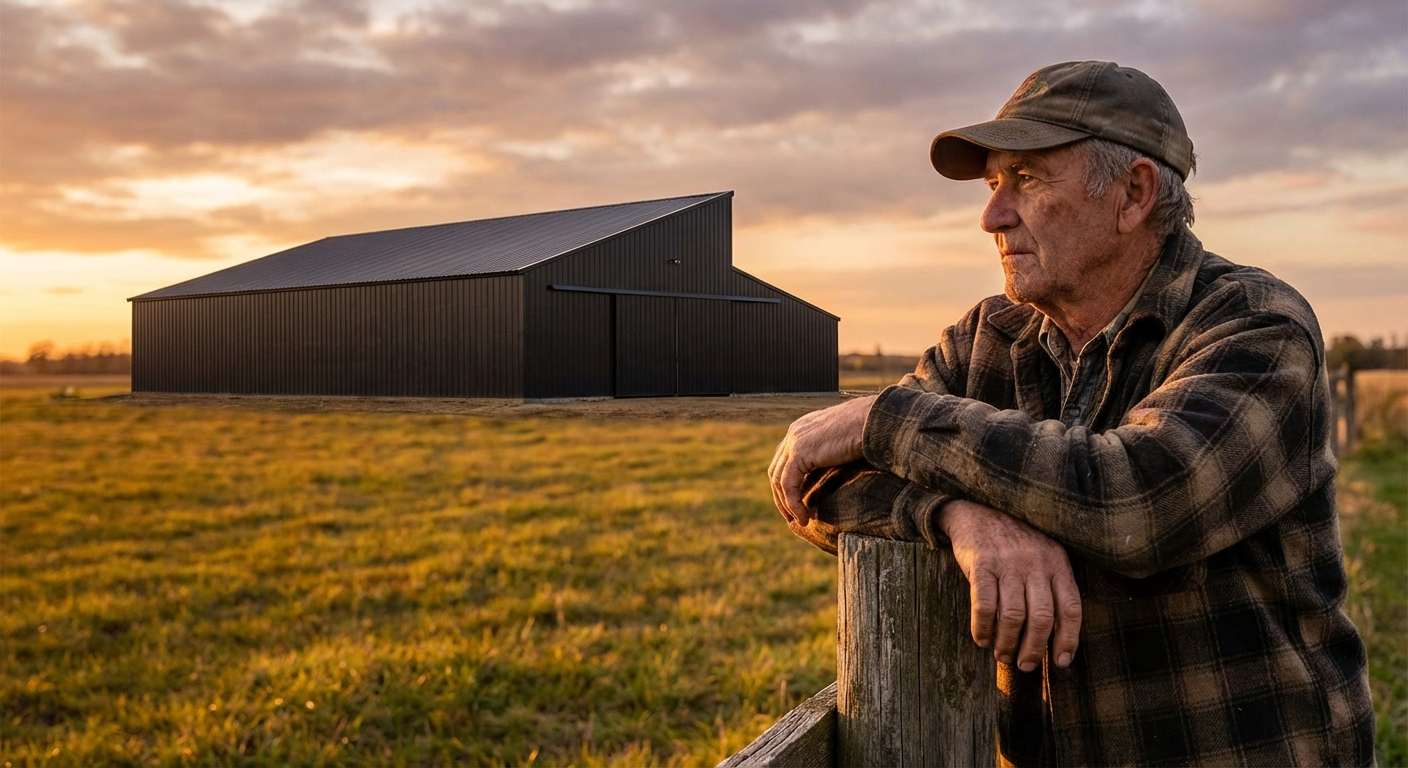
Determining if a house cow fits your life requires a honest look at your schedule, your budget, and your physical ability to manage livestock. If you are prepared for the work and have the space for a horse barn or similar shelter, the rewards can be life-changing.
Assessing your personal “opportunity cost”
Look. Every hour spent in the milking shed is an hour you can’t spend on other hobbies, work, or travel.
- Think about who will milk the cow if you want to go away for a weekend.
- Consider if you enjoy the routine of early mornings and physical labor.
- Evaluate if the grocery savings are worth the trade-off in free time.
For many, the connection to their food and land makes the cost feel negligible.
Taking the first step: Learning before leaping
Here is the deal. Before you buy an animal, spend time with someone who already milks a cow to see the reality of the job.
- Attend a cheesemaking workshop to understand the processing side.
- Volunteer to help a neighbor milk for a few days to test your commitment.
- Research local vet services and feed suppliers in your area.
Preparation is the difference between a successful farm addition and a stressful mistake.
Key Takeaway: A house cow is a lifestyle choice that trades personal time for high-quality food, requiring careful planning and solid infrastructure.
| Readiness Factor | Key Question | |
|---|---|---|
| Time | Can you commit 365 days a year? | |
| Infrastructure | Is your fencing and shelter ready? | |
| Knowledge | Do you understand the health needs of cattle? |
Answering these questions honestly will guide you toward the right decision for your unique situation.
Ready to Build Your Farm Dream?
Transitioning from a “hypothetical” cow to a real one requires the right infrastructure to protect your investment and your time. At Showhoo Building, we provide factory-direct steel structures that solve the pain and stress of agricultural management. Whether you need a secure milking shed or a full-scale workshop for dairy processing, we deliver ISO-certified quality designed for the unique New Zealand climate. Contact us today to receive a free quote and take the first step toward true self-sufficiency. Our mission is to provide world-class, durable building solutions that empower lifestyle block owners to thrive.
Frequently Asked Questions
Can I leave my house cow alone for a weekend?No. A cow in milk must be relieved at least once a day, and ideally twice, to prevent painful swelling, mastitis, and a drop in production. You will need to find a trained “cow-sitter” if you plan to be away.
How much land do I need for one cow?It depends. While general rules suggest 1-2 acres of good quality pasture per cow, this varies based on your soil health, rainfall, and whether you provide supplemental feed.
Do I have to drink the milk raw?No. You can easily pasteurize your milk at home by heating it to 71.5°C for 15 seconds. This process kills potential microorganisms while keeping the milk fresh for your family.
Can a cow live by herself?It depends. Cows are herd animals and can become lonely or stressed without company. Many owners keep a second cow, a calf, or even a goat to provide social interaction for their house cow.
Is hand milking better than using a machine?No. It is a matter of personal preference and herd size. Hand milking is quiet and requires less equipment to clean, but a small milking machine can save significant time if you have physical limitations or multiple animals.