
High-performance steel building insulation can be achieved affordably by using fiberglass batts or radiant barriers installed with a DIY approach. Many owners face the constant struggle of rising utility bills and interior moisture damage. Left unchecked, a steel structure becomes a “sweat box” of condensation, leading to structural rust and degraded inventory. Implementing cost-effective thermal management is the strategic solution to protect your investment and ensure long-term operational efficiency. For those looking to optimize their facility, choosing the right steel building insulation is the first step toward a professional, climate-controlled environment.
Why is Metal Building Insulation Essential?
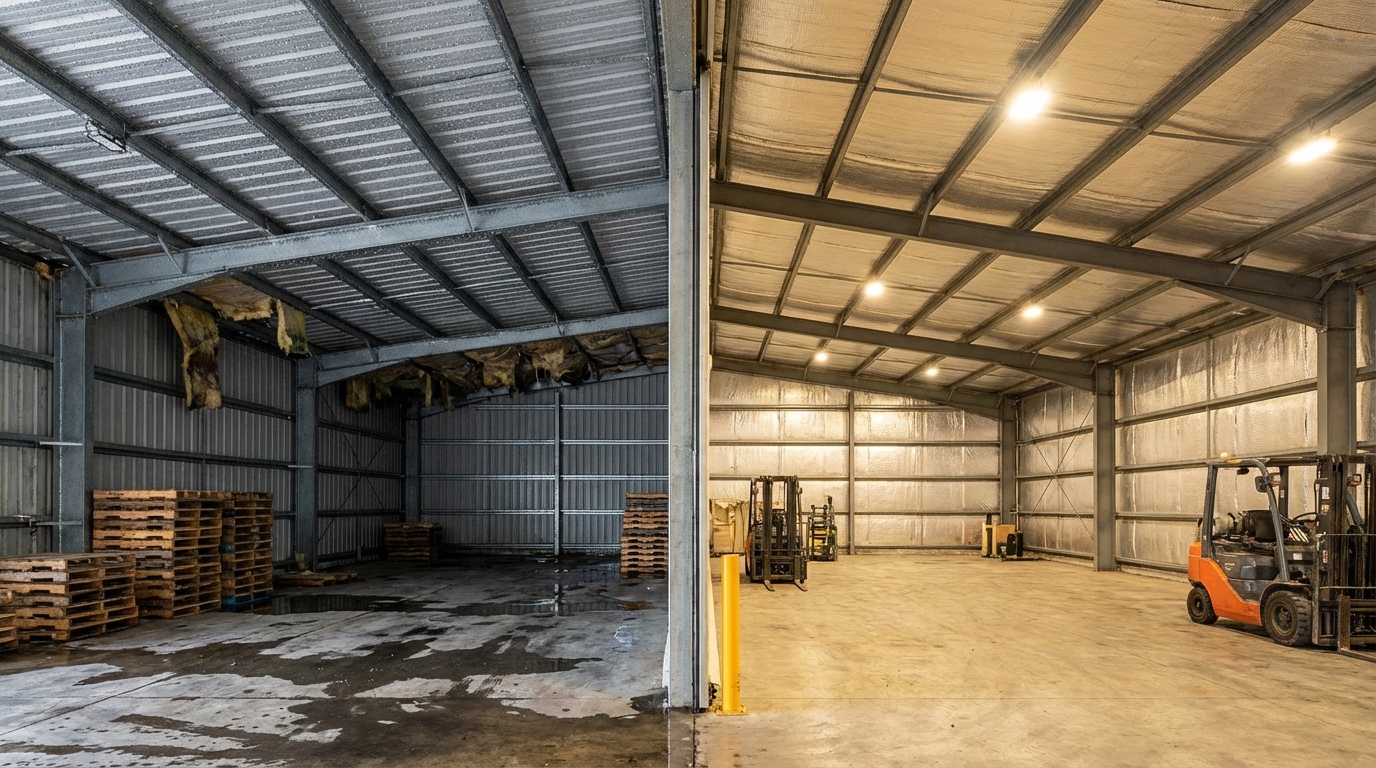
Insulation is essential because it stops rapid thermal transfer and prevents condensation from compromising the structural integrity of your building. Without a barrier, metal conducts heat with extreme efficiency, making interiors unbearable during peak seasons. Properly installed steel building insulation serves as the primary defense against the “crying” effect of metal panels.
Controlling Temperature Fluctuations
Extreme heat in the summer and freezing temperatures in the winter can render your building unusable. Think about it: a metal roof absorbs solar radiation and transfers it directly to the workspace below. A thermal break stabilizes the internal climate, protecting both personnel and sensitive equipment from environmental stress.
Preventing Structural Condensation
When warm, humid air meets a cold metal surface, moisture droplets form immediately. This process leads to mold growth on interior surfaces and the eventual corrosion of your secondary framing. Here is the deal: preventing this moisture cycle is the only way to avoid expensive long-term repairs.
| Feature | Impact on Building | Budget Benefit | |
|---|---|---|---|
| Thermal Break | Stabilizes internal temperature | Reduces HVAC wear | |
| Moisture Barrier | Stops panel condensation | Prevents rust repair costs | |
| Air Sealing | Eliminates drafts | Lowers monthly utility spend |
Comprehensive protection starts with addressing the fundamental physics of metal conduction to prevent moisture buildup.
Key Takeaway: Insulation is not just a comfort feature; it is a structural necessity that prevents metal buildings from sweating and rusting over time.
Which Affordable Insulation Types Work Best?
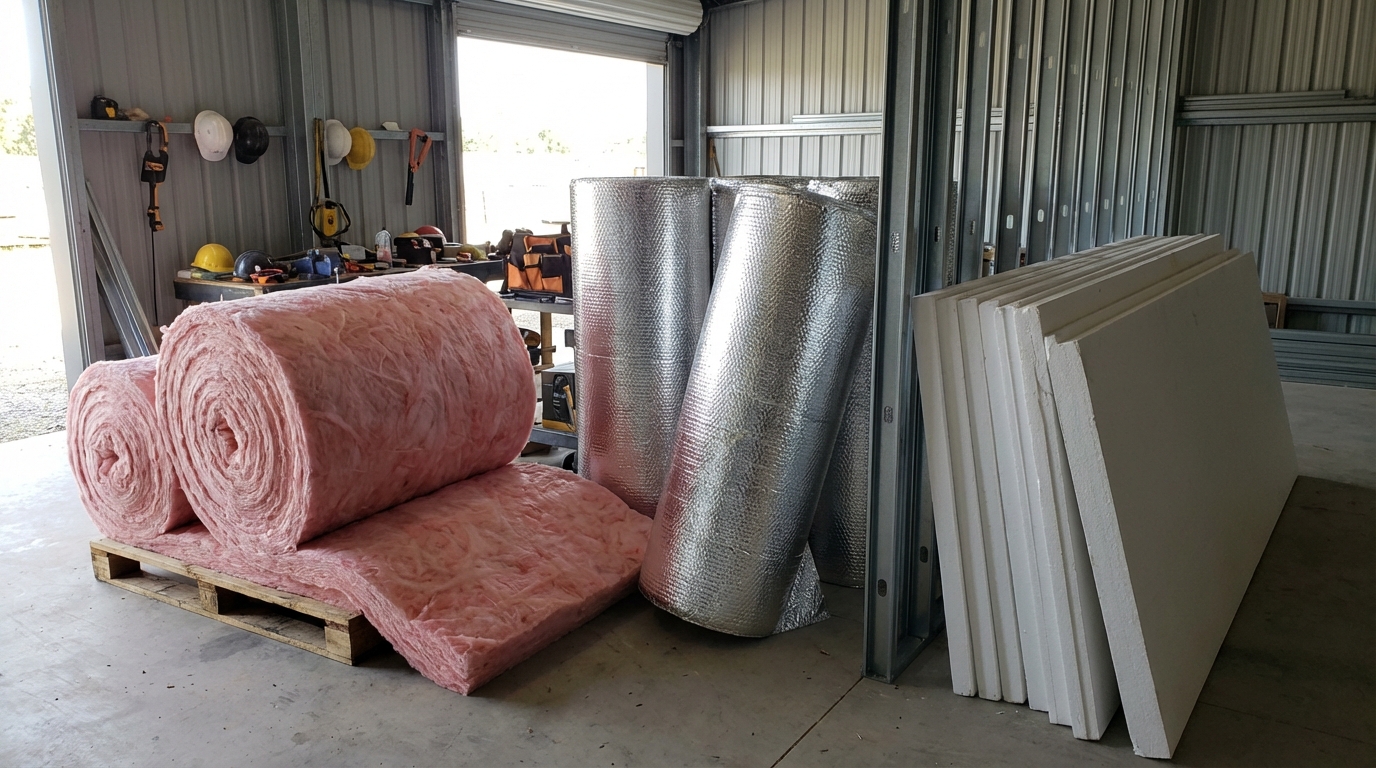
The most affordable types of steel building insulation include fiberglass batts, reflective foil barriers, and rigid foam boards. Each material offers a different balance of R-value and moisture resistance depending on your specific budget. Choosing the right steel building insulation depends on your local weather patterns and how you intend to use the space.
Fiberglass Batt Performance
Fiberglass remains the industry standard for budget-conscious projects because of its low material cost. It provides excellent thermal resistance when installed with a high-quality vapor facing to prevent sagging. Look closer: it is easily available at most hardware stores, making it the top choice for DIY enthusiasts.
- Low initial investment per square foot.
- Easy to cut and fit between steel purlins.
- Provides significant sound dampening for metal roofs.
Reflective Foil and Foam Boards
Reflective foil is incredibly effective in hot climates where solar heat gain is the primary concern. Rigid foam boards, while slightly more expensive, offer the best moisture resistance for high-humidity environments. Bottom line: combining these materials can often yield the best result for a moderate price.
| Material Type | Primary Benefit | Relative Cost | |
|---|---|---|---|
| Fiberglass Batts | High R-value per dollar | Lowest | |
| Reflective Foil | Heat reflection (Radiant) | Moderate | |
| Rigid Foam | Moisture/Compression resistance | High |
Selecting the right material mix allows you to maximize thermal efficiency without overspending on unnecessary specialized products.
Key Takeaway: Fiberglass batts offer the highest R-value for the lowest cost, while reflective foils are the budget winners for hot, sunny climates.
How Does Your Climate Affect Material Choice?
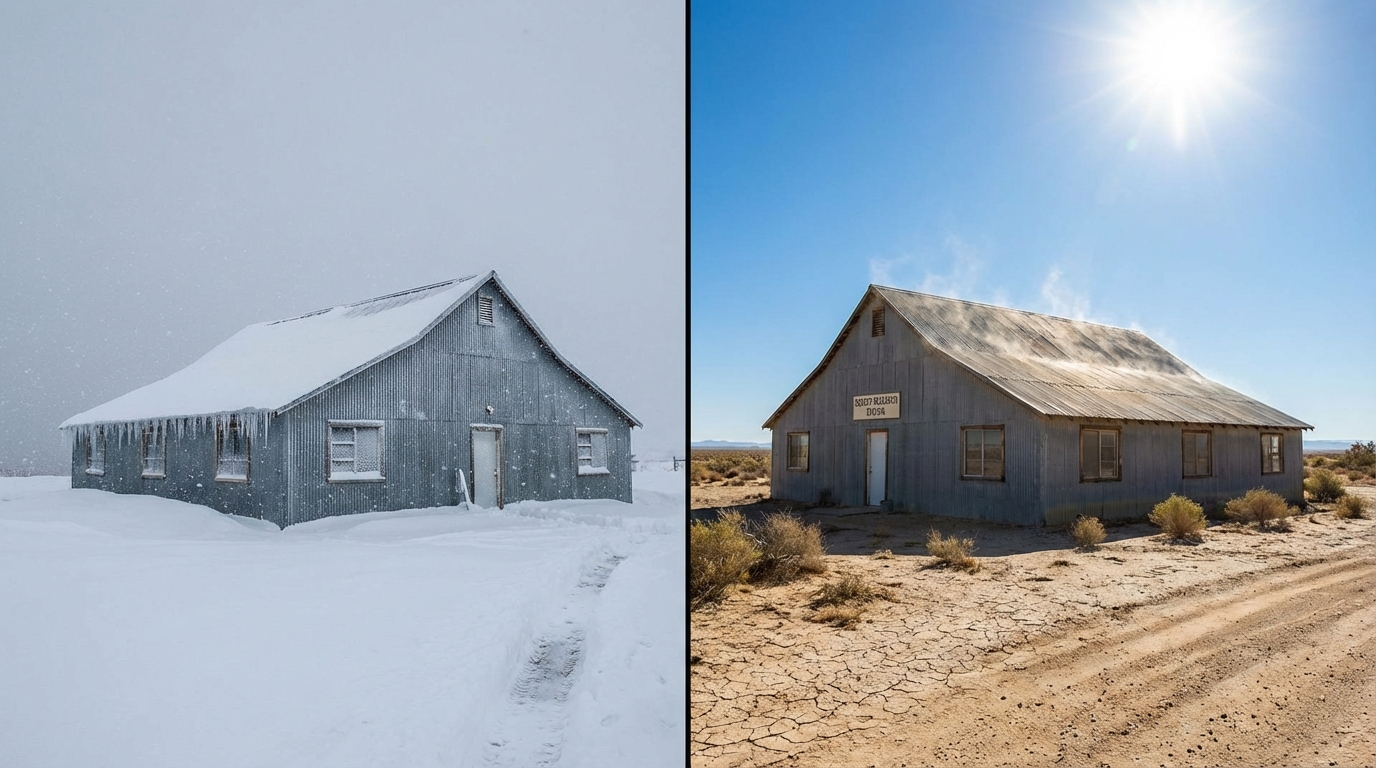
Climate dictates whether you need thick bulk insulation for cold retention or thin radiant barriers for solar heat reflection. In regions with freezing winters, you must focus on maintaining a high R-value to trap interior heat effectively. Steel building insulation needs vary drastically between a humid coastal area and a dry, high-altitude mountain region.
Thermal Retention for Cold Regions
In northern zones, your primary enemy is heat loss through the metal skin. Thick fiberglass batts are essential here because they provide the air pockets necessary to slow down thermal conduction. That’s not all: you must ensure the insulation is thick enough to meet local building codes for energy efficiency.
Heat Reflection for Sun-Drenched Areas
Southern climates benefit most from materials that can bounce UV rays away from the building. Radiant barriers are lightweight and budget-friendly, making them ideal for these applications. The truth is: blocking heat at the source is much cheaper than trying to cool a building that has already absorbed solar energy.
| Climate Zone | Best Budget Material | Installation Focus | |
|---|---|---|---|
| Cold/Northern | Heavy Fiberglass | Seamless thermal envelope | |
| Hot/Desert | Reflective Foil | Air gap for radiation | |
| Humid/Coastal | Rigid Foam | Maximum vapor sealing |
Matching your insulation strategy to your specific geographic location ensures you don’t pay for performance features you don’t actually need.
Key Takeaway: Prioritize bulk R-value in the north to keep heat in, and prioritize radiant barriers in the south to keep heat out.
Is a Vapor Barrier Necessary for Steel Structures?
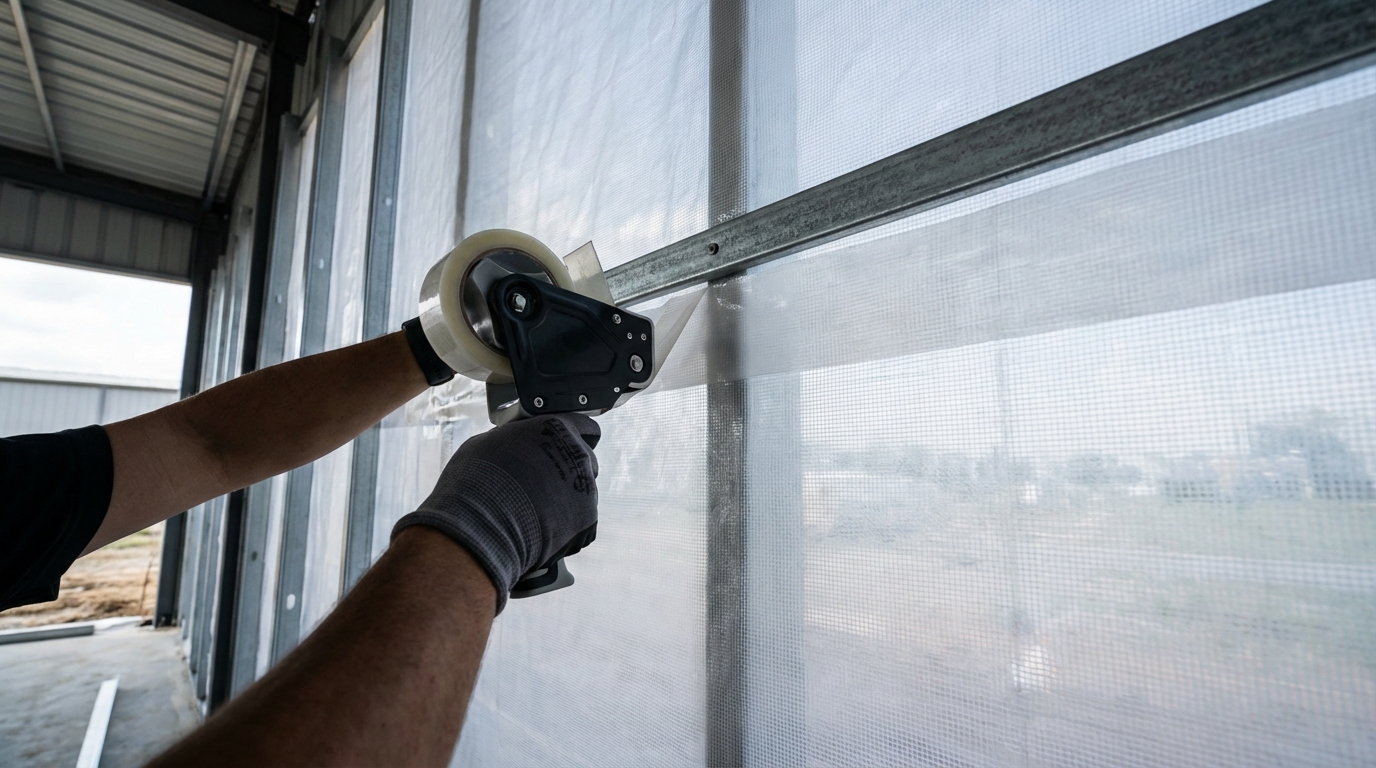
A vapor barrier is absolutely vital because it prevents internal humidity from reaching the cold metal surfaces of your building. Without this layer, your steel building insulation will absorb moisture, lose its effectiveness, and eventually cause the metal to rust. Utilizing a high-quality steel building insulation with an integrated vapor retarder is the most cost-effective way to handle this.
Protecting the Structural Frame
Moisture infiltration doesn’t just damage the insulation; it corrodes the steel purlins and girts that hold the panels in place. It gets better: a simple, well-sealed vapor barrier can double the lifespan of your metal components. This protective layer acts as a shield, keeping the internal environment separate from the external metal skin.
Enhancing Insulation Longevity
Wet insulation is useless insulation, as water fills the air gaps that provide thermal resistance. By keeping the material dry, you ensure your building remains energy-efficient for decades. The best part? Most modern budget insulation products come with a built-in vinyl or foil facing that serves this purpose perfectly.
| Barrier Component | Purpose | Budget Tip | |
|---|---|---|---|
| Vinyl Facing | Stops vapor transfer | Buy integrated with batts | |
| Seam Tape | Prevents air leaks | Use high-tack foil tape | |
| Sealant | Closes gap at base | Use affordable outdoor caulk |
Investing a small amount in proper sealing prevents the massive expense of replacing water-damaged insulation and corroded metal panels later.
Key Takeaway: Skipping a vapor barrier is the most expensive mistake you can make, as it leads to moisture-laden insulation and structural rust.
Can DIY Installation Save You Significant Money?
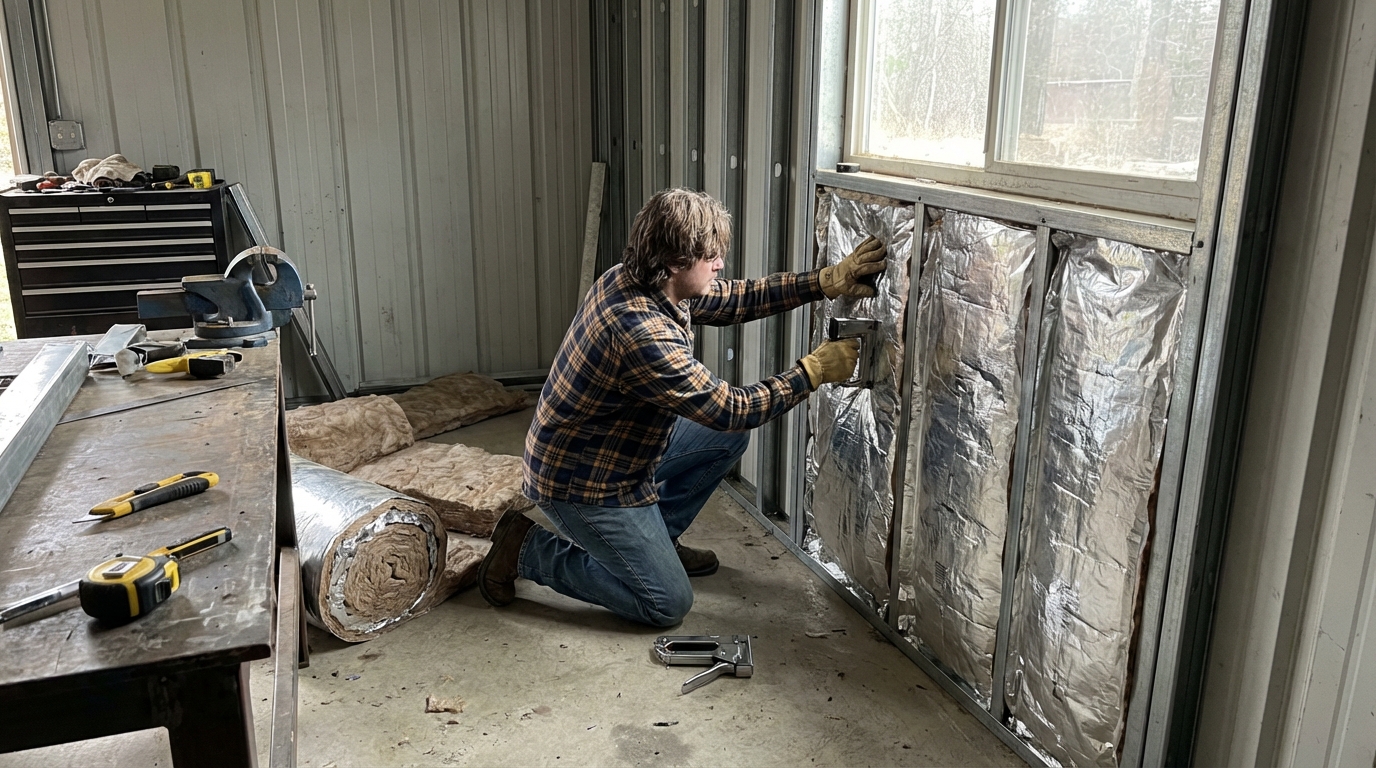
DIY installation can reduce your total project costs by up to 40% by completely eliminating professional labor fees. Most homeowners and small business owners can install steel building insulation themselves using basic tools and safety equipment. It is a straightforward process of measuring, cutting, and securing the materials between the existing structural frames.
Managing Small-Scale Projects
For a small workshop or garage, the learning curve is minimal and the tools are inexpensive. You will likely only need a utility knife, a stapler, and protective gear like a mask and gloves. What does this mean? It means you can redirect your entire budget toward higher-quality materials rather than paying for a crew.
- Measure twice to avoid material waste.
- Wear long sleeves and a mask for fiberglass safety.
- Ensure all seams are taped tightly for a continuous seal.
When to Consider Self-Installation
If your building has a simple clear-span design, DIY is highly recommended. However, very high ceilings may require you to rent a scissor lift, which is still often cheaper than hiring a full team. The truth is: as long as you can safely reach the roof, you can insulate a metal building on a strict budget.
| Cost Factor | Professional Crew | DIY Approach | |
|---|---|---|---|
| Labor Fees | 2.00−5.00/sqft | $0.00 | |
| Equipment | Included in bid | $150/day (Rentals) | |
| Materials | Markup likely | Factory-direct pricing |
Choosing the DIY route empowers you to control the quality of the installation while keeping your hard-earned money in your pocket.
Key Takeaway: DIY installation is the ultimate budget move, saving thousands in labor while allowing for a more focused, meticulous application of materials.
Where Should You Prioritize Your Insulation Budget?
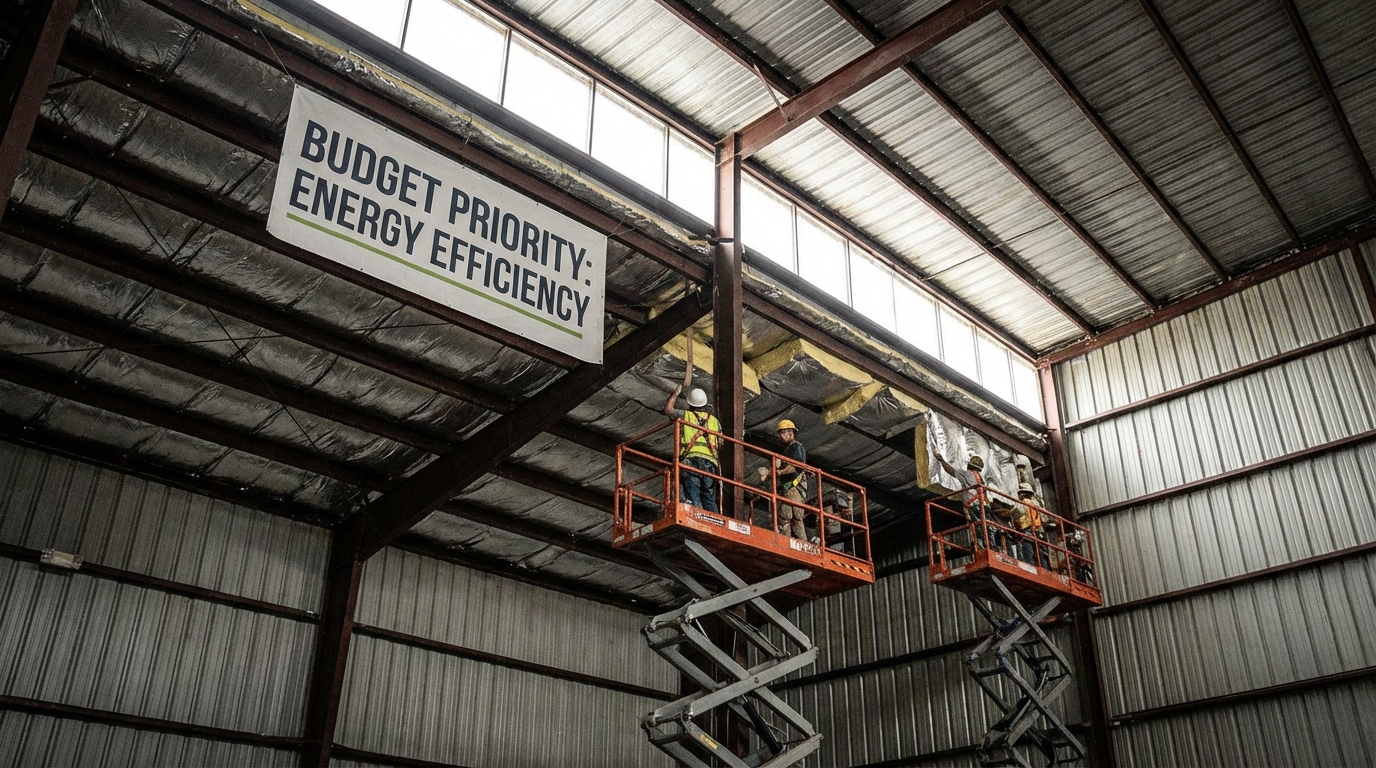
You should prioritize insulating the roof first, as it is the primary source of both solar heat gain and internal heat loss. Heat naturally rises, meaning an uninsulated ceiling is where most of your energy expenses disappear. Strategic placement of steel building insulation ensures you get the maximum thermal benefit for every dollar spent. Choosing a high-quality roof system from an aircraft hangar specialist often illustrates why top-down insulation is critical.
Focusing on the Roof Structure
The sun beats down on the metal roof all day, turning it into a massive radiator. By placing your best insulation here, you stop the heat before it ever enters the building’s air space. Think about it: if you can only afford to insulate one part of your building, the roof is the non-negotiable choice for performance.
Sealing Doors and Wall Gaps
Air leaks around large roll-up doors and corner joints can undermine even the best insulation. Using inexpensive weatherstripping and caulk is a high-impact, low-cost way to finish your project. Look closer: these small gaps are often responsible for more heat loss than the walls themselves, so sealing them is a budget priority.
| Priority Level | Location | Reason | |
|---|---|---|---|
| Critical | Roof/Ceiling | Stops rising heat and solar gain | |
| High | Large Doors | Prevents massive air infiltration | |
| Moderate | Exterior Walls | Completes the thermal envelope |
By focusing your budget on the roof and door seals first, you achieve immediate comfort and energy savings with minimal investment.
Key Takeaway: The roof is the most important area to insulate; focus your funds there first to stop the majority of heat transfer.
How Can You Lower Costs During Material Purchase?
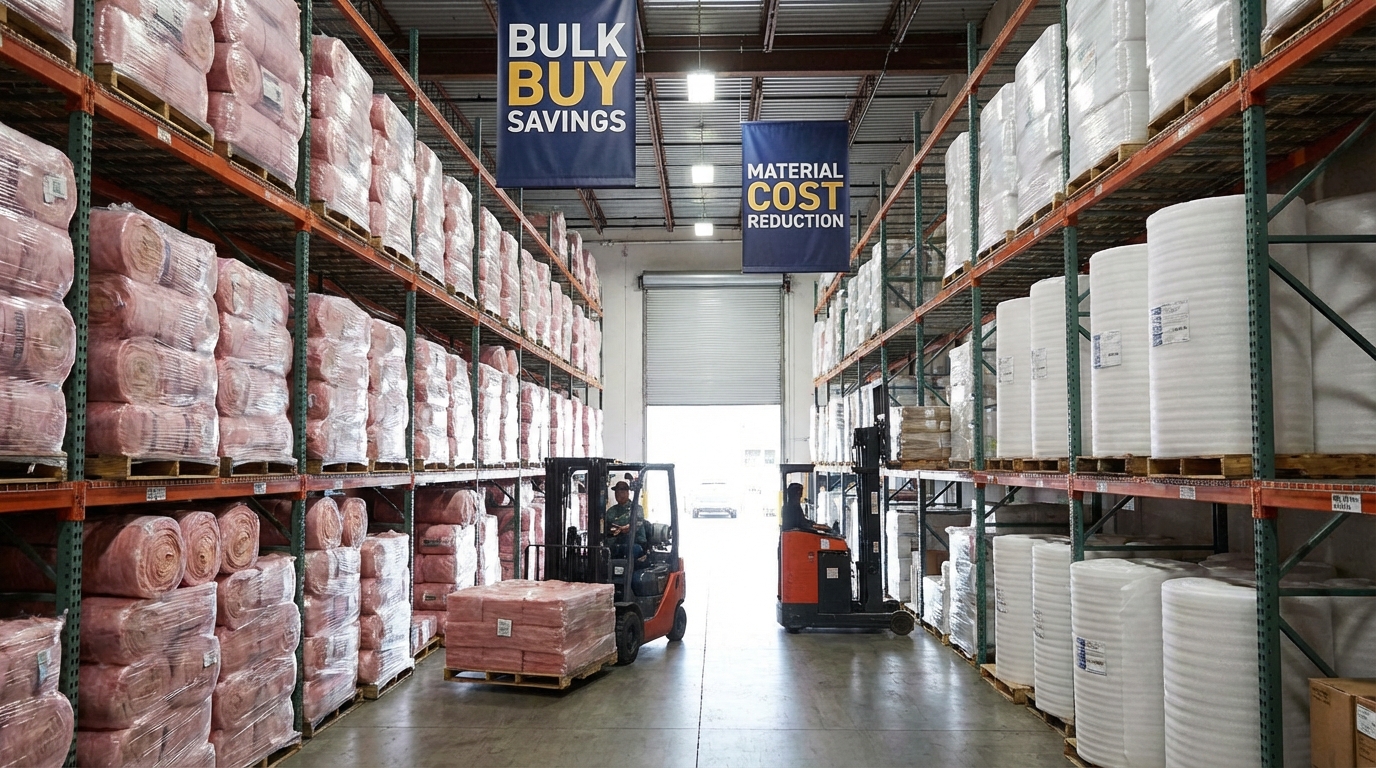
Buying in bulk and sourcing materials directly from the manufacturer are the most effective ways to lower your purchase costs. Standard retail stores often mark up steel building insulation significantly compared to industrial suppliers. Ordering all your materials at once reduces shipping fees and often unlocks wholesale pricing tiers.
Bulk Buying and Direct Sourcing
If you are insulating a large warehouse, standard rolls won’t be enough. Industrial suppliers offer jumbo rolls that cover more area with fewer seams, reducing both labor and waste. Here is the deal: coordinating your purchase with a neighbor or another project can help you reach the volume required for deep discounts.
- Request a quote for total square footage.
- Ask about “factory seconds” for non-visible areas.
- Check for local architectural salvage for rigid boards.
Using Reclaimed Materials
Sometimes commercial buildings are renovated, and high-quality rigid foam is discarded. You can often find these materials for a fraction of the cost through specialized liquidators. Bottom line: being flexible with your material source can save you hundreds, if not thousands, on your total bill.
| Sourcing Method | Savings Potential | Effort Required | |
|---|---|---|---|
| Direct Wholesale | 15% – 25% | Moderate (RFQ process) | |
| Bulk Ordering | 10% – 20% | Low (Planning) | |
| Reclaimed/Salvage | 40% – 60% | High (Searching) |
Smart procurement strategies ensure that your budget goes toward material thickness rather than middleman markups and shipping costs.
Key Takeaway: Purchase insulation in bulk or from wholesale industrial suppliers to avoid retail markups and save on shipping.
What Common Mistakes Increase Your Expenses?
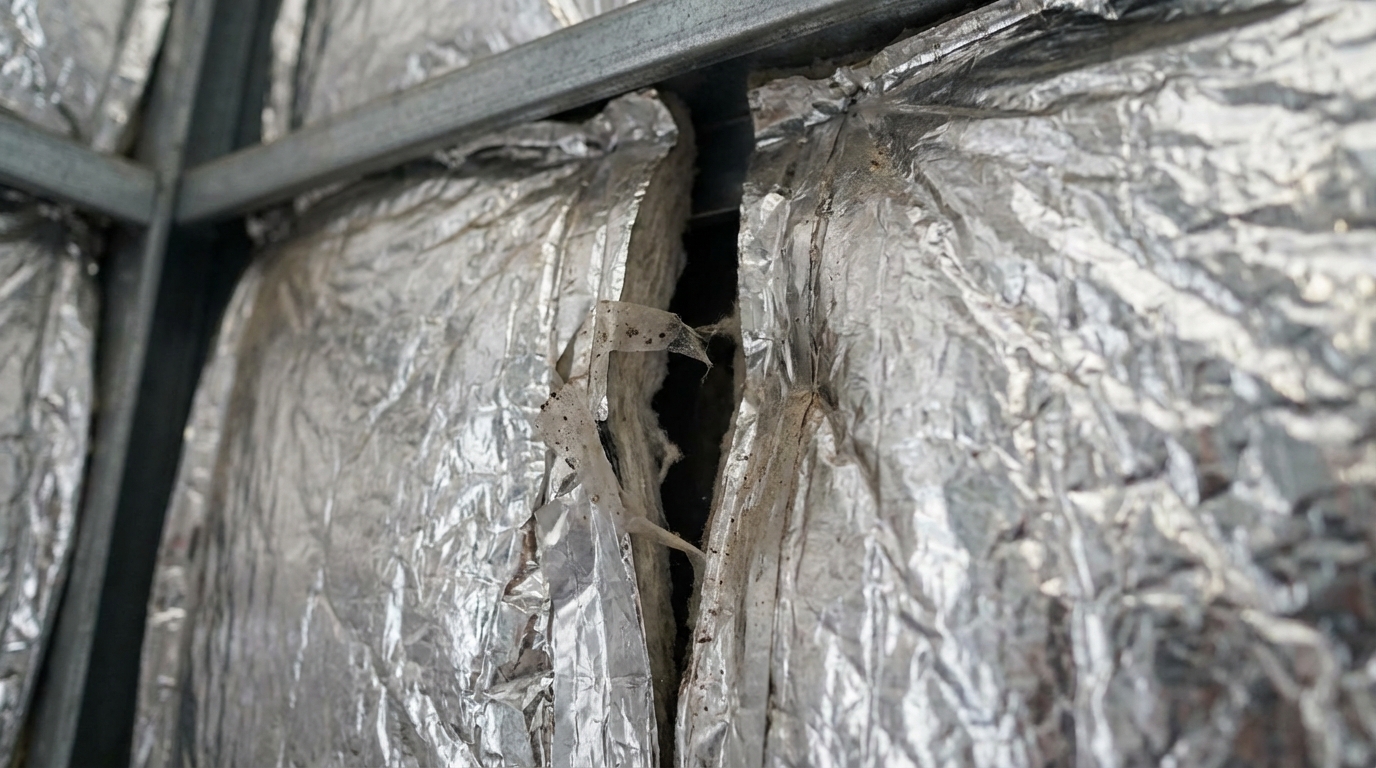
The most expensive mistakes include leaving air gaps between insulation panels and skipping the vapor barrier entirely. These errors lead to condensation, which destroys the insulation and forces a costly replacement within just a few years. When planning your project, consulting with a professional contact can help you avoid these hidden pitfalls. Correcting steel building insulation after it has been installed is significantly more expensive than doing it right the first time.
The Danger of Air Gaps
If insulation isn’t flush against the metal or if seams aren’t taped, air will circulate behind the barrier. This creates the perfect environment for hidden moisture to rot your structure from the inside out. The truth is: a poorly installed high-end product will perform worse than a perfectly installed budget product.
Ignoring Local Building Codes
Many owners try to save money by using insulation that is too thin for their region. This leads to permanent energy inefficiency and may even prevent you from passing a building inspection. That’s not all: you might face fines or be forced to tear down and reinstall the material to meet legal standards.
| Common Mistake | Long-term Cost | Prevention | |
|---|---|---|---|
| Untaped Seams | High (Moisture damage) | Use high-quality foil tape | |
| Thin R-Value | Moderate (Energy waste) | Follow regional guidelines | |
| Compressed Batts | Low (Efficiency loss) | Don’t pack insulation too tight |
Avoiding these simple errors preserves your budget by ensuring your insulation lasts for the entire life of the building.
Key Takeaway: Proper installation technique is more important than material price; gaps and unsealed seams will lead to expensive moisture failures.
How Do You Maintain Insulation for the Long Term?
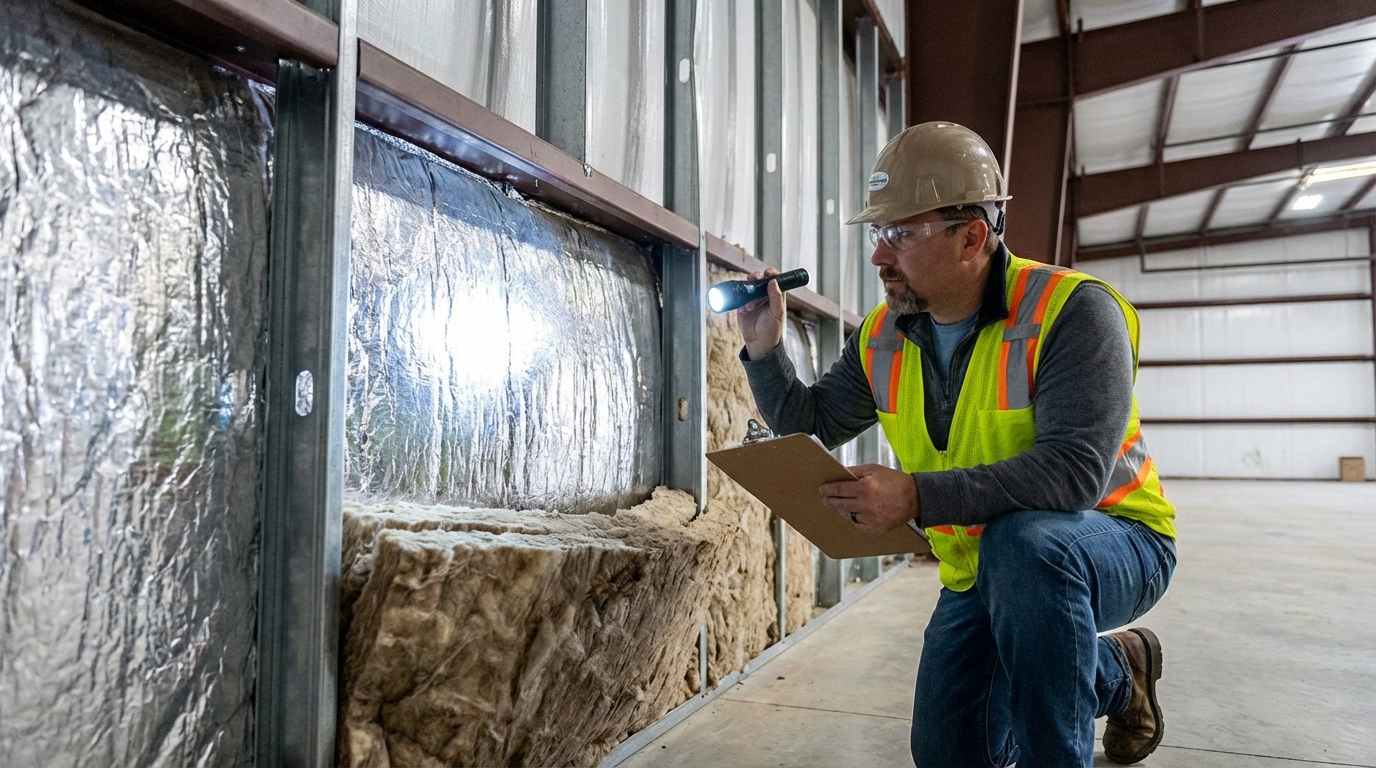
Maintaining your steel building insulation involves regular visual inspections for moisture buildup, sagging materials, and signs of pest intrusion. Detecting a small leak early can prevent the entire insulation system from becoming waterlogged and failing. Routine care is the key to ensuring that your budget-friendly solution continues to provide value for decades.
Seasonal Moisture Checks
At least twice a year, you should walk your building and check for damp spots on the insulation facing. Pay special attention to corners and roof peaks where condensation is most likely to occur. It gets better: if you find a small hole in the vapor barrier, a simple piece of repair tape can fix it in seconds.
Pest and Rodent Control
Mice and rats love to nest in soft insulation, which can quickly destroy the thermal properties of your fiberglass. Keeping the perimeter of your building clear of debris and sealing any entry points is a low-cost maintenance step. The best part? Preventing pests also protects your stored inventory and electrical wiring from damage.
| Maintenance Task | Frequency | Estimated Cost | |
|---|---|---|---|
| Visual Leak Check | Bi-Annually | $0 (Time) | |
| Tape Repair | As Needed | $20 (Tape roll) | |
| Pest Perimeter Check | Quarterly | $0 (Time) |
Consistent, low-effort maintenance protects your initial investment and prevents the need for a full, expensive insulation overhaul.
Key Takeaway: Conduct bi-annual inspections to catch small leaks or pest damage before they compromise your entire insulation system.
What is the ROI of Improved Energy Efficiency?
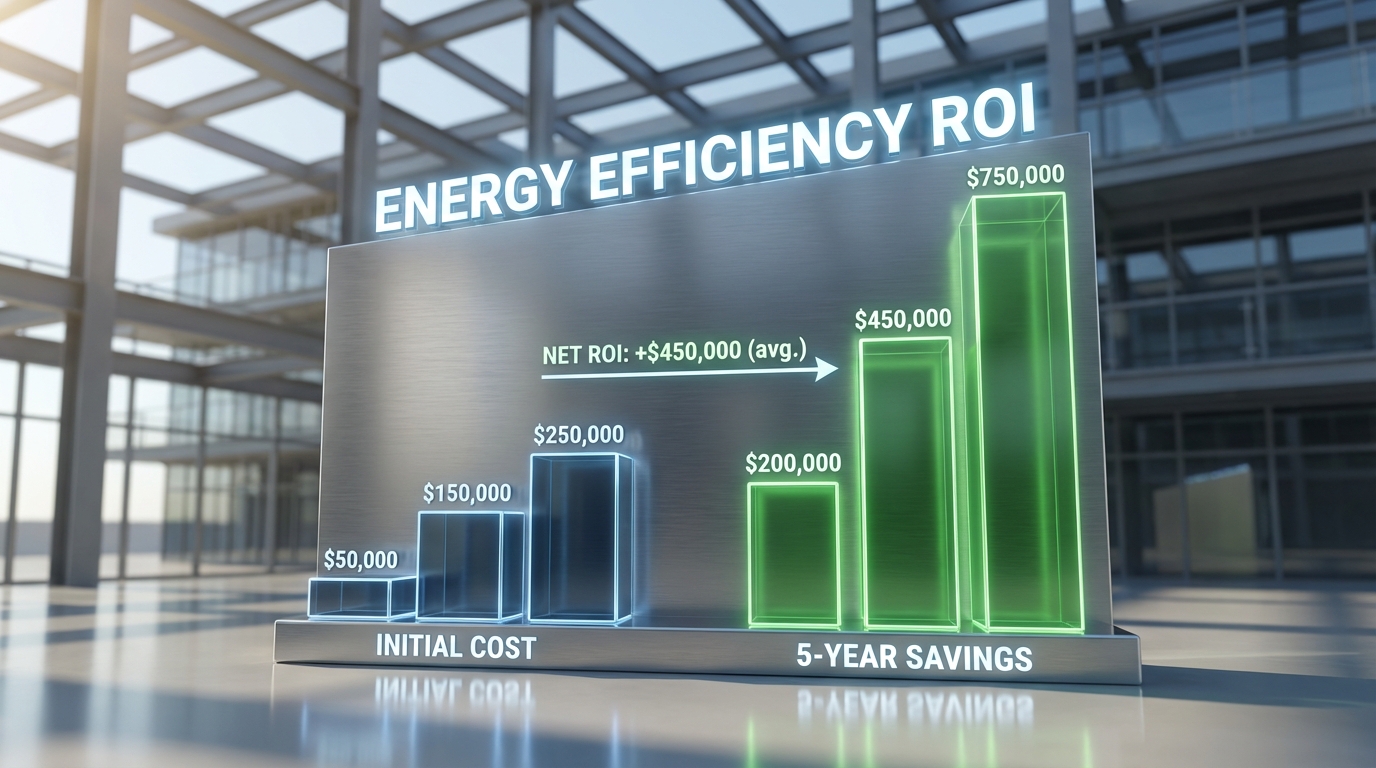
The ROI of improved energy efficiency is realized through significantly lower utility bills and a greatly extended lifespan for your structural steel. A well-insulated building reduces the load on your HVAC systems, meaning they last longer and require fewer repairs. Choosing a quality manufacturer like Showhoo Steel ensures you start with a structure designed for this level of efficiency. High-quality steel building insulation pays for itself in just a few short years.
Reducing Monthly Operational Costs
Strategic insulation can lower your heating and cooling costs by up to 30% or more. Think about it: over five years, those monthly savings can completely cover the original cost of the insulation materials. Bottom line: insulation is one of the few building upgrades that actually puts money back into your pocket every single month.
Enhancing Resale and Asset Value
A climate-controlled building is much more attractive to future buyers or renters than a “sweat box.” Even if you don’t plan to sell, the protection against rust ensures your building remains a viable asset for a much longer period. Look closer: the cost of the insulation is a tiny fraction of the cost of the entire building, yet it protects the entire investment.
| Investment Period | Expected Outcome | Financial Impact | |
|---|---|---|---|
| Year 1-2 | Lower utility bills | Immediate cash flow boost | |
| Year 3-5 | HVAC longevity | Reduced replacement costs | |
| Year 10+ | Structural integrity | Maximum resale value |
The math is simple: a small investment in insulation today prevents massive operational and structural costs in the future.
Key Takeaway: Professional insulation typically pays for itself within 3-5 years through reduced energy bills and lower HVAC maintenance.
Frequently Asked Questions (FAQ)
Can I install insulation after the building is already finished? Yes, retrofitting is possible using rigid foam boards or specialized “bubble wrap” foil. While it requires more careful cutting to fit between existing frames, it effectively improves thermal performance and stops condensation.
What’s the best way to prevent condensation on metal walls? The most effective method is combining a consistent thermal break with a continuous vapor barrier. This prevents warm, moist air from ever contacting the cold metal surface, which is the root cause of “sweating.”
Can I use residential insulation in a steel structure? Yes, standard residential fiberglass can be used, but it must be paired with a separate vapor barrier. Residential batts often lack the heavy-duty vinyl facing required to handle the tension and moisture levels found in steel frames.
What’s the cheapest material for a large warehouse? Fiberglass batt insulation remains the most cost-effective solution for large-scale coverage. It offers the best balance of high R-value and low material cost per square foot for industrial applications.
How can I improve R-value without spending too much? Focus on “air sealing” first. Using inexpensive spray foam cans and weatherstripping to seal every gap ensures your existing insulation performs at its maximum rated capacity without air bypass.
Strategic Conclusion
Insulating your metal building doesn’t have to be a financial burden. By prioritizing the roof, choosing materials like fiberglass or reflective foil, and committing to a DIY installation, you can achieve professional-grade results on a budget. These methods not only provide immediate comfort but also protect your structure from the long-term dangers of moisture and rust. To get started on your project with the best structural support, contact us today for expert guidance on building design and material selection. At Showhoo Steel, we believe every structure should be built to last—and proper insulation is the foundation of that promise.