
Timber warps and rot spreads quietly under floors, jeopardizing project timelines and budgets unexpectedly. Structural Steel Framing solves this unpredictability by offering unmatched consistency and durability. I have managed complex sites for two decades, and steel remains the only material guaranteeing structural integrity regardless of the environment.
1. What Is Structural Steel Framing and How Does It Work?
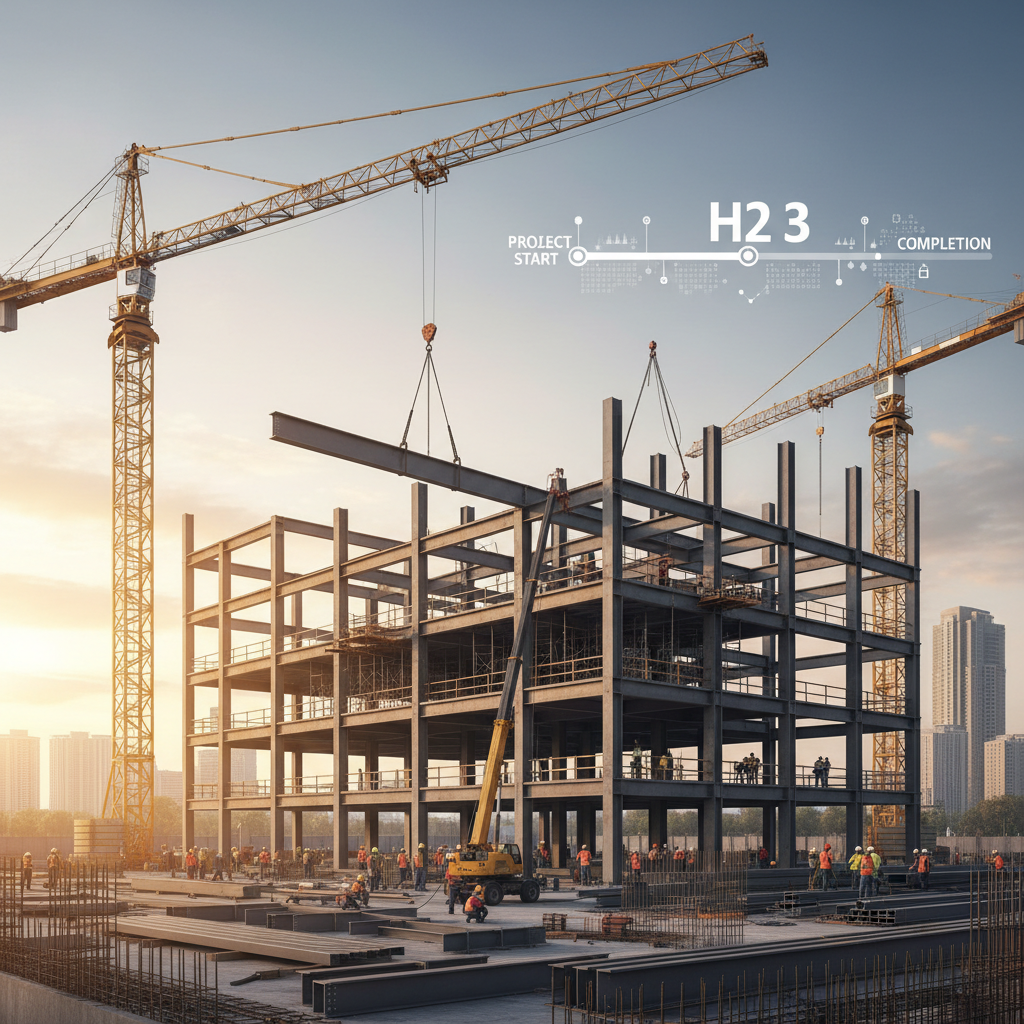
Here is the deal. Structural steel framing acts as a load-bearing skeleton composed of vertical columns and horizontal beams. These components lock together to support the entire weight of a building without needing load-bearing walls. Our steel building technical specifications ensure every beam is fabricated off-site with laser precision before shipping. This method differs wildly from traditional methods where workers cut materials on location.
How Does the I-Beam Support Heavy Loads?
The I-beam geometry concentrates mass in horizontal flanges to handle sheer stress. This design resists bending forces far better than solid rectangular blocks found in wood construction. Manufacturers roll steel into these specific shapes to maximize strength while minimizing total weight.
- Flanges resist bending moments effectively.
- Webs handle shear forces.
- Geometry optimizes weight-to-strength ratio.
What Components Make Up the Skeleton?
A complete frame includes rigid columns, rafters, and stabilizing cross-bracing. Steel girders span large distances to create open floor plans while secondary elements like purlins support roof cladding directly. Bolts secure these parts together creating an incredibly rigid frame.
Is Fabrication Done On-Site or Off-Site?
Fabrication happens entirely within controlled factory environments where technicians cut, drill, and weld components. This process ensures millimeter-perfect accuracy for every connection point before they ever reach your land. Crews simply lift and bolt parts together upon arrival.
Key Takeaway: Structural steel framing utilizes a prefabricated skeleton of columns and beams to provide superior load-bearing capacity compared to on-site fabrication methods.
| Feature | Structural Steel Framing | Traditional Timber | |
|---|---|---|---|
| Primary Component | I-Beams & Columns | Wood Studs & Joists | |
| Fabrication Location | Off-site Factory | On-site Cutting | |
| Connection Method | High-strength Bolting | Nailing & Screwing | |
| Precision Level | Millimeter Tolerance | Variable/Rough |
Analysis: Pre-fabrication eliminates human error during cutting, ensuring specifications are met precisely every time.
2. Why Choose Structural Steel Framing Over Timber?
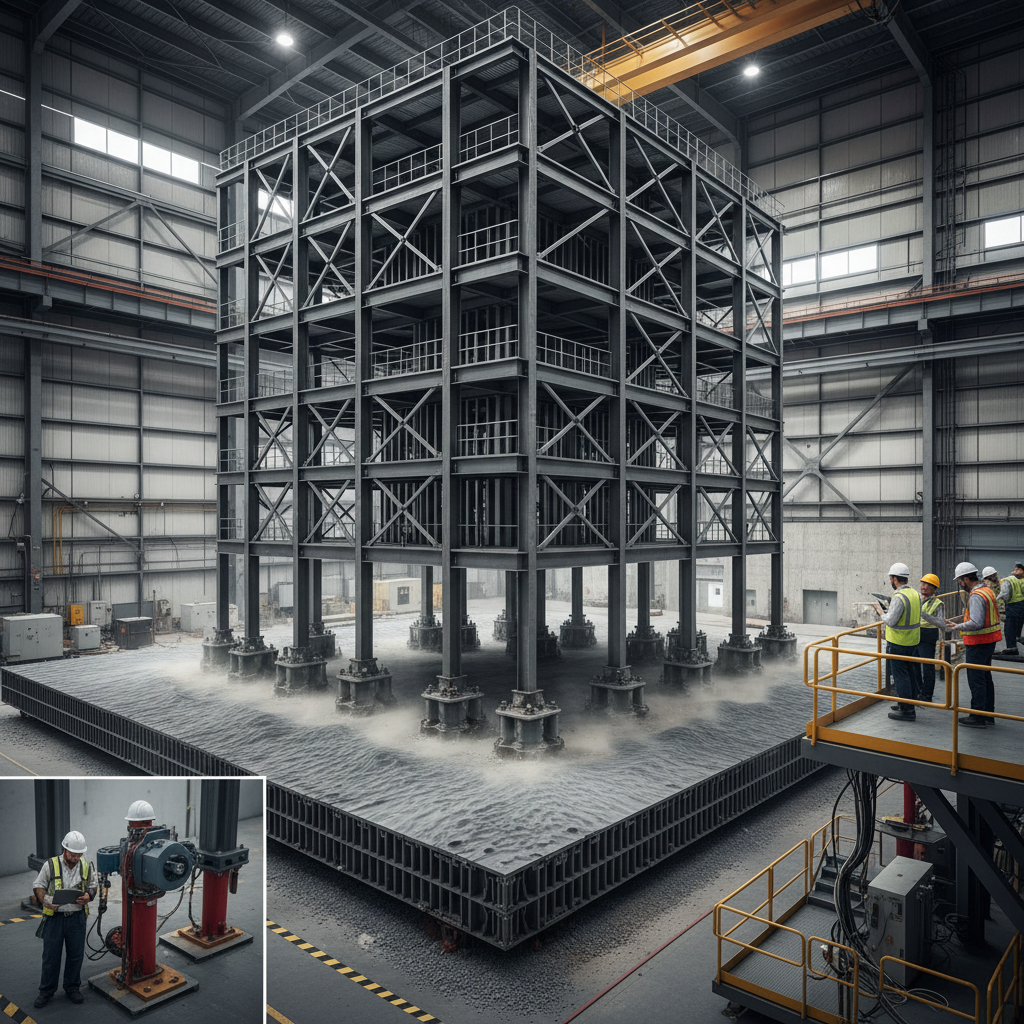
You might be wondering. Why do engineers prefer metal over organic timber for commercial projects? Wood contains natural imperfections like knots which weaken specific points unpredictably, while steel offers uniform consistency. A beam manufactured today possesses identical strength characteristics to one made last year.
Does Steel Resist Pests Better Than Wood?
Termites destroy wooden frames silently from within, but a steel beam provides zero nutritional value. Builders need not apply toxic chemical treatments to prevent infestations.
- Immune to termite damage.
- Resistant to rodent gnawing.
- No need for chemical pesticides.
How Much Stronger Is Steel Than Lumber?
Steel boasts a strength-to-weight ratio significantly higher than any wood species. One steel column supports weight requiring multiple timber posts clustered together. This allows architects to design thinner walls and wider rooms.
Will Steel Warp Over Time?
Wood absorbs moisture from humidity causing it to twist or bow. Steel remains dimensionally stable regardless of environmental moisture levels. Drywall cracks and sticking doors vanish because your frame does not shift.
Key Takeaway: Choosing steel eliminates risks associated with organic materials, such as pest damage, warping, and inconsistent structural strength.
| Characteristic | Steel Performance | Wood Performance | |
|---|---|---|---|
| Pest Resistance | 100% Immune | Vulnerable to Termites | |
| Moisture Effect | None (with coating) | Warping & Rotting | |
| Consistency | Uniform Product | Natural Knots/Defects | |
| Strength/Weight | High Ratio | Lower Ratio |
Analysis: The predictability of steel reduces long-term liability, resulting in fewer warranty claims regarding structural movement compared to timber projects.
3. Is Structural Steel Framing Cost-Effective Long Term?
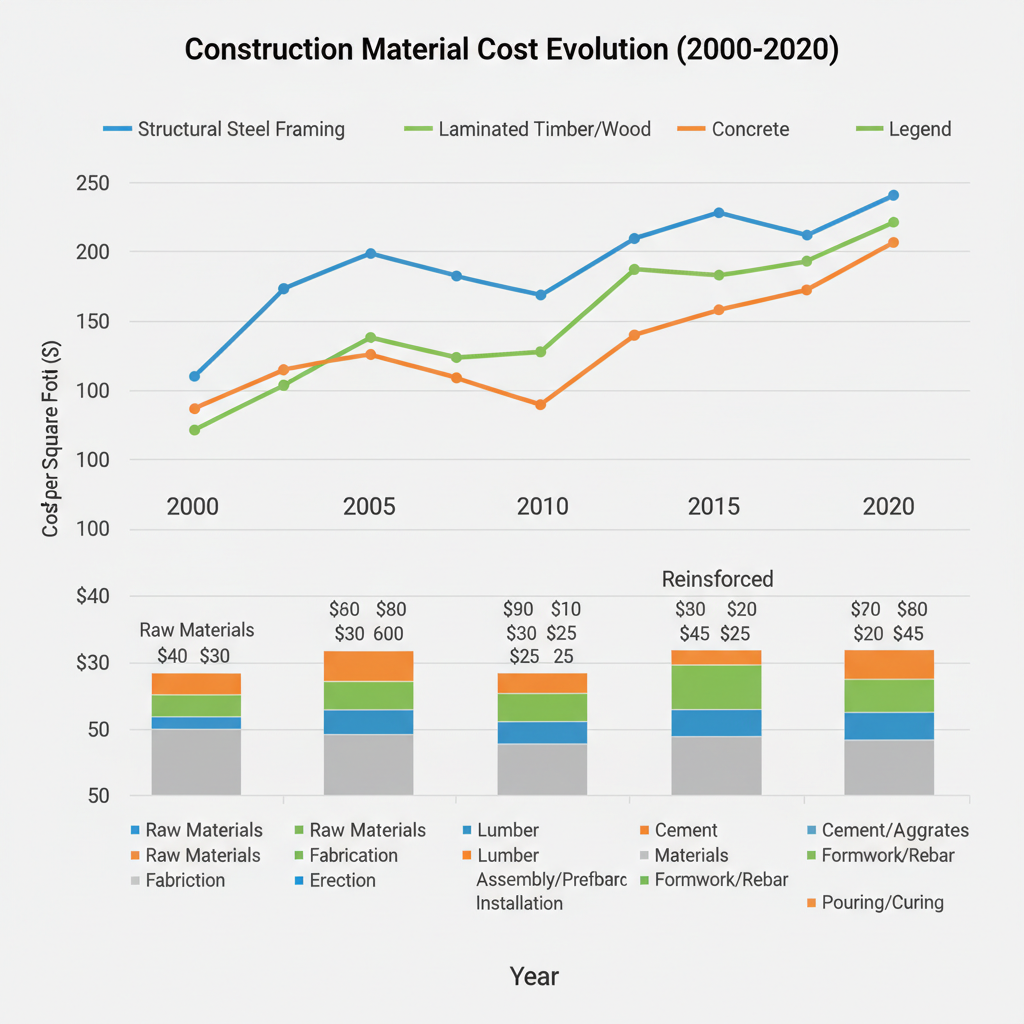
But there is a catch. The initial price tag for steel often appears higher on paper than lumber due to energy-intensive processing. However, smart investors look at total cost of ownership rather than just material receipts. Speed of construction and reduced maintenance dramatically lower expenses over a building’s lifespan. Our industrial steel solutions optimize these long-term savings.
Why Is the Upfront Cost Higher?
Steel production involves mining, smelting, and precise fabrication processes. These industrial steps cost more than milling trees into lumber. Fluctuating global metal prices also impact initial quotes more heavily than stable wood markets.
How Much Do You Save on Labour?
Prefabricated kits fit together rapidly like an erector set. Skilled crews erect massive warehouses in weeks rather than months.
- Reduced time on site.
- Lower equipment rental fees.
- Minimised general conditions costs.
Do Insurance Premiums Drop with Steel?
Insurers view non-combustible frames as lower risk assets. Fire coverage premiums drop substantially for steel buildings compared to wood structures. This annual saving accumulates into massive amounts over twenty years.
Key Takeaway: While raw material costs exceed timber, structural steel framing delivers ROI through faster construction, lower insurance, and minimal maintenance.
| Cost Factor | Steel Impact | Timber Impact | |
|---|---|---|---|
| Initial Material | High | Moderate/Low | |
| Assembly Labor | Low (Fast) | High (Slow) | |
| Insurance Rate | Discounted | Standard/High | |
| Maintenance | Minimal | Frequent |
Analysis: Investing in steel protects capital by reducing ongoing operational expenditures significantly.
4. How Fast Is Structural Steel Framing Assembly On-Site?
It gets better. Pre-engineered steel components arrive ready for immediate installation, keeping sites uncluttered and efficient. Workers waste zero hours measuring or cutting beams because machines did that work already. We often see framing timelines reduced by thirty percent or more compared to conventional methods.
Can Weather Delay Steel Construction?
Rain stops wood framing because wet lumber cannot be sealed immediately. Steel erection continues through light rain and cold temperatures without issue.
- No drying time required.
- Unaffected by freezing temperatures.
- Resistant to moisture absorption.
How Does Prefabrication Speed Up the Process?
Factories produce components while crews prepare foundations simultaneously. This parallel workflow shortens total project duration drastically. Trucks deliver specific sections exactly when erectors need them.
Are Fewer Workers Required for Assembly?
Cranes do the heavy lifting for steel columns. Small teams of bolted connection specialists replace large armies of carpenters. Mechanized installation reduces human fatigue and injury risk.
Key Takeaway: Prefabrication enables parallel workflows and rapid mechanized assembly, making steel framing significantly faster to erect than site-built alternatives.
| Phase | Steel Timeline | Concrete/Wood Timeline | |
|---|---|---|---|
| Preparation | Off-site Fabrication | Material Sourcing | |
| Framing | Rapid Bolting | Cut & Nail/Pour | |
| Weather Delay | Minimal Impact | High Impact | |
| Crew Size | Small (Mechanized) | Large (Manual) |
Analysis: Accelerating the build schedule allows businesses to open sooner, generating revenue months earlier than with slower building techniques.
5. Can Structural Steel Framing Resist Harsh Weather?
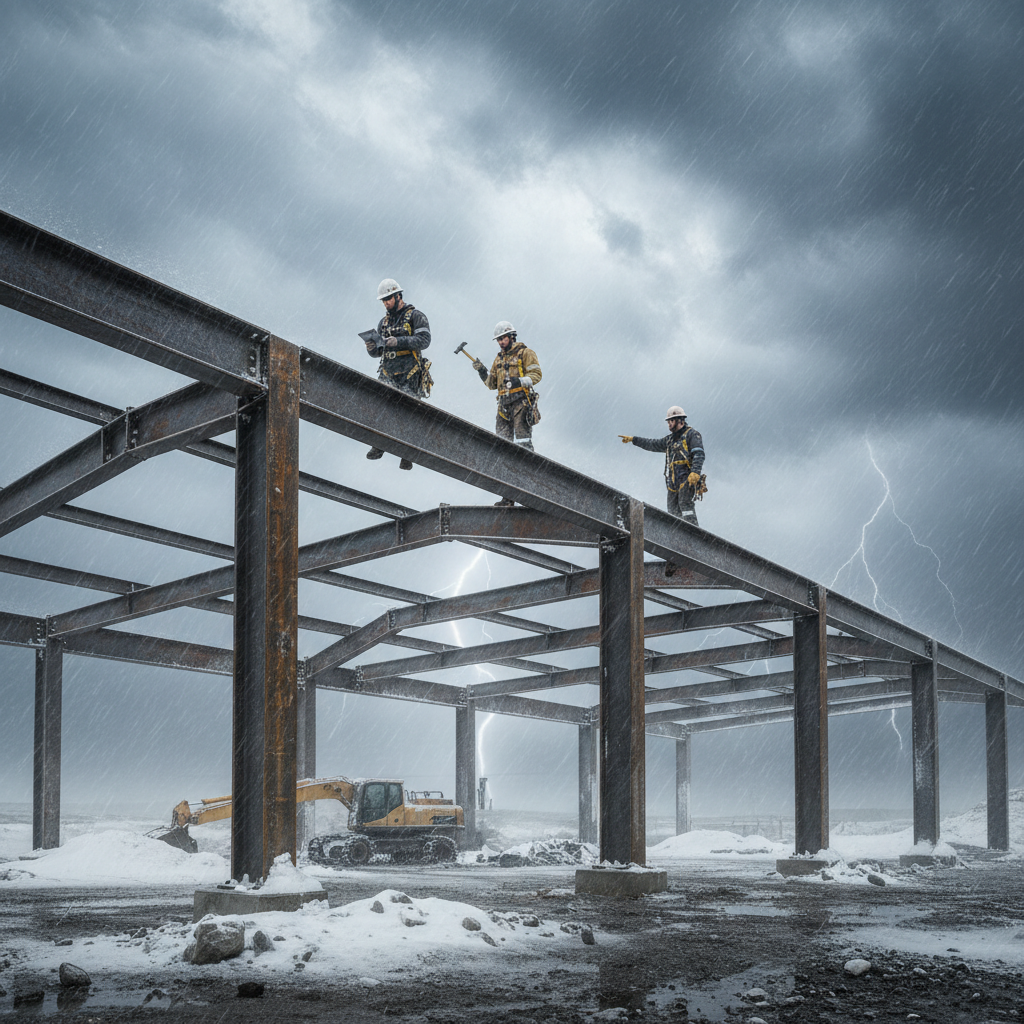
Think about this. Nature throws extreme forces at buildings constantly, but structural steel possesses ductility allowing it to bend slightly without breaking. This property proves vital during seismic events where rigid materials like masonry often crumble. We design safety compliant structures to ensure frames stand rigid during hurricanes.
Does Steel Perform Well in Earthquakes?
Seismic waves transfer massive energy into building foundations. Steel frames absorb this energy by flexing slightly at joints.
- Ductility absorbs seismic energy.
- Prevents catastrophic collapse.
- Protects occupants inside.
Will High Winds Compromise the Structure?
High-velocity winds create uplift forces on large roofs. Steel connections lock rafters to columns with immense tenacity. Properly engineered frames resist hurricane-force gusts that rip wood roofs apart.
How Does It Handle Heavy Snow Loads?
Wet snow accumulates immense weight on flat industrial roofs. Steel boasts high yield strength handling these vertical loads effortlessly. Safety margins ensure roofs hold even during record-breaking blizzards.
Key Takeaway: Steel’s inherent ductility and high yield strength allow it to withstand earthquakes, hurricanes, and heavy snow loads better than rigid materials.
| Disaster Type | Steel Response | Masonry/Wood Response | |
|---|---|---|---|
| Earthquake | Flexes/Absorbs | Cracks/Collapses | |
| Hurricane | Rigid Connections | Uplift Failure | |
| Heavy Snow | High Load Capacity | Sagging/Breaking | |
| Flooding | Moisture Resistant | Rot/Mold Growth |
Analysis: Building specifically for resilience requires materials that adapt to stress, and steel provides that necessary resilience naturally.
6. Is Structural Steel Framing Truly Sustainable?

Here is the truth. Steel reigns as the most recycled material on Earth, with every new beam containing a significant percentage of recycled scrap metal. We can melt down old cars or demolished buildings to create pristine structural elements endlessly. This circular lifecycle reduces demand for raw iron ore extraction significantly.
Is Steel 100% Recyclable?
Steel loses none of its physical properties during recycling. A beam recycled ten times remains just as strong as virgin steel.
- Infinite recycling life cycle.
- Maintains structural integrity.
- Reduces landfill waste.
Does Steel Construction Create Less Waste?
Factory cutting utilizes computer nesting software to maximize material usage. Offcuts collected at the plant go straight back into the furnace. Job sites remain clean without piles of wood scraps.
Can You Reuse Steel Beams in Future Projects?
Bolted frames can technically be disassembled and re-erected elsewhere. This potential for reuse aligns perfectly with modern sustainable design principles. Buildings become material banks for future generations.
Key Takeaway: Steel supports a circular economy through 100% recyclability, reduced construction waste, and the potential for component reuse.
| Metric | Steel Sustainability | Concrete Sustainability | |
|---|---|---|---|
| Recyclability | 100% Infinite | Low (Downcycled) | |
| Recycled Content | High (90%+) | Low | |
| Site Waste | Minimal | High | |
| End of Life | Scrap Value | Landfill Cost |
Analysis: Choosing steel reduces the environmental footprint of your project and supports global efforts toward resource conservation.
7. What Maintenance Does Structural Steel Framing Require?
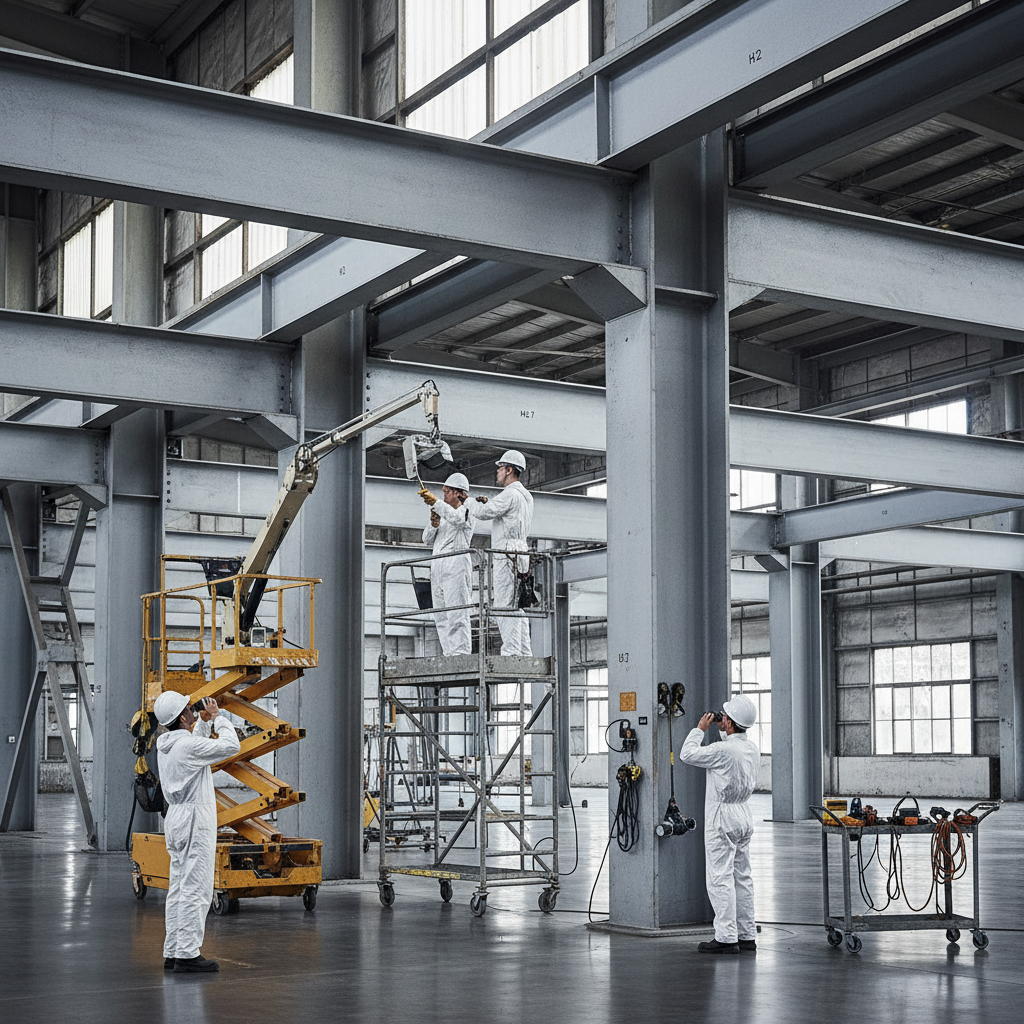
Bottom line? Owners hate paying for constant building repairs, so structural steel framing demands very little attention once enclosed. The primary enemy is rust which we combat using advanced coating technologies. When considering expanding existing frames , you will find the original structure remains pristine.
How Do Zinc Coatings Prevent Rust?
Galvanization involves dipping steel into molten zinc. This creates a sacrificial barrier that corrodes before the steel does. Even if scratched deep, zinc “heals” the wound chemically.
How Often Should You Inspect the Frame?
Exposed exterior steel needs annual visual checks for coating damage. Enclosed structural members typically require no inspection unless water leaks occur.
- Inspect exposed steel annually.
- Check for coating damage.
- Monitor for water leaks.
Can You Repair Scratched Coatings Easily?
Minor scratches in paint or galvanization repair quickly. Workers sand the area and apply a zinc-rich primer. This simple fix restores full protection immediately.
Key Takeaway: Maintenance for steel framing is minimal, focusing primarily on inspecting and repairing protective zinc coatings to prevent corrosion.
| Task | Frequency for Steel | Frequency for Wood | |
|---|---|---|---|
| Pest Control | Never | Annual | |
| Rot Inspection | Never | Annual | |
| Coating Check | Periodically | Frequent (Paint/Stain) | |
| Structural Repair | Rare | Occasional |
Analysis: Low maintenance requirements make managing facilities cheaper, allowing your budget to focus on operations rather than repairs.
8. Does Structural Steel Framing Limit Architectural Design?
Imagine this scenario. An architect wants a hundred-foot wide showroom with zero columns blocking the view. Only steel framing makes this possible economically. The incredible strength of steel allows for clear spans that timber simply cannot achieve.
Can You Achieve Large Open Spaces?
Steel trusses span massive distances without intermediate support. This capability defines modern warehouses and aircraft hangars.
- Spans exceeding 100 feet.
- Column-free interiors.
- Maximum floor plan flexibility.
Is Steel Compatible with Glass and Concrete?
Steel frames pair beautifully with curtain glass walls. The rigid skeleton supports heavy glazing systems effortlessly. Architects blend exposed industrial steel with warm concrete textures.
Does Steel Support Complex Geometries?
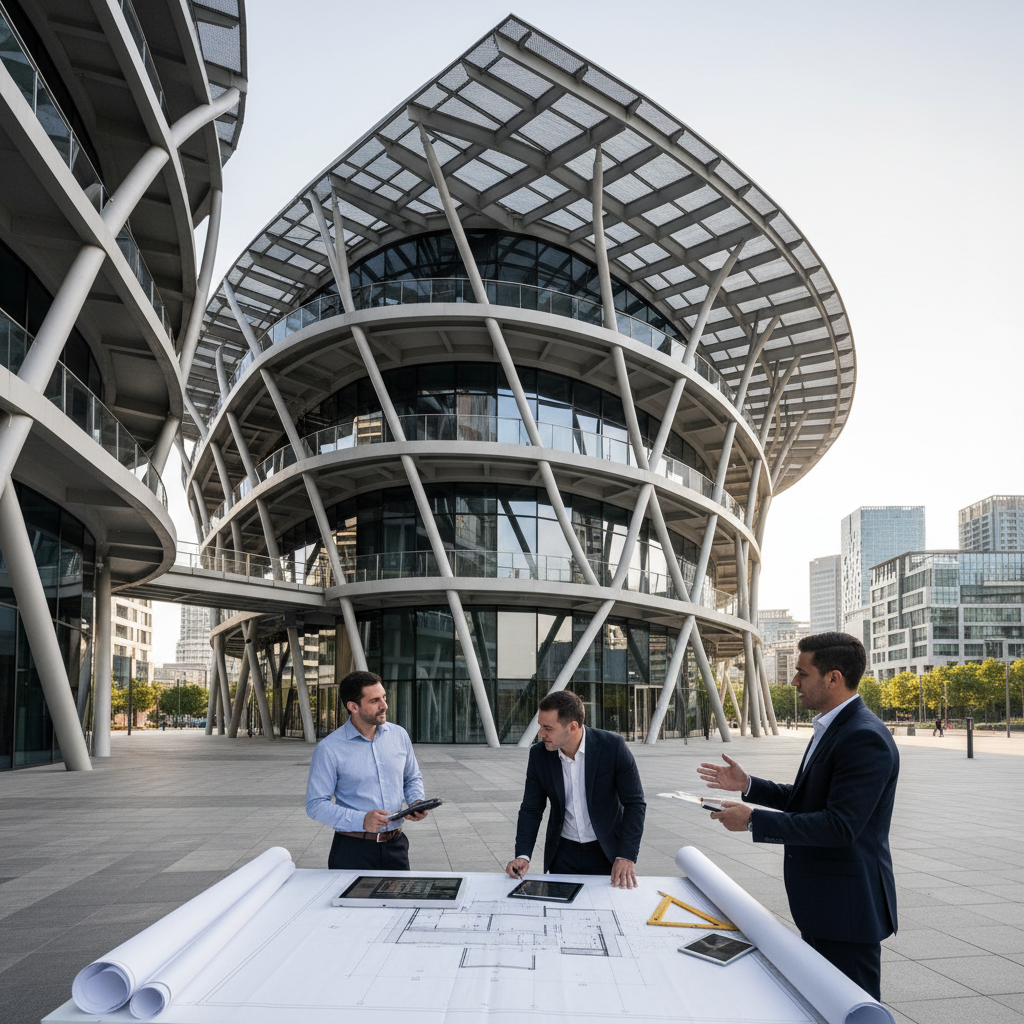
Fabricators can bend steel into curves and arches. We create cantilevered balconies that seem to float in air. This plasticity drives the most iconic modern architecture.
Key Takeaway: Steel enables vast clear spans and complex geometric designs, offering architects freedom that other materials cannot match.
| Design Feature | Steel Capability | Timber Capability | |
|---|---|---|---|
| Clear Span | Massive (>100ft) | Limited | |
| Wall Openings | Large Windows | Standard/Small | |
| Shape | Curving/Angular | Mostly Linear | |
| Modifications | Easy to Bolster | Difficult |
Analysis: Design flexibility translates to operational efficiency, as open floor plans allow businesses to adapt workflows without structural constraints.
9. Is Structural Steel Framing Safer During Fires?
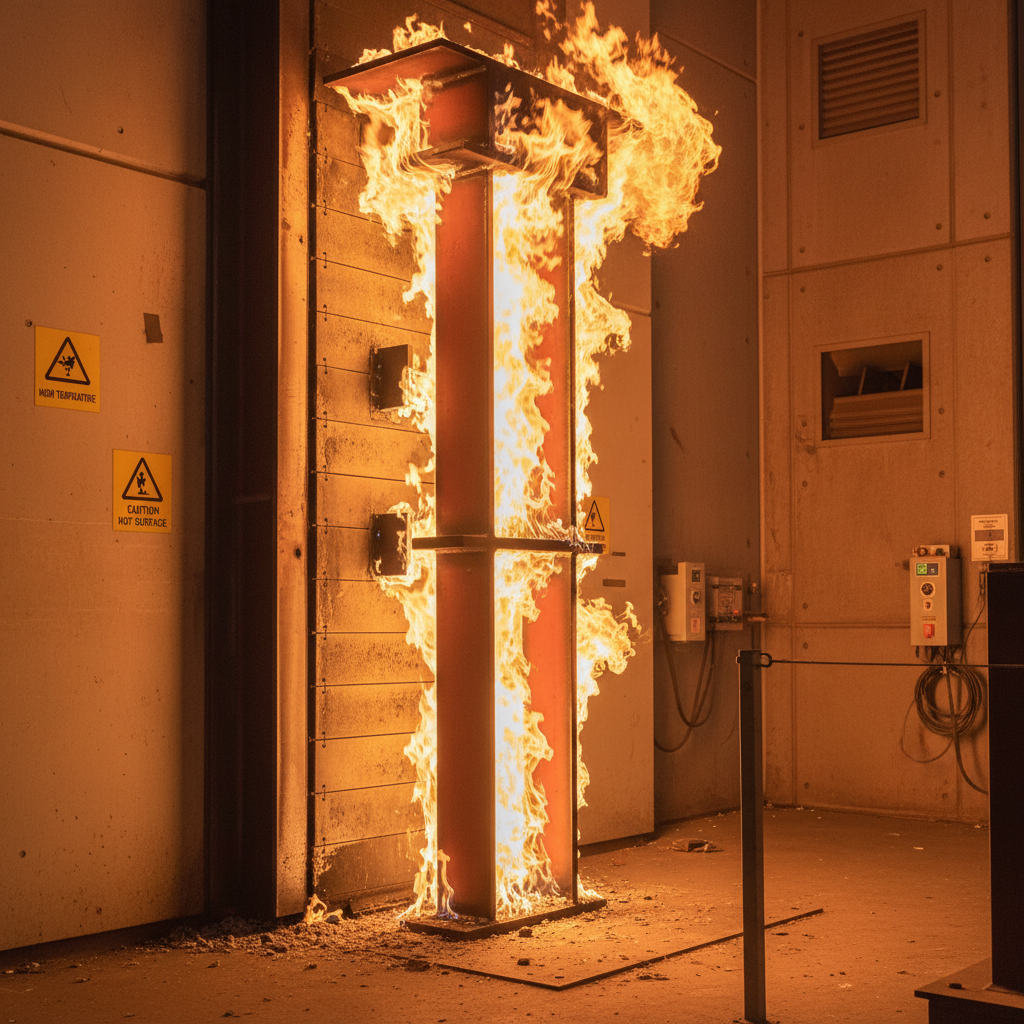
Here is the kicker. Steel does not burn; it creates no smoke and adds no fuel to a building fire. However, extreme heat can weaken steel causing it to lose strength. We apply protection to safeguard your industrial assets and allow safe evacuation.
Does Steel Burn Like Wood?
Timber frames become fuel sources that accelerate fire spread. Steel remains non-combustible even at high temperatures.
- Non-combustible material.
- No contribution to fuel load.
- Reduces fire intensity.
Why Is Intumescent Paint Necessary?
Intumescent coatings expand into a thick foam when heated. This insulating layer protects the steel core from reaching critical temperatures. It buys precious time for firefighters to arrive.
How Long Can Steel Hold Structural Integrity?
Properly protected steel frames maintain integrity for hours. Ratings typically range from sixty minutes to four hours depending on coating thickness. This resistance saves lives during emergencies.
Key Takeaway: While non-combustible, steel requires fireproofing to maintain strength during fires, offering superior safety compared to flammable timber.
| Safety Metric | Steel Frame | Timber Frame | |
|---|---|---|---|
| Combustibility | Non-Combustible | Highly Flammable | |
| Smoke Generation | None | Heavy Smoke | |
| Fuel Contribution | Zero | High | |
| Fire Spread | Contains Fire | Spreads Fire |
Analysis: Fire safety remains a top priority for owners, and using steel reduces liability while protecting assets from total destruction.
10. How Versatile Is Structural Steel Framing for Industry?
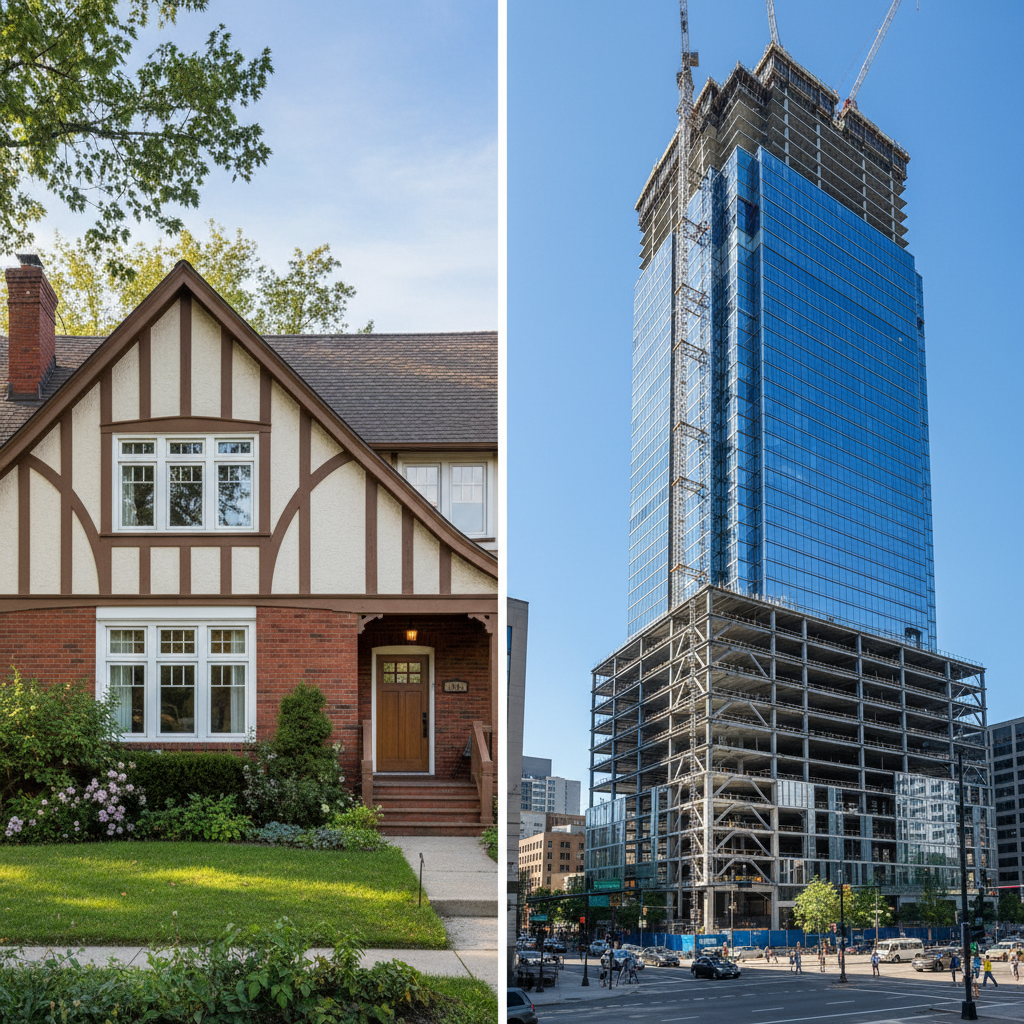
Why does this matter? Businesses evolve constantly requiring buildings that adapt. Structural steel framing supports diverse sectors from agriculture to aerospace. A warehouse built today might need a mezzanine floor added tomorrow, and steel connections make these modifications straightforward.
Can You Expand a Steel Building Later?
Engineers design end walls to be removable for expansion. New frames bolt onto existing columns seamlessly.
- Easy bolt-on expansion.
- Minimal disruption to operations.
- No demolition required.
Is It Suitable for Heavy Machinery Support?
Factories often hang cranes directly from the roof structure. Steel frames handle these immense dynamic point loads safely. Wood trusses would snap under such concentrated weight.
Does It Work for Agricultural Storage?
Farmers need wide doors for massive combines and tractors. Steel rigid frames provide the height and width necessary for modern equipment. The interior remains free of obstructions.
Key Takeaway: Steel framing offers unmatched versatility, supporting heavy machinery, allowing easy expansion, and adapting to various industrial needs.
| Application | Steel Benefit | Limitation of Others | |
|---|---|---|---|
| Warehousing | Max Cube Space | Columns Block Storage | |
| Manufacturing | Crane Support | Cannot Hold Cranes | |
| Agriculture | Wide Access | Height Restrictions | |
| Retail | Flexible Layout | Fixed Walls |
Analysis: Versatility ensures your property retains value, as future buyers appreciate a structure that adapts to their specific needs easily.
Conclusion
Wood fails under stress, and concrete cracks over time, but structural steel framing endures. We solved the durability crisis by choosing the strongest skeleton available. This material provides the predictability and speed that modern construction demands. Springfield Steel Buildings delivers precision engineering that protects your investment for generations.
Secure your project’s future now. Visit our site or contact us today for a consultation.
FAQ Section
Q1: Can I customize structural steel framing designs?Absolutely. Engineers fabricate beams to exact specifications allowing unique shapes and vast clear spans that standard timber cannot achieve. This flexibility permits custom layouts tailored to your specific operational requirements.
Q2: Is structural steel framing prone to rust?Not typically. Modern galvanization and zinc coatings provide a robust barrier against moisture effectively preventing corrosion in most environments. Routine inspections ensure these protective layers remain intact over decades.
Q3: Does structural steel framing interfere with Wi-Fi?Occasionally. Dense metal can dampen signals but installing signal repeaters or careful router placement easily resolves this minor connectivity issue. Most modern offices function perfectly well within steel structures.
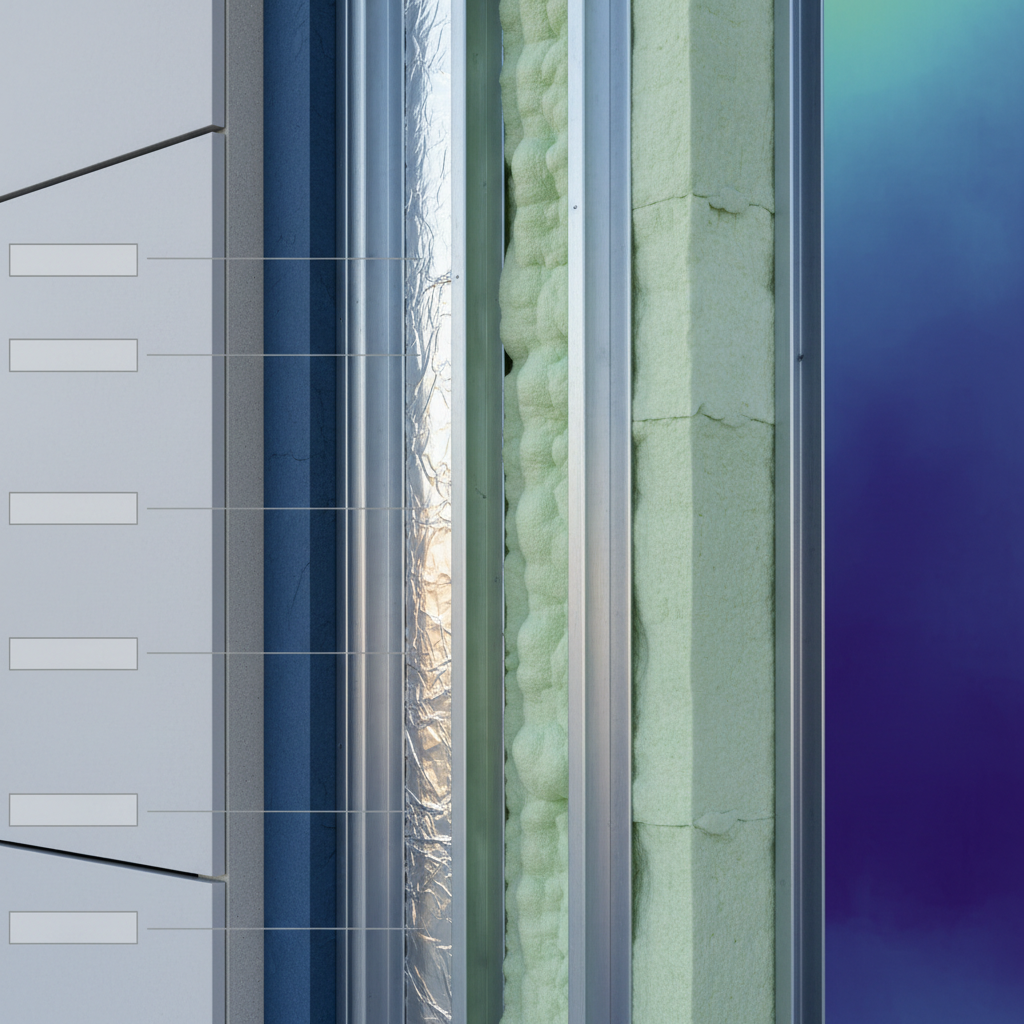
Q4: Can I insulate structural steel framing effectively?Yes. While thermal bridging is a risk using thermal break materials and high-quality composite cladding ensures excellent energy efficiency. Proper insulation systems mitigate heat transfer effectively keeping interiors comfortable.
Q5: Is structural steel framing recyclable?Entirely. Steel is the most recycled material on earth maintaining its structural properties indefinitely through repeated recycling processes. Choosing steel significantly reduces the environmental impact of your construction project.