
A warehouse is a functional infrastructure designed to secure and organize materials while shielding them from environmental degradation. In today’s volatile market, you face rising storage costs and inefficient inventory flows that erode your bottom line. Think about it: without a strategic hub, your supply chain remains fragile and reactive. The most effective way to regain control and scale operations is by building a warehouse that prioritizes operational throughput and structural durability.
Why is building a warehouse critical for logistics?
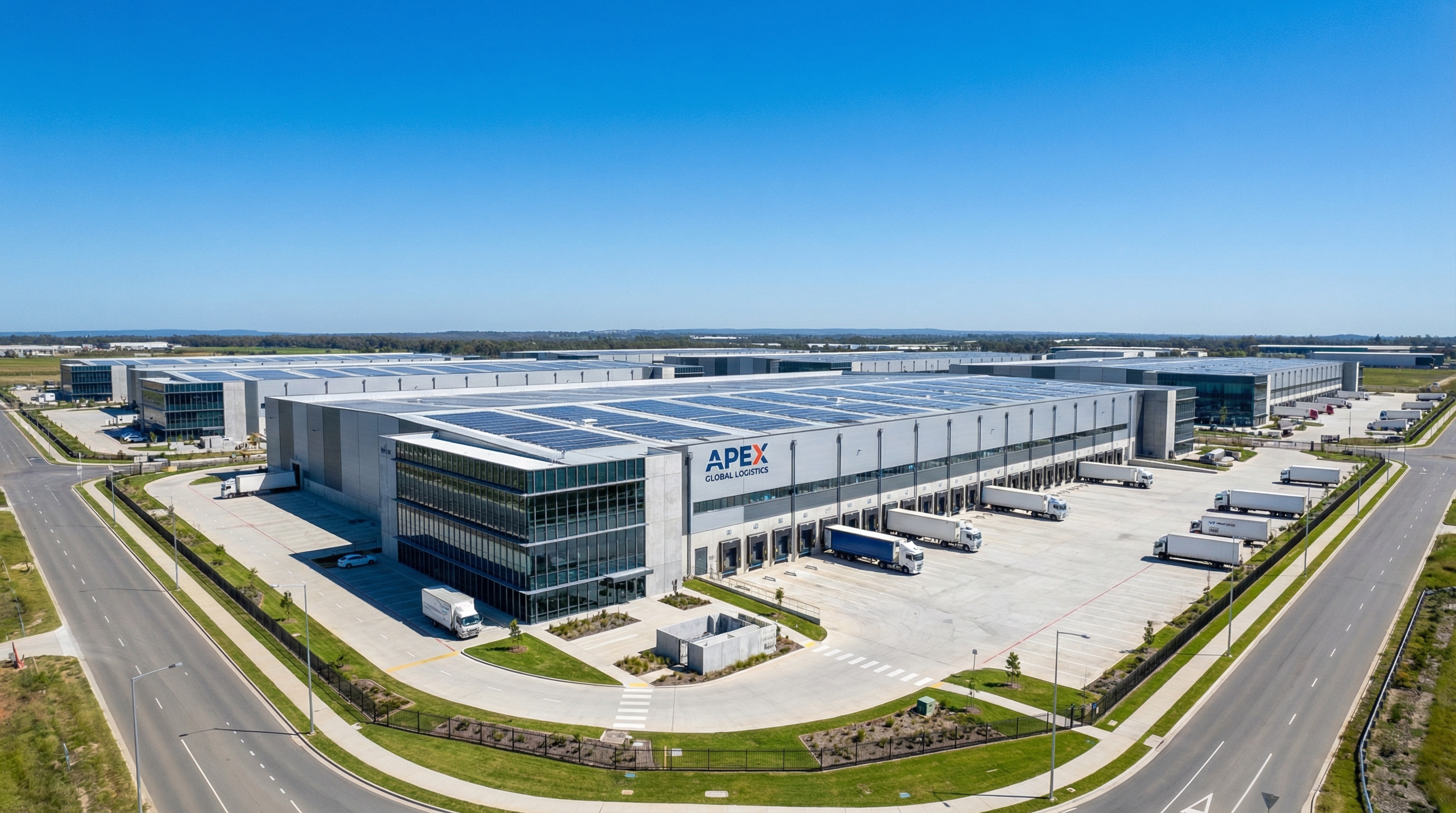
Building a warehouse is critical because it acts as a centralized node that stabilizes your entire distribution network. Without this dedicated space, you lose the ability to manage “just-in-time” inventory or buffer against shipping delays.
You need to ensure your facility is positioned near major transport arteries to minimize lead times. Proper planning allows you to consolidate shipments and reduce per-unit shipping costs significantly.
Strategic Planning for Hub Proximity
- Proximity to ports, rail, and highways.
- Accessibility for heavy-duty freight vehicles.
- Availability of local labor for logistics operations.
Here is the kicker: location determines your long-term operational overhead more than the initial construction cost. Selecting a site that aligns with your primary distribution routes is the first step toward a high-functioning supply chain.
How to scale for future growth?
Key Takeaway: Functional logistics require a location that balances land cost with transport efficiency to ensure long-term profitability.
| Strategic Factor | Operational Impact | Priority Level | |
|---|---|---|---|
| Hub Proximity | Reduced transport lead times | High | |
| Site Scalability | Flexible expansion capacity | Medium | |
| Labor Access | Reliable workforce availability | High |
Invest in a site analysis that accounts for traffic patterns and future infrastructure developments in your target region.
What are the benefits of industrial building a warehouse?
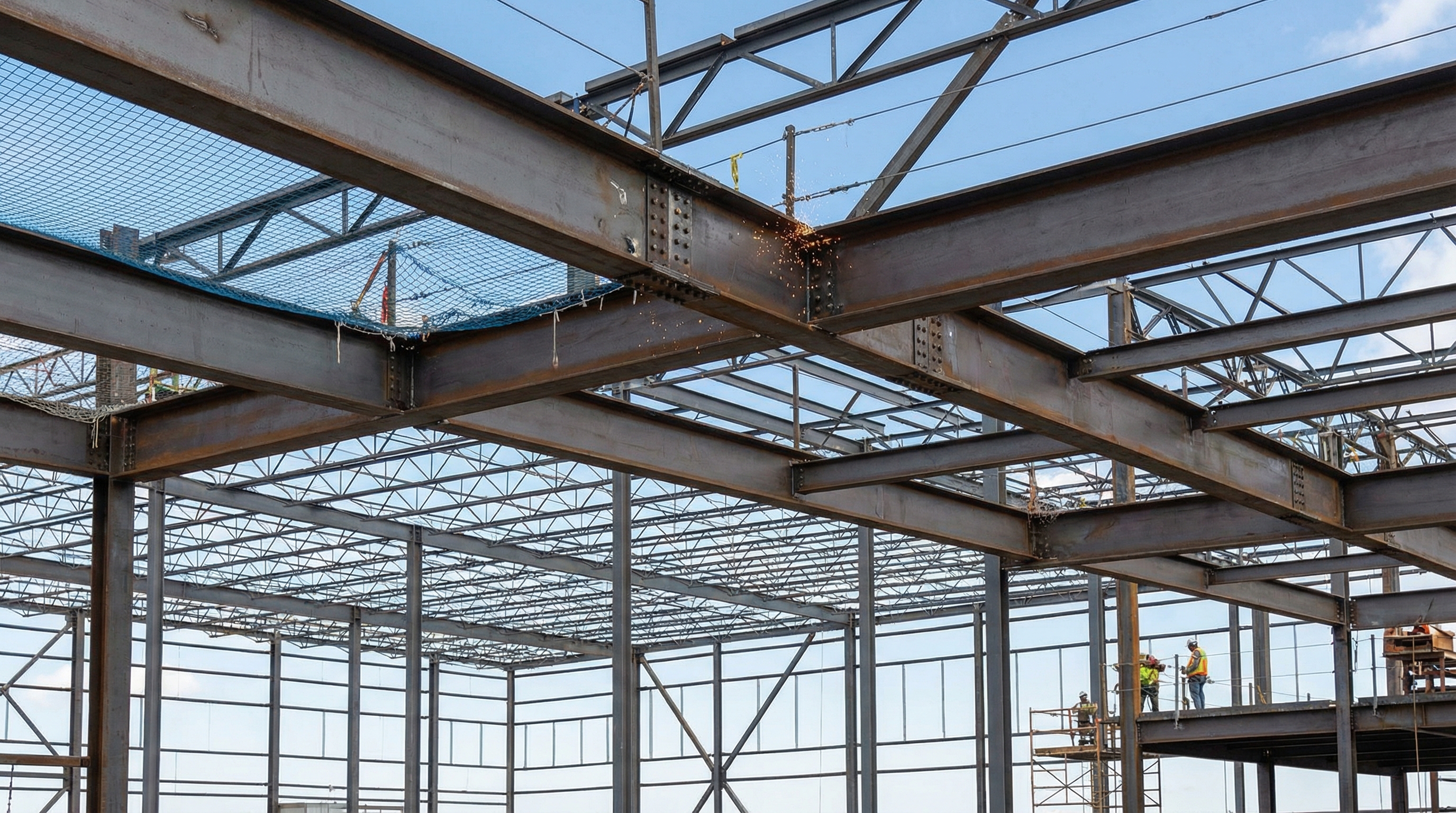
Industrial building a warehouse using steel structures provides unparalleled clear-span capabilities and accelerated construction timelines. These modern systems allow you to bypass the long curing times of traditional concrete while maintaining high seismic resilience.
Steel components are engineered off-site, which means your project stays on schedule even in unpredictable weather. This modular approach ensures that every beam and column meets strict international quality standards.
Advantages of Steel Frameworks
- Clear spans up to 40 meters for maximum storage.
- High strength-to-weight ratio for safety.
- Rapid assembly for a faster return on investment.
Think about it: every week saved in the construction phase is an extra week of operational revenue for your business. Steel structures offer the most efficient path to a functional facility.
Why choose prefabricated systems?
Key Takeaway: Industrial steel construction offers the fastest route to a durable, high-capacity facility with minimal on-site waste.
| Benefit | Impact on Project | Advantage | |
|---|---|---|---|
| Speed | 30-50% faster construction | Early ROI | |
| Durability | High seismic and wind resistance | Long life-cycle | |
| Flexibility | Easy to modify or expand | Scalability |
Select a steel-based design to ensure your facility can withstand extreme environmental loads while offering the internal space your operations demand.
How to optimize building a warehouse for operations?
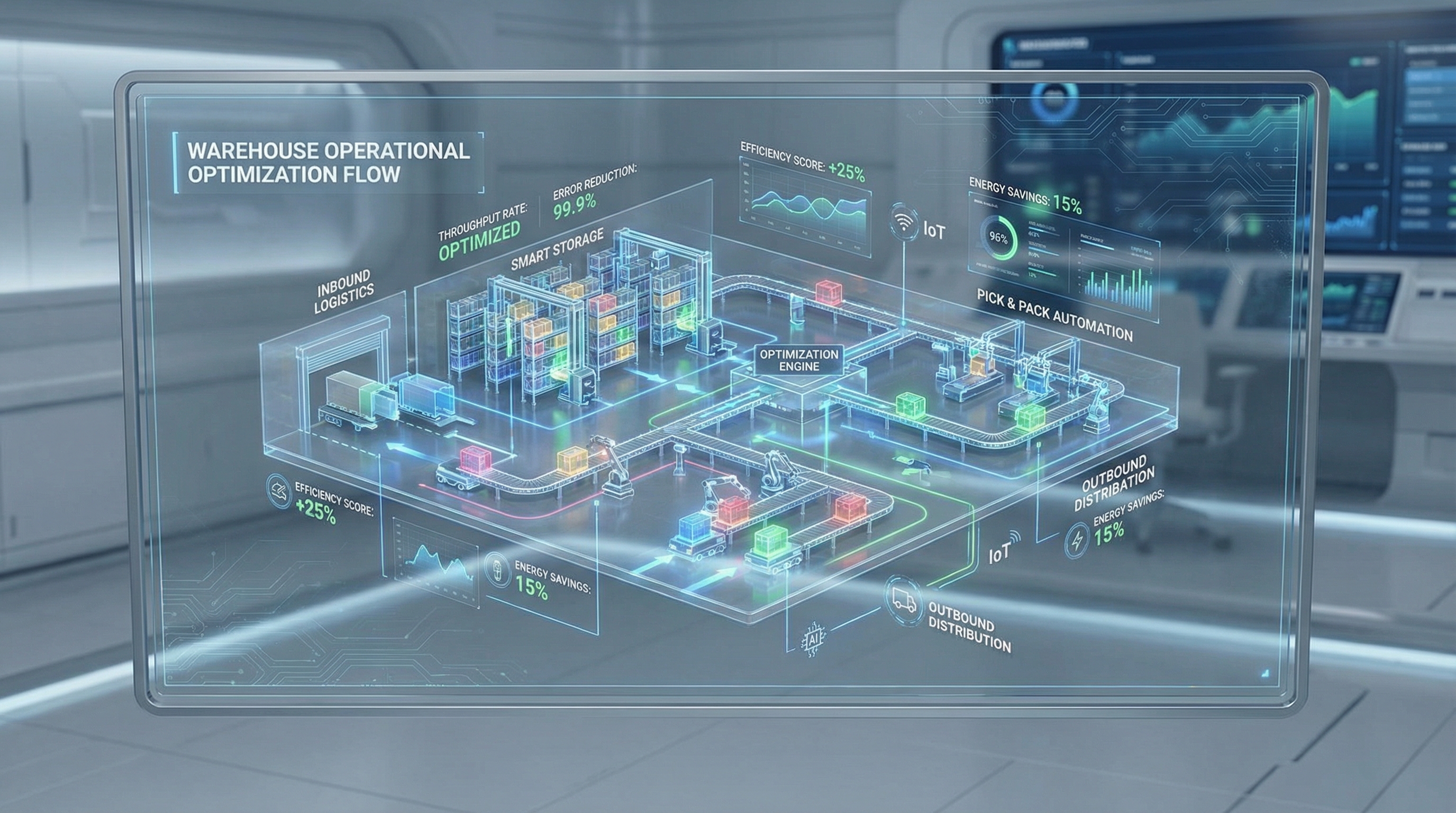
Optimizing building a warehouse requires a deep focus on vertical cube utilization and efficient material handling flow. By designing the layout around your specific inventory movement, you can eliminate bottlenecks that slow down your workforce.
High-bay racking systems allow you to maximize your storage density without increasing the building’s footprint. This approach is essential for businesses operating in regions where land prices are high.
Maximizing Internal Flow and Storage
- High-bay racking for vertical space efficiency.
- Optimized dock ratios for rapid turnaround.
- Strategic placement of “fast-moving” inventory areas.
But wait, there is more: the layout must also account for forklift turning radii and safe pedestrian walkways. A well-designed floor plan reduces the risk of accidents while speeding up the picking process.
Is vertical storage right for you?
Key Takeaway: Effective operational design prioritizes the “flow” of goods, ensuring that every square meter contributes to throughput efficiency.
| Optimization Element | Technical Target | Goal | |
|---|---|---|---|
| Vertical Space | 12m+ clear heights | Maximize density | |
| Dock Efficiency | Standardized dock heights | Faster loading | |
| Circulation | Wide aisles/Clear paths | Safe movement |
Integrate your Material Handling Equipment (MHE) specs early in the design phase to ensure the structure accommodates your machinery.
Why is factory-direct pricing for building a warehouse better?
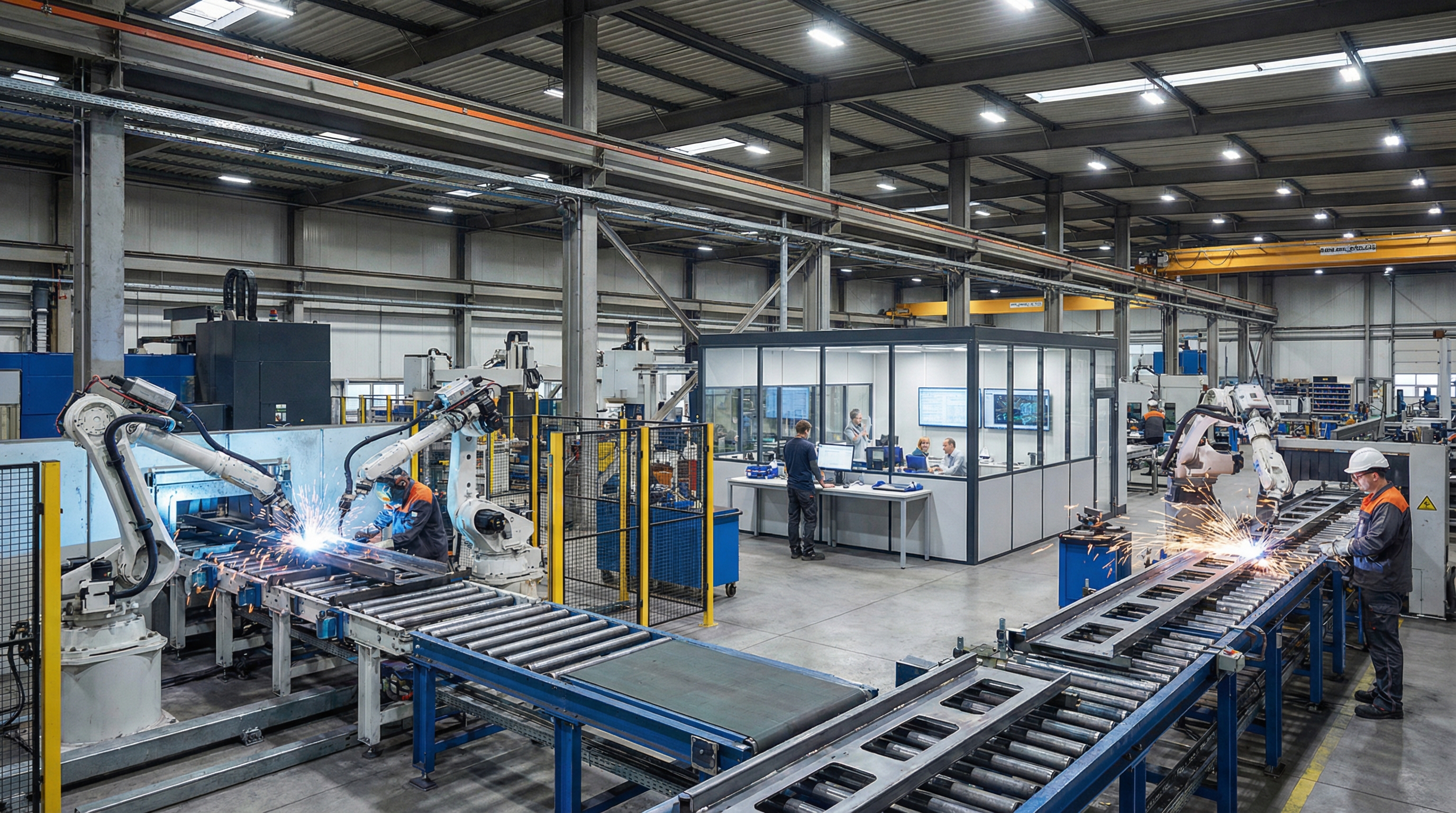
Factory-direct building a warehouse allows you to eliminate middleman markups, potentially saving 30% to 50% on total material costs. When you work directly with the manufacturer, you gain transparency into the quality of the steel being used for your project.
Direct communication with the engineering team ensures that your specific requirements are translated accurately into the fabrication drawings. This reduces the risk of errors that often occur when dealing with third-party brokers.
Cost and Quality Control Benefits
- Documented material inspections for every component.
- Direct engineering support for custom requirements.
- Significant savings by removing procurement intermediaries.
The real kicker is that you receive full inspection reports and certificates directly from the source. This provides peace of mind that your investment meets all international safety codes.
How to verify manufacturer authority?
Key Takeaway: Factory-direct sourcing combines significant cost savings with higher quality control through direct engineering oversight.
| Procurement Factor | Trading Company | Factory-Direct | |
|---|---|---|---|
| Pricing | High (includes commission) | Low (direct cost) | |
| Quality Control | Third-party dependent | In-house verification | |
| Communication | Slow (filtered) | Fast (direct) |
Prioritize manufacturers with in-house design capabilities to ensure a seamless transition from blueprints to finished components.
Can building a warehouse be truly sustainable?
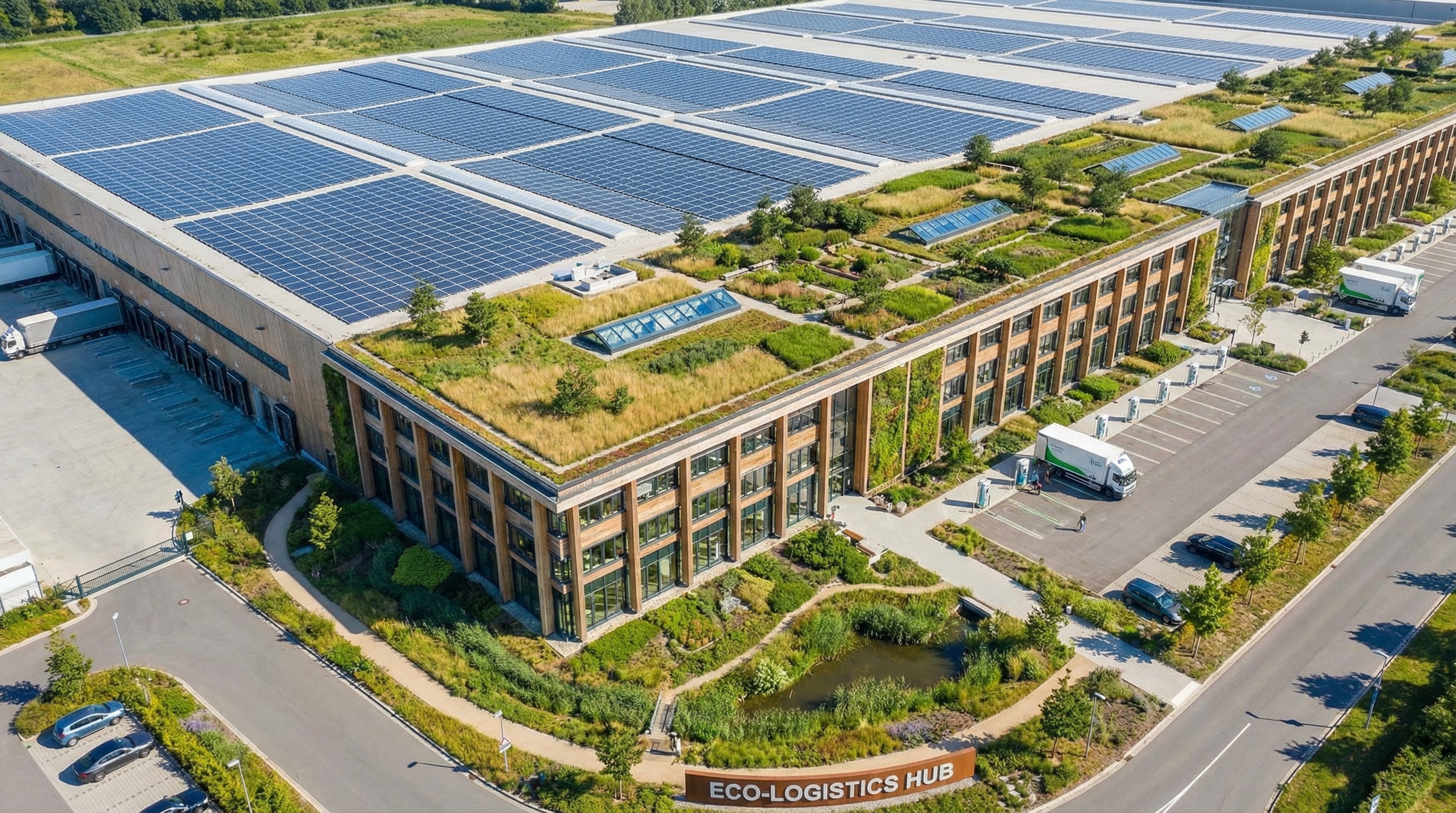
Building a warehouse can achieve high levels of sustainability through passive solar design and the integration of renewable energy systems. By utilizing high-albedo reflective roofing, you can significantly reduce the cooling loads on your HVAC system.
Sustainable buildings not only reduce your environmental footprint but also lower long-term utility costs. Integrating motion-sensor LED lighting is a simple step that yields immediate energy savings.
Eco-Friendly Construction Strategies
- Reflective roofing to reduce heat island effects.
- Motion-activated LED lighting networks.
- Integration of solar panel arrays on large roof surfaces.
Think about it: a sustainable facility attracts high-quality tenants and improves the overall corporate image of your brand. Green certifications can also increase the resale value of the industrial asset.
Does solar power pay off?
Key Takeaway: Sustainable design reduces operational overhead and enhances asset value by lowering energy consumption and environmental impact.
| Green Feature | Primary Benefit | ROI Timeline | |
|---|---|---|---|
| LED Lighting | 60% energy reduction | Short | |
| Cool Roofs | Lower HVAC demand | Medium | |
| Solar Panels | Energy independence | Long |
Implement passive ventilation and daylighting to create a healthier environment for your workers while cutting electricity costs.
How does design impact building a warehouse safety?
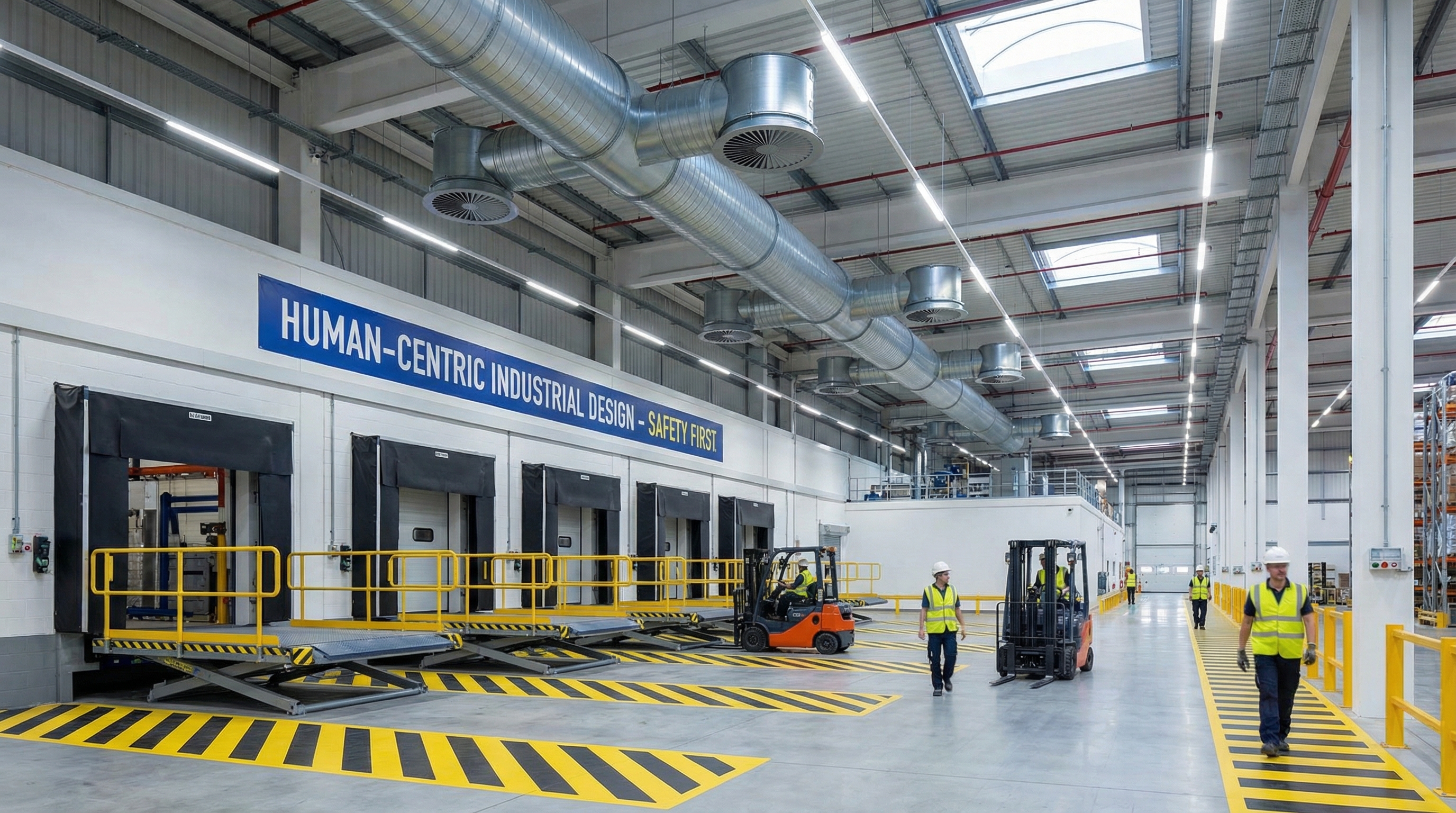
Design plays a pivotal role in building a warehouse that protects both your employees and your high-value inventory. Safe facilities incorporate clear ergonomic layouts that reduce the risk of musculoskeletal disorders and workplace accidents.
Fire protection systems must be engineered specifically for the materials you intend to store. High-plastic content or chemical storage requires advanced sprinkler designs that standard warehouses might not provide.
Safety-First Design Elements
- Ergonomic workstations to reduce worker fatigue.
- Clear floor markings for vehicle and pedestrian paths.
- Engineered fire sprinkler systems for specific hazards.
Here is the kicker: a safe workplace is a productive workplace. Reducing the incidence of accidents prevents costly downtime and lowers your insurance premiums over time.
Why prioritize life-safety systems?
Key Takeaway: A safety-centric design minimizes operational risk and ensures compliance with global occupational health standards.
| Safety Category | Implementation | Benefit | |
|---|---|---|---|
| Fire Protection | High-hazard sprinklers | Asset protection | |
| Ergonomics | Adjustable workstations | Worker health | |
| Traffic | Defined forklift lanes | Collision prevention |
Consult with safety experts during the design phase to ensure your layout eliminates common hazards before construction begins.
How to ensure building a warehouse is durable?
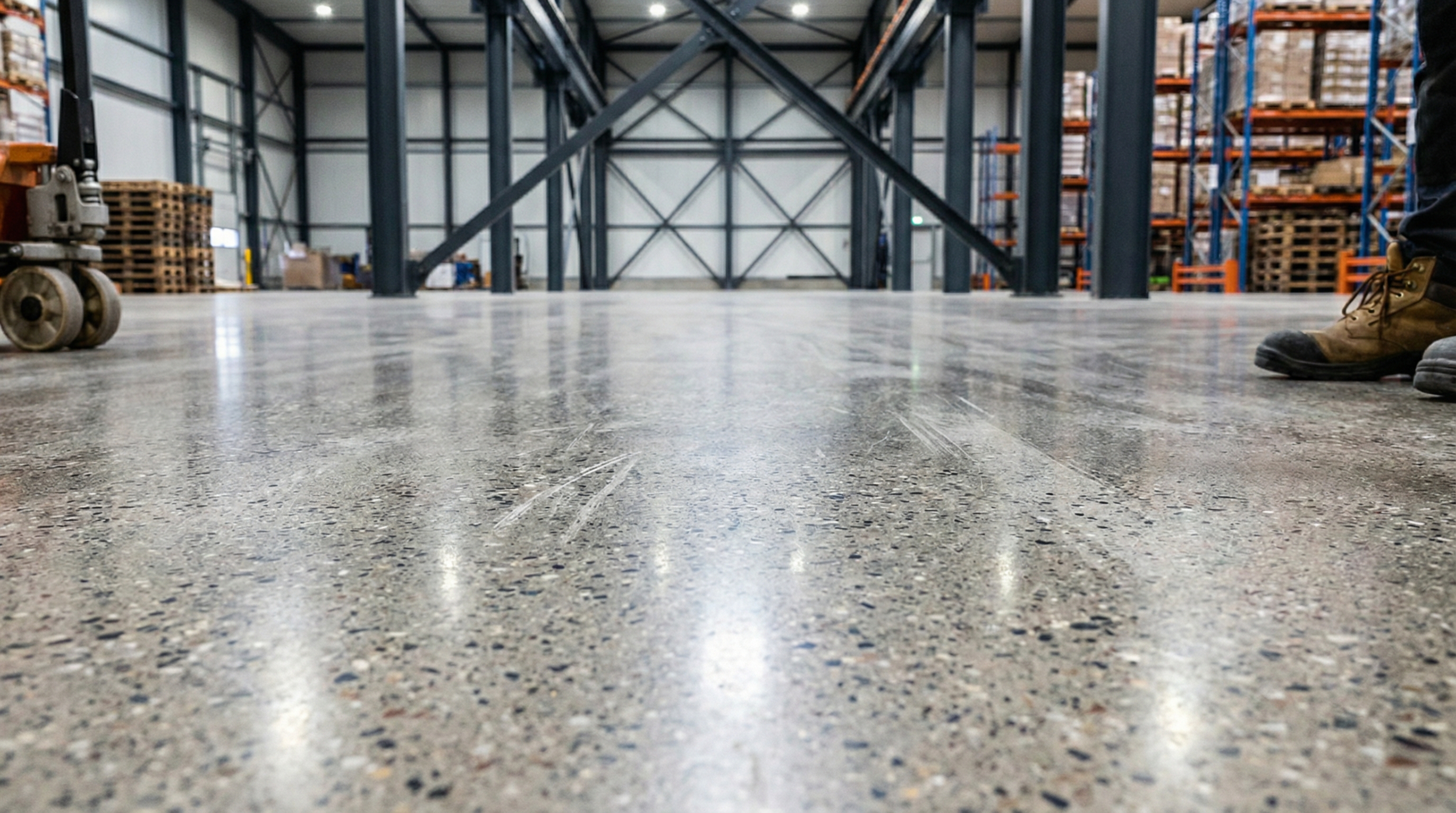
Ensuring building a warehouse is durable requires high-quality surface preparation and the use of abrasion-resistant materials. For steel structures, shot blasting to Sa2.5 standards is necessary to ensure long-term coating integrity against corrosion.
The floor is the most used part of any warehouse and must be engineered for heavy wheel loads. Using concrete hardeners prevents dusting and maintains a smooth surface for high-speed forklift operations.
Durability and Maintenance Standards
- Sa2.5 shot blasting for superior paint adhesion.
- Abrasion-resistant floor coatings for longevity.
- Rodent-proofing barriers to protect inventory.
Think about it: the cost of repairing a failing floor or corroded steel frame far exceeds the initial investment in premium materials. Durability is the key to a low-maintenance industrial asset.
How to protect against corrosion?
Key Takeaway: Long-term durability is achieved through meticulous surface preparation and the selection of industrial-grade flooring solutions.
| Durability Factor | Standard Practice | Result | |
|---|---|---|---|
| Steel Prep | Sa2.5 Shot Blasting | Zero corrosion | |
| Floor Finish | Liquid hardeners | Dust-free surface | |
| Pest Control | One-way drain valves | Integrity |
Specify high-performance coatings and floor hardeners during the bidding process to ensure your facility remains functional for decades.
What are the trends in building a warehouse today?
Current trends in building a warehouse include the integration of Automated Storage and Retrieval Systems (AS/RS) and the rise of multi-tenant flex spaces. These technologies allow you to handle larger volumes of goods with fewer personnel, increasing overall accuracy.
Flex warehouses are becoming popular for smaller businesses that need professional space without the overhead of a massive distribution center. These buildings often feature better landscaping and office-integrated designs.
Modern Logistics Trends
- AS/RS for high-speed automated picking.
- Multi-tenant “flex” spaces for small businesses.
- Real-time IoT monitoring of building systems.
But wait, there is more: automation requires incredibly level floors and specialized structural bracing. If you plan to automate, your building’s engineering must be precise from day one.
Is automation right for your scale?
Key Takeaway: Future-proofing your facility means designing for automation and flexibility to adapt to changing market demands.
| Emerging Trend | Technology | Strategic Benefit | |
|---|---|---|---|
| AS/RS | Robotics/Software | 99% Error reduction | |
| Flex Space | Modular partitions | Market versatility | |
| IoT | Smart sensors | Energy optimization |
Contact our engineering team early to discuss how automation trends will impact your structural design and floor specifications.
Why does building a warehouse require aesthetic focus?
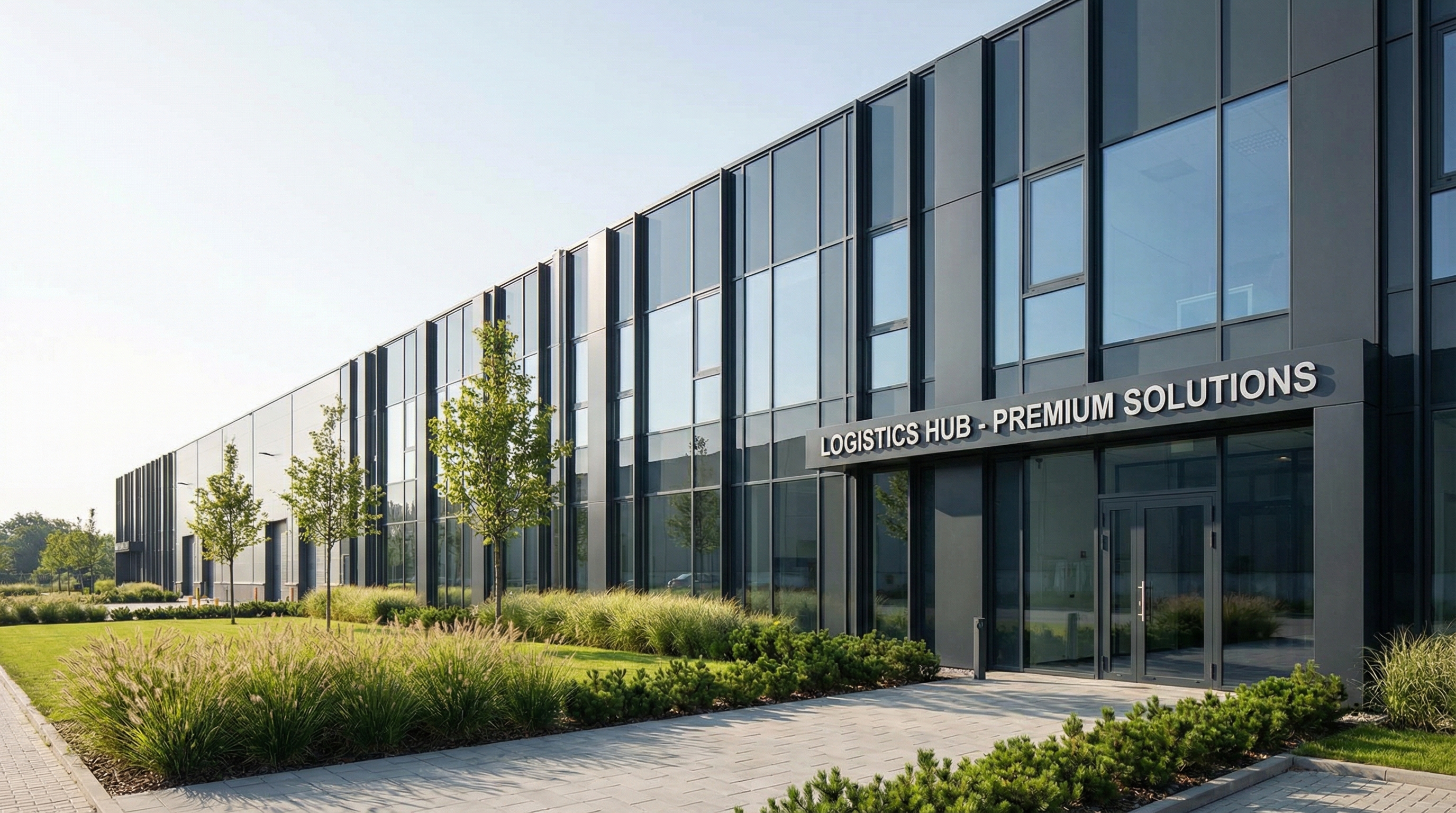
Building a warehouse requires aesthetic focus to maintain your corporate image and ensure your facility is welcomed by the local community. A professional exterior with architectural finishes can help you attract high-quality tenants and improve employee morale.
Landscaping and modern facade treatments turn a utilitarian box into a corporate asset. In competitive real estate markets, an attractive building can command higher lease rates and better resale value.
Aesthetic and Community Integration
- High-quality architectural wall panels.
- Strategic landscaping and green buffers.
- Modern glass facades for office sections.
Here is the kicker: first impressions matter even in the industrial sector. A clean, modern facility signals to your clients that you prioritize quality and professionalism in every aspect of your business.
How aesthetics impact asset value?
Key Takeaway: Investing in a professional building aesthetic improves brand reputation and enhances the long-term value of the industrial property.
| Aesthetic Element | Impact | Value Add | |
|---|---|---|---|
| Facade Design | Visual appeal | Brand image | |
| Landscaping | Community acceptance | Planning approval | |
| Interior Finish | Worker satisfaction | Productivity |
Balance utilitarian needs with visual appeal by integrating office spaces and modern entryways into your structural plan.
How to manage risks when building a warehouse overseas?
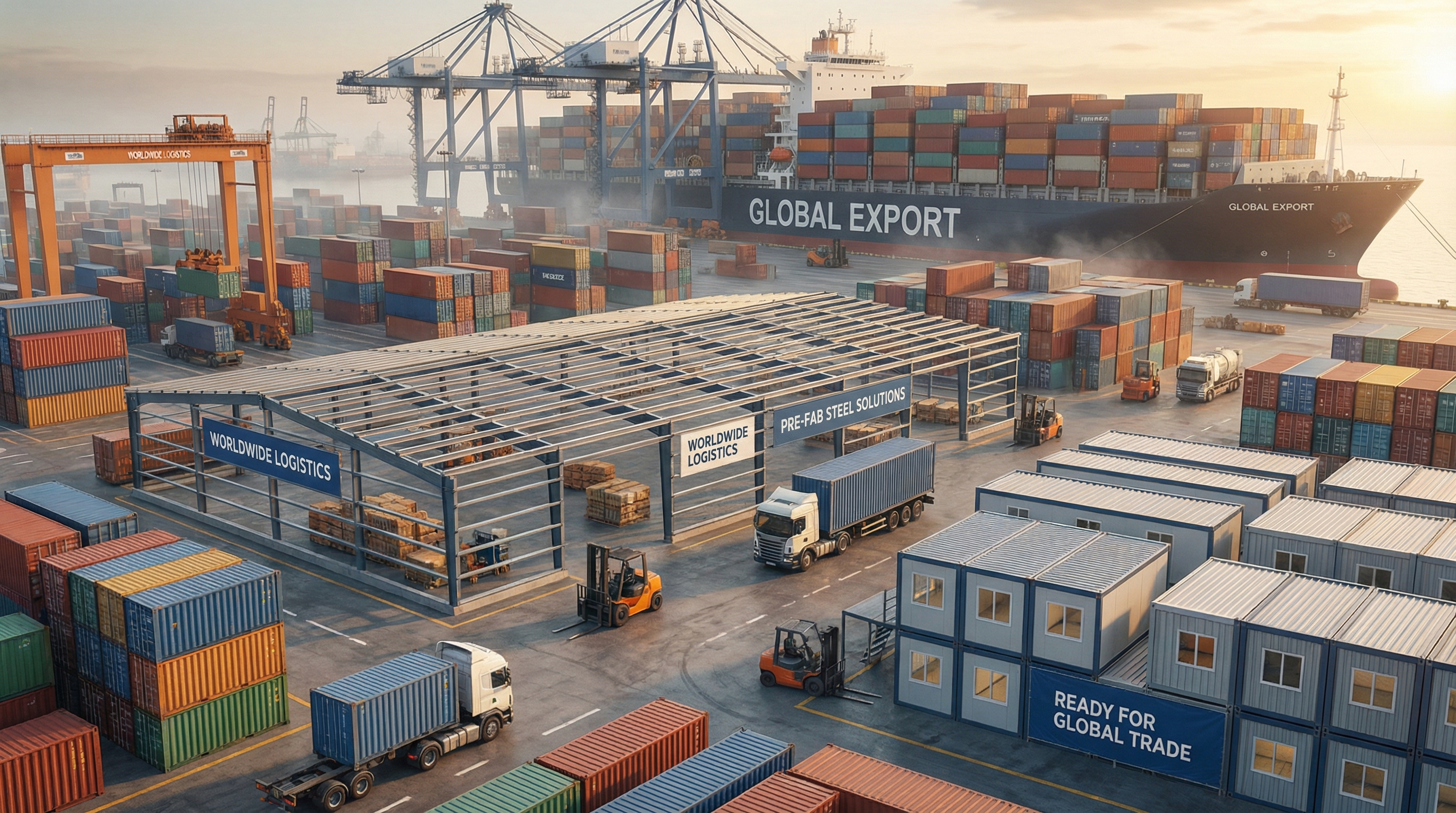
Managing risks during overseas building a warehouse projects involves strictly verifying fit-up and implementing pre-shipment trial assemblies. Without these checks, you risk discovering mismatched components only after they arrive at a remote construction site.
Detailed labeling and sequencing are essential for ensuring that your local contractors can assemble the structure efficiently. Providing comprehensive installation drawings in the local language further reduces the chance of on-site errors.
International Project Risk Mitigation
- Pre-shipment trial assemblies for critical joints.
- Detailed component labeling and marking systems.
- Alignment with AISC or Eurocode standards.
Think about it: a missing bolt or a mismatched hole can halt your entire project for weeks when you are operating thousands of miles from the factory. Precision engineering is your best insurance policy.
Why insist on trial assemblies?
Key Takeaway: Successful overseas projects rely on rigorous factory verification and clear documentation to eliminate on-site modification costs.
| Risk Factor | Mitigation Strategy | Result | |
|---|---|---|---|
| Component Fit | Trial assembly in factory | No field modifications | |
| Missing Parts | Sequential packing/Inventory | Complete delivery | |
| Local Codes | Engineering cross-check | Full compliance |
Choose a partner who understands international shipping logistics and can provide the technical support needed for remote erection.
Developing a high-performance industrial facility requires a strategic blend of structural engineering, operational optimization, and cost-effective procurement. Whether you are expanding your local footprint or launching a global logistics hub, our team is committed to delivering durable, installation-ready systems that drive your business forward. We invite you to contact us to discuss your specific project requirements and receive a detailed, factory-direct proposal within 24 hours.
Warehouse Development FAQ
Q1: What is the typical cost per square meter for building a warehouse?Excellent cost efficiency is achievable with steel structures. Costs vary based on span and height, but factory-direct steel structures typically offer a 30% to 50% saving compared to local traditional construction by eliminating intermediaries.
Q2: How long does the fabrication and delivery process take?Standard industrial projects move very quickly. Standard industrial warehouses can be engineered and manufactured within 4-6 weeks, with delivery timelines depending on the destination port and shipping logistics.
Q3: Can these warehouses support heavy crane systems?Yes, our designs are highly versatile. Steel structure warehouses can be engineered with integrated crane beams and supports to handle overhead loads ranging from 5 to 50+ tons.
Q4: How do you handle design changes during the production phase?Flexibility is built into our engineering workflow. Our in-house engineering team evaluates modifications immediately; if fabrication hasn’t begun on the specific section, changes are documented in the final installation drawings to ensure on-site accuracy.
Q5: What happens if components are missing or damaged during overseas shipping?Your project schedule is always protected. Every shipment is photographed and inventoried before container sealing; in the rare event of damage, replacement components are manufactured immediately and air-freighted at our expense.