
Inefficient storage facilities drain capital resources while severely bottling supply chain logistics for growing industrial companies. Sticking with traditional concrete buildings often means losing significant money on long construction times, high maintenance costs, and rigid floor plans that cannot adapt to rapid expansion requirements. A steel structure warehouse provides a durable, cost-efficient, and rapidly assembled solution that revolutionizes modern inventory management for business owners. Comprehensive steel structure warehouse solutions allow you to maximize storage volume while minimizing long-term operational expenses through smart engineering.
1. What defines a modern steel structure warehouse?
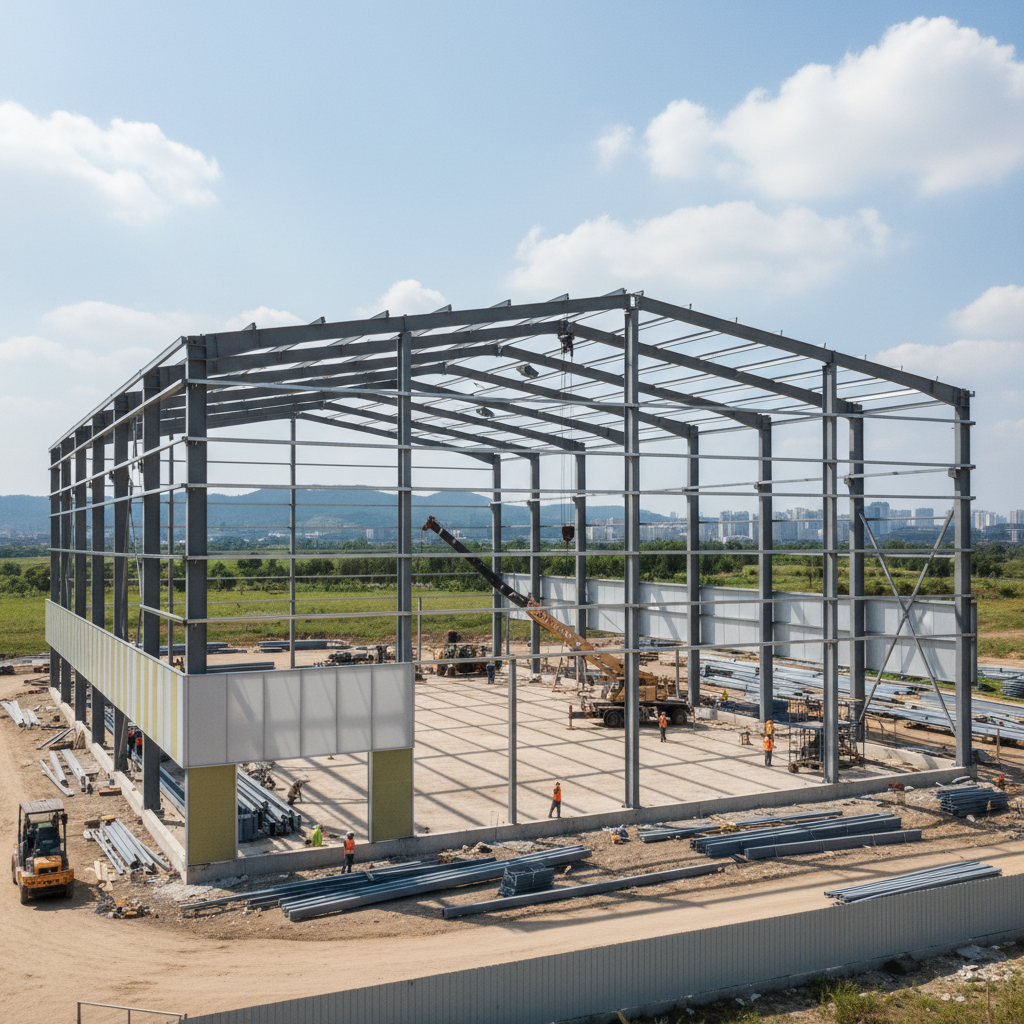
A modern steel structure warehouse represents a pre-engineered storage facility constructed primarily from H-section columns, beams, and lightweight metal cladding. These structures utilize high-strength steel grades creating large clear spans that maximize interior usable volume without intrusive support columns blocking operations. By leveraging benefits of prefabricated steel , businesses gain a facility that weighs less than concrete yet offers significantly stronger resistance against environmental loads. Core characteristics include high strength-to-weight ratios reducing foundation requirements and prefabricated components ensuring precise assembly onsite. Here is the deal. You gain significant structural integrity without massive weight associated with traditional building methods. Steel framing allows you to expand operations easily by simply unbolting cladding and adding new bays.
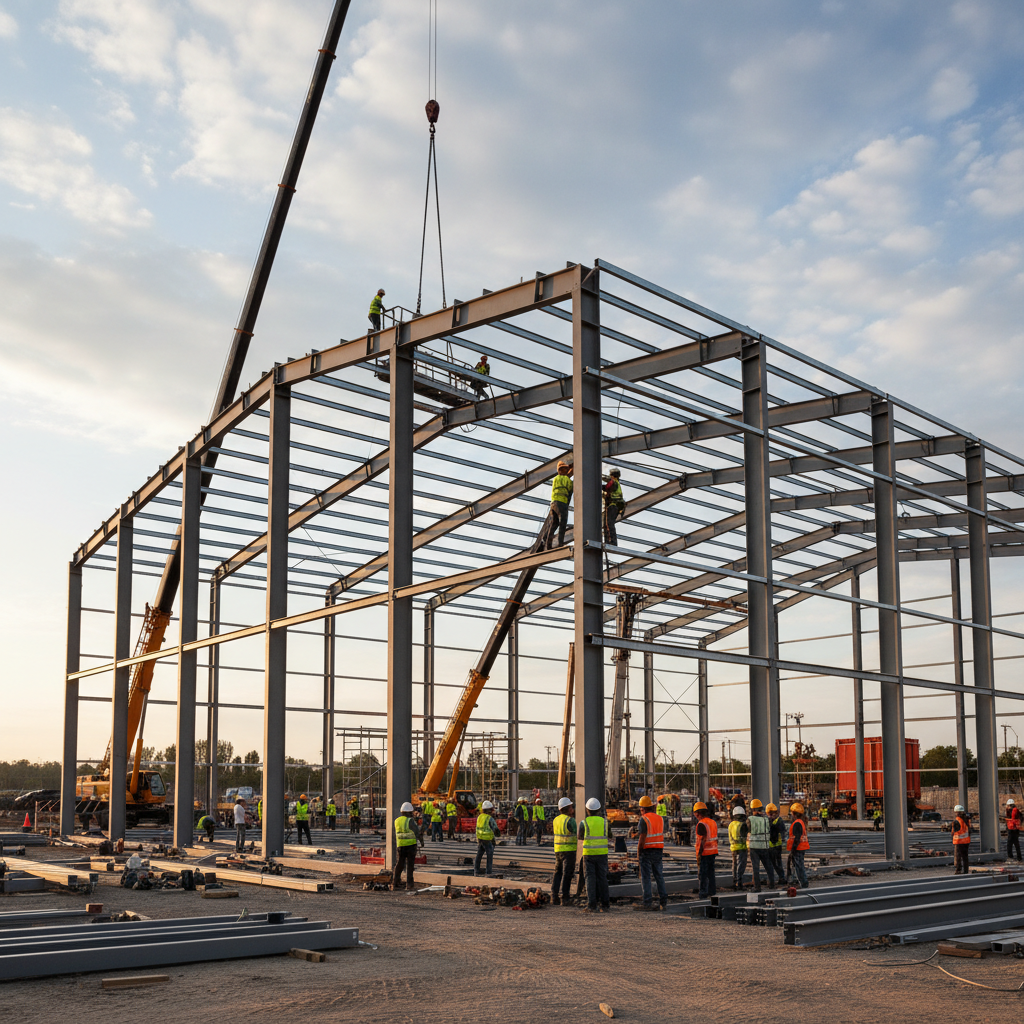
Primary industrial applications range from logistics centers requiring high piling capability to manufacturing plants needing integrated crane systems. Cold storage facilities also frequently utilize insulated sandwich panels within steel frames for thermal efficiency. Unlike concrete construction which requires lengthy curing times, steel components arrive ready for immediate erection. You might be wondering why this material difference matters for profit margins? Concrete demands massive labor forces, whereas crews can erect steel frames in a fraction of that time with fewer workers.
| Feature | Steel Structure | Concrete Structure | |
|---|---|---|---|
| Construction Speed | Fast (Prefabricated) | Slow (Curing time) | |
| Span Capability | Large Clear Span | Limited by Columns | |
| Modifiability | High (Easy to expand) | Low (Rigid) | |
| Recyclability | High (Near 100%) | Low |
2. Why choose a steel structure warehouse for business?
Choosing a steel structure warehouse accelerates return on investment by significantly reducing time between initial funding and operational readiness. You eliminate unpredictability surrounding weather delays or labor shortages common in traditional construction because factories manufacture components in controlled environments. Speed of construction remains a primary driver for adoption; parallel processing allows site preparation and fabrication to happen simultaneously. It gets better. You can occupy a new facility months sooner than with other building methods. This speed translates directly into faster revenue generation for logistics operations.
Cost-effectiveness extends beyond initial construction phases into long-term maintenance and energy savings. Lower maintenance requirements reduce annual facility budgets while energy-efficient insulation lowers heating bills. Here is the kicker. While initial material prices might seem comparable, savings on labor and reduced construction time lower total project expenditure substantially. You save money upfront and continue saving through reduced operating expenses over decades. Environmental sustainability also plays a role; steel is 100% recyclable, reducing landfill impact significantly.
| Benefit | Impact on Business | ROI Factor | |
|---|---|---|---|
| Speed | Faster time-to-market | High | |
| Cost | Lower labor & maintenance | Medium-High | |
| Eco-Friendly | Corporate Responsibility | Intangible | |
| Durability | Long asset life | High |
3. How does design impact a steel structure warehouse?
Design fundamentally dictates operational efficiency for a warehouse by determining storage density and workflow patterns. Custom steel warehouse design ensures every square meter optimizes specific goods and handling equipment requirements. Advanced software models load paths guaranteeing safety while minimizing material usage. Importance of clear span capabilities cannot be overstated; column-free space maximizes forklift maneuverability and flexible layouts accommodate changing racking systems. This is the best part. You avoid “dead space” created by intrusive concrete columns that block forklift paths. Clear span frames give total freedom for configuring floor plans as inventory needs change.
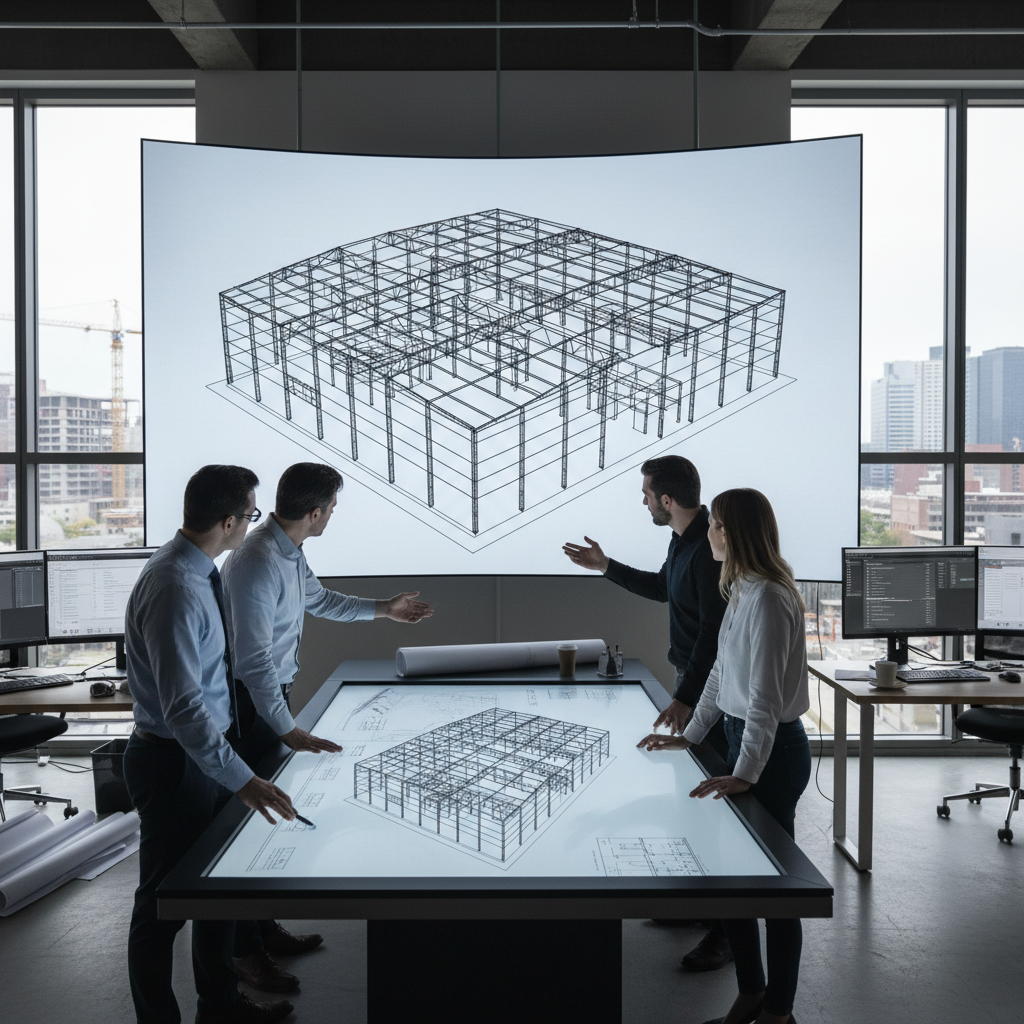
Optimizing column grids requires aligning structural bays with rack modules to reduce wasted aisle space. Wider bays allow for more pallet positions while tapered columns reduce steel weight without losing strength. You need to know this. Proper grid spacing can increase storage capacity by up to 20% without changing building footprints. Designers must align column layouts with specific racking dimensions for maximum efficiency. Load-bearing requirements also dictate component sizes; snow and wind loads determine roof, purlin, and column specifications ensuring structural stability.
4. What components make up a steel structure warehouse?
A steel warehouse consists of a primary framing system supporting loads and secondary systems securing cladding. These integrated components work together providing structural stability and weather protection for inventory. Main frames typically feature H-section columns supporting vertical loads and rafters creating roof slopes. Let’s break it down. Primary frames act as skeletons for buildings, transferring weight to foundations. You rely on these heavy-duty steel members to withstand gravity and environmental forces year-round. Secondary systems include purlins and girts which support roof panels and wall cladding respectively.
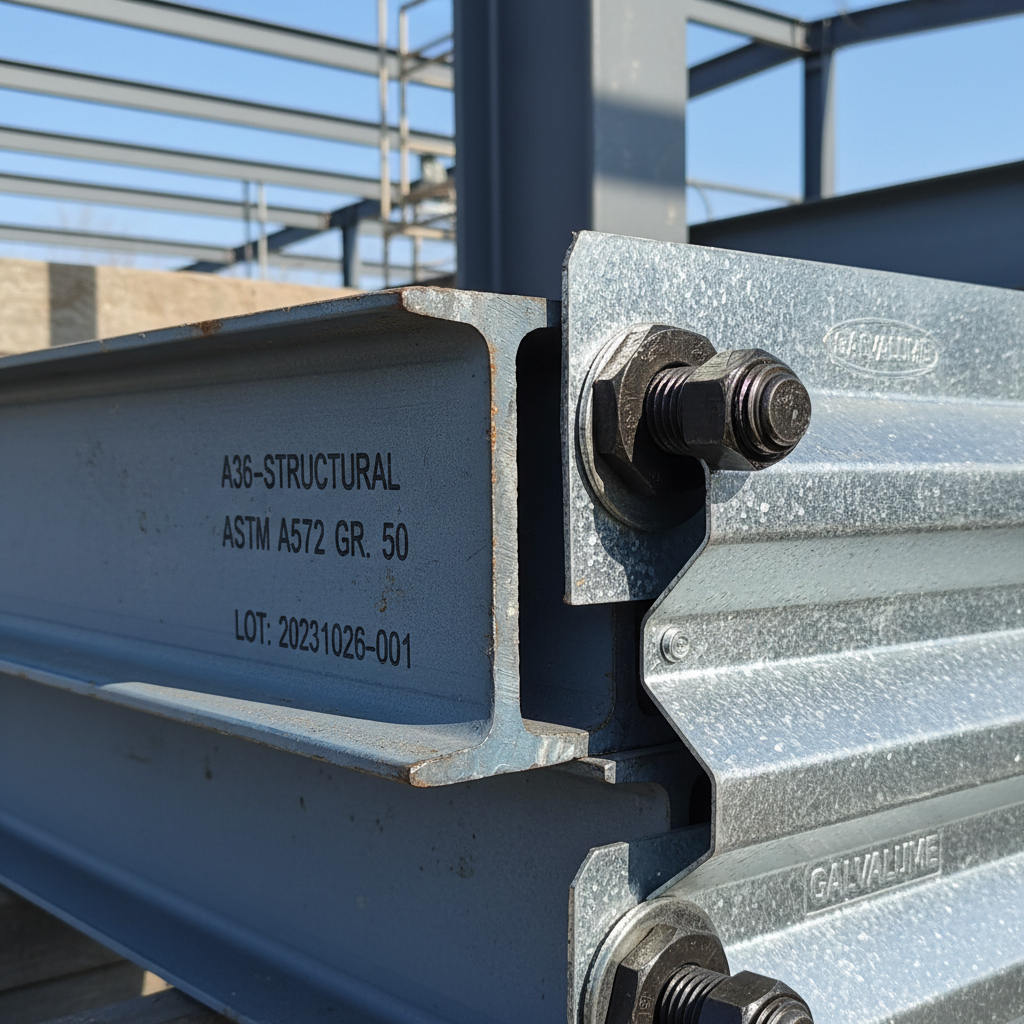
Cladding options determine internal climates; single skin sheets offer basic protection while sandwich panels provide thermal insulation. You might not know that lighter components like bracing are crucial for stabilizing main frames and distributing loads evenly. Selecting correct gauges for secondary members ensures roof and wall longevity. Insulated panels protect temperature-sensitive goods effectively.
| Component | Function | Material Example | |
|---|---|---|---|
| Main Frame | Primary Support | Q355B Steel | |
| Secondary | Cladding Support | Galvanized C/Z Purlins | |
| Cladding | Weather Seal | PU Sandwich Panel | |
| Bracing | Stability | Round Steel |
5. What factors affect steel structure warehouse costs?
Final project prices depend heavily on raw material rates, design complexity, and local site conditions. Showhoo Building’s industrial offerings balance these factors providing cost-effective solutions without compromising quality. Steel market volatility causes price fluctuations, so timing purchases often becomes critical. Global steel demand drives base metal costs while exchange rates impact import pricing. Here is the reality. Steel prices change weekly based on global market trends. You should lock in quotes quickly avoiding budget overruns caused by sudden market spikes.
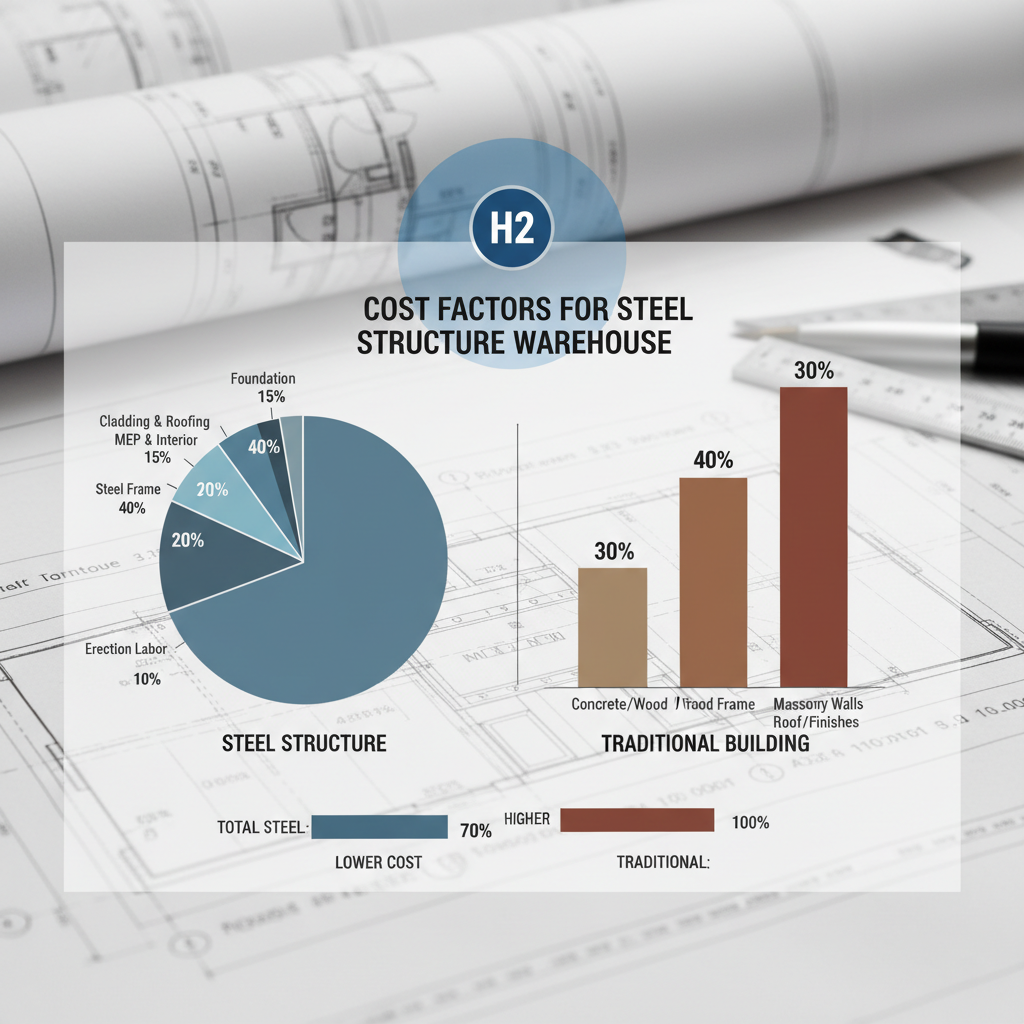
Complexity of fabrication also impacts budgets; custom shapes increase manufacturing time while heavy loads require more steel tonnage. You have control. Simplifying designs using standard sections can drastically reduce fabrication costs. You save money by opting for standard connections rather than unnecessary architectural flourishes. Location and logistics also play roles; transport distance affects shipping fees while site accessibility influences crane costs. Building in remote locations increases delivery expenses for heavy steel members.
6. How is a steel structure warehouse constructed onsite?
Onsite construction follows a systematic assembly process requiring precision, safety, and heavy machinery. Speed of erection depends on proper site preparation and accurate delivery of prefabricated components. Site preparation involves soil testing ensuring ground stability and precise anchor bolt placement. This is critical. Your entire structure relies on accuracy of anchor bolts set in concrete. You must ensure foundations sit perfectly level and cured before any steel arrives. The rapid warehouse construction process begins once foundations are ready.
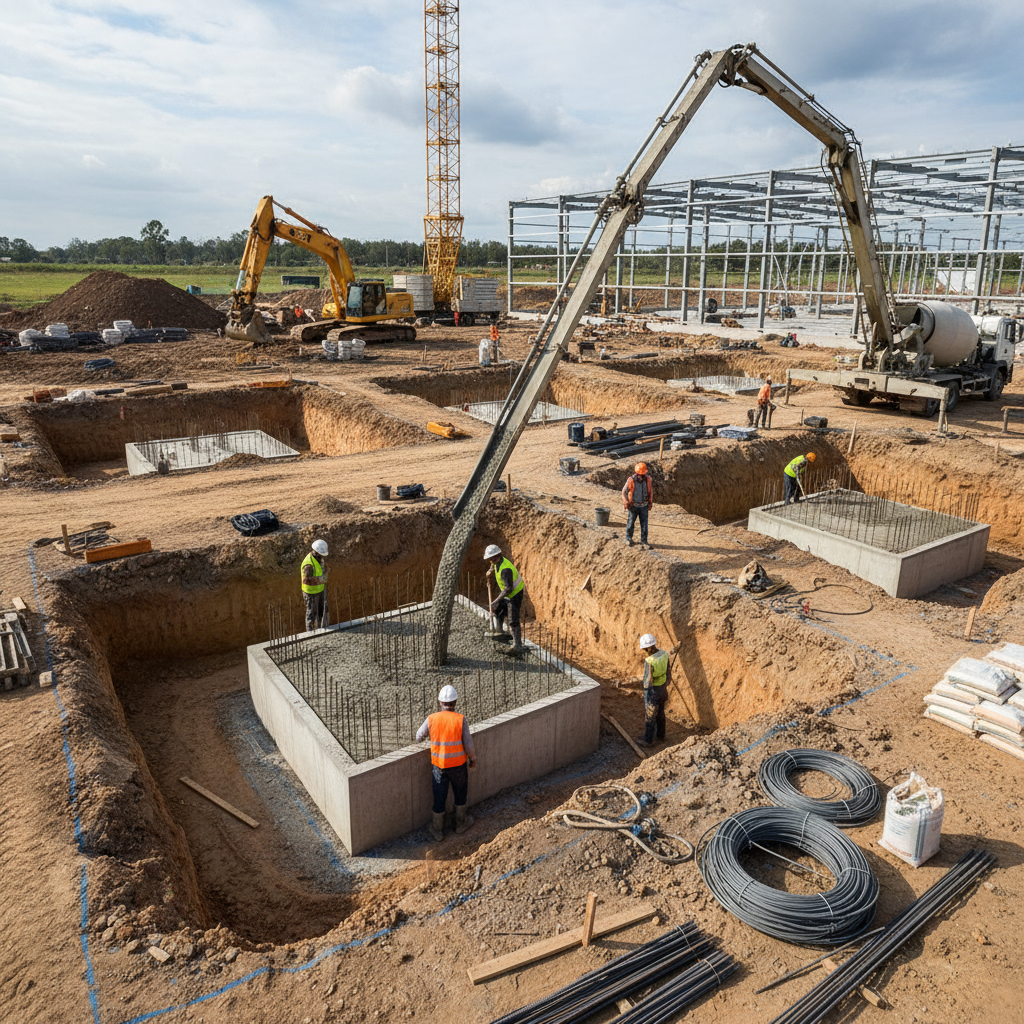
Installation steps typically start with lifting columns followed by beam and rafter assembly. Purlins and bracing then lock frames together creating rigid skeletons. Think about it. You see buildings take shape in days rather than weeks, keeping project timelines on track. Safety protocols remain paramount; fall protection for high-altitude work and crane safety zones for lifting heavy loads prevent accidents. Strict adherence to safety rules ensures smooth construction phases.
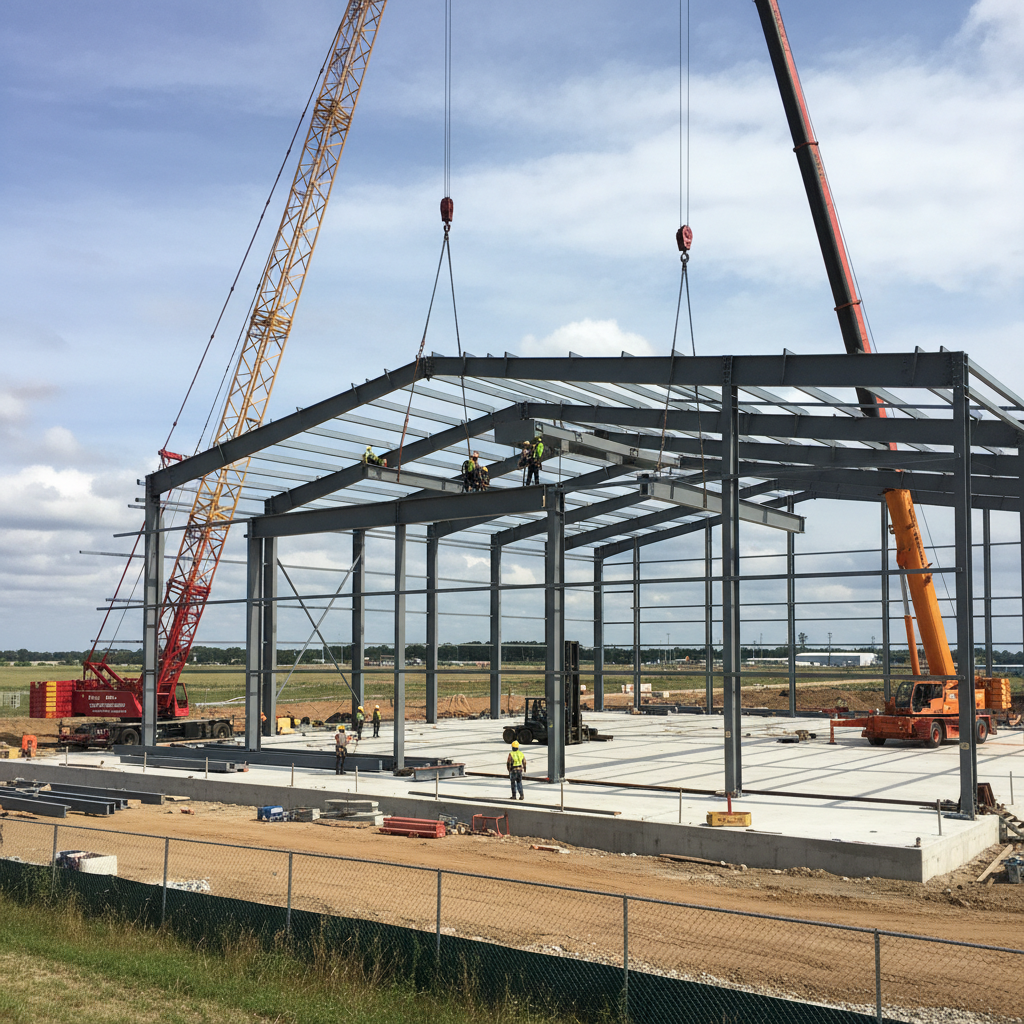
| Phase | Activity | Critical Success Factor | |
|---|---|---|---|
| Prep | Foundation | Bolt Accuracy | |
| Erection | Framing | Crane Coordination | |
| Finish | Cladding | Sealing Quality |
7. How durable is a pre-engineered steel structure warehouse?
Pre-engineered steel warehouses withstand harsh environmental conditions and heavy industrial use for decades. Successful warehouse projects demonstrate that proper protection allows structures to serve businesses for over 50 years. Durability comes from high-grade steel and advanced protective coatings. Resistance to seismic activity and wind proves superior; ductility allows steel to absorb energy while rigid connections resist strong wind shear. You are protected. Steel bends before breaking, making it safer for earthquake-prone regions. You protect inventory and employees with structures engineered for surviving extreme weather events.
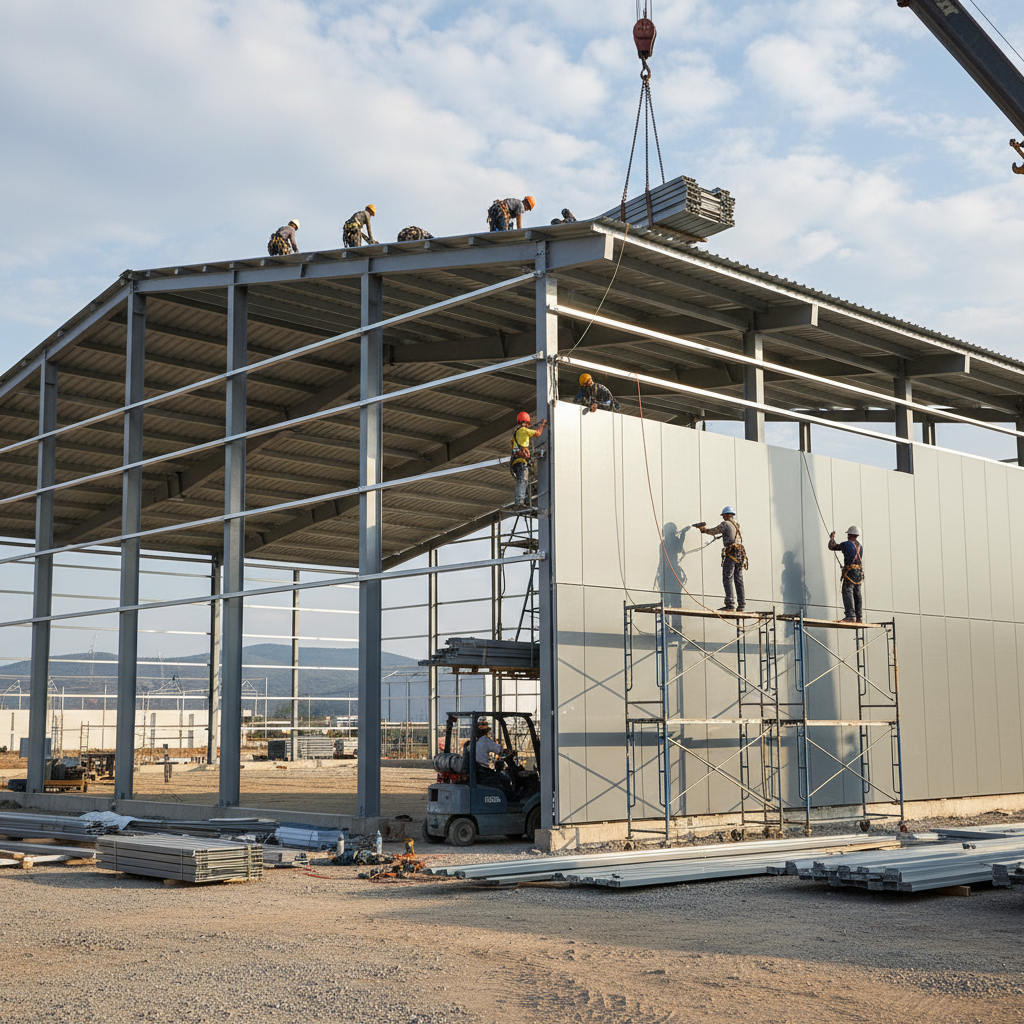
Corrosion protection extends service life significantly; hot-dip galvanizing coats steel in zinc while epoxy painting provides barriers against moisture. Here is the deal. Rust acts as the enemy of steel, but modern treatments effectively neutralize this threat. You extend building life by choosing right coatings for local climates. Expected service life for structural frames often exceeds 50 years, with roof and wall cladding lasting 20-30 years depending on maintenance.
8. Can you customize a standard steel structure warehouse?
Standardization does not mean sacrificing functionality; steel structures remain highly customizable meeting specific operational requirements. You can integrate specialized systems and architectural features without redesigning entire buildings. Adding mezzanines allows businesses to maximize vertical space creating supervision areas overlooking operations. Why settle? You can double usable floor area by adding mezzanine levels for administrative tasks. This strategy allows keeping management and operations under one roof efficiently.
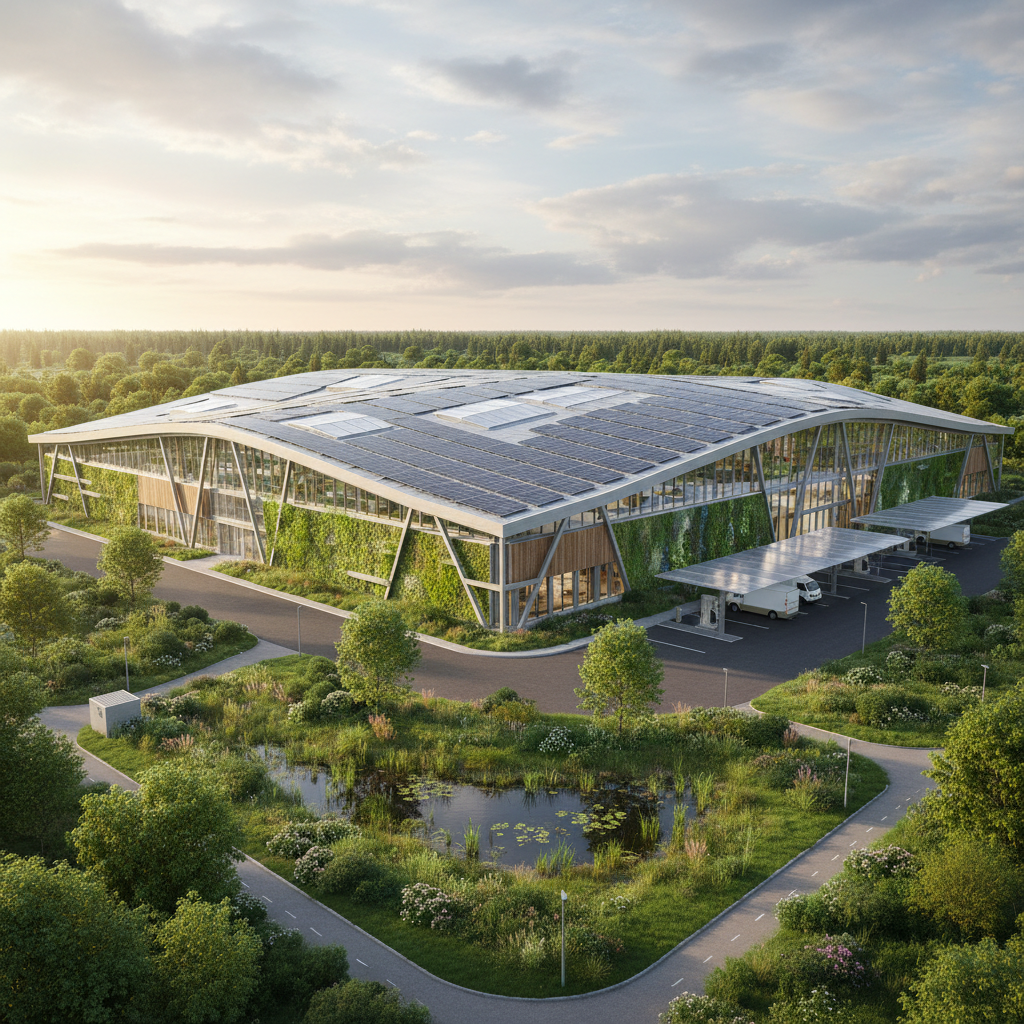
Integration of crane systems supports heavy lifting needs; runway beams welded to columns accommodate 5-ton or heavier cranes. This changes everything. If handling heavy machinery is required, integrated crane systems become essential. Door and ventilation configurations also offer flexibility; roll-up doors suit large vehicles while ridge ventilators provide passive cooling. Tailoring access points and airflow matches logistics flow perfectly.
| Custom Feature | Purpose | Value Add | |
|---|---|---|---|
| Mezzanine | Office/Storage | Space utilization | |
| Crane | Heavy Lifting | Operational capability | |
| Vents | Airflow | Worker comfort | |
| Doors | Access | Logistics flow |
9. How does a steel structure warehouse compare to concrete?
When analyzing total value propositions, steel structures often outperform concrete regarding flexibility, speed, and cost-efficiency. Rapid warehouse construction processes associated with steel create distinct competitive advantages for businesses needing quick expansion. ROI analysis favors steel due to lower foundation costs and faster occupancy leading to quicker revenue generation. Here is the bottom line. You spend less time building and more time earning. Reduced construction periods significantly improve Return on Investment compared to slow-moving concrete projects.
Construction timelines differ by months; steel erection takes weeks while concrete curing takes months. Weather independence for steel assembly prevents frustrating delays. Plan for growth. Steel expands easily by adding frames whereas concrete remains rigid and hard to modify. Businesses valuing agility and efficiency find steel provides superior balances of speed, cost, and adaptability.
10. What maintenance does a steel structure warehouse require?
Maintenance for steel warehouses remains minimal but essential for ensuring maximum service life. Regular inspections prevent minor issues from becoming costly repairs. Routine checklists should include verifying fastener tightness annually and inspecting seals around doors. Don’t overlook this. Simple visual checks once a year can save thousands in water damage repairs. You should establish schedules verifying building envelope integrity.
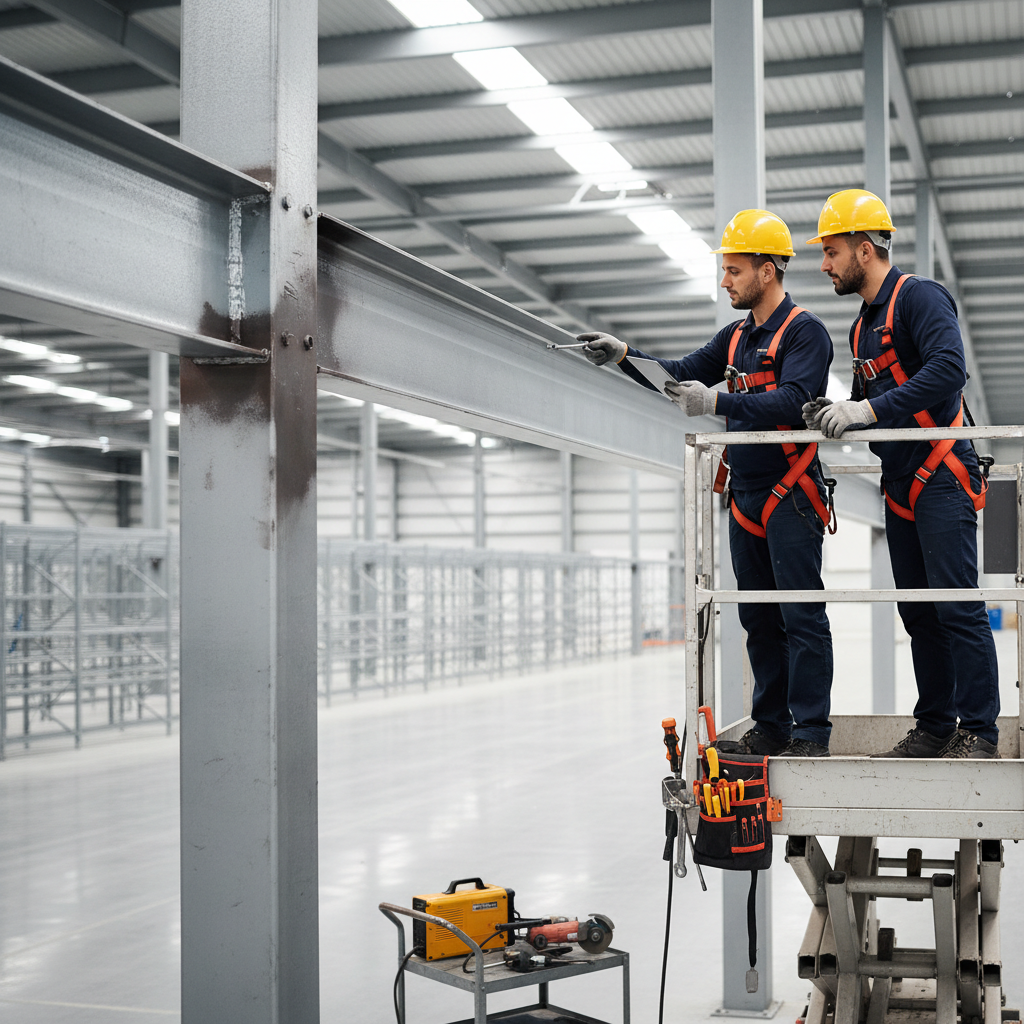
Managing gutters and downspouts prevents water backup which causes corrosion. Clogged gutters act as primary causes for warehouse leaks. Here is a tip. Keep water flowing freely away from foundations and walls to avoid damage. treating minor rust or damage immediately involves cleaning and painting scratched areas. Replacing damaged panels restores weather protection if punctures occur. Proactive maintenance guarantees assets remain secure.
Conclusion
Investing in a steel structure warehouse solves critical problems regarding storage inefficiency, high construction costs, and lack of future adaptability. By leveraging custom steel warehouse design and rapid construction services, businesses gain durable, high-performance assets tailored to specific logistics needs. Showhoo Building envisions futures where facilities grow alongside success, providing safe foundations for industrial operations.
Contact us today to get a free warehouse quote and start optimizing your logistics infrastructure.
FAQ
Q1: Can I dismantle and move my steel structure warehouse to a new location?Yes, you can dismantle and relocate the structure because primary components connect via bolts rather than welds. This mobility offers incredible flexibility if business needs dictate moving to different sites in the future.
Q2: What’s the best way to insulate a steel warehouse for cold storage?Using polyurethane (PU) sandwich panels represents the most effective method for insulating cold storage warehouses. These panels provide superior thermal resistance compared to fiberglass wool, ensuring energy costs remain low while maintaining stable internal temperatures.
Q3: How does a steel warehouse handle heavy snow loads?Steel warehouses are engineered specifically for local climate data, including maximum snow loads. By increasing rafter sizes and reducing purlin spacing, designs ensure roofs safely support heavy snow accumulation without risk of collapse.
Q4: Can I install solar panels on the roof of a steel warehouse?Yes, metal roofs on steel warehouses act as ideal platforms for solar panel installation. Structural frames typically possess enough strength to support additional weight, allowing generation of renewable energy reducing operational costs.
Q5: What is the typical lead time for manufacturing a steel warehouse?Manufacturing processes usually take between 30 to 45 days after design confirmation. This rapid production cycle allows beginning site installation much sooner than utilizing traditional building materials.