
Building a steel warehouse involves selecting a pre-engineered design, preparing a reinforced foundation, and assembling prefabricated components for a durable industrial facility. Traditional construction methods often leave you frustrated with skyrocketing labor costs and unpredictable weather delays. You might find yourself stuck with a project that is months behind schedule and significantly over budget. The solution lies in a high-quality steel structure warehouse building that offers a faster, more cost-effective path to operational readiness.
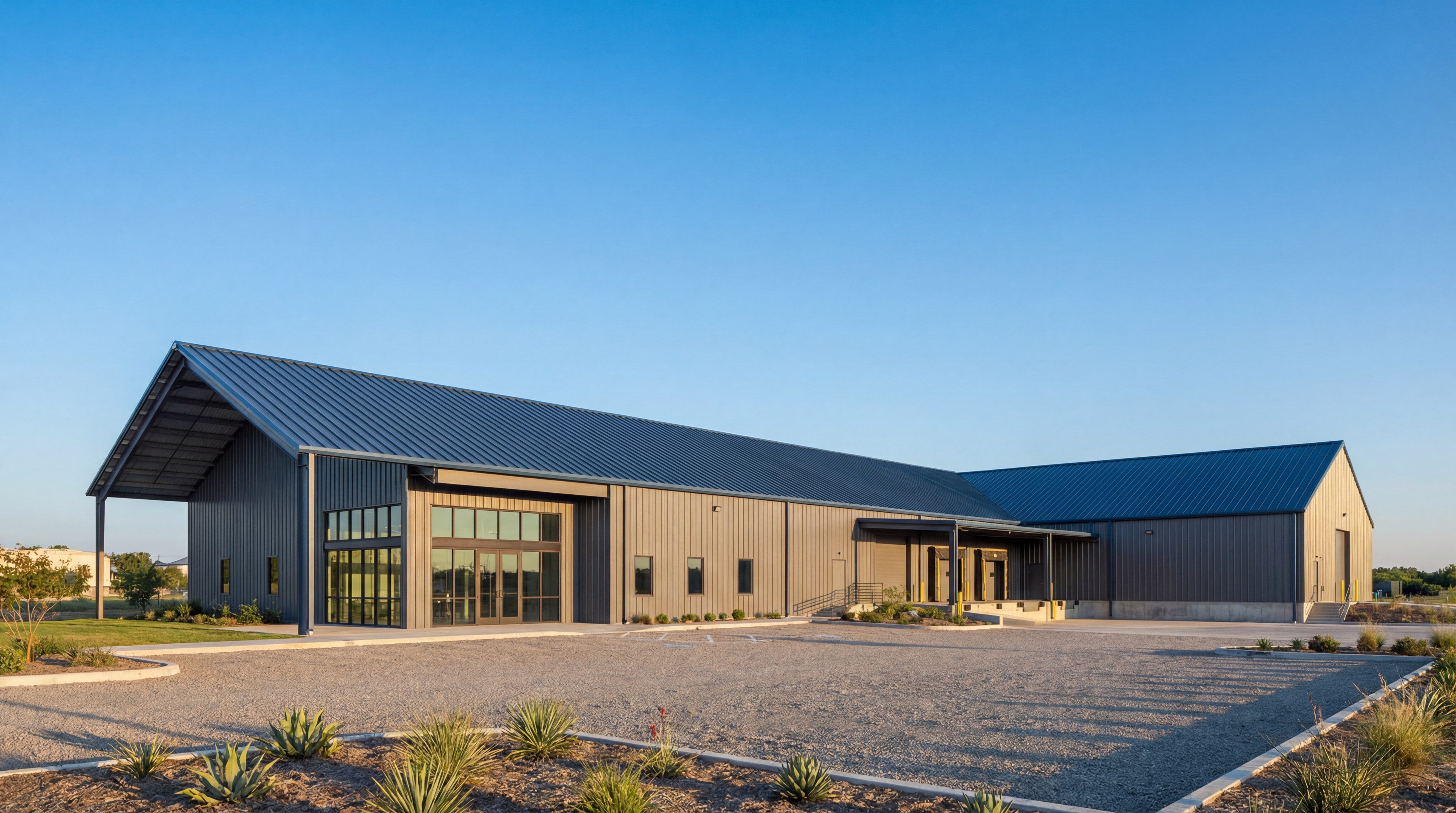
Why choose a steel structure warehouse building for storage?
You should choose a steel structure warehouse building because it provides exceptional structural integrity while allowing for massive clear-span spaces without internal columns. Standard construction often feels like a never-ending cycle of repairs and maintenance that drains your resources. Choosing a steel structure warehouse building gives you a maintenance-free environment that stands up to heavy industrial use.
Maximize Your Interior Area
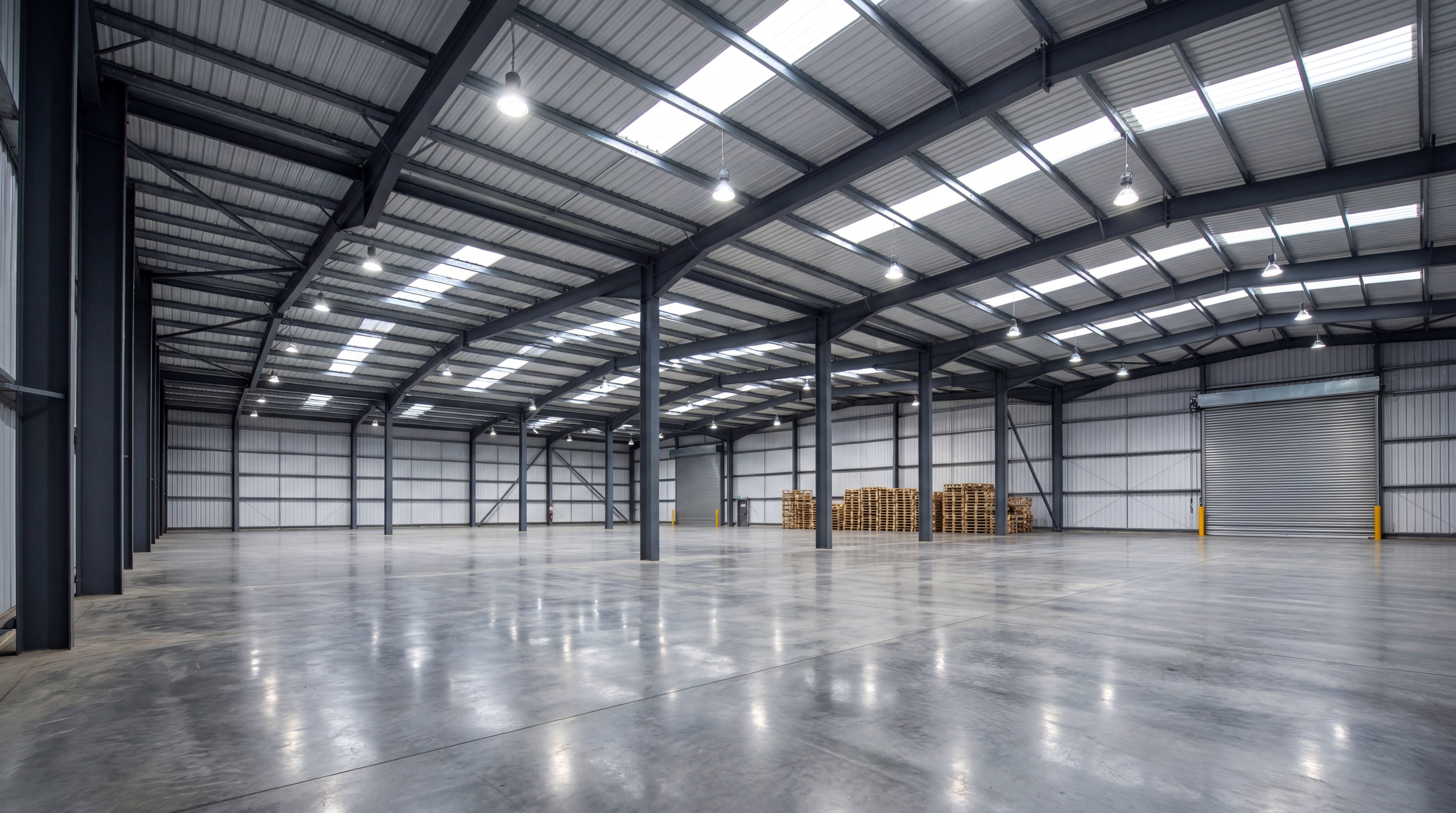
Here is the kicker: steel’s high strength-to-weight ratio allows for wide spans that wooden frames simply cannot achieve. This means you get a wide-open floor plan perfect for maneuvering large forklifts and organizing massive inventory racks.
- Complete column-free interiors.
- High eave heights for vertical storage.
- Flexible floor plan configurations.
Unmatched Environmental Durability
But wait, there is more: steel is naturally resistant to the pests and rot that plague traditional buildings. You won’t have to worry about termites or mold compromising the safety of your stored goods over time.
- Non-combustible fire resistance.
- Pest and termite proofing.
- Resistance to warping and cracking.
Key TakeawaySteel offers the most efficient way to achieve a large, open-span storage area that remains durable against environmental threats for decades.
| Feature | Steel Warehouse | Traditional Wood | |
|---|---|---|---|
| Max Span | Up to 250ft+ | Limited | |
| Pest Risk | Zero | High | |
| Lifespan | 50+ Years | 20-30 Years |
This comparison highlights how steel outperforms traditional materials in longevity and functional space.
What are the costs of a steel structure warehouse building?
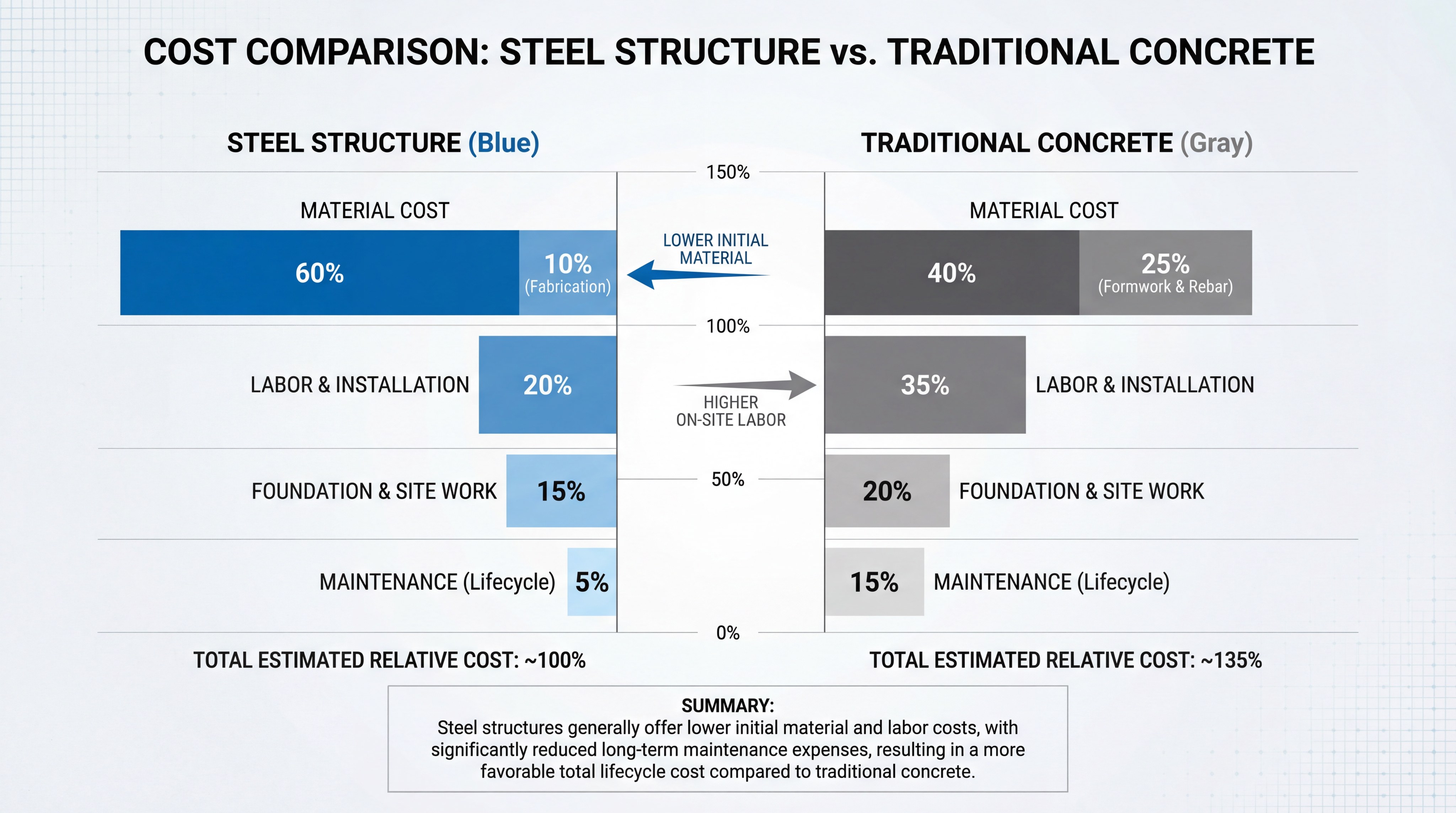
A steel structure warehouse building typically costs significantly less than concrete or brick alternatives when considering both initial construction and long-term maintenance. The efficiency of a steel structure warehouse building comes from the fact that components are prefabricated in a controlled factory environment. This precision reduces waste and on-site labor hours, keeping your budget under control.
Reduced Initial Construction Expenses
Bottom line: you save money immediately because the components arrive ready to bolt together. There is no need for specialized on-site fabrication or the heavy equipment required for pouring massive concrete walls.
- Lower foundation requirements.
- Faster assembly times.
- Minimal material waste.
Long-Term Operational Savings
Best of all: the energy efficiency and low maintenance of steel result in lower insurance premiums and utility bills. You will spend less on climate control and structural repairs over the building’s lifecycle.
- Lower insurance rates.
- Reduced maintenance labor.
- High resale value.
Key TakeawayWhile initial material prices may vary, the total lifecycle cost of steel is unmatched due to lower labor and maintenance requirements.
| Cost Factor | Steel Savings | Concrete Impact | |
|---|---|---|---|
| Labor | 30-50% Lower | High Manual Work | |
| Maintenance | Minimal | Periodic Repairs | |
| Insurance | Preferred Rates | Standard Rates |
The data confirms that choosing steel results in a significantly more favorable total lifecycle cost for your business.
How to design your steel structure warehouse building?
You design a steel structure warehouse building by first determining your clear-span requirements and then selecting the appropriate framing and cladding options. Customizing a steel structure warehouse building allows you to tailor every inch of the facility to your specific logistics or manufacturing workflow. Professional engineers use advanced software to ensure the design meets local wind, snow, and seismic codes.
Determining Functional Layouts
Think about it: the way your warehouse is laid out directly affects your daily productivity. You need to consider where loading docks, personnel doors, and office spaces will be located before the steel is cut.
- Strategic loading dock placement.
- Mezzanine floor integration.
- Natural lighting skylight options.
Engineering for Local Codes
Look: every region has different structural requirements based on the environment. Your steel design must be optimized to handle the specific weight and pressure loads of your geographic location.
- Wind load resistance.
- Snow load calculations.
- Seismic safety standards.
Key TakeawayProfessional design and engineering ensure your warehouse is both highly functional for your business and safe for your employees.
| Design Element | Benefit | Consideration | |
|---|---|---|---|
| Clear Span | Open workspace | Steel Gauge | |
| Eave Height | Vertical storage | Crane Clearance | |
| Openings | Access flow | Door Sizes |
A well-planned design phase is the foundation of a successful construction project that meets all operational goals.
What materials make a steel structure warehouse building?
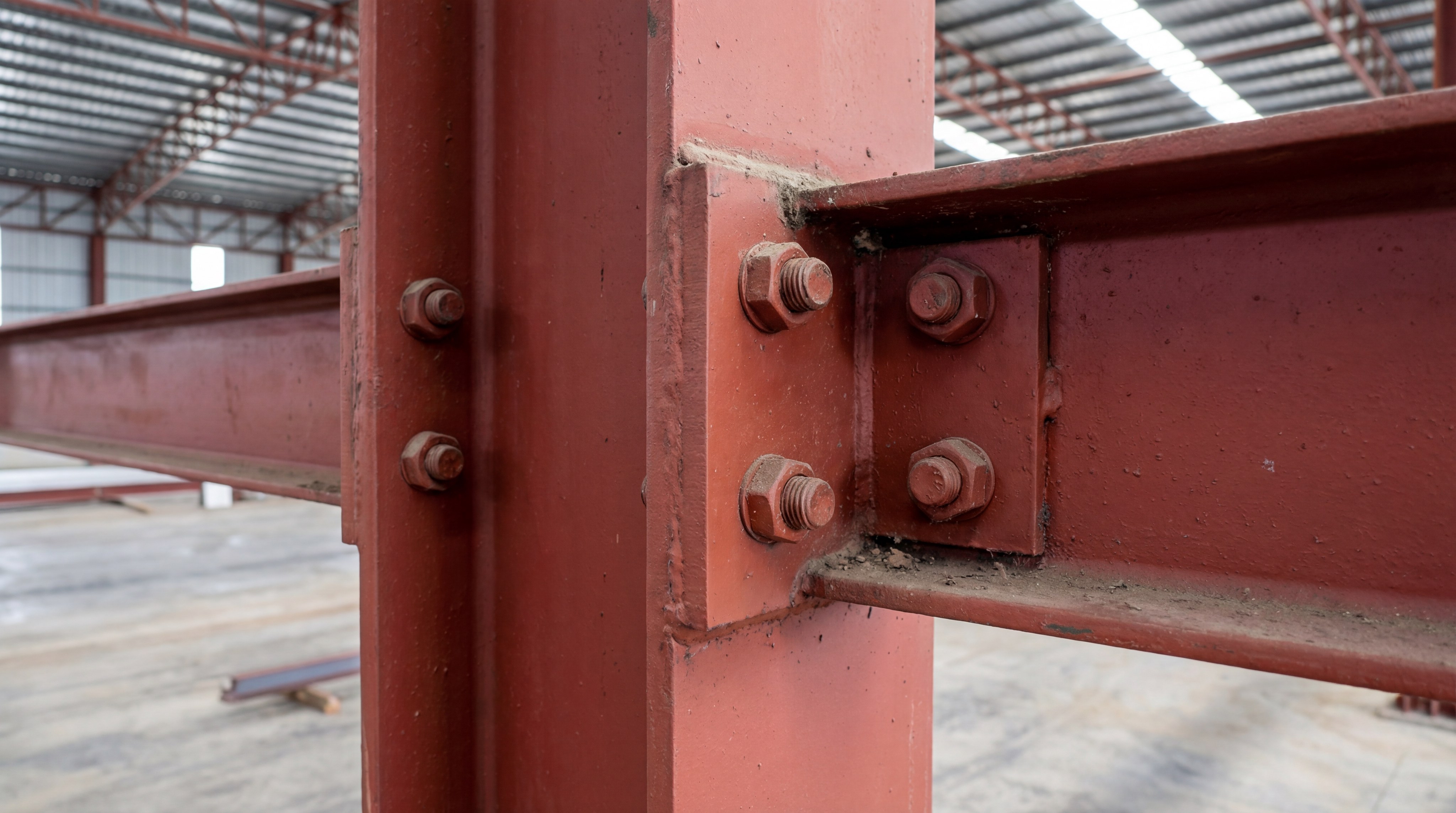
The primary materials for a steel structure warehouse building include high-tensile structural steel for the frame and durable metal sheets or sandwich panels for the walls and roof. A modern steel structure warehouse building relies on PRS sections and hot-rolled H-beams to provide the necessary strength for large-scale industrial applications. These materials are treated with anti-corrosion coatings to ensure they remain pristine even in humid or coastal environments.
The Strength of the Main Frame
Believe it or not: the main frame is the backbone that holds everything together without the need for load-bearing walls. This rigid frame system allows for the vast interior spaces that define modern warehousing.
- Q345B grade structural steel.
- Hot-dipped galvanized finishes.
- High-strength bolt connections.
Secondary Framing Systems
It gets better: the secondary framing, consisting of purlins and girts, provides the essential support for the roof and wall cladding. These components distribute the load across the main frame and ensure the building stays rigid.
- Z and C-section purlins.
- Sag rods for stability.
- Bracing for lateral support.
Key TakeawayUsing high-grade structural steel and precision-engineered secondary components creates a building that is both lightweight and incredibly strong.
| Material Type | Function | Material Quality | |
|---|---|---|---|
| Main Frame | Primary support | High-tensile steel | |
| Purlins | Roof support | Cold-rolled steel | |
| Cladding | Weather barrier | Color-coated sheet |
Quality materials are essential to ensure the longevity and structural integrity of your industrial facility.
Where to site your steel structure warehouse building?
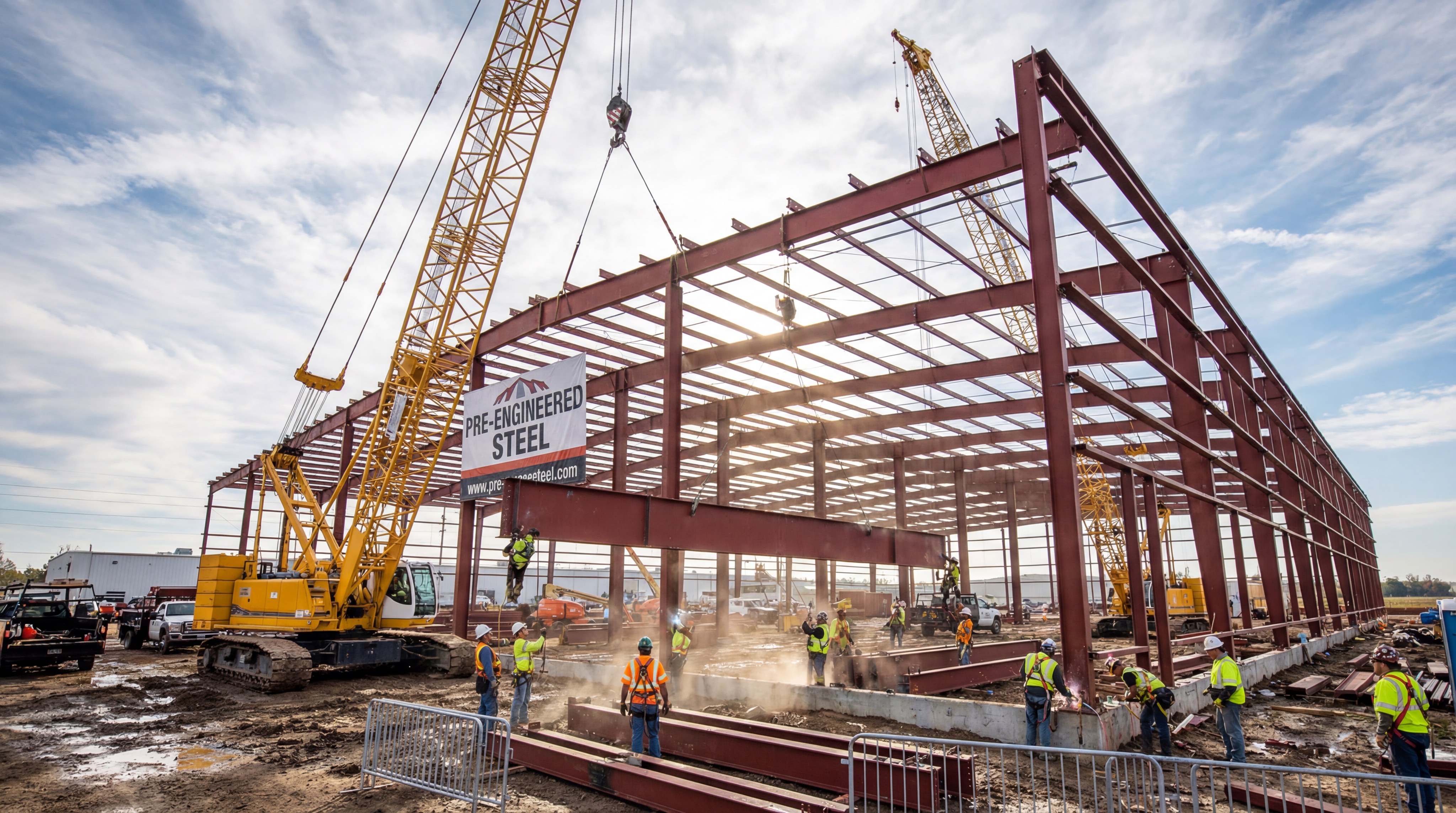
You should site your steel structure warehouse building on a level area with stable soil conditions and easy access to major transportation routes. Choosing the right location for your steel structure warehouse building ensures that your logistics chain remains efficient and your foundation costs stay low. Proper site selection also involves checking for utility access and ensuring you have enough space for truck maneuvering.
Assessing Ground Stability
In fact: the quality of the soil under your building determines the complexity of your foundation design. You need a site that can support the heavy loads of a steel frame and the inventory stored within.
- Soil bearing capacity tests.
- Proper site drainage planning.
- Grading for level surfaces.
Optimizing Logistics Access
You see: the best building in the world is useless if trucks cannot easily enter and exit the property. You must plan for wide turning radii and sufficient parking space for both staff and deliveries.
- Proximity to highways.
- Wide entry gates.
- Adequate truck turnaround areas.
Key TakeawayStrategic site selection minimizes foundation costs and maximizes the long-term logistical efficiency of your warehouse operations.
| Site Factor | Importance | Action Item | |
|---|---|---|---|
| Soil Quality | High | Get a soil report | |
| Drainage | High | Plan site grading | |
| Utilities | Medium | Check water/power |
Investing time in site analysis prevents costly surprises during the foundation and construction phases.
How is the steel structure warehouse building foundation made?
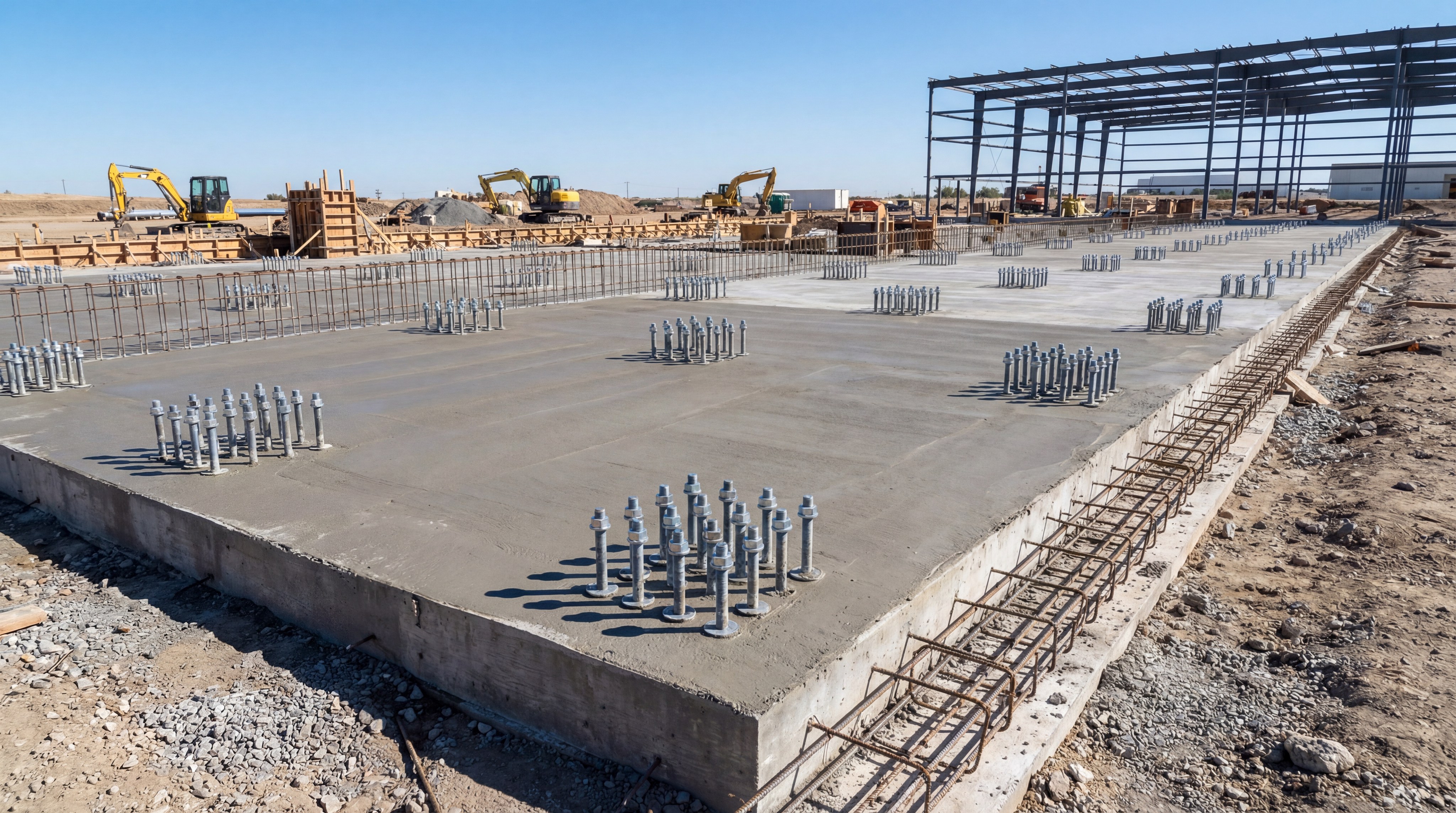
The foundation of a steel structure warehouse building is typically made from reinforced concrete with precisely placed anchor bolts to secure the vertical columns. A steel structure warehouse building requires a stable base to transfer the weight of the structure and its contents into the ground safely. Unlike traditional buildings, steel structures use lighter foundations because the overall weight of the frame is significantly less than concrete walls.
Precision Anchor Bolt Placement
But wait, there is more: the accuracy of your anchor bolt placement is the most critical part of the foundation phase. Even a small deviation can prevent the steel columns from lining up correctly during assembly.
- Laser-guided bolt positioning.
- Reinforced concrete footings.
- Heavy-duty steel anchor plates.
Concrete Slab Engineering
Bottom line: the floor slab must be engineered to withstand the specific PSI requirements of your heavy machinery and high-density racking. You need a smooth, level surface that allows for safe forklift operation.
- High-strength concrete mix.
- Vapor barrier installation.
- Saw-cut expansion joints.
Key TakeawayA professionally engineered foundation with precise anchor bolt placement ensures a smooth and fast assembly of the steel frame.
| Foundation Part | Purpose | Requirement | |
|---|---|---|---|
| Footings | Weight distribution | Depth below frost line | |
| Slab | Work surface | Smooth level finish | |
| Bolts | Frame attachment | Exact alignment |
A solid foundation is the only way to guarantee the long-term structural safety of your warehouse building.
Why use panels for a steel structure warehouse building?
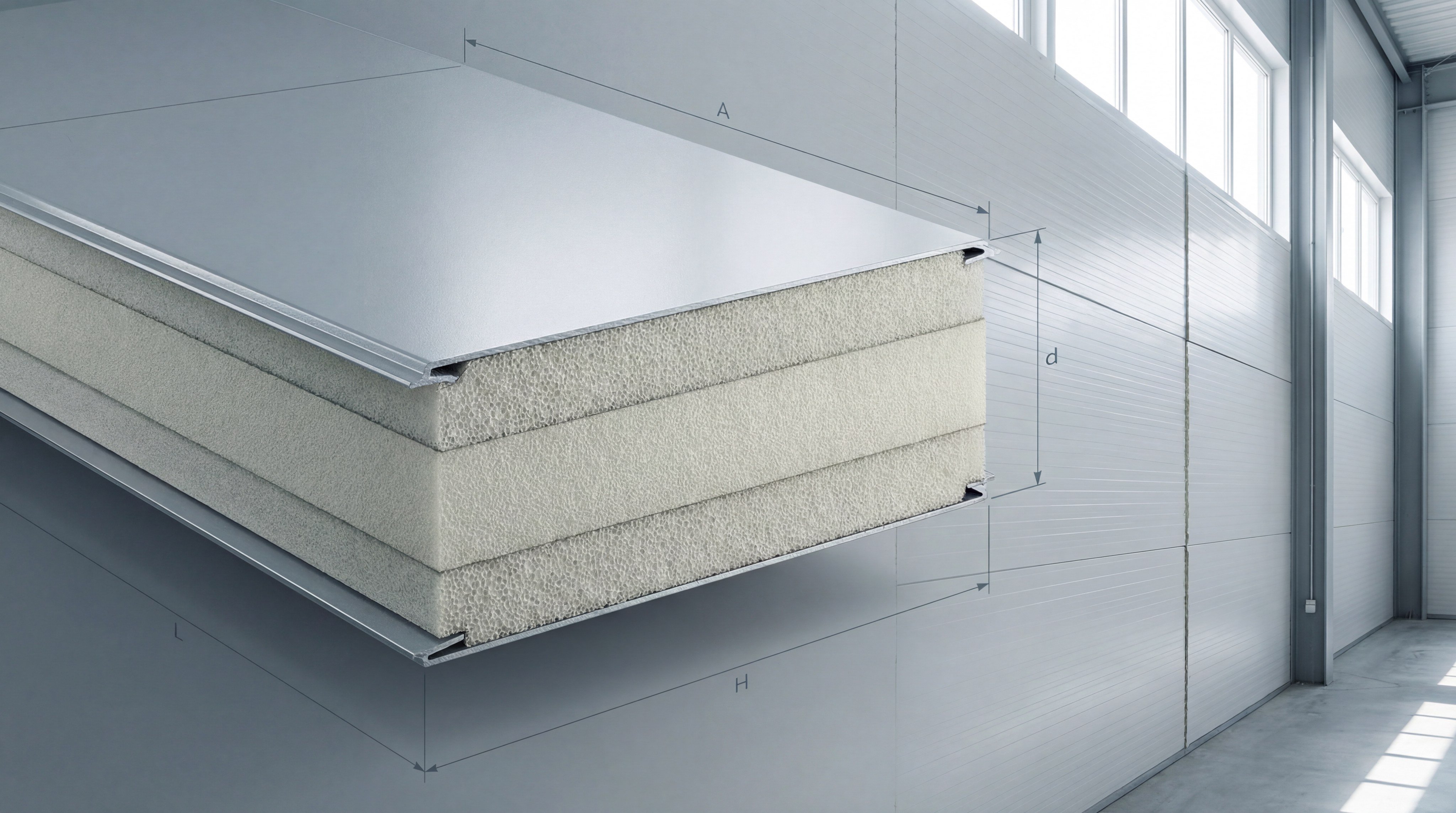
You use panels for a steel structure warehouse building to provide thermal insulation, weather protection, and a professional aesthetic finish. Integrating high-performance panels into your steel structure warehouse building significantly reduces energy costs for climate-controlled environments. These panels come in various thicknesses and materials to meet the specific R-value requirements of your business.
Superior Thermal Efficiency
Here is the kicker: insulated sandwich panels create a thermal break that prevents heat transfer between the interior and exterior of the building. This keeps your warehouse cool in the summer and warm in the winter.
- EPS or Rockwool cores.
- Energy-saving thermal breaks.
- Reduced HVAC system load.
Rapid Wall Installation
You see: large-scale panels can be installed much faster than individual bricks or boards. This accelerated process allows you to dry-in the building quickly and begin interior work sooner.
- Tongue-and-groove connections.
- Pre-finished color coatings.
- High wind-uplift resistance.
Key TakeawayInsulated panels are the most efficient way to protect your inventory while minimizing long-term utility expenses.
| Panel Type | Core Material | Best Use | |
|---|---|---|---|
| Sandwich | Polyurethane/EPS | Cold storage | |
| Corrugated | Single metal sheet | Dry storage | |
| Fireproof | Rockwool | Chemical storage |
Choosing the right panel system is essential for maintaining the internal environment required for your products.
Can you expand a steel structure warehouse building later?
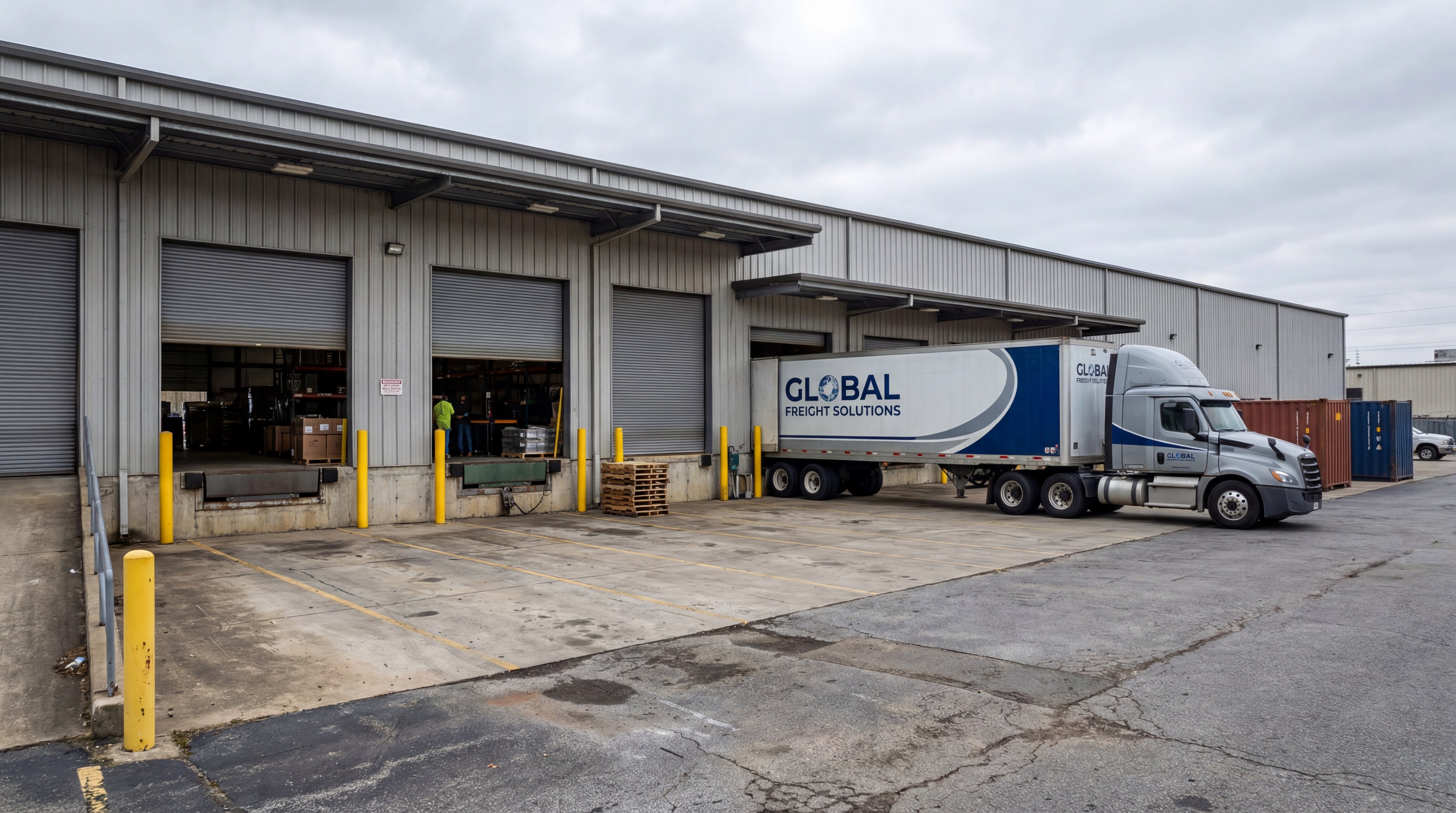
Yes, you can easily expand a steel structure warehouse building by adding new modular sections to the existing frame. The modular nature of a steel structure warehouse building means that your facility can grow alongside your business without requiring a complete teardown. You simply remove a wall and bolt on a new extension to increase your storage capacity.
Effortless Modular Growth
Think about it: most buildings are static, but steel is dynamic. You can plan for future expansion from day one by ensuring the original frame is engineered to support additional sections.
- Removable end-wall designs.
- Consistent frame dimensions.
- Minimal disruption to operations.
Scalable Structural Support
Look: steel’s versatility allows you to add mezzanines or second floors even after the primary building is completed. This helps you maximize your footprint without purchasing more land.
- High-load mezzanine frames.
- Flexible interior partitioning.
- Easy structural reinforcement.
Key TakeawaySteel buildings offer the highest level of future-proofing, allowing for cost-effective expansion as your business needs evolve.
| Expansion Type | Difficulty | Timeframe | |
|---|---|---|---|
| End Extension | Low | Fast | |
| Mezzanine Add | Medium | Moderate | |
| Height Increase | High | Complex |
The ability to expand easily makes steel a superior long-term investment for growing companies.
What offices fit in a steel structure warehouse building?
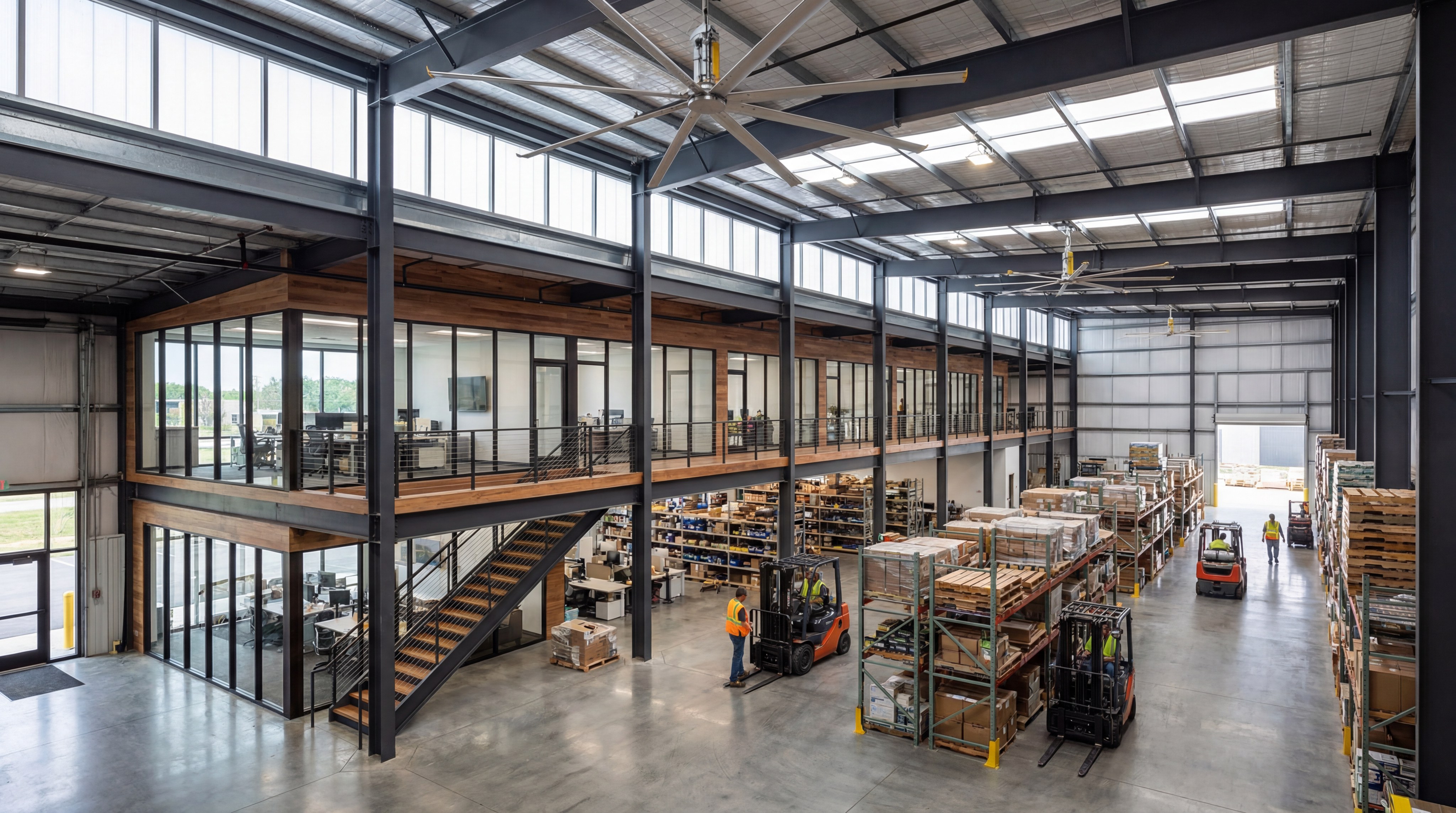
You can fit modern, multi-story office suites, showrooms, and staff breakrooms within a steel structure warehouse building. Integrating administrative space into your steel structure warehouse building allows your management team to stay close to the actual logistics operation. Steel mezzanines are the perfect solution for creating these spaces without sacrificing valuable ground-level storage area.
Mezzanine Office Integration
Believe it or not: you can create a high-end office environment right in the middle of your warehouse. These elevated spaces provide a clear view of the warehouse floor while remaining quiet and climate-controlled.
- Sound-dampened wall systems.
- Glass viewing partitions.
- Independent HVAC zones.
Showrooms and Sales Areas
Best of all: the modern look of steel can be finished with glass and wood to create a professional showroom for your clients. This allows you to showcase products in the same facility where they are stored and shipped.
- Architectural facade options.
- Open-concept lobby designs.
- Integrated retail sections.
Key TakeawaySteel structures allow you to combine industrial storage with professional office space in a single, efficient building.
| Office Space | Focus | Key Feature | |
|---|---|---|---|
| Mezzanine | Supervision | Elevated floor | |
| Showroom | Client Sales | Large glass walls | |
| Breakroom | Staff Comfort | Insulated walls |
Combining office and warehouse space improves communication and streamlines your overall business management.
Is a steel structure warehouse building truly durable?
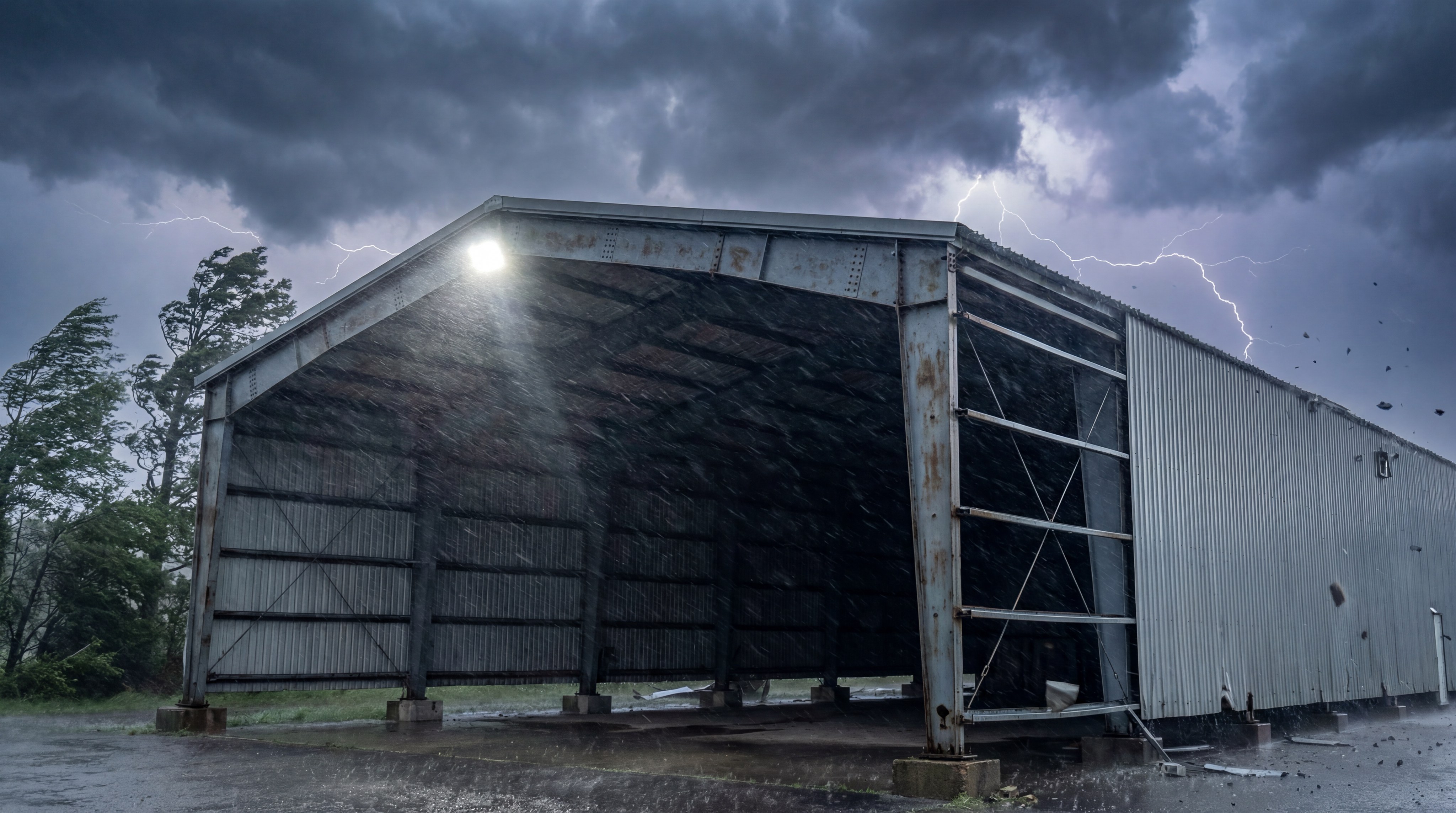
A steel structure warehouse building is incredibly durable and capable of withstanding extreme winds, heavy snow loads, and even seismic events. The resilience of a steel structure warehouse building comes from its high ductility, which allows it to absorb energy without collapsing during a disaster. Unlike wood, steel does not warp, twist, or decay, ensuring your investment remains structurally sound for generations.
Resistance to Extreme Weather
In fact: steel buildings are often the only structures left standing after a major hurricane or earthquake. Their engineered strength provides a safe haven for your inventory and your employees during severe weather events.
- High wind speed rating.
- Seismic load absorption.
- Heavy snow weight capacity.
Long-Term Corrosion Protection
It gets better: modern galvanizing and painting techniques protect the steel from rust and environmental degradation. You won’t have to deal with the constant peeling paint or structural rot associated with other materials.
- Galvanized structural frames.
- Marine-grade roof coatings.
- Minimal structural maintenance.
Key TakeawaySteel provides the ultimate protection for your assets, offering a level of durability that traditional building materials cannot match.
| Durability Factor | Steel Performance | Wood Performance | |
|---|---|---|---|
| Fire Resistance | Non-combustible | Highly Flammable | |
| Earthquake | Flexible / Safe | Rigid / Brittle | |
| Moisture | Rust Resistant | Rot Sensitive |
The structural superiority of steel ensures that your warehouse remains a reliable asset for the long haul.
Summary and Next Steps
Building a steel warehouse is the smartest investment for any business looking for speed, durability, and cost-efficiency. From the initial design phase to the final bolting of the frame, steel offers a streamlined process that traditional construction simply cannot match. You get a facility that is easy to maintain, simple to expand, and tough enough to handle anything nature throws at it.
Don’t let your project get bogged down in the delays and high costs of traditional construction. Contact us today at Showhoo Building to start planning your custom facility. Our team of experts is ready to help you design and deliver a world-class industrial space tailored to your needs.
Brand Stand: Our vision is to empower global industries by providing precision-engineered steel solutions that define the future of sustainable and efficient construction.
Frequently Asked Questions
Can I customize the color of my warehouse?Yes, you can choose from a wide variety of durable, factory-applied colors for both the wall and roof panels to match your brand identity.
What’s the best way to prevent condensation in a steel building?Using high-quality insulated sandwich panels or spray foam insulation is the best way to maintain a consistent internal temperature and prevent moisture buildup.
How much time does it take to assemble the frame?Depending on the size of the facility, a professional crew can often erect the main structural steel frame in just a few weeks.
Are there size limitations for a steel warehouse?Virtually no; steel can accommodate everything from small personal workshops to massive distribution centers spanning hundreds of thousands of square feet.
Will a steel building interfere with Wi-Fi signals?While metal can reflect signals, installing standard signal boosters or distributed antenna systems easily ensures perfect connectivity throughout your entire warehouse.