
Building a 50,000 square foot warehouse requires a strategic approach to engineering and site logistics. You often struggle with balancing structural integrity against strict budgetary constraints. This friction can lead to compromised quality or expensive project overruns. We provide factory-direct steel solutions to ensure your large-scale facility is both durable and cost-effective.
What defines a 50,000 square foot warehouse project?
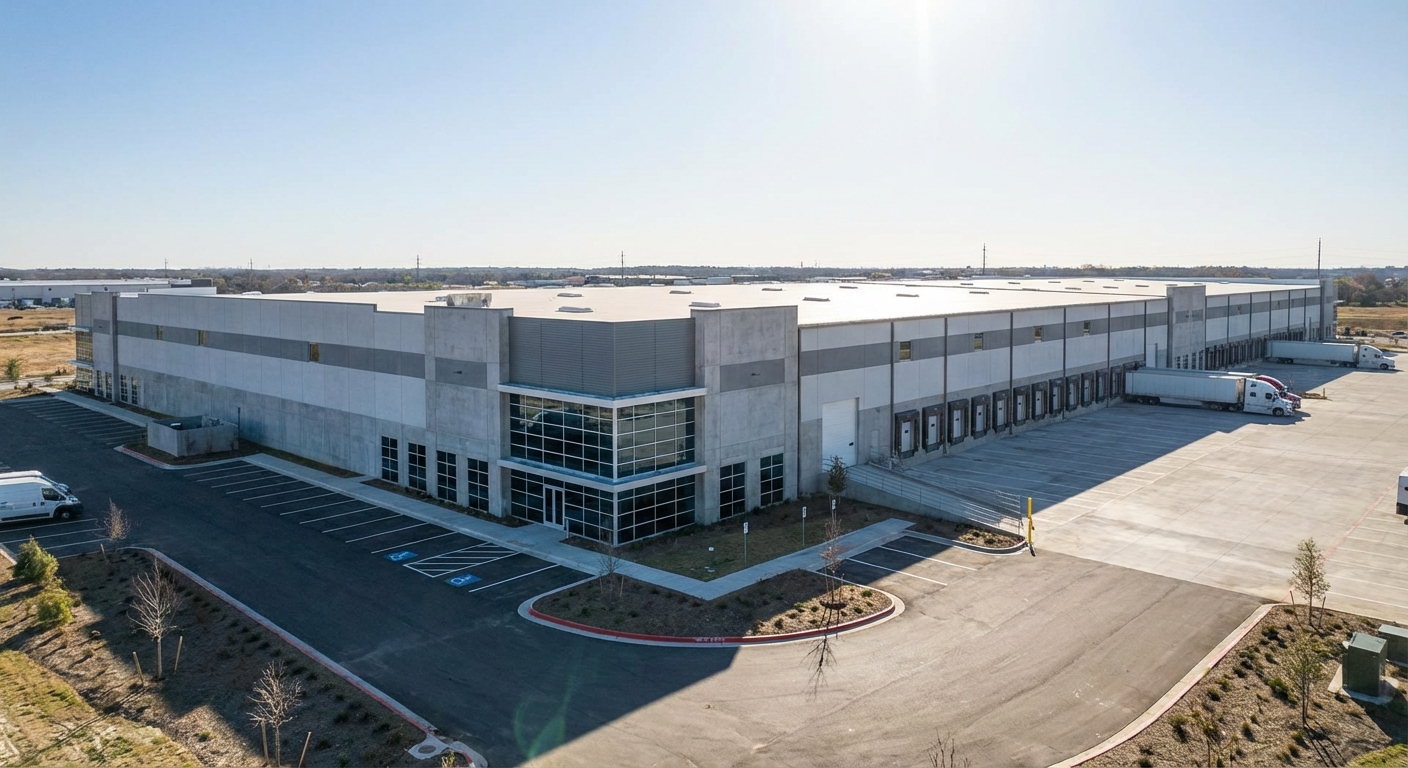
A 50,000 square foot warehouse is defined as a large-scale industrial facility designed for high-capacity storage or manufacturing. You must consider the total footprint, clear span requirements, and the specific zoning laws of your location. These projects typically utilize heavy-duty steel frames to maximize internal volume.
Think about this.
Current industry size standards
Modern standards for this size category prioritize vertical clearance to increase storage density. You will find that most facilities now aim for at least 32 to 36 feet of clear height. This allows for multi-level racking systems that optimize every inch of the floor.
Structural design alternatives
You have several options when choosing the structural layout for your building. Rigid frame designs are common, but modular systems can offer faster assembly times. Selecting the right frame depends on your specific operational needs.
- Clear-span frames for unobstructed space.
- Multi-span frames with interior columns.
- Lean-to structures for expansion.
Key Takeaway: Understanding standard sizes and design options ensures your facility meets modern operational requirements without wasting space.
| Feature | Specification | |
|---|---|---|
| Footprint | 50,000 Sq Ft | |
| Standard Height | 30′ – 40′ | |
| Frame Type | Steel Portal Frame |
Effective structural definition prevents spatial inefficiencies during the later stages of construction.
Why is 50,000 square foot warehouse demand rising?
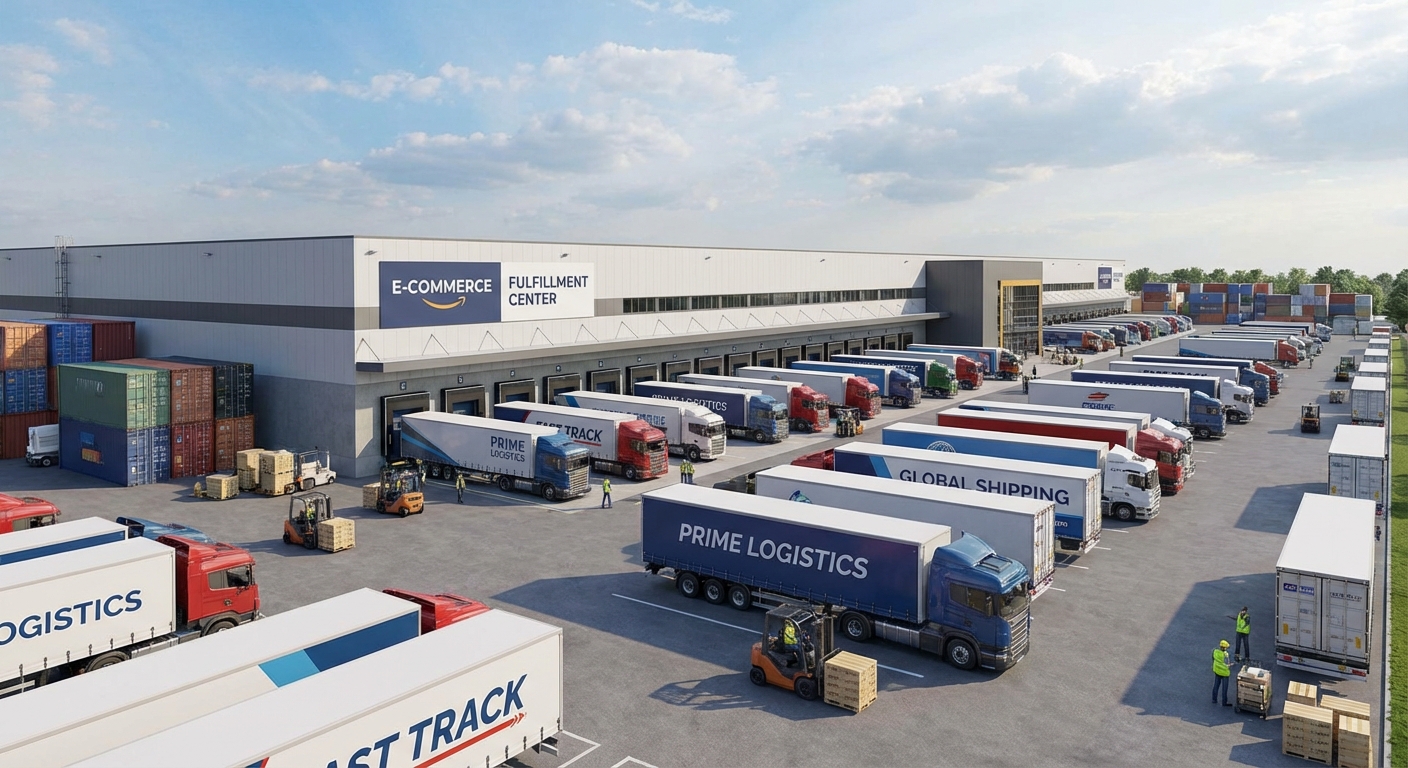
Demand is rising because global commerce requires larger, more efficient distribution hubs closer to urban centers. A 50,000 square foot warehouse serves as the perfect mid-to-large-scale solution for regional logistics. You are likely seeing more companies move toward decentralized inventory models to speed up delivery.
It gets better.
E-commerce and online shopping
The explosion of online shopping has fundamentally changed how products move through the supply chain. You need high-capacity hubs that can handle rapid sorting and dispatch. This size provides the necessary square footage for automation and conveyor systems.
Supply chain inventory needs
Recent global shifts have forced companies to keep more stock on hand. You can no longer rely on just-in-time shipping due to potential disruptions. Building a 50,000 sq ft warehouse allows you to maintain a safety stock buffer.
- Mitigates shipping delays.
- Supports bulk purchasing discounts.
- Provides regional fulfillment capability.
Key Takeaway: Rising market demand makes investing in a large-scale facility a strategic move for long-term supply chain stability.
| Driver | Impact Level | |
|---|---|---|
| E-commerce | High Growth | |
| Inventory Buffering | High Priority | |
| Delivery Speed | Critical |
Expanding your storage capacity today prepares your business for the continuing growth of digital commerce.
How to build a 50,000 square foot warehouse quickly?
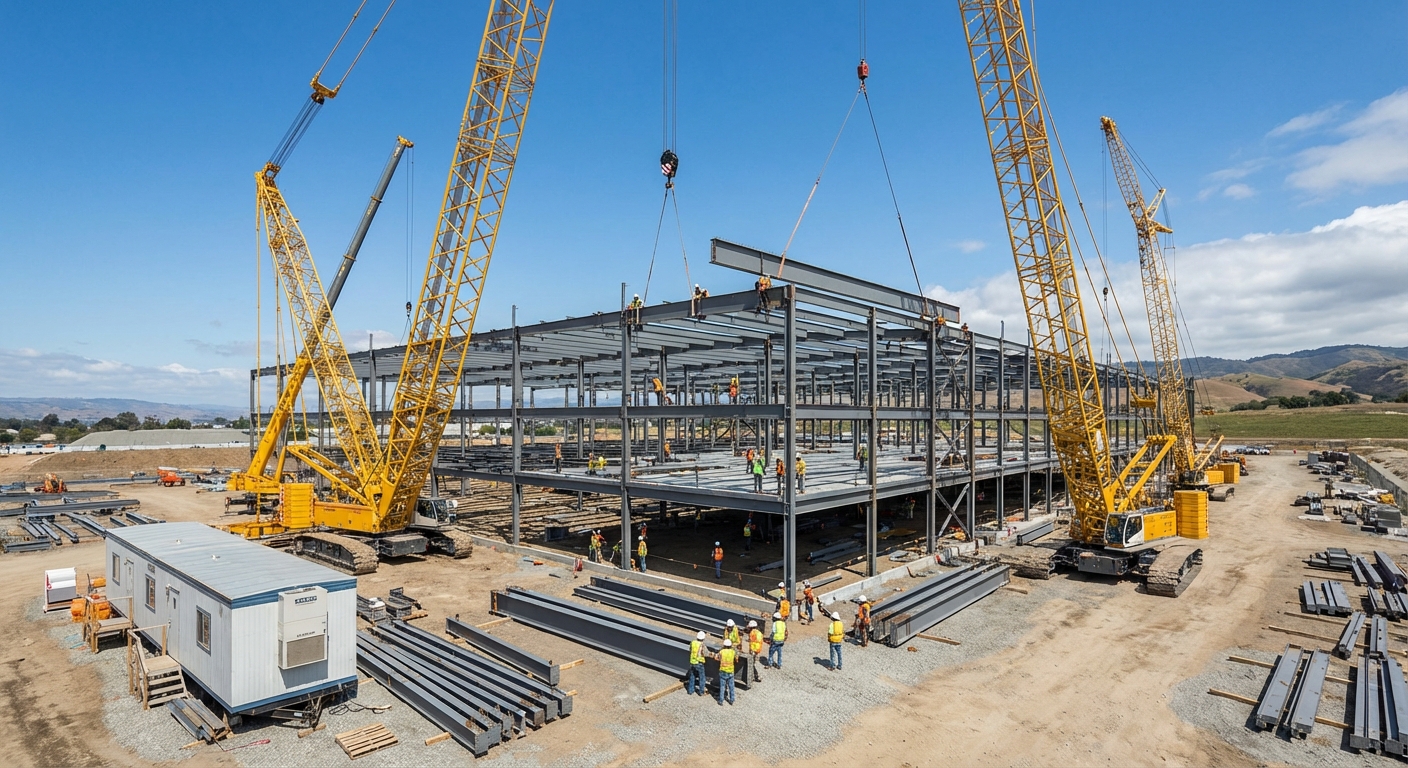
You build a 50,000 square foot warehouse quickly by utilizing pre-engineered metal building systems. These kits are manufactured in a factory environment and then shipped directly to your site. This method bypasses many traditional construction delays associated with on-site fabrication.
The best part?
Pre-engineered building kits
Pre-engineered kits arrive at your location ready for immediate assembly with all parts pre-cut and pre-drilled. You reduce the need for skilled labor and specialized tools on the job site. This streamlined process can shave weeks or months off your schedule.
Precise material manufacturing
Factory precision ensures that every beam and column fits perfectly upon arrival. You will not face the frustration of misaligned holes or field modifications. This accuracy is essential when managing a structure of this magnitude.
Accelerated assembly timelines
Speed is the primary benefit when you choose a factory-direct steel system. You can have the main frame of a 50,000 sqft warehouse erected in a fraction of the time of traditional builds. This allows you to begin interior fit-outs sooner.
- Site preparation and foundation.
- Main structural frame erection.
- Roofing and wall panel installation.
Key Takeaway: Utilizing pre-engineered systems significantly reduces construction time, allowing you to start generating revenue from your facility faster.
| Phase | Timeline (Est) | |
|---|---|---|
| Fabrication | 4 – 8 Weeks | |
| Shipping | 2 – 4 Weeks | |
| Erection | 6 – 10 Weeks |
Fast construction is achieved through the integration of factory precision and modular assembly techniques.
What affects 50,000 square foot warehouse pricing?
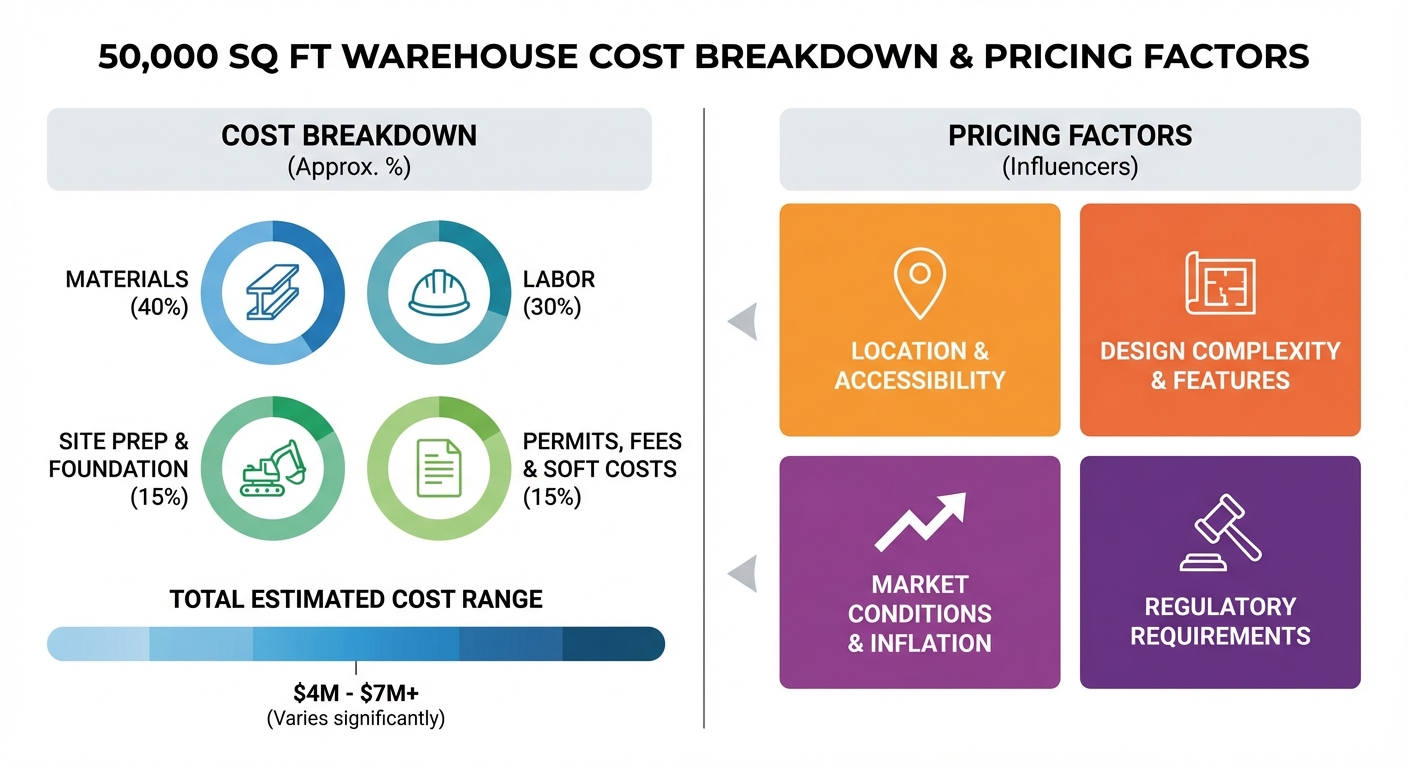
Pricing is affected by raw material costs, local building codes, and the complexity of your interior design. A 50,000 square foot warehouse requires a massive amount of steel, making you sensitive to market fluctuations. You must also account for the shipping distance from the manufacturer to your site.
Look at the facts.
Local site and design factors
Your local soil conditions and wind load requirements will dictate the weight of the steel used. You might need heavier columns or specialized foundation anchors to meet local safety codes. These requirements can add significant costs if not planned early.
Global steel market trends
Steel is a global commodity, and its price changes daily based on demand and supply. You should lock in your pricing as early as possible to avoid sudden spikes. Understanding these trends helps you budget more accurately for the long term.
- Tariffs and trade policies.
- Production capacity of major mills.
- Recycled steel availability.
Key Takeaway: Monitoring market trends and local requirements allows you to create a realistic budget and avoid unexpected financial surprises.
| Factor | Cost Impact | |
|---|---|---|
| Material Price | High | |
| Code Compliance | Medium | |
| Site Location | Variable |
Accurate pricing depends on balancing high-quality materials with the specific constraints of your building site.
How do hard costs impact a 50,000 square foot warehouse?
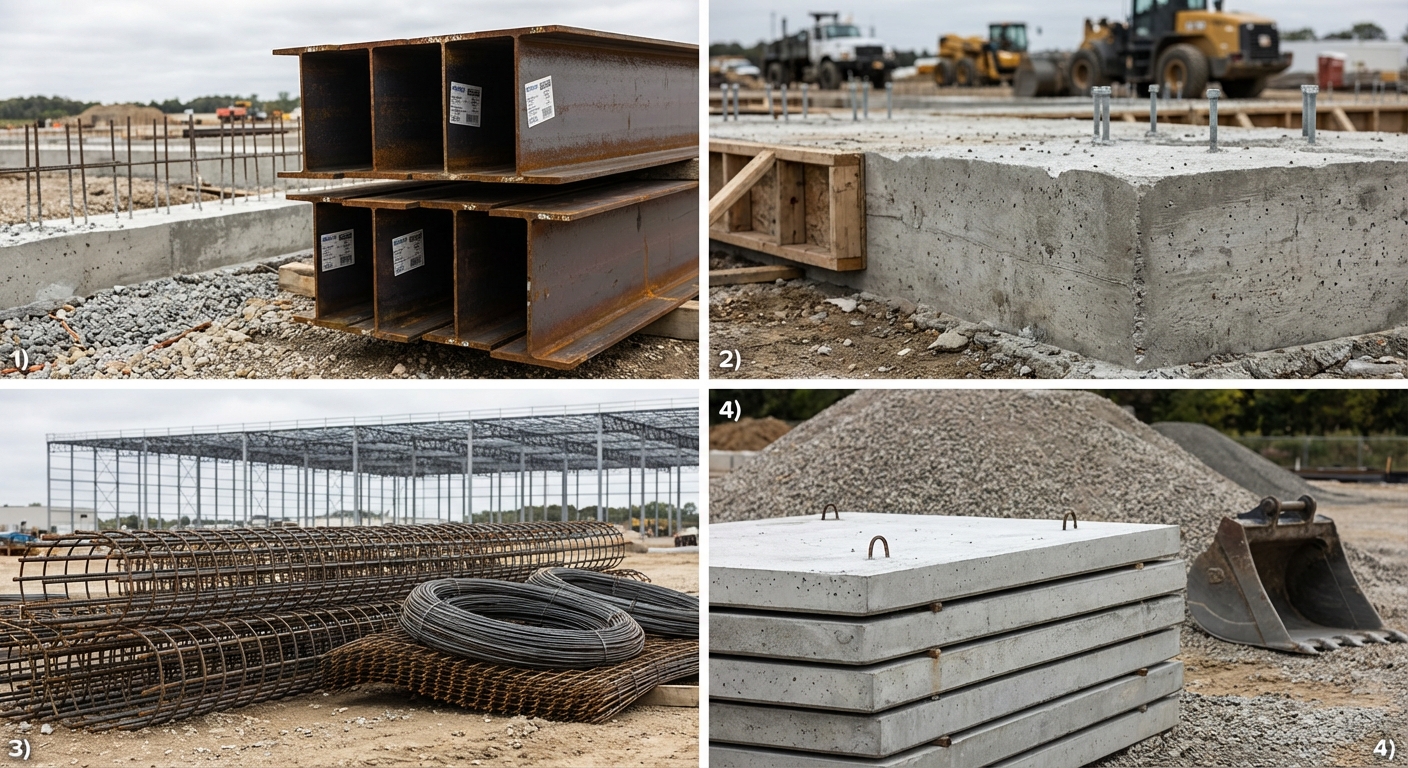
Hard costs impact a 50,000 square foot warehouse by consuming the majority of your project budget for physical materials and labor. You must manage these costs aggressively to ensure the project remains viable. These expenses represent the tangible assets that will form your finished facility.
But that is not all.
Raw construction materials
The price of structural steel beams, purlins, and cladding panels represents your largest hard cost. You will also spend a significant portion on the concrete for the slab and foundation. These materials provide the longevity and strength your business relies on.
On-site equipment and labor
Erecting a building of this size requires heavy cranes and a specialized team of installers. You must budget for the rental of man-lifts, forklifts, and safety equipment. Labor costs can fluctuate based on the availability of skilled crews in your region.
Essential life safety systems
You cannot overlook the cost of fire suppression, lighting, and electrical infrastructure. These systems are often mandated by local law and are critical for your insurance coverage. They ensure the safety of your staff and the protection of your inventory.
- Fire sprinkler installation.
- Emergency exits and lighting.
- High-output industrial HVAC.
Key Takeaway: Hard costs are the foundation of your investment, providing the physical strength and safety systems required for industrial operations.
| Expense | % of Hard Cost | |
|---|---|---|
| Steel Structure | 40% – 50% | |
| Concrete/Slab | 20% – 25% | |
| Systems/Safety | 15% – 20% |
Effective management of hard costs involves sourcing quality materials directly to eliminate unnecessary middleman markups.
Can design lower 50,000 square foot warehouse costs?
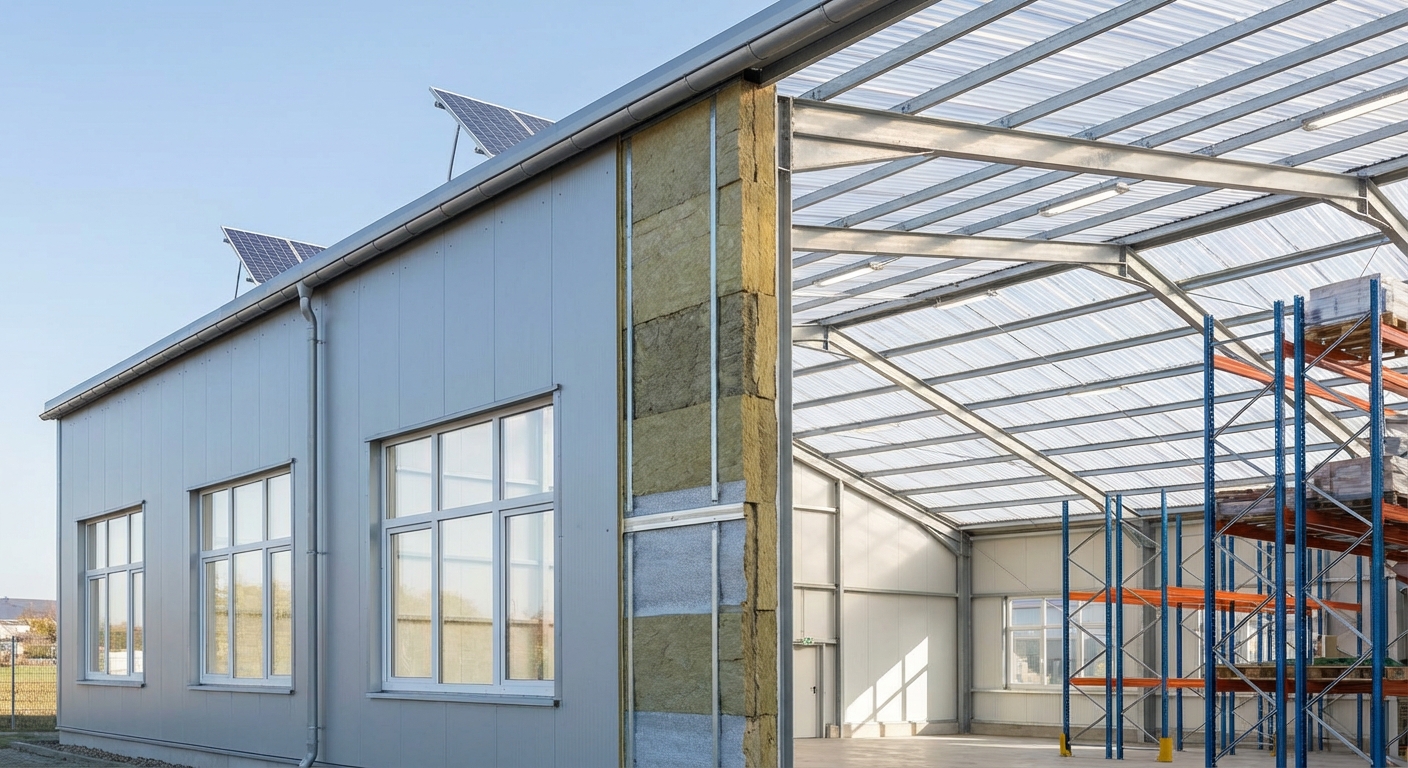
Yes, smart design can lower costs by optimizing the weight of the steel frame and improving construction efficiency. In a 50,000 square foot warehouse, even small design adjustments can lead to massive savings. You should work with engineers who specialize in steel structural optimization.
Why does this matter?
Building weight optimization
Engineers can reduce the amount of steel used by calculating precise load requirements for your area. You don’t want to pay for excess metal that isn’t structurally necessary. This “lean” design approach keeps your material costs low without sacrificing safety.
Efficient insulation methods
Choosing high-quality sandwich panels or fiberglass insulation can reduce your long-term energy bills. You might spend more upfront on better materials, but you will save thousands on cooling and heating. This is a critical consideration for large-volume buildings.
Interior functional layout
Your interior layout affects the span of the beams and the number of columns required. You should minimize internal columns where possible to increase floor flexibility. However, strategic column placement can sometimes reduce the weight of the roof beams.
- Maximize rack spacing.
- Optimize dock door locations.
- Reduce interior wall partitioning.
Key Takeaway: Proactive design choices reduce both initial material expenses and long-term operating costs through structural and energy efficiency.
| Optimization | Potential Saving | |
|---|---|---|
| Frame Weight | 10% – 15% | |
| Energy Usage | 20% – 30% | |
| Labor Time | 5% – 10% |
Smart design turns a simple storage space into a highly efficient, cost-saving asset for your company.
What are 50,000 square foot warehouse long-term costs?
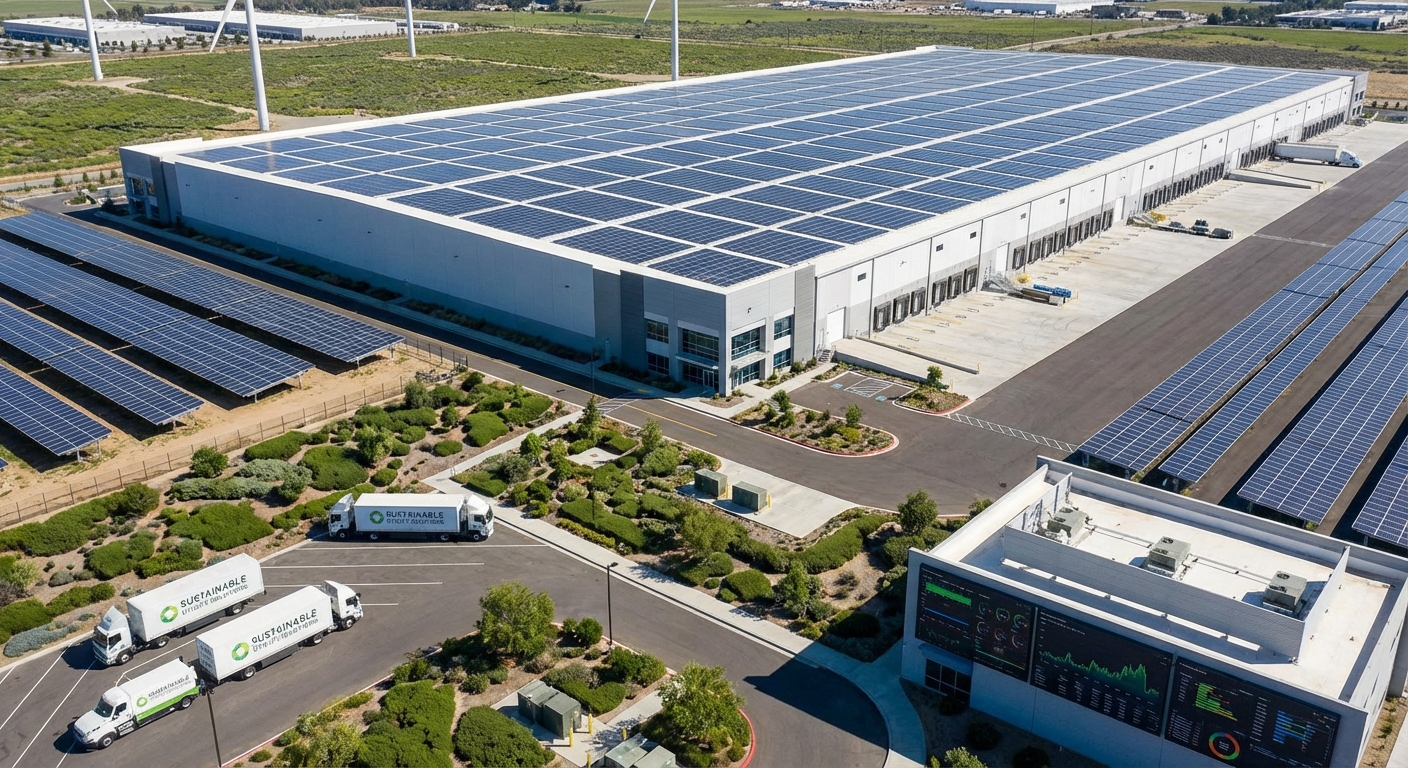
Long-term costs include utility management, facility maintenance, and eventual property taxes on your 50,000 square foot warehouse . You must view the building as a living asset that requires ongoing financial attention. Planning for these recurring expenses is just as important as the initial build.
Here is the thing.
Energy and utility management
Lighting and climate control for 50,000 sq ft can be incredibly expensive if not managed correctly. You should consider LED lighting and automated sensors to reduce waste. Many owners are now installing solar arrays to offset these monthly utility bills.
Future vertical expansions
Your long-term costs could include the price of adding mezzanine levels or extending the building. You should design the foundation and frame today to support future growth. This prevents expensive structural reinforcement work in the years to come.
Property value appreciation
While taxes and insurance are costs, the appreciation of your facility is a long-term gain. You should keep the building in peak condition to ensure its market value continues to rise. A well-maintained steel structure holds its value much better than wood or masonry.
- Monthly utility forecasting.
- Annual tax assessments.
- Insurance premium reviews.
Key Takeaway: Considering the total cost of ownership allows you to make better decisions today that will save money throughout the building’s life.
| Expense Type | Frequency | |
|---|---|---|
| Utilities | Monthly | |
| Insurance | Annual | |
| Maintenance | Seasonal |
Managing long-term costs effectively requires a focus on energy efficiency and proactive structural maintenance.
Is a 50,000 square foot warehouse easy to maintain?
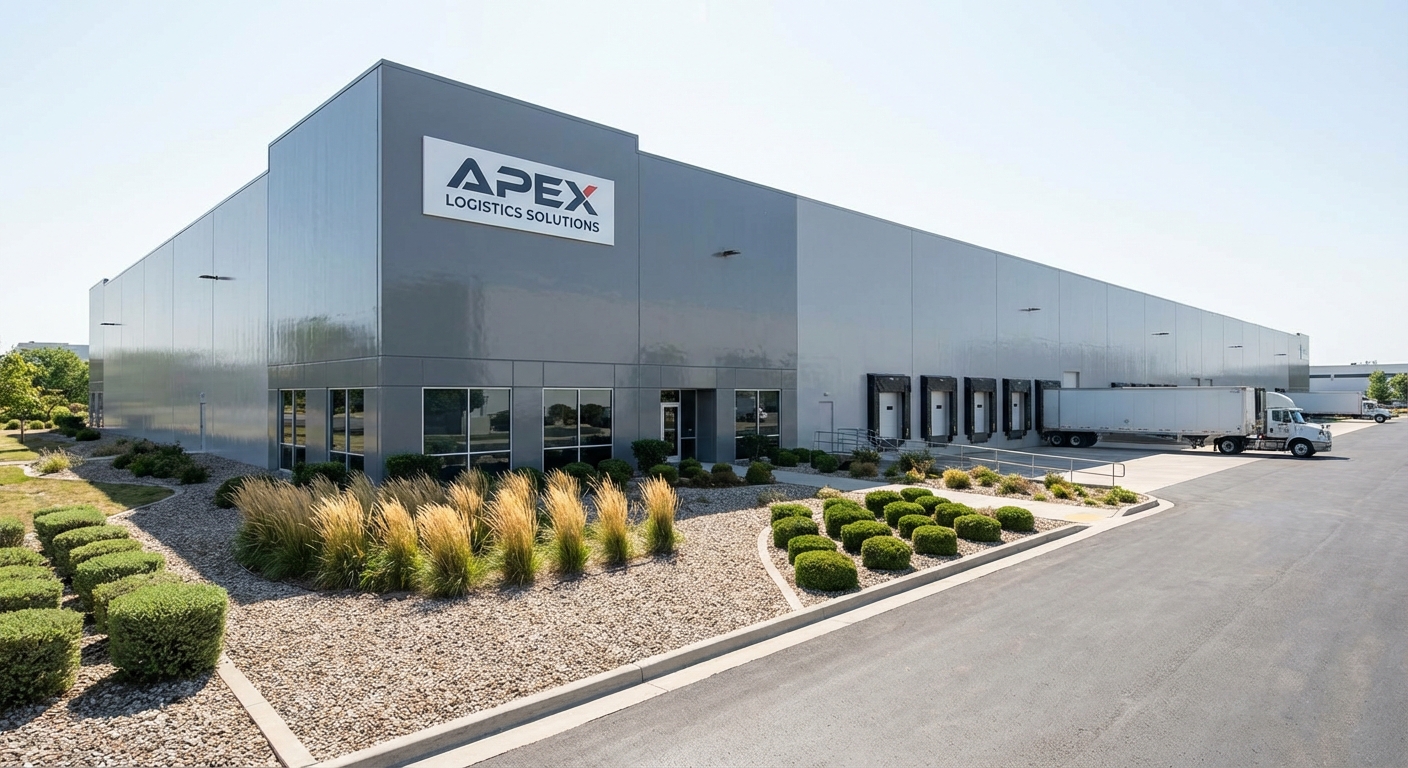
Maintenance is relatively easy if you use high-quality steel with advanced protective coatings from the start. A 50,000 square foot warehouse built with metal requires far less attention than traditional construction materials. You will primarily focus on simple cleaning and routine inspections.
It gets better.
Exterior paint and coating care
Modern steel buildings come with durable finishes that resist fading, chalking, and corrosion. You should wash the exterior panels once or twice a year to remove dust and pollutants. This simple step keeps the building looking new and prevents surface damage.
Scheduled cleaning protocols
You need a clear schedule for cleaning gutters, downspouts, and roof surfaces. Debris buildup can lead to standing water, which is the primary enemy of any roofing system. Keeping these areas clear ensures that water moves away from your foundation.
Pest and moisture prevention
Steel is naturally resistant to termites and mold, which are common issues in wooden structures. You should still inspect door seals and windows to ensure the building remains airtight. This prevents pests from entering and helps maintain consistent internal temperatures.
- Annual roof inspections.
- Gutter debris removal.
- Sealant and caulk checks.
Key Takeaway: The inherent durability of steel makes maintenance a low-effort task, protecting your investment with minimal ongoing labor.
| Item | Action | Frequency | |
|---|---|---|---|
| Wall Panels | Power Wash | Yearly | |
| Gutters | Clear Debris | Bi-Annually | |
| Roof | Inspection | Yearly |
Consistent, simple maintenance routines extend the lifespan of your facility and preserve its professional appearance.
Does a 50,000 square foot warehouse lower insurance?
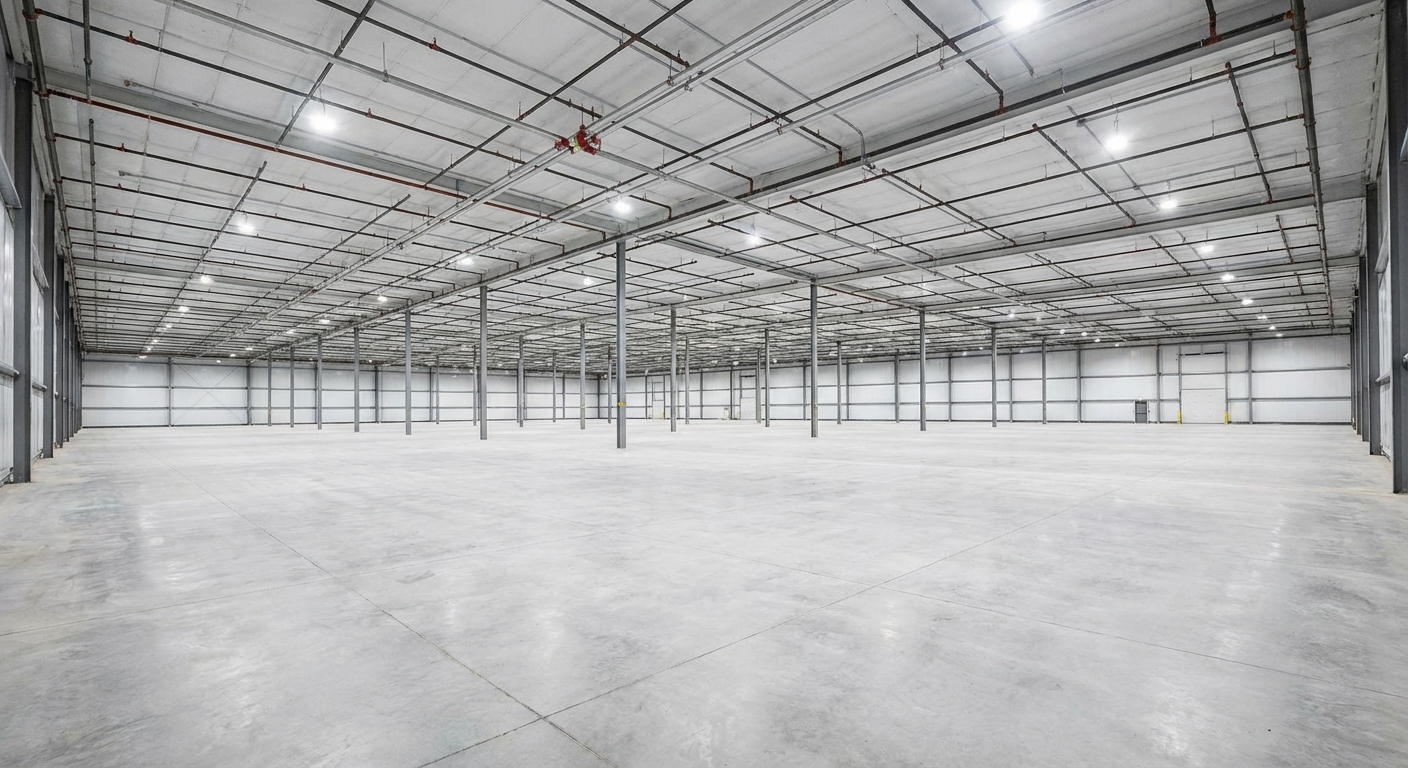
Yes, a 50,000 square foot warehouse constructed from steel can significantly lower your insurance premiums compared to wood or tilt-up concrete. Insurance companies favor steel because it is non-combustible and offers superior structural stability. You are viewed as a lower-risk client when your facility can withstand extreme weather.
Why is this?
Fire and lightning resistance
Steel does not provide fuel for fires, which limits the spread of damage in the event of an accident. You will benefit from lower fire insurance rates because the structural integrity remains intact longer during high heat. Steel buildings also act as a natural ground for lightning strikes.
Superior wind and snow ratings
Your 50,000 sq feet warehouse is engineered to handle specific local wind speeds and snow loads. You can prove this to insurers with the engineering stamps provided by the manufacturer. This verified strength reduces the likelihood of a total loss during a storm.
Structural seismic performance
Steel’s natural flexibility allows it to absorb energy during an earthquake without collapsing. You will find that this is a major factor in lowering insurance costs in seismic zones. The strength-to-weight ratio of steel is unmatched for safety in these environments.
- Non-combustible material classification.
- Engineered for extreme weather.
- Reduced structural collapse risk.
Key Takeaway: Choosing steel for your large-scale warehouse results in long-term insurance savings due to the material’s superior safety profile.
| Risk Factor | Steel Performance | Insurance Impact | |
|---|---|---|---|
| Fire | Non-combustible | Significant Reduction | |
| Wind/Snow | Engineered Strength | Moderate Reduction | |
| Seismic | High Ductility | Zone Dependent |
Lowering your insurance overhead increases your facility’s profitability and provides peace of mind for your operations.
How to finance a 50,000 square foot warehouse build?
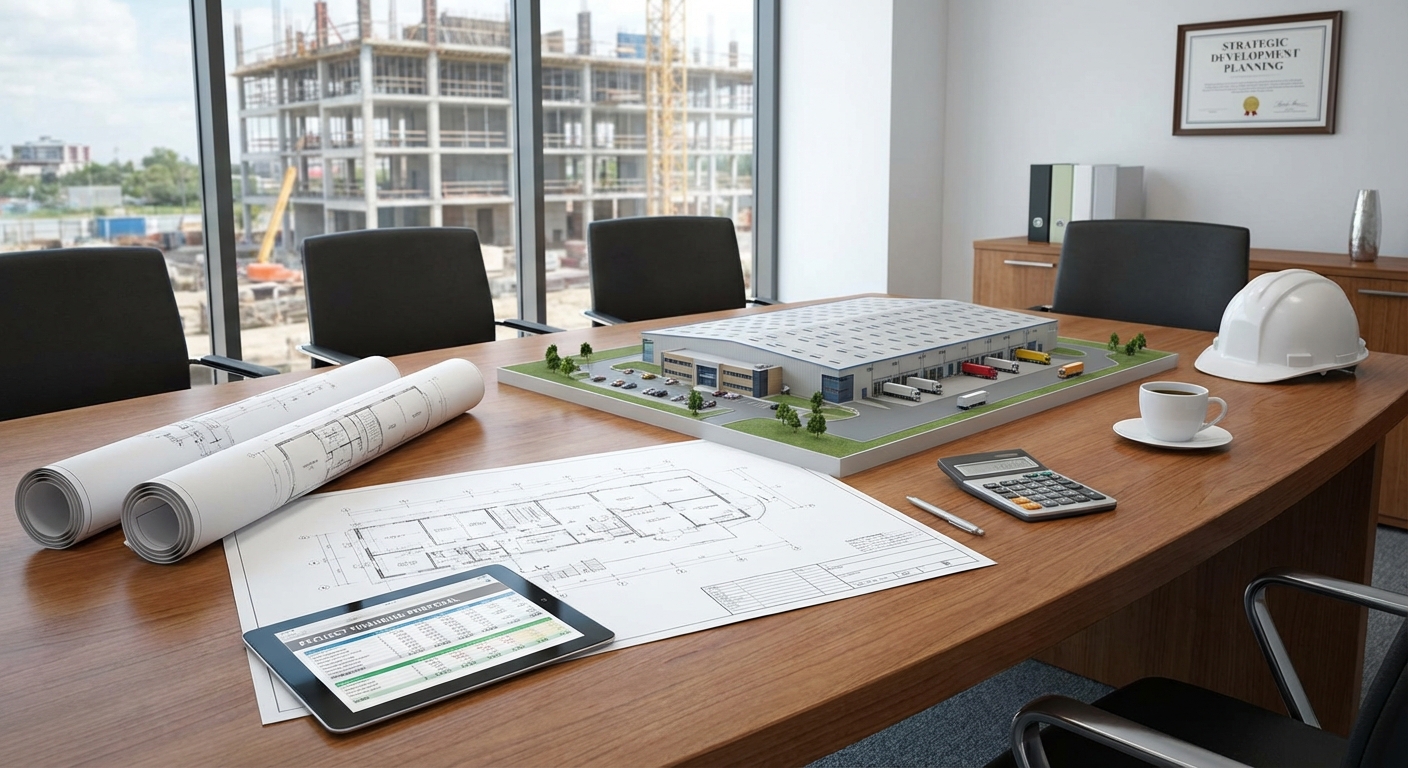
Financing involves securing a construction loan and eventually transitioning it into a long-term mortgage for your 50,000 square foot warehouse. You must have a clear project budget and detailed architectural plans to present to lenders. Most banks require a significant down payment and proof of your company’s financial health.
Think about this.
Establishing project budgets
You must account for every expense, from land acquisition and permits to the final light fixtures. Lenders want to see that you have considered both hard and soft costs. A detailed Bill of Materials (BOM) from your steel supplier is a powerful tool during this phase.
Loan approval and terms
Interest rates for industrial construction loans vary based on your credit score and the loan-to-value ratio. You should shop around with different commercial banks and credit unions. Some government-backed loans might be available if your project creates local jobs.
Interest avoidance strategies
The best way to save on financing is to finish the construction as quickly as possible. You want to move from a high-interest construction loan to a lower-interest permanent mortgage quickly. The speed of steel building assembly helps you achieve this goal faster than traditional methods.
- Prepare a 3-year financial forecast.
- Secure an independent property appraisal.
- Compare fixed vs. variable rates.
Key Takeaway: Detailed planning and fast construction timelines help you secure better financing terms and reduce the total interest paid over time.
| Step | Requirement | |
|---|---|---|
| Budgeting | Full Cost Analysis | |
| Approval | Credit & Appraisals | |
| Closing | Transition to Mortgage |
Securing the right financing ensures your project moves from the blueprint stage to a completed, operational facility without delays.
To build a 50,000 square foot warehouse, you must navigate rising material costs, complex design choices, and strict construction timelines. We solve these problems by providing factory-direct steel structures that are engineered for speed, durability, and cost-efficiency. Our commitment to quality assurance and direct manufacturing ensures your project stays on track and within budget. If you are ready to secure a high-performance industrial facility that protects your inventory and lowers your operating costs, contact us today to discuss your specific project requirements.
Decision FAQ
Can I customize the interior layout of my 50,000 square foot warehouse?Yes, because steel portal frames allow for large clear spans and flexible internal partitioning. You can place columns strategically to support your specific racking or manufacturing needs.
What’s the best way to handle local building permits?Hire a local consultant because they understand the specific zoning, environmental, and fire safety codes of your municipality. Providing them with factory engineering drawings early will speed up the approval process.
How do I know if my foundation can support the steel structure?Perform a professional soil test because the results dictate the depth and type of concrete footings required for your specific site. This prevents structural settling and ensures the safety of the entire building.
Can I expand my warehouse in the future?Yes, because the modular nature of steel buildings allows for the addition of new bays or sections with minimal structural rework. You should mention expansion plans during the initial design phase to ensure the frame is prepared.
What’s the best coating for a coastal environment?Hot-dip galvanizing is best because it provides a thick layer of zinc protection that resists salt-air corrosion far better than standard paint. This significantly extends the life of the steel in humid or marine locations.