
Steel warehouses and manufacturing facilities are the backbone of modern industry, providing unmatched durability and scalability. Traditional masonry and wood-frame buildings often lead to skyrocketing material costs and unpredictable labor delays that derail your project timeline. These inefficiencies result in missed market opportunities and delayed operational starts that drain your capital before you even open your doors. A modern steel structure warehouse provides the speed and financial predictability required to scale your business effectively while ensuring long-term structural integrity.
Why is the trend shifting to the steel structure warehouse?
Global industries are moving toward steel because it offers superior speed of assembly and significant long-term ROI compared to traditional materials. Choosing a steel structure warehouse allows you to bypass the volatile pricing and slow timelines associated with concrete or timber.
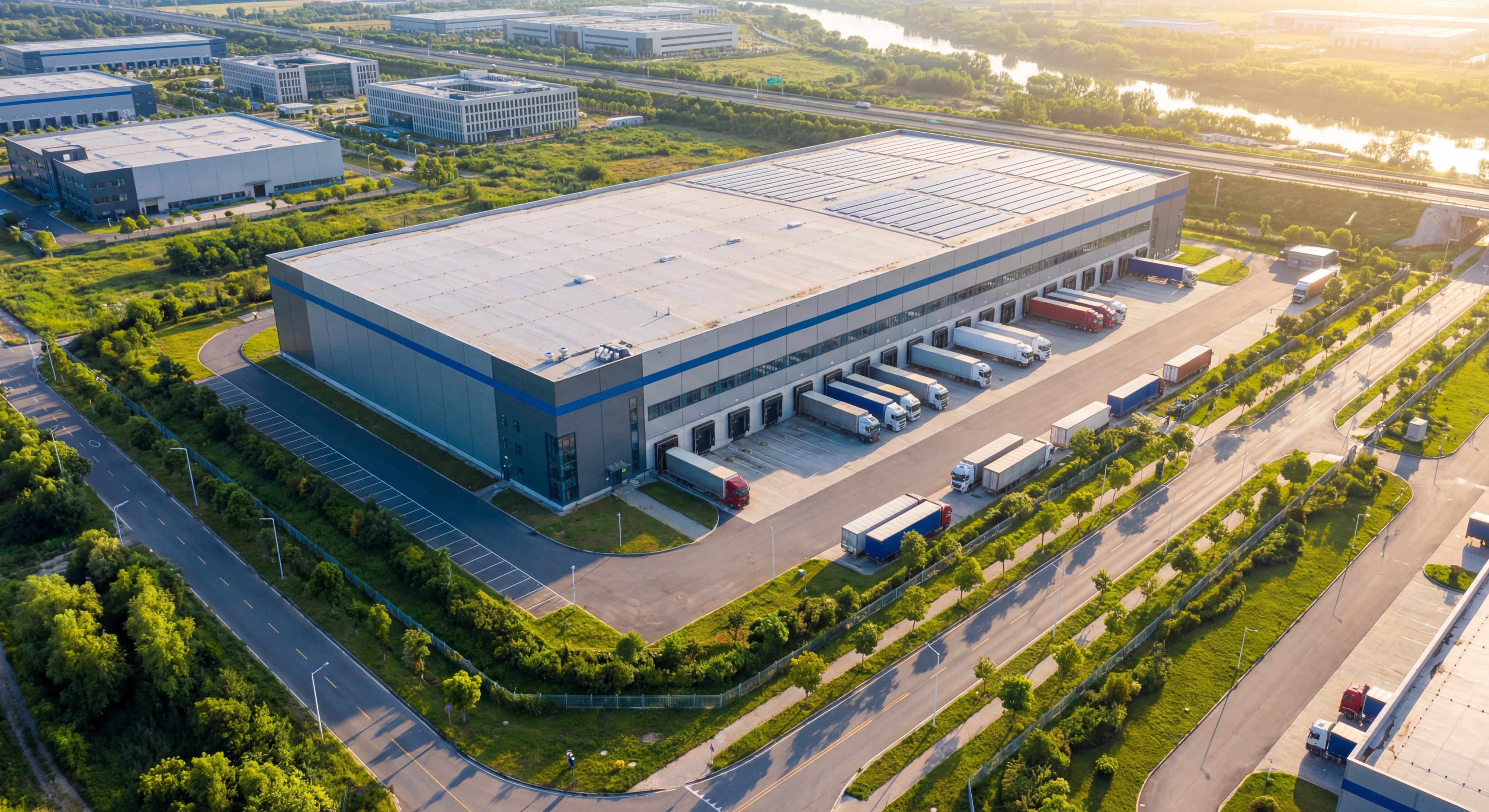
Rising demand for rapid industrial expansion
Market demand for logistics space is reaching record highs, necessitating buildings that can be erected in weeks rather than years. Steel components are pre-engineered to fit perfectly, reducing on-site errors and accelerating your move-in date.
Environmental benefits and material recyclability
Steel is one of the most sustainable building materials available because it is 100% recyclable without losing its structural properties. This makes it an ideal choice for companies aiming to meet modern green building certifications and ESG goals.
But that’s not all.
- Faster permitting processes.
- Lower insurance premiums for fire-resistant materials.
- High strength-to-weight ratio.
- Reduced waste during the construction phase.
Key Takeaway: The shift toward steel is driven by a need for speed and sustainability, allowing businesses to expand their footprint with minimal environmental impact and maximum efficiency.
| Metric | Steel Structure | Traditional Building | |
|---|---|---|---|
| Recyclability | 100% | Low | |
| Construction Time | 4-6 Months | 12-18 Months | |
| Site Waste | Minimal | Substantial |
The data confirms that steel is the most viable path for rapid, sustainable industrial growth in the current economic landscape.
How does a steel structure warehouse lower construction costs?
A steel warehouse reduces costs by minimizing on-site labor and streamlining the foundation requirements through lighter overall weight. Investing in a steel structure warehouse ensures that your capital is used efficiently on high-quality materials rather than expensive, prolonged labor hours.
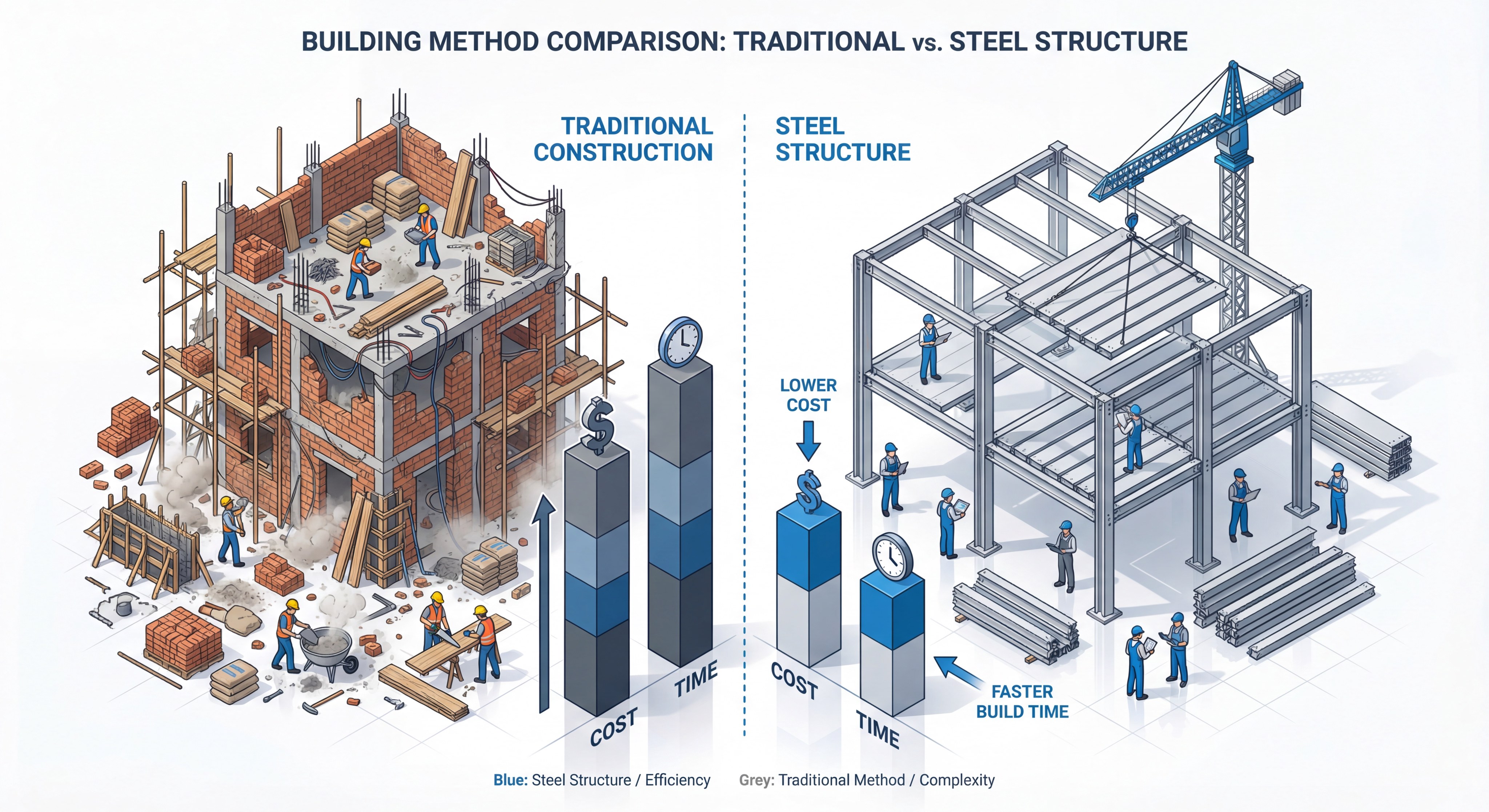
Reduced labor requirements on-site
Since components arrive pre-cut and pre-drilled, the amount of skilled labor needed on-site is drastically reduced. This prevents the project from being held hostage by local labor shortages or escalating hourly wages.
Long-term savings on foundation expenses
The high strength-to-weight ratio of steel means your building exerts less pressure on the ground. This often allows for simpler, less expensive foundation designs that save you thousands in excavation and concrete costs.
Think about it.
- Lower shipping costs for modular components.
- Reduced risk of material theft on-site.
- Less specialized equipment required for assembly.
Key Takeaway: Steel structures can reduce construction timelines by up to 50% compared to traditional methods, significantly lowering labor costs and interest payments on construction loans.
| Cost Factor | Steel Structure | Traditional Method | |
|---|---|---|---|
| Labor Intensity | Low | High | |
| Foundation Depth | Shallow | Deep/Heavy | |
| Maintenance Costs | Very Low | Moderate to High |
By optimizing every stage of the build, steel provides a clear financial advantage that traditional masonry simply cannot match.
How fast is the assembly of a steel structure warehouse?
The assembly of a steel warehouse is exceptionally fast because the components are manufactured to precision in a factory setting before shipping. A steel structure warehouse functions like a giant bolt-together kit, removing the guesswork from the construction site.
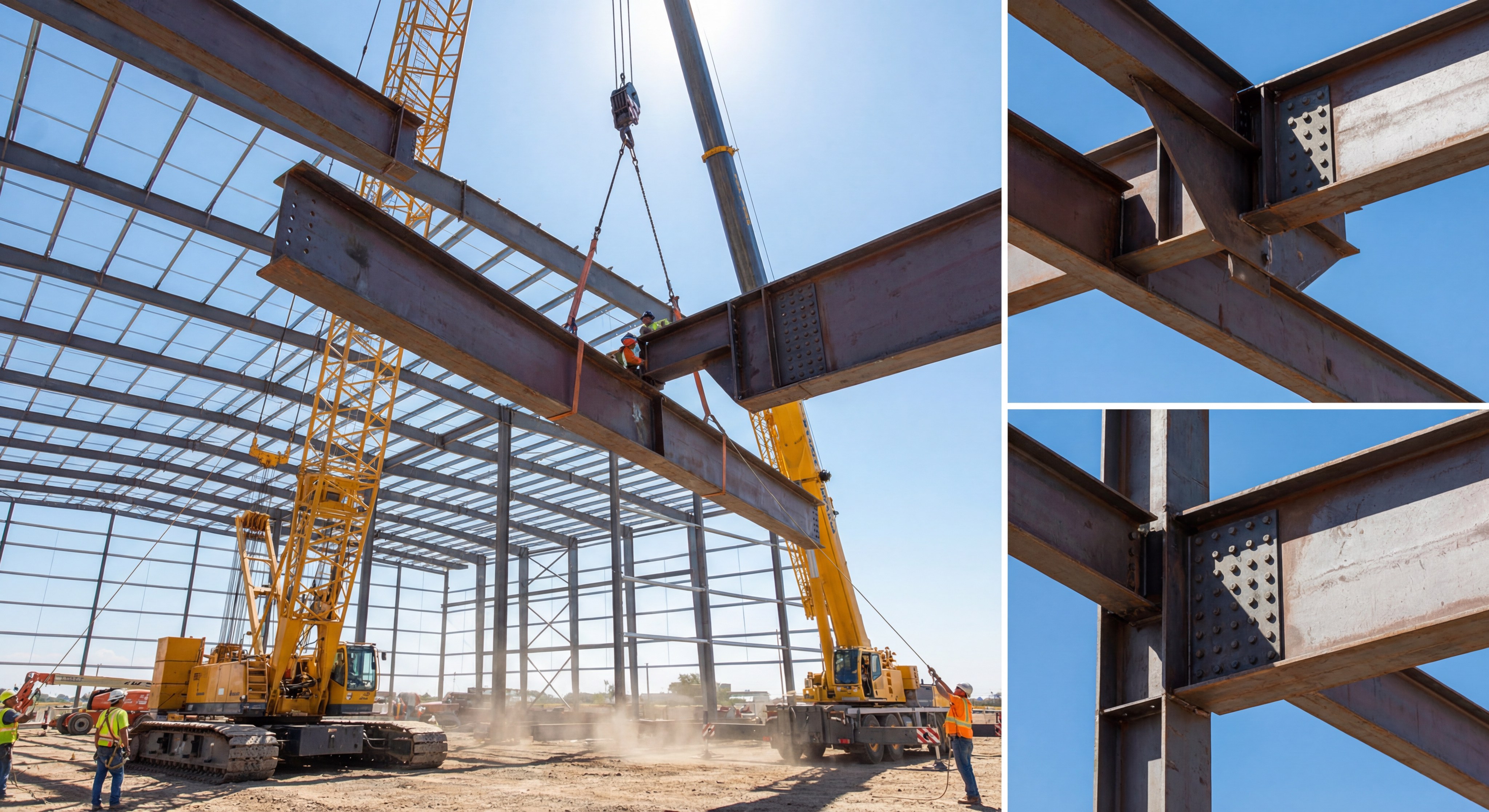
Pre-fabrication vs. on-site fabrication
Traditional buildings require materials to be cut and measured on-site, leading to massive delays and waste. Pre-engineered steel buildings are fabricated in controlled factory environments, ensuring every beam fits the first time.
Predictable timelines for project completion
Because steel assembly is less dependent on weather conditions than concrete pouring, your schedule remains stable. This predictability allows you to hire staff and order inventory with confidence that the building will be ready.
The best part?
- No “drying time” required for structural elements.
- Multiple phases can happen simultaneously.
- Standardized components simplify the inspection process.
Key Takeaway: Rapid assembly means your business can start generating revenue months earlier than it would in a traditional facility, improving your overall project ROI.
| Milestone | Steel Timeline | Traditional Timeline | |
|---|---|---|---|
| Design/Engineering | 2-4 Weeks | 4-8 Weeks | |
| Fabrication | 4-6 Weeks | N/A (On-site) | |
| On-site Erection | 3-6 Weeks | 6-12 Months |
Precision engineering transforms the construction process from a chaotic event into a streamlined, predictable assembly line.
What makes a steel structure warehouse distinctively durable?
The durability of a steel warehouse comes from its inherent resistance to fire, pests, and rot, which are common failure points in other materials. A steel structure warehouse provides a secure environment for your high-value assets, lasting for decades with minimal degradation.
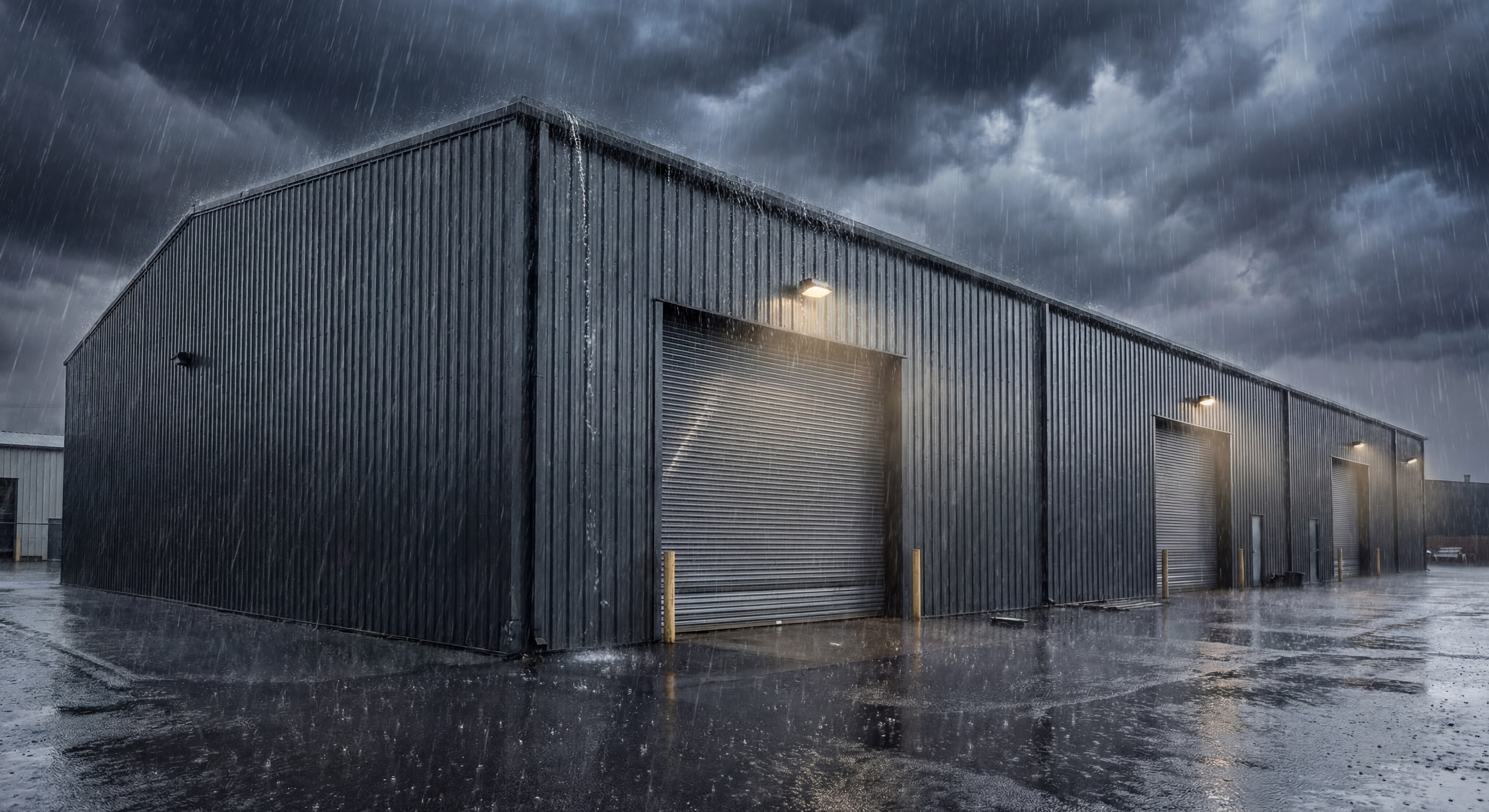
Resistance to fire, pests, and rot
Unlike wood, steel does not provide fuel for fire and is completely impervious to termites and mold. This structural resilience protects your inventory and reduces your long-term liability and insurance costs.
Withstanding extreme weather events
Steel buildings are engineered to handle specific local wind, snow, and seismic loads. The flexibility of steel allows it to absorb energy from high winds or tremors without catastrophic structural failure.
Here’s the kicker:
- Galvanized coatings prevent rust and corrosion.
- No warping or shrinking over time.
- Inorganic materials prevent biological growth.
Key Takeaway: Steel’s resistance to environmental threats makes it the most “future-proof” building material for industrial applications in harsh climates.
| Hazard | Steel Performance | Wood/Concrete Performance | |
|---|---|---|---|
| Fire | Non-Combustible | Vulnerable | |
| Termites | Immune | High Risk | |
| Seismic | Excellent (Flexible) | Varies (Brittle) |
Choosing steel means choosing a facility that remains standing and functional long after traditional structures require major overhauls.
Why is a clear-span steel structure warehouse preferred?
Clear-span designs are preferred because they allow for massive open areas without the need for obstructive interior support columns. A steel structure warehouse utilizes high-strength steel beams to bridge wide gaps, giving you total freedom over your interior layout.
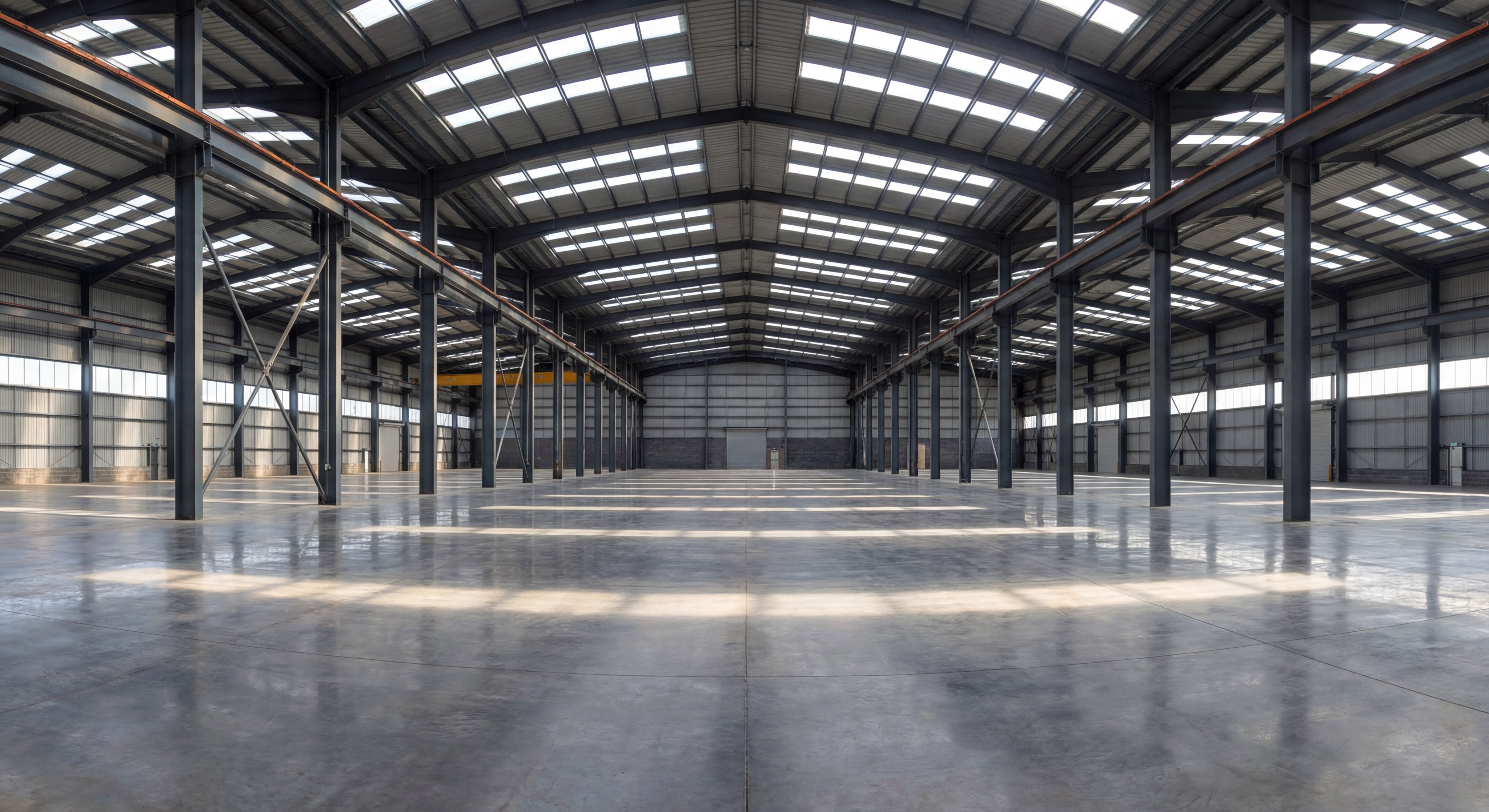
Maximizing usable square footage
Every square foot of your building is revenue-generating space when you don’t have to work around pillars. This is critical for logistics operations that require high-density racking and wide aisles for forklift maneuvers.
Flexible layouts for manufacturing lines
Manufacturing needs change over time, and a column-free space allows you to reconfigure production lines without structural limitations. This adaptability extends the useful life of the building as your business evolves.
Wait, there’s more.
- Easier installation of overhead crane systems.
- Improved visibility for safety and security.
- Maximum vertical storage capacity.
Key Takeaway: Clear-span engineering is the gold standard for modern logistics, providing the flexibility needed to adapt to changing inventory and equipment requirements.
| Feature | Clear-Span Steel | Columned Structure | |
|---|---|---|---|
| Interior Columns | 0 | Multiple | |
| Space Utilization | 100% | 85-90% | |
| Layout Flexibility | High | Restricted |
The absence of columns simplifies operations and ensures you are getting the full value out of every square meter you pay for.
Can a steel structure warehouse accommodate heavy logistics?
Yes, steel warehouses are specifically designed to support the heavy loads and high-traffic demands of modern logistics and distribution hubs. A steel structure warehouse can be reinforced to support heavy-duty mezzanine levels and sophisticated automated sorting systems.
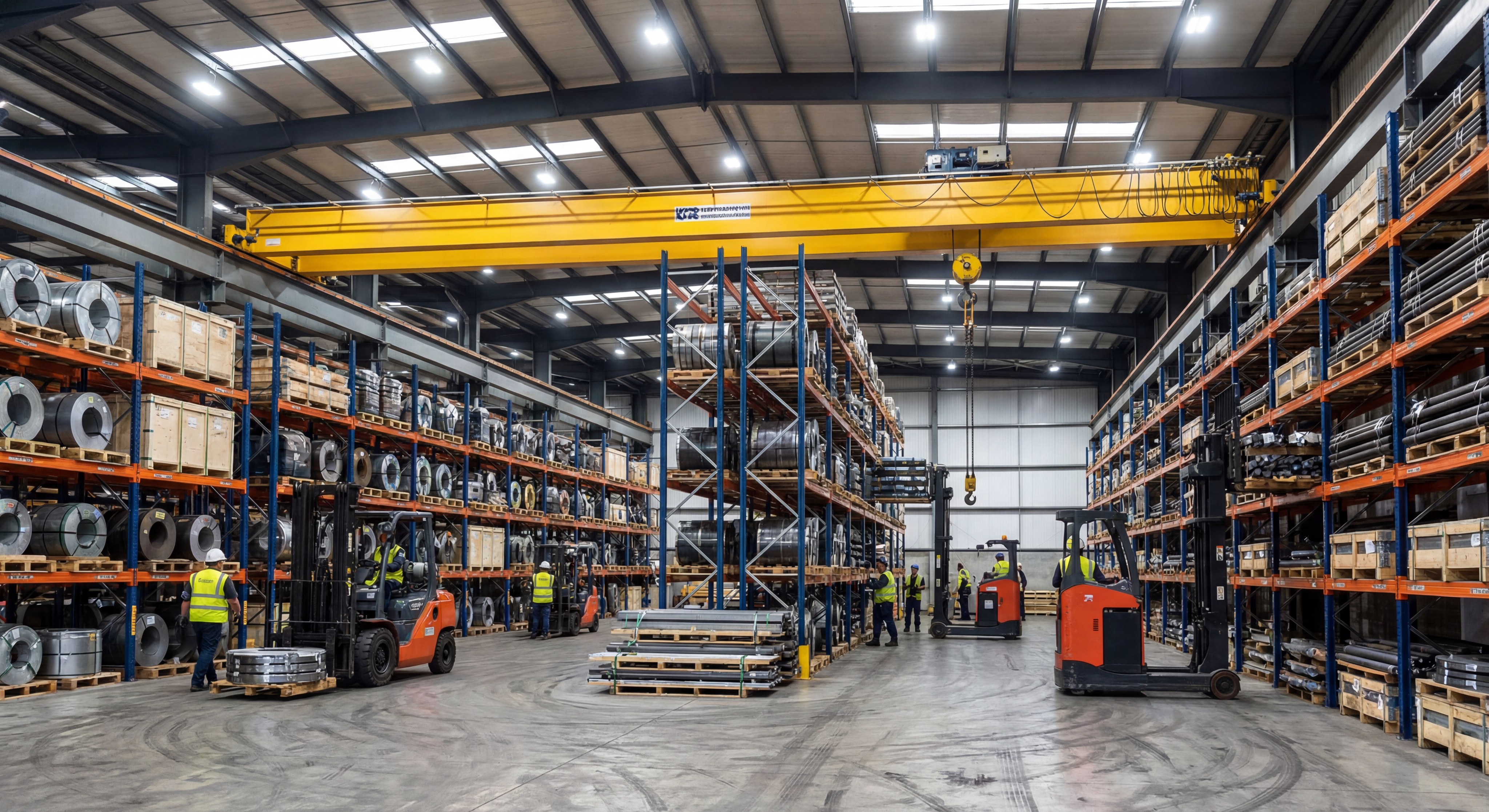
High-strength capabilities for large spans
Steel can support incredible weight, making it possible to integrate overhead cranes and heavy-duty shelving into the building’s frame. This structural integrity is vital for facilities handling heavy machinery or bulk raw materials.
Integration with large door systems
Logistics centers require massive bay doors for trailers and heavy equipment. Steel frames can easily accommodate these large openings without compromising the load-bearing capacity of the walls.
It gets better.
- High ceilings for vertical pallet stacking.
- Reinforced floors for heavy forklift traffic.
- Seamless integration with loading dock equipment.
Key Takeaway: Steel’s ability to support heavy industrial equipment and large openings makes it the only choice for modern, high-volume distribution centers.
| Component | Heavy Logistics Capacity | Standard Design | |
|---|---|---|---|
| Ceiling Height | Up to 12m+ | 4-6m | |
| Door Clearance | Wide/Tall (Modular) | Fixed/Small | |
| Load Bearing | High (H-Beams) | Moderate |
For high-intensity logistics, the structural rigidity and customizability of steel provide the necessary foundation for 24/7 operations.
Is a steel structure warehouse suitable for agriculture?
Steel is perfect for agricultural use because it provides a sanitary, temperature-controlled environment for livestock and crop storage. Using a steel structure warehouse in farming protects your livelihood from the elements while simplifying biosecurity protocols.
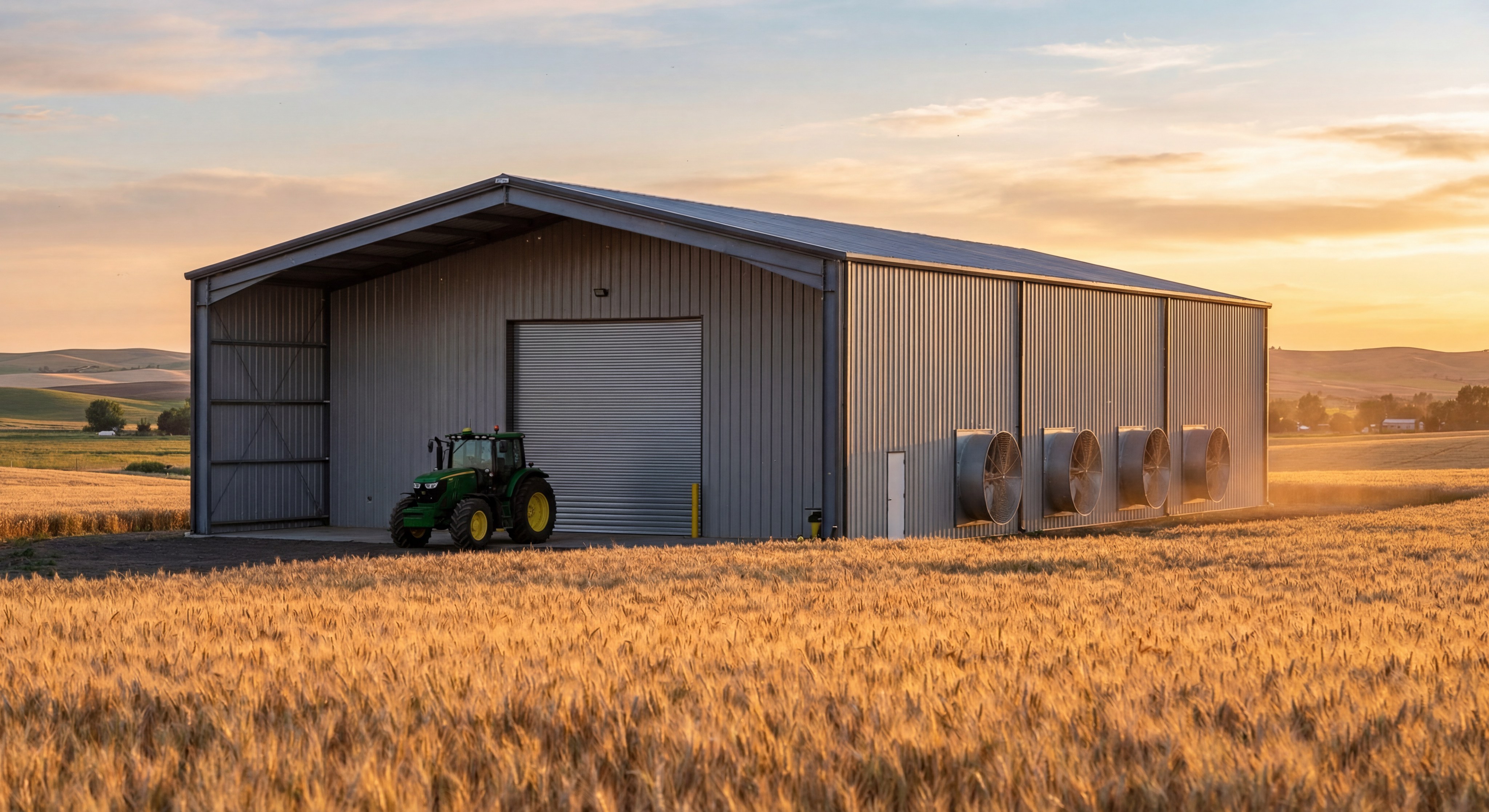
Climate control and insulation options
Steel buildings can be easily fitted with high-efficiency insulation and ventilation systems. This keeps livestock comfortable and prevents the spoilage of stored grains or temperature-sensitive produce.
Biosecurity and easy cleaning
Smooth metal surfaces do not harbor bacteria or pests as wood does. You can power-wash the entire interior of a steel building to maintain the strict hygiene standards required for modern animal husbandry.
What does this mean for you?
- Reduced veterinary costs due to better hygiene.
- Protection from predatory animals.
- Lower risk of building rot from moisture.
Key Takeaway: Agricultural steel buildings offer a superior environment for livestock and storage, leading to better yields and lower maintenance costs over time.
| Agricultural Need | Steel Solution | Traditional Wood | |
|---|---|---|---|
| Pest Control | Metal Barrier (Inert) | Vulnerable (Porous) | |
| Cleaning | Power-washable | Moisture Absorbing | |
| Ventilation | Custom Fan Integration | Difficult to Seal |
Farmers who transition to steel notice immediate improvements in facility longevity and the health of their livestock.
How customizable is a prefabricated steel structure warehouse?
Prefabricated steel warehouses are highly customizable, allowing you to choose everything from the exterior color to the placement of windows and glass facades. A steel structure warehouse does not have to look like a simple “metal box”; it can be an architectural statement for your brand.
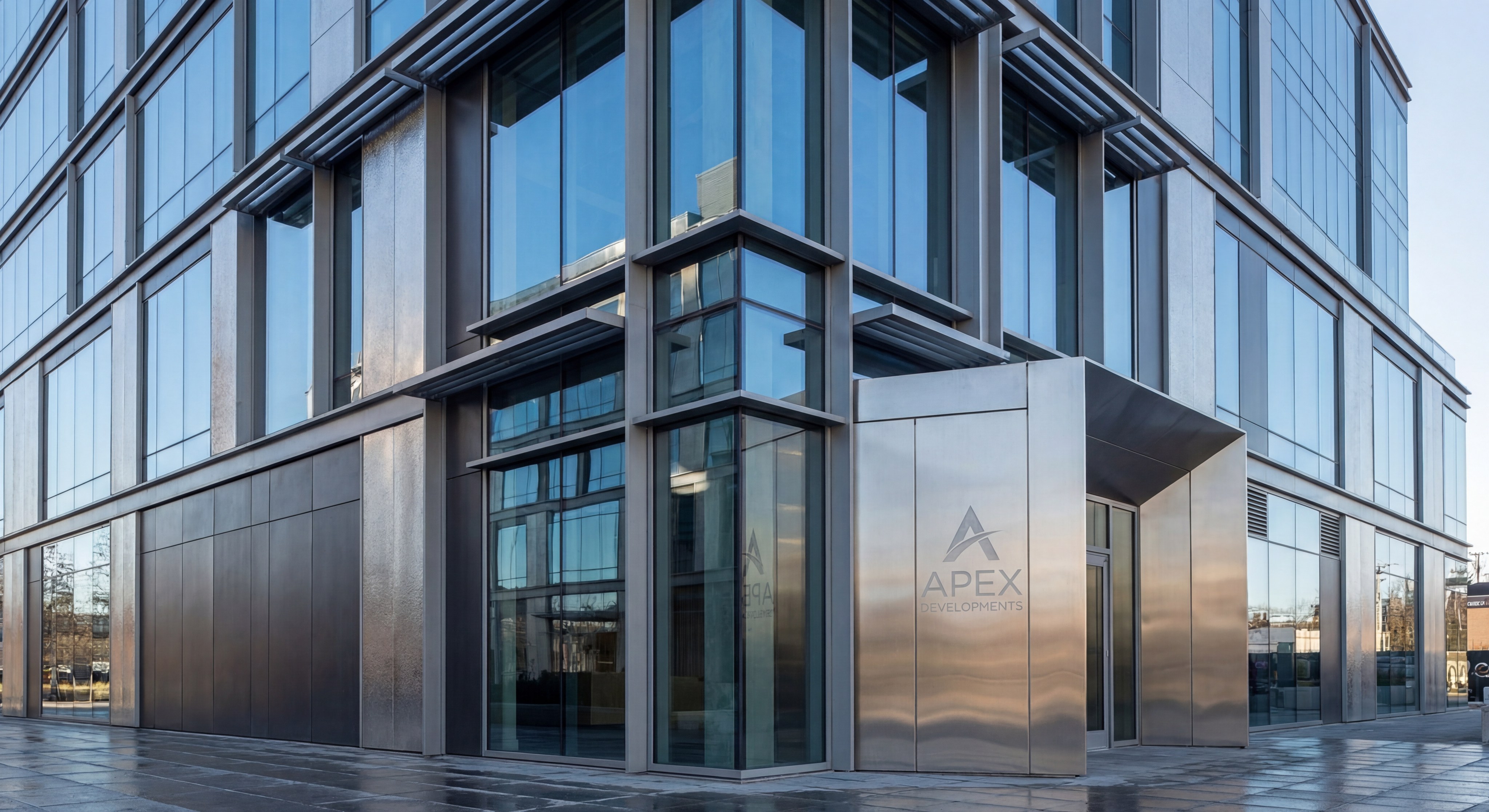
Exterior aesthetics and facade options
You can incorporate glass curtain walls, brick veneers, or insulated metal panels to match your corporate identity. This versatility makes steel suitable for office-warehouse combinations where a professional appearance is required.
Scalability for future expansion
Steel buildings are designed for growth. If you need more space in the future, you can easily remove an end wall and add new frames to extend the building’s length without major structural upheaval.
The result?
- Unlimited color combinations for siding and trim.
- Flexible placement of mezzanine levels.
- Integration of skylights for natural lighting.
Key Takeaway: Modern steel construction offers the perfect balance between industrial utility and architectural beauty, ensuring your facility looks as good as it performs.
| Design Element | Customization Level | Options | |
|---|---|---|---|
| Exterior Finish | High | Paint, Stone, Glass, Panels | |
| Natural Light | High | Skylights, Wall Lights | |
| Expansion | High | Modular Add-ons |
Customization ensures that your warehouse serves your specific operational workflow while enhancing your professional image.
What maintenance does a steel structure warehouse require?
Steel warehouses require remarkably little maintenance, usually only needing periodic cleaning and inspections of the fasteners and coatings. Maintaining a steel structure warehouse is significantly cheaper over its lifetime than repairing cracked concrete or rotting wood.
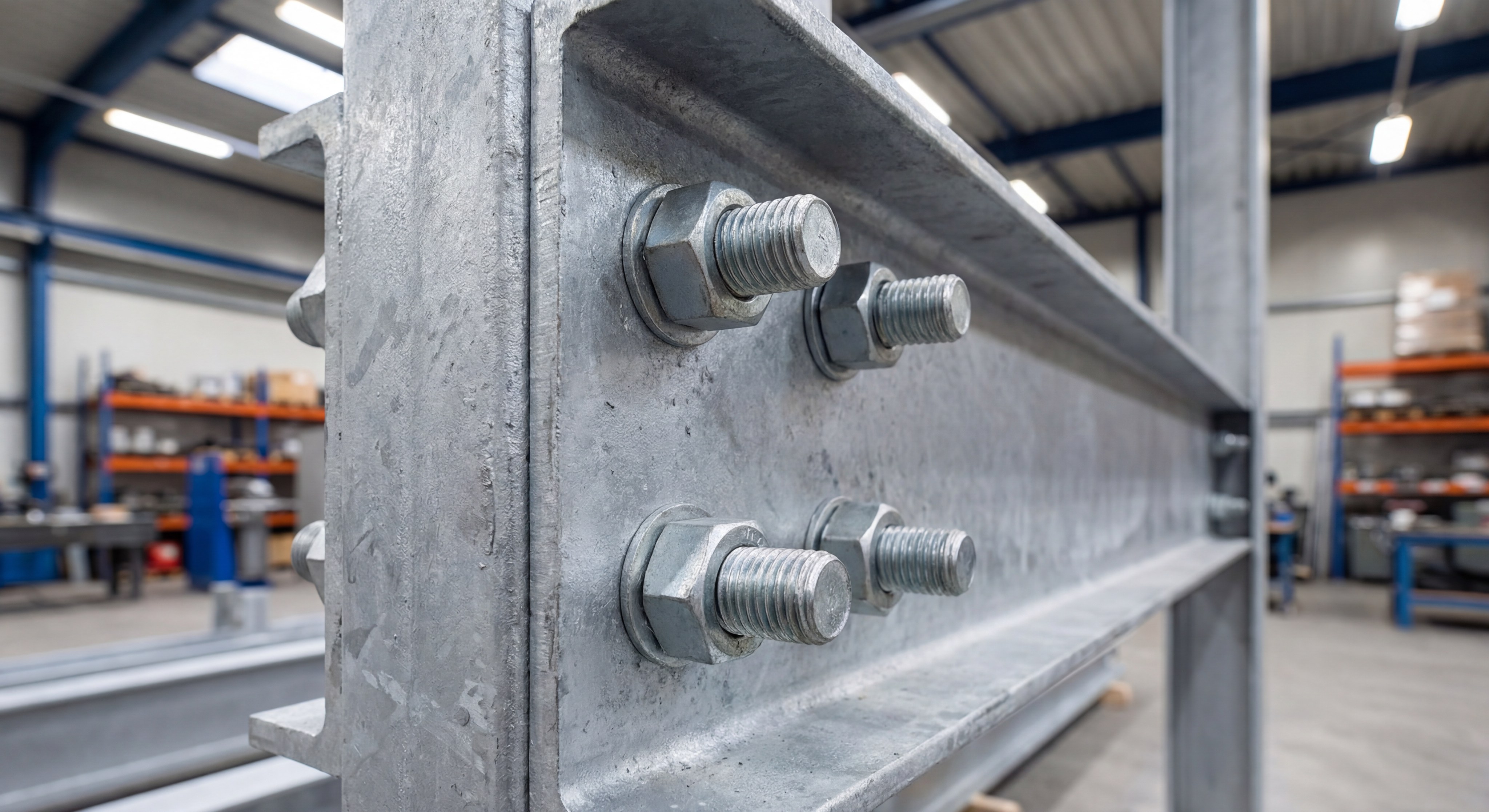
Minimal upkeep compared to wood or concrete
You won’t have to deal with the constant repainting or sealing required by other materials. A simple annual wash to remove salt or dust is often enough to keep the building in top condition.
Longevity of coating and paint systems
Modern steel buildings use high-performance coatings like Galvalume or specialized fluoropolymer paints. these finishes are designed to resist UV rays and oxidation for 20 years or more without fading.
Simply put:
- No structural warping to correct.
- High-tensile bolts remain secure for years.
- Roof systems are designed to be leak-proof.
Key Takeaway: The low “operating expense” (OPEX) of a steel building makes it the most cost-effective long-term investment for any industrial owner.
| Task | Frequency | Steel Cost | Wood Cost | |
|---|---|---|---|---|
| Painting | Every 20 Years | Low | High | |
| Pest Control | Never/Rarely | $0 | High | |
| Roof Repair | Every 15-25 Years | Low | Moderate |
Lower maintenance requirements mean your staff can focus on your core business rather than facility repairs.
How to choose the right steel structure warehouse supplier?
Choosing the right supplier involves verifying their manufacturing capacity, quality control processes, and export experience. When sourcing a steel structure warehouse, you should look for a partner who offers factory-direct pricing and pre-shipment trial assembly.
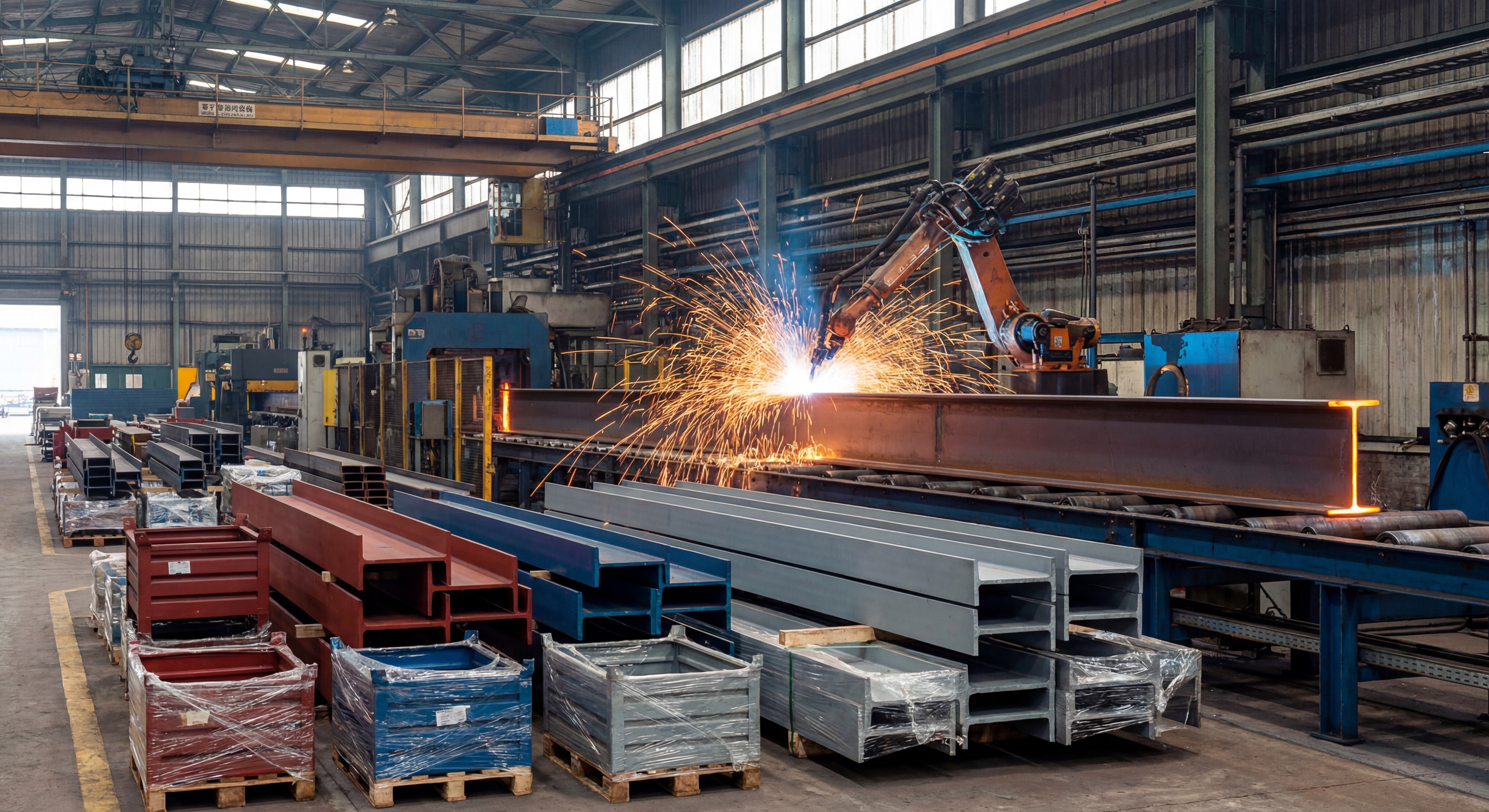
Importance of factory-direct manufacturing
Buying directly from the manufacturer eliminates the middleman, ensuring you get the best price and direct communication with the engineers. This also guarantees that the steel used meets international standards for thickness and strength.
Verifying trial assembly and quality control
A reputable supplier will perform a trial assembly of complex components at the factory. This ensures that when the building arrives at your site, every bolt hole aligns perfectly, preventing costly delays.
In short:
- Check for ISO and CE certifications.
- Review past international export projects.
- Ensure they provide detailed assembly drawings.
Key Takeaway: Partnering with a factory-direct supplier provides the highest level of quality assurance and the most competitive pricing for global projects.
| Criteria | Ideal Supplier | Risk Factor | |
|---|---|---|---|
| Manufacturing | In-house Factory | Trading Company | |
| Quality Control | Trial Assembly | No Verification | |
| Logistics | Export Experience | Local Only |
Selecting a qualified manufacturer is the final, most critical step in ensuring your industrial project is a success.
Conclusion
Investing in a steel warehouse is a strategic decision that pays dividends through faster construction, lower maintenance, and unmatched durability. Whether you are expanding a logistics hub, building a manufacturing plant, or upgrading agricultural storage, steel provides the flexibility and strength required for modern industry. Ready to start your project? Contact us today for a customized proposal and expert guidance on your next facility.
FAQ
Can I expand my warehouse in the future? Yes, one of the primary benefits of steel structures is their modular nature, allowing you to easily add bays or extend the length of the building as your business grows.
What’s the best way to insulate a steel warehouse? Fiberglass blanket insulation or sandwich panels (EPS/PU/Rockwool) are the most effective methods to maintain internal temperatures and prevent condensation.
Can I install a heavy-duty crane in a steel structure? Absolutely. Steel buildings can be specifically engineered with crane runways and reinforced columns to support various lifting capacities, from 5 tons to over 50 tons.
How long will a steel structure warehouse last? With proper coatings and minimal maintenance, a high-quality steel building can easily last 50 years or more, retaining its structural integrity throughout its lifespan.
Can I customize the color and appearance of my building? Yes, we offer a wide variety of RAL colors for roof and wall panels, along with options for decorative trims, glass doors, and modern facade treatments.