
Building a warehouse requires a meticulous 10-step process that begins with strategic planning and ends with final safety certification. Many businesses face operational gridlock because their current storage capacity cannot keep up with increasing logistics demand. Staying in an outdated, cramped facility leads to shipping delays and lost revenue that threatens your market position. By following a professional roadmap for building a warehouse , you can construct a scalable, high-efficiency logistics hub that supports your long-term growth.
1. What Are the First Strategic Steps in Building a Warehouse?

The first strategic steps involve defining your storage requirements and selecting a site that offers optimal logistics connectivity. Successful building a warehouse starts with a clear vision of your operational needs. You must determine the necessary ceiling heights and floor load capacities to avoid future retrofitting costs.
Identifying Storage Needs
Defining your space requirements is the foundation of a good ROI. You need to account for both current inventory levels and projected expansion over the next decade.
- Pallet position count
- Cold storage requirements
- Hazardous material zones
- Clear height clearances
Site Selection Logistics
Choosing the right location impacts your daily transportation costs significantly. Let’s dive in. You should prioritize proximity to major highways and supplier hubs to maximize efficiency.
Key Takeaway: Strategic planning prevents the most common mid-construction redesigns that inflate budgets.
| Phase | Priority Task | |
|---|---|---|
| Feasibility | Site utility assessment | |
| Strategy | 10-year growth projection |
Proper initial planning ensures your facility remains functional as your business evolves.
2. How Do You Assemble a Warehouse Construction Team?
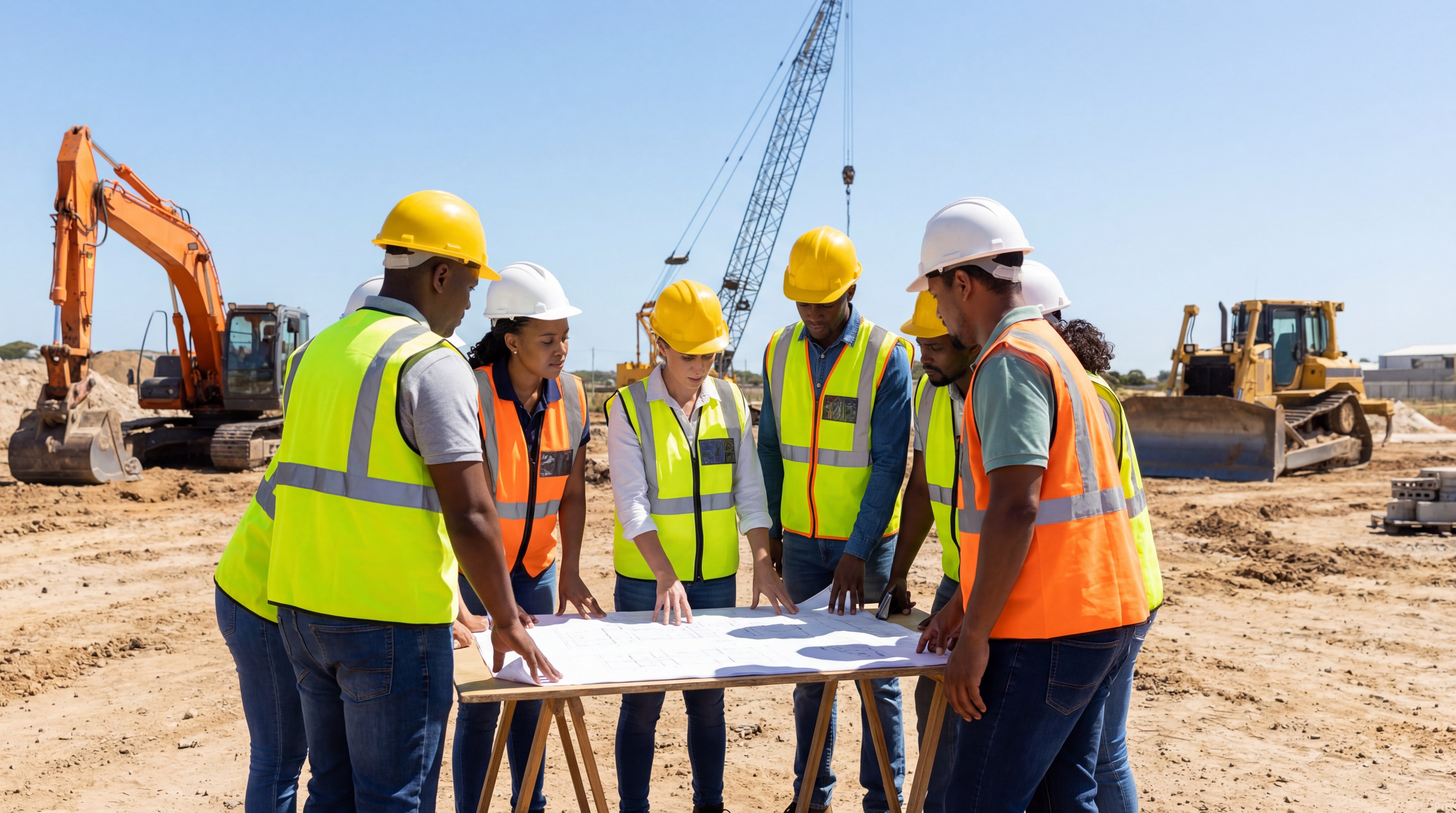
Assembling a warehouse construction team requires hiring a specialized hierarchy of architects, engineers, and project managers. When you begin building a warehouse, the quality of your contractors determines the longevity of the structure. You need professionals who understand industrial load-bearing requirements and steel assembly.
Defining Professional Roles
Each team member plays a critical part in the structural integrity of your building. The architect handles the vision, while the structural engineer ensures the steel can withstand environmental stressors.
- Lead Project Manager
- Structural Steel Engineer
- Electrical Consultant
- General Contractor
Vetting Industrial Contractors
Here is why vetting is non-negotiable for large-scale projects. You must review past project performance and check for experience in pre-engineered metal buildings to ensure a smooth workflow.
Key Takeaway: A specialized team reduces the risk of structural failure and ensures strict adherence to industrial safety standards.
| Role | Primary Responsibility | |
|---|---|---|
| Architect | Functional layout design | |
| Engineer | Structural load calculations |
Selecting the right experts is the most effective way to manage construction risk.
3. What Elements Create a Functional Warehouse Design?
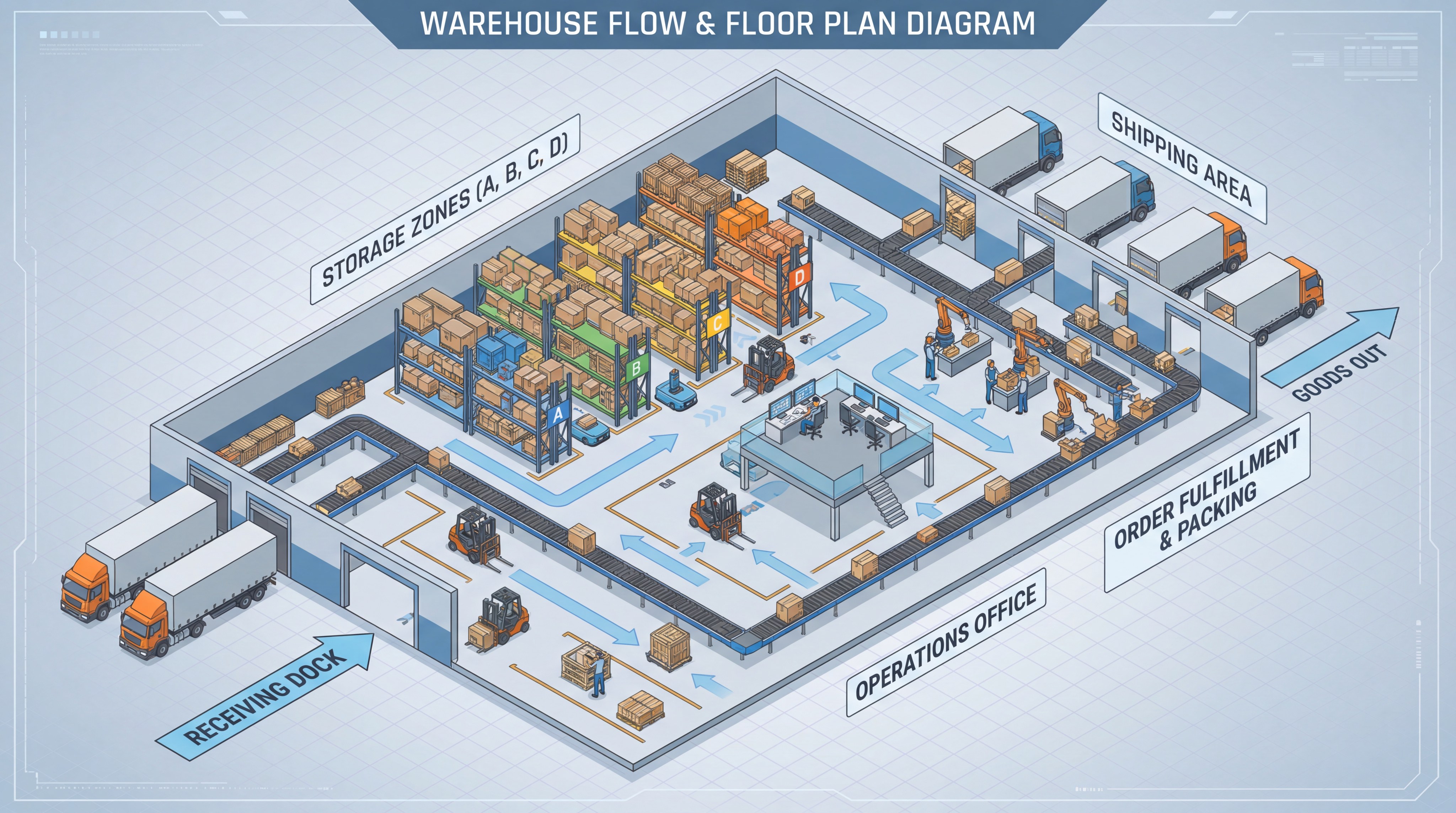
Functional warehouse design relies on a layout that maximizes vertical space and optimizes the flow of goods from receiving to shipping. The design phase of building a warehouse focuses on eliminating bottlenecks through logical zoning. You should prioritize “U-shaped” or “cross-docking” flows to keep your operations moving smoothly.
Optimizing Floor Layout
Effective zoning ensures that your staff can move goods without unnecessary travel time. You must balance storage density with the maneuverability required for heavy forklifts.
- Receiving dock proximity
- Bulk storage placement
- Order fulfillment zones
- Safe pedestrian walkways
Integrating Modern Technology
The bottom line? A modern warehouse must be “tech-ready” from day one. You need to plan for high-speed wireless coverage and automated material handling systems within your architectural drawings.
Key Takeaway: A flow-centric design reduces labor costs by minimizing the physical distance goods travel during the fulfillment process.
| Design Element | Operational Benefit | |
|---|---|---|
| Clear Spans | Maximized floor flexibility | |
| High Ceilings | Increased vertical density |
Strategic design transforms a simple shell into a high-performance logistics asset.
4. How Do You Navigate the Permit and Approval Process?
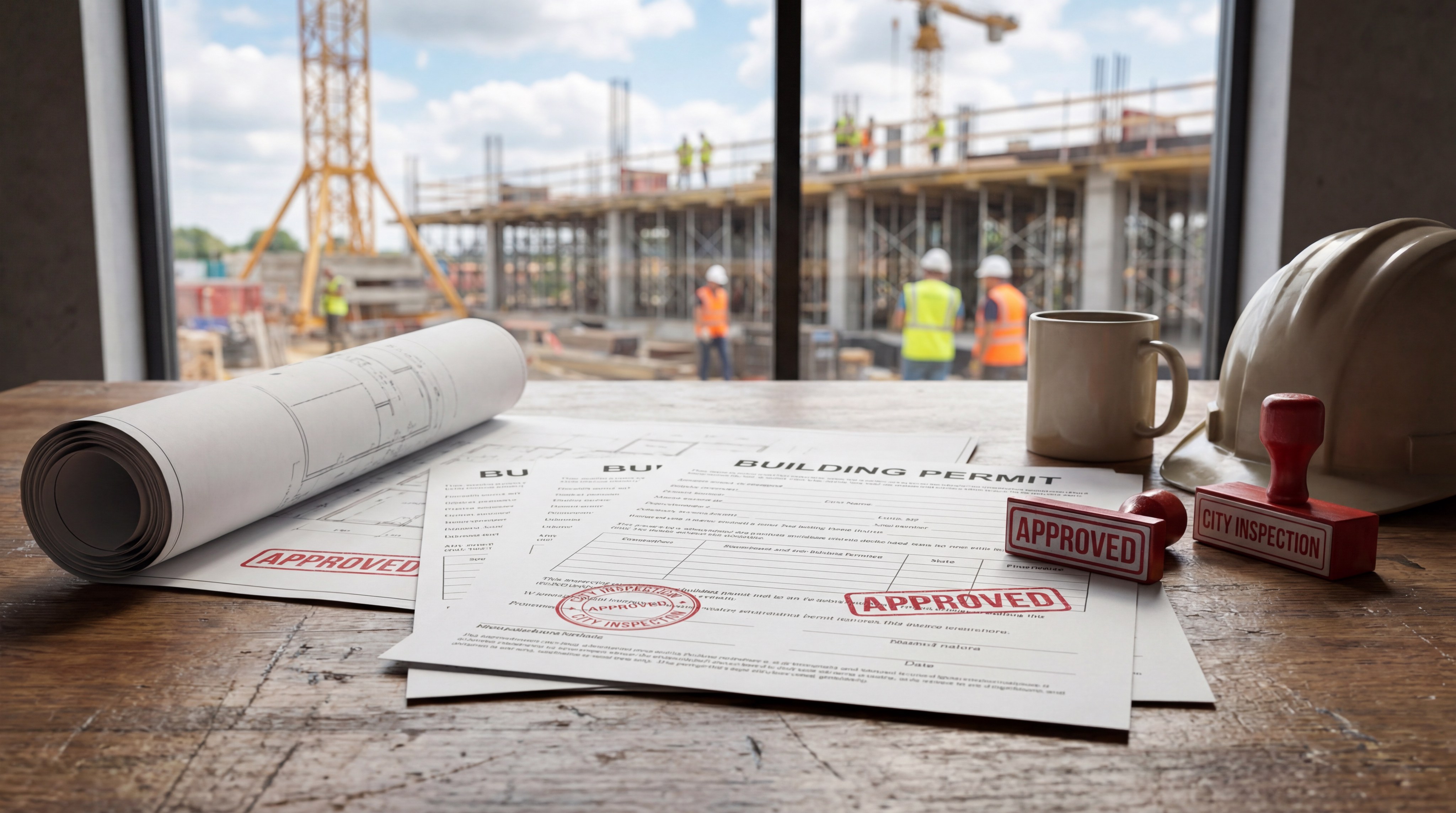
Navigating the permit process involves submitting detailed site plans to local authorities to ensure compliance with zoning and fire safety codes. Delaying this step when building a warehouse can lead to costly stop-work orders. You must work closely with your local building department to meet all environmental and structural regulations.
Understanding Zoning Codes
Zoning laws dictate what you can build and how you can use the land. You need to ensure your plot is approved for industrial use and meets all setback requirements.
- Fire suppression compliance
- Environmental impact studies
- Parking and traffic limits
- Utility connection permits
Working with Local Authorities
But wait, there’s more. Engaging with officials early through pre-application meetings can significantly expedite your approval timeline and resolve potential issues before they arise.
Key Takeaway: Proactive permit management prevents legal delays that can stall your project for months.
| Document | Purpose | |
|---|---|---|
| Site Plan | Land use verification | |
| Blueprints | Structural code compliance |
Securing early approvals is the only way to maintain your construction schedule.
5. Why Is Site Preparation and Foundation Work Critical?
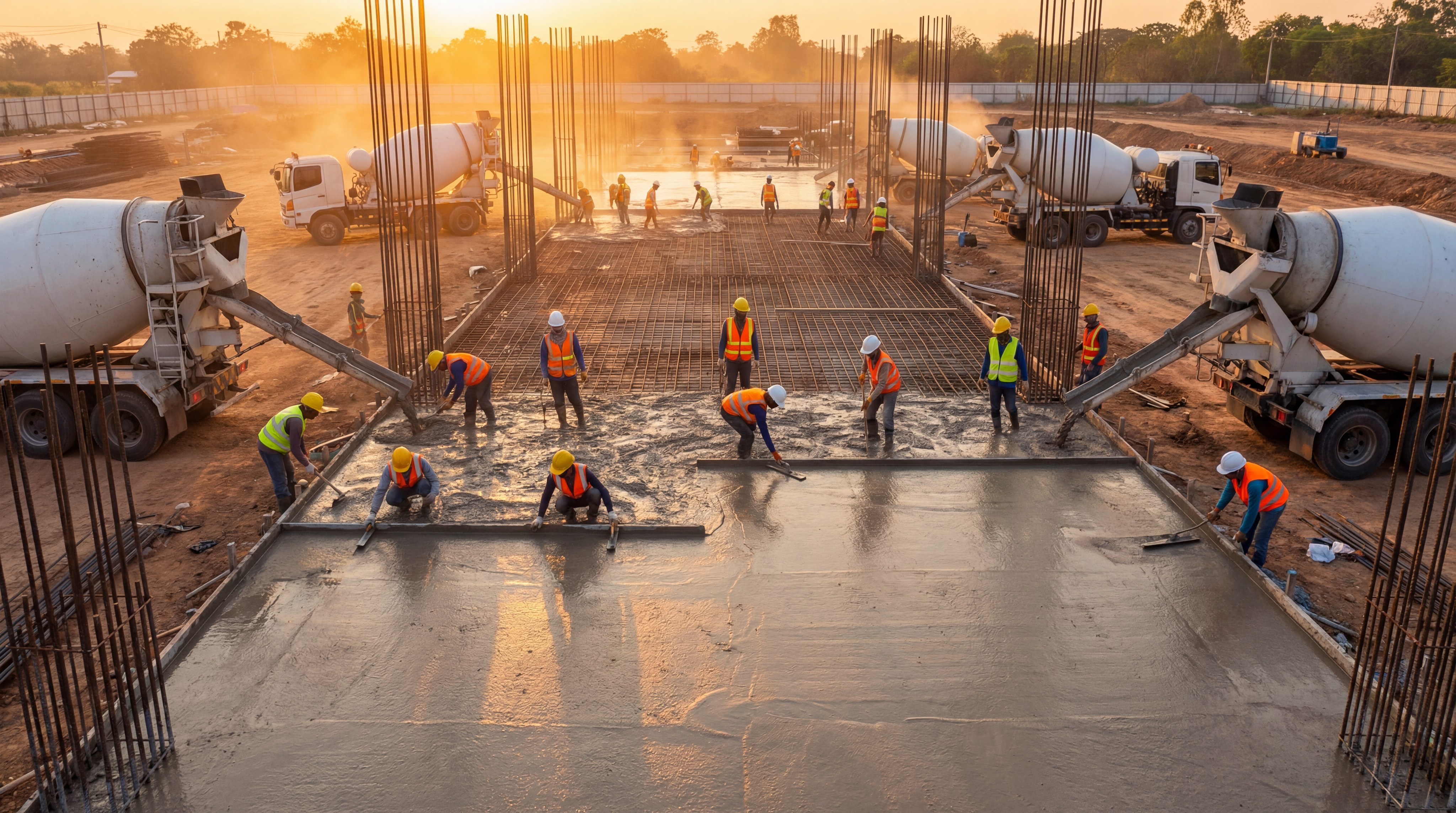
Site preparation is critical because the foundation must support the immense weight of industrial racking and heavy machinery. When building a warehouse , the soil must be tested and compacted to prevent future settling or slab cracking. You need a reinforced concrete slab-on-grade that is specifically engineered for your expected point loads.
Excavation and Compaction
The ground must be leveled and stabilized before any concrete is poured. This process involves removing organic material and replacing it with engineered fill that can handle industrial pressure.
- Soil bearing capacity tests
- Grading for water drainage
- Sub-base compaction
- Vapor barrier installation
Selecting Slab Reinforcement
It’s simpler than you think. Choosing the right reinforcement, such as rebar or steel fibers, ensures your floor doesn’t degrade under the constant traffic of heavy forklifts.
Key Takeaway: A high-quality foundation protects your long-term investment by preventing structural shifting and floor damage.
| Material | Function | |
|---|---|---|
| Engineered Fill | Soil stabilization | |
| Reinforced Concrete | Load-bearing surface |
Investing in a premium foundation eliminates the risk of future operational shutdowns due to floor repairs.
6. How Is the Primary Structural Frame Erected?
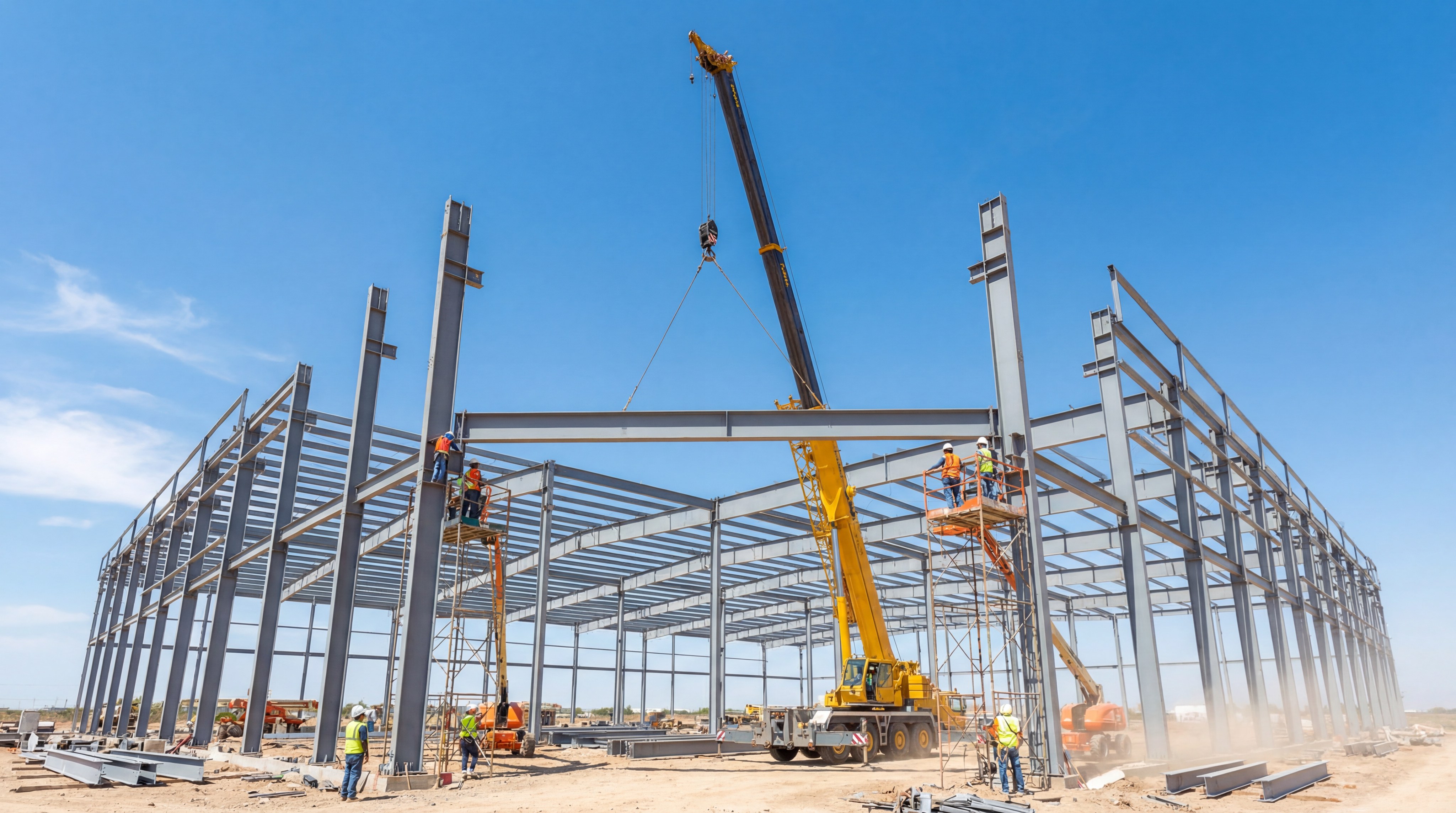
The primary structural frame is erected using pre-engineered steel columns and beams that are bolted together on-site. Speed is a major advantage of building a warehouse with a steel frame system. You will see the facility take its vertical shape quickly as cranes lift the primary members into place.
Benefits of Steel Systems
Steel offers unmatched durability and clear-span capabilities for large industrial spaces. You can achieve wider open areas without the need for interior columns that obstruct movement.
- Faster assembly times
- High strength-to-weight ratio
- Resistance to pests and fire
- Cost-effective scalability
Coordinating Component Assembly
Think about this. Every bolt and connection must be tightened to exact torque specifications to ensure the building meets wind and seismic safety standards.
Key Takeaway: Pre-engineered steel structures provide the most efficient and durable framework for modern industrial applications.
| Component | Role | |
|---|---|---|
| Primary Columns | Main vertical support | |
| Rafters | Roof support framework |
Precision framing is the secret to a building that stands the test of time and weather.
7. What Steps Are Involved in Enclosing the Structure?
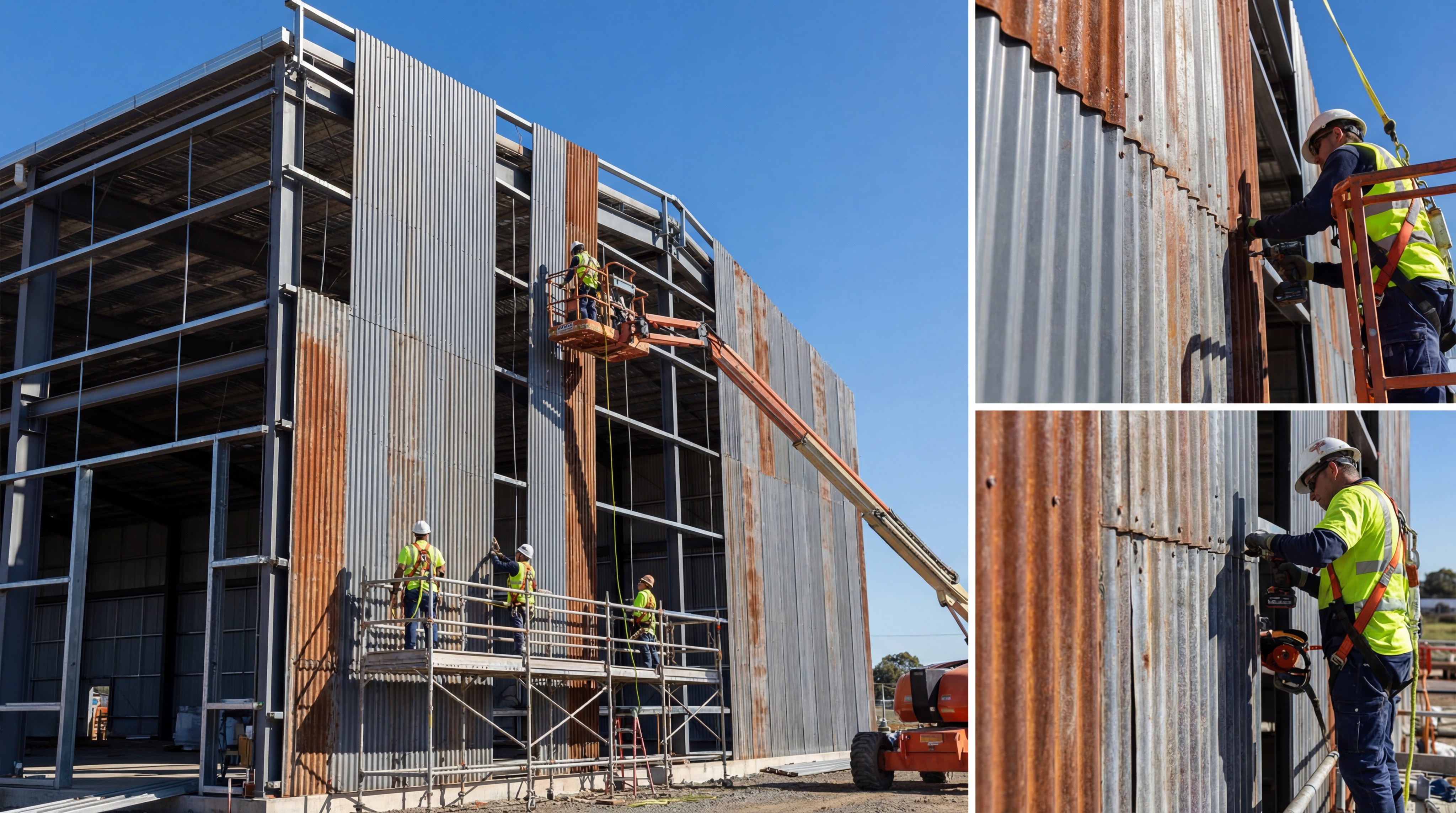
Enclosing the structure involves installing roofing and wall panels to create a weather-tight environment for your inventory. During this phase of building a warehouse , you must also integrate high-efficiency insulation. You should choose durable, corrugated metal panels that offer long-term protection against the elements.
Installing Wall and Roof Panels
The exterior skin of your building defines its thermal performance and aesthetic appeal. You need to ensure that every panel is overlapped and sealed correctly to prevent moisture infiltration.
- Insulated metal panels (IMPs)
- Translucent skylight panels
- Gutter and downspout systems
- Weather-tight fasteners
Applying Thermal Insulation
In other words, the right insulation keeps your energy bills low. You should evaluate different R-values to find the best thermal barrier for your local climate and storage needs.
Key Takeaway: A well-insulated enclosure protects sensitive goods and significantly reduces long-term operational heating and cooling costs.
| Material | Benefit | |
|---|---|---|
| Metal Cladding | Weather protection | |
| Fiberglass/Foam | Thermal regulation |
Completing the enclosure allows interior work to proceed regardless of outside weather conditions.
8. How Are Essential Mechanical and Electrical Systems Installed?
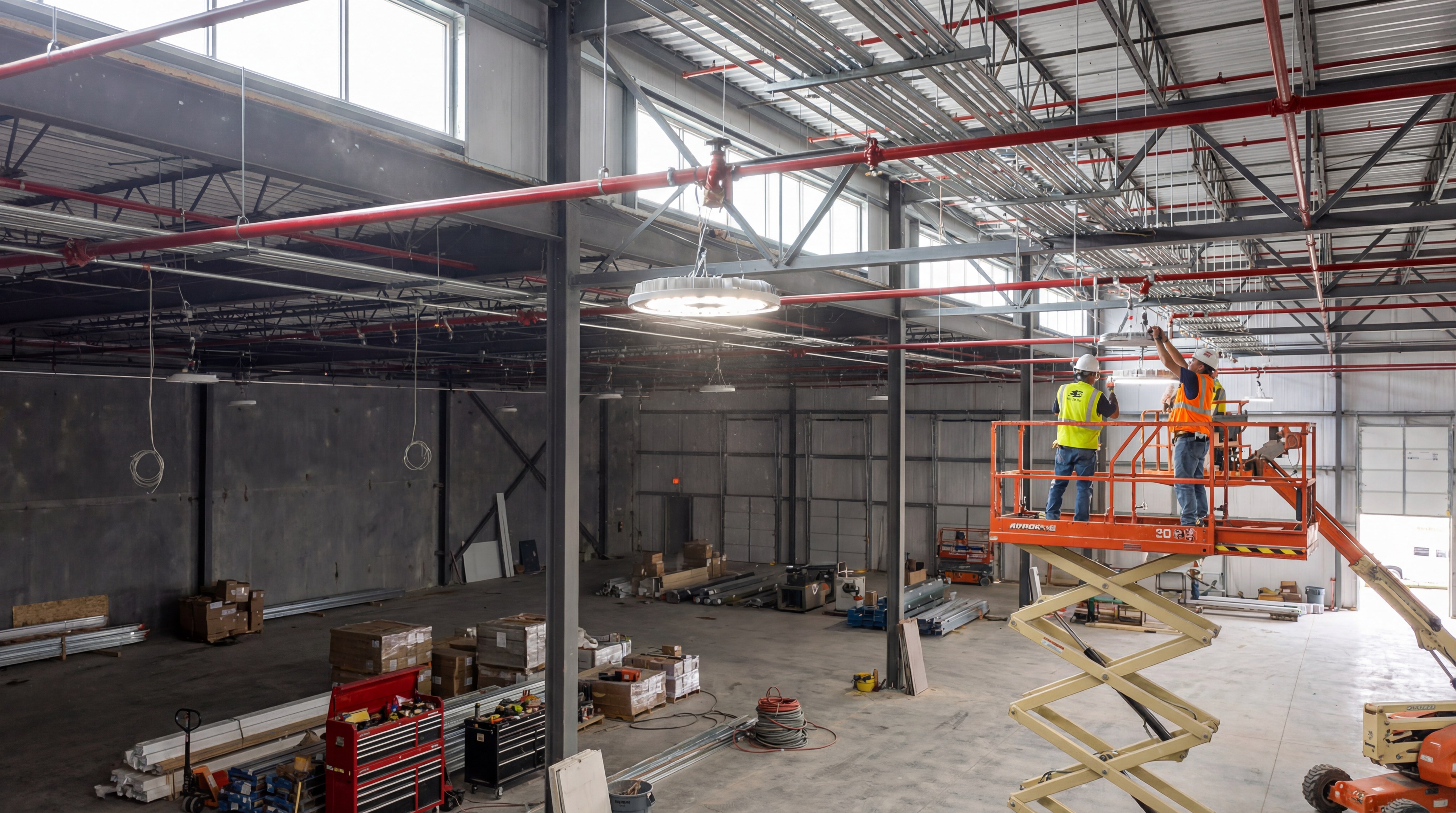
Essential systems are installed by running electrical conduits, plumbing lines, and fire suppression pipes through the ceiling and walls. When building a warehouse, these “nervous systems” must be designed to support high-bay lighting and heavy power requirements. You should prioritize energy-efficient LED lighting and advanced fire safety systems.
Integrating HVAC and Electrical
Large open spaces require specialized climate control to maintain consistent temperatures for workers and products. You need an electrical layout that provides power access to every corner of your facility.
- High-bay LED lighting
- Industrial HVAC units
- 3-phase power supply
- Data and security wiring
Fire Suppression Safety
Believe it or not, the fire system is often the most critical part of your interior build-out. You must install ESFR sprinklers to meet modern insurance and safety requirements for high-piled storage.
Key Takeaway: Industrial-grade mechanical systems ensure that your facility is both safe for employees and capable of high-intensity operations.
| System | Critical Feature | |
|---|---|---|
| Fire Sprinklers | ESFR technology | |
| Lighting | Motion-sensor LEDs |
Integrated systems provide the functionality required for a high-volume logistics center.
9. How Do You Prepare the Interior for Operations?
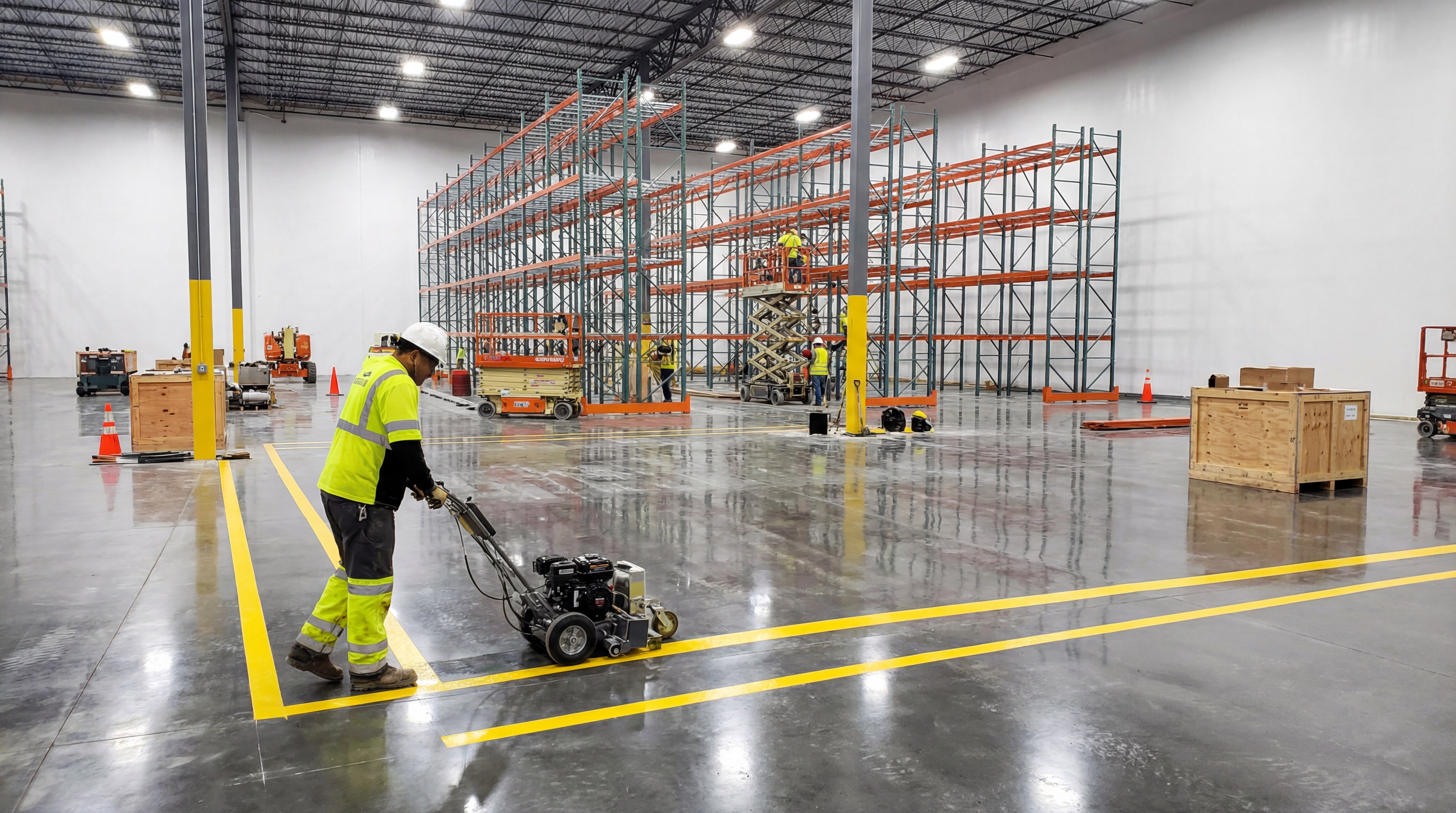
Preparing the interior involves sealing the concrete floors and installing the racking systems needed for vertical storage. This final stage of building a warehouse transforms the empty shell into a functional workspace. You should apply a dust-proof sealant to the floor to protect your equipment and inventory from concrete debris.
Racking and Organization
Vertical storage is the most efficient way to maximize your available square footage. You need to install heavy-duty racking that is bolted securely to the reinforced foundation.
- Selective pallet racking
- Floor safety markings
- Bollard protection systems
- Aisle identification signs
Final Floor Finishing
Here’s the secret. A polished and sealed floor doesn’t just look professional; it significantly reduces the wear and tear on your forklift tires.
Key Takeaway: Proper interior preparation creates a safe, organized environment that boosts worker productivity from day one.
| Task | Outcome | |
|---|---|---|
| Floor Sealing | Dust reduction | |
| Rack Erection | Vertical space utilization |
A clean and organized interior is the mark of a facility ready for global logistics.
10. What Happens During the Final Safety Inspection and Handover?
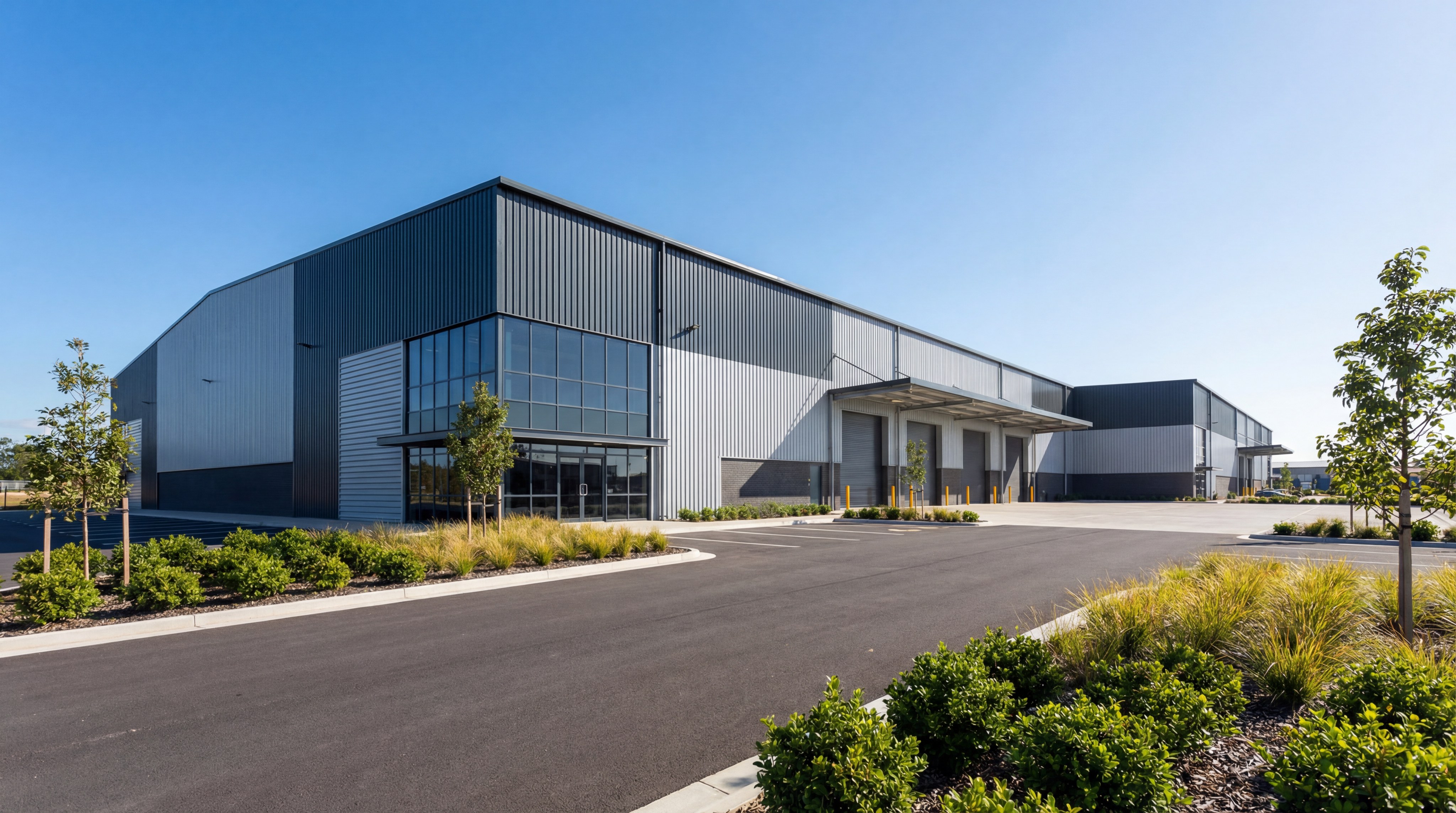
The final safety inspection involves a rigorous walkthrough by local building officials to ensure every component meets the approved codes. Finishing the process of building a warehouse requires obtaining a Certificate of Occupancy. You must resolve any minor “punch-list” items before the building can be officially opened for business.
Achieving Occupancy Certification
The Certificate of Occupancy is the legal document that allows you to move in and start working. You need to prove that all life-safety systems, including fire alarms and exits, are fully functional.
- Final fire marshal walkthrough
- Electrical safety sign-off
- Structural integrity approval
- Site drainage verification
Implementing Safety Protocols
Make no mistake, safety doesn’t end when construction does. You should establish clear forklift traffic patterns and load limit signs throughout the facility to protect your team.
Key Takeaway: The handover phase ensures that your new asset is legally compliant and safe for long-term industrial operations.
| Milestone | Requirement | |
|---|---|---|
| Final Inspection | Zero code violations | |
| Occupancy Permit | Official usage rights |
Passing the final inspection is the final hurdle before your new warehouse begins generating a return on investment.
FAQ
1. How long does the process of building a warehouse typically take?Most projects take 4 to 9 months. The timeline depends heavily on the permit approval speed and the complexity of your interior systems.
2. Can I expand my warehouse after the initial construction is finished?Yes. Steel buildings are designed for easy expansion. You can add bays or extend the length of the structure with minimal disruption to your current operations.
3. Is it more expensive to build a cold-storage warehouse?Yes, significantly. Cold-storage facilities require specialized insulation, heavy-duty HVAC, and reinforced thermal breaks in the floor, increasing costs by 40% to 60%.
4. How do I know if my soil is suitable for a heavy foundation?You must hire a geotechnical engineer. They will perform soil borings to check load-bearing capacity and determine if soil stabilization is necessary.
5. What is the most cost-efficient warehouse size to build?Warehouses over 20,000 square feet are generally more cost-efficient per square foot. This is due to economies of scale in steel manufacturing and mobilization costs.
Conclusion
Building a warehouse is a landmark investment that requires a delicate balance of architectural precision, regulatory compliance, and strategic foresight. By following this step-by-step framework, you ensure that your facility is not just a building, but a high-performance tool designed for growth. Our commitment is to provide the structural foundation your business deserves, utilizing the highest standards in pre-engineered steel to deliver durability and efficiency. Ready to turn your logistics vision into a reality? Contact us today to begin your site assessment and custom design consultation.