
Building a 20,000 sq. ft. steel warehouse typically costs between 240,000 and 380,000, which averages to approximately 12 to 19 per square foot for the basic structure and clinical assembly. You may find yourself facing a common B2B nightmare: your business is outgrowing its current footprint, but the thought of massive capital expenditure and construction delays feels paralyzing. The complexity of local building codes, fluctuating steel prices, and the risk of contractor mismanagement only adds to the stress of scaling your operations. By choosing a pre-engineered steel structure, you eliminate these variables with a predictable, high-performance solution. If you are currently researching how much does it cost to build a warehouse , steel stands out as the most efficient path to long-term profitability and operational security.
What is the average price for a 20,000 sq. ft. warehouse?
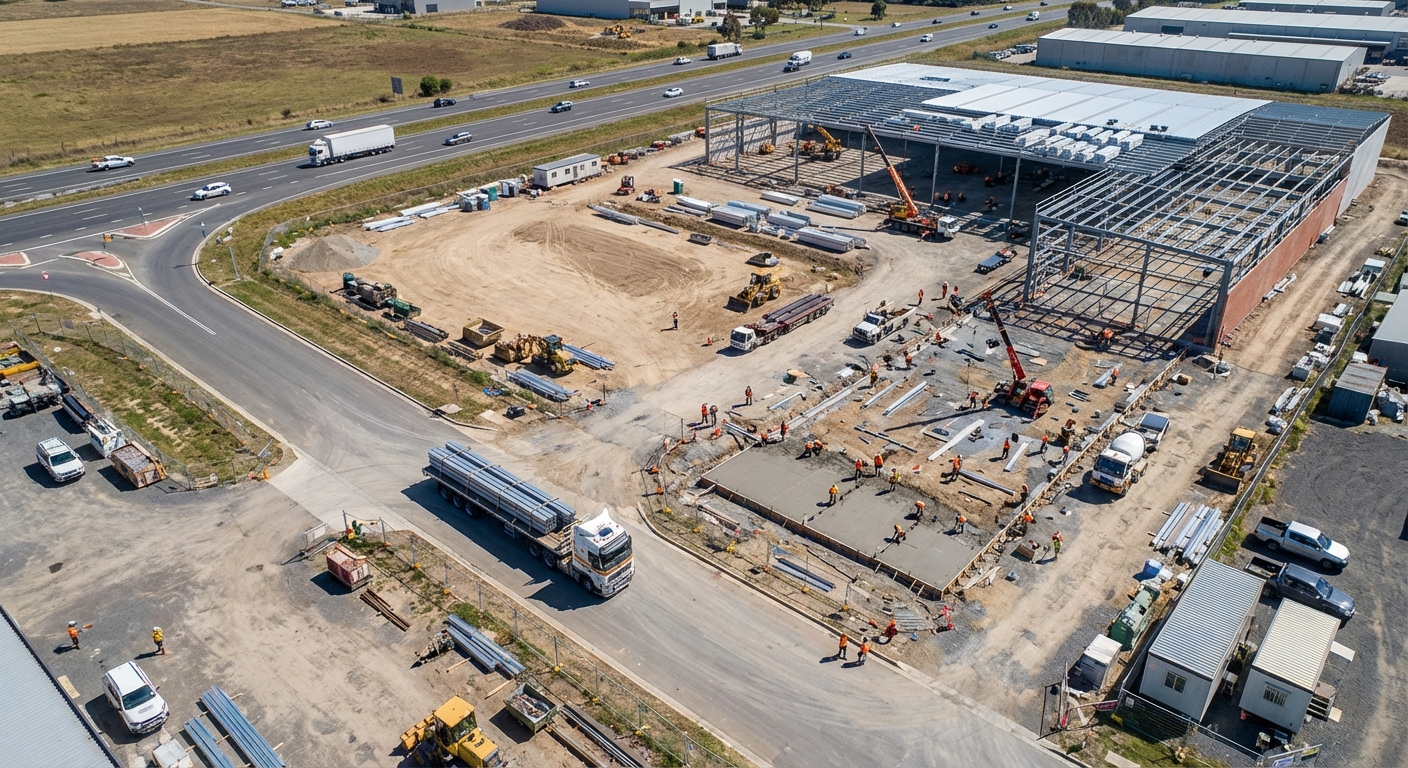
A 20,000 square foot steel warehouse costs between 240,000 and 380,000 on average for a standard industrial setup. When calculating how much does it cost to build a warehouse , this price point reflects the base materials and the labor required to erect the frame. You will note that this range is significantly more competitive than traditional brick-and-mortar or wood-frame buildings.
- High-quality steel kits offer the best “bang for your buck.”
- Price fluctuations depend on regional shipping and site preparation needs.
- Speed of construction reduces your financing interest over time.
But that’s not all. Because steel is a precision-engineered material, you avoid the waste and hidden costs common in “cut-to-fit” traditional construction. You get a clear-span interior that allows you to use every single inch of that 20,000 square feet for inventory or machinery.
Key Takeaway: The base cost of 12–19 per square foot provides a durable, professional-grade facility that outperforms traditional construction materials in both price and longevity.
| Cost Category | Price Per Sq. Ft. | Total Investment | |
|---|---|---|---|
| Steel Mainframe & Shell | 7.00−11.00 | 140,000−220,000 | |
| Basic Labor & Erection | 5.00−8.00 | 100,000−160,000 | |
| Combined Base Estimate | 12.00−19.00 | 240,000−380,000 |
Analysis: This base estimate provides the essential structural components and assembly, serving as the benchmark for your capital planning.
Which factors determine your total warehouse construction cost?
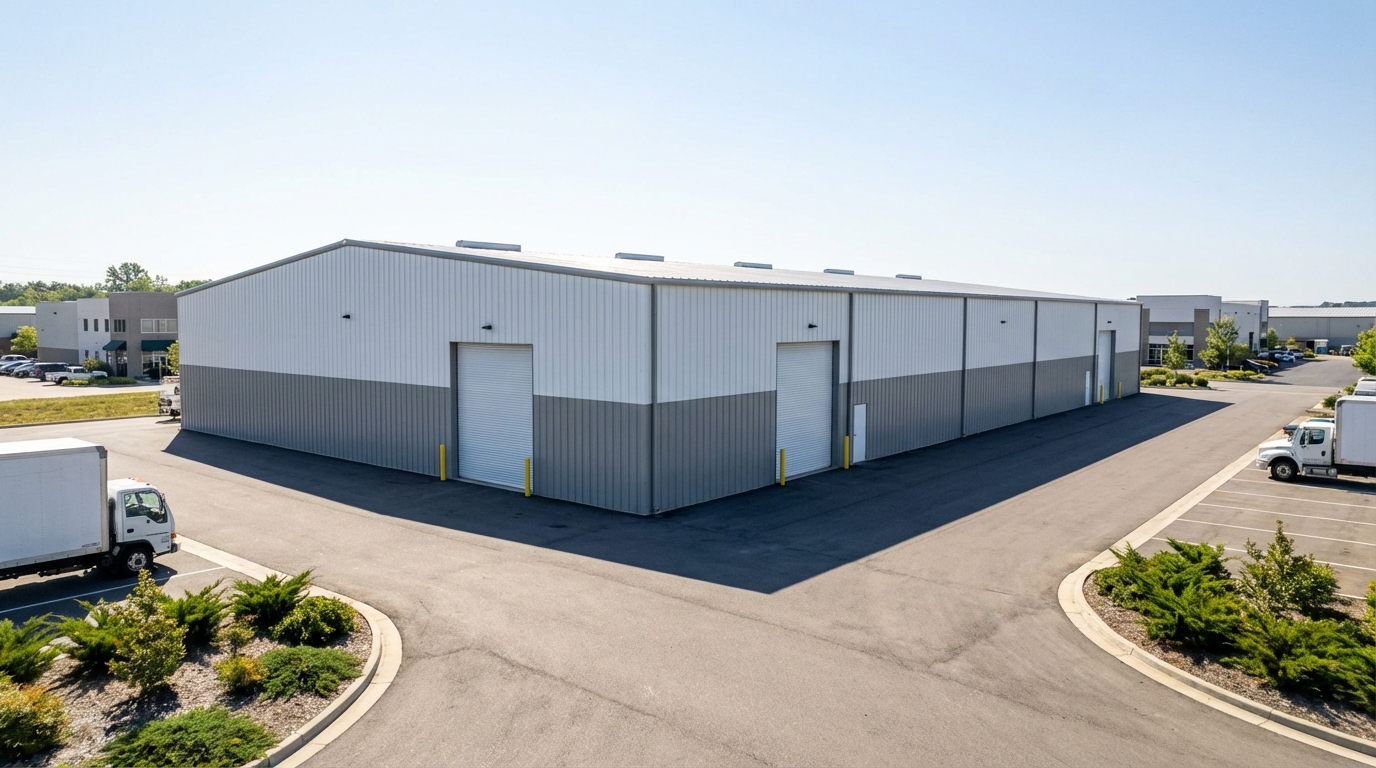
Factors such as geographic location, site accessibility, and required structural load capacities are the primary drivers of your total budget. When asking how much does it cost to build a warehouse , you must account for the specific environment where the building will stand. For example, a facility in a high-snow-load region requires heavier steel structure building components to ensure safety and compliance.
How does site location influence the bid?
Your specific zip code determines everything from the cost of local permits to the distance materials must travel from the factory. Consider these variables:
- Proximity to major transport hubs for material delivery.
- Local soil conditions requiring specialized foundation work.
- Regional wind and seismic engineering requirements.
Think about it. If your site is difficult to access for heavy cranes, your labor costs will naturally rise due to the extended equipment rental time. You should always conduct a site survey before finalizing your budget to catch these variables early.
Key Takeaway: Your budget is never just about square footage; it is heavily influenced by the engineering demands of your physical environment and local regulations.
| Determining Factor | Impact on Budget | Management Strategy | |
|---|---|---|---|
| Environmental Loads | 10% – 20% | Engineer for exact local codes. | |
| Freight & Logistics | 5% – 10% | Optimize shipping with factory-direct logistics. | |
| Permit & Impact Fees | Variable | Consult local zoning experts early. |
Analysis: Understanding these external cost drivers allows you to build a more accurate contingency fund and avoid mid-project financial surprises.
How do material choices impact your final steel building price?
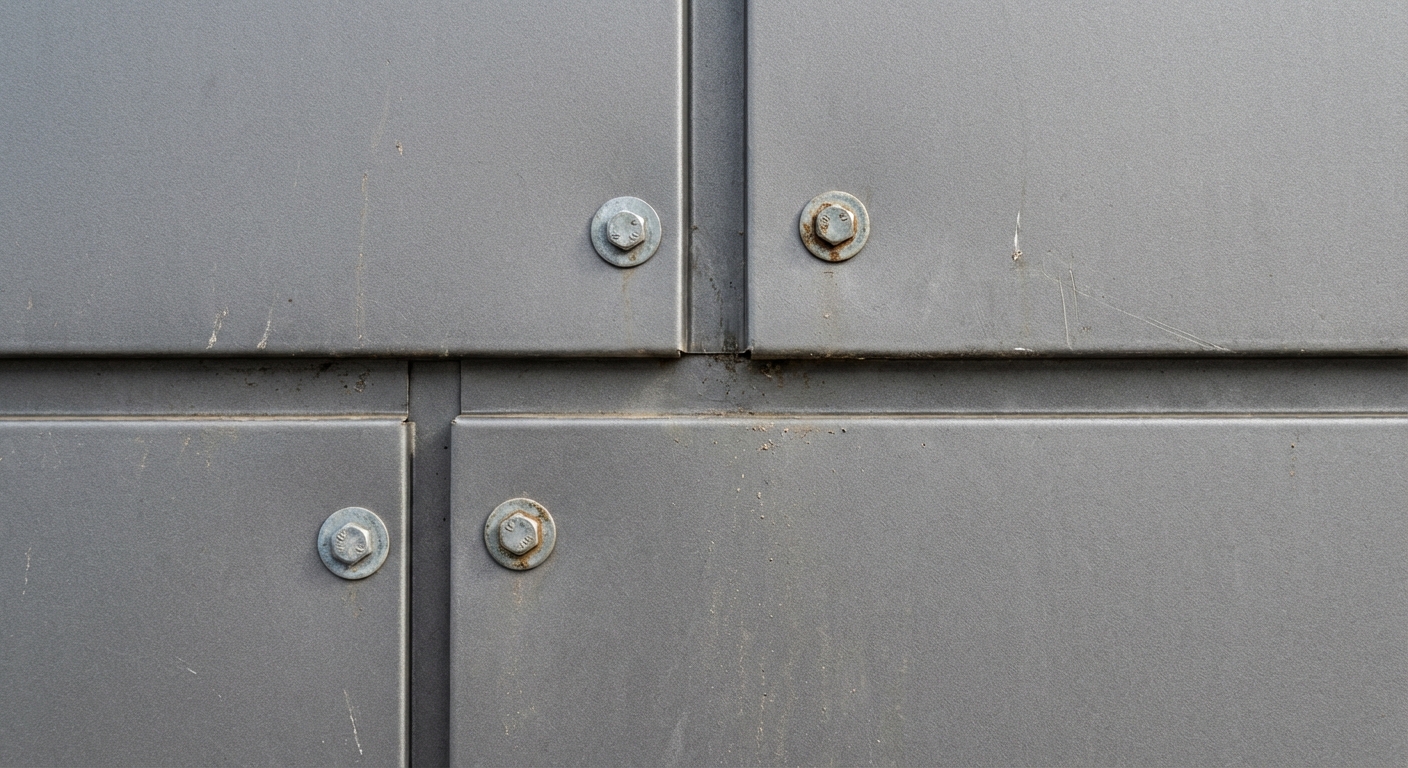
Material choices like the thickness of your metal panels and the type of insulation you select will directly shift how much does it cost to build a warehouse or pre-engineered steel buildings . You can choose between basic single-skin panels or advanced Insulated Metal Panels (IMPs) that offer superior thermal regulation. While premium materials have a higher upfront price, they significantly reduce your long-term energy consumption.
- Panel Gauge: Thicker 24-gauge steel provides more durability than standard 26-gauge options.
- Coatings: Multi-decade paint warranties protect against corrosion in harsh climates.
- Accessories: High-quality gutters, specialized doors, and skylights add functionality at a cost.
Here is the kicker. Investing in high-grade poultry house building technology, like specialized ventilation or climate control, can be adapted for industrial warehouses to protect sensitive inventory. The right material choice today prevents the “invisible costs” of high maintenance in the future.
Key Takeaway: Higher initial material quality translates to lower operational overhead and a higher resale value for the asset long-term.
| Material Option | Price Level | Primary Benefit | |
|---|---|---|---|
| Standard Steel Sheeting | Economy | Lowest initial cost; reliable shell. | |
| Insulated Metal Panels | Premium | Maximum energy efficiency and climate control. | |
| Specialized Coatings | Moderate | Salt-air and chemical resistance. |
Analysis: Choosing materials should be viewed through the lens of a 20-year return on investment rather than just the initial purchase price.
What are the hard costs involved in warehouse construction?
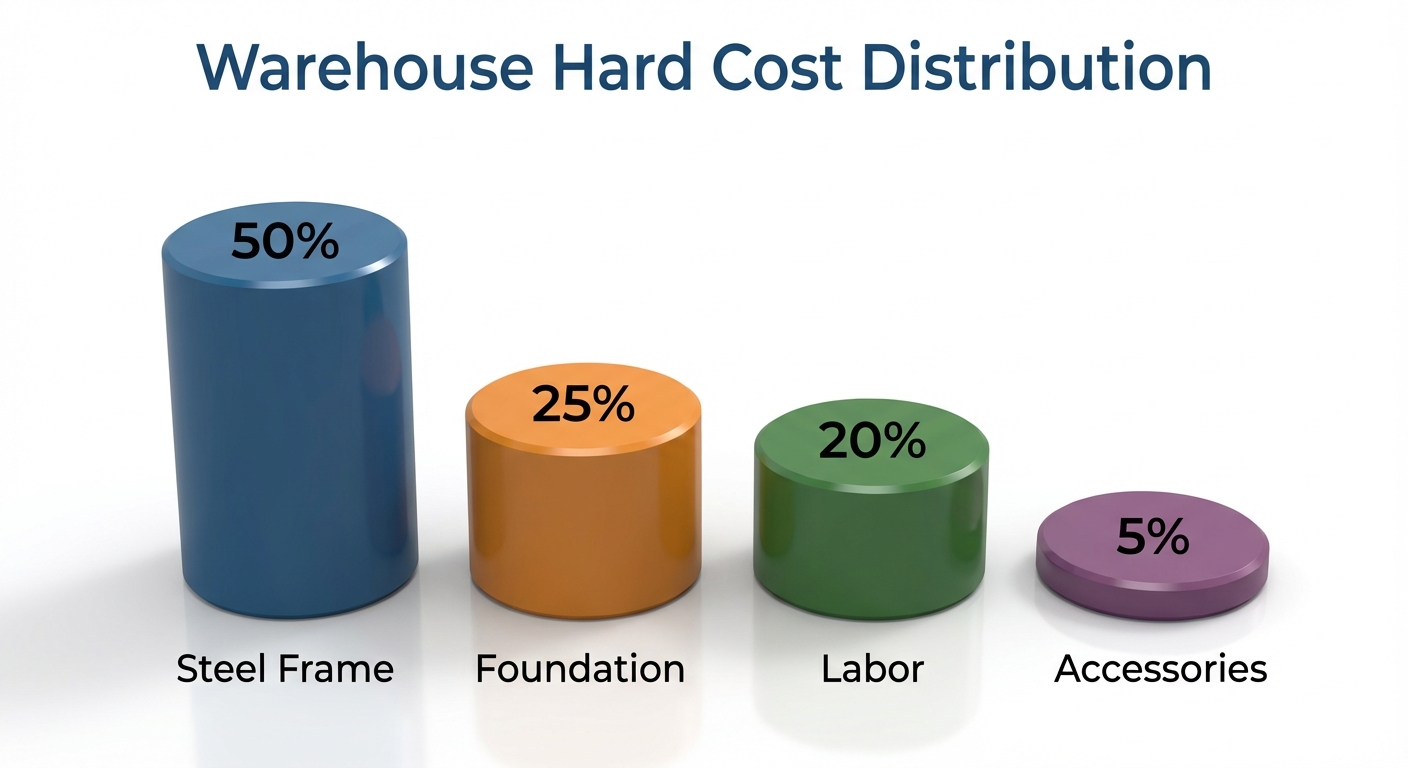
Hard costs include the tangible physical assets of the project, including the steel frame, concrete foundation, and mechanical systems. These items typically represent 70% of how much does it cost to build a warehouse when you consider the full scope of a 20,000 sq. ft. build. Since these costs are tied to raw material markets, they are the most predictable part of your budget if you lock in pricing during the design phase.
What is the role of the foundation in hard costs?
The concrete slab is often the second largest expense behind the steel itself, costing between 4 and 7 per square foot. Foundation steps include:
- Excavation and leveling of the site.
- Installation of rebar for structural reinforcement.
- Pouring and finishing high-strength concrete.
The best part? A professionally poured slab ensures that your warehouse can handle heavy forklift traffic and high-density racking loads without cracking. You must match your floor’s weight rating to your specific industry needs.
Key Takeaway: Hard costs are the backbone of your project, with the steel frame and foundation acting as the two largest financial pillars.
| Component | Percentage of Hard Cost | Estimated Range | |
|---|---|---|---|
| Steel Structure | 50% | 140,000−220,000 | |
| Foundation/Slab | 25% | 77,000−140,000 | |
| Doors & Windows | 5% | 15,000−35,000 |
Analysis: By focusing on high-quality structural hard costs, you secure the fundamental integrity of your facility for decades.
Why does steel design complexity change your building estimate?
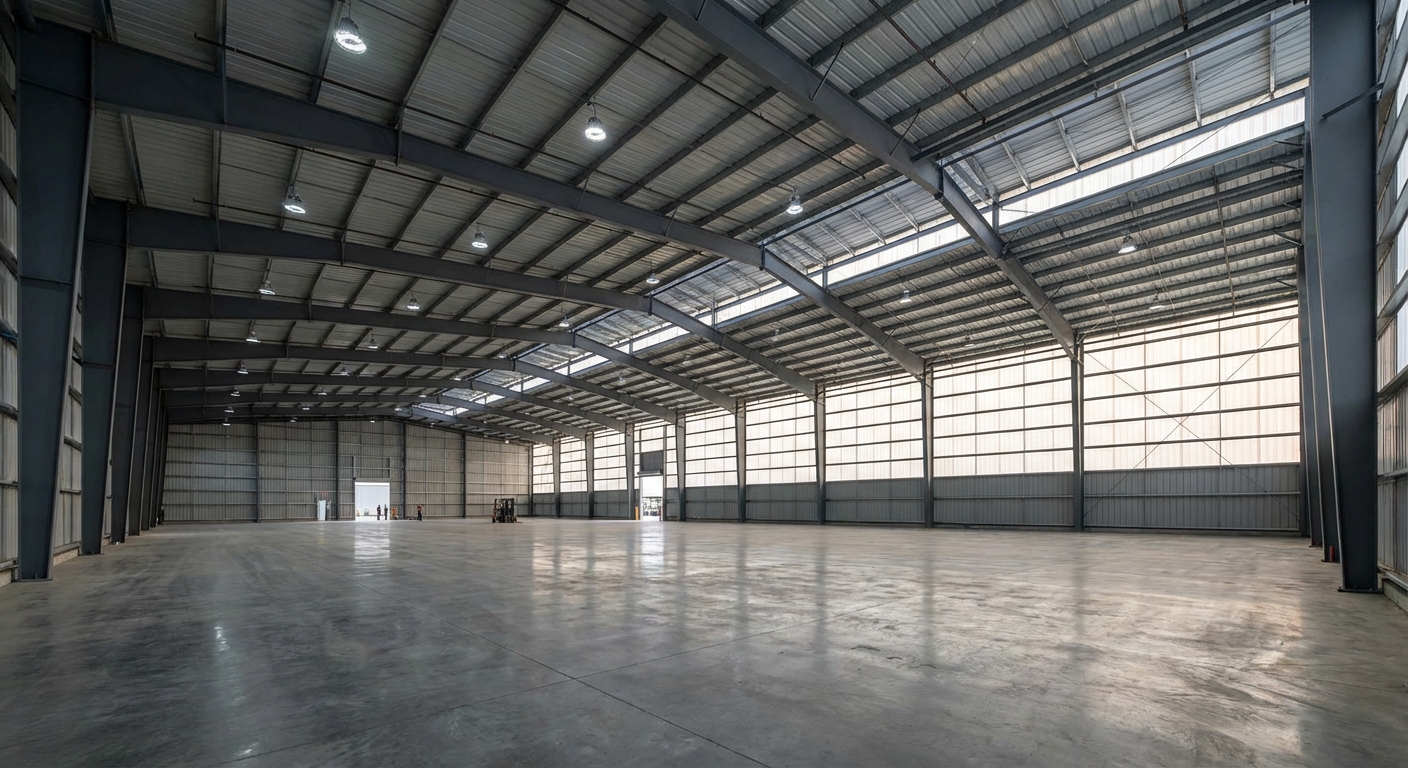
Design complexity, such as the requirement for a 100-foot clear span without interior support columns, is a major variable in how much does it cost to build a warehouse . You will find that pre-engineered steel buildings are more expensive when they require heavier-duty rafters to bridge wide gaps. However, for a 20,000 sq. ft. facility, the “lost” space from interior columns often costs you more in operational efficiency than the price of the clear-span upgrade.
- Clear Span: No interior columns; highest cost; maximum flexibility.
- Multi-Span: Uses interior columns; lower cost; reduced layout freedom.
- Eave Height: Taller buildings require more steel for vertical columns but offer more vertical storage.
Here is why. If you plan to utilize high-bay pallet racking, paying for extra height is a strategic move. This allows you to quadruple your storage capacity on the same 20,000 sq. ft. footprint, drastically lowering your cost-per-pallet.
Key Takeaway: Structural design should follow function; more expensive clear-span designs often pay for themselves through better workflow and storage density.
| Design Type | Difficulty | Cost Multiplier | |
|---|---|---|---|
| Standard Box | Law | 1.0x (Baseline) | |
| Clear Span (100′) | High | 1.2x – 1.4x | |
| Crane-Ready Frame | High | 1.3x – 1.5x |
Analysis: Engineering for specific clearance and spans is a strategic investment in your future operational scalability.
How much should you budget for warehouse labor and assembly?
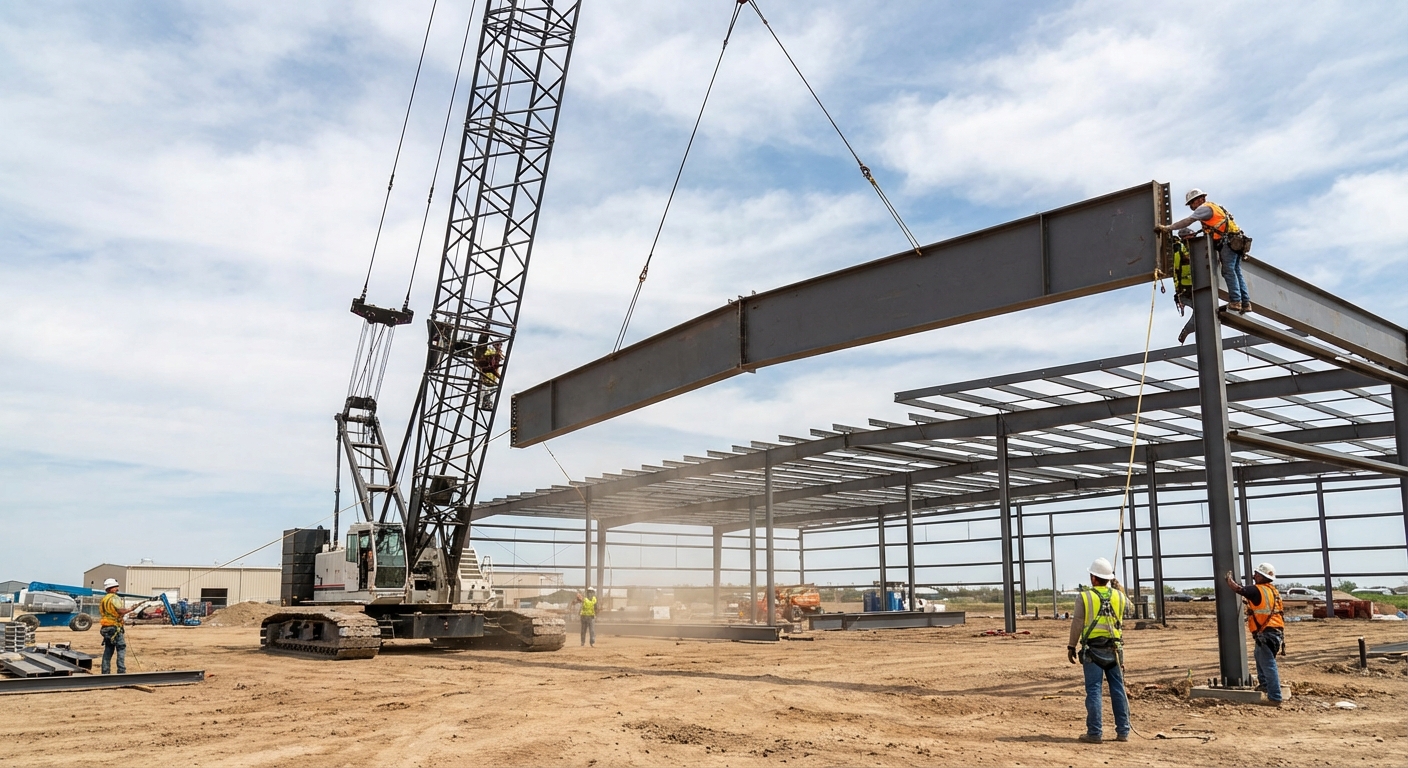
Labor typically accounts for 5.00 to 9.00 per square foot, making it a critical part of how much does it cost to build a warehouse . You are paying for a professional team to manage the heavy machinery required to lift and bolt thousands of pounds of steel. Choosing a prefabricated steel structure building solution keeps these costs down because much of the labor is “off-loaded” to the factory floor.
Can prefabricated kits reduce assembly time?
Because steel components arrive at the job site pre-cut, pre-welded, and pre-drilled, your on-site crew can work much faster. Assembly benefits:
- Reduced days on-site for the construction crew.
- Lower equipment rental costs (cranes and lifts).
- Faster path to bringing the building online for business.
Think about it for a second. Every week your crew is on-site is a week you are paying for insurance, security, and project management oversight. A fast-erecting steel kit keeps your “burn rate” low and your project on track.
Key Takeaway: Speed is the ultimate labor-saving mechanism; prefabricated steel can be erected up to 33% faster than traditional building methods.
| Labor Task | Resource Need | Time Estimate | |
|---|---|---|---|
| Primary Framing | Crane/Erection Crew | 2 – 3 Weeks | |
| Wall/Roof Sheeting | Siding Specialists | 1 – 2 Weeks | |
| Finishing Work | General Trades | 1 – 2 Weeks |
Analysis: Efficient labor management relies on the precision of the building kit to eliminate on-site corrections and delays.
What long-term maintenance costs should you anticipate?
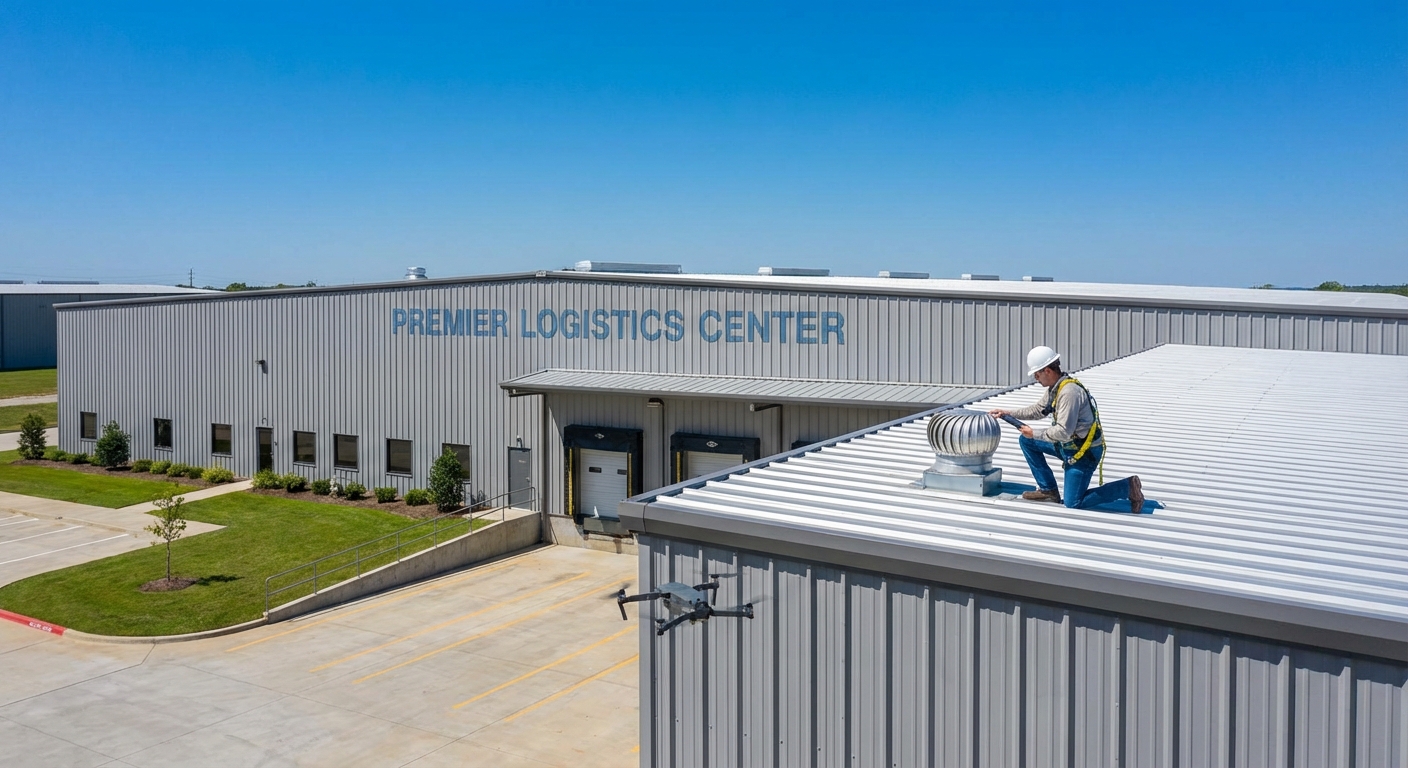
Long-term maintenance for a 20,000 sq. ft. steel warehouse is remarkably low, which significantly improves the calculation of how much does it cost to build a warehouse over a 20-year span. You should budget between 1.40 and 1.85 per square foot annually for routine upkeep, such as roof inspections and gutter cleaning. Steel’s resistance to rotting, warping, and pests like termites eliminates the massive repair bills common with other materials.
- Roof Inspections: Essential for checking fastener seals and debris.
- Paint Maintenance: Modern coatings can last 25+ years without a touch-up.
- Structural Integrity: Steel does not sag or shift like timber over time.
But that’s not all. Steel is non-combustible, which often results in significantly lower property insurance premiums. By spending less on annual maintenance and insurance, you free up capital to reinvest in your core business.
Key Takeaway: Steel warehouses offer the lowest lifetime cost of ownership of any large-scale industrial building type.
| Maintenance Task | Frequency | Estimated Annual Cost | |
|---|---|---|---|
| Gutter/Drainage | Bi-Annual | 600−1,200 | |
| Fastener/Seal Check | Every 5 Years | 1,500−3,000 | |
| Full Paint Coating | Every 25 Years | $20,000+ |
Analysis: Minimal maintenance requirements mean your initial investment remains protected with very little ongoing effort.
Which soft costs are often overlooked in warehouse planning?
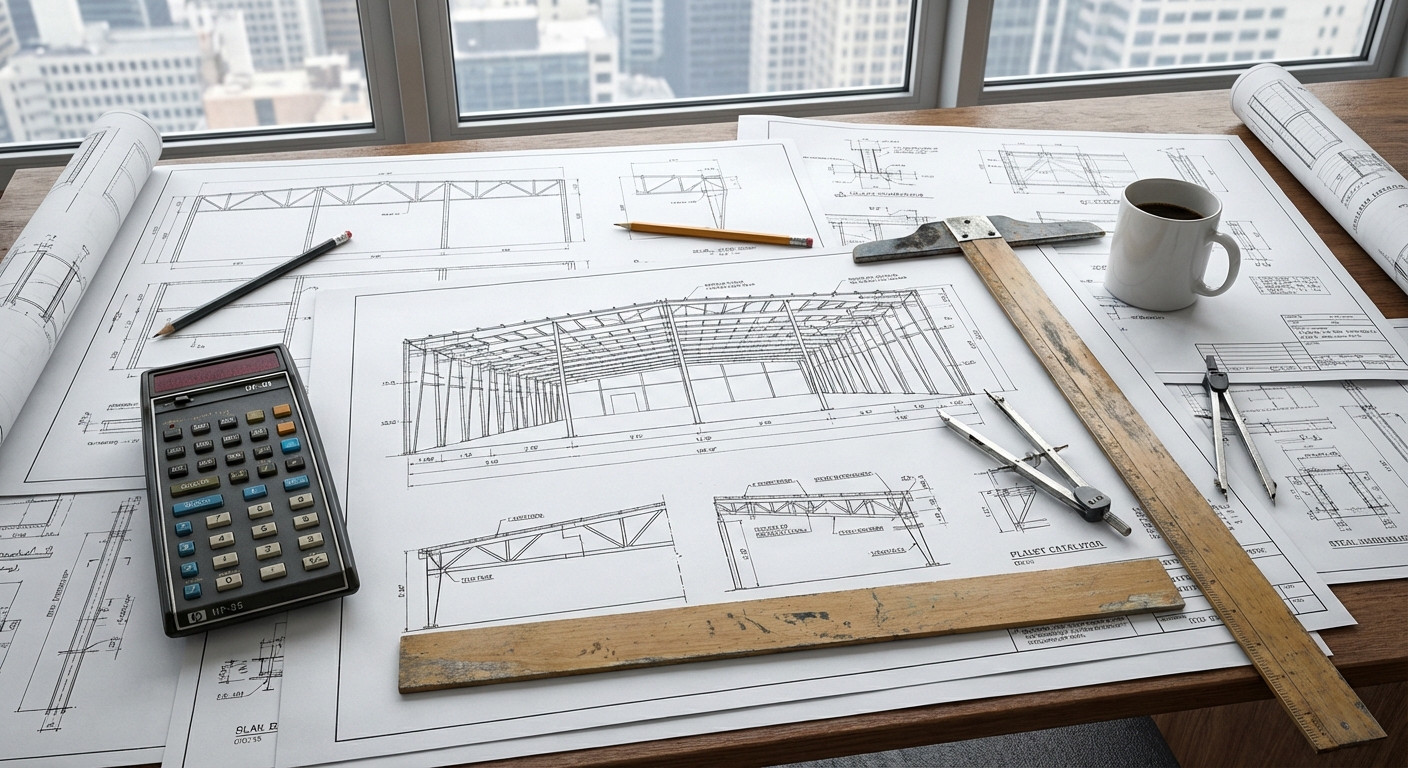
Soft costs, including engineering fees, permitting, and architectural design, can represent 20% to 30% of how much does it cost to build a warehouse . You must also consider the cost of financing, such as the interest on a construction loan while the building is being erected. These “invisible” costs are often the culprit behind budget overruns for first-time builders.
Are insurance rates lower for steel?
Insurance companies view steel as a low-risk material because it is fire-resistant and stands up well to extreme weather events. Benefits include:
- Fire-resistant framing prevents total-loss scenarios.
- High wind and snow load resistance reduces damage claims.
- Inorganic materials stop the growth of mold and mildew.
Here is the kicker. Because you are building a pre-engineered steel buildings structure, your engineering plans are often included or discounted by the manufacturer. This saves you thousands in independent structural engineering fees.
Key Takeaway: Soft costs must be tracked early; leverage your manufacturer’s engineering resources to reduce architectural overhead.
| Soft Cost Category | Budget Allocation | Key Items | |
|---|---|---|---|
| Design/Engineering | 5% – 8% | Blueprints, structural stamps. | |
| Permitting/Zoning | 2% – 5% | Local municipality fees. | |
| Insurance/Legal | 3% – 5% | Liability and property coverage. |
Analysis: Proactive planning for soft costs prevents the “budget creep” that can derail industrial projects during the final stages.
How does efficient supply chain management impact warehouse ROI?

Efficient supply chain management turns your physical space into a strategic asset, making the question of how much does it cost to build a warehouse more about potential profit than simple expense. You will find that a well-designed 20,000 sq. ft. facility facilitates faster loading times and higher inventory turnover. The layout of your loading docks and the flow of your floor plan are just as important as the steel itself.
- Cross-Docking: Designing for direct flow from intake to outtake.
- Racking Density: Utilizing high-bay space for more pallets per square foot.
- Climate Control: Protecting inventory from temperature-related spoilage.
Here is why. A warehouse that is too small or poorly designed will choke your growth. Building a scalable steel structure allows you to optimize your logistics operations today while leaving room for future automation.
Key Takeaway: A warehouse is an engine for your business; its structural design should be optimized to maximize inventory speed and security.
| ROI Factor | Impact | Profitability Metric | |
|---|---|---|---|
| Vertical Storage | High | Pallets per square foot. | |
| Energy Efficiency | Moderate | Monthly utility overhead. | |
| Resale Value | High | Total asset appreciation. |
Analysis: Viewing your warehouse as a logistics tool rather than just a storage box helps you make better design and material choices.
Can you customize a 20,000 sq. ft. warehouse for specific uses?
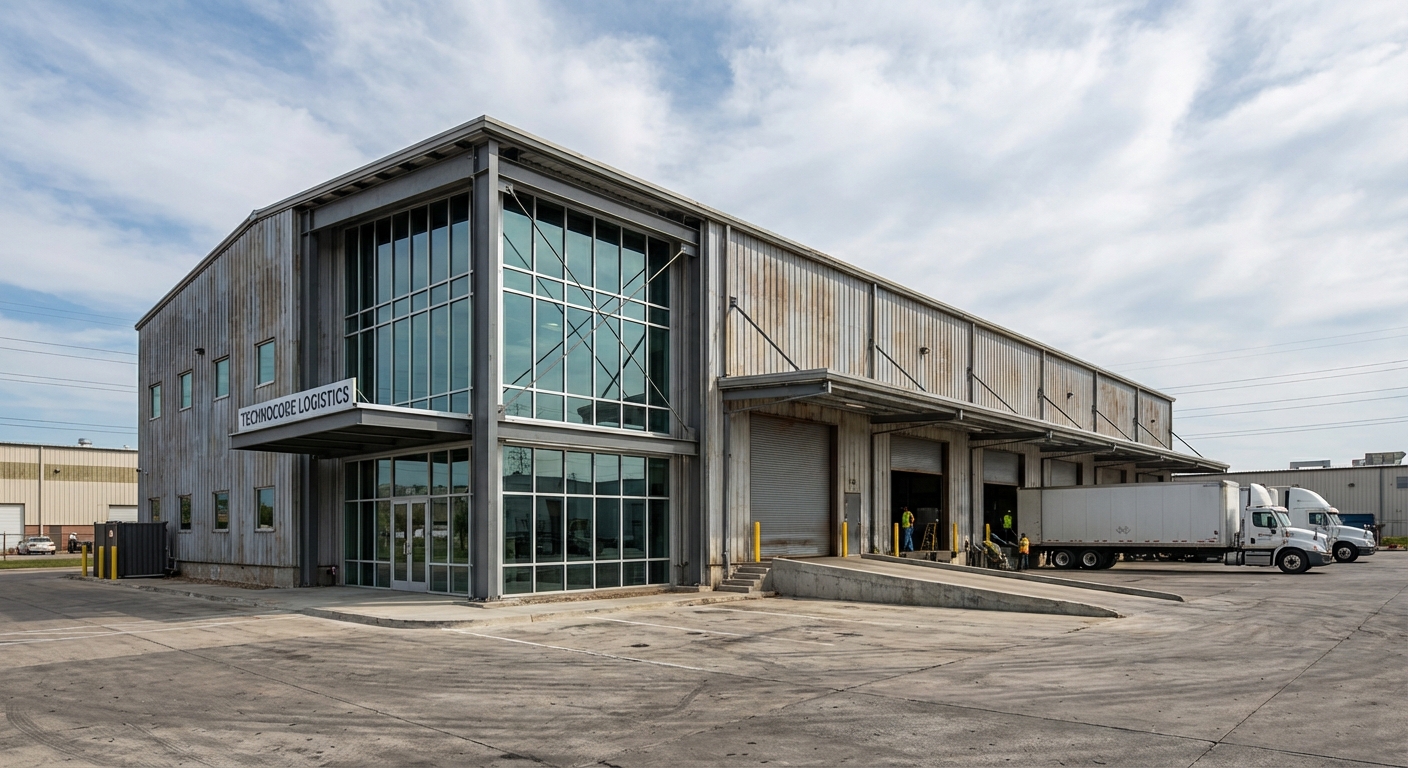
You have nearly unlimited options for customization, which will modify how much does it cost to build a warehouse to meet your exact business requirements. Whether you are building a poultry house building for vertical farming or a high-tech steel structure workshop , steel provides the flexibility to add mezzanine floors or specialized door systems. These modular additions can be planned now or retrofitted years down the line as your needs change.
- Mezzanines: Add office space without expanding the building footprint.
- Specialized Doors: High-speed roll-up doors for cold storage.
- Natural Light: Skylights and wall panels to reduce electric lighting costs.
Think about it for a second. A building that evolves with your business is far more valuable than one that forces you to move every five years. Steel’s bolt-together design makes it uniquely suited for future expansion or modification.
Key Takeaway: Customization allows you to tailor your 20,000 sq. ft. space for maximum specialized productivity, ensuring your facility is a perfect fit.
| Custom Feature | Tech Level | Best For | |
|---|---|---|---|
| Mezzanine Floor | High | Combined office and storage. | |
| Crane Girders | High | Industrial manufacturing. | |
| Insulated Panels | Moderate | Cold storage and food prep. |
Analysis: Built-in flexibility is the ultimate hedge against future business uncertainty, allowing your facility to pivot as markets change.
Conclusion
Determining how much does it cost to build a warehouse is a prerequisite for any business leader looking to secure their logistics future. By choosing a 20,000 sq. ft. steel structure, you are not just buying a building; you are investing in a durable, scalable asset that minimizes maintenance and maximizes throughput. Our commitment is to provide factory-direct engineering and high-quality fabrication for every project we undertake. We believe that your infrastructure should be the foundation of your success, not a source of financial stress. To start your journey with a customized, cost-effective industrial solution, contact us today for an expert consultation.
FAQ
Can I customize the height of my 20,000 sq. ft. warehouse? Yes, absolutely. High-bay designs are standard in steel construction to accommodate vertical racking systems.
What’s the best way to control the temperature in a steel building? Insulated Metal Panels (IMPs) provide the highest R-value and are the industry standard for climate-controlled warehousing.
How do I know if I need a clear-span design? If your operations require large machinery or tight forklift turnarounds, a clear-span interior is necessary to remove obstructive columns.
Can I add more square footage after the initial build? Yes. Steel structures are modular, allowing you to remove end walls and extend the length of the building easily.
How long does the actual on-site construction take? Generally, a 20,000 sq. ft. steel frame can be erected in 4 to 8 weeks, depending on crew size and weather conditions.