
A 20,000 square foot steel warehouse typically costs between 240,000 and 380,000 for the building kit, reflecting an average of 12 to 19 per square foot. Business owners often face staggering construction delays and unpredictable budget overruns when using traditional building methods like wood or tilt-up concrete. These inefficiencies don’t just drain your capital; they stall your supply chain, inflate labor costs, and result in massive material waste that erodes your competitive edge. By choosing a precision-engineered steel warehouse building cost solution, you can secure factory-direct pricing and cut assembly time by a third.
Think about it.
What Is the Base Steel Warehouse Building Cost?
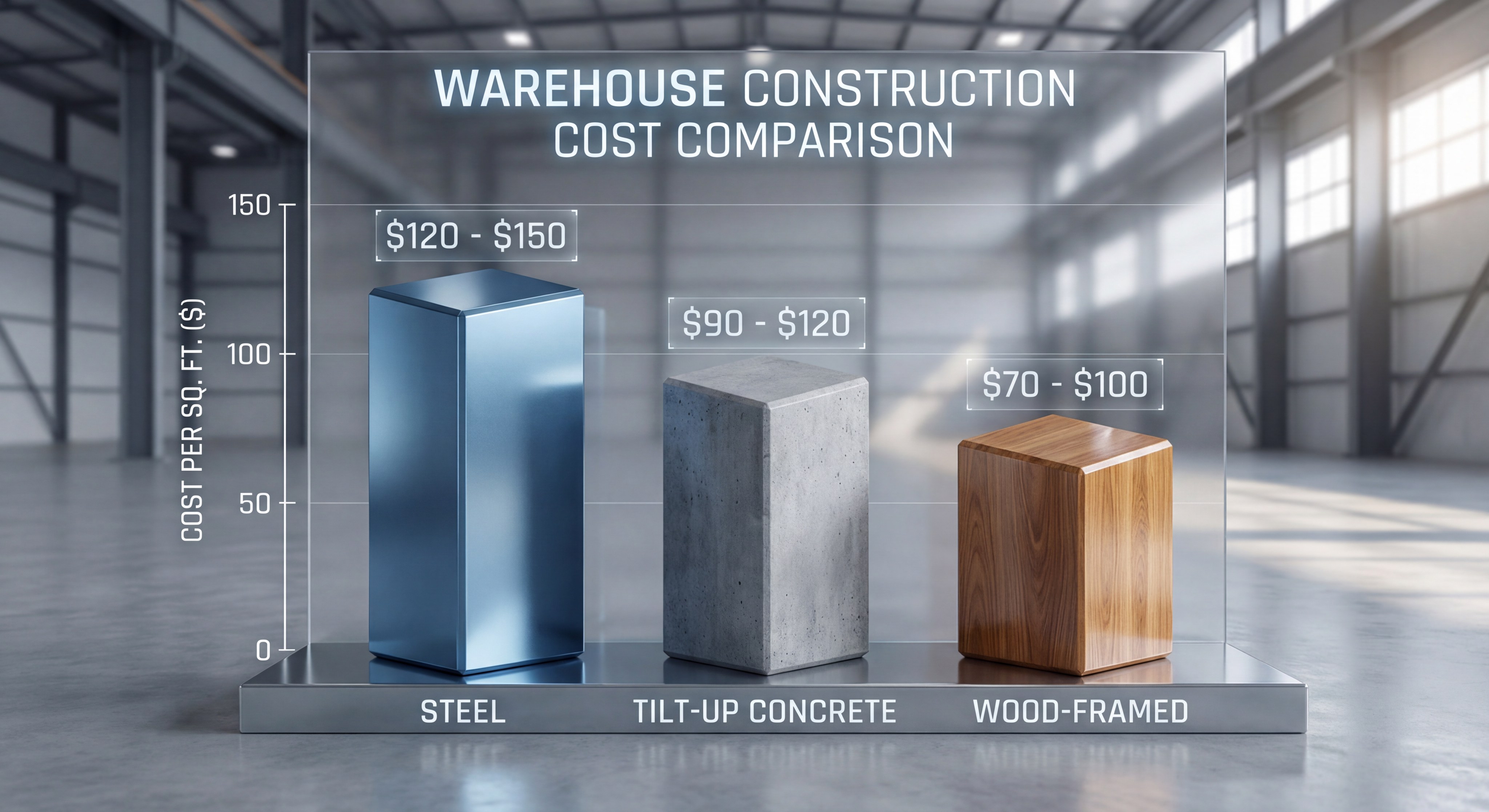
Determining your initial steel warehouse building cost is the first step in a successful expansion. Most industrial projects of this size benefit from the standardized pricing of metal building kits. These kits provide a predictable baseline that traditional construction cannot match.
Understanding the Square Foot Price Range
- Building kits for 20,000 sq. ft. structures range from 12 to 19 per square foot.
- Total package costs generally fall between 240,000 and 380,000.
- Pricing depends on the complexity of your interior layout and load requirements.
- Large volume orders often qualify for significant bulk discounts.
Comparing Steel vs. Traditional Construction
- Tilt-up concrete construction typically starts at $28 per square foot.
- Wood-framed warehouses average between 22 and 39 per square foot.
- Steel remains the most economical choice for large-scale industrial storage.
- You can save up to 50% on raw materials by choosing metal over concrete.
Key Takeaway: Steel provides the lowest entry cost for 20,000 square foot industrial facilities compared to all other major construction methods.
| Building Method | Cost Per Sq. Ft. | 20,000 Sq. Ft. Total | |
|---|---|---|---|
| Steel Building Kit | 12−19 | 240,000−380,000 | |
| Tilt-Up Concrete | 28−48 | 560,000−960,000 | |
| Wood-Framed | 22−39 | 440,000−780,000 |
This data illustrates that a steel solution can save you hundreds of thousands of dollars in initial capital investment.
How Do Material Prices Affect the Final Quote?
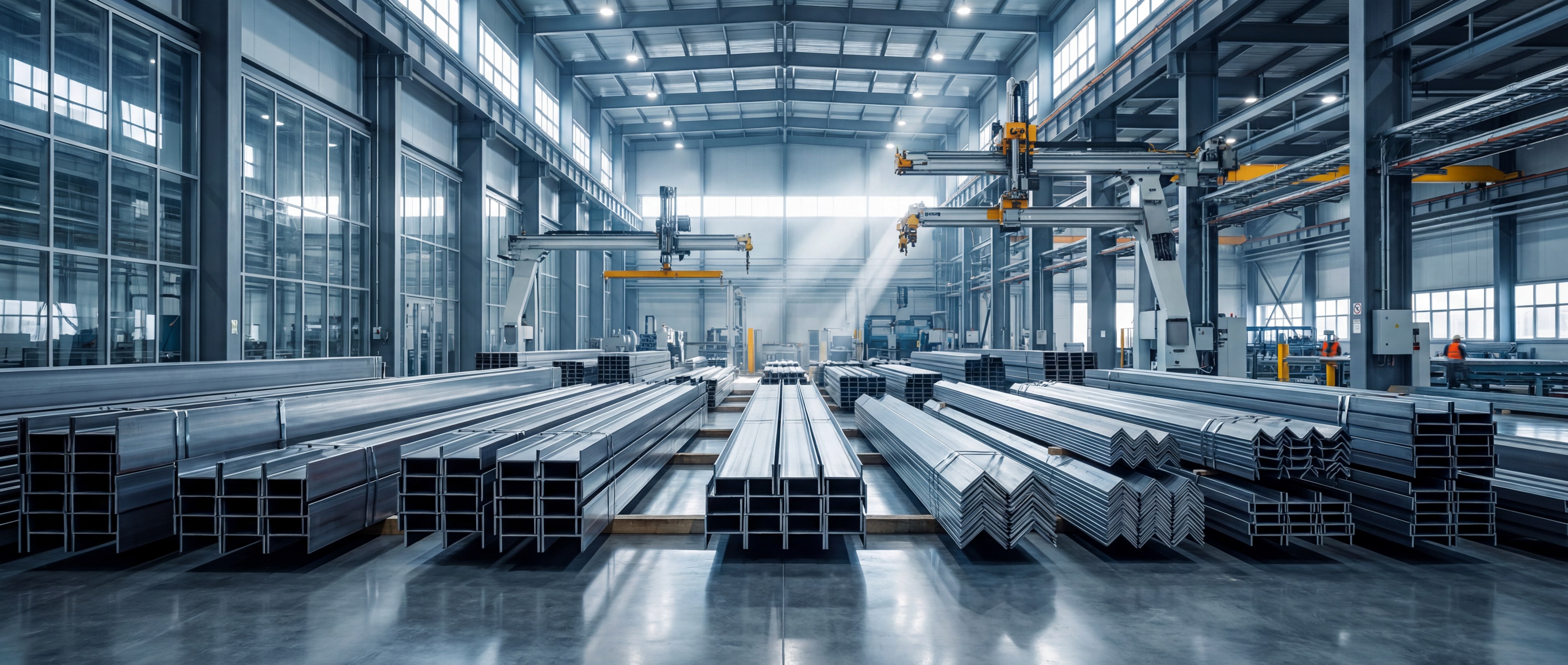
The global market plays a significant role in your final steel warehouse building cost. Steel prices are commodities that fluctuate based on supply, demand, and fuel costs. Securing a quote during a favorable market window is essential for budget stability.
Managing Fluctuating Steel Market Rates
- Prices for raw H-beams and secondary members change almost daily.
- Locking in your quote early protects you from sudden mid-project spikes.
- We monitor global indices to help you time your purchase effectively.
- Shipping and fuel surcharges can impact the total delivery cost.
Reducing Waste Through Precision Engineering
- Every component is pre-cut to exact specifications in the factory.
- Minimal on-site waste means you aren’t paying for unused scrap metal.
- Automated fabrication ensures every beam meets strict tolerance levels.
- Efficient nesting software maximizes every ton of raw material used.
Key Takeaway: Precision engineering offsets market volatility by ensuring you only pay for the exact amount of steel required for your design.
| Material Factor | Impact on Budget | Cost Mitigation Strategy | |
|---|---|---|---|
| Market Fluctuations | High | Lock in quotes 3-6 months early | |
| Material Waste | Low | Use CNC-precision fabrication | |
| Shipping/Fuel | Moderate | Direct-to-site logistics planning |
Managing these variables allows you to maintain a tighter grip on your project’s financial health.
Which Design Factors Impact Your Construction Budget?
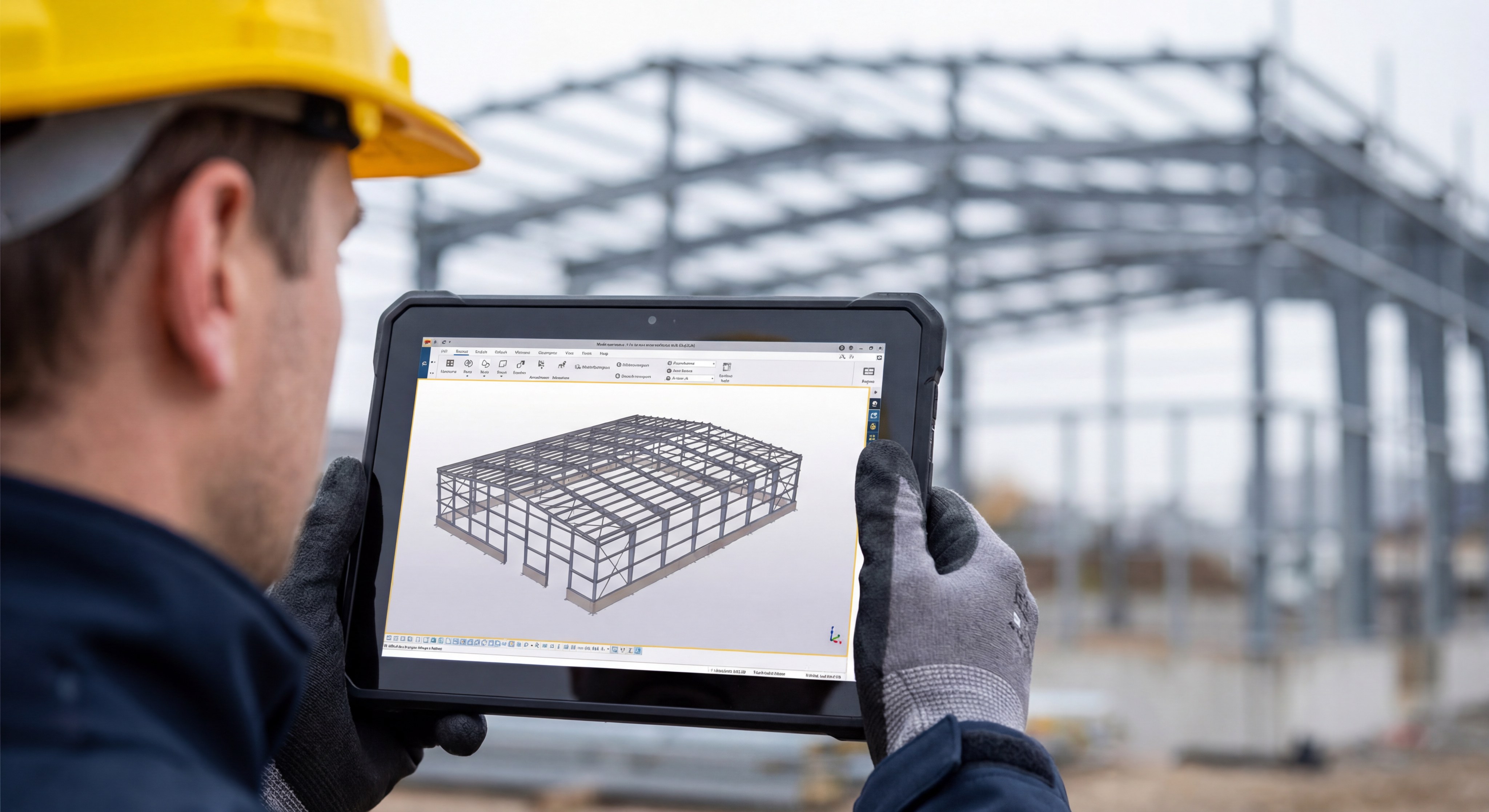
Your specific operational requirements will directly influence the steel warehouse building cost . While a standard “box” is the most affordable, customizations like clear spans or heavy-duty load ratings add complexity. Careful planning during the design phase ensures you don’t over-engineer unnecessary features.
Clear Span vs. Multi-Column Layouts
- Clear span designs offer 100% usable floor space without internal pillars.
- Multi-column layouts are generally cheaper because they require lighter frames.
- Consider your forklift paths and racking systems before choosing a layout.
- Clear spans are ideal for aircraft hangars or large logistics centers.
Adjusting for Heavy Snow and Wind Loads
- Buildings in seismic or high-wind zones require additional structural bracing.
- Heavy snow load requirements increase the thickness of roof purlins.
- Local building codes dictate the minimum strength of your steel frame.
- Engineering for these loads ensures the long-term safety of your inventory.
Key Takeaway: Balancing structural openness with local environmental requirements is the key to optimizing your design spend.
| Design Feature | Budget Impact | Practical Benefit | |
|---|---|---|---|
| Clear Span | +10% to 15% | Unobstructed interior movement | |
| Standard Columns | Baseline | Most cost-effective structural support | |
| High Load Rating | Variable | Compliance with local safety codes |
By selecting the right frame type, you can maximize utility without inflating the square foot price.
Why Does Location Change the Warehouse Price?
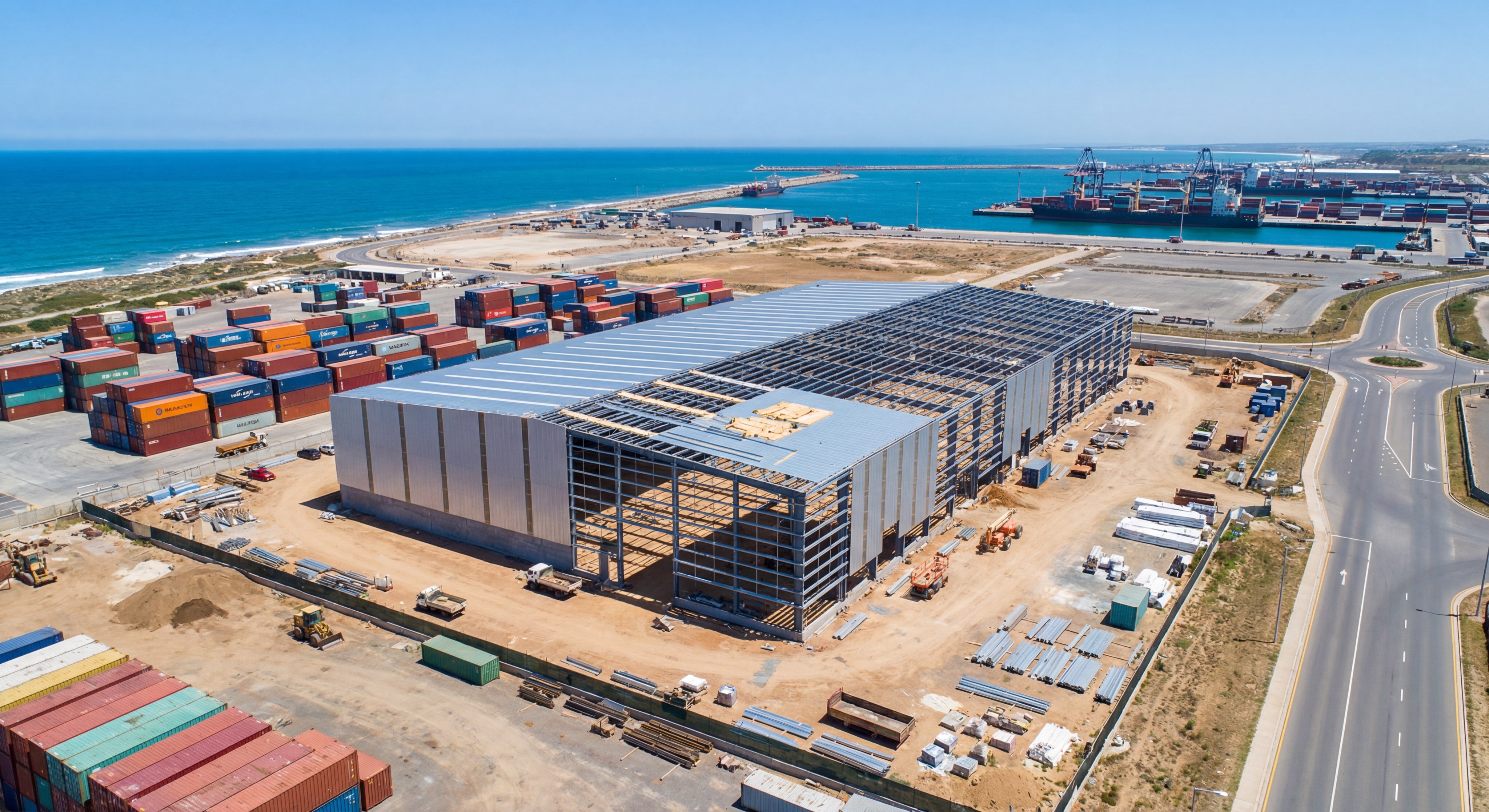
Where you choose to build has a profound effect on the steel warehouse building cost. Regional factors such as shipping distances and local permitting fees can add thousands to your bottom line. It is helpful to review case studies of similar builds in your area to anticipate these costs.
Evaluating Local Building Code Compliance
- Different counties have varying requirements for fire suppression and insulation.
- Coastal areas often demand specialized anti-corrosive coatings for steel.
- Permitting fees are localized and must be factored into the soft costs.
- Some regions require specific architectural finishes to match local aesthetics.
Transportation and Shipping Logistics
- Proximity to major highways or ports can lower delivery expenses.
- Shipping a 20,000 sq. ft. kit usually requires multiple flatbed trailers.
- Rural sites may face “last-mile” delivery surcharges for heavy equipment.
- Coordination between the factory and the site is vital to avoid delays.
Key Takeaway: Early consultation with local authorities and logistics experts prevents expensive “surprise” costs during the delivery phase.
| Location Factor | Cost Level | Common Solution | |
|---|---|---|---|
| Logistics/Freight | Moderate | Direct shipping from factory | |
| Code Compliance | High | Integrated engineering support | |
| Site Preparation | Variable | Professional geological surveying |
Understanding regional nuances allows for a more accurate and realistic project timeline.
What Are the Typical Foundation and Labor Costs?
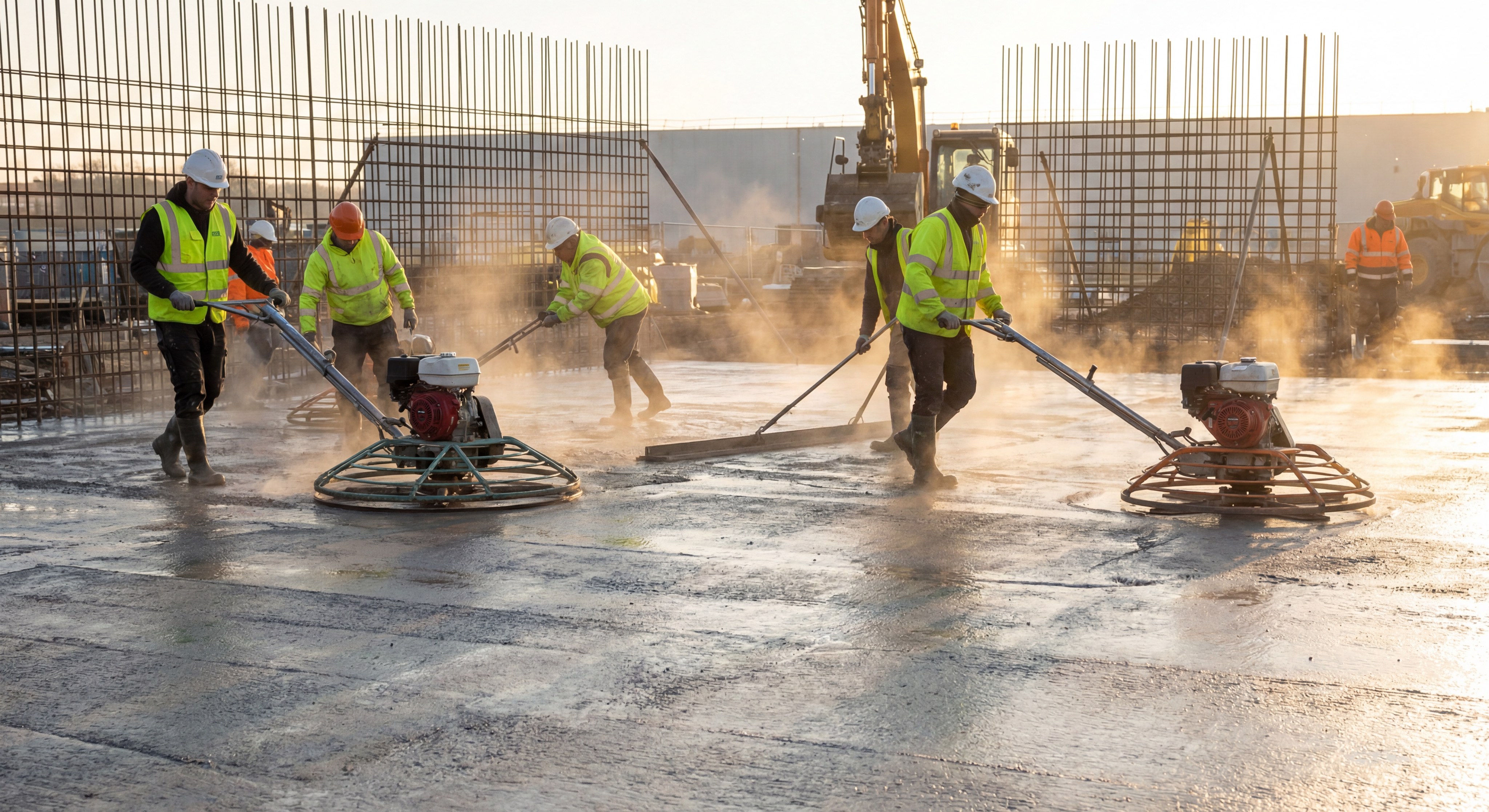
While the building kit is a major expense, the on-site labor and foundation significantly impact the steel warehouse building cost . Steel buildings are notoriously efficient to erect, which helps keep labor hours manageable. However, the quality of your foundation remains the bedrock of your investment’s longevity.
Budgeting for Poured Concrete Foundations
- A standard 20,000 sq. ft. slab costs between 3.85 and 7 per square foot.
- Prices vary based on the thickness required for heavy machinery or racks.
- Soil conditions may require deeper footings or specialized reinforcements.
- Expect to spend 80,000 to 140,000 on the foundation alone.
Optimizing Crew Efficiency with Prefab Kits
- Prefabricated kits arrive ready to bolt together with no welding required.
- Erection labor typically costs between 5 and 9 per square foot.
- Assembly time is approximately 33% faster than traditional wood framing.
- Using a crew familiar with metal buildings can further reduce billable hours.
Key Takeaway: The speed of steel assembly allows you to reallocate labor savings toward higher-quality interior finishes.
| Construction Component | Estimated Cost | Percentage of Budget | |
|---|---|---|---|
| Concrete Foundation | 80k−140k | ~25% | |
| Erection Labor | 100k−180k | ~30% | |
| Site Preparation | 10k−30k | ~5% |
Efficient labor management ensures your project stays on schedule and within the initial quote.
How Do Custom Features Influence Your Investment?
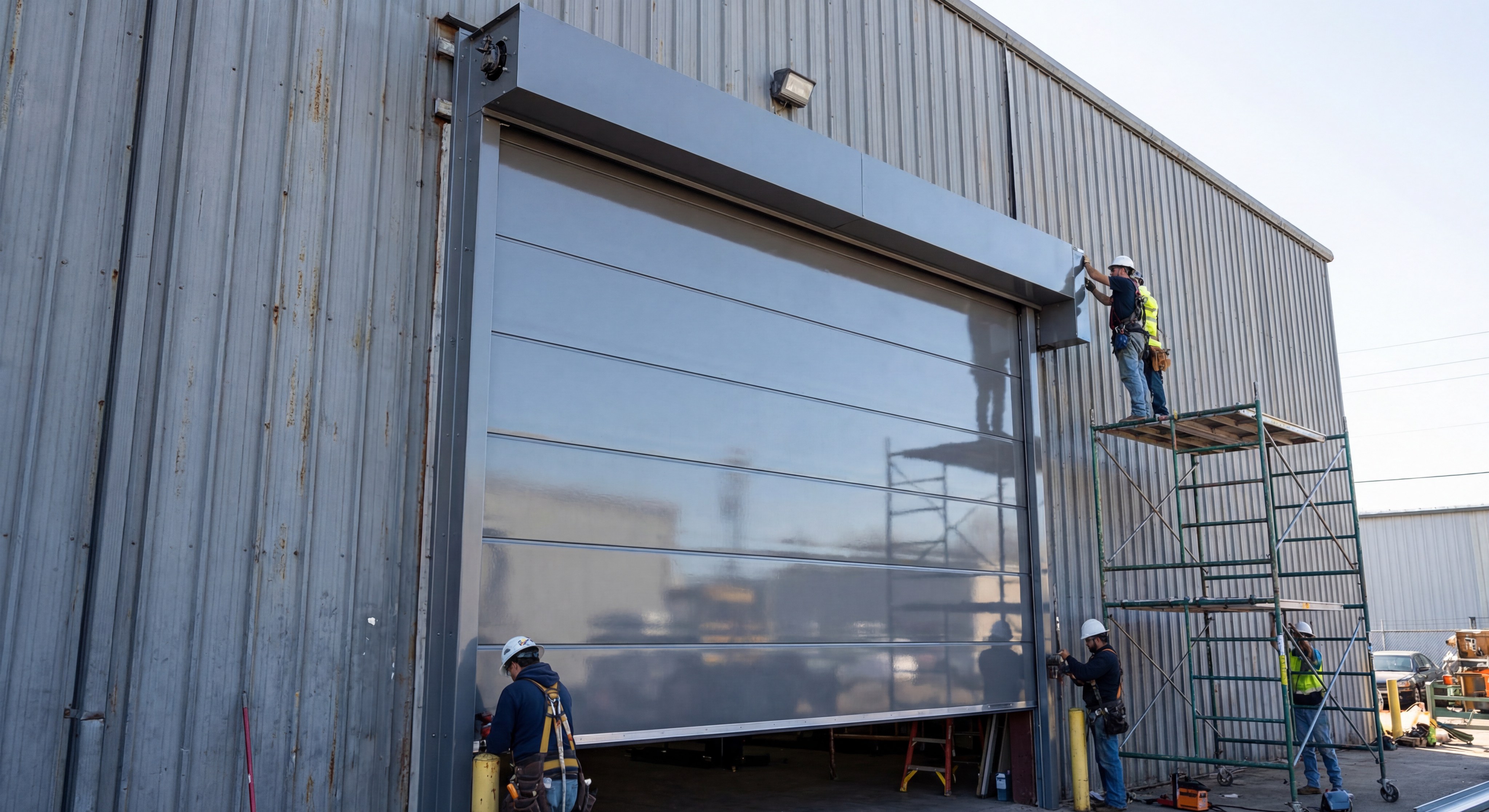
The basic shell of your building is just the beginning of the steel warehouse building cost equation. Adding specialized components like mezzanine levels or high-performance insulation changes the utility of the space. For more complex production needs, a Steel Structure Workshop configuration may be more appropriate.
Adding Industrial Doors and Windows
- High-speed roll-up doors improve logistics efficiency but increase costs.
- Personnel doors and glazed windows add to the aesthetic and safety.
- Skylights can reduce long-term electrical costs by providing natural light.
- Each opening requires additional structural framing and flashing.
Integrating Specialized Insulation Systems
- Fiberglass blanket insulation is the most common and cost-effective choice.
- Insulated Metal Panels (IMPs) provide superior R-values for climate control.
- Proper insulation prevents condensation and protects your inventory.
- High-efficiency systems can pay for themselves through lower utility bills.
Key Takeaway: Selecting the right accessories during the design phase prevents costly retrofitting after the building is erected.
| Custom Feature | Budget Impact | Primary Benefit | |
|---|---|---|---|
| Roll-up Doors | Moderate | Rapid logistics and dock access | |
| Premium Insulation | High | Climate control and energy savings | |
| Mezzanine Level | High | Doubled floor space for offices |
Smart accessory choices enhance the operational value of your 20,000 sq. ft. investment.
Can Prefabrication Lower Your Total Project Spend?
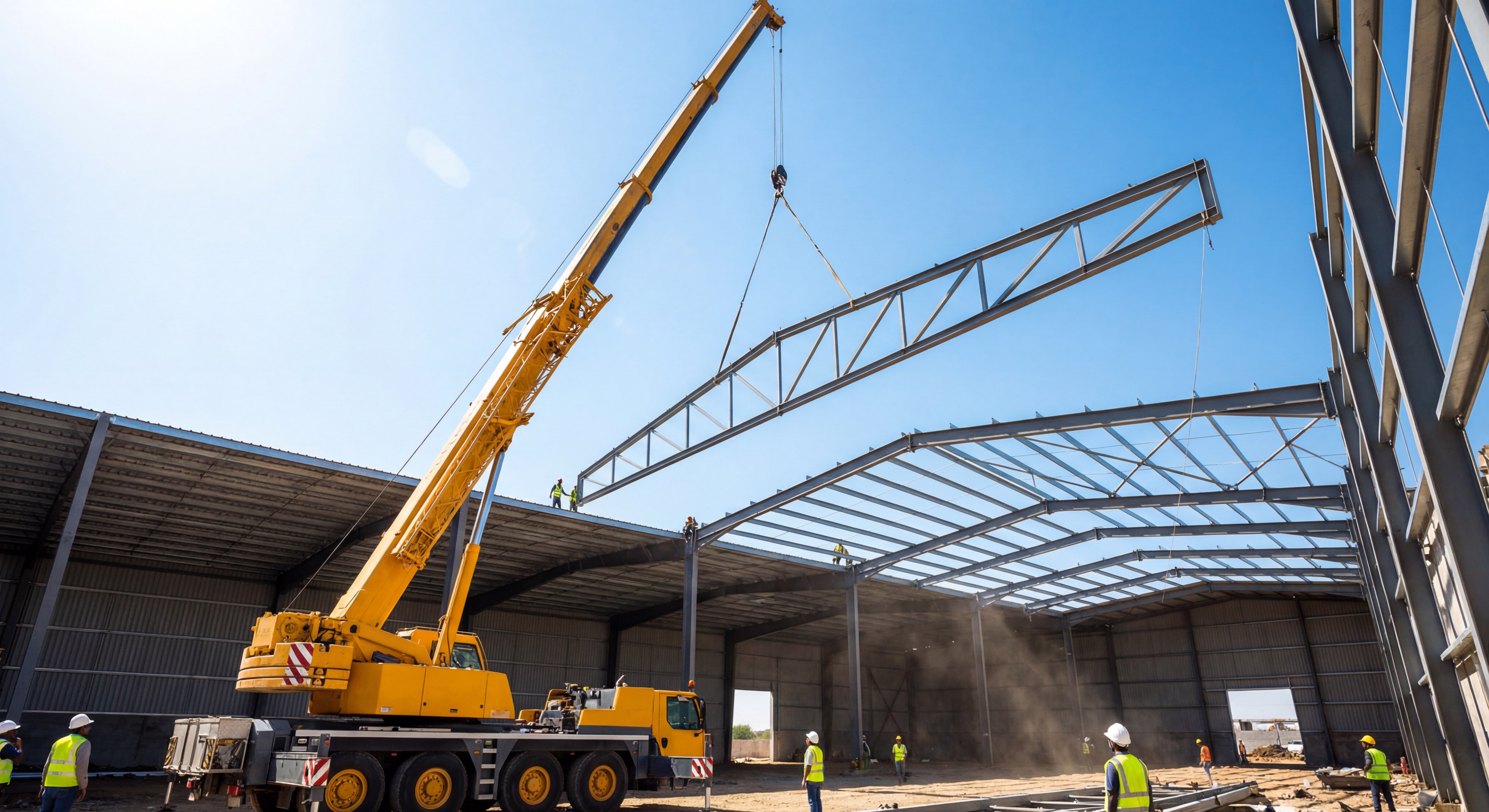
Prefabrication is a primary driver in reducing the steel warehouse building cost . By shifting the bulk of the work to a controlled factory environment, you eliminate many of the risks associated with traditional job sites. This “Lego-like” assembly process is the most efficient way to build large-scale facilities.
Cutting Construction Time by 33 Percent
- Components are pre-punched and labeled for immediate assembly.
- You don’t have to wait for favorable weather to begin fabrication.
- Parallel processing allows foundation work and fabrication to happen at once.
- Faster completion means your business can start generating revenue sooner.
Minimizing On-Site Assembly Errors
- CNC machinery ensures every hole lines up perfectly every time.
- Standardized parts reduce the risk of worker error during erection.
- Detailed 3D blueprints guide the crew through every step of the build.
- Fewer mistakes mean fewer “change orders” that can ruin a budget.
Key Takeaway: The precision of prefabrication transforms construction from a craft into a streamlined industrial process.
| Project Stage | Traditional Time | Prefab Steel Time | Time Saved | |
|---|---|---|---|---|
| Design/Eng | 4 – 8 Weeks | 2 – 4 Weeks | 50% | |
| Fabrication | N/A | 4 – 6 Weeks | N/A | |
| On-Site Erection | 12 – 20 Weeks | 4 – 8 Weeks | 60% |
Reducing on-site time is the most effective way to lower your total project expenditure.
What Long-Term Maintenance Expenses Should You Expect?
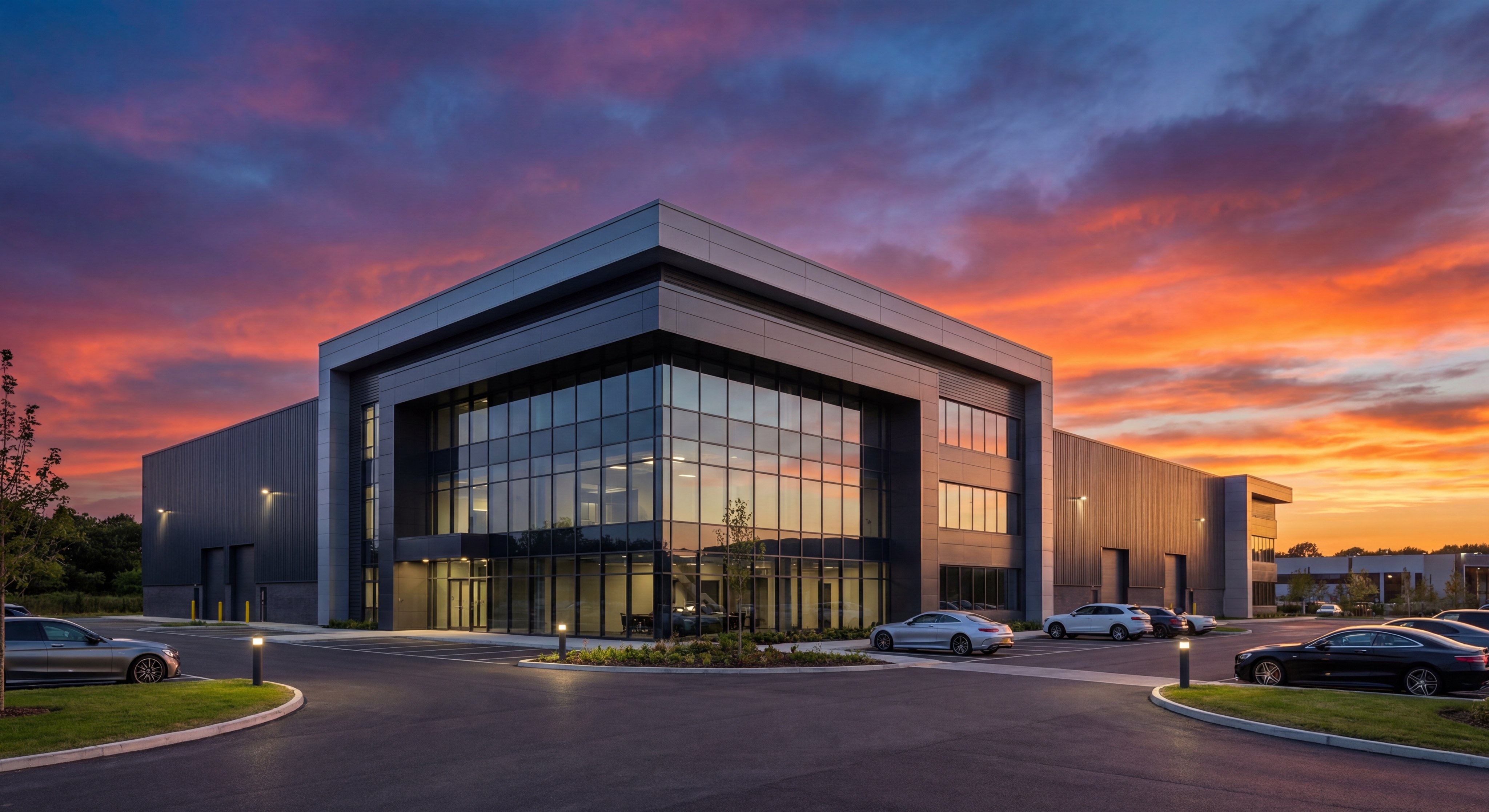
When calculating the total steel warehouse building cost, you must look beyond the initial build. Steel is favored for its durability and low maintenance requirements over several decades. Whether you are building for logistics or need Aircraft Hangar Solutions , steel’s resilience is a major financial advantage.
Estimating Annual Upkeep Requirements
- Steel doesn’t rot, warp, or crack like wood or concrete.
- High-quality paint finishes often carry 20-30 year warranties.
- Annual inspections are usually limited to checking seals and gutters.
- Maintenance costs typically average less than $2.00 per square foot annually.
Leveraging Fire and Pest Resistance
- Steel is non-combustible, which significantly lowers insurance premiums.
- Termites and rodents cannot damage the structural integrity of the frame.
- Inorganic materials prevent the growth of mold and mildew.
- This durability protects your long-term ROI and property resale value.
Key Takeaway: The low upkeep costs of steel buildings ensure that your initial savings aren’t lost to future repairs.
| Maintenance Item | Frequency | Estimated Cost | |
|---|---|---|---|
| Structural Inspection | Annual | Minimal | |
| Roof/Gutter Cleaning | Bi-Annual | Low | |
| Exterior Repainting | Every 25 Years | Moderate |
Steel remains the most “set-it-and-forget-it” material available for large-scale industrial use.
How Do Soft Costs Affect Your Overall ROI?
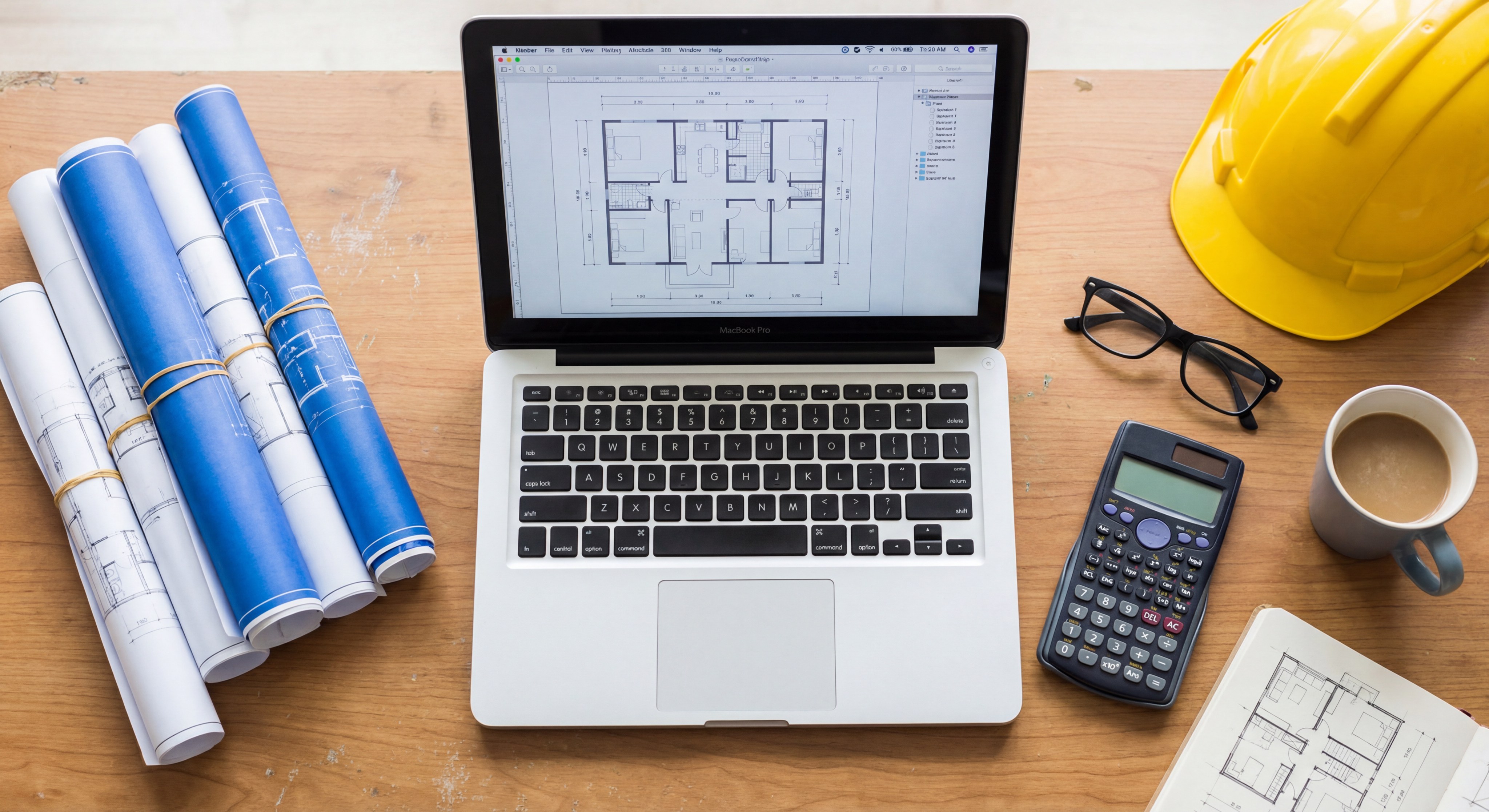
Soft costs represent roughly 30% of your total steel warehouse building cost . These are the non-physical expenses like engineering, legal fees, and financing charges. Ignoring these during the early planning stages can lead to major budget shortfalls later on.
Factoring in Permitting and Engineering
- Professional engineering seals are required for local building permits.
- Soil testing and site surveying are necessary before foundation pouring.
- Legal fees for zoning and land use can vary by municipality.
- Proper documentation ensures you don’t face fines or work stoppages.
Lowering Insurance Premiums with Steel
- Many insurers offer discounts for buildings with high fire ratings.
- Seismic-resistant steel frames reduce the cost of earthquake insurance.
- Integrated safety systems like sprinklers impact your monthly premiums.
- Lower insurance costs improve your warehouse’s monthly cash flow.
Key Takeaway: Investing in high-quality engineering upfront pays for itself through lower insurance and faster permit approvals.
| Soft Cost Category | Budget Impact | Mitigation Strategy | |
|---|---|---|---|
| Permitting/Fees | Moderate | Research local codes early | |
| Insurance | Low (Savings) | Use fire-resistant materials | |
| Legal/Surveying | Variable | Use experienced site consultants |
Managing soft costs is just as important as managing material prices for a successful build.
Why Is Factory-Direct Sourcing the Best Strategy?
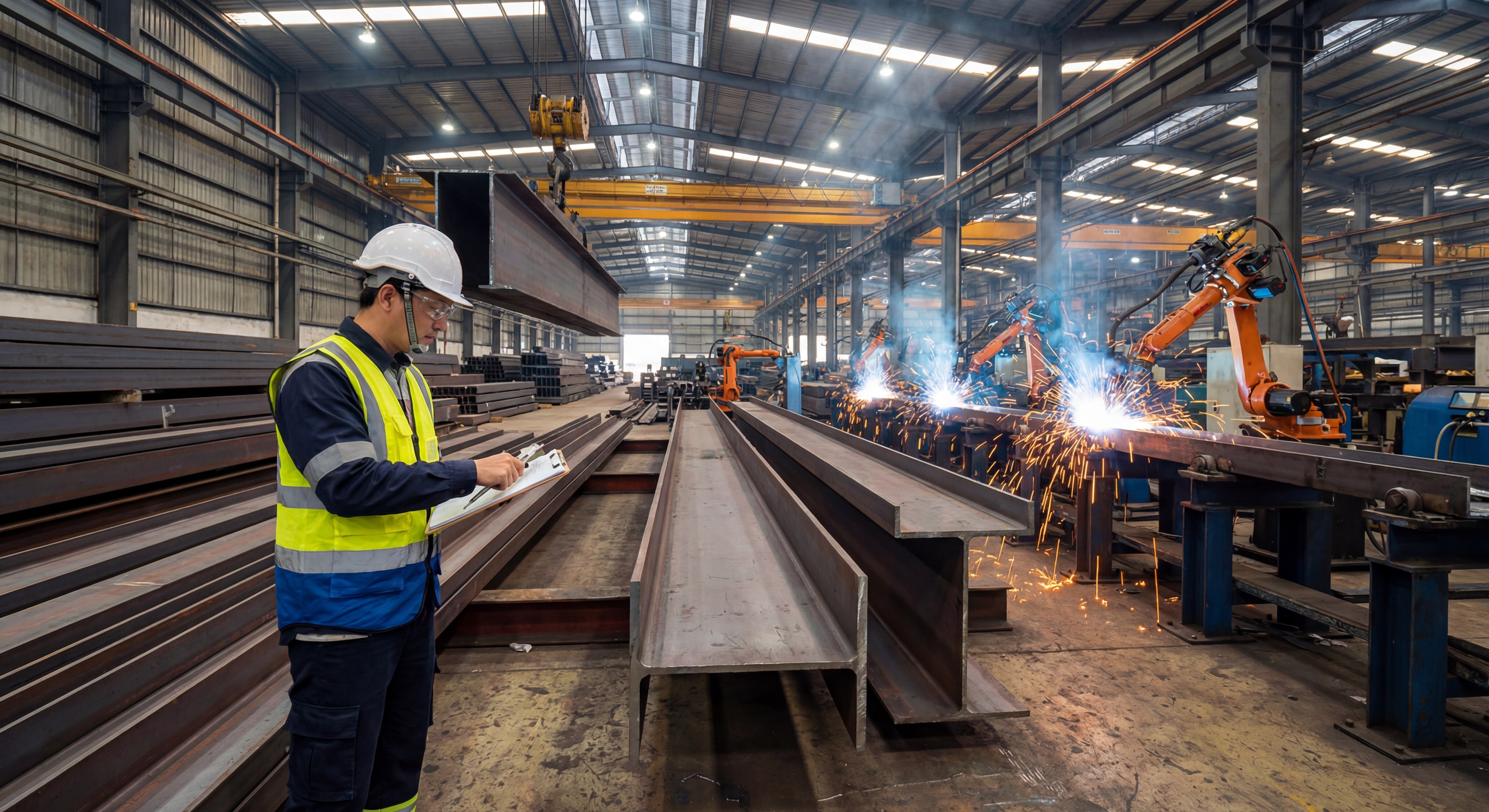
The most effective way to control your steel warehouse building cost is to eliminate middlemen. Dealing directly with a manufacturer ensures you get the best possible price and the highest level of technical support. Learning more About Showhoo Steel reveals how factory-direct control protects your project.
Eliminating Middleman Markups
- Brokers and trading companies often add 20-30% to the final price.
- Direct sourcing gives you access to real-time production scheduling.
- Communication is clearer when you speak directly to the engineers.
- You receive factory-backed warranties on all structural components.
Ensuring Total Quality Control (TQC)
- Factory owners control every step from raw material to final loading.
- Triple-counting systems prevent missing bolts or parts on the job site.
- Integrated quality checks ensure every weld meets international standards.
- You aren’t at the mercy of a third-party fabricator’s timeline.
Key Takeaway: Buying direct is the only way to ensure 100% accountability for your project’s quality and cost.
| Sourcing Model | Typical Markup | Quality Control Level | |
|---|---|---|---|
| Broker/Trader | 20% – 40% | Indirect/Variable | |
| Factory Direct | 0% | Direct/High | |
| Local Retailer | 15% – 25% | Third-Party |
Direct manufacturing ownership is the ultimate safeguard for your warehouse investment.
Building a 20,000 sq. ft. facility is a major milestone for any operation. By focusing on a high-efficiency steel warehouse building solution, you protect your investment from the risks of traditional construction. Ready to lock in your project budget? Contact us today for a comprehensive quote and free engineering consultation.
Frequently Asked Questions
- How long does it take to erect a 20,000 sq ft steel building?Once the kit arrives on-site, the structural assembly usually takes between 4 and 8 weeks, which is significantly faster than the months required for traditional wood or concrete builds.
- Can I customize the height for mezzanine levels?Yes, steel frames allow for flexible clear heights. You can easily design your structure to accommodate vertical storage or multiple mezzanine levels for office space.
- How does steel construction lower my insurance rates?Insurers favor steel because it is non-combustible, inorganic, and resistant to seismic activity, leading to lower premiums compared to wood-framed structures.
- Do you provide engineering support for local codes?We provide full engineering support using Tekla and AutoCAD to ensure your building meets all local wind, snow, and seismic requirements.
- Is financing available for large prefab structures?Yes, factory-direct savings combined with milestone-based payment terms (like 30/60/10) make these large-scale structures much easier to finance.