
In 2025, a basic industrial steel package typically ranges from 15to 30 per square foot, though fully finished facilities can exceed $100 per square foot depending on complexity. You are likely facing a major facility expansion where the volatility of global markets makes accurate budgeting nearly impossible for your upcoming fiscal year. Every day you delay your procurement decision, inflation or supply chain shifts could add six figures to your project totals, putting your operational ROI at significant risk. This comprehensive analysis provides a deep-dive into the current steel structure buildings cost , breaking down variables from raw materials to final erection to empower your data-driven decisions.
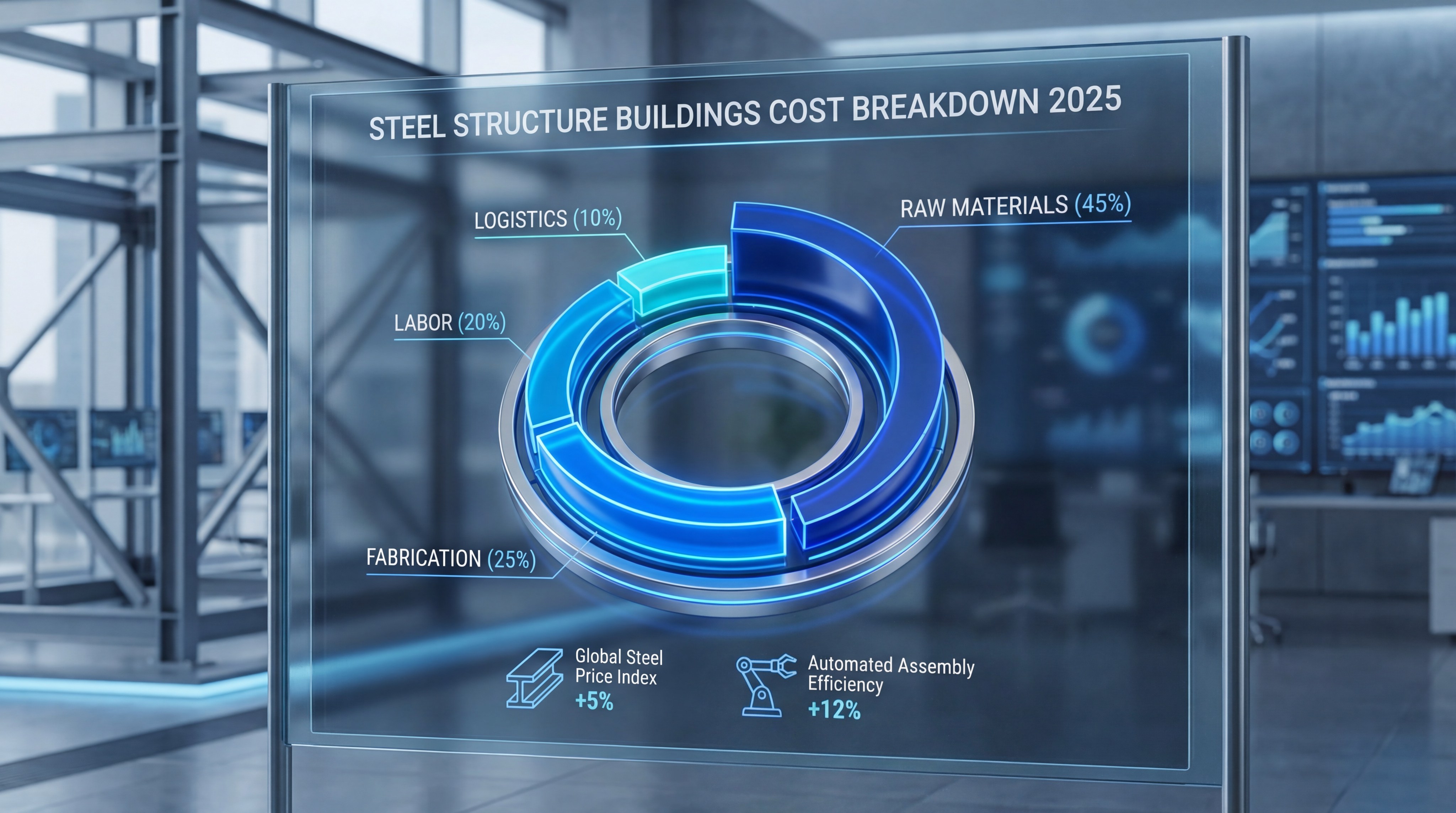
1. What impacts the total steel structure buildings cost?
The total steel structure buildings cost is primarily driven by raw material volume, design complexity, and geographic site requirements that dictate engineering loads. You must evaluate how the price of iron ore and energy surcharges for electric arc furnaces directly influence the base price of your structural members. High-strength alloys might carry a higher price per ton, but they often reduce the total tonnage required, potentially lowering your bottom line.
H3: How do raw material fluctuations affect the bottom line?
H3: Does the complexity of the frame drive up the price?
Bucket Brigade: Let’s dive right in.
- Steel Grade: Higher yield strengths allow for lighter sections but come with a premium material surcharge.
- Fabrication Complexity: Intricate welding, punched holes, and specialized clips increase the shop hours required for your project.
- Connection Types: Bolted connections are generally more cost-effective for field assembly than extensive on-site welding.
- Protective Coatings: Moving from a standard shop primer to hot-dipped galvanization adds durability but increases the initial investment.
Key Takeaway: Total costs are a balance between material volume and the precision required for shop fabrication and field assembly.
| Cost Component | Impact Level | Primary Driver | |
|---|---|---|---|
| Raw Steel | High | Global Market Index | |
| Fabrication | Medium | Labor & Equipment Tech | |
| Logistics | Low-Medium | Fuel & Distance |
Detailed analysis reveals that fabrication labor often represents a more stable cost variable than the raw commodity price of steel itself.

2. Is the steel structure buildings cost rising in 2025?
In 2025, the steel structure buildings cost is experiencing moderate stabilization as global supply chains recalibrate after years of high volatility. While raw material prices have retreated from historic peaks, the rising costs of industrial electricity and specialized labor are keeping the floor prices higher than pre-2020 levels. You should anticipate a predictable growth curve of 3% to 5% annually rather than the drastic spikes seen in previous seasons.
H3: Are global trade policies impacting local prices?
H3: Will energy costs continue to inflate manufacturing rates?
Bucket Brigade: You might be wondering.
- Supply Chain Resilience: Regional sourcing strategies are successfully mitigating the impact of international shipping delays.
- Energy Surcharges: High operational costs for steel mills are frequently passed down to the end consumer as surcharges.
- Inventory Levels: Current stockpiling trends among major fabricators are helping to smooth out short-term price swings.
- Technological Gains: Automated welding and CNC processing are helping to offset rising industrial labor rates.
Key Takeaway: While raw prices have stabilized, operational overhead is keeping floor prices higher than historical averages.
| Year | Price Trend | Market Sentiment | |
|---|---|---|---|
| 2023 | Volatile | High Uncertainty | |
| 2024 | Moderate | Gradual Stabilization | |
| 2025 (Est.) | Stable-High | Predictable Growth |
An interrogative approach to market data suggests that the “new normal” for pricing is dictated by energy availability rather than just ore supply.
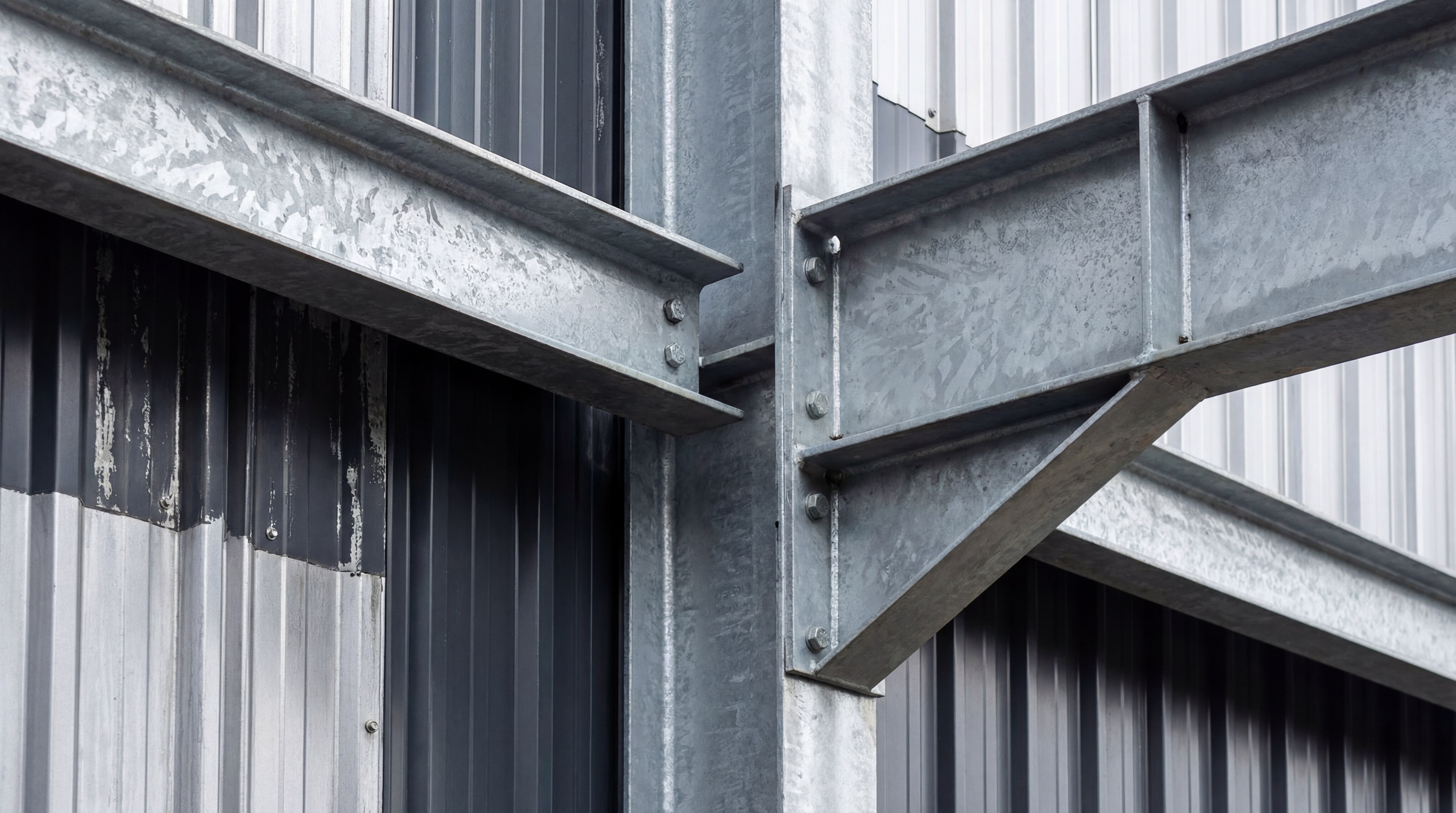
3. How do design choices change steel structure buildings cost?
Your specific design choices, such as clear-span width and roof pitch, directly dictate the final steel structure buildings cost by increasing or decreasing the required tonnage of primary members. A building with a 100-foot clear span requires significantly heavier rafters and columns than a multi-span building with interior support columns. You can optimize your budget by aligning your operational needs with standard bay spacings that maximize material efficiency.
H3: Does a clear-span design cost more than modular frames?
H3: How does roof pitch influence material consumption?
Bucket Brigade: Here is the truth.
- Clear Span Width: Removing interior columns increases the weight and depth of the primary rafters significantly.
- Bay Spacing: Narrower bay spacing can use lighter purlins, but it requires more total frames to be fabricated.
- Aesthetics: Parapet walls and custom facades add significant structural steel weight and engineering complexity.
- Mezzanine Integration: Adding second-floor loads requires heavier columns and more robust foundation anchoring systems.
Key Takeaway: Optimizing for standard spans and column placements can reduce your total steel tonnage by up to 15%.
| Design Feature | Cost Impact | Efficiency Rating | |
|---|---|---|---|
| Clear Span | +20-30% | High (Usable Space) | |
| Multi-Span | Baseline | Maximum Economy | |
| High Roof Pitch | +5-10% | Medium (Snow Shedding) |
Analysis of structural engineering data confirms that the most economical buildings utilize a length-to-width ratio of approximately 2:1.
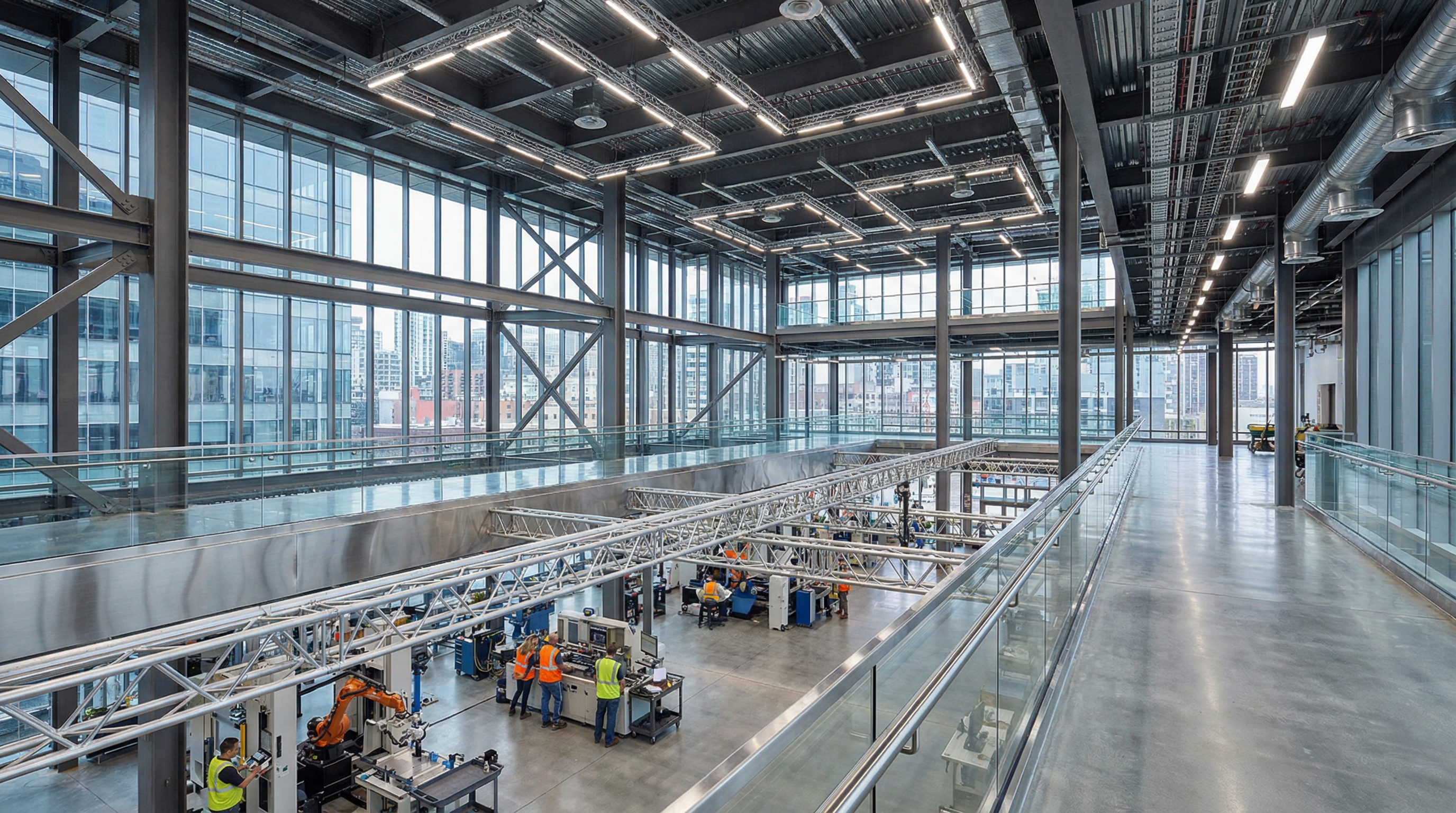
4. Can location influence your steel structure buildings cost?
Geographic location significantly impacts the steel structure buildings cost due to varying local requirements for snow loads, seismic resistance, and freight distances. A facility designed for the heavy snow belts of the northern states will require much thicker steel than a similar structure in a temperate climate. You must also account for the cost of shipping, as moving heavy steel over long distances can add thousands to your final invoice.
H3: Do local snow loads require heavier steel members?
H3: How do seismic zones affect structural engineering fees?
Bucket Brigade: But that’s not all.
- Environmental Loads: High-wind coastal areas require enhanced bracing and thicker roof panels to prevent uplift.
- Shipping Distances: Proximity to the fabrication plant is a major factor in reducing your logistical overhead.
- Local Permitting: Some jurisdictions mandate specific fireproofing coatings or high-performance insulation that increases total costs.
- Site Accessibility: Remote or difficult-to-access sites may require smaller, more frequent deliveries that increase freight expenses.
Key Takeaway: Your “sticker price” is heavily dictated by the specific environmental demands of your build site.
| Location Factor | Cost Variable | Mitigation Strategy | |
|---|---|---|---|
| High Snow Load | +15% | Lean-to designs | |
| Coastal/Wind | +10% | Enhanced anchoring | |
| Remote Site | Variable | Flat-pack optimization |
Contextual understanding of regional building codes reveals that engineering for extreme weather is often cheaper than repairing future structural damage.
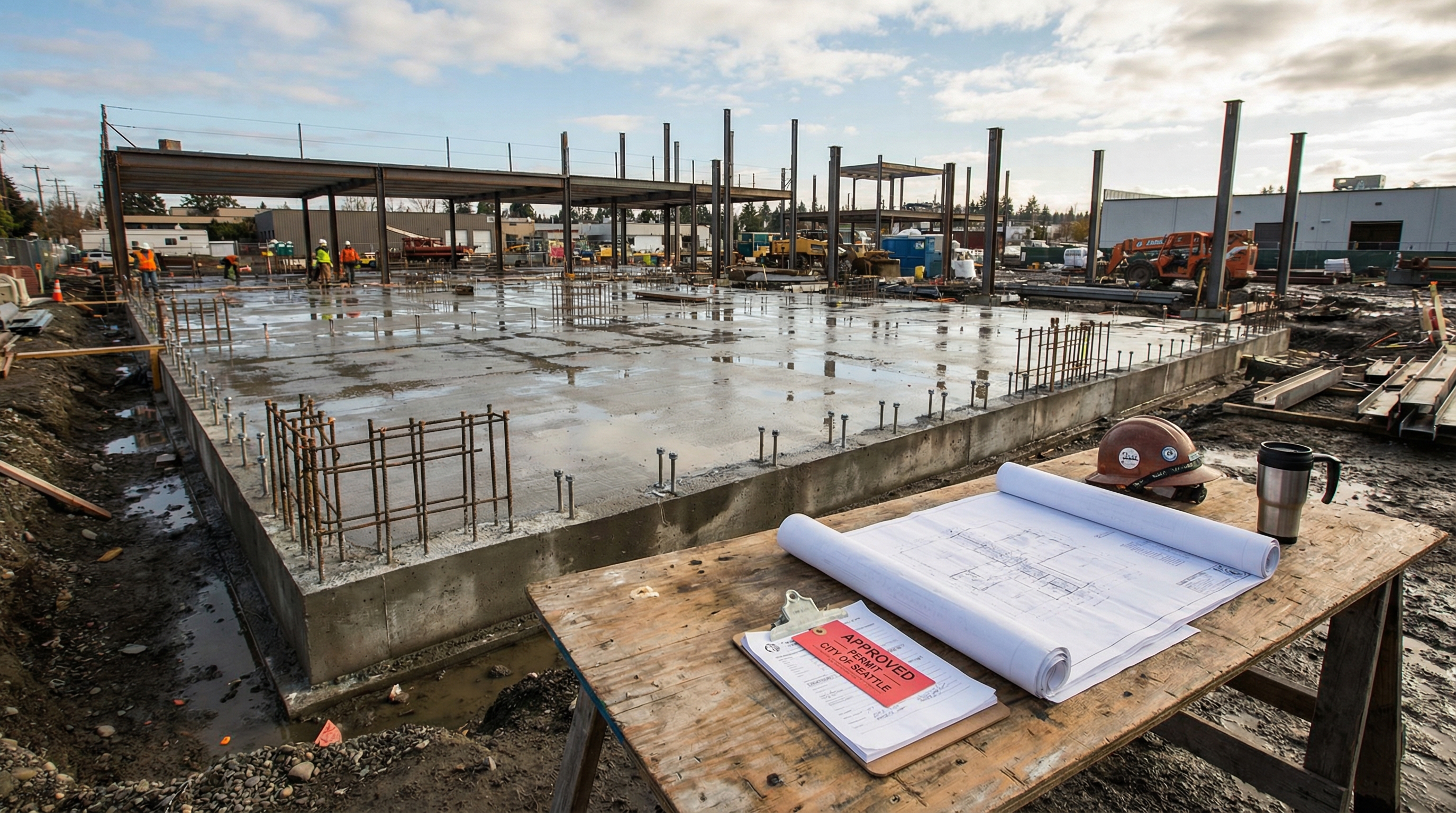
5. Which materials lower the steel structure buildings cost?
Selecting standardized materials and pre-painted panels can effectively lower the steel structure buildings cost by reducing both fabrication time and on-site finishing requirements. Utilizing Galvalume® for roof and wall panels offers a cost-effective alternative to expensive copper or aluminum while providing superior corrosion resistance. You should also consider using standardized fastener sizes to speed up the erection process and reduce the risk of custom order delays.
H3: Is light-gauge steel a viable alternative for B2B?
H3: Can composite materials reduce the weight of the frame?
Bucket Brigade: Think about this.
- Pre-Painted Panels: These eliminate the need for expensive and time-consuming on-site painting and finishing.
- Galvanized Purlins: These members resist rust better than red-oxide primer and require less long-term maintenance.
- Standardized Bolts: Using stock bolt sizes across the entire project simplifies inventory and speeds up assembly.
- Integrated Insulation: Sandwich panels provide both the exterior skin and insulation in one high-efficiency component.
Key Takeaway: Material selection should focus on Total Cost of Ownership (TCO), not just the initial purchase price.
| Material Type | Initial Cost | Lifespan | |
|---|---|---|---|
| Red Oxide Steel | Lowest | 20-30 Years | |
| Galvanized Steel | Medium | 50+ Years | |
| Galvalume Panels | Medium | High Resistance |
Historical context shows that investing in higher-quality coatings at the start reduces your maintenance budget by 40% over two decades.
6. How to calculate steel structure buildings cost per foot?
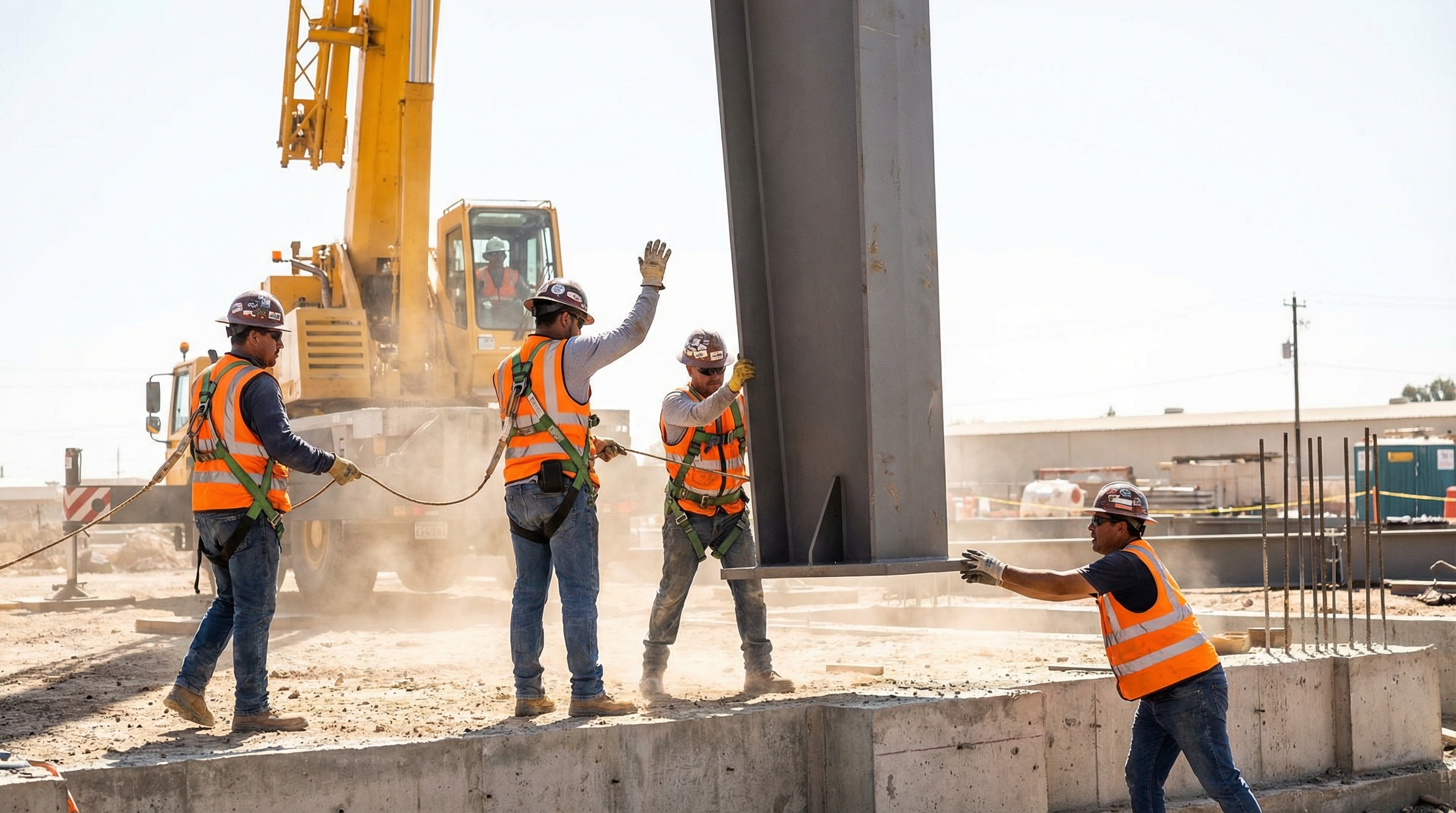
Calculating the steel structure buildings cost per square foot requires you to differentiate between the basic steel package and the fully finished facility. For most industrial B2B projects, the raw steel frame and cladding account for roughly 25% to 35% of the total project budget. You must add the costs of foundation work, interior build-outs, and mechanical systems to arrive at a realistic operational figure.
H3: What is the typical range for industrial warehouses?
H3: Do multi-story structures double the price per foot?
Bucket Brigade: It gets better.
- Basic Steel Shell: Expect to pay between 15 and 35 per square foot for the frame and skin.
- Foundation & Slab: This typically adds another 8 to 12 per square foot depending on soil conditions.
- Finished Facility: Once HVAC, lighting, and offices are added, costs often reach 80 to 120 per foot.
- Economy of Scale: Larger buildings (over 50,000 sq. ft.) benefit from lower per-unit pricing due to bulk material buys.
Key Takeaway: Use square foot pricing only as a preliminary benchmark; detailed quotes require specific engineering data.
| Building Size (sq. ft.) | Est. Steel Package $/sqft | Complexity | |
|---|---|---|---|
| 5,000 – 10,000 | 25−35 | High (Small Batch) | |
| 20,000 – 50,000 | 18−25 | Standard | |
| 100,000+ | 12−18 | Optimized Bulk |
Deep inquiry into pricing structures suggests that “cost per foot” can be misleading if it doesn’t specify the level of finishing.
7. Why do labor rates affect steel structure buildings cost?
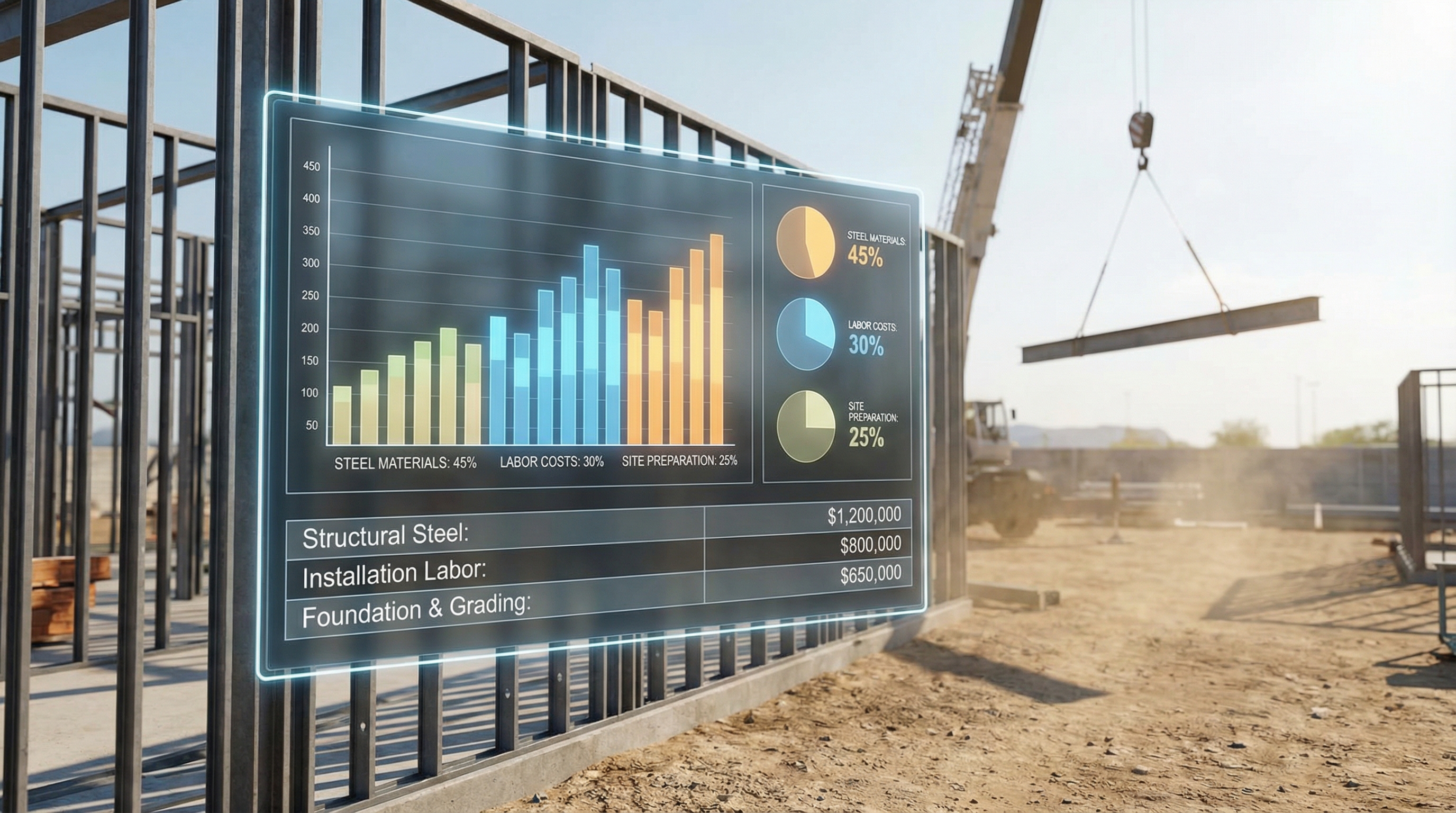
Labor rates significantly affect the steel structure buildings cost because the speed of erection and the skill level of ironworkers determine the total project man-hours. In 2025, the shortage of qualified tradespeople has led to higher hourly wages, making construction speed a more critical factor than ever before. You can mitigate these costs by choosing a pre-engineered system that arrives on-site ready for immediate assembly with minimal modifications.
H3: Is a pre-engineered kit faster to erect than stick-built?
H3: Does specialized equipment rental add to the labor bill?
Bucket Brigade: This is a game-changer.
- Erection Speed: Steel buildings can be “dried-in” up to 50% faster than traditional masonry or wood structures.
- Skill Requirements: Precise engineering reduces the need for expensive on-site welding, allowing for faster assembly.
- Safety Compliance: Modern site safety protocols reduce your insurance risk but require dedicated administrative oversight.
- Equipment Efficiency: Faster erection times mean you spend less on monthly crane and scissor lift rentals.
Key Takeaway: Investing in a more precisely engineered kit saves more in on-site labor than it costs in fabrication.
| Construction Method | Labor Hours | Equipment Needed | |
|---|---|---|---|
| Pre-Engineered | Low-Medium | Crane, Scissor Lifts | |
| Conventional Steel | High | Mobile Welding | |
| Hybrid | Medium | Standard Rigging |
Synthesis of current construction data shows that reducing on-site man-hours is the most effective way to protect your project budget.
8. What hidden fees add to the steel structure buildings cost?
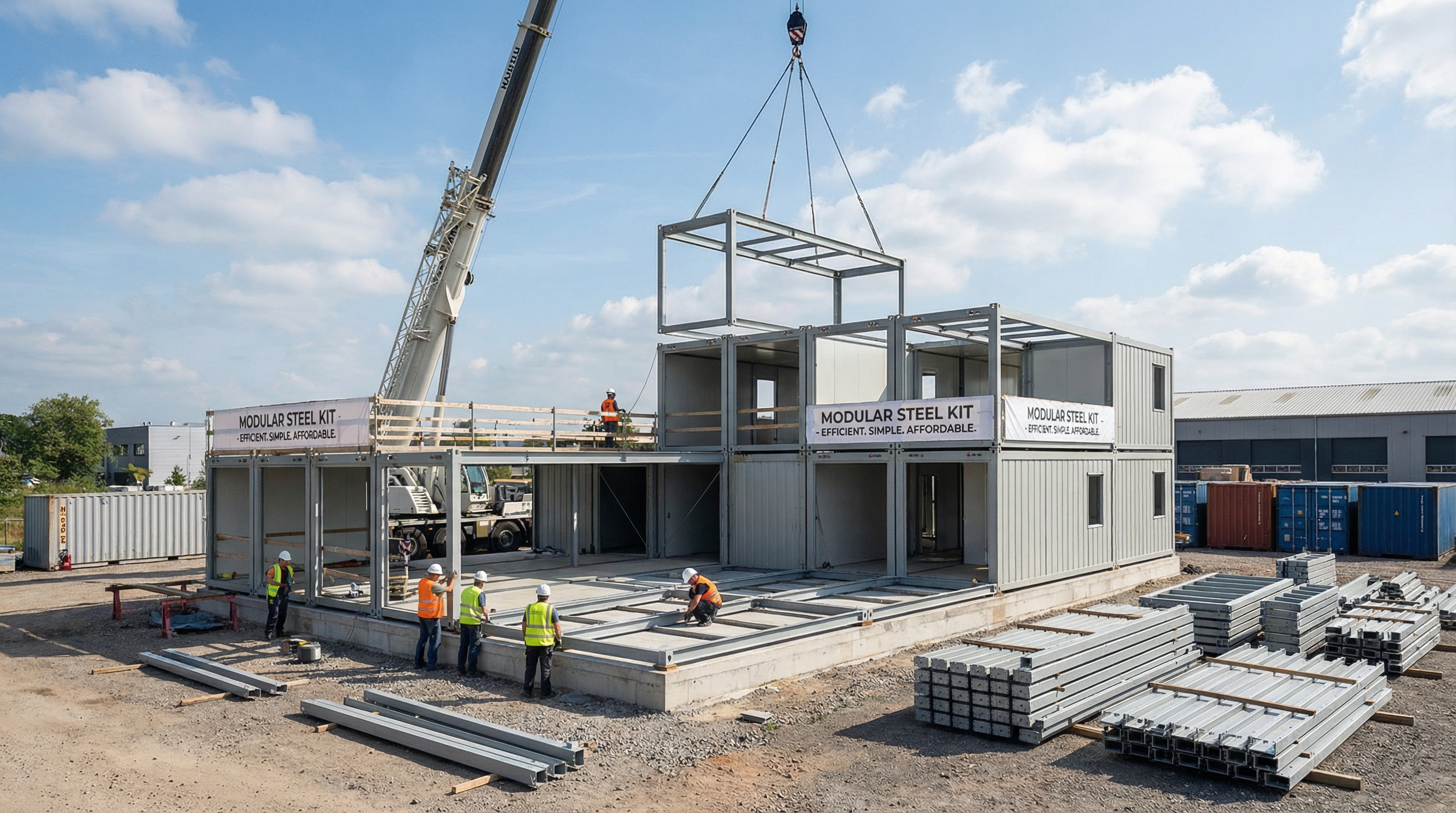
Hidden fees, such as crane rentals and foundation engineering, often add unexpected expenses to the total steel structure buildings cost if they are not budgeted early in the process. You must also account for site preparation, including grading and utility trenching, which are rarely included in a manufacturer’s base quote. Identifying these “below-the-hook” costs early prevents the 10% to 15% budget overruns that plague unplanned projects.
H3: Are foundation and anchor bolt designs included?
H3: How much should you budget for crane rentals?
Bucket Brigade: You need to know this.
- Change Orders: Modifying your design after the fabrication process has begun is the primary cause of budget inflation.
- Utility Connections: Bringing power, water, and sewage to the steel shell is a significant separate expense.
- Insulation Upgrades: Meeting modern energy codes often requires expensive high-R-value sandwich panels or liner systems.
- Freight Surcharges: Fuel price fluctuations can lead to unexpected delivery fees if your contract isn’t locked in.
Key Takeaway: Always maintain a 10-15% contingency fund for site-specific requirements and unforeseen engineering needs.
| Hidden Expense | Typical Range | Prevention | |
|---|---|---|---|
| Engineering Stamps | 2k−10k | Single-source provider | |
| Freight/Delivery | 5-8% of total | Localized sourcing | |
| Site Prep | Variable | Geotechnical report |
Logical evaluation suggests that transparency in the quoting stage is your best defense against the financial impact of hidden fees.
9. Is customization worth the steel structure buildings cost?
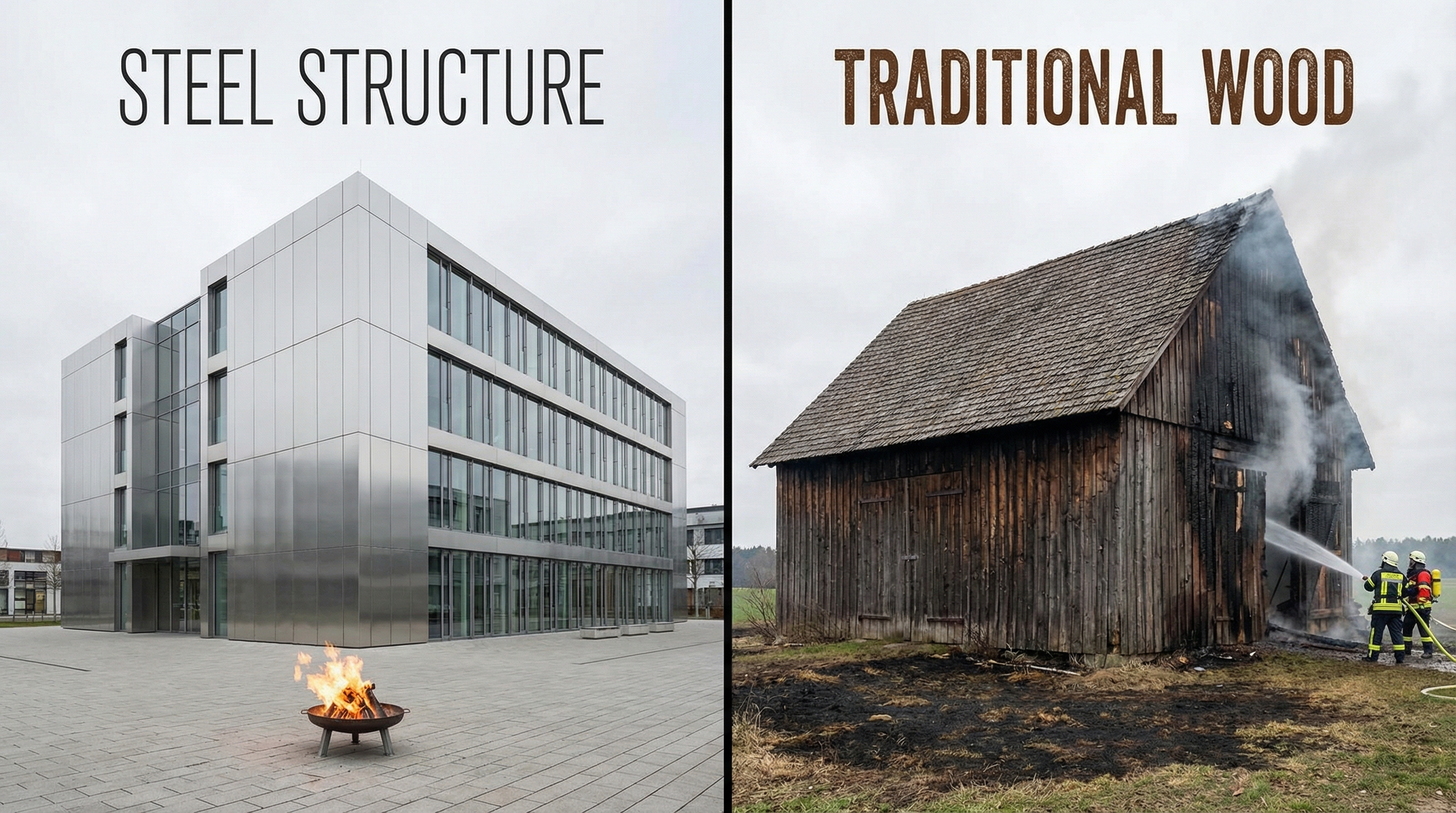
Investing in customization is often worth the initial steel structure buildings cost because features like mezzanines or crane rails provide a much faster return on investment through improved operational efficiency. Designing for future expansion today is significantly cheaper than attempting to retrofit a rigid structure five years from now. You should prioritize functional customizations that maximize the usable cubic footage of your building footprint.
H3: Can a custom mezzanine provide a better ROI?
H3: Do crane-ready frames significantly increase the price?
Bucket Brigade: The best part?
- Vertical Expansion: Designing for a future second floor now is up to 60% cheaper than adding it later.
- Integrated Systems: Custom brackets for HVAC and electrical runs reduce the risk of damaging structural members during installation.
- Corporate Branding: Custom glass curtain walls and specialized colors increase your property value and brand recognition.
- Modular Design: Using “expandable end walls” allows you to grow your facility with minimal disruption to current operations.
Key Takeaway: Functional customization often pays for itself by maximizing the usable cubic footage of your facility.
| Feature | Cost vs. Value | ROI Speed | |
|---|---|---|---|
| Mezzanine | High | Very Fast | |
| Crane Rails | High | Medium (Efficiency) | |
| Custom Glazing | Medium | Slow (Aesthetic) |
Strategic consideration of facility lifecycle costs proves that building for your five-year growth plan today is the most fiscological choice.
10. How to minimize your total steel structure buildings cost?
You can minimize your total steel structure buildings cost by sticking to standard building dimensions and securing your material pricing well in advance of construction. Utilizing 10-foot or 20-foot increments for your building length and width reduces material waste during the fabrication process. You should also coordinate your delivery schedule to avoid “dead time” on-site where rented equipment sits idle while waiting for steel components.
H3: When is the best time of year to order steel?
H3: Can bundling components reduce shipping expenses?
Bucket Brigade: Bottom line.
- Standard Dimensions: Staying with common widths like 40, 60, or 100 feet maximizes the use of standard steel sections.
- Early Procurement: Locking in your steel price 6 to 9 months before ground-breaking protects you from market spikes.
- Efficient Logistics: Bundling your insulation, doors, and trim with the main steel shipment reduces total freight costs.
- Single-Source Engineering: Using one provider for the slab and the steel ensures that anchor bolts align perfectly the first time.
Key Takeaway: Transparency and early communication with your manufacturer are the most effective ways to shave costs.
| Strategy | Savings Potential | Effort Level | |
|---|---|---|---|
| Standardization | 10-15% | Low | |
| Early Ordering | 5-10% | Medium | |
| Optimized Logistics | 3-5% | High |
Pattern recognition in successful B2B projects indicates that the most cost-effective buildings are those that avoid “one-off” custom engineering.
Steel Building FAQs
Can I install the steel building myself to save money?While small residential kits are DIY-friendly, large-scale B2B industrial structures require heavy machinery like cranes and certified ironworkers. Attempting to install a complex frame without professional oversight can lead to structural failure, voided warranties, and massive repair costs that far outweigh any initial labor savings.
What’s the best way to prevent rust on a budget?The most cost-effective solution is utilizing Galvalume® coating for all roof and wall panels, as it offers a superior blend of aluminum and zinc. For the primary structural frame, a high-quality shop-applied primer is standard, but for high-humidity environments, upgrading to a galvanized finish is the best long-term investment.
How do I know if I’m getting a fair price for steel?You should always request a detailed “bill of materials” that separates fabrication, engineering, and shipping costs into distinct line items. Compare the total tonnage across multiple quotes; if one price is significantly lower, the provider may be using thinner gauge steel or lower-strength connection bolts.
Can I add on to my steel building in the future?Yes, modularity is one of the primary advantages of steel construction for growing businesses. If you specify “expandable end walls” during the initial design phase, you can easily remove the cladding and add new bays with minimal disruption to your daily operations.
What’s the best insulation for 2025 energy codes?Insulated Metal Panels (IMPs) provide the most effective thermal bridge protection and R-value for modern commercial facilities. While they represent a higher initial steel structure buildings cost, they drastically reduce HVAC operational expenses, typically paying for themselves through energy savings within five years.
Conclusion
Navigating the complexities of 2025 steel markets requires a partner that prioritizes engineering precision and pricing transparency. At our core, we believe that a building is more than just a shell; it is a critical asset that must drive your operational ROI for decades to come. By choosing high-grade materials and optimized designs, you ensure that your facility remains resilient against both environmental loads and economic shifts. To see how we can optimize your specific project budget, contact us today for a comprehensive consultation and tailored quote.