
The primary difference between the two terms is that a “hangar” refers to a large building used to house aircraft, while a “hanger” is a small device used for suspending clothes. Confusing these homophones is more than a simple spelling error; it can undermine your professional authority when discussing high-value assets like an airplane hangar or hanger . You invest millions in aviation infrastructure and technical precision, yet a single character swap in a project proposal can signal a lack of industry expertise to stakeholders. Mastering this distinction ensures your technical documentation reflects the same engineering excellence found in your flight operations.
What is the precise definition of an aircraft hangar?

An airplane hangar or hanger (spelled with an ‘A’) is a specialized industrial building designed specifically to house, protect, and maintain aircraft or spacecraft. These structures are engineered with massive clear spans to accommodate large wingspans without the obstruction of internal support columns.
Is clear span critical for aviation?
Yes, the hallmark of a professional airplane hangar or hanger is its unobstructed interior space. This allows for the safe movement of jets and helicopters during routine maintenance or long-term storage.
How do they protect aviation assets?
- Shielding airframes from UV radiation and extreme weather.
- Providing a climate-controlled environment for sensitive avionics.
- Offering secure gated access for high-value military or private fleets.
| Feature | Technical Specification | |
|---|---|---|
| Material | High-tensile H-section steel | |
| Clear Span | Up to 100m+ column-free space | |
| Door Type | Hydraulic, sliding, or bifold systems |
The engineering of these facilities requires precise load calculations for wind and snow.
Key Takeaway: A hangar is a sophisticated piece of industrial real estate, not merely a shed.
Why does structural engineering dictate the terminology?
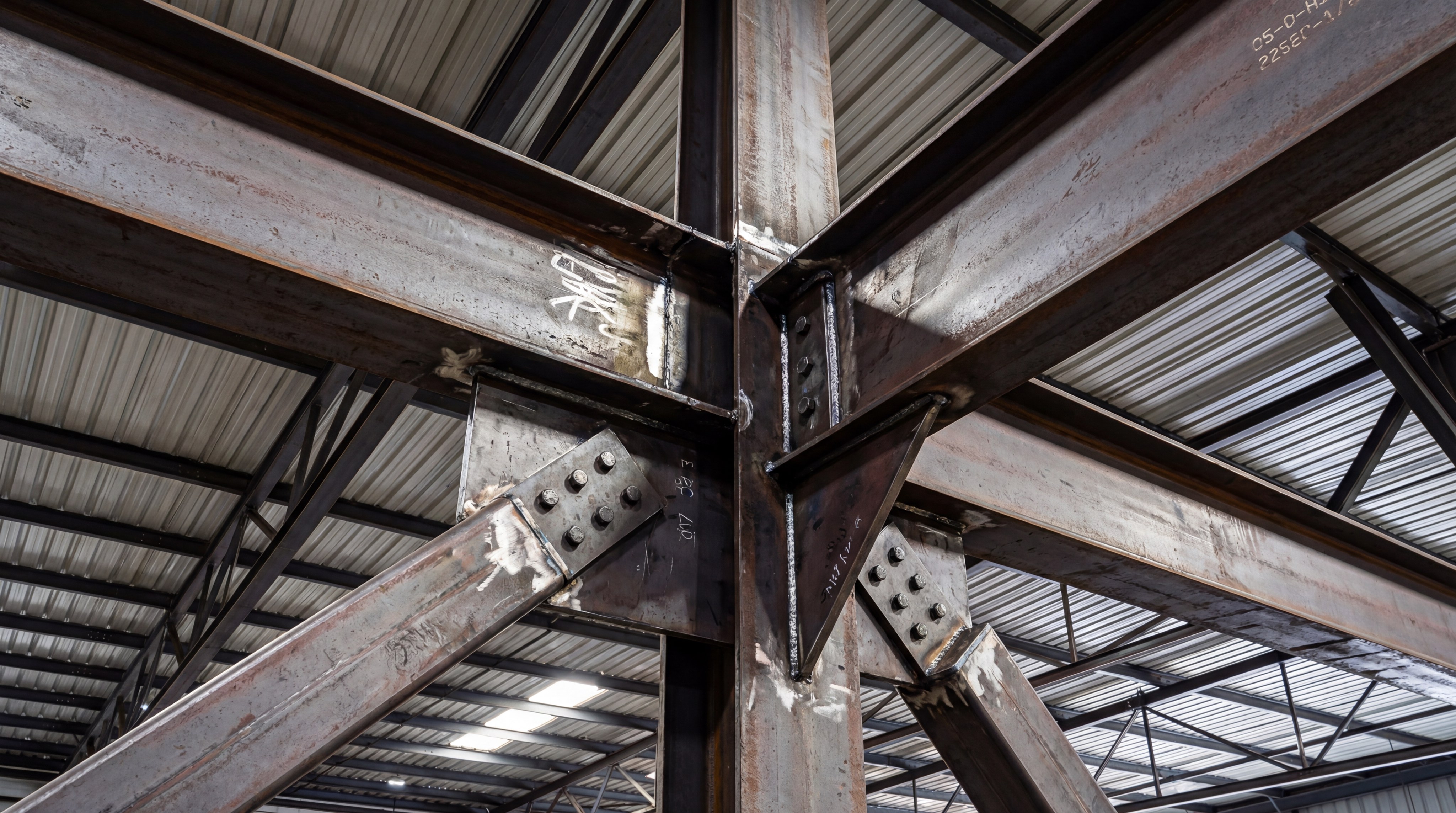
In professional steel fabrication, the term “hangar” specifically denotes a building that meets strict aviation-grade building codes. When you specify an airplane hangar or hanger in your blueprints, you are ordering a structure capable of supporting massive door weights and industrial crane systems.
Can steel quality impact the structure?
Absolutely, because the structural integrity of the facility relies on the chemistry of the steel used. Most modern hangars utilize h-section steel to ensure the frame can withstand the lateral forces applied over such a wide clear span.
What are the main components?
- Primary rigid frames with heavy-duty connections.
- Secondary members like purlins and girts for cladding support.
- Industrial-grade flooring with chemical-resistant coatings.
| Engineering Factor | Hangar Requirement | |
|---|---|---|
| Seismic Rating | Zone-specific structural reinforcement | |
| Fire Safety | Integrated foam or water deluge systems |
High-level structural physics sets the hangar apart from generic storage units.
Key Takeaway: Structural demands define the hangar’s identity as a complex engineering feat.
How do you spell airplane hangar or hanger correctly?
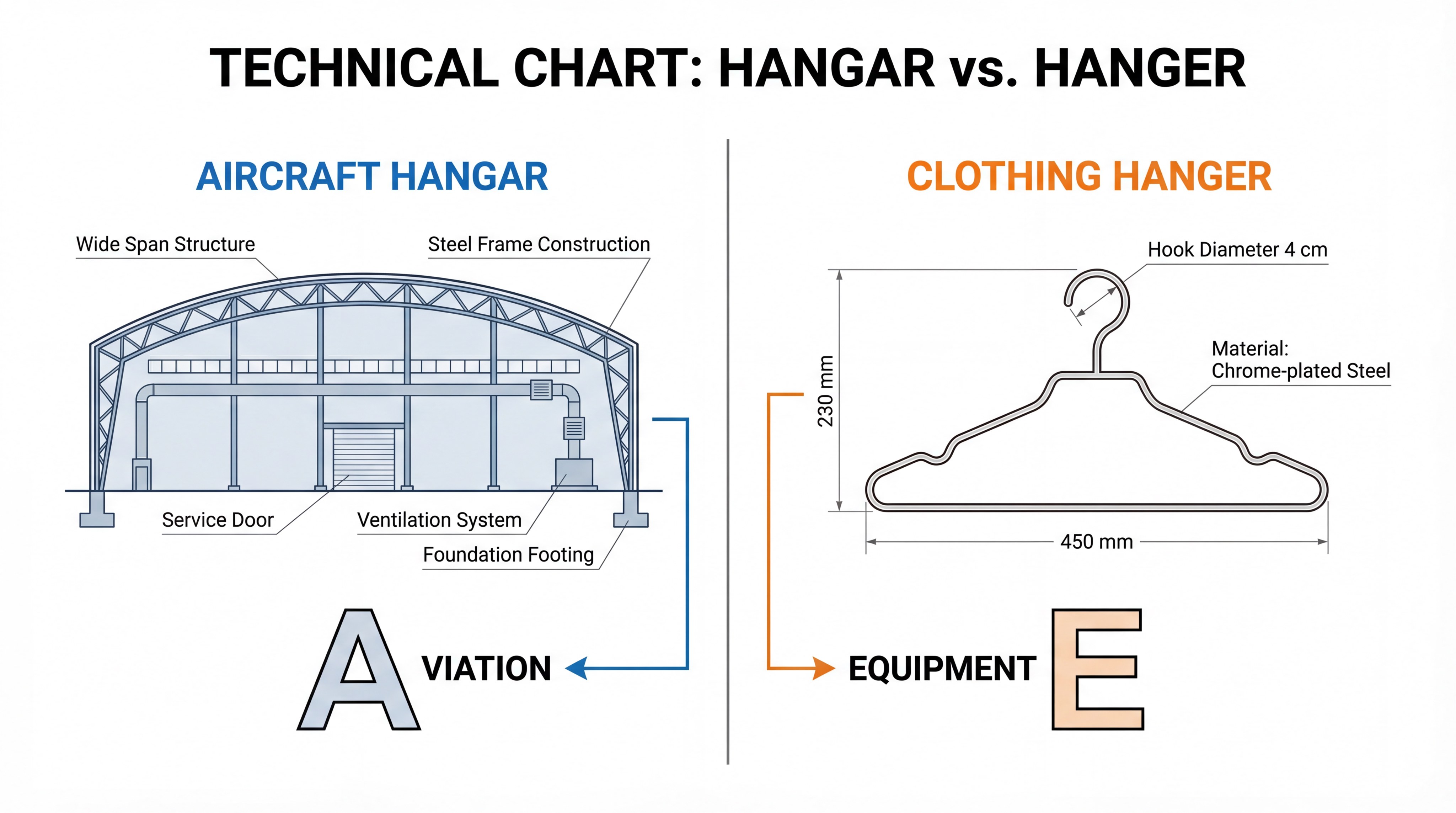
You should always use the spelling “hangar” when referring to aviation buildings and “hanger” for clothing tools. In a professional airplane hangar or hanger environment, using the incorrect vowel can lead to confusion in procurement and inventory management.
Are there mnemonic devices to remember this?
Think of the “A” in hangar standing for “Airplane” or “Aviation.” Conversely, think of the “E” in hanger as standing for “Equipment” or “Everyday” household items.
Why is this confusion so common?
- The words are homophones, meaning they sound identical.
- Digital spellcheckers often fail to flag the error because both words exist.
- Predictive text frequently defaults to the more common household term.
| Correct Context | Spelling | |
|---|---|---|
| Airport/Military | Hangar | |
| Closet/Wardrobe | Hanger |
Check your vowel every time you finalize a contract or technical drawing.
Key Takeaway: Orthographic precision is a prerequisite for professional B2B credibility.
How did the word hanger evolve for clothing?

A “hanger” is a simple tool designed for the suspension of lightweight items, strictly used in domestic or retail settings. While you may have thousands of clothes hangers in an airplane hangar or hanger facility’s crew quarters, they do not require industrial engineering.
What is the best material for these tools?
Hangers are generally manufactured from plastic, lightweight wood, or thin wire. Unlike the steel building components of a hangar, these items are designed for ergonomics rather than structural load-bearing capacity.
Can a closet hanger be industrial?
- Heavy-duty wood for coats and uniforms.
- Padded satin for delicate flight crew apparel.
- Multi-tier hangers for space-saving in small lockers.
| Tool Aspect | Hanger Specification | |
|---|---|---|
| Load Capacity | 0.5kg to 5kg | |
| Manufacturing | Injection molding or wire bending |
The simplicity of the hanger stands in stark contrast to the complexity of the hangar.
Key Takeaway: Functionality defines the hanger, while structural scale defines the hangar.
Is now the right time for a steel hangar project?
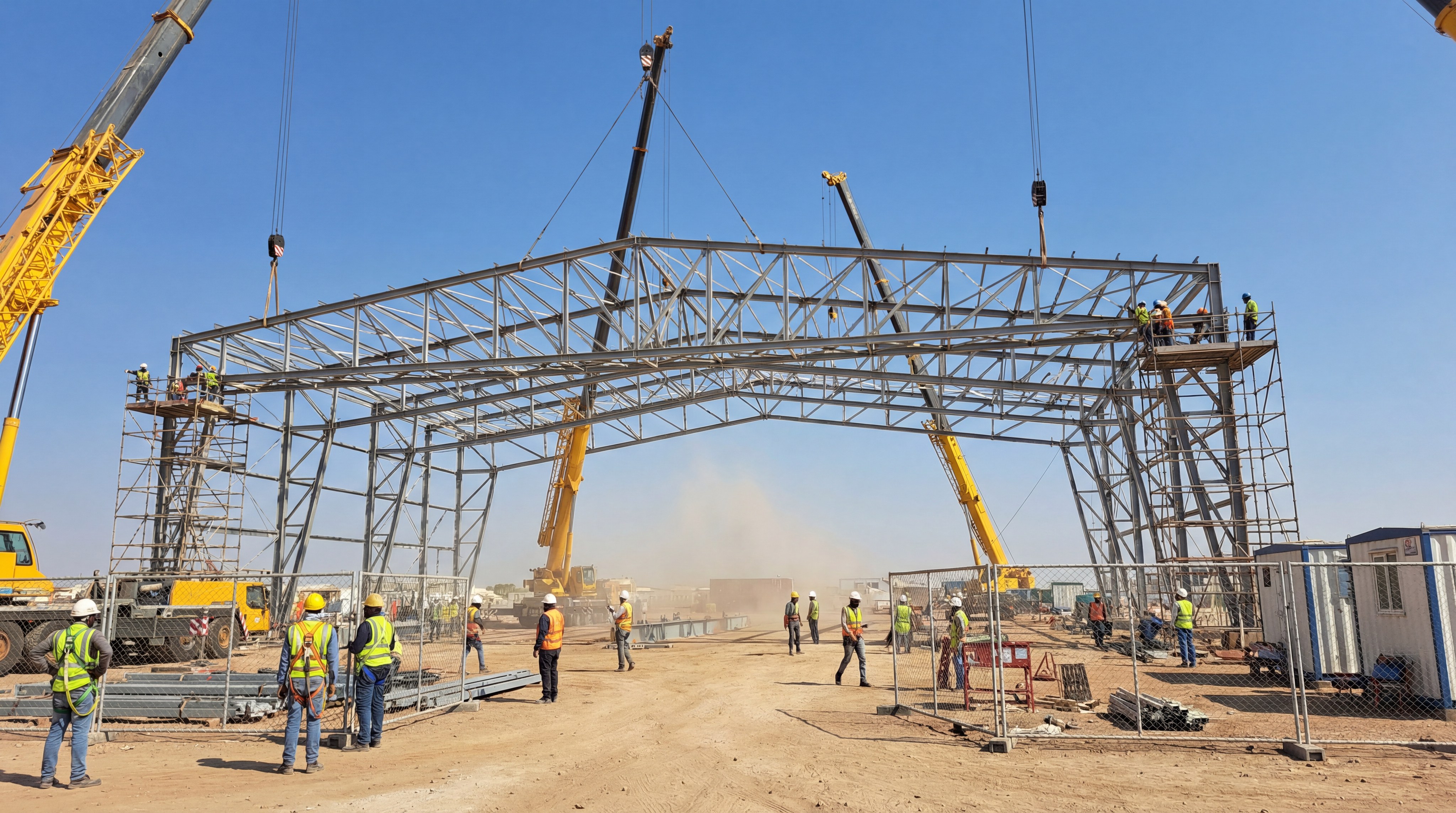
With aviation demand surging globally, investing in a professional airplane hangar or hanger is a high-value strategic move for any airfield operator. Modern steel building technology allows for rapid assembly and extreme durability, protecting your jets from the elements for decades.
What makes steel the best choice?
Steel offers the highest strength-to-weight ratio, which is essential for the wide spans required in aviation. Pre-engineered steel frames arrive ready for assembly, significantly reducing on-site construction timelines and labor costs.
How do I start the process?
- Determine your wingspan and clearance requirements.
- Request a professional site analysis and engineering review.
- Secure a fabrication slot with a manufacturer that offers direct pricing.
| Project Stage | Action Required | |
|---|---|---|
| Design | Clear span calculation and door sizing | |
| Erection | Assembly of pre-marked H-beam segments |
Custom-engineered solutions ensure your hangar meets all local building codes and seismic requirements.
Key Takeaway: Current aviation market trends make investing in a steel hangar a sound financial decision.
What specific items are stored in a hangar?

An airplane hangar or hanger primarily serves as a fortress for aircraft, but it also houses critical supporting equipment. These facilities act as the nerve center for flight maintenance, housing everything from jet engines to specialized towing tugs.
Are there environmental requirements?
Yes, high-end hangars often include insulation and ventilation to prevent condensation. If you are building an airplane hangar or hanger , you must consider humidity control to protect sensitive electronic systems.
What is typically found inside?
- Private, commercial, or military aircraft.
- Hydraulic jacks and engine maintenance stands.
- Workshops for composite repair and paint touch-ups.
| Asset Type | Storage Protection Level | |
|---|---|---|
| Airframe | Full UV and weather shielding | |
| Avionics | Climate and humidity control |
Comprehensive storage solutions must account for both the vehicle and its maintenance tools.
Key Takeaway: A hangar is a multi-functional hub for aviation storage and technical operations.
What determines the price of a professional hangar?
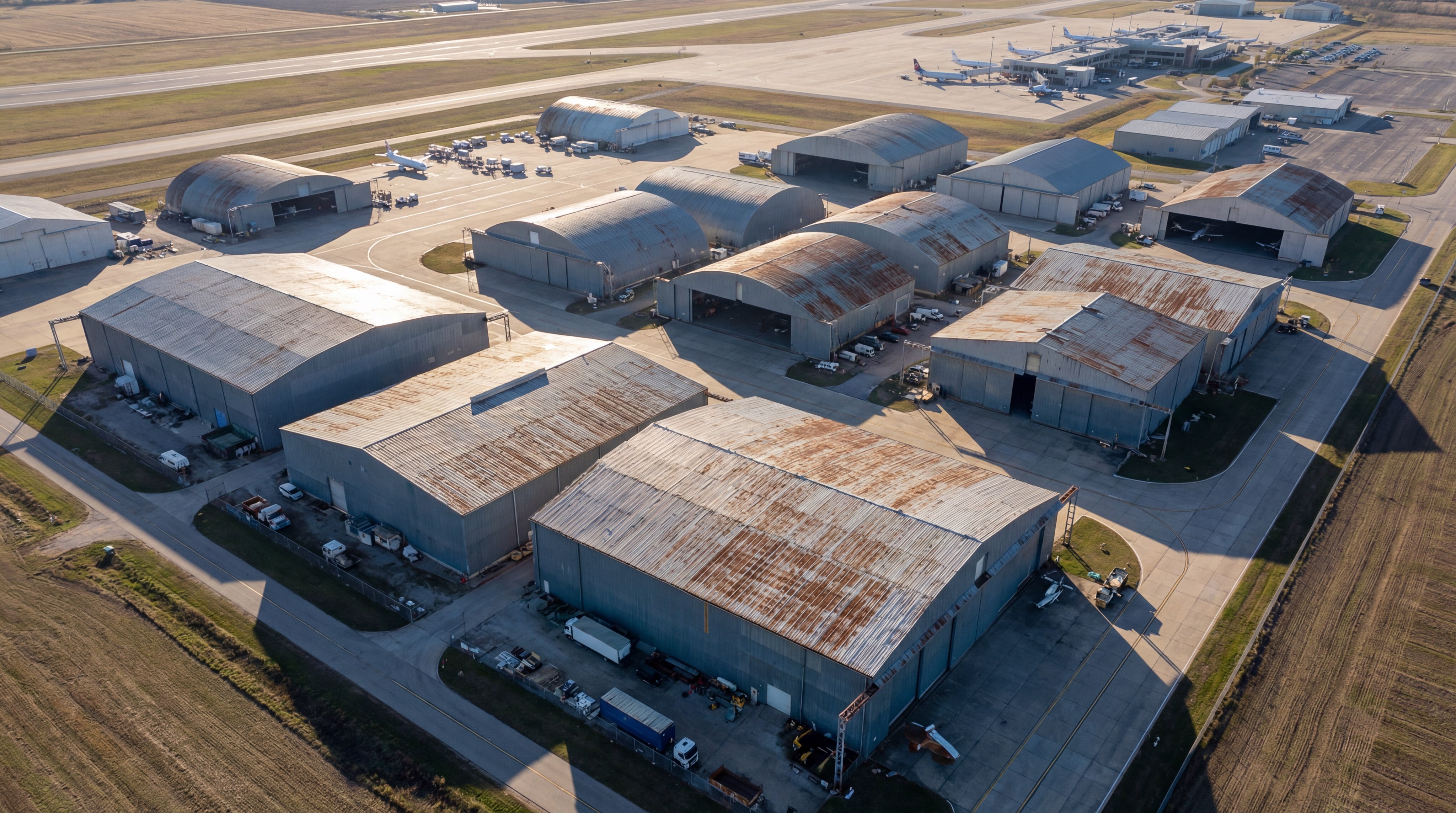
The cost is primarily driven by the steel tonnage and the complexity of the door systems chosen for the airplane hangar or hanger. Unlike a simple clothing hanger, which is a commodity, a hangar is a capital asset that appreciates in value when built correctly.
Can factory-direct sourcing save money?
Dealing directly with a manufacturer can reduce overhead by 30-50% compared to local middleman pricing. If you are ready to budget your project, you should contact us for a detailed fabrication quote.
What factors impact final costs?
- The required clear span width (wider spans require heaver H-beams).
- Regional environmental loads (snow, wind, and seismic).
- Choice of cladding and insulation thicknesses.
| Budget Layer | Cost Driver | |
|---|---|---|
| Primary Framing | Raw steel price and beam weight | |
| Openings | Specialized hangar door mechanisms |
Investing in quality materials early prevents expensive repairs and retrofitting later in the building’s lifecycle.
Key Takeaway: Clear communication on technical specs is the most effective way to optimize costs.
Which building design fits your specific fleet?

Selecting the right layout for an airplane hangar or hanger depends entirely on your aircraft’s dimensions and your operational workflow. You must decide if you need a specialized maintenance bay or a high-density storage solution for multiple small planes.
Do small aircraft need different designs?
T-hangars are optimized for small, single-engine aircraft by nesting the planes in a way that maximizes floor space. For larger operations, wide-span box hangars offer the flexibility needed for corporate jets and helicopters.
How are these structures customized?
- Integrated mezzanine levels for pilot lounges or offices.
- Overhead bridge cranes for heavy engine lifts.
- Translucent wall panels to maximize natural daylighting.
| Aircraft Type | Recommended Hangar Style | |
|---|---|---|
| General Aviation | T-Hangar or Small Box | |
| Corporate/Commercial | Large-Span Clear Frame |
The design must facilitate easy movement and efficient maintenance to be truly effective.
Key Takeaway: Customization ensures your hangar supports both your current fleet and future expansion.
Why do professional writers still get this wrong?
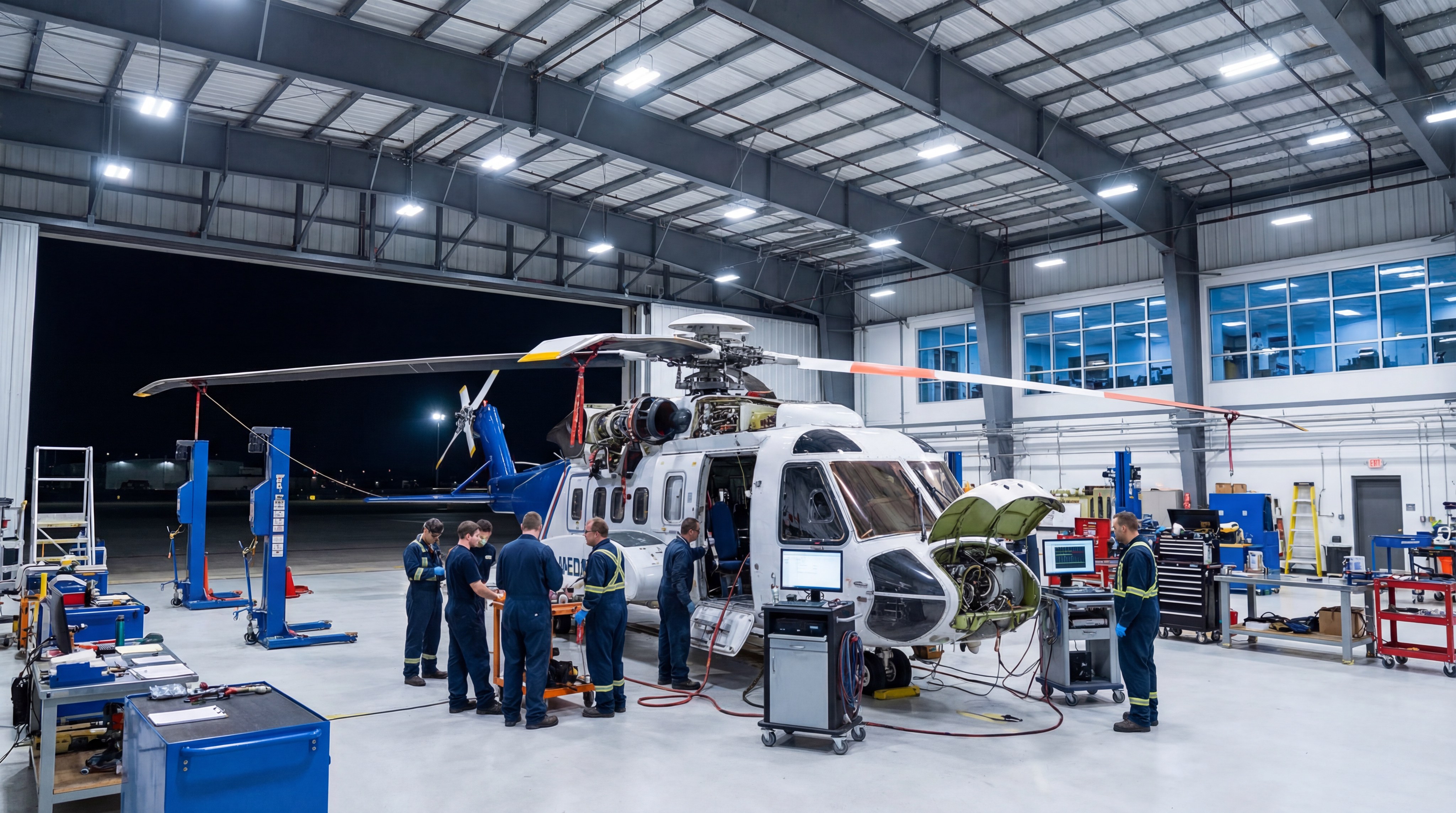
Common spelling errors regarding an airplane hangar or hanger persist because phonetically, the words are identical. In the fast-paced B2B world of global shipping and construction, professionals often type quickly and rely on intuition rather than contextual checks.
Is proofreading enough?
Manual proofreading is essential because most AI editors view “hanger” as a valid word. You must search specifically for the term to ensure it hasn’t crept into your aviation contracts or equipment lists.
How does this affect branding?
- Errors in technical specs can lead to site delivery mistakes.
- Incorrect terminology on websites lowers Search Engine Optimization (SEO) quality.
- Typos in bids may suggest a lack of attention to detail to picky clients.
| Spelling | Business Context | Professional Impact | |
|---|---|---|---|
| Hangar | Aviation/Industrial | Establishes domain expertise | |
| Hanger | Domestic/Apparel | Distracts from industrial scale |
Maintain a high standard of communication to mirror the quality of your engineering.
Key Takeaway: Consistent, correct usage of “hangar” builds long-term trust with industrial partners.
Should you build an airplane hangar or hanger now?
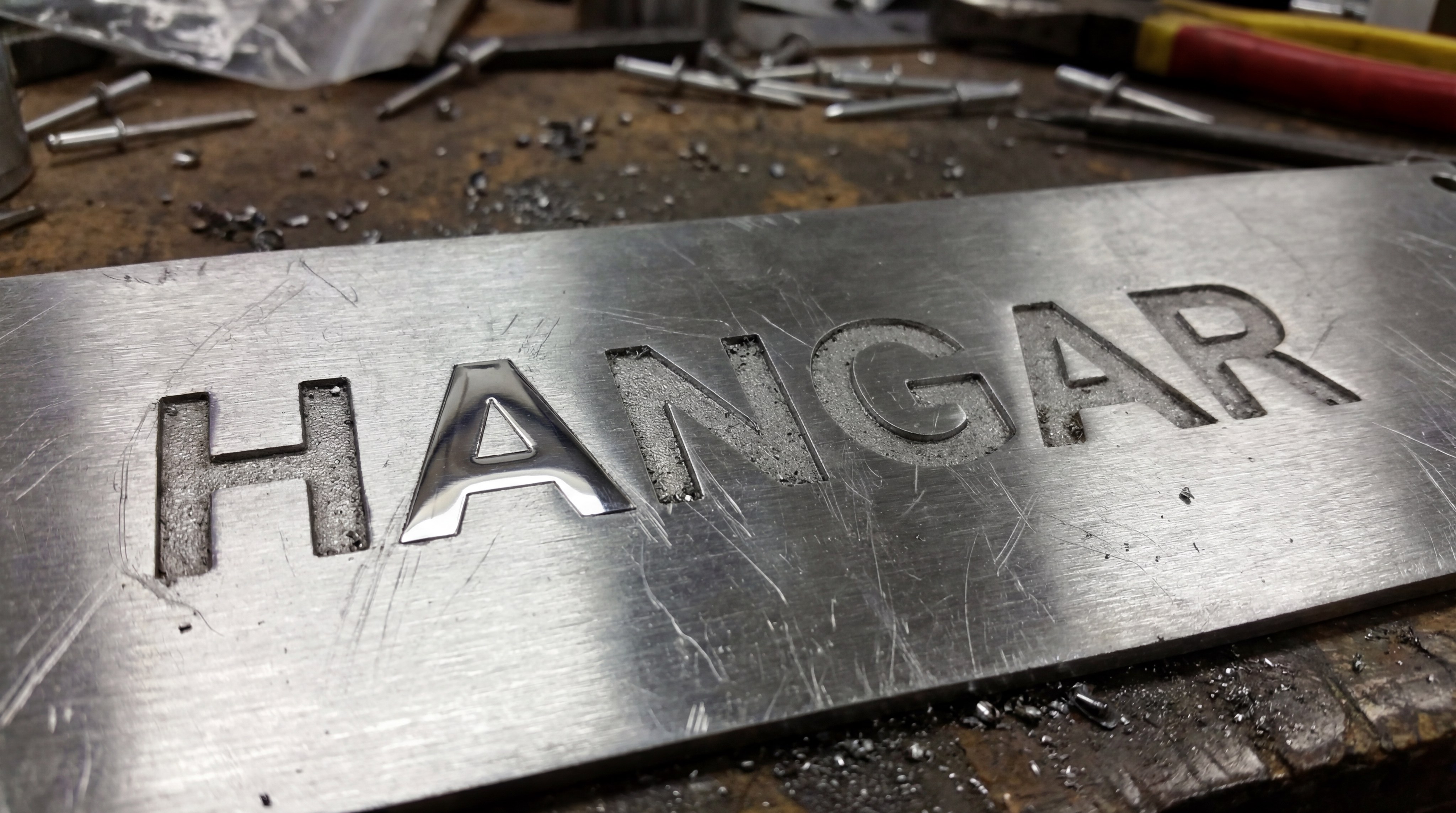
The decision to construct a professional airplane hangar or hanger is a long-term investment in asset protection and operational efficiency. Steel structures are designed to last for generations, providing a secure environment for your aircraft and a professional workspace for your crew.
What is the final step?
The first step toward a successful build is a free consultation with a manufacturer who understands international building codes. We offer complete installation-ready systems that take the guesswork out of complex construction projects.
Why choose a factory-direct partner?
- Complete control over the fabrication quality of every H-beam.
- Free engineering support with Tekla and AutoCAD 3D models.
- Elimination of middleman markups for significant cost savings.
| Advantage | Building Value | |
|---|---|---|
| Durability | Fire-resistant and corrosion-protected steel | |
| Speed | Modular components for fast on-site erection |
Finalize your plans today to ensure your aviation assets are housed in a facility that matches their value.
Key Takeaway: Secure your aircraft’s future by investing in the structural excellence of a steel hangar.
FAQ
Can I use the word hanger for a small aircraft shed?No. Regardless of the building’s size, if it is intended to house an aircraft, it is always spelled “hangar.” “Hanger” is reserved for clothing tools.
What’s the best way to explain the difference to my team?The most effective way is the mnemonic: A for Airplane (Hangar) and E for Equipment/Clothes (Hanger). Visual cues help reinforce technical precision.
Can I build a steel structure warehouse and call it a hangar?Technically, they are both steel buildings, but a hangar requires specific door systems and wide-span framing that may not be present in a standard warehouse.
What’s the best material for a long-lasting aircraft hangar?Pre-engineered steel is the industry standard due to its fire resistance, clear-span capability, and the ability to be shot-blasted (Sa2.5) for superior corrosion protection.
How do I know if my project needs a custom hangar?If you have a specific wingspan requirement or need integrated features like overhead cranes, a custom-engineered steel solution is significantly more effective than a generic kit.
Conclusion
Understanding the difference between an airplane hangar and a clothing hanger is a fundamental baseline for anyone working in the aviation and industrial sectors. At Showhoo Steel Structure, we believe that technical excellence starts with the details—whether in the precision of our H-beam welding or the clarity of our professional documentation. Our vision is to provide world-class, factory-direct steel buildings that empower airfields and industrial sites across the globe.
If you are planning your next aviation or industrial project, do not hesitate to contact us today. We are ready to provide the engineering support and high-quality fabrication you need to turn your vision into a structural reality. Let us build a hangar that protects your investment for years to come.