
Starting a commercial poultry operation is a monumental undertaking fraught with financial risk and technical complexity. Many aspiring growers jump in without a clear blueprint, only to find themselves overwhelmed by zoning laws, skyrocketing construction costs, and inefficient designs that eat into their margins. A single mistake in site selection or building specifications can result in a facility that is legally non-compliant or physically unable to sustain a healthy flock. Without understanding the specific steps of how to build a chicken farm, you risk losing your life savings to a project that never reaches its full production potential. This comprehensive guide serves as your strategic roadmap, detailing everything from financial pro formas and site logistics to professional housing specifications. By following this expert-led process, you can build a farm designed for longevity, efficiency, and maximum profitability. To begin your journey, the most important first step is securing a contract with a reputable poultry integrator. You can learn more about starting your project by exploring how to build a chicken farm with professional assistance.
What are the first steps to learn how to build a chicken farm?

The first step in understanding how to build a chicken farm is contacting a local broiler company (integrator) to verify if they are currently expanding their grower base. You cannot operate a commercial broiler facility without a guaranteed market for your birds, which only a contract integrator provides. This partnership defines the type of housing you need and the production standards you must follow.
Who should I contact first to start the process?
Your primary point of contact is the live production office of the broiler companies operating in your region. They will inform you of the current demand for new housing and any waiting lists for potential growers.
The bottom line is: Without their approval, you have no guaranteed income stream.
- Contact local live production managers.
- Inquire about the radius for feed delivery.
- Ask for their current housing specifications.
What are the basic requirements of an integrator?
Integrators look for long-term partners who demonstrate financial stability and a willingness to reside on or near the farm. They will evaluate your management potential and the suitability of your proposed land.
Look at it this way: The integrator provides the birds and feed, but you provide the infrastructure and care.
- Proven financial discipline and creditworthiness.
- Proximity to the company feed mill and processing plant.
- Commitment to daily management and bird welfare.
Key Takeaway: Success in the commercial industry depends entirely on your initial agreement with an integrator, as they provide the essential supply chain and birds.
| Step | Action Item | Priority | |
|---|---|---|---|
| 1 | Contact local broiler company | High | |
| 2 | Confirm grower expansion needs | High | |
| 3 | Review integrator housing specs | Medium |
This initial phase ensures you are building a facility that has a guaranteed commercial outlet before you break ground.
How to build a chicken farm in the right location?
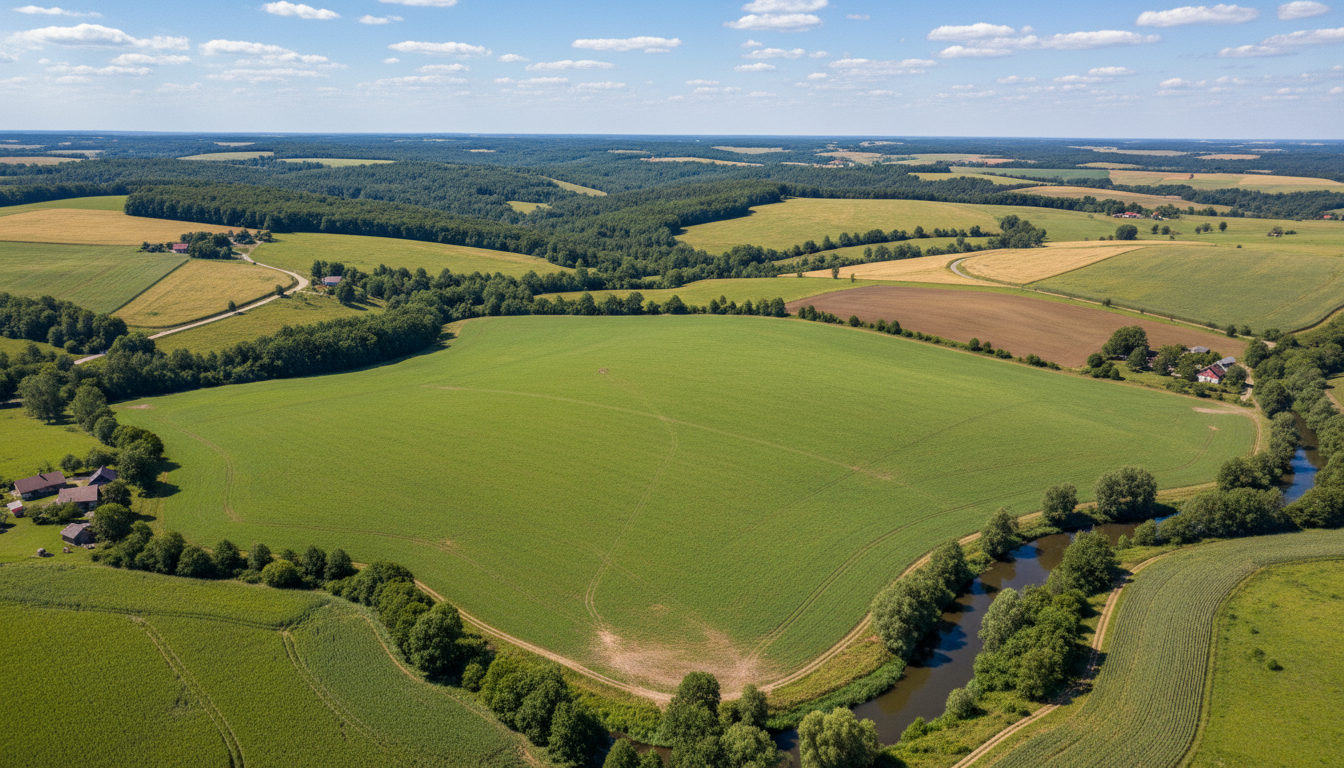
Selecting the right location for how to build a chicken farm involves verifying the property falls within the integrator’s operational zone and has adequate utility access. Most poultry complexes have a strictly defined radius from their feed mill to minimize transportation costs for feed and chicks. If your land is outside this zone, the company likely will not offer a contract.
What land features make a site suitable for building?
You need relatively level terrain to minimize site preparation costs and ensure proper drainage for the heavy structures. Steep slopes or rocky ground can exponentially increase your initial construction budget.
Think about it: Every cubic yard of dirt moved is an added expense to your startup capital.
- Minimum acreage to accommodate housing and setbacks.
- Soil stability for supporting large steel structures.
- Distance from residential areas and schools.
Are there specific utility requirements for the property?
Your site must have access to massive volumes of potable water and reliable, heavy-duty electrical service. New farms often require secondary water sources, such as municipal back-ups for on-site wells, to ensure bird safety during emergencies.
Here is the kicker: Utility hookup fees for remote land can be a massive hidden cost.
- High-flow water lines or high-capacity wells.
- Three-phase power or robust single-phase electrical service.
- All-weather road access for heavy feed trucks.
Key Takeaway: A site’s viability is determined by its proximity to the integrator and the cost-effectiveness of bringing in essential utilities.
| Criteria | Ideal Requirement | Business Impact | |
|---|---|---|---|
| Location | Within 50 miles of feed mill | Lower feed delivery costs | |
| Utilities | Dual water sources | Risk mitigation/Bird safety | |
| Topography | Level or slightly sloped | Reduced site prep costs |
Strategic site selection prevents long-term logistical headaches and reduces the initial financial burden of land development.
How to build a chicken farm while meeting regulations?

Navigating legal requirements for how to build a chicken farm requires early coordination with federal, state, and local regulatory agencies. You must comply with strict environmental laws regarding waste management and facility setbacks from property lines or water sources. Failure to secure the proper permits before construction can lead to costly delays or legal shutdowns.
What are the standard setback requirements?
Setbacks are designed to maintain good neighbor relations and protect local ecosystems from runoff or odor. These rules typically dictate how many feet your houses must be from neighboring homes, public roads, and riparian zones.
Make no mistake: Meeting these rules is the only way to ensure your farm remains legally compliant for decades.
- Distance from property lines.
- Proximity to wells and water bodies.
- Adherence to local zoning ordinances.
How do I create a waste management plan?
You must work with agencies like the NRCS to develop a comprehensive plan for handling litter and mortality. This plan details how you will store waste and ensure it does not negatively impact local groundwater or air quality.
The bottom line is: A professional waste plan is often a prerequisite for obtaining a farm loan.
- Documented litter storage and application rates.
- Certified mortality disposal facilities.
- Regular soil and water testing protocols.
Key Takeaway: Environmental and regulatory compliance must be addressed during the planning stage to avoid legal liabilities and environmental fines.
| Agency | Primary Oversight | Requirement | |
|---|---|---|---|
| NRCS | Waste and Soil | Comprehensive Nutrient Management Plan | |
| EPA | Water and Air | Clean Water Act compliance | |
| Local Zoning | Land Use | Building and setback permits |
Coordinating with these agencies early ensures your operation is protected from future regulatory shifts and neighbor complaints.
How to build a chicken farm with high efficiency?
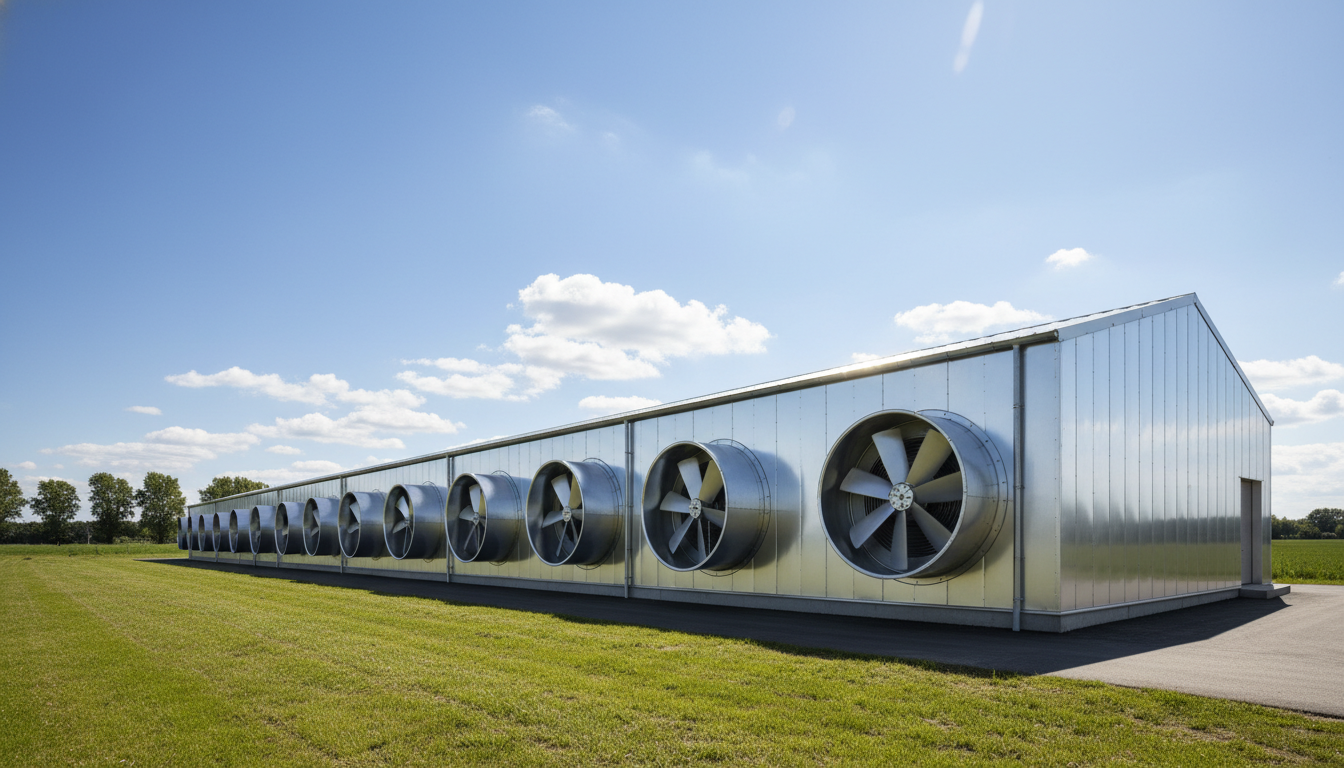
Determining how to build a chicken farm with maximum profitability requires investing in high-efficiency climate control and automated systems. Modern chicken house designs focus on tunnel ventilation and high-R-value insulation to keep operating costs low. Efficient houses not only save on utilities but also improve bird weight gain and overall flock health.
What are the benefits of larger house sizes?
Larger houses allow you to capture economies of scale by spreading fixed costs like electricity and labor across more birds. Modern commercial houses often measure 50 to 60 feet wide and 500 to 600 feet long.
Look at it this way: Bigger houses mean fewer steps for the grower and more revenue per square foot.
- Lower labor requirements per 1,000 birds.
- Better airflow management in wider structures.
- Reduced per-bird construction costs.
How does layout impact labor and bird health?
A centralized layout for controls and feed rooms reduces the time spent on daily inspections and maintenance. Proper spacing between houses ensures adequate ventilation and biosecurity, preventing the spread of disease.
The simple truth is: Efficiency in design translates directly to more free time and higher net income.
- Strategic placement of feed bins and silos.
- Centralized computer control systems.
- Biosecurity barriers at all entrance points.
Key Takeaway: Utilizing modern, large-scale house designs reduces your operational expenses to approximately 25% of gross revenue.
| Feature | Modern Specification | Profit Impact | |
|---|---|---|---|
| Width | 54′ – 66′ | Increased bird density capacity | |
| Ventilation | Tunnel Ventilation | Improved feed conversion | |
| Control | Fully Automated | Reduced manual labor hours |
Optimizing house dimensions and automation is the most effective way to protect your margins against rising utility and labor costs.
How to build a chicken farm using durable materials?
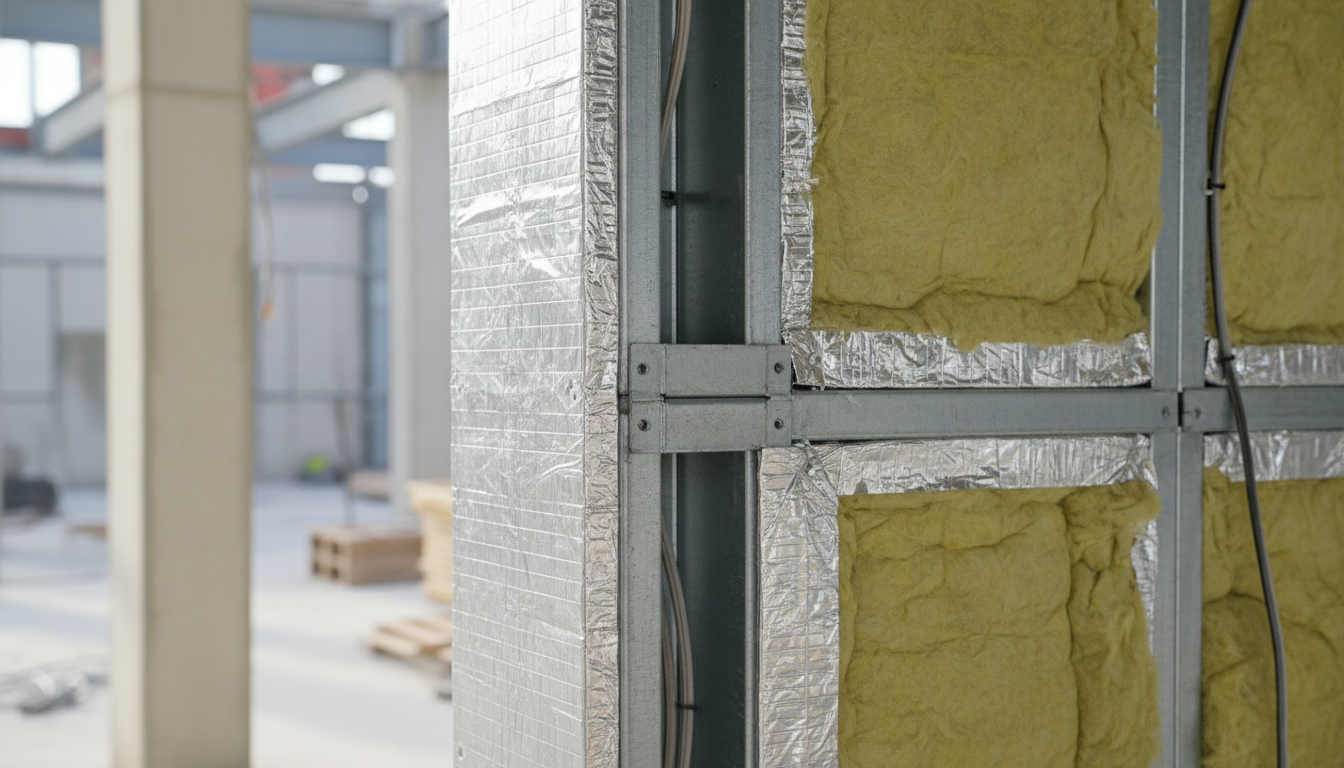
Selecting the right materials for how to build a chicken farm ensures your structure can withstand the corrosive environment of a poultry facility. Many growers now prefer a steel structure warehouse style for support buildings and main housing because of its pest resistance and structural longevity. Using high-quality galvanized steel prevents rust and maintains the building’s integrity over a 30-year lifespan.
Why is steel preferred for poultry outbuildings?
Steel structures offer superior durability against moisture, ammonia, and high winds compared to traditional wood-frame buildings. They are also much easier to sanitize between flock cycles, which is critical for biosecurity.
Believe it or not: Steel buildings maintain their equity and resale value far better than wood.
- Resistance to wood-boring insects and rot.
- Rapid assembly times for faster project completion.
- Superior fire resistance ratings.
What insulation materials provide the best results?
High-quality spray foam or thick fiberglass batts with vapor barriers are essential for maintaining a stable thermal environment. Insulation protects your birds from extreme heat and reduces the heating fuel needed during winter brooding.
The bottom line is: Cutting corners on insulation will cost you thousands in utility bills every year.
- Closed-cell spray foam for air-tight seals.
- Reflective vapor barriers to reduce radiant heat.
- High R-values in the ceiling and sidewalls.
Key Takeaway: Investing in steel frames and premium insulation provides a permanent infrastructure that resists corrosion and lowers climate control costs.
| Material | Application | Benefit | |
|---|---|---|---|
| Galvanized Steel | Main Structural Frame | Corrosion resistance/Longevity | |
| Spray Foam | Ceiling and Sidewalls | Superior airtight seal | |
| Zinc-Alum Panels | Roofing | High heat reflectivity |
High-quality materials serve as a frontline defense against the harsh internal and external environments of a working farm.
How to build a chicken farm with adequate capital?

Understanding how to build a chicken farm requires a realistic assessment of the total startup capital, including rolling equipment and working cash. Beyond the construction of the houses, you must fund tractors, mortality freezers, and utility deposits. Having a cash reserve is vital for covering variable expenses that come due before you receive your first flock payment.
What are the typical startup costs for a new farm?
Startup costs vary by region but generally include land acquisition, site development, house construction, and equipment. You must also account for initial flock inputs like litter, fuel, and sanitation supplies.
Here is the kicker: Site preparation and utility extensions can often cost more than a single house.
- Land and site grading.
- Broiler house construction and automation.
- Essential rolling equipment (tractors, trailers).
Why do I need 25 percent of variable expenses in cash?
You need liquid capital to pay for electricity, heating fuel, and labor during the weeks the birds are growing. Since you are paid only after the birds are processed, you must bridge the financial gap between flock cycles.
Look at it this way: Running out of cash mid-flock is the fastest way to jeopardize your integrator contract.
- Coverage for unexpected equipment repairs.
- Payment of utility bills before flock settlement.
- Purchasing litter and sanitation products.
Key Takeaway: Maintaining substantial working capital prevents a new grower from falling into high-interest debt during the critical first year.
| Expense Category | Percentage of Budget | Cash Requirement | |
|---|---|---|---|
| Construction | 75% – 85% | Fixed (Loan) | |
| Rolling Equipment | 5% – 10% | Fixed/Lease | |
| Working Capital | 5% – 10% | Liquid Cash |
Adequate funding ensures you can focus on bird management rather than financial firefighting during the production cycle.
How to build a chicken farm with proper insurance?

Securing comprehensive insurance is a non-negotiable step in how to build a chicken farm and is required by all commercial lenders. You must protect your investment against fire, wind damage, and equipment failures that could lead to mass bird mortality. A standard policy should include builder’s risk during construction and transitioning to a full farm policy upon completion.
What is builder’s risk insurance?
This policy covers your materials and structures while they are under construction. It protects you from financial loss if a storm or fire damages the incomplete facility before the lender’s final inspection.
Don’t miss this: Most lenders will not release construction funds until this policy is active.
- Coverage for materials on-site.
- Protection against theft and vandalism.
- Liability coverage for the construction site.
How much loss-of-income coverage should I have?
You should aim for loss-of-income coverage that meets or exceeds six months of net revenue. This ensures that if a disaster destroys your houses, you can continue to pay your personal bills and farm loans during the rebuilding phase.
The bottom line is: Income protection is what keeps you in business after a catastrophe.
- Coverage for flock interruptions.
- Protection against extended downtime for repairs.
- Mechanical breakdown coverage for fans and feeders.
Key Takeaway: Comprehensive insurance coverage must include income protection and mechanical failure to safeguard your long-term financial stability.
| Coverage Type | Essential Protection | Recommended Limit | |
|---|---|---|---|
| Property | Structure and Equipment | Replacement Cost Value | |
| Loss of Income | Revenue during downtime | 6+ Months net revenue | |
| Mechanical | Equipment failure | Full system replacement |
Professional insurance planning allows you to survive catastrophic events that would otherwise end your farming career.
How do I build a chicken farm by securing financing?

Securing a loan for how to build a chicken farm requires a specialized agricultural lender who understands the poultry industry’s unique cash flow cycles. You will need to present a professional business plan and a “pro forma” income statement provided by your integrator. Financing a multi-million dollar farm is a complex process that often involves government loan guarantees.
What are the common terms for poultry farm loans?
Most poultry loans have terms ranging from 15 to 20 years to ensure the annual payments are manageable for the farm’s revenue. Lenders will look at your debt-to-income ratio and your ability to cover the 30-35% operating expense margin.
Look at it this way: The lender is your long-term partner; choose one with deep agricultural expertise.
- 15-year to 20-year repayment terms.
- Fixed or variable interest rate options.
- Requirements for secondary collateral or down payments.
Are there government-backed loan programs available?
Agencies like the Farm Service Agency (FSA) offer loan guarantees that help new growers qualify for better interest rates or lower down payments. These programs are specifically designed to help the next generation of farmers enter the industry.
The simple truth is: Government guarantees make it possible to finance projects that might otherwise be too risky.
- FSA Beginning Farmer and Rancher loans.
- Environmental cost-share programs for waste management.
- Guarantees that lower the lender’s risk.
Key Takeaway: Partnering with a specialized agricultural lender is the only way to navigate the multi-million dollar financing requirements of a new farm.
| Requirement | Documentation Needed | Purpose | |
|---|---|---|---|
| Business Plan | 5-Year Pro Forma | Demonstrate profitability | |
| Equity | 10% – 20% Down payment | Skin in the game | |
| Contract | Letter of Intent from Integrator | Prove income source |
Effective financing strategies ensure you have the capital to build to the highest standards without over-leveraging your personal assets.
How to build a chicken farm for a sustainable lifestyle?
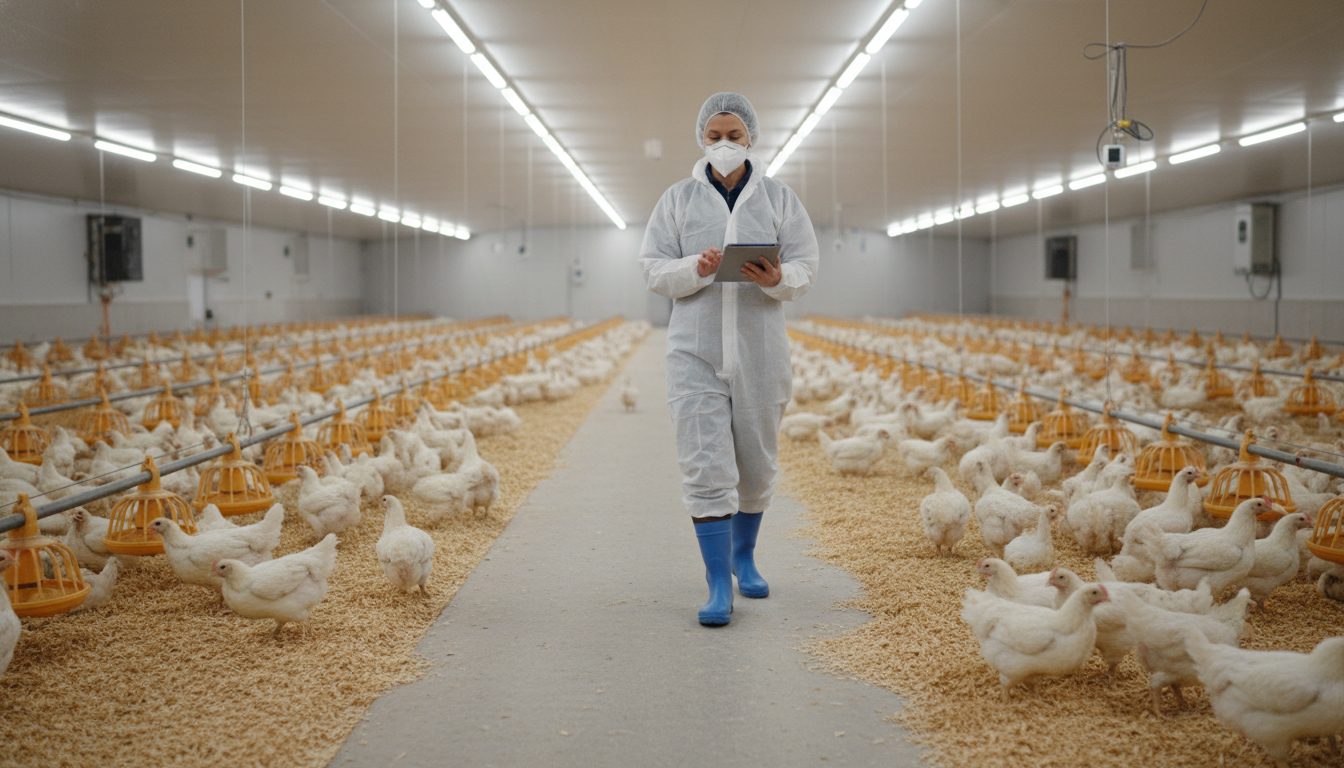
The daily reality of how to build a chicken farm is that it is as much a lifestyle commitment as it is a business. Successful growers typically live on-site to provide the 24/7 management required for modern bird husbandry. You must be prepared for the rigorous demands of monitoring climate systems, bird health, and biosecurity protocols every single day.
Is living on the farm a requirement?
Most integrators require the grower or a full-time manager to reside on the property to respond to alarms or emergencies immediately. A power failure or water leak can result in massive flock loss in minutes if someone is not there to intervene.
Here is the kicker: Being a poultry farmer means being “on call” 365 days a year.
- Immediate response to ventilation alarms.
- Constant monitoring of feed and water lines.
- Maintaining high biosecurity at the gate.
How much daily labor is involved in management?
Daily tasks include walking the houses to check for sick birds, managing the litter conditions, and verifying that all automated systems are functioning correctly. While automation reduces heavy lifting, it increases the need for technical troubleshooting and attention to detail.
Look at it this way: You are not just a laborer; you are a technician managing a complex biological factory.
- Removing daily mortality and cleaning equipment.
- Calibrating computer controllers and sensors.
- Managing records for the integrator’s field technicians.
Key Takeaway: Long-term success in the broiler industry requires a family commitment to the 24/7 management demands of high-density production.
| Task Category | Frequency | Skill Level | |
|---|---|---|---|
| House Walking | Twice Daily (Minimum) | High (Observational) | |
| System Calibration | Weekly | Technical | |
| Record Keeping | Daily | Administrative |
Understanding the lifestyle requirements before you build ensures you and your family are prepared for the dedication this career demands.
How to build a chicken farm with a professional partner?
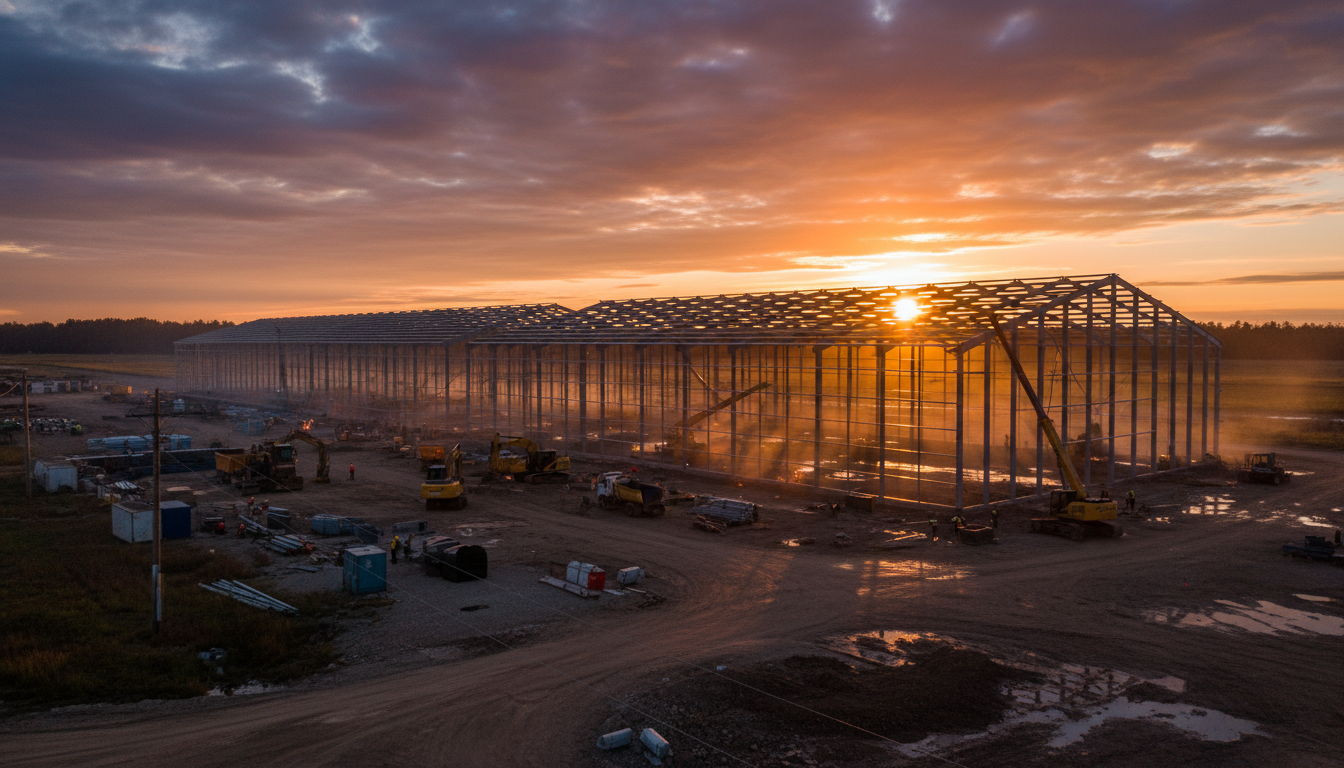
Finalizing how to build a chicken farm correctly means choosing a manufacturer that offers structural responsibility and engineering support. You should review a successful case study to see how professional builds perform in the field. Partnering with an expert manufacturer ensures your project is delivered on time, within budget, and according to the high standards required by your integrator.
How does factory-direct pricing save money?
Working directly with a manufacturer like Showhoo allows you to bypass middleman markups and receive custom-engineered components at a lower cost. You can learn more about their high-capacity production lines that serve growers worldwide.
The bottom line is: Manufacturing ownership means quality control is verified at every weld and coating.
- Significant savings compared to local brokers.
- One point of contact for design and fabrication.
- Global shipping and logistics expertise.
What is the value of a trial assembly?
A professional manufacturer will pre-assemble critical connections in the factory to ensure every bolt hole aligns perfectly before it reaches your site. This prevents expensive modifications in the field and keeps your construction schedule on track.
Make no mistake: Fixing a design error in the factory is free; fixing it on-site is a disaster.
- Verified fit-up for all primary steel frames.
- Reduced on-site labor costs and errors.
- Confirmed accuracy of installation drawings.
Key Takeaway: A professional manufacturing partner provides the engineering certainty and factory-direct pricing needed to build a world-class facility.
| Benefit | Factory-Direct | General Builder | |
|---|---|---|---|
| Pricing | 30-50% Savings | Standard Market Rates | |
| Design | Certified Engineers | Outsourced/Generic | |
| Quality | In-Process Inspection | Post-Build Verification |
The right partner transforms a complex construction project into a streamlined path toward your first flock of birds.
FAQ Section
- Can I build a poultry farm on any type of soil?While many soils are suitable, the site must be evaluated by an engineer to ensure the foundation can support heavy structures and equipment. Rocky or swampy terrain may require significant soil stabilization before construction can begin.
- What’s the best way to calculate my expected net farm income?Net income is generally estimated at 15-20% of gross revenue after accounting for operating expenses (30-35%) and loan payments (50%). Using professional financial tools can help you project these figures based on your local integrator’s pay scale.
- Can I start a farm without an integrator contract?In the commercial broiler industry, a contract with a poultry company is nearly always required to secure financing and ensure a market for the birds. It is highly inadvisable to build commercial-scale houses without a confirmed partnership.
- What is the difference between custom and standard designs?Standard designs follow the integrator’s base specs, while custom designs adapt those specs to your specific land topography and local climate extremes. Custom engineering ensures the house performs optimally in your specific geographic location.
- Can I manage the farm part-time while keeping another job?While automation helps, the 24/7 nature of bird husbandry and the potential for mechanical emergencies make part-time management extremely risky. Most successful growers treat poultry production as their primary, full-time career.
Conclusion
Building a new commercial broiler farm is a complex journey that demands careful planning, strategic site selection, and a commitment to high-efficiency infrastructure. By securing an integrator contract, obtaining proper financing, and investing in durable steel structures, you can build a business that provides stable returns for decades. Success in this industry is built on the foundation of professional partnerships and rigorous management discipline. To take the first step toward your new farm, contact us today for expert guidance and a free engineering consultation.