
Steel Structure Warehouse: The Ultimate Construction Guide
Storing valuable inventory, heavy machinery, or sensitive agricultural goods demands a facility capable of balancing security with efficiency. Traditional construction methods often fail to meet these rigorous industrial requirements, leaving assets exposed to environmental risks and operational bottlenecks. Imagine the financial devastation if a wooden facility succumbs to fire, pests, or severe weather events, or consider the revenue lost during a construction project dragging on for months. Here is the deal. A steel structure warehouse offers a superior solution, combining rapid assembly with lifetime durability to secure your investment immediately. Modern prefabrication techniques allow business owners to build faster, cheaper, and stronger than ever before.
1. Why is a steel structure warehouse the best material choice?
Industrial storage has shifted dramatically from traditional lumber and concrete toward modern metal framing. Business owners face constant pressure to optimize facility lifecycles while minimizing initial expenditures. Steel stands out because it offers an exceptional strength-to-weight ratio that other materials simply cannot match. Concrete often requires massive foundations to support its own weight, whereas steel framing exerts less pressure on the ground, allowing for more economical foundation designs.
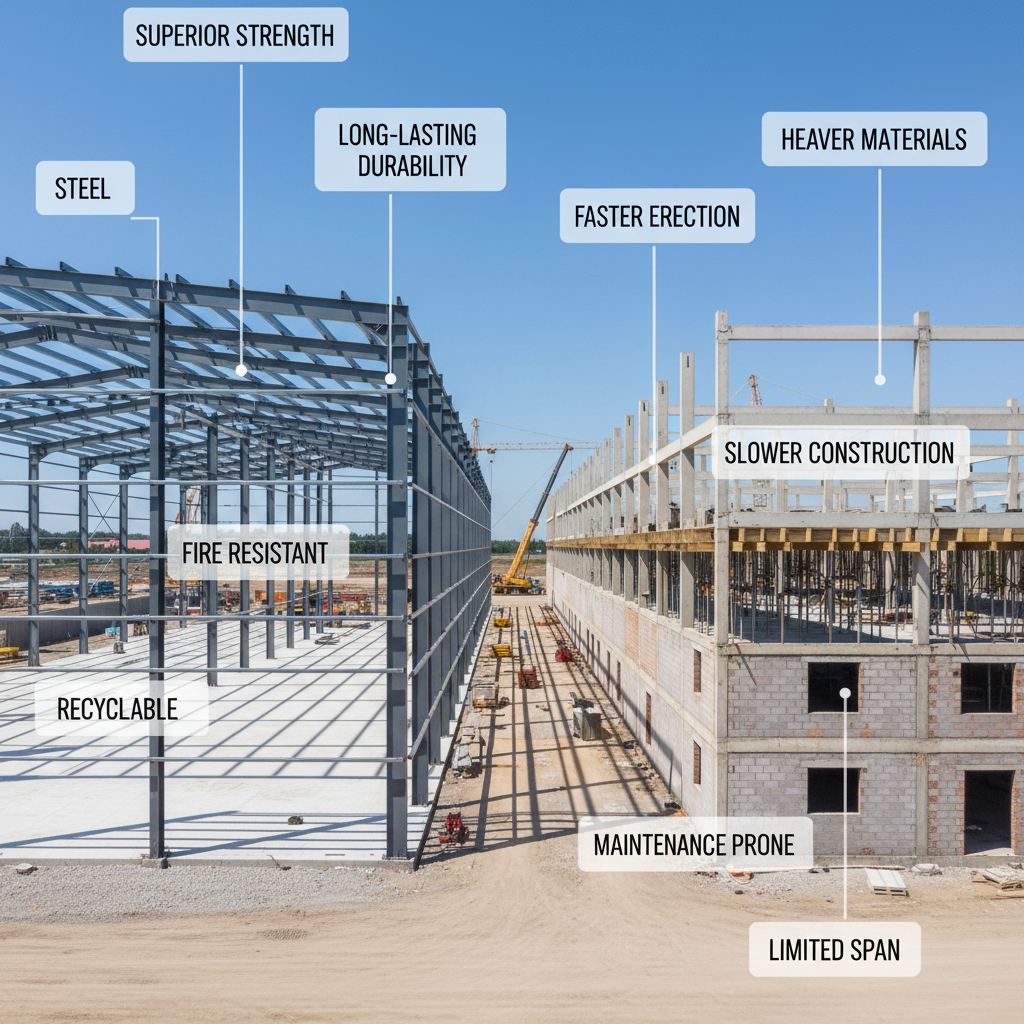
But here’s the kicker. Environmental impact plays a massive role in modern construction decisions. Structural steel is frequently recyclable, meaning a warehouse can be dismantled and the materials reused for future projects. This circular lifecycle appeals to eco-conscious companies aiming to reduce their carbon footprint. Timber degrades over time and often ends up in landfills, while steel retains structural integrity for decades.
Engineers favor grades like Q355 and Q235 for these structures. These specific material ratings ensure the building can withstand heavy snow loads, high winds, and seismic activity without warping. A metal building resists warping, buckling, and twisting, maintaining straight lines and tight seals throughout its life.
| Feature | Steel Structure | Traditional Wood | Concrete | |
|---|---|---|---|---|
| Construction Speed | Fast (Prefabricated) | Slow (On-site labor) | Slow (Curing time) | |
| Fire Resistance | High (Non-combustible) | Low (Flammable) | High | |
| Span Capability | Large Clearspan | Limited by columns | Heavy supports needed | |
| Recyclability | 100% Recyclable | Low | Low | |
| Pest Resistance | Immune | Vulnerable | Immune |
2. How does a steel structure warehouse accelerate construction?
Time equates to money in the logistics and manufacturing sectors. Conventional building projects often suffer from weather delays, labor shortages, and material inconsistencies that push completion dates back by months. Prefabricated steel systems solve this problem by moving the majority of work into a controlled factory environment.
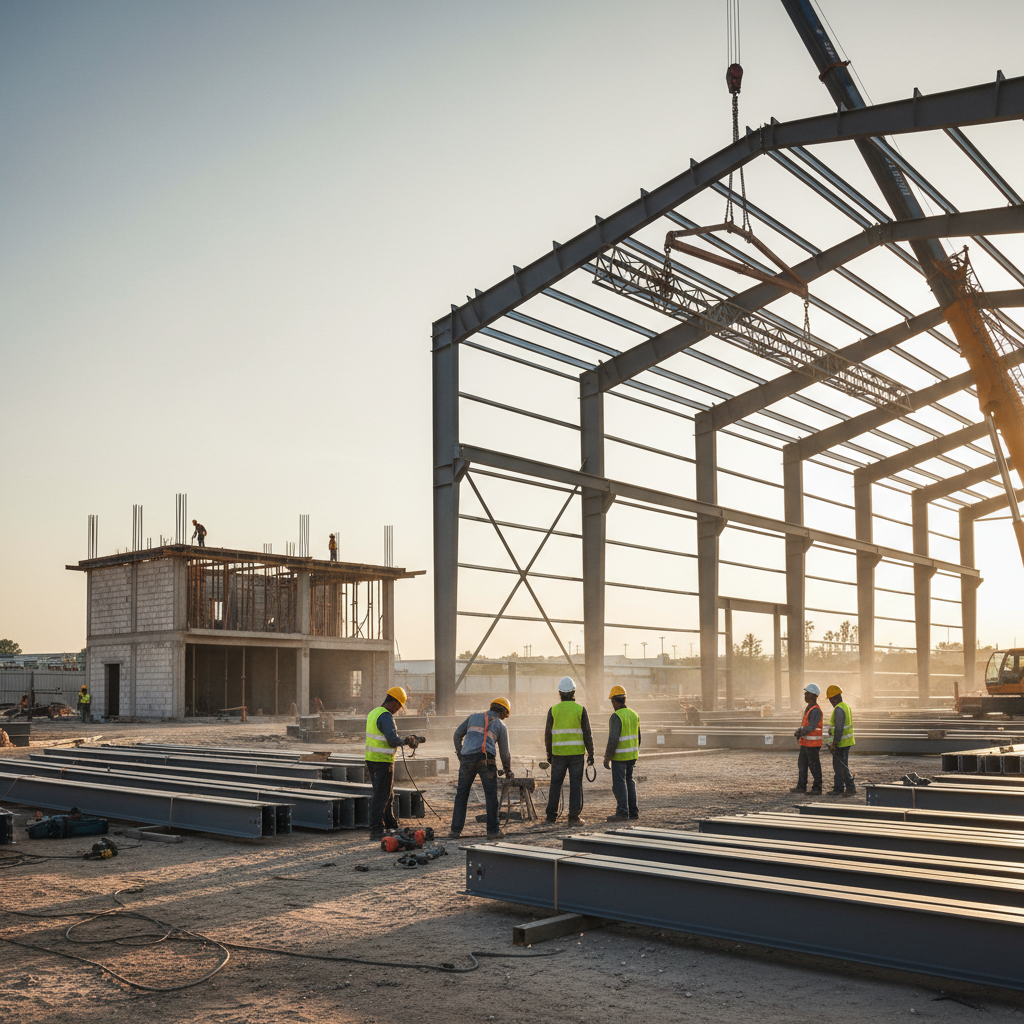
Manufacturers cut, weld, and drill every beam, column, and purlin before shipping components to the job site. This off-site fabrication ensures precision and eliminates the need for measuring or cutting during installation. You might be wondering. How much time does this actually save? Industry data suggests that pre-engineered metal buildings can reduce construction schedules by up to 30% compared to traditional methods.
Field crews simply bolt the pre-punched components together, much like a giant erector set. Skilled labor requirements decrease significantly because welding and heavy fabrication happen beforehand. A smaller crew can erect a massive facility in weeks rather than months. Faster occupancy means operations start sooner, generating revenue while competitors are still pouring concrete.
3. What makes a steel structure warehouse safer than lumber?
Safety remains the paramount concern for any facility housing employees and high-value stock. Wood framing introduces a significant fire hazard, acting as fuel for potential blazes. Steel is non-combustible. It does not contribute to the spread of fire, providing a critical safety margin that allows personnel to evacuate and emergency services to respond effectively.
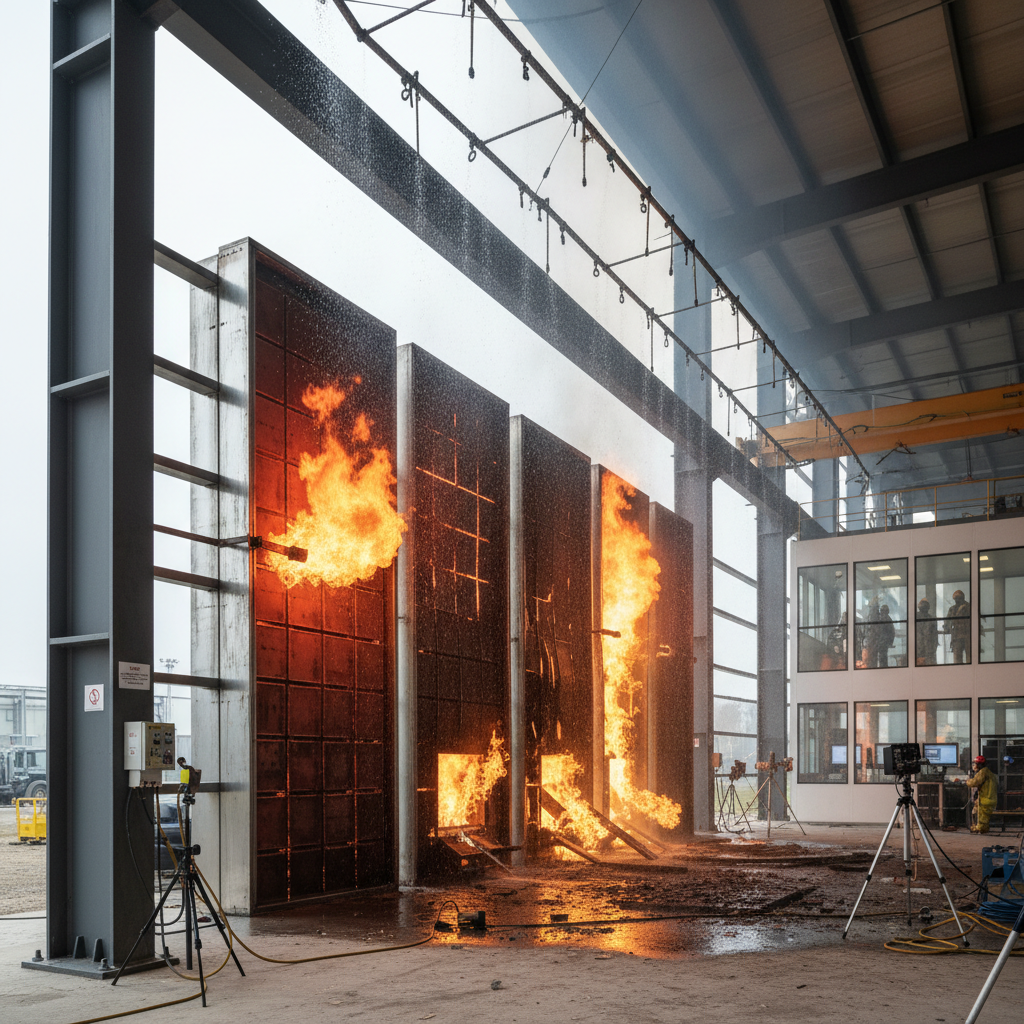
Ready for the good part? Inorganic metal materials offer zero sustenance for biological threats. Termites, carpenter ants, and mold cannot consume steel. Wooden structures often require regular chemical treatments to ward off infestations that compromise structural integrity. A metal warehouse eliminates this maintenance headache entirely.
Environmental resilience also defines these structures. Engineered steel frames can withstand wind speeds exceeding 120 mph and handle heavy snow loads that would crush a standard timber roof. Seismic performance is another critical factor; steel possesses ductility, allowing the frame to absorb energy during an earthquake without catastrophic failure. Your assets remain secure even in volatile conditions.
4. How does a steel structure warehouse lower overall costs?
Budget constraints often dictate the scope of industrial projects. Initial construction pricing is only one piece of the financial puzzle. Steel warehouses deliver value through both lower upfront costs and reduced long-term operating expenses. The efficiency of prefabrication reduces labor hours, which constitutes a huge portion of any building budget.
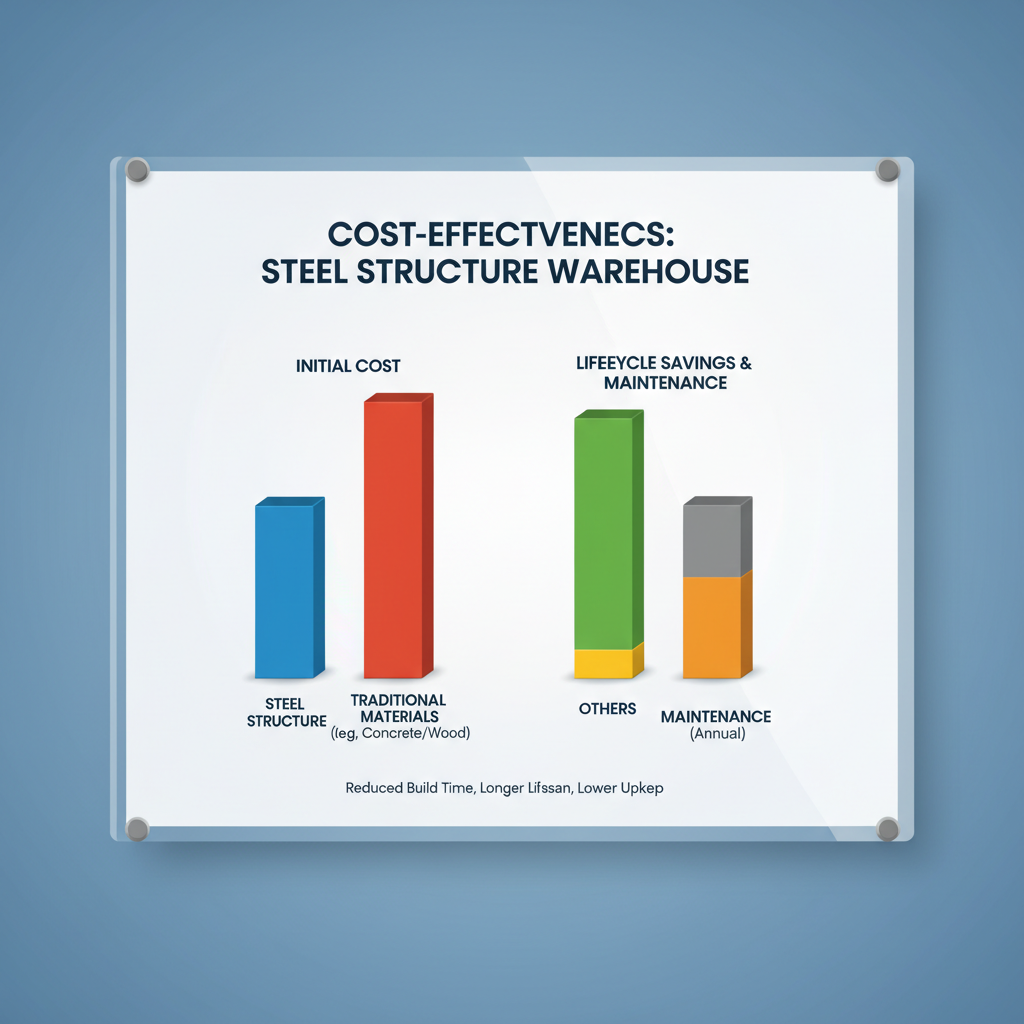
What’s the real story? Clearspan design capabilities maximize usable interior square footage. Rigid steel frames can span widths of over 150 feet without requiring intrusive interior columns. Every square foot of floor space becomes available for racking, forklifts, and production lines. You pay for the entire floor area, so utilizing 100% of it drives up ROI.
Vertical space also optimizes storage density. Steel buildings easily accommodate eave heights of 40 feet or more. Warehouses can stack inventory higher, reducing the cost per pallet position. Insurance premiums often drop for steel structures due to their fire resistance and durability, adding another layer of annual savings.
| Cost Factor | Steel Advantage | Impact on Budget | |
|---|---|---|---|
| Labor | Reduced assembly time | Significant savings | |
| Maintenance | Minimal painting/repairs | Long-term savings | |
| Insurance | Fire/Weather resistant | Lower premiums | |
| Energy | Better insulation options | Reduced utility bills |
5. What customizations does a steel structure warehouse require?
Every business operates differently. A distribution center needs rapid cross-docking capabilities, while a manufacturing plant might require heavy overhead cranes. Steel structure warehouses offer limitless design flexibility to accommodate these specific needs. Design engineers can tailor the frame to support additional loads, such as 10-ton bridge cranes or heavy rooftop HVAC units.
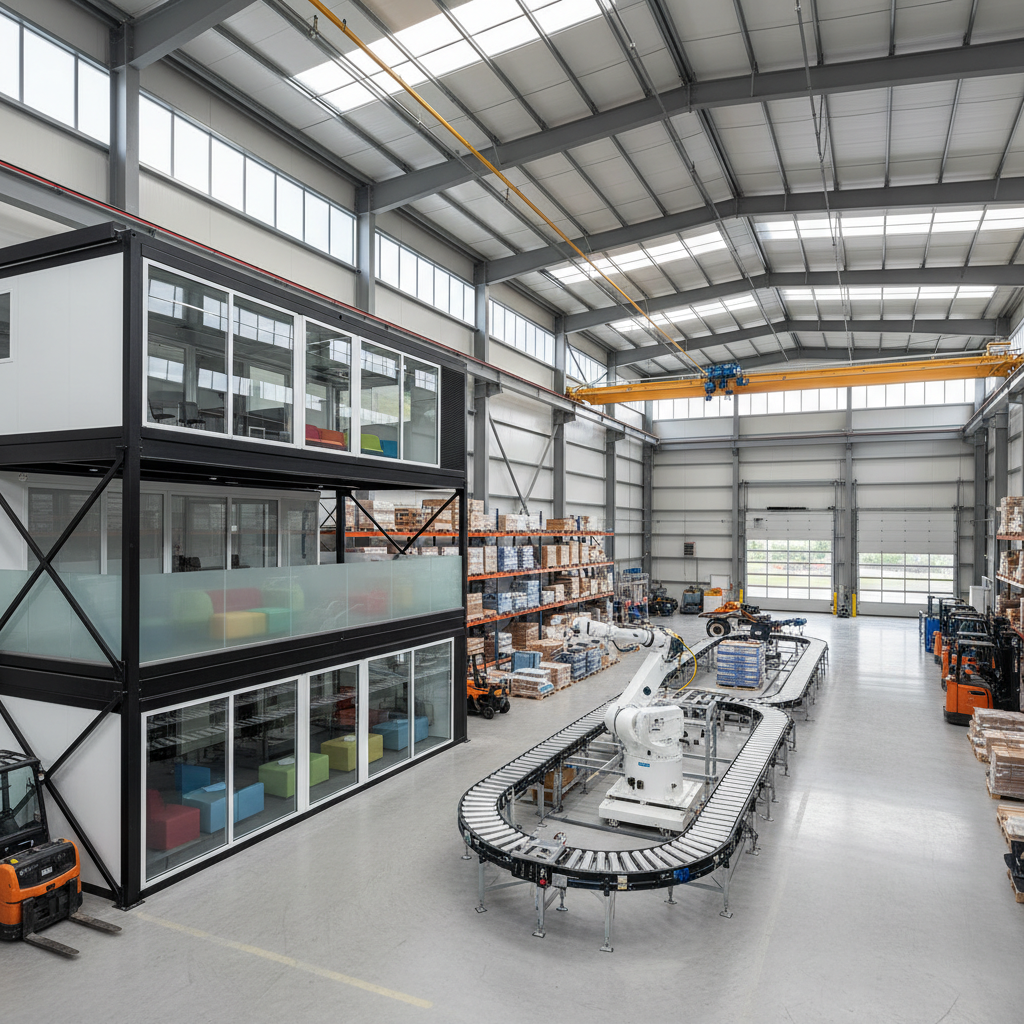
This is where it gets interesting. You can integrate massive framed openings for overhead doors, allowing semi-trucks to drive directly into the building. Loading docks can be positioned exactly where logistics workflows demand. Mezzanines are another popular customization, effectively doubling usable floor area for offices or light storage without expanding the building footprint.
Exterior aesthetics also vary widely. While standard metal panels are common, owners can choose masonry, glass, or stucco facades to match corporate branding or local zoning requirements. The structural skeleton remains steel, but the skin can look like a traditional office building. This versatility ensures the facility functions perfectly while looking professional.
6. How do I select the right roof for a steel structure warehouse?
Roof geometry impacts water management, interior volume, and future expansion. Two primary styles dominate the market: gable (peaked) roofs and single-slope roofs. A gable roof features a peak in the center with slopes on either side, offering a classic look and excellent drainage. This style maximizes center clearance, which is ideal for stacking inventory high in the middle of the warehouse.
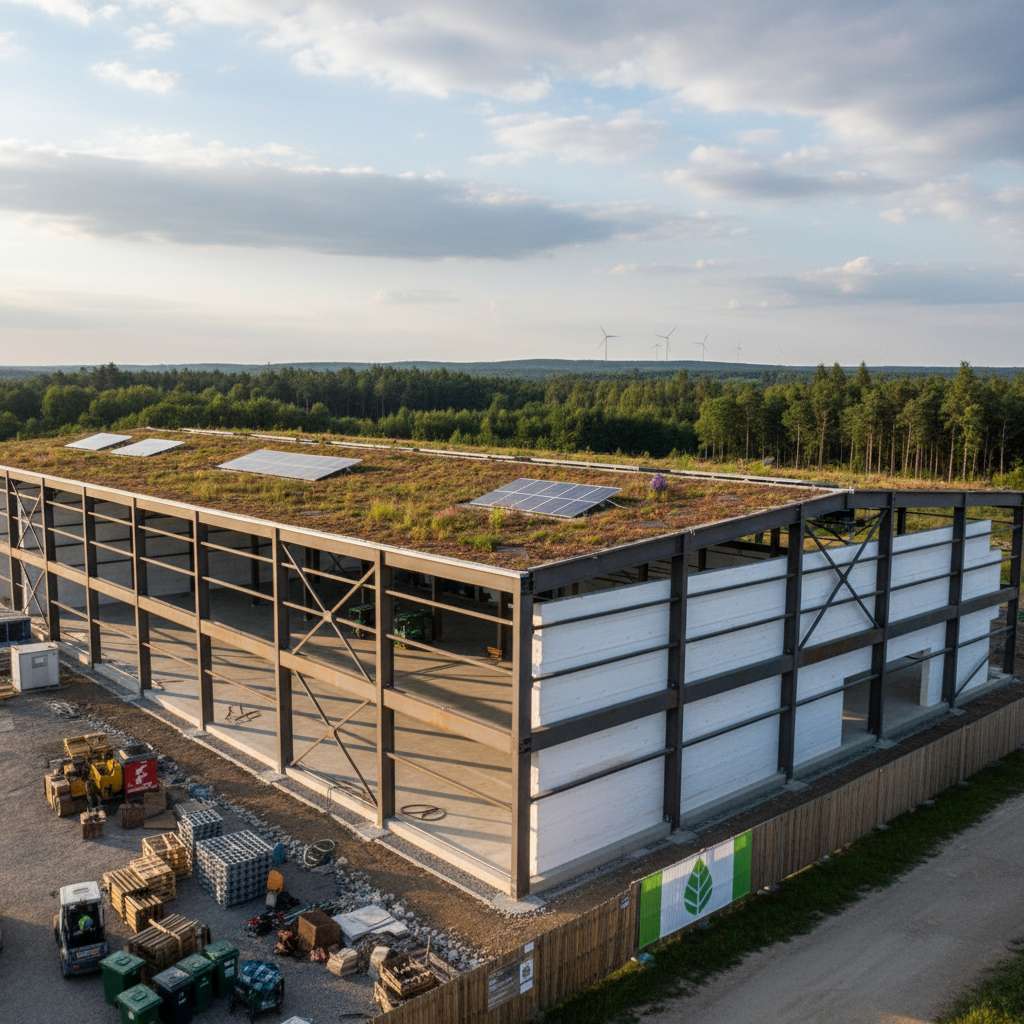
Single-slope roofs pitch in one direction only. Think about it. This design pushes all water runoff to one side of the building, simplifying drainage systems and reducing underground piping requirements. Single-slope designs also facilitate future expansions on the “high” side, making them a strategic choice for growing businesses.
Roof panels themselves come in various profiles. Standing seam panels utilize concealed fasteners to prevent leaks, offering superior weather protection compared to screw-down panels. Translucent skylight panels can be integrated to introduce natural light, reducing daytime electricity usage for lighting.
7. Why is insulation vital for a steel structure warehouse?
Temperature control protects sensitive inventory and maintains a comfortable environment for workers. Steel conducts heat, so a bare metal building will be scorching in summer and freezing in winter. Proper insulation breaks this thermal bridge, stabilizing interior conditions and slashing energy costs.
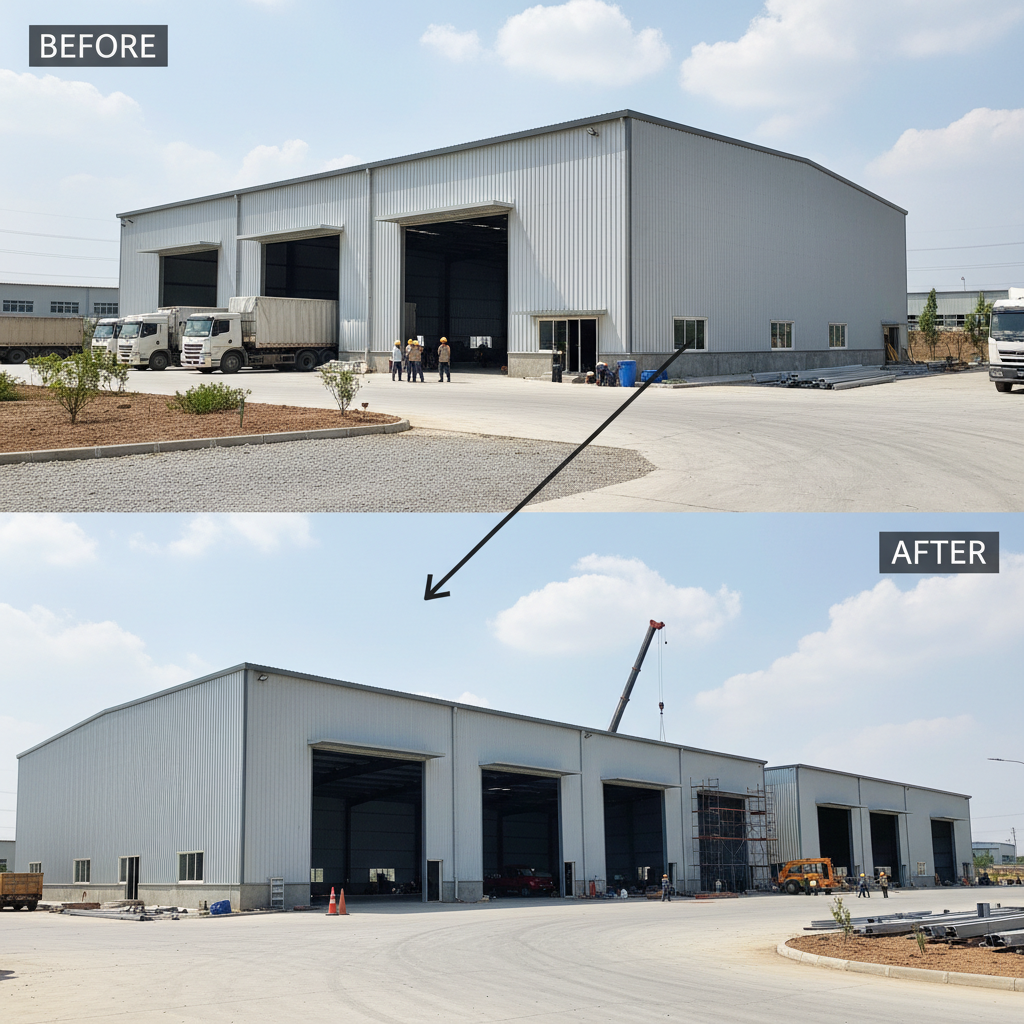
Fiberglass blanket insulation is the most common and cost-effective solution. Installers sandwich it between the steel panels and the frame. Here is the bottom line. For stricter climate control, insulated metal panels (IMPS) provide a premium solution. These panels feature a foam core sandwiched between two metal skins, offering high R-values and a clean interior finish.
Condensation can form on cold metal surfaces, leading to “indoor rain” that damages cargo. Vapor barriers applied over insulation prevent moisture from reaching the cool steel, stopping condensation before it starts. Ventilation systems, including ridge vents and louvers, work in tandem with insulation to keep air moving and prevent humidity buildup.
8. What are the design steps for a steel structure warehouse?
Constructing a steel warehouse involves a systematic process known as Design-Bid-Build or Design-Build. It starts with defining operational requirements: square footage, eave height, and door locations. Engineers then use advanced software to calculate loads and generate structural drawings.
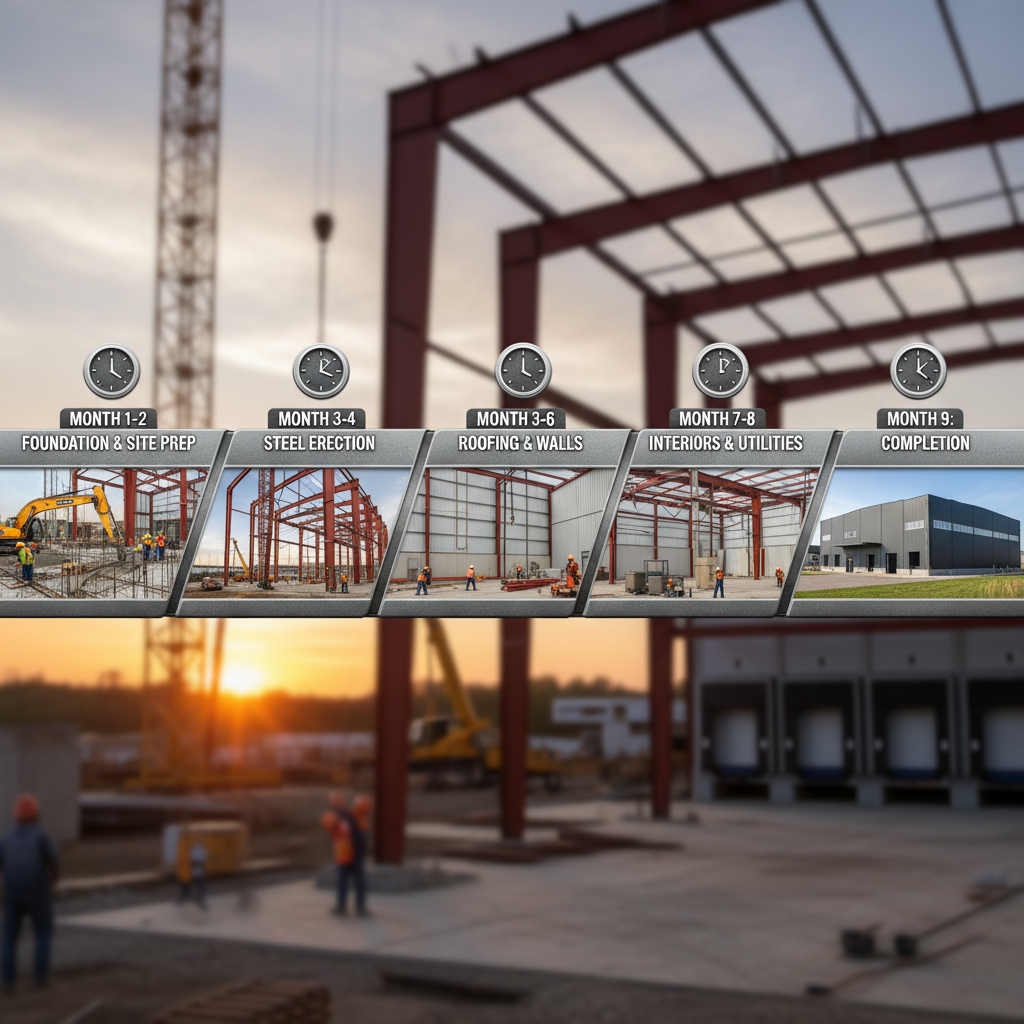
It gets better. Once designs are finalized, the manufacturer fabricates the kit. This phase runs concurrently with site preparation. While the factory produces beams, local contractors clear the land and pour the foundation. This parallel processing drives the speed advantage of steel construction.
Permitting is a crucial step. Local authorities must review engineered drawings to ensure compliance with building codes. Steel building suppliers provide stamped blueprints to streamline this approval process. Delivery coordination follows, with trucks arriving in a specific sequence to facilitate organized unloading and staging.
| Phase | Activity | Responsible Party | |
|---|---|---|---|
| Concept | Define size/needs | Owner | |
| Engineering | Load calculations | Manufacturer | |
| Permitting | Code approval | Local Authority | |
| Fabrication | Making components | Factory | |
| Erection | Assembly on site | Contractor |
9. What foundation type suits a steel structure warehouse?
A rigid steel frame transfers massive point loads to the ground. The foundation must be robust enough to handle vertical weight and horizontal thrusts caused by wind or seismic forces. A floating slab foundation often suffices for smaller storage sheds, but industrial warehouses typically require more substantial engineering.
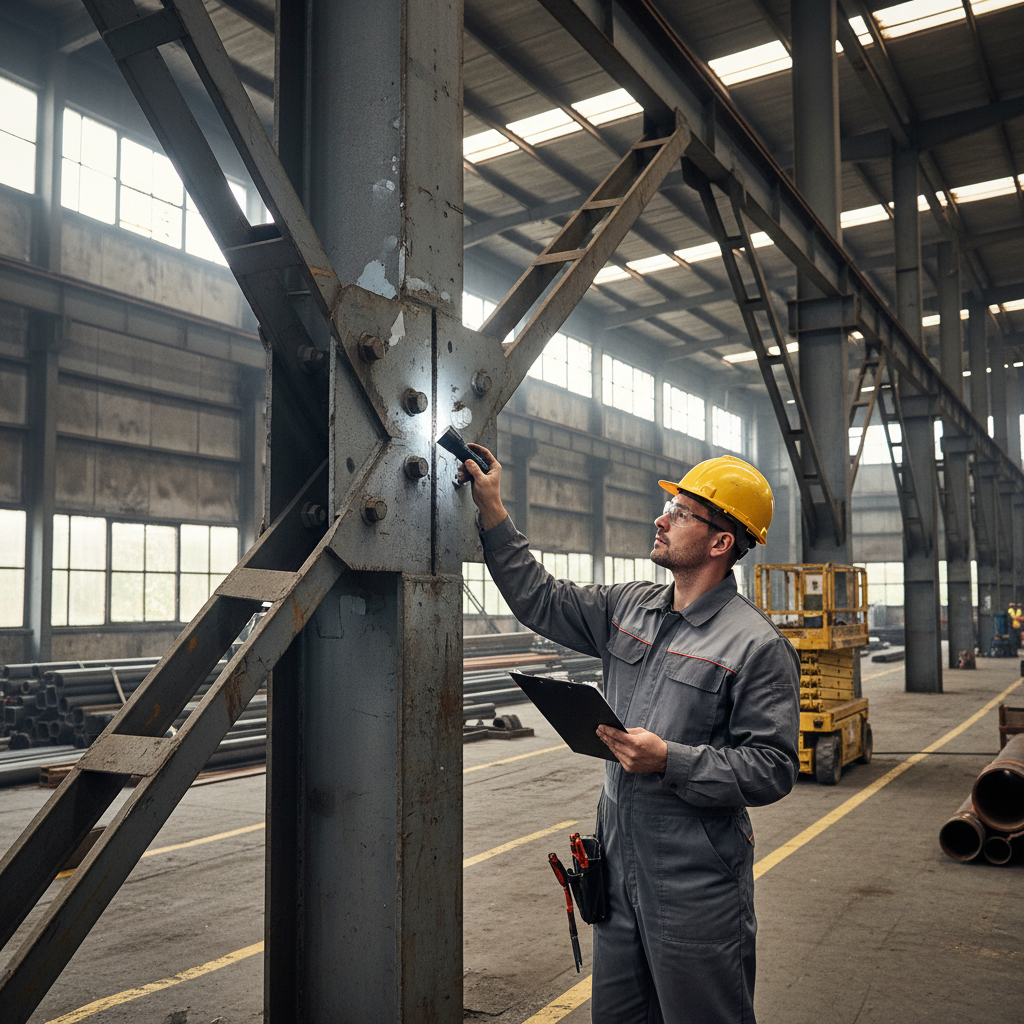
Pier and beam foundations or continuous perimeter footings with a slab-on-grade are standard. Here is what you need to know. Anchor bolts are cast directly into the wet concrete at precise locations. These bolts secure the steel columns to the foundation. Accuracy here is critical; if bolts are misaligned, the pre-drilled steel columns will not fit.
Soil testing determines the bearing capacity of the ground. Poor soil may require deep pile foundations or extensive soil remediation before pouring concrete. Engineers analyze these soil reports to design a footing that prevents differential settling, ensuring the warehouse remains level and structural integrity stays intact for decades.
10. How do I maintain a steel structure warehouse for longevity?
Metal buildings are famous for low maintenance, but “low” does not mean “zero.” A proactive maintenance schedule prevents minor issues from becoming expensive repairs. Annual inspections should focus on the building envelope, checking for loose screws, damaged flashing, or gaps in seals.
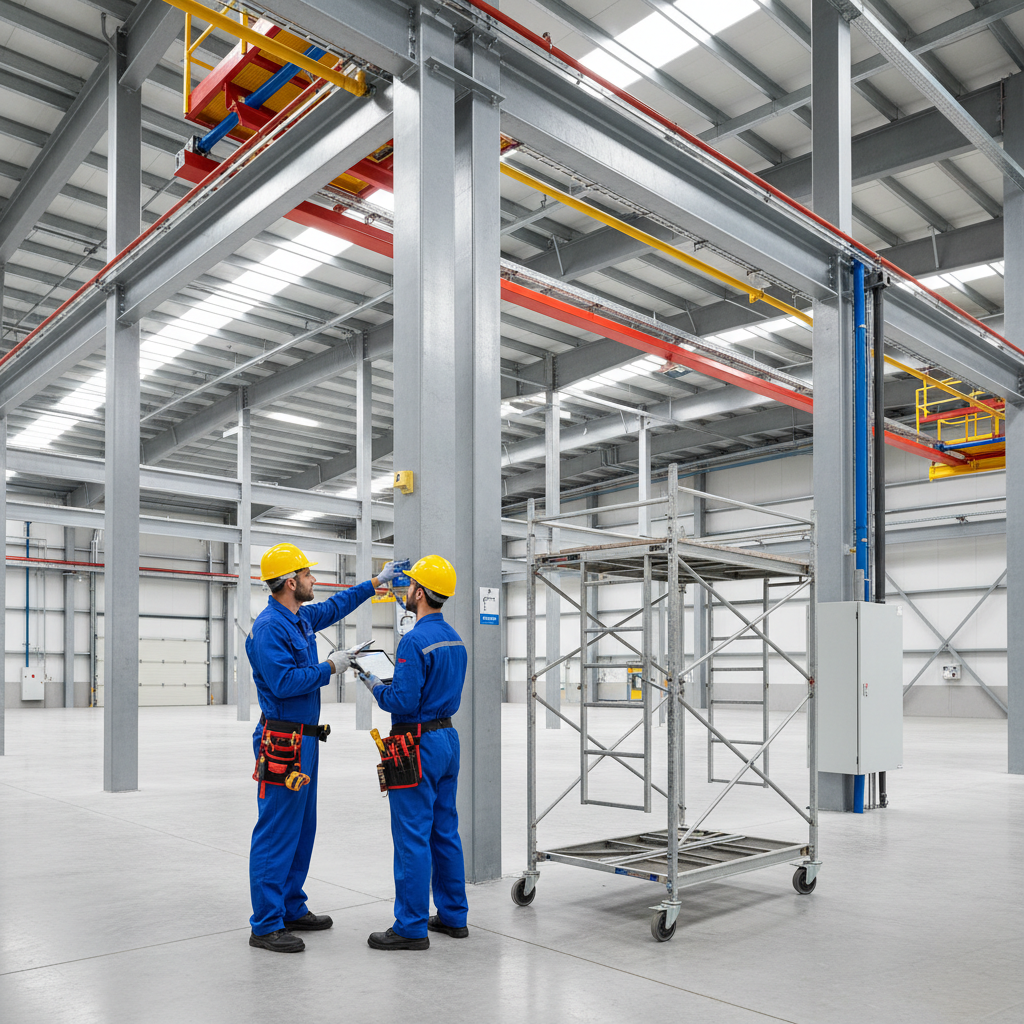
Don’t ignore this. Gutters and downspouts must be kept clear of debris. Clogged drains cause water to back up, leading to rust and potential leaks. Cleaning the exterior panels with a mild detergent removes dirt and pollutants that could degrade the paint finish over time.
Inspect overhead doors and rolling mechanisms regularly. Lubricating tracks and checking tension springs ensures smooth operation and prevents accidents. If a panel gets damaged by a forklift, it should be replaced promptly to maintain the thermal seal and aesthetic appearance. A small investment in time yields years of trouble-free service.
Final Thoughts
A steel structure warehouse delivers the speed, durability, and customized space required for modern logistics. From clearspan frames that maximize storage to inherent fire resistance that lowers insurance premiums, steel proves itself as the superior choice for industrial construction. Business owners can secure their assets faster and more affordably by leveraging prefabrication technology. Do not compromise on your storage investment. Choosing steel ensures a facility that withstands the test of time and elements.
FAQ
Q1: What is the average lifespan of a steel structure warehouse?A well-maintained steel structure warehouse can last over 50 years. The durability of steel components, combined with high-quality protective coatings like galvanization, ensures resistance to rust and environmental degradation, significantly outlasting wood alternatives.
Q2: How much maintenance does a steel warehouse actually need?Maintenance requirements are minimal compared to other building types. Routine tasks include clearing gutters, washing exterior panels annually, and inspecting fasteners and seals. There is no need for painting, treating for termites, or repairing rot, which are common issues with wooden structures.
Q3: Can I expand my steel structure warehouse in the future?Yes, scalability is a primary benefit of steel construction. The modular nature of these buildings allows for easy expansion. Rigid frames can be extended by adding new bays to the endwalls, provided the original design accounted for future growth.
Q4: Is a steel warehouse cheaper than a concrete building?Generally, yes. A steel warehouse offers lower initial costs due to reduced labor requirements and faster construction times. While material costs fluctuate, the speed of erection and lighter foundation requirements often make steel the more economical option overall.
Q5: How long does it take to build a 10,000 sq ft steel warehouse?Construction timelines vary, but a 10,000 sq ft steel warehouse can typically be erected in 6 to 8 weeks after the foundation is ready. This is significantly faster than traditional construction, which could take several months for a building of the same size.