
To insulate a metal building on a budget, you should prioritize cost-effective materials like fiberglass batts or reflective foil and utilize DIY installation techniques to minimize professional labor expenses. Imagine standing inside a vast, echoing insulation for steel buildings facility during a peak summer afternoon; the heat radiating from the metal panels is stifling, and you notice moisture beads forming on the ceiling. Without proper thermal protection, your energy bills skyrocket while condensation threatens the structural integrity of your inventory. Fortunately, achieving high-performance thermal regulation doesn’t require a premium price tag if you select the right materials and installation strategy for your specific facility needs.
1. Why is insulation for steel buildings necessary on a budget?
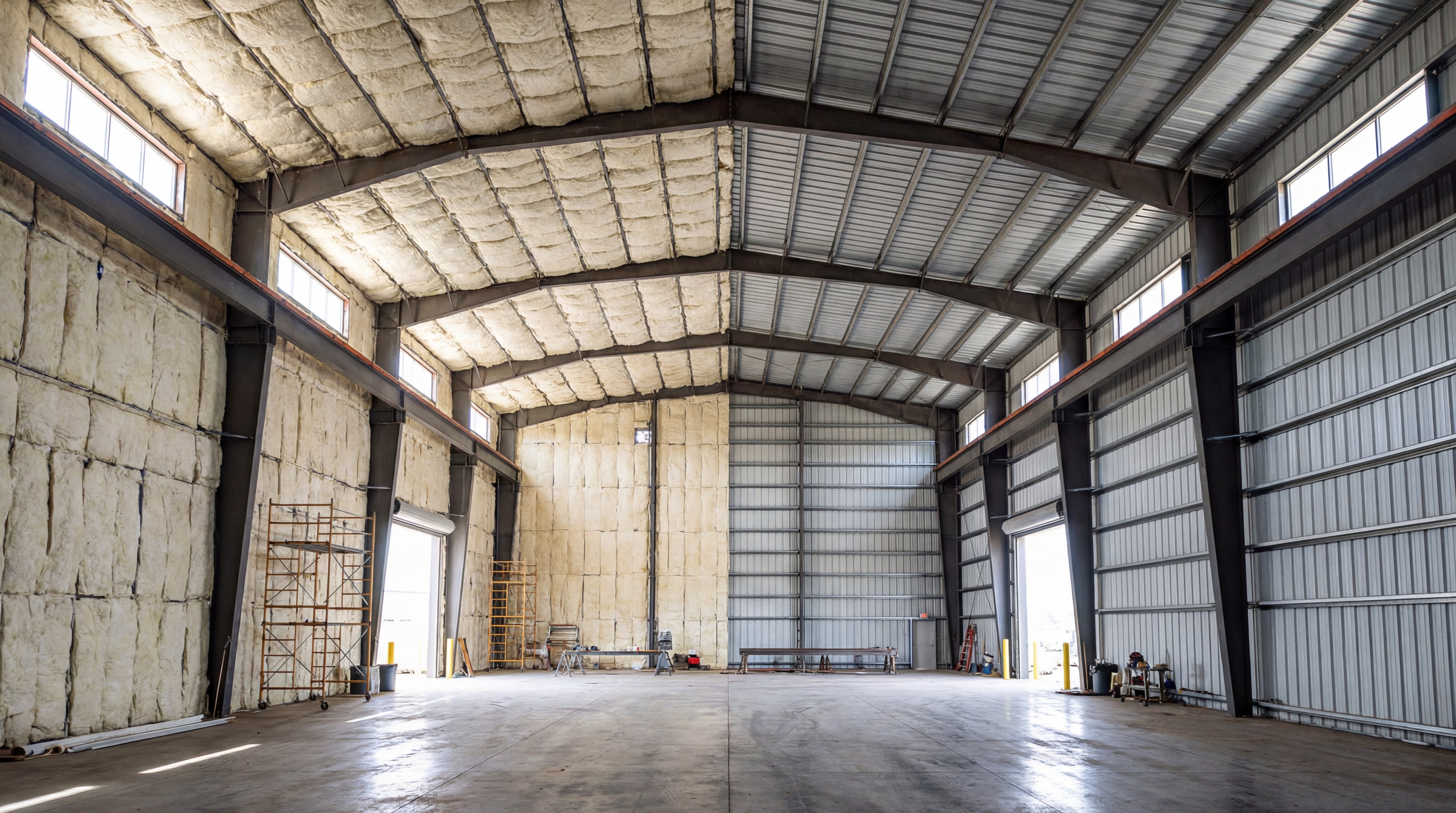
Investing in insulation for steel buildings is critical for budget-conscious owners because it prevents long-term financial losses associated with uncontrolled energy consumption and structural corrosion. Without this barrier, your building becomes a conductor for outside temperatures, leading to a “sweating” effect on metal panels. This moisture buildup is the primary cause of rust, which can compromise the entire skeleton of the building over time.
By stabilizing the interior climate, you significantly reduce the load on your HVAC systems, leading to lower monthly utility bills and a higher property value. Think about it: a small upfront investment in thermal protection can save you thousands in avoided repairs and energy waste. It is not just about comfort; it is a strategic financial move for any facility manager.
Does insulation stop condensation?
Think about it:
- Metal is a highly conductive material that transfers heat rapidly.
- Temperature differences between the interior and exterior lead to “sweating.”
- Condensation causes rust, which eventually requires expensive structural repairs.
How does it impact energy costs?
The secret is simple:
- Proper thermal barriers reduce the load on HVAC systems significantly.
- Stable internal temperatures prolong the lifespan of climate control equipment.
- Reduced heat transfer keeps the workspace productive during extreme seasons.
Key Takeaway
Budgeting for insulation now prevents massive utility and maintenance expenses in the future by protecting the structural integrity of the steel.
| Benefit | Impact on Budget | Long-term Value | |
|---|---|---|---|
| Condensation Control | Prevents rust and mold | High | |
| Energy Efficiency | Lowers monthly utility bills | Very High | |
| Sound Dampening | Reduces echoes and noise | Moderate |
This data confirms that the highest financial return comes from energy efficiency and the prevention of moisture-related damage.
2. What is the cheapest insulation for steel buildings today?
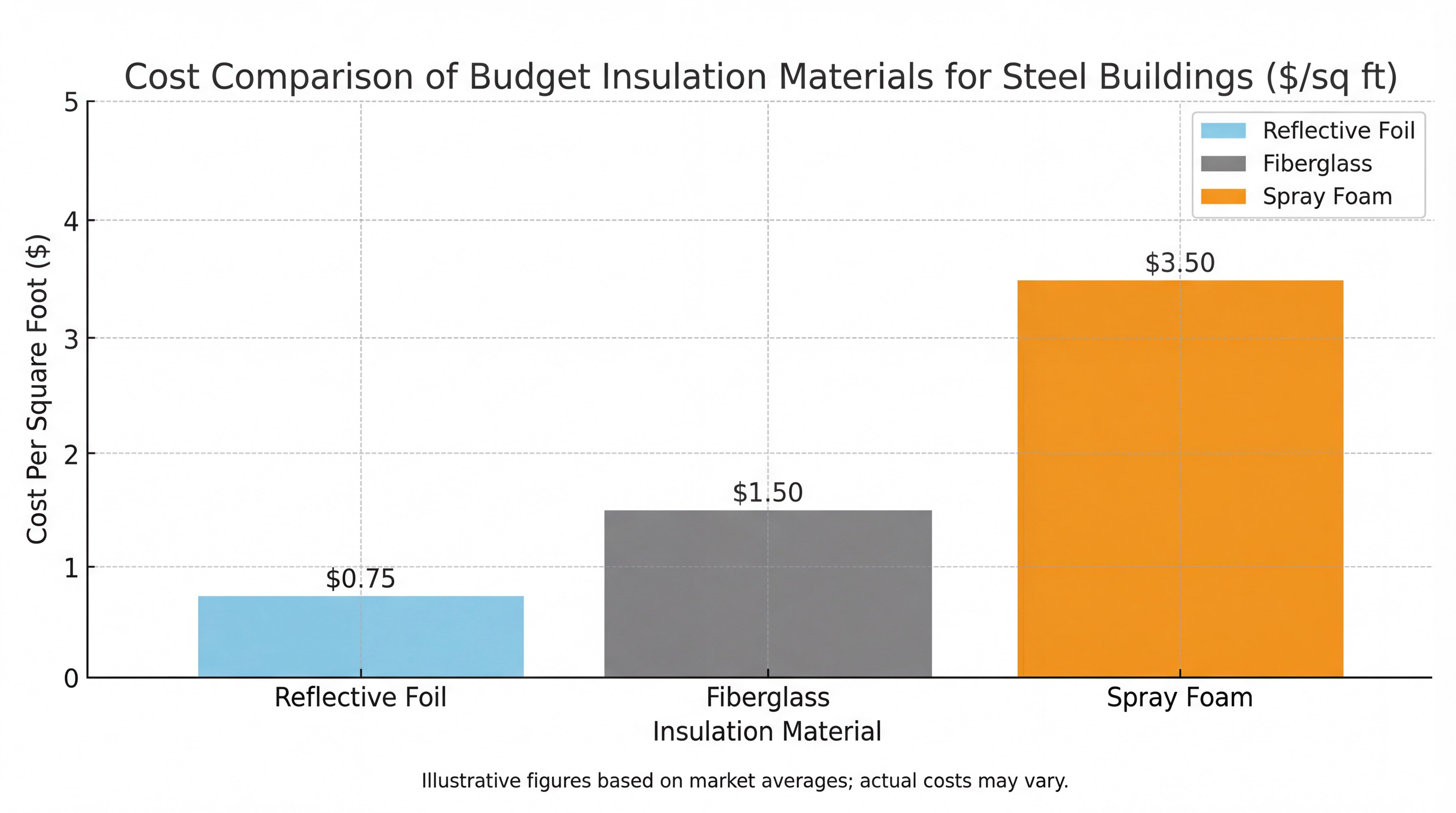
The most affordable insulation for steel buildings typically involves radiant barriers or basic fiberglass rolls, which provide significant thermal resistance for a relatively low upfront cost per square foot. These materials are widely available at wholesale prices and do not require specialized heavy machinery for installation. For those looking to keep costs at a minimum, reflective foil is often the leading candidate.
Choosing the right material depends on your specific climate and how you use the space. The best part? Many of these budget-friendly options serve as dual-purpose radiant barriers and vapor retarders, meaning you solve two problems with one material purchase.
Is reflective foil the most affordable?
Here is why:
- It is lightweight and easy to transport to remote project sites.
- Material costs are generally lower than foam-based alternatives.
- It reflects up to 97% of radiant heat away from the building.
What about “double bubble” options?
The best part?
- These thin layers are exceptionally easy for non-professionals to install.
- They occupy minimal space, preserving the internal volume of the building.
- They provide a clean, professional finished look to the interior.
Key Takeaway
Reflective and bubble-style materials offer the lowest entry price for owners who need immediate moisture control without a complex setup.
| Material Type | Estimated Cost/Sq. Ft. | Best Application | |
|---|---|---|---|
| Reflective Foil | 0.25−0.50 | Hot climates, radiant heat | |
| Double Bubble | 0.50−0.75 | Basic moisture control | |
| Basic Fiberglass | 0.60−0.90 | Moderate climates |
While reflective foil is the cheapest per square foot, fiberglass offers better thermal retention for buildings located in colder regions.
3. Can fiberglass provide insulation for steel buildings cheaply?
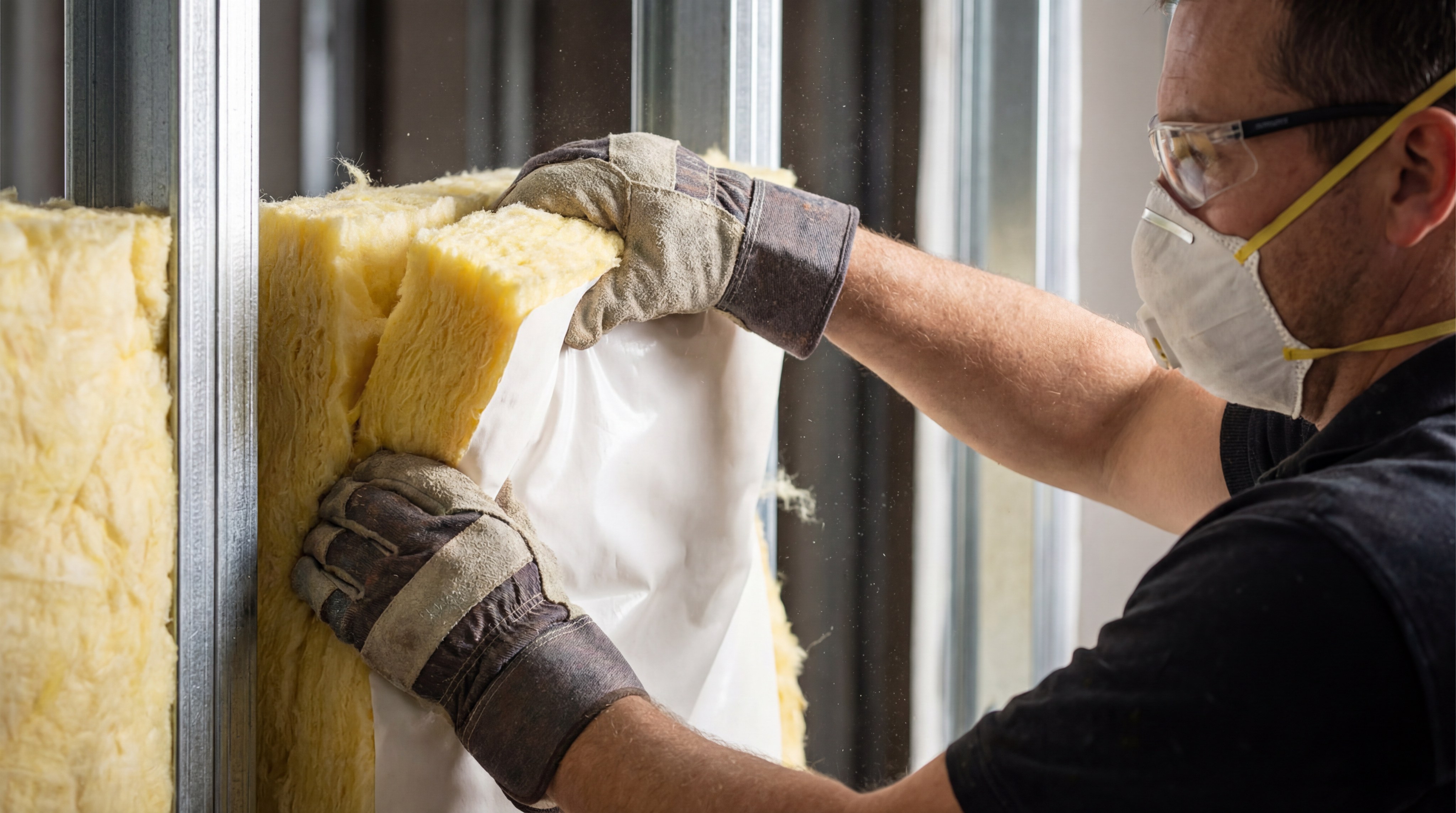
Fiberglass remains the industry standard for budget-friendly insulation for steel buildings because of its high R-value and widespread availability in the commercial market. It is highly versatile, coming in both batts and long rolls that can be easily fitted between wall girts and roof purlins. This availability makes it a primary choice for large-scale industrial warehouses and workshops.
When you purchase fiberglass in bulk, the cost savings become even more apparent. The reality is that for most standard metal structures, fiberglass provides the most “bang for your buck” in terms of actual heat retention. It is also inherently fire-resistant, which can help with insurance premiums and safety compliance.
Are fiberglass batts easy to install?
The reality is:
- Pre-cut batts fit snugly between wall studs and roof purlins.
- Standard tools are all that is required for a complete installation.
- Vinyl facing can be added to create an instant vapor barrier.
Why choose fiberglass rolls?
It gets better:
- Long rolls minimize the number of seams that need to be taped.
- Wholesale purchasing can drive the cost down significantly for large projects.
- It provides excellent sound absorption for noisy workshops or factories.
Key Takeaway
Fiberglass offers the best balance of high-performance thermal insulation (R-value) and low material acquisition cost.
| Feature | Fiberglass Batts | Fiberglass Rolls | |
|---|---|---|---|
| Installation Speed | Moderate | Fast | |
| R-Value | High | High | |
| Sound Absorption | Excellent | Excellent |
Using rolls is typically more efficient for large metal buildings as it allows for continuous coverage across the roof and walls.
4. Is spray foam viable as insulation for steel buildings?
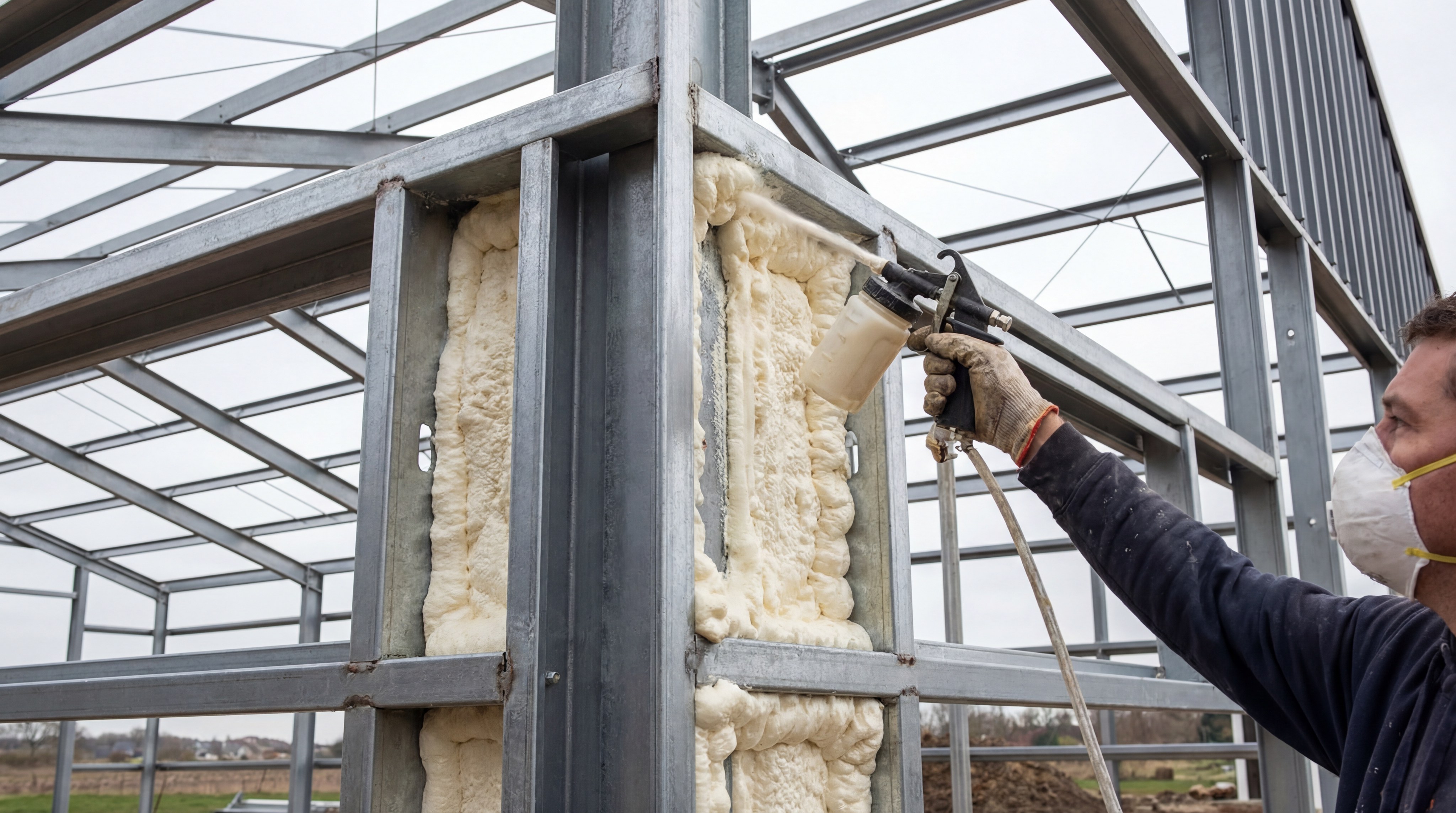
While professional spray foam is expensive, DIY insulation for steel buildings kits can be a viable budget option for sealing specific air leaks or insulating smaller structures like sheds and offices. These kits allow you to apply professional-grade closed-cell foam to corners and seams where traditional insulation might fail. It provides an airtight seal that is virtually impossible to achieve with blankets or boards alone.
However, you should be strategic with your application to stay within budget. You might wonder: “Should I spray the whole building?” For budget-conscious projects, the answer is usually no. Instead, use spray foam as a secondary sealant in conjunction with cheaper primary materials like fiberglass.
Are DIY spray foam kits worth it?
You might wonder:
- Kits are designed for small-scale applications and targeted sealing.
- They create an airtight seal that prevents drafts and moisture entry.
- Closed-cell foam adds a degree of structural rigidity to metal panels.
When should you avoid spray foam?
But be careful:
- Large-scale professional application can cost double or triple that of fiberglass.
- Improper mixing in DIY kits can lead to poor adhesion or odors.
- It is difficult to remove if you need to modify the structure later.
Key Takeaway
Use spray foam kits strategically for sealing gaps or for very small, high-priority insulated rooms within a larger metal structure.
| Foam Type | Cost Level | Air Sealing Ability | |
|---|---|---|---|
| DIY Spray Kit | Moderate | Excellent | |
| Open-Cell (Pro) | High | Good | |
| Closed-Cell (Pro) | Very High | Superior |
Focusing spray foam on the building’s joints while using fiberglass for the main panels provides superior sealing at a lower price point.
5. How do foil layers help insulation for steel buildings?
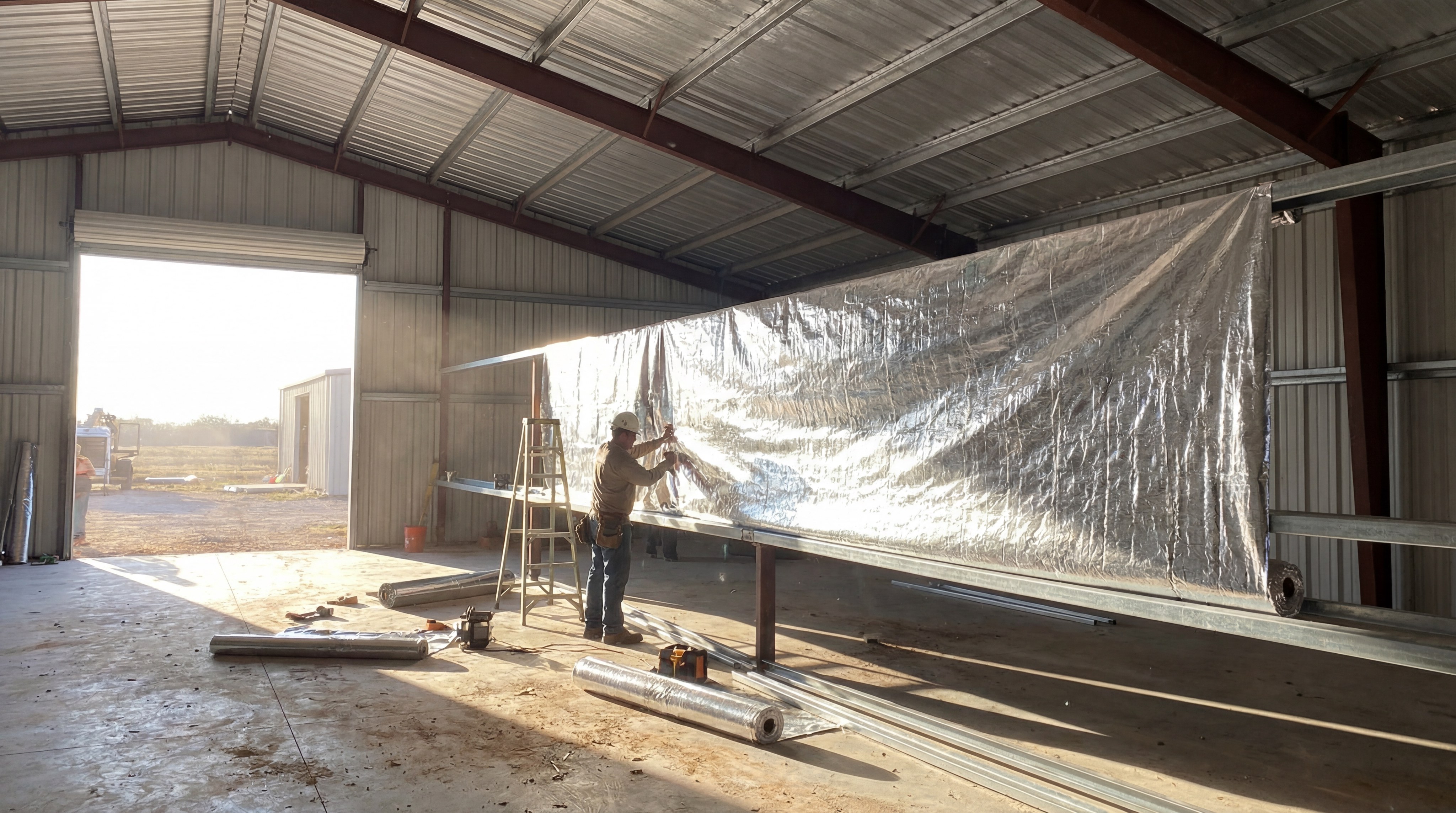
Foil layers, also known as radiant barriers, work by reflecting infrared heat away from the insulation for steel buildings system rather than just slowing down its conduction through walls. In hot climates, this is often the most effective way to keep an industrial space usable without massive air conditioning costs. The foil acts like a mirror, bouncing the sun’s energy back through the metal panels and away from the interior.
The science is clear: radiant barriers handle the type of heat that traditional “fluffy” insulation struggles with. Furthermore, when the seams are properly taped, foil layers double as an excellent vapor barrier. This prevents the humid air inside from reaching the cold metal roof and causing the dreaded “ceiling drip.”
How does radiant heat reflection work?
The science is clear:
- Up to 97% of radiant heat from the sun is reflected away.
- This keeps the interior significantly cooler during peak summer months.
- It works effectively without the bulk of traditional thick materials.
Can foil act as a vapor barrier?
Think about it:
- Foil is naturally impermeable to water vapor.
- Taped seams prevent humid air from reaching the cold exterior metal.
- This eliminates the risk of condensation and internal rust.
Key Takeaway
Foil-based systems are the most cost-effective and space-saving solution for metal buildings located in hot, sunny environments.
| Performance Metric | Foil Barrier | Traditional Batt | |
|---|---|---|---|
| Heat Reflection | 97% | Low | |
| Vapor Resistance | Excellent | Requires Facing | |
| Thickness | < 1/4 inch | 3 – 6 inches |
Foil layers provide specialized performance against radiant heat that traditional materials cannot match in thin-profile applications.
6. Is rigid board good for insulation for steel buildings?
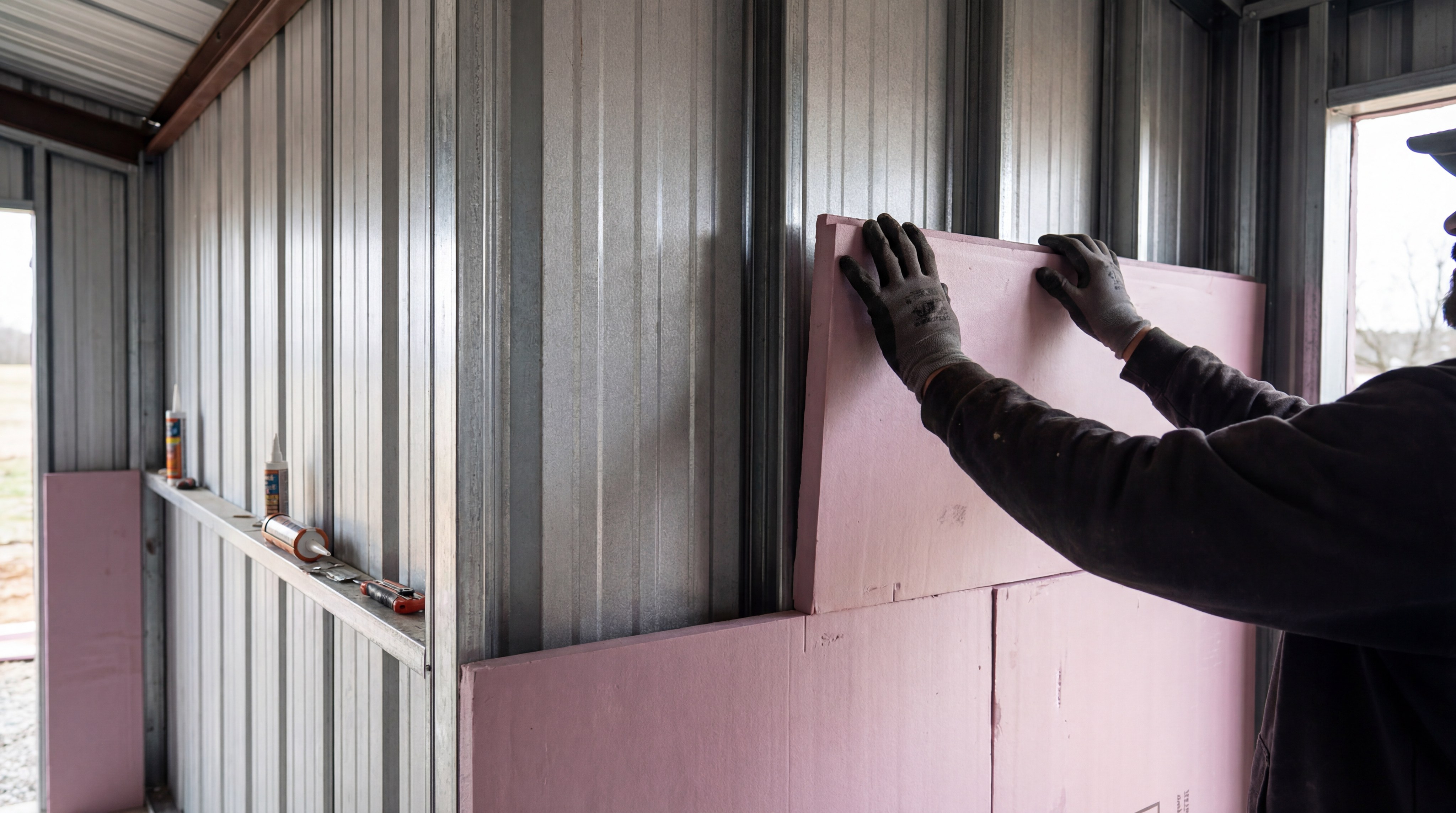
Rigid foam board is a premium but effective insulation for steel buildings choice when you need high R-value in a thin profile and have a slightly more flexible budget. It is particularly useful for building conversions, such as turning a metal warehouse into an office or retail space. The boards provide a continuous layer of insulation, which eliminates the “thermal bridging” that often occurs at the steel studs.
Installation is relatively straightforward, as the boards can be cut to fit exactly between the structural members or attached directly to the interior of the girts. It provides a solid, flat surface that is much easier to cover with interior finishes than fiberglass batts. If you are planning to finish the inside of your building, rigid board is worth the slightly higher initial cost.
Does rigid board offer high R-values?
The facts are:
- Polyisocyanurate offers the highest R-value per inch of thickness.
- It provides continuous insulation, eliminating thermal gaps in the steel.
- It is moisture-resistant and will not sag or settle over time.
Is it difficult to install on metal?
It’s a simple process:
- Boards can be glued or mechanically fastened to the panels.
- They are easy to cut around windows, doors, and outlets.
- They provide a solid surface if you intend to add interior walls.
Key Takeaway
Rigid boards are the ideal choice for office conversions or high-performance spaces where maximizing internal square footage is critical.
| Board Type | R-Value/Inch | Moisture Resistance | |
|---|---|---|---|
| Expanded Polystyrene (EPS) | ~3.8 | Moderate | |
| Extruded Polystyrene (XPS) | ~5.0 | High | |
| Polyisocyanurate (Polyiso) | ~6.0 | High |
Polyiso boards offer the best thermal performance per inch, making them the superior choice for high-efficiency metal building projects.
7. Can DIY methods reduce insulation for steel buildings costs?
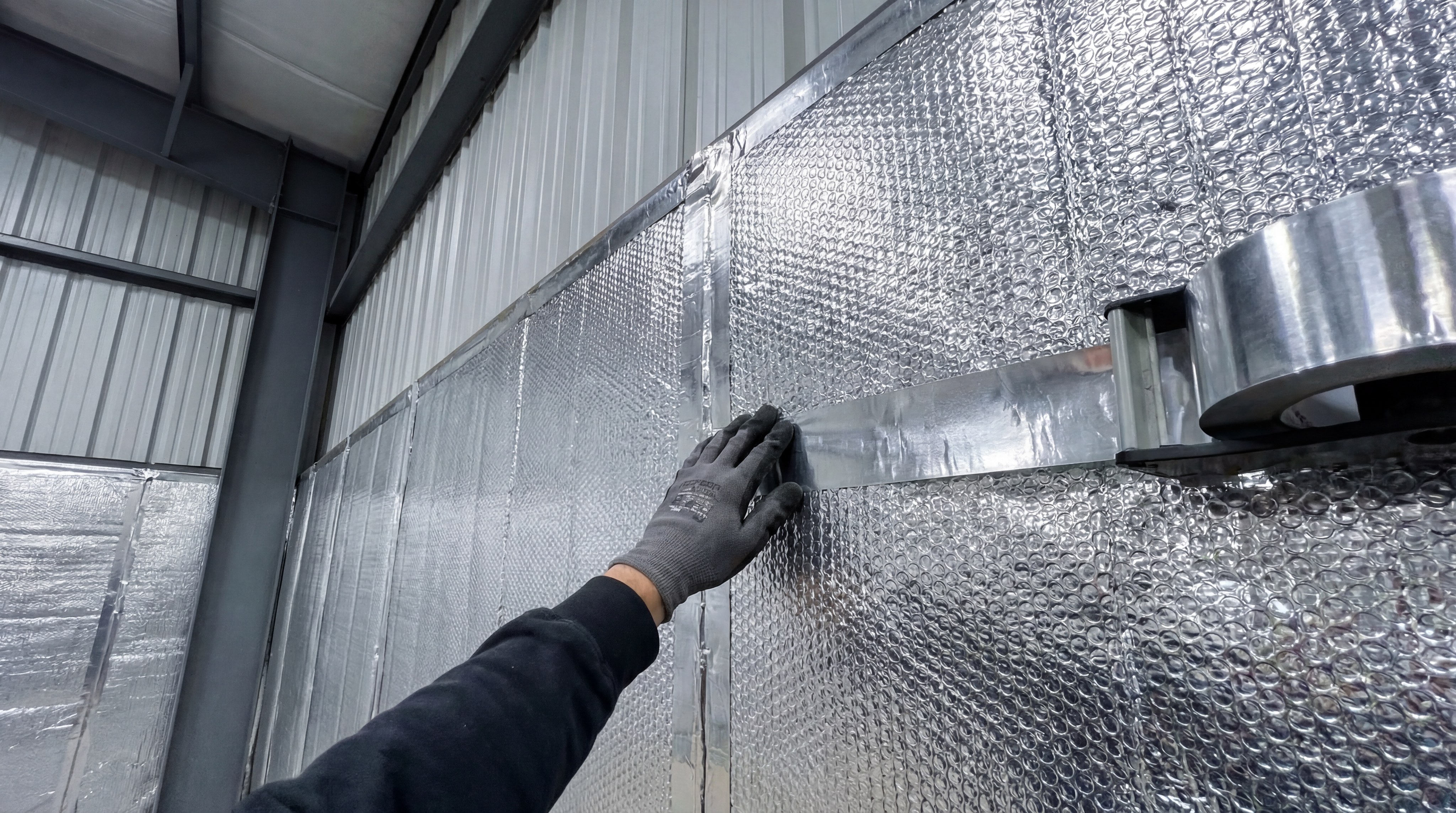
Performing the labor yourself is the single most effective way to reduce the total price of insulation for steel buildings by up to 50%. Professional labor rates can often equal the cost of the materials themselves, meaning a DIY approach can double your budget’s reach. Most basic insulation methods, like installing fiberglass or reflective foil, do not require expensive specialized machinery.
The secret to success is preparation. You likely have most of the tools needed: a utility knife, a straight edge, and high-quality insulation tape. By following a logical workflow—starting from the roof and working down the walls—a small team can insulate a medium-sized metal building in just one weekend.
How much can you save on labor?
The numbers don’t lie:
- Professional installation often costs as much as the materials.
- Basic insulation projects require no specialized licensing or tools.
- A small crew can finish a medium building in a single weekend.
What tools do you actually need?
You likely have them:
- Utility knives for cutting batts and boards accurately.
- High-quality insulation tape for sealing every seam airtight.
- Basic safety gear including masks, gloves, and eye protection.
Key Takeaway
Self-installation is the most powerful budget-saving tactic available, provided you have a simple building design and basic hand tools.
| Project Phase | DIY Difficulty | Potential Savings | |
|---|---|---|---|
| Material Delivery | Low | Minimal | |
| Wall Installation | Low | High | |
| Roof/Ceiling Work | Moderate | Very High |
Doing the work yourself allows you to spend more on higher-quality materials like faced fiberglass or rigid foam boards.
8. How to avoid errors in insulation for steel buildings?
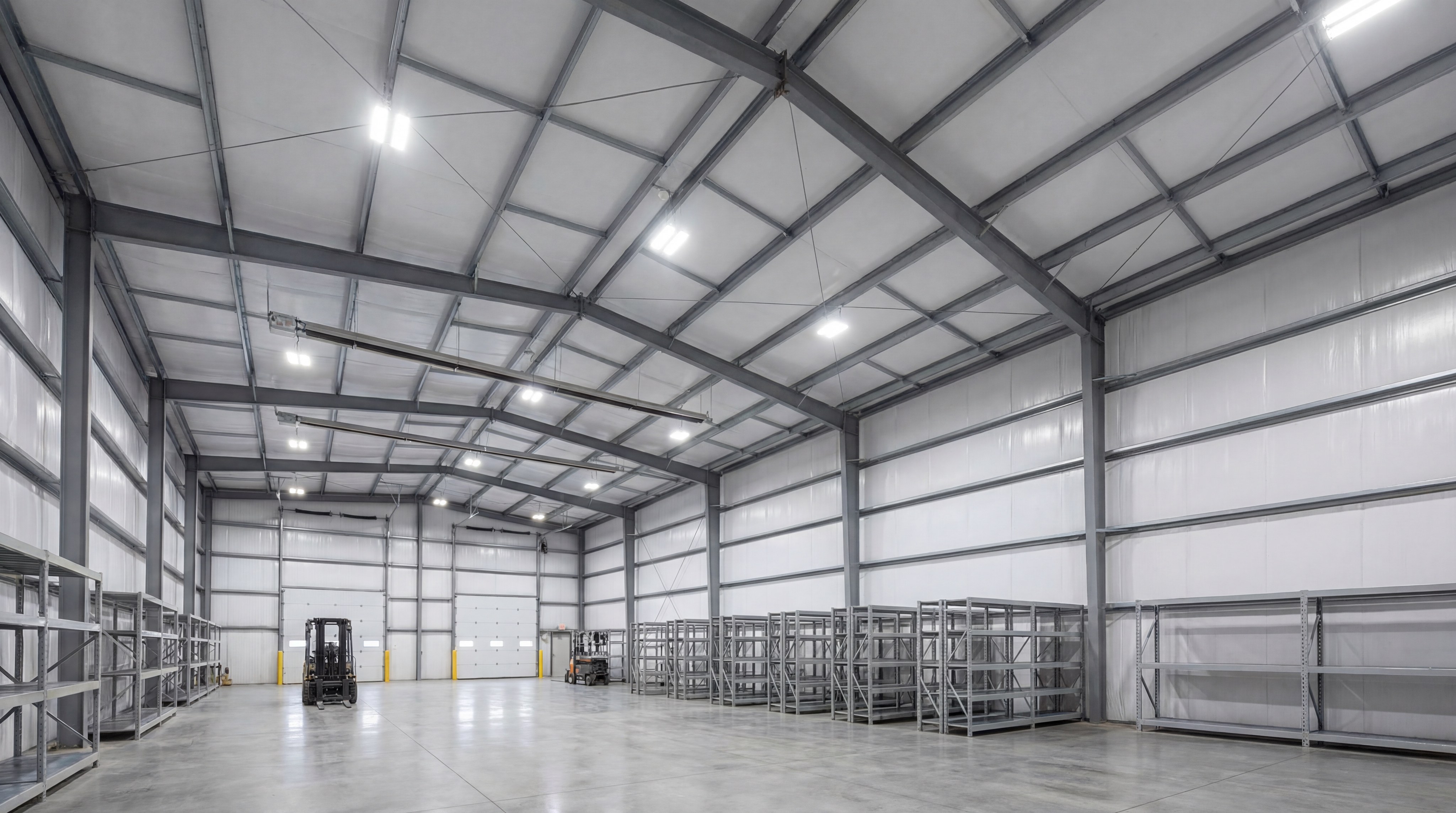
Avoiding common mistakes is essential for protecting your insulation for steel buildings investment and ensuring the material performs as expected for decades. The most common error is neglecting the vapor barrier, which allows moist air to bypass the insulation and hit the cold metal. This leads to mold growth and structural rot that can remain hidden behind the insulation for years.
Another critical mistake is leaving air gaps between the insulation and the steel frame. Even a small gap can create a “thermal bypass,” where air moves freely around the barrier, rendering the insulation far less effective. Consistency in coverage and meticulous sealing of every single seam are more important than the thickness of the insulation itself.
Why is a vapor barrier essential?
The danger is real:
- Without a barrier, moisture travels through and hits the metal.
- Trapped water leads to mold growth and hidden structural rot.
- The barrier must always be placed on the “warm” side of the room.
Does leaving air gaps hurt performance?
Absolutely:
- Small gaps allow for “thermal bypass” where air moves around the barrier.
- Unsealed seams can reduce the effective R-value by 20% or more.
- Consistent coverage is more critical than the thickness of the material.
Key Takeaway
Proper sealing and the inclusion of a high-quality vapor barrier are non-negotiable for achieving a long-term, budget-friendly result.
| Common Mistake | Consequence | Prevention | |
|---|---|---|---|
| No Vapor Barrier | Rust and Mold | Use faced insulation or foil | |
| Loose Fitting | Drafts and Heat Loss | Cut materials 1/2″ wider than gap | |
| Unsealed Seams | Moisture Entry | Use specialized insulation tape |
Avoiding these mistakes ensures that your budget insulation performs at its maximum R-value for the life of the building.
9. Does climate affect cheap insulation for steel buildings?
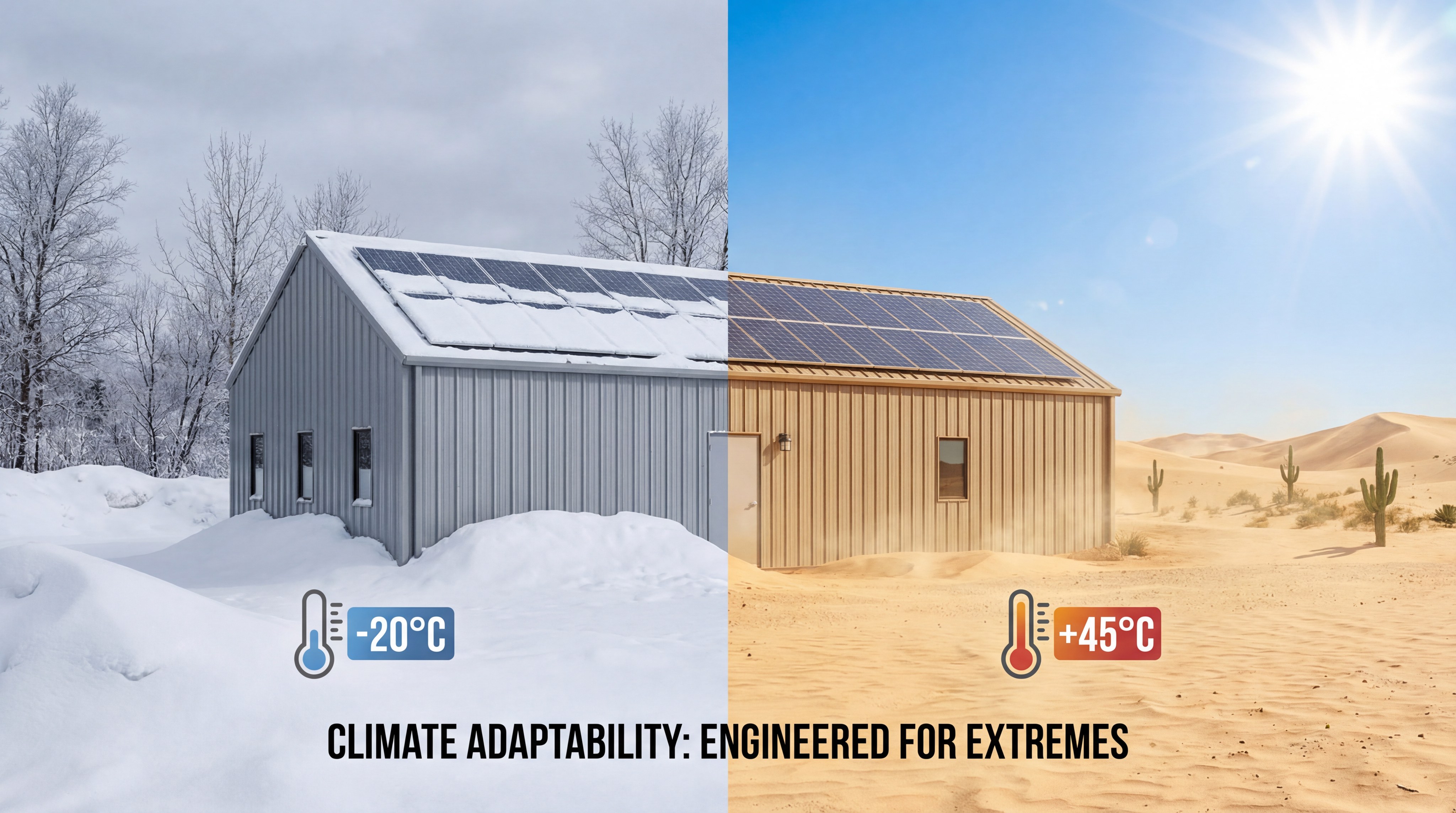
Your local weather patterns should dictate which budget method you choose for insulation for steel buildings , as the wrong material for your climate will ultimately waste money. In cold, northern climates, the priority is thermal retention—trapping heat inside the building. This requires high R-value materials like thick fiberglass batts or polyiso rigid boards that can resist the slow conduction of heat.
Conversely, in hot, southern climates, your primary enemy is radiant heat from the sun. In these areas, a radiant barrier is often much more effective than a thick fiberglass blanket. By reflecting the sun’s energy away before it even enters the building, you can maintain a comfortable temperature with minimal energy use. Matching your material to your climate is the key to true budget efficiency.
What works best in cold climates?
In the North:
- High R-value materials like thick fiberglass or rigid foam are superior.
- The goal is to trap generated heat inside the building.
- Vapor barriers must be perfectly sealed to prevent internal ice buildup.
How to handle extreme heat?
In the South:
- Radiant barriers are often more effective than conductive insulation.
- Ventilation works in tandem with foil to flush out hot air.
- Reflective surfaces prevent the “oven effect” in uninsulated sheds.
Key Takeaway
Always match your material choice to your primary environmental challenge—heat retention for cold areas, and heat reflection for hot ones.
| Climate Zone | Priority | Recommended Budget Choice | |
|---|---|---|---|
| Northern/Cold | Thermal Retention | Faced Fiberglass Batts | |
| Southern/Hot | Radiant Reflection | Reflective Foil/Radiant Barrier | |
| Mixed/Coastal | Moisture Control | Double Bubble or Rigid Board |
Selecting the wrong material for your specific climate can result in a 30% increase in energy costs despite having insulation installed.
10. FAQ: What is the best insulation for steel buildings?
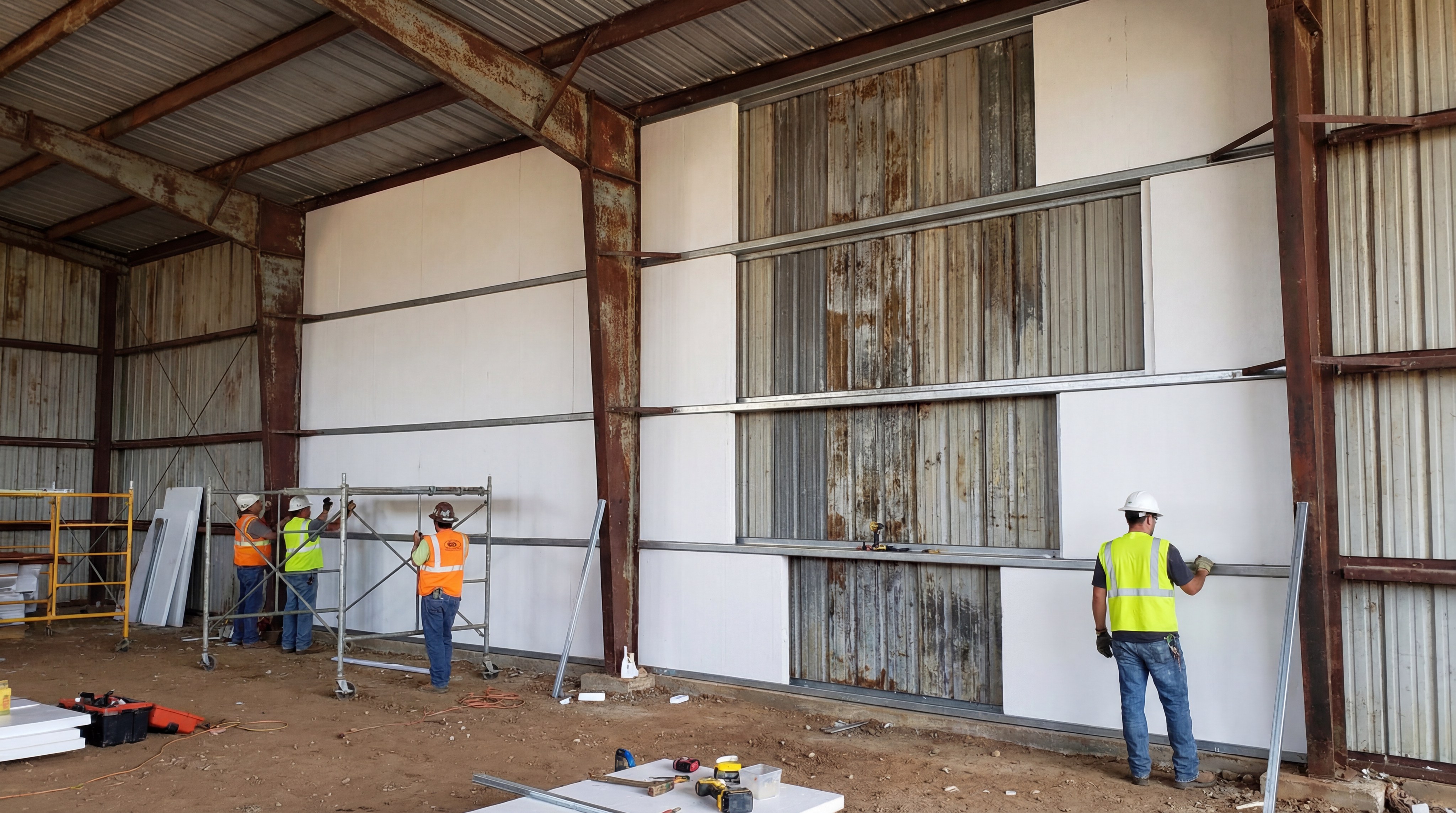
Selecting the right insulation for steel buildings depends on your specific goals, building size, and local environmental factors.
Can I install insulation after the building is finished?
Concise Judgment: Yes, it is very common. Reason: Retrofitting can be done by installing rigid boards or batts between existing wall girts and roof purlins, though it is slightly more labor-intensive than insulating during initial construction.
What’s the best way to stop metal building sweat?
Concise Judgment: Install a continuous vapor barrier. Reason: Using vinyl-faced fiberglass or reflective foil and ensuring all seams are airtight prevents warm, moist air from contacting the cold steel, which is the root cause of condensation.
How much does it cost to insulate a 40×60 building?
Concise Judgment: Expect 1,500 to 3,000 for materials. Reason: On a budget using reflective foil or basic fiberglass, your costs will vary based on the height of the walls and the specific R-value required for your climate.
Can I use residential attic insulation?
Concise Judgment: No, avoid this if possible. Reason: Residential kraft-faced insulation is often a fire hazard in commercial steel structures and lacks the durable, reinforced vapor barrier needed to prevent condensation on metal panels.
What is the most durable budget insulation?
Concise Judgment: Rigid foam boards (EPS or XPS). Reason: They are the most durable because they do not sag over time, are resistant to pests, and handle moisture much better than standard fiberglass blankets.
Conclusion
To get the most out of your facility investment, ensure you choose a thermal solution that matches your building’s primary use and climate. At Showhoo Steel Structure, we pride ourselves on delivering engineered excellence for industrial, commercial, and agricultural projects worldwide. Our factory-direct pricing and high-capacity manufacturing ensure you get the best value for your project. To discuss your structural needs or receive expert guidance on your next facility, contact us today for a free quote.