
Building a horse stall requires balancing animal safety, handler efficiency, and structural durability to ensure a long-lasting equestrian environment. Managing a growing equine facility often feels like a race against time, where inadequate space and poor ventilation lead to stressed horses and exhausted handlers. When stalls are cramped and air quality suffers, the risk of respiratory issues and injury increases, potentially turning your passion into a source of constant frustration and unexpected veterinary bills. By implementing expert-level planning and strategic structural choices, you can create a high-performance environment that prioritizes safety and efficiency. This guide explores professional strategies for building a horse stable that balances comfort for your animals with long-term operational success.
Why should you plan for future growth when building a horse stable?
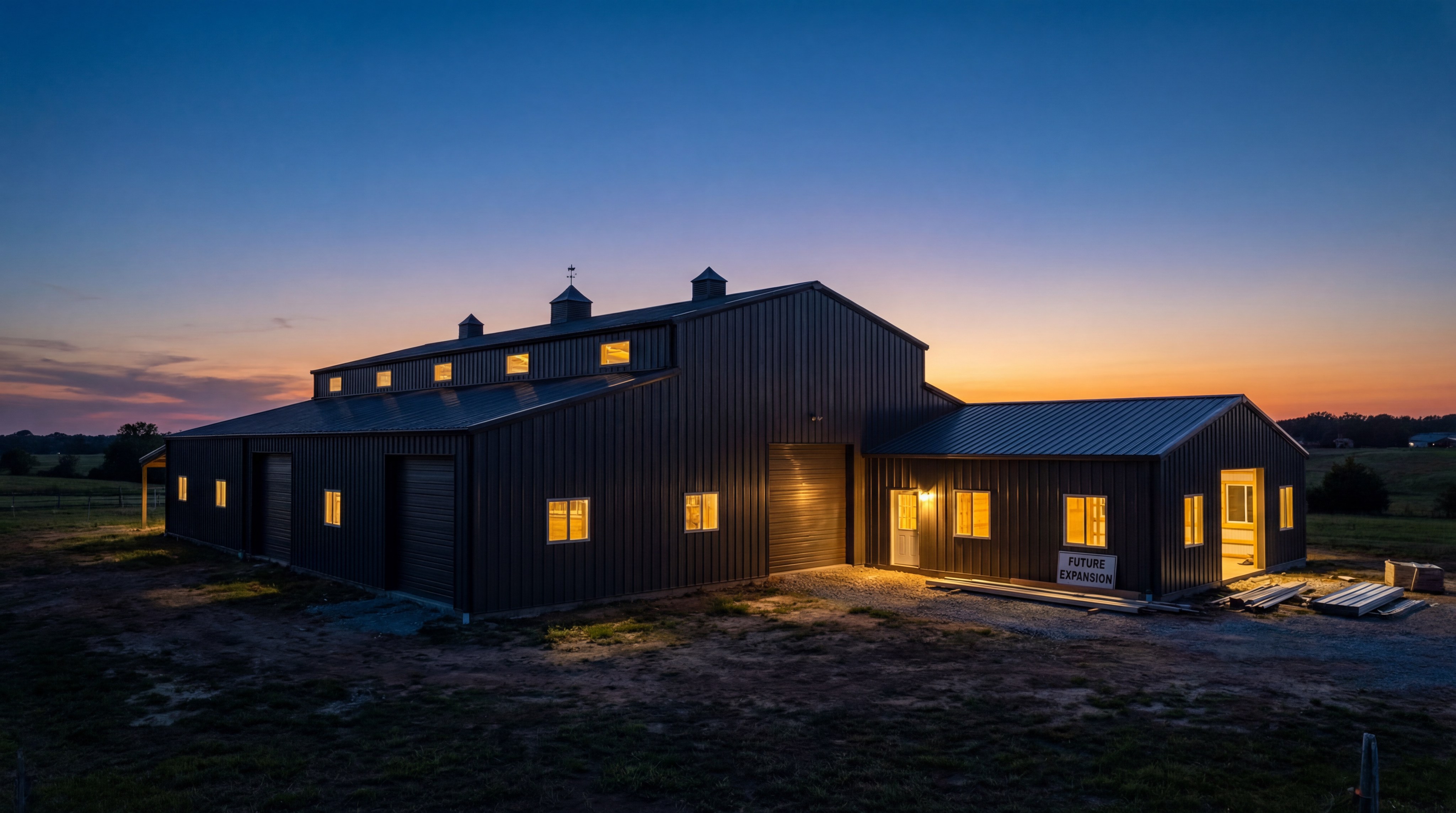
You should plan for future growth by designing a layout that accommodates more horses than you currently own to avoid costly renovations later. When building a horse stable, it is statistically likely that your herd will expand over the next five years. Most owners find that adding two extra stalls during the initial build is far cheaper than a secondary construction project.
Consider this:
- Extra stalls provide immediate storage for bedding or gear.
- Modular designs allow for easy wall removals.
- Pre-planning utility lines saves thousands in excavation costs.
Here is the bottom line. You need to think five years ahead to protect your investment. Key Takeaway: Always design for the number of horses you expect to have in five years, not just the ones you have today.
| Feature | Immediate Benefit | Long-Term Value | |
|---|---|---|---|
| Extra Stalls | Immediate storage for gear | Room for herd expansion | |
| Expansion Layout | Lower initial complexity | Simplified structural additions |
Proactive planning ensures your facility remains functional as your equine business or hobby scales upward.
What are the ideal dimensions for building a horse stable?
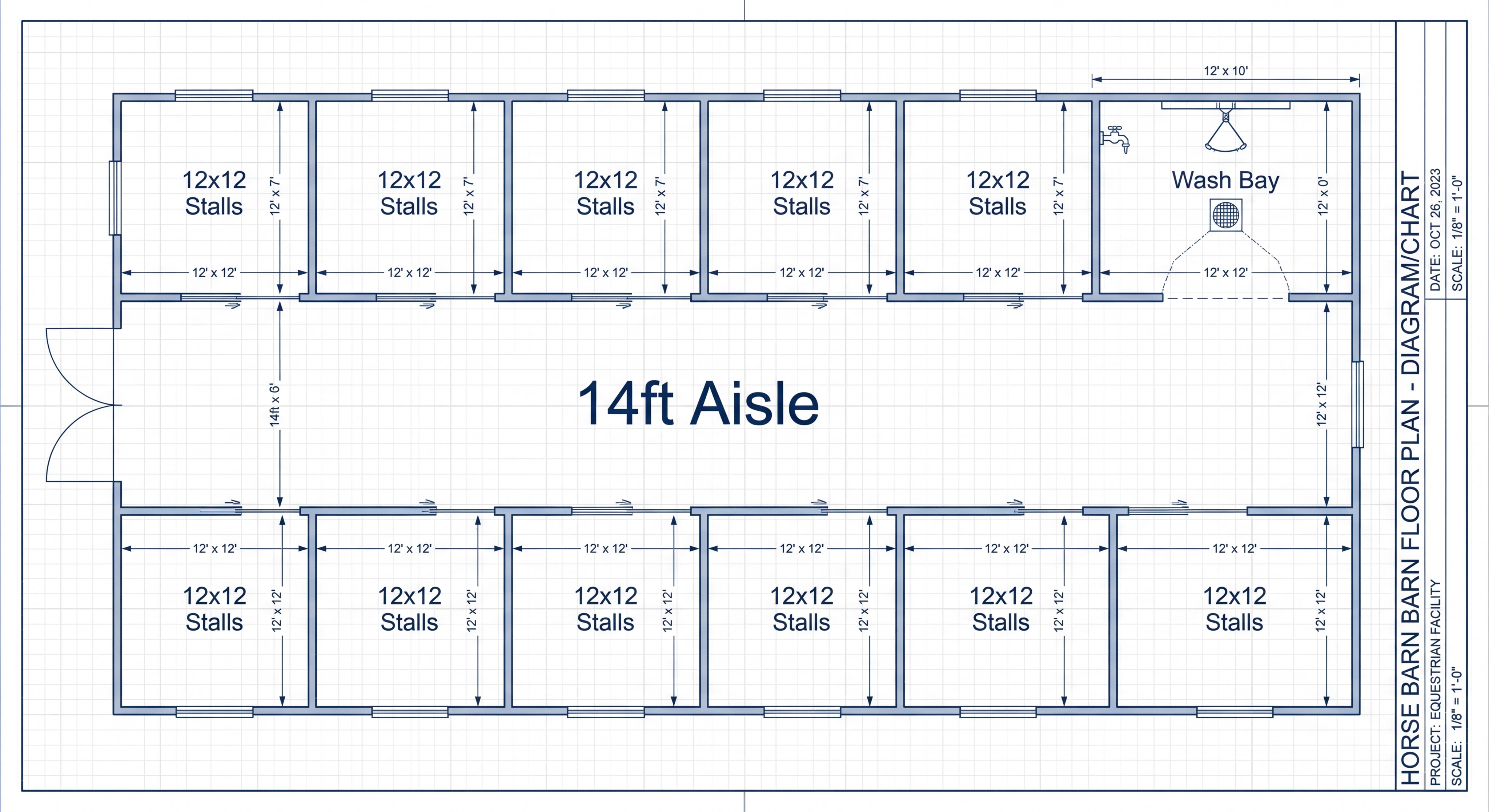
The ideal dimensions for a professional-grade horse stall are 12’x12′ paired with a center aisle at least 14′ wide. While 10’x10′ stalls are common, they often feel cramped for larger breeds and increase the risk of a horse becoming “cast” against a wall. When building a horse stable , prioritizing these larger dimensions ensures your handlers have enough clearance to move equipment safely.
Look at the facts:
- 12’x12′ stalls reduce the risk of stall-related injuries.
- 14′ aisles allow two horses to pass each other safely.
- Wider spaces improve overall barn airflow and light penetration.
And the best part? These dimensions are now the industry standard for resale value. Key Takeaway: Space is the primary safety factor; wider aisles and larger stalls prevent injuries during handling and turnout.
| Dimension | Minimum Standard | Professional Recommendation | |
|---|---|---|---|
| Stall Size | 10′ x 10′ | 12′ x 12′ | |
| Aisle Width | 12′ | 14′ |
Investing in standard professional dimensions significantly reduces long-term liability and improves the daily workflow for staff.
Which flooring provides the best value when building a horse stable?
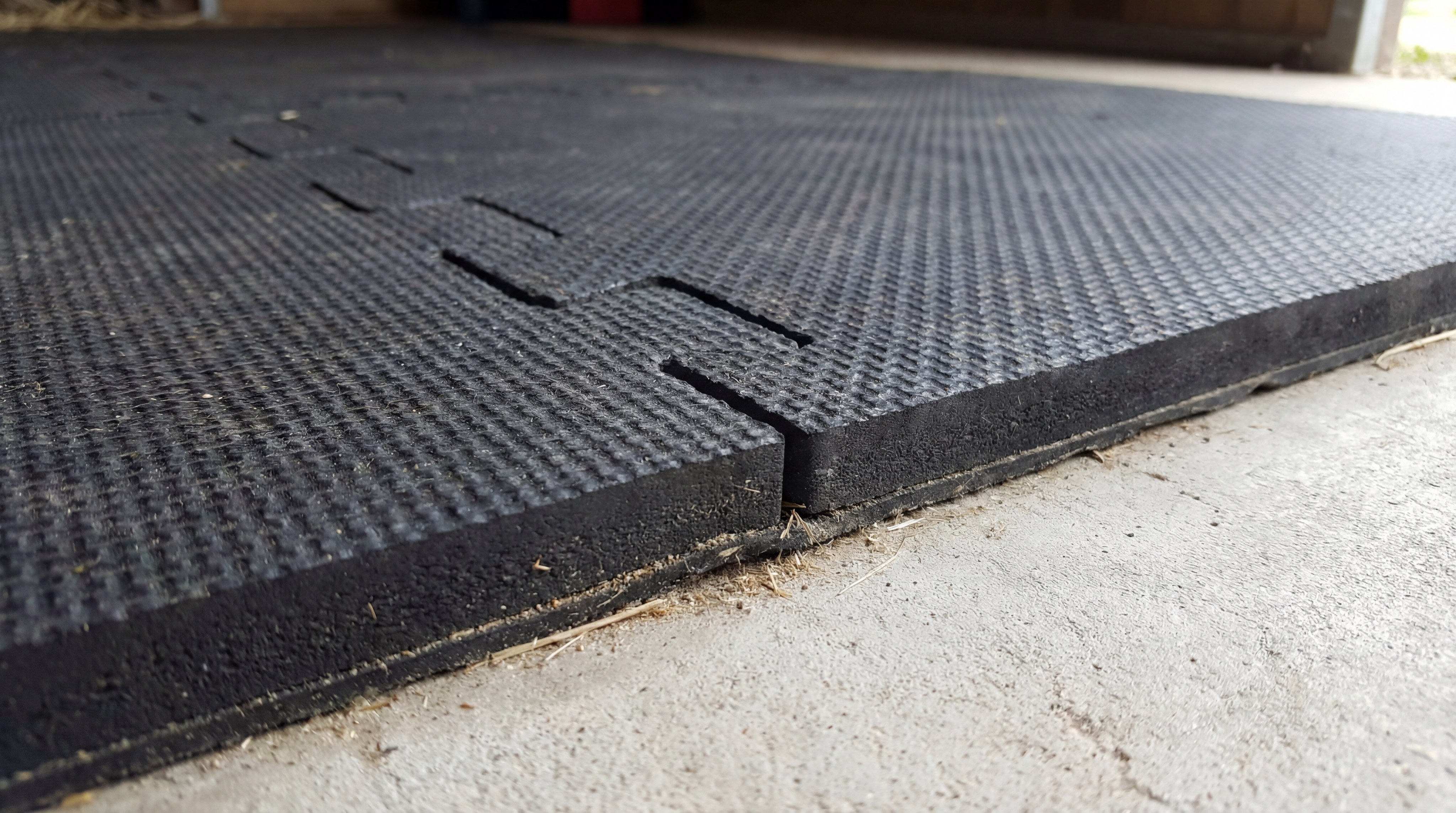
Interlocking rubber mat systems provide the best value because they reduce bedding costs and protect the horse’s joints from hard surfaces. When building a horse stable, selecting a durable, non-porous flooring material is essential for maintaining hygiene and reducing labor. A high-quality mat system over a granular base prevents the formation of “pawing holes” and simplifies the mucking process.
Keep this in mind:
- Rubber mats offer superior shock absorption for standing horses.
- Textured surfaces prevent slips in high-moisture areas.
- Sealed edges prevent ammonia buildup underneath the flooring.
But wait, there’s more. These mats can pay for themselves in under two years through bedding savings. Key Takeaway: A high-quality mat system over a granular base reduces bedding costs and protects horse joints from hard surfaces.
| Floor Type | Comfort Level | Maintenance Level | |
|---|---|---|---|
| Concrete | Low | Very Low | |
| Rubber Mats | High | Moderate | |
| Granular Base | Moderate | High |
High-performance flooring is a direct investment in the health of your horses and the efficiency of your maintenance crew.
Which structural design offers maximum flexibility for building a horse stable?
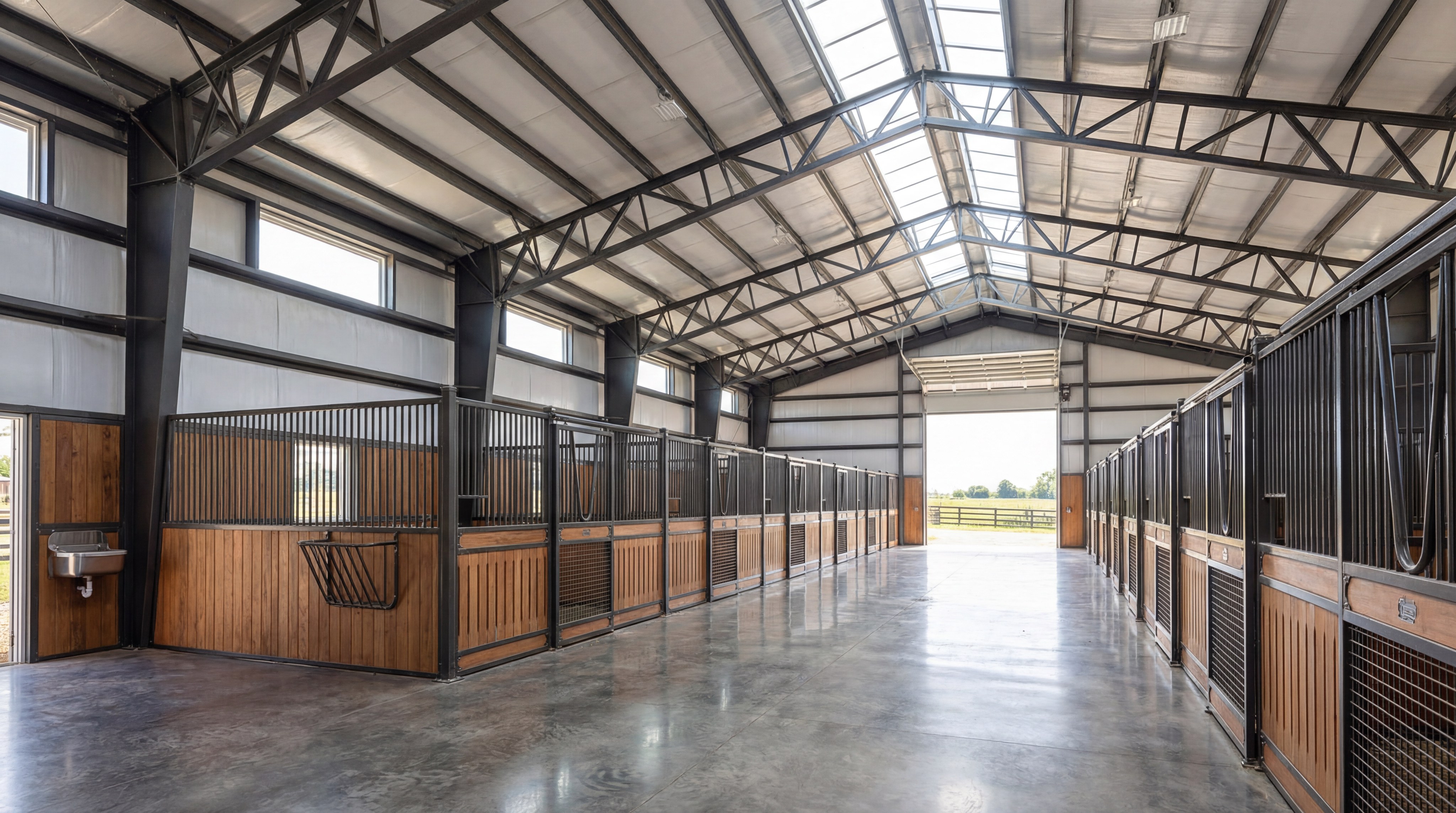
Clear span steel designs offer maximum flexibility by removing the need for interior load-bearing columns. When building a horse stable , using trusses that span the full width of the building allows you to reconfigure stalls or create open riding areas without structural constraints. This open-concept approach is ideal for facilities that may change their focus from boarding to training in the future.
Consider these advantages:
- No interior pillars mean zero obstacles for tractors or horses.
- Walls can be moved or added as your specific needs evolve.
- Steel structures offer superior fire resistance compared to traditional wood.
Believe it or not, this is the gold standard for modern equestrian facilities. Key Takeaway: Clear span designs offer the most flexibility, allowing you to reconfigure stalls without worrying about interior columns.
| Design Type | Support Method | Best Use Case | |
|---|---|---|---|
| Interior Column | Rafters/Columns | Traditional, smaller barns | |
| Clear Span | Full-width Trusses | Large arenas and flexible stalls |
Choosing a clear span structure ensures your building remains an asset regardless of how your equine operations change.
How should you design a functional wash bay when building a horse stable?
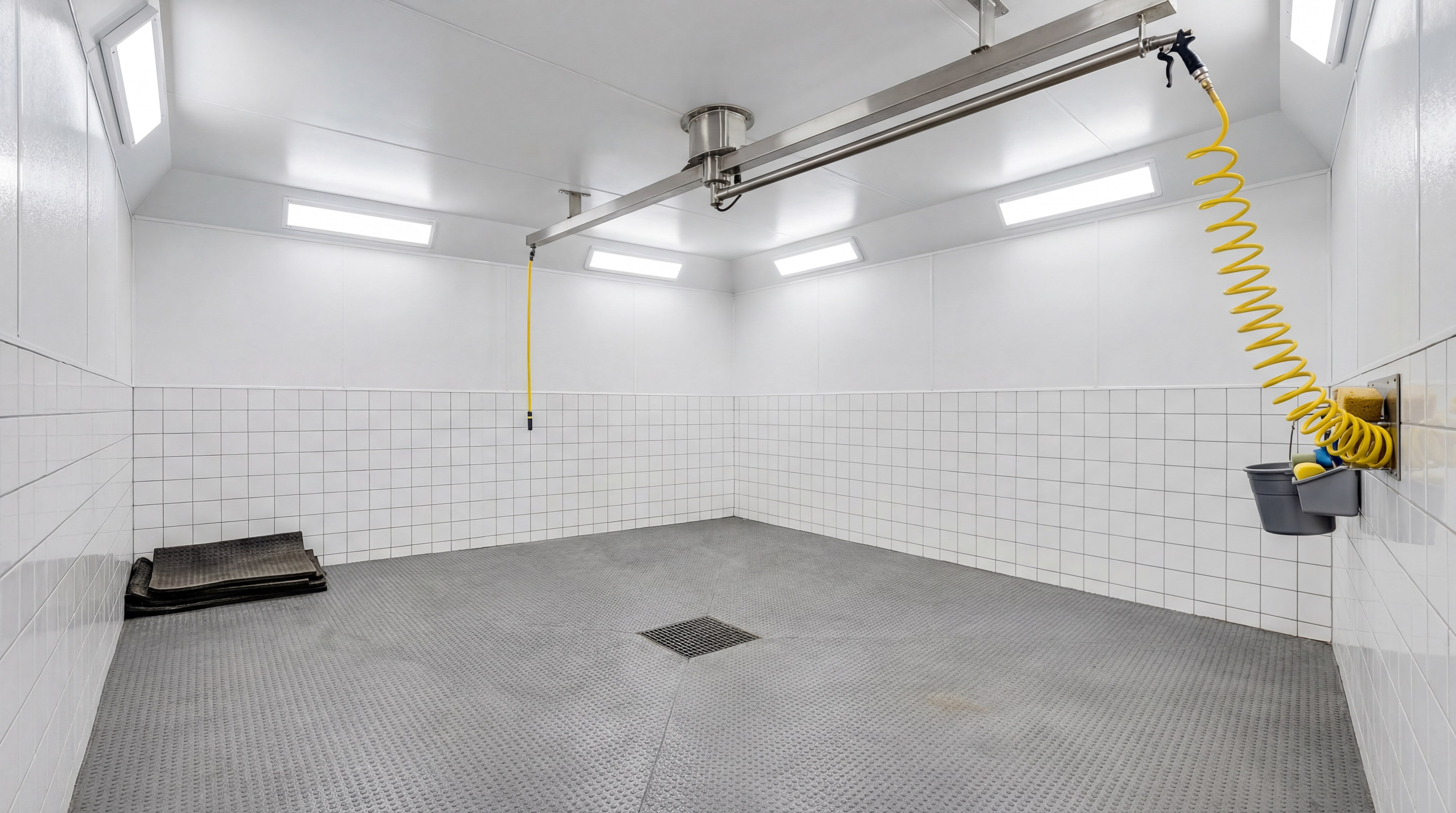
A functional wash bay should feature sloped concrete, non-slip mats, and an overhead hose boom to maximize safety and hygiene. When building a horse stable , the wash area must be strategically located near the tack room but isolated enough to prevent water from entering dry storage zones. Using waterproof wall panels and frost-free fixtures ensures the bay remains operational during harsh winter months.
Key components include:
- Centralized drainage to prevent standing water and slip hazards.
- Overhead swing arms to keep hoses off the floor and away from hooves.
- High-intensity LED lighting for thorough grooming and health inspections.
The reality is simple. A well-designed wash bay saves time and prevents accidents. Key Takeaway: Dedicated wash stalls should feature non-slip surfaces and overhead hose booms to maximize hygiene and safety.
| Component | Essential Feature | Purpose | |
|---|---|---|---|
| Floor | Sloped Concrete | Drainage and traction | |
| Plumbing | Frost-free fixtures | Prevents winter pipe bursts |
Proper wash bay design is a critical element in maintaining the overall health and presentation of your horses.
How do you organize high-performance tack rooms when building a horse stable?
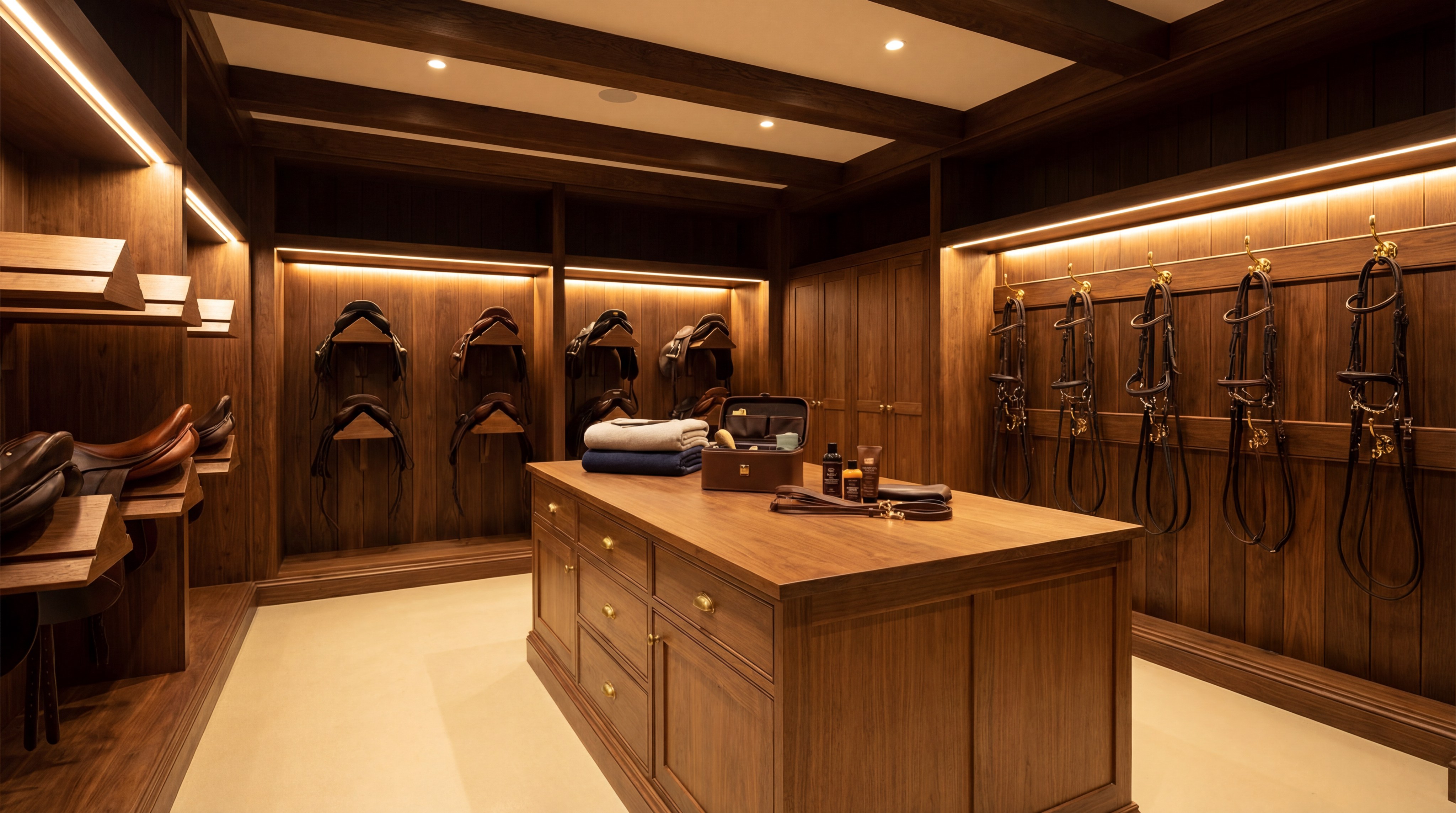
High-performance tack rooms are organized by separating daily-use items from long-term storage and implementing climate control to protect leather. When building a horse stable , an enclosed, dust-proof tack room is vital for preserving expensive equipment. Proper organization includes dedicated saddle racks, bridle hooks, and a central cleaning station for maximum efficiency during prep time.
Try these tips:
- Use vertical wall space for bridles to keep aisles clear.
- Install a central island for cleaning and gear organization.
- Ensure the room is climate-controlled to prevent mold on leather.
Make no mistake about it. An organized tack room is the heart of a productive barn. Key Takeaway: A sealed, climate-controlled tack room protects expensive leather equipment from the dust and humidity prevalent in stalls.
| Storage Need | Ideal Location | Protection Method | |
|---|---|---|---|
| Saddles/Bridles | Enclosed Room | Dust-proof doors | |
| Daily Grooming | Near Cross-Ties | Open shelving |
A well-planned tack room reduces the time spent searching for gear and extends the lifespan of your riding equipment.
How do you ensure proper barn ventilation when building a horse stable?
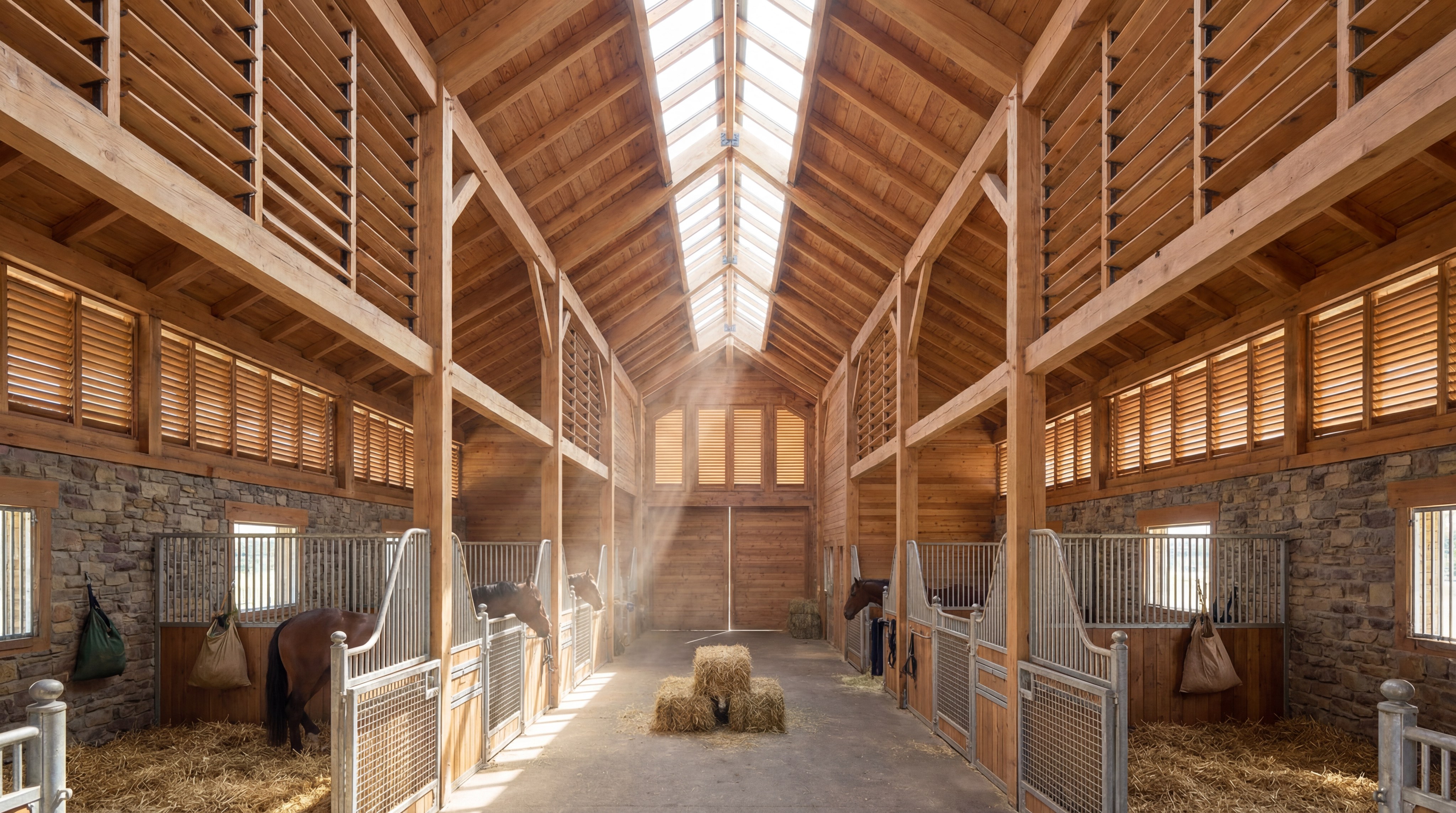
Proper barn ventilation is achieved by utilizing natural cross-ventilation through strategically placed doors, eaves, and ridge vents. When building a horse stable, air quality is the most significant factor in preventing chronic respiratory issues like “heaves” in horses. Passive airflow systems are more reliable than electronic fans because they function 24/7 without energy costs or mechanical failure.
Essential features:
- Ridge vents at the peak to allow hot, stale air to escape.
- Eave vents to pull in fresh, cool air from the outside.
- Large sliding doors that can be opened to create a wind tunnel.
It’s easier than you think. Natural airflow is your best defense against ammonia buildup. Key Takeaway: Natural ventilation through strategically placed doors and eaves is more reliable and effective than electronic sensor systems.
| Ventilation Method | Pros | Cons | |
|---|---|---|---|
| Cross Ventilation | Zero energy cost | Wind direction dependent | |
| Ridge Vents | Constant air exit | Requires proper installation |
Prioritizing air quality during the design phase ensures a healthier environment for both the animals and the caregivers.
Which doors and lighting options are safest when building a horse stable?
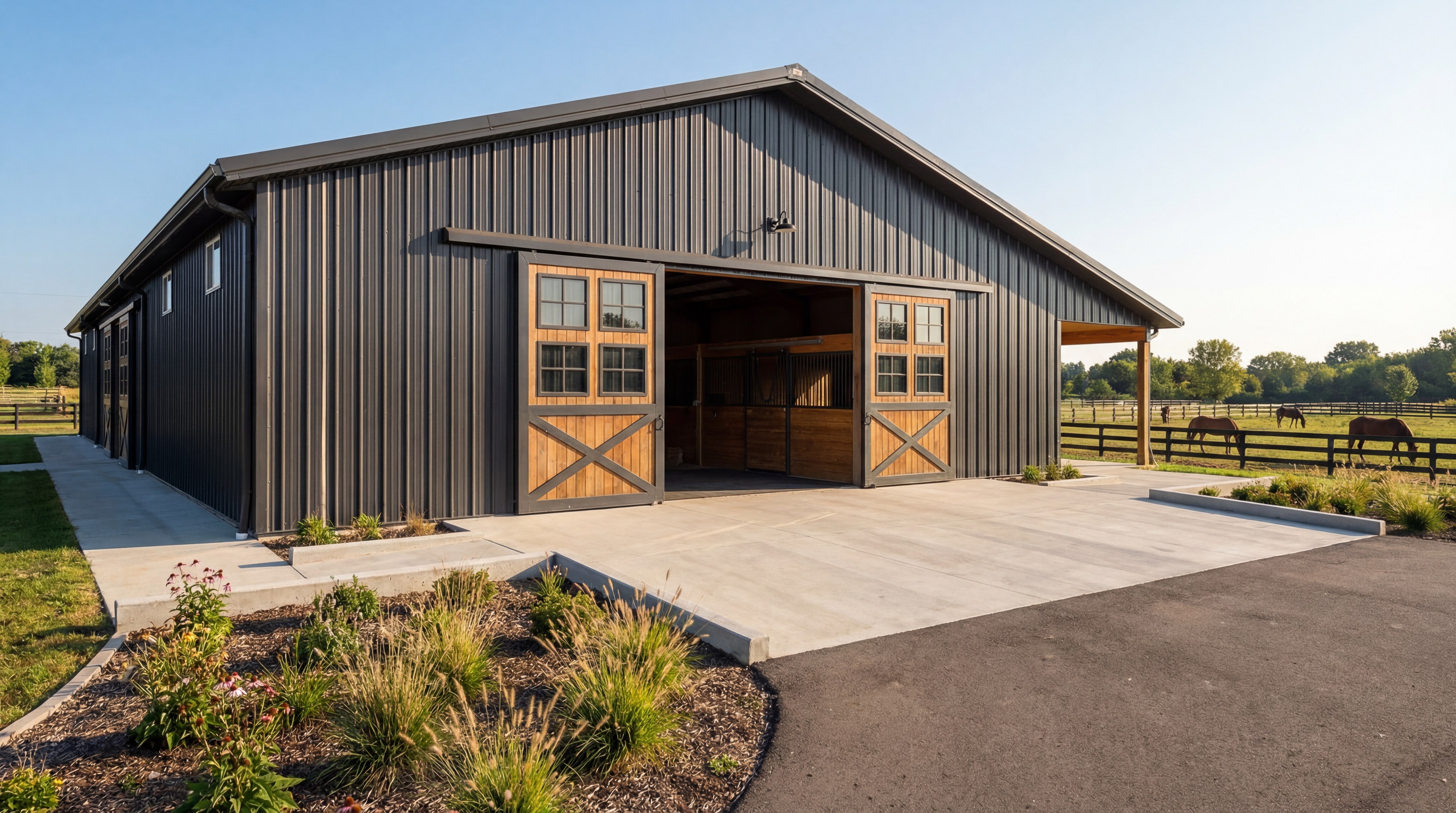
Sliding doors and translucent eave panels are the safest options because they reduce noise and maximize natural visibility. When building a horse stable , sliding doors are superior to overhead garage doors as they operate quietly and do not take up vertical clearance. Additionally, Dutch doors allow horses to look out, which significantly reduces boredom and stall-walking behaviors.
Safety highlights:
- Sliding doors won’t blow shut in high winds.
- Translucent panels provide free daytime lighting for safer movement.
- Dutch doors improve individual stall ventilation and mental health.
The choice is clear. Safety starts with high-visibility and quiet-operation components. Key Takeaway: Sliding doors are safer and quieter than overhead doors, making them the superior choice for high-traffic horse barns.
| Door Style | Noise Level | Space Requirement | |
|---|---|---|---|
| Sliding | Low | Minimal (Wall-hugging) | |
| Overhead | High | Vertical clearance |
Optimizing the entrance and light sources creates a calmer, more predictable environment for high-strung or sensitive horses.
Where should you store hay and feed resources when building a horse stable?
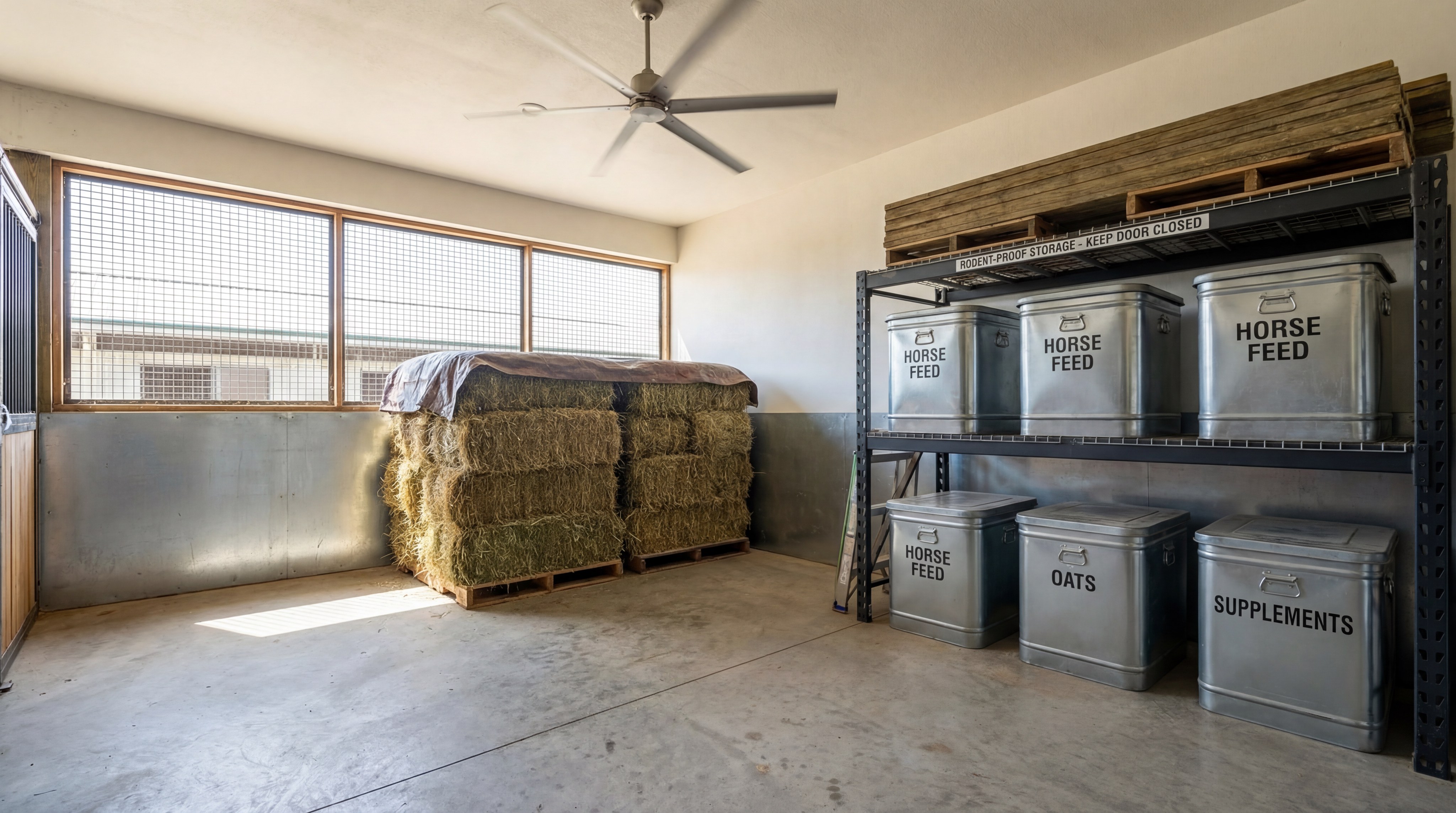
Hay should be stored in a separate, well-ventilated structure located at least 50 feet away from the main barn to mitigate fire risks. When building a horse stable, the feed room should be a separate, rodent-proof area within the barn to maintain supplement freshness and hygiene. Using galvanized steel bins for grain and keeping hay off the ground on pallets are essential steps for waste reduction.
Resource management tips:
- Separate hay storage reduces the risk of total loss during a fire.
- Rodent-proof bins prevent contamination and feed loss.
- Pallets under hay bales prevent moisture wicking and mold.
Think about this for a second. Safety and savings go hand-in-hand with proper storage. Key Takeaway: Storing hay in a separate structure is a critical fire safety measure that protects your horses from spontaneous combustion risks.
| Storage Site | Risk Level | Insurance Impact | |
|---|---|---|---|
| Inside Barn | High | Possible higher premiums | |
| Separate Shed | Low | Potential for lower rates |
Strategic resource placement protects your animals from fire hazards while streamlining your daily feeding schedule.
Frequently Asked Questions about Building a Horse Stable
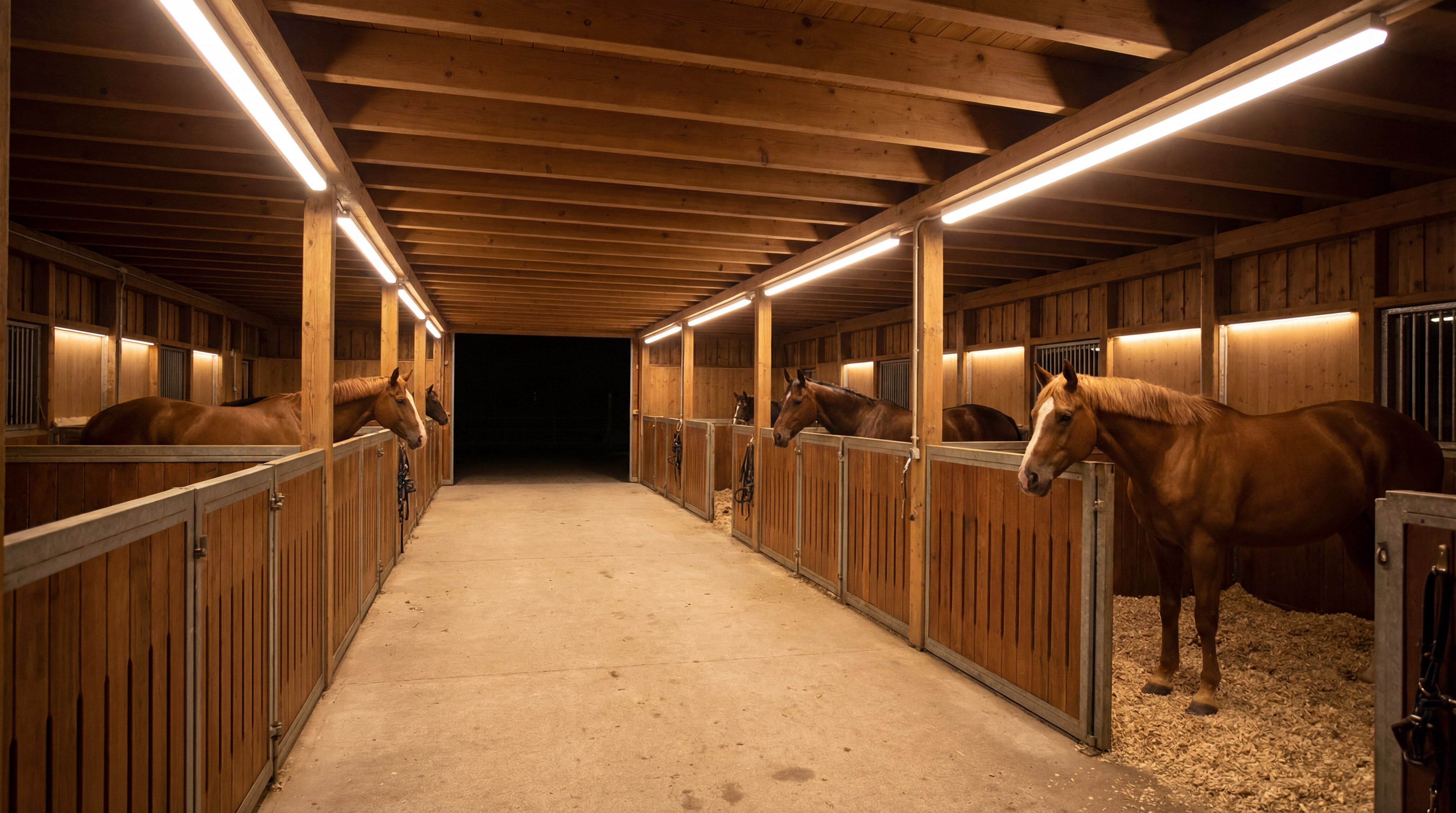
Can I use wood for the interior stalls in a steel barn?Yes, wood infill is highly recommended because it provides a warmer aesthetic and better impact resistance if a horse kicks the stall walls. When building a horse stable , combining a steel frame with wood planks offers the best of both worlds in terms of strength and animal comfort.
What’s the best way to manage manure storage?The best way is to maintain a designated compost area at least 100 feet downwind from the stable to minimize flies and odors. Keeping this area accessible for tractors ensures that the waste can be turned and removed without disrupting the daily barn routine.
Can I install automatic waterers myself?While possible, it is best to hire a professional to ensure the lines are buried below the frost line and the electrical grounding is perfect. Horses are sensitive to stray voltage, so a professional installation protects your herd from “tank shocks” that discourage drinking.
What is the ideal ceiling height for a horse barn?You should aim for at least 12 feet of clearance to allow for proper airflow and to ensure a rearing horse does not strike the ceiling. Higher ceilings also accommodate large machinery, such as tractors with front-end loaders, which are essential for facility maintenance.
Is insulation necessary for a horse stable?Insulation is highly recommended for the roof to prevent condensation and help regulate temperatures during extreme summer heat. While horses generate their own body heat in winter, preventing a “greenhouse effect” in the summer is vital for their respiratory health and comfort.
Conclusion
Building a horse stable that stands the test of time requires a commitment to safety, space, and superior materials. From the flexibility of clear span steel frames to the health benefits of natural cross-ventilation, every design choice impacts the well-being of your horses and the efficiency of your operations. At Showhoo Steel, we specialize in high-durability agricultural structures tailored to the unique needs of equestrian professionals. Whether you are expanding an existing facility or starting a new project, our team provides the structural expertise to bring your vision to life. If you are ready to take the next step toward your dream facility, contact us today to discuss your custom project requirements and receive a detailed quote.