
Successfully building horse stalls requires a blend of expert engineering, equine behavioral knowledge, and high-quality materials. Many owners struggle with cramped layouts or poor airflow that negatively impacts their horses’ health and longevity. These oversights often lead to expensive renovations and increased veterinarian bills over time. By following professional standards for building horse stables , you can create a safe and durable facility that stands the test of time.
Why plan for growth when building horse stables?
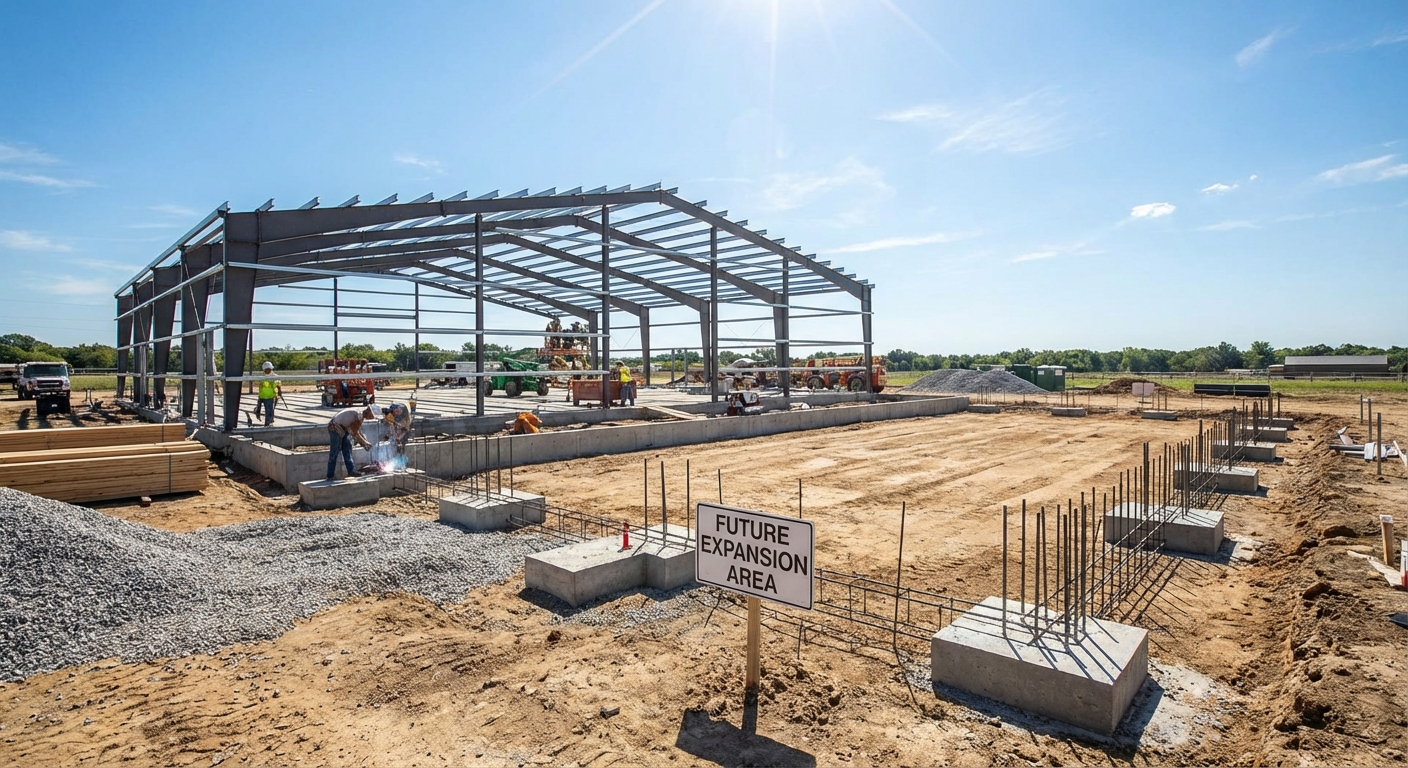
Planning for growth ensures your facility remains functional as your herd or business expands. When you are building horse stables , it is much more cost-effective to include a few extra stall footprints now than to add an extension later. Future-proofing your design prevents the logistical nightmare of a construction site encroaching on your active training areas.
Should you build extra stalls now?
Building extra stalls immediately provides instant storage for bedding or equipment, which is always in high demand. Even if you don’t install the partitions now, ensure your footprint allows for seamless expansion later.
Here is why you should consider it:
- Lower cost per square foot during initial builds.
- Flexibility for visiting horses or medical isolation.
- Enhanced resale value for the property.
How do you design for future needs?
Consider the plumbing and electrical “skeleton” during the initial phase. It is far cheaper to run extra lines during the foundation stage than to tear up floors five years down the line. The truth is, your needs will change.
| Factor | Benefit | Consideration | |
|---|---|---|---|
| Extra Footprints | Scalability | Foundation costs | |
| Pre-run Utilities | Savings | Utility capacity | |
| Modular Walls | Flexibility | Initial hardware cost |
Expansion planning is the difference between a lifetime barn and a temporary fix.
Key Takeaway: Always build for 20-30% more capacity than your current herd requires to ensure long-term utility and operational flexibility.
Are stall sizes vital when building horse stables?
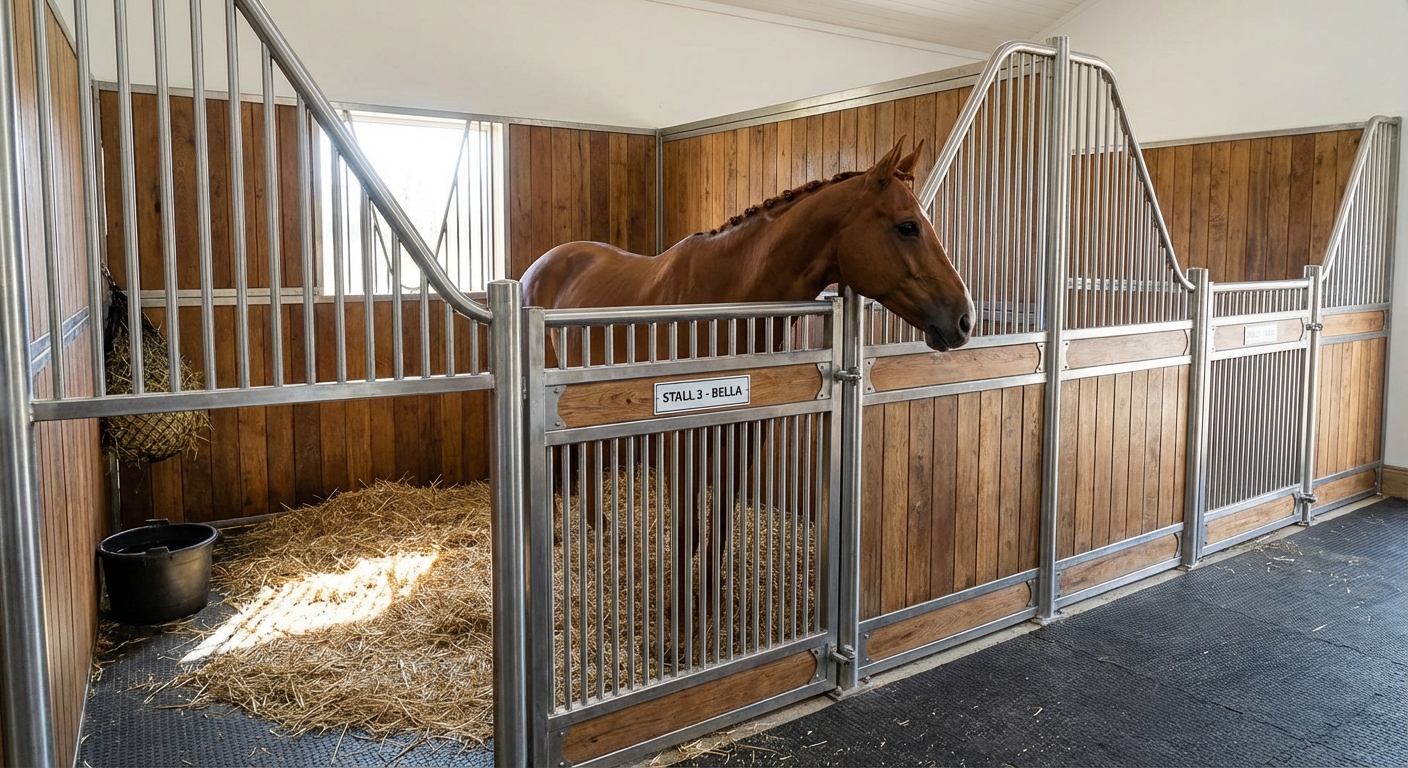
Proper stall sizing is the foundation of equine comfort and safety within a barn. When building horse stables, the difference between a 10-foot and a 12-foot stall is massive for a horse’s health. Cramped quarters lead to increased stress and a higher risk of injury when a horse lies down or turns around.
Is a 12-foot stall the gold standard?
Expert builders recommend a minimum of 12′ x 12′ for standard horses. For larger breeds or foaling stalls, you should consider expanding to 12′ x 14′ or even 14′ x 14′.
Think about it:
- 12′ x 12′ is the standard for safety.
- 14′ x 14′ is ideal for broodmares.
- Smaller stalls increase the risk of “casting.”
Why are wide aisleways necessary?
A 14-foot aisleway is the best option for safety and movement throughout the facility. Narrow aisles feel cramped and make it difficult for two horses to pass each other safely. Wide aisles are the secret to a professional flow.
| Stall Type | Recommended Size | Use Case | |
|---|---|---|---|
| Standard | 12′ x 12′ | Riding horses | |
| Oversized | 12′ x 14′ | Large breeds | |
| Foaling | 14′ x 14′ | Broodmares |
Sufficient space reduces social friction and physical injuries for your equine residents.
Key Takeaway: Stick to 12′ x 12′ dimensions to prevent “cast” horses and significantly improve daily comfort and safety.
What floors are used when building horse stables?
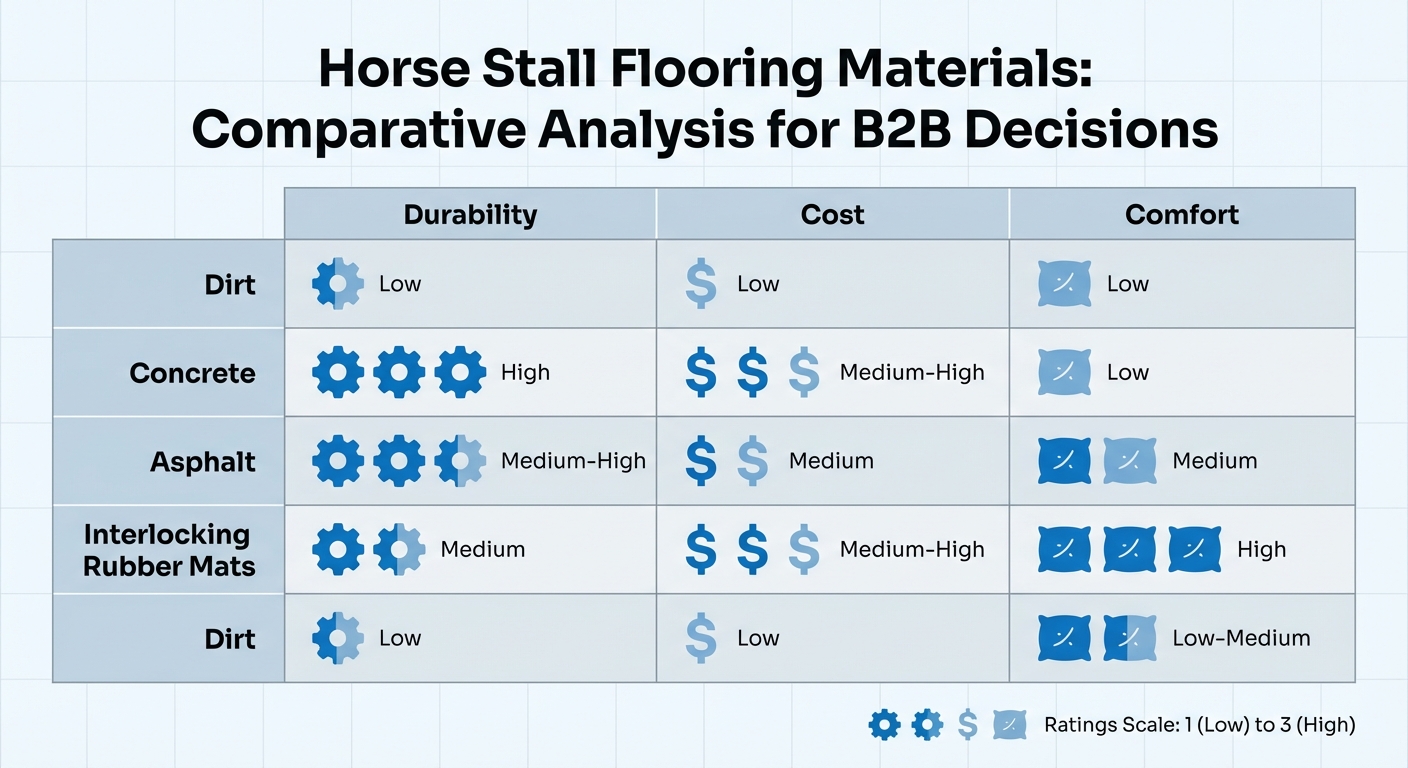
Flooring impacts the joints and overall health of your horses more than any other element. While a granular base is a common starting point for building horse stables , the finishing material determines daily maintenance. Selecting the right surface ensures traction and reduces the risk of respiratory issues from ammonia.
Is a mat system better than traditional dirt?
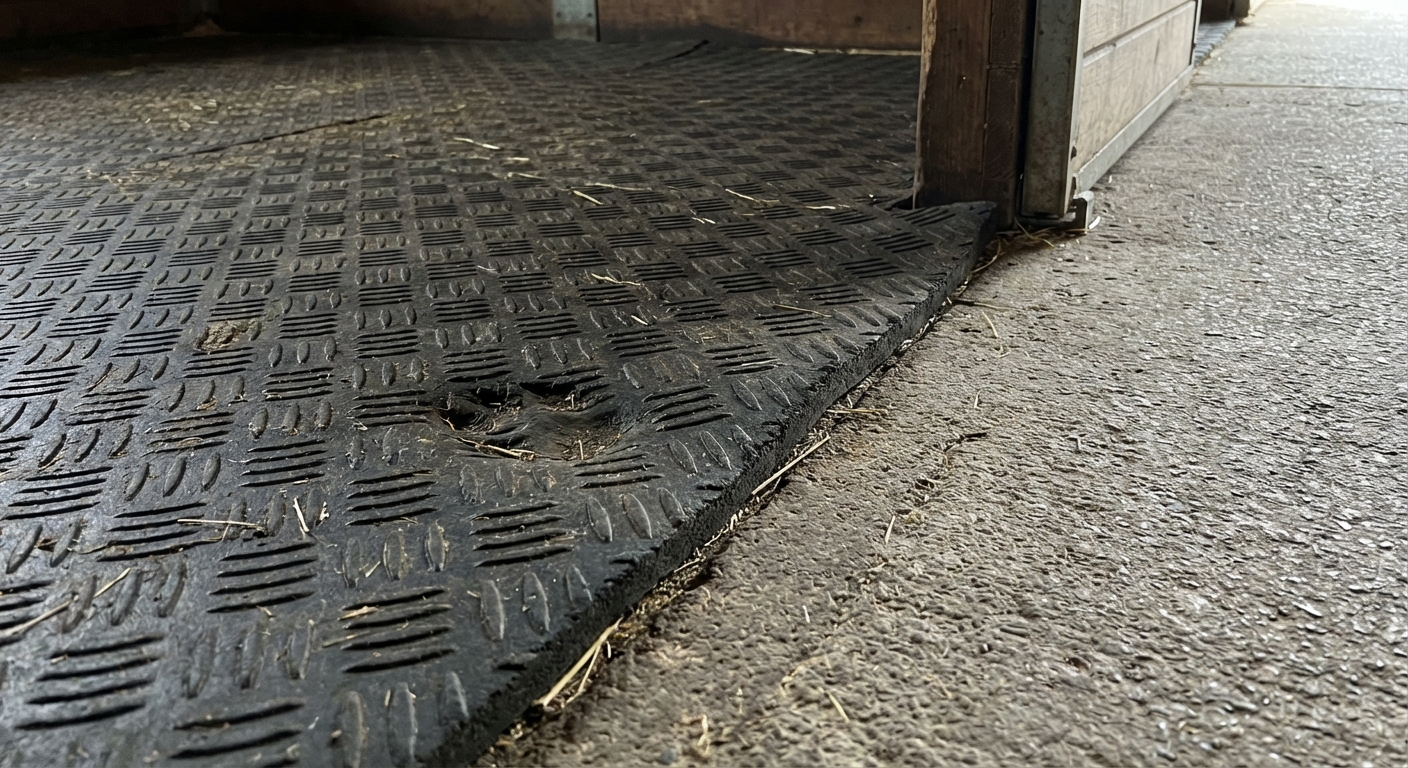
High-quality rubber mat systems reduce the amount of bedding needed and provide consistent cushioning. Once these are installed, they require very little upkeep and protect your horses’ hocks.
But wait, there’s more:
- They prevent the formation of holes in stalls.
- Non-porous surfaces are easier to disinfect.
- Cushioned mats reduce joint fatigue.
Where should you use concrete or pavers?
Concrete is excellent for wash bays and high-traffic areas, while brick pavers offer superior traction in main aisleways. Ensure proper drainage under any flooring system to prevent ammonia buildup. Drainage is the key to a fresh barn.
| Flooring Material | Durability | Comfort Level | |
|---|---|---|---|
| Rubber Mats | High | Excellent | |
| Concrete | Highest | Low | |
| Pavers | High | Medium |
Proper flooring selection balances initial investment with long-term labor savings and horse wellness.
Key Takeaway: Use rubber mats to save on bedding costs and protect horse joints from hard, unforgiving surfaces.
Which designs fit when building horse stables?
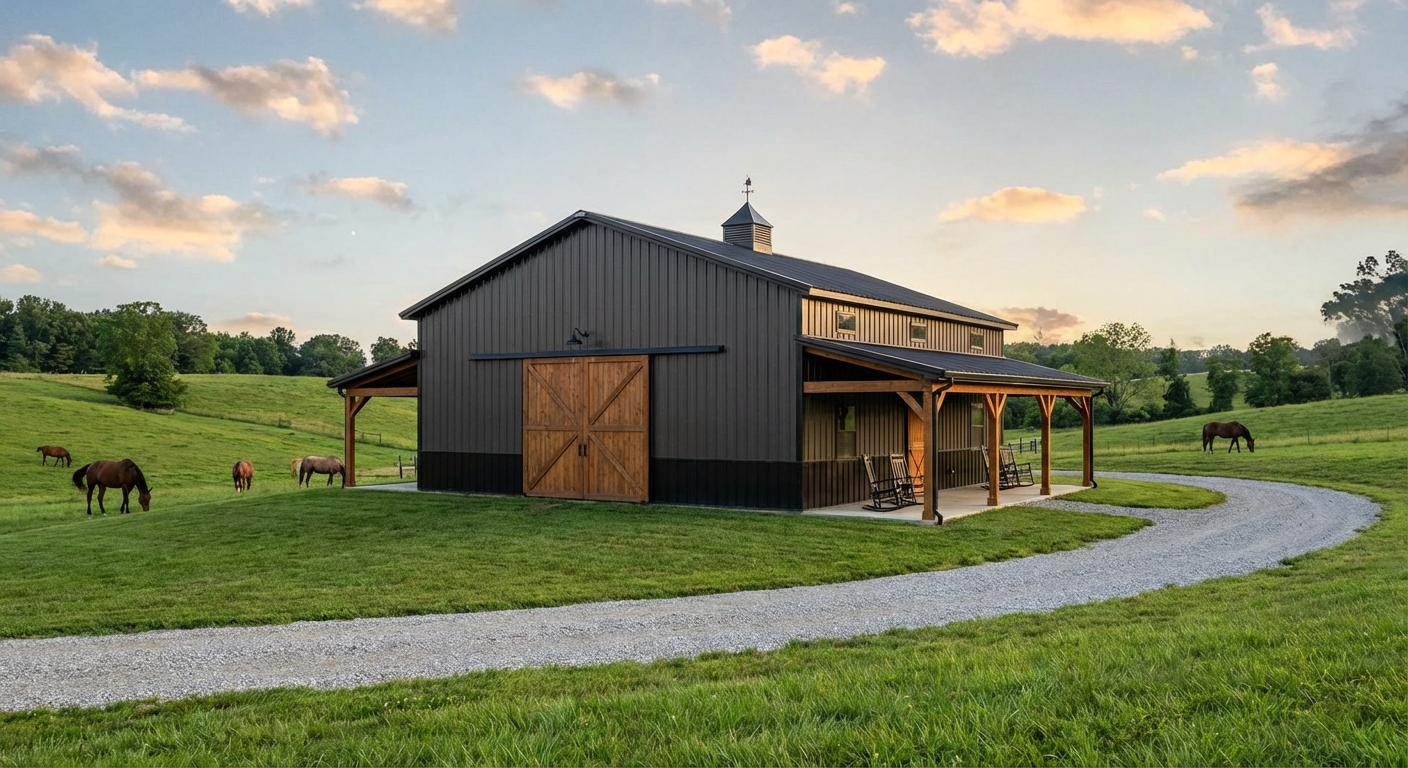
Choosing between interior columns and clear span construction determines the flexibility of your layout. Your choice will depend on your budget and how you plan to use the space when building horse stables. Metal structures offer superior durability and fire resistance compared to traditional wood.
What is the interior column type?
In this design, columns support the rafters and the roof throughout the center of the building. This is often more cost-effective but requires your stall layout to work around fixed support posts.
Keep in mind:
- Fixed posts limit future remodeling.
- Columns can interfere with large equipment.
- This is a traditional, stable design.
Is clear span construction worth it?
Clear span uses trusses to support the roof without interior columns, allowing for total freedom. This makes it easy to reconfigure the barn or use the space for an indoor arena. It is the ultimate professional choice.
| Construction Type | Flexibility | Cost Level | |
|---|---|---|---|
| Interior Column | Low | Budget-friendly | |
| Clear Span | High | Premium | |
| Rigid Frame | Medium | Competitive |
Steel structures provide the longevity and customizability needed for modern equestrian business operations.
Key Takeaway: Clear span designs offer maximum flexibility for free-standing stalls and future barn reconfigurations or expansions.
Is a wash stall needed when building horse stables?
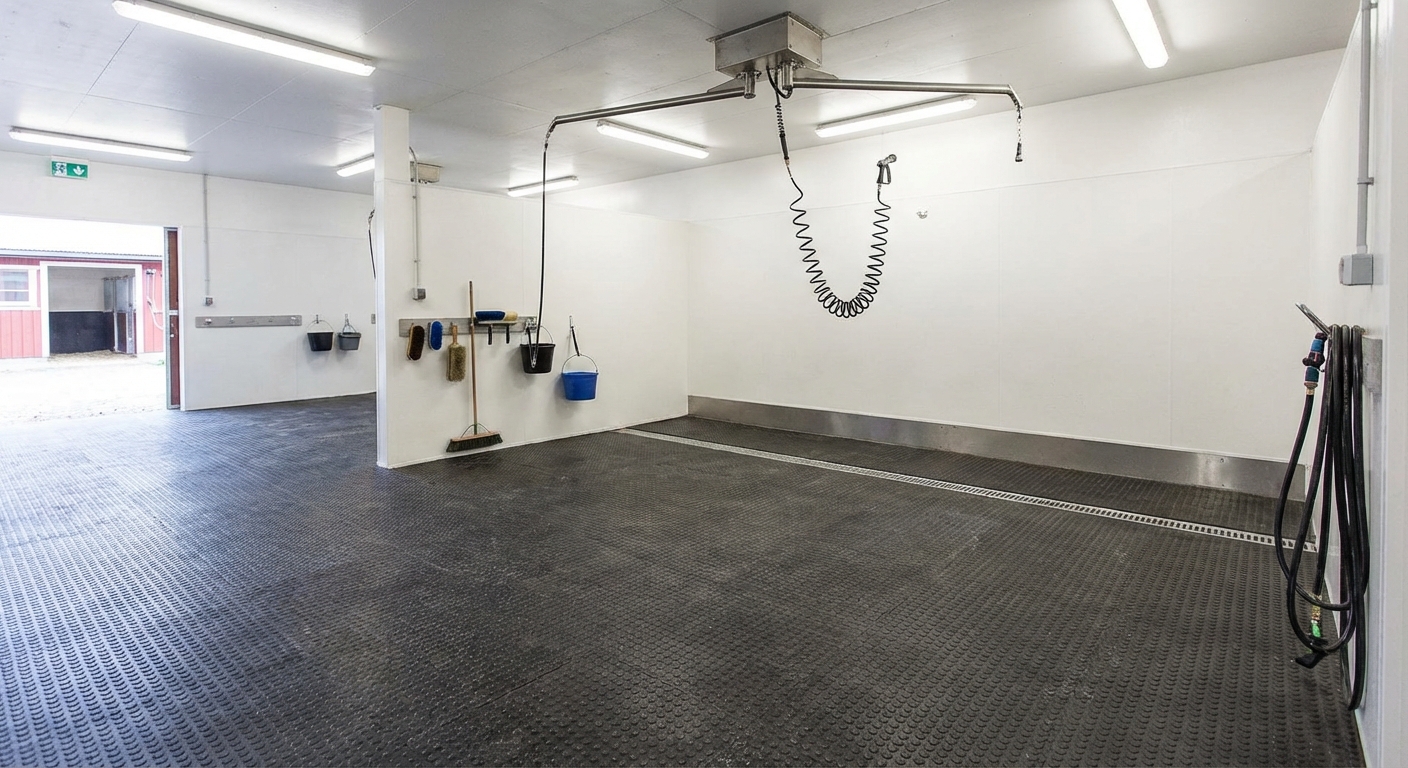
An interior wash stall is a luxury that quickly becomes a necessity for building horse stables in professional settings. It provides a controlled environment for grooming and medical treatments throughout the year. Having a dedicated area keeps water and mud away from your clean aisleways.
How do you handle drainage?
A dedicated drainage system with a concrete floor covered by rubber mats is essential for safety. Ensure the floor slopes toward the drain to prevent standing water and slip hazards.
No one likes a puddle:
- Use heavy-duty metal grates.
- Clean drains weekly to prevent clogs.
- Slope at least 1/4 inch per foot.
What plumbing fixtures are required?
Install both hot and cold water lines with frost-free fixtures to prevent pipe bursts in winter. Overhead hose booms are highly recommended to keep hoses off the floor and away from legs. Safety should always come first.
| Feature | Necessity | Benefit | |
|---|---|---|---|
| Overhead Boom | High | Safety & ease | |
| Hot Water | Medium | Winter bathing | |
| Non-slip Mats | High | Horse safety |
A well-designed wash bay increases the efficiency of horse care and maintains a cleaner overall facility.
Key Takeaway: Dedicate at least one stall space to a wash bay with a non-slip floor for operational efficiency.
Where goes the tack when building horse stables?
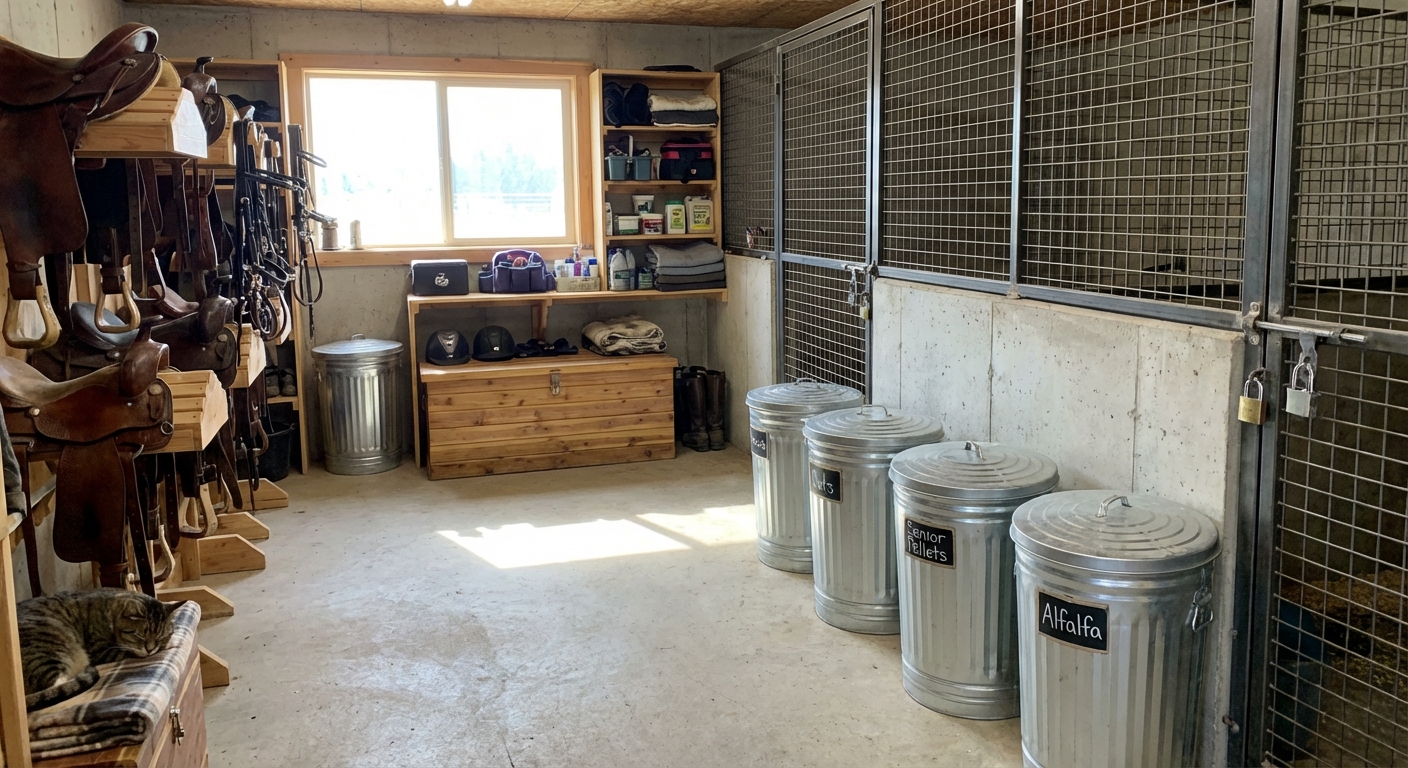
A tack room is the command center of your barn and must be kept secure and dust-free. Proper placement ensures your expensive saddles and bridles remain in top condition when building horse stables. Poorly planned tack rooms lead to moldy leather and disorganized equipment that slows down your day.
Should the tack room be enclosed?
Absolutely, closing off the tack room with a solid door protects leather from the inevitable barn dust. Many owners opt for climate control to prevent mold and mildew during humid months.
Protect your investment:
- Use rubber seals on doors.
- Install a dehumidifier.
- Keep the area well-lit.
Can you combine feed and tack storage?
While possible, many experts recommend keeping them separate to prevent rodents from accessing your equipment. Feed rooms often attract more dust, while tack rooms benefit from a cleaner environment. Separation is the best policy.
| Storage Type | Ideal Climate | Key Equipment | |
|---|---|---|---|
| Tack Room | Dehumidified | Saddle racks | |
| Feed Room | Ventilated | Rodent-proof bins | |
| Tool Room | Dry | Pitchforks/Hose |
Organized storage saves hours of labor and ensures your equipment lasts for years to come.
Key Takeaway: Seal your tack room to protect leather goods from dust, pests, and environmental damage.
Why prioritize air when building horse stables?
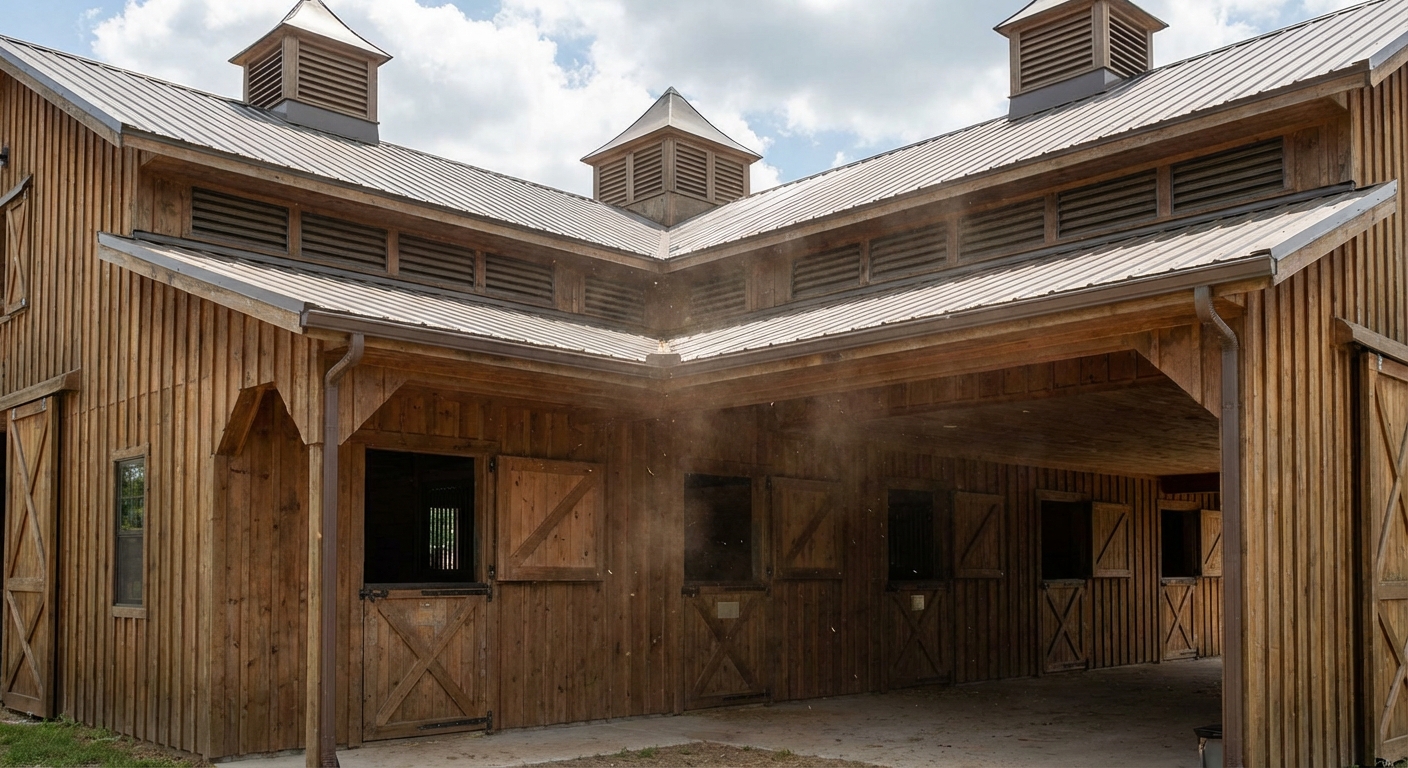
Stagnant air is the primary enemy of equine respiratory health in any building horse stables project. Proper ventilation removes moisture, ammonia, and dust that can lead to chronic lung issues like heaves. Without airflow, the interior of a barn becomes a breeding ground for bacteria.
How does roof ventilation work?
A well-designed roof system uses ridge vents and soffits to create a natural chimney effect. This draws warm, moist air up and out of the building while pulling fresh air in.
Let the barn breathe:
- Ridge vents run the full length.
- Soffits allow intake at the eaves.
- Cupolas add style and airflow.
Should you install stall fans?
Overhead stall fans are excellent for supplemental cooling during the peak summer heat. These can be programmed to react to humidity, ensuring horses stay comfortable while keeping flies at bay. Comfort is everything for performance.
| Ventilation Tool | Type | Primary Benefit | |
|---|---|---|---|
| Ridge Vents | Passive | Heat removal | |
| Cupolas | Passive | Moisture control | |
| Stall Fans | Active | Cooling & fly control |
Natural and mechanical ventilation working together create the healthiest environment for stalled horses.
Key Takeaway: Never compromise on ventilation; fresh air is critical for preventing long-term equine respiratory issues.
What doors work for building horse stables?
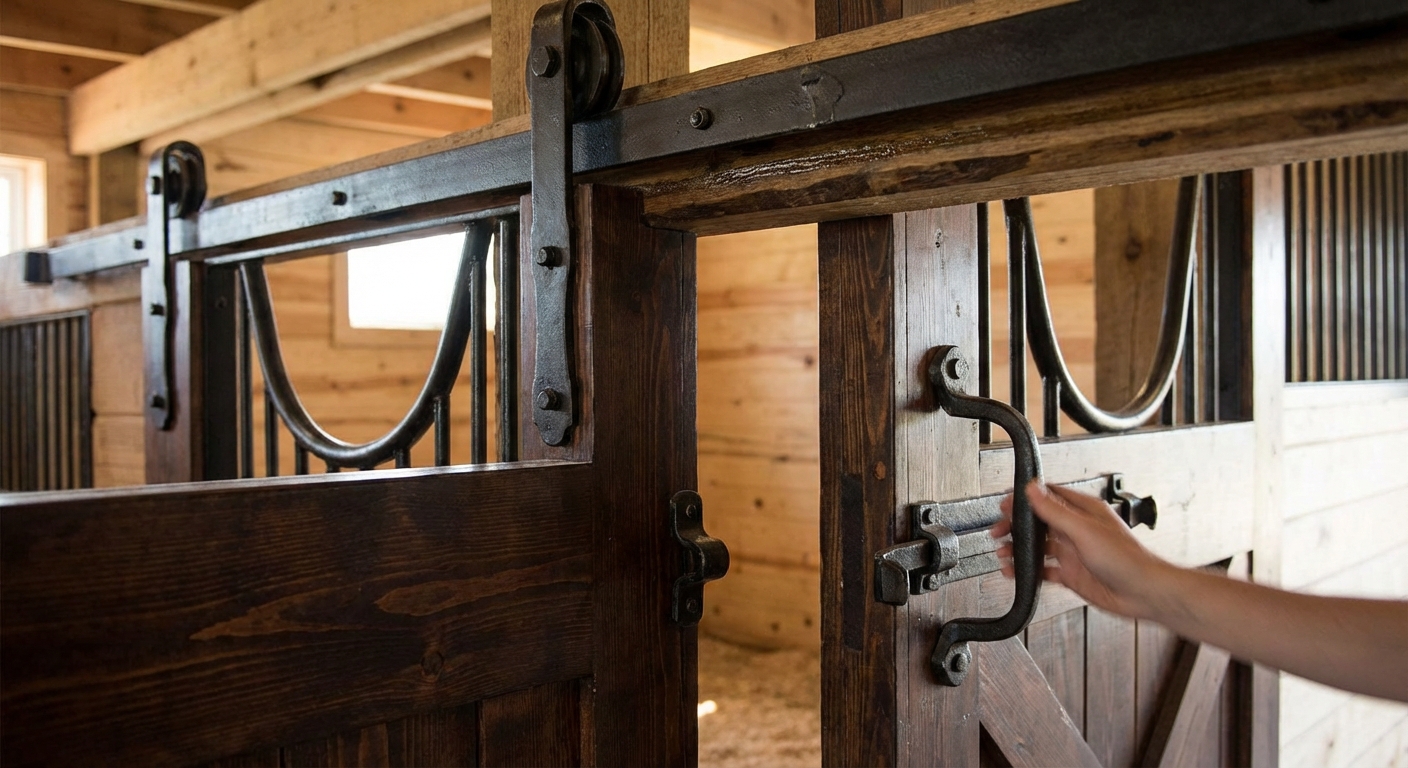
The choice of doors affects both the safety of the horses and the ease of your daily chores. When building horse stables, sliding doors are the industry standard for a reason. They provide a clear path and are much less likely to cause injury during a spook.
Why are sliding doors preferred?
Sliding doors are quiet and do not swing into the aisleway, keeping your walkways clear for movement. They also reduce the risk of a horse catching its hip on a door frame.
Simple is often better:
- They save valuable aisle space.
- Heavy-duty tracks ensure longevity.
- They are easier to operate in wind.
Are split sliders better?
Split sliders move in two directions, which can be easier to operate and provides a wider opening for equipment. These are ideal for main entrances where tractors or trailers need to pass through. Think about your daily traffic.
| Door Type | Space Usage | Maintenance | |
|---|---|---|---|
| Sliding | Low | Track cleaning | |
| Swinging | High | Hinge lubrication | |
| Dutch Door | Medium | Latch alignment |
High-quality hardware ensures that your doors remain functional and safe for decades of heavy use.
Key Takeaway: Choose sliding doors over swinging doors to maximize aisle space and increase overall safety.
How to get light when building horse stables?
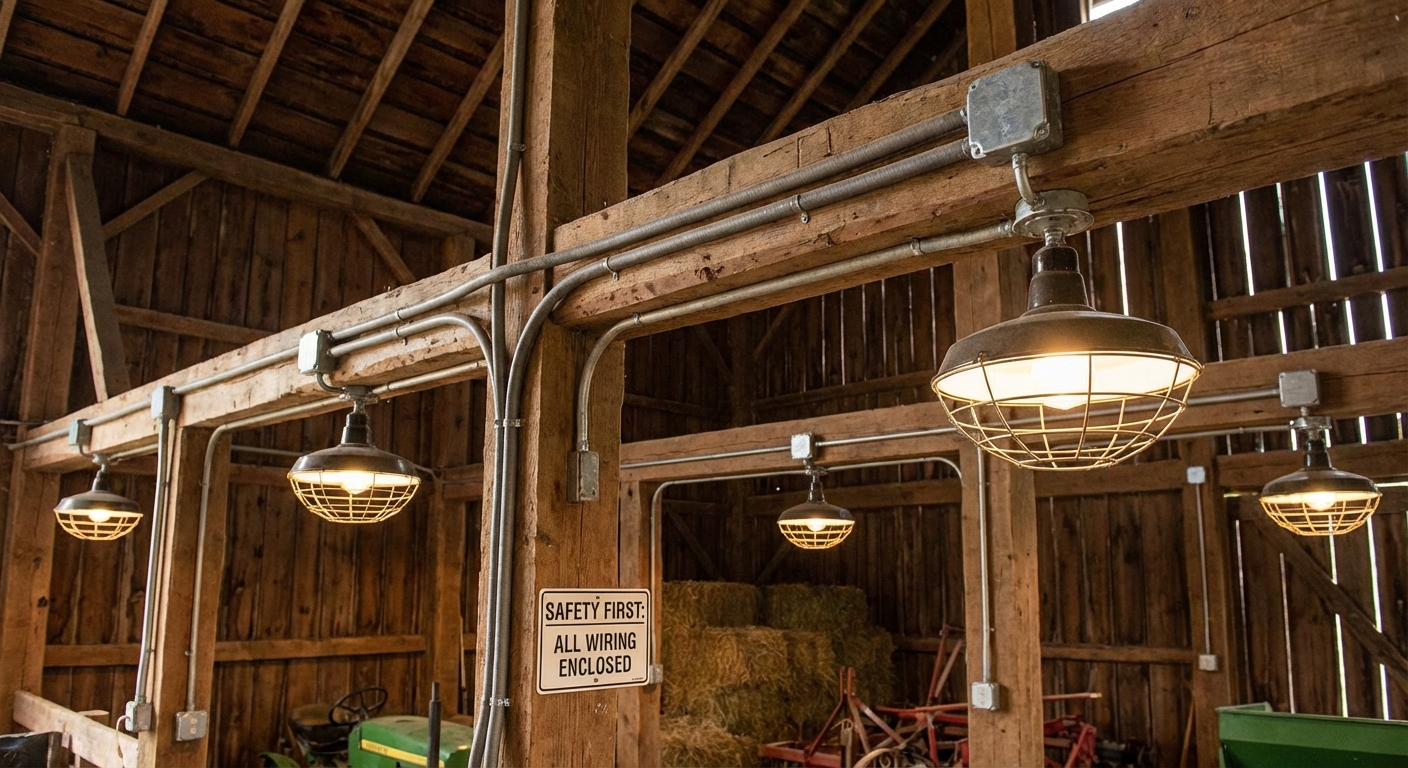
Natural and artificial lighting improves the mood of both horses and handlers while reducing building horse stables energy costs. A dark barn is often a damp and depressing place that hides potential safety hazards. Proper electrical fixtures must be moisture-rated and protected from horse contact.
Can windows improve health?
Yes, horse stall windows allow horses to look outside, which significantly reduces boredom and stable vices. They also provide a secondary source of fresh air for the stall interior.
Keep them engaged:
- Use shatterproof glass or guards.
- Place them at horse eye level.
- Ensure they are easy to clean.
What are eave lights?
Eave lights are translucent polycarbonate panels placed under the eaves to allow soft, diffused light into the building. They illuminate the center aisle naturally without the breakage risk of traditional glass windows. Natural light is the best light.
| Light Source | Cost | Impact | |
|---|---|---|---|
| LED Fixtures | Medium | High visibility | |
| Eave Lights | Low | Natural ambiance | |
| Dutch Doors | High | Ventilation & light |
Strategic lighting design reduces eye strain and creates a more inviting environment for visitors and staff.
Key Takeaway: Use eave lights or skylights to illuminate the center aisle naturally and lower electricity costs.
How to store feed when building horse stables?
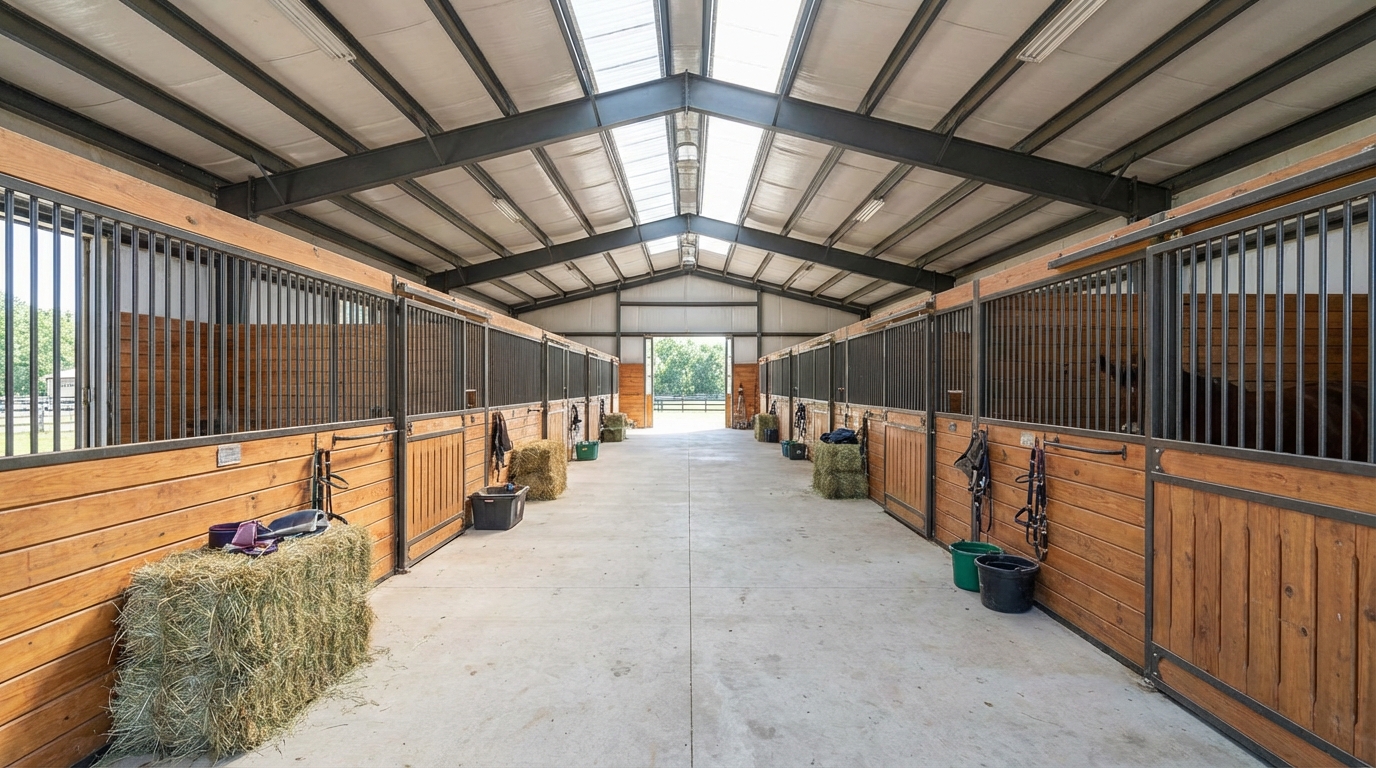
Proper storage of feed and hay is a matter of both organization and fire safety within the barn. Strategic planning when building horse stables can prevent common disasters like fires or pest infestations. Keeping your aisleways clear of hay and debris is the first step in a safe storage plan.
Should hay be stored in the main barn?
Ideally, no, because hay is highly combustible and can spontaneously ignite if stored when too moist. Storing it in a separate, nearby building is the safest precaution to protect your animals.
Safety is a priority:
- Keep a 50-foot buffer between buildings.
- Use a dedicated hay shed.
- Monitor hay temperature regularly.
What about water and grain?
Install automatic waterers in each stall to ensure a constant supply of fresh water while reducing manual labor. For grain, use rodent-proof containers in a dedicated, temperature-controlled feed room to prevent spoilage. Clean water is essential health.
| Storage Item | Container | Location | |
|---|---|---|---|
| Hay | Pallets | Separate building | |
| Grain | Metal Bins | Feed room | |
| Supplements | Sealed Jars | Tack room |
Efficient storage solutions reduce waste and ensure your horses receive the highest quality nutrition.
Key Takeaway: Store the bulk of your hay in a separate structure to minimize fire risk and protect your horses and property.
Conclusion
Building a professional horse stall barn is about more than just four walls and a roof; it is about creating a functional, safe, and healthy environment for your animals. By prioritizing stall size, airflow, and durable steel materials, you are investing in a structure that will serve you for decades. Our vision is to provide world-class engineering that empowers equestrian businesses to thrive with structures that are as beautiful as they are functional. If you are ready to take the next step in your project, contact us today to speak with a professional builder who can turn your vision into a reality.
Frequently Asked Questions
Can I build a smaller barn if I only have two horses?Yes, smaller barns are highly efficient for 2-4 horses and can still include essential features like a wash stall and tack room.
How do I prevent condensation in a metal barn?Proper ventilation is key, but you should also consider using a rigid insulation board or a DripStop membrane on the roof.
What is the best material for horse stall walls?Steel frames with hardwoods or high-density polyethylene (HDPE) are popular because they withstand kicks and are very easy to clean.
Should I include living quarters in my barn?Many modern barns include “barndominium” style living quarters, which offers unparalleled convenience for 24/7 horse care and security.
Do I need an indoor arena for training?If you live in a climate with harsh winters or frequent rain, an indoor arena allows for year-round training and protection.