
A steel structure workshop is a specialized industrial building where the primary load-bearing system is composed of high-strength steel columns, beams, and secondary purlins. If you are struggling with traditional masonry construction, you are likely facing agonizing project delays, skyrocketing labor costs, and limited architectural flexibility. These inefficiencies drain your capital and prevent you from scaling production when market demand peaks. The most effective way to eliminate these bottlenecks is to invest in a modern steel structure workshop that offers rapid deployment and unmatched durability for your operations.
What defines a modern steel structure workshop?
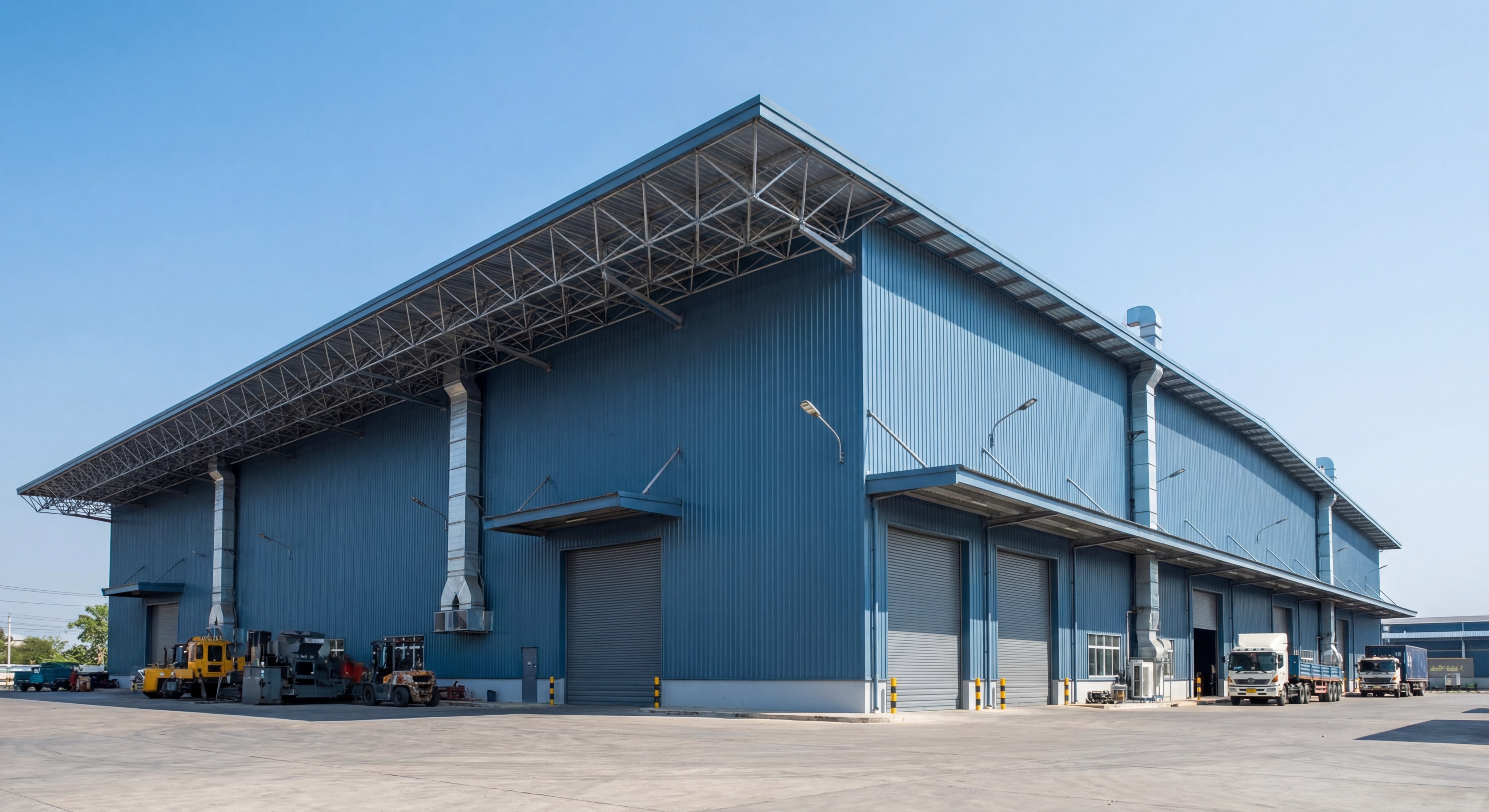
A modern steel structure workshop is characterized by its pre-engineered design, utilizing high-grade H-section or lattice steel frames to support vast industrial operations. Integrating a custom-engineered steel structure workshop into your facility planning allows for large, clear-span spaces without the need for intrusive internal columns.
Primary Structural Components
The core of the system relies on heavy-duty vertical columns and horizontal roof rafters that distribute loads directly to the foundation. These components are factory-welded to precise tolerances to ensure a perfect fit during on-site assembly.
- Main Frame: H-section steel columns and beams.
- Secondary Frame: C or Z-section purlins and wall girts.
- Bracing Systems: Cross-bracing and knee-bracing for lateral stability.
Make no mistake: The strength-to-weight ratio of these components is far superior to traditional wood or concrete. By optimizing the material usage, you achieve a safer environment that can withstand extreme seismic and wind loads.
Advanced Cladding Systems
Cladding involves the protective outer skin of the building, which includes various insulated panels or single-skin metal sheets. You can choose from a range of materials to meet specific thermal and aesthetic requirements for your facility.
- Sandwich Panels: EPS, Rockwool, or PU insulation for temperature control.
- Corrugated Sheets: Cost-effective and durable metal roofing and siding.
- Translucent Panels: Skylights integrated to reduce electricity costs.
Here is the kicker: High-quality cladding doesn’t just look professional; it significantly lowers your long-term energy consumption. This translates to lower operational overhead and a smaller environmental footprint for your business.
Key Takeaway: A modern steel structure workshop combines high-strength skeletal frames with modular cladding to provide a versatile, energy-efficient industrial environment.
| Component | Material Type | Primary Function | |
|---|---|---|---|
| Main Frame | Q355B/Q235B Steel | Structural Integrity | |
| Secondary Frame | Galvanized Steel | Support for Roof/Walls | |
| Cladding | Composite Panels | Environmental Protection |
This structural hierarchy ensures that every kilogram of steel is utilized for maximum load distribution and longevity.
Why choose steel over traditional concrete?
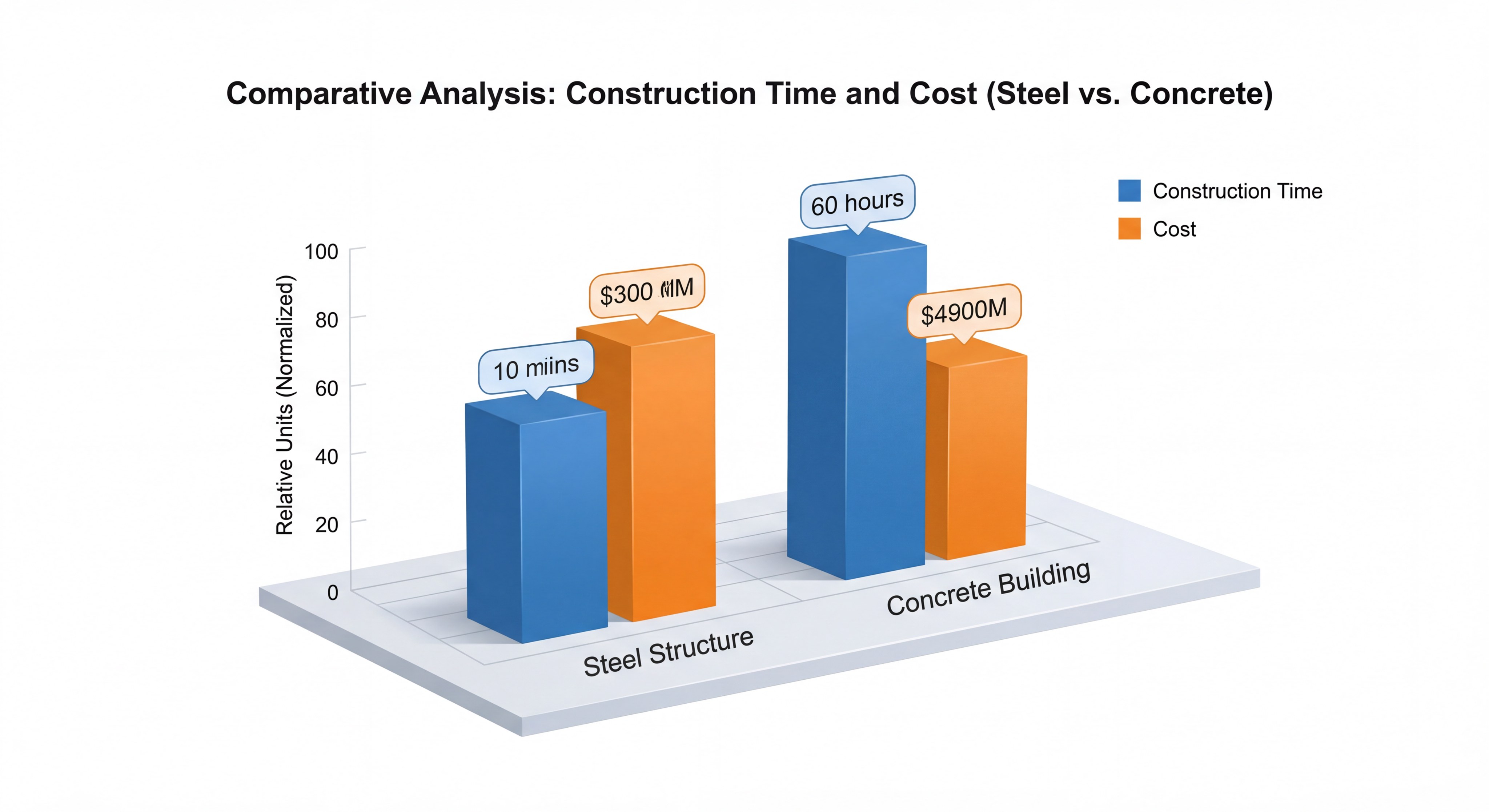
Choosing a steel structure workshop provides you with a building solution that is roughly 50% faster to construct and significantly more recyclable than a concrete alternative. A well-designed steel structure workshop eliminates many of the unpredictable variables associated with wet-trade construction on a job site.
Speed of Erection
Because most components are fabricated in a controlled factory environment, the on-site work is reduced to a straightforward assembly process. You can expect to move into your facility months ahead of schedule compared to traditional methods.
- Standardization: Prefabricated parts arrive ready for bolting.
- Independence: Construction can continue in most weather conditions.
- Efficiency: Reduced on-site labor hours minimizes management stress.
But wait, there is more. By shortening the construction timeline, you reduce your interest payments on loans and can begin generating revenue much sooner. This rapid ROI is a primary reason why global manufacturers favor steel for new plant developments.
Long-Term Cost Efficiency
While the initial material costs might fluctuate, the total lifecycle cost of a steel building is remarkably low due to minimal maintenance requirements. You will spend less on structural repairs and foundation reinforcement over several decades of use.
- Durability: Resistance to pests, rot, and mold growth.
- Flexibility: Easier and cheaper to expand or modify in the future.
- Salvage Value: Steel remains a valuable asset even at the end of the building’s life.
Think about this: Steel is a “green” building material that retains its properties no matter how many times it is recycled. This sustainability makes your facility more attractive to investors and future buyers who prioritize ESG criteria.
Key Takeaway: Steel structures outperform concrete by offering faster construction speeds, lower maintenance costs, and a much higher degree of sustainability.
| Feature | Steel Structure | Concrete Structure | |
|---|---|---|---|
| Build Time | 3-6 Months | 9-15 Months | |
| Foundation Cost | Low (Lightweight) | High (Heavyweight) | |
| Recyclability | 95% + | Very Low |
The data confirms that steel is the superior choice for developers looking for speed, efficiency, and long-term financial health.
How does the portal frame design work?
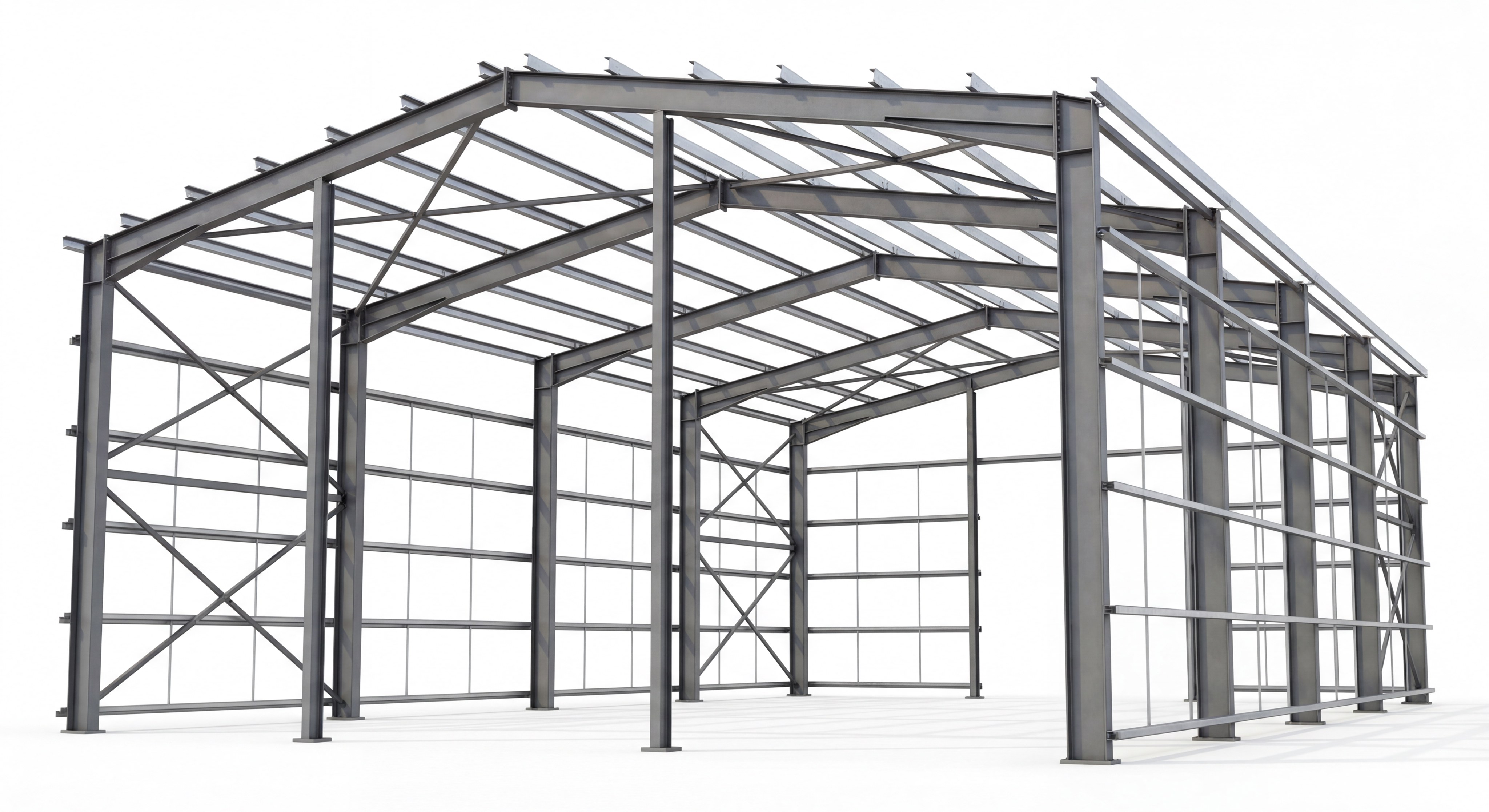
The portal frame design for a steel structure workshop works by using a series of low-rise frames that are connected by purlins and side rails to create a stable, box-like structure. Implementing a steel structure workshop based on the portal frame concept is the most common and cost-efficient method for industrial sheds.
Rigid Frame Dynamics
A rigid frame transfers bending moments from the rafters to the columns through heavy-duty connections at the knees. This design allows you to have large open floor plans that are ideal for moving large products or installing production lines.
- Eaves Connection: The critical point where rafters and columns meet.
- Apex Joint: The highest point of the frame where rafters are bolted together.
- Base Plates: The interface between the steel columns and concrete footings.
Believe it or not: The simplicity of the portal frame is its greatest strength. It provides massive clear spans—often up to 60 meters—without a single middle column obstructing your workflow.
Foundations and Anchoring
While the steel structure is lightweight, it requires a precisely engineered concrete foundation to handle tension and compression forces. You must ensure that anchor bolts are positioned with millimeter precision to match the pre-drilled holes in the steel columns.
- J-Bolts: Traditional cast-in-place anchors for heavy loads.
- Chemical Anchors: Used for retrofitting or high-precision adjustments.
- Leveling Nuts: Help align the steel frame perfectly during the initial lift.
Here is the secret: Correct anchoring prevents structural shifting during high winds or heavy snow loading. Spending time on foundation precision saves you from massive headaches during the steel erection phase.
Key Takeaway: Portal frame design maximizes internal space through rigid connections and requires precise foundation work for optimal stability.
| Design Element | Technical Role | Benefit to User | |
|---|---|---|---|
| Clear Span | No internal columns | Total floor flexibility | |
| Haunch | Reinforces joints | Higher load capacity | |
| Purlin Spacing | Supports roof load | Optimized material weight |
Choosing this design allows you to configure your production layout exactly how you need it without structural interference.
What are the main industrial applications?
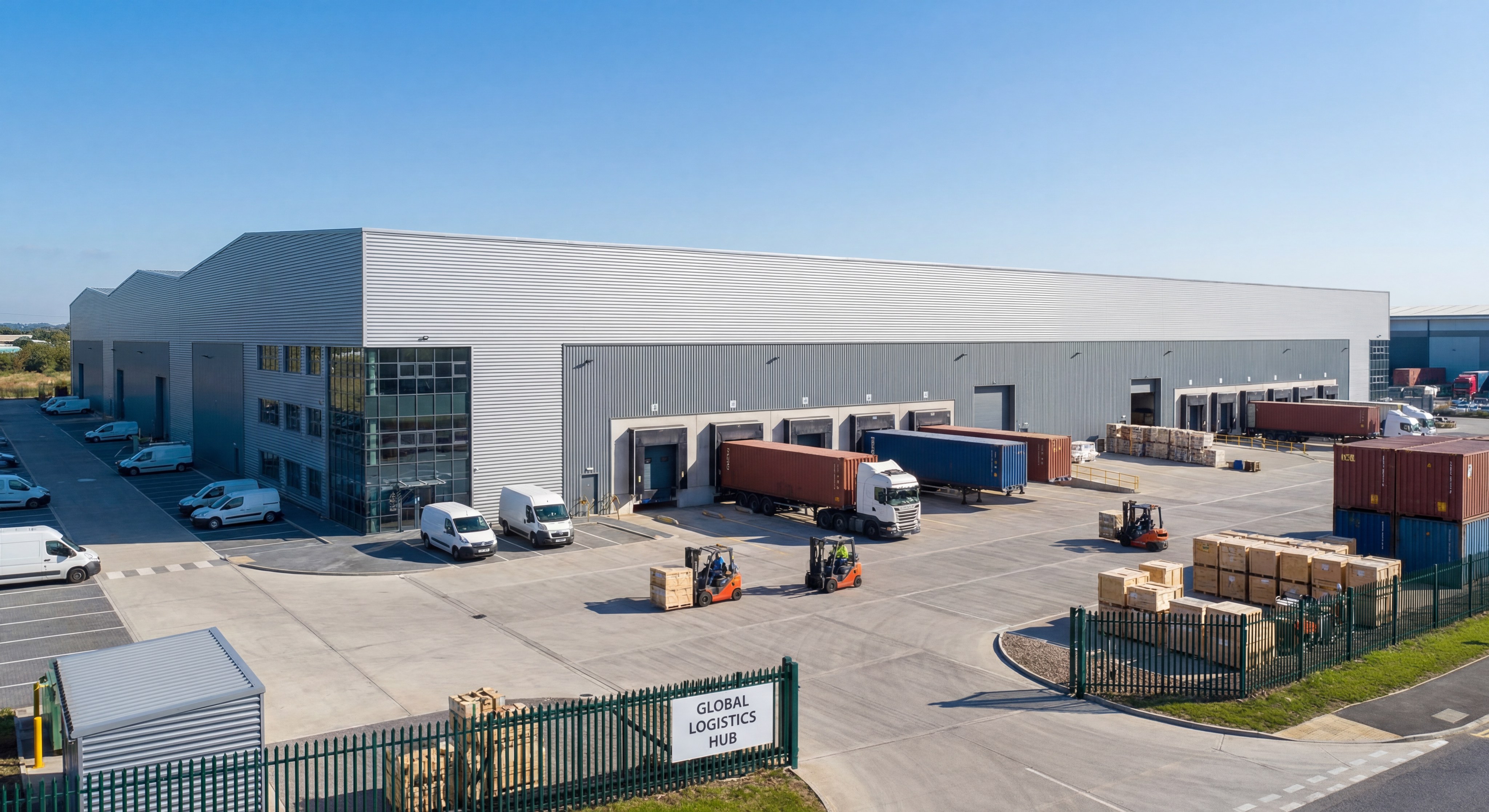
The main industrial applications for a steel structure workshop include manufacturing plants, logistics warehouses, and heavy equipment maintenance facilities. You will find that the steel structure workshop is the backbone of modern global trade and production due to its adaptability.
Manufacturing and Fabrication
In a manufacturing setting, these workshops provide the high ceilings and wide spans needed for assembly lines and CNC machinery. You can easily integrate mezzanines for office space without compromising the primary production floor.
- Heavy Industry: Steel mills, chemical plants, and automotive factories.
- Light Industry: Food processing, electronics assembly, and textiles.
- Custom Labs: Clean rooms and testing facilities within a shell.
The best part? You can easily scale your manufacturing capacity by adding bays to the end of the existing building. This “modular” growth ensures your building keeps pace with your business expansion.
Logistics and Distribution
For logistics providers, these buildings offer the height required for modern high-bay racking systems and the durability for constant forklift traffic. Large door openings and loading docks are easily integrated into the steel frame without structural compromise.
- E-commerce Hubs: Optimized for rapid sorting and shipping.
- Cold Storage: Insulated steel shells for temperature-sensitive goods.
- Bulk Storage: Grain, minerals, or raw materials storage.
It gets better: Steel workshops can accommodate multiple dock levelers and high-speed rolling doors on every wall. This maximizes your throughput and minimizes the time your fleet spends idling.
Key Takeaway: From high-tech manufacturing to massive logistics hubs, steel structures provide the essential infrastructure for diverse industrial sectors.
| Industry | Typical Use Case | Key Requirement | |
|---|---|---|---|
| Manufacturing | Production Lines | Large Clear Spans | |
| Logistics | Distribution Centers | High Eave Heights | |
| Agriculture | Equipment Storage | Durability & Ventilation |
By selecting a steel-based solution, you ensure your building is ready for the high-intensity demands of any industrial operation.
How is a steel workshop manufactured?
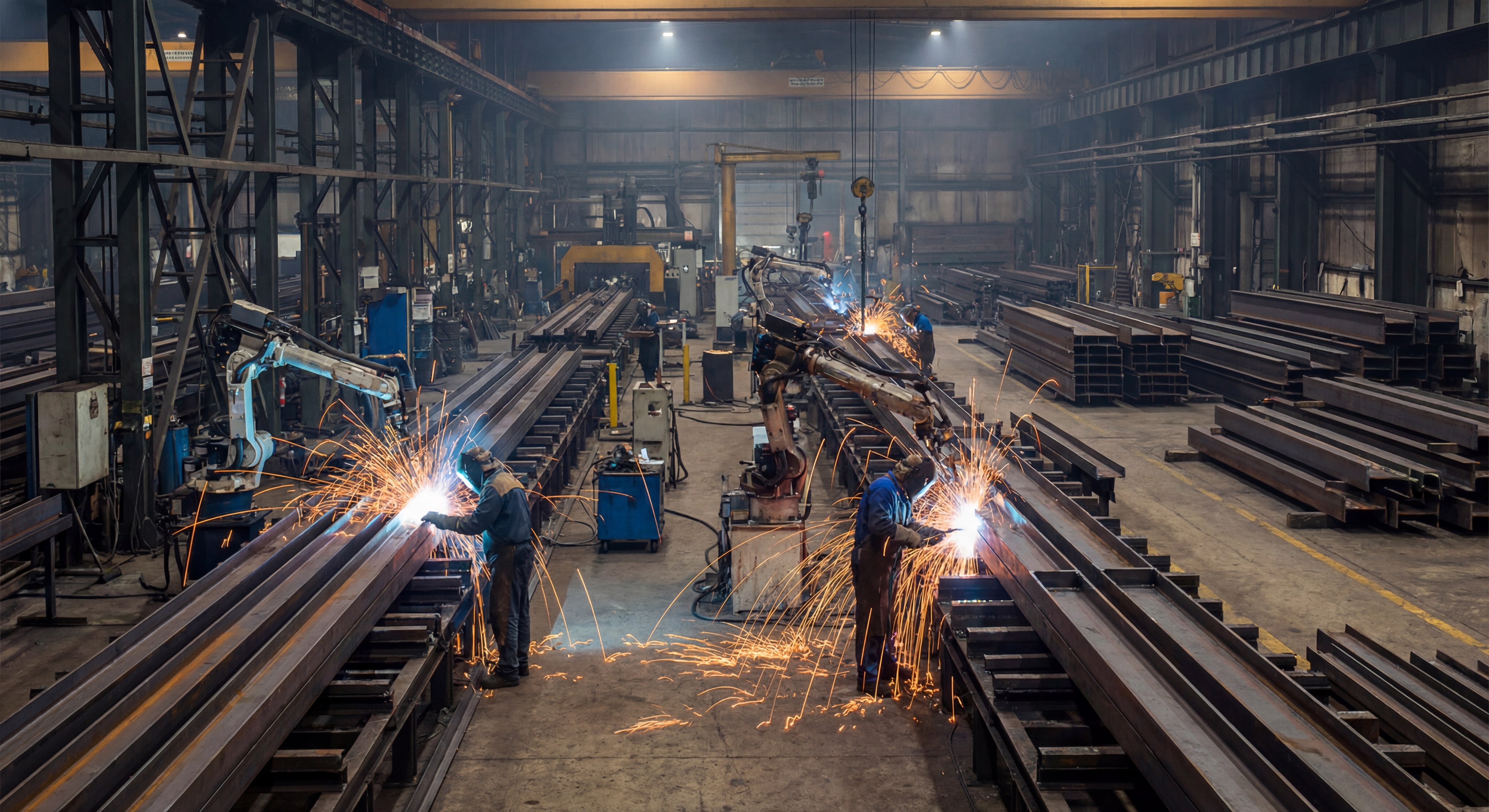
A steel structure workshop is manufactured through a series of automated processes including CNC cutting, submerged arc welding, and surface treatment. When you partner with a manufacturer for your steel structure workshop , the quality of the raw material determines the ultimate safety of your workers.
CNC Precision Cutting
Manufacturing starts with large steel plates that are cut into specific shapes using computerized numerical control machines. You benefit from this technology because it ensures that every bolt hole and joint fits perfectly during the final assembly.
- Plasma Cutting: High-speed, high-precision cutting for thick plates.
- Drilling: Computer-guided holes for exact bolt alignment.
- Marking: Automated labeling of parts for easy on-site identification.
Keep this in mind: The use of CNC machines virtually eliminates human error in the fabrication stage. This means you won’t face costly “on-site fixes” that delay your project timeline.
Quality Control and Welding
Once the plates are cut, they are welded into H-beams or other structural shapes using submerged arc welding for maximum penetration. You should look for manufacturers who provide ultrasonic testing to verify the integrity of these critical welds.
- Weld Testing: X-ray or ultrasonic inspection of main joints.
- Sandblasting: Removing rust to prepare the steel for coating.
- Painting/Galvanizing: Applying protective layers against corrosion.
Now, here is the kicker: Hot-dip galvanizing provides the best protection for workshops in coastal or high-humidity environments. It creates a metallurgical bond that prevents rust for decades without needing a repaint.
Key Takeaway: Precision manufacturing involves automated cutting and rigorous weld testing to ensure the structural integrity of every component.
| Process Step | Technology Used | Quality Goal | |
|---|---|---|---|
| Cutting | CNC Plasma | Dimensional Accuracy | |
| Welding | Submerged Arc | Deep Penetration | |
| Treatment | Sandblasting (Sa2.5) | Superior Paint Adhesion |
A standardized manufacturing process ensures that your building is as safe as it is aesthetically pleasing.
What goes into the installation process?
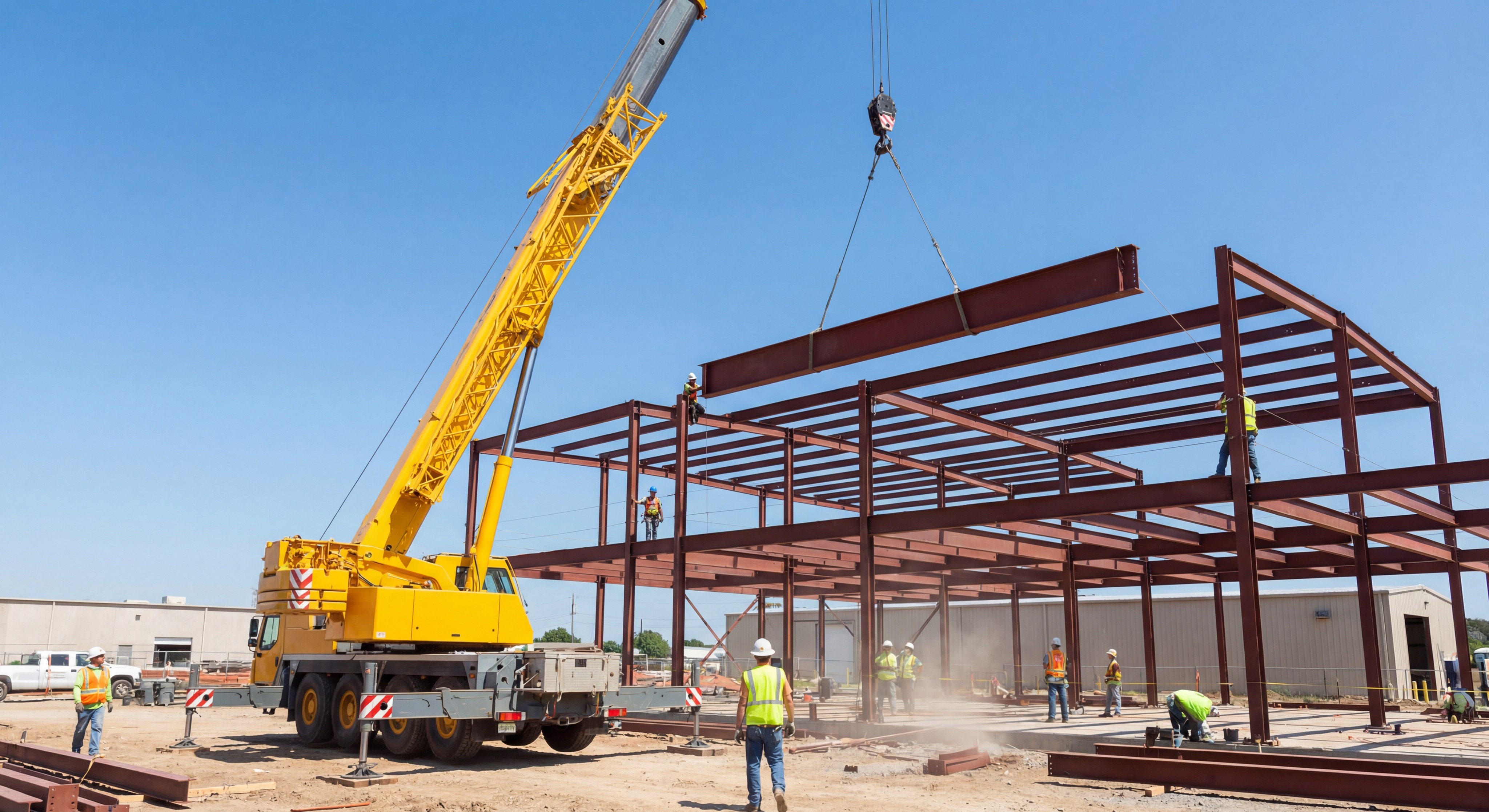
The installation process for a steel structure workshop involves the systematic lifting of frames using cranes and securing them with high-strength bolts. Because the steel structure workshop is pre-engineered, the “erection” phase is often the most impressive part of the project to witness.
On-Site Assembly Logic
Installation begins with the “anchor bay,” where two or more frames are erected and fully braced to create a stable core. From there, the installation team works outward, adding bays and connecting them with purlins and girts.
- Crane Coordination: Heavy lifts are timed for maximum site safety.
- Alignment: Lasers are used to ensure the columns are perfectly vertical.
- Temporary Bracing: Prevents collapse during the intermediate stages of builds.
You might be wondering: How do they stay safe during the lift? Experienced crews use specialized rigging and fall-arrest systems to ensure every worker remains protected while working at heights.
Bolted Connection Safety
Unlike older methods that relied on field-welding, modern steel workshops use high-strength bolts that are tightened to specific torque values. This makes the connections much more reliable and easier to inspect during the handover process.
- Torque Wrenches: Used to verify the tightness of every bolt.
- Washer Systems: Ensure even distribution of the clamping force.
- Visual Inspection: “Squirter” washers or marks confirm the bolt is set.
The reality is: Bolted construction is not just safer; it’s also reversible. If you ever need to relocate your workshop, you can unbolt the structure and move it to a new location.
Key Takeaway: Professional installation relies on crane-assisted lifting and high-precision bolting to ensure a fast and safe build.
| Installation Stage | Primary Tool | Critical Metric | |
|---|---|---|---|
| Frame Lifting | Mobile Crane | Weight Capacity | |
| Leveling | Theodolite/Laser | Vertical Plumb | |
| Fastening | Impact Wrench | Torque Specification |
A disciplined approach to installation ensures that your building meets its design specifications for wind and snow resistance.
Can you integrate heavy machinery like cranes?
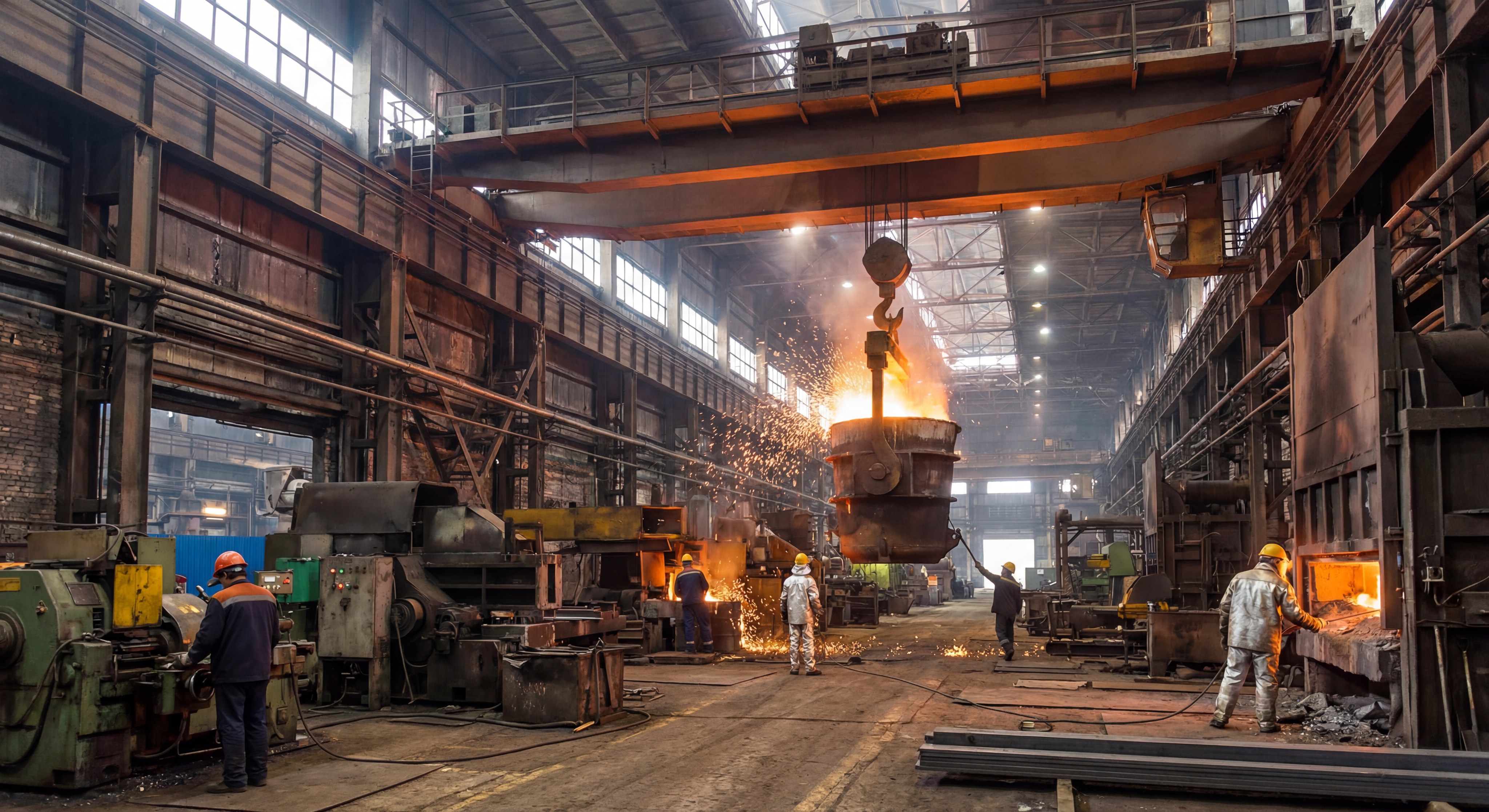
Yes, you can easily integrate overhead bridge cranes, jib cranes, or gantry systems into a steel structure workshop. Designing your steel structure workshop with crane capacity in mind allows you to handle heavy components safely and efficiently.
Crane Beam Design
To support an overhead crane, the building must be designed with “crane beams” or “runway beams” that sit on top of brackets welded to the main columns. You must specify the crane’s lifting capacity (e.g., 5 tons, 10 tons) during the initial design phase to ensure the frame is reinforced.
- Crane Brackets: Transfer the weight of the crane to the main columns.
- Runway Girders: The horizontal tracks that the crane travels along.
- Stopper Plates: Safety devices at the end of the runway tracks.
Don’t overlook this: Adding a crane later is much more expensive than including it in the original design. Even if you don’t need a crane today, it’s wise to “future-proof” your building by reinforcing the columns now.
Vibration and Load Support
Industrial cranes create significant dynamic loads and vibrations that can stress a building’s joints over time. A professional steel workshop design accounts for these “live loads” by using thicker steel sections and additional longitudinal bracing.
- Dynamic Impact Factor: Designing for the sudden movement of heavy loads.
- Fatigue Resistance: Ensuring joints won’t crack after thousands of cycles.
- Alignment Stability: Keeping the tracks perfectly parallel for smooth operation.
Think about the workflow: An integrated crane system reduces your reliance on forklifts and minimizes the risk of accidents on the shop floor. This creates a much more streamlined and professional production environment.
Key Takeaway: Steel workshops are uniquely suited for overhead cranes, provided the columns and runway beams are engineered for the specific lifting capacity.
| Crane Capacity | Column Requirement | Bracing Requirement | |
|---|---|---|---|
| 1 – 5 Tons | Standard H-Section | Standard Cross-Bracing | |
| 10 – 20 Tons | Reinforced Columns | Heavy Longitudinal Bracing | |
| 30+ Tons | Lattice or Box Columns | Specific Foundation Piles |
By planning for crane integration, you maximize the utility and market value of your industrial facility.
How do you ensure weather resistance?
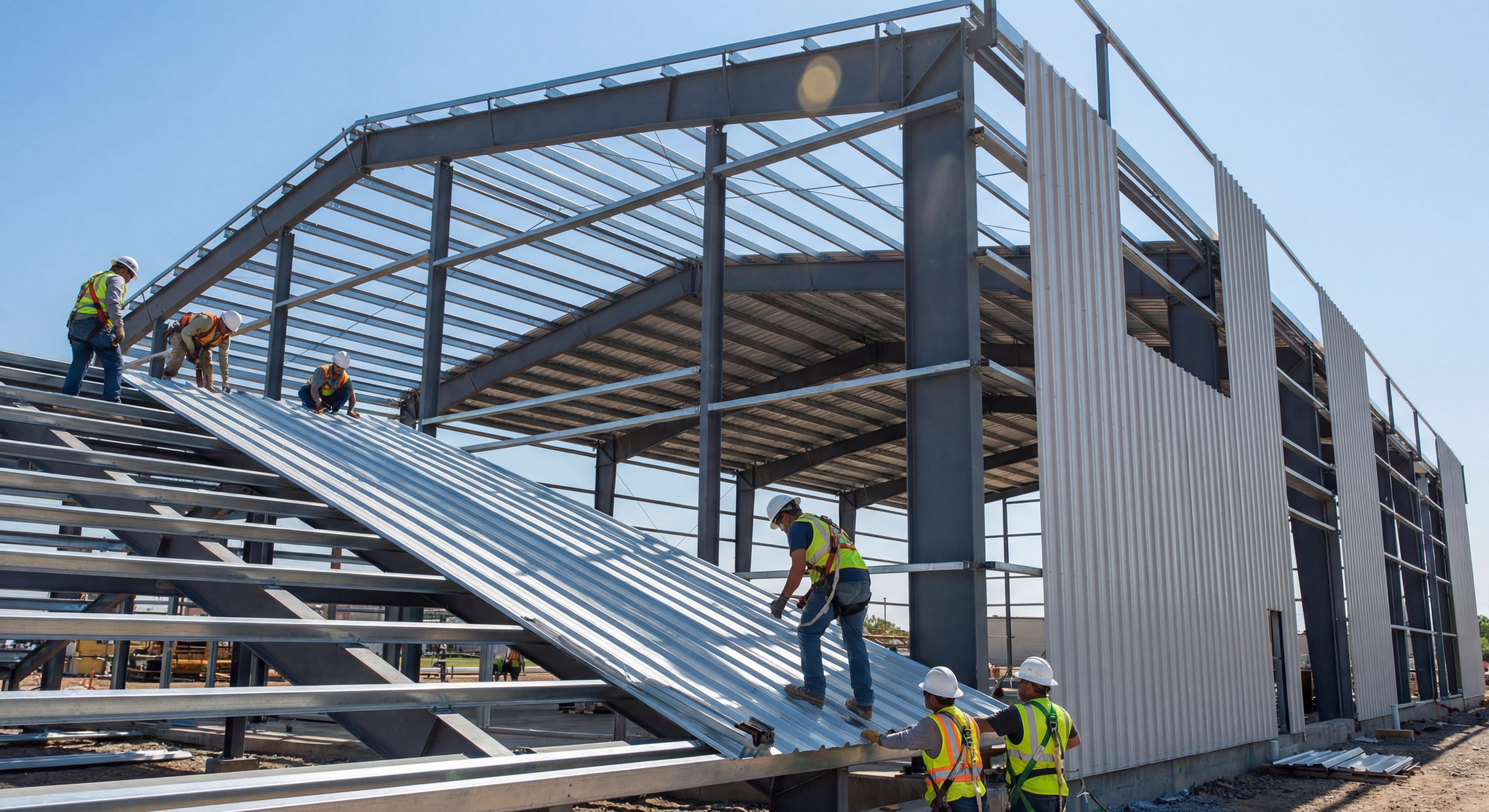
You ensure weather resistance by using high-quality anti-corrosion coatings and precise installation of flashing and gutters. A well-protected steel structure workshop will repel heavy rain, snow, and salt air without compromising its core structural integrity.
Waterproofing and Insulation
The roofing and wall systems must be designed to prevent water ingress while managing internal condensation. You can use glass wool or rock wool insulation to keep your workshop warm in the winter and cool in the summer.
- Overlapping Joints: Roof sheets are overlapped against the prevailing wind.
- Sealant Strips: Applied at joints to prevent capillary water action.
- Ridge Caps: Protect the highest point of the roof from leaks.
But here is the real story: Poor insulation doesn’t just waste energy; it leads to moisture buildup that can damage your machinery. High-quality sandwich panels solve both the thermal and moisture problems in one step.
Corrosion Protection Coatings
Steel is naturally susceptible to rust, so you must select a coating system that matches your local environment. For most industrial settings, a high-quality primer followed by a durable finish coat is sufficient, but coastal areas require galvanization.
- Primer: Zinc-rich primers are the gold standard for protection.
- Epoxy Paint: Excellent chemical and abrasion resistance.
- PVDF Coating: Best for exterior panels to resist UV fading.
You should know: Regular maintenance, such as cleaning out gutters and checking for scratches in the paint, can extend the life of your building’s “skin” by decades. Proactive care is always cheaper than replacing rusted panels.
Key Takeaway: Weatherproofing is achieved through a combination of physical barriers like flashing and chemical barriers like anti-corrosion paints.
| Environment | Recommended Coating | Maintenance Cycle | |
|---|---|---|---|
| Inland / Dry | Standard Epoxy | 5 – 10 Years | |
| Industrial / Acidic | Polyurethane Finish | 3 – 5 Years | |
| Coastal / Humid | Hot-Dip Galvanized | 20+ Years |
A weather-tight workshop protects your equipment and inventory, ensuring your business operations are never interrupted by the elements.
What details make a joint secure?
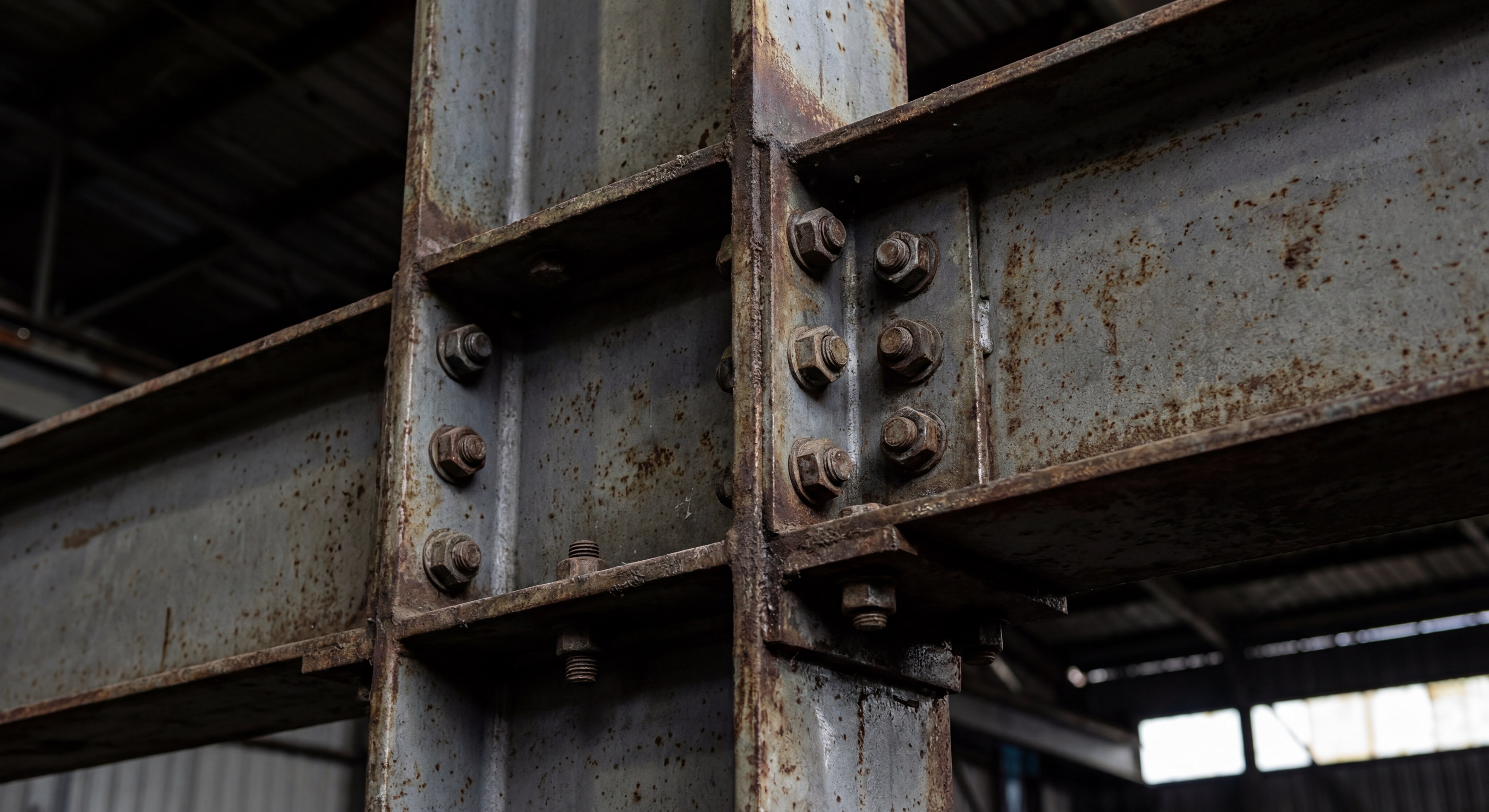
A joint is made secure through the use of precision-drilled connecting plates and 10.9 grade high-strength bolts. When you inspect a steel structure workshop , pay close attention to the “connection details” as they are the most critical points of potential failure.
High-Strength Bolt Clusters
In heavy industrial frames, we don’t just use one or two bolts; we use clusters of bolts that act together to distribute the load. These bolts are made from high-carbon steel and are designed to be “tensioned” so they never loosen under vibration.
- 10.9 Grade Bolts: The standard for heavy structural connections.
- Friction-Type Joints: The bolt tension creates enough friction to hold the plates.
- Locking Nuts: Ensure that machinery vibration doesn’t back the nuts off.
Make no mistake: The integrity of these clusters is what allows your building to survive earthquakes or hurricane-force winds. Every bolt is a vital link in your facility’s safety chain.
Shear and Tension Balancing
Engineers design joints to handle two types of forces: shear (trying to slide the plates) and tension (trying to pull them apart). You will see “stiffeners” welded into the columns at these joints to prevent the steel from bending under these concentrated loads.
- Web Stiffeners: Prevent the middle part of the beam from buckling.
- End Plates: Provide a wide surface area for bolting.
- Splice Joints: Allow long beams to be shipped and reconnected on-site.
Here is the kicker: A perfectly balanced joint is actually stronger than the steel beams it connects. This ensures that the building remains rigid even under the most extreme industrial conditions.
Key Takeaway: Joint security is a product of high-grade fasteners, precision engineering, and internal reinforcement plates.
| Joint Type | Force Handled | Key Component | |
|---|---|---|---|
| Eaves Joint | Moment/Shear | Haunch Plate | |
| Column Base | Compression | Anchor Bolts | |
| Purlin Cleat | Support | Galvanized Bolt |
Ensuring these details are handled correctly during fabrication is the best way to guarantee a lifetime of structural safety.
How do you maintain the interior environment?
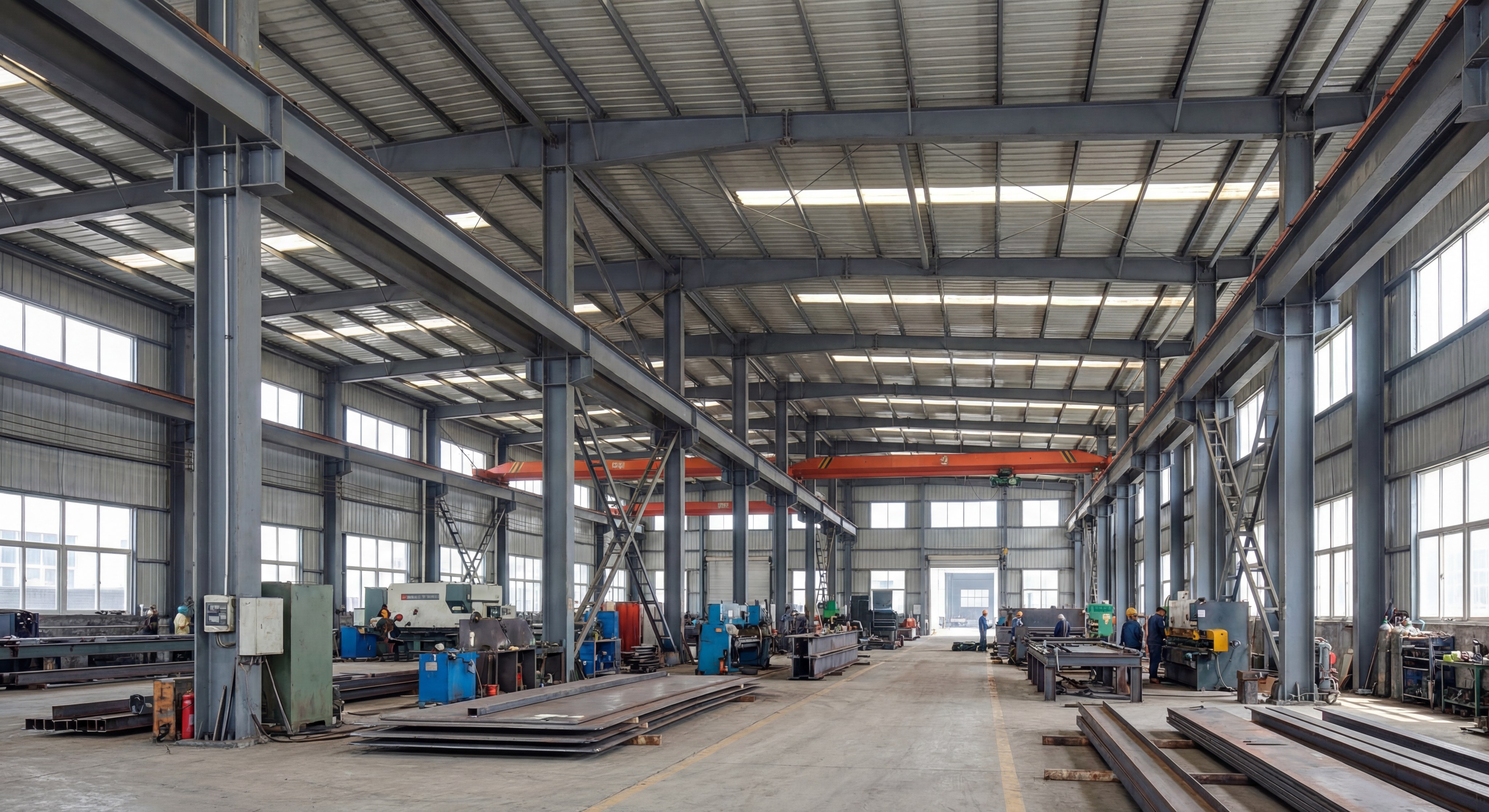
You maintain the interior environment by integrating natural ventilation systems, skylights, and high-efficiency lighting into the steel structure workshop design. A well-ventilated steel structure workshop prevents the buildup of heat and industrial fumes, keeping your workers comfortable and productive.
Ventilation and Lighting
Modern workshops use “roof monitors” or “ridge vents” that allow hot air to escape naturally through convection. You can supplement this with side-wall louvers and industrial fans to ensure a constant supply of fresh air.
- Ridge Vents: Continuous ventilation along the peak of the roof.
- Turbine Ventilators: Wind-driven fans that pull air out.
- Skylight Strips: Reduce the need for electric lighting during the day.
But wait, there is more. By maximizing natural light through polycarbonate panels, you can reduce your lighting energy bill by up to 30%. This makes your building both eco-friendly and more pleasant for your staff.
Thermal Regulation
The combination of insulated sandwich panels and reflective roof coatings helps keep the internal temperature stable. You can also specify “cold bridge” prevention measures that stop heat from leaking through the steel frame itself.
- Vapor Barriers: Prevent condensation from dripping onto equipment.
- Reflective Foil: Bounces radiant heat away from the roof.
- Acoustic Panels: Reduce the noise levels from loud industrial machinery.
Here is the secret: A comfortable workshop results in fewer errors and higher employee retention. Investing in thermal regulation is an investment in your human capital.
Key Takeaway: Interior comfort is achieved through a smart mix of natural ventilation, daylighting, and high-performance insulation.
| Feature | Method | Result | |
|---|---|---|---|
| Air Flow | Ridge & Wall Vents | Fume/Heat Removal | |
| Lighting | Skylight Panels | Energy Savings | |
| Noise Control | Perforated Panels | Hearing Protection |
This analytical approach to interior design ensures that your workshop is a modern, high-functioning asset rather than just a storage shed.
Conclusion: Build Your Future with Steel
If you are tired of the delays and limitations of traditional construction, it is time to take control of your industrial space. Whether you need a massive logistics hub or a high-tech manufacturing plant, we provide the engineering expertise to bring your vision to life. At our core, we believe that industrial buildings should be as efficient as the businesses they house. Our vision is to empower global industries with rapid, durable, and sustainable steel structures that stand the test of time.
Don’t let construction bottlenecks hold your business back. If you need a custom quote or engineering advice, please contact us today to discuss your project requirements with our technical team.
Steel Workshop FAQ
Can I expand my steel workshop later?Yes, steel workshops are exceptionally modular. Because the structure is composed of repetitive bays, you can simply remove an end wall and add new frames to extend the length of the building without compromising existing structural integrity.
What’s the best way to prevent rust in a steel building?Hot-dip galvanizing is the most effective long-term solution. It involves dipping the steel into molten zinc, creating a permanent chemical bond that protects the structure even in harsh, corrosive environments where paint might chip or peel.
How do I know if my foundation is ready for the steel frames?You must perform a professional survey and anchor bolt verification. A concrete foundation is ready once it has reached at least 75% of its design strength (usually after 7-14 days) and the anchor bolt positions have been cross-checked against the shop drawings.
Can I install solar panels on the roof of a steel workshop?Absolutely, the steel roof structure is designed to handle distributed loads. You just need to ensure the purlins are spaced correctly to support the additional weight of the solar racks and panels, which we can calculate during the design phase.
Is a steel workshop fireproof?Steel does not burn, but it can lose strength at very high temperatures. For high-risk facilities, we recommend applying intumescent fireproof coatings or using fire-rated Rockwool sandwich panels to provide the necessary protection for your assets and personnel.