
Project delays kill profitability. Every day a construction site sits idle or moves slowly, budgets bleed out through extended labor costs and missed operational deadlines. Developers face a brutal reality where traditional materials often fail to meet the aggressive schedules demanded by modern commerce. Here is the deal: Structural steel framing solves this by delivering unmatched erection speed and reliability. We provide the expertise to navigate this complex domain, ensuring your next vertical investment stands the test of time. Our team leverages deep industry knowledge to implement this robust system, ensuring your project achieves its structural and financial goals without compromise.
Table of Contents
1. What Defines the Core of Structural Steel Framing?
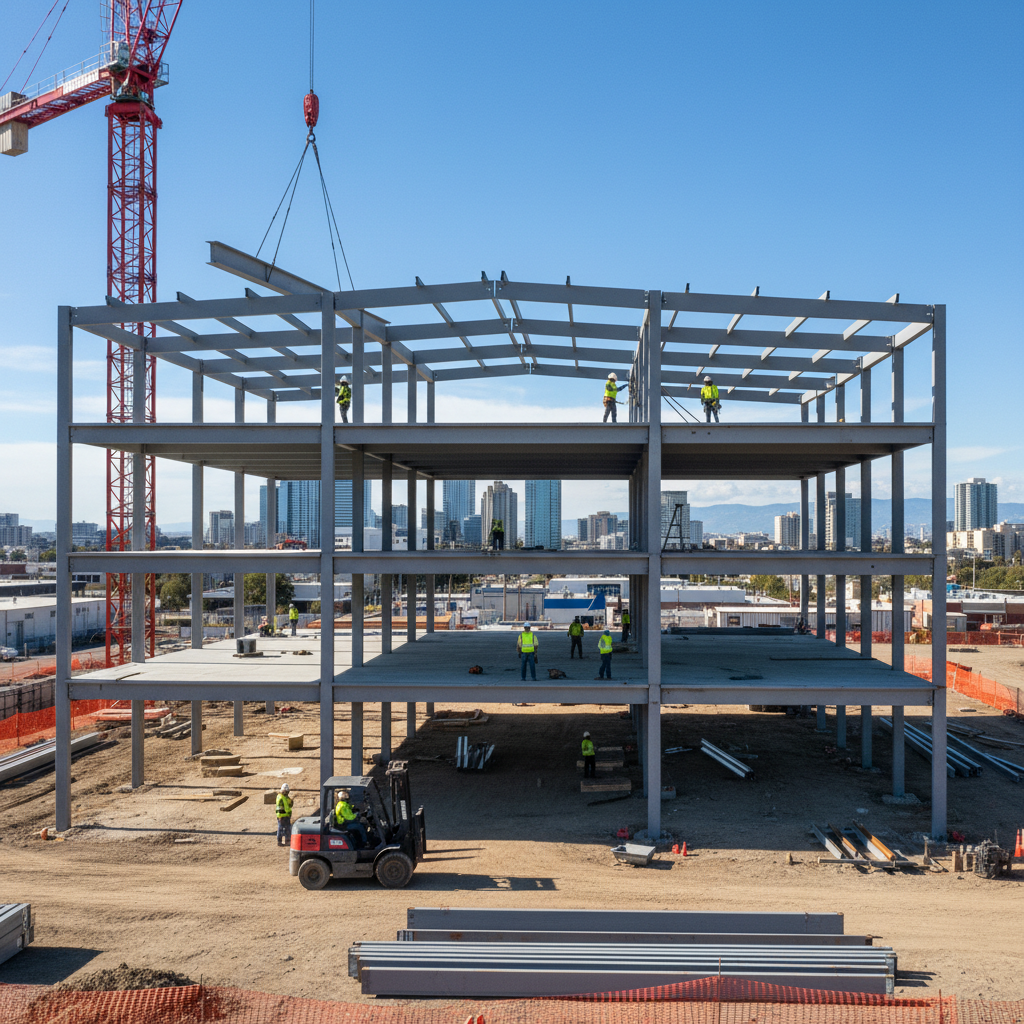
Structural steel framing represents a heavy-duty construction system where vertical and horizontal elements utilize steel beams and columns to create a rigid skeleton. This framework transfers loads from the roof and floors down toward the foundation, ensuring stability for low-rise, mid-rise, and high-rise structures. Unlike residential wood framing, this method employs heavy hot-rolled sections capable of supporting massive weights. You might be wondering how this differs from other metal systems. While light-gauge steel works for partitions, structural steel handles primary building loads. Engineers design these systems to withstand vertical gravity loads and lateral forces like wind or seismic activity. Precision involved ensures that every beam fits perfectly, minimizing on-site modifications. Understanding these mechanics provides clarity on why it remains a top choice for commercial development.
The Fundamental Building Blocks
A typical frame relies on columns for vertical support and beams for horizontal spans. These components bolt or weld together to form a continuous load path. But here is the kicker: connections themselves function just as critically as the members. Moment connections allow for rigidity without diagonal bracing, while shear connections offer flexibility. Architects favor this system because it creates a robust shell, allowing for non-load-bearing curtain walls. This separation of structure and cladding grants immense creative freedom for exterior aesthetics.
Load Transfer Mechanisms Explained
Gravity loads move from floor slabs into beams, then transfer to columns, and finally travel down to footings. Lateral loads follow a different path, usually absorbed by bracing or rigid frames before reaching the ground. Let me explain why this matters for your bottom line. Efficient load paths mean less material usage and lighter foundations. Engineers calculate these forces with extreme precision to optimize steel tonnage. Reducing weight saves money on material and shipping costs.
| Component | Function | Typical Use | |
|---|---|---|---|
| Columns | Vertical Load Support | Main structural risers | |
| Beams | Horizontal Load Transfer | Floor and roof support | |
| Bracing | Lateral Stability | Wind/Seismic resistance | |
| Connections | Joining Members | Bolts or welds |
2. Why Is Structural Steel Framing Dominant in Commercial Building?
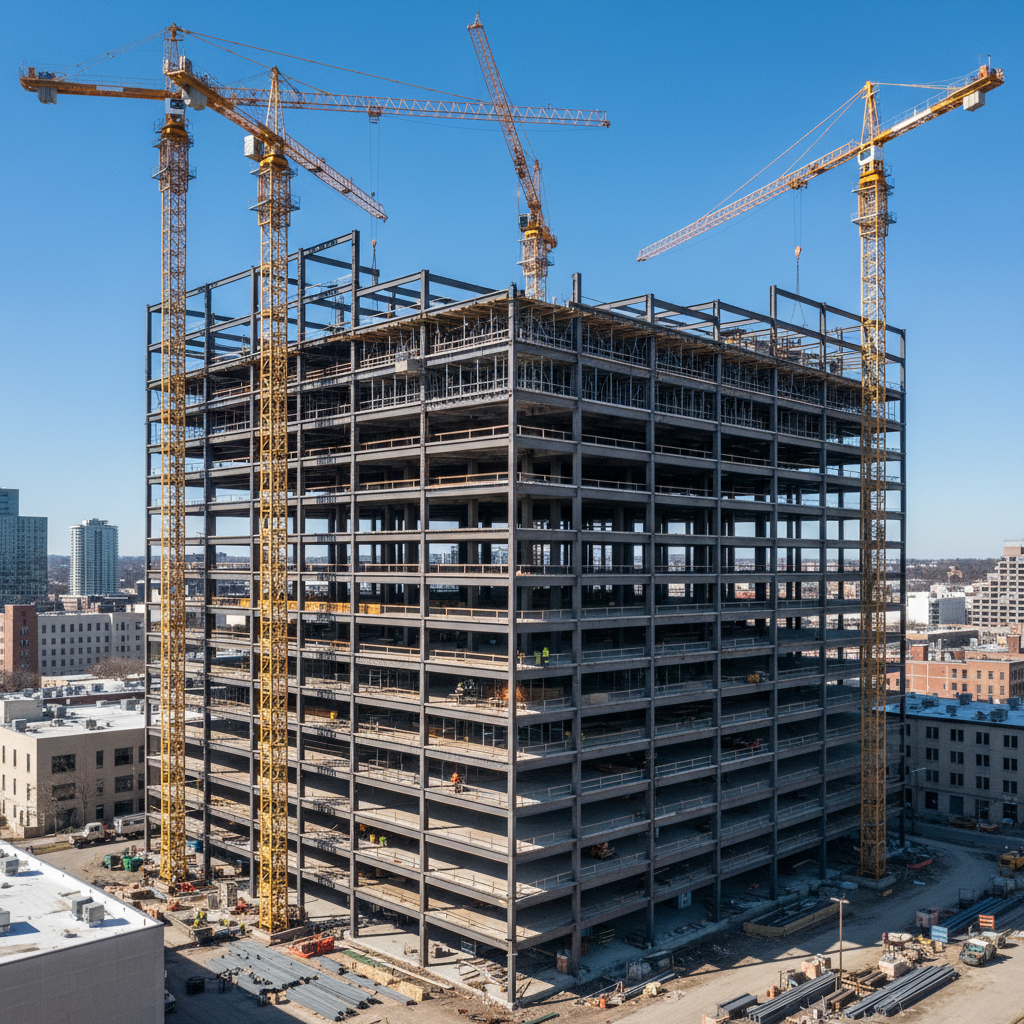
Structural steel framing dominates the non-residential market, accounting for over 50% of constructed square footage in the United States annually. Its incredible strength-to-weight ratio allows developers to build higher utilizing less material than concrete requires. What is the real story? Investors choose steel because it minimizes foundation costs. A lighter building demands less massive footings, saving excavation time and concrete volume. This efficiency translates directly to better profit margins, making steel a financial champion for large-scale commercial projects like office towers and hospitals. Contractors favor its predictability and speed.
Market Share and Industry Preference
Contractors prefer steel because of predictability. Unlike concrete, which requires curing time and depends heavily on weather conditions, steel erection proceeds in almost any climate. Ready for the good part? This reliability means schedules stay on track. Supply chains for standard shapes remain robust, reducing risks of material shortages that plague other methods. Adaptability of steel also means that future renovations or expansions become significantly easier to execute than with monolithic concrete structures.
Cost-Effectiveness for Large Projects
Initial material costs might seem higher, but labor savings balance the equation. Faster erection times mean reduced general conditions costs for the contractor. Here is why that matters: occupying a building months earlier generates revenue sooner. This early cash flow often offsets any premium paid for steel materials. Developers looking at long-term ROI consistently find steel provides superior value through speed and durability.
| Market Sector | Steel Preference % | Primary Driver | |
|---|---|---|---|
| Office Buildings | High (>60%) | Speed/Flexibility | |
| Industrial | Very High (>80%) | Long Spans | |
| Healthcare | High | Adaptability | |
| Residential | Low | Cost/Tradition |
3. How Does Structural Steel Framing Ensure Project Durability?
Steel resists common enemies of construction materials: rot, termites, and mold. Structural steel framing provides a level of permanence that timber simply cannot match. This is where it gets interesting: steel does not shrink, warp, or split over time. This dimensional stability ensures that finishes like drywall and glass remain crack-free for years. Buildings framed in steel fifty years ago often perform as well today as they did upon opening. Furthermore, protective coatings and galvanization can virtually eliminate corrosion risks in exposed environments. You can read more about these benefits in our pros and cons of metal stud framing guide.
Resistance to Environmental Stressors
Seismic events pose threats to rigid structures, but steel behaves with ductility. It yields and bends rather than snapping suddenly under extreme stress. Think about it: this property saves lives during earthquakes. Wind loads also affect tall buildings, but a steel frame absorbs this energy efficiently. Engineers design specific bracing systems to handle hurricane-force winds, ensuring occupant safety and structural integrity during severe weather events.
Fire Safety and Code Compliance
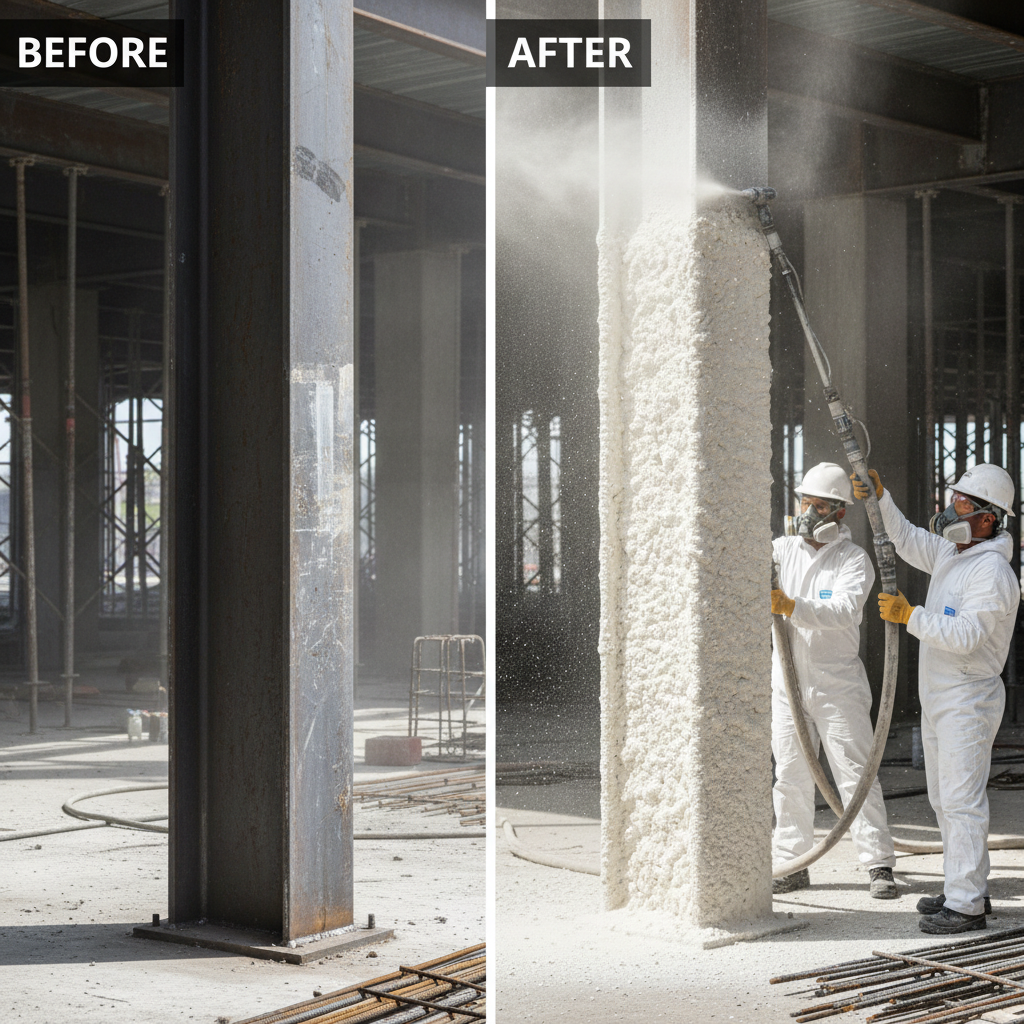
While steel loses strength at extremely high temperatures, modern fireproofing techniques make it incredibly safe. Spray-applied fire-resistive materials (SFRM) or intumescent paints insulate steel, delaying temperature rise during a fire. Here is the bottom line: code compliance becomes straightforward with steel. Building officials recognize its predictable behavior in fire scenarios. This predictability simplifies permitting processes and lowers insurance premiums for building owners, adding another layer of long-term economic value.
4. What Shapes Compose Modern Structural Steel Framing?
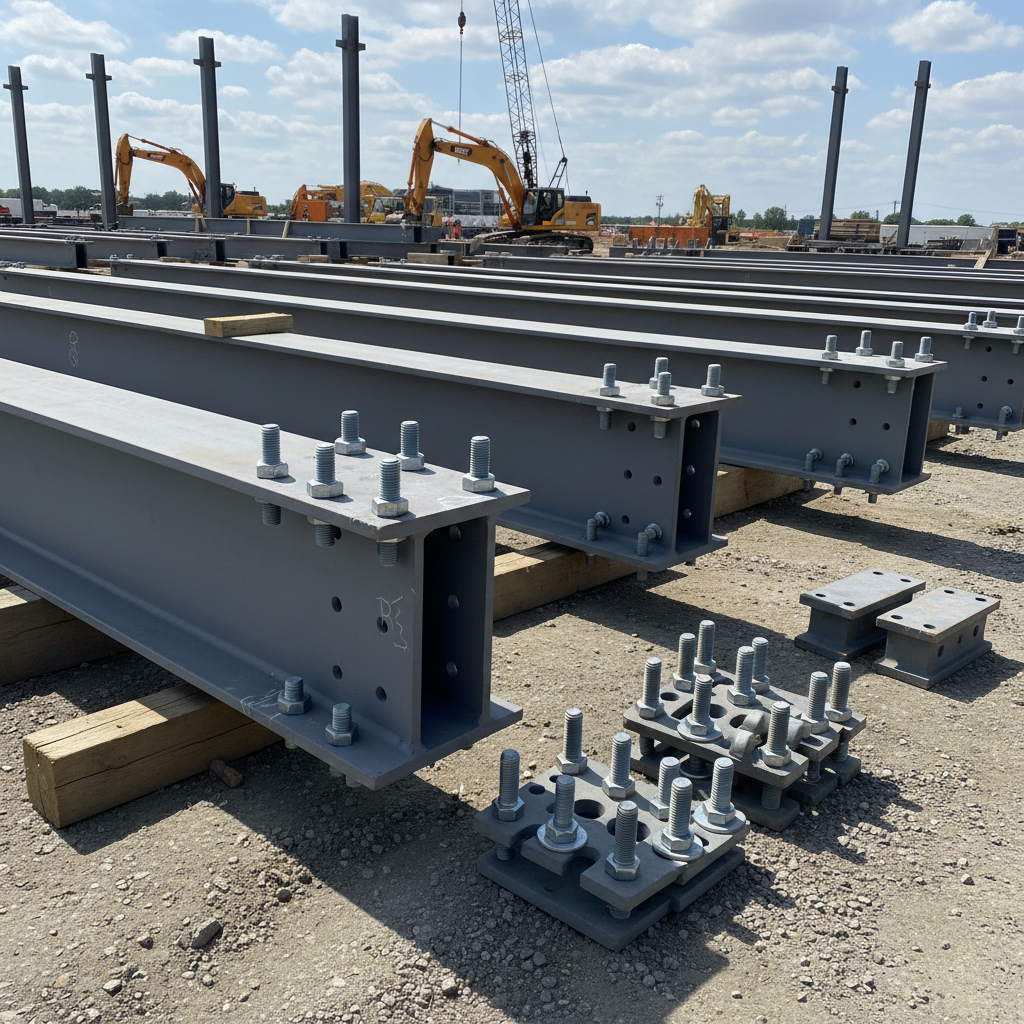
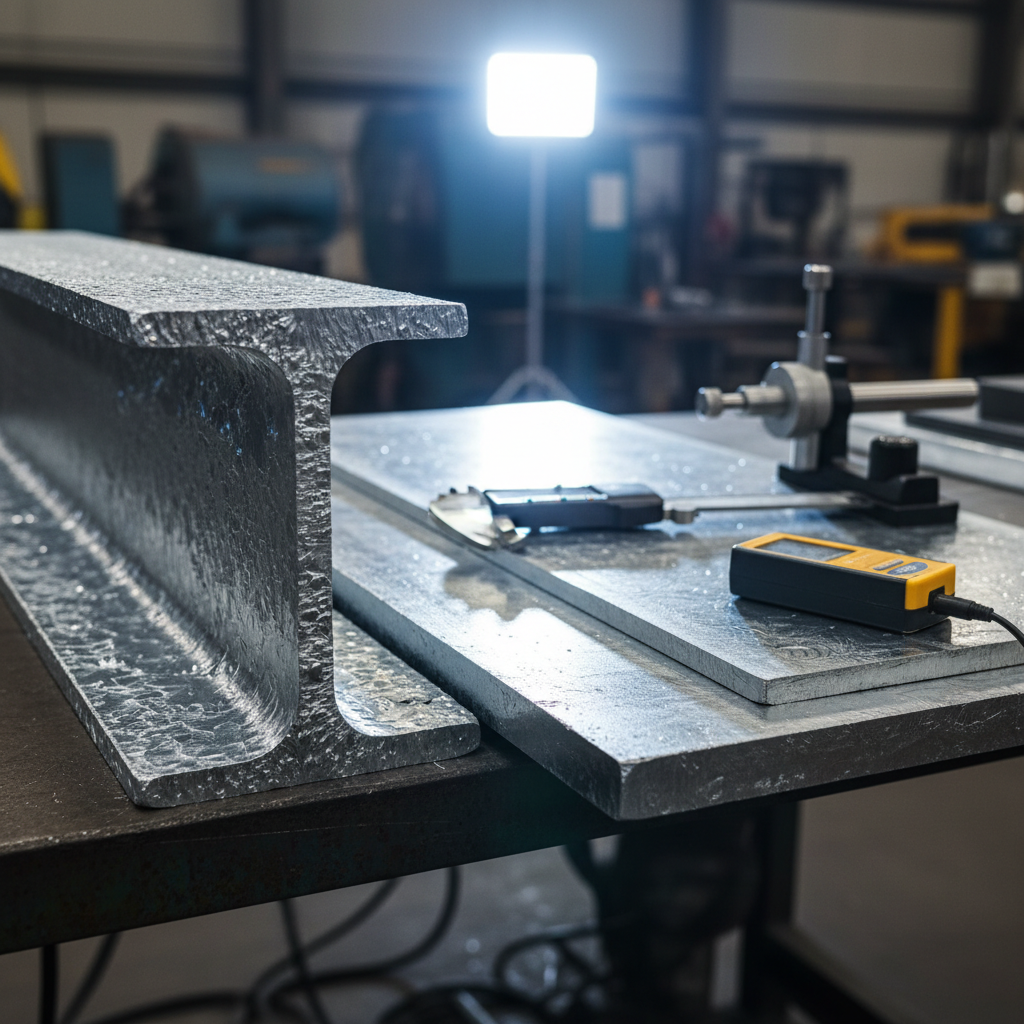
The industry relies on specific hot-rolled shapes defined by ASTM A6 standards. Wide-flange beams, often called I-beams, serve as workhorses for most frames. Their geometry maximizes strength while minimizing weight. You need to know this: Hollow Structural Sections (HSS) are gaining popularity for aesthetic appeal and torsional resistance. These square, rectangular, or round tubes offer efficient support for columns and exposed architectural features. Fabricators can also create built-up sections from plates for massive loads that standard rolled shapes cannot handle.
Wide-Flange Beams vs Columns
Wide-flange sections (W-shapes) function primarily as beams and columns. A W-shape typically has parallel flange surfaces, making connections easier than with older tapered S-shapes. Check this out: for columns, engineers select sections with roughly equal depth and width to resist buckling in any direction. For beams, deeper sections are preferred to resist bending. This variety allows engineers to optimize every single member, ensuring no steel goes to waste.
Custom Built-Up Steel Sections
When standard shapes fail to meet load requirements, fabricators build custom members. They weld thick steel plates together to form massive girders. What is next? These built-up sections support sports stadiums and convention centers. They allow for spans exceeding hundreds of feet. Custom fabrication offers solutions for unique architectural geometries that standard rolling mills cannot produce.
| Shape Designation | Common Name | Primary Application | |
|---|---|---|---|
| W-Shape | Wide Flange | Beams & Columns | |
| HSS | Hollow Section | Columns & Bracing | |
| C-Shape | Channel | Secondary Framing | |
| L-Shape | Angle | Connections & Bracing |
5. Does Structural Steel Framing Improve Construction Timelines?
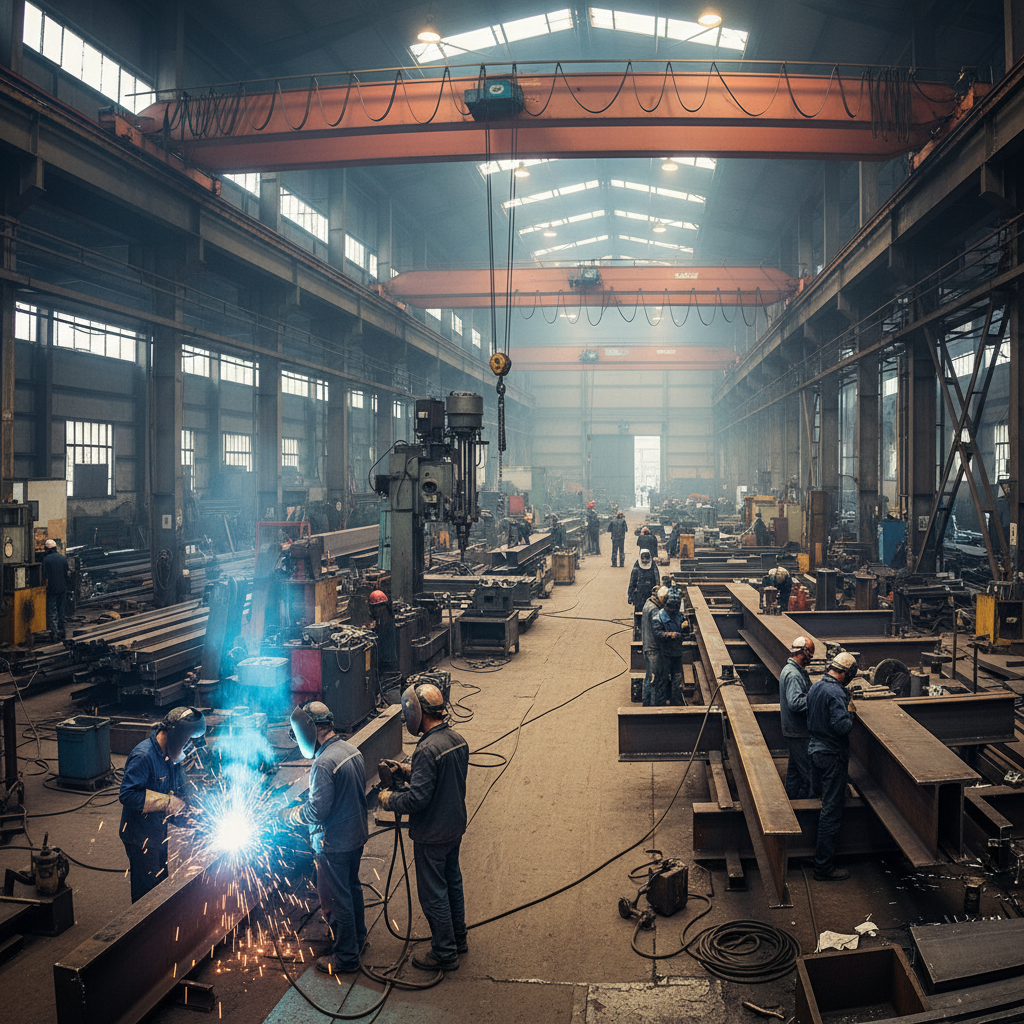
Speed remains a primary advantage of structural steel framing. Fabrication happens off-site while site crews prepare foundations. Here is the secret: these parallel processes can shave months off a construction schedule. When steel arrives, it is ready for immediate erection. There is no waiting for forms to be built or concrete to cure. A skilled crew can lift and bolt multiple tiers of framing in a single week, rapidly creating building volume. For a deeper look at installation, check our step-by-step guide to metal framing installation .
The Off-Site Fabrication Advantage
Fabrication shops operate in controlled environments, unaffected by rain or snow. Advanced machinery cuts, drills, and paints members to exact specifications. Think about it: precision eliminates field errors. When a beam arrives at site, it fits. This plug-and-play nature reduces need for skilled on-site labor, which is increasingly scarce and expensive. Faster enclosure of building allows mechanical and electrical trades to start work sooner, accelerating project turnover.
Reducing Labor Costs Through Speed
Time on a construction site equals money. General conditions costs run thousands of dollars per day. Here is the payoff: shortening a schedule by three months saves substantial overhead. Developers also save on construction loan interest. Faster completion means faster tenant occupancy and revenue generation. Steel framing provides a clear financial advantage through time savings.
6. How Sustainable Is Structural Steel Framing for Green Building?
Structural steel framing acts as a premier choice for sustainable construction. Steel represents the most recycled material on our planet. Did you know? Domestic structural steel contains roughly 93% recycled content on average. When a building reaches end of life, its frame is 100% recyclable. It does not end up in a landfill; it becomes a new car, a refrigerator, or another building. This circular lifecycle makes steel a star performer in green building rating systems like LEED.
Recyclability and Circular Economy
Production of steel has become significantly cleaner over recent decades. Modern electric arc furnaces use scrap metal as primary feedstock, drastically reducing energy consumption compared to older methods. Here is the deal: choosing steel reduces carbon footprint of structural systems. Additionally, durability of steel means buildings last longer, reducing environmental impact associated with demolition and new construction. We see a growing trend of adaptive reuse, where existing steel frames are repurposed for new functions.
Earning LEED Certification Points
Projects pursuing LEED certification benefit from steel usage. Credits are available for sourcing materials with high recycled content. You might be wondering: how else does it help? Sourcing steel from local fabricators earns regional material credits. Steel’s lightweight nature also reduces transportation emissions. Green building consultants often recommend steel to maximize points in the Materials and Resources category.
| Sustainability Metric | Steel Performance | Industry Average | |
|---|---|---|---|
| Recycled Content | ~93% | varies | |
| End-of-Life Recovery | ~98% | <50% | |
| Landfill Waste | Minimal | High |
7. What Design Freedom Does Structural Steel Framing Offer?
Architects love structural steel framing for its ability to span long distances. Typical column spacing ranges from 25 to 45 feet, but much larger spans are possible. Imagine this: vast open office plans, column-free auditoriums, and soaring atriums are all feasible with steel. This flexibility allows for interior layouts that can change over time. A tenant twenty years from now can completely reconfigure a floor plate without being hindered by intrusive structural columns.
Achieving Open Floor Plans
Long-span capabilities mean fewer footings and simplified foundations. But wait, there is more: steel allows for cantilevers, curves, and dramatic angles. Specialized bending companies can curve massive beams to create flowing organic shapes. This adaptability empowers designers to break free from “box” mentality, creating iconic structures that define skylines. Material strength permits slender columns, maximizing usable floor area and enhancing sightlines.
Adapting to Complex Geometries
Modern architecture often features non-linear shapes. Steel can be fabricated into trusses and space frames to support these designs. Here is why that matters: complex roofs on airports or museums rely on steel. Nodes and custom connections allow members to meet at any angle. Digital design tools work seamlessly with steel fabrication machinery to realize these complex forms efficiently.
8. Which Standards Regulate Structural Steel Framing Quality?
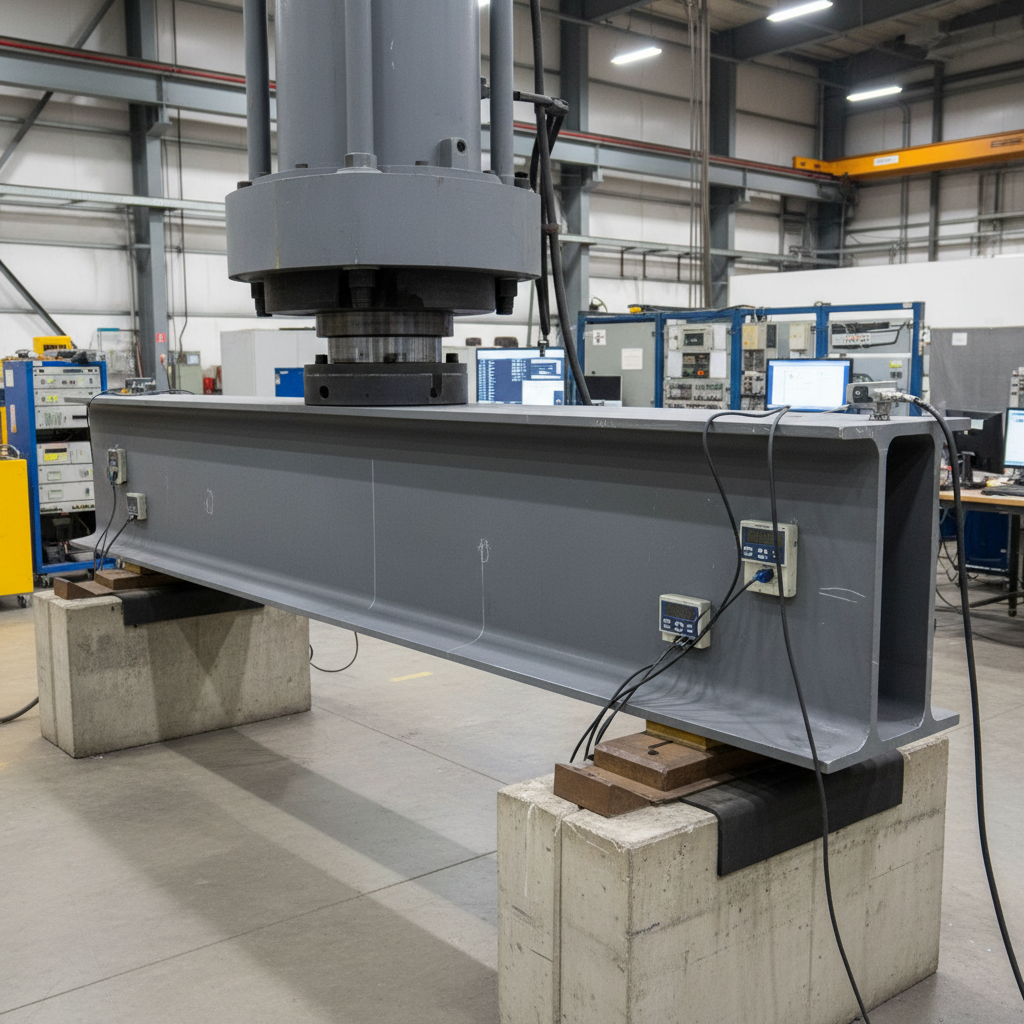
Rigorous standards govern design and fabrication of structural steel framing. In the United States, the American Institute of Steel Construction (AISC) sets rules. Here is why that matters: these standards ensure safety and consistency across industry. The Code of Standard Practice defines responsibilities, ensuring that engineers, fabricators, and erectors are on same page. In Canada, Canadian Standards Association (CSA) plays a similar role. These codes cover everything from material properties to bolt tightening procedures.
AISC Standards in the United States
The AISC standard Specification for Structural Steel Buildings serves as bible for engineers. It dictates how to calculate loads and resistance. You can trust this: materials must meet ASTM specifications, such as ASTM A6 for shapes. This traceability means every beam has a pedigree. You know exactly what chemical composition and strength properties it possesses. This level of quality control is difficult to achieve with site-cast materials where mixing variables can alter performance.
ASTM A6 Material Specifications
Mill test reports verify compliance with ASTM standards. Each piece of steel arrives with documentation. What is the real story? This paper trail minimizes liability. Owners have proof that materials meet engineering requirements. Random testing ensures mills maintain high quality. This regulatory environment makes steel one of the safest construction materials available.
9. How Does Structural Steel Framing Compare to Reinforced Concrete?
The battle between structural steel framing and concrete is classic. Steel wins on weight and speed. Here is the kicker: a steel frame is significantly lighter, reducing seismic forces and foundation loads. Concrete, however, has inherent fire resistance and mass, which can be beneficial for acoustic isolation. But for most commercial office and retail projects, speed of steel offers better return on investment. Ability to occupy building months earlier generates revenue that offsets material costs.
Strength-to-Weight Ratio Battle
Steel offers highest strength-to-weight ratio of common building materials. Let me explain: to carry same load, a concrete column must be much larger than a steel column. This size difference eats into rentable square footage. In high-rise construction, this factor is critical. Steel allows for thinner floor plates, potentially adding an extra floor within same overall building height limit compared to concrete.
Foundation Requirements Comparison
Heavy buildings require massive foundations. Concrete structures impose huge dead loads on soil. Check this out: steel buildings reduce this weight by up to 50%. This reduction allows for smaller spread footings or fewer piles. On sites with poor soil conditions, this saving is massive. Reducing excavation and concrete volume in the ground saves significant time and money.
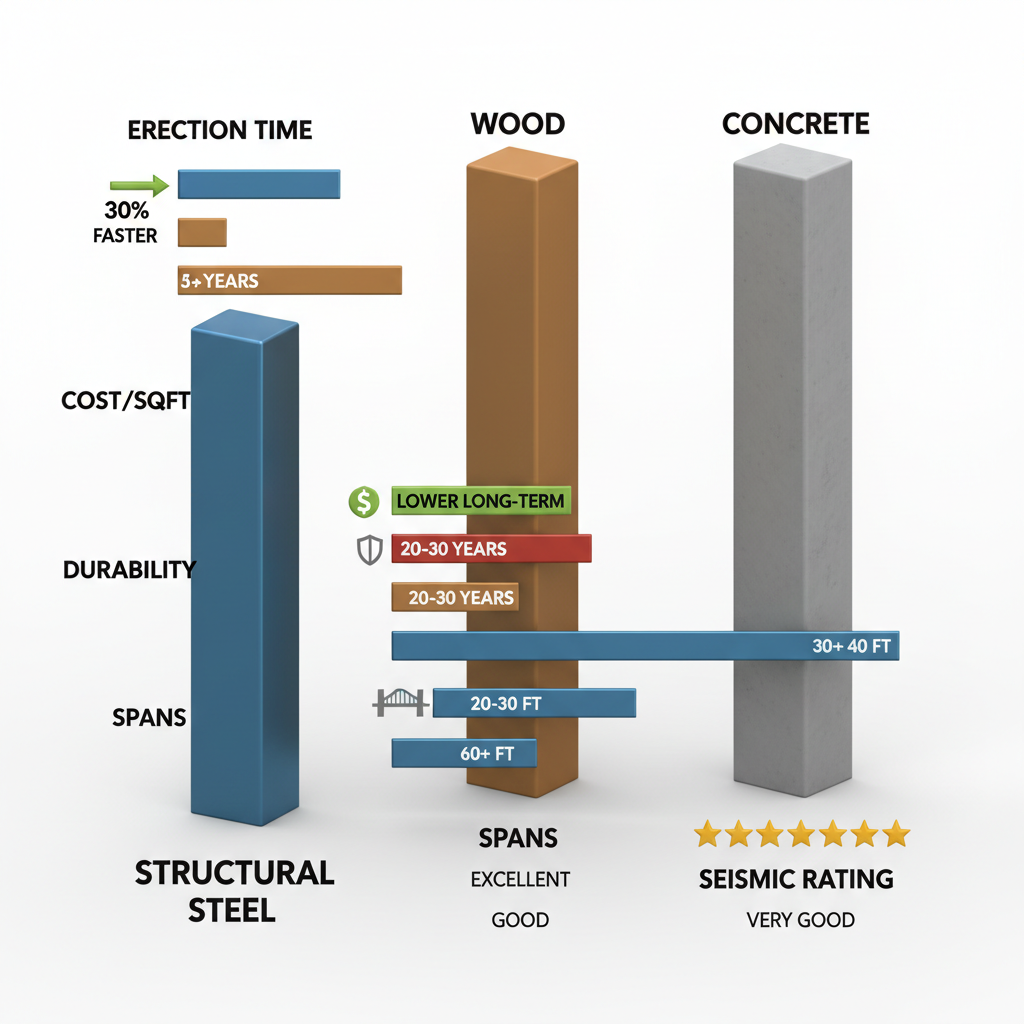
| Metric | Structural Steel | Reinforced Concrete | |
|---|---|---|---|
| Speed | Fast (Prefabricated) | Slower (Curing time) | |
| Weight | Light | Heavy | |
| Fireproofing | Required | Inherent | |
| Spans | Long | Moderate |
10. What Future Innovations Will Shape Structural Steel Framing?
Future of structural steel framing lies in technology. Automation is revolutionizing fabrication shops. What is next? Robotic welding arms and laser cutters work directly from 3D models, creating components with sub-millimeter accuracy. This reduces waste and human error. We are also seeing rise of higher-strength steel alloys that allow for even lighter sections. These advancements push boundaries of what engineers can design, making taller and more slender towers possible.
Automation in Steel Fabrication
Robots now handle repetitive tasks like drilling and cutting. Ready for the good part? This automation increases throughput. Shops can produce more tonnage with fewer hours. Lasers cut complex connection details that were once impossible by hand. This shift toward manufacturing-style production makes steel framing faster and more precise than ever before.
BIM and Digital Twin Integration
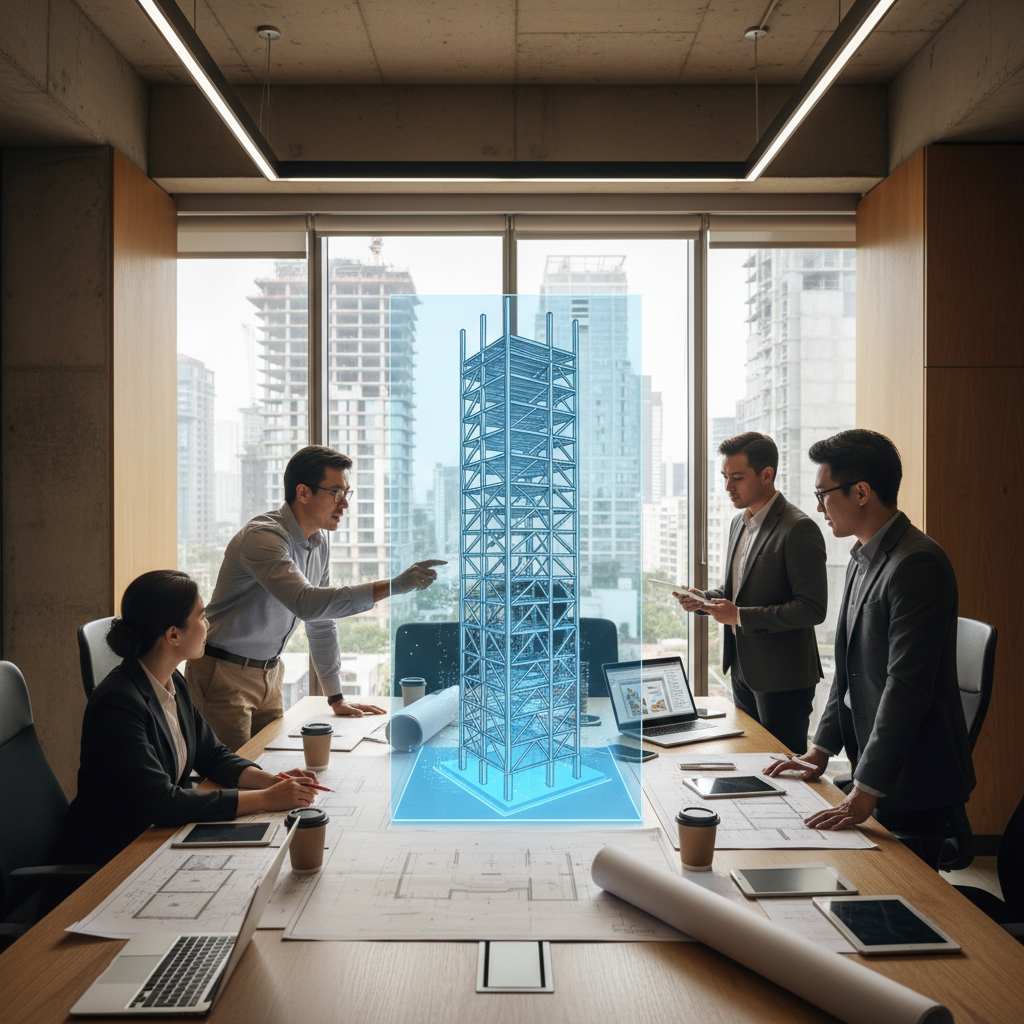
Building Information Modeling (BIM) is now standard. Here is the game changer: steel model integrates with mechanical and electrical models before construction begins. Clash detection software spots conflicts between a beam and a duct virtually, preventing costly field fixes. This digital workflow streamlines entire supply chain. Future projects will use these “digital twins” for facility management long after construction crew leaves, adding lifecycle value to steel frame.
Conclusion
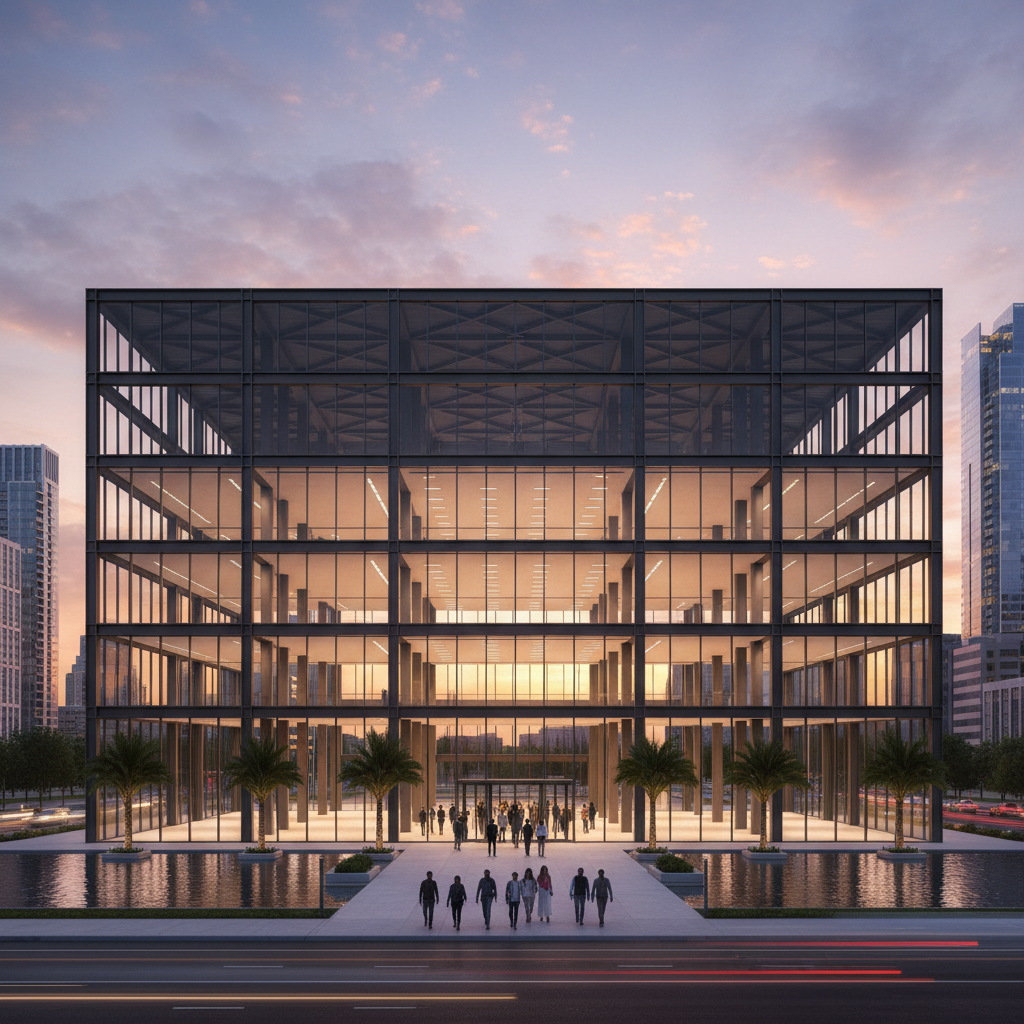
Structural steel framing stands as the undisputed leader for projects demanding durability, speed, and architectural freedom. We have explored how its high strength-to-weight ratio and off-site fabrication capabilities solve critical problems of construction delays and budget overruns. By choosing steel, you ensure a resilient, sustainable asset that adapts to future needs. Contact us today to discuss how we can integrate these advantages into your next project. Let us build a legacy of strength together.
FAQ
Q1: What is structural steel framing?Structural steel framing is a construction method that utilizes a network of steel columns and beams to create a load-bearing skeleton for buildings. It transfers gravity and lateral loads to the foundation, offering superior strength and allowing for high-rise construction and wide open interior spans.
Q2: How does the fabrication process work?The process begins with engineering designs which are sent to a fabrication shop. There, steel members are cut, drilled, and welded to precise specifications using advanced machinery. These finished components are then shipped to the construction site for rapid assembly, significantly speeding up the building timeline.
Q3: Is structural steel framing cost-effective?Yes, primarily due to the reduction in construction time. While material costs fluctuate, the speed of erection reduces labor costs and allows the building to be occupied sooner, generating revenue earlier. Additionally, lighter foundations and lower insurance premiums contribute to long-term economic value.
Q4: How sustainable is structural steel framing?It is extremely sustainable. Structural steel produced in the US contains roughly 93% recycled content and is 100% recyclable at the end of a building’s life. This circular lifecycle, combined with minimal construction waste, makes it a top choice for environmentally conscious projects and LEED certification.
Q5: What maintenance is required for steel framing?Maintenance is minimal for enclosed structural steel. However, exposed steel requires periodic inspection of protective coatings or paint to prevent corrosion. Fireproofing materials should also be inspected if renovations disturb the building envelope, but the steel itself does not degrade like organic materials.