
The average cost to build a warehouse typically ranges from 20 to 60 per square foot, with the final price determined by your choice of construction method, site conditions, and facility complexity. Navigating the logistics of a new warehouse building often reveals a minefield of hidden expenses, from rising material costs to unexpected labor shortages that can stall progress for months. These delays don’t just affect your timeline; they agitate your bottom line through lost revenue and mounting construction interest. By choosing a factory-direct steel solution, you can bypass the traditional coordination gaps and secure a durable, high-capacity structure that balances upfront affordability with long-term operational efficiency.
What is the average cost per square foot to build a warehouse?
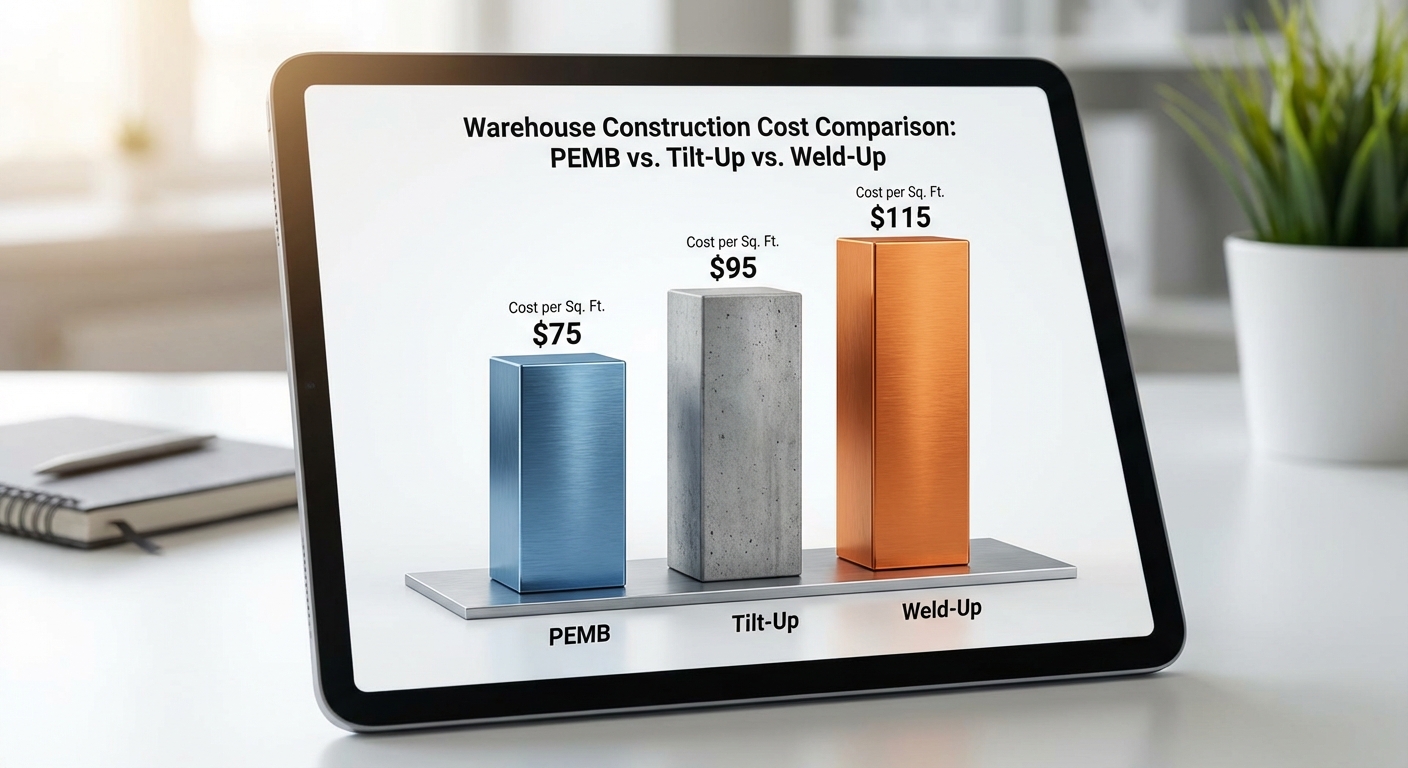
The average cost per square foot for a modern warehouse building is heavily influenced by the “turnkey” nature of the project versus a simple shell construction. You should expect to pay significantly more for a facility ready for occupancy than for a basic steel kit delivered to your site.
Think about this: While the building shell might only represent a third of your total spend, the foundation and specialized equipment can quickly double that initial figure. You must account for the interplay between high-quality materials and the speed of assembly.
Size and Economies of Scale
As you increase the total footprint of your facility, the cost per square foot typically experiences a noticeable decline. Large distribution centers benefit from bulk material purchasing and repeatable structural bay spacings that streamline the fabrication process.
Core Material Components
The primary expenses for your structure include the high-tensile steel frames, wall panels, and metal roofing systems. Selecting standard dimensions allows you to maximize the efficiency of the steel mill’s production lines.
- Primary Frame: I-beams and columns.
- Secondary Members: Purlins and girts.
- Envelope: Metal siding and roof panels.
- Fasteners: Bolts and weatherproofing screws.
Foundation and Site Preparation
Your foundation costs will vary based on soil stability and the required load-bearing capacity for your heavy equipment or high-density racking. A thicker concrete slab is often necessary to prevent cracking under the weight of industrial forklifts and high-stack storage systems.
Key Takeaway: Understanding the baseline square footage costs allows you to set a realistic budget before diving into specialized customizations.
| Facility Type | Size Range (Sq. Ft.) | Estimated Cost/Sq. Ft. | |
|---|---|---|---|
| Small Storage | 1,200 – 5,000 | 26−30 | |
| Medium Warehouse | 10,000 – 25,000 | 23−25 | |
| Large Distribution | 50,000+ | 20−23 |
This table demonstrates how volume discounts and engineering efficiencies reduce the unit cost as the building footprint grows.
How do different construction methods impact the total price?
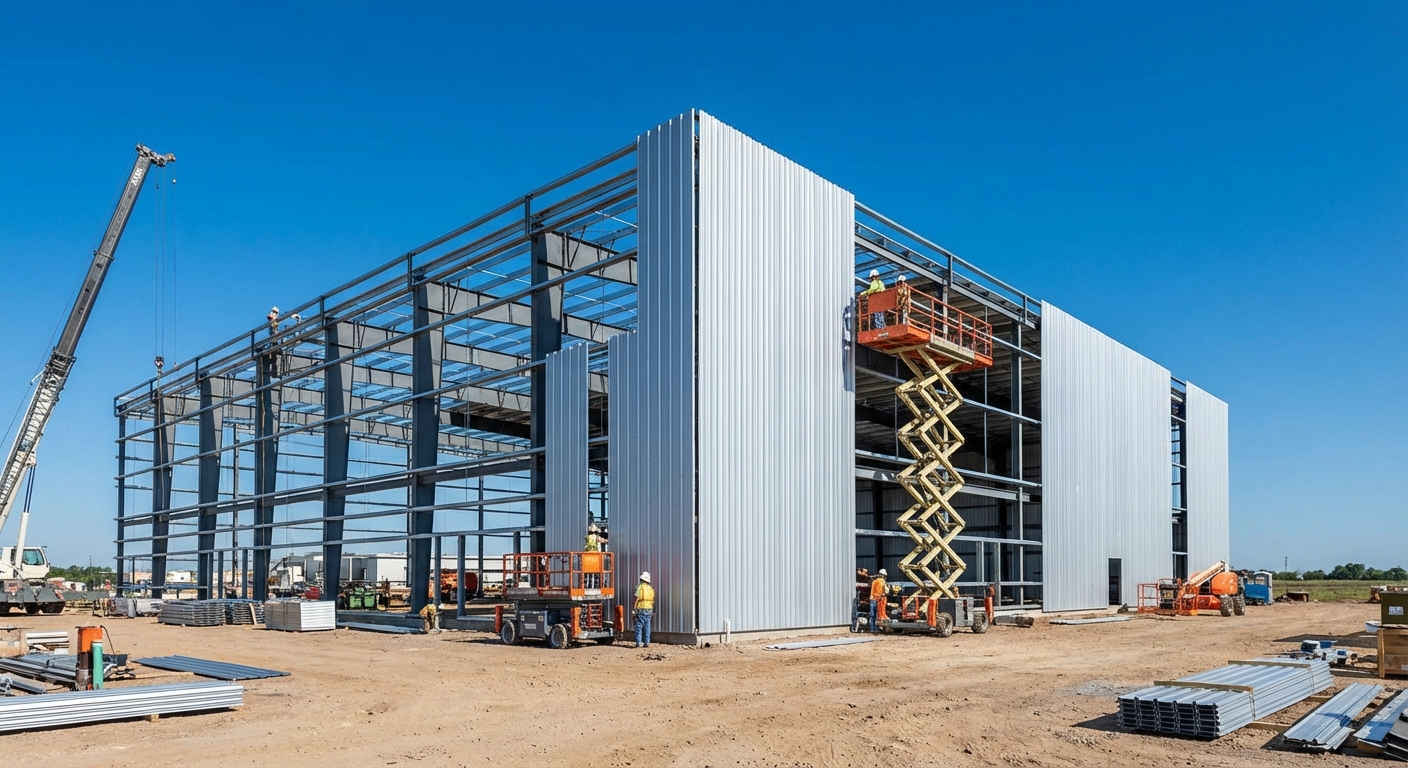
Selecting the right construction method for your warehouse building is the most critical decision you will make regarding your total capital investment. Traditional methods often carry hidden labor costs that pre-engineered solutions can effectively eliminate through factory precision.
The bottom line? Choosing a system that minimizes on-site welding and cutting will save you thousands in specialized labor fees. You need a method that balances structural integrity with rapid deployment.
Pre-engineered Metal Buildings (PEMB)
PEMB systems are the most cost-effective choice for industrial facilities, typically costing between 20 and 35 per square foot. These buildings arrive on-site as a complete kit, allowing for a much faster assembly time than any other method.
Tilt-Up Concrete Construction
Tilt-up construction offers superior fire resistance and durability but requires a much higher upfront budget of 40 to 55 per square foot. You must also consider the significant site space required to cast the concrete panels before they are lifted into place.
Conventional Structural Steel
For extremely tall facilities or those requiring complex multi-story designs, conventional structural steel is the standard choice. However, the labor-intensive nature of on-site fabrication pushes these costs to the highest tier of the market.
- PEMB: Fast, economical, and flexible.
- Tilt-Up: Durable, fire-resistant, but expensive.
- Conventional: Highest design flexibility, slow speed.
- Hybrid: Combines steel frames with masonry walls.
Key Takeaway: Pre-engineered systems offer the best balance of speed and cost for over 80% of modern industrial warehouse applications.
| Construction Method | Cost Complexity | Labor Intensity | Project Speed | |
|---|---|---|---|---|
| PEMB Steel | Low | Low | Very Fast | |
| Tilt-Up Concrete | Moderate | High | Moderate | |
| Conventional Steel | High | Very High | Slow |
Pre-engineered solutions consistently outperform traditional methods in both speed of occupancy and total financial predictability.
How does building size influence the overall investment?
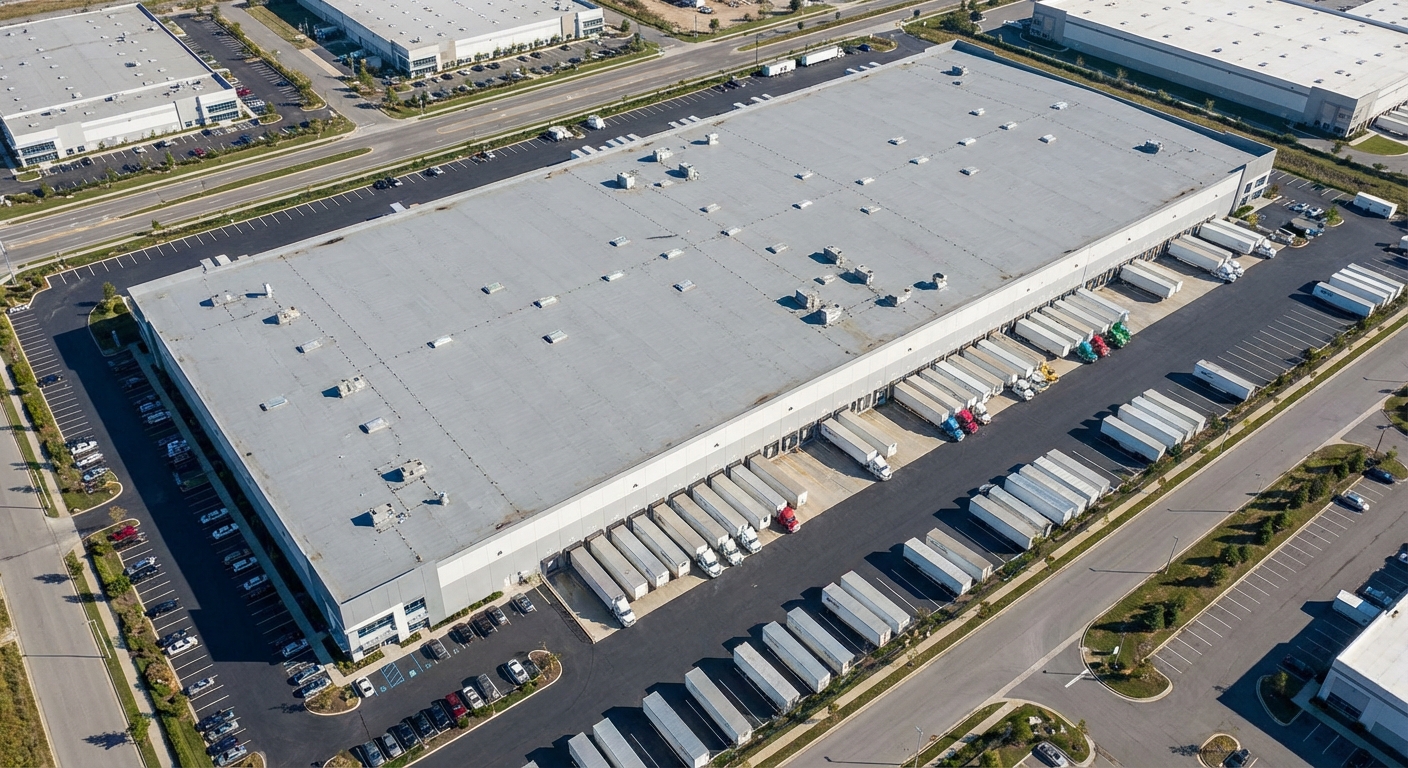
The scale of your warehouse building creates a sliding scale of financial efficiency that you must leverage during the planning phase. Smaller buildings often carry a price premium because the fixed costs of engineering and transportation are distributed over fewer square feet.
Here is the kicker: Adding just 10% more floor space can sometimes lower your unit cost enough to make the larger building more profitable. You should analyze your 5-year growth projection before finalizing your dimensions.
Efficiency of Large Footprints
Massive logistics hubs achieve price points near $20 per square foot because they utilize standardized bay spacings that maximize material usage. You save money by reducing the amount of “waste steel” generated during the custom fabrication process.
Challenges of Small Structures
Small workshops under 2,400 square feet often face higher per-foot costs due to the minimum charges for mobilization and permit fees. You may find that upgrading to a medium-sized facility offers much better long-term value for your investment.
Designing for Future Expansion
Planning for future growth now can prevent a financial disaster when you need to double your storage capacity in the future. You should specify “expandable end walls” to ensure that adding new bays is a seamless structural process.
- Engineering: Fixed costs spread over area.
- Delivery: Flat rates for shipping containers.
- Erection: Equipment rental minimums.
- Permits: Base fees regardless of size.
Key Takeaway: Larger facilities offer significantly better ROI due to the dilution of fixed engineering and logistical expenses.
| Building Size | Engineering Fee Impact | Unit Price ($/Sq. Ft.) | ROI Potential | |
|---|---|---|---|---|
| 2,400 Sq. Ft. | High | $28 | Moderate | |
| 10,000 Sq. Ft. | Medium | $23 | High | |
| 50,000 Sq. Ft. | Low | $21 | Very High |
This data confirms that maximizing your building footprint at the start provides the lowest entry point for structural steel projects.
Which geographic factors affect warehouse construction costs?
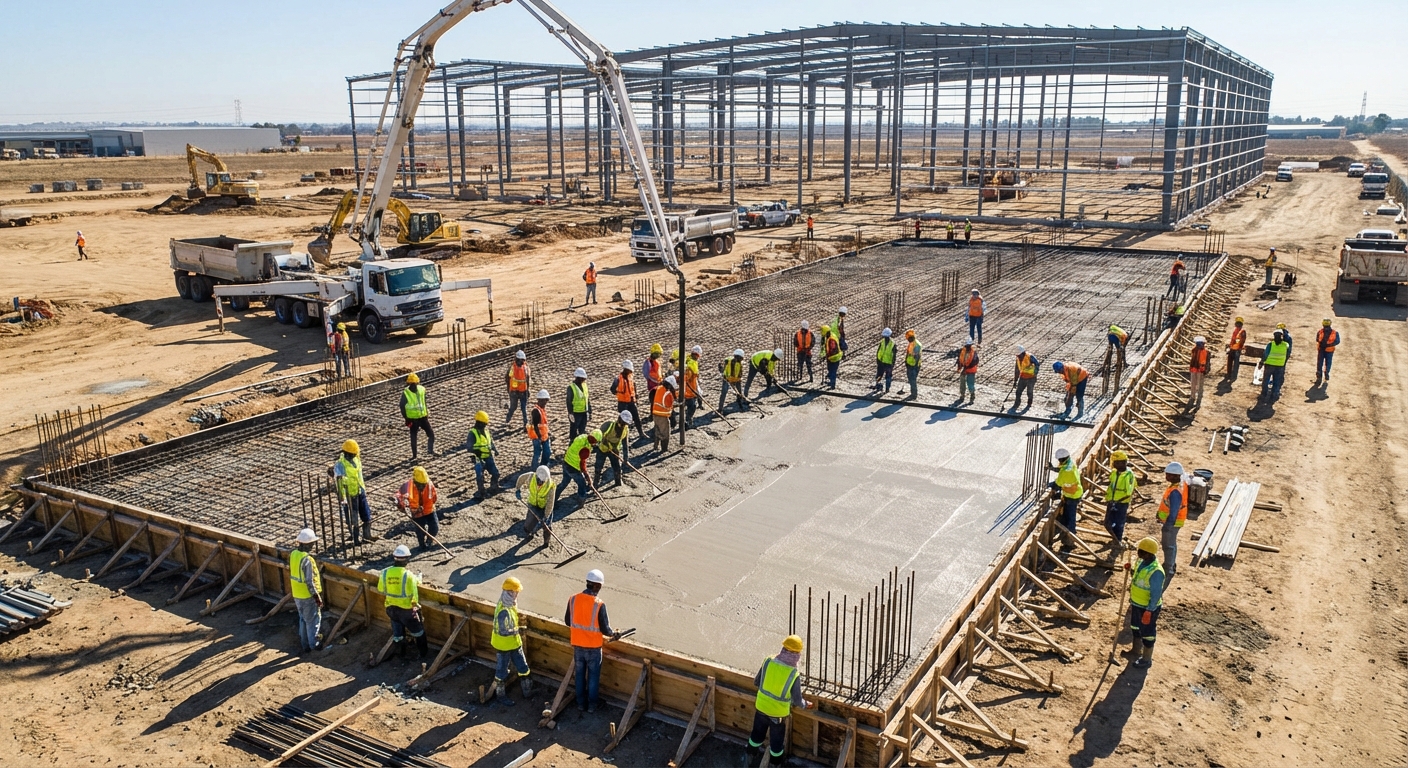
Where you decide to build your warehouse building will dictate the engineering loads that your structure must withstand. A design that is perfectly safe in a desert climate could suffer a structural failure in a region prone to heavy snow or seismic activity.
It gets better: By working with a manufacturer that understands global building codes, you can optimize your steel weight while remaining fully compliant with local laws. You need a structure that is neither under-engineered nor over-priced.
Climate and Load Requirements
Buildings in the northern hemisphere require reinforced roof structures to support the weight of heavy snow accumulation during winter months. You must also consider wind-load requirements if your facility is located in a hurricane-prone coastal region.
Seismic and Soil Conditions
If your site is located in an active seismic zone, your foundation and structural connections will require specialized dampening and reinforcement. You should always conduct a soil test before final engineering to ensure your slab won’t settle unevenly.
Local Labor and Permit Markets
The availability of certified steel erectors in your specific region will determine the “hard cost” of the assembly phase. You may find that importing skilled supervisors is more cost-effective than hiring inexperienced local general contractors.
- Snow Loads: Increases steel thickness.
- Wind Speed: Requires additional bracing.
- Seismic Zone: Needs heavy-duty connections.
- Soil Quality: Affects foundation depth.
Key Takeaway: Geographic compliance is not optional; your design must be tailored to local environmental stressors to pass inspection and ensure safety.
| Region Type | Primary Cost Driver | Steel Weight Impact | Permit Complexity | |
|---|---|---|---|---|
| High Snow (North) | Roof Reinforcement | +15% to 20% | Moderate | |
| Coastal (Wind) | Wall Bracing | +10% to 15% | High | |
| Seismic (Fault) | Foundation Ties | +5% to 10% | Very High |
Selecting a site with favorable environmental conditions can drastically reduce your initial structural material requirements.
What are the secondary costs of a warehouse build-out?
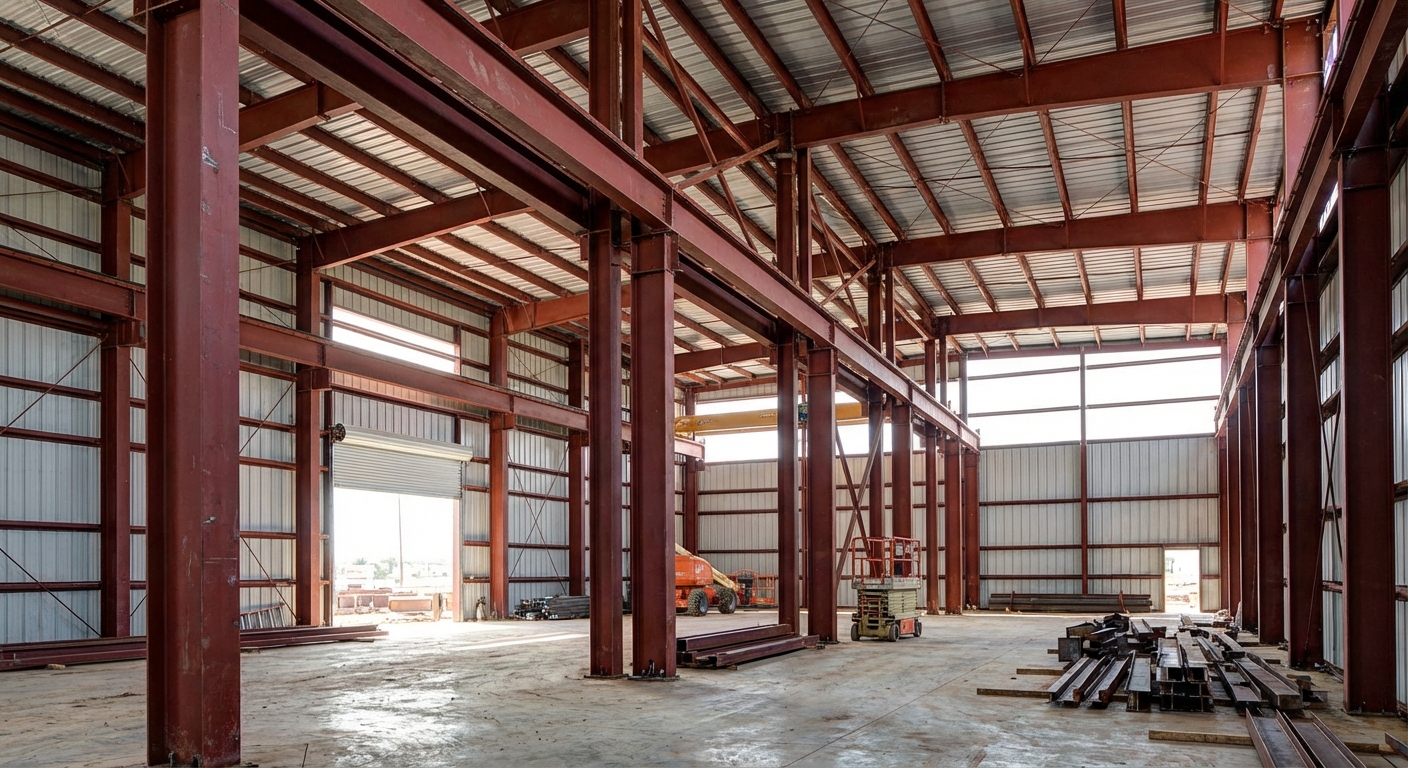
The “shell” of your warehouse building is only the beginning of your financial journey toward a fully operational facility. You must budget for the internal systems that turn a metal box into a high-functioning distribution or manufacturing hub.
But wait, there’s more: Lighting and HVAC systems can account for up to 20% of your operational budget if they are not planned efficiently during construction. You need to consider long-term utility costs alongside your initial build-out.
Insulation and Environmental Control
Proper insulation is essential for protecting your inventory from extreme temperature swings and preventing condensation within the building. You should look into fiberglass blankets or insulated metal panels (IMPs) to maximize your thermal efficiency.
Fire Suppression and Safety
Most modern building codes require advanced fire sprinkler systems, especially if you plan to store high-piled pallet racking. You must coordinate the water line capacity with your local utility provider early in the planning process.
Specialized Openings and Loading Docks
The cost of heavy-duty roll-up doors and automatic dock levelers can add up quickly if your facility handles high-volume shipping. You need to balance the number of bays with your actual daily logistics requirements.
- HVAC: Critical for temperature-sensitive goods.
- Lighting: LED systems reduce energy bills.
- Office space: Mezzanines maximize vertical area.
- Racking: High-density storage increases ROI.
Key Takeaway: Integrating your secondary systems during the initial design phase prevents expensive modifications and field adjustments later.
| Build-out Component | Estimated Sq. Ft. Cost | Impact on Utility Bill | Maintenance Level | |
|---|---|---|---|---|
| R-30 Insulation | 2−4 | High Reduction | Low | |
| LED Lighting | 1−2 | Moderate Reduction | Very Low | |
| Loading Docks | 15k−25k per unit | Neutral | Moderate |
Properly insulating your facility is the most effective way to protect your inventory while minimizing monthly operating expenses.
How can you reduce the cost of your warehouse project?
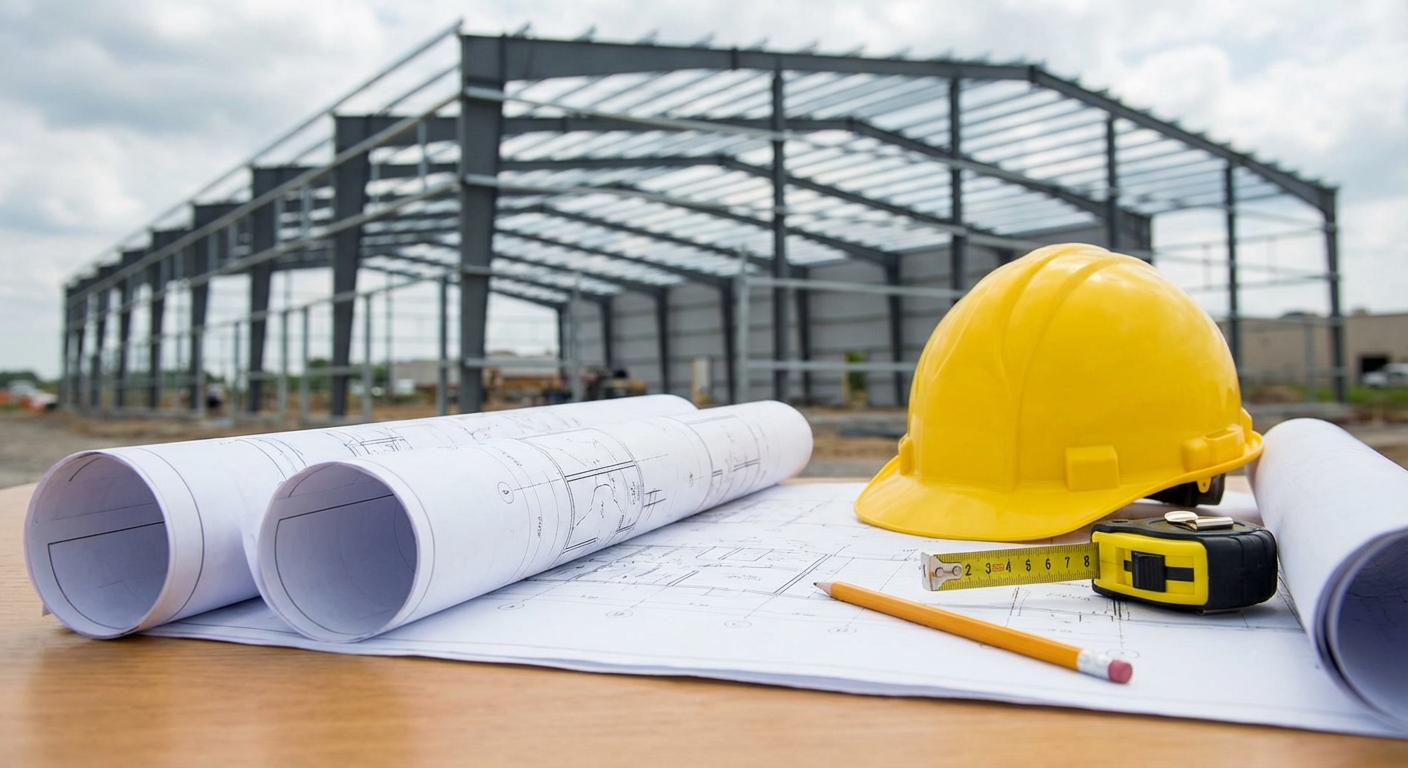
Strategic planning and design optimization are the most powerful tools available to you for reducing the total price of your warehouse building. Even minor adjustments to the building’s geometry can lead to significant savings in both materials and labor.
Why does this matter? A design that utilizes standard material lengths minimizes the amount of scrap metal you pay for during the fabrication process. You can achieve a high-end facility on a mid-range budget through smart engineering.
Standardizing Bay Spacings
Using the manufacturer’s standard bay widths (typically 20 or 25 feet) allows you to use pre-cut secondary members without on-site modifications. You should avoid custom spacing whenever possible to keep your fabrication costs at the baseline level.
Optimizing the Building Envelope
A simple rectangular footprint with a single-slope roof is significantly cheaper to engineer and build than a complex multi-gabled structure. You should prioritize interior usable volume over external architectural complexity for industrial applications.
Consolidating Your Suppliers
Ordering your structural frame, wall panels, and roofing from a single factory-direct source eliminates multiple shipping fees and coordination gaps. You ensure that every bolt and panel arrives in the same container, ready for assembly.
- Roof Pitch: Use 1:12 for maximum efficiency.
- Width: Stick to standard 40′, 60′, or 80′ spans.
- Finish: Choose standard colors to avoid surcharges.
- Height: Keep eaves under 30′ for standard engineering.
Key Takeaway: Simplification is the ultimate form of cost-saving in the world of industrial steel construction.
| Strategy | Cost Savings Potential | Complexity Impact | Best Applied To | |
|---|---|---|---|---|
| Standard Bays | 10% – 15% | Decreases | All Projects | |
| Single-Slope Roof | 5% – 8% | Decreases | Small/Medium | |
| Direct Sourcing | 20% – 30% | Decreases | Large/Overseas |
Eliminating the middleman broker and choosing a direct manufacturer provides the single largest price reduction for most warehouse projects.
Should you choose a pre-engineered metal building for your facility?
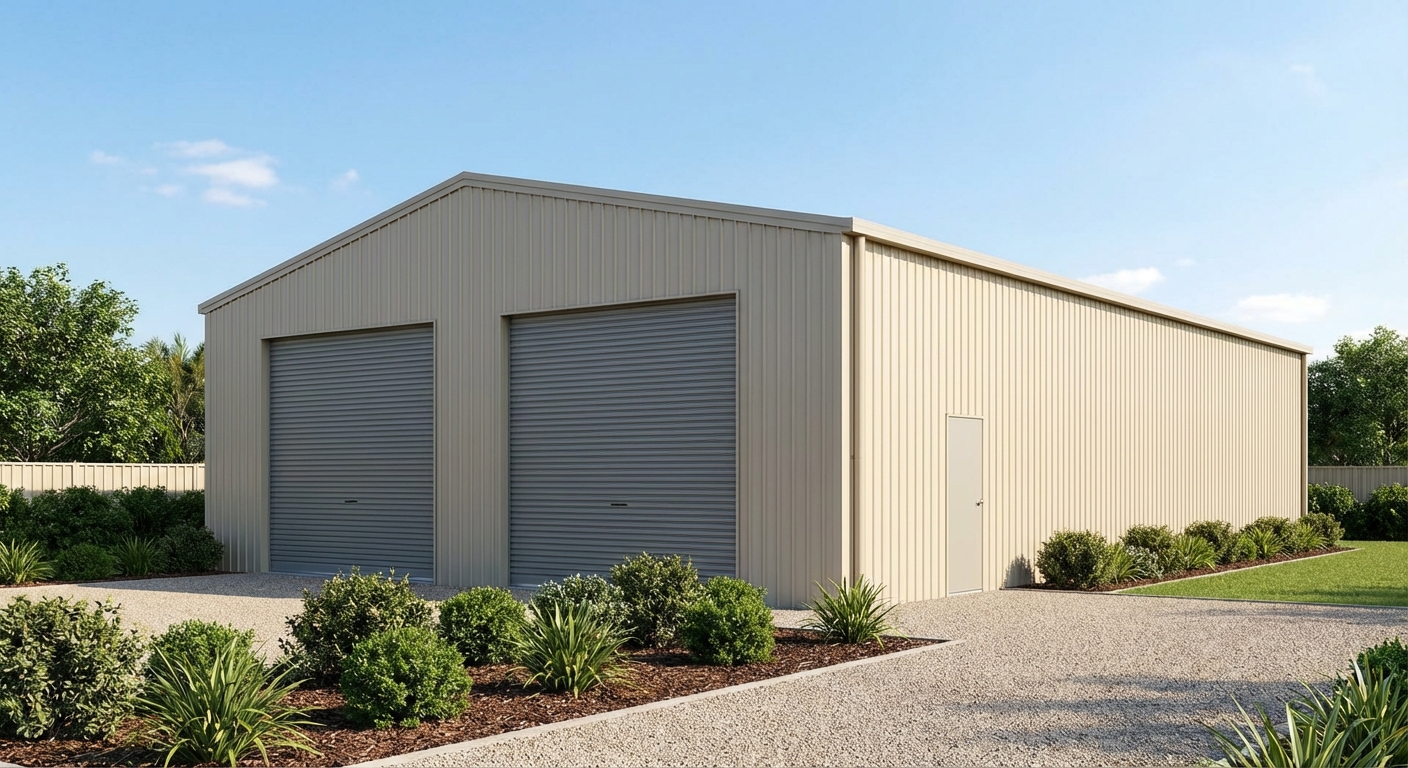
For a modern warehouse building , pre-engineered metal buildings (PEMB) represent the pinnacle of structural efficiency and financial sense. These systems are specifically designed to maximize clear-span interior space, which is critical for logistics operations.
Now, consider this: The time you save in construction directly translates into faster revenue generation for your business. You can be moved in and operational months ahead of traditional masonry construction schedules.
Unmatched Speed of Construction
Because every component is pre-cut and pre-drilled in a controlled factory environment, the on-site assembly is essentially a bolt-together process. You significantly reduce the risk of weather-related delays that often plague “wet” construction methods like concrete.
Clear Span Design Flexibility
Steel’s high strength-to-weight ratio allows for clear spans of over 100 feet without the need for internal support columns. This provides you with an unobstructed floor plan that is essential for optimizing your forklift aisles and racking layouts.
Long-Term Durability and Low Maintenance
Steel is naturally resistant to the common enemies of industrial buildings, such as termites, rot, and severe fire hazards. You will enjoy lower insurance premiums and minimal maintenance costs over the 50-year lifespan of the structure.
- Speed: Occupancy in weeks, not months.
- Efficiency: Precision-cut parts reduce waste.
- Versatility: Easy to modify or expand.
- Sustainability: Steel is 100% recyclable.
Key Takeaway: PEMB structures offer the lowest total cost of ownership when factoring in both construction price and long-term maintenance.
| Feature | PEMB Steel | Wood Frame | Masonry/Concrete | |
|---|---|---|---|---|
| Initial Cost | Lowest | Moderate | Highest | |
| Maintenance | Very Low | High | Low | |
| Expansion Ease | Very Easy | Difficult | Very Difficult |
If your priority is a fast return on investment and a flexible floor plan, pre-engineered steel is the undisputed winner.
What are the financial implications of buying versus renting?
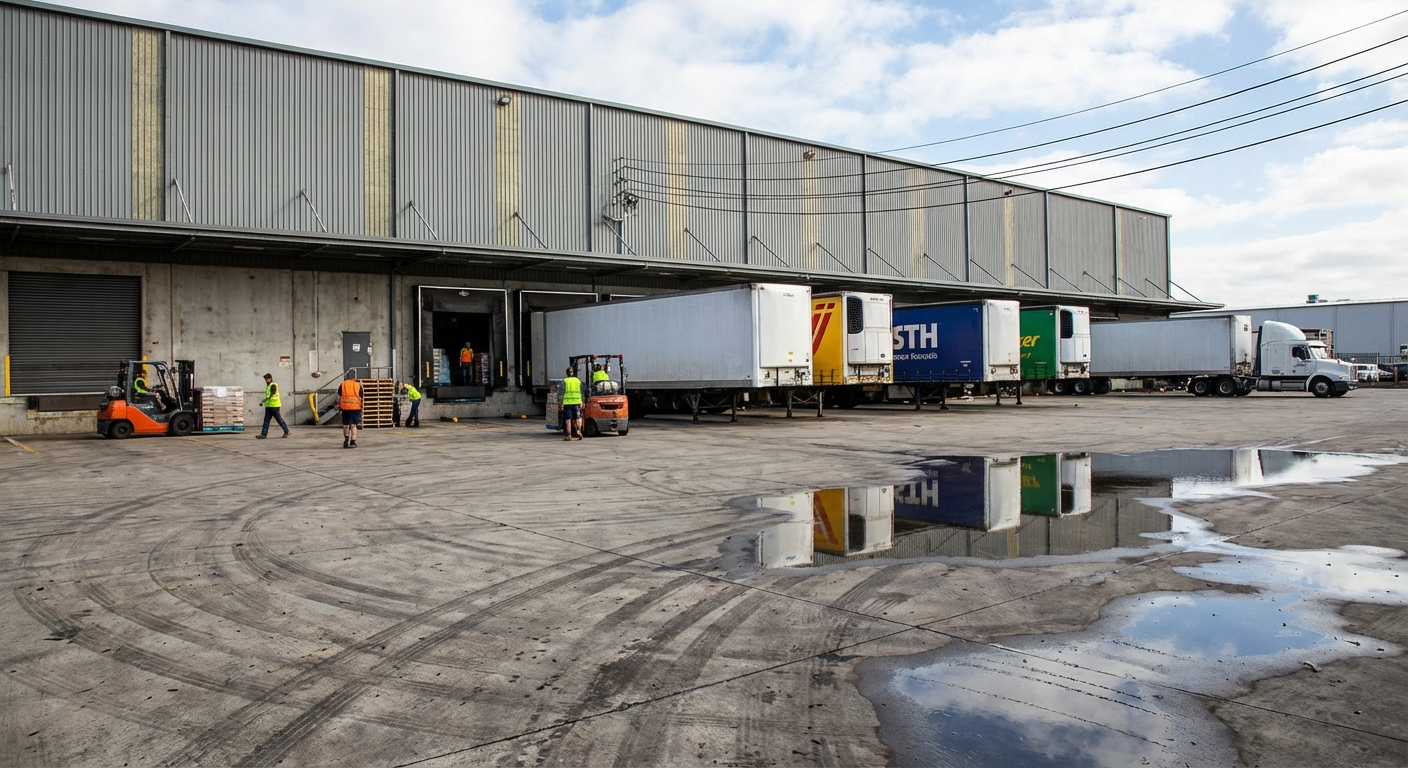
Deciding to invest in your own warehouse building rather than signing a long-term lease is a strategic move that can define your company’s financial health for decades. While the upfront capital requirement is higher, the long-term benefits of asset ownership usually outweigh the convenience of renting.
The truth is: Every rent payment you make is a 100% loss of capital that could be building equity in a tangible business asset. You should view your warehouse as an investment vehicle, not just a storage space.
Asset Appreciation and Equity
Owning your facility allows you to benefit from the rising value of industrial real estate in your region. As you pay down the construction loan, you build a massive amount of equity that can be leveraged for future business acquisitions or upgrades.
Total Operational Autonomy
When you own the building, you have the freedom to install heavy-duty bridge cranes, specialized cooling systems, or custom racking without seeking landlord approval. You control your 24/7 access and security protocols without external interference.
Tax Advantages and Depreciation
The internal revenue codes in many regions allow for significant depreciation deductions on the cost of your industrial building and its equipment. These tax shields can often offset a large portion of your annual loan interest and maintenance costs.
- Ownership: Builds equity and net worth.
- Leasing: Offers short-term flexibility only.
- Control: You decide on all upgrades.
- Predictability: No sudden rent hikes.
Key Takeaway: Constructing your own facility provides a hedge against inflation and a significant boost to your company’s balance sheet.
| Financial Metric | Buying/Building | Renting/Leasing | |
|---|---|---|---|
| Monthly Cost | Fixed (Mortgage) | Variable (Rent Hikes) | |
| Equity Build | Yes | No | |
| Tax Benefits | Depreciation/Interest | Only Rent Deduction |
Building your own warehouse is a “power move” that secures your logistical future while creating a multi-million dollar asset for your company.
How do design choices like roof pitch affect the budget?
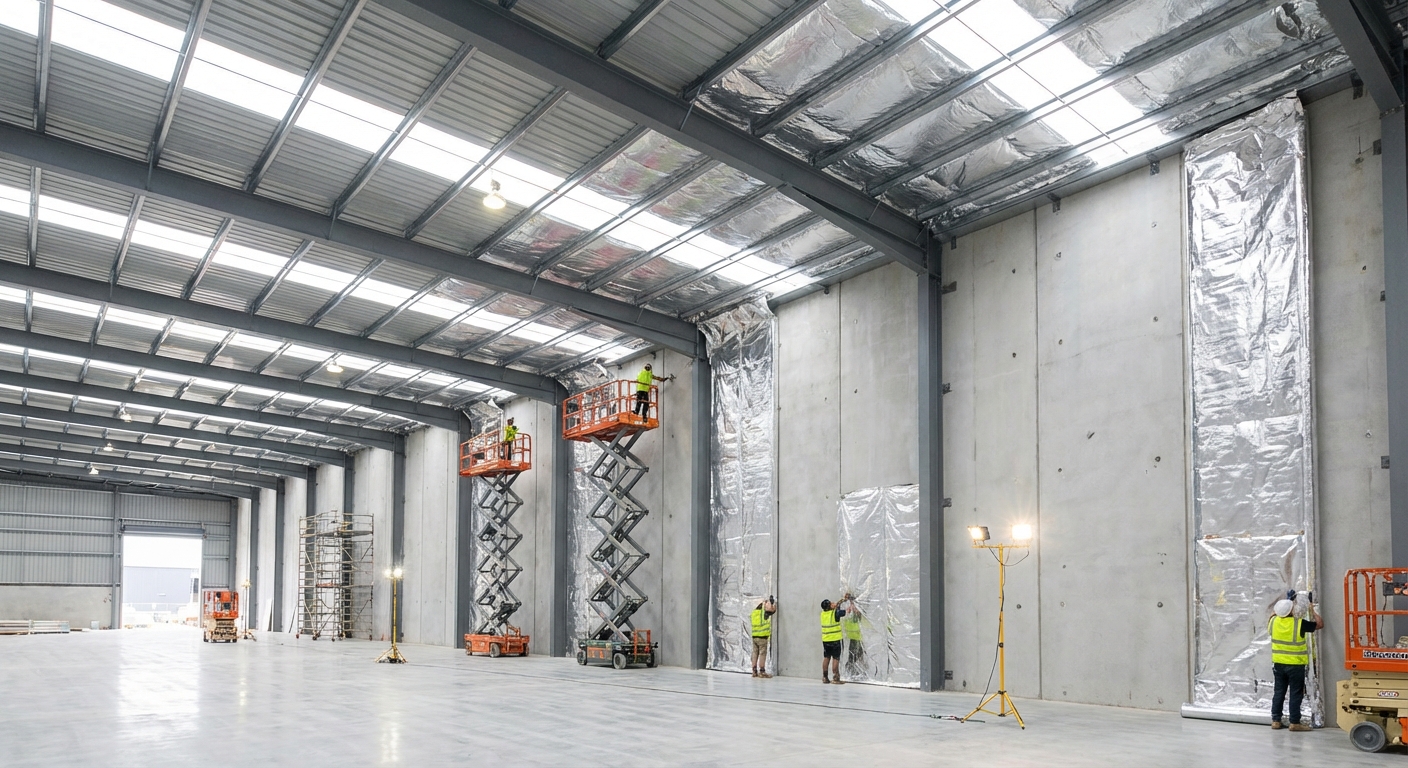
Your choice of roof profile and pitch for your warehouse building has a direct impact on the volume of steel required and the efficiency of your HVAC systems. While it may seem like a minor aesthetic choice, it is actually a major engineering decision.
Look at it this way: A steeper roof increases the total surface area of your building, meaning you pay for more metal panels, more fasteners, and more labor. You should only use a high pitch if local snow loads or zoning laws strictly require it.
Material Efficiency of Low Pitch
A standard 1:12 or 2:12 roof pitch is the industry favorite for industrial warehouses because it minimizes the amount of “dead air” space at the top of the building. You save money on both the initial material purchase and your monthly heating and cooling bills.
Impact on Interior Volume
The higher the roof peak, the more space your HVAC system has to condition to keep the floor level at a comfortable temperature. For climate-controlled facilities, a low-profile roof is essential for maintaining operational cost efficiency.
Drainage and Weatherproofing
While low-pitch roofs are more economical, they must be paired with high-quality standing seam metal systems to ensure they remain waterproof in high-rainfall areas. You should invest in better seams rather than a steeper pitch to achieve long-term reliability.
- 1:12 Pitch: Most economical for steel.
- 2:12 Pitch: Better for heavy rain/snow.
- Standing Seam: Best for waterproofing.
- Screw-Down: Cheapest initial cost.
Key Takeaway: Optimizing your roof design for the lowest possible functional pitch is one of the easiest ways to trim your construction budget.
| Roof Pitch | Steel Volume Impact | HVAC Efficiency | Best Climate | |
|---|---|---|---|---|
| 1:12 | Baseline (Lowest) | Highest | Dry/Moderate | |
| 2:12 | +5% | Moderate | High Rain | |
| 4:12+ | +15%+ | Lowest | High Snow |
A low-pitch roof design ensures your budget goes toward floor space rather than unnecessary ceiling volume.
Why does working with a direct manufacturer lower costs?
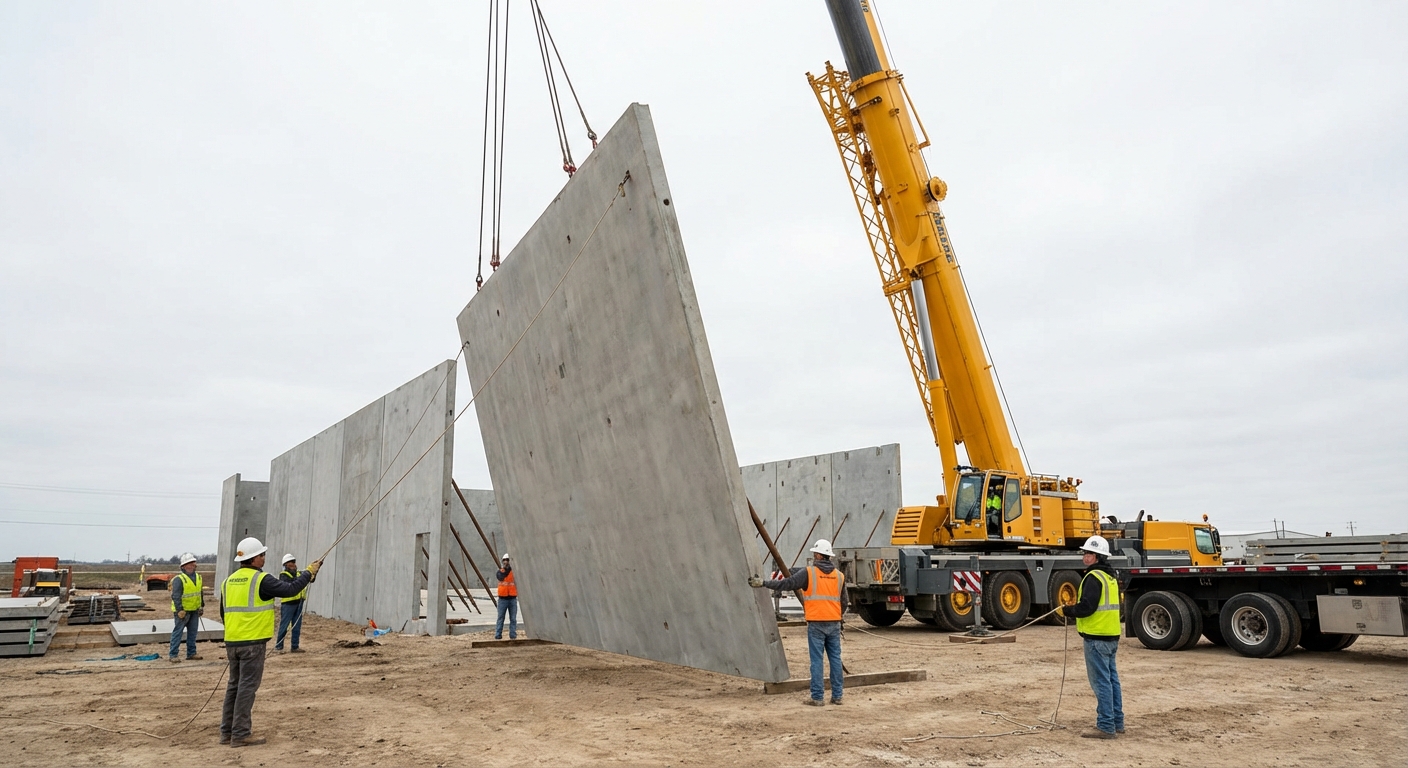
Purchasing your warehouse building directly from the manufacturer eliminates the layers of markups and communication errors introduced by trading companies or brokers. You gain direct access to the engineering team that will actually design and fabricate your structure.
What’s the catch? There isn’t one—direct manufacturing simply removes the “middleman” who typically adds a 15% to 30% margin for simply coordinating the order. You get a higher quality building for a significantly lower price point.
Integrated Quality Control
When the design and fabrication happen under one roof, the risk of receiving parts that don’t fit together on-site is virtually eliminated. You benefit from factory-wide quality standards that cover every weld and paint application before the building is packed for shipping.
Faster Response to Design Revisions
If your project requirements change during the planning phase, a direct manufacturer can update the blueprints and production schedule in hours rather than days. You avoid the “telephone game” of trying to relay technical changes through a broker who doesn’t understand engineering.
Accurate Technical Support
When your construction crew has a question during the erection phase, they can speak directly with the engineers who drafted the drawings. You receive precision answers that keep your project moving forward without expensive guesswork or field modifications.
- Price: No broker markups.
- Speed: Direct communication path.
- Accuracy: Integrated engineering.
- Security: Verified factory ownership.
Key Takeaway: The shortest path to a successful warehouse project is a direct line to the factory where the steel is being fabricated.
| Supplier Type | Price Margin | Quality Control | Tech Support | |
|---|---|---|---|---|
| Direct Manufacturer | 0% (Baseline) | High (Internal) | Expert | |
| Trading Company | 15% – 25% | Moderate | General | |
| Local GC | 20% – 35% | Variable | Outsource |
By partnering with a manufacturer, you ensure that every dollar of your budget is invested in the actual quality and durability of your new facility.
Summary and Next Steps
Building a high-capacity warehouse is a complex investment that requires a balance of structural integrity, geographic compliance, and financial foresight. By choosing pre-engineered steel and working directly with the manufacturer, you can bypass the risks of traditional construction and deliver a facility that powers your business growth for decades. At Showhoo, we specialize in factory-direct engineering and fabrication that maximizes your value and eliminates project risk. To get a precise estimate tailored to your site and specific operational needs, contact us today and let our team of experts guide your vision from the first blueprint to the final bolt.
FAQ
Can I build a warehouse myself to save money?While you can manage the project as a general contractor, the actual structural assembly requires specialized equipment and certified steel erectors to ensure safety and code compliance.
What’s the best roof for a large warehouse?A standing seam metal roof with a 1:12 pitch offers the best combination of waterproofing, material efficiency, and long-term maintenance savings.
How long does it take to get a warehouse kit?Standard pre-engineered kits typically take 4 to 12 weeks to fabricate and deliver, depending on the complexity of your custom design and the factory’s current workload.
Can I expand my warehouse in five years?Yes, if you specify “expandable end walls” during the design phase, adding new structural bays is a straightforward and cost-effective process.
What is the life expectancy of a metal warehouse?A high-quality steel warehouse building can easily last 50 years or more with basic maintenance and a high-quality protective coating