
When your ministry faces the challenge of a growing flock but a limited building fund, the traditional “sticks and bricks” method can feel like an impossible mountain to climb. You risk draining your outreach budget on high labor costs, lengthy construction delays, and unforeseen “change orders” that bleed your treasury dry. The good news is that many small congregations choose steel church buildings because they offer an unmatched balance of affordability, durability, and construction speed that respects your role as a good steward of church finances.
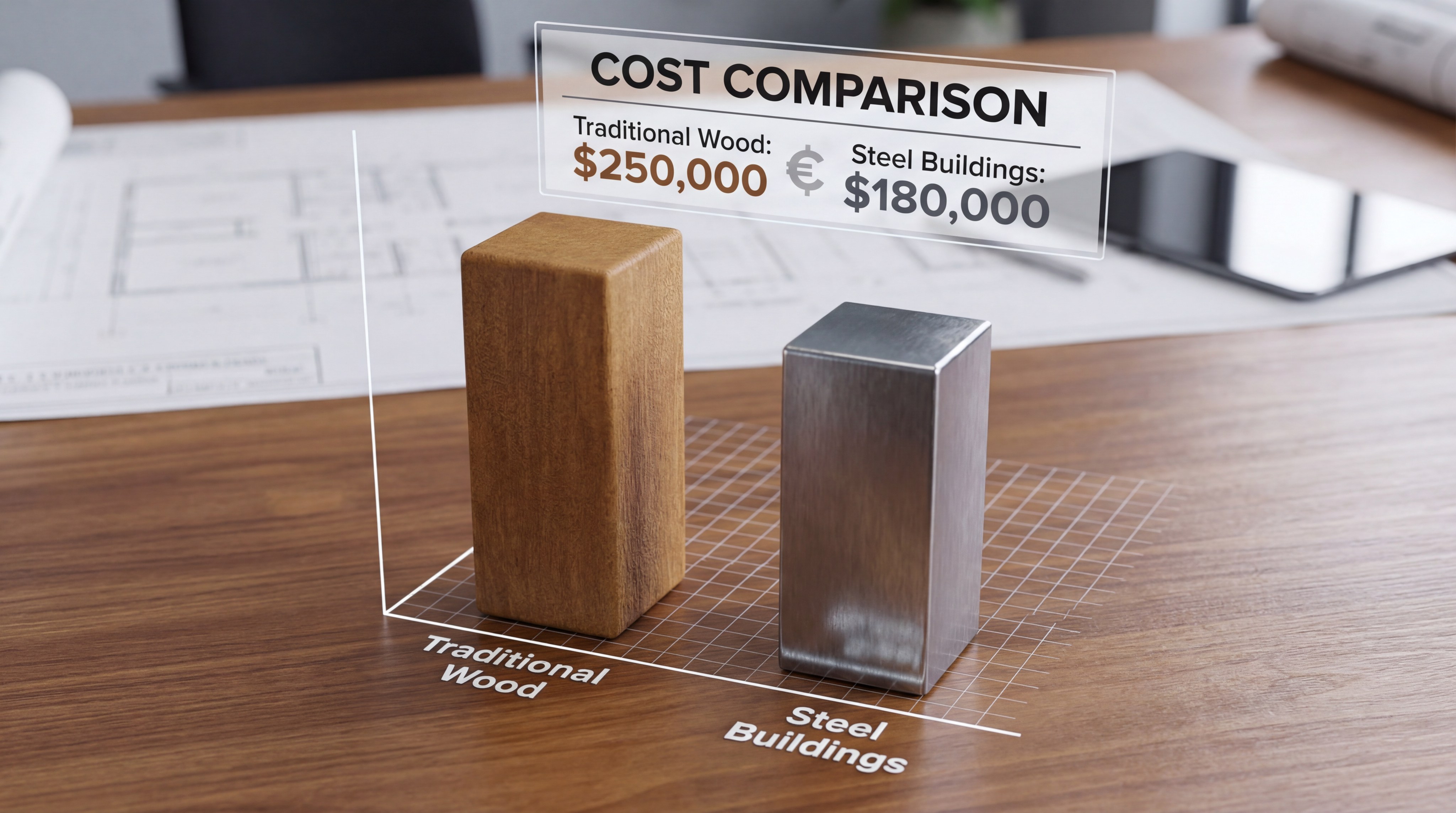
1. Why are steel church buildings the most cost-effective choice?
Steel church buildings significantly reduce the total cost of ownership by utilizing factory-direct fabrication and reducing on-site labor requirements. By choosing a pre-engineered system, you bypass many of the expensive middleman markups associated with traditional construction materials and specialized local trades.
This financial efficiency is the primary driver for small ministries with modest budgets. When you work with a direct manufacturer, you ensure that every dollar invested goes directly into the structural integrity and longevity of your sanctuary rather than administrative overhead.
Maximizing Your Ministry Budget
By choosing a pre-engineered system, you bypass many of the expensive middleman markups associated with traditional construction materials.
- Reduced structural engineering fees (often included in the package)
- Lower foundation costs due to lighter structural weight
- Significant savings on raw material waste
Think about it:
Every dollar saved on construction is a dollar that can be reinvested into your youth programs or community outreach.
Streamlining the Design Phase
The precision of steel fabrication allows for a “ready-to-assemble” package that eliminates the need for expensive on-site modifications.
- Integrated door and window openings
- Pre-punched holes for faster bolting
- Minimal on-site welding required
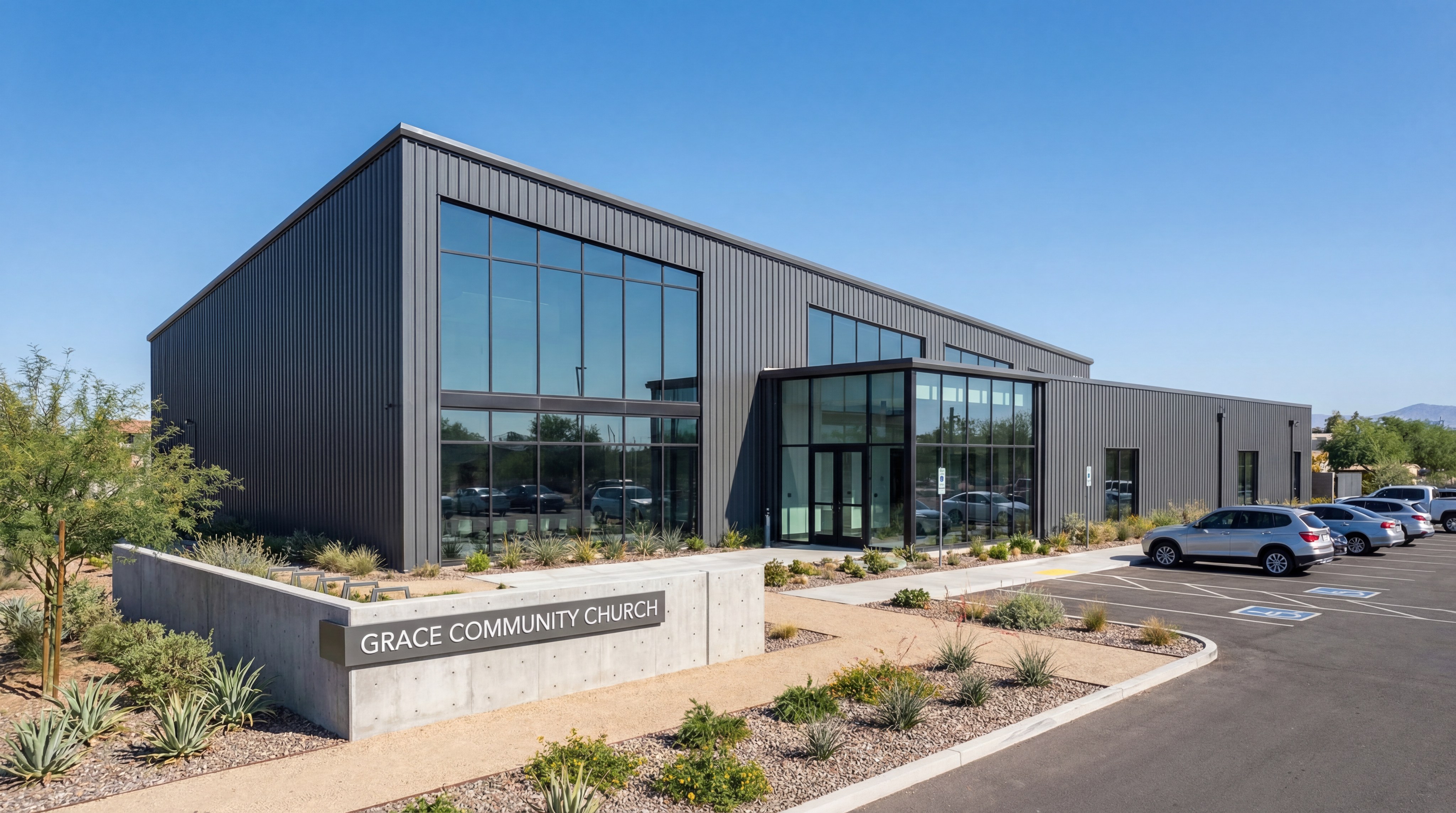
| Cost Factor | Traditional Wood/Brick | Steel Buildings | |
|---|---|---|---|
| Engineering | High / Separate Fee | Low / Included | |
| Labor Hours | High | Low (33% Faster) | |
| Material Waste | 10-15% | Near 0% |
Analysis: Pre-engineered steel systems offer a predictable financial roadmap that prevents the budget creep common in traditional builds.
2. How quickly can your congregation move into steel church buildings?
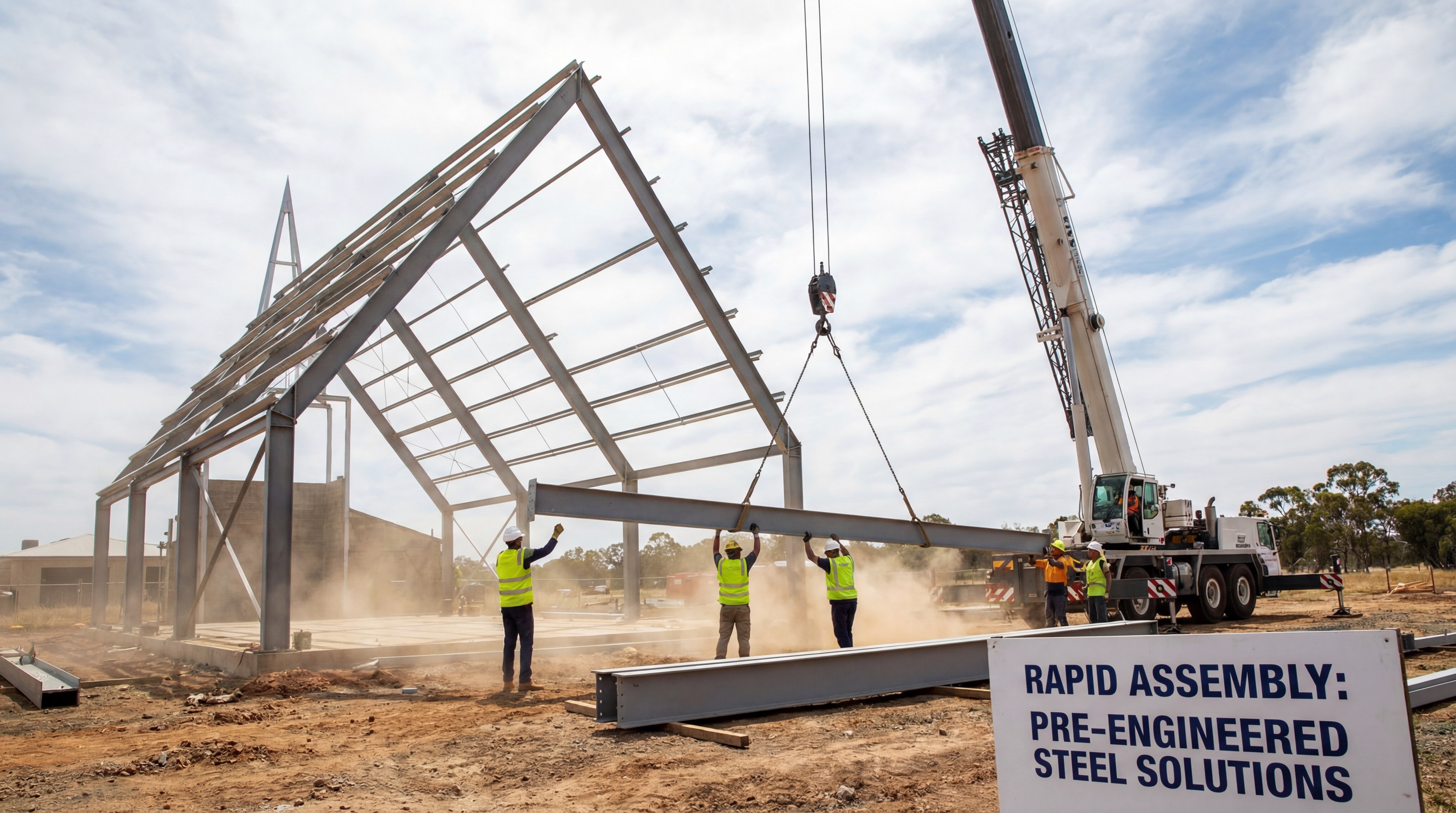
You can typically complete steel church buildings up to 33% faster than conventional structures because the components arrive pre-cut and ready for immediate assembly. This accelerated timeline is possible because the primary manufacturing happens in a controlled factory environment while your site preparation is still underway.
Once the foundation is cured, the “erection” phase moves with incredible speed. For a small congregation currently renting space or meeting in a home, this means transitioning to your permanent sanctuary months ahead of schedule, saving thousands in rent.
Accelerating the Erection Process
Because every beam and column is manufactured to exact specifications in the factory, your crew doesn’t waste time measuring and cutting on-site.
- Faster dry-in times protect interiors sooner
- Predictable delivery schedules
- Simplified assembly for volunteer labor
But that’s not all.
- Pre-engineered components eliminate the “trial and error” of stick building.
- Staging materials is more organized with numbered parts.
Managing Project Milestones
The speed of steel construction allows you to hit key milestones like roof completion and HVAC installation much faster than with masonry.
- Reduced exposure to weather-related delays
- Shorter window for site security and equipment rentals
- Faster occupancy permit processing
| Milestone | Wood Construction | Steel Construction | |
|---|---|---|---|
| Frame Erection | 4-6 Weeks | 1-2 Weeks | |
| Weather Tightness | Slow | Fast | |
| Total Timeline | 9-12 Months | 4-6 Months |
Analysis: Reducing the construction schedule by several months significantly lowers the soft costs of project management and interim financing.
3. How do steel church buildings lower monthly operating expenses?
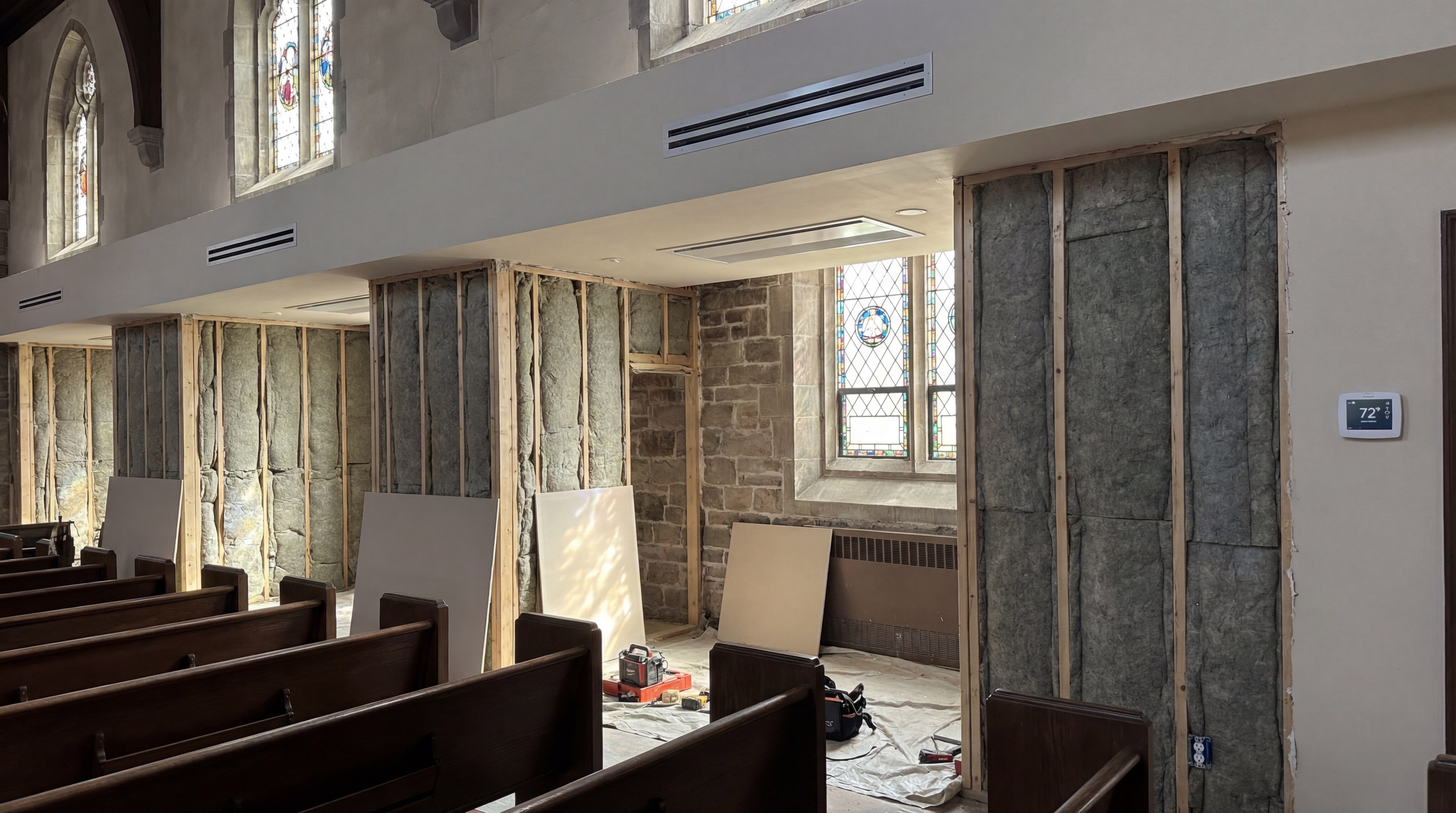
Steel church buildings feature deep wall cavities that allow for superior, thick insulation systems which can slash your monthly utility bills by up to 50%. Unlike wood-framed buildings that have studs every 16 inches, steel frames utilize large columns that leave massive amounts of space for high-R-value fiberglass blankets or rigid foam.
Lower monthly overhead ensures that your weekly tithes and offerings go toward mission work rather than the local electric company. For a small church, these savings can represent the difference between hiring a part-time staff member or struggling to keep the lights on.
Slashing Utility Costs with High R-Value Insulation
Modern steel systems accommodate premium insulation packages that keep your sanctuary comfortable without overworking your HVAC system.
- Reduced thermal bridging in rigid frames
- Lower heating and cooling requirements
- Integrated vapor barriers to prevent moisture
Here is the best part:
You can achieve higher energy efficiency ratings with steel than with almost any other common building material.
Seeing Real-World Performance
Many ministries have documented their savings after switching to steel, as seen in our project histories.
- Dramatic reduction in winter heating peaks
- Stable interior temperatures during summer services
- Lower wear and tear on mechanical systems
| Operating Expense | Traditional Building | Steel Building | |
|---|---|---|---|
| Cooling/Heating | High | Up to 50% Lower | |
| Roof Repair | Frequent | Minimal | |
| Insurance | Standard | Discounted |
Analysis: Investing in a high-efficiency steel envelope pays dividends every month for the entire life of the religious facility.
4. Can steel church buildings provide an unobstructed sanctuary view?
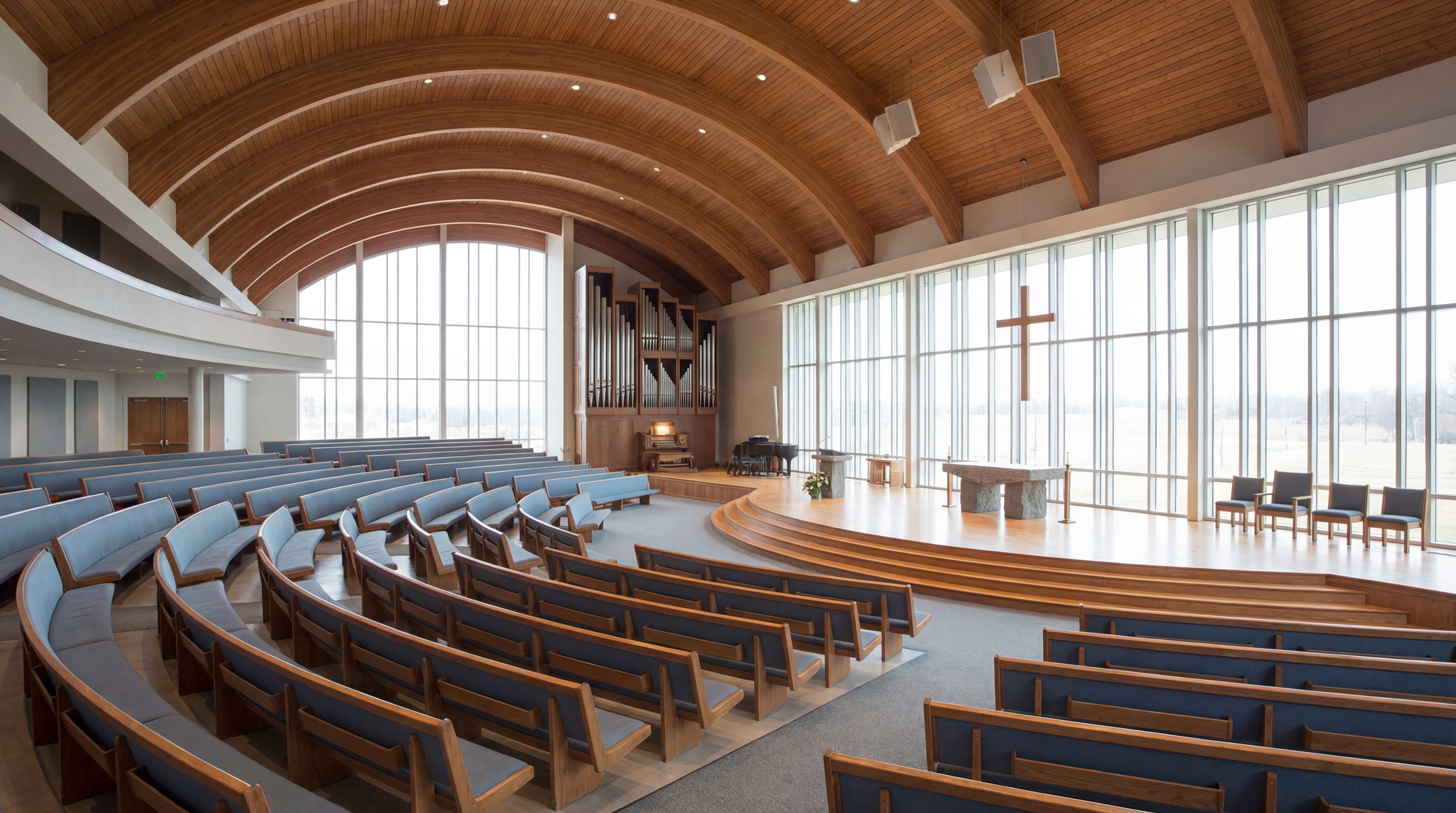
Yes, steel church buildings utilize clear-span engineering to create wide, open sanctuaries of up to 300 feet without any interior supporting columns. This structural freedom ensures that every member of the congregation has a perfect line of sight to the pulpit, the choir, and any visual presentations.
Without pillars blocking the view, you can arrange your seating in any configuration—whether it’s traditional pews, a theater-style curve, or even a flexible “multipurpose” setup. This versatility is essential for small churches that need their main hall to function as both a sanctuary and a fellowship area.
Designing Obstruction-Free Sanctuaries
The strength of steel allows the roof to be supported entirely by the exterior walls, removing the need for “load-bearing” interior columns.
- Flexible seating arrangements
- Room for large audio-visual screens
- Uninterrupted space for fellowship halls
The bottom line is this:
- Your architect has total creative freedom with the interior floor plan.
- You maximize every square foot of usable space.
Enhancing the Worship Experience
A clear-span sanctuary creates a sense of unity and openness that enhances the spiritual atmosphere of the service.
- Better acoustics without column interference
- Improved traffic flow during communion or altar calls
- Easier setup for special events and holidays
| Feature | Post-and-Beam | Clear-Span Steel | |
|---|---|---|---|
| Interior Columns | Required every 15-20ft | None (up to 300ft) | |
| Seating Layout | Restricted | Fully Flexible | |
| Multi-purpose Use | Difficult | Ideal |
Analysis: Clear-span technology turns a simple building into a professional-grade auditorium that serves your congregation’s diverse needs.
5. Are steel church buildings resistant to extreme weather events?
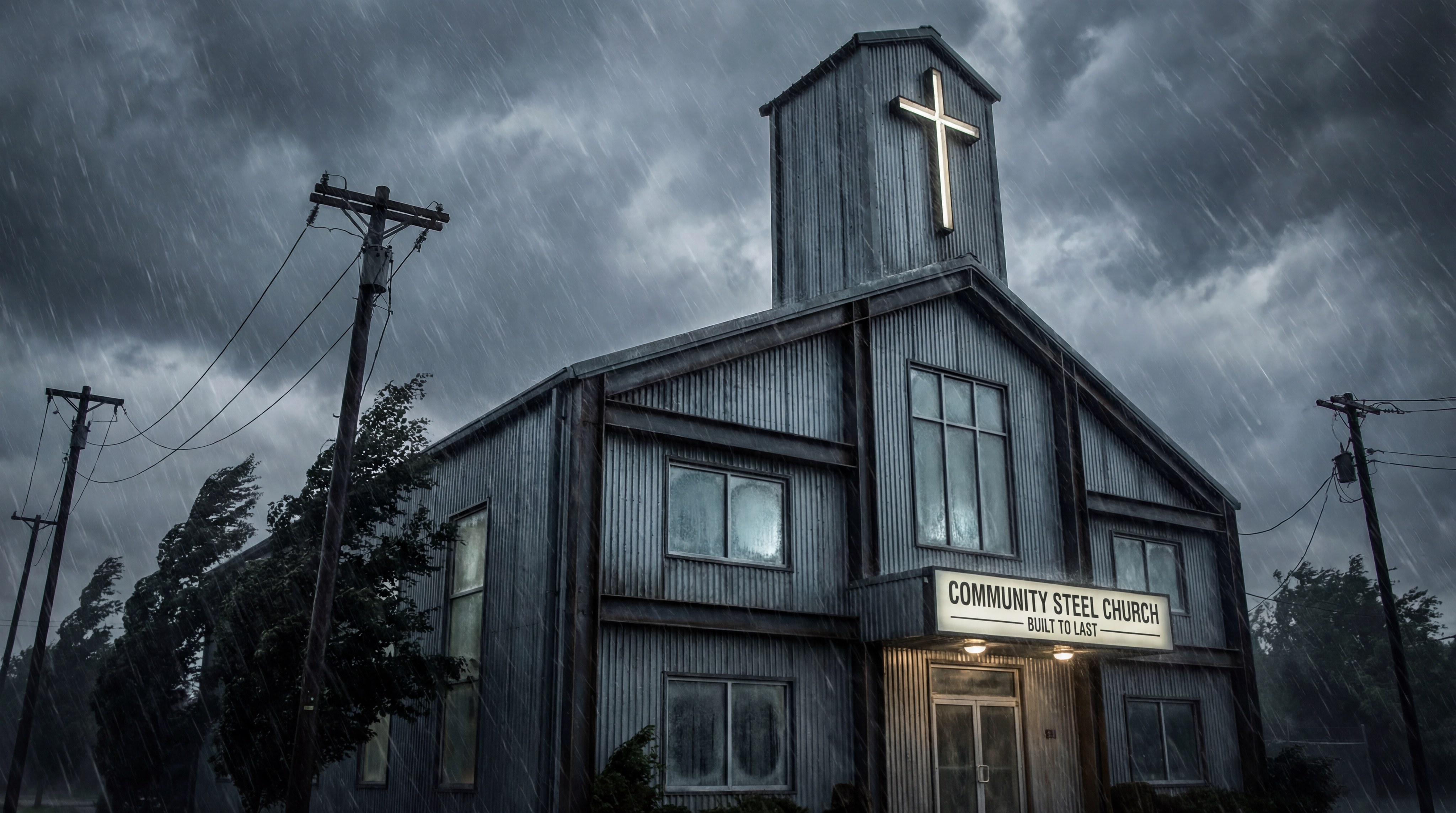
Steel church buildings provide superior protection against high winds, heavy snow loads, and seismic activity due to the material’s high strength-to-weight ratio. Every structure is custom-engineered to meet or exceed your specific local building codes, ensuring the safety of your parishioners during severe weather.
A steel structure provides peace of mind, serving as a reliable safe haven for the community regardless of the weather outside. While wood structures might splinter or rot over time, steel remains dimensionally stable and structurally sound for decades.
Engineering for Local Building Codes
Our engineering team ensures that your building is designed for the specific wind speeds and snow depths of your geographic region.
- Resistance to wind uplift and shears
- Non-combustible framing reduces fire risk
- Durable finishes that resist UV damage
Believe it or not:
Steel is one of the few materials that can be fully recycled and still maintain 100% of its structural strength.
Protecting Your Parishioners
The integrity of a steel frame offers the best defense against natural disasters, making it an ideal choice for community disaster shelters.
- Naturally grounded against lightning strikes
- Flexible enough to withstand seismic shifts
- Immune to the warping caused by humidity
| Weather Threat | Wood Performance | Steel Performance | |
|---|---|---|---|
| High Winds | Risk of splintering | Superior resistance | |
| Heavy Snow | Potential roof collapse | Engineered load support | |
| Fire | Highly Combustible | Non-Combustible |
Analysis: Professional engineering ensures that your church remains a permanent pillar of the community, standing firm against the elements.
6. What maintenance do steel church buildings require over time?
Steel church buildings require very little long-term maintenance because the materials do not rot, warp, or suffer from termite infestations like wood structures. Steel is an inorganic material, meaning it does not provide a food source for pests or a host for mold and mildew.
Minimal maintenance requirements allow your building committee to focus on growth and ministry rather than constant, expensive repairs. For a small church with limited volunteer time, a “low-maintenance” building is a massive hidden blessing.
Eliminating Rot and Pest Concerns
By removing organic materials from the main structural frame, you eliminate the primary causes of building decay.
- No need for frequent termite treatments
- Resists mold and mildew growth
- Specialized coatings prevent rust and corrosion
Wait, there’s more:
- Modern silicone-polyester coatings can last 20+ years without fading.
- Steel panels are “self-cleaning” with simple rain or a garden hose.
Reducing Exterior Upkeep
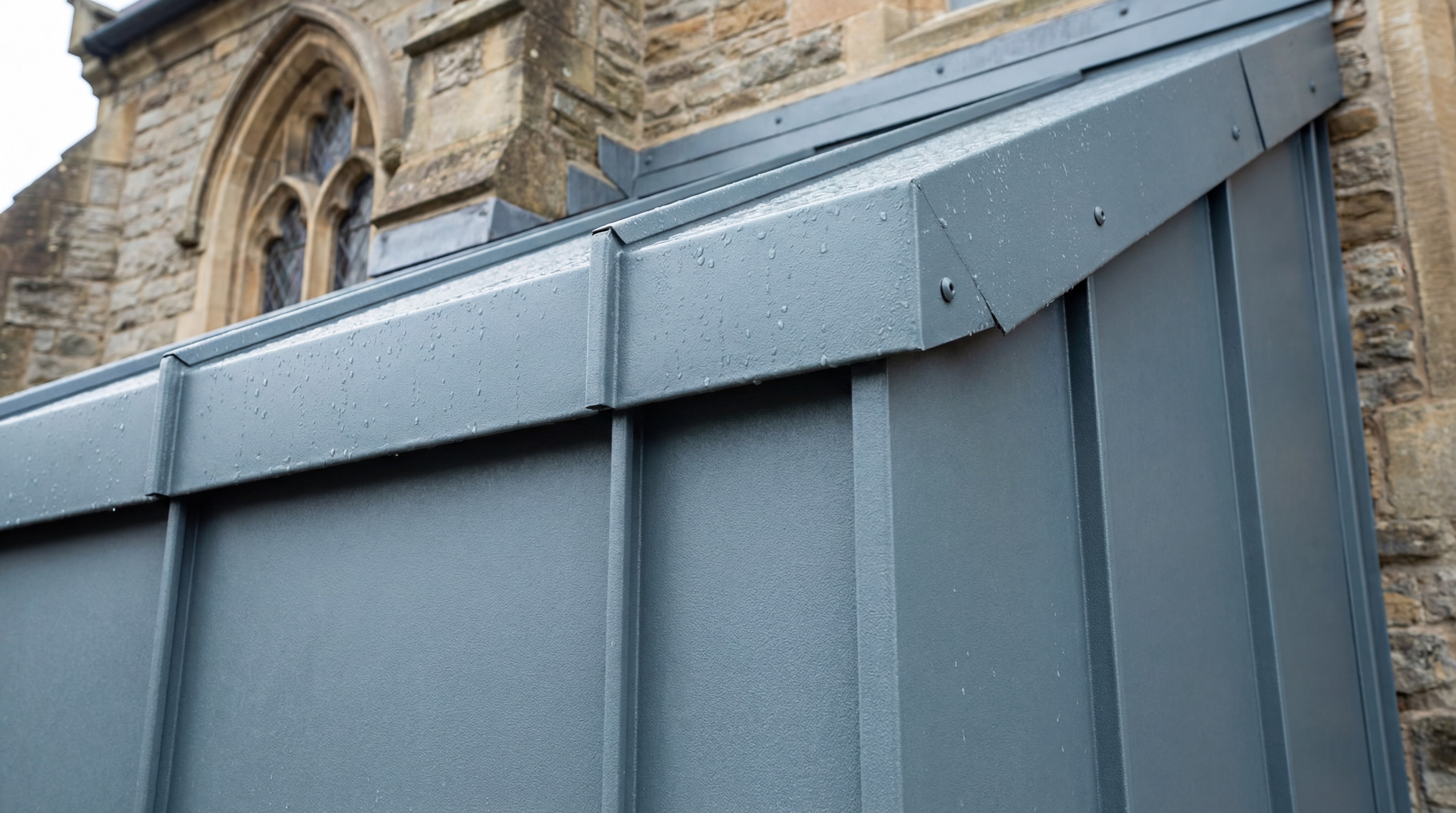
The durable finishes applied in the factory are far more resilient than traditional paint applied by hand on-site.
- Resistance to chalking and peeling
- High-quality fasteners with EPDM washers to prevent leaks
- Dimensionally stable panels that don’t crack
| Maintenance Task | Traditional Wood | Steel Structures | |
|---|---|---|---|
| Exterior Painting | Every 3-5 years | Every 15-20 years | |
| Termite Inspection | Annual | Not Required | |
| Warping/Cracking | Common | Non-Existent |
Analysis: The long-term savings on maintenance alone often pay for a significant portion of the initial building cost over a 20-year period.
7. Is it easy to expand steel church buildings for future growth?
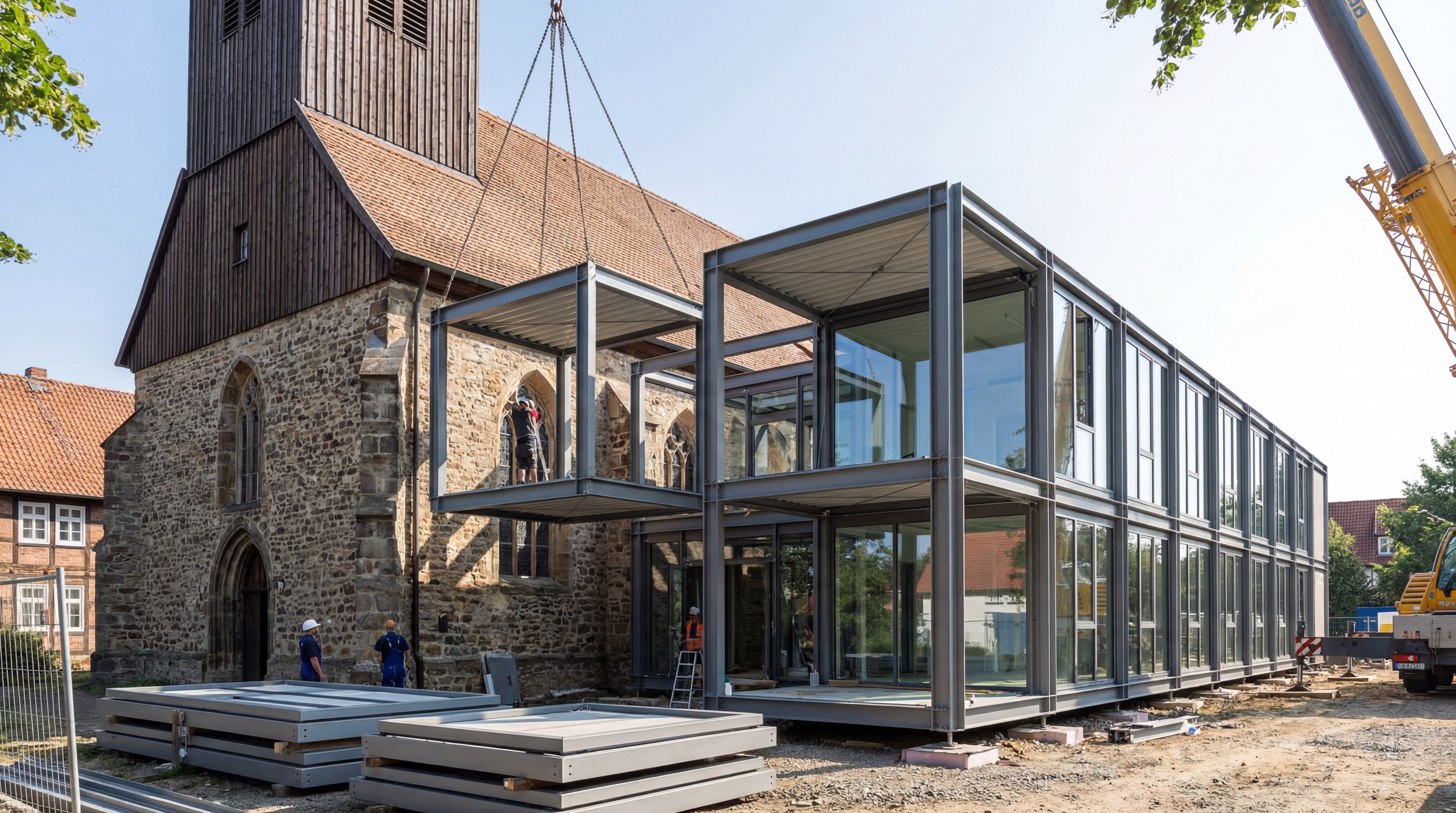
Yes, the modular nature of steel church buildings makes it simple and economical to add more space by removing an end wall and extending the frame. This “future-proofing” is vital for small congregations that expect to outgrow their initial facility within a few years.
Planning for success is easier when your building can grow alongside your ministry’s impact in the community. You don’t have to build a giant facility you don’t need yet; you can build what you need today and add on as the Lord provides the growth.
Future-Proofing Your Religious Campus
As your congregation grows, you can easily add classrooms, administrative offices, or a larger fellowship hall without tearing down your existing structure.
- Seamless integration with new sections
- Faster expansion compared to masonry
- Lower cost-per-square-foot for additions
The truth is:
Most “stick-built” additions require complex structural modifications that can double the cost of the expansion.
Minimizing Disruption to Service
Because the new steel components are fabricated off-site, the “noisy” part of the expansion is limited to a very short window.
- Quick attachment to existing frames
- Minimal internal structural demolition
- Ability to keep the main sanctuary open during work
| Growth Metric | Masonry Expansion | Steel Expansion | |
|---|---|---|---|
| Ease of Work | Very Difficult | Highly Modular | |
| Disruption to Service | High | Low | |
| Expansion Cost | Expensive | Moderate |
Analysis: Modular scalability ensures that your first building is never a dead end, but rather a foundation for a larger future campus.
8. Can you customize the aesthetic look of steel church buildings?
You can customize steel church buildings with various exterior finishes like brick, stone, or stucco, ensuring they look like traditional houses of worship. There is a common misconception that steel buildings must look like “boxes” or “warehouses,” but modern engineering allows for beautiful, soaring designs.
You get all the structural benefits of steel while maintaining the classic, welcoming appearance your community expects. From heavy steeples to decorative glass entryways, steel can support all the traditional architectural elements of a church.
Blending Modern Strength with Traditional Style
Our engineering team can design structures that accommodate heavy steeples, decorative glass windows, and traditional entryways.
- Compatible with all standard facade materials
- Support for heavy steeples and bell towers
- Custom roof pitches and parapet walls
It gets even better:
- You can combine steel frames with wood accents for a “hybrid” look.
- Metal roofing comes in hundreds of colors and profiles, including “shingle” styles.
Creative Interior Potential
Inside, the lack of columns means you can use high vaulted ceilings and mezzanine levels to create a grand, spiritual atmosphere.
- Exposed steel for a modern “industrial” ministry look
- Dropped ceilings for traditional acoustic control
- Large glass curtain walls for natural lighting
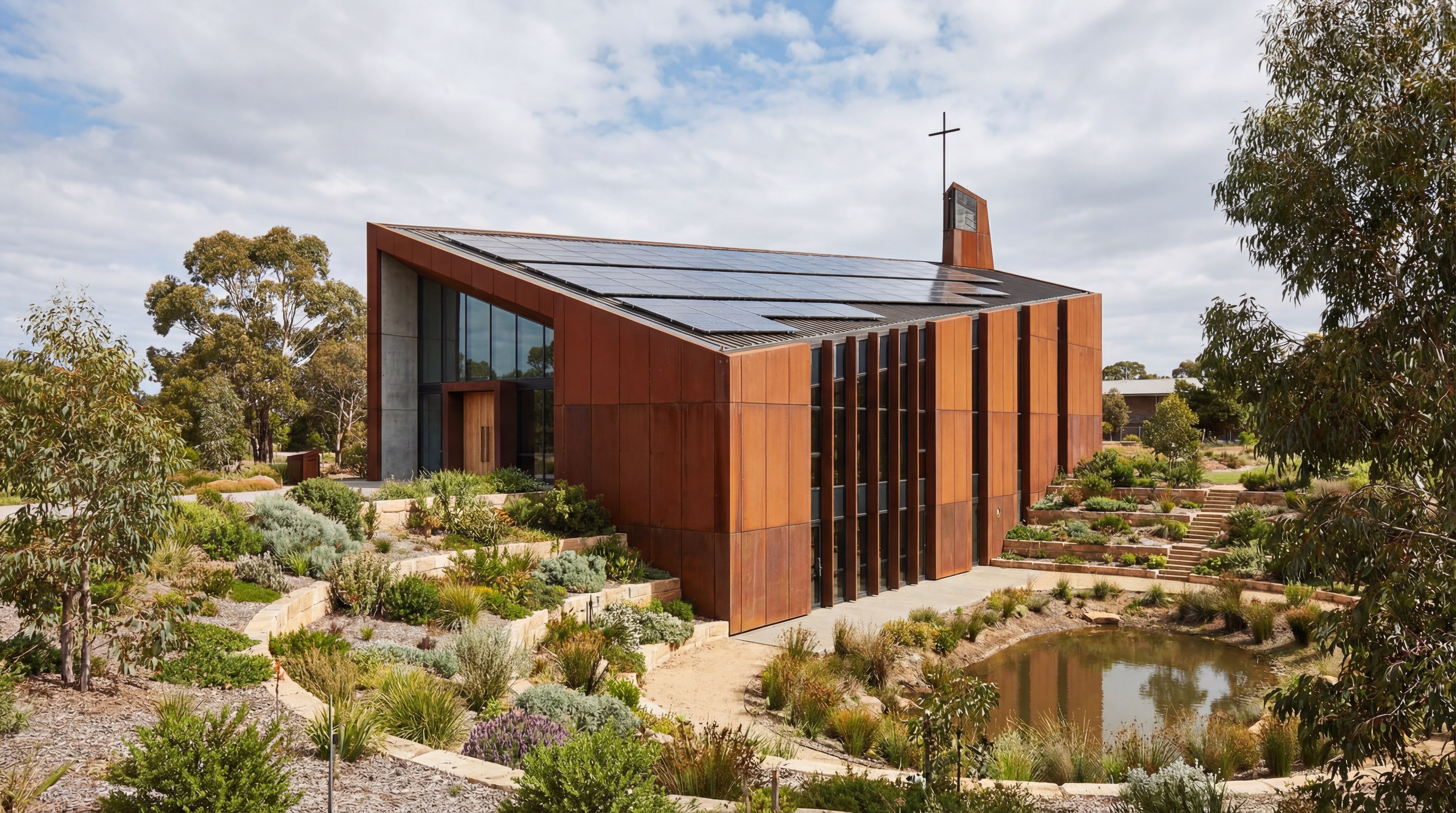
| Exterior Option | Description | Visual Impact | |
|---|---|---|---|
| Stone/Brick | Traditional Masonry | Classic/Permanent | |
| Stucco/EIFS | Modern Plaster | Contemporary/Clean | |
| Glass Curtain | Floor-to-ceiling windows | Bright/Inviting |
Analysis: Aesthetics and durability are no longer a trade-off; steel provides the skeleton for any architectural vision you can imagine.
9. Why do steel church buildings enjoy lower insurance premiums?
Steel church buildings are classified as “non-combustible” by insurance companies, which typically results in significant discounts on property insurance premiums. Because the framing won’t fuel a fire, your building is a lower liability for insurers, saving you money every year for the life of the structure.
Annual insurance savings can add up to tens of thousands of dollars over the lifetime of the building. For a small church, reducing these “fixed” monthly costs is essential for maintaining a healthy and sustainable budget.
Reducing Risk and Insurance Overhead
Because the framing won’t fuel a fire, your building is a lower liability for insurers, saving you money every year for the life of the structure.
- Lower fire-related risk ratings
- Better resistance to lightning-induced fires
- Reduced risk of “total loss” scenarios
Let’s look closer:
In many jurisdictions, steel buildings are rated in the “Superior” or “Fire-Resistive” insurance classes.
Enhancing Security and Safety
The strength of steel also makes the building more resistant to vandalism and forced entry compared to wood structures.
- Heavy-duty metal doors and frames
- Impact-resistant wall panels
- Better fire containment within structural zones
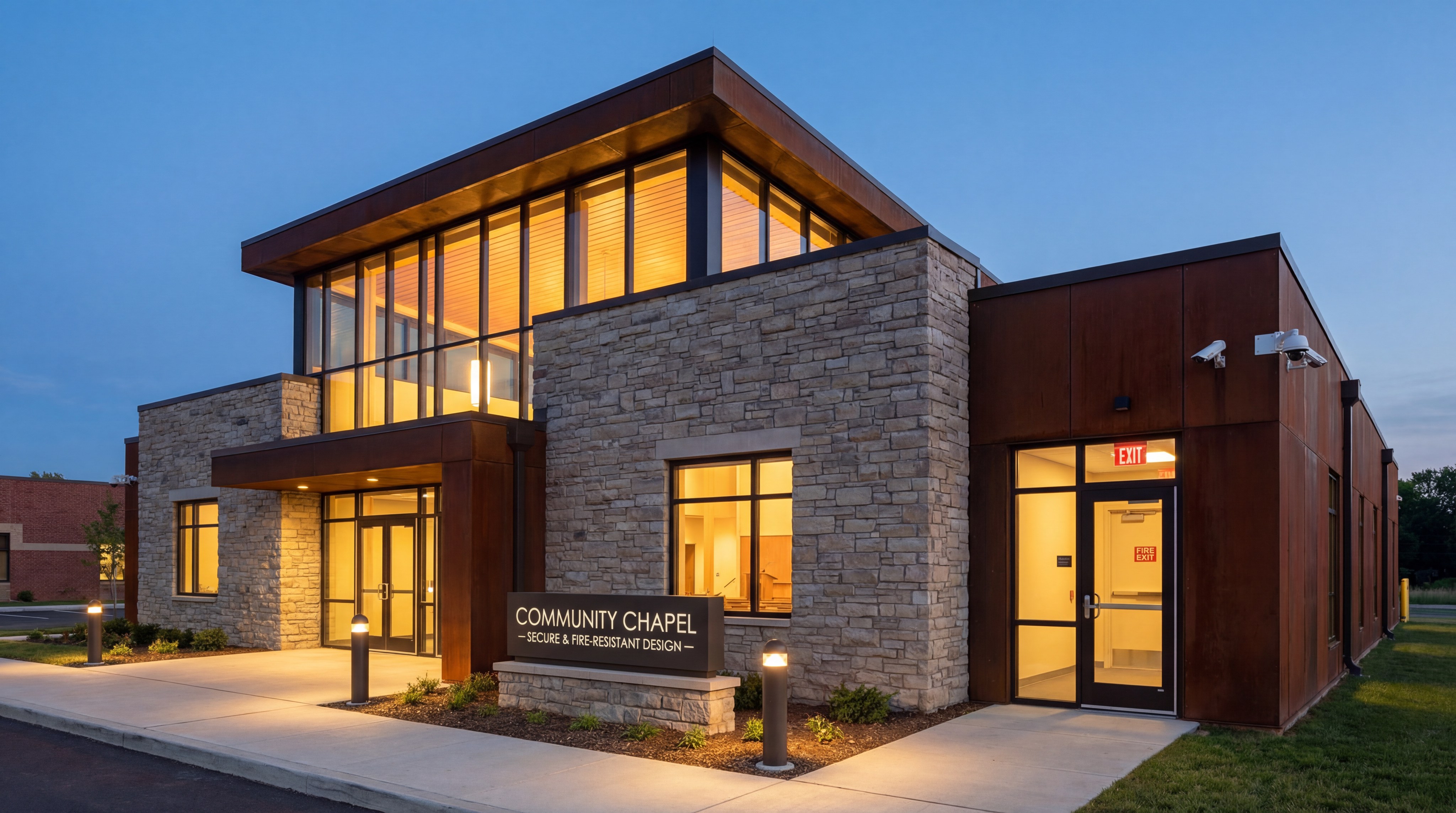
| Insurance Factor | Wood Frame | Steel Frame | |
|---|---|---|---|
| Fire Rating | Combustible | Non-Combustible | |
| Insurance Class | Higher Premium | Lower Premium | |
| Structural Longevity | Variable | Permanent |
Analysis: The “hidden” savings of lower insurance and higher safety ratings make steel the most responsible choice for church trustees.
10. How is quality controlled during manufacturing of steel church buildings?
Quality is controlled through rigorous ISO-certified inspections and CNC-precision fabrication that ensures every piece of steel church buildings fits perfectly. Unlike on-site construction where “human error” and weather can compromise quality, factory manufacturing is conducted in a climate-controlled environment with digital oversight.
Factory-controlled quality means no missing parts and no mismatched holes when your building kit arrives at the job site. This precision translates directly into a stronger, safer, and more durable sanctuary for your congregation.
Quality Control in the Fabrication Phase
Every weld is checked and every hole is pre-punched using computer-guided machinery, eliminating the human error common in on-site construction.
- Triple-counting of components before shipping
- Trial assembly of critical joints at the factory
- High-precision plasma and laser cutting
You should know:
- Every piece of steel is traceable back to its original mill certificate.
- Automated welding lines produce deeper, more consistent penetration than hand-welding.
Ensuring a Seamless Installation
Our project managers oversee the entire process from the first drawing to the final loading of the shipping container.
- Detailed installation drawings included with every kit
- Labeled components for easy identification
- Dedicated support for your local contractor
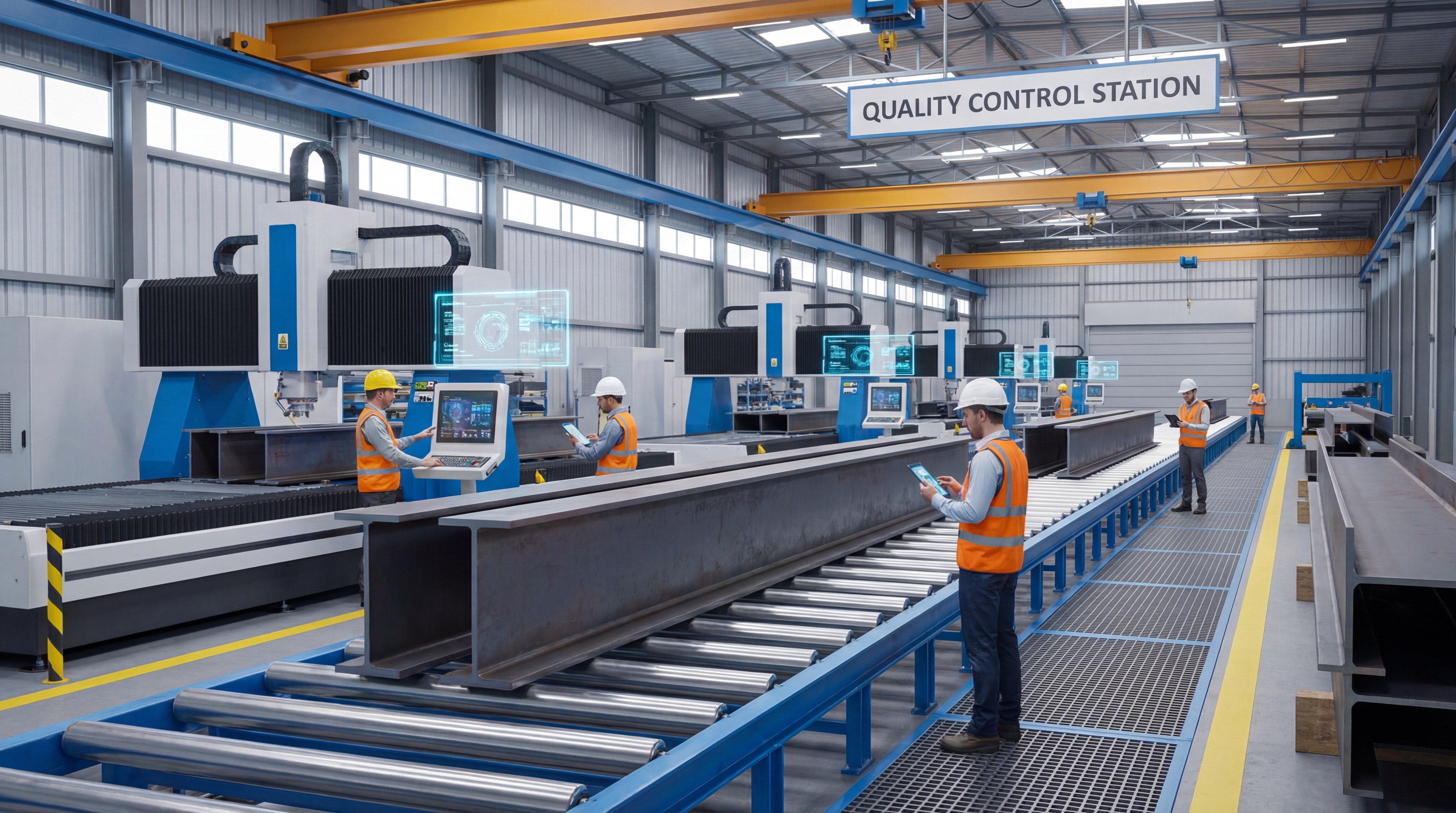
| Quality Measure | On-Site Building | Factory Fabrication | |
|---|---|---|---|
| Precision | Human Error Prone | CNC Accuracy | |
| Weather Interference | High | None (Indoor) | |
| Inspection | Periodic | Constant/Systematic |
Analysis: Standardized factory processes eliminate the “surprises” that usually lead to delays and cost overruns in church construction projects.
Frequently Asked Questions
Can I customize the interior layout of my church building?Yes. Because these structures use clear-span frames, you have total freedom to place interior walls anywhere you like to create classrooms, offices, and kitchens without worrying about load-bearing structures.
What’s the best way to insulate a steel church?The most effective method is using a fiberglass blanket insulation with a high-performance vapor barrier or a “liner system” that provides deep insulation cavities for maximum R-values.
Can I include a steeple or bell tower in the design?Absolutely. Your building will be engineered with specific point loads to support the weight and wind-shear of steeples, crosses, or heavy HVAC units on the roof.
How long does the fabrication process take?Once the design is finalized and approved, fabrication typically takes 4 to 8 weeks depending on the complexity of the project and current production schedules.
Are steel buildings compliant with local religious building codes?Yes. Every building is engineered to meet the specific snow, wind, and seismic requirements of your exact location, ensuring full compliance with local building authorities.
Building Your Vision with Confidence
Choosing a steel structure is a decision that balances spiritual vision with financial stewardship. By opting for a pre-engineered system, you ensure that your congregation has a safe, beautiful, and expandable home for generations to come—all while saving significant time and money on the initial build.
At Showhoo Steel, we specialize in helping small ministries transition from rented spaces to permanent sanctuaries. Our factory-direct model eliminates middleman markups and provides you with the highest quality materials for your project.
Contact our engineering specialists today to discuss your church project and receive a free, no-obligation quote and 3D design preview within 24 hours.